2 Player XBOX One Games
2 Player XBOX One Games offer an exciting way to team up or compete with friends and family right from your living room. Whether you prefer cooperative adventures or fast-paced head-to-head challenges, these games are designed to deliver immersive multiplayer experiences. Discover a wide variety of genres that let you share the fun and excitement, making every gaming session more engaging. Explore top picks for 2 Player XBOX One Games and find the perfect titles to enhance your next game night.
Sort
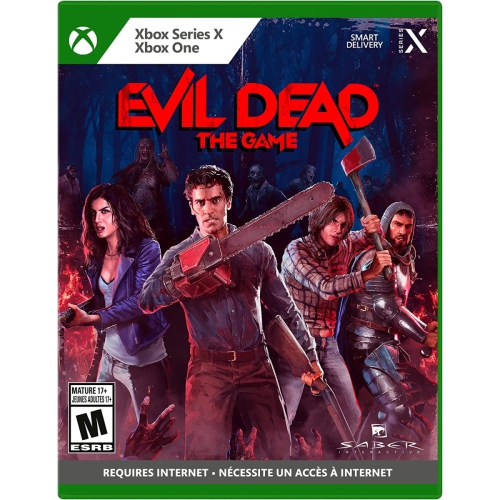
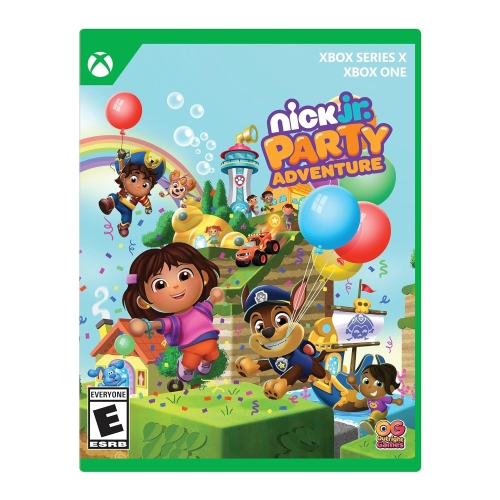
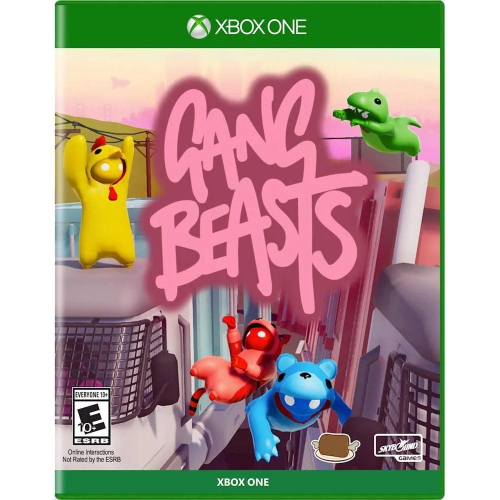
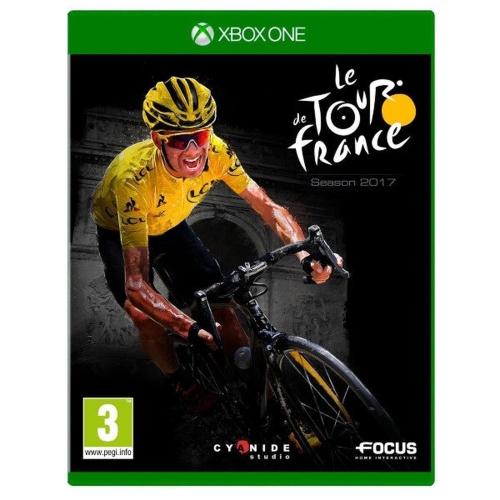

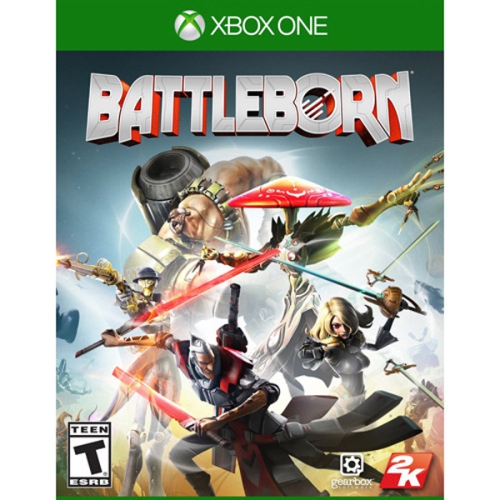
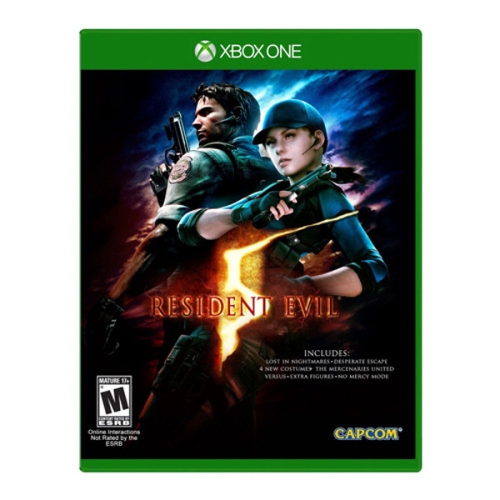
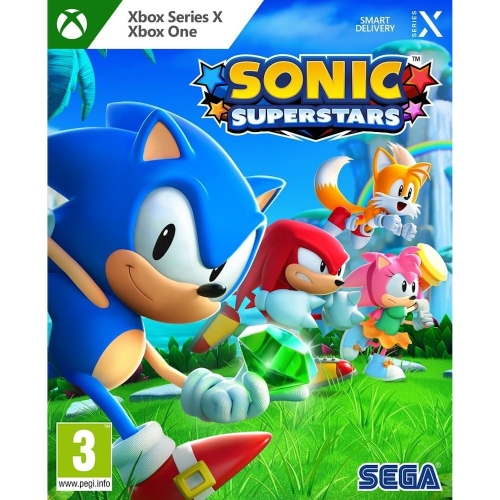
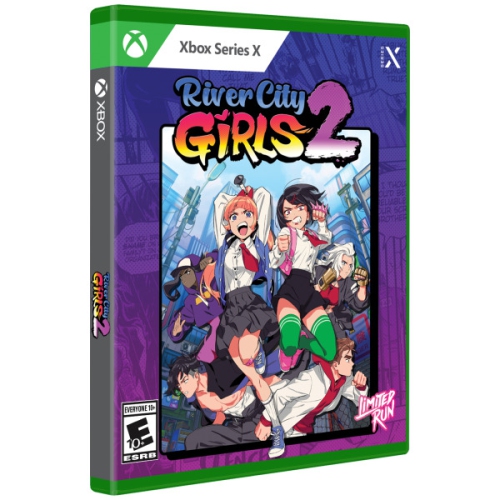
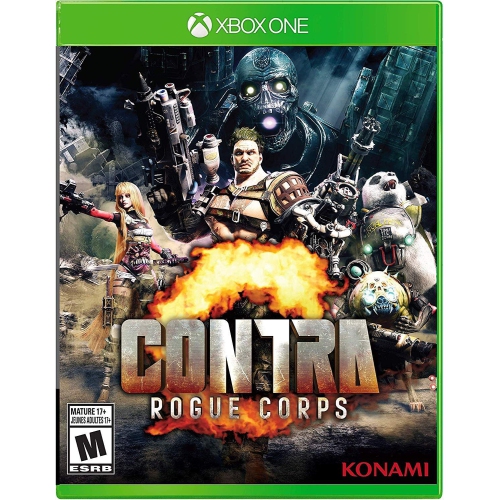
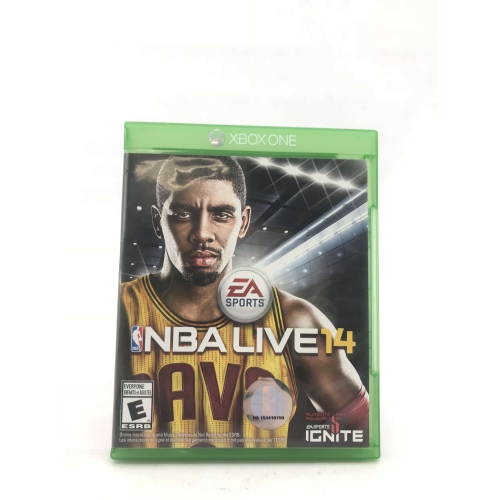
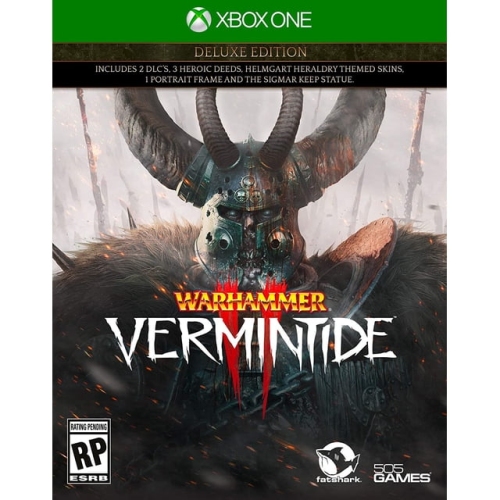
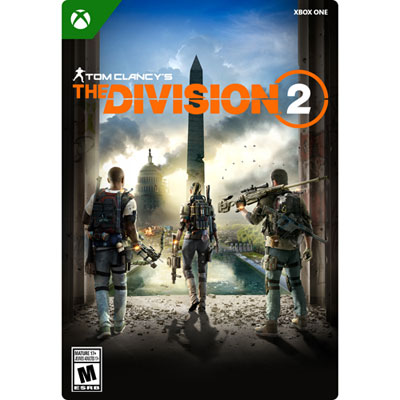
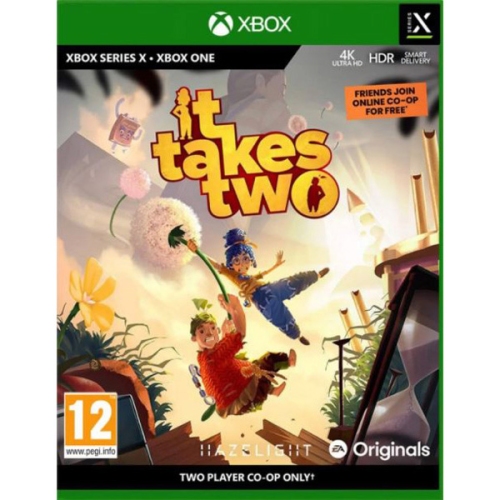

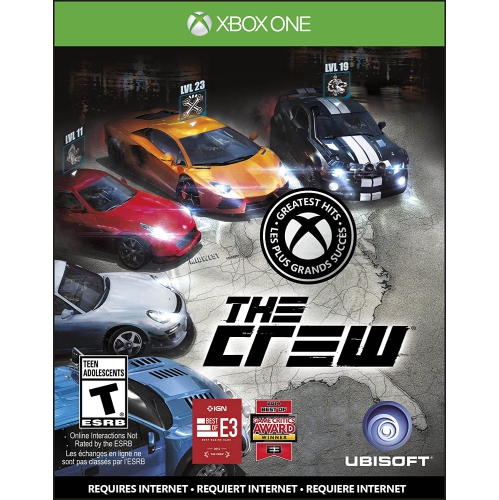
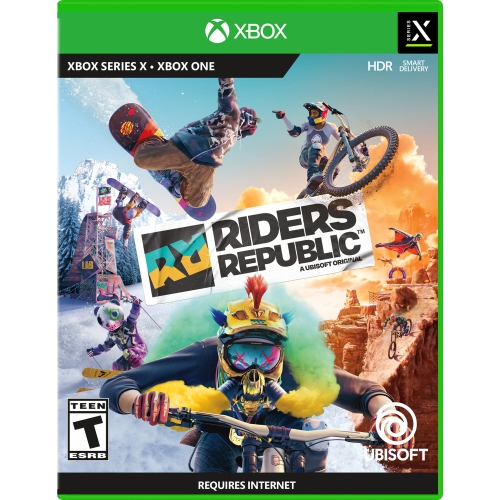
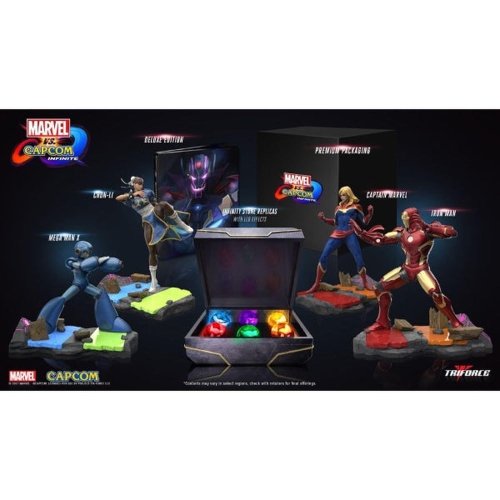


Shared adventures start with the right multiplayer mode
Two-player Xbox One games give friends, partners, siblings, and parents with children ways to share an adventure, solve problems together, or enjoy a friendly rivalry. The main distinction is how those two people connect: local multiplayer supports play on the same console, while online multiplayer connects players using separate compatible systems. A game may support one arrangement, both, or different player counts in different modes, so a general multiplayer label does not necessarily mean two people can share a couch and play together. Local co-op usually means working towards a shared objective, whether that involves clearing a stage, completing a mission, or building something together. Local versus play puts players on opposing sides, with results decided through goals, lap times, points, or direct competition. Shared-screen games keep both players in one view, sometimes requiring them to stay close together as they move through a level. Split-screen games divide the display so each person can control their own viewpoint, making screen size and seating distance practical considerations. Small interface text or distant opponents can be harder to see when each person has only part of the television. Shared-screen and split-screen play are central to Xbox One Local Multiplayer Games, particularly for households planning to use one console in the same room. Online play offers a different kind of flexibility, letting two people spend time together without sharing a location, although account, membership, and internet connection requirements vary by game. Some games also combine local and online participation, but that support should be stated explicitly rather than assumed. Campaign co-op, competitive matches, and short challenge modes can each have separate rules. A game that allows two players in an arcade mode may still have a single-player story, while another may build its entire campaign around a partnership. Those distinctions help establish whether a game suits an occasional match after dinner or a longer adventure played across several sessions.
Genre shapes the experience just as much as the connection method. Cooperative puzzle and platform games often depend on timing, observation, and communication: one player might hold a switch while the other crosses a moving platform, or both may need to act together to open the next route. Action-focused co-op can bring a faster pace, with shared objectives, coordinated movement, and opportunities to help a teammate recover from mistakes. Building and exploration games can offer more room for independent activity, allowing one person to gather materials while the other works on a structure or investigates a nearby area. Competitive sports, racing, and fighting games tend to suit players who enjoy clear rules and repeatable matches, although the complexity of the controls varies considerably. Short rounds make it easier to fit a game into a brief visit, while a story-led campaign rewards a pair who can return regularly and remember their progress. For two people with different levels of experience, adjustable difficulty and forgiving restart systems can matter more than the genre alone. Shared resources, limited lives, or demanding sections that require perfect timing may turn a small skill gap into frustration. Features such as separate difficulty settings, control remapping, subtitles, readable menus, and alternatives to colour-only cues can make participation more comfortable when supported. The way progress is saved also affects shared play. Some games track the campaign mainly through the host, while others let each participant retain particular rewards or character progress; a second local player may use a separate profile or a guest account depending on the game. Content ratings and descriptors remain important for family use, since a colourful presentation or a two-player mode does not automatically indicate suitability for children. Online communication and interactions with other players deserve separate consideration from the game’s scripted content. A good match for a household reflects both players’ interests and comfort levels, whether that means quiet problem-solving, playful competition, or a more demanding challenge that takes practice to complete together.
Format, hardware compatibility, and everyday handling are practical parts of selecting two-player Xbox One games. A physical disc requires a compatible console with a working disc drive, and it generally still needs installation space; updates or additional downloads may also be necessary. Downloadable games use storage space as well and are accessed through the relevant account and licence arrangements. Neither format changes the supported multiplayer modes by itself, although different editions can include different content, so the exact edition’s description matters. For most local two-player experiences, each person needs a compatible controller, with enough battery power or suitable charging arrangements for the planned session. Controller fit can be especially noticeable for younger players or anyone with smaller hands, and comfort matters during longer stretches of play. Online teammates may also benefit from compatible headsets, particularly when a puzzle or coordinated objective requires quick conversation, although voice chat is not essential to every game. A stable connection helps keep online matches responsive, but it does not add local multiplayer to a game designed only for separate systems. Physical game care is straightforward: hold discs by the edges, return them to their cases after use, and keep them away from direct sunlight, heat, and abrasive surfaces. Cases help protect against scratches and make it easier to keep discs organized, while clean, dry hands and careful controller handling support everyday durability. For gifts, the recipient’s console type, preferred format, age suitability, and usual playing partner are more useful starting points than a broad interest in gaming. A pair who enjoy brief competitive sessions may get more use from replayable matches than from a lengthy campaign, while regular gaming partners may appreciate an adventure built around shared progress. Two-player games can also suit birthdays, family visits, or time set aside with a friend, provided the required setup matches how the recipients actually play. The most relevant choice brings together the right connection method, a comfortable level of challenge, and a style of play that gives both people something enjoyable to contribute.
Top selling and popular products
-
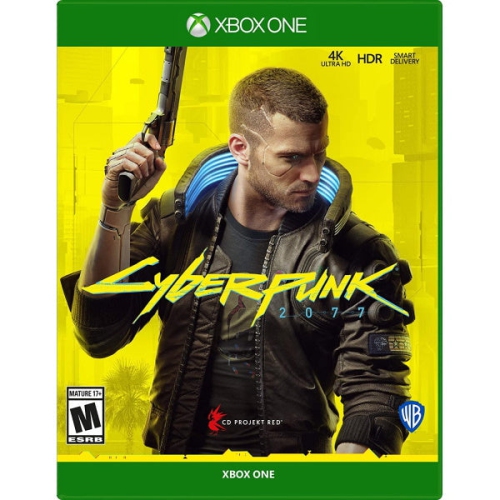 Your price for this item is $49.99
-
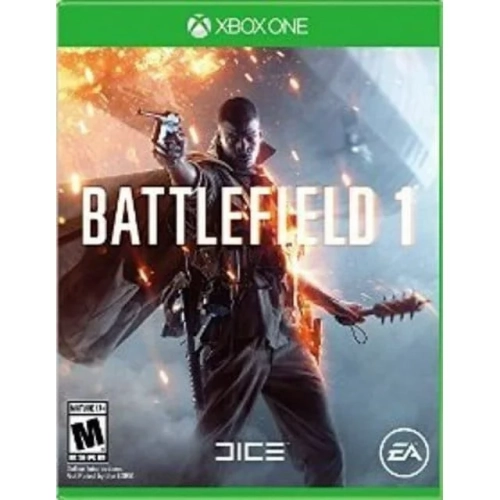 Your price for this item is $39.99
-
 Your price for this item is $49.99
-
 Your price for this item is $29.99
-
 Your price for this item is $31.95
-
 Your price for this item is $21.84
-
 Your price for this item is $39.95
-
 Your price for this item is $31.49
Discover more categories related to 2 Player XBOX One Games

Top Collections:
Best Black Friday Deals This Year, Best Black Friday Deals On Electronics, Kindle Devices, Dyson Airwrap, Best Cameras for Sports Photography, Best Budget Office Chairs, Canon G7X Cameras, PS5 Pro Consoles, Best Black Friday Deals On Apple Products, XBOX One S Consoles
Some products may be subject to Environmental Handling Fees
(EHF) depending on your province.
Learn more about EHFs.