Nintendo Switch Grips
Enhance your gaming experience with our selection of Nintendo Switch grips. Designed to provide comfort and control, these grips ensure you can play for hours without strain. Whether you're into intense gaming sessions or casual play, the right grip can make all the difference in your performance and enjoyment. Explore our range of options to find the perfect fit for your Nintendo Switch and elevate your gameplay to the next level.
Sort



How you play shapes the grip you need
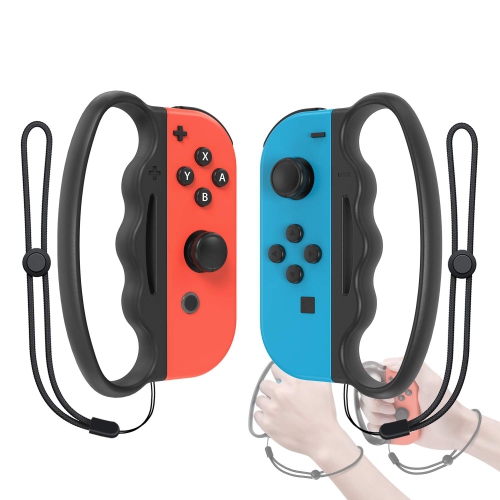
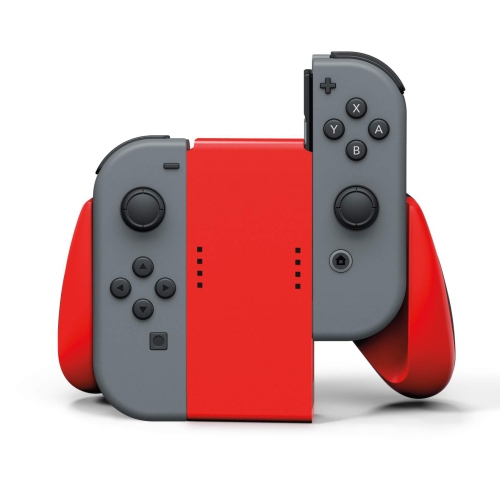
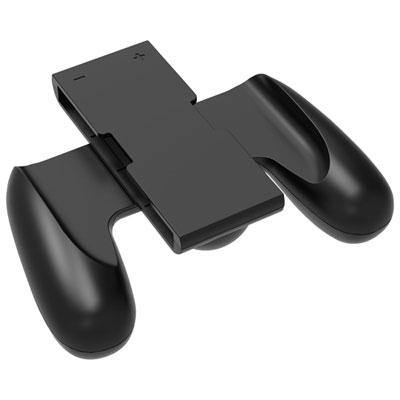
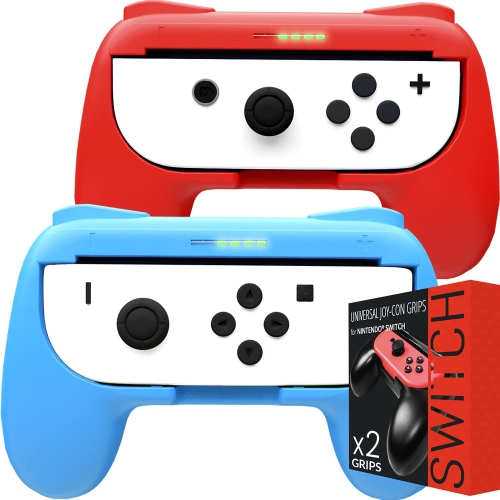
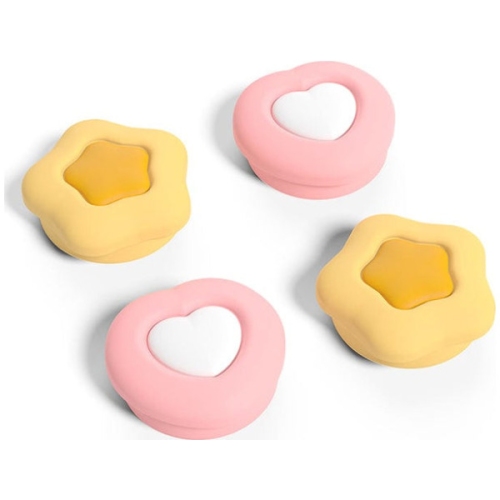
Nintendo Switch grips are gaming accessories that change how the console or its controllers sit in the hands. The category includes handheld grip cases, controller holders that bring a pair of detached controllers together, individual controller grips, and thumbstick caps. Each serves a different purpose, so the most useful distinction is how the console is played. A handheld grip adds shaped handles around the console, giving the palms more support than the slim edges alone. This can make the system feel easier to hold during a lengthy adventure, particularly for players whose fingers otherwise curl tightly behind it. A controller holder joins the left and right controllers into a single, more familiar gamepad shape for television or tabletop play. Individual controller grips give each small controller a larger outline, which can be helpful when two people share a console for a racing game or a quick multiplayer match. Thumbstick caps fit over the tops of the analogue sticks, changing their texture, height, or contact area without adding handles to the system. They may provide a more secure surface under the thumbs, but they do not offer the palm support of a full grip. These accessories can suit everyday players, families sharing controllers, and people who frequently move between handheld and television play. They also make practical gifts when the recipient’s console version and preferred way of playing are known. Comfort remains personal: a deep handle that feels natural in a large hand may leave a smaller hand stretching towards the shoulder buttons. A shallow grip may be easier to pack but provide less space for the fingers. The strongest match is a shape that allows a relaxed hold while keeping buttons, triggers, and sticks within comfortable reach. Added texture and a fuller shape can improve the feeling of control, though neither guarantees better accuracy or prevents discomfort during extended play.
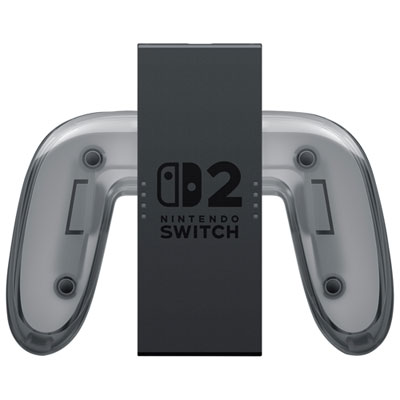
Fit matters as much as shape because Nintendo Switch grip accessories are not universally interchangeable. Differences in console dimensions, controller rails, button placement, and rear supports can affect whether a grip attaches properly or leaves important features accessible. A fitted handheld case should match the exact console version, rather than simply look close in size. The same care applies to thumbstick caps, which need to match the stick tops securely without rubbing against the surrounding housing when pushed fully in any direction. Accessories for a newer system should be treated as a separate fit category; Nintendo Switch 2 Grips are relevant for shoppers matching accessories to that console rather than assuming an earlier grip will transfer. Beyond the model name, practical details make a noticeable difference. Openings should leave ventilation, charging connections, speakers, and game card access unobstructed. Players who use tabletop mode need room to open the rear stand, while those who detach their controllers frequently benefit from a design that does not complicate removal. Dock compatibility also varies. Some handheld grips must come off before the console enters its dock, so a snug fit should never be taken as a reason to force the system into place. A grip can also add enough width or depth that an existing carrying case no longer closes comfortably. For a console regularly packed in a backpack, the combined dimensions of the system and attached grip matter more than the grip’s size alone. Controller holders deserve similar attention: a basic holder provides a physical connection between controllers, but charging requires a design with that function. Secure attachment, accessible release mechanisms, and clear alignment points help keep everyday use straightforward. Once fitted, the accessory should feel stable without squeezing the console, shifting around the controls, or requiring excessive force to remove. Those details are especially useful in a shared household, where accessories may be attached and removed several times during a day.
Materials influence the feel, weight, and upkeep of a grip. Rigid plastic can provide a defined handle shape and a firm supporting frame, while flexible silicone offers a softer surface and can stretch around compatible parts. Some designs combine a hard structure with rubberized contact areas, giving the fingers texture without making the entire accessory flexible. A lightly textured finish may feel secure without much pressure, whereas pronounced ridges or raised patterns can feel distracting to someone who prefers a smooth surface. Added bulk is another trade-off: broader handles provide more room for the palms but increase the size of the console in a lap, bag, or storage drawer. Interchangeable handle sections, where included, can offer a choice of shapes, although their attachment points should remain secure during normal use. Durability depends on more than thickness. Closely fitting seams, sturdy clips, and surfaces that resist peeling all contribute to how well an accessory handles repeated sessions and removal. Grip cases may cover vulnerable edges, but an open design should not be treated as complete protection against drops, spills, or screen damage. Routine care is generally simple when it follows the accessory’s cleaning directions. Removing a detachable grip before cleaning makes it easier to clear dust from corners and check for grit trapped against the console. A soft cloth, used as directed, helps clean contact surfaces without flooding openings or leaving moisture near electronics. Cleaned parts should be fully dry before reattachment, and strong solvents or abrasive tools can damage coatings and flexible materials. Thumbstick caps benefit from occasional checks for looseness, tears, or movement around the original stick surface. For everyday use, the best features are often small conveniences: enough clearance to press a shoulder button naturally, handles that do not catch inside a carrying case, or a surface that stays comfortable without a tight squeeze. A well-matched grip supports the way someone already plays, whether that means holding the console through a story-driven game, sharing controllers on the sofa, or keeping a compact setup ready for travel.
Top selling and popular products
-
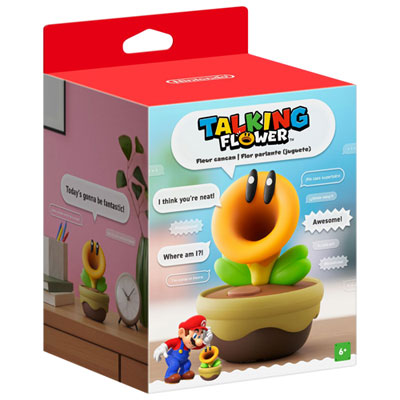 Your price for this item is $39.99
-
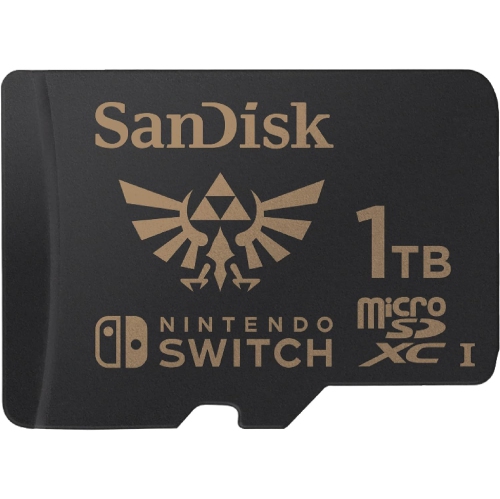 Your price for this item is $283.74
-
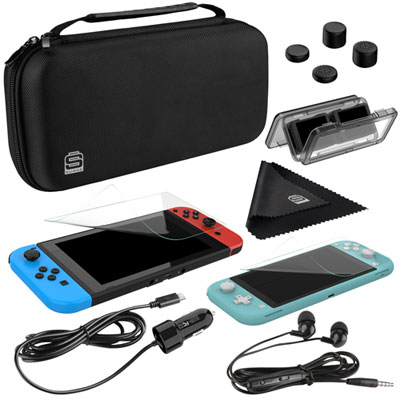 Your price for this item is $19.99
-
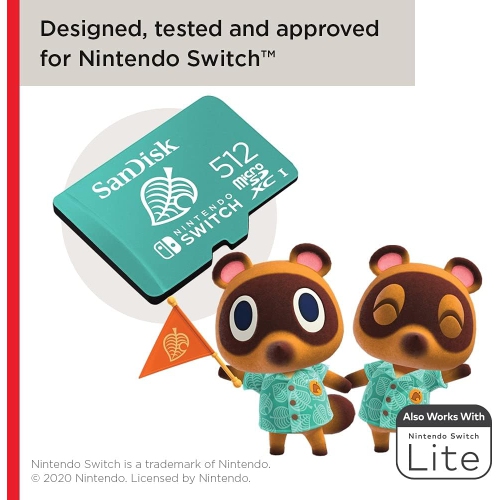 Your price for this item is $125
-
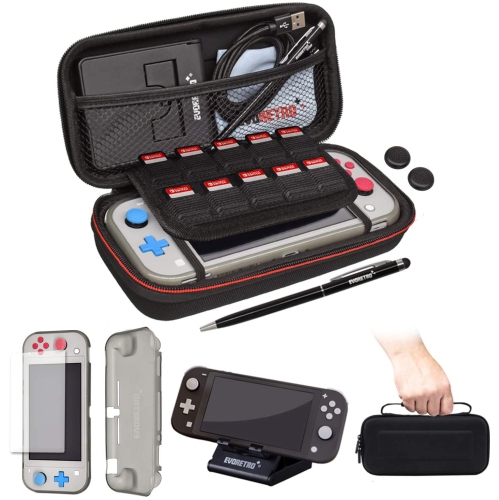 Your price for this item is $31.85
-
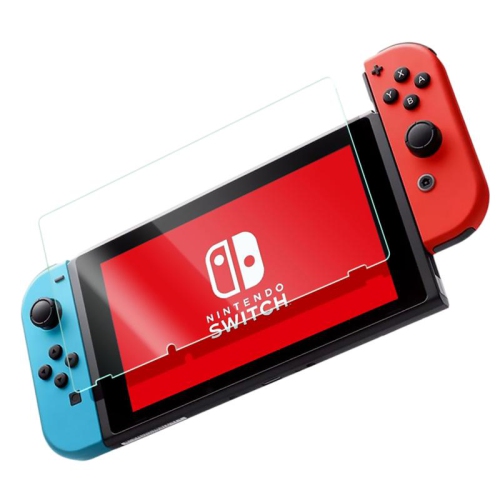 Your price for this item is $9.99
-
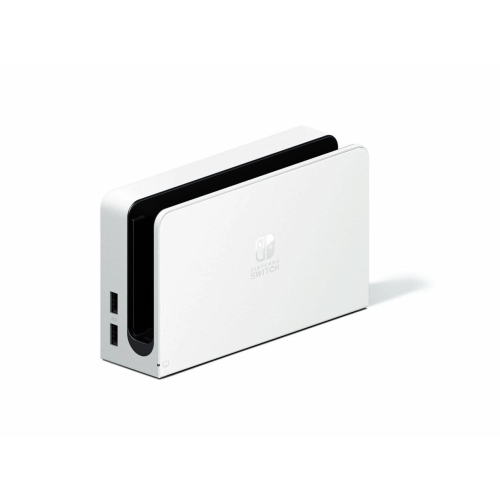 Your price for this item is $54.99
-
 Your price for this item is $44.99
Discover more categories related to Nintendo Switch Grips

Top Collections:
Best Black Friday Deals This Year, Best Black Friday Deals On Electronics, Kindle Devices, Pokemon Centers, Best Black Friday Deals On Apple Products, Best Cameras for Sports Photography, Dyson Airwrap, Pokémon 30th Celebration Cards, Apple iPhone 17 Pro, Canon G7X Cameras
Some products may be subject to Environmental Handling Fees
(EHF) depending on your province.
Learn more about EHFs.