Sports Simulation Games
Immerse yourself in the world of virtual sports with our collection of sports simulation games. Whether you're a fan of basketball, soccer, football, or golf, these games offer a realistic and thrilling gaming experience that will keep you on the edge of your seat. Step into the shoes of your favorite athletes, compete in championships, and challenge your friends to see who reigns supreme in the digital arena. Get ready to showcase your skills, strategize your gameplay, and feel the adrenaline rush as you score that winning goal or make a game-changing play. Dive into the action-packed world of sports simulation games and elevate your gaming experience today!
Sort
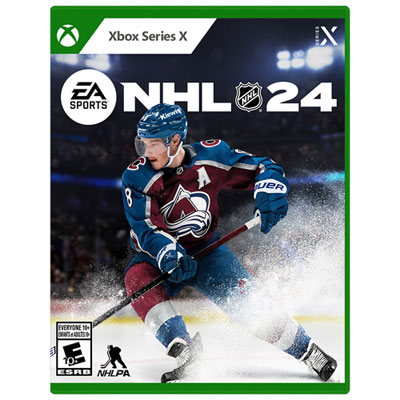
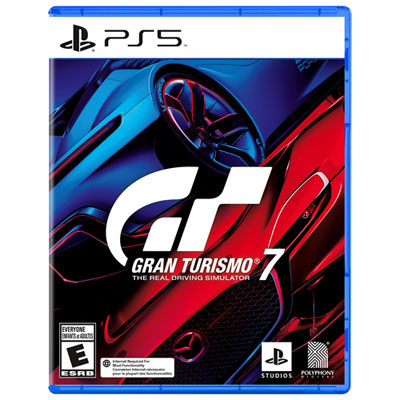
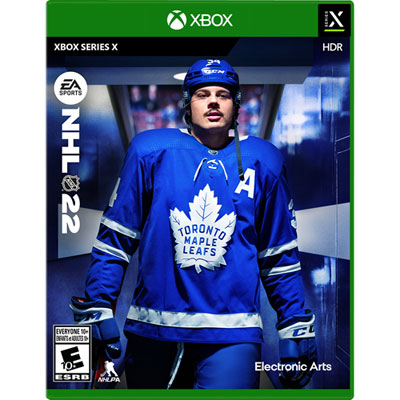

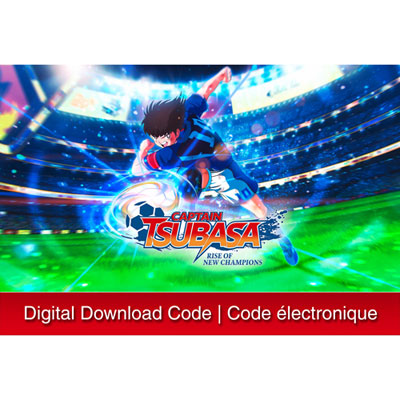
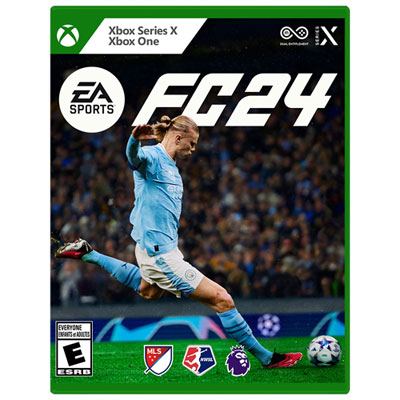
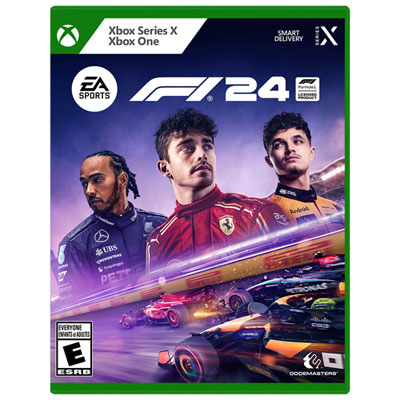
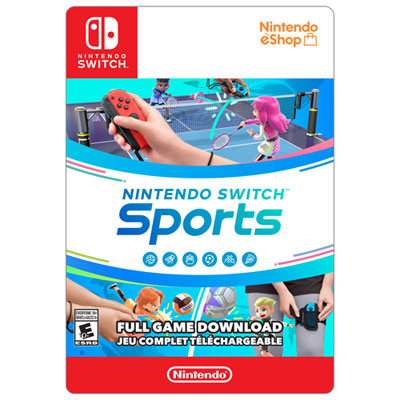

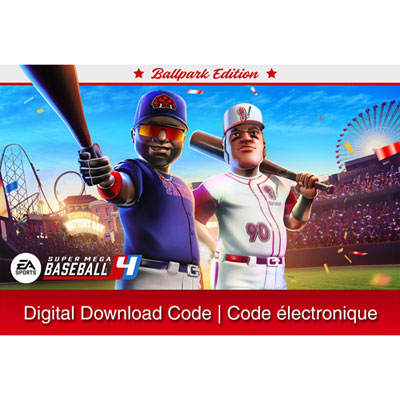
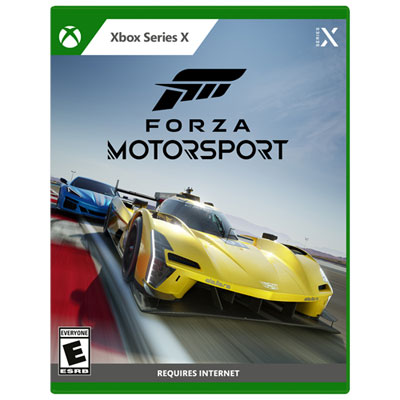
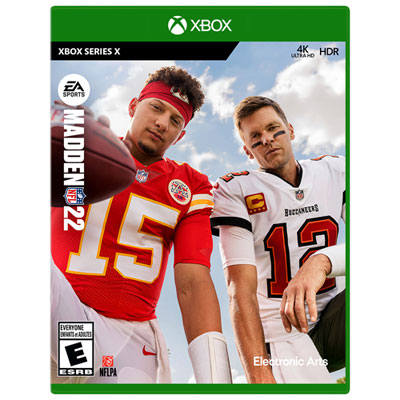

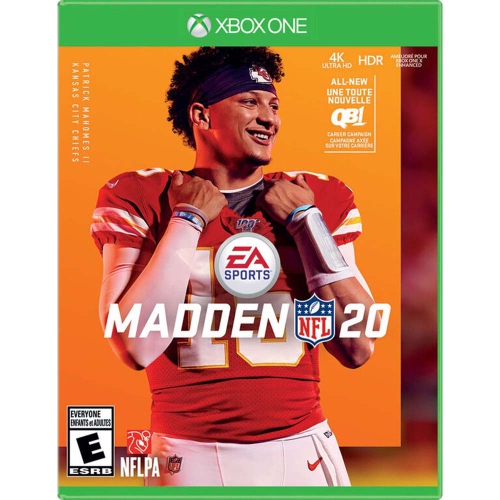
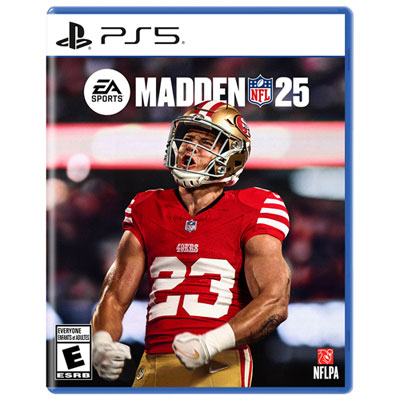
![2K GAMES Nba 2K21 [Xbox Series X] Nice i love it easy transition fast delivery best buy the best](https://multimedia.bbycastatic.ca/multimedia/products/500x500/193/19384/19384112.jpeg)
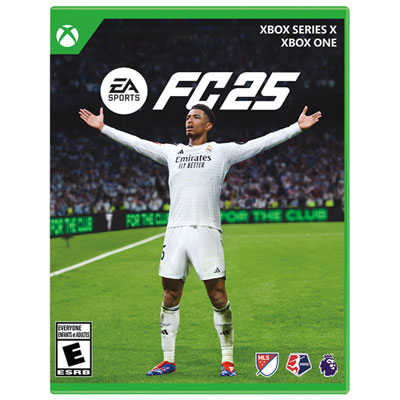
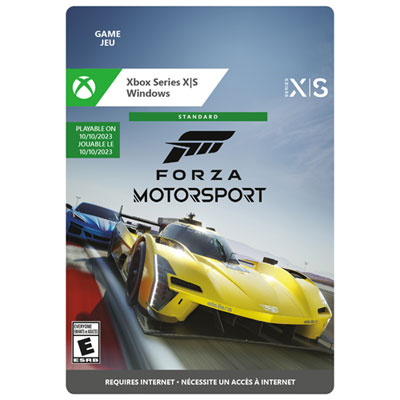
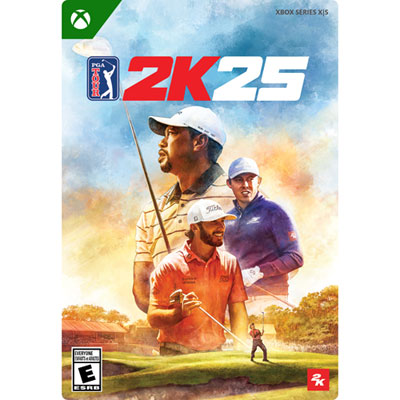

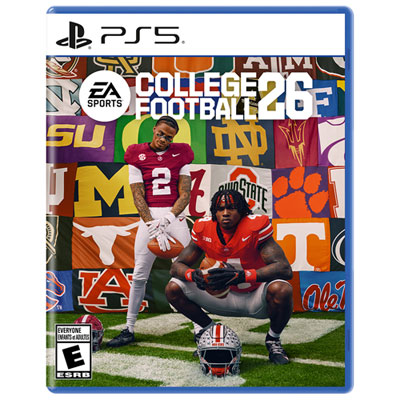
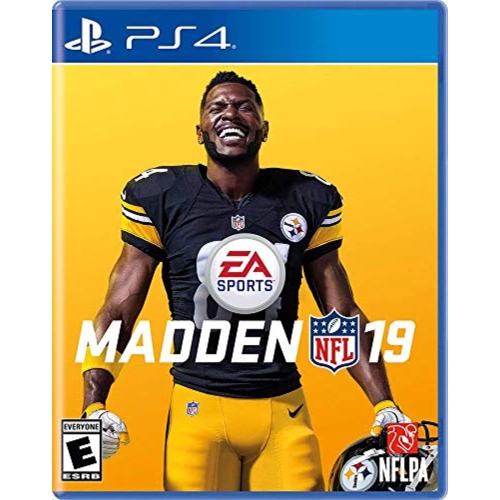

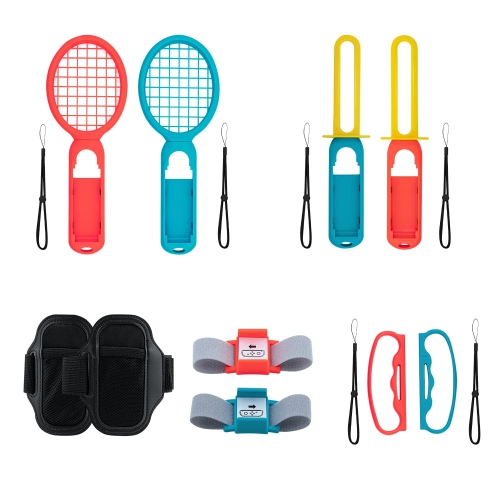
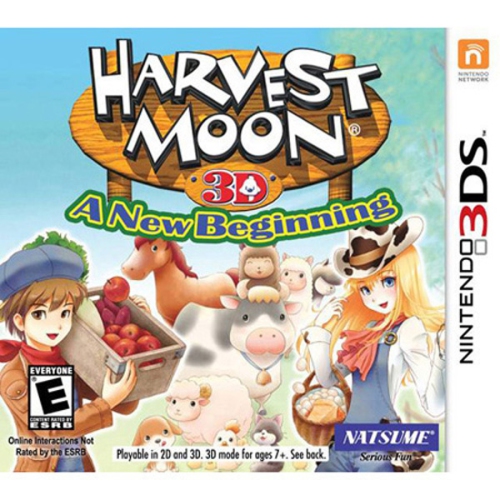
![NATSUME Harvest Moon 3D: The Lost Valley [Nintendo 3Ds]](https://multimedia.bbycastatic.ca/multimedia/products/500x500/148/14828/14828217.jpeg)
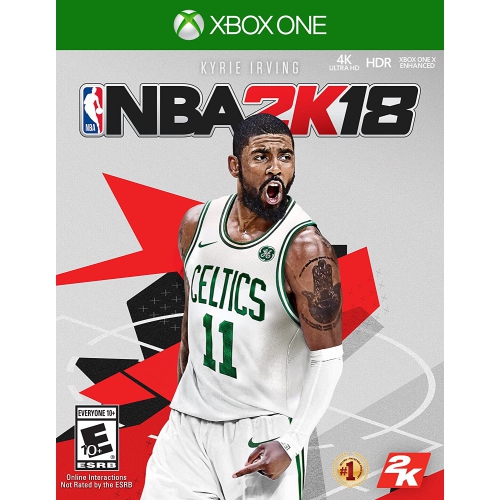
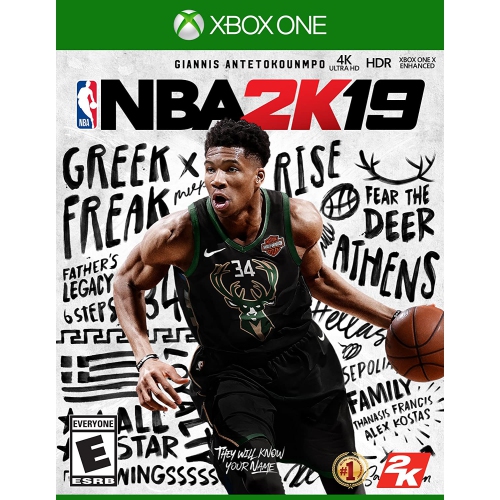

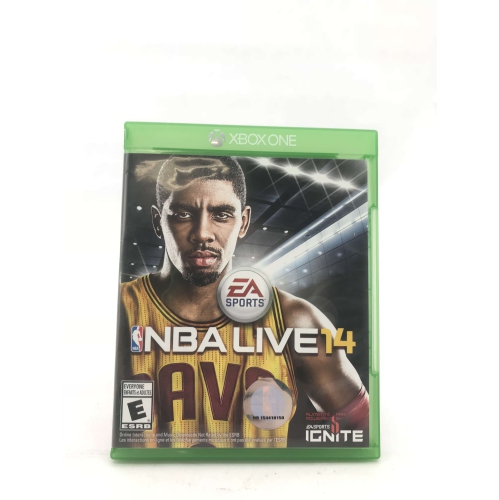
![MAXIMUM GAMES Snooker 19 The Official Videogame [Nintendo Switch]](https://multimedia.bbycastatic.ca/multimedia/products/500x500/148/14876/14876250.jpeg)

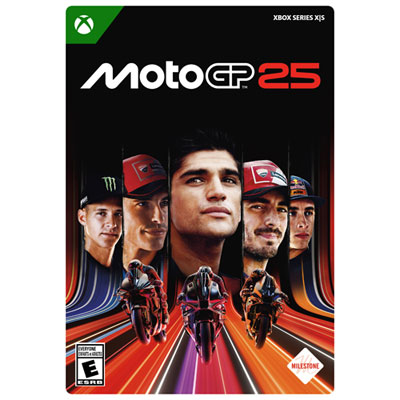
![NACON Tennis World Tour 2 - Complete Edition [Xbox Series X]](https://multimedia.bbycastatic.ca/multimedia/products/500x500/193/19382/19382753.jpeg)
![ALTERNATIVE SOFTWARE Rugby Union Team Manager 2015 [PC]](https://multimedia.bbycastatic.ca/multimedia/products/500x500/193/19383/19383258.jpeg)
![GS2 GAMES Summer Sports Games - 4K Edition [Playstation 5]](https://multimedia.bbycastatic.ca/multimedia/products/500x500/193/19384/19384049.jpeg)
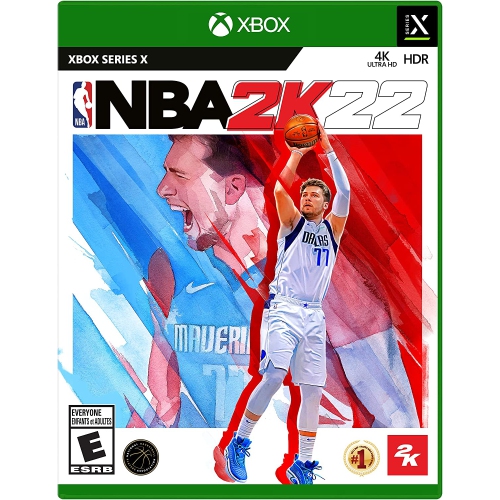
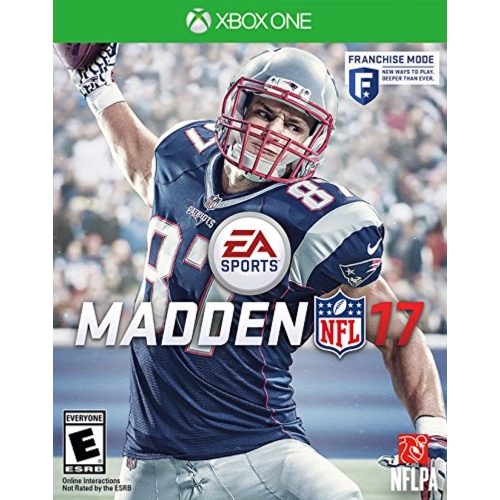
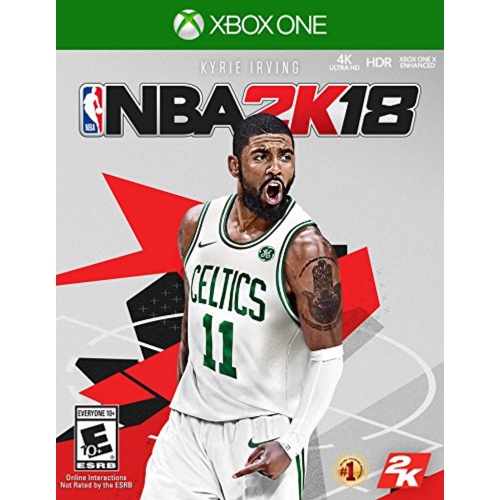
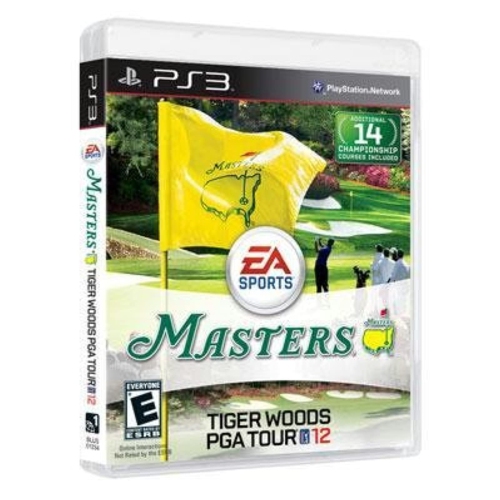
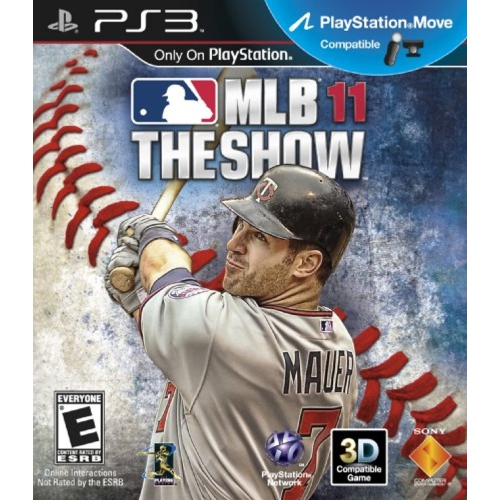
![BANDAI NAMCO Doraemon: Story Of Seasons [Playstation 4]](https://multimedia.bbycastatic.ca/multimedia/products/500x500/152/15265/15265083.jpeg)
![THQ NORDIC 8 to Glory: The Official Game Of The Pbr [Playstation 4]](https://multimedia.bbycastatic.ca/multimedia/products/500x500/194/19477/19477116.jpeg)
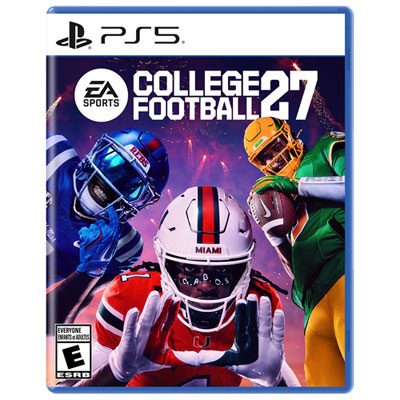

![GAMEMILL Pickleball Smash [Playstation 5]](https://multimedia.bbycastatic.ca/multimedia/products/500x500/193/19384/19384334.jpeg)
![DEEP SILVER Wild Card Football [Nintendo Switch] My grandson absolutely love the game](https://multimedia.bbycastatic.ca/multimedia/products/500x500/194/19495/19495580.jpeg)
![SABER INTERACTIVE Wild Card Football [Xbox One / Series X]](https://multimedia.bbycastatic.ca/multimedia/products/500x500/193/19383/19383712.jpeg)
![GAMEMILL Pickleball Smash [Playstation 4]](https://multimedia.bbycastatic.ca/multimedia/products/500x500/193/19384/19384336.jpeg)

![MAXIMUM GAMES Train Sim World 4 [Playstation 5] Great game for train lovers](https://multimedia.bbycastatic.ca/multimedia/products/500x500/193/19384/19384072.jpeg)


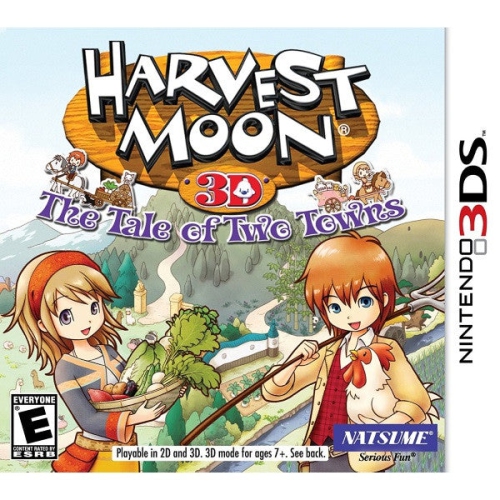

![THQ NORDIC Zoo Tycoon - Ultimate Animal Collection [PC Computer DVD]](https://multimedia.bbycastatic.ca/multimedia/products/500x500/169/16982/16982297.jpeg)

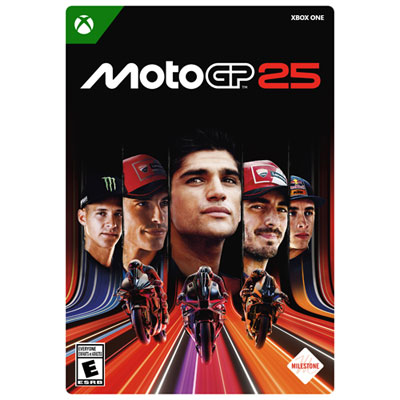
![KALYPSO MEDIA Spacebase Startopia [Nintendo Switch]](https://multimedia.bbycastatic.ca/multimedia/products/500x500/193/19382/19382896.jpeg)
![ENIGMA ENTERTAINMENT Taxi Driver - The Simulation [Playstation 4]](https://multimedia.bbycastatic.ca/multimedia/products/500x500/193/19382/19382545.jpeg)
![SEGA Two Point Campus [Nintendo Switch]](https://multimedia.bbycastatic.ca/multimedia/products/500x500/193/19384/19384069.jpeg)
![FUNBOX MEDIA Winter Sports Games [Nintendo Switch]](https://multimedia.bbycastatic.ca/multimedia/products/500x500/155/15555/15555548.jpeg)
![THQ NORDIC 8 to Glory: The Official Game Of The Pbr [Xbox One]](https://multimedia.bbycastatic.ca/multimedia/products/500x500/194/19476/19476984.jpeg)
Every pass and roster decision shapes the game
Sports simulation games recreate the rules, tactics, movement, and decision-making of organized sport, putting players on the field, behind the bench, or in charge of a franchise. Their defining feature is an emphasis on believable sporting outcomes: positioning, timing, player attributes, and tactical choices matter alongside quick reactions. The category spans two main approaches. Action-focused simulations let players control athletes directly, whether that means threading a pass through a crowded penalty area, finding an open teammate on the basketball court, or placing a wrist shot beyond a goalie’s reach. Management simulations shift attention to lineups, scouting, contracts, player development, and the decisions that shape a team over multiple seasons. Some games combine both, allowing a player to handle team operations and then take control when a match begins. Within the broader range of Sports Video Games, simulations generally place more weight on authentic rules and strategy than arcade-style games, which often favour exaggerated action and simpler controls. That distinction is not absolute: adjustable difficulty and control assists can make a detailed simulation approachable without removing its tactical depth. Hockey, soccer, basketball, baseball, football, golf, tennis, and motorsport each bring a different rhythm to the experience. A baseball simulation can turn on pitch selection and defensive positioning, while a racing simulation may demand careful braking, tyre management, and consistent laps. A golf simulation can make club selection and reading the green just as important as the swing itself. For someone who follows a sport closely, those details offer a way to explore the choices that are easy to debate from the stands but harder to execute under pressure. For a newcomer, clear tutorials and simplified settings can make unfamiliar rules easier to follow through play. The appeal lies as much in understanding why a play succeeds as in seeing the final score.
The style of play makes a meaningful difference to how a sports simulation fits into everyday gaming. Quick matches suit players who want a complete contest without committing to a long campaign, while career modes typically follow an individual athlete through development, selection, and competition. Franchise and management modes offer a longer view, with satisfaction coming from building a balanced roster, developing prospects, and seeing a tactical plan take shape over time. Depending on the game, a manager might watch contests unfold, intervene with substitutions, or simulate results and focus on the next decision. Historical matchups, custom leagues, and detailed statistical tools are features of some simulations rather than standard inclusions across the category. The same is true of official teams, authentic venues, and licensed athletes; a convincing simulation does not always rely on real-world names. Moment-to-moment realism also varies. Ball and puck behaviour, athlete momentum, fatigue, collisions, and opponent decision-making can all influence how closely play resembles the sport being represented. A well-timed pass should feel different from a hopeful one, and an exhausted lineup may call for a different approach than a fresh group of substitutes. Adjustable match length, difficulty sliders, camera views, and control schemes help tailor that complexity to the person holding the controller. Someone learning hockey might prefer passing assistance and shorter periods, while an experienced player may enjoy manual controls and stricter penalties. Local multiplayer can turn a familiar rivalry into a shared couch session, provided the game supports the required number of players and controllers. Online competition adds opponents beyond the living room, but internet access, account requirements, and a separate platform membership may apply. Cooperative modes, where available, offer another dynamic: coordinating a defensive shift or building an attack together rewards communication rather than individual scoring alone. These differences make the supported modes more useful indicators of fit than visuals by themselves.
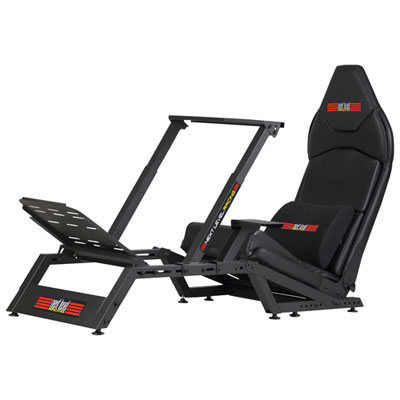
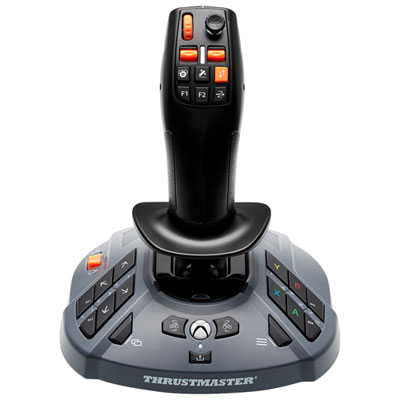
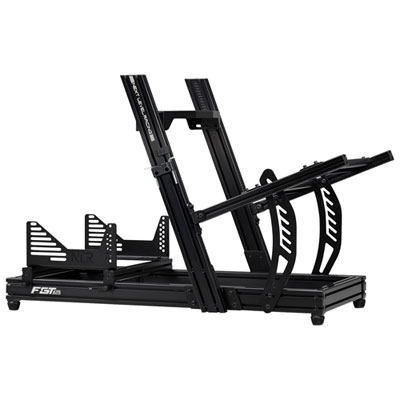
Platform compatibility and format are practical considerations for any sports simulation game. Console generation, computer specifications, storage requirements, and supported input devices determine where and how a game can be played. A console edition and a computer edition with the same name may differ in features, and cross-platform multiplayer or shared progress should never be assumed. Computer-based management simulations can be particularly comfortable with a mouse and keyboard because of their menus, statistics, and lineup screens, while direct-control sports games often suit a gamepad. Racing wheels, pedals, and other specialist controls require explicit support from both the game and the platform; they are not necessary for every simulation. Readable text, remappable controls, subtitle options, and adjustable gameplay speed can also affect comfort, especially during longer sessions or when several people share a setup. Physical and digital formats involve different kinds of care. A disc edition needs a compatible disc drive, and the disc should be handled by its edges and returned to its case after use to help prevent scratches. Digital editions avoid disc handling but depend on the correct account, sufficient storage, and the platform’s access rules. Either format may require downloads or updates, and online-dependent features may not remain supported indefinitely. For a gift, knowing the recipient’s platform, favourite sport, and preferred style of play is more useful than choosing solely by cover imagery. A devoted fan who enjoys analysing statistics may appreciate a management-focused experience, while someone who likes playing with friends may get more use from accessible local matches. Age ratings and online interaction settings matter when choosing for younger players, as do the reading demands and complexity of the menus. Sports simulations can help players become more familiar with formations, scoring systems, and tactical trade-offs, but virtual performance is not a substitute for physical practice or coaching. Their lasting appeal comes from meaningful choices: changing a lineup after a difficult loss, adjusting a defensive scheme, or finally executing a play that previously broke down. The strongest fit is a game whose sport, depth, controls, and modes match the way its player wants to compete.
The style of play makes a meaningful difference to how a sports simulation fits into everyday gaming. Quick matches suit players who want a complete contest without committing to a long campaign, while career modes typically follow an individual athlete through development, selection, and competition. Franchise and management modes offer a longer view, with satisfaction coming from building a balanced roster, developing prospects, and seeing a tactical plan take shape over time. Depending on the game, a manager might watch contests unfold, intervene with substitutions, or simulate results and focus on the next decision. Historical matchups, custom leagues, and detailed statistical tools are features of some simulations rather than standard inclusions across the category. The same is true of official teams, authentic venues, and licensed athletes; a convincing simulation does not always rely on real-world names. Moment-to-moment realism also varies. Ball and puck behaviour, athlete momentum, fatigue, collisions, and opponent decision-making can all influence how closely play resembles the sport being represented. A well-timed pass should feel different from a hopeful one, and an exhausted lineup may call for a different approach than a fresh group of substitutes. Adjustable match length, difficulty sliders, camera views, and control schemes help tailor that complexity to the person holding the controller. Someone learning hockey might prefer passing assistance and shorter periods, while an experienced player may enjoy manual controls and stricter penalties. Local multiplayer can turn a familiar rivalry into a shared couch session, provided the game supports the required number of players and controllers. Online competition adds opponents beyond the living room, but internet access, account requirements, and a separate platform membership may apply. Cooperative modes, where available, offer another dynamic: coordinating a defensive shift or building an attack together rewards communication rather than individual scoring alone. These differences make the supported modes more useful indicators of fit than visuals by themselves.
Platform compatibility and format are practical considerations for any sports simulation game. Console generation, computer specifications, storage requirements, and supported input devices determine where and how a game can be played. A console edition and a computer edition with the same name may differ in features, and cross-platform multiplayer or shared progress should never be assumed. Computer-based management simulations can be particularly comfortable with a mouse and keyboard because of their menus, statistics, and lineup screens, while direct-control sports games often suit a gamepad. Racing wheels, pedals, and other specialist controls require explicit support from both the game and the platform; they are not necessary for every simulation. Readable text, remappable controls, subtitle options, and adjustable gameplay speed can also affect comfort, especially during longer sessions or when several people share a setup. Physical and digital formats involve different kinds of care. A disc edition needs a compatible disc drive, and the disc should be handled by its edges and returned to its case after use to help prevent scratches. Digital editions avoid disc handling but depend on the correct account, sufficient storage, and the platform’s access rules. Either format may require downloads or updates, and online-dependent features may not remain supported indefinitely. For a gift, knowing the recipient’s platform, favourite sport, and preferred style of play is more useful than choosing solely by cover imagery. A devoted fan who enjoys analysing statistics may appreciate a management-focused experience, while someone who likes playing with friends may get more use from accessible local matches. Age ratings and online interaction settings matter when choosing for younger players, as do the reading demands and complexity of the menus. Sports simulations can help players become more familiar with formations, scoring systems, and tactical trade-offs, but virtual performance is not a substitute for physical practice or coaching. Their lasting appeal comes from meaningful choices: changing a lineup after a difficult loss, adjusting a defensive scheme, or finally executing a play that previously broke down. The strongest fit is a game whose sport, depth, controls, and modes match the way its player wants to compete.
Top selling and popular products
-
![NINTENDO Super Smash Bros. Ultimate [ Switch]](https://multimedia.bbycastatic.ca/multimedia/products/500x500/166/16618/16618377.jpeg) Your price for this item is $89.95
Your price for this item is $89.95 -
![NINTENDO Animal Crossing: New Horizons [ Switch]](https://multimedia.bbycastatic.ca/multimedia/products/500x500/148/14828/14828033.jpeg) Your price for this item is $80.49
Your price for this item is $80.49 -
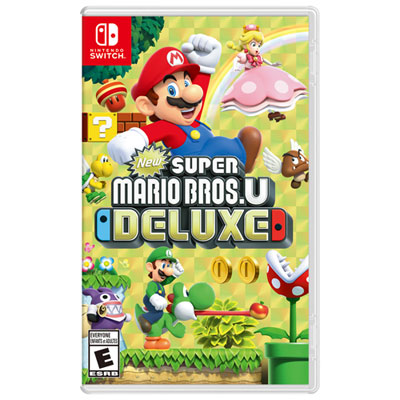 Your price for this item is $84.99
 -
![NINTENDO GAMES New Super Mario Bros. U Deluxe for Nintendo Switch [Videogames]](https://multimedia.bbycastatic.ca/multimedia/products/500x500/176/17683/17683406.jpeg) Your price for this item is $71.75
Your price for this item is $71.75 -
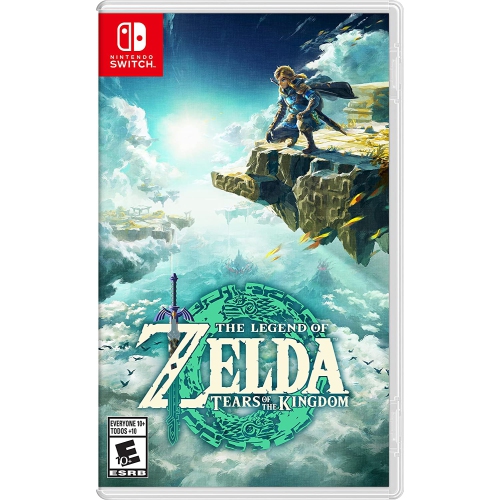 Your price for this item is $109.99
 -
![NINTENDO GAMES The Legend Of Zelda: Tears Of The Kingdom for Nintendo Switch [Videogames]](https://multimedia.bbycastatic.ca/multimedia/products/500x500/176/17661/17661818.jpeg) Your price for this item is $99.99
Your price for this item is $99.99 -
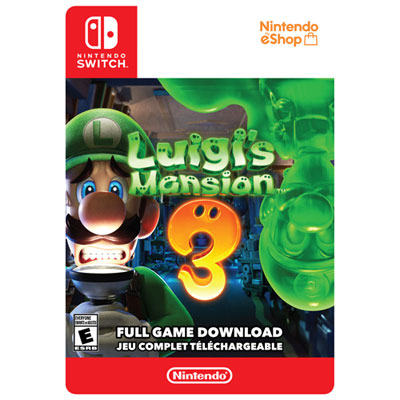 Your price for this item is $84.99
 -
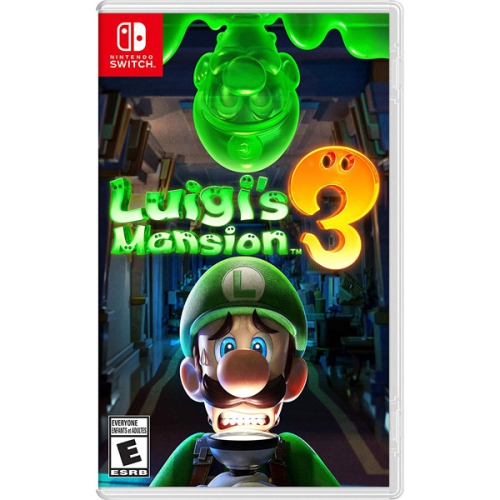 Your price for this item is $87.75
Discover more categories related to Sports Simulation Games
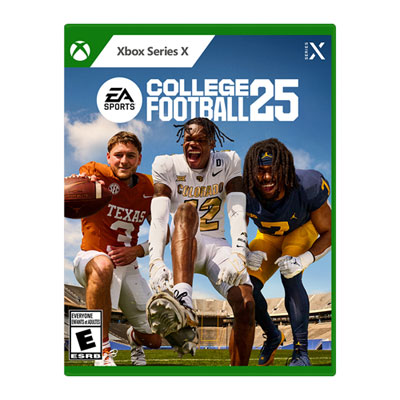

Top Collections:
Pokemon Centers, Kindle Devices, Best Budget Office Chairs, Apple iPhones 16, Samsung Galaxy Phones, Canon G7X Cameras, iPhone 15 Apple, Flip Phones, Best Laptops for Writers, Alarm Clock
Some products may be subject to Environmental Handling Fees
(EHF) depending on your province.
Learn more about EHFs.