Simulation Video Games
Immerse yourself in a world of endless possibilities with our collection of simulation video games. From realistic flight simulations to thrilling life-simulation experiences, these games offer a chance to escape reality and step into a virtual realm where you can build, create, and explore to your heart's content. Whether you're looking to test your strategic skills in a virtual city or embark on a farming adventure, our selection of simulation games is sure to provide hours of entertainment for gamers of all ages. Get ready to dive into an alternate reality where the only limit is your imagination.
Sort
![2K GAMES Nba 2K21 [Xbox Series X] Best game on the planet!](https://multimedia.bbycastatic.ca/multimedia/products/500x500/193/19384/19384112.jpeg)

![MAXIMUM GAMES Train Sim World 4 [Playstation 5] Great game for train lovers](https://multimedia.bbycastatic.ca/multimedia/products/500x500/193/19384/19384072.jpeg)

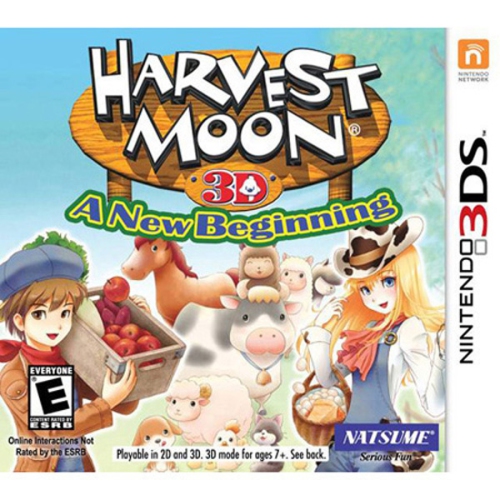
![RED ART GAMES Null Drifter [Playstation 4]](https://multimedia.bbycastatic.ca/multimedia/products/500x500/165/16590/16590791.jpeg)

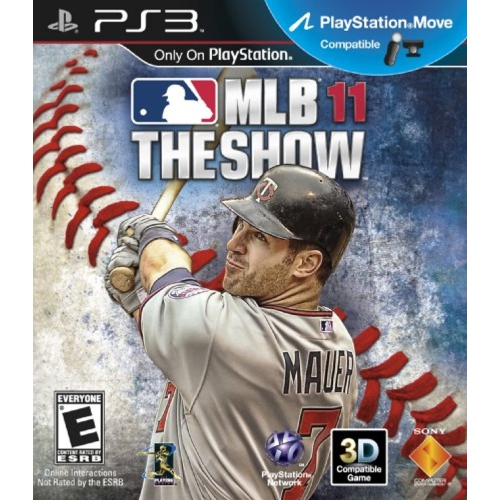
![LIMITED RUN GAMES Feather - Limited Run #442 [Playstation 4]](https://multimedia.bbycastatic.ca/multimedia/products/500x500/169/16982/16982640.jpeg)
![ELECTRONIC ARTS The Sims 3 [Xbox 360]](https://multimedia.bbycastatic.ca/multimedia/products/500x500/148/14828/14828206.jpeg)
![NATSUME Harvest Moon 3D: The Lost Valley [Nintendo 3Ds]](https://multimedia.bbycastatic.ca/multimedia/products/500x500/148/14828/14828217.jpeg)
![ELECTRONIC ARTS The Sims 3 [Playstation 3]](https://multimedia.bbycastatic.ca/multimedia/products/500x500/148/14828/14828300.jpeg)
![ELECTRONIC ARTS The Sims 3 [Xbox 360]](https://multimedia.bbycastatic.ca/multimedia/products/500x500/152/15263/15263552.jpeg)

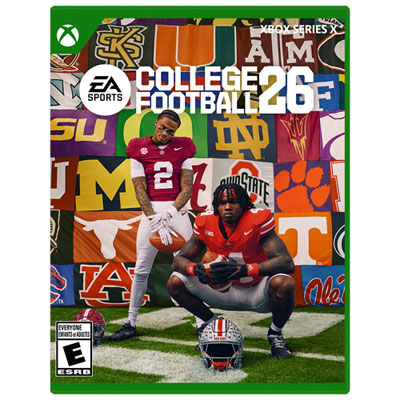
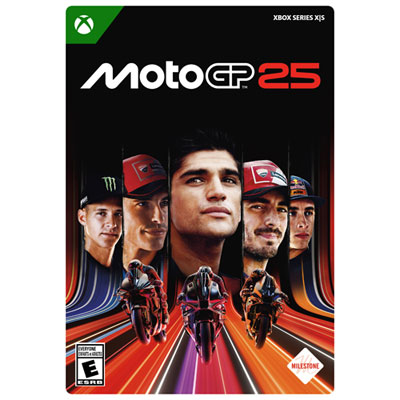
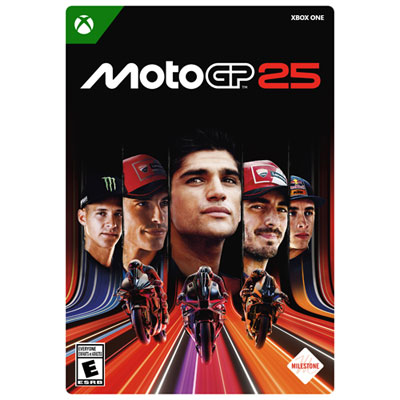
![META PUBLISHING Spirit Of The Island - Paradise Edition [Nintendo Switch]](https://multimedia.bbycastatic.ca/multimedia/products/500x500/193/19382/19382900.jpeg)
![KALYPSO MEDIA Spacebase Startopia [Nintendo Switch]](https://multimedia.bbycastatic.ca/multimedia/products/500x500/193/19382/19382896.jpeg)
![BLISS BRAIN Princess Maker 2: Regeneration [Nintendo Switch]](https://multimedia.bbycastatic.ca/multimedia/products/500x500/193/19382/19382855.jpeg)
![ENIGMA ENTERTAINMENT Taxi Driver - The Simulation [Playstation 4]](https://multimedia.bbycastatic.ca/multimedia/products/500x500/193/19382/19382545.jpeg)
![RED ART GAMES Beholder 2 [Nintendo Switch]](https://multimedia.bbycastatic.ca/multimedia/products/500x500/193/19384/19384098.jpeg)
![TOPLITZ PRODUCTIONS World Of Simulators: Discover The World Bundle [Playstation 4]](https://multimedia.bbycastatic.ca/multimedia/products/500x500/193/19383/19383675.jpeg)
![NINTENDO Some Some Convenience Store [ Switch]](https://multimedia.bbycastatic.ca/multimedia/products/500x500/193/19383/19383663.jpeg)
![UIG ENTERTAINMENT Firefighters: The Compilation - 4 Games In One [Playstation 4]](https://multimedia.bbycastatic.ca/multimedia/products/500x500/193/19385/19385368.jpeg)
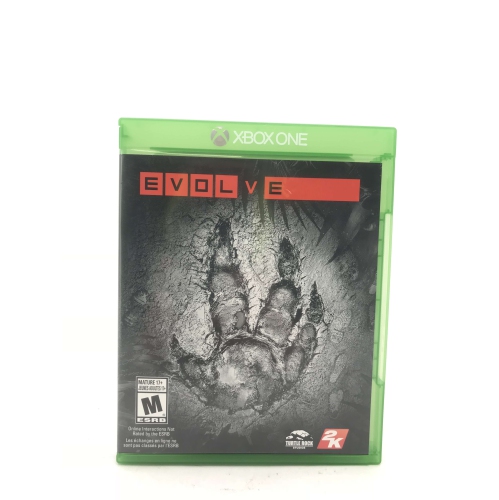
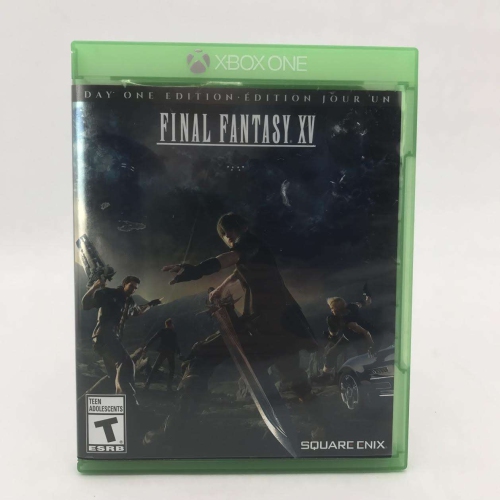
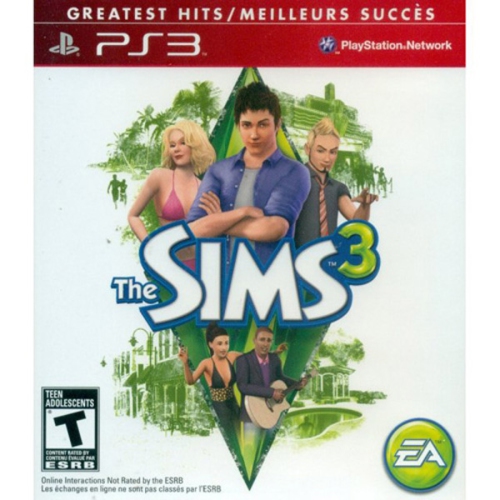

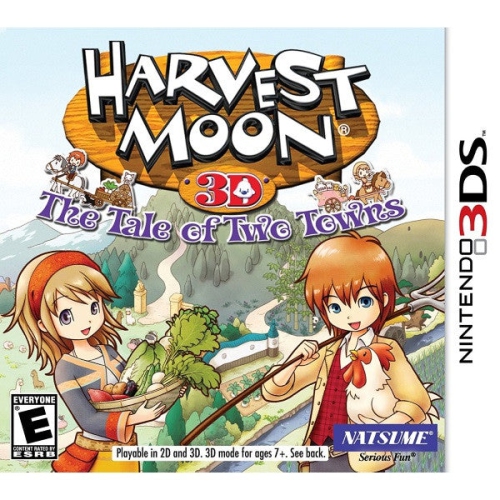

![AEROSOFT Subway Sim 2 [Playstation 5]](https://multimedia.bbycastatic.ca/multimedia/products/500x500/198/19825/19825271.jpeg)
![CD PROJEKT RED Cyberpunk 2077 [Xbox One] Great Game](https://multimedia.bbycastatic.ca/multimedia/products/500x500/152/15239/15239178.jpeg)
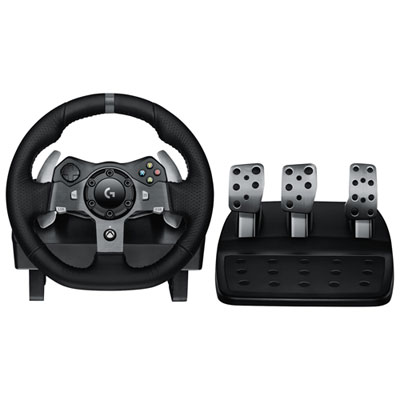
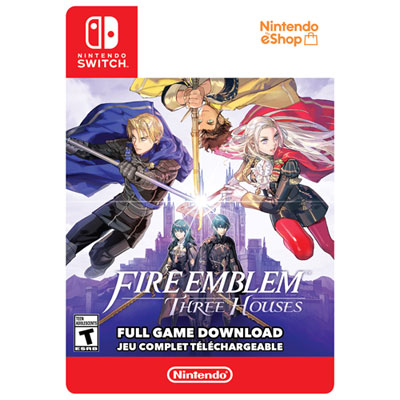

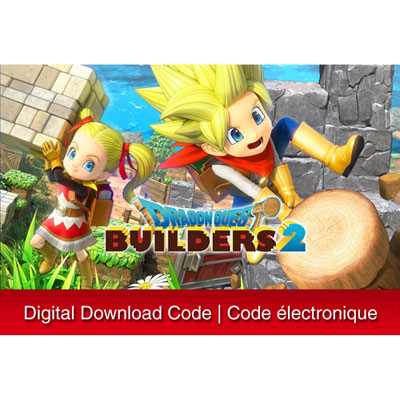
![PLAYSTATION Rick And Morty: Virtual Rick-Ality - Psvr [ 4] LOVE](https://multimedia.bbycastatic.ca/multimedia/products/500x500/148/14828/14828058.jpeg)


![LIMITED RUN GAMES Redemption Reapers [Playstation 5]](https://multimedia.bbycastatic.ca/multimedia/products/500x500/193/19384/19384078.jpeg)

![LIMITED RUN GAMES Hyper Gunsport - Limited Run #069 [Playstation 5]](https://multimedia.bbycastatic.ca/multimedia/products/500x500/179/17980/17980044.jpeg)
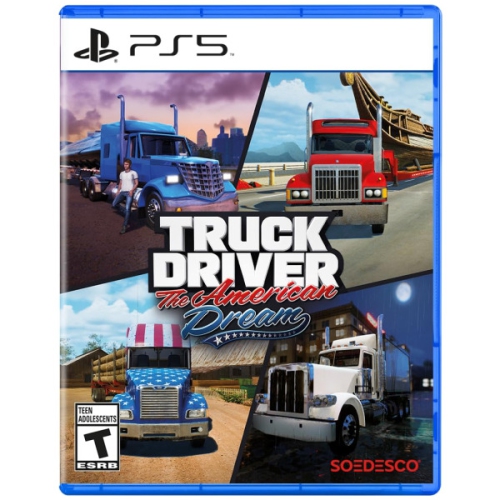
![GS2 GAMES Sushi Bar Express [Nintendo Switch]](https://multimedia.bbycastatic.ca/multimedia/products/500x500/174/17406/17406206.jpeg)
![PERP GAMES Operation Warcade - Psvr [Playstation 4]](https://multimedia.bbycastatic.ca/multimedia/products/500x500/152/15238/15238442.jpeg)
![PERP GAMES Sairento Vr [Playstation 4]](https://multimedia.bbycastatic.ca/multimedia/products/500x500/193/19382/19382890.jpeg)
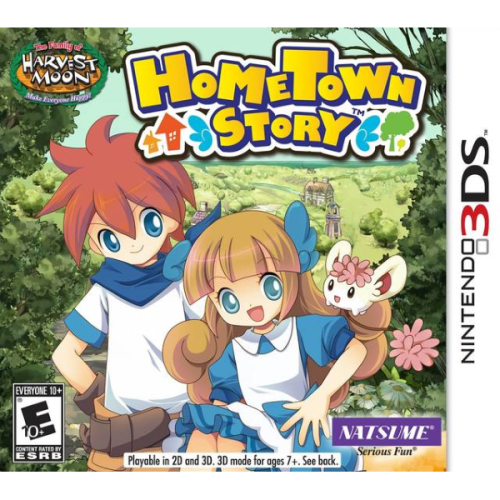
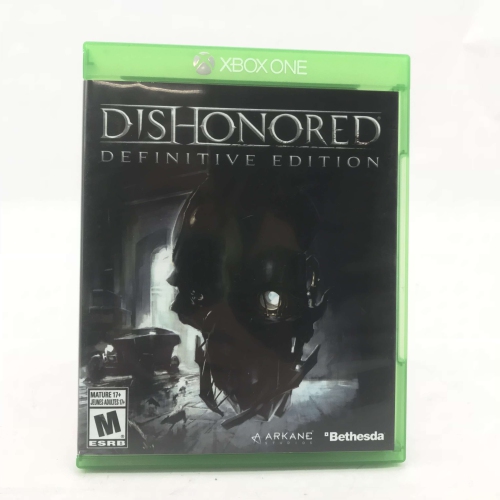
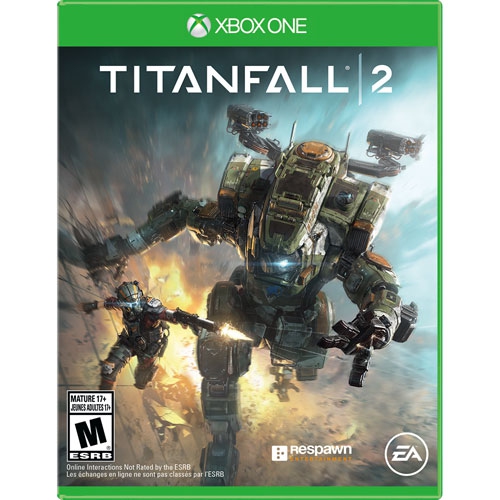

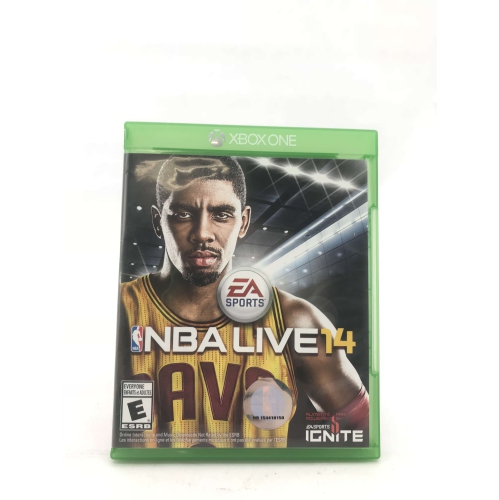
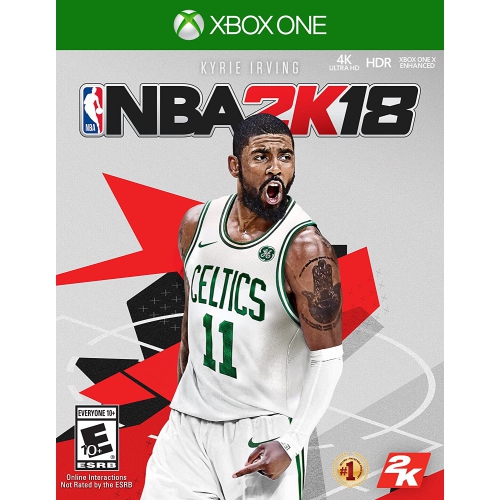
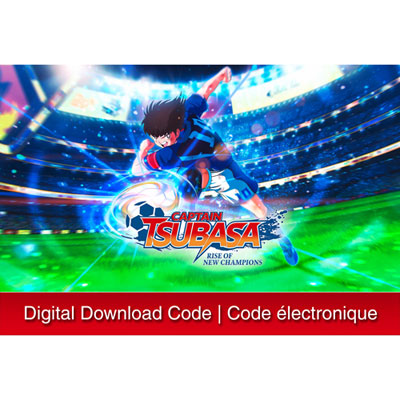
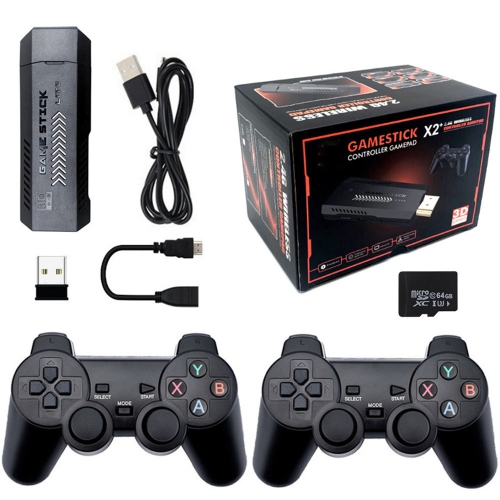
Real-world activities with room to experiment and explore
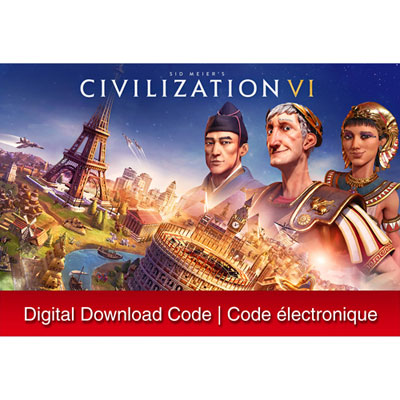
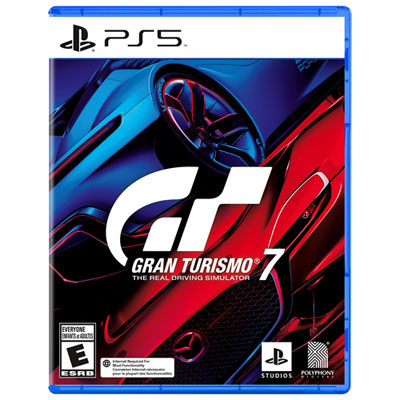
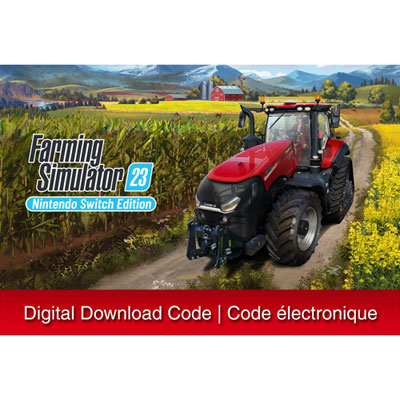
Simulation video games recreate real-world activities, everyday routines, and complex systems through interactive play. Rather than focusing only on fast reactions or a fixed sequence of levels, many give players a set of tools and let them decide what to build, manage, practise, or explore. The category covers a wide range of interests, from steering a heavy vehicle through a tight delivery yard to planning a neighbourhood where homes, workplaces, and public services connect efficiently. Vehicle and flight simulations emphasize handling, instruments, routes, and the relationship between a machine and its controls. Farming simulations often combine planting, equipment operation, production, and business decisions, while job simulations turn familiar tasks into hands-on challenges with visible results. City-building and management games focus on interconnected systems: a new road can relieve congestion, a poorly placed service can create delays, and expanding too quickly can stretch a carefully balanced operation. Life simulations take a more personal approach, allowing players to shape characters, decorate homes, develop relationships, and guide daily activities. Some simulation games aim for close technical accuracy; others simplify the details to make experimentation more approachable. Sandbox modes typically leave room for open-ended play, while career modes, scenarios, and timed objectives add direction and measurable progress. That variety makes the genre appealing to players who enjoy problem-solving, creative expression, practical tasks, or the satisfaction of improving a process over time. A relaxing session might involve furnishing a small apartment or completing a familiar delivery route, while a more demanding one could involve coordinating several production lines without interrupting their output. The defining feature is usually the way actions affect an underlying system, not the absence of goals or competition. For someone interested in vehicles, architecture, agriculture, or running a business, simulation video games offer a way to engage with those interests through decisions that produce observable consequences. They can introduce useful concepts and vocabulary, although entertainment software should not be treated as a substitute for professional instruction or practical training.
Platform compatibility and the way a game is delivered are important parts of choosing simulation games. Console editions need to match the intended system and generation, and computer editions need hardware that meets the stated operating system, processor, memory, graphics, and storage requirements. A detailed city with thousands of moving elements can place different demands on a computer than a smaller task-based simulation, so visual style alone does not reveal how demanding a game will be. Minimum requirements indicate a starting point, while recommended requirements can provide a more useful reference for the intended experience. Players browsing for a particular console can explore Simulation Games for Ps4, with compatibility remaining an essential detail for each game. Physical editions require the appropriate disc or cartridge support; digital editions generally require a compatible account, sufficient storage, and an internet connection for downloading. Even a physical copy may need installation space, updates, or additional downloads. Edition contents also matter, since a base game, an expansion, and a bundle are not necessarily interchangeable, and an add-on may require the original game. Language options, age ratings, and content descriptions help establish whether the experience suits its intended player. A friendly visual style does not always indicate simple rules, and a realistic presentation does not necessarily mean a game is difficult to learn. For a gift, knowing the recipient’s gaming system, preferred activities, and comfort with detailed menus is often more useful than choosing by cover artwork alone. Physical copies benefit from straightforward care: keep discs in their cases, handle them by the edges, and follow the manufacturer’s cleaning directions if needed. Cartridges should be stored securely with their contacts protected from dirt and moisture. Digital libraries remove the need to handle game media, but account access and storage management remain part of long-term use. These details help match the format to the player’s existing setup and habits.
The most enjoyable simulation experience often comes from a good fit between the game’s pace, control scheme, and the amount of responsibility a player wants to take on. Someone who enjoys a clear checklist may prefer a job simulation with distinct tasks and a visible finish line. A player who likes tinkering may get more satisfaction from an open-ended builder where layouts can be adjusted repeatedly and a small design change can improve an entire operation. Detailed vehicle simulations may involve learning braking distances, instrument readings, or several steps in a starting procedure, while more approachable versions can automate parts of those processes. Tutorials, adjustable difficulty, driving assists, pause functions, and flexible saving can make a substantial difference to everyday play. A game that saves freely may suit short sessions more comfortably than one built around lengthy routes or uninterrupted scenarios. Controls deserve similar attention: keyboard and mouse input can make dense menus easier to navigate, while a controller may suit direct movement or vehicle handling. Steering wheels, pedals, and flight controls can add a more tactile element where supported, but compatibility depends on both the game and the platform. Accessories are not a universal requirement, and supported inputs should be checked rather than assumed. Readable interface text, remappable buttons, subtitles, and alternatives to colour-only indicators can also make complex information easier to follow. Multiplayer features vary considerably, from cooperative building to shared vehicle operations, and online play may require accounts or a separate membership. Local play, online cooperation, and single-player modes are distinct features, so one does not imply the others. Simulation games can make thoughtful gifts for hobbyists as well as curious beginners, particularly when the subject connects with an established interest. The lasting appeal often lies in small, earned improvements: reversing neatly into a loading bay, keeping a workshop organized, or watching a carefully planned neighbourhood function as intended. Whether the emphasis is authenticity, creativity, or a satisfying routine, the right balance of detail and flexibility gives players room to develop their own approach.
Platform compatibility and the way a game is delivered are important parts of choosing simulation games. Console editions need to match the intended system and generation, and computer editions need hardware that meets the stated operating system, processor, memory, graphics, and storage requirements. A detailed city with thousands of moving elements can place different demands on a computer than a smaller task-based simulation, so visual style alone does not reveal how demanding a game will be. Minimum requirements indicate a starting point, while recommended requirements can provide a more useful reference for the intended experience. Players browsing for a particular console can explore Simulation Games for Ps4, with compatibility remaining an essential detail for each game. Physical editions require the appropriate disc or cartridge support; digital editions generally require a compatible account, sufficient storage, and an internet connection for downloading. Even a physical copy may need installation space, updates, or additional downloads. Edition contents also matter, since a base game, an expansion, and a bundle are not necessarily interchangeable, and an add-on may require the original game. Language options, age ratings, and content descriptions help establish whether the experience suits its intended player. A friendly visual style does not always indicate simple rules, and a realistic presentation does not necessarily mean a game is difficult to learn. For a gift, knowing the recipient’s gaming system, preferred activities, and comfort with detailed menus is often more useful than choosing by cover artwork alone. Physical copies benefit from straightforward care: keep discs in their cases, handle them by the edges, and follow the manufacturer’s cleaning directions if needed. Cartridges should be stored securely with their contacts protected from dirt and moisture. Digital libraries remove the need to handle game media, but account access and storage management remain part of long-term use. These details help match the format to the player’s existing setup and habits.
The most enjoyable simulation experience often comes from a good fit between the game’s pace, control scheme, and the amount of responsibility a player wants to take on. Someone who enjoys a clear checklist may prefer a job simulation with distinct tasks and a visible finish line. A player who likes tinkering may get more satisfaction from an open-ended builder where layouts can be adjusted repeatedly and a small design change can improve an entire operation. Detailed vehicle simulations may involve learning braking distances, instrument readings, or several steps in a starting procedure, while more approachable versions can automate parts of those processes. Tutorials, adjustable difficulty, driving assists, pause functions, and flexible saving can make a substantial difference to everyday play. A game that saves freely may suit short sessions more comfortably than one built around lengthy routes or uninterrupted scenarios. Controls deserve similar attention: keyboard and mouse input can make dense menus easier to navigate, while a controller may suit direct movement or vehicle handling. Steering wheels, pedals, and flight controls can add a more tactile element where supported, but compatibility depends on both the game and the platform. Accessories are not a universal requirement, and supported inputs should be checked rather than assumed. Readable interface text, remappable buttons, subtitles, and alternatives to colour-only indicators can also make complex information easier to follow. Multiplayer features vary considerably, from cooperative building to shared vehicle operations, and online play may require accounts or a separate membership. Local play, online cooperation, and single-player modes are distinct features, so one does not imply the others. Simulation games can make thoughtful gifts for hobbyists as well as curious beginners, particularly when the subject connects with an established interest. The lasting appeal often lies in small, earned improvements: reversing neatly into a loading bay, keeping a workshop organized, or watching a carefully planned neighbourhood function as intended. Whether the emphasis is authenticity, creativity, or a satisfying routine, the right balance of detail and flexibility gives players room to develop their own approach.
Top selling and popular products
-
![NINTENDO Super Smash Bros. Ultimate [ Switch]](https://multimedia.bbycastatic.ca/multimedia/products/500x500/166/16618/16618377.jpeg) Your price for this item is $89.95
Your price for this item is $89.95 -
![NINTENDO Animal Crossing: New Horizons [ Switch]](https://multimedia.bbycastatic.ca/multimedia/products/500x500/148/14828/14828033.jpeg) Your price for this item is $80.49
Your price for this item is $80.49 -
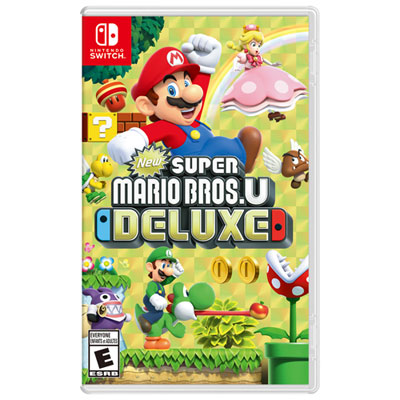 Your price for this item is $84.99
 -
![NINTENDO GAMES New Super Mario Bros. U Deluxe for Nintendo Switch [Videogames]](https://multimedia.bbycastatic.ca/multimedia/products/500x500/176/17683/17683406.jpeg) Your price for this item is $71.75
Your price for this item is $71.75 -
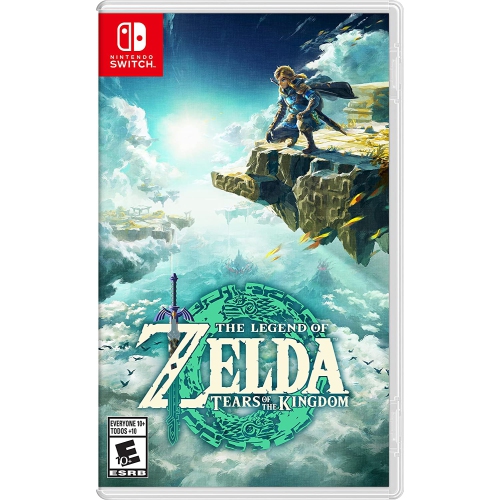 Your price for this item is $109.99
 -
![NINTENDO GAMES The Legend Of Zelda: Tears Of The Kingdom for Nintendo Switch [Videogames]](https://multimedia.bbycastatic.ca/multimedia/products/500x500/176/17661/17661818.jpeg) Your price for this item is $99.99
Your price for this item is $99.99 -
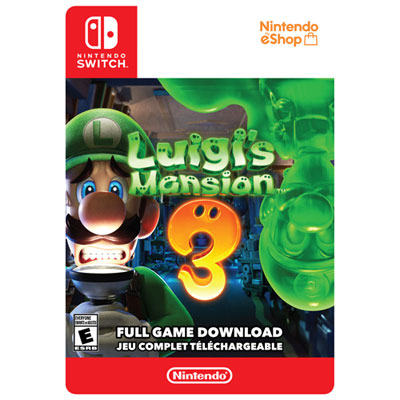 Your price for this item is $84.99
 -
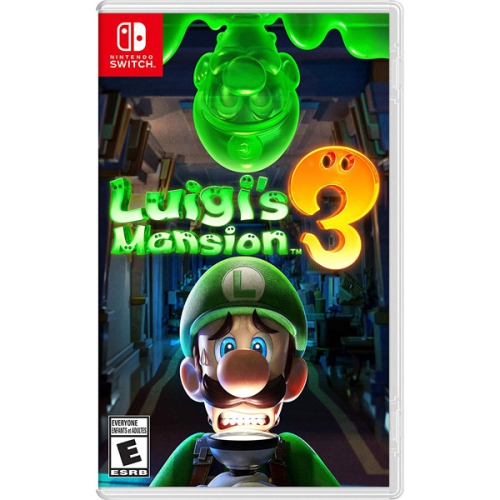 Your price for this item is $87.75
Discover more categories related to Simulation Video Games

Top Collections:
Pokemon Centers, Kindle Devices, Best Budget Office Chairs, Apple iPhones 16, Samsung Galaxy Phones, Canon G7X Cameras, iPhone 15 Apple, Flip Phones, Best Laptops for Writers, Alarm Clock
Some products may be subject to Environmental Handling Fees
(EHF) depending on your province.
Learn more about EHFs.