WII Games for Teenagers
WII Games for Teenagers offer an exciting way to enjoy interactive entertainment at home. With a wide variety of titles designed to engage and challenge, these games provide hours of fun for teens looking to unwind or connect with friends and family. Whether you're searching for action-packed adventures, sports challenges, or creative experiences, you'll find options that match every interest and skill level. Explore the collection of WII Games for Teenagers to discover new favorites and keep the gaming excitement going strong.
Sort


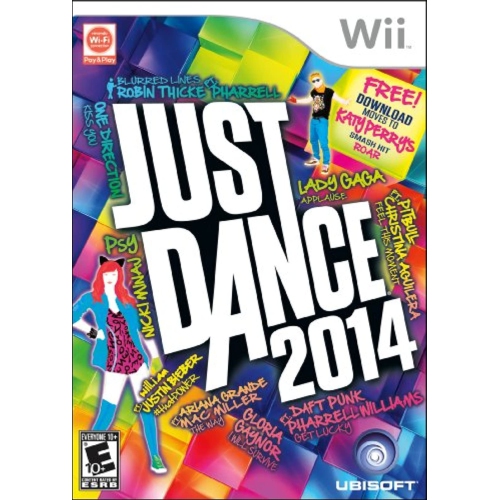


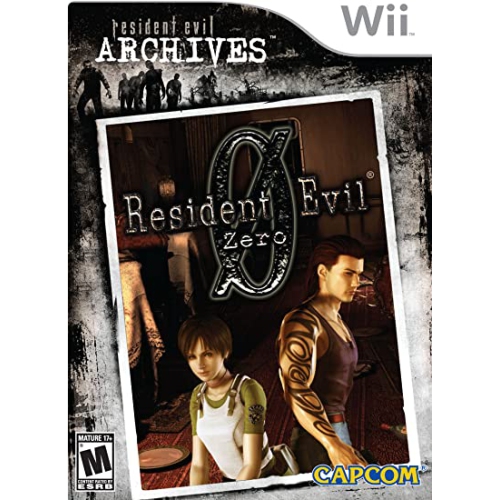




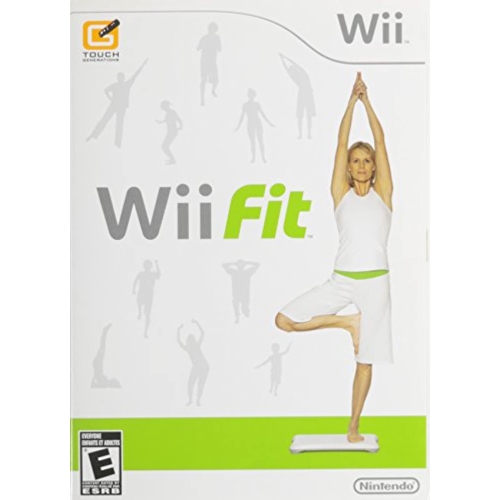


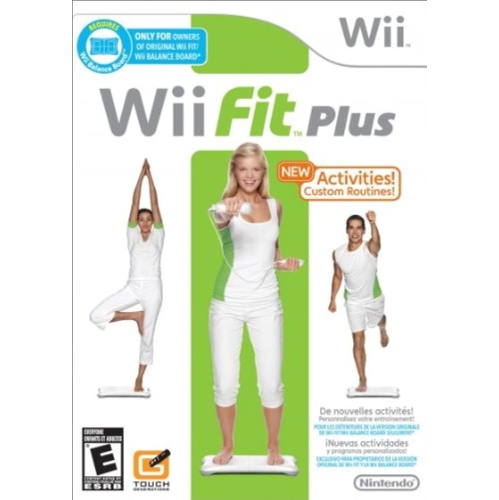
Approachable controls meet challenges that reward practice
Wii games for teenagers span fast-paced racing, sports, rhythm, platforming, puzzles, and action-adventure experiences, with options for solo play, friendly competition, and shared challenges. The appeal often comes from a combination of approachable controls and enough depth to reward practice: a race can be easy to start but difficult to master, while a platforming stage may demand careful timing, teamwork, and a willingness to try again. Motion-controlled play adds a physical element to many games, turning a swing, a pointing gesture, or a timed movement into an on-screen action. Other games rely more heavily on buttons and directional controls, which can suit teens who prefer precise inputs or longer seated sessions. For a teenager who enjoys solving problems, exploration and puzzle games can offer hidden routes, layered objectives, and the satisfaction of working out a solution without rushing. Players drawn to competition may prefer short rounds, clear scoring, and opportunities to improve a personal best. Creative or rhythm-focused experiences can provide a different pace, with performance, coordination, and self-expression taking the lead. Age suitability depends on the individual game rather than the console itself. An ESRB Teen rating indicates content generally suitable for ages 13 and older, while games rated Everyone or Everyone 10+ can still offer plenty of challenge for teenage players. Content descriptors help explain whether a game includes fantasy violence, language, suggestive themes, or other material a household may want to consider. Difficulty is separate from age rating: a colourful game can have demanding stages, and a game aimed at older players may offer adjustable settings or a gentle learning curve. The most suitable Wii games for teens connect with their interests while matching the level of challenge and type of content they enjoy. A teenager who likes practising one skill until it clicks may appreciate a different experience from someone who wants to explore a story at an unhurried pace.
For shared play, the details of multiplayer support make a noticeable difference to how a game fits into everyday use. Local multiplayer allows people to play together on the same console, but that can mean simultaneous action, split-screen views, shared-screen teamwork, or taking turns between rounds. A game that supports four players is not necessarily designed for all four to participate at once, so the distinction matters for siblings or a group of friends gathering around one television. Cooperative games can encourage players to coordinate jumps, share resources, or solve a task together, while competitive games put the emphasis on individual scores and head-to-head results. Short, self-contained rounds suit casual get-togethers; longer adventures can become an ongoing project for a teen and a regular playing partner. Controller requirements also vary. Some games use a motion controller held upright, others use it sideways, and some require an additional control attachment or an accessory that provides enhanced motion tracking. The supported controller types and required accessories should be confirmed for each game, particularly when several people will be playing. In motion-based games, enough clear space between players and nearby furniture helps make swings and gestures more comfortable. Wrist straps, secure grips, and properly fitted protective sleeves are useful precautions when controllers are moving quickly. Seated play may be possible in some experiences, but movement requirements and control options differ, making those details important for players with limited mobility or a preference for smaller gestures. Many original online services associated with Wii games have been discontinued, so a game’s lasting appeal is often found in its offline modes rather than features described on older packaging. Single-player campaigns, local multiplayer, practice modes, and challenges that do not require a network connection provide a clearer picture of what the experience can offer. A racing game with satisfying time trials, for example, can remain engaging even when its original online competition is no longer supported.
Physical condition, compatibility, and care are especially relevant to a disc-based game library. Wii game discs need a compatible console and a matching supported region; for a console sold in Canada, the appropriate North American release is generally the relevant version. Similar packaging or a familiar series name does not establish compatibility with another system. Disc surfaces should be free from significant scratches, cracks, or damage around the centre opening, since physical wear can interfere with reading or cause interruptions during play. Holding a disc by its outer edge and centre opening keeps fingerprints away from the readable surface. When cleaning is necessary, a soft, lint-free cloth moved gently from the centre towards the outer edge is preferable to rubbing in circles, and discs belong in their cases when not in use. Keeping cases away from direct sunlight, excessive heat, and moisture helps protect both the discs and their printed inserts. Game progress is typically saved on the console rather than the game disc, so the condition of the disc and the presence of saved progress are separate considerations. For a gift, useful details include the recipient’s favourite genres, whether they usually play alone or with others, and which controllers and accessories they already use. A teen who enjoys friendly rivalry may get more use from repeatable matches than from a lengthy solo story, while an enthusiastic puzzle solver may value thoughtful challenges over quick reactions. Clear objectives, readable menus, adjustable difficulty, and the ability to pause can also affect everyday enjoyment. Teens who also play on another platform can explore Nintendo Switch Games for Teens as a separate game library; those games are not compatible with a Wii console. Within a Wii collection, a mix of solo adventures and shared-play experiences can support different moods without every game needing to serve the same purpose. The strongest fit is a game whose controls, content, and play style make it enjoyable to return to.
Top selling and popular products
-
 Your price for this item is $63.75
-
 Your price for this item is $79.99
-
 Your price for this item is $98.98
-
 Your price for this item is $88.94
-
 Your price for this item is $15.83
-
 Your price for this item is $24.99
-
 Your price for this item is $19.99
-
 Your price for this item is $9.89
Discover more categories related to WII Games for Teenagers

Top Collections:
Pokemon Centers, Kindle Devices, Best Black Friday Deals This Year, Pokémon 30th Celebration Cards, Best Black Friday Deals On Electronics, Best Cameras for Sports Photography, Best Black Friday Deals On Apple Products, Canon G7X Cameras, iPhone 15 Apple, Candle Warmer Lights
Some products may be subject to Environmental Handling Fees
(EHF) depending on your province.
Learn more about EHFs.