Xbox Driving Games
If you're a fan of driving games, there's no better time than now to be playing on Xbox. The console's library of driving games has never been stronger, with new titles arriving all the time. Whether you prefer arcade-style racing or simulation, there's something for every taste.
Sort


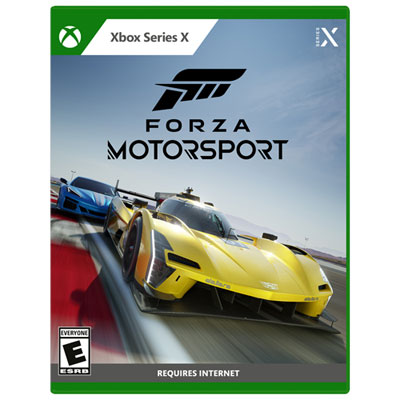
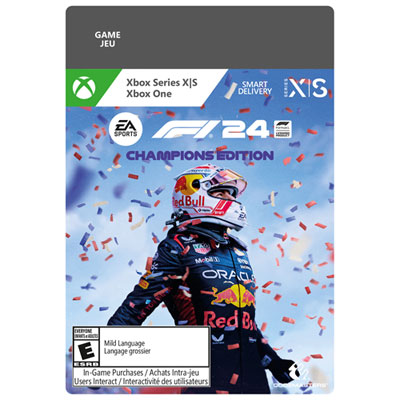
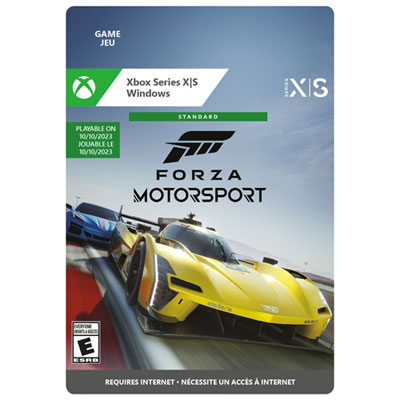


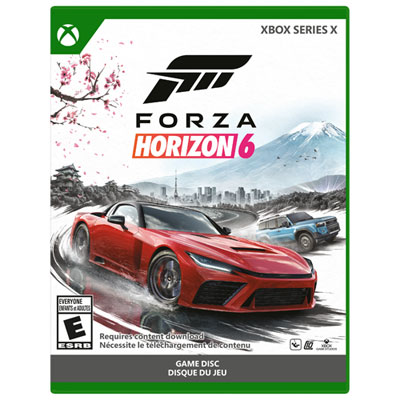

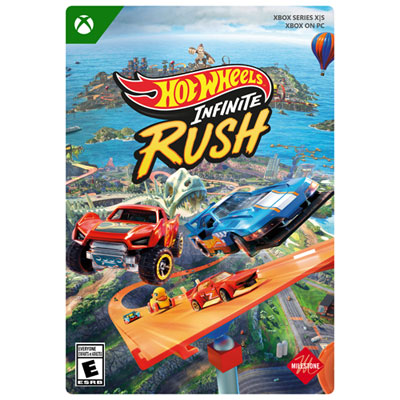

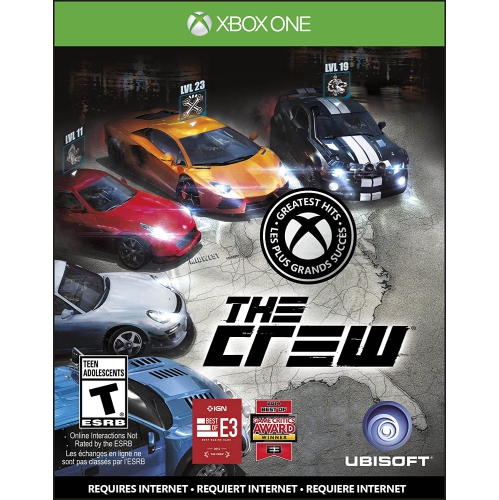


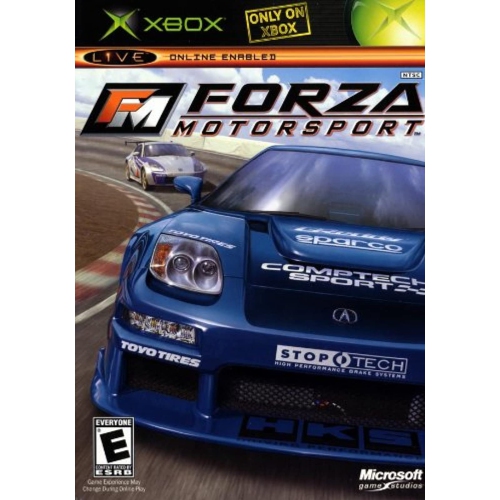


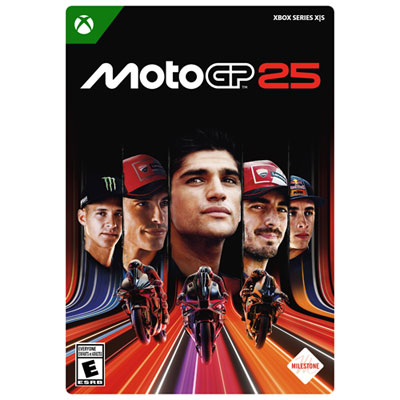
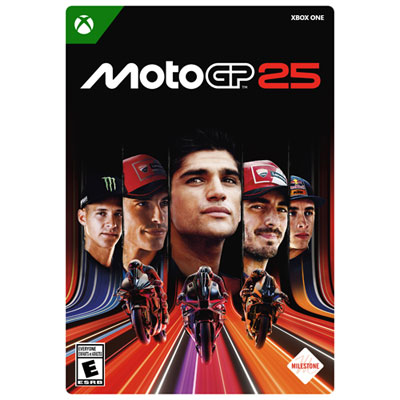


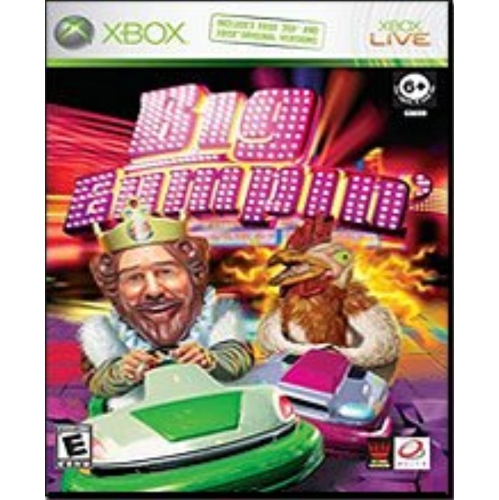
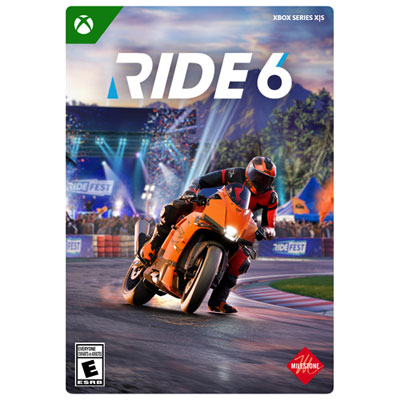
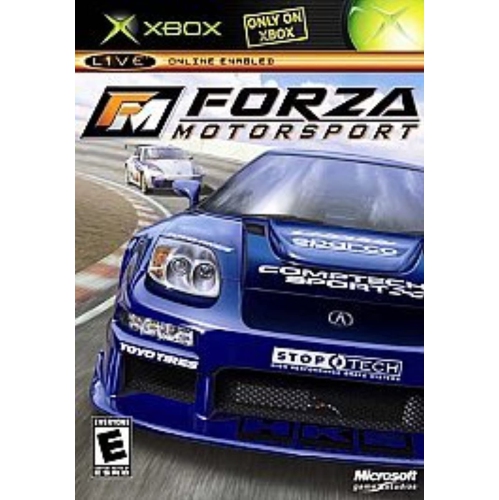




There’s more to driving than crossing the finish line
Xbox driving games span more than racing from a starting grid to a finish line. The category includes open-world driving, accessible arcade competition, detailed track simulations, rally stages, off-road challenges, and vehicle-based demolition events. Each style offers a different reason to get behind the virtual wheel. Open-world games place the emphasis on exploration, with roads to discover, optional activities, and opportunities to move between structured events and relaxed cruising. Arcade racers tend to favour responsive controls, dramatic overtakes, and a quick route into the action, making them approachable for players who want an exciting drive without studying every adjustment. Simulation-focused games put more weight on braking technique, tyre grip, racing lines, and the consequences of entering a corner too quickly. Rally and off-road games bring another rhythm, with narrow routes, loose surfaces, uneven ground, and changing sightlines that reward careful positioning as much as speed. Demolition-style events shift attention towards contact and vehicle damage, while kart-style racing can add playful courses and imaginative obstacles. These distinctions matter because two games featuring cars can feel entirely different to play. One might suit a short session spent chasing a personal best; another might encourage hours of exploration, vehicle customisation, or progress through a career. The driving itself can also serve different purposes: competitive lap times, precise parking, navigating a route, or simply enjoying the feel of a favourite vehicle type. For players most interested in organised competition, the related Xbox Racing Games collection provides a closely connected focus. Across the broader driving category, variety comes from the balance between freedom and structure, realism and spectacle, and individual progress and shared play. A satisfying match depends less on how many cars appear on screen than on whether the game offers the kind of driving experience the player enjoys returning to.
Handling and control options have a major effect on how an Xbox driving game feels over time. Some games make it easy to steer confidently with a standard controller, using assists that can help with braking, traction, or keeping the vehicle pointed in the intended direction. Others offer a more demanding model in which small changes to steering input or throttle pressure can affect stability. Adjustable difficulty, automatic transmission, racing-line displays, and rewind features, where supported, can make demanding courses more approachable without removing the satisfaction of improvement. A beginner might enjoy learning when to ease off the accelerator before a tight bend, while an experienced player may prefer switching off assists and practising the same section until the car settles neatly through the exit. For wheel users, compatibility extends beyond whether a game supports a steering wheel at all: force feedback, pedal inputs, button mapping, and adjustment options can influence the experience. Support varies by game and hardware, so controller and accessory details are an important part of the fit. Accessibility settings also deserve attention, including remappable controls, readable interface text, subtitles, camera choices, and options that reduce demanding button combinations. The viewpoint can change the feel of a session, too. A cockpit view may emphasise immersion, while a camera positioned behind the vehicle can make it easier to judge nearby traffic and the edges of a course. Vehicle tuning and customisation introduce another layer for players who enjoy experimentation. Where included, adjustments to gearing, suspension, or braking balance can turn repeated laps into a process of testing and refinement, while cosmetic options let players give their vehicles a distinctive appearance. Long-term appeal often comes from this mix of approachable controls, meaningful challenges, varied routes, and room to develop skill. For someone who enjoys mastering a hobby, shaving a fraction off a lap time can be every bit as rewarding as reaching a new destination.
The way people play is just as important as the style of driving. Single-player careers, time trials, and free-drive modes can suit players who prefer setting their own pace, while online multiplayer adds the unpredictability of human rivals. Local split-screen, when included, makes driving games a shared activity on one television, whether the aim is friendly competition or helping a new player learn the controls. These modes are not interchangeable: a game with online races does not necessarily include local multiplayer, and some features may depend on an internet connection or a separate membership. Offline play, player counts, and account requirements help determine how well a game fits a household. A quick event can work well when there is only time for a few laps, whereas longer races and career progression may appeal to players who enjoy settling into a more involved session. For gifts, interests are often more useful than age alone. A car enthusiast might appreciate detailed vehicle behaviour and tuning, a casual player may prefer forgiving handling, and someone who enjoys exploring virtual worlds may be drawn to open roads and optional challenges. Age ratings and content descriptions remain important, particularly where collisions, aggressive competition, language, or player communication are involved. Console compatibility and format also affect the fit: disc-based games require suitable disc-reading hardware, while digital games require compatible access and enough storage for installation. Downloads, updates, and optional content can add to storage needs, and features can differ between editions or console generations. Physical discs benefit from simple care, including handling them by the edges and returning them to their cases rather than leaving them exposed to scratches. Beyond the format, lasting enjoyment comes from content worth revisiting, whether that means learning a difficult circuit, experimenting with a different vehicle class, or sharing a familiar course with friends. Xbox driving games offer room for both relaxed recreation and focused competition, with experiences shaped by the player’s preferred pace, controls, and goals.
Top selling and popular products
-
 Your price for this item is $69.99
-
 Your price for this item is $69.99
-
 Your price for this item is $79.99
-
 Your price for this item is $59.99
-
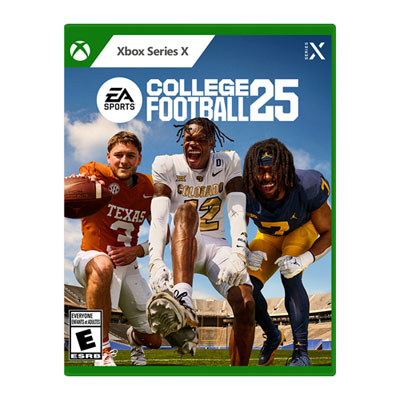 Your price for this item is $39.99
-
 Your price for this item is $10.99
-
 Your price for this item is $24.99
-
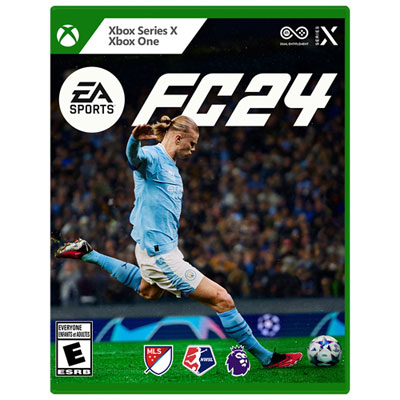 Your price for this item is $11.97
Discover more categories related to Xbox Driving Games
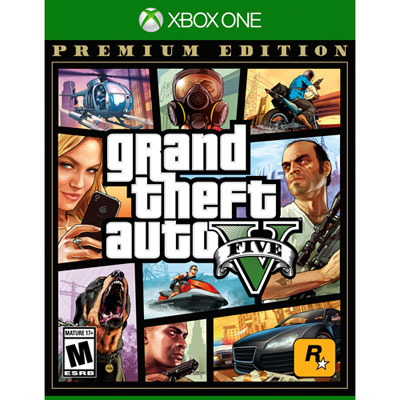


Top Collections:
Pokemon Centers, Kindle Devices, Best Black Friday Deals This Year, Pokémon 30th Celebration Cards, Best Black Friday Deals On Electronics, Best Cameras for Sports Photography, Best Black Friday Deals On Apple Products, Canon G7X Cameras, iPhone 15 Apple, Candle Warmer Lights
Some products may be subject to Environmental Handling Fees
(EHF) depending on your province.
Learn more about EHFs.