Xbox Racing Games
If you're a gamer, you know that there's more to racing games than just racing. There's the competition with other players online, the thrill of beating your best time, and the sense of accomplishment that comes from building up your car and winning races. And if you're an Xbox gamer, you've got even more options than usual. The Xbox has some of the best racing games available, and they're all available on your console. Here are our favorites.
Sort
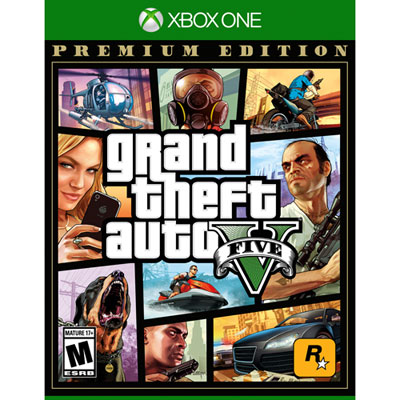
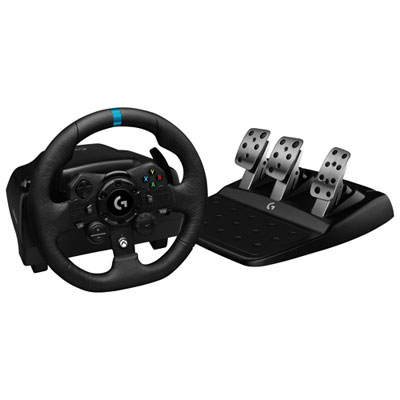
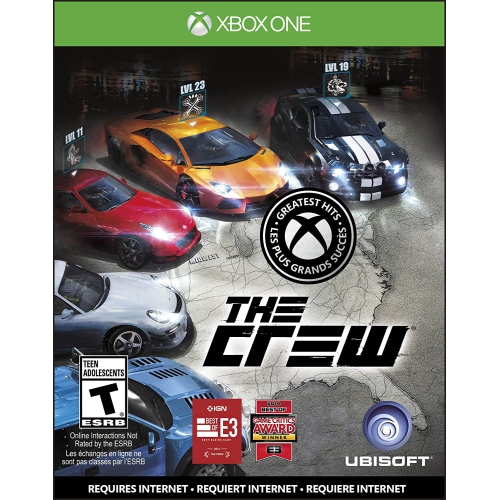
![SEGA Sonic & All-Stars Racing Transformed [Xbox 360] great phone good size](https://multimedia.bbycastatic.ca/multimedia/products/500x500/153/15322/15322816.png)
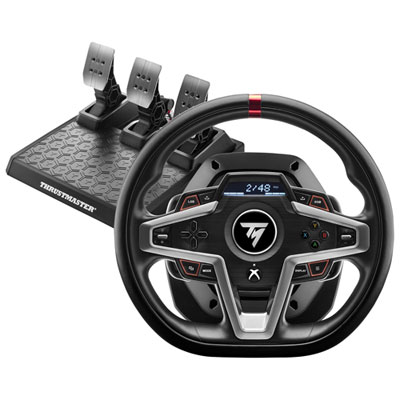
![CODEMASTERS F1 2021 [Xbox One / Xbox Series X] Amazing product and shipped by Best Buy in time !](https://multimedia.bbycastatic.ca/multimedia/products/500x500/198/19881/19881544.jpeg)
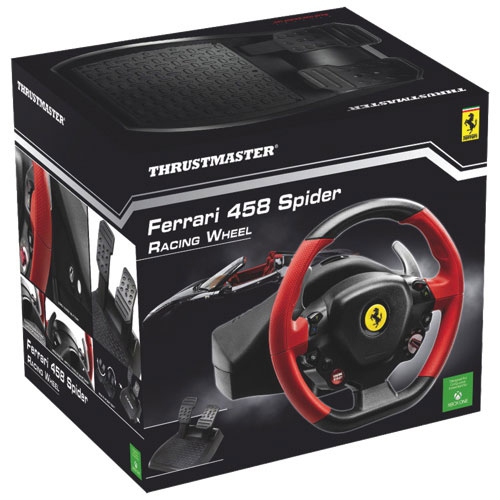
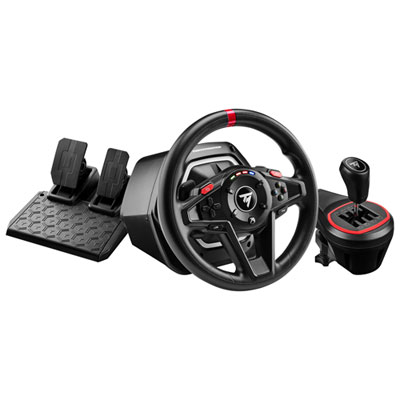
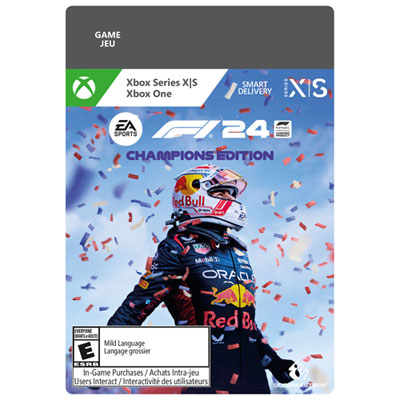
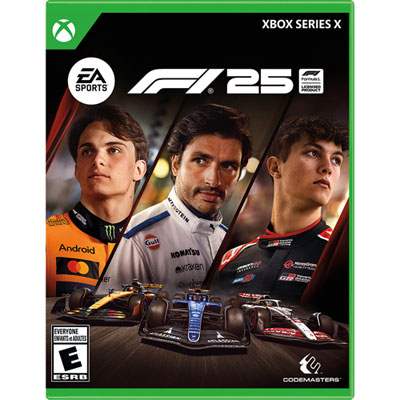
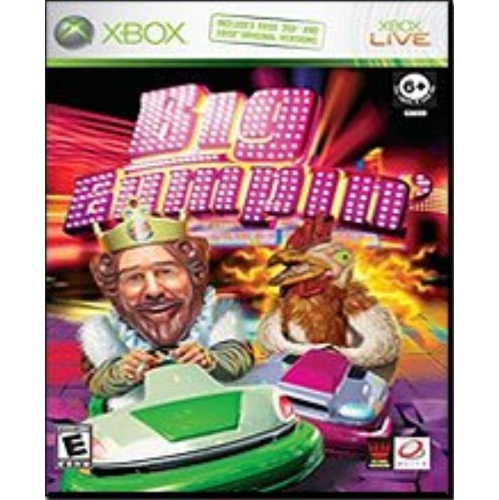
![ELECTRONIC ARTS Grid Legends [Xbox Series X]](https://multimedia.bbycastatic.ca/multimedia/products/500x500/193/19382/19382923.jpeg)
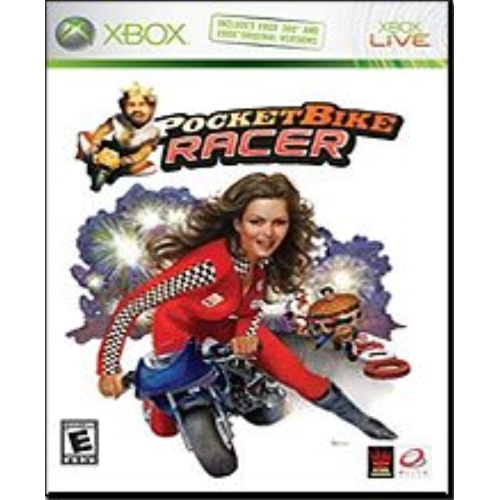
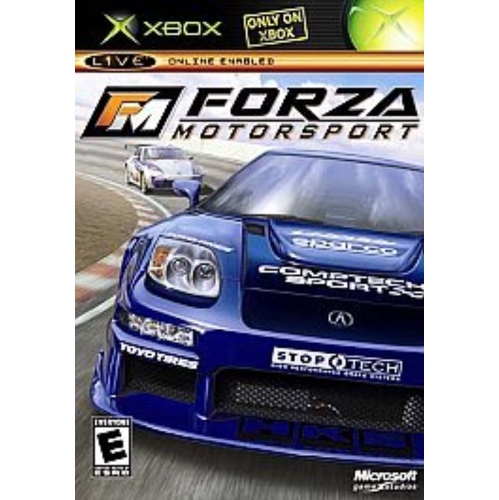
![UBISOFT The Crew 2 [Xbox One]](https://multimedia.bbycastatic.ca/multimedia/products/500x500/169/16982/16982325.jpeg)
![ELECTRONIC ARTS Burnout Paradise Remastered [Xbox One]](https://multimedia.bbycastatic.ca/multimedia/products/500x500/169/16982/16982613.jpeg)
![DEEP SILVER Motogp25 [Xbox Series X]](https://multimedia.bbycastatic.ca/multimedia/products/500x500/198/19881/19881711.jpeg)
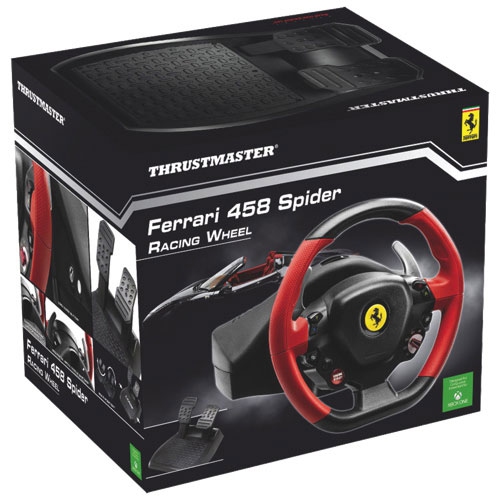
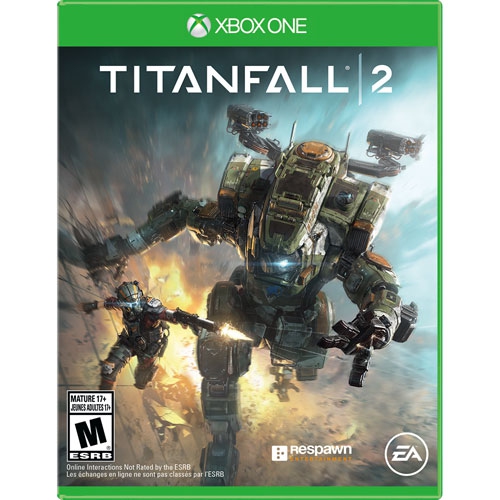
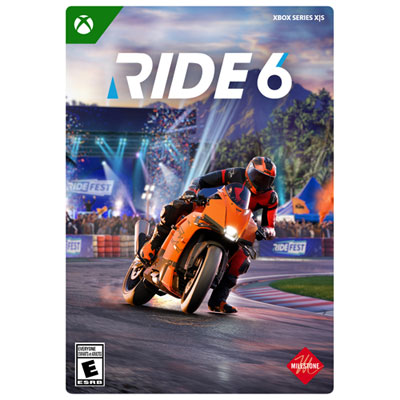
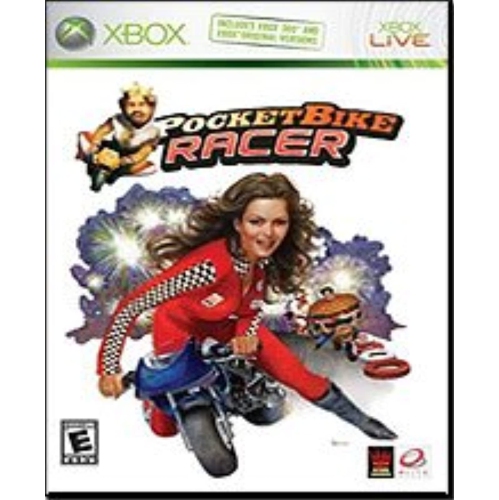
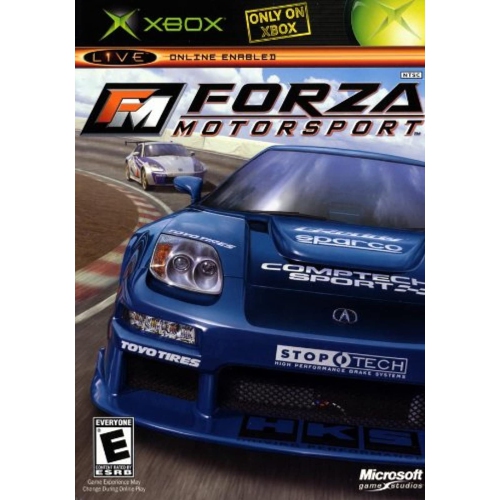
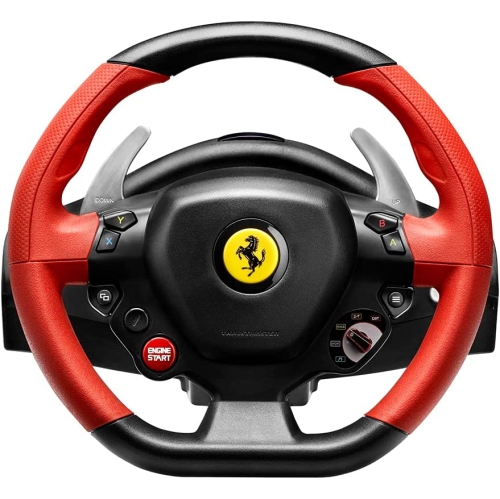
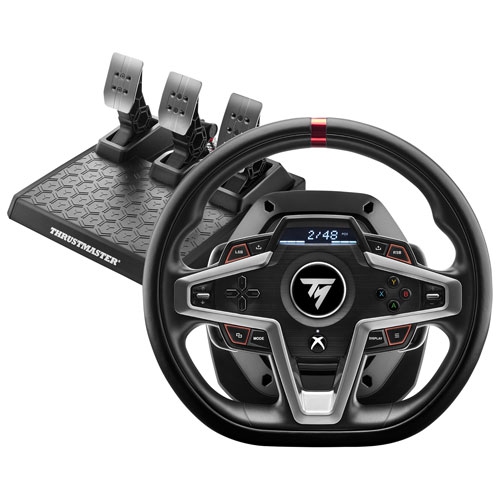
From quick arcade thrills to precision on the track
Xbox racing games cover a broad spectrum of driving experiences, from approachable arcade races and open-world exploration to detailed circuit simulations and demanding off-road stages. The main difference is how each game balances instant enjoyment with the skills involved in controlling a vehicle at speed. Arcade racing typically favours responsive steering, forgiving handling, dramatic overtakes, and a quick route into the action. It can suit players who enjoy short sessions, colourful presentation, and the excitement of moving through a crowded field without spending much time adjusting a car. Simulation-focused racing places greater emphasis on braking points, tyre grip, weight transfer, and consistent cornering. A lap becomes a sequence of small decisions: where to lift off the accelerator, how firmly to brake, and when to apply power without running wide on the exit. Between these styles are games that combine believable vehicle behaviour with adjustable assists, giving newer drivers room to build confidence while leaving enough depth for experienced players. Open-world racing adds freedom to the structure, letting players travel between events, discover routes, and spend time driving without a starting grid or finish line. Closed-circuit games concentrate the action on defined tracks, where learning the same corners can make each improved lap feel earned. Rally and off-road racing introduce loose surfaces, narrow routes, and frequent changes in grip, often making control more important than outright speed. Some games also include drifting, elimination events, stunt challenges, or vehicle-based competition with a playful tone. These differences matter more to the overall experience than the number of cars alone. A player who loves perfecting one difficult circuit may enjoy a focused racing format, while someone drawn to exploration may prefer a large map with varied events. Across the category, the appeal can be the competition, the cars themselves, the satisfaction of mastering a technique, or simply an enjoyable drive after a busy day.
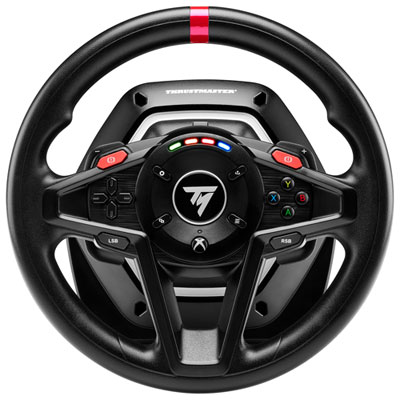
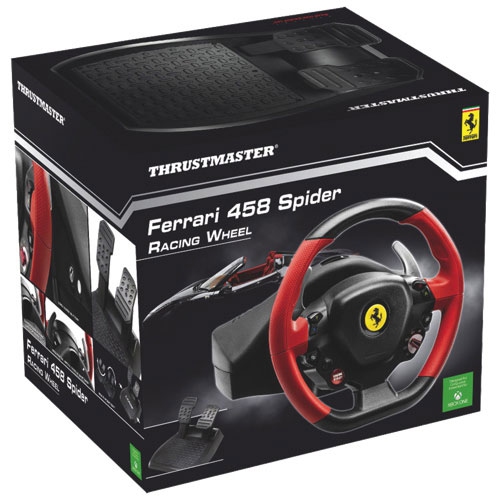
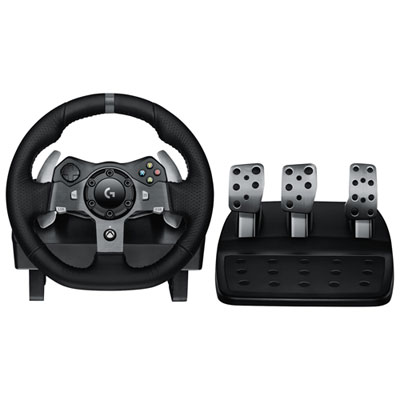
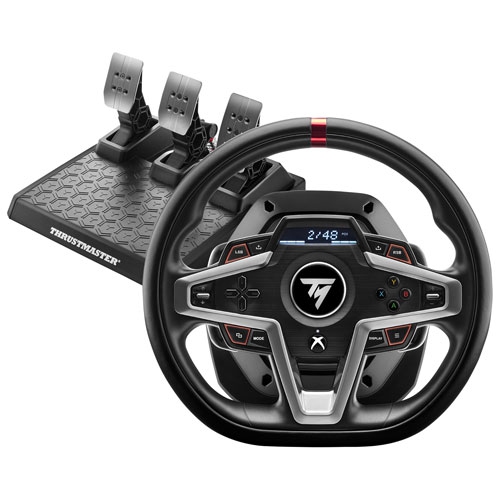
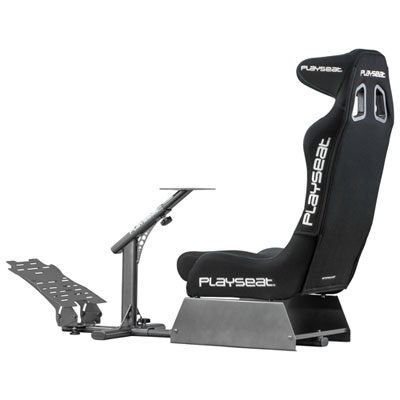
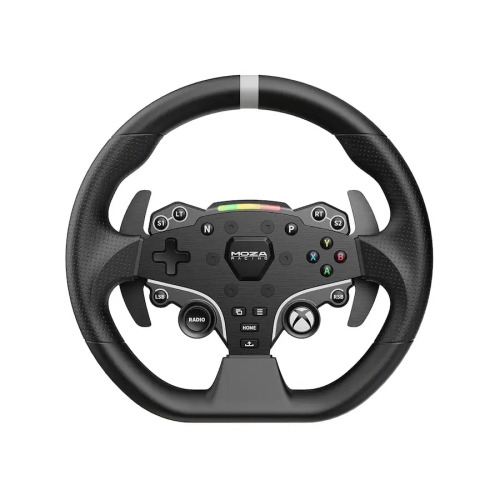
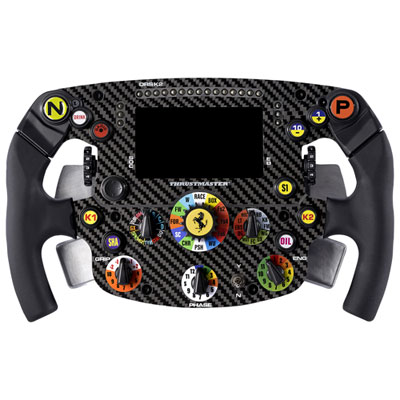
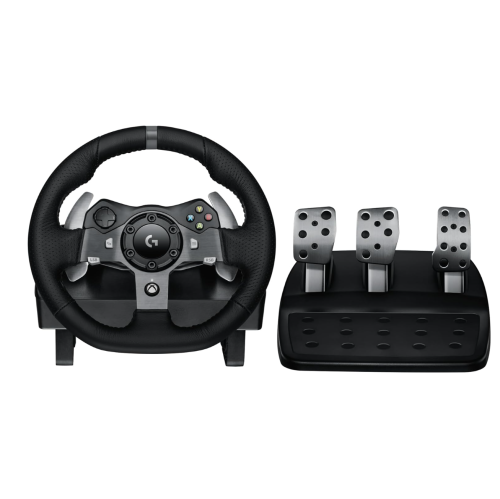
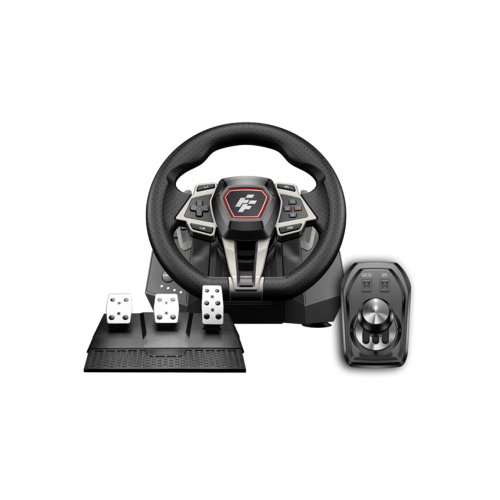
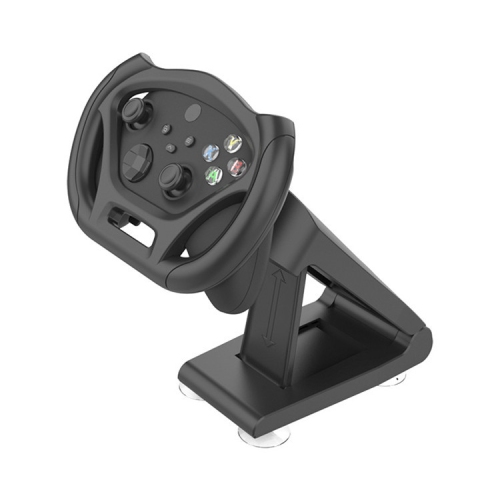
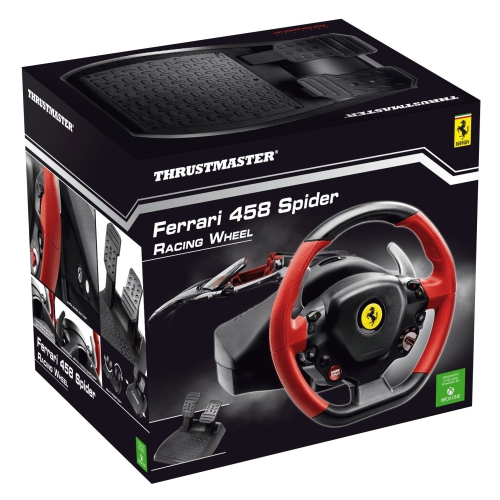
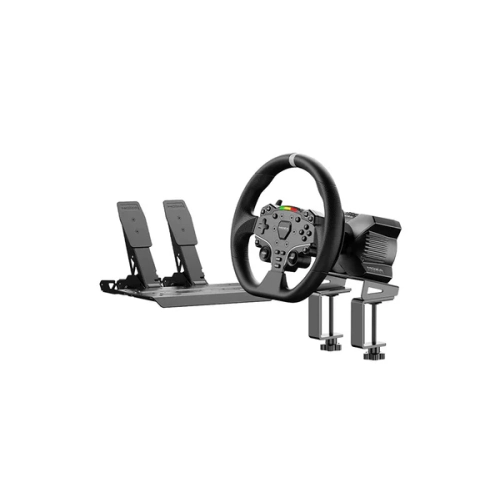
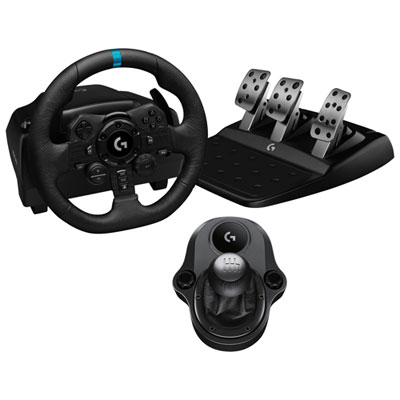
The feel of an Xbox racing game also depends on its controls, progression, and approach to customization. A standard controller is a practical way to play many racing games, with analogue triggers allowing gradual acceleration and braking rather than an abrupt on-or-off response. Steering sensitivity, adjustable difficulty, automatic transmission, braking assistance, and suggested racing lines can make unfamiliar cars easier to manage, although the settings differ between games. More experienced players may prefer fewer assists and a handling model that rewards smooth inputs. Compatible steering wheels and pedals can add a more physical connection to driving, particularly in games with well-developed wheel support. Force feedback, where supported, can communicate resistance through the wheel as the car turns or loses grip; its effect depends on the game, hardware, and settings. A wheel setup also needs a stable mounting surface, comfortable pedal placement, and enough room to sit with relaxed arms, making it a different proposition from playing with a controller on the sofa. Vehicle customization can be another major part of the experience. Visual changes may include paint colours, wheel designs, and body styling, while performance adjustments can involve gearing, suspension, brakes, and tyre choices. Some games explain these systems clearly or provide preset setups, while others invite more experimentation. Career modes often connect races through championships, vehicle unlocks, team development, or increasingly challenging events, giving players reasons to return beyond a single result. Time trials offer a quieter kind of competition, with personal bests and ghost laps making progress visible even without another driver on the track. For someone with only a few minutes to play, a standalone race or short challenge may fit better than a lengthy championship round. Players who enjoy longer sessions may appreciate endurance events, detailed tuning, or a career that develops gradually. Clear menus, readable text, remappable controls, and useful audio or visual cues are also meaningful considerations, especially when several people with different experience levels share the same console.
Console compatibility and play requirements help determine how comfortably a racing game fits into an existing setup. Xbox games are not automatically compatible with every console generation, and the supported platform matters whether the game uses a physical disc or a digital download. For players using that console generation, Xbox One Driving Games offers a more focused category to explore. A physical edition needs a compatible console with a disc drive, while a digital edition requires sufficient storage and the appropriate account access. Physical games can still require installation, updates, or additional downloads, so the disc itself does not necessarily mean every feature works without an internet connection. Single-player modes, online races, shared-world features, and local multiplayer also vary by game. Split-screen play is particularly relevant for siblings, friends, or households that want to race together on one screen, but it should not be assumed simply because a game supports multiplayer. Online competition may require a separate subscription, and playing with friends on other platforms depends on whether that game supports cross-platform play. For gift recipients, the most useful details are often the console they own, the racing styles they enjoy, and whether they prefer playing alone or with others. Age ratings and content descriptions can help distinguish straightforward motorsport competition from games that include stronger language, collisions, or other mature elements. Games with adjustable assists and local play can be welcoming for mixed-experience groups, while deeper simulations may appeal to someone who follows motorsport or enjoys understanding how cars behave. Physical discs benefit from simple care: handling them by the edges, returning them to their cases, and keeping the playing surface free of scratches and fingerprints. Beyond physical condition, lasting enjoyment often comes from varied events, satisfying handling, flexible difficulty, and modes worth revisiting. A well-matched racing game can be just as rewarding during a relaxed solo drive as it is in a close finish against a familiar rival.
The feel of an Xbox racing game also depends on its controls, progression, and approach to customization. A standard controller is a practical way to play many racing games, with analogue triggers allowing gradual acceleration and braking rather than an abrupt on-or-off response. Steering sensitivity, adjustable difficulty, automatic transmission, braking assistance, and suggested racing lines can make unfamiliar cars easier to manage, although the settings differ between games. More experienced players may prefer fewer assists and a handling model that rewards smooth inputs. Compatible steering wheels and pedals can add a more physical connection to driving, particularly in games with well-developed wheel support. Force feedback, where supported, can communicate resistance through the wheel as the car turns or loses grip; its effect depends on the game, hardware, and settings. A wheel setup also needs a stable mounting surface, comfortable pedal placement, and enough room to sit with relaxed arms, making it a different proposition from playing with a controller on the sofa. Vehicle customization can be another major part of the experience. Visual changes may include paint colours, wheel designs, and body styling, while performance adjustments can involve gearing, suspension, brakes, and tyre choices. Some games explain these systems clearly or provide preset setups, while others invite more experimentation. Career modes often connect races through championships, vehicle unlocks, team development, or increasingly challenging events, giving players reasons to return beyond a single result. Time trials offer a quieter kind of competition, with personal bests and ghost laps making progress visible even without another driver on the track. For someone with only a few minutes to play, a standalone race or short challenge may fit better than a lengthy championship round. Players who enjoy longer sessions may appreciate endurance events, detailed tuning, or a career that develops gradually. Clear menus, readable text, remappable controls, and useful audio or visual cues are also meaningful considerations, especially when several people with different experience levels share the same console.
Console compatibility and play requirements help determine how comfortably a racing game fits into an existing setup. Xbox games are not automatically compatible with every console generation, and the supported platform matters whether the game uses a physical disc or a digital download. For players using that console generation, Xbox One Driving Games offers a more focused category to explore. A physical edition needs a compatible console with a disc drive, while a digital edition requires sufficient storage and the appropriate account access. Physical games can still require installation, updates, or additional downloads, so the disc itself does not necessarily mean every feature works without an internet connection. Single-player modes, online races, shared-world features, and local multiplayer also vary by game. Split-screen play is particularly relevant for siblings, friends, or households that want to race together on one screen, but it should not be assumed simply because a game supports multiplayer. Online competition may require a separate subscription, and playing with friends on other platforms depends on whether that game supports cross-platform play. For gift recipients, the most useful details are often the console they own, the racing styles they enjoy, and whether they prefer playing alone or with others. Age ratings and content descriptions can help distinguish straightforward motorsport competition from games that include stronger language, collisions, or other mature elements. Games with adjustable assists and local play can be welcoming for mixed-experience groups, while deeper simulations may appeal to someone who follows motorsport or enjoys understanding how cars behave. Physical discs benefit from simple care: handling them by the edges, returning them to their cases, and keeping the playing surface free of scratches and fingerprints. Beyond physical condition, lasting enjoyment often comes from varied events, satisfying handling, flexible difficulty, and modes worth revisiting. A well-matched racing game can be just as rewarding during a relaxed solo drive as it is in a close finish against a familiar rival.
Top selling and popular products
-
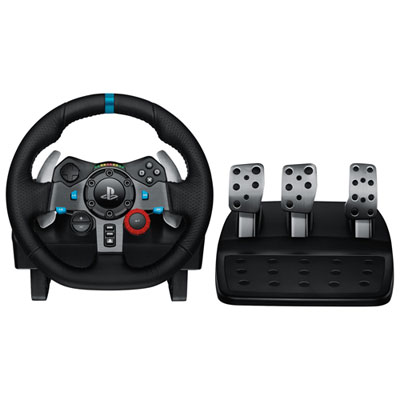 Your price for this item is $399.99
 -
 Your price for this item is $89.99
 -
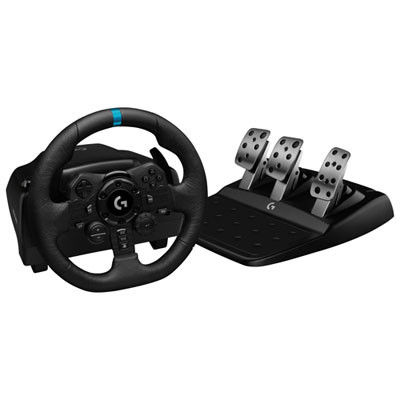 Your price for this item is $479.99
 -
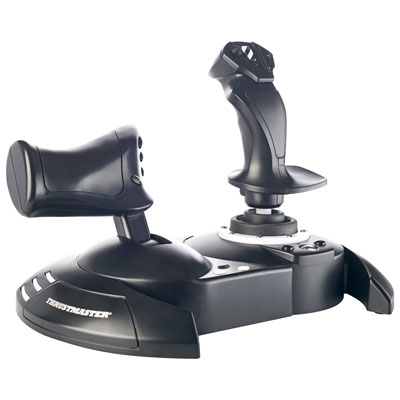 Your price for this item is $129.99
 -
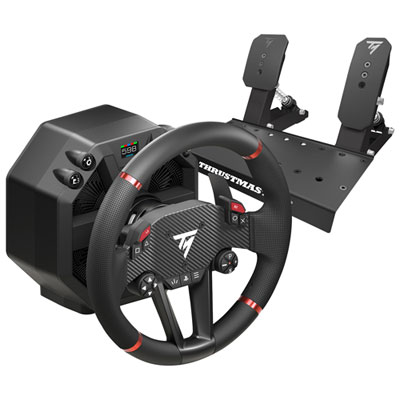 Your price for this item is $699.99
 -
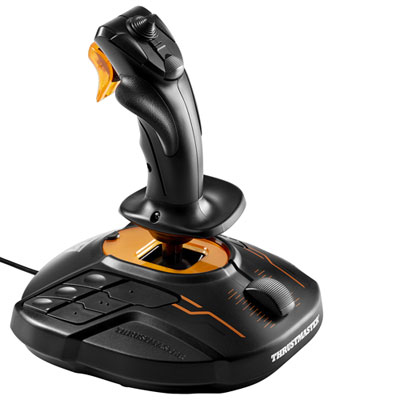 Your price for this item is $109.99
 -
 Your price for this item is $367.69
 -
 Your price for this item is $479.99
Discover more categories related to Xbox Racing Games
Top Collections:
Pokemon Centers, Kindle Devices, Best Budget Office Chairs, Apple iPhones 16, Best Laptops for Writers, iPhone 15 Apple, Canon G7X Cameras, Refurbished Apple Laptops, Alarm Clock, Motorola Razr Phones
Some products may be subject to Environmental Handling Fees
(EHF) depending on your province.
Learn more about EHFs.