Good Xbox Games
If you're looking for a game to play on your Xbox, we've got you covered. Whether you're a fan of action-adventure games or love to shoot things, there are plenty of options available.
Sort


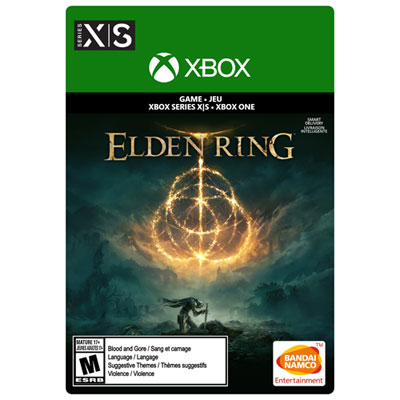
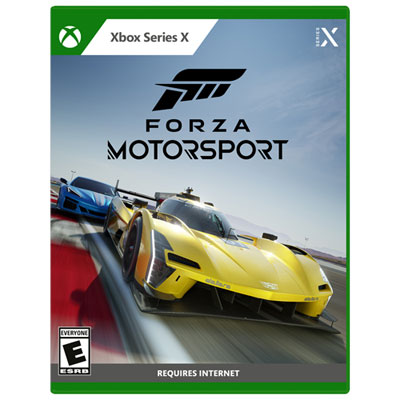

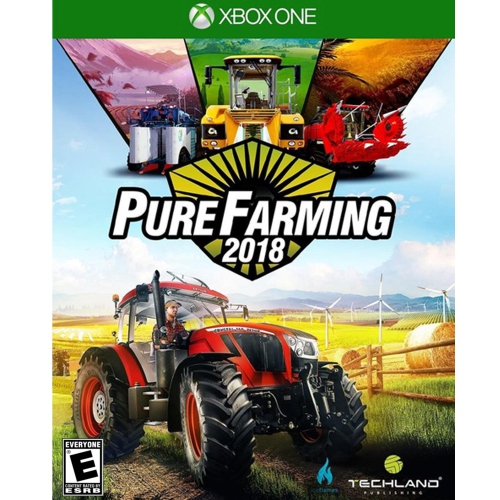

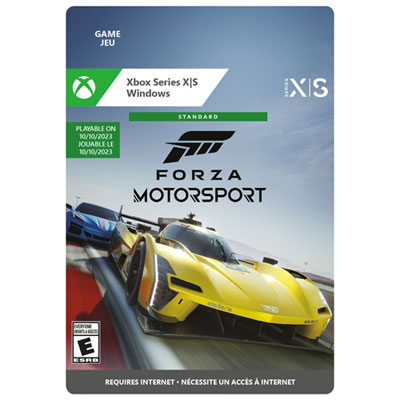


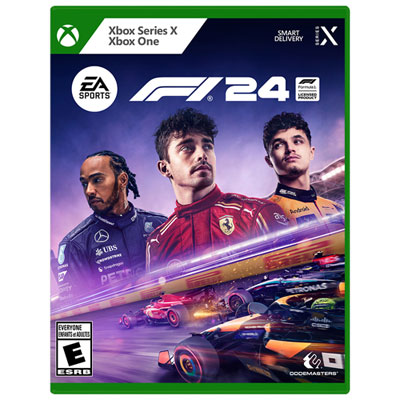


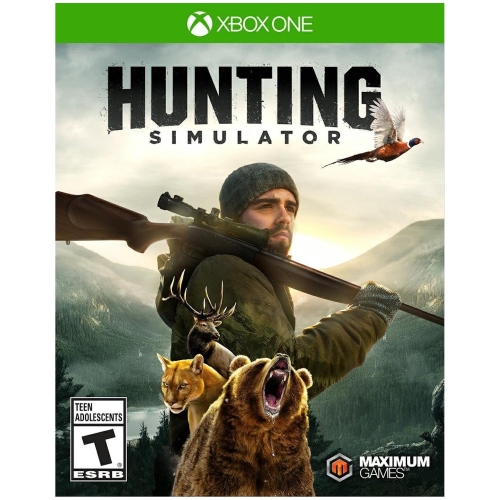
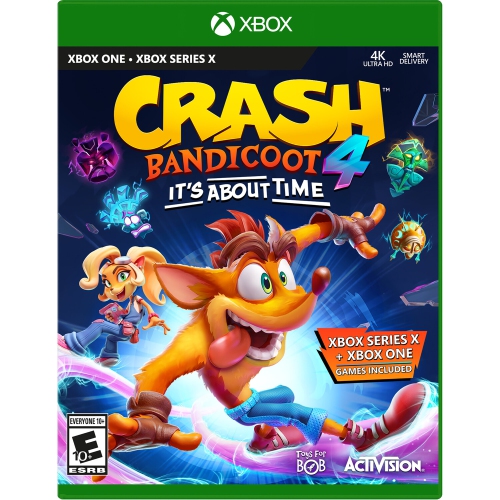


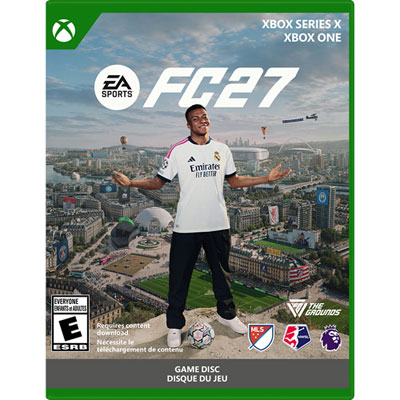


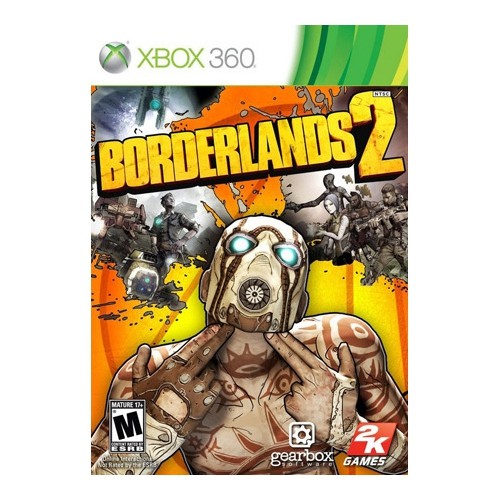


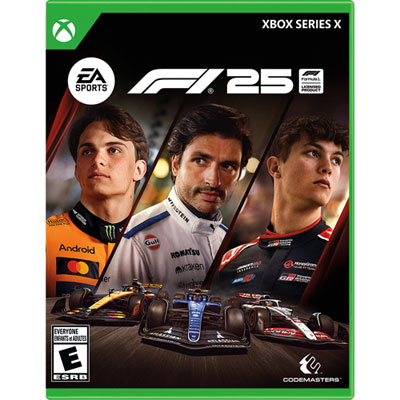


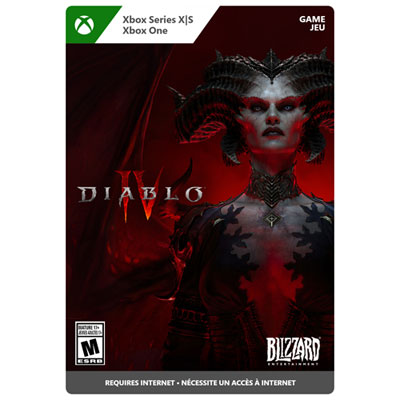
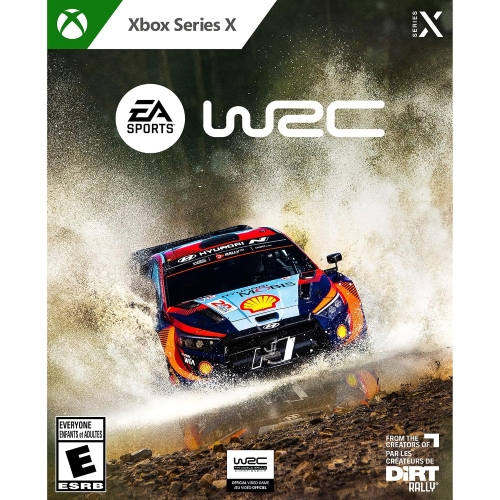


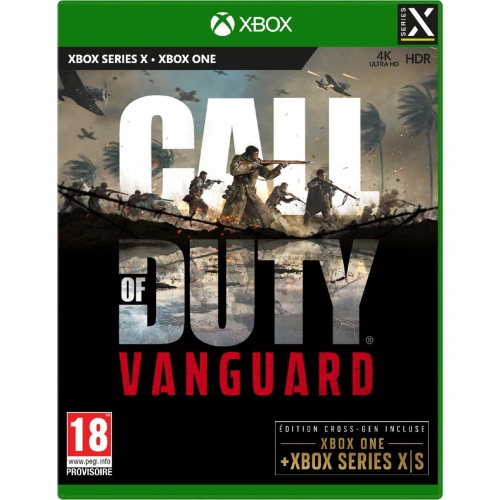


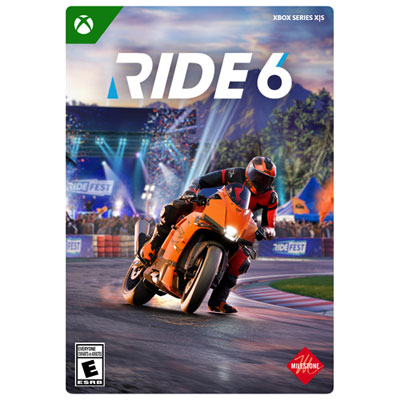

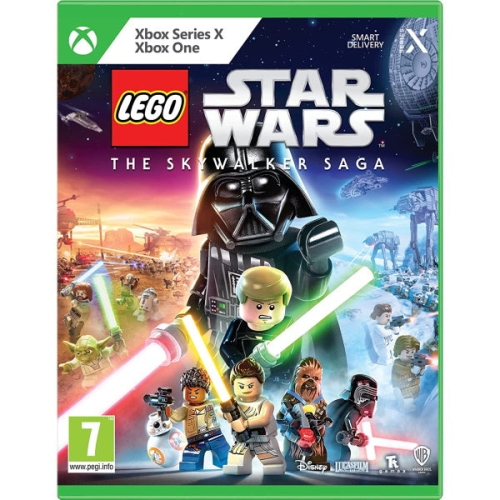


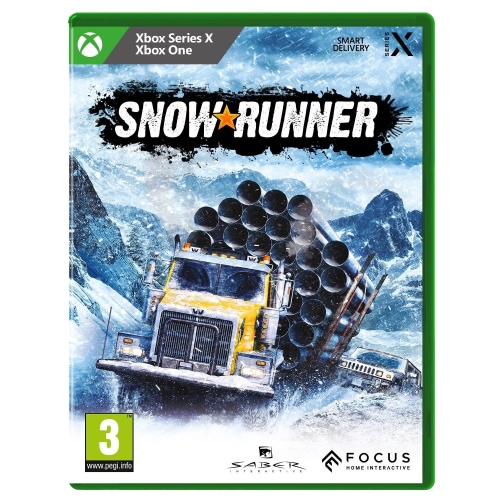

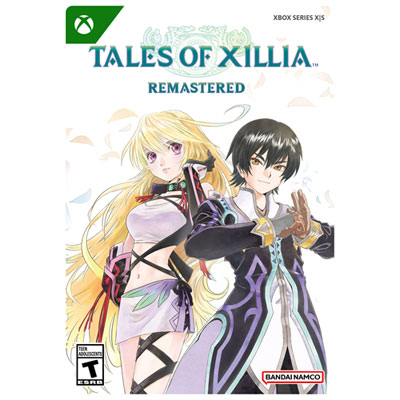


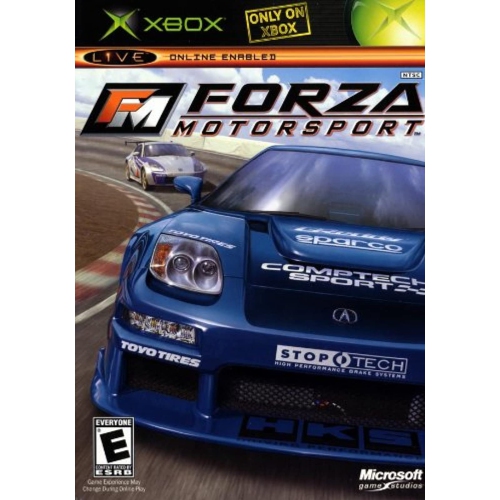


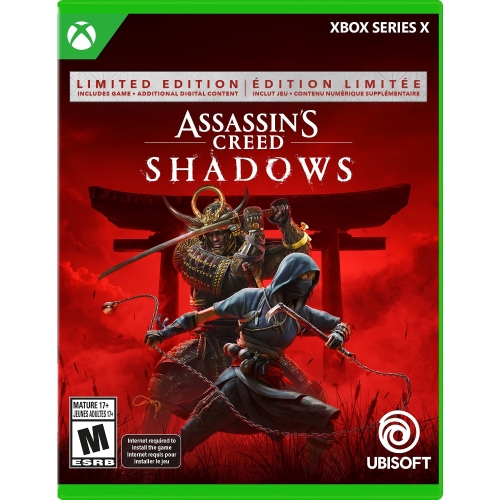

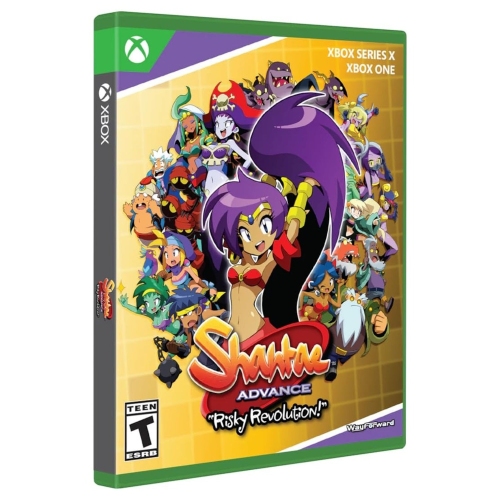


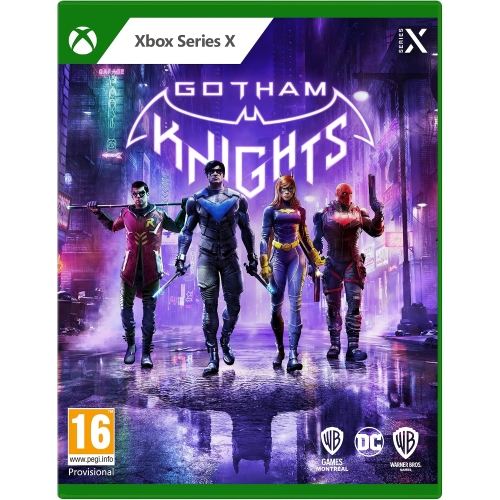

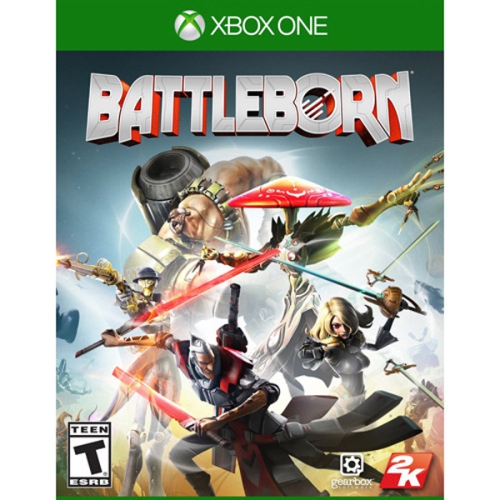


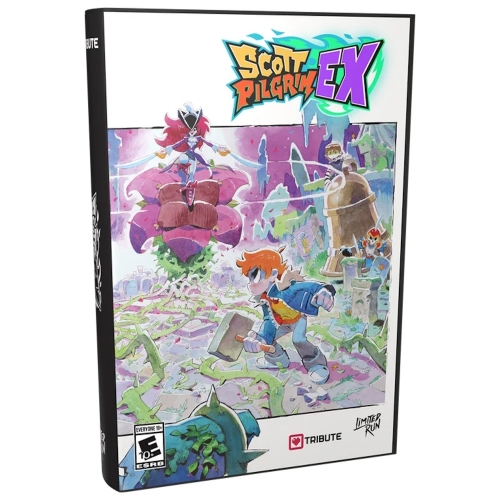


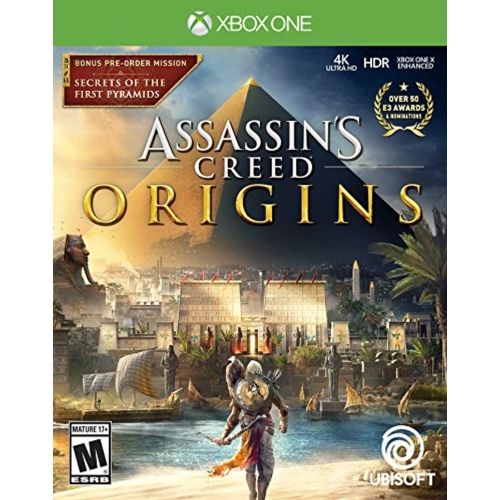


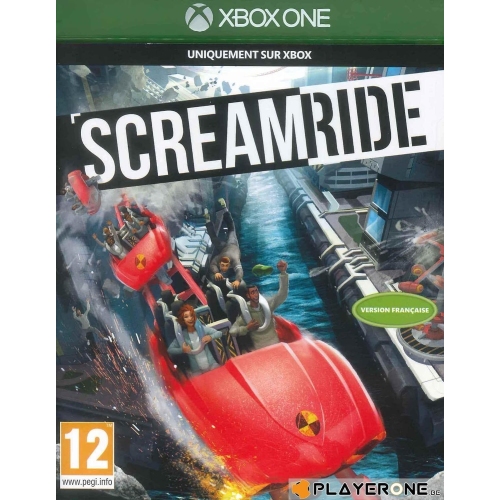
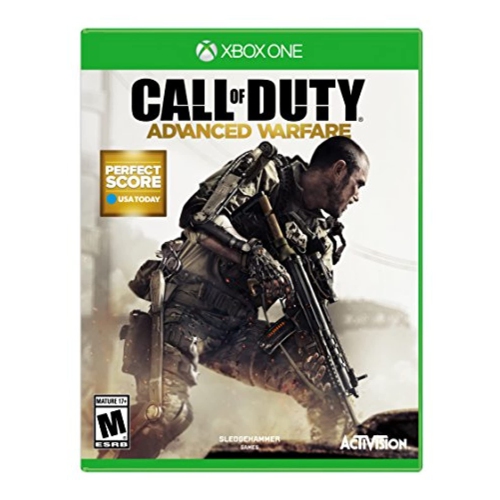


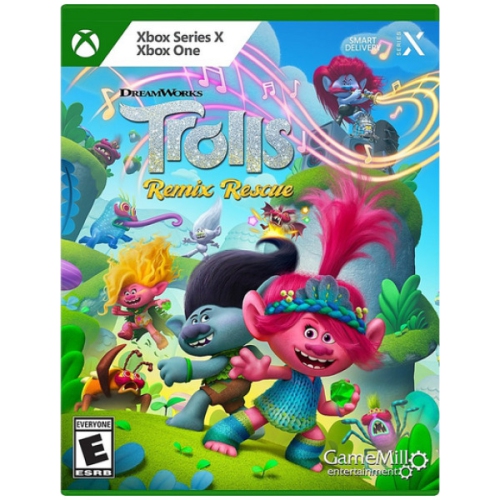


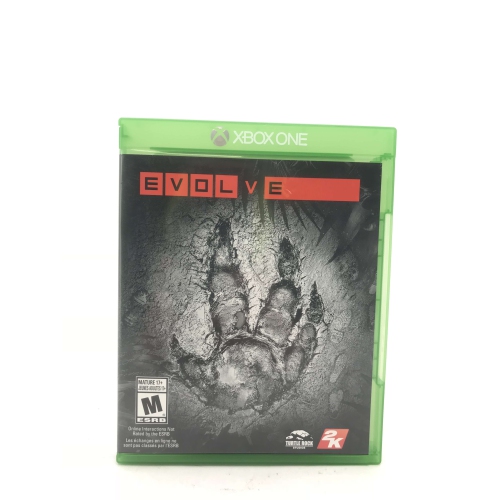


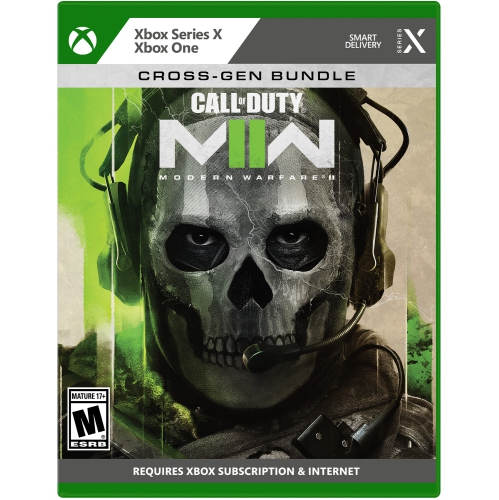


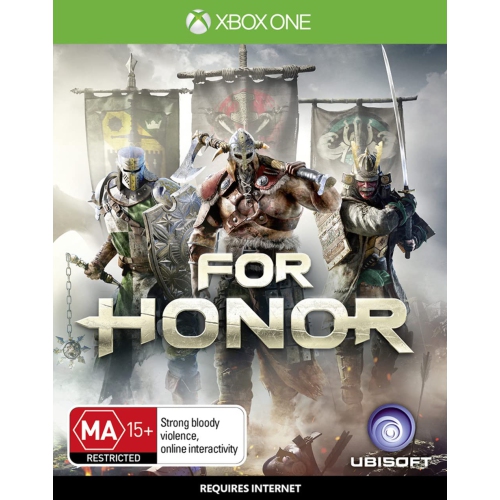


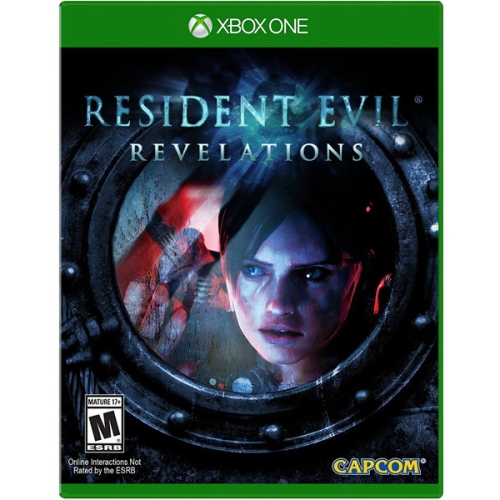

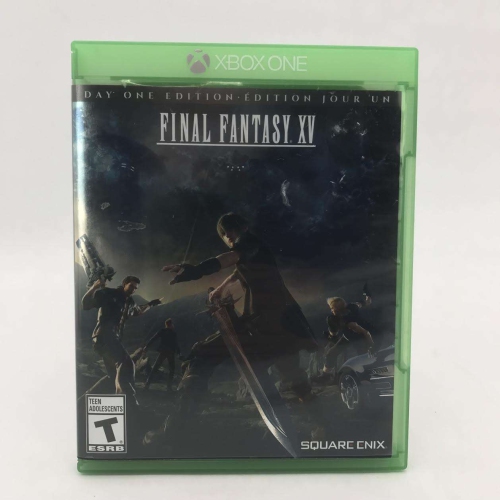


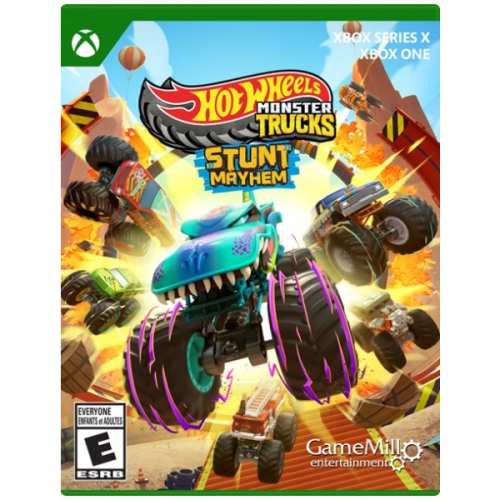
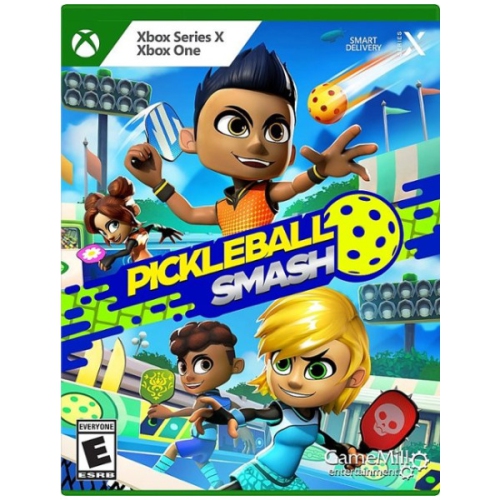

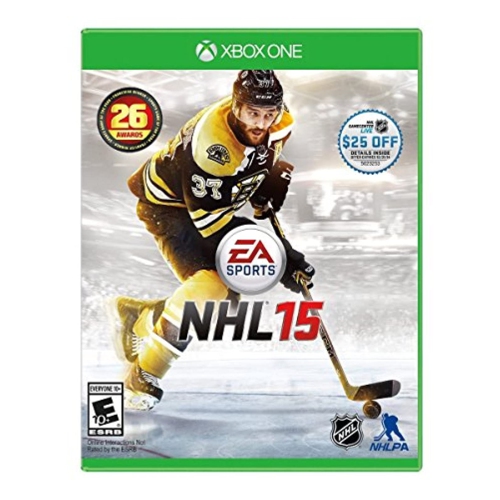


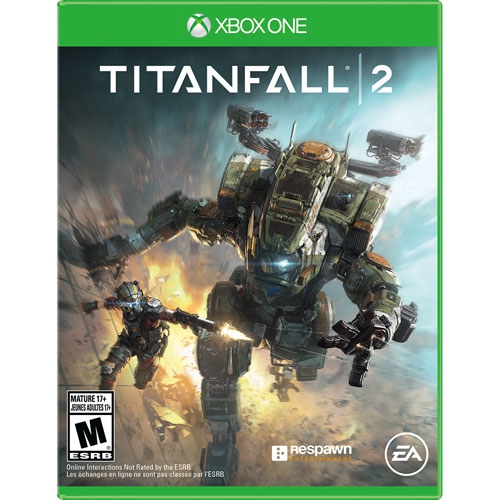

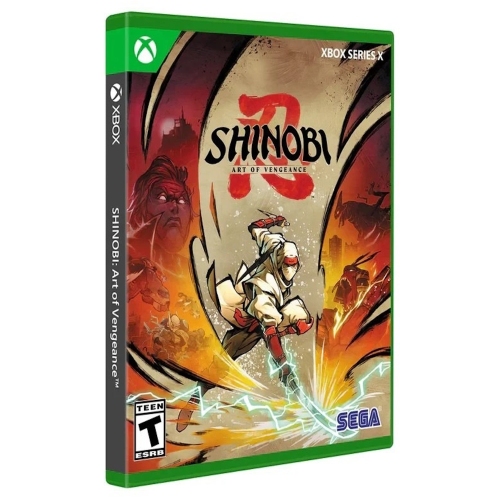


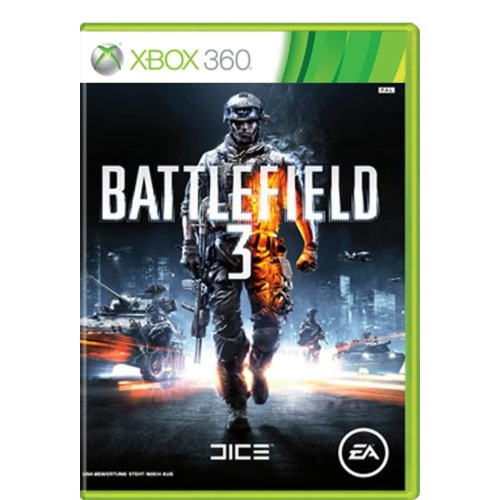
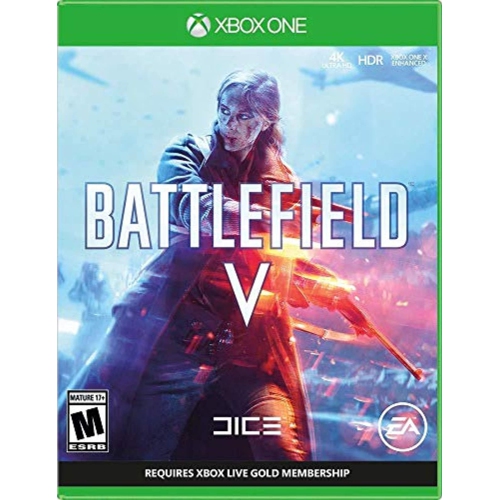


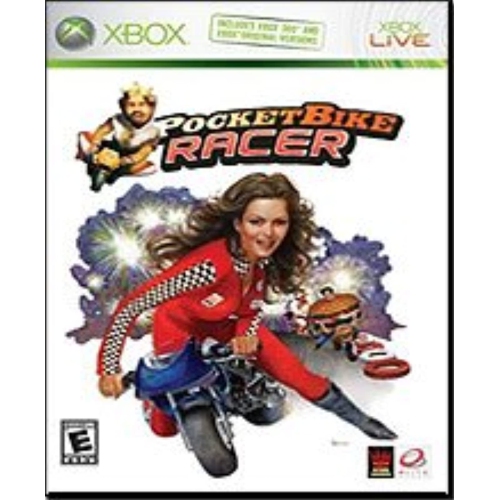


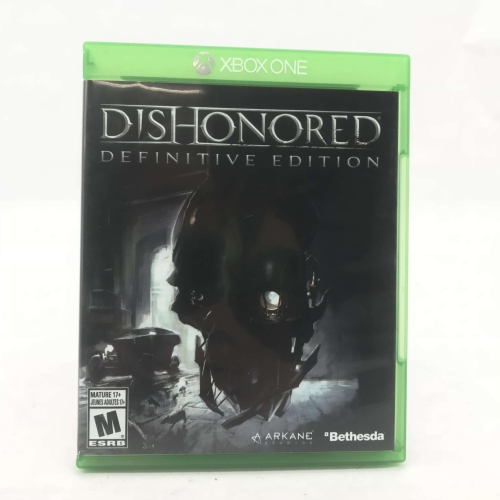
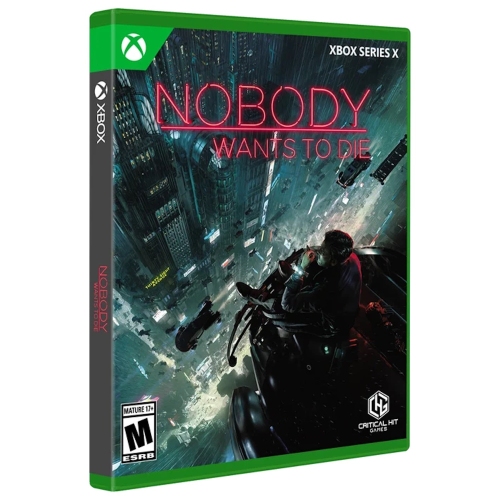


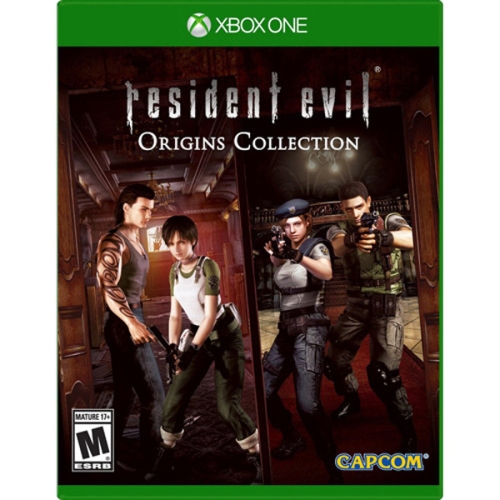



Xbox games that suit your play style and schedule
Good Xbox games combine engaging play, responsive controls, and an experience that suits the person holding the controller. For some players, that means a sprawling adventure with side paths, memorable characters, and discoveries tucked beyond the main route. For others, it means a tightly paced race, a satisfying puzzle, or a cooperative challenge that makes an evening with friends more entertaining. Action and adventure games often mix exploration, movement, and combat, while role-playing games place more emphasis on character development, equipment, dialogue, and choices that shape the journey. Racing games can range from approachable arcade handling to detailed driving systems where braking points and vehicle setup make a noticeable difference. Sports games may appeal to players who enjoy learning team tactics, practising individual skills, or sharing a familiar competition with family. Puzzle and strategy games offer a different rhythm, rewarding observation, planning, and the pleasure of seeing a complicated problem click into place. Sandbox and building games leave more room for experimentation, whether the goal is constructing an elaborate base or creating something playful without a fixed destination. These differences matter more than a single definition of what makes a game good: a demanding challenge can be absorbing for one player and frustrating for another. The shape of the experience matters, too. A focused, story-led game can deliver a clear beginning, middle, and ending, while an open-world game invites detours and longer stretches of exploration. Neither approach is automatically better. Someone who enjoys following a strong narrative may prefer carefully paced chapters, while a curious explorer might value the freedom to leave the main objective behind. Turn-based play gives players time to consider a move, whereas real-time action asks for quicker reactions and coordination. A game’s visual style, sound, humour, and overall tone also influence its appeal, helping distinguish a relaxed creative escape from a tense adventure or a lively competitive match.
The way a game fits into everyday life is just as important as its genre. Short races, individual matches, and self-contained puzzle levels can suit players who have half an hour to unwind, while longer missions and extended story sequences may be more comfortable when there is time to settle in. Save systems and pause options affect that fit, especially in a shared household where interruptions are normal. Some single-player games allow frequent saving or quick pauses, while live online sessions generally continue even when someone needs to step away. Multiplayer also covers several distinct experiences. Local multiplayer brings people together on the same console, sometimes through split-screen play, while online multiplayer connects players using separate systems and accounts. Cooperative modes encourage players to work towards shared goals, such as solving a puzzle together or coordinating different roles during a difficult encounter. Competitive modes put the emphasis on outplaying an opponent, mastering a course, or improving performance over repeated matches. A game described as multiplayer does not necessarily support every arrangement, so the distinction between local play, online play, and the number of supported players is meaningful for families and groups of friends. Cross-platform play and shared progression are separate features, and neither should be assumed simply because a game has online modes. Related collections such as Best Xbox Games offer another starting point for exploring these different styles of play. Accessibility features can also make a substantial difference to comfort and enjoyment. Adjustable difficulty, readable subtitles, customizable controls, colour settings, and options that reduce demanding button combinations may help more people participate, although the exact features vary by game. For younger players, age ratings and content descriptors provide useful context alongside the style of play. Reading ability, patience with complex menus, and confidence using a controller can be just as relevant as age when choosing an experience that feels welcoming rather than overwhelming.
Compatibility and format are practical considerations for any Xbox game collection. A game needs to support the intended console generation, and compatibility should be established from the edition’s stated requirements rather than its name or cover art alone. Different editions of the same game may include different content or support different hardware, and an upgrade between generations is not always included. Physical games require a compatible console with a disc drive; a console without one needs a compatible digital version. A disc can still require installation, storage space, and updates, so a physical edition does not necessarily mean everything runs directly from the disc or works without an internet connection. Digital games are associated with account and redemption terms, making the intended account and region relevant, particularly when choosing a gift. Online features may require an internet connection, an account, or a separate membership, depending on the game and mode. Installation size and additional downloads also matter when several people share a console’s storage. For physical editions, careful handling helps protect the disc over time: holding it by the edges, returning it to its case, and keeping the playing surface free of fingerprints reduces unnecessary wear. A clean, dry case stored away from direct sunlight and excessive heat helps keep the disc and packaging in good condition. Digital editions have no disc to handle, but continued access depends on the applicable account, licence, and service requirements. As gifts, good Xbox games feel more personal when they reflect the recipient’s interests and habits. A player who loves solving mysteries may appreciate exploration and discovery, while someone who regularly hosts friends may get more enjoyment from accessible local multiplayer. Familiarity with a genre also helps establish the right level of challenge: clear tutorials and flexible settings can welcome a newcomer, while deeper systems can reward an experienced player’s patience. The most satisfying addition to a collection is one that matches the player’s console, preferred pace, and idea of a good time, whether that means a shared victory or a story worth returning to.
Top selling and popular products
-
 Your price for this item is $82.99
-
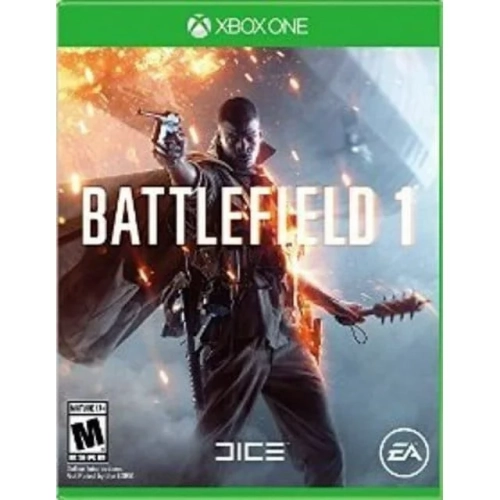 Your price for this item is $39.99
-
 Your price for this item is $49.99
-
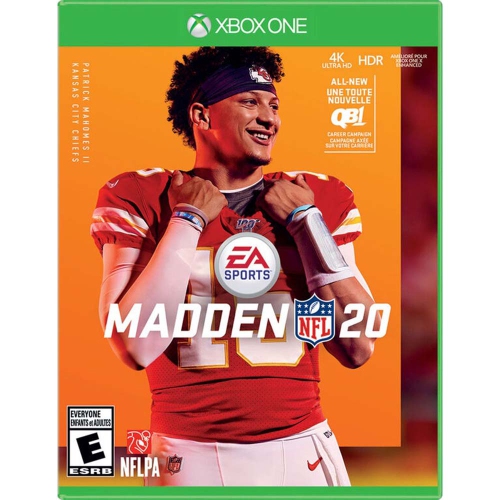 Your price for this item is $29.99
-
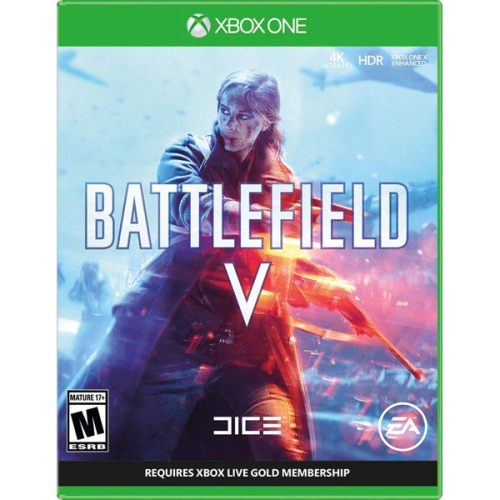 Your price for this item is $31.95
-
 Your price for this item is $21.84
-
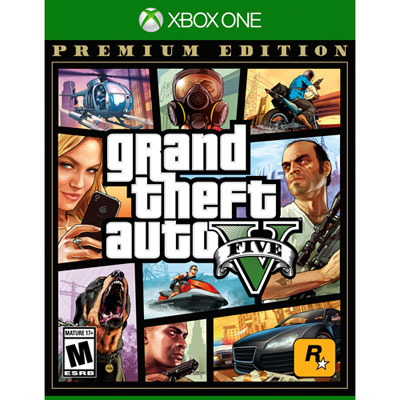 Your price for this item is $19.99
-
 Your price for this item is $39.95
Discover more categories related to Good Xbox Games

Top Collections:
Best Black Friday Deals This Year, Best Black Friday Deals On Electronics, Kindle Devices, Pokemon Centers, Best Black Friday Deals On Apple Products, Best Cameras for Sports Photography, Dyson Airwrap, Pokémon 30th Celebration Cards, Apple iPhone 17 Pro, Canon G7X Cameras
Some products may be subject to Environmental Handling Fees
(EHF) depending on your province.
Learn more about EHFs.