XBOX Ultimate Games
Discover the excitement of XBOX Ultimate Game and level up your entertainment experience. Whether you're a seasoned gamer or just starting out, you'll find options to suit every play style and preference. Explore a wide range of choices designed to provide hours of fun and adventure. With XBOX Ultimate Game, immerse yourself in thrilling worlds and enjoy endless gaming possibilities right at your fingertips.
Sort


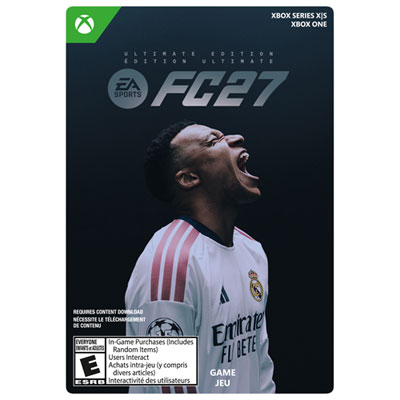
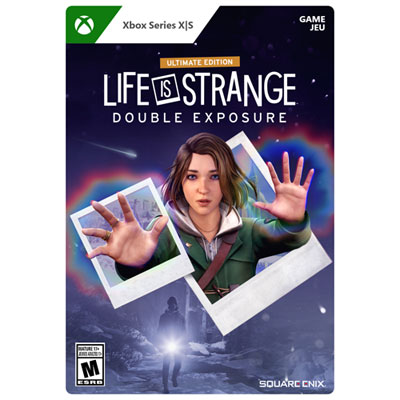

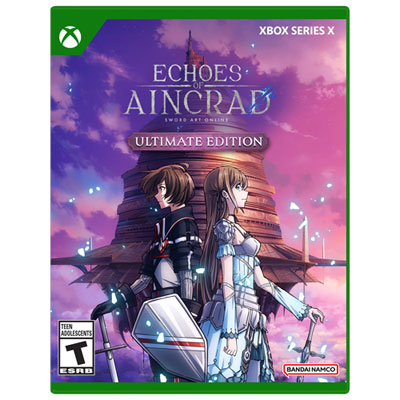
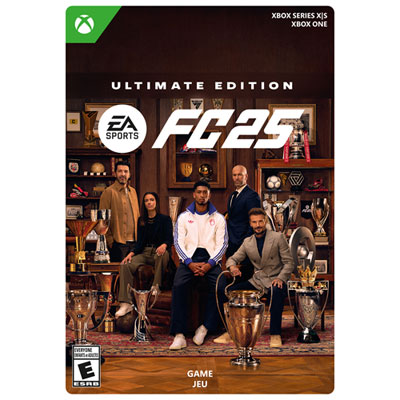


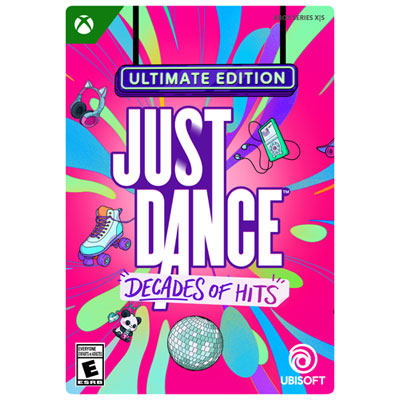

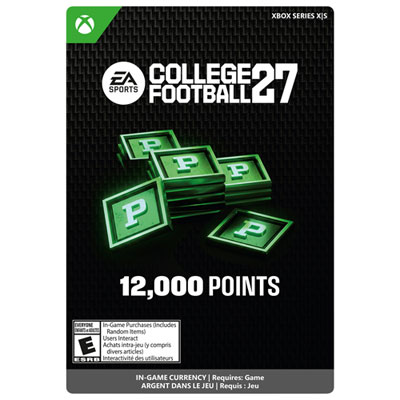


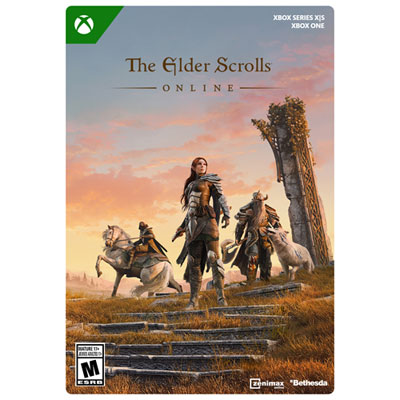


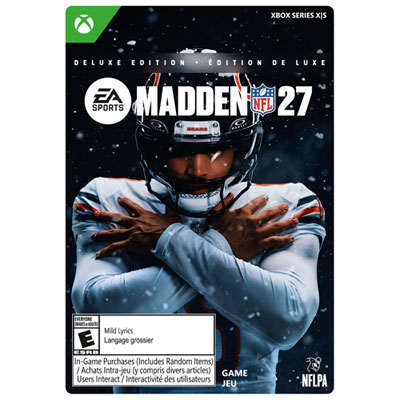
How expanded editions differ from gaming memberships
Ultimate game editions and gaming memberships offer two distinct ways to spend more time with the games that interest you. An expanded edition centres on an individual game and may bundle its main campaign with additional content, while a membership provides access to a changing library for a defined subscription period. That difference matters to someone settling into a lengthy adventure just as much as it does to a household that enjoys switching between racing, sports, strategy, and cooperative play. Membership-based gaming suits players who like exploring different genres without committing to each game separately. Depending on the plan, its benefits may include downloadable games for a supported console or PC, online console multiplayer, selected new releases, and cloud gaming on supported devices. These features are not interchangeable: a game included for console play is not automatically included for PC, and a downloadable title is not necessarily supported through streaming. Downloaded games run on compatible local hardware, whereas cloud gaming streams gameplay over an internet connection. A steady connection and responsive controls make a noticeable difference when steering through a tight corner or timing a defensive move, particularly when other people in the home are also streaming or downloading. Membership libraries can change, and continued access to an included game generally depends on an active subscription and that game remaining part of the service. Games obtained separately follow their own licence terms rather than becoming subscription content simply because the same account is used. For someone who enjoys trying a puzzle game between longer adventures, that breadth can be the main attraction. For someone focused on finishing a single campaign over many months, the distinction between temporary library access and a separate game licence deserves equal attention. Subscription duration, supported devices, account region, and renewal terms help define the experience more clearly than the word “ultimate” alone. Some memberships also include limited trials, which provide a different experience from access to a complete game.
An ultimate edition usually describes a particular package of game content rather than a universal standard. One expanded edition might combine a base game with substantial story expansions; another might add character packs, extra missions, cosmetic content, or other downloadable extras. The edition name alone does not establish that every add-on is included, that future expansions are covered, or that all content can be used immediately. The contents description gives the clearest picture of what belongs to the package. A story-focused player may value another chapter with familiar characters, while a competitive player may care more about supported modes, playable characters, and whether friends use the same version. Cosmetic extras change appearance rather than necessarily adding new places to explore or activities to complete. Some additional content also becomes relevant only after progress through the main game, so a larger package does not always change the opening hours. Platform compatibility remains separate from the edition name: console generation, PC requirements, regional restrictions, and any upgrade entitlements determine where a game can be played. Cross-play and shared progress are also different features. A title may let friends play together across supported platforms without allowing a saved campaign to move between them, or it may support shared progress only when the appropriate accounts are connected. Physical and digital formats bring practical differences, too. Disc-based games require compatible hardware with a disc drive, and a boxed package may contain downloadable content supplied through a redemption code. Digital games are associated with an account and use local storage when downloaded. Both formats can require updates, and extra content may need a separate installation. For physical editions, returning discs to their cases and keeping the playing surface free from fingerprints and scratches helps protect them during everyday handling. A carefully stored case also keeps any included inserts and redemption information together, which is useful when games are moved between rooms or packed away between play sessions.
The most satisfying choice reflects how gaming fits into everyday life. A player with half an hour after dinner may appreciate short races, compact missions, or puzzles that save frequently, while someone who enjoys a longer session may prefer an unfolding story with room to explore. Shared-screen and local cooperative games can turn a living room into a place for friendly competition, but online multiplayer serves a different purpose when friends are playing from separate homes. Not every multiplayer game supports both arrangements, and some require a separate account for each participant. Age ratings, content descriptors, communication settings, and parental controls are especially relevant for family use, since a broad library can contain games intended for very different audiences. Accessibility features can be equally important: adjustable text size, subtitles, remappable controls, difficulty options, and alternatives to colour-only cues can make play more comfortable, although support differs by title. Storage space and installation sizes also shape the experience. A household that rotates between several large games may spend more time managing downloads than one that keeps a small set installed, and an initial download over Wi-Fi can take longer when the connection is shared. Gift recipients benefit from the same attention to fit. A digital code needs to match the recipient’s region, account, and supported platform, while an expansion requires the appropriate base game unless it is explicitly sold as a standalone experience. For an existing membership, eligibility and redemption terms determine how an additional code applies. A game that matches someone’s favourite genre, preferred pace, and usual playing group is often a more personal choice than a package selected simply for the number of extras. The Best Xbox Games page provides another way to explore games alongside these edition and membership considerations. Whether the appeal is revisiting a familiar world with added chapters or discovering something outside a usual genre, clear content descriptions and compatible formats help connect the game with the person who will play it.
Top selling and popular products
-
 Your price for this item is $69.99
-
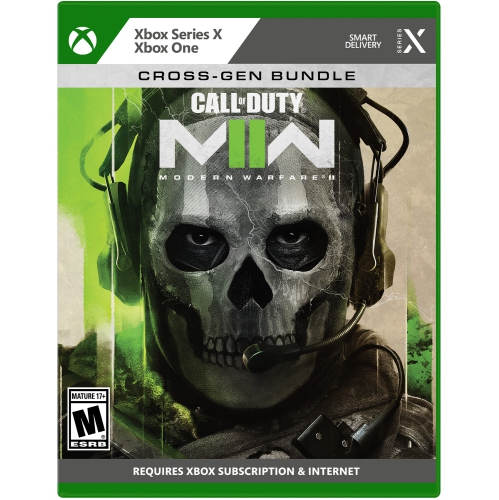 Your price for this item is $69.99
-
 Your price for this item is $59.99
-
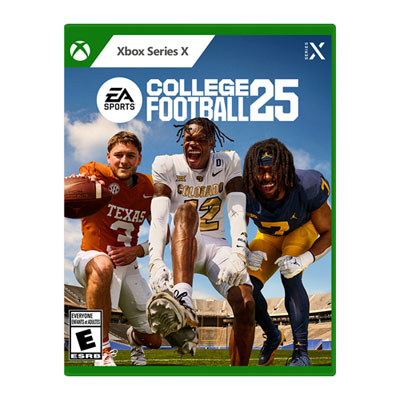 Your price for this item is $39.99
-
 Your price for this item is $22.99
-
 Your price for this item is $9.99
-
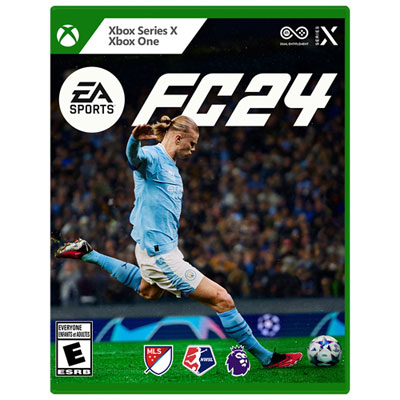 Your price for this item is $11.97
-
 Your price for this item is $39.99
Discover more categories related to XBOX Ultimate Games


Top Collections:
Best Black Friday Deals This Year, Best Black Friday Deals On Electronics, Kindle Devices, Pokemon Centers, Best Black Friday Deals On Apple Products, Best Cameras for Sports Photography, Dyson Airwrap, Pokémon 30th Celebration Cards, Apple iPhone 17 Pro, Canon G7X Cameras
Some products may be subject to Environmental Handling Fees
(EHF) depending on your province.
Learn more about EHFs.