Vintage Industrial Ceiling Light Fixtures

Browse vintage industrial ceiling light fixtures to bring a workshop-inspired look to your space. Explore ceiling lighting with vintage character, and compare fixture dimensions, mounting styles, bulb requirements, and finishes to find an option that suits your room and ceiling height.
Read More

Sort

Workshop character that works beyond the loft

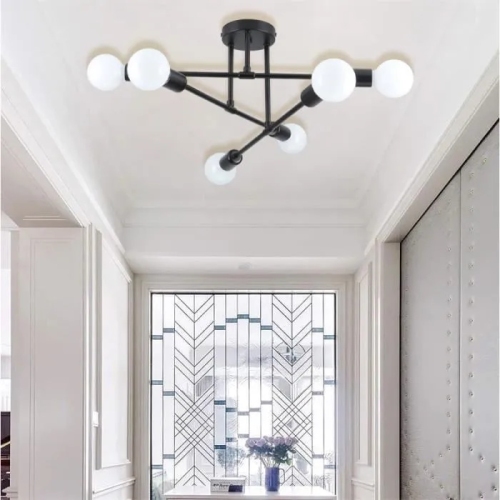
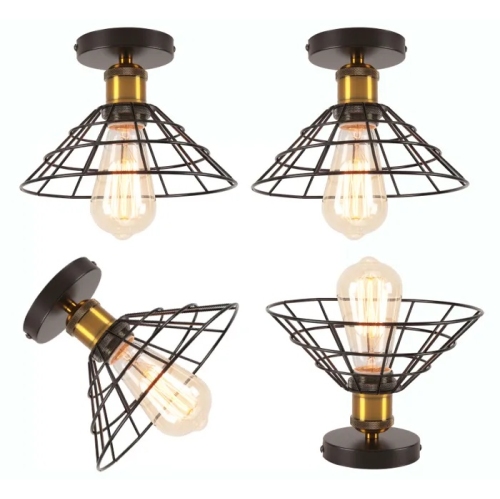
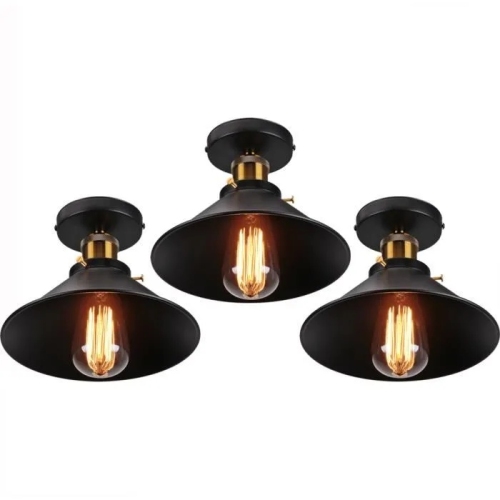
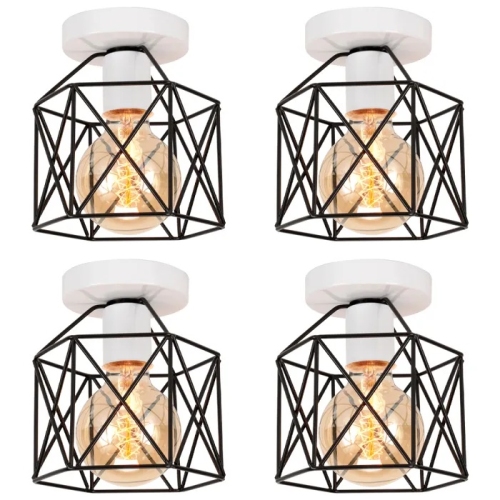
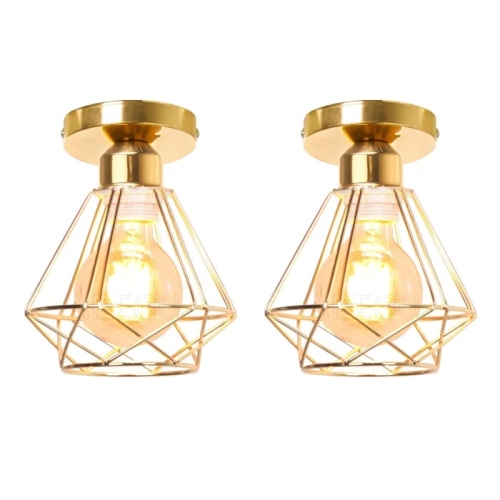
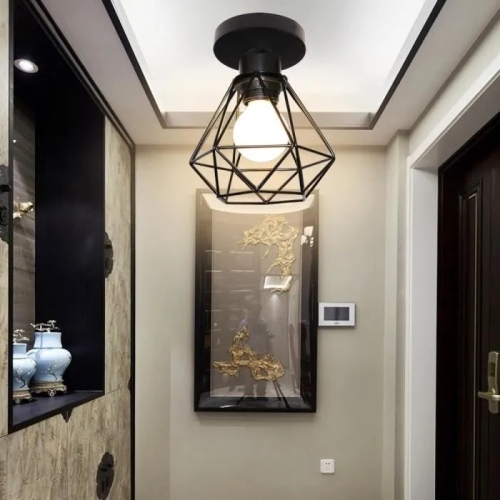
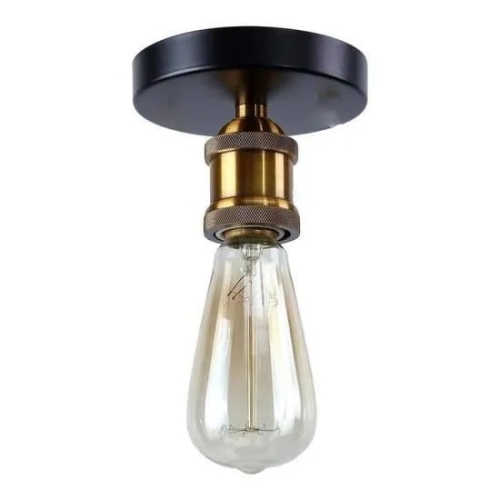
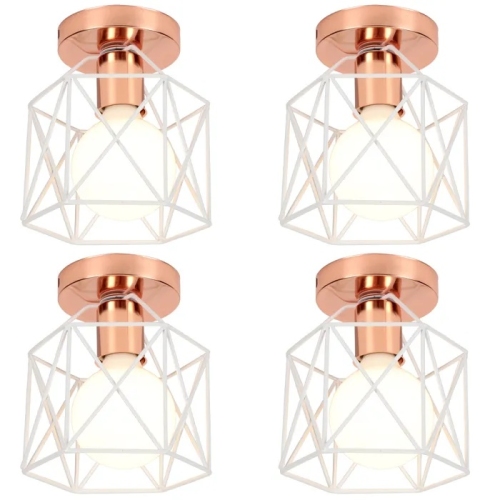
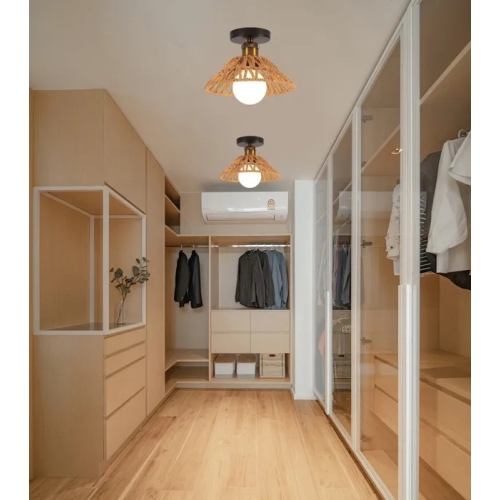
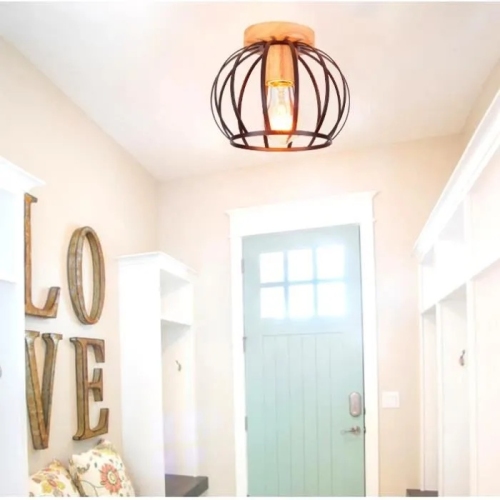
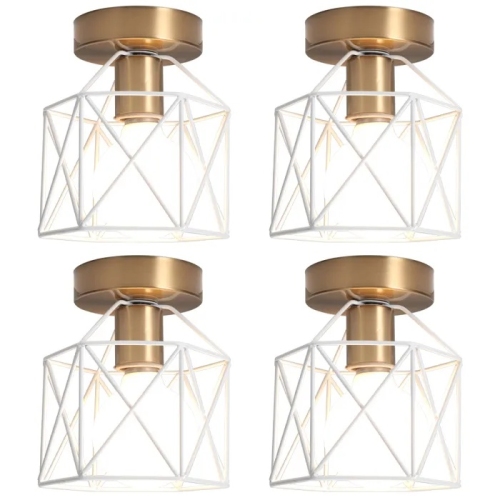
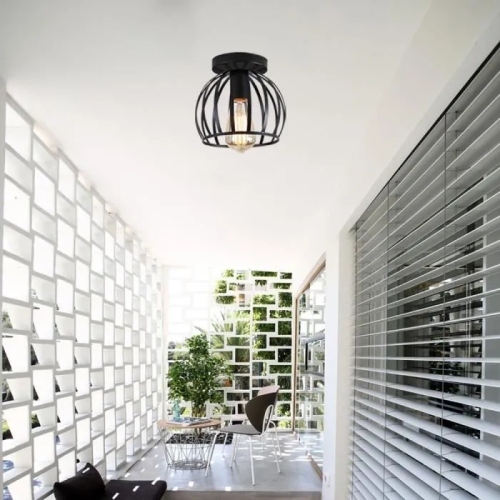
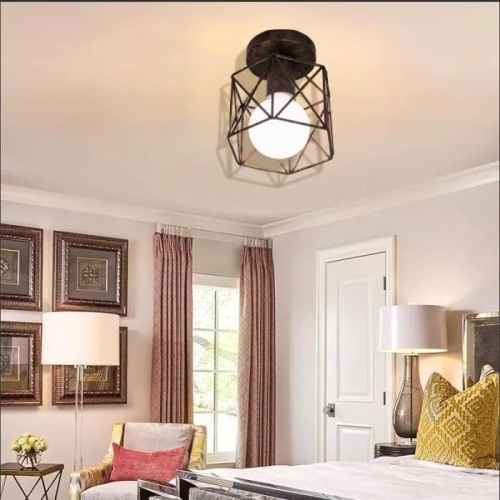
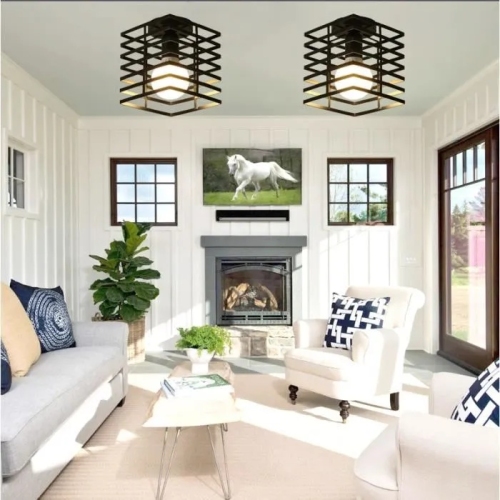
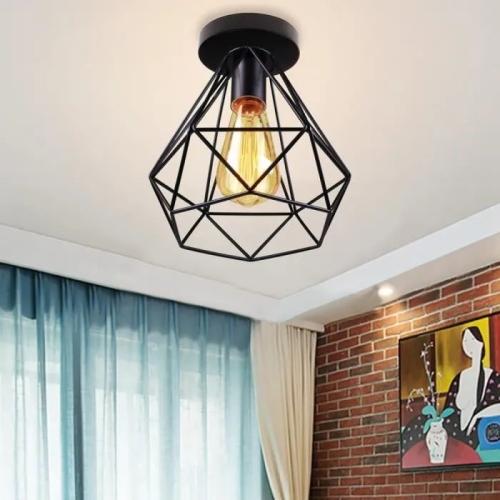
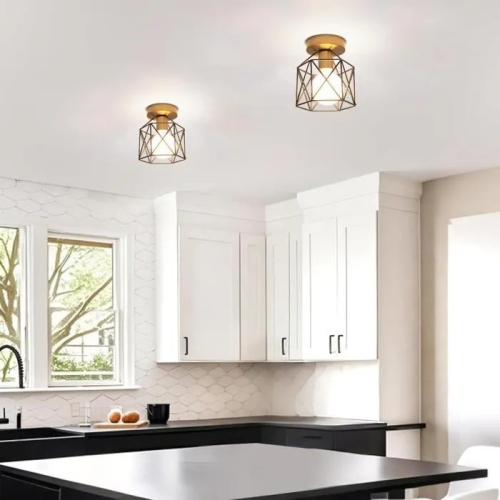
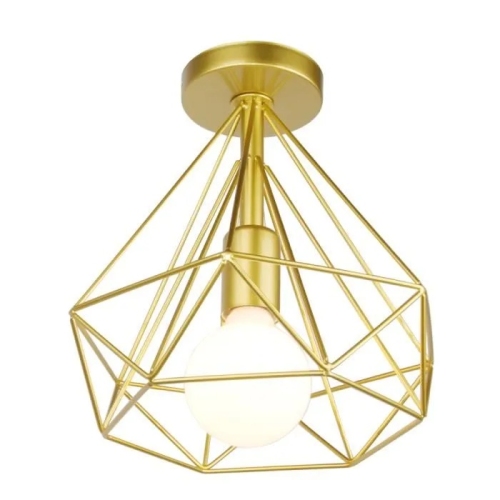
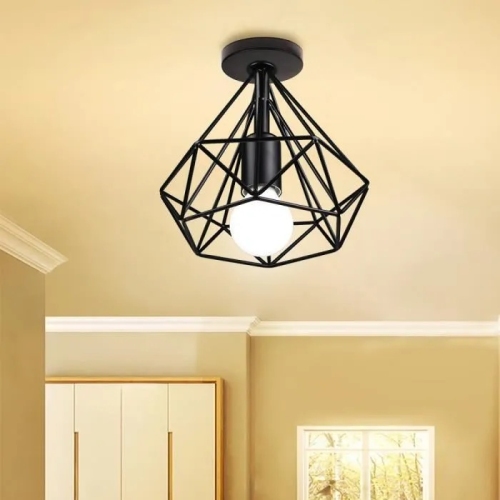
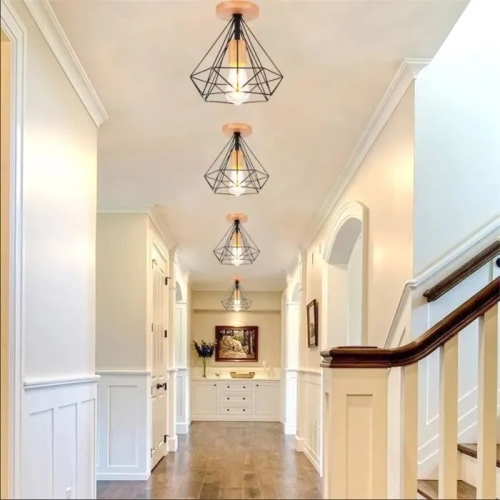
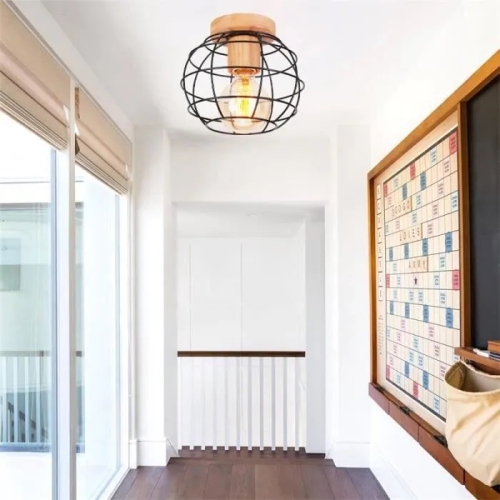
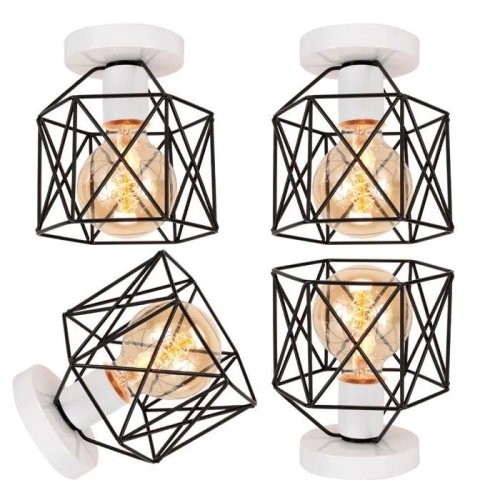
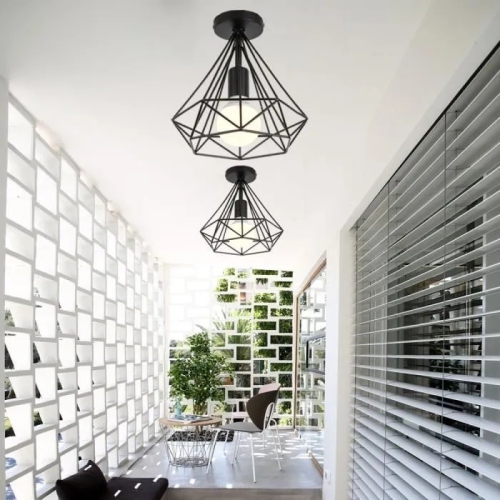
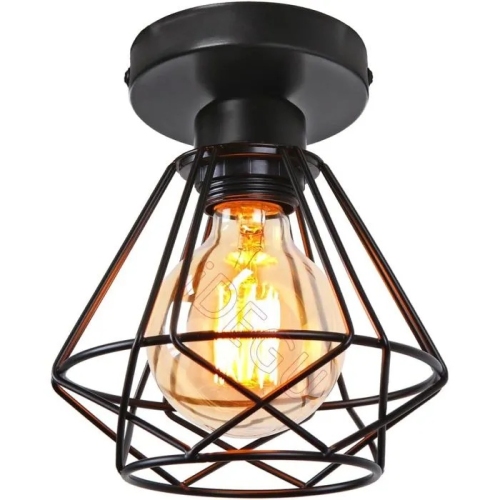
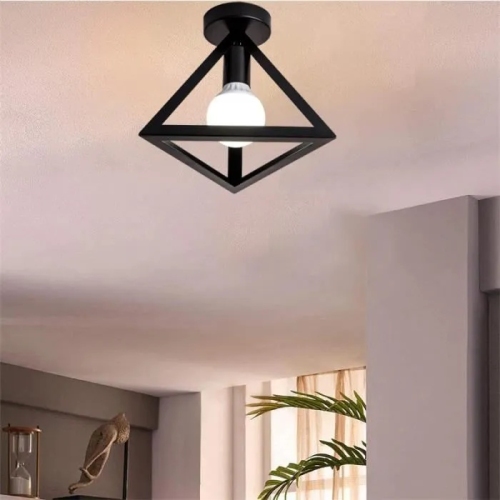
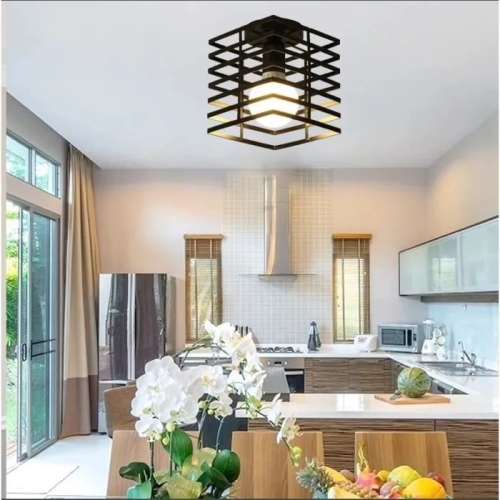
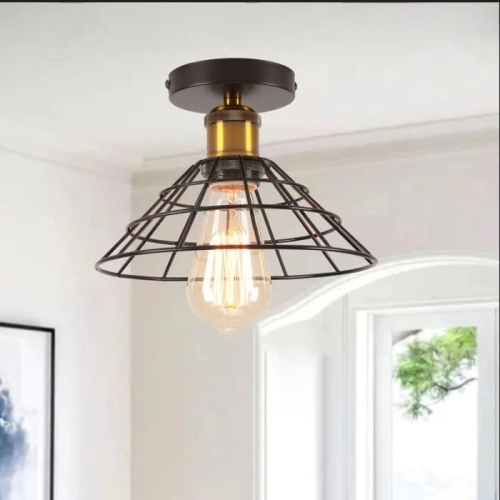
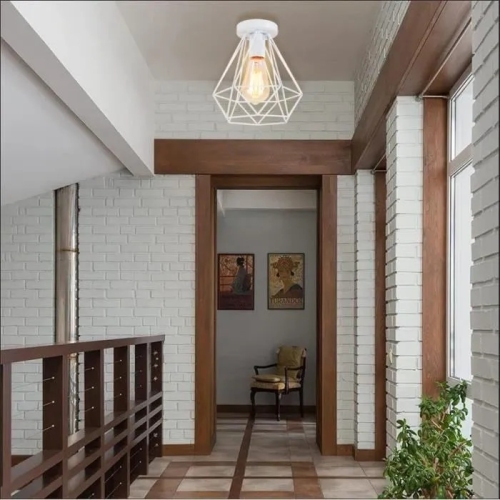
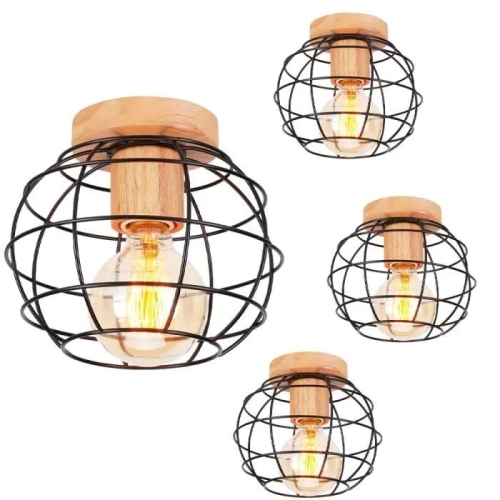
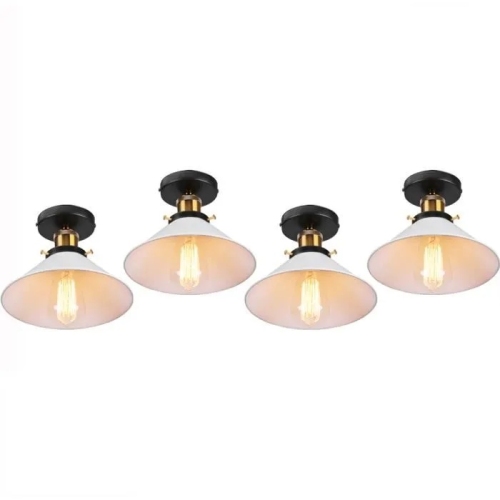
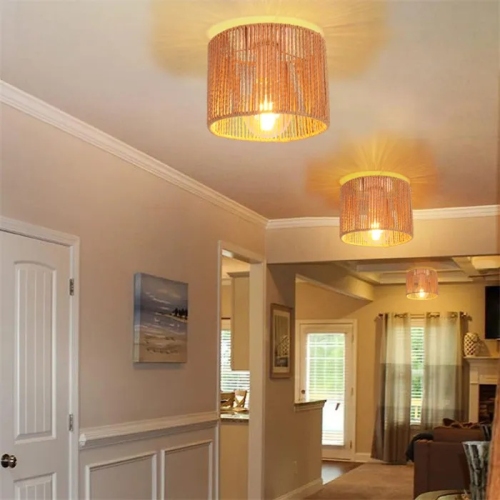
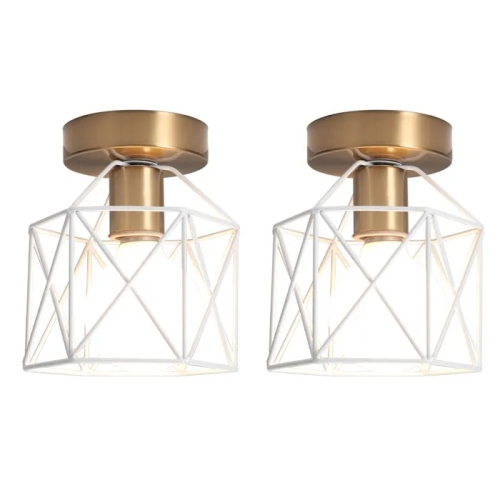
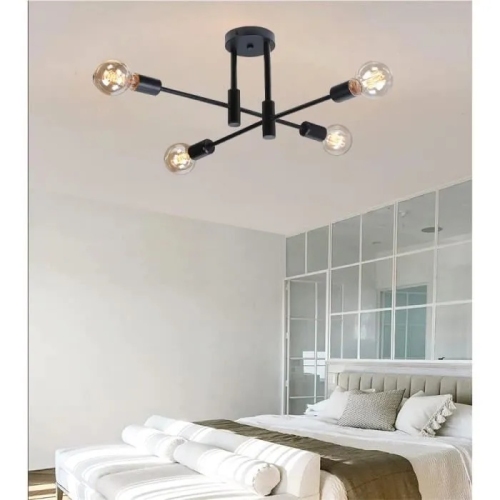
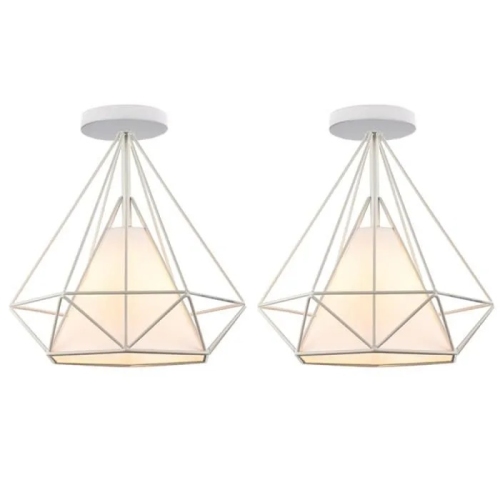
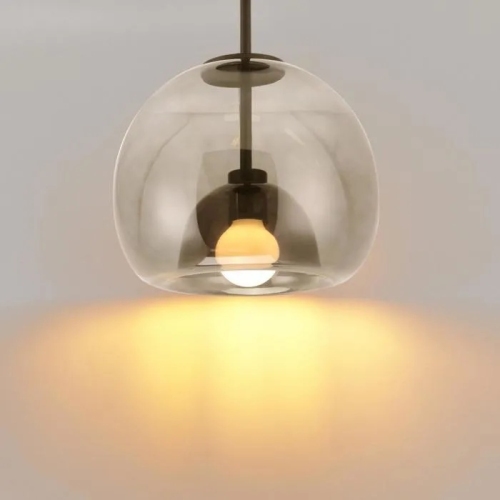
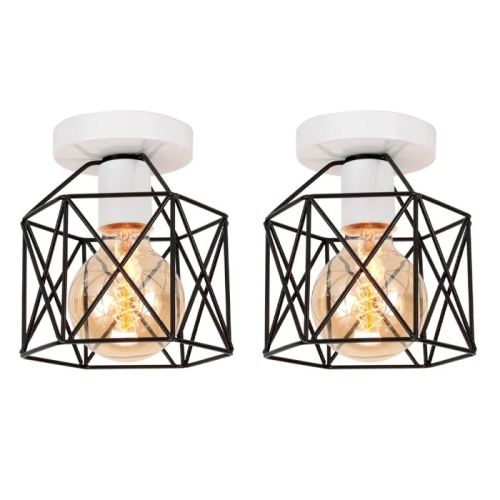
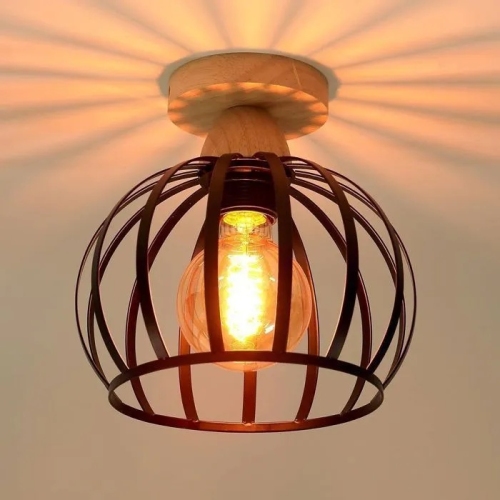
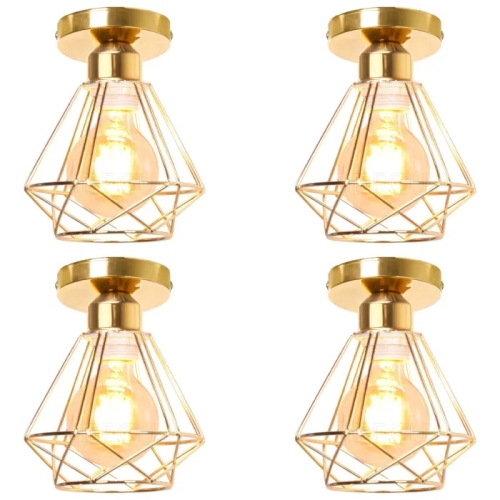
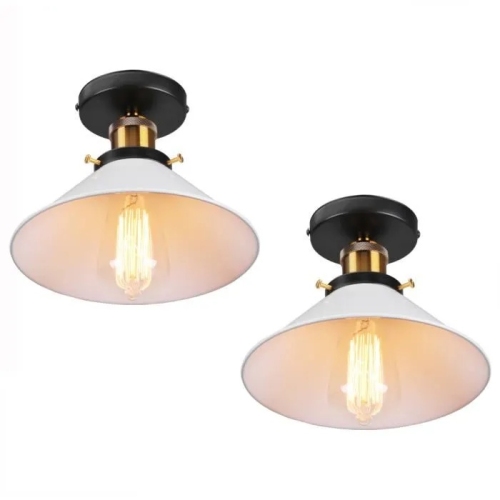
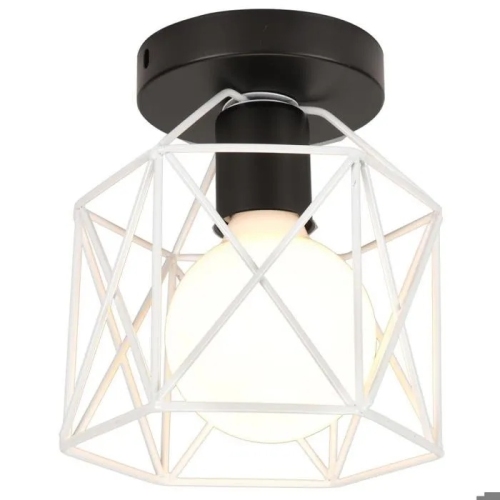
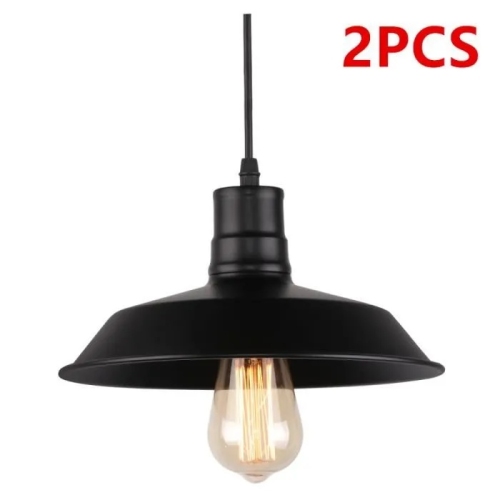
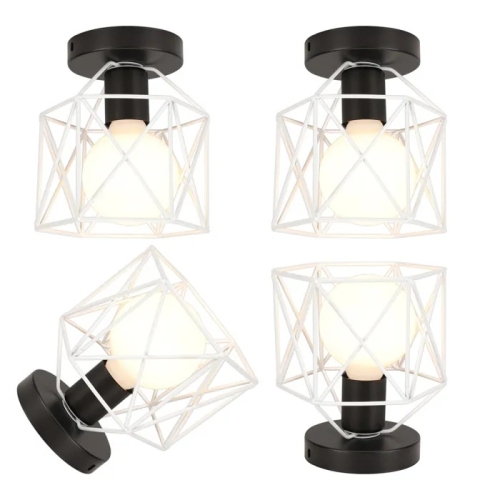
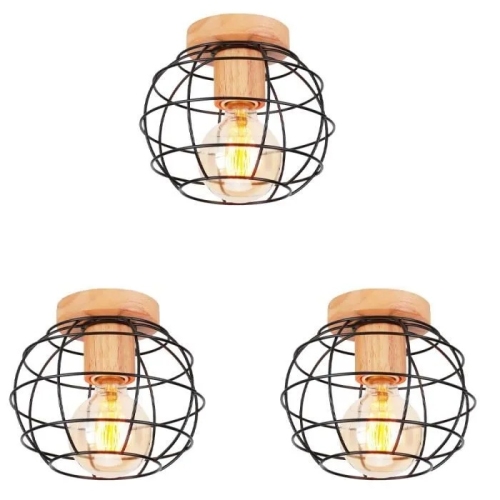
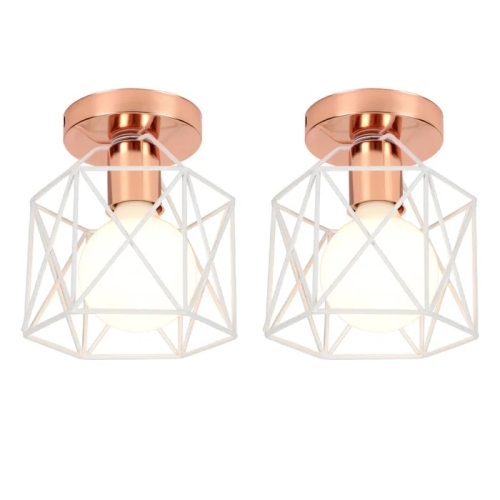
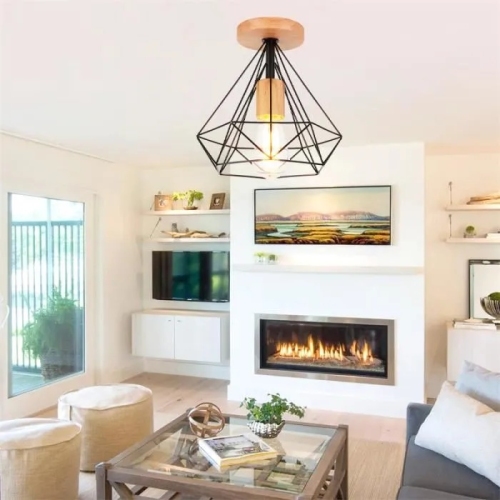
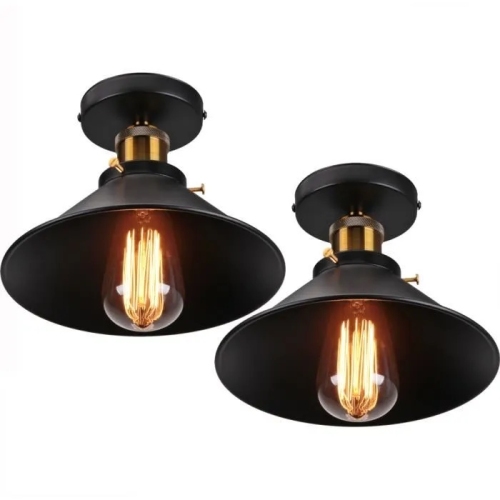
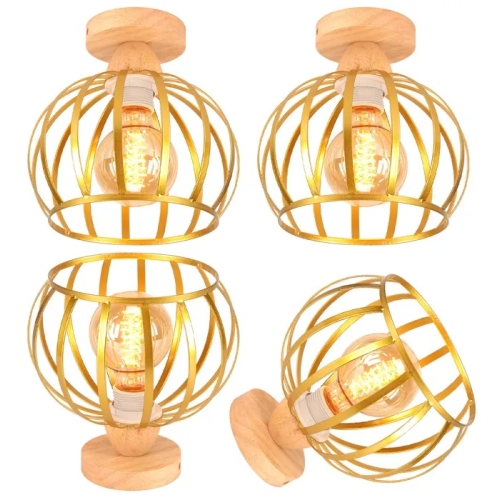
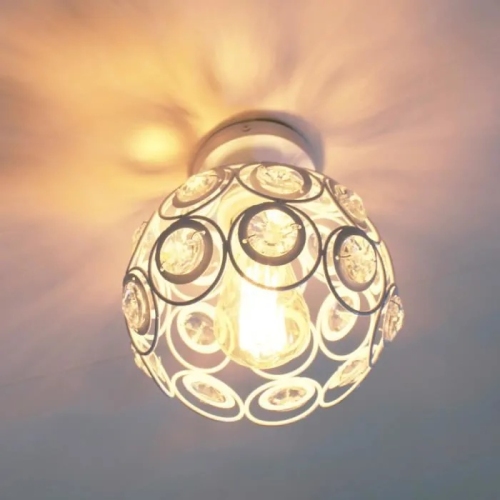
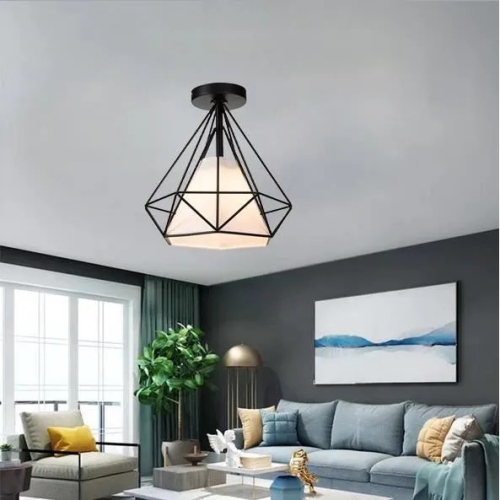
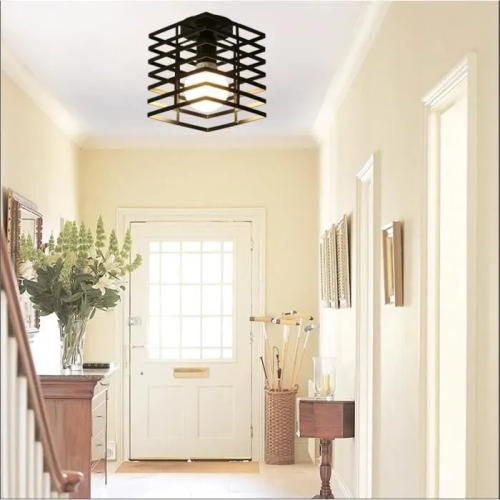
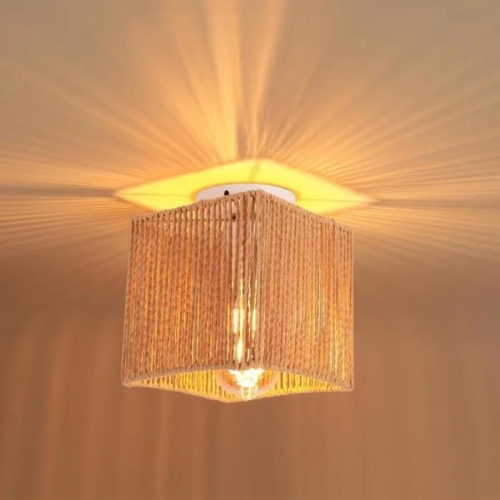
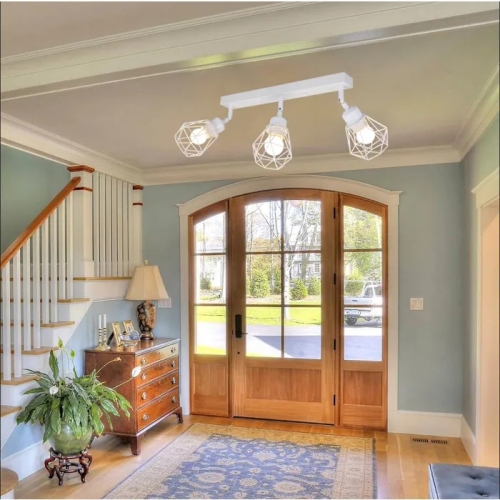
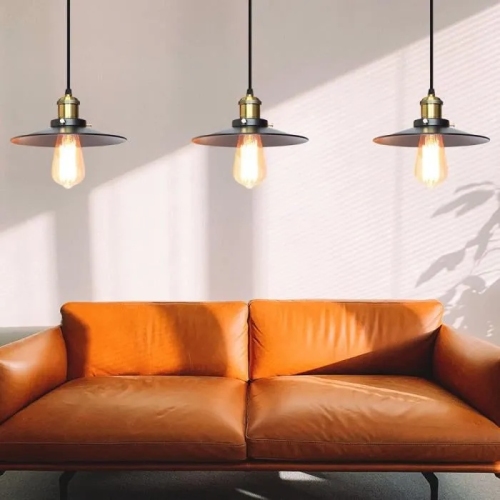
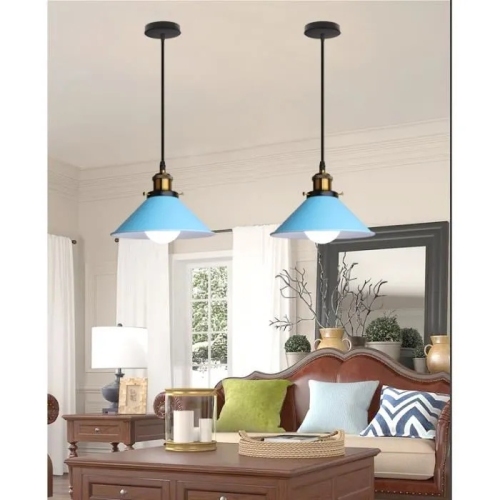
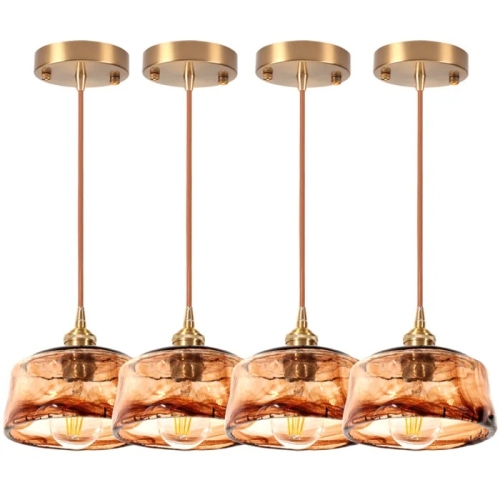
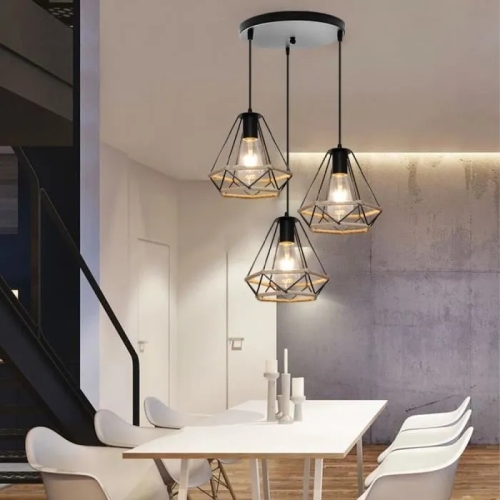
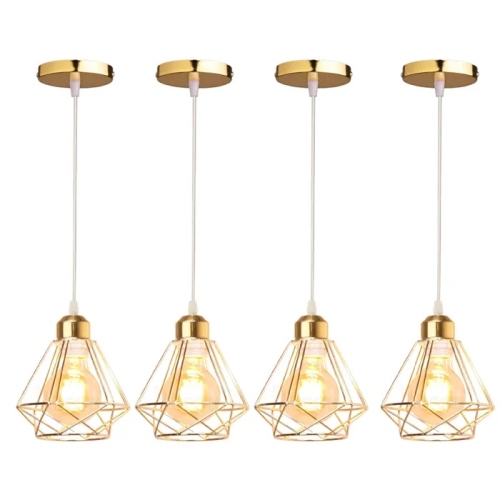
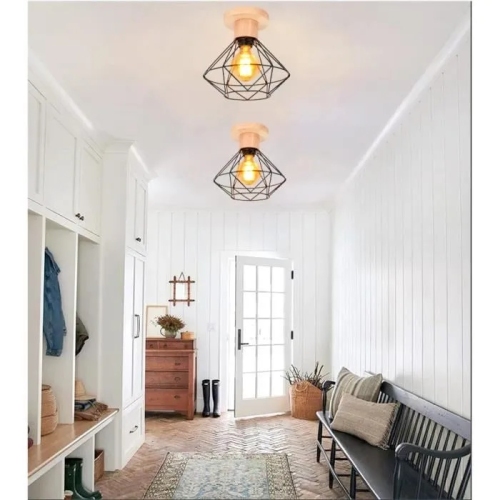
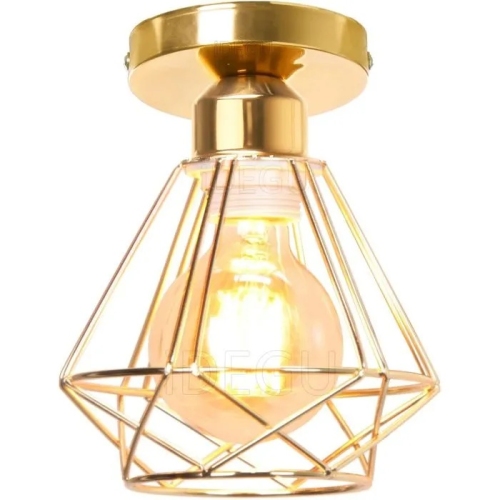
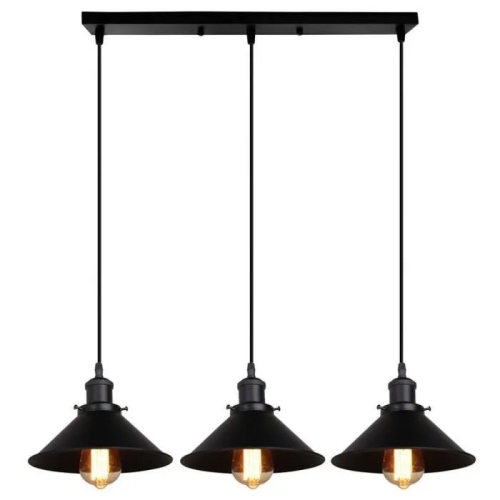
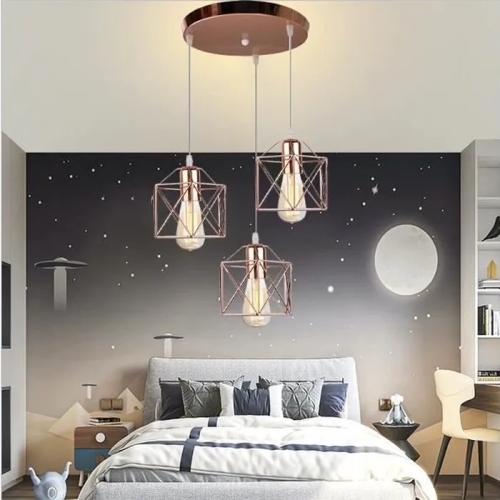
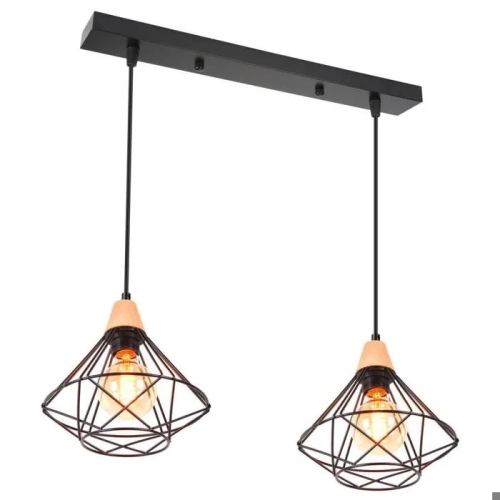
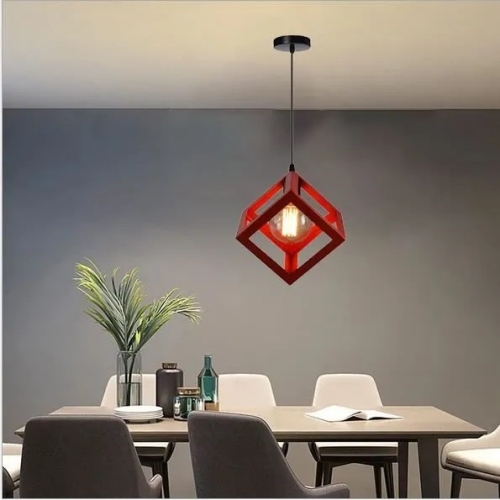
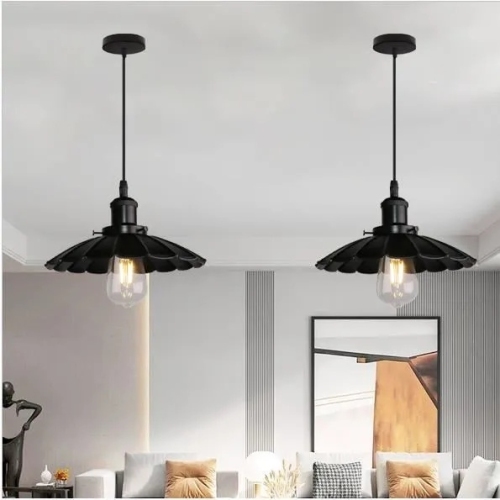
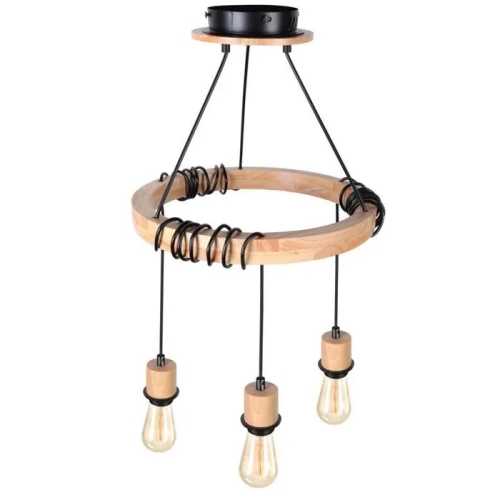
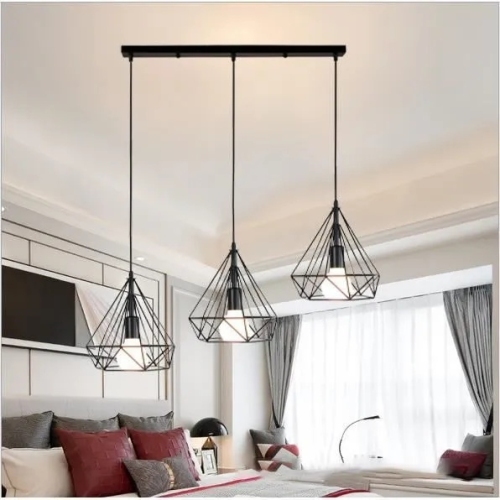
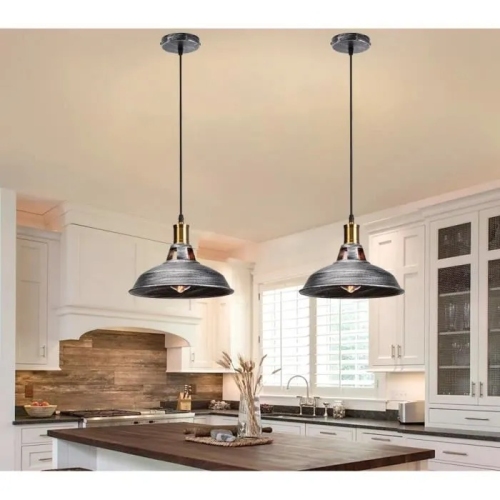
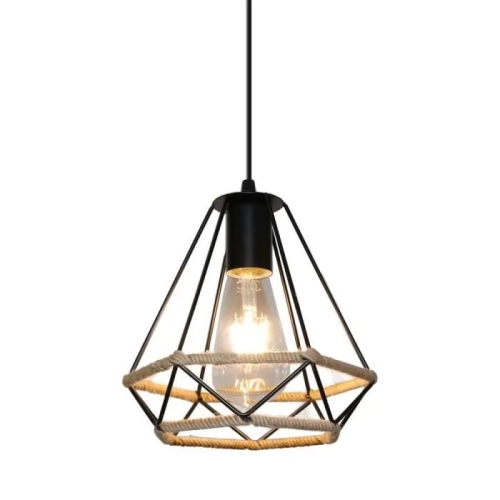
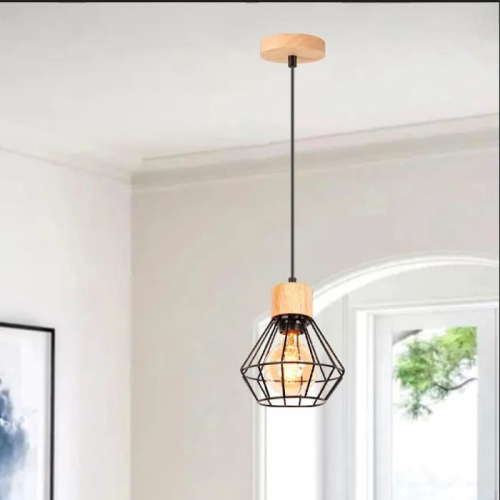
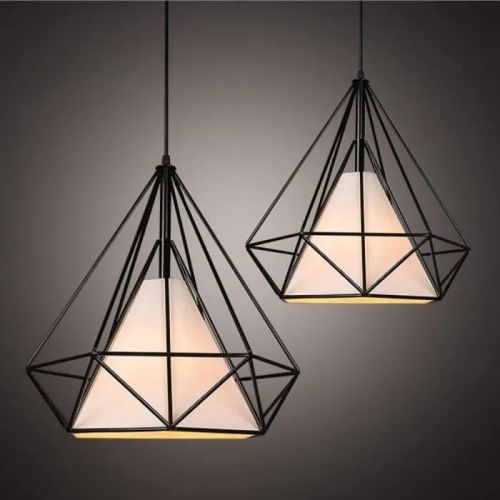
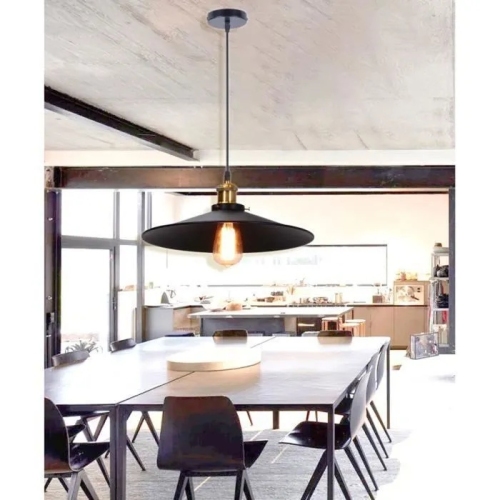
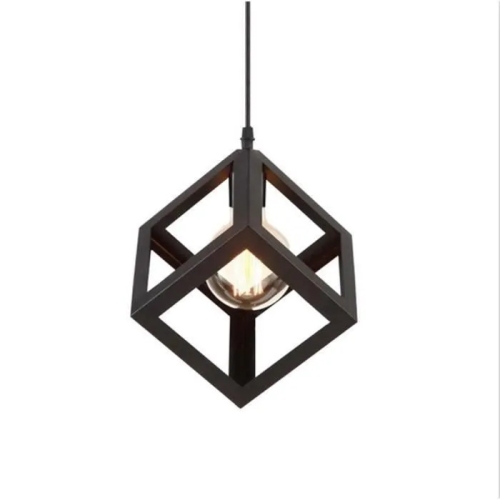
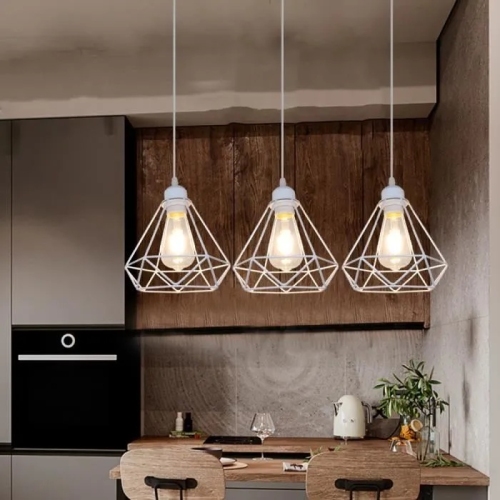
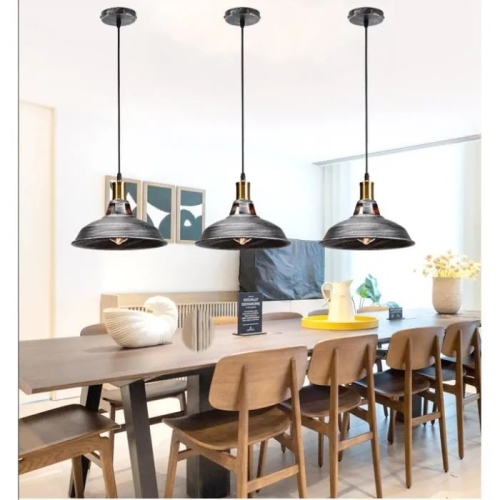
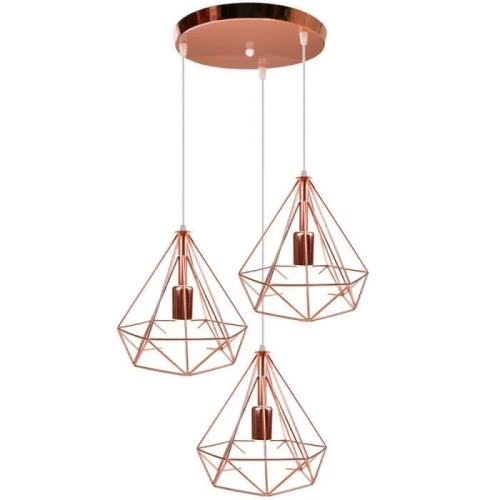
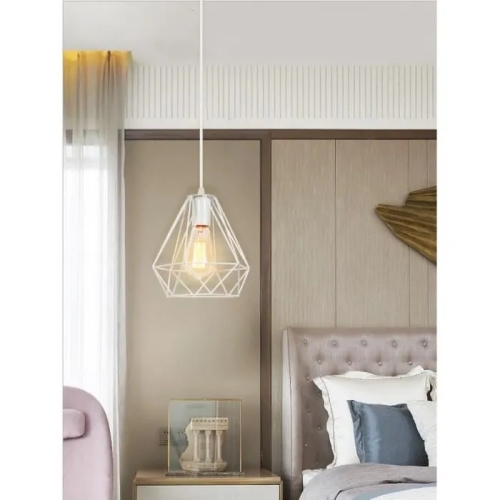
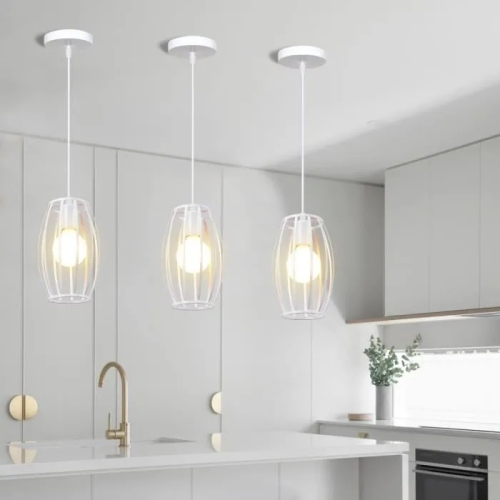
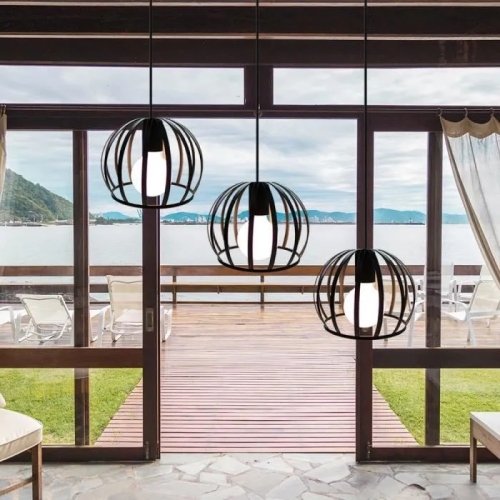
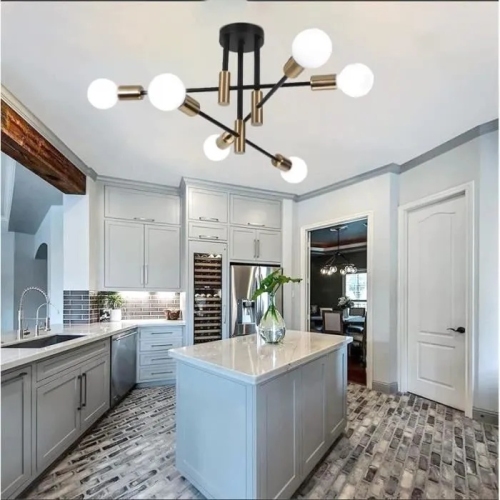
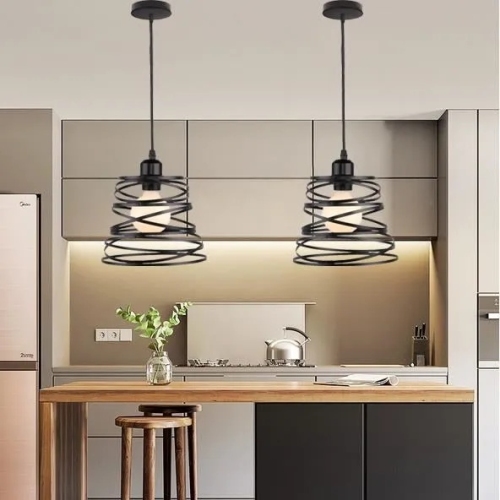
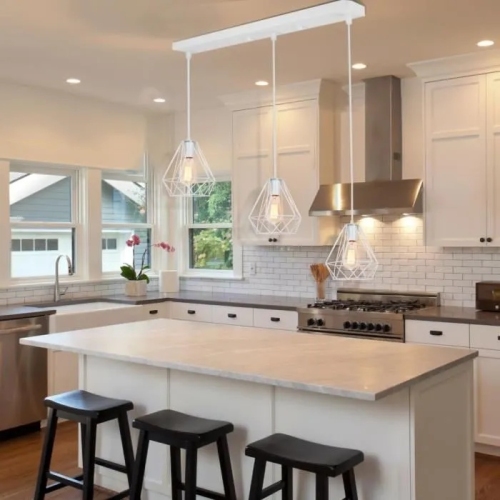
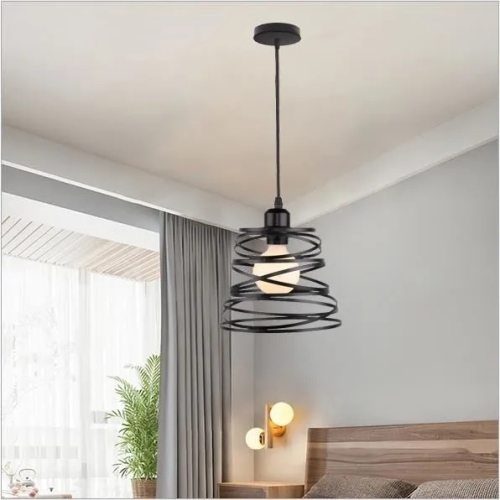
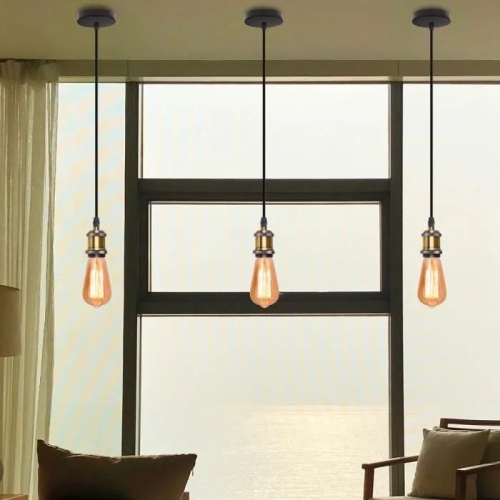
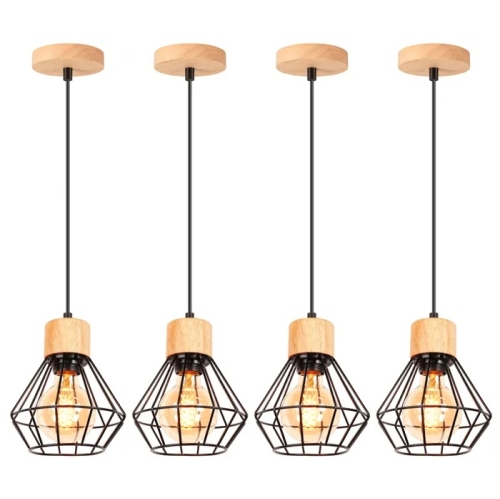
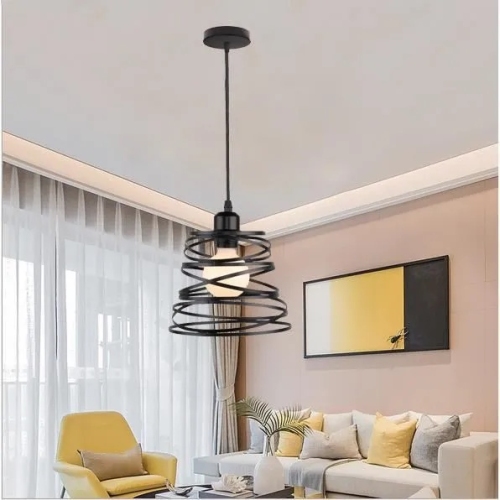
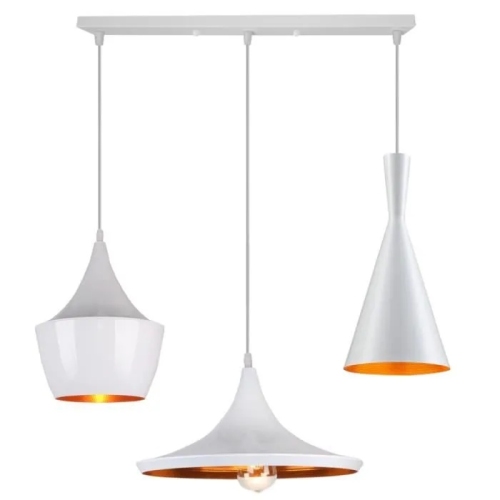
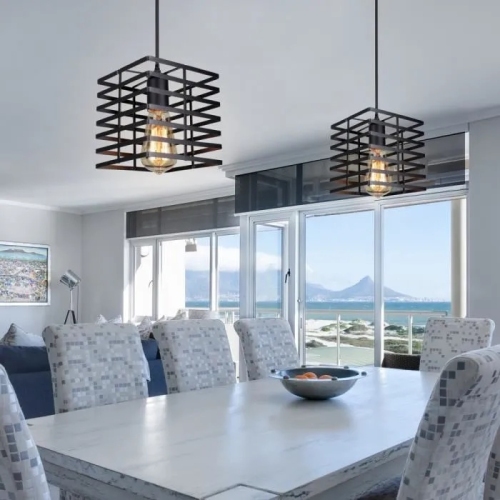
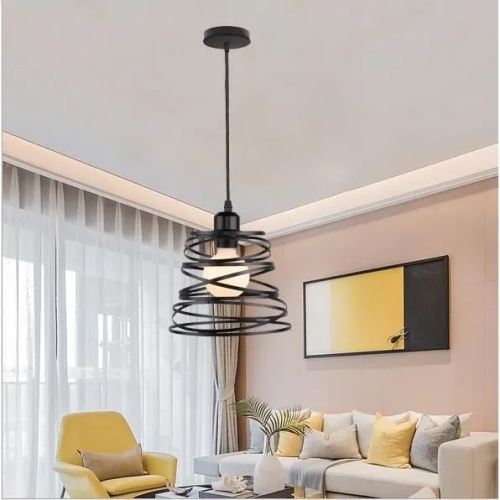
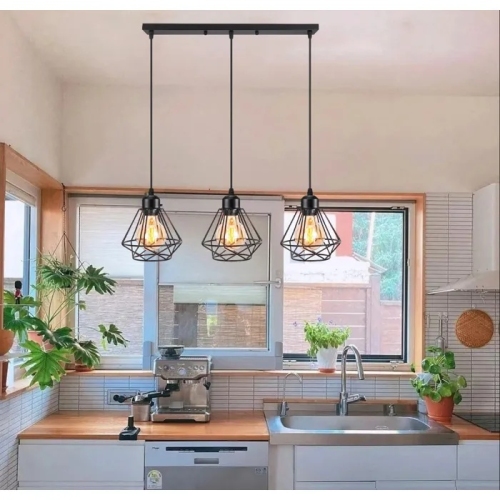
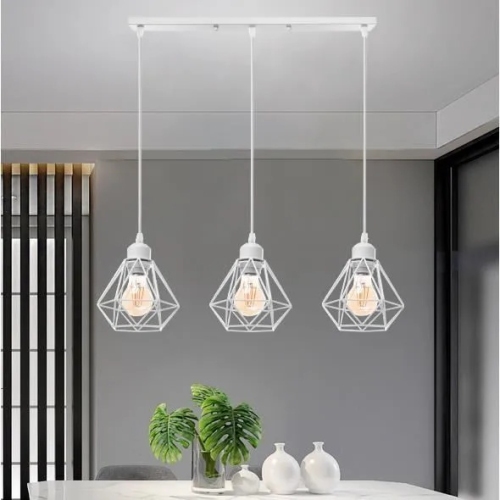
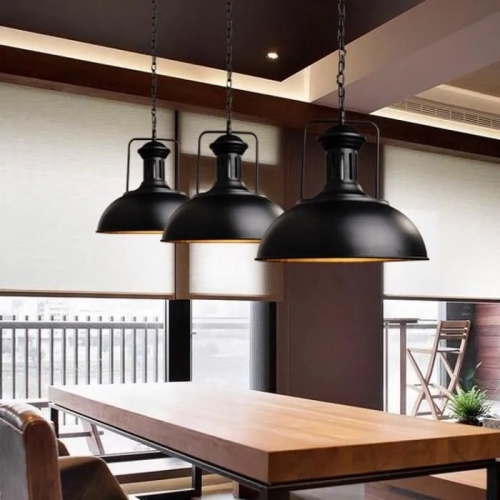
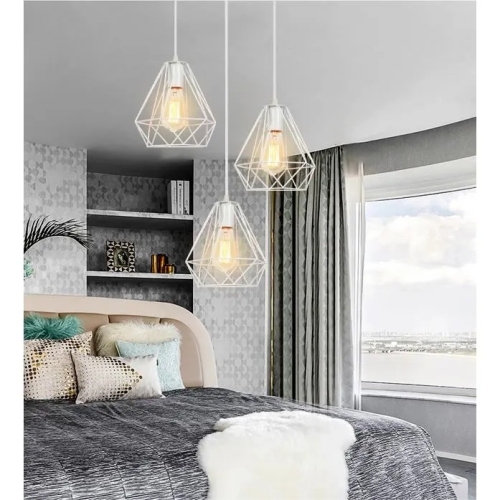
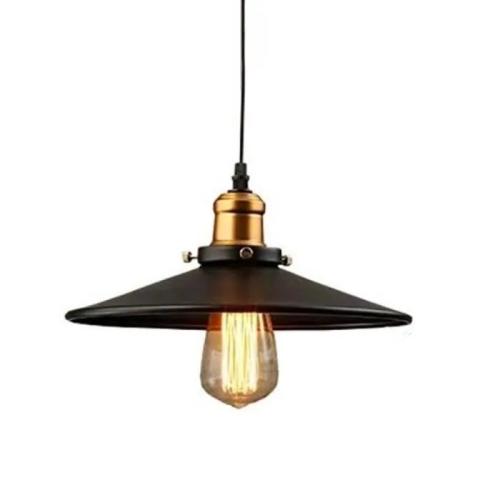
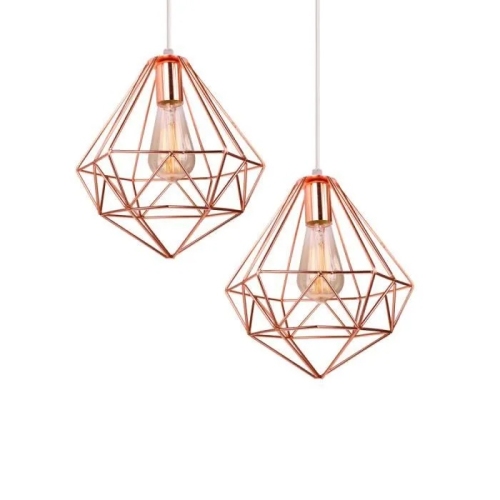
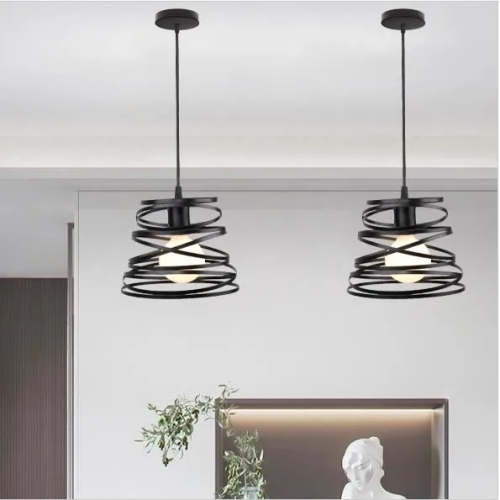
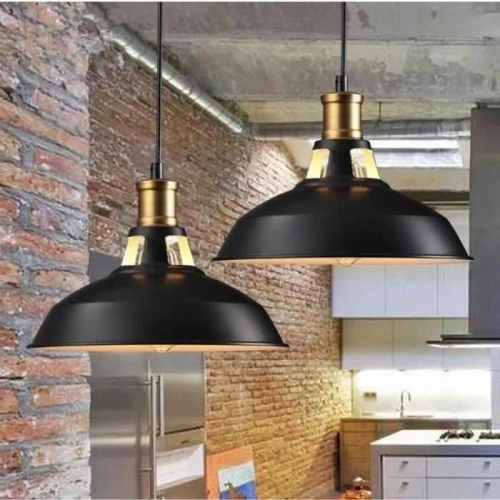
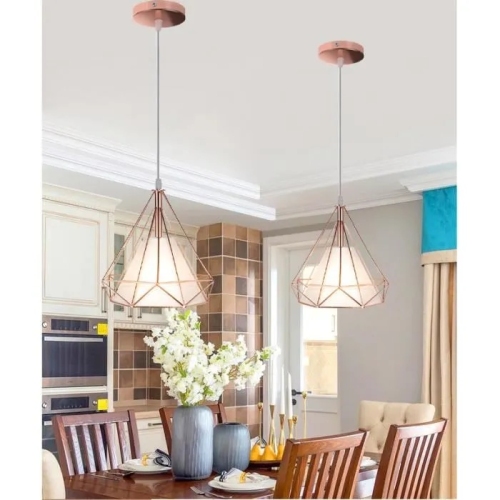
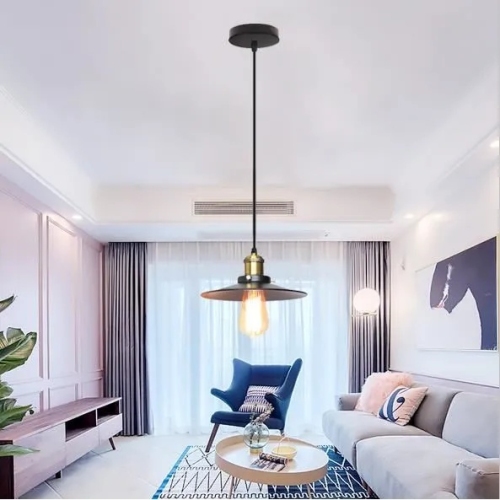
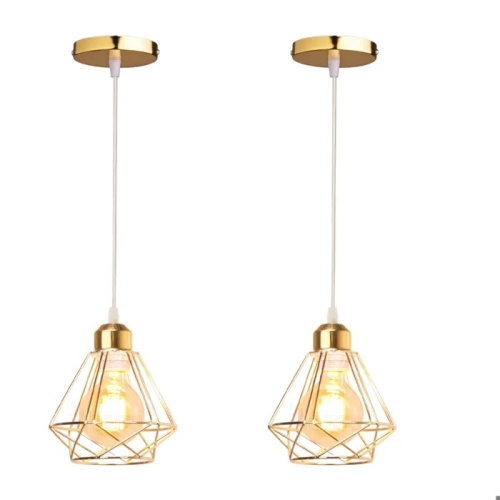
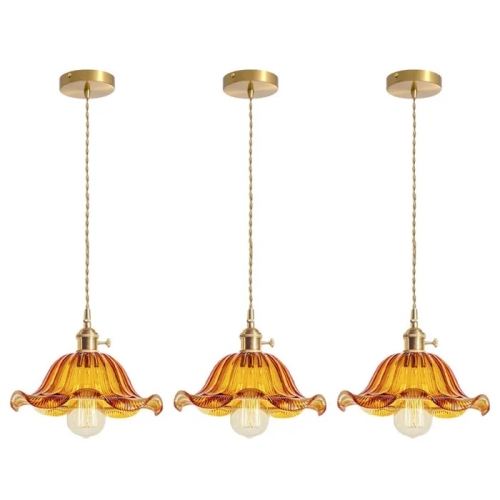
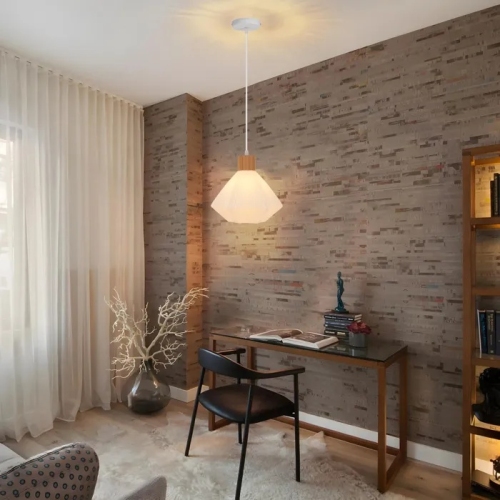
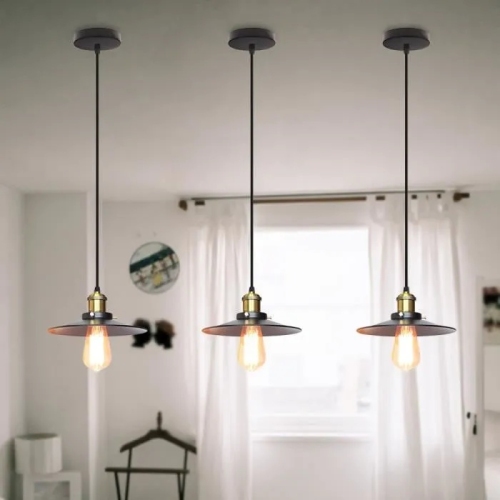
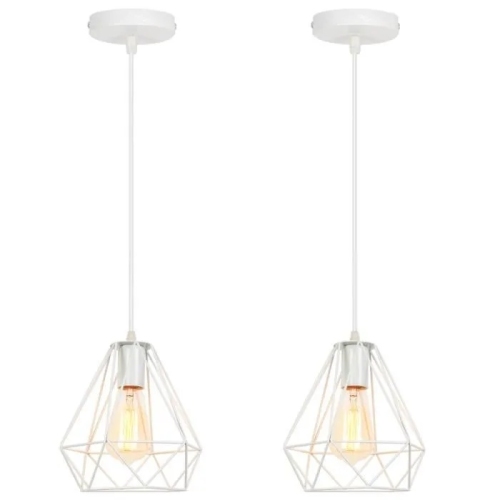
Vintage industrial ceiling light fixtures bring the practical character of workshops, warehouses, and early factory lighting into everyday rooms. Their appeal comes from visible construction: a curved metal shade, an open bulb cage, a glass globe held by a simple collar, or a row of sockets arranged along a straight bar. These details give a room definition without relying on elaborate ornament. Matte black finishes create a crisp outline against pale ceilings, while aged brass tones, bronze, and brushed metal introduce a softer, more worn-in appearance. Distressed finishes are often intentional surface treatments rather than signs of age, making vintage-inspired lighting distinct from an antique fixture with an unknown electrical history. The look works naturally alongside exposed brick, substantial wood tables, leather seating, and concrete surfaces, but it does not require a loft or a converted building. In a contemporary condo, one industrial ceiling fixture can add contrast to smooth cabinetry and clean-lined furniture. In a dining room, a broad metal shade can anchor the table and make the seating area feel separate from an adjoining living space. Clear glass keeps the silhouette visually light, while opaque metal shades feel more substantial and direct attention towards the surface below. Cage designs leave the bulb visible and cast distinctive shadows, so the bulb’s shape and brightness become part of the overall appearance. Matching every metal finish in the room is not essential; repeating one tone in cabinet hardware, chair legs, or a mirror frame can create a comfortable connection. Ceiling lighting can also relate to wall lights and other accents within the broader range of Industrial Light Fixtures, with shared shapes or finishes providing continuity. The most convincing spaces usually balance these strong details with quieter surfaces, allowing the lighting to have character without making every corner feel themed.

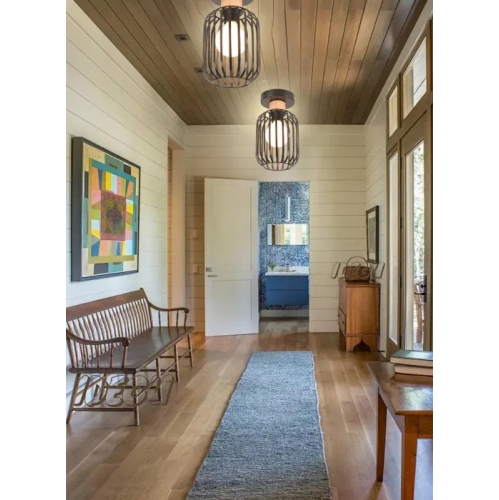
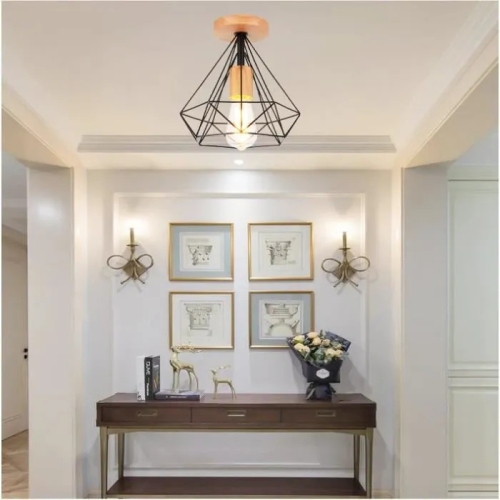
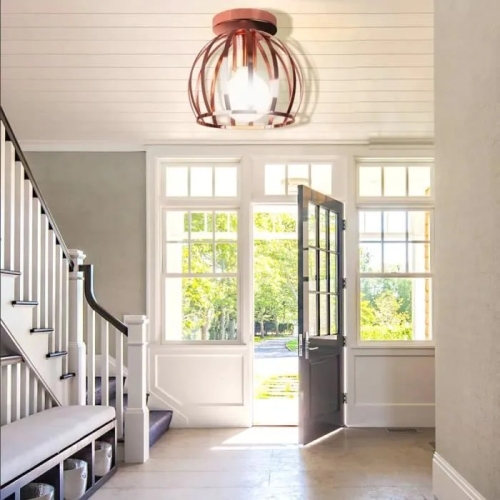
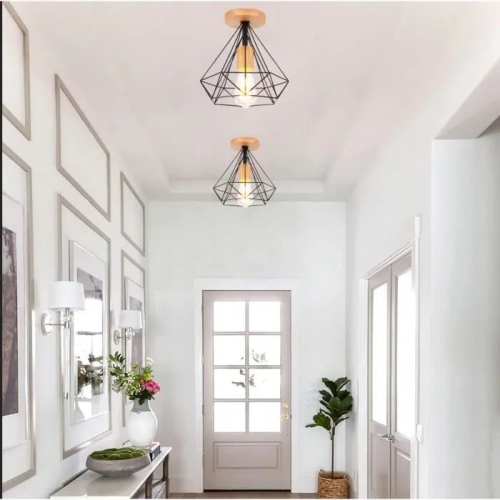
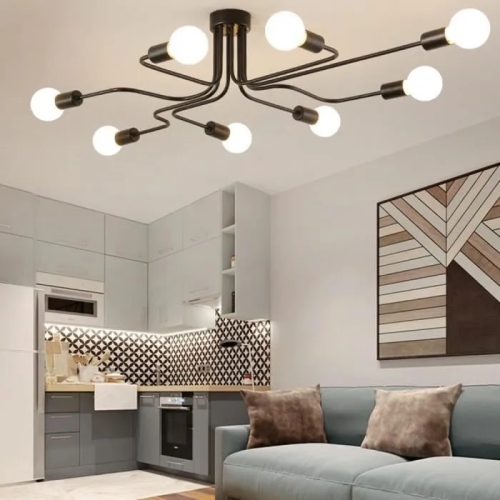
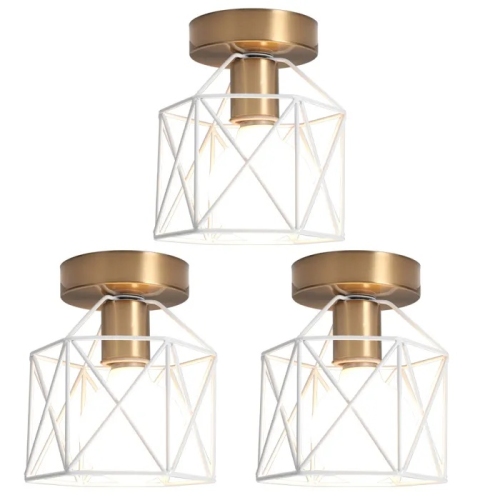
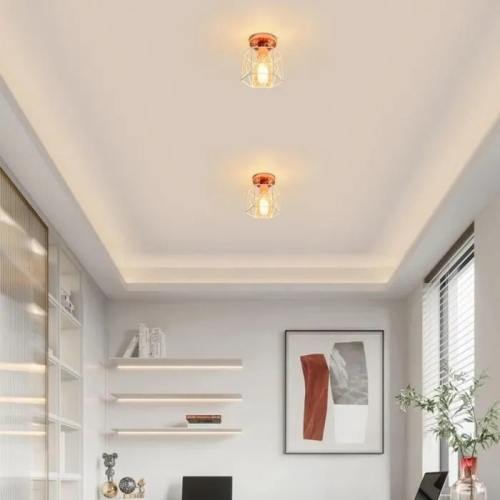
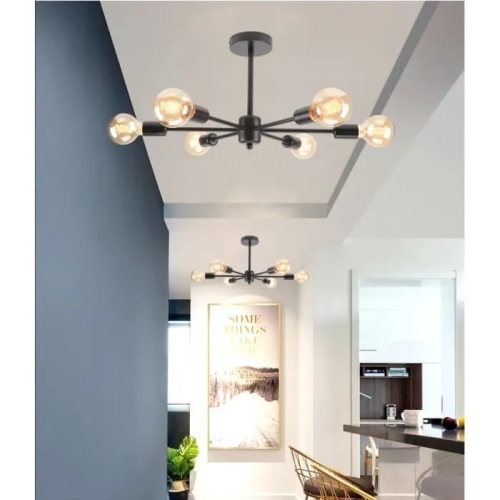
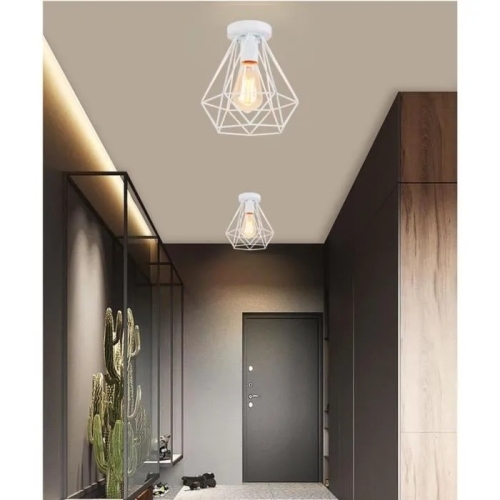
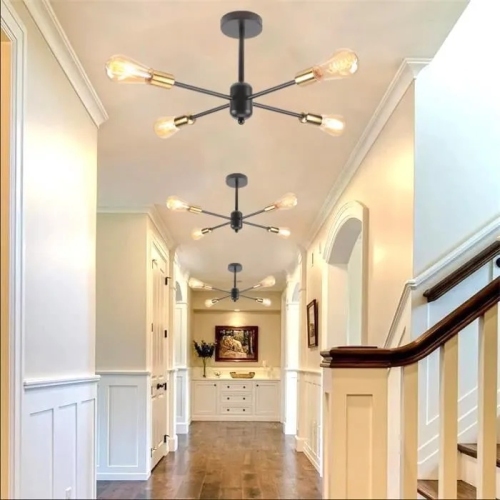
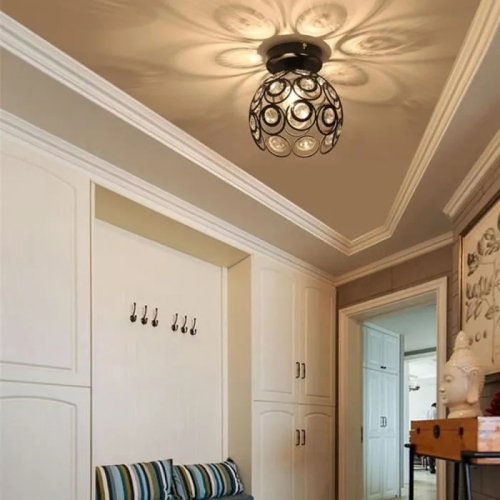
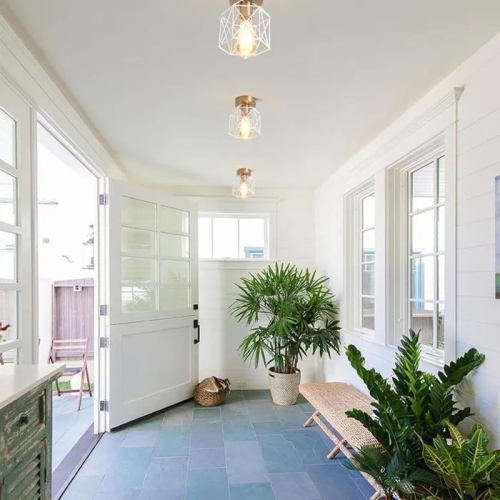
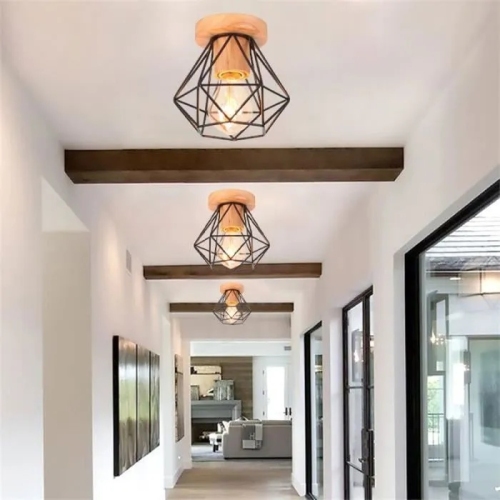
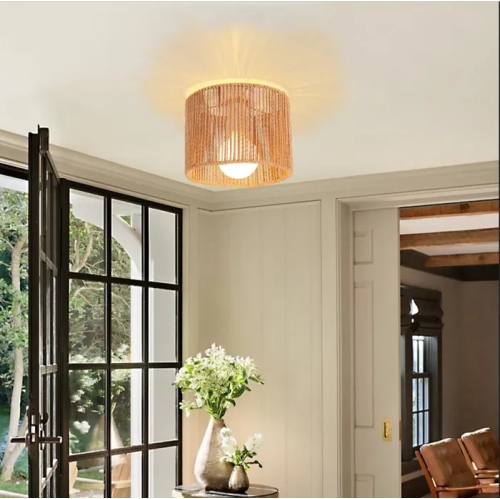
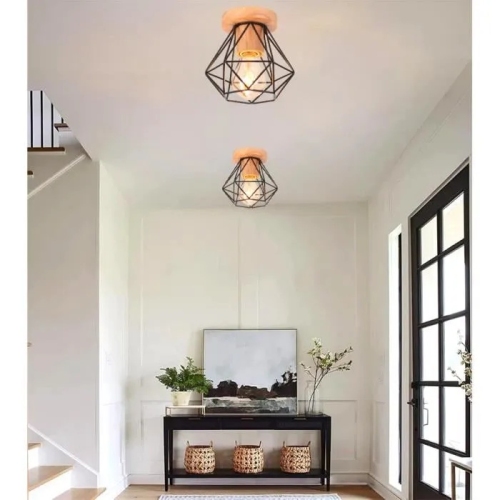
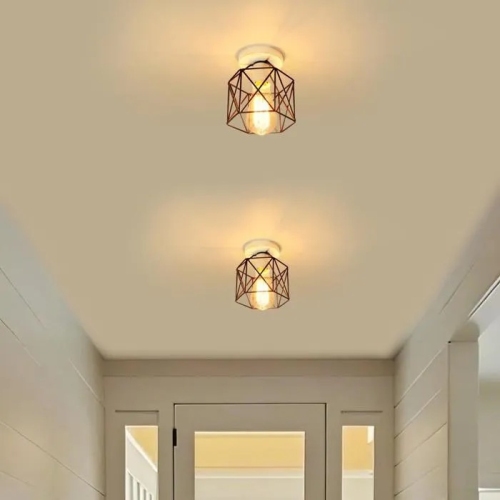
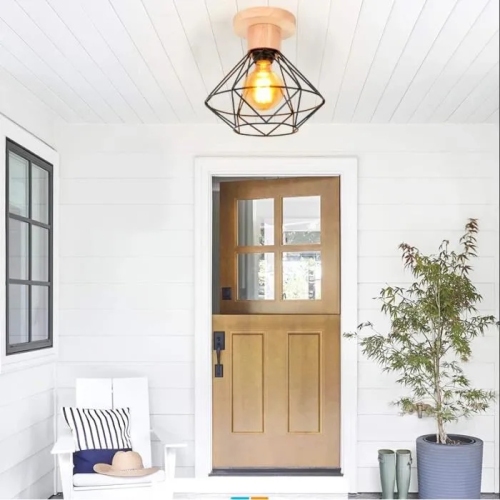
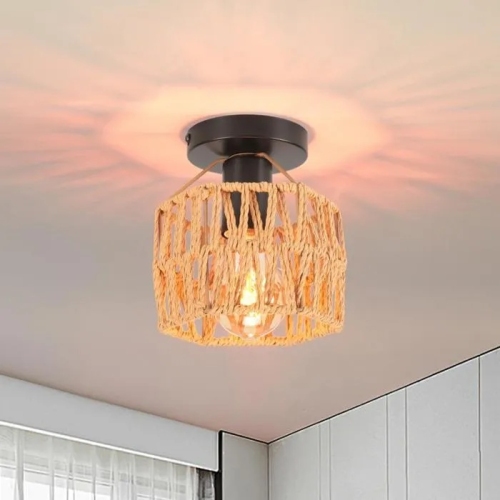
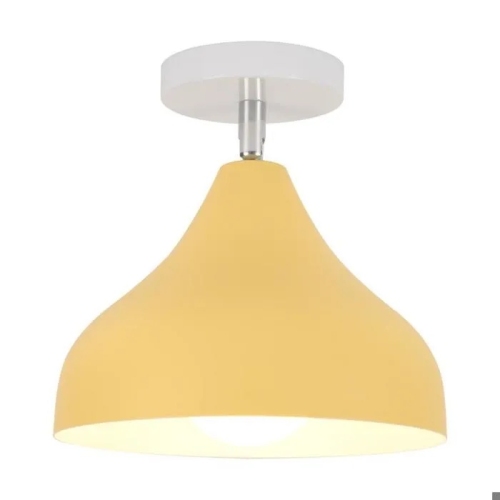
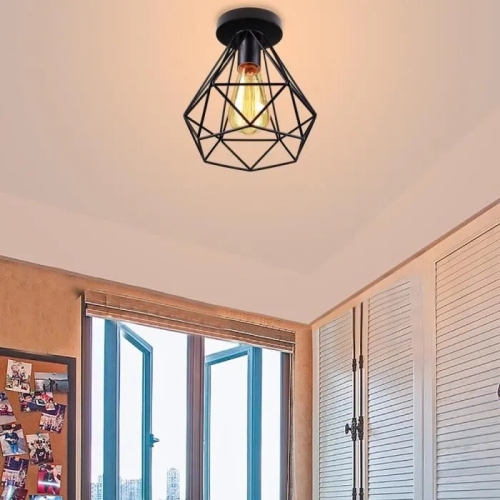
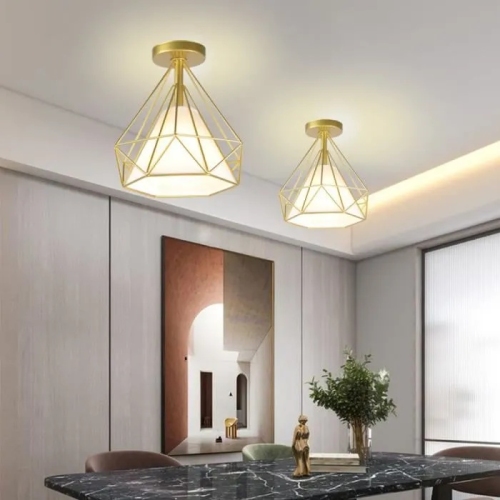
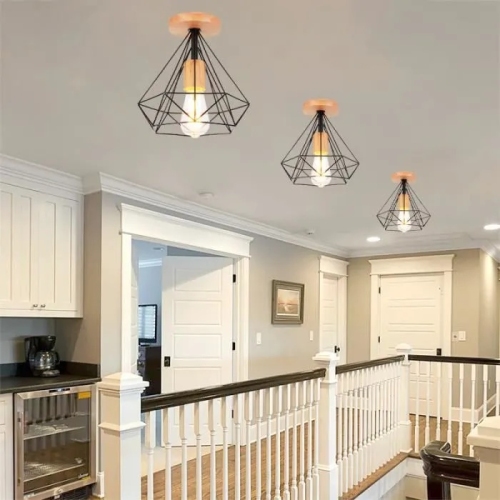
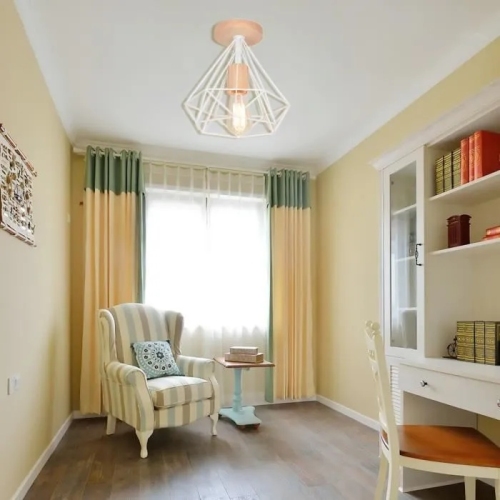
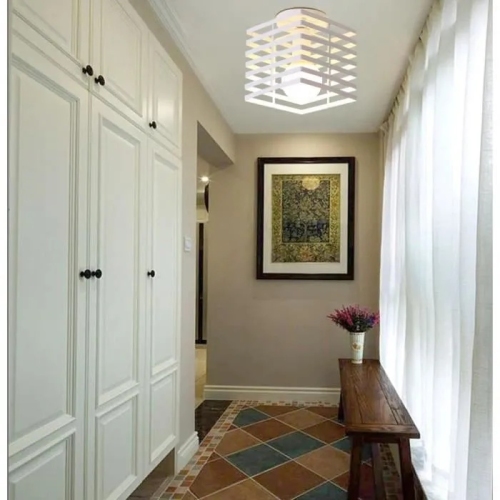
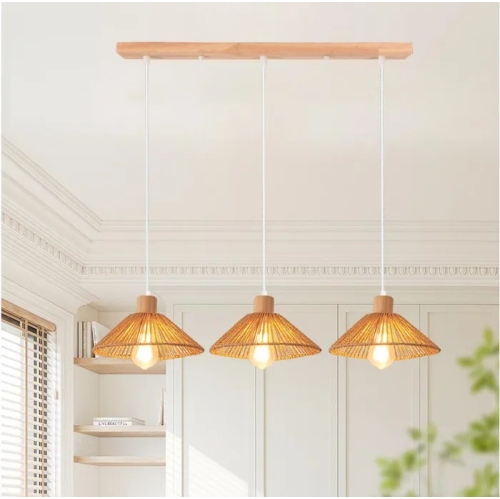
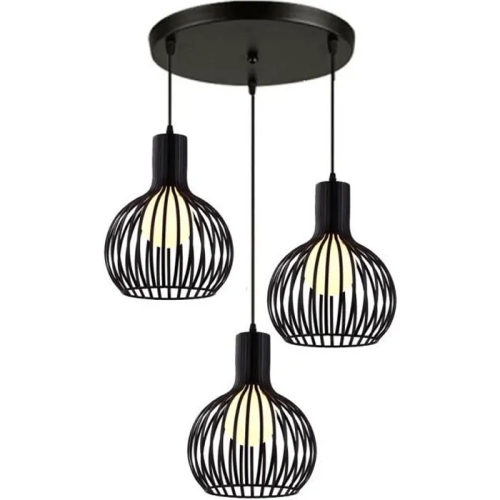
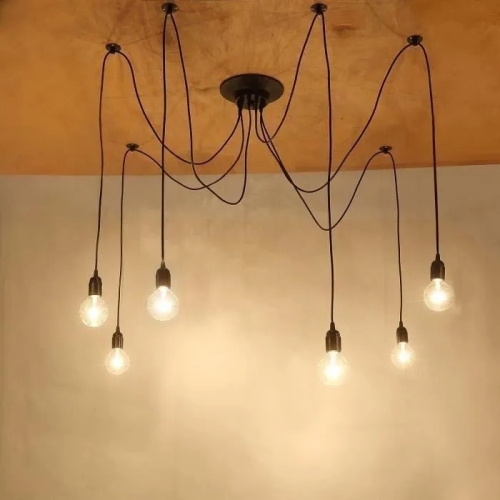
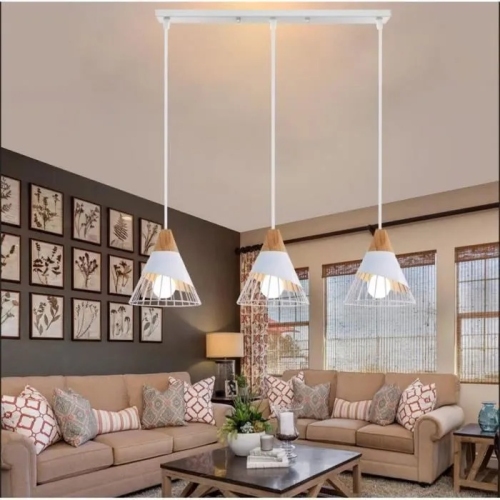
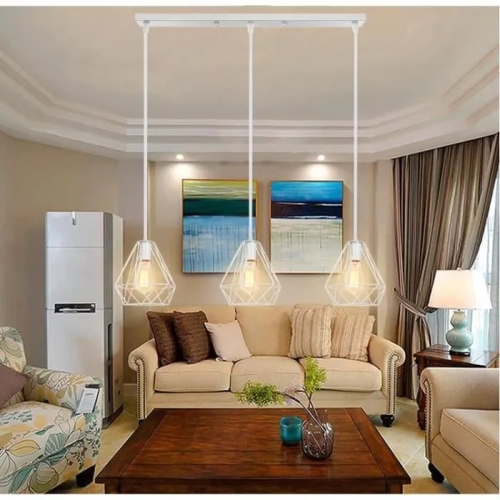
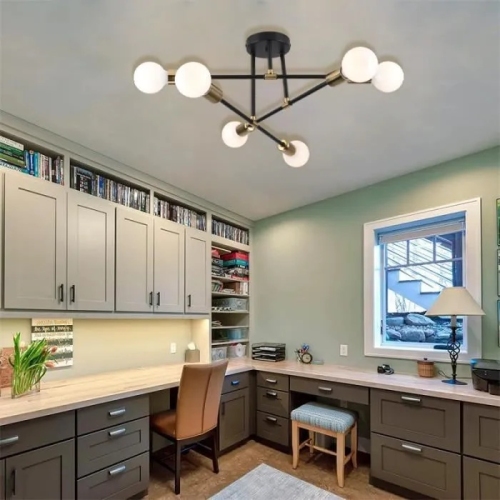
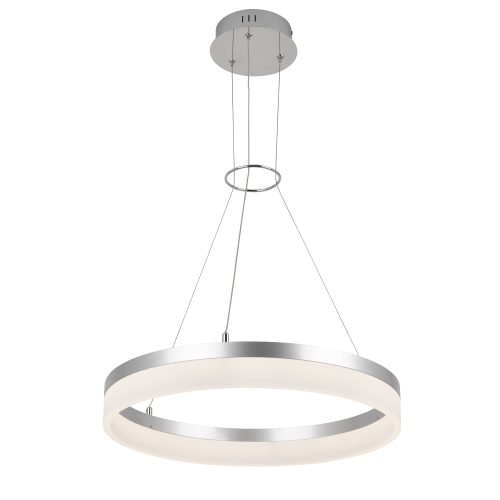
Proportion and light distribution matter as much as the finish. Flush-mount and semi-flush-mount fixtures keep the profile close to the ceiling, which can suit hallways, bedrooms, and rooms where hanging hardware would feel intrusive. Pendants and suspended multi-light designs have more presence above dining tables, kitchen islands, and other defined surfaces. A fixture that looks modest in an open room can feel much larger in a narrow entrance, particularly when it has a solid shade or several projecting arms. Overall width, total drop, canopy dimensions, and any adjustable suspension length all contribute to how comfortably it fits. Over a table, the shade should allow seated conversation without placing a bright bulb directly in anyone’s line of sight. Above a walkway, generous head clearance takes priority over a dramatic low-hanging silhouette. Light output also changes the experience of an industrial design. A deep metal shade concentrates illumination downwards, while clear glass and open frames allow more light to spread around the room. Frosted glass can soften the appearance of the bulb and reduce the sharpness of shadows. Warm white light often complements wood grain, brick, and aged metal finishes; a more neutral white can suit areas where food preparation or detailed tasks call for clearer visibility. Lumens describe brightness more usefully than wattage alone, especially when comparing LED bulbs. A filament-style LED bulb can echo the appearance of older lighting, but its base, dimensions, wattage, and suitability for enclosed fixtures still need to match the fixture’s specifications. Dimming depends on compatibility among the bulb, fixture, and dimmer switch, rather than on appearance. An open cage with several exposed bulbs may need less output from each bulb than expected to remain comfortable at eye level. On sloped ceilings, the mounting arrangement must support the intended angle. Heavier fixtures also require appropriate support, and hardwired installation is best handled by a qualified electrician who can confirm the mounting and electrical requirements.
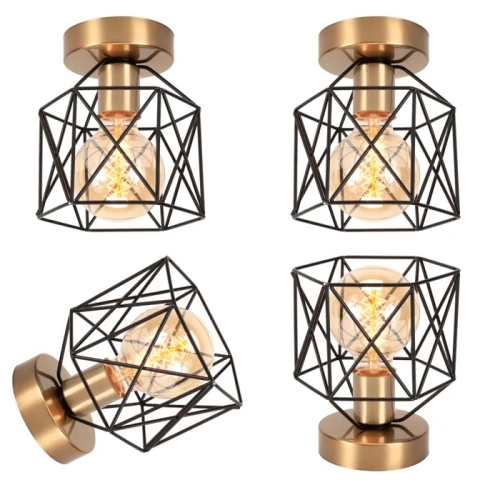
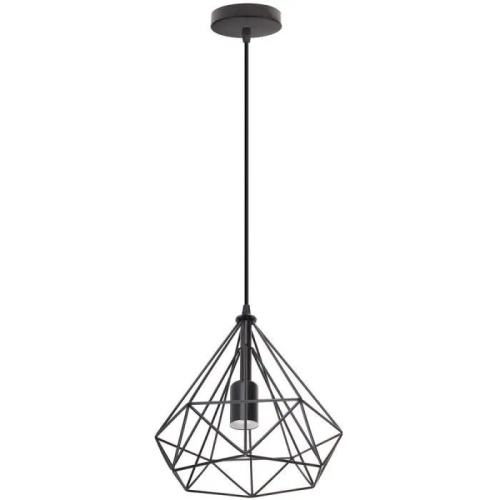
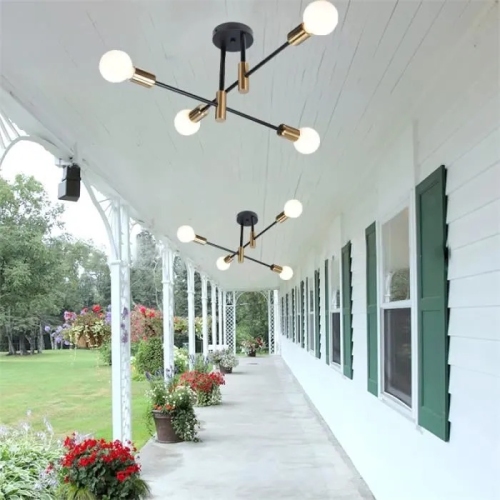
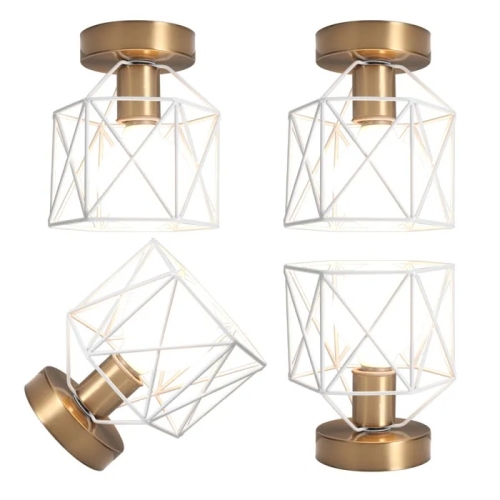
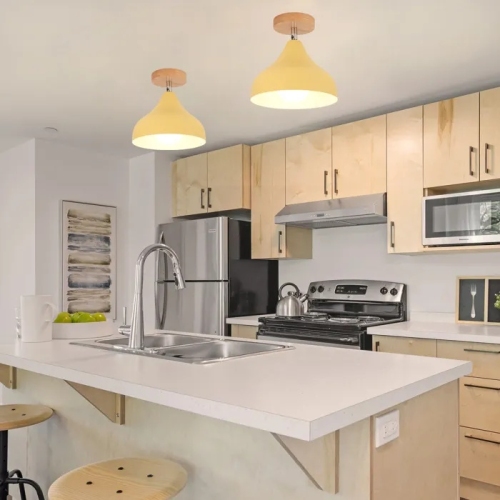
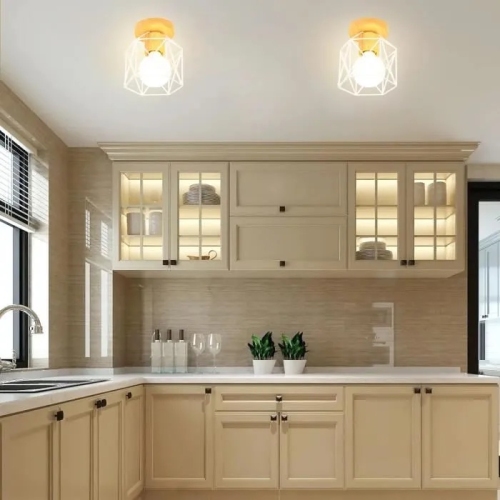
Materials and construction influence how vintage industrial lighting looks after years of daily use. Steel and iron can give shades and frames a substantial feel, while glass brings transparency and makes the bulb a more visible part of the design. Painted, plated, and powder-coated surfaces have different care requirements, so a finish described as aged or distressed should not be treated as permission for aggressive scrubbing. For routine cleaning, switching the light off, allowing bulbs to cool, and using a soft, dry cloth helps remove dust without scratching the surface. Glass may need occasional cleaning to lift fingerprints or cooking residue, following the manufacturer’s directions and keeping moisture away from sockets and wiring. In a kitchen, a smooth shade is generally simpler to wipe than a densely detailed cage with many intersections. Open frames can collect dust around sockets and joints, while enclosed shades may require removal to reach the bulb. Those small differences become noticeable when a fixture hangs above a large table or over a stairwell, where access takes more planning. Replaceable bulbs can make maintenance straightforward, provided replacements remain within the stated specifications; fixtures with integrated LEDs have different service requirements worth checking. Location matters, too. A bathroom ceiling fixture needs a rating appropriate to its position and exposure to moisture, and an indoor design should not be assumed suitable for a covered porch. Industrial styling alone says nothing about water resistance. For homeowners refreshing a kitchen, furnishing a first condo, or giving a dining room a more settled feel, these practical details help distinguish a fitting choice from a fixture chosen only for its photograph. A comfortable balance of scale, accessible maintenance, suitable light output, and a finish that relates to the room allows the vintage character to remain appealing through furniture changes and everyday use.
Read More

FAQ

Some products may be subject to Environmental Handling Fees (EHF) depending on your province. Learn more about EHFs.