Bosch Microwave Convection Ovens
Microwave convection ovens are a new addition to the kitchen appliance market. They combine the functions of a conventional microwave oven with those of a convection oven. The result is a cooking appliance that can bake, roast, and broil food all in the same unit. Here are some great microwaves from Bosch.
Sort

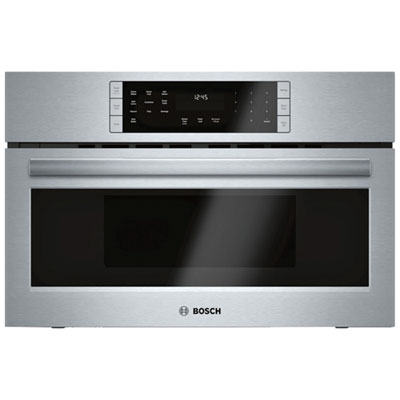
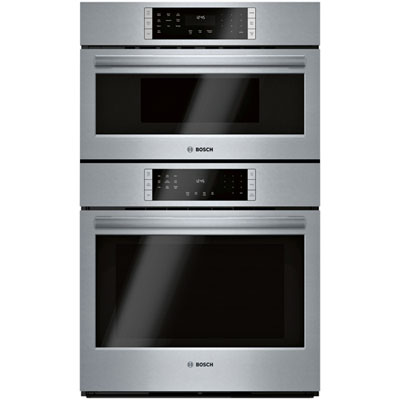
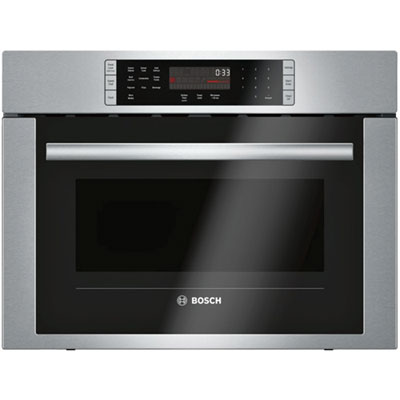
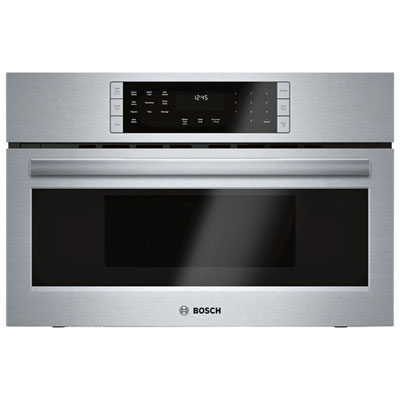
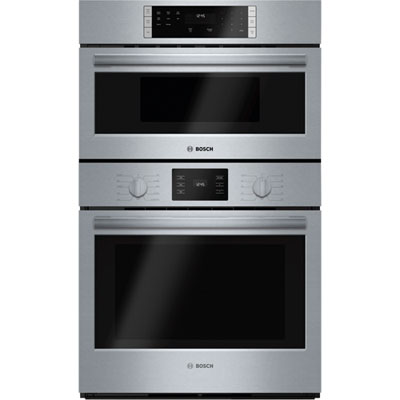
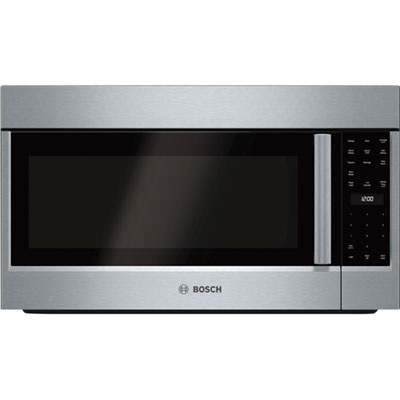
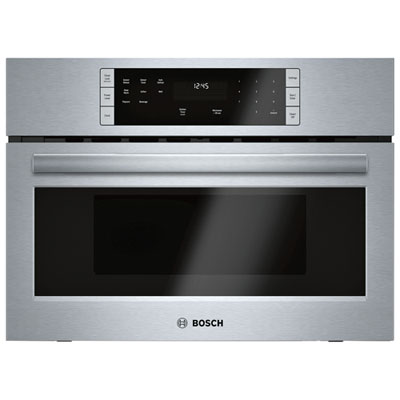

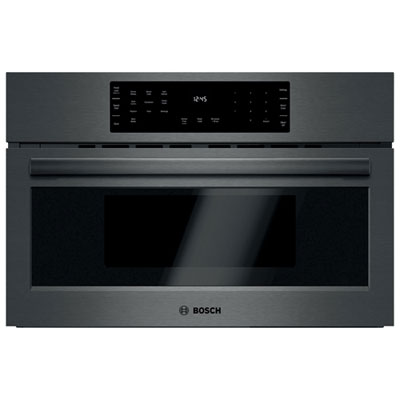
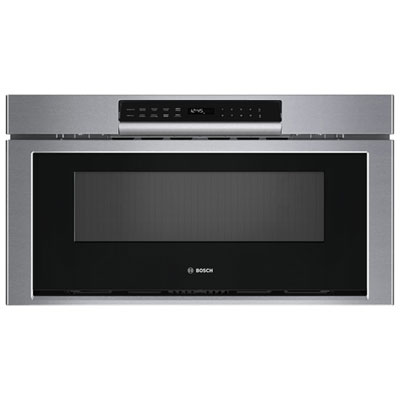
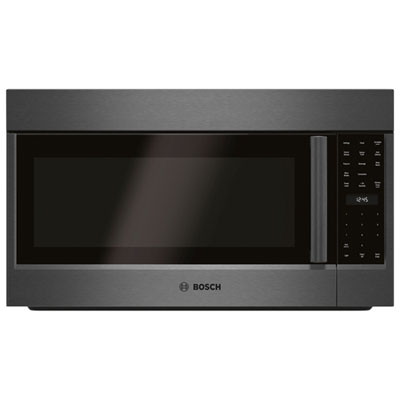
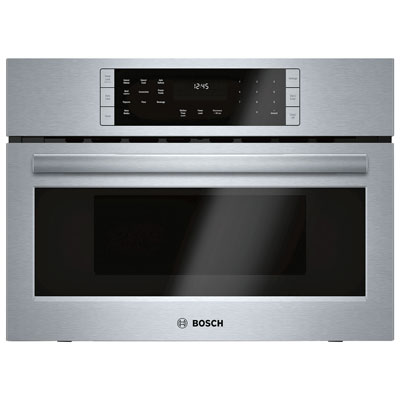
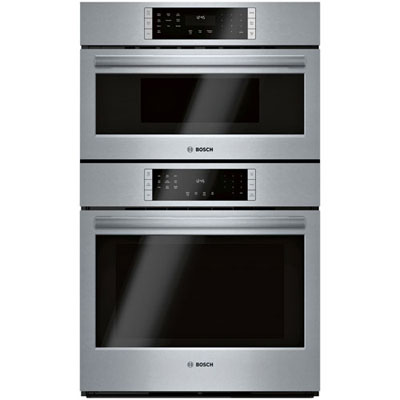
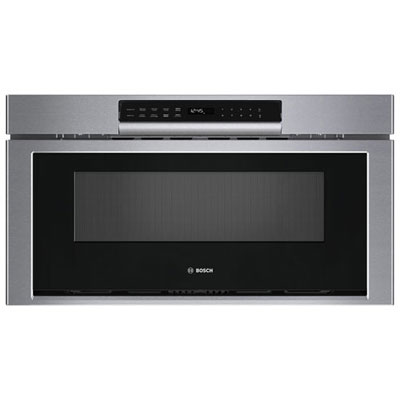
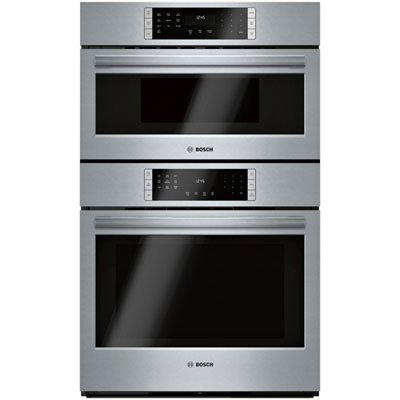
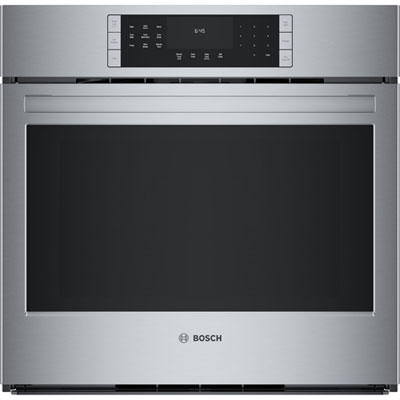
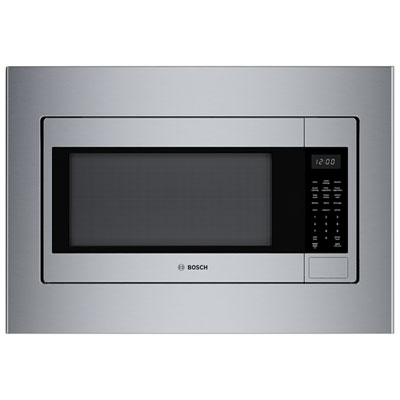

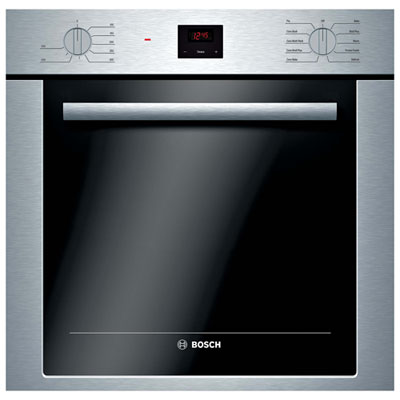
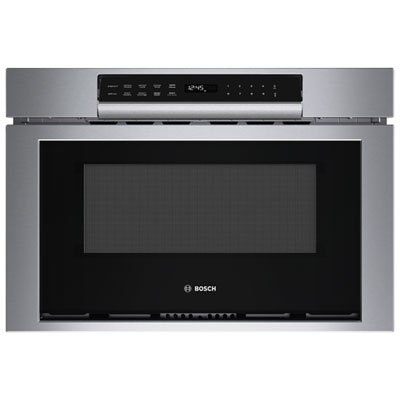

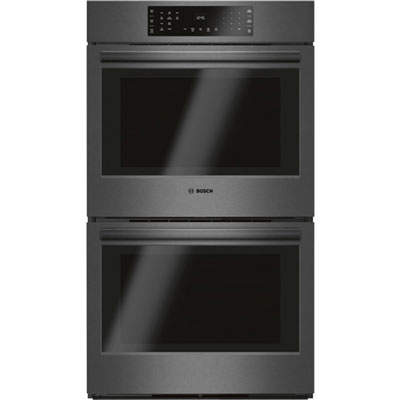
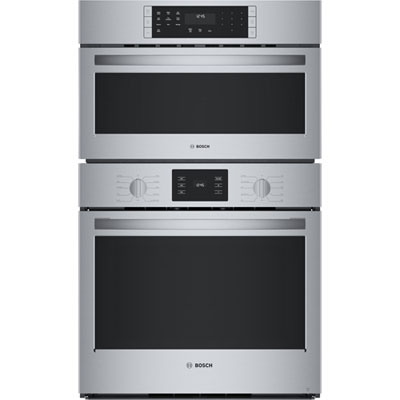
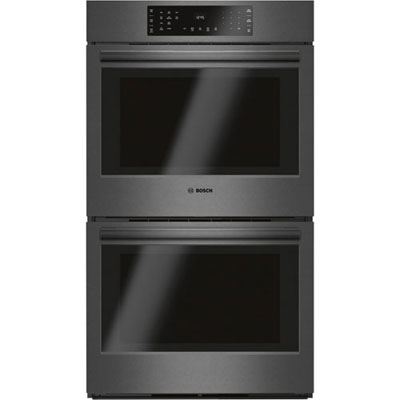
Flexible cooking performance for busy, space-conscious kitchens
Bosch microwave convection ovens bring together the everyday convenience of a microwave and the broader cooking abilities of a convection oven in one streamlined appliance. They are often called speed ovens because combination cooking can prepare food more quickly than a conventional oven alone, while still producing the browned, crisp finish many people expect from oven cooking. A microwave setting is useful for reheating soup, softening butter, defrosting ingredients, warming leftovers, or preparing a quick snack, while convection heat circulates hot air around the food for baking, roasting, and more even cooking. Many models also include a broil function for finishing dishes with a golden top. Combination settings use microwave energy and convection heat together, which can be helpful for busy evenings when a meal needs to move from the refrigerator to the table without a long preheat. This type of appliance suits cooks who want more flexibility without dedicating separate space to a microwave and an additional oven. It can also be a practical choice for households that regularly prepare smaller portions, since there is no need to heat a full-size oven for a tray of vegetables, a few pieces of chicken, or a small baked dish. During the cooler months, it can handle warming and roasting tasks comfortably while helping keep meal preparation organized in a busy kitchen.
When comparing microwave convection ovens, begin with the installation format and the available space. Built-in models are designed to sit within cabinetry or alongside a wall oven, creating a coordinated appearance that works especially well in renovated kitchens and new builds. Over-the-range configurations can combine microwave functions with ventilation above a cooktop, making efficient use of vertical space in kitchens where counter and cabinet room are limited. Combination microwave-wall oven arrangements offer another integrated approach, often placing microwave and conventional oven functions together for a more complete cooking station. Measure the opening carefully, including width, height, depth, trim requirements, door clearance, and ventilation needs. A product that fits the cavity but cannot open comfortably because of a nearby wall or cabinet will quickly become frustrating to use. Capacity is another important consideration. Interior space around 1.6 to 1.8 cubic feet is common in this category and can accommodate many family-sized dishes, but the usable cooking area also depends on the turntable, rack positions, and interior shape. Check whether the cookware you already own will fit, particularly rectangular casserole dishes, tall mugs, roasting pans, and microwave-safe containers. Power ratings can affect cooking speed, while a clear control panel and well-placed handle can make frequent use more comfortable. Preset programmes may simplify familiar tasks such as reheating, defrosting, cooking frozen foods, or preparing popcorn, but manual settings remain valuable for cooks who prefer to adjust time, temperature, microwave power, or cooking mode themselves. Stainless steel interiors are common in higher-end designs and can be convenient to wipe clean after splatters. Look for removable racks, accessible surfaces, interior lighting, and controls that are easy to read from across the kitchen. For additional built-in options, browse Bosch Built-In Microwaves.
The best way to use a microwave convection oven is to match the cooking mode to the result you want. Use microwave power when speed and moisture retention matter, such as reheating rice, warming a bowl of stew, or softening ingredients before baking. Choose convection for foods that benefit from circulating dry heat, including cookies, pastries, roasted vegetables, small roasts, and dishes that need an evenly browned exterior. Broil can add colour and texture to the surface of casseroles, sandwiches, and gratins, while combination cooking is useful for foods that need to cook through quickly and finish with a more oven-like texture. Read the care and cookware instructions before getting started, since metal racks and pans may be suitable in convection-only mode but not when microwave energy is in use. Leave room around dishes for heat and air circulation, avoid covering foods in ways that block ventilation, and use heat-resistant mitts when removing cookware from convection or combination cycles. Wipe spills once the interior has cooled, especially after cooking sauces or foods with a high fat content, and follow the manufacturer’s recommendations for racks, turntables, cleaning products, and ventilation. These appliances can be especially useful for couples, smaller families, apartment dwellers, home entertainers, and anyone who prepares meals in stages throughout the day. They also make a thoughtful housewarming or kitchen-renovation gift when the recipient is planning cabinetry and values a clean, integrated look, although installation dimensions and electrical requirements should be confirmed before purchase. With the right configuration, capacity, and cooking modes, a microwave convection oven can support everything from a quick weekday breakfast to a carefully prepared dinner, giving one compact cooking station a surprisingly wide range of uses.
When comparing microwave convection ovens, begin with the installation format and the available space. Built-in models are designed to sit within cabinetry or alongside a wall oven, creating a coordinated appearance that works especially well in renovated kitchens and new builds. Over-the-range configurations can combine microwave functions with ventilation above a cooktop, making efficient use of vertical space in kitchens where counter and cabinet room are limited. Combination microwave-wall oven arrangements offer another integrated approach, often placing microwave and conventional oven functions together for a more complete cooking station. Measure the opening carefully, including width, height, depth, trim requirements, door clearance, and ventilation needs. A product that fits the cavity but cannot open comfortably because of a nearby wall or cabinet will quickly become frustrating to use. Capacity is another important consideration. Interior space around 1.6 to 1.8 cubic feet is common in this category and can accommodate many family-sized dishes, but the usable cooking area also depends on the turntable, rack positions, and interior shape. Check whether the cookware you already own will fit, particularly rectangular casserole dishes, tall mugs, roasting pans, and microwave-safe containers. Power ratings can affect cooking speed, while a clear control panel and well-placed handle can make frequent use more comfortable. Preset programmes may simplify familiar tasks such as reheating, defrosting, cooking frozen foods, or preparing popcorn, but manual settings remain valuable for cooks who prefer to adjust time, temperature, microwave power, or cooking mode themselves. Stainless steel interiors are common in higher-end designs and can be convenient to wipe clean after splatters. Look for removable racks, accessible surfaces, interior lighting, and controls that are easy to read from across the kitchen. For additional built-in options, browse Bosch Built-In Microwaves.
The best way to use a microwave convection oven is to match the cooking mode to the result you want. Use microwave power when speed and moisture retention matter, such as reheating rice, warming a bowl of stew, or softening ingredients before baking. Choose convection for foods that benefit from circulating dry heat, including cookies, pastries, roasted vegetables, small roasts, and dishes that need an evenly browned exterior. Broil can add colour and texture to the surface of casseroles, sandwiches, and gratins, while combination cooking is useful for foods that need to cook through quickly and finish with a more oven-like texture. Read the care and cookware instructions before getting started, since metal racks and pans may be suitable in convection-only mode but not when microwave energy is in use. Leave room around dishes for heat and air circulation, avoid covering foods in ways that block ventilation, and use heat-resistant mitts when removing cookware from convection or combination cycles. Wipe spills once the interior has cooled, especially after cooking sauces or foods with a high fat content, and follow the manufacturer’s recommendations for racks, turntables, cleaning products, and ventilation. These appliances can be especially useful for couples, smaller families, apartment dwellers, home entertainers, and anyone who prepares meals in stages throughout the day. They also make a thoughtful housewarming or kitchen-renovation gift when the recipient is planning cabinetry and values a clean, integrated look, although installation dimensions and electrical requirements should be confirmed before purchase. With the right configuration, capacity, and cooking modes, a microwave convection oven can support everything from a quick weekday breakfast to a carefully prepared dinner, giving one compact cooking station a surprisingly wide range of uses.
Top selling and popular products
-
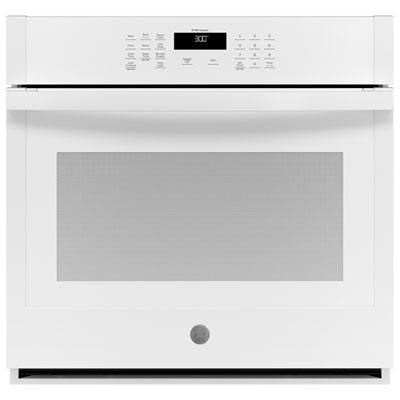 Your price for this item is $2699.99
 -
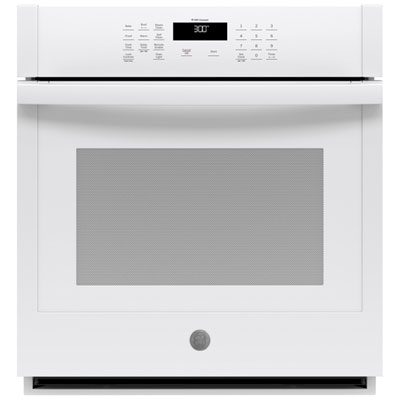 Your price for this item is $2449.99
 -
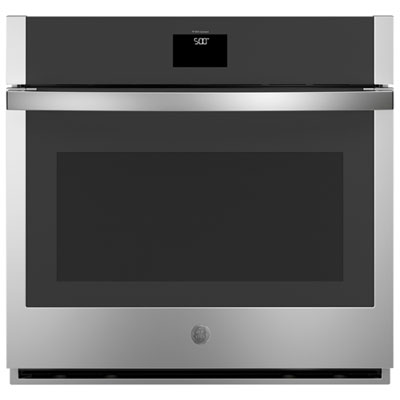 Your price for this item is $2699.99
 -
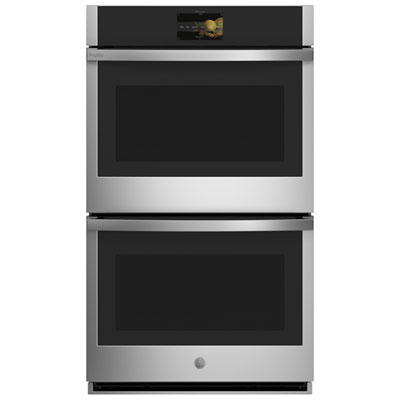 Your price for this item is $5999.99
 -
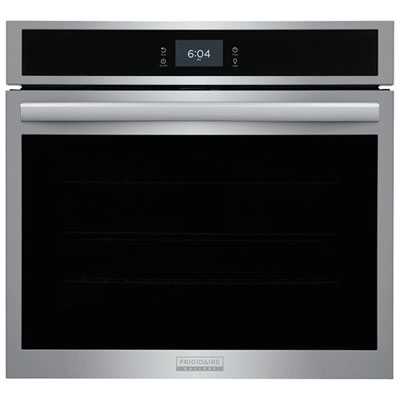 Your price for this item is $2199.99
 -
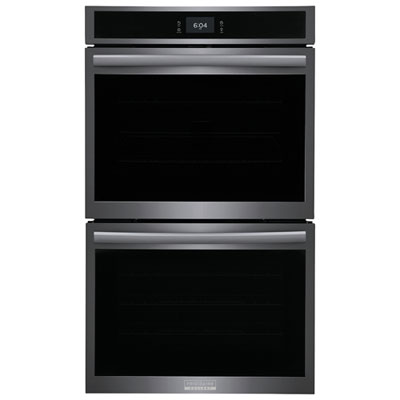 Your price for this item is $3699.99
 -
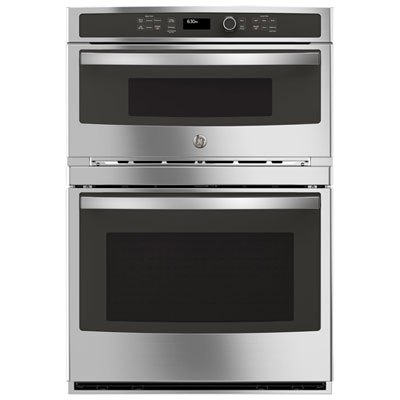 Your price for this item is $4399.99
 -
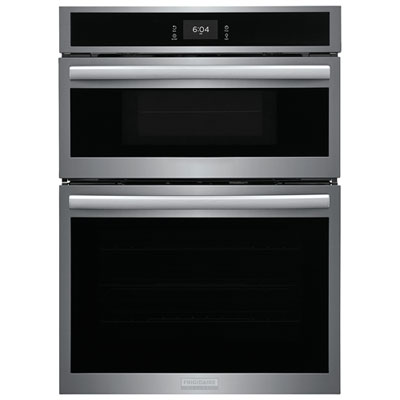 Your price for this item is $3899.99
Discover more categories related to Bosch Microwave Convection Ovens
Top Collections:
Pokemon Centers, Kindle Devices, Best Budget Office Chairs, Apple iPhones 16, Best Laptops for Writers, iPhone 15 Apple, Canon G7X Cameras, Refurbished Apple Laptops, Alarm Clock, Motorola Razr Phones
Some products may be subject to Environmental Handling Fees
(EHF) depending on your province.
Learn more about EHFs.