Water Leak Sensors with Remote Probes or Cables

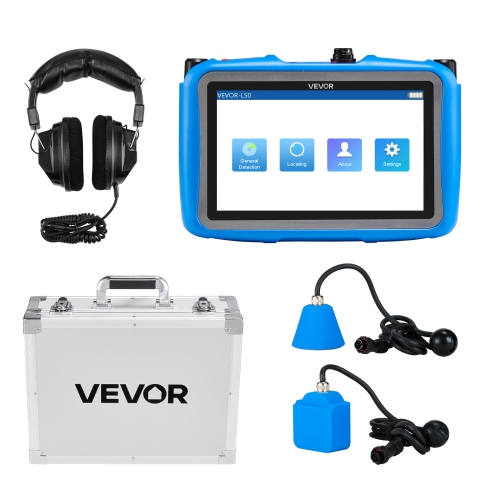
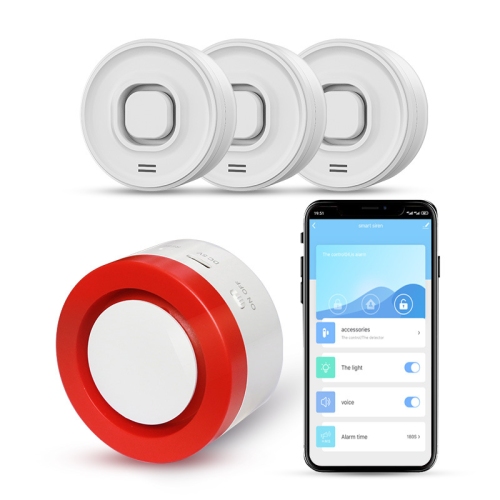
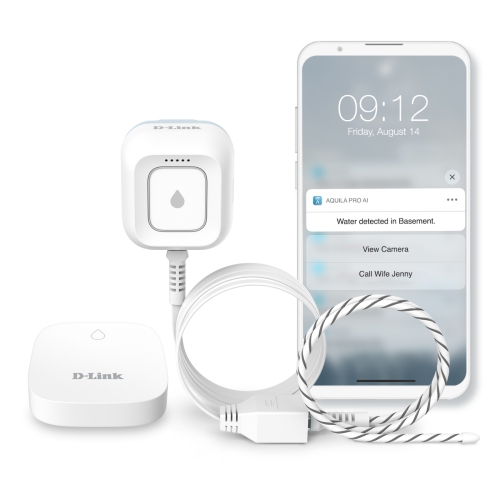
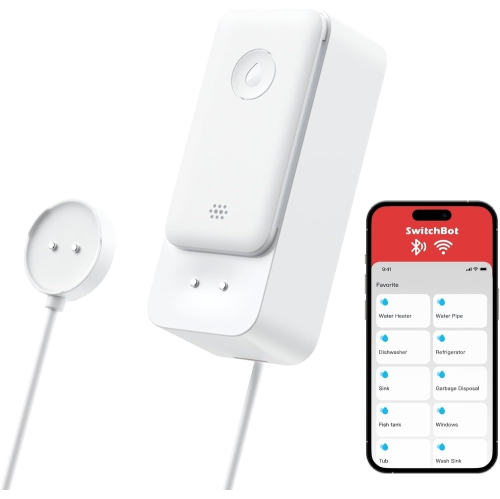
Water leak sensors with remote probes or cables help detect water in hard-to-reach spots, such as beneath sinks or behind appliances, while keeping the main unit accessible. Compare probe and cable designs, checking sensing coverage, cable length, and alert options to find a setup suited to the area you want to monitor.
Read More

Leak detection that reaches where you rarely look

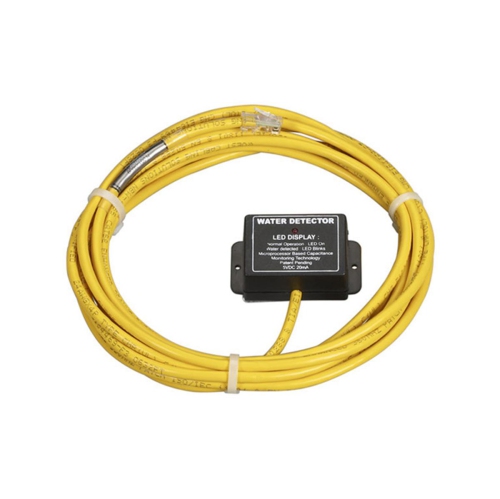
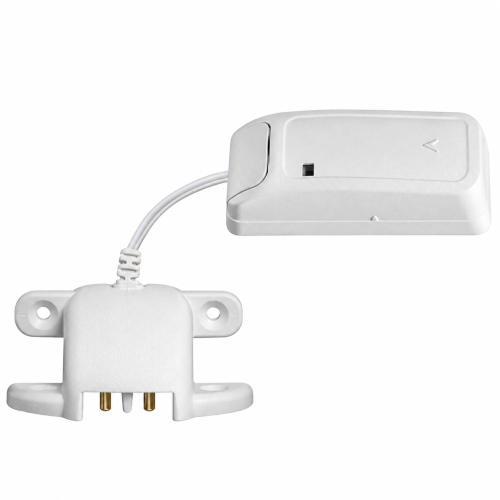
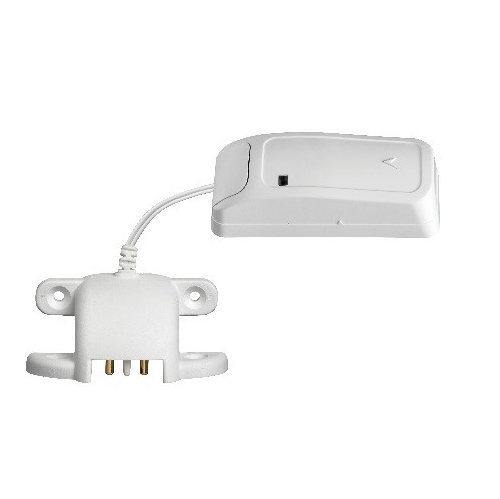
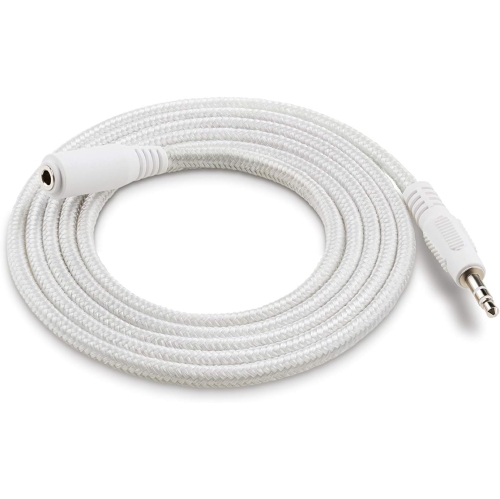
Water leak sensors with remote probes or cables detect water in tight or hard-to-reach places while allowing the main alarm unit to sit somewhere more accessible. They are useful behind washing machines, beneath kitchen sinks, beside water heaters, and around appliance drain pans, where a small leak can remain hidden from view. Separating the sensing point from the alarm body also makes it easier to reach batteries, see indicator lights, and hear an alert without moving a heavy appliance. The distinction between a remote probe and a sensing cable matters. A remote probe typically detects water at exposed contacts near the end of a lead, making it suited to a particular collection point, such as the lowest corner of a drain pan. A water-sensing cable can detect moisture along its designated sensing length, providing coverage across a wider area or along an appliance base. An ordinary connecting lead does not necessarily detect water, even when it looks similar to a sensing cable. These designs address different layouts: a narrow probe can reach under a cabinet, while a flexible sensing cable can follow a path where water might spread before reaching a single sensor. Cable length, probe dimensions, and the position of the main unit all affect how well the setup fits. Floor slope and nearby thresholds matter, too, because leaking water does not always collect directly below its source. In a laundry area, for example, a cable positioned along a likely collection path may detect moisture that would miss a probe tucked into the opposite corner. For sump basins or tanks, only designs expressly intended for water-level monitoring are suitable, with placement and immersion limits determined by the manufacturer. Most household leak sensors report water reaching their contacts; they do not identify a leak inside a pipe or pinpoint its source. Their value is in bringing attention to water where it should not be, helping homeowners, tenants, and property managers respond before an unnoticed drip spreads farther.

Alert features shape how water leak sensors with remote probes or cables fit into everyday routines. A local audible alarm can draw attention to a leak while someone is home, although a closed utility-room door or a distant basement may make it harder to hear. Connected designs can add app notifications and, where supported, other message options, making them useful for people who spend long stretches away from home or help look after another household. Connectivity varies: some sensors connect directly to Wi-Fi, while others communicate through a compatible hub or gateway. Hub-based connections require the correct communication standard and supported hardware; a sensor does not automatically work with every smart home platform simply because it is wireless. Many Wi-Fi devices use a 2.4 GHz network, so network requirements are worth checking alongside app and phone compatibility. Remote notifications generally depend on a working internet connection and the necessary hub or gateway remaining powered. A local alarm may continue without internet access, but that behaviour depends on the design. Signal strength also deserves attention around metal appliances, concrete walls, and below-grade utility spaces. A wireless range figure alone cannot describe every home's layout. Battery-powered sensors offer flexibility where outlets are inconvenient, while models using an adaptor need a suitable power source and careful cord placement. Battery status alerts, accessible battery compartments, and clear fault indicators can make routine upkeep simpler. For households monitoring several rooms, distinct sensor names help distinguish a laundry-room alert from one beneath a bathroom vanity. Shared notifications may also be useful when more than one person needs to respond, provided the app supports them. Some compatible systems can trigger a separate water shutoff device, but a leak sensor by itself does not stop water flow. Automatic shutoff requires the appropriate valve, controls, and installation, and its operation depends on the particular system. Clear, dependable alerts are more useful than a long feature list that does not match the household's needs.

Physical fit and care are just as important as connectivity. A compact probe needs enough clearance to reach its intended location without being crushed beneath an appliance foot, while a cable needs a route that avoids sharp edges, moving parts, and frequently used walkways. Flexible coverings can help a lead follow cabinet edges or appliance bases, but repeated pinching or tight bends may damage it. Exposed sensing contacts are often metal, including stainless steel on some designs; the housing, connectors, and cable covering should be suited to the moisture exposure expected at the installation point. A waterproof probe does not necessarily mean the alarm body, battery compartment, or cable connector can be submerged. Likewise, an ingress-protection rating applies to the component and conditions specified by the manufacturer, rather than granting blanket protection to the entire setup. Supported extension lengths and approved accessories matter because not every cable can be lengthened, shortened, or joined without affecting performance. For renters, removable mounting options may be useful where drilling is not permitted, provided the chosen placement remains secure. Cleaning access matters beneath sinks and behind appliances, where dust, detergent residue, and mineral deposits can collect. Care generally involves keeping contacts clean and drying the sensing area after a leak or a manufacturer-approved test, without using cleaners that could damage the materials. Testing according to the supplied instructions helps confirm that both the sensing point and the expected alert work, particularly after relocation or battery replacement. Accidental splashes from cleaning can also trigger a sensor, so placement should reflect the difference between routine moisture and an unwanted leak. Alongside other Water Pipe Leak Detectors, remote-probe and cable designs offer practical options for awkward spaces that are easy to overlook. A well-matched setup balances reach, coverage, alert delivery, and straightforward maintenance, with separate sensing points where one cable cannot adequately cover several possible leak locations. These devices support regular plumbing and appliance checks rather than replacing them, adding a useful layer of awareness around water connections used every day.
Read More

FAQ

Some products may be subject to Environmental Handling Fees (EHF) depending on your province. Learn more about EHFs.