Apple Watches for Fitness
Elevate your workout routine with the perfect apple watch for fitness. Whether you're tracking your progress at the gym, monitoring your daily activity, or staying motivated on the go, these smartwatches are designed to help you reach your goals. Explore a range of options that seamlessly blend style and function, making it easy to stay connected and focused during every fitness journey. Find the right apple watch for fitness to match your lifestyle and keep you moving forward.
Sort
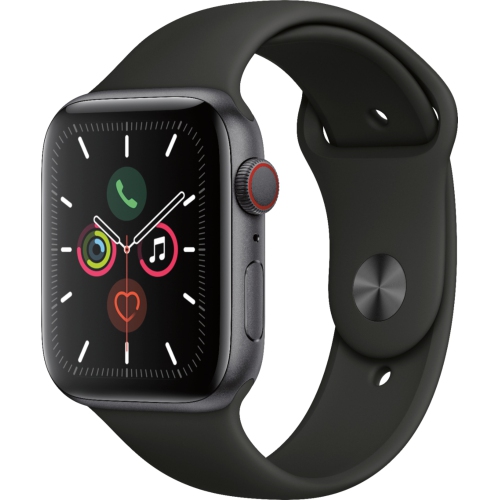
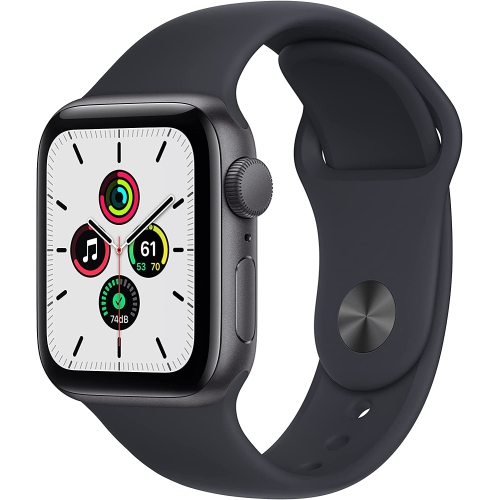


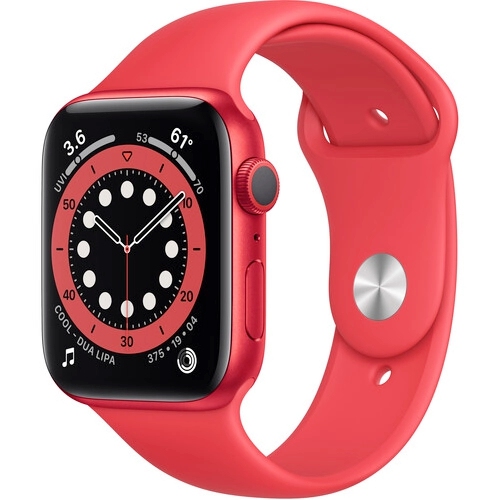


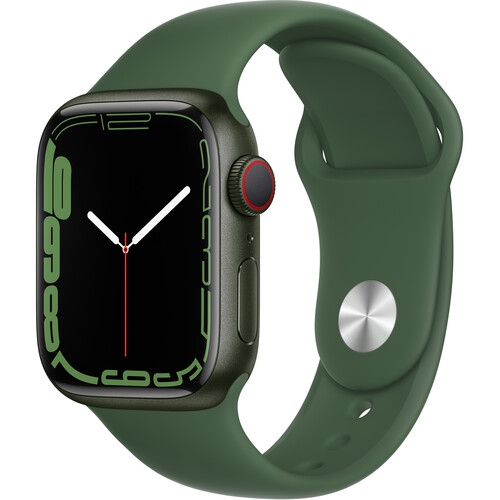


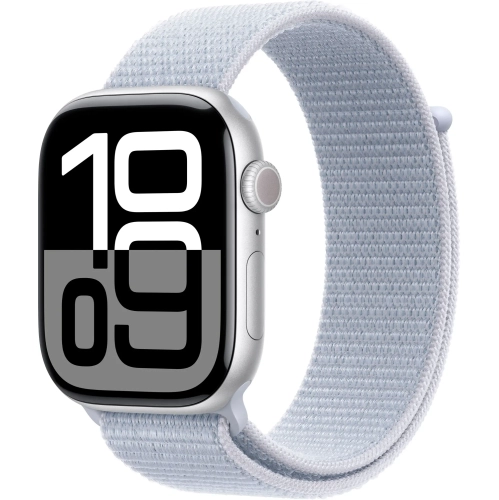
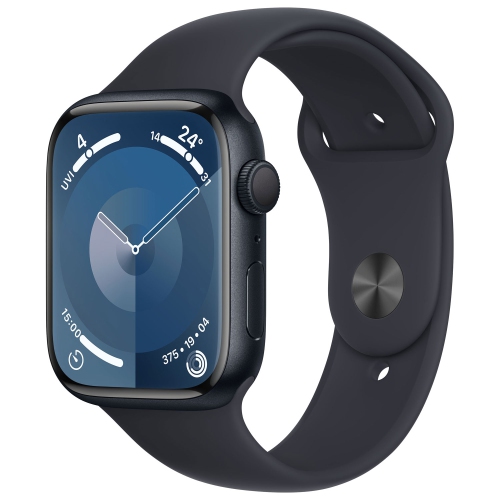

How wrist-based tracking puts daily movement in perspective
Fitness-focused smartwatches bring activity tracking, workout recording and everyday reminders together on the wrist, making them useful for everything from a lunchtime walk to a structured training program. Activity rings provide a quick view of movement, exercise and standing goals, while dedicated workout modes organize information around the activity being performed. A runner may focus on pace, distance and elapsed time; someone on a stationary bike may pay closer attention to heart rate and workout duration. Walking, cycling, swimming, strength training and yoga are among the activities supported across the category, although workout options and measurements depend on the watch and software. Built-in GPS can record routes and outdoor distance during supported workouts, helping distinguish an easy neighbourhood loop from a longer effort with more elevation. Heart rate tracking adds context to exercise intensity, while supported heart rate zone displays make it easier to see how effort changes during a session. These measurements are estimates, not medical assessments, and their accuracy can be affected by movement, fit and the type of exercise. During strength training, for example, wrist movement and gripping can make continuous readings less consistent than during a steady walk. Estimated calorie expenditure is also best understood as a reference rather than an exact measure of energy used. For everyday fitness, the value often lies in seeing patterns: more walking across the week, a steadier pace on a familiar route or greater consistency with scheduled workouts. Reminders to move can help break up time spent at a desk, while progress summaries give small efforts a visible place alongside longer training sessions. Sleep tracking can add another layer of context for people interested in their routines beyond the gym, provided the watch is worn overnight and charged at a convenient time. Beginners may appreciate clear goals and simple workout controls, while more experienced exercisers may make greater use of detailed metrics, custom workout settings and compatible training apps.
Comfort and construction matter because a fitness watch may stay on through work, exercise and sleep. Case size affects both how the watch sits on the wrist and how easily information can be read at a glance. A larger display can make pace figures and workout controls easier to see, but a smaller or lighter case may feel less noticeable during a run or when worn overnight. Case materials can include aluminum, stainless steel or titanium, depending on the model, with differences in weight, finish and resistance to everyday wear. Display materials and construction also vary; a more robust design can be useful for demanding activities, but no watch is immune to scratches or impacts. The band has just as much influence on day-to-day comfort. Flexible sport bands are practical for sweaty workouts and regular cleaning, while adjustable woven styles can offer a softer feel and a more precise fit. Material suitability depends on the activity, especially when swimming or exercising around equipment. A secure band helps limit sliding during movement, and the sensors generally work best when the watch rests snugly against the top of the wrist without feeling restrictive. A fit that feels comfortable while sitting may need a small adjustment before running, particularly if the case shifts with each stride. Band sizing and compatibility also matter when changing styles, since attachments and supported sizes are not universal. For swimming, water resistance and supported water activities need to match the intended use; suitability for pool laps does not automatically mean suitability for diving or high-speed water sports. Water resistance can diminish over time. Routine care helps keep the watch comfortable: remove sweat and residue using cleaning methods approved for the case and band, dry the components thoroughly, and avoid putting a damp band back against the skin. Leather and other moisture-sensitive materials require different care from bands designed for exercise, making a separate workout band useful for people who prefer a dressier look during the rest of the day.
Everyday convenience also shapes how well a fitness watch fits into a routine. Battery life varies with the model, settings and activities being recorded, and extended GPS workouts, cellular use, audio playback and an always-on display can increase power use. Someone recording a short gym session has different charging needs from someone tracking a long route and wearing the same watch overnight. Charging during a regular break can help preserve time for both activity and sleep tracking, although charging speed and accessory requirements differ. Phone compatibility deserves equal attention because setup, software support and connected features depend on the watch and a compatible phone. Some workout functions operate without the phone nearby, while notifications, calls, music and data syncing have their own connection requirements. Cellular features, where supported, require compatible service and may involve a separate plan; they are not necessary for every fitness routine. Downloaded audio can be convenient for a workout without a phone, but support depends on the watch, app and content service. For another view of this category, explore Apple Watches for Exercise. Practical details can make as much difference as advanced measurements: a readable workout screen, a band that stays comfortable through repeated movement, and controls that feel manageable between sets. Haptic alerts can provide discreet prompts, while notification settings help keep messages from interrupting a focused session. App-based coaching and additional training content may expand the experience, though some services require subscriptions and are separate from the watch itself. As a gift, a fitness watch can suit someone establishing a walking habit, returning to regular exercise or keeping a more detailed training record. Wrist size, preferred case weight, phone compatibility and comfort with touch controls are more useful considerations than assuming every recipient needs the most advanced features. The strongest match is a watch that feels natural to wear and supports the activities already woven into daily life, with enough flexibility for new goals.
Top selling and popular products
-
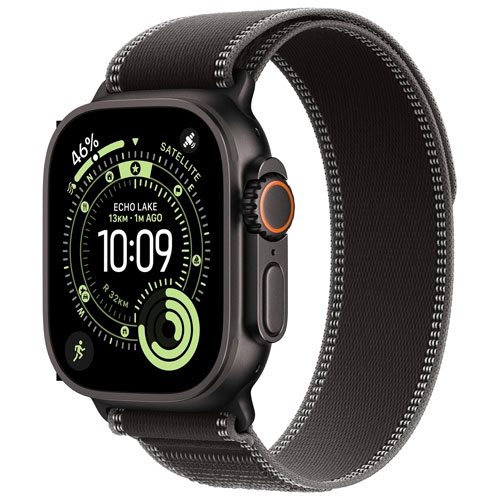 Your price for this item is $995
-
 Your price for this item is $359.5
-
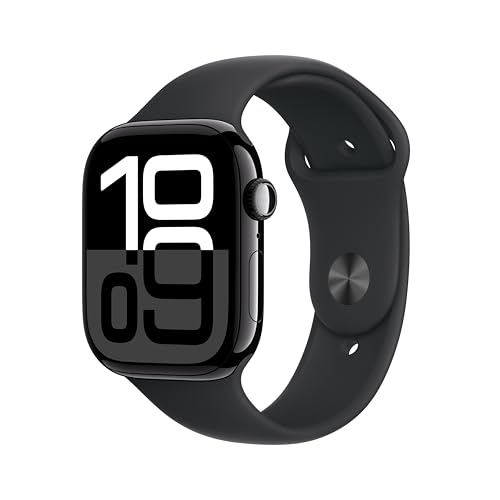 Your price for this item is $485
-
 Your price for this item is $299
-
 Your price for this item is $699
-
 Your price for this item is $619
-
 Your price for this item is $369.6
-
 Your price for this item is $799.99
Discover more categories related to Apple Watches for Fitness

Top Collections:
Best Black Friday Deals This Year, Best Black Friday Deals On Electronics, Kindle Devices, Pokemon Centers, Best Black Friday Deals On Apple Products, Best Cameras for Sports Photography, Dyson Airwrap, Pokémon 30th Celebration Cards, Apple iPhone 17 Pro, Canon G7X Cameras
Some products may be subject to Environmental Handling Fees
(EHF) depending on your province.
Learn more about EHFs.