Fitness Trackers for Everyday Activity
Fitness trackers for everyday activity make it easy to stay motivated and keep an eye on your daily movement. Whether you're taking a walk around the neighborhood, heading to the gym, or simply managing your busy routine, these devices are designed to help you monitor your progress and set achievable goals. With a variety of styles and options available, finding the right fitness tracker for everyday activity can support your wellness journey and fit seamlessly into your lifestyle. Explore the latest selection to discover how convenient it can be to stay active each day.
Sort




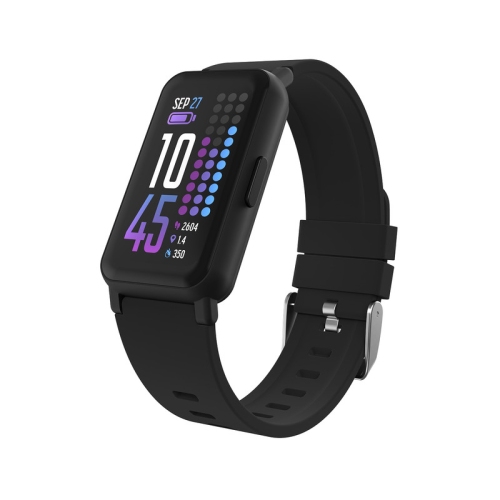
What a tracker can tell you between workouts
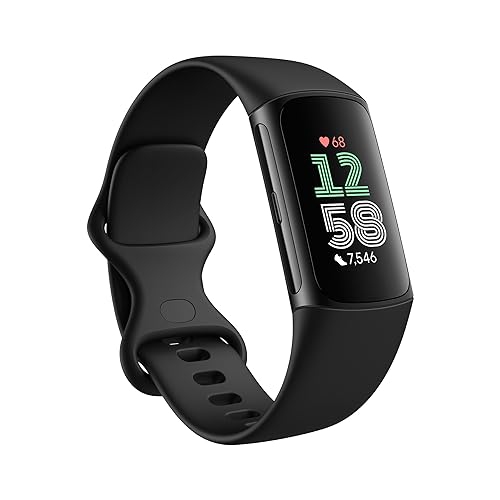
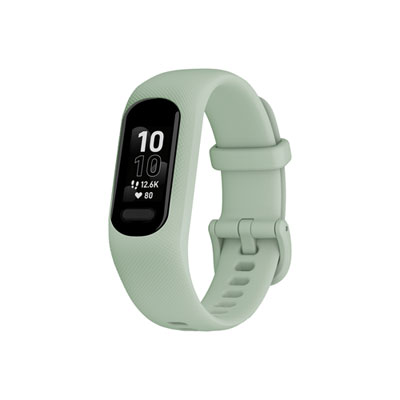
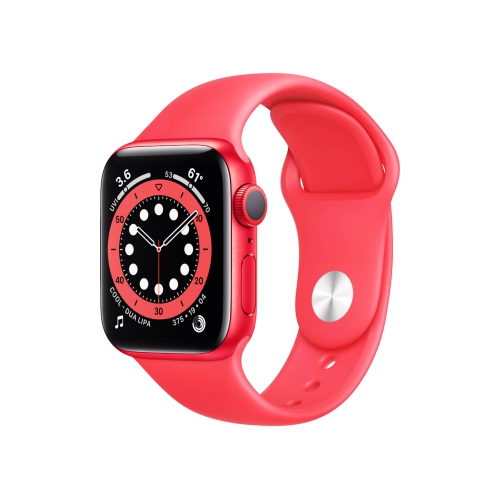
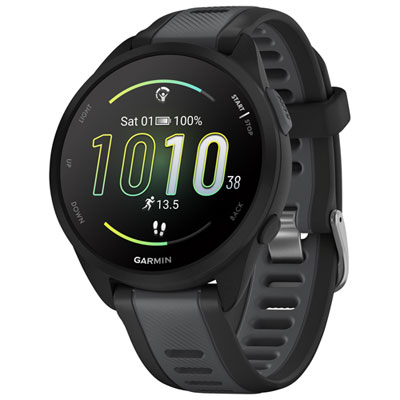
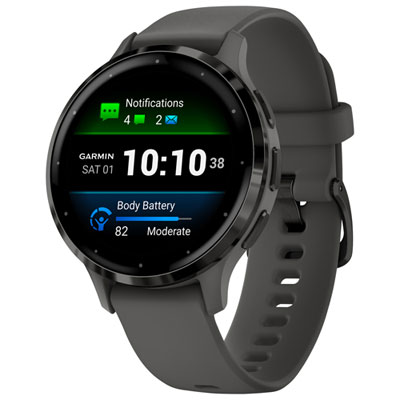
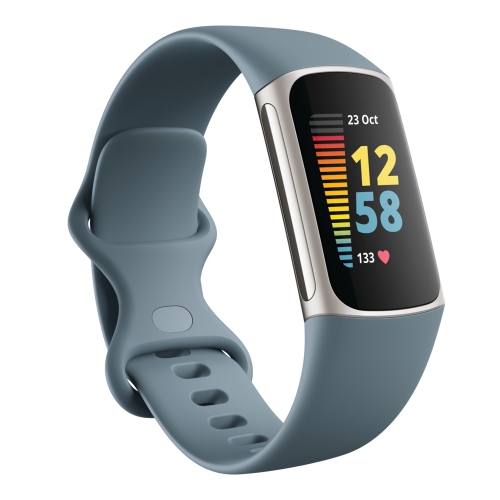
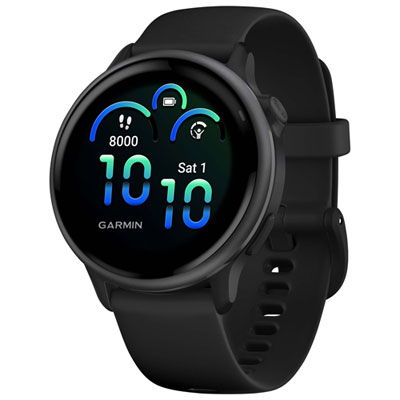
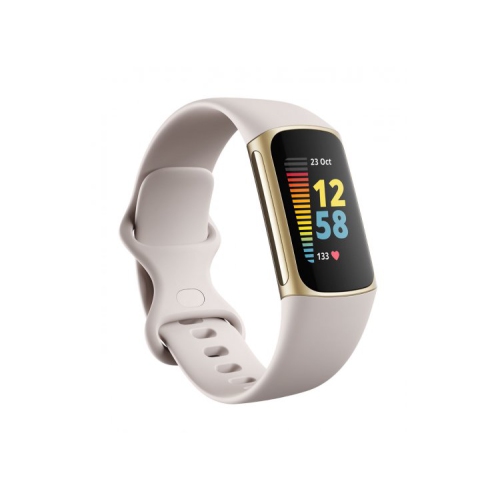
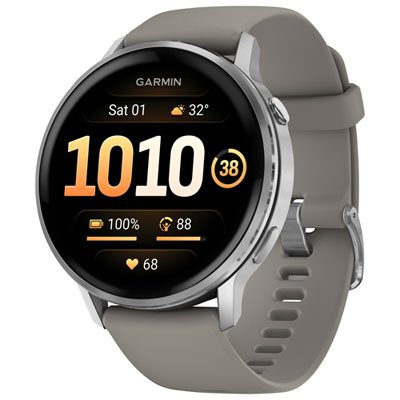
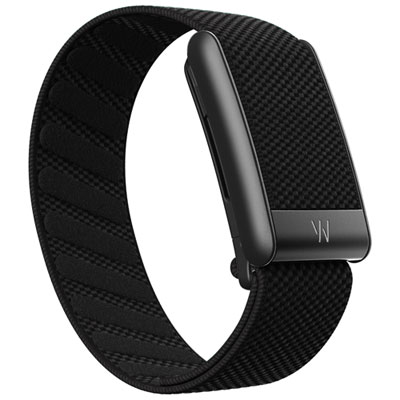
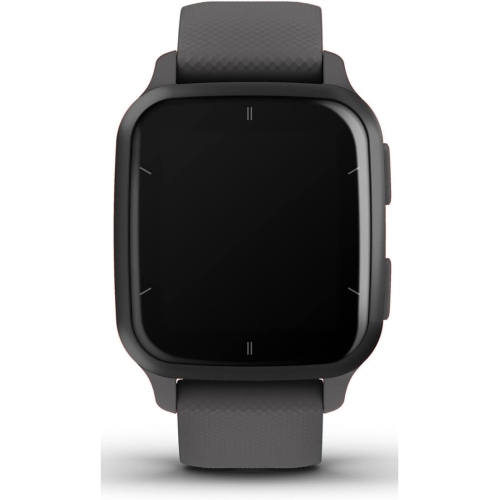
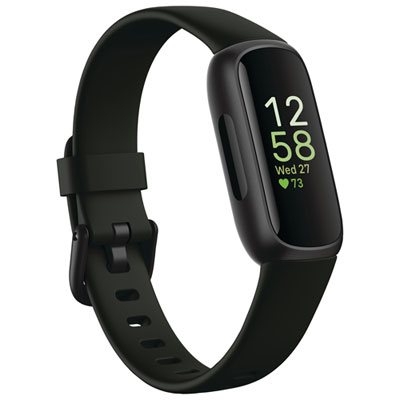
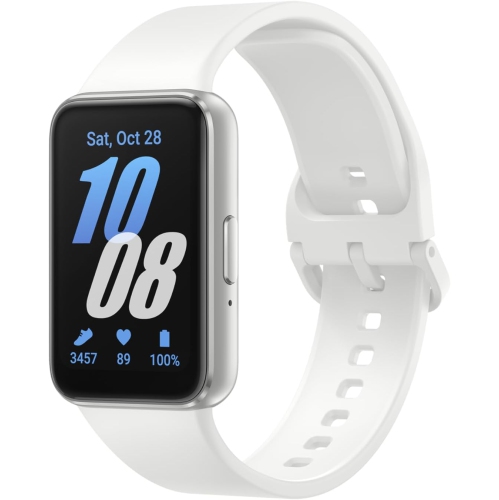
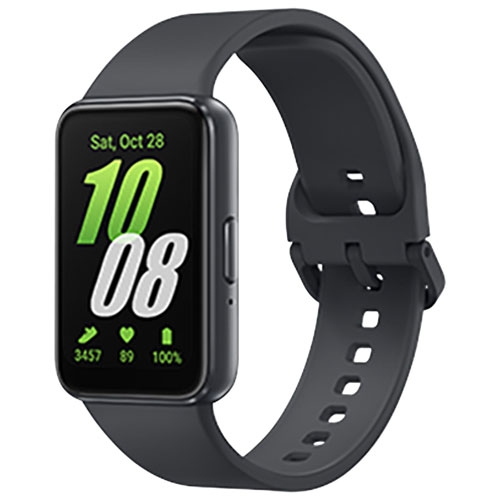
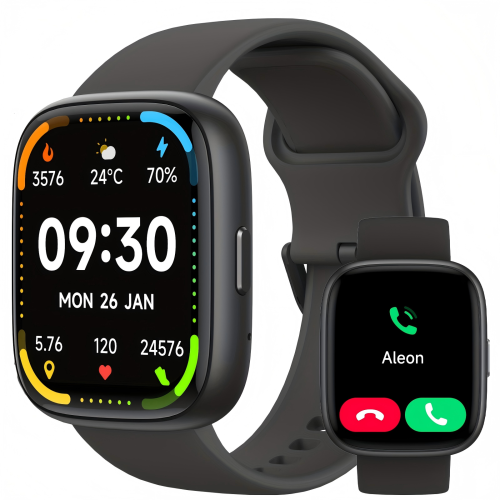
A good fitness tracker for everyday activity is light enough to wear from breakfast to bedtime, easy to read at a glance and able to last several days between charges. Step counts, movement reminders and sleep estimates are useful for getting a sense of how active or restful a day has been, even when it doesn’t include a workout. A lunchtime walk, a trip upstairs to drop off laundry and ten minutes spent pacing during a phone call all add up. A simple band can make those bits of movement easier to notice without filling the wrist with information. A larger, watch-style display leaves more room for details such as elapsed time and heart rate, which can be handy when walking briskly or following a workout. Battery life matters most when a tracker is worn overnight as well as during the day. A model that needs frequent charging might spend the usual bedtime on its cable, leaving gaps in the sleep history. An always-on display, frequent notifications and GPS use can shorten the time between charges, so advertised battery life may not match every routine. Walkers and runners who like to leave their phone behind can look for built-in GPS to track their route, pace and distance. A tracker that uses connected GPS relies on a compatible phone for that route data, but can still make sense for someone who carries a phone anyway. It’s worth checking phone compatibility and app requirements even when GPS isn’t a priority: a quick step total may be visible on the wrist, while longer activity and sleep trends are often easier to review in the companion app. A clear display, straightforward controls and reminders that can be turned off can matter more in daily use than a long list of workout modes. Someone who mainly wants a nudge to get away from the desktop may prefer a quiet vibration after a stretch of sitting, with calls and messages left on the phone.
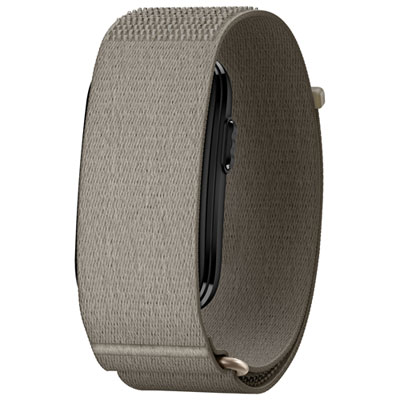
Fit affects whether a tracker stays comfortable through a full day, not just whether the strap closes. A narrow band with a low-profile case is less likely to catch on a cuff or press against the edge of a work surface, while a wider display can be easier to read without stopping mid-stride. Check the wrist-size range as well as the case dimensions. Two bands can fit the same wrist but sit quite differently, especially if one has a long strap end or a clasp that rests against the underside of the wrist. Silicone straps are flexible and generally easy to wipe down after exercise. Woven bands can feel softer, though they may hold moisture longer and need more time to dry. Replaceable bands let a worn strap be swapped without replacing the tracker itself, but the attachment style and size need to match. For a tracker with a wrist-based heart-rate sensor, a snug fit that keeps the case from sliding is usually more useful than tightening the strap as far as it goes. A band that feels fine on a walk should also be comfortable when the wrist bends to type or rests against a pillow. Follow the maker’s care directions for the case and strap, and dry both the band and the skin underneath after a sweaty workout or other wet use. Keeping the charging contacts clean and dry can also help avoid charging interruptions. Water resistance varies: a tracker that can handle splashes around the sink isn’t necessarily suited to swimming, so check the rating and intended uses before taking it into a pool. For daily wear, consider how exposed the display is to knocks from a gym locker, a countertop or the edge of a bag. A light case is comfortable for long stretches, but its shape and how far the screen sits above the edges also affect how often it brushes against things.
The most useful activity data is often a pattern rather than a precise total. Wrist-based step tracking uses motion, so it may miss some steps when the wrist stays steady on a stroller handle or shopping cart. Likewise, sleep tracking estimates when someone is asleep based on signals such as movement and heart rate; it doesn’t directly measure sleep stages. Those estimates can still give a sense of how bedtimes or sleep duration vary from one night to the next. The same approach works for step goals: a few days of typical activity can offer a more relevant starting point than a preset target, particularly for someone whose work alternates between long periods at a desk and days spent on their feet. The selection of Fitbit Wearables for Everyday Fitness is another place to compare everyday features such as step tracking, sleep summaries and reminders to move. As a gift, a fitness tracker often makes the most sense for someone who’s already curious about a part of their routine, whether that’s the distance covered on regular walks or how much rest they get between busy days. An adjustable, lightweight band and an uncluttered display can suit someone trying a wearable for the first time. A person who logs regular runs may care more about seeing pace at a glance, while someone interested in sleep trends may put a soft strap and fewer charging stops first. For a recipient who keeps their phone tucked away on walks, it’s worth distinguishing features that work from the wrist from those that depend on a nearby phone. The best fit is usually the tracker that answers a few everyday questions clearly, stays out of the way while doing it and feels comfortable enough to put back on after charging.
Top selling and popular products
-
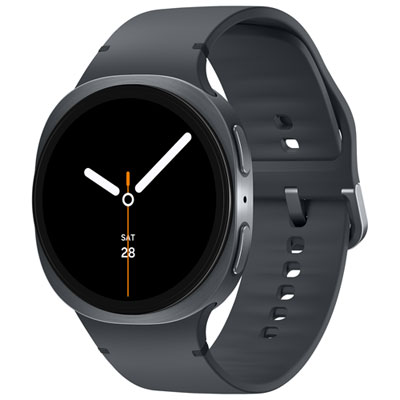 Your price for this item is $489.99
-
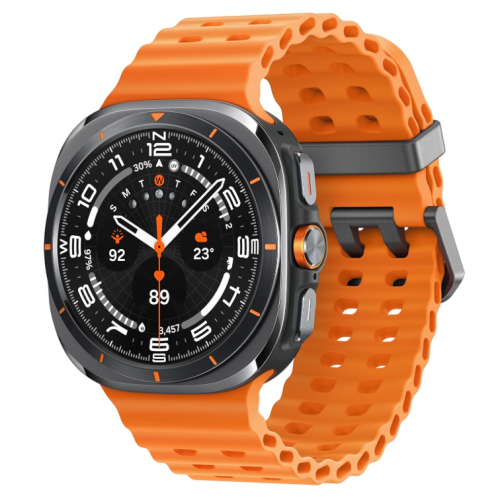 Your price for this item is $579.99
-
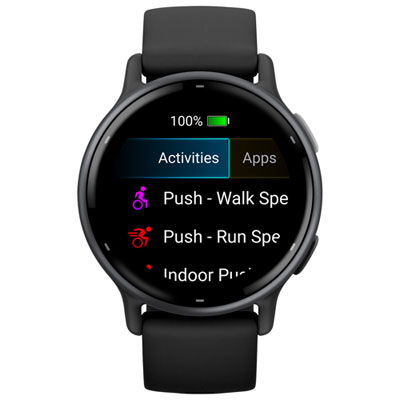 Your price for this item is $239.99
-
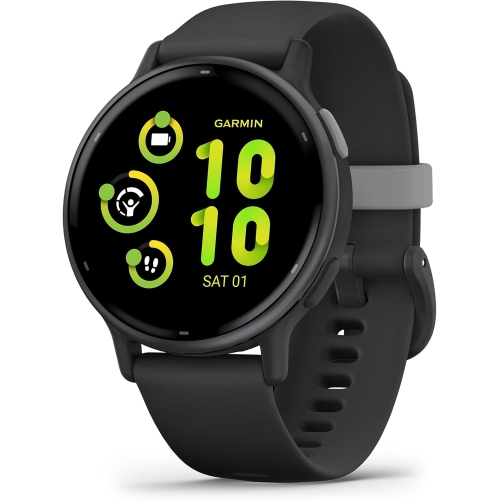 Your price for this item is $234.99
-
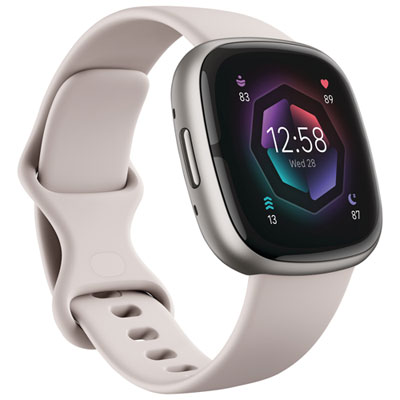 Your price for this item is $329.99
-
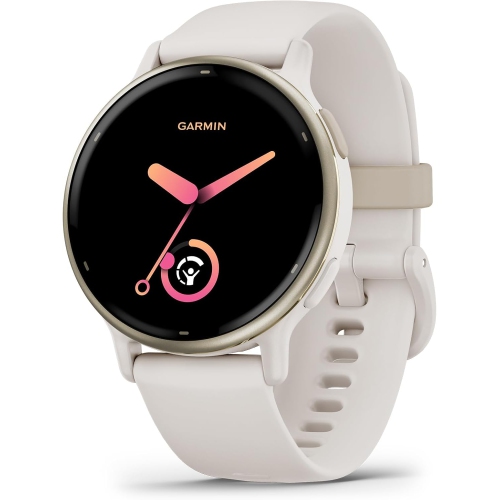 Your price for this item is $279.99
-
 Your price for this item is $399.99
-
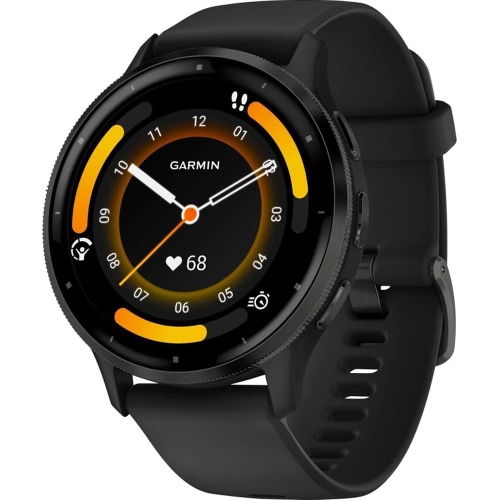 Your price for this item is $419.99
Discover more categories related to Fitness Trackers for Everyday Activity
Top Collections:
Best Black Friday Deals This Year, Best Black Friday Deals On Electronics, Kindle Devices, Pokemon Centers, Best Black Friday Deals On Apple Products, Best Cameras for Sports Photography, Dyson Airwrap, Pokémon 30th Celebration Cards, Apple iPhone 17 Pro, Canon G7X Cameras
Some products may be subject to Environmental Handling Fees
(EHF) depending on your province.
Learn more about EHFs.