Garmin 255
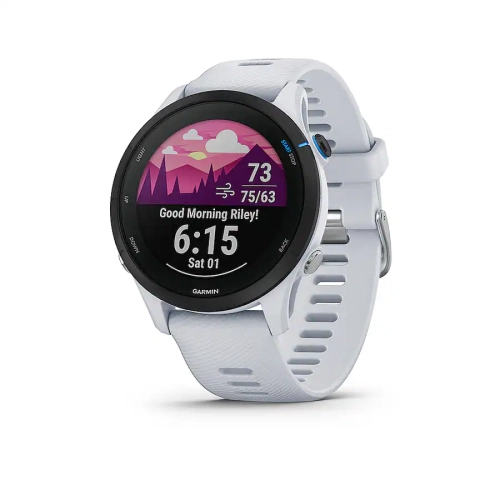
Garmin 255 is designed for those who want to elevate their fitness journey and stay connected on the go. With a focus on performance and convenience, these devices offer reliable solutions for tracking progress, staying organized, and enhancing daily routines. Explore a selection of Garmin 255 options to find the perfect match for your active lifestyle and personal preferences.
Sort

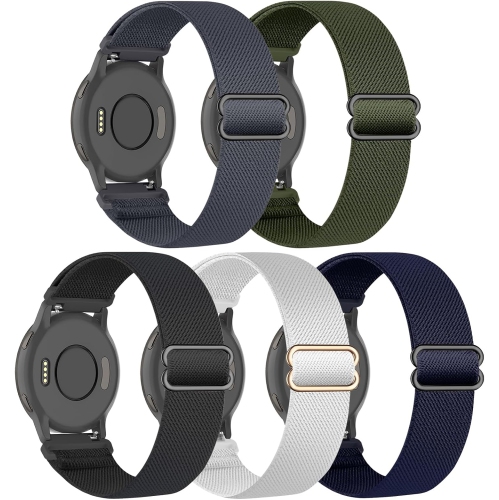
How running watches turn workout data into training insights
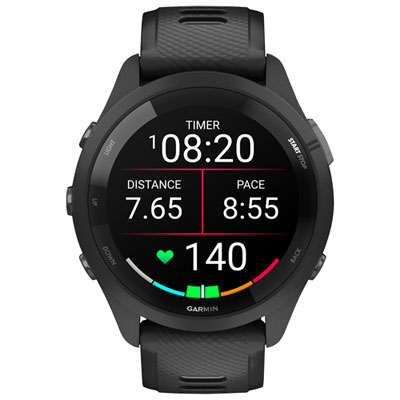
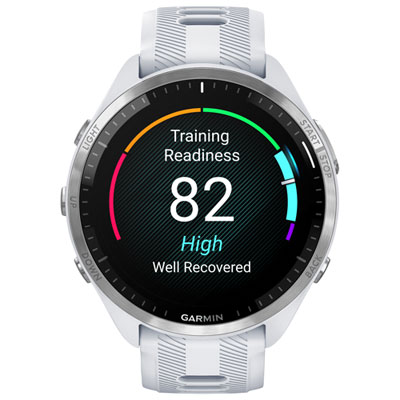
GPS running and multisport watches bring pace, distance, heart rate and training history together on the wrist, helping runners understand individual sessions and the patterns that develop over time. Satellite positioning records outdoor routes without relying on a phone to measure distance, while wrist-based sensors provide heart rate estimates during exercise and everyday wear. For someone building towards a first 10 km race, that combination can make an easy run easier to pace and help distinguish a steady effort from an unexpectedly demanding one. More experienced runners may use structured workouts, interval timers and training-load estimates to give different sessions a clear purpose. Recovery estimates and overnight heart rate variability trends can add context, although these measurements are most useful alongside sleep habits, perceived effort and how the body feels. They are training tools, not medical assessments or instructions to ignore discomfort. Multisport tracking extends the appeal beyond running: cycling, pool swimming and combined activities can sit within the same training history when the relevant profiles are supported. A runner who also rides a bike or swims laps may appreciate keeping those sessions together rather than treating every workout as a separate routine. Automatic lap alerts, adjustable data screens and physical buttons can make information easier to check without breaking stride. During intervals, a screen showing lap pace and elapsed time may be more useful than one crowded with statistics; during a longer outing, distance and heart rate may deserve greater prominence. Satellite reception, nearby buildings and tree cover can affect recorded tracks, so small variations in pace or distance do not necessarily reflect a change in effort. Supported multi-band positioning can improve tracking in challenging locations, but results still depend on the surroundings and the recording settings. The practical appeal is a consistent record that turns scattered workouts into a clearer picture of progress, whether the goal is finishing comfortably, improving a personal best or keeping an active routine organized.
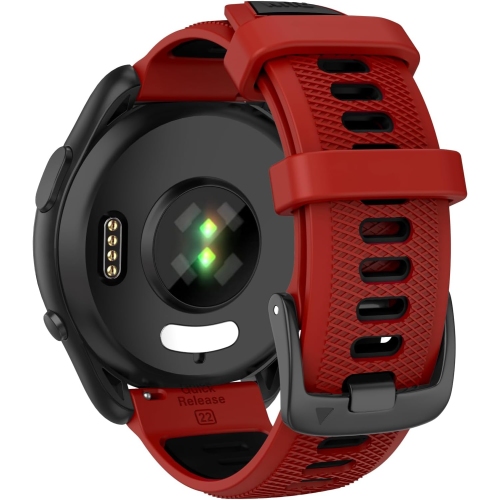
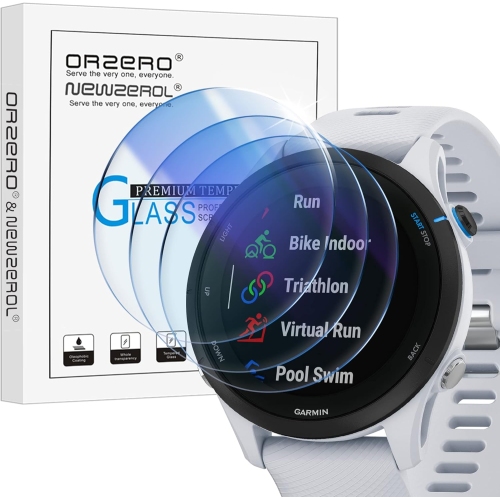
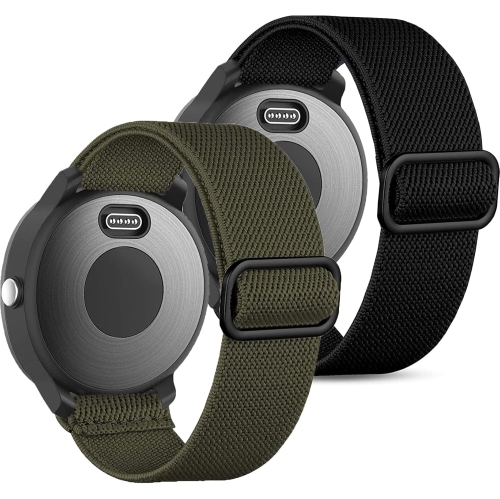
Comfort matters just as much as the depth of the training data, particularly for a watch worn through workouts, desk work and sleep. Case diameter describes only part of the fit: case thickness, strap length and the way the lugs sit against the wrist also influence whether a watch feels secure or bulky. A smaller wrist may benefit from a more compact case, while someone who prioritizes larger numbers may prefer additional screen space. Lightweight polymer cases and flexible silicone straps are common in running watches because they keep weight manageable and are straightforward to clean after exercise. Lens materials, bezel construction and strap hardware influence resistance to everyday wear, though no wristwatch is immune to scratches or impact damage. A comfortable sensor fit is snug enough to limit movement without leaving the strap excessively tight. Placing the watch slightly above the wrist bone can help the sensor maintain contact, especially when arm movement increases. Wrist-based heart rate readings can be affected by fit, motion and individual characteristics; a compatible chest strap may be useful for athletes who want another measurement option during rapid changes in intensity. For swimming, the stated water-resistance rating and the manufacturer’s permitted activities matter more than the general description of a watch as water resistant. Pool use, diving and high-pressure water exposure are not interchangeable. Care is usually simple but worth making part of the routine: a fresh-water rinse after sweat or pool use, followed by drying according to the manufacturer’s directions, helps keep the case, strap and charging contacts clean. Harsh cleaners and abrasive materials can damage finishes or seals. Battery life is another everyday consideration. Satellite recording, music playback, display settings and certain continuous measurements can change the interval between charges substantially. Someone recording several long activities each week will have different charging needs from someone logging shorter runs. Keeping the charging contacts dry and allowing time to charge before a lengthy activity helps avoid an incomplete recording.
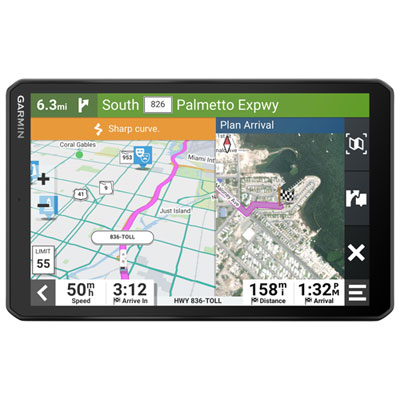
The most useful running-watch features are the ones that fit naturally into daily habits. A clearly readable display, dependable button controls and an easy-to-understand activity summary can matter more than a long list of measurements that rarely get checked. Connected features may include phone notifications, calendar information and automatic activity uploads, depending on compatibility and settings. These can be convenient for a runner who wants to see an important message without taking out a phone, but a paired phone may still be required for communication and connected safety functions. Activity sharing and live location tools also depend on setup, connectivity and supported services; they should not be treated as a replacement for a personal safety plan. Music features deserve particular attention because controlling audio on a phone is different from storing music on the watch for playback through compatible headphones. Supported services, account requirements and storage capabilities vary. Navigation has similar distinctions: recording where a run took place, following a loaded course and displaying detailed maps are separate capabilities. For related route-finding options, Garmin Navigation offers another place to explore navigation tools. For everyday training, a familiar loop may need little more than reliable distance tracking, while an unfamiliar route can make course-following features more valuable. Compatibility with existing sensors, headphones, phones and fitness apps helps determine how smoothly a watch joins an established routine. As a gift, a running or multisport watch can suit a new runner, a regular race participant or someone who enjoys tracking several activities. Wrist size, preferred strap colour, display preferences and interest in wearing a watch overnight are useful details to know beforehand. A person who enjoys reviewing splits and training trends may welcome detailed metrics, while someone focused on consistency may place greater value on comfort, straightforward controls and a clear weekly activity record. The right fit supports the wearer’s actual habits rather than adding complexity to every workout.
Top selling and popular products
-
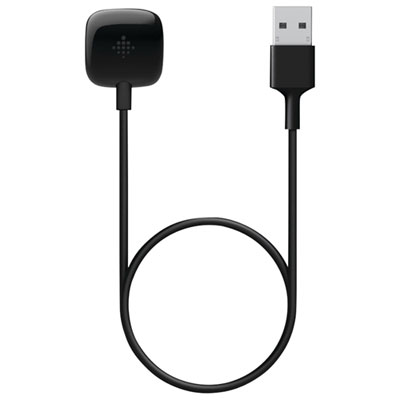 Your price for this item is $24.99
-
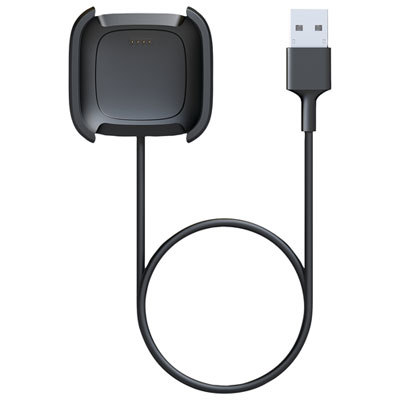 Your price for this item is $24.95
-
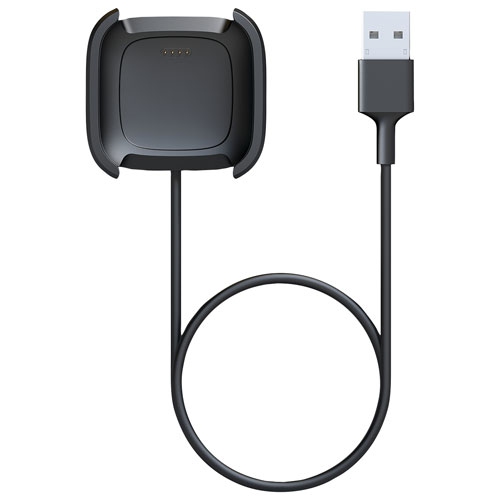 Your price for this item is $49
-
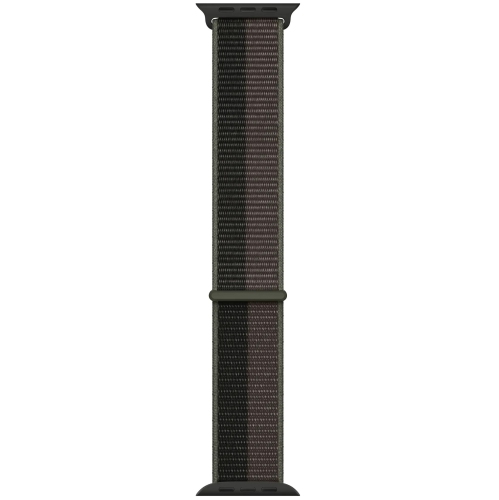 Your price for this item is $69.99
-
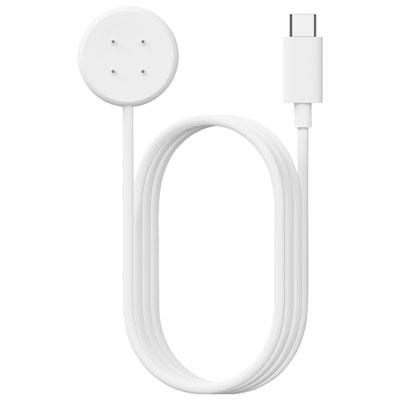 Your price for this item is $39.99
-
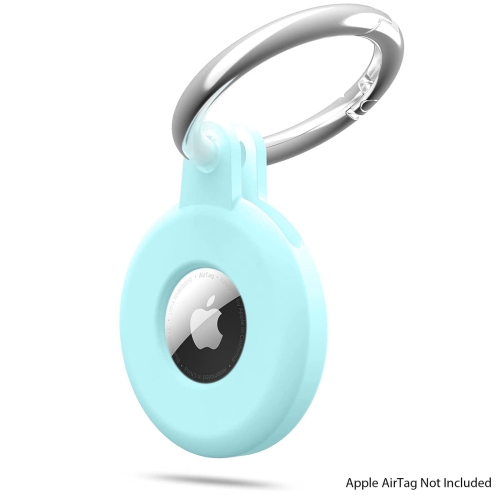 Your price for this item is $38
-
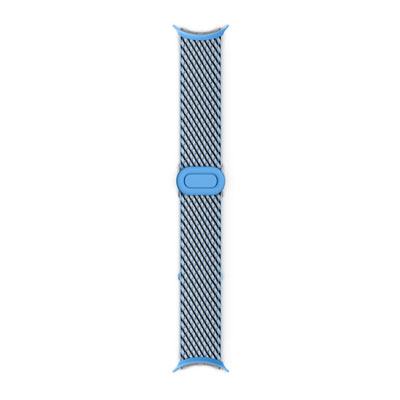 Your price for this item is $79.97
-
 Your price for this item is $45
Discover more categories related to Garmin 255

Top Collections:
Best Black Friday Deals This Year, Best Black Friday Deals On Electronics, Kindle Devices, Pokemon Centers, Best Black Friday Deals On Apple Products, Best Cameras for Sports Photography, Dyson Airwrap, Pokémon 30th Celebration Cards, Apple iPhone 17 Pro, Canon G7X Cameras
Some products may be subject to Environmental Handling Fees
(EHF) depending on your province.
Learn more about EHFs.