Heavy Duty Straps
Whether you're securing cargo for a cross-country road trip or organizing your outdoor gear for an adventure, heavy-duty straps are an essential tool to have in your arsenal. These versatile straps are designed to provide maximum strength and durability, ensuring that your belongings stay securely in place. From heavy-duty ratchet straps to reliable bungee cords, our selection of heavy-duty straps offers a wide range of options to meet your specific needs. Explore our collection and discover the perfect solution for almost all your strapping requirements.
Sort



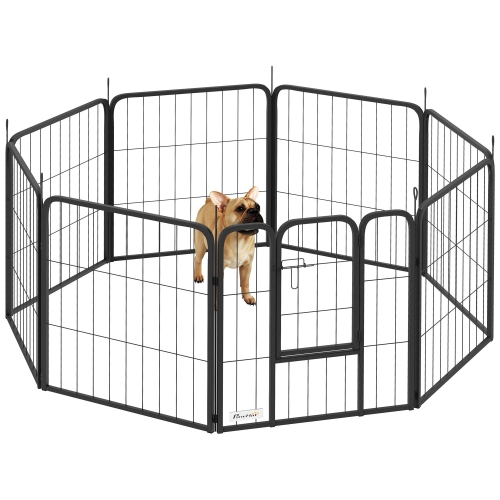

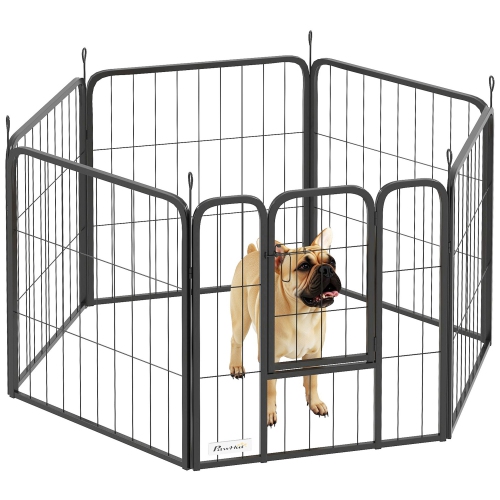
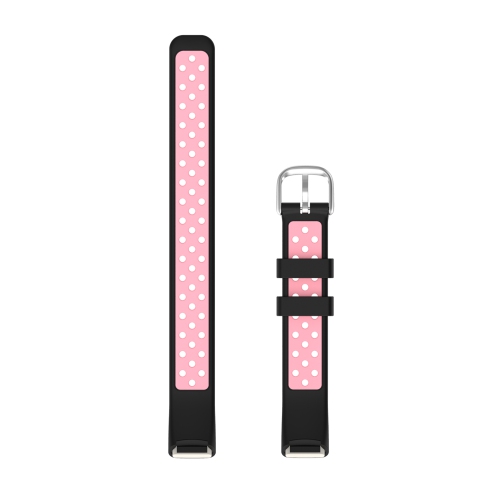
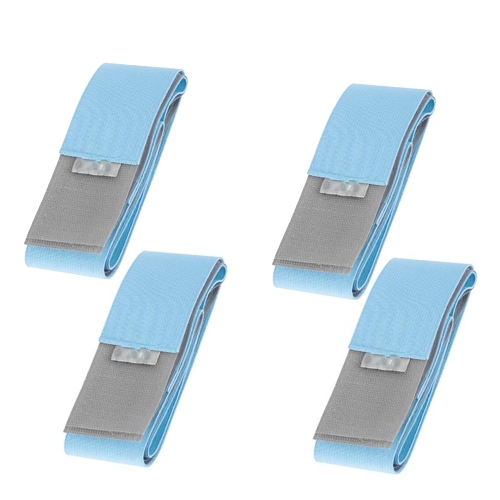




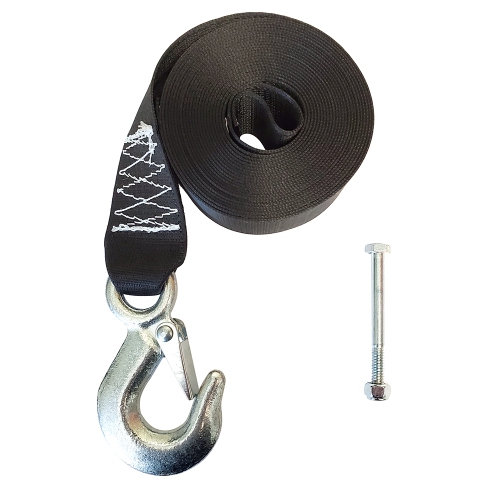

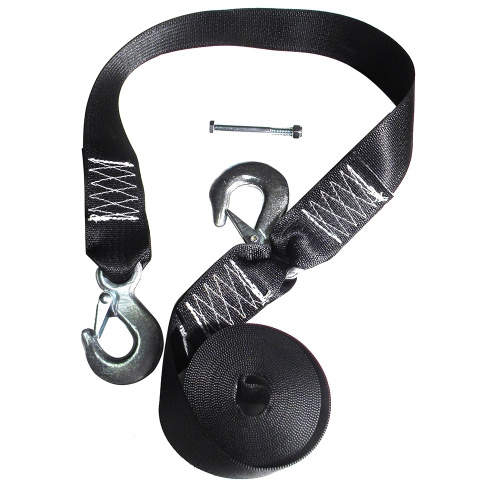
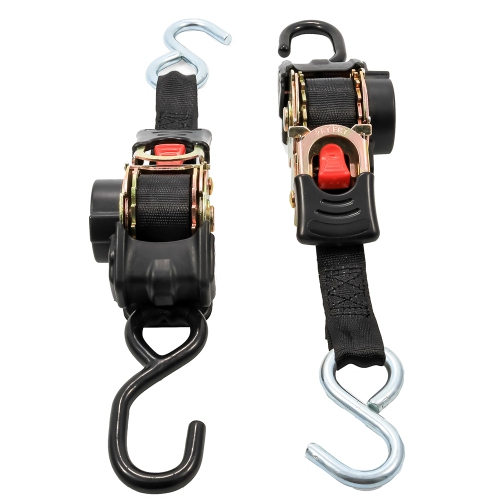
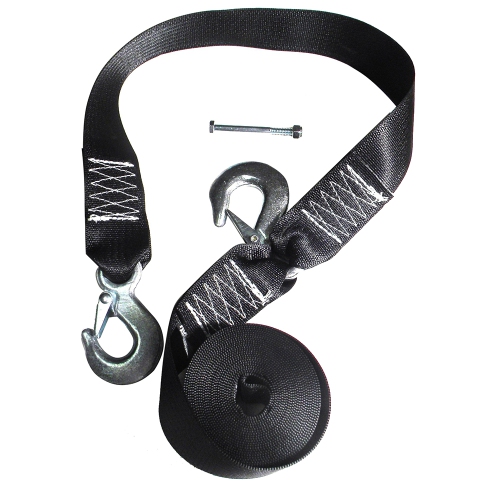


![NAVOR Compatible w Galaxy Tab A7 Lite 8.7” 2021, Built In Screen Protector, Shockproof Heavy Duty Protective Rugged Cover w Shoulder Strap [Black]](https://multimedia.bbycastatic.ca/multimedia/products/500x500/164/16472/16472246.jpeg)
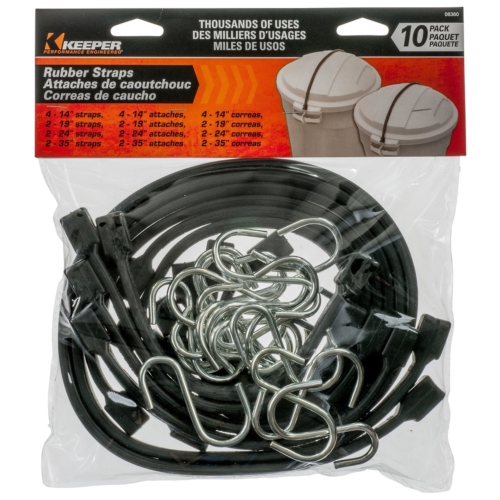
Stronger webbing and hardware for demanding transport jobs
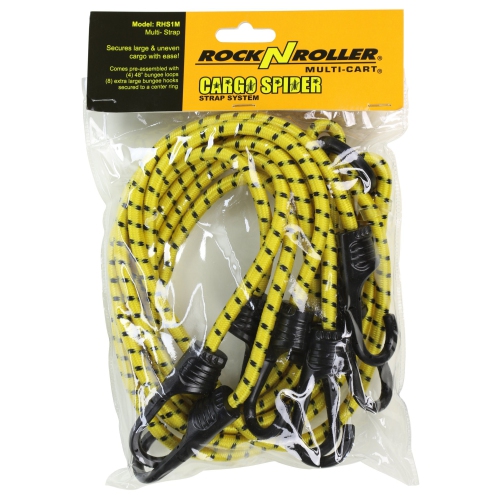
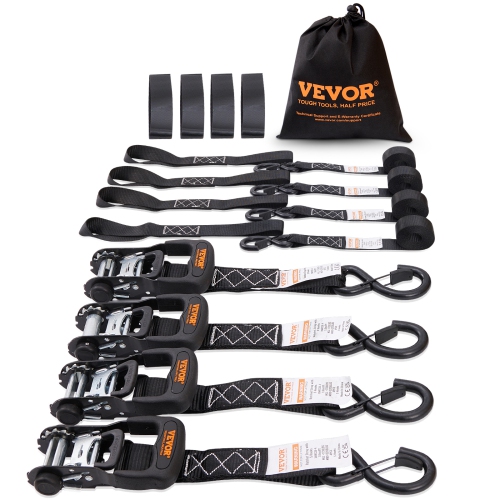
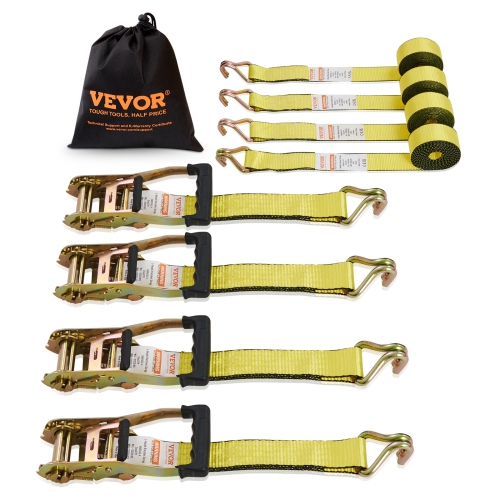
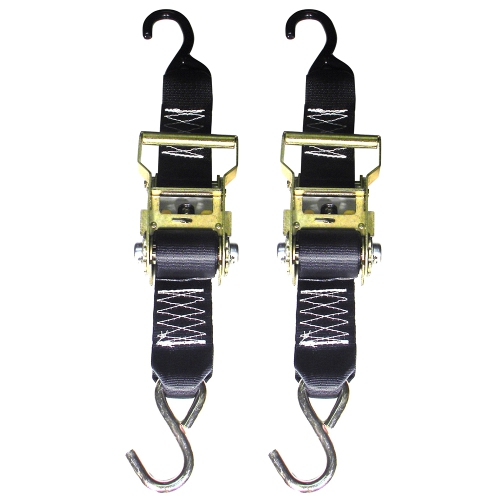
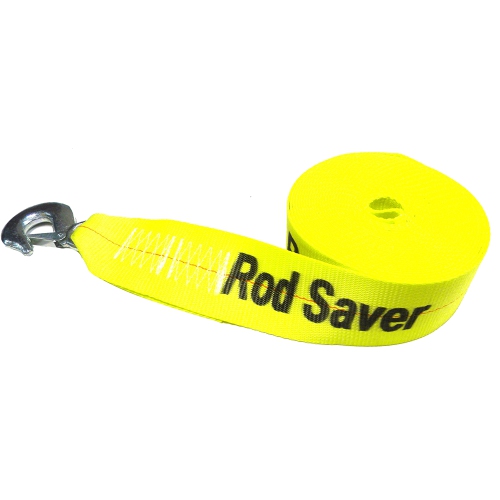
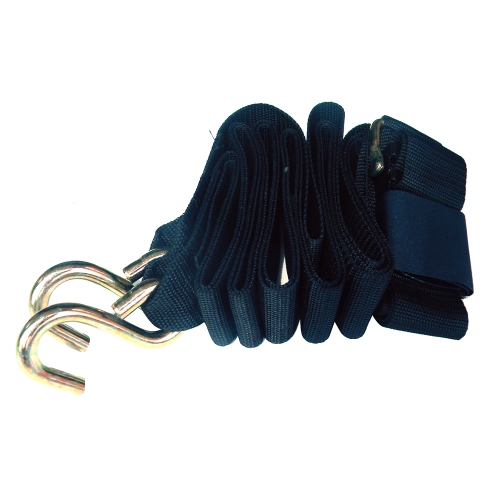
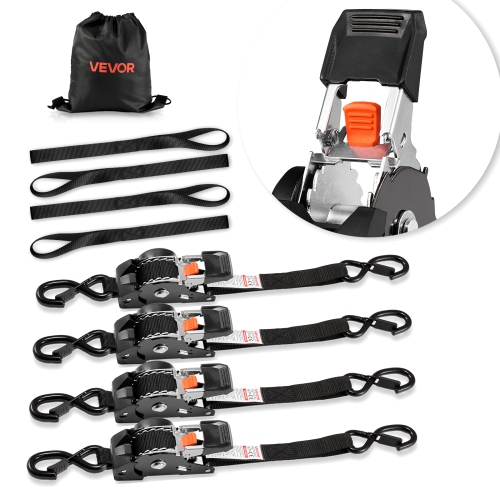
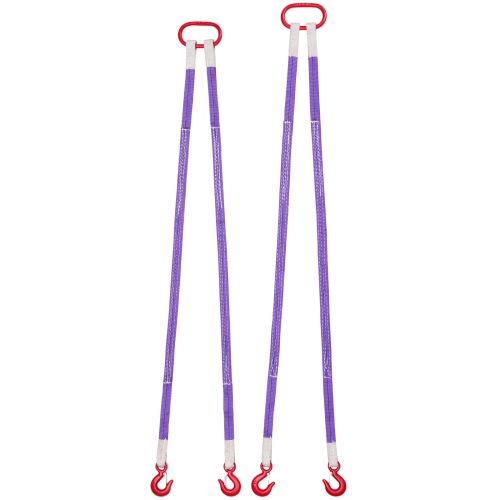
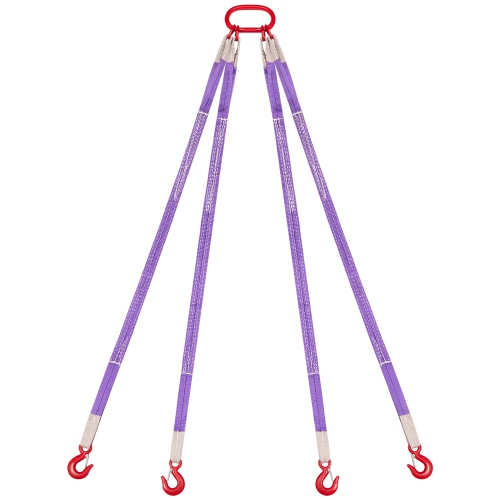
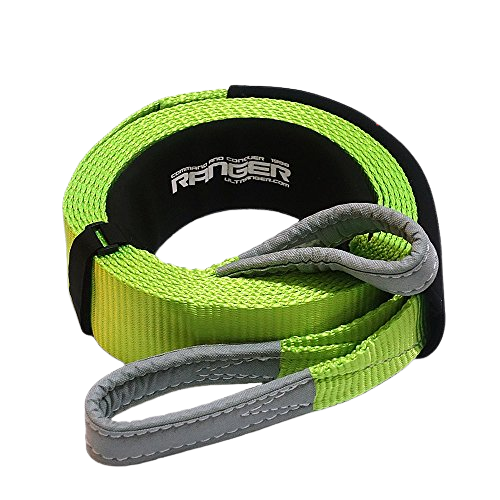
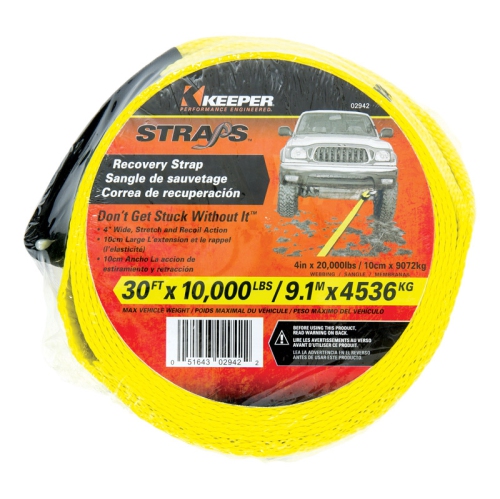
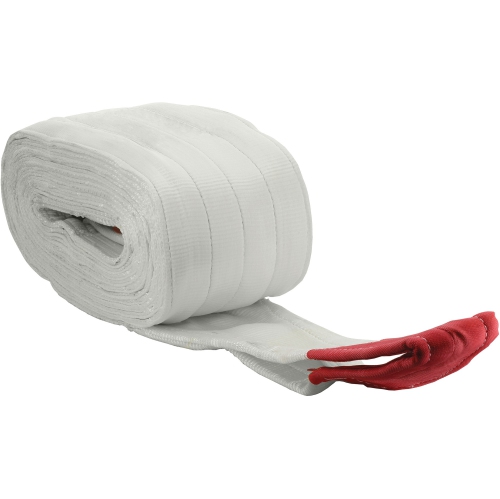
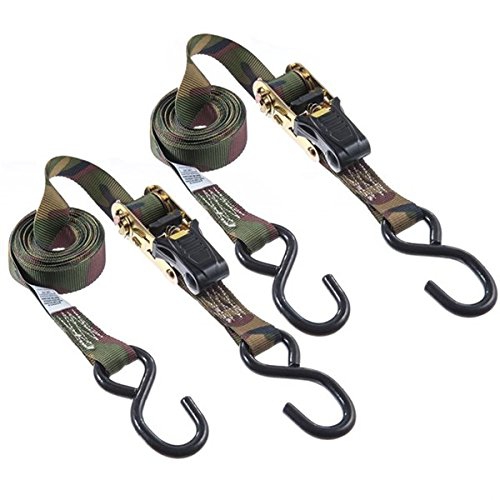
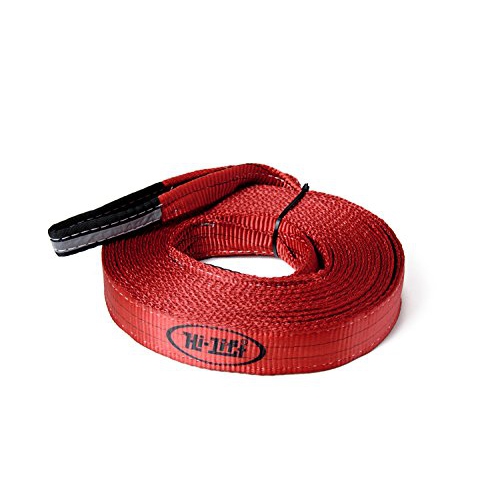
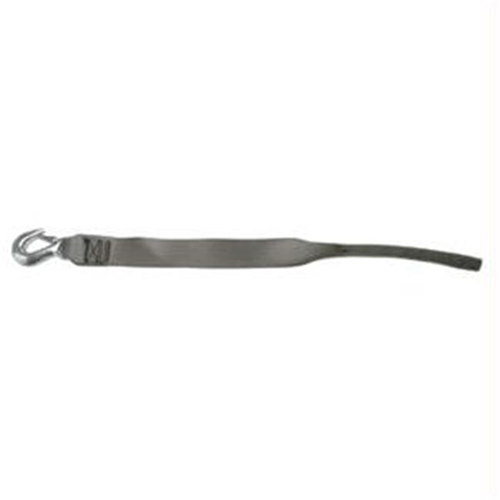
Heavy duty straps are practical tools for securing, organizing, and transporting bulky or awkward items at home, on the road, at work, or outdoors. They can help hold furniture in place during a move, keep renovation materials stable in a trailer, secure recreational equipment for a weekend trip, or prevent cargo from shifting in the back of a vehicle. Unlike ordinary utility straps, heavy duty options are designed with stronger webbing, dependable fastening hardware, and higher load ratings for demanding jobs. Their usefulness often becomes most apparent when a load is difficult to balance: a tall stack of boxes leaning slightly on a dolly, a canoe resting on a roof rack, or a piece of furniture that needs to stay firmly against a wall while it is being transported. Having the right strap on hand can make these situations easier to manage and can provide added control when a heavy or uneven load is exposed to braking, turning, wind, or rough surfaces. They may also be useful for tradespeople, delivery workers, warehouse staff, campers, boaters, cyclists, homeowners, and anyone who regularly moves large items. For a gift, heavy duty straps can be a thoughtful choice for someone settling into a new home, preparing a vehicle for outdoor adventures, building a workshop, or taking on regular hauling and repair projects. They are compact enough to store in a vehicle, garage, shed, or utility cupboard, yet versatile enough to support a wide range of everyday tasks.
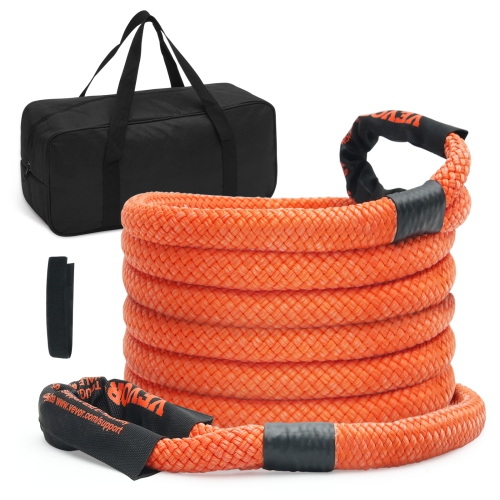
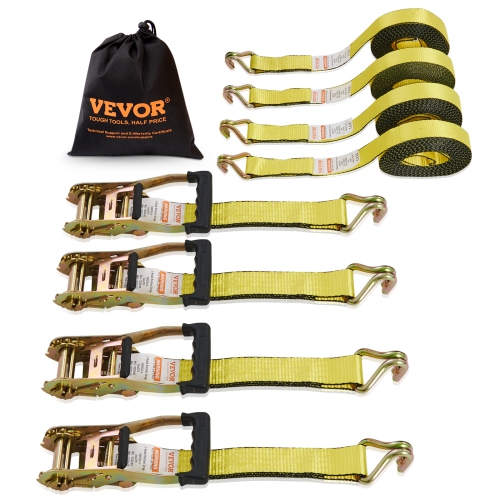
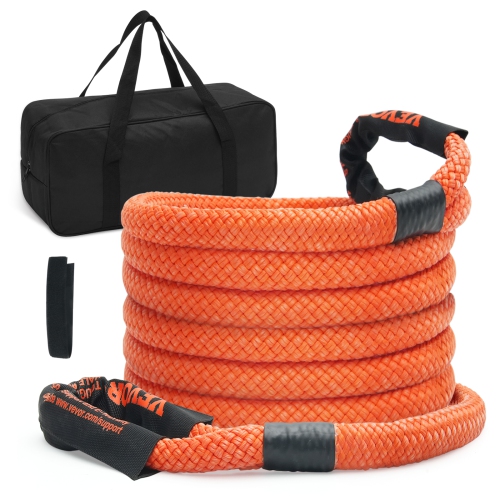
When choosing heavy duty straps, begin by considering the weight, shape, and destination of the load. The working load limit is one of the most important specifications because it indicates how much force the strap is intended to handle during use; it should be suitable for the actual cargo and not treated as a rough estimate. Break strength may also be listed, but it is not the same as the working load limit and should not be used as the operating capacity. Strap length matters as well. A shorter strap may be convenient for compact loads, while extra length can be useful around wide furniture, stacked materials, or roof-mounted equipment, provided the excess can be secured neatly. Width and webbing construction can affect handling, strength, and resistance to twisting. Buckle styles offer different advantages: ratchet mechanisms can create firm tension for heavier cargo, while cam buckles may be quicker for lighter or more frequent adjustments. Hooks, loops, and attachment points should suit the anchor locations on the vehicle, trailer, rack, or storage structure. Before purchasing, it is worth checking whether the strap will pass through the available openings without rubbing against sharp edges or becoming caught in moving parts. A strap that is technically strong but difficult to position may not be the best fit for a particular job. For especially demanding transport needs, shoppers may also wish to compare heavy duty straps with Heavy Duty Ropes to find the fastening option that best matches the load and setup.
Safe use depends just as much on inspection and technique as on the strap’s rated capacity. Lay the strap flat whenever possible, remove twists before tensioning, and keep the webbing away from sharp corners, hot surfaces, exhaust components, and areas where it could be pinched. Protective sleeves, corner guards, or padding can help reduce abrasion when cargo has rough edges, but they do not replace careful placement. Attach each end to a secure anchor point that is rated for the load, rather than relying on trim, handles, loose rails, or removable parts. Tighten the strap until the cargo is stable without crushing delicate surfaces or placing unnecessary strain on the frame. Any loose tail should be bundled so it cannot flap against a vehicle or catch on nearby objects. After driving a short distance, stop in a safe location to check the tension and confirm that the load has not shifted; longer journeys may require additional checks as road conditions change. Inspect straps before and after use for cuts, fraying, melted fibres, stretched stitching, bent hardware, corrosion, or buckles that no longer lock smoothly. A strap showing serious wear should be removed from service rather than used for one more trip. Store clean, dry straps away from direct heat and sharp tools, keeping them loosely coiled or folded so they are ready for the next project. From securing patio furniture as the weather changes to carrying equipment during the cooler months, a well-chosen set of heavy duty straps can bring order and confidence to jobs that would otherwise feel awkward, unstable, or difficult to handle.
When choosing heavy duty straps, begin by considering the weight, shape, and destination of the load. The working load limit is one of the most important specifications because it indicates how much force the strap is intended to handle during use; it should be suitable for the actual cargo and not treated as a rough estimate. Break strength may also be listed, but it is not the same as the working load limit and should not be used as the operating capacity. Strap length matters as well. A shorter strap may be convenient for compact loads, while extra length can be useful around wide furniture, stacked materials, or roof-mounted equipment, provided the excess can be secured neatly. Width and webbing construction can affect handling, strength, and resistance to twisting. Buckle styles offer different advantages: ratchet mechanisms can create firm tension for heavier cargo, while cam buckles may be quicker for lighter or more frequent adjustments. Hooks, loops, and attachment points should suit the anchor locations on the vehicle, trailer, rack, or storage structure. Before purchasing, it is worth checking whether the strap will pass through the available openings without rubbing against sharp edges or becoming caught in moving parts. A strap that is technically strong but difficult to position may not be the best fit for a particular job. For especially demanding transport needs, shoppers may also wish to compare heavy duty straps with Heavy Duty Ropes to find the fastening option that best matches the load and setup.
Safe use depends just as much on inspection and technique as on the strap’s rated capacity. Lay the strap flat whenever possible, remove twists before tensioning, and keep the webbing away from sharp corners, hot surfaces, exhaust components, and areas where it could be pinched. Protective sleeves, corner guards, or padding can help reduce abrasion when cargo has rough edges, but they do not replace careful placement. Attach each end to a secure anchor point that is rated for the load, rather than relying on trim, handles, loose rails, or removable parts. Tighten the strap until the cargo is stable without crushing delicate surfaces or placing unnecessary strain on the frame. Any loose tail should be bundled so it cannot flap against a vehicle or catch on nearby objects. After driving a short distance, stop in a safe location to check the tension and confirm that the load has not shifted; longer journeys may require additional checks as road conditions change. Inspect straps before and after use for cuts, fraying, melted fibres, stretched stitching, bent hardware, corrosion, or buckles that no longer lock smoothly. A strap showing serious wear should be removed from service rather than used for one more trip. Store clean, dry straps away from direct heat and sharp tools, keeping them loosely coiled or folded so they are ready for the next project. From securing patio furniture as the weather changes to carrying equipment during the cooler months, a well-chosen set of heavy duty straps can bring order and confidence to jobs that would otherwise feel awkward, unstable, or difficult to handle.
Top selling and popular products
-
 Your price for this item is $30.59
 -
 Your price for this item is $30.54
 -
 Your price for this item is $38.85
 -
 Your price for this item is $92.99
 -
 Your price for this item is $844.91
 -
 Your price for this item is $909.33
 -
 Your price for this item is $30.62
 -
 Your price for this item is $34.93
Discover more categories related to Heavy Duty Straps
Top Collections:
Pokemon Centers, Kindle Devices, Best Budget Office Chairs, Apple iPhones 16, Best Laptops for Writers, iPhone 15 Apple, Canon G7X Cameras, Refurbished Apple Laptops, Alarm Clock, Motorola Razr Phones
Some products may be subject to Environmental Handling Fees
(EHF) depending on your province.
Learn more about EHFs.