Heavy Duty Ropes
Whether you're into rock climbing, strength training, or outdoor adventures, having a reliable set of heavy-duty ropes is essential for your fitness and recreational pursuits. Our collection of durable ropes is designed to withstand intense workouts and rough outdoor conditions, making them the perfect choice for athletes, fitness enthusiasts, and adventurers alike. Explore our range of heavy-duty ropes to find the right fit for your needs and take your workouts and outdoor activities to the next level.
Sort

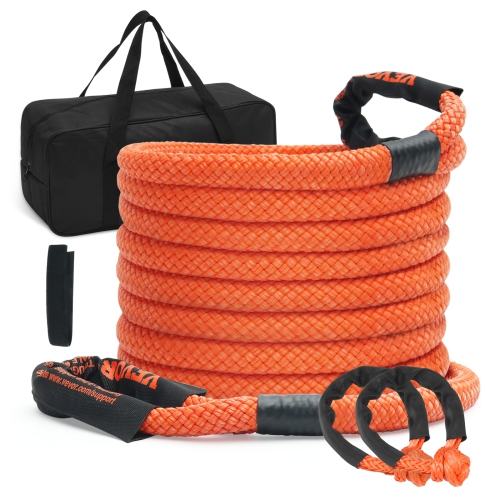
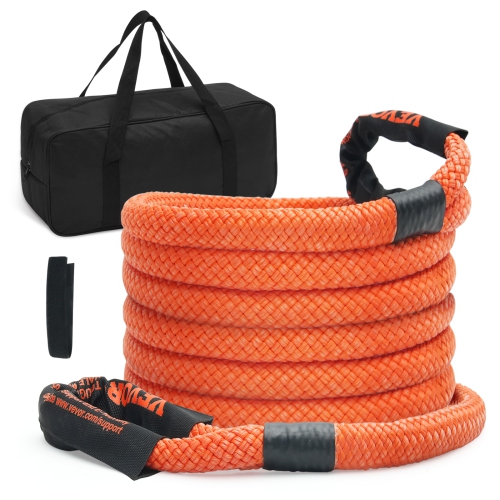
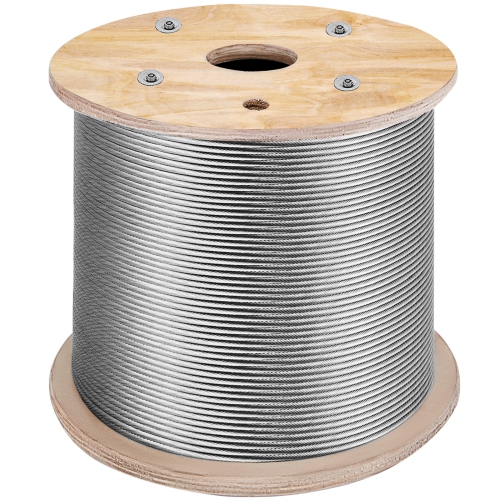
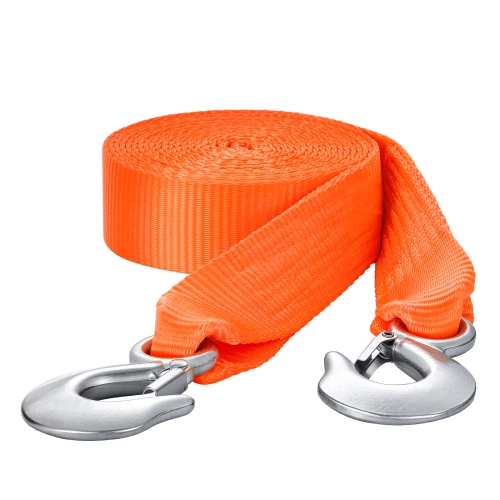
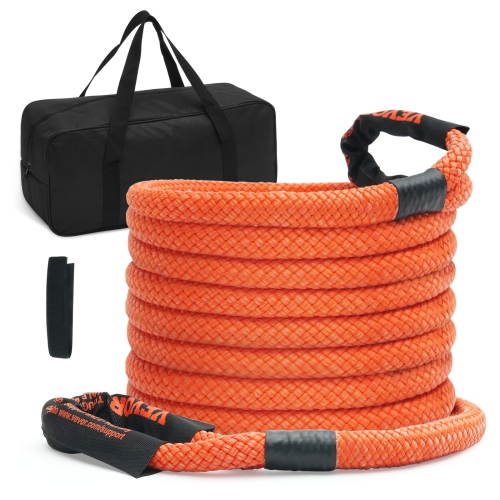
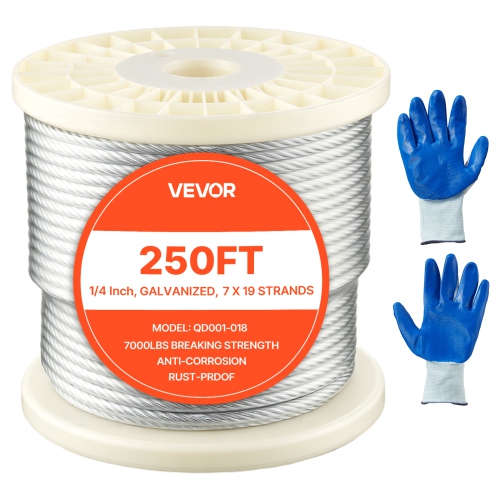
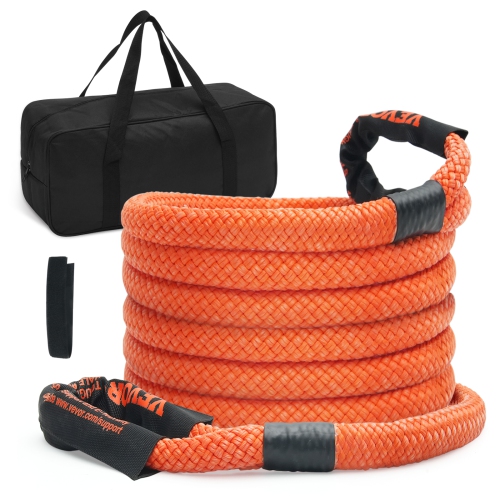
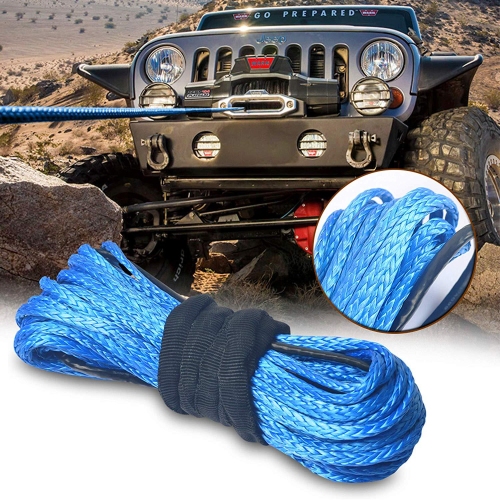

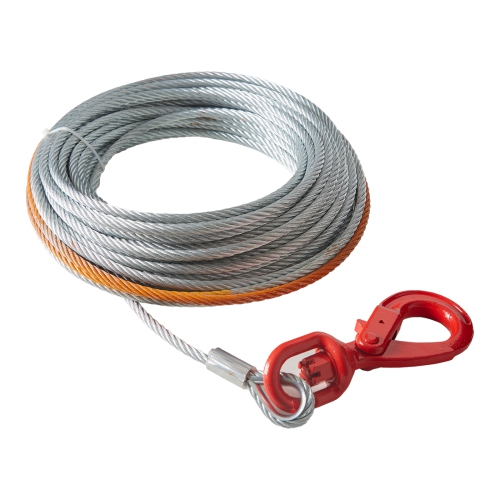
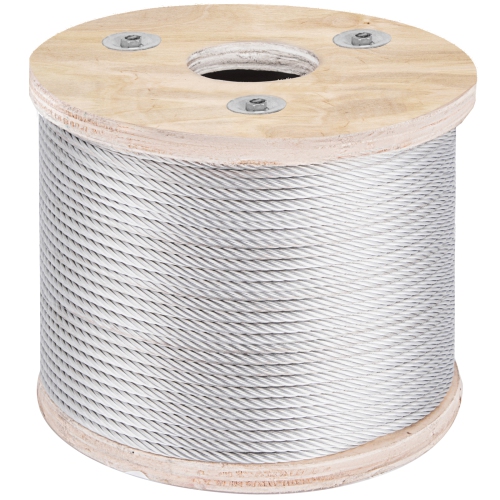
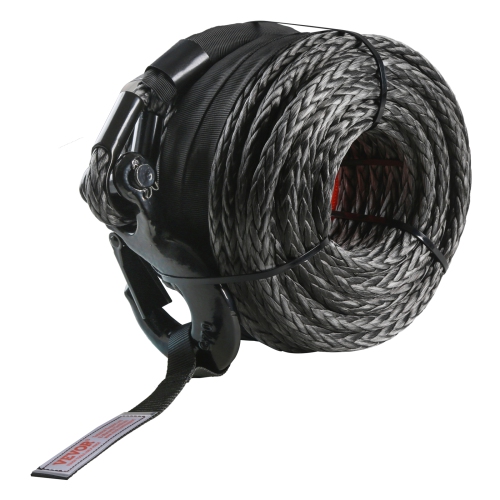
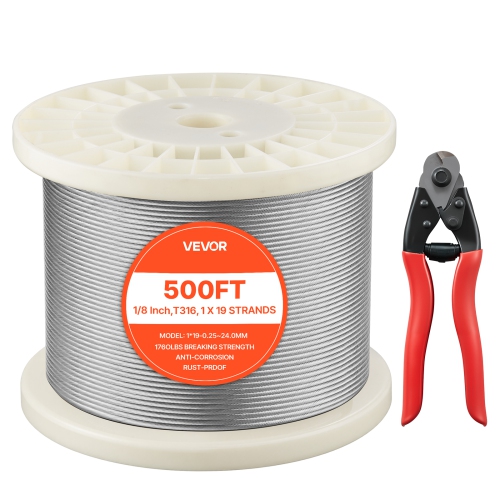
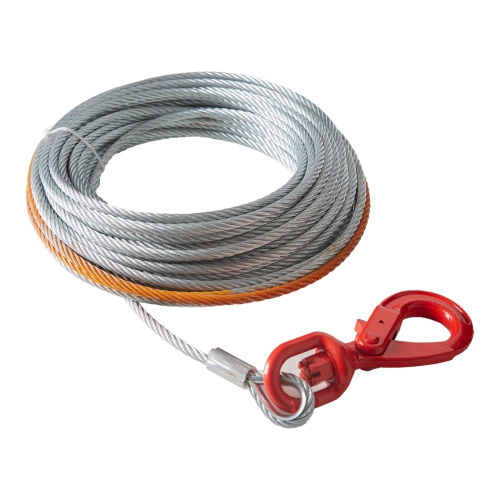
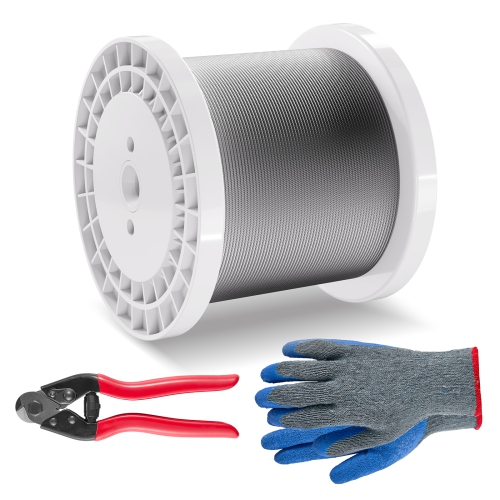
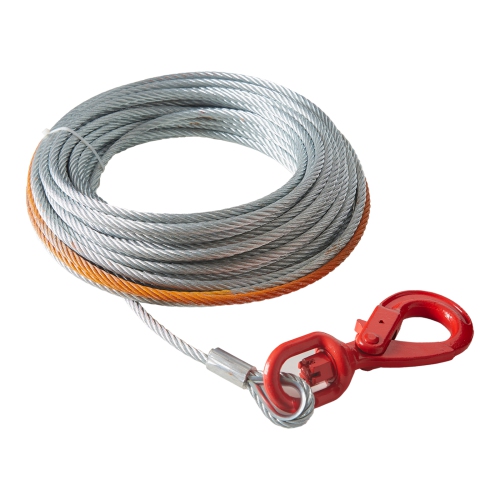
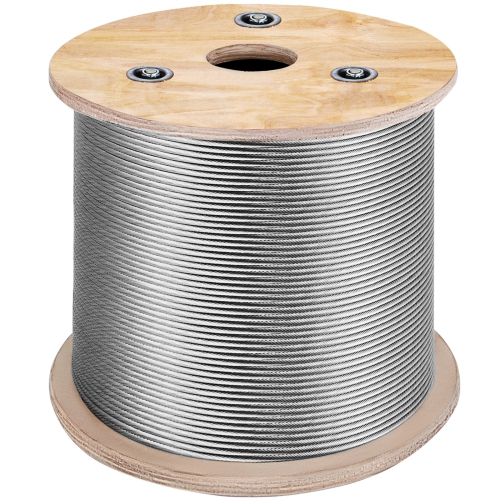
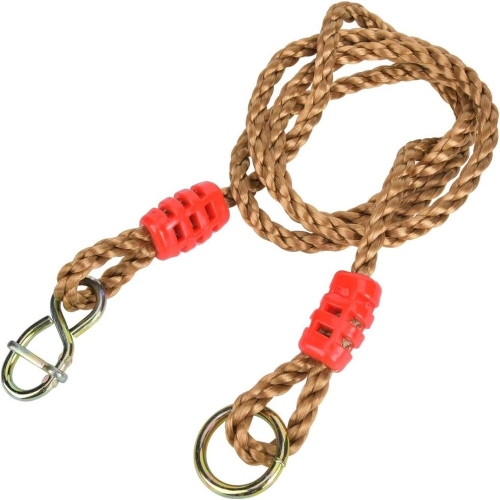
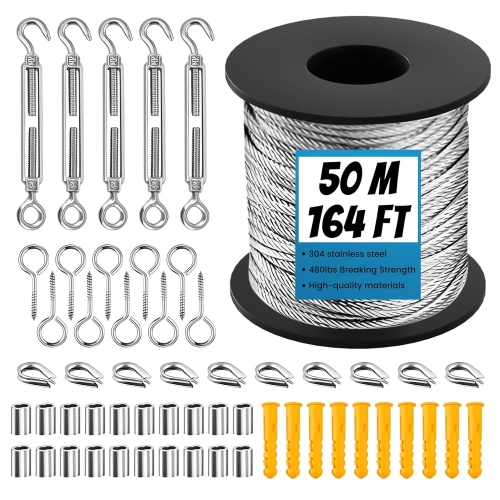
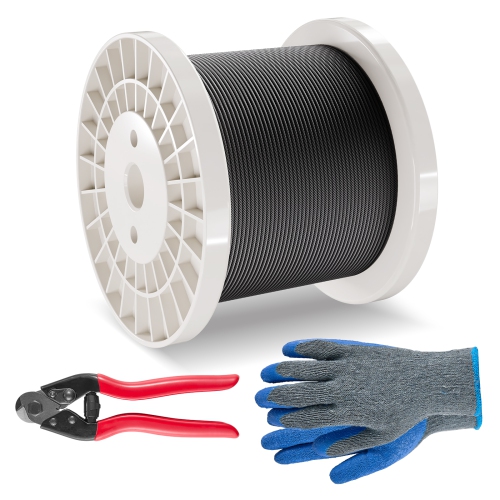

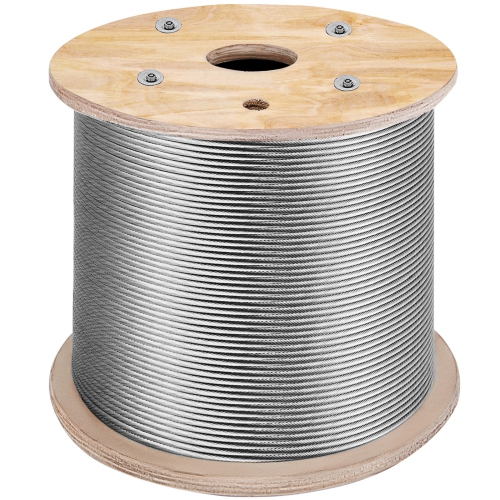

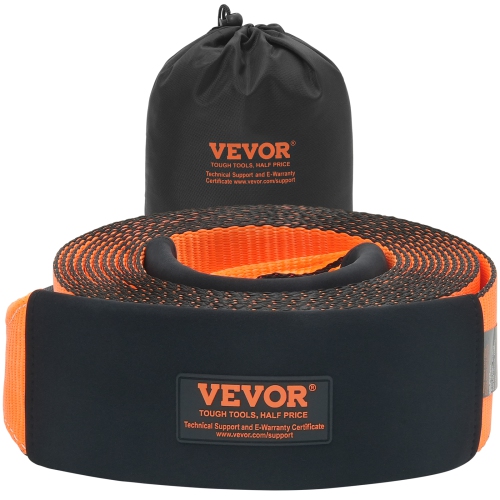
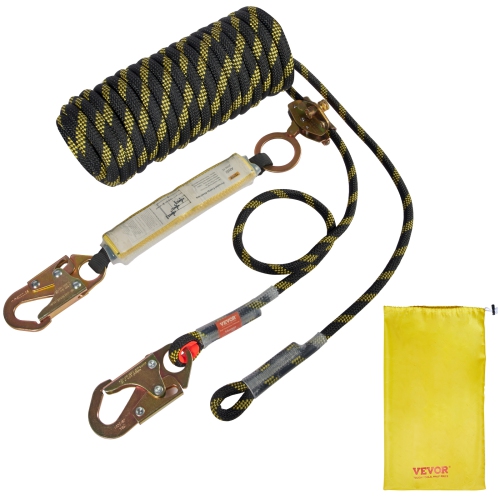
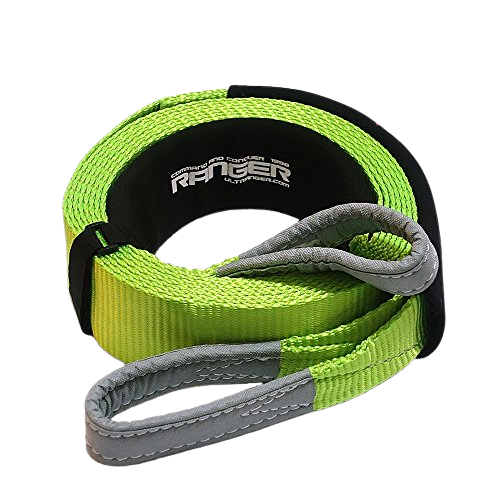

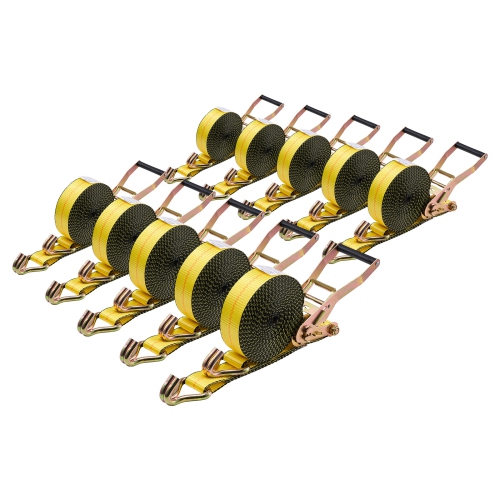
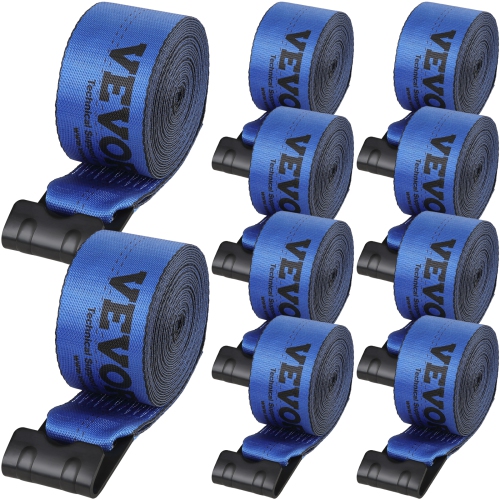
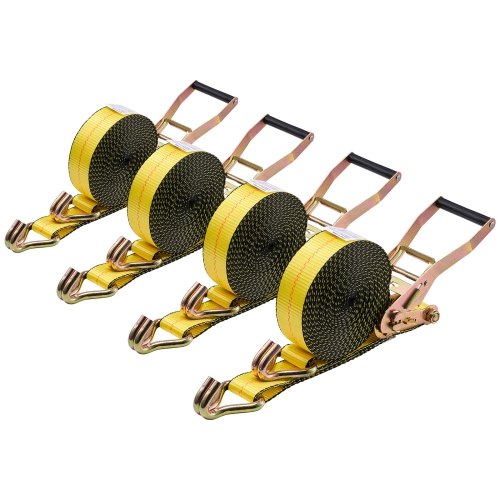
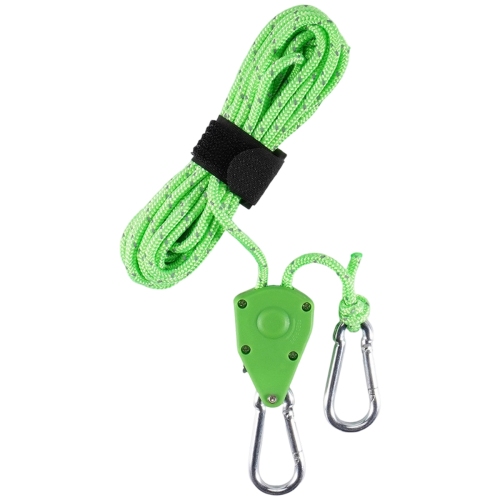
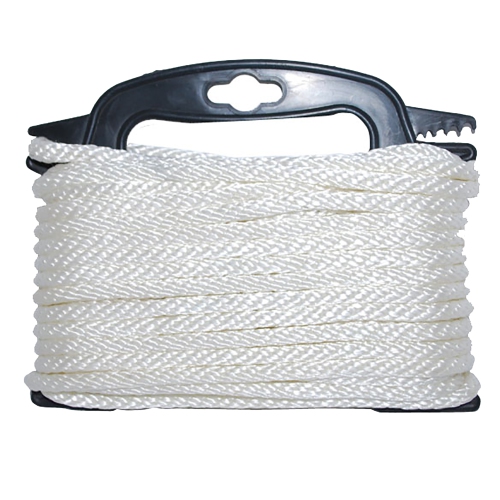
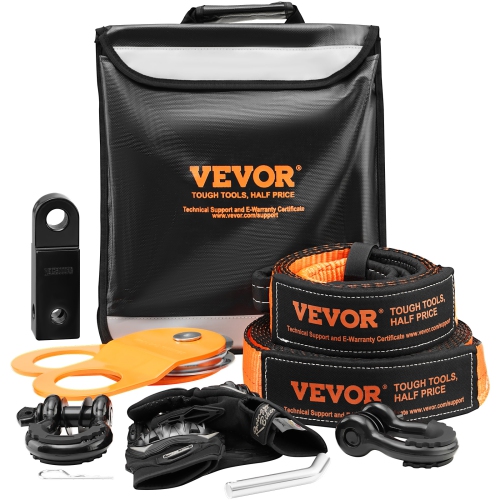

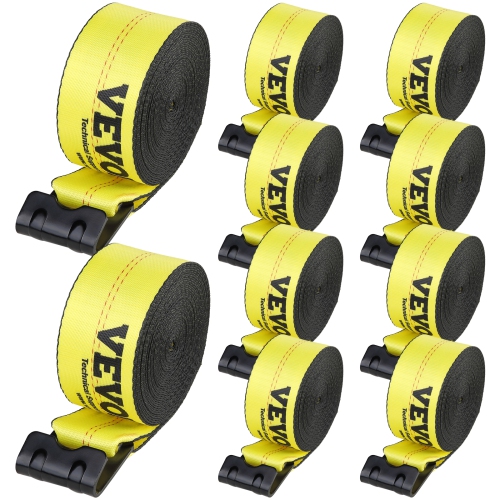
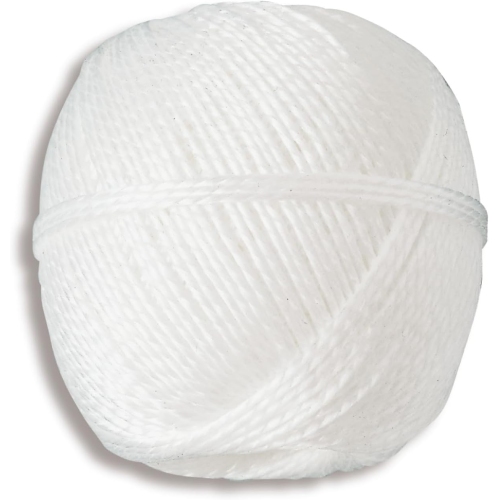
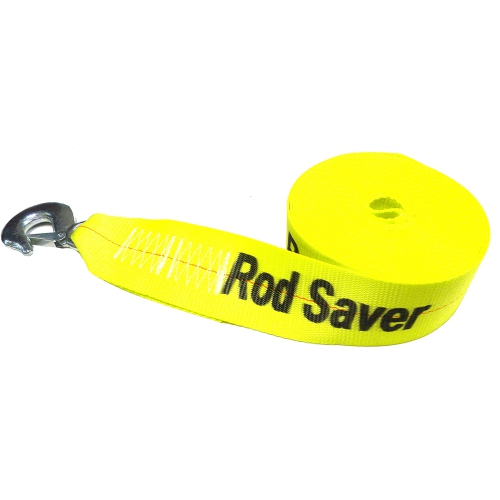
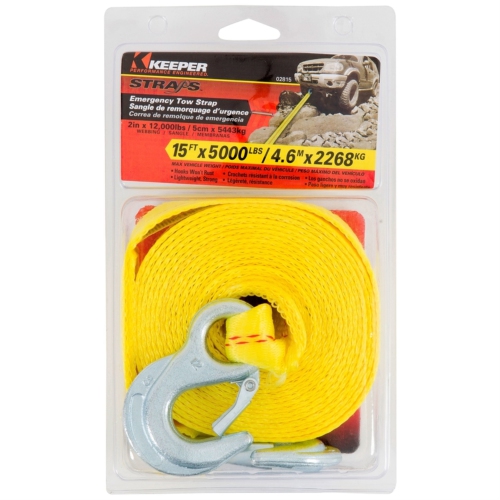
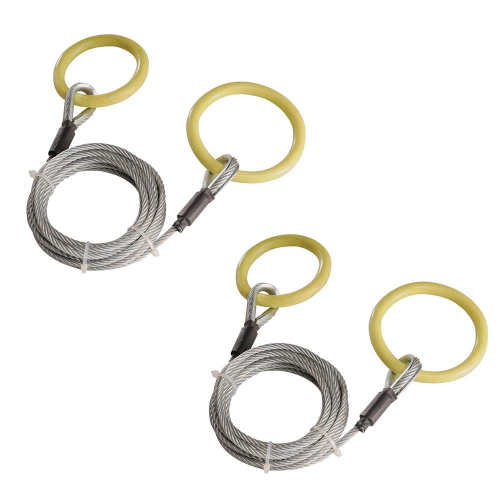

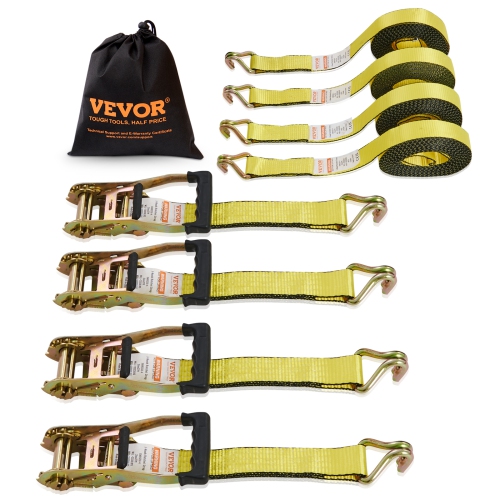
Why rope strength depends on more than thickness
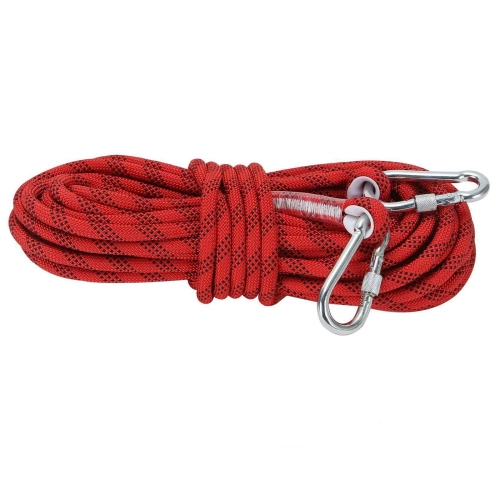
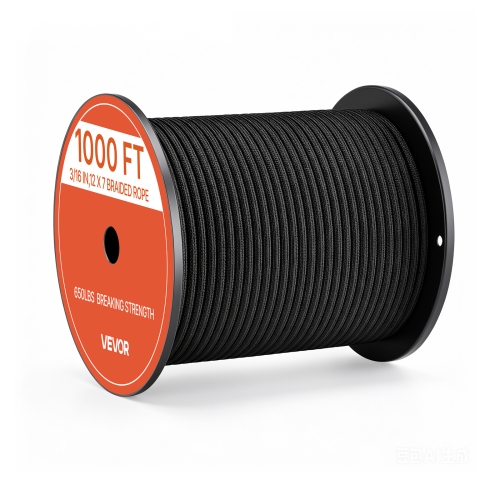
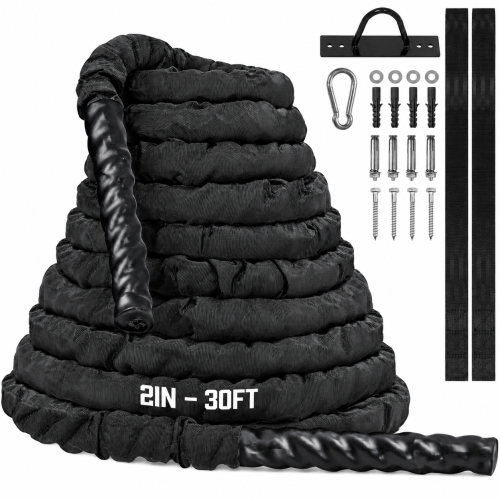
Heavy-duty ropes are strong, flexible lines used for securing cargo, mooring boats, handling equipment, and completing demanding farm, workshop, and property-maintenance tasks. The right rope depends on its material, construction, rated capacity, and intended use—not simply how thick it looks. Nylon, polyester, polypropylene, and natural fibres such as manila offer different combinations of strength, stretch, grip, and resistance to wear. Nylon is known for its strength and elasticity, which can help absorb movement in applications designed to accommodate stretch. That same elasticity means a tensioned nylon line stores energy, making correct handling and suitable attachment points especially important. Polyester generally stretches less than nylon and offers good abrasion resistance, making it useful where a line needs to maintain a more consistent length. It also retains its strength well when wet, an important consideration for many boating applications. Polypropylene is lightweight, typically floats, and absorbs very little water, although its resistance to abrasion and prolonged sunlight exposure varies with construction and treatment. Manila has a firm, textured feel that can provide a comfortable grip for certain utility, decorative, and landscaping tasks, but natural fibres need particular attention to moisture and deterioration. These differences matter in everyday use: a line running through a pulley has different requirements from one wrapped around a bundle of materials or used at a dock. A material that suits one job is not automatically suitable for another, even when the ropes have similar diameters. Coatings, fibre quality, and manufacturing methods also influence performance, so material names alone do not tell the whole story. For shoppers comparing heavy-duty ropes, the most useful starting point is a clear description of the task, the forces involved, and the surfaces the rope will touch. This makes it easier to distinguish general utility rope from application-specific lines designed and rated for more demanding work.
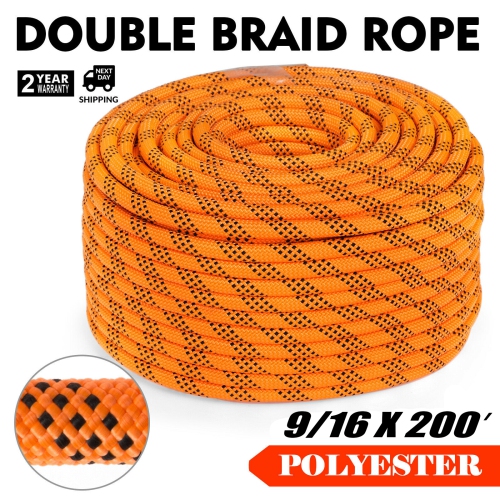
Construction affects how a heavy-duty rope handles, bends, and wears. Twisted rope has visible strands laid together in a spiral and can offer a textured grip, while braided rope often provides a smoother surface and flexible handling. Double-braid constructions combine a braided core with a braided cover, although the way each component carries the load depends on the design. No construction is universally strongest or best; fibre type, diameter, manufacturing quality, and intended application all matter. Diameter influences grip and compatibility as well as strength. A thicker rope may feel more comfortable in the hand, but it still needs to fit the cleats, pulleys, guides, or other hardware used with it. A line squeezed into an undersized fitting can suffer unnecessary wear, while an unsuitable bend can reduce its effective strength. Length deserves similar attention. The required span is only part of the total, since knots, approved terminations, and attachment arrangements also use rope. Load ratings are another essential distinction: minimum breaking strength describes a breaking threshold under specified test conditions, not a routine working capacity. The manufacturer’s working load guidance, where provided, is the relevant reference for the intended task, and it must be considered alongside the ratings of the entire assembly. Knots, sharp bends, abrasion, and sudden loading can all reduce the margin between normal use and failure. A moving load can create forces far greater than its resting weight, so weight alone is not enough to determine a suitable rope. Securing equipment in a trailer, for example, requires attention to load movement, anchor points, and appropriate restraint equipment rather than a simple comparison between cargo weight and rope breaking strength. General-purpose rope is not a substitute for equipment specifically designed and rated for overhead lifting, climbing, fall protection, tree rigging, or vehicle recovery. Where those activities are involved, the rope, hardware, procedures, and user training all need to match the application.
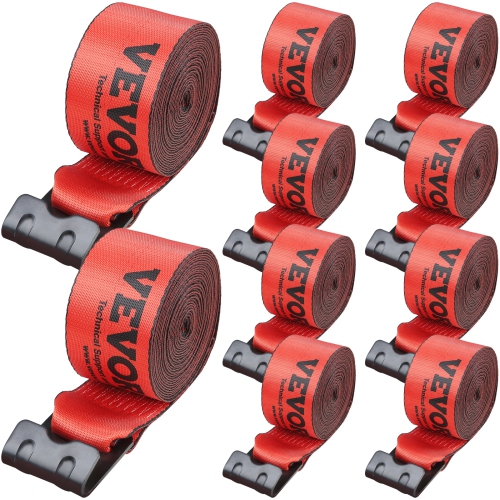
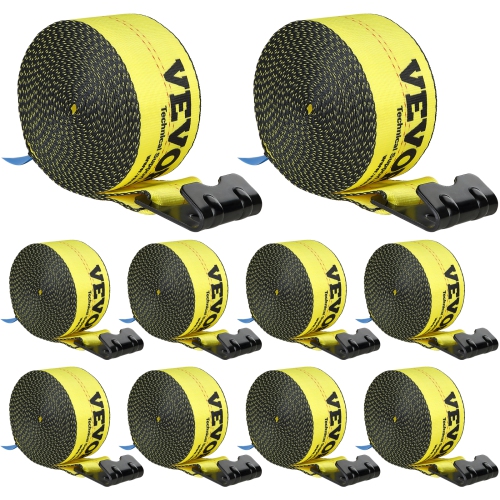
Good handling and care help preserve a rope’s useful life and make changes in its condition easier to spot. Before use, a visual and hands-on inspection can reveal fraying, cuts, flattened sections, glazing, stiffness, or damage around an eye or termination. Dirt worked into the fibres can cause internal abrasion, while contact with sharp metal edges or rough masonry can damage a line even when its load remains within the stated working limit. Suitable edge protection and properly matched hardware can reduce wear where contact cannot be avoided. Cleaning requirements vary by fibre and construction, so the manufacturer’s directions take priority over a general cleaning routine. Harsh cleaners, solvents, and other chemicals can weaken some materials without leaving obvious surface damage. After cleaning, rope should be allowed to dry as directed before storage, then kept away from damaging chemicals and abrasive surfaces. Loose, orderly coils or an appropriate storage bag help prevent tangles and make the full length easier to inspect. End finishing matters too: a suitable whipping, splice, or factory-finished termination can help control fraying, but the correct method depends on the rope. Melting an end is not appropriate for every material, and a neat-looking finish does not establish load-bearing capacity. Any rope showing significant damage, unexplained deterioration, or a history of severe loading should be taken out of service pending assessment or replaced according to the manufacturer’s guidance. For boat owners, acreage owners, tradespeople, and hands-on homeowners, practical details such as manageable weight, a comfortable grip, and an easily identified diameter can be just as useful as headline strength figures. A rope that coils neatly and feeds smoothly through the intended hardware is easier to work with than one chosen only for bulk. Where a task calls for a flat securing surface instead of a round line, Heavy Duty Straps are another category to compare, with the same attention to intended use, attachment compatibility, and rated capacity. Matching those details to the job helps keep the focus on dependable function rather than the heavy-duty label alone.
Top selling and popular products
-
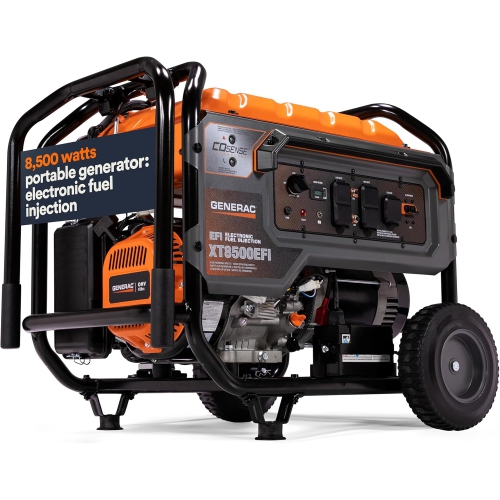 Your price for this item is $3000
-
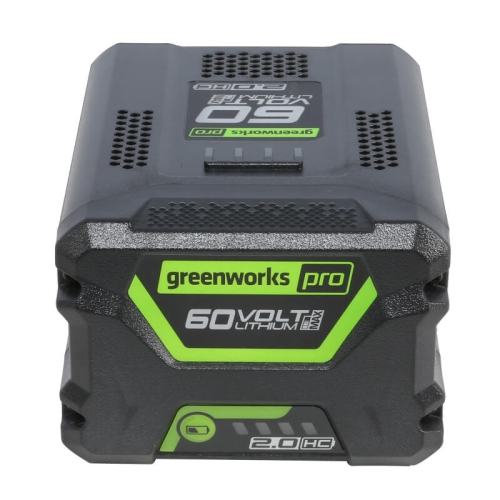 Your price for this item is $152.99
-
 Your price for this item is $329.99
-
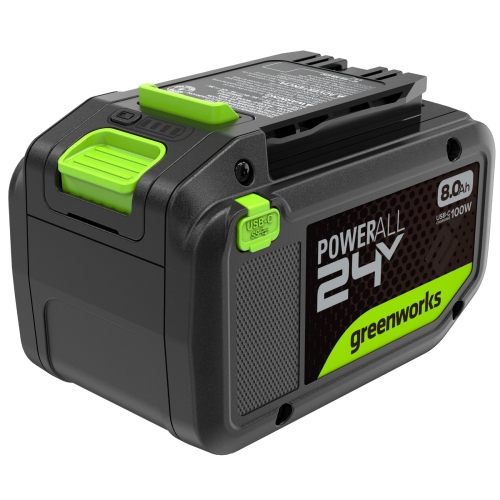 Your price for this item is $144.49
-
 Your price for this item is $255
-
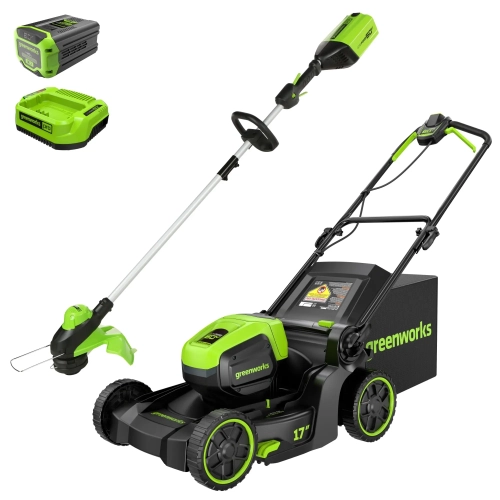 Your price for this item is $779.99
-
 Your price for this item is $659.99
-
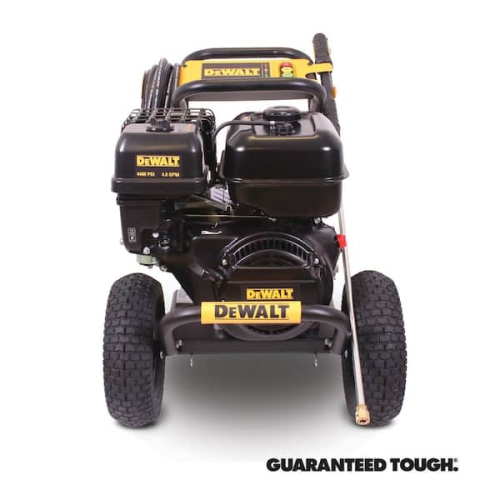 Your price for this item is $999.99
Discover more categories related to Heavy Duty Ropes
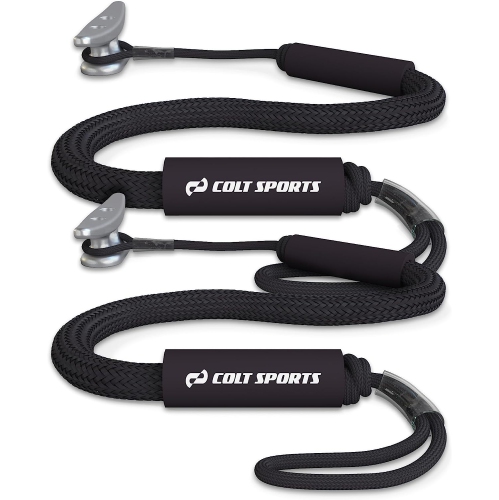
Top Collections:
Best Black Friday Deals This Year, Best Black Friday Deals On Electronics, Kindle Devices, Pokemon Centers, Best Black Friday Deals On Apple Products, Best Cameras for Sports Photography, Dyson Airwrap, Pokémon 30th Celebration Cards, Apple iPhone 17 Pro, Canon G7X Cameras
Some products may be subject to Environmental Handling Fees
(EHF) depending on your province.
Learn more about EHFs.