Lightweight Step Trackers for All-Day Wear
Lightweight step trackers for all-day wear are designed to help you stay motivated and monitor your daily activity with comfort and ease. Whether you're heading to the office, running errands, or enjoying a workout, these devices offer a convenient way to keep track of your steps and movement throughout the day. With a slim profile and comfortable fit, lightweight step trackers for all-day wear make it simple to integrate activity tracking into your routine without feeling weighed down. Explore options that suit your style and support your fitness goals from morning to night.
Sort

Why step tracker comfort depends on more than weight
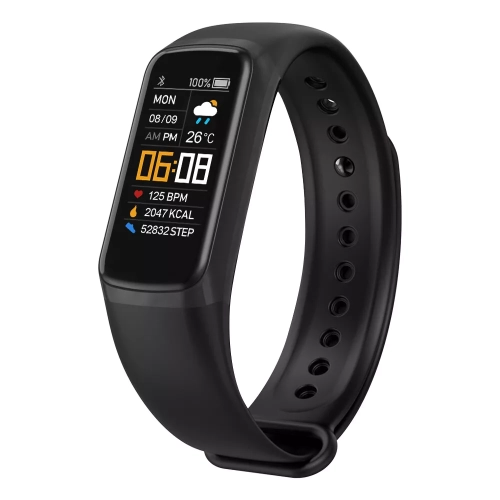
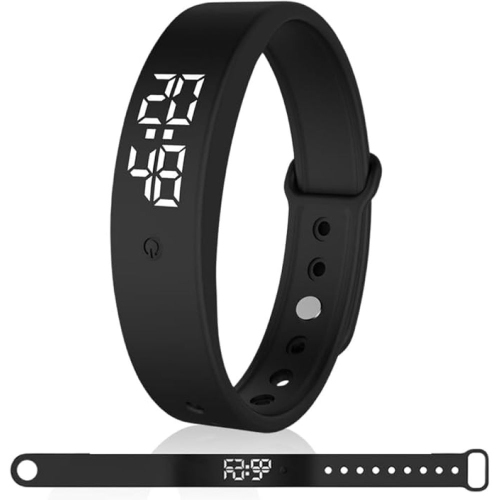
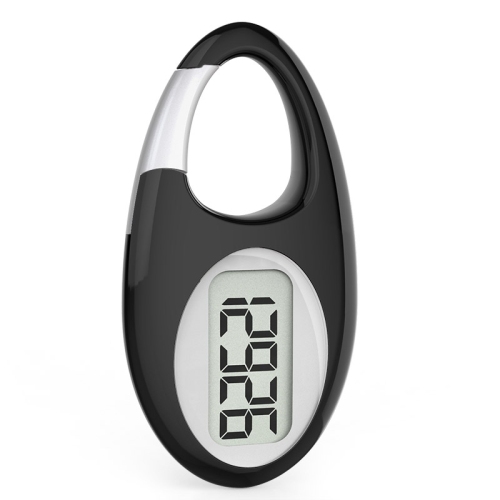
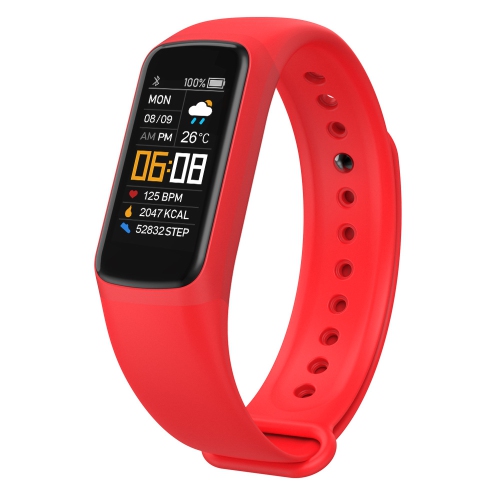
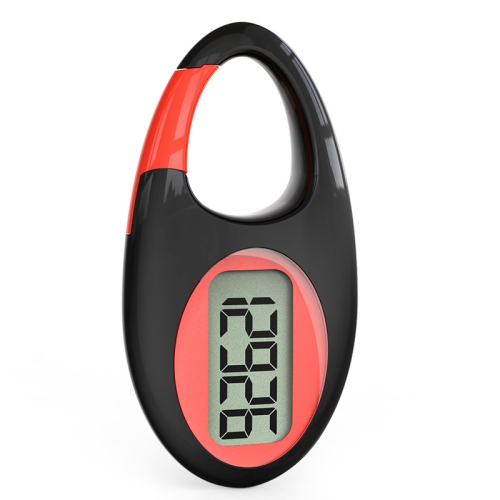
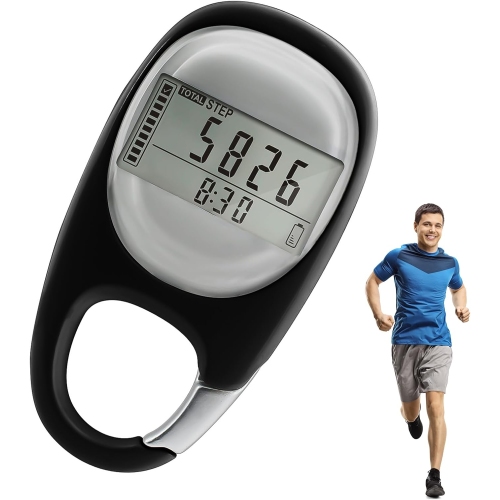
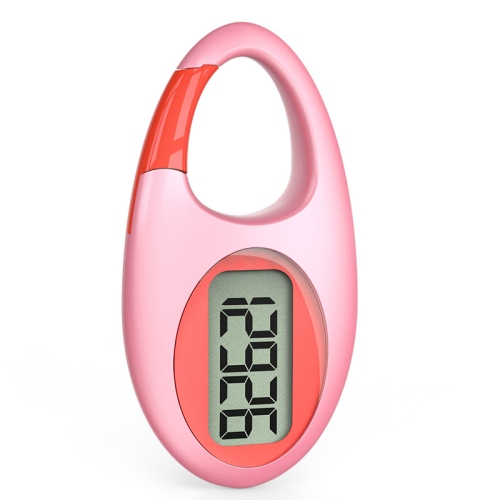
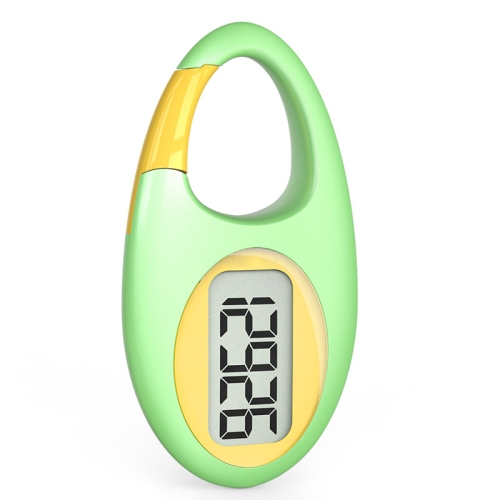
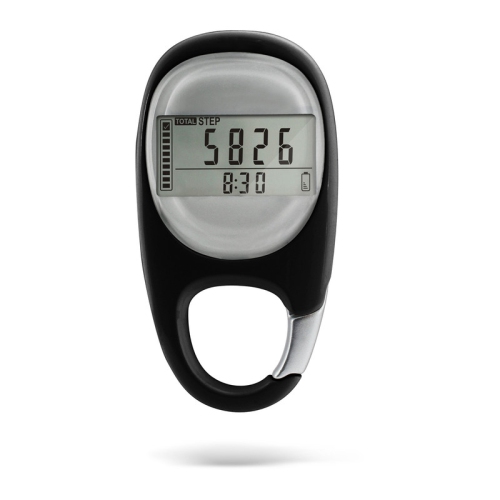
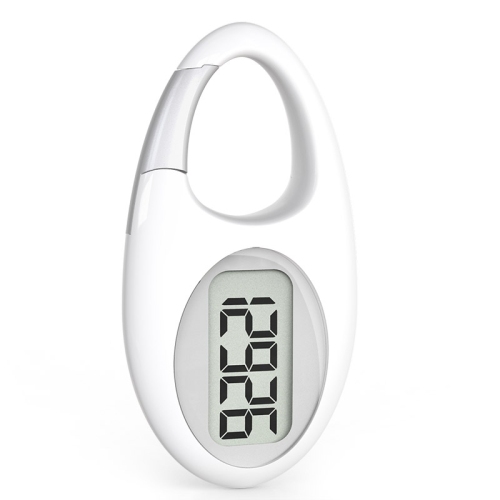
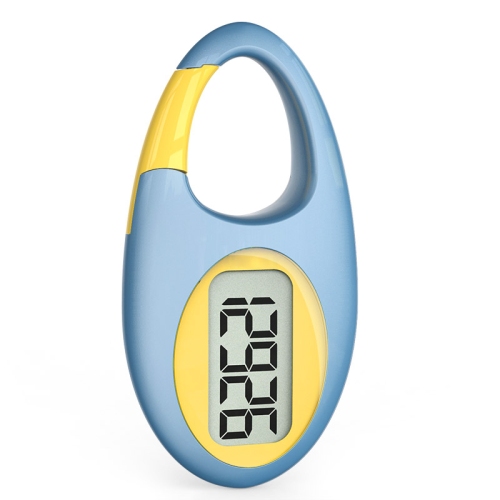
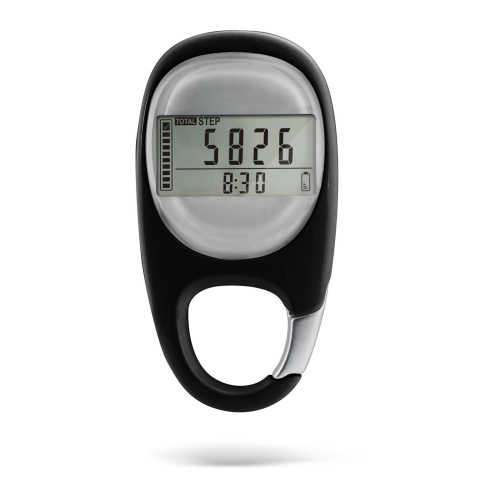
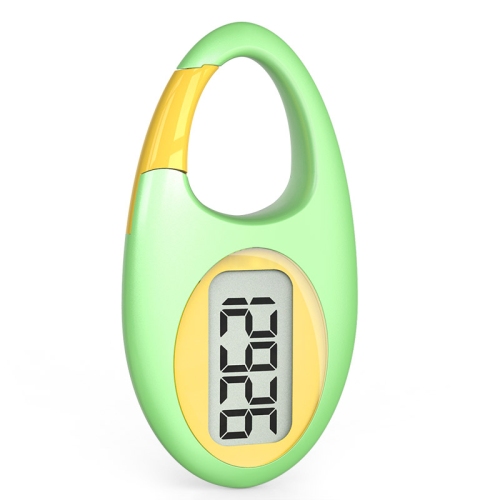
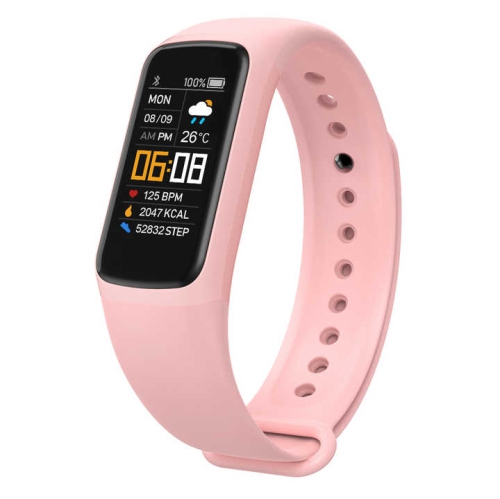
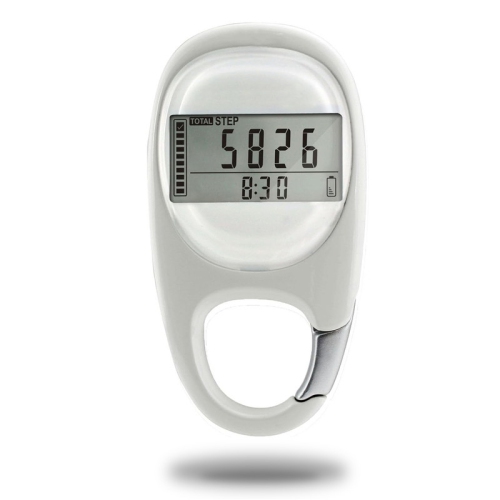
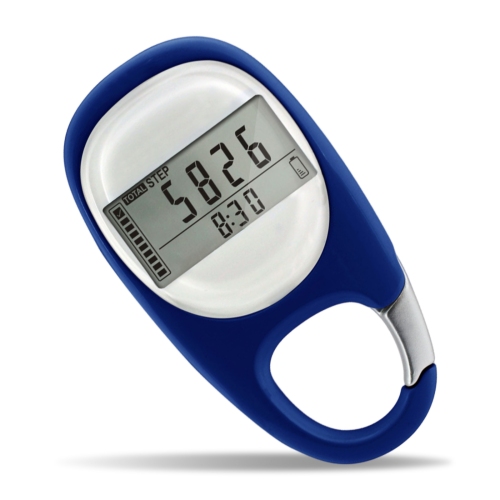
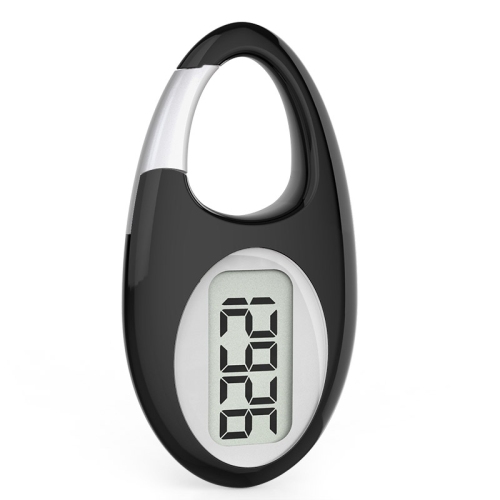
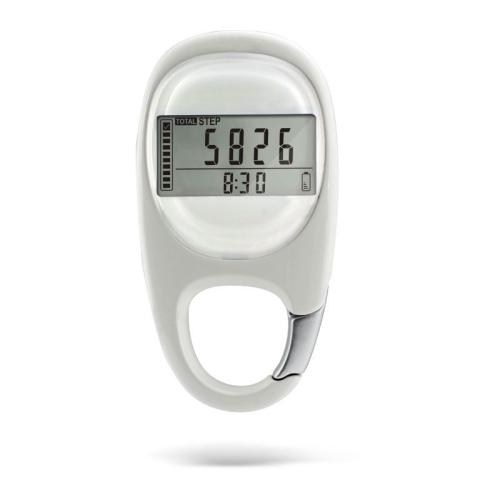
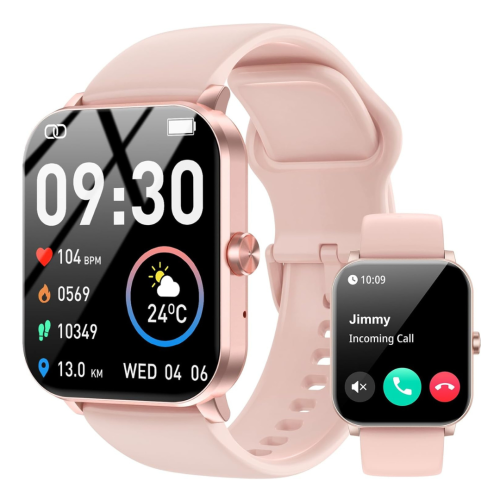
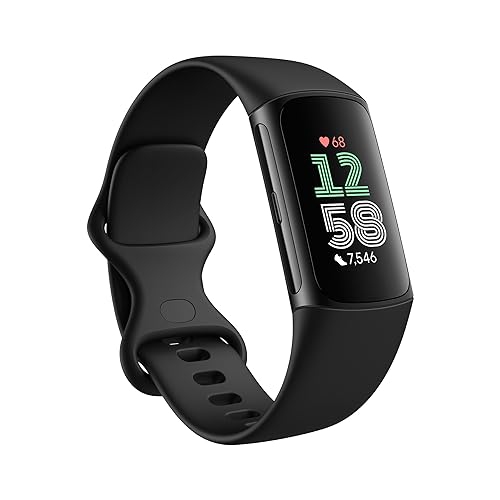
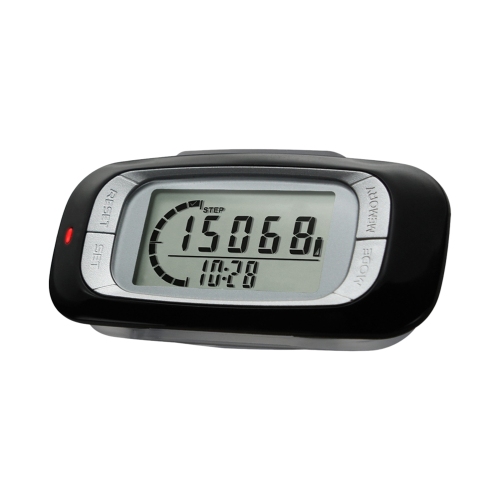
Lightweight step trackers for all-day wear are compact activity wearables designed to count steps without adding much bulk to the wrist or clothing. Their appeal is straightforward: a tracker that feels comfortable through a commute, a workday and an evening walk is easier to keep wearing consistently. Low weight matters, but so do the shape of the case, the flexibility of the band and the way the fastening sits against the skin. A slim, rounded profile can slide beneath a shirt cuff more easily than a raised case, while a smooth underside helps reduce pressure when typing or resting an arm on a desktop. When comparing listed weights, check whether the figure covers the tracker alone or includes its band, since both contribute to how it feels in daily use. Soft silicone bands are generally easy to wipe clean, while woven fabric options can offer a flexible feel and a different texture against the skin. Neither material is automatically the most comfortable choice for everyone; moisture retention, skin sensitivity and personal preference all play a part. An adjustable fastening should hold the tracker securely without pinching, and the available wrist-size range matters as much as the overall dimensions. A band that needs to be pulled too tightly to stop the case sliding may not be a good match. People with smaller wrists may prefer a shorter case and a band that does not leave a long loose end. For those who dislike wearing anything on the wrist, clip-on step counters can be another option when used in the position specified by the manufacturer. These simpler formats may suit someone whose main goal is counting daily movement rather than receiving phone notifications. Across these designs, the most useful balance is a comfortable fit, readable information and controls that feel manageable during ordinary activities, from walking to the bus stop to moving between meetings.
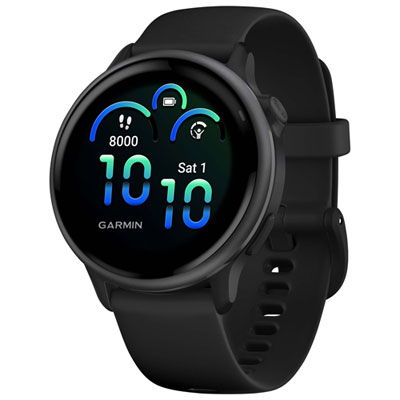
Step counting gives everyday movement a visible record, helping show how short walks and routine errands contribute to a daily total. Most wearable step trackers use motion sensors and software to identify patterns associated with walking, so their readings are estimates rather than exact counts. Wrist movement, walking pace and how the device is worn can affect the result. Pushing a shopping cart or stroller may reduce the arm swing a wrist tracker detects, while repeated hand movements can sometimes register as steps. Wearing the device as directed and keeping its placement consistent makes comparisons across days more meaningful. A personal baseline can be more useful than treating a single daily target as a requirement for everyone. Someone who spends much of the day seated might use gentle movement reminders to break up long stretches at a desktop, while a frequent walker may prefer a clear progress display that can be checked without opening a phone. Displays vary in size, contrast and brightness, and a small case does not necessarily mean the numbers will be easy to read at a glance. Physical buttons, touch controls and screen-free designs each offer a different experience, particularly for anyone who wants fewer interruptions. Features such as heart rate readings, sleep tracking and activity modes may be included, but they are not universal and are not necessary for basic step counting. Where offered, these measurements can add context to a routine without replacing medical advice or clinical assessment. Battery life also shapes all-day practicality. Published estimates depend on settings and use, and frequent screen activation, notifications or additional sensors can shorten the interval between charges. Charging time and the type of cable or dock are worth considering alongside the stated battery duration. Phone compatibility matters too: some functions require a companion app, and certain summaries or tools may have separate account or subscription requirements. Adjustable notifications and app permissions help keep the experience focused on the information a wearer actually wants.
Daily comfort depends on care as well as design. A lightweight tracker worn from breakfast through an evening walk can collect perspiration, soap residue and dust around the band and fastening. Following the manufacturer’s cleaning directions, drying the tracker after permitted water exposure and keeping the skin beneath it clean can help reduce irritation. Fabric bands may need more drying time than silicone, while metal fastenings deserve attention if the wearer has a known sensitivity to particular materials. Water resistance should be checked for the intended activity rather than treated as a promise that every tracker can be worn in a pool or shower. A rating suitable for splashes does not automatically cover swimming, hot water or repeated exposure to soaps and cleaning products. Durability also comes down to everyday details: a secure clasp, sound band attachments and a case that does not catch easily on sleeves or bag straps. Replaceable bands can make it easier to refresh a worn fastening or adjust the fit, provided the replacement is compatible with the device. For desk-based workers, a low-profile case can sit more comfortably beside a keyboard; for people who walk between appointments or spend much of the day on their feet, a secure fit and quick-to-read step total may be more important than a large feature set. Lightweight trackers can also make thoughtful gifts for someone who has expressed an interest in tracking walks or building a more consistent activity routine. Wrist measurements, phone compatibility, display preferences and willingness to use an app are more helpful starting points than assuming everyone wants the same goals or reminders. A gift should support the recipient’s interests without turning movement into a competition. For related options with a broader activity focus, explore Wearable Step Trackers for Health and Wellness. Whether the priority is a barely noticeable band or a simple daily step total, a tracker earns its place through comfort, clear information and ease of use.
Top selling and popular products
-
 Your price for this item is $200
-
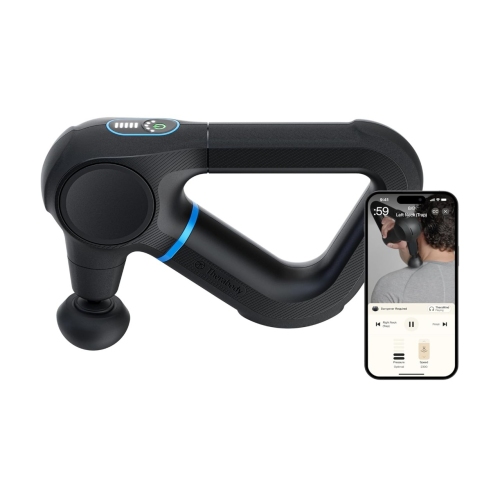 Your price for this item is $399.99
-
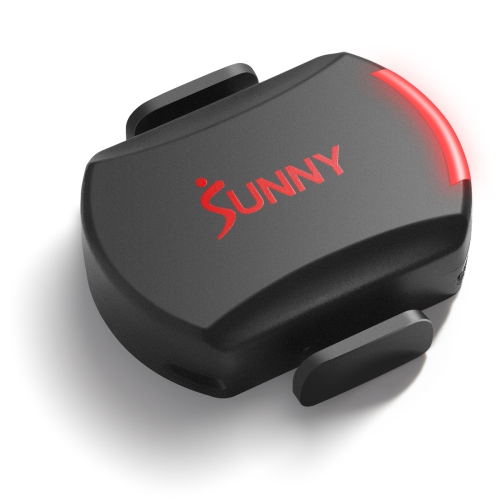 Your price for this item is $69.95
-
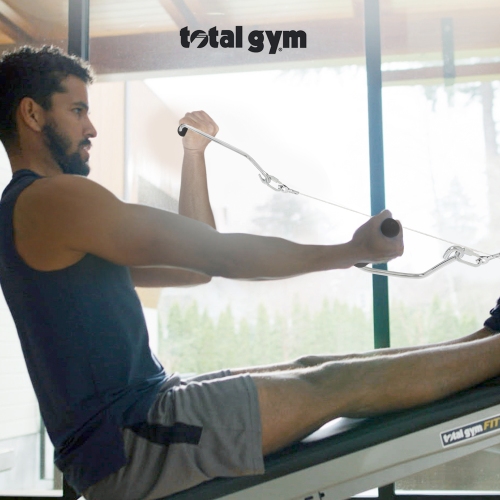 Your price for this item is $149.99
-
 Your price for this item is $144.99
-
 Your price for this item is $199.99
-
 Your price for this item is $82.99
-
 Your price for this item is $1990
Discover more categories related to Lightweight Step Trackers for All-Day Wear
Top Collections:
Best Black Friday Deals This Year, Best Black Friday Deals On Electronics, Kindle Devices, Pokemon Centers, Best Black Friday Deals On Apple Products, Best Cameras for Sports Photography, Dyson Airwrap, Pokémon 30th Celebration Cards, Apple iPhone 17 Pro, Canon G7X Cameras
Some products may be subject to Environmental Handling Fees
(EHF) depending on your province.
Learn more about EHFs.