Training Watches
Looking to elevate your fitness routine and track your progress with precision? Look no further than our collection of training watches. These innovative devices are designed to help you optimize your workouts, monitor your heart rate, track your steps, and even analyze your sleep patterns. Whether you're a seasoned athlete or just starting your fitness journey, these training watches are the perfect companion to help you stay motivated and achieve your goals. With a wide range of features and styles to choose from, finding the perfect training watch to suit your needs has never been easier.
Sort

![APPLE Watch Series 8 [Gps + Cellular 45Mm] Smart Watch W/ Midnight Aluminum Case With Midnight Sport Band - M/l. In Multicolor Love this watch!!! And at a great price from Best Buy](https://multimedia.bbycastatic.ca/multimedia/products/500x500/165/16593/16593793.jpeg)
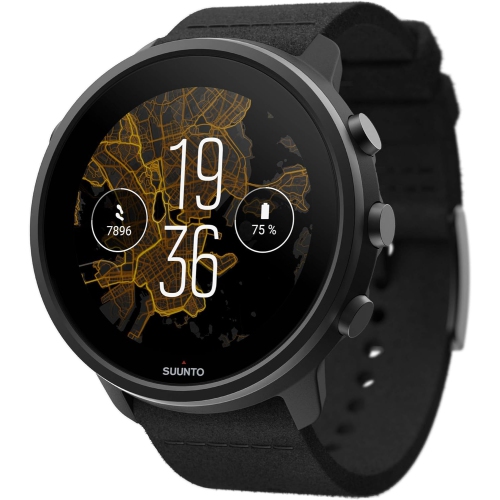
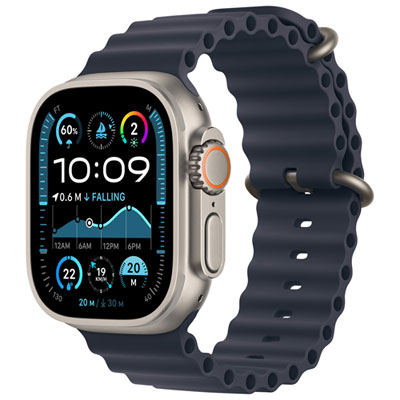
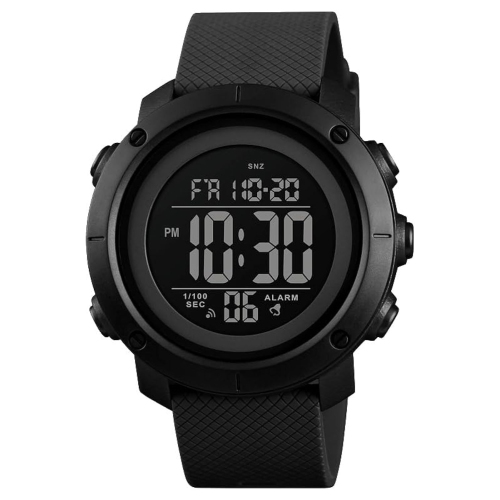
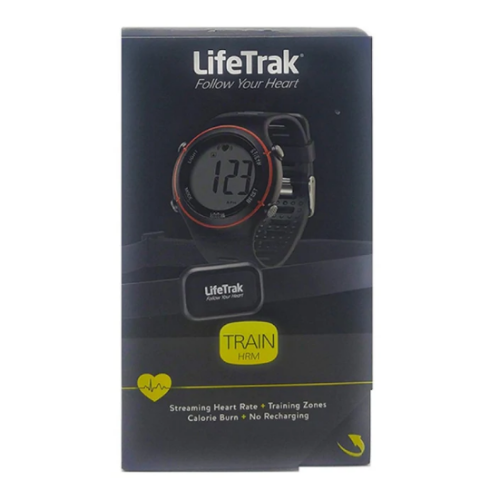
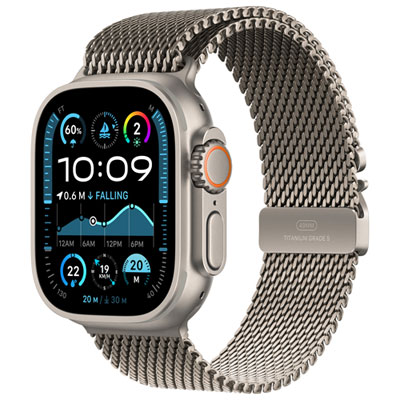
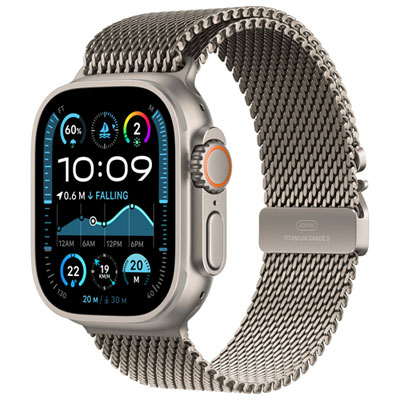
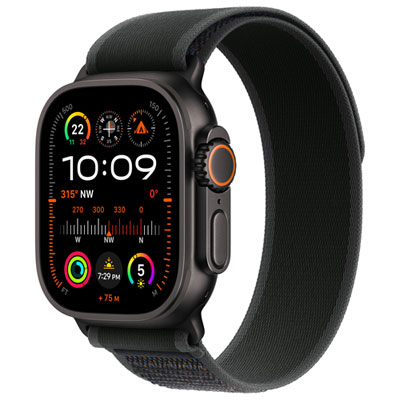
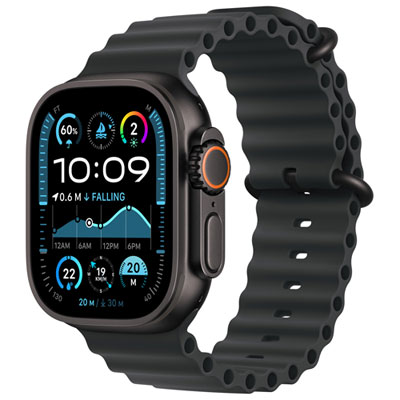
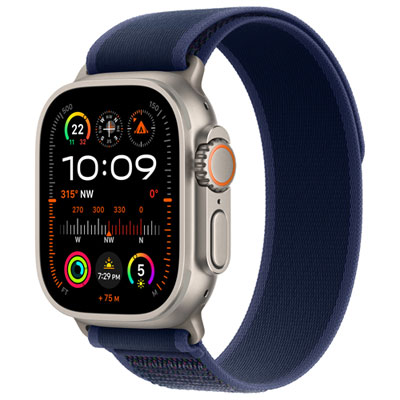
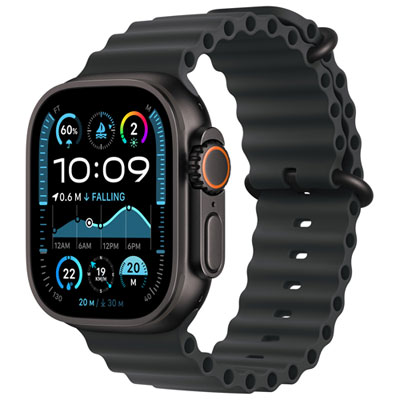
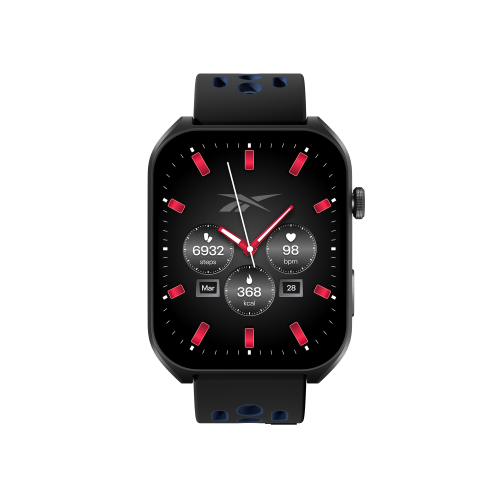
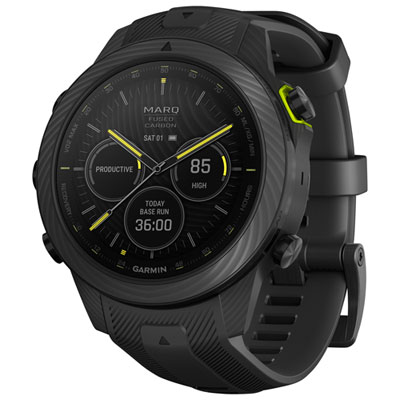
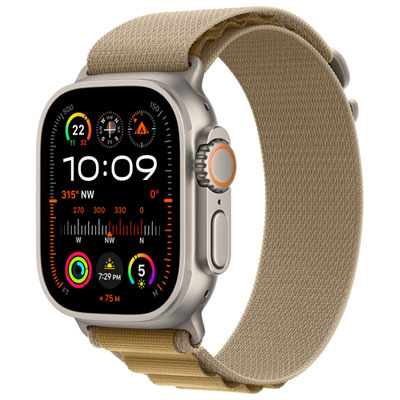
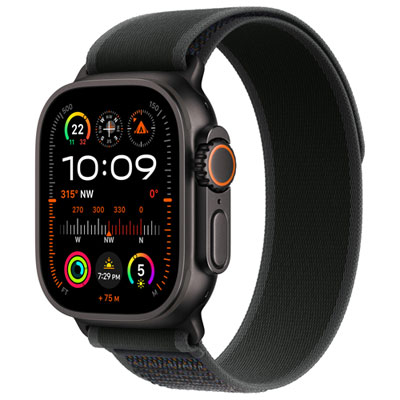
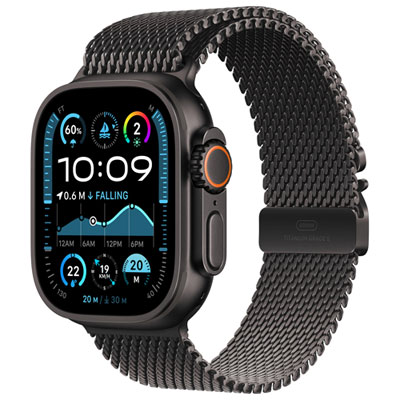
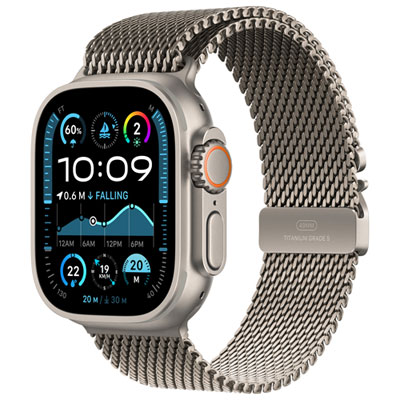
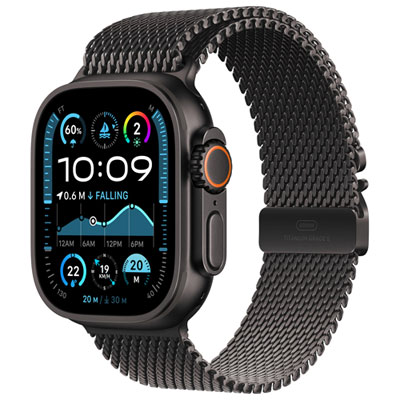
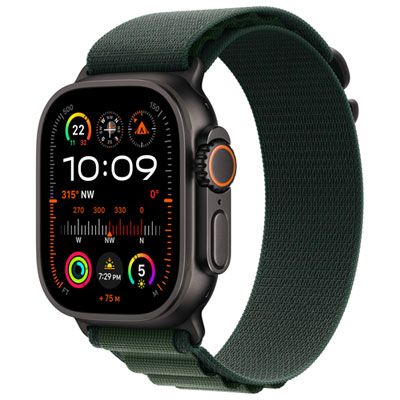
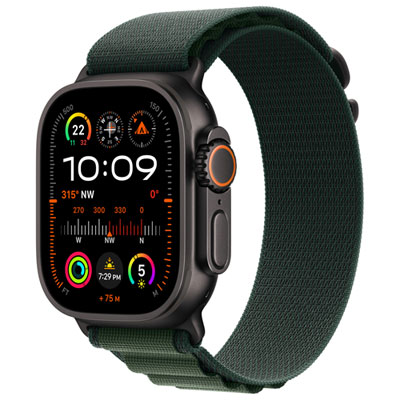
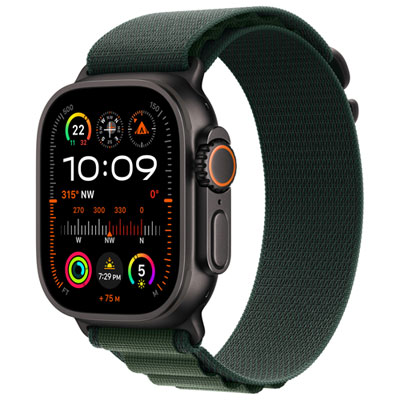
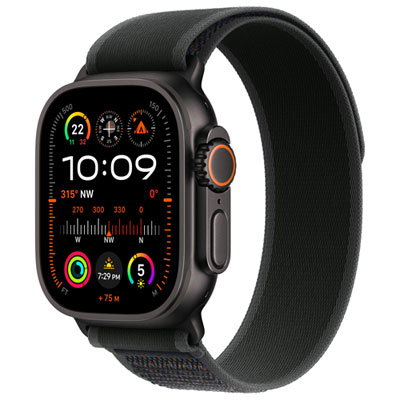
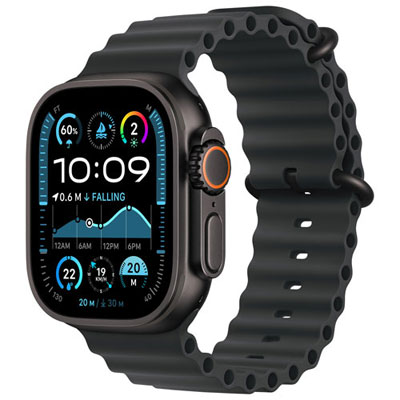
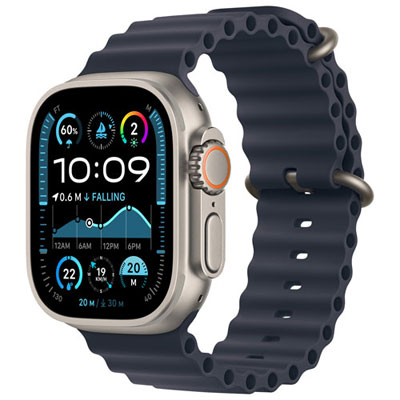
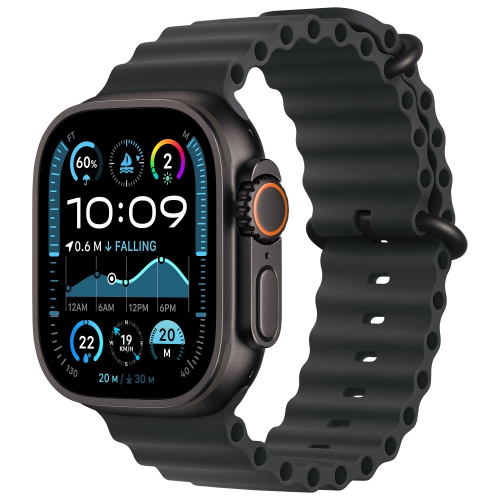
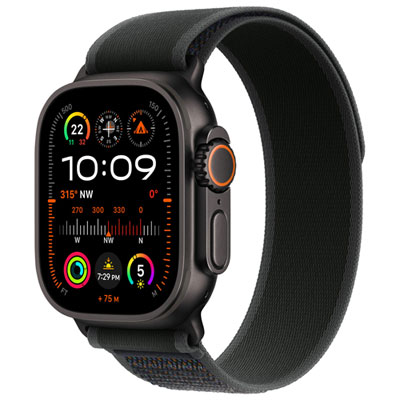
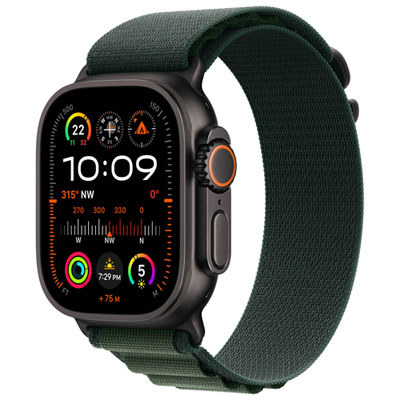
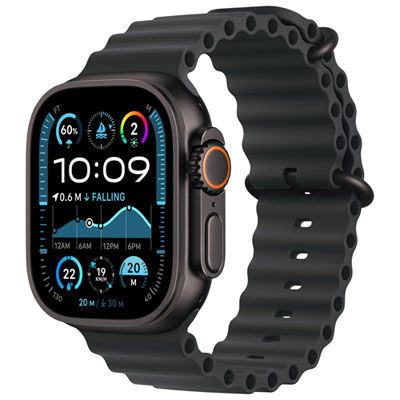
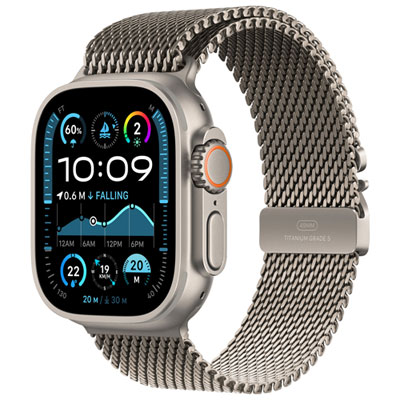
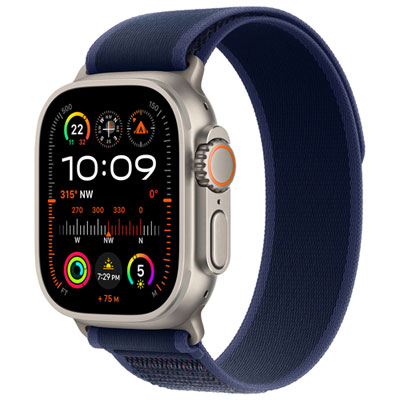
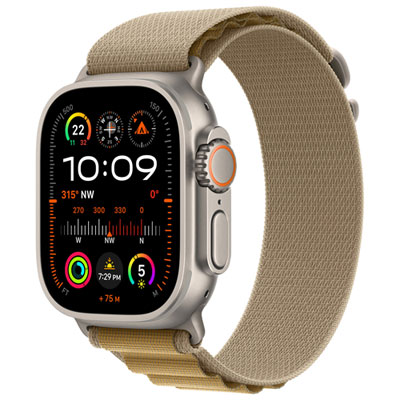
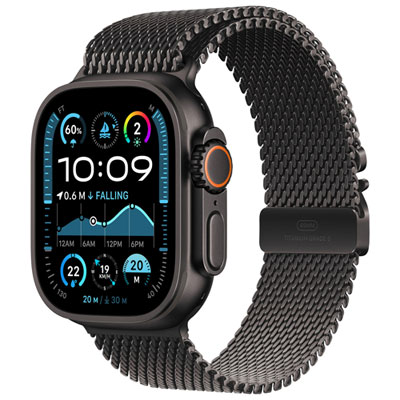
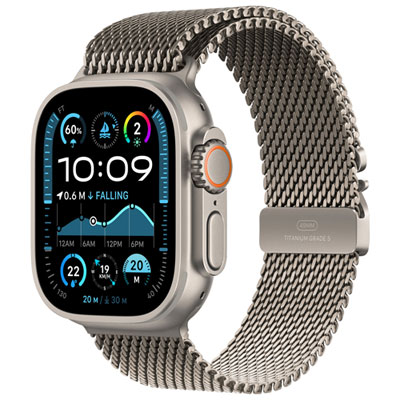
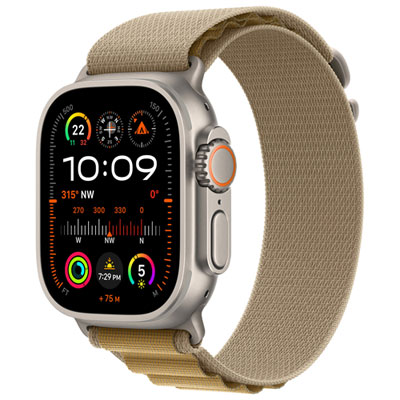
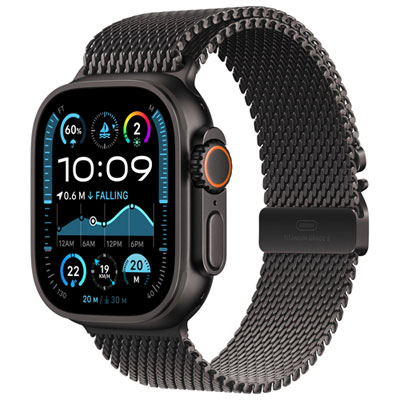
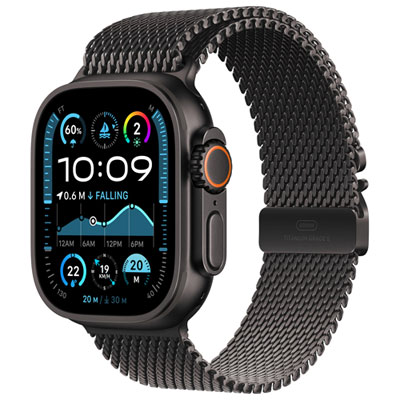
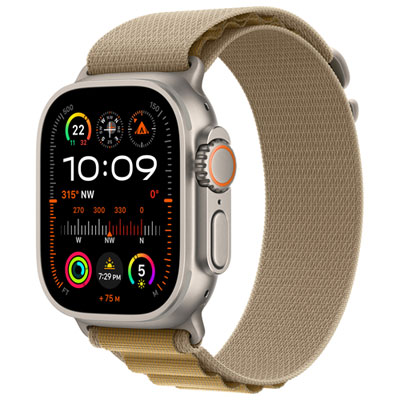
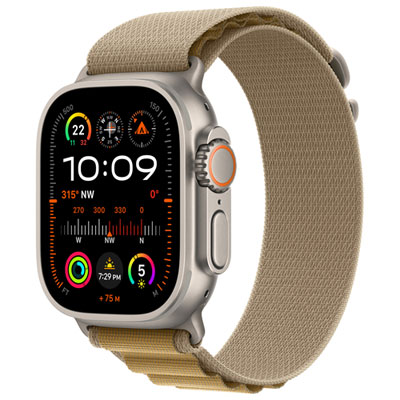
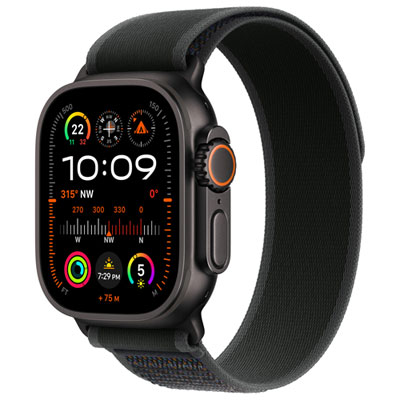
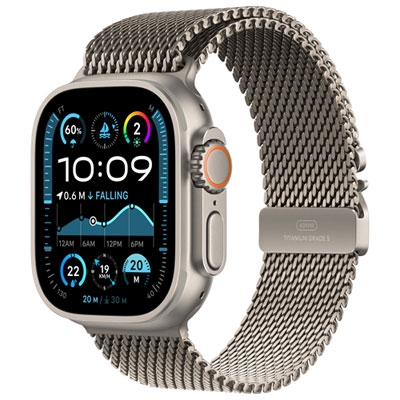
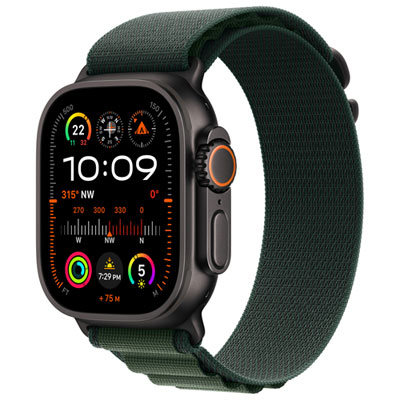

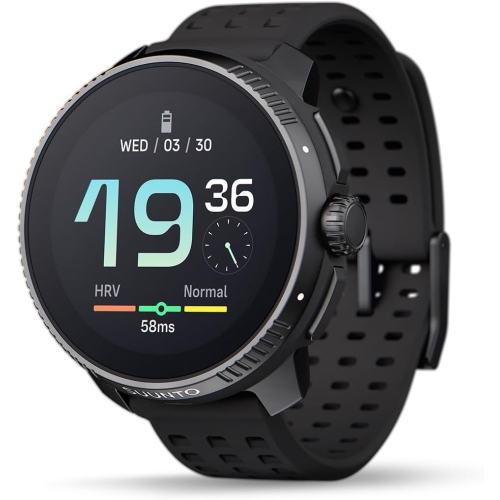
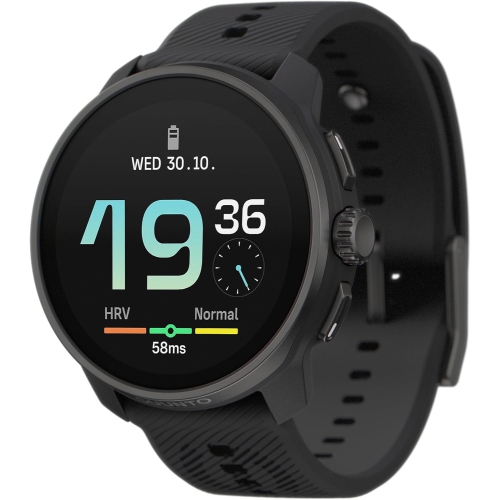
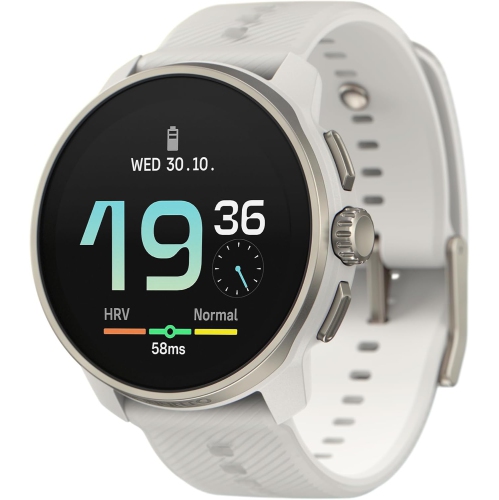
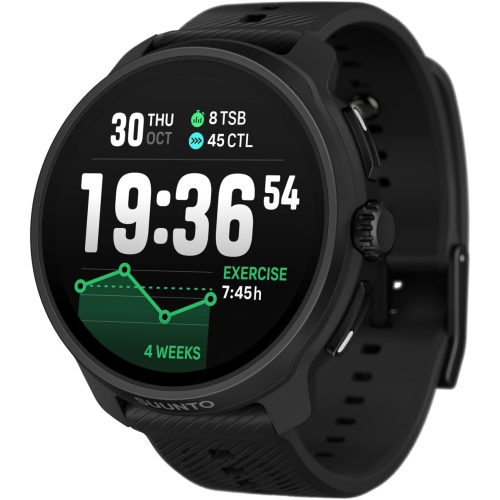
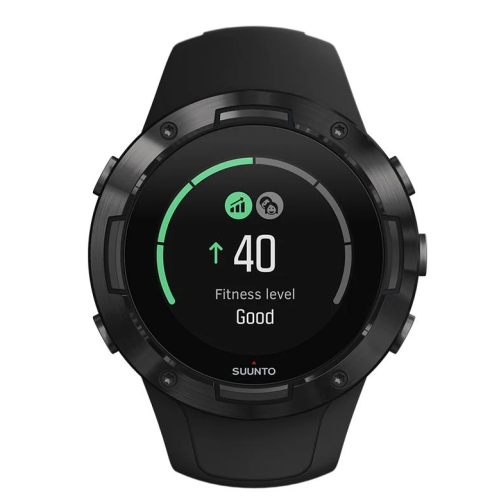
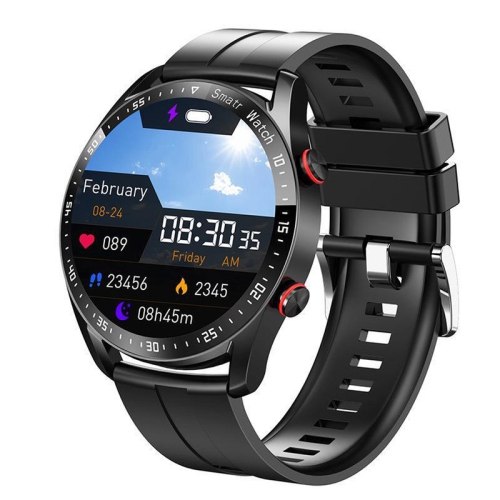
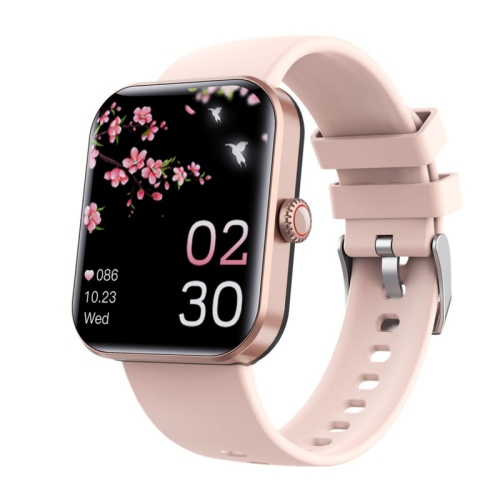
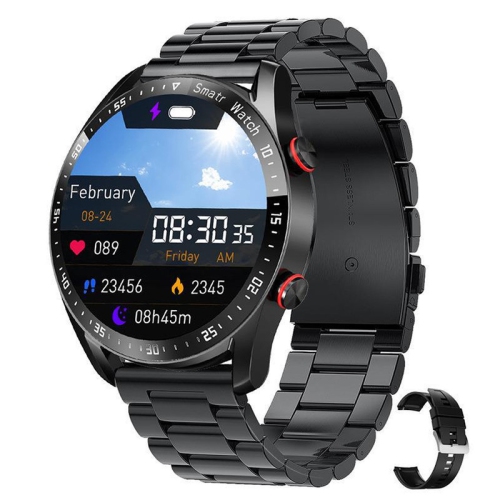
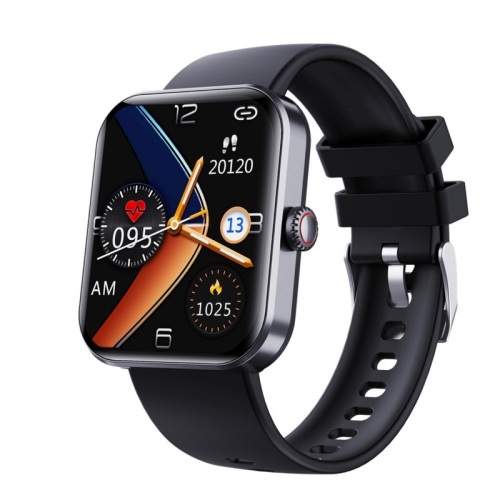
Why workout tracking should match how you train
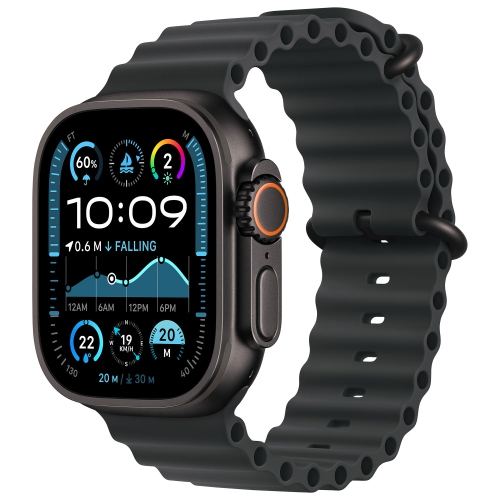
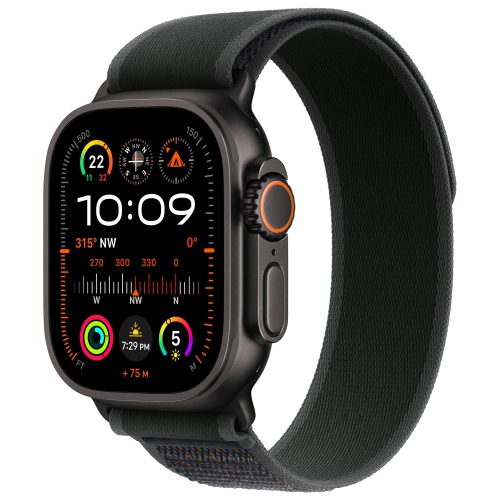
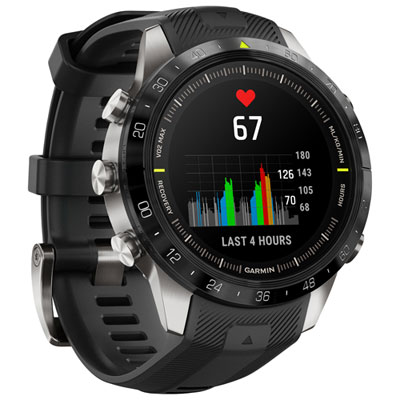
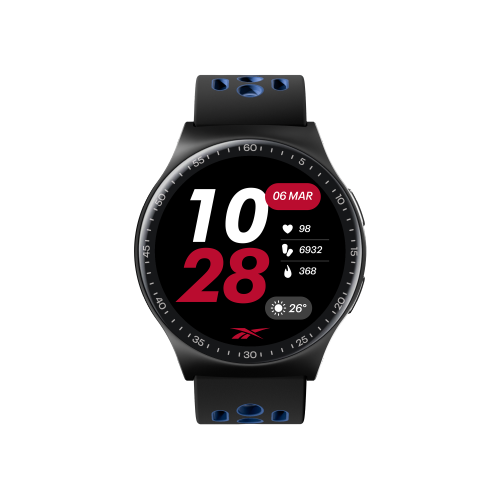
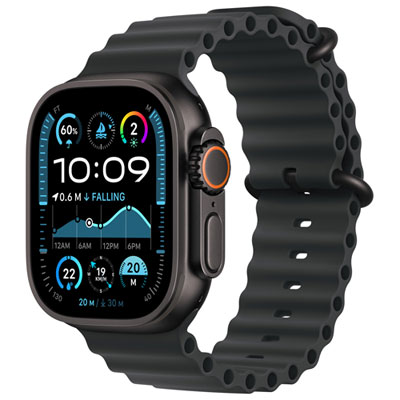
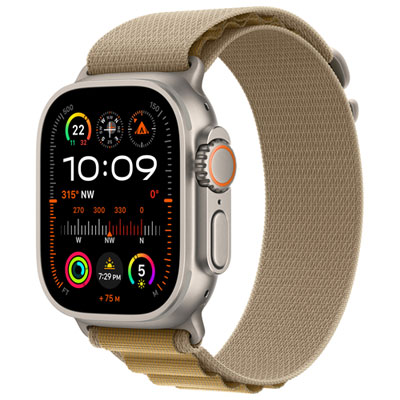
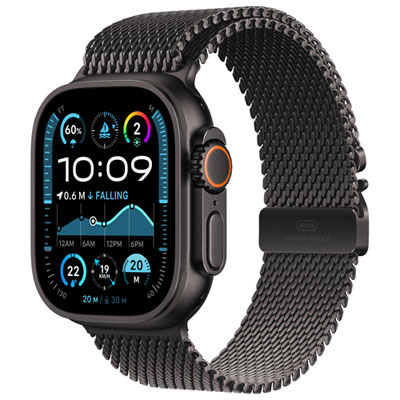
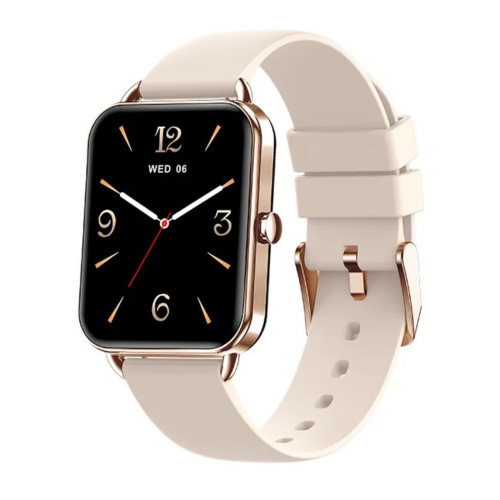
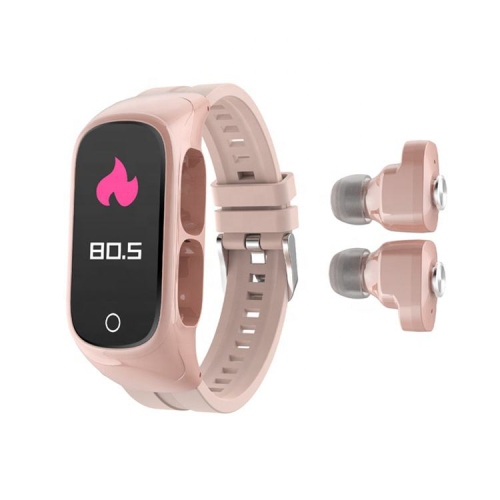
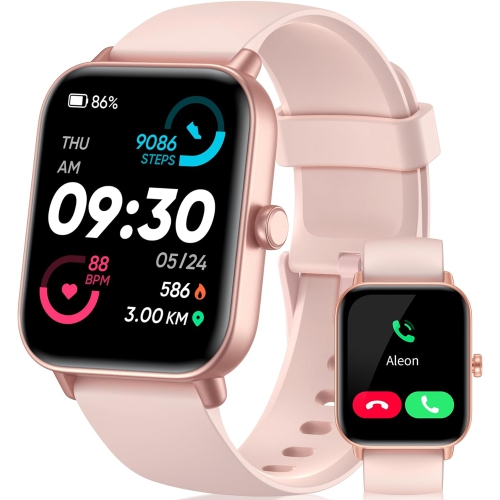
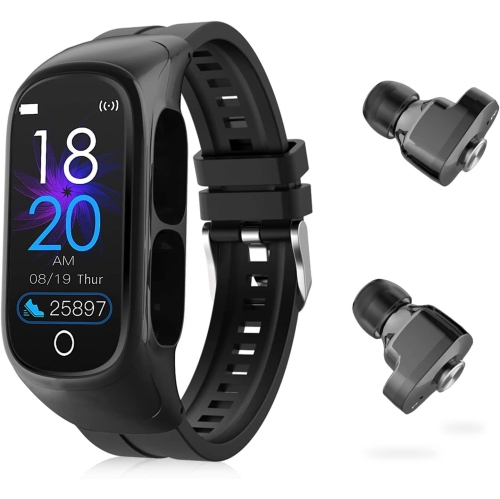
Training watches are wrist-worn fitness devices that track workouts and help make sense of activity over time. They combine familiar watch functions with tools such as heart rate monitoring, workout timers, pace tracking, and, on GPS-equipped models, route and distance recording. For someone building a regular walking routine, the most useful information may be elapsed time, distance, and a clear record of completed sessions. A runner preparing for a longer race may place more value on lap pace, structured workouts, and training load estimates, while a cyclist or swimmer may need dedicated activity profiles and compatibility with additional sensors. The difference between a general smartwatch and a training-focused watch often comes down to the depth of workout information, the controls used during exercise, and the battery life available while tracking. Some training watches emphasize straightforward activity summaries; others add suggested workouts, recovery estimates, navigation, or support for several sports within one session. Built-in GPS can record an outdoor route without relying on a nearby phone, whereas connected GPS uses a compatible phone’s location services. Multi-band GPS, where supported, may improve positioning around tall buildings or other places where satellite signals are difficult to receive, though accuracy still depends on the surroundings. Indoor activities work differently: treadmill distance is typically estimated from movement or a paired sensor, and strength-training profiles may log sets, repetitions, and rest periods rather than a route. Automatic repetition counts can need adjustment, especially when an exercise involves little wrist movement. These differences make intended use more important than the length of a feature list. A watch that shows readable pace figures during a run and makes stopping a workout easy can feel more useful than one with extensive data that rarely gets checked. Training watches suit beginners, regular gym-goers, recreational athletes, and people returning to a consistent activity routine, with different levels of detail to match how each person likes to train.
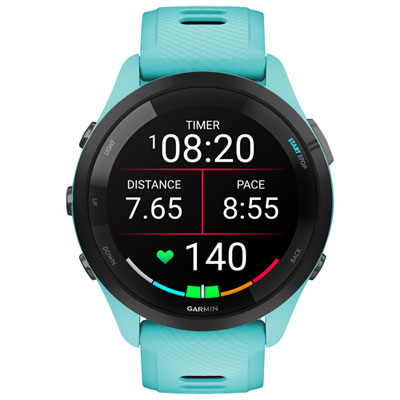
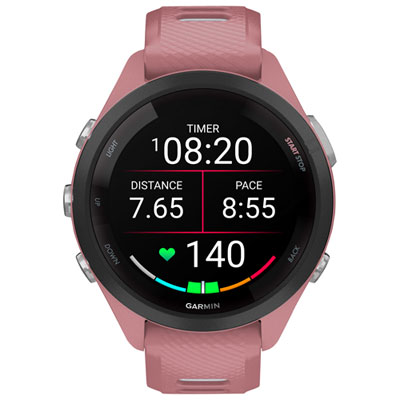
Workout features are most helpful when they fit the rhythm of the activity. During a run, customizable data screens can keep current pace, total distance, and heart rate visible without requiring a swipe through several menus. For circuit sessions, vibration alerts and clearly displayed countdowns help mark the change from effort to rest. Dedicated Watches for Interval Training can support routines built around repeated work and recovery periods, with capabilities varying by model. Physical buttons can be easier to operate with sweaty fingers, while a touchscreen may feel more familiar when reviewing a workout afterwards. Display size, contrast, and text layout matter as much as brightness: small numbers can be difficult to read at a glance when the wrist is moving. Battery specifications also need context, because everyday watch mode, continuous GPS tracking, music playback, and an always-on display draw different amounts of power. A device used for short gym visits has different charging demands from one recording a long-distance event. Navigation features also vary. A breadcrumb trail shows a route line to follow, while onboard maps, where included, provide more detail about nearby paths and roads. Phone compatibility determines which notifications, app connections, and syncing features work, and support for wireless headphones, chest straps, or cycling sensors is not universal. Some connected features or training services may require a separate subscription. Heart rate zones and trends can add useful context to a session, but wrist-based readings can be affected by fit, movement, and the type of exercise. A compatible chest strap may provide more consistent readings during rapid changes in effort. Sleep tracking, heart rate variability, and recovery scores can help reveal patterns when viewed over time, rather than treating one number as a verdict on readiness. These measurements are estimates for general fitness use, not a diagnosis or a substitute for professional medical advice. The clearest workout record combines watch data with how the session actually felt, including effort, fatigue, and comfort.
Materials and fit play a large part in whether a training watch becomes an everyday companion or stays in a drawer between workouts. Cases may use lightweight resin or reinforced polymer, stainless steel, titanium, or combinations of materials, with each design balancing weight, feel, and durability. Display covers also differ, and scratch resistance does not mean a screen is immune to damage from gym equipment or a hard impact. A slimmer, lighter case can sit more comfortably during sleep tracking or exercises that bend the wrist, while a larger case may offer more room for easy-to-read workout fields. Case diameter alone does not describe fit: thickness, strap attachment points, and the way the case sits against the wrist all affect comfort. Silicone straps are common for exercise because they are flexible and straightforward to clean. Woven straps can offer a softer feel and fine adjustment, though drying time and care requirements vary. An adjustable strap should hold the sensor steadily against the skin without pinching or restricting movement; a watch that slides around during a workout may produce less consistent readings. Replaceable straps make it easier to refresh a worn band or change the fit, provided the attachment system and dimensions are compatible. Water resistance deserves particular attention for swimming and other water activities. A rating does not automatically make every watch suitable for pool training, diving, or exposure to pressurized water, and the manufacturer’s stated uses and button-operation instructions take precedence. Regular care generally means removing sweat and residue according to the supplied directions, drying the watch and strap, and keeping charging contacts clean and dry before connecting power. Harsh cleaners and abrasive cloths can damage finishes or seals. For gifting, practical details such as the recipient’s phone, wrist size, preferred activities, and willingness to charge another device matter more than advanced features alone. Someone who enjoys an uncomplicated daily walk may appreciate simple controls and clear summaries, while a keen multisport athlete may make fuller use of sensor connections and sport-specific tracking. A well-matched training watch brings useful information within reach without making the workout itself more complicated.
Workout features are most helpful when they fit the rhythm of the activity. During a run, customizable data screens can keep current pace, total distance, and heart rate visible without requiring a swipe through several menus. For circuit sessions, vibration alerts and clearly displayed countdowns help mark the change from effort to rest. Dedicated Watches for Interval Training can support routines built around repeated work and recovery periods, with capabilities varying by model. Physical buttons can be easier to operate with sweaty fingers, while a touchscreen may feel more familiar when reviewing a workout afterwards. Display size, contrast, and text layout matter as much as brightness: small numbers can be difficult to read at a glance when the wrist is moving. Battery specifications also need context, because everyday watch mode, continuous GPS tracking, music playback, and an always-on display draw different amounts of power. A device used for short gym visits has different charging demands from one recording a long-distance event. Navigation features also vary. A breadcrumb trail shows a route line to follow, while onboard maps, where included, provide more detail about nearby paths and roads. Phone compatibility determines which notifications, app connections, and syncing features work, and support for wireless headphones, chest straps, or cycling sensors is not universal. Some connected features or training services may require a separate subscription. Heart rate zones and trends can add useful context to a session, but wrist-based readings can be affected by fit, movement, and the type of exercise. A compatible chest strap may provide more consistent readings during rapid changes in effort. Sleep tracking, heart rate variability, and recovery scores can help reveal patterns when viewed over time, rather than treating one number as a verdict on readiness. These measurements are estimates for general fitness use, not a diagnosis or a substitute for professional medical advice. The clearest workout record combines watch data with how the session actually felt, including effort, fatigue, and comfort.
Materials and fit play a large part in whether a training watch becomes an everyday companion or stays in a drawer between workouts. Cases may use lightweight resin or reinforced polymer, stainless steel, titanium, or combinations of materials, with each design balancing weight, feel, and durability. Display covers also differ, and scratch resistance does not mean a screen is immune to damage from gym equipment or a hard impact. A slimmer, lighter case can sit more comfortably during sleep tracking or exercises that bend the wrist, while a larger case may offer more room for easy-to-read workout fields. Case diameter alone does not describe fit: thickness, strap attachment points, and the way the case sits against the wrist all affect comfort. Silicone straps are common for exercise because they are flexible and straightforward to clean. Woven straps can offer a softer feel and fine adjustment, though drying time and care requirements vary. An adjustable strap should hold the sensor steadily against the skin without pinching or restricting movement; a watch that slides around during a workout may produce less consistent readings. Replaceable straps make it easier to refresh a worn band or change the fit, provided the attachment system and dimensions are compatible. Water resistance deserves particular attention for swimming and other water activities. A rating does not automatically make every watch suitable for pool training, diving, or exposure to pressurized water, and the manufacturer’s stated uses and button-operation instructions take precedence. Regular care generally means removing sweat and residue according to the supplied directions, drying the watch and strap, and keeping charging contacts clean and dry before connecting power. Harsh cleaners and abrasive cloths can damage finishes or seals. For gifting, practical details such as the recipient’s phone, wrist size, preferred activities, and willingness to charge another device matter more than advanced features alone. Someone who enjoys an uncomplicated daily walk may appreciate simple controls and clear summaries, while a keen multisport athlete may make fuller use of sensor connections and sport-specific tracking. A well-matched training watch brings useful information within reach without making the workout itself more complicated.
Top selling and popular products
-
 Your price for this item is $599.99
 -
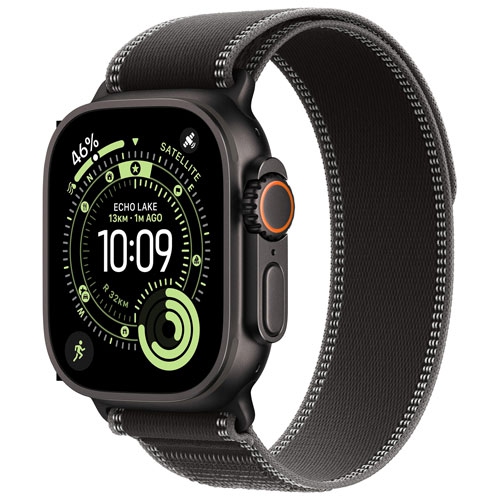 Your price for this item is $1069
 -
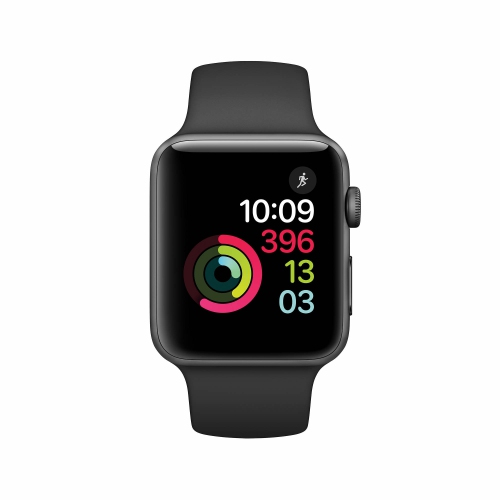 Your price for this item is $263.99
 -
![APPLE Watch Series 8 [Gps 41Mm] Smart Watch With Starlight Aluminum Case And Starlight Sport Band - S/m In Multicolor](https://multimedia.bbycastatic.ca/multimedia/products/500x500/165/16537/16537952.jpeg) Your price for this item is $594.95
Your price for this item is $594.95 -
![APPLE Watch Series 10 [Gps 46MM Case] Smartwatch With Jet Aluminum Case With Sport Band - M/l In Black](https://multimedia.bbycastatic.ca/multimedia/products/500x500/186/18618/18618511.jpeg) Your price for this item is $529.99
Your price for this item is $529.99 -
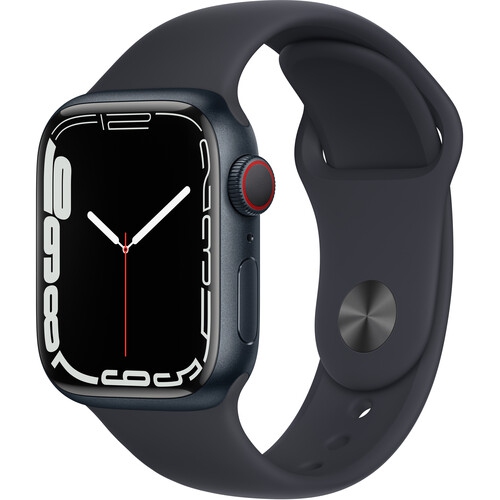 Your price for this item is $699
 -
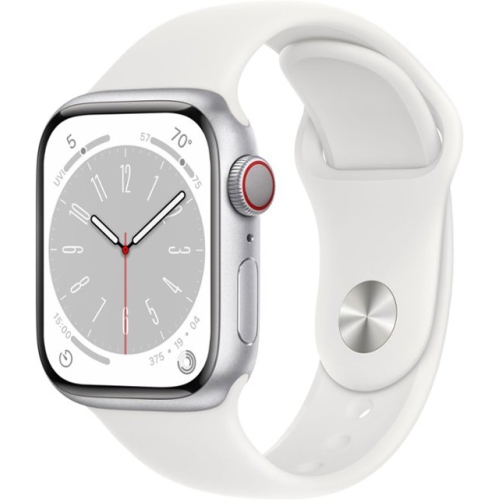 Your price for this item is $619
 -
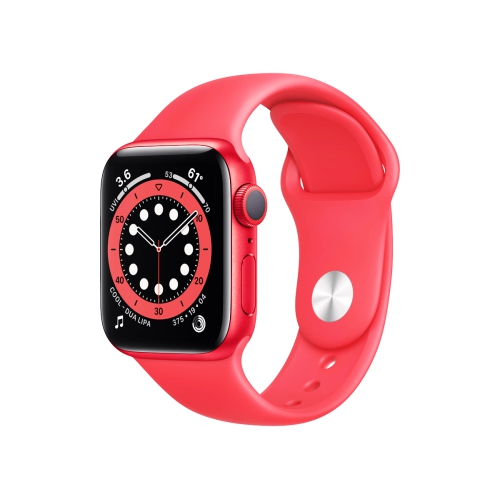 Your price for this item is $429.99
Discover more categories related to Training Watches
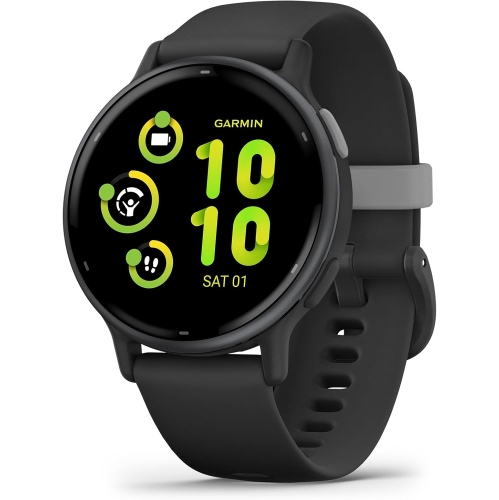
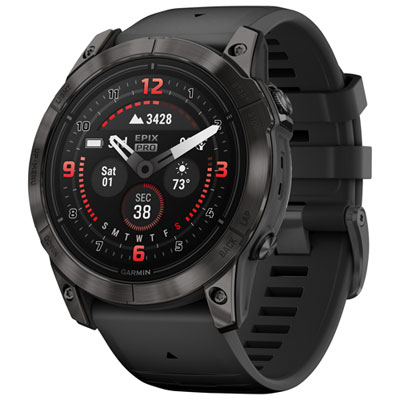
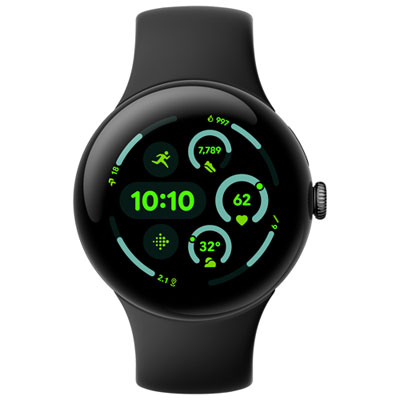
Top Collections:
Pokemon Centers, Kindle Devices, Best Budget Office Chairs, Apple iPhones 16, Canon G7X Cameras, iPhone 15 Apple, Alarm Clock, Refurbished Apple Laptops, Flip Phones, Best Laptops for Writers
Some products may be subject to Environmental Handling Fees
(EHF) depending on your province.
Learn more about EHFs.