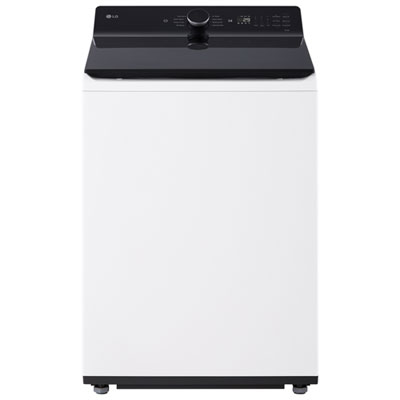
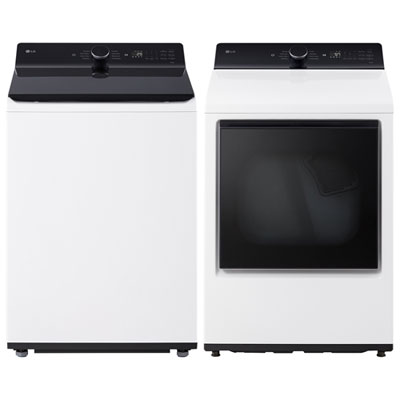
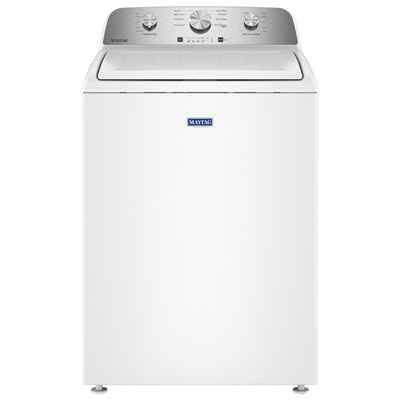
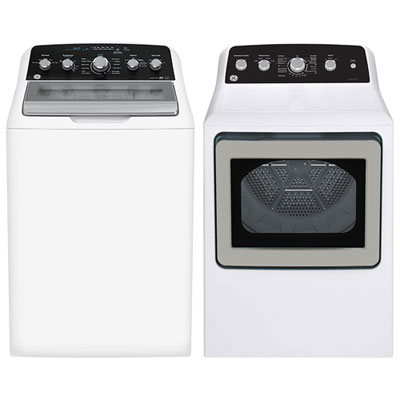
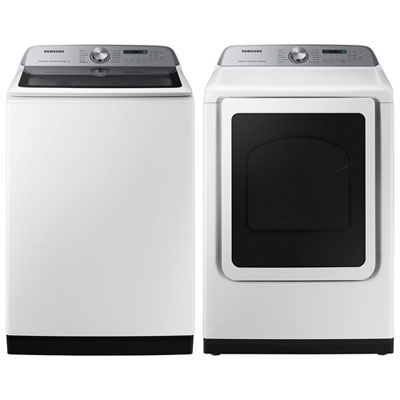
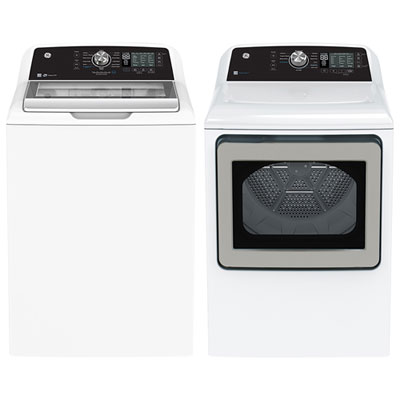
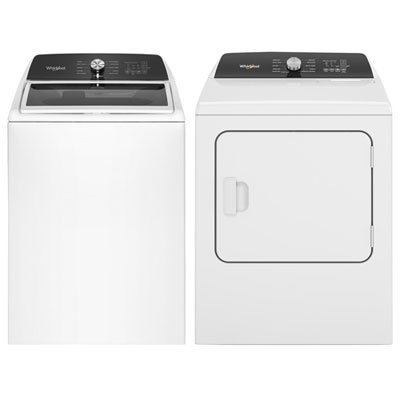
White Top-Load Washing Machines

Browse white top-load washing machines for your household’s laundry needs. Compare dimensions, load capacity, and wash settings to narrow down your options, and check that your laundry space has enough overhead clearance to open the lid fully.
Read More

Sort

How basket design and room layout shape laundry day

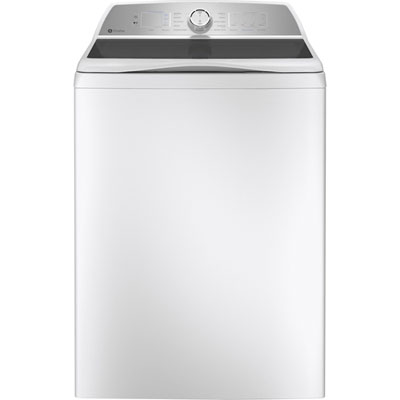
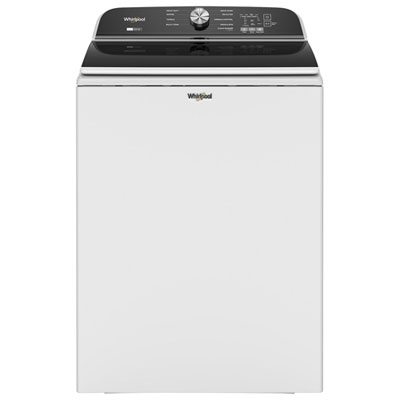
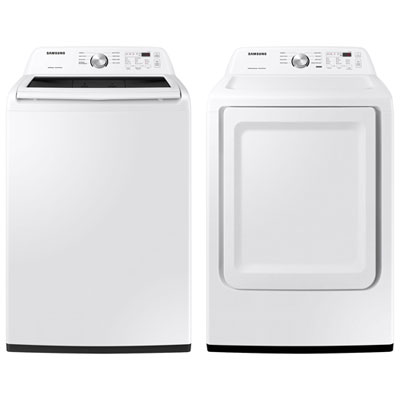
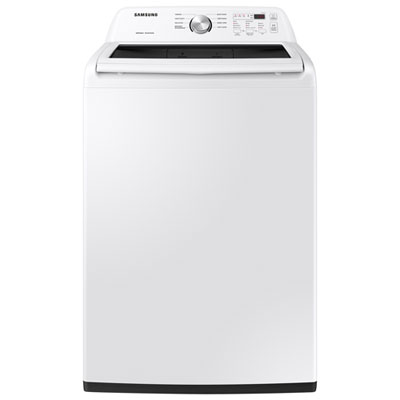
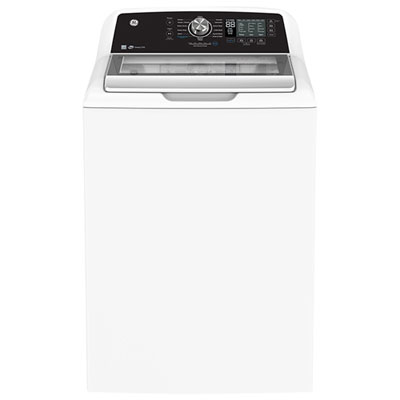
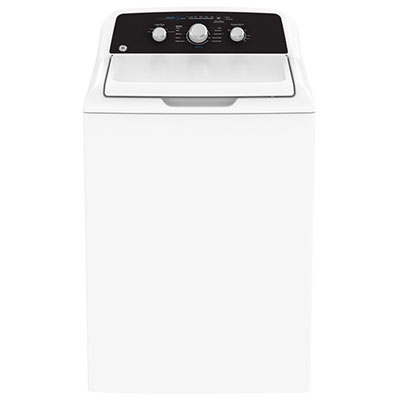
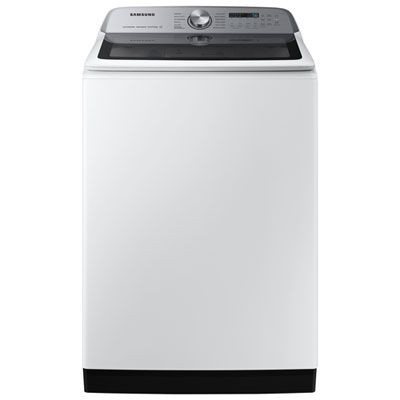
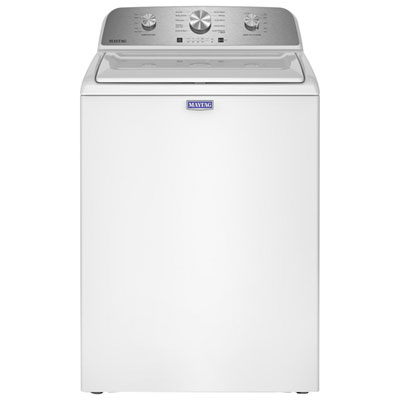
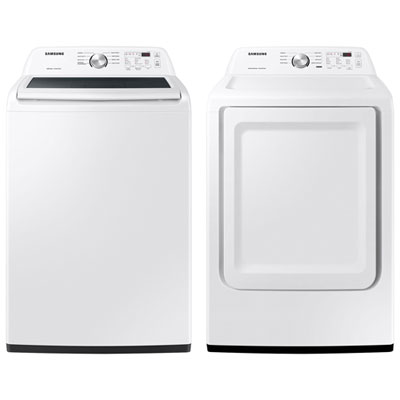
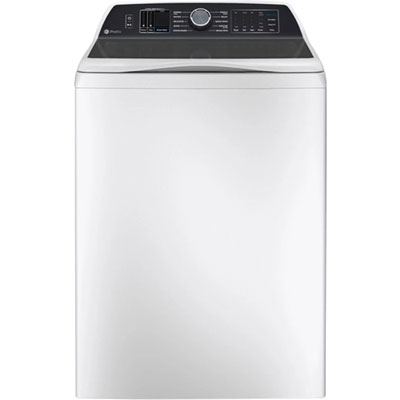
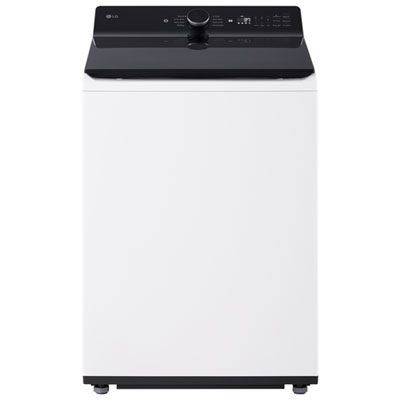
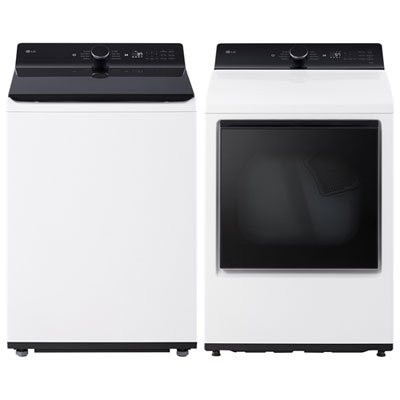
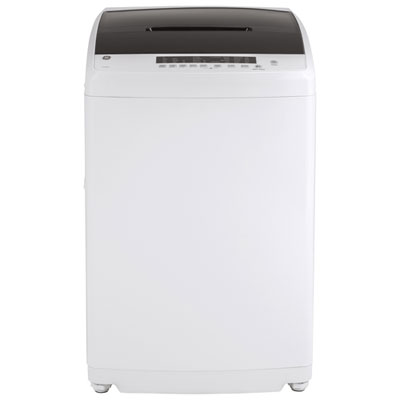
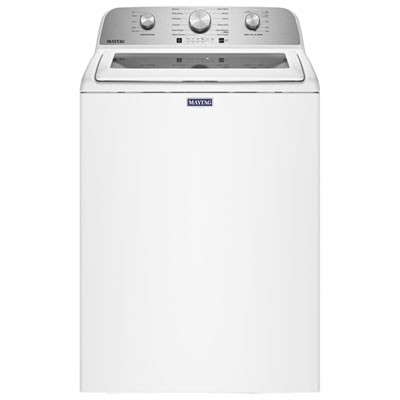
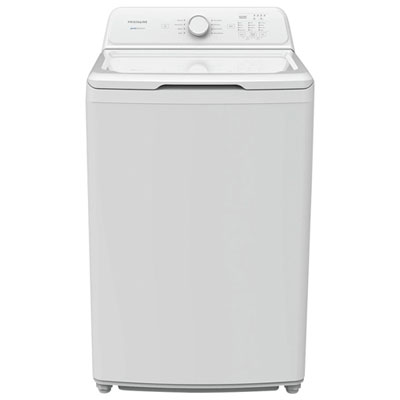
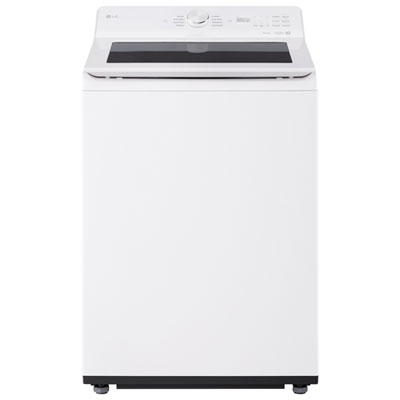
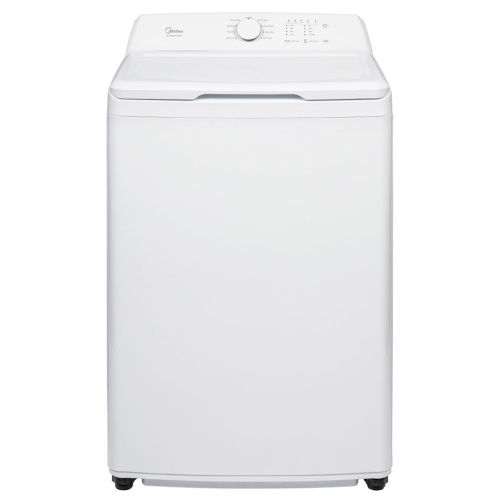
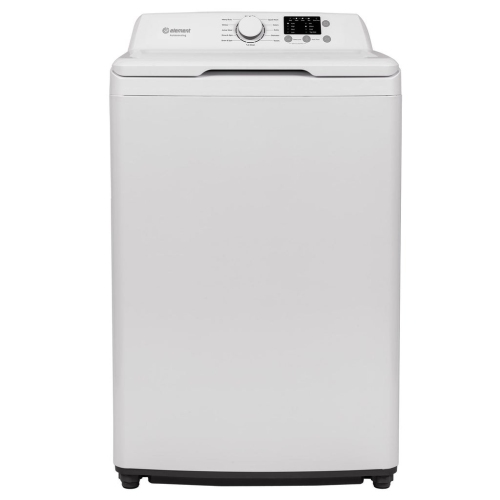
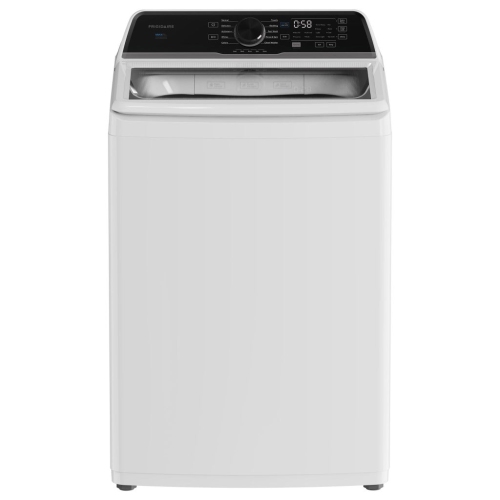
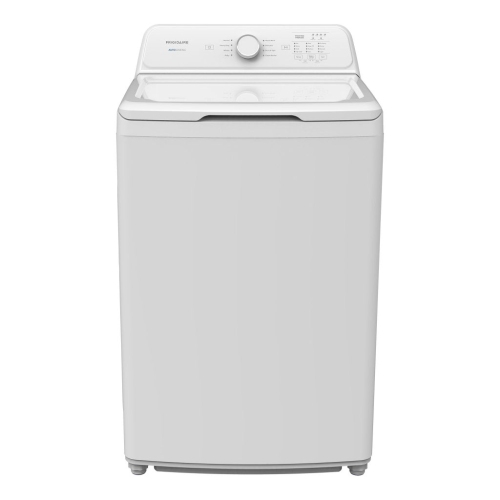
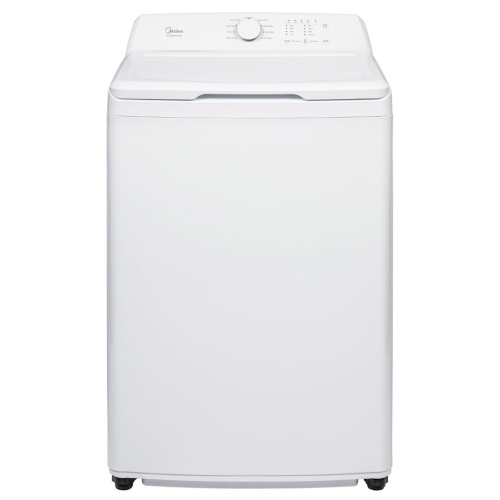
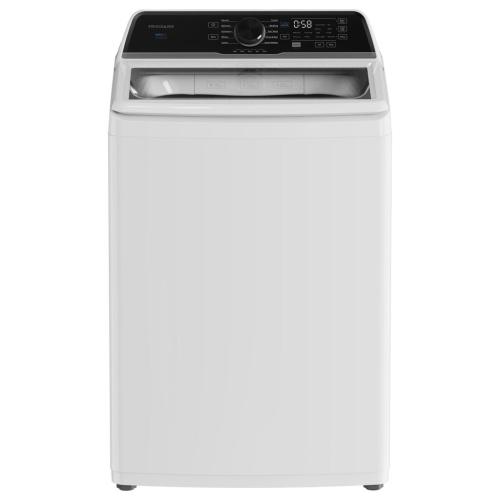
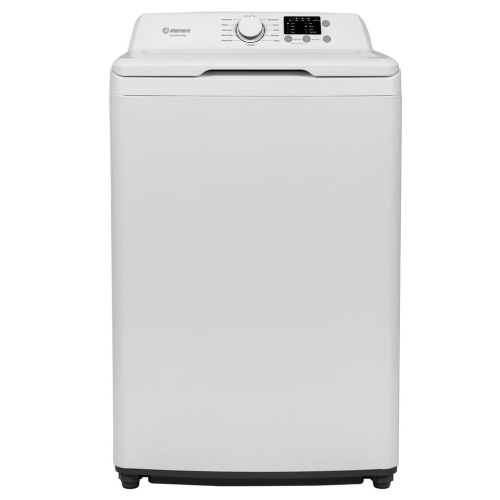
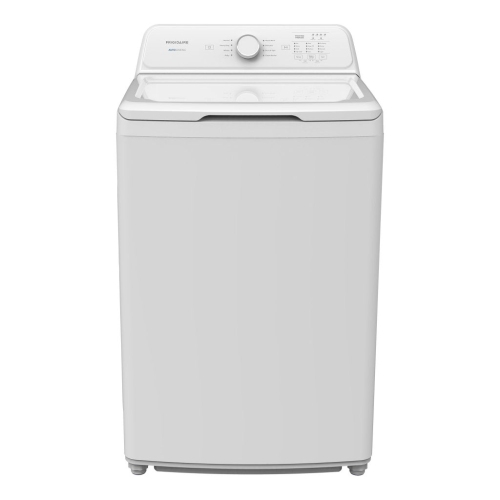
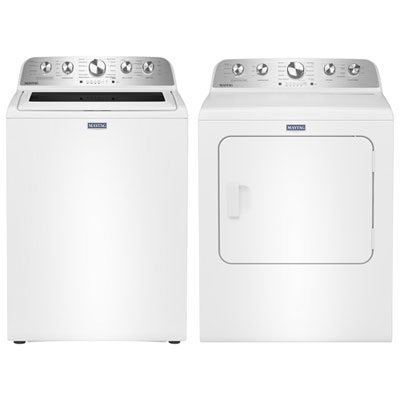
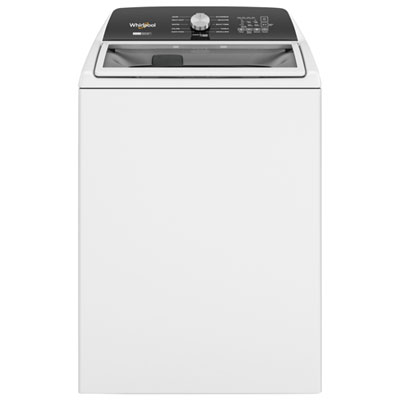
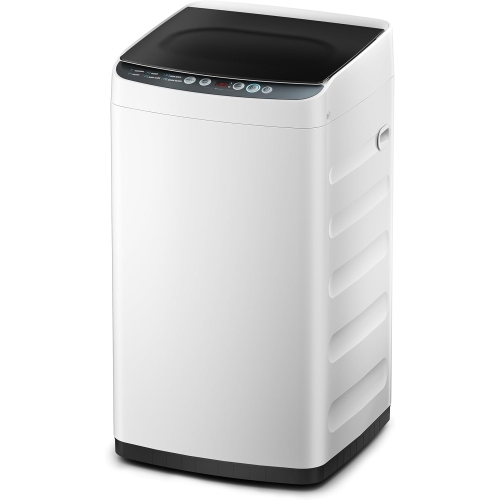
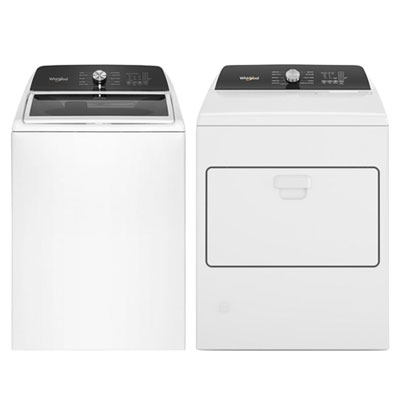
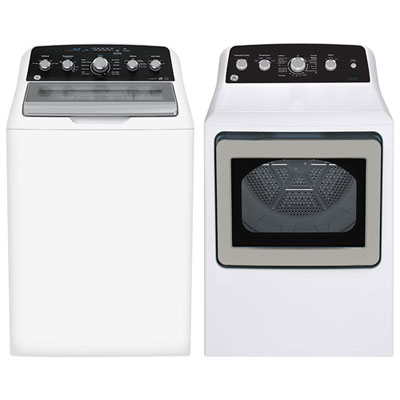
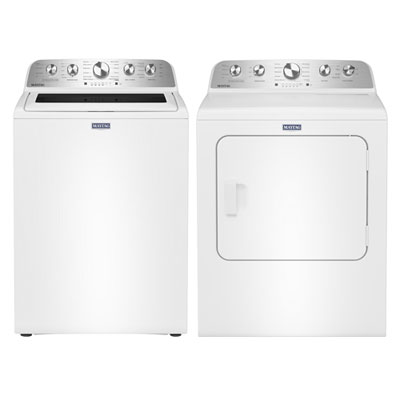
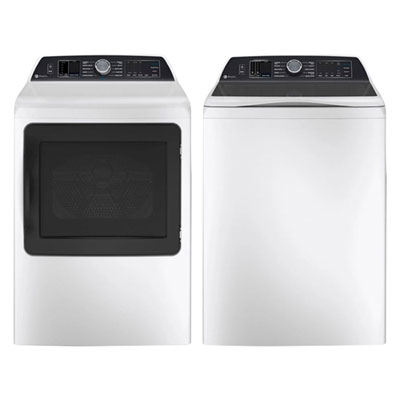
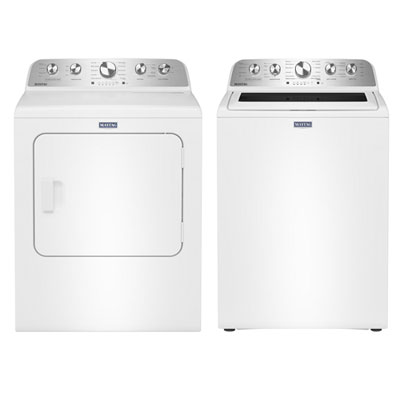
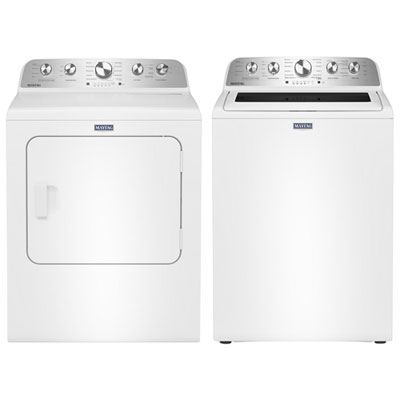
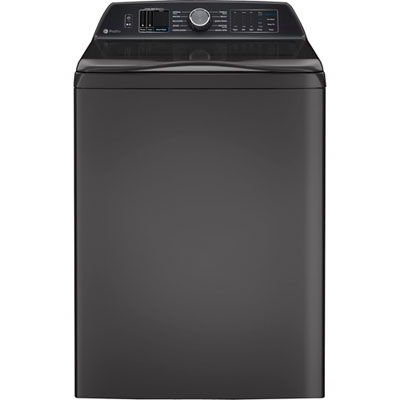
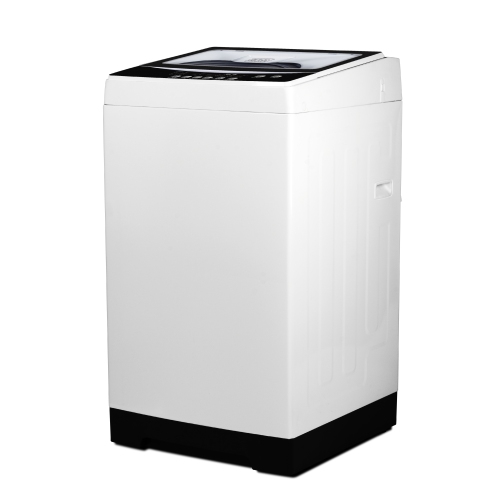
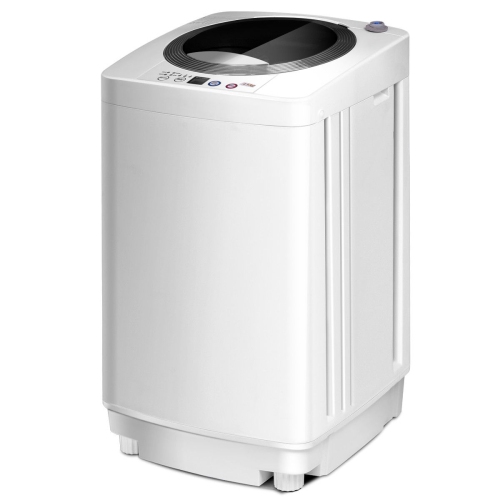
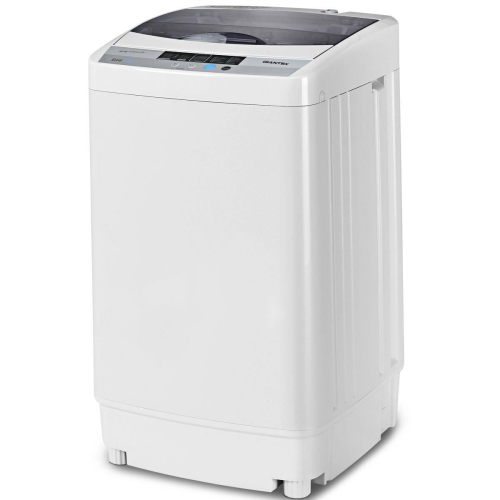
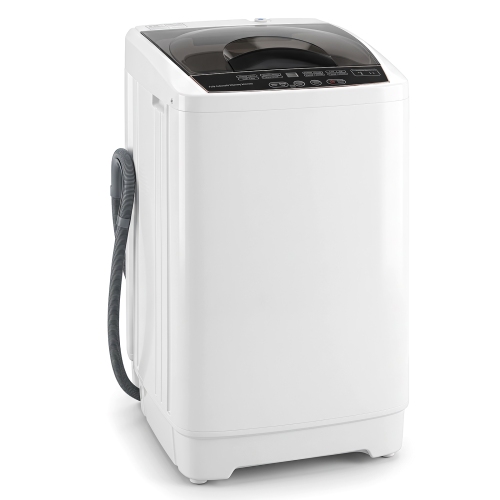
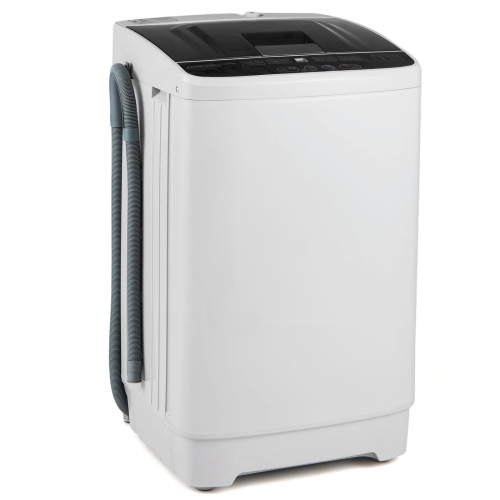
White top-load washing machines combine a familiar lift-up lid with a neutral finish that suits many laundry spaces, from a dedicated utility room to a laundry area beside the kitchen. Clothes are loaded through the top rather than a front-facing door, keeping the opening at a comfortable standing height for many people. The white exterior pairs easily with light cabinetry, tiled floors, open shelving, and other white appliances, although shades and surface textures can differ between finishes. Within this category, the main washing designs are agitator and impeller models. An agitator uses a central post with fins or vanes to move garments through the wash, while an impeller uses a lower-profile disc or cone at the bottom of the basket to create movement. Both designs clean through a combination of water, detergent, and mechanical action; their suitability depends on the fabrics, load size, and cycles supported by the machine. An impeller leaves more open space in the centre of the basket, while an agitator provides the familiar layout found in many traditional top-load washers. Neither design should be judged by appearance alone, since basket shape, wash programming, and loading requirements also influence everyday results. Capacity matters most in relation to the laundry a household actually produces. A person washing smaller loads throughout the week may have different needs from a household regularly handling school clothes, work uniforms, bath towels, and bedding. Bulky fabrics need room to move, and a large basket does not automatically mean every duvet or comforter is suitable for machine washing. The textile’s care label and the washer’s stated limits remain important. For households moving between quick clothing refreshes and fuller laundry baskets, a useful mix of everyday, delicate, and bulky-load settings can be more relevant than an extensive list of specialized programmes. Clear controls and an easy-to-read cycle display also make a difference when several people share laundry duties.

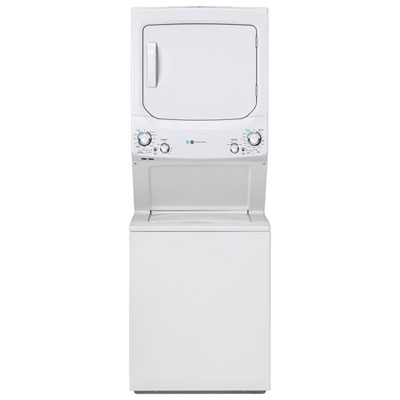
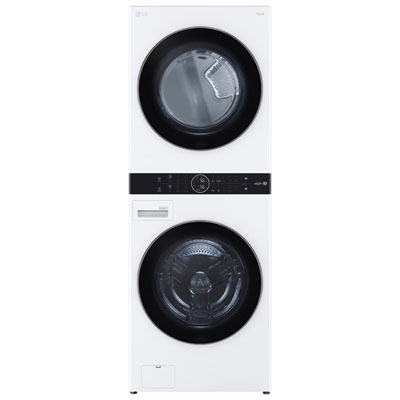
The way a white top-load washer fits into a room is just as important as its basket capacity. The appliance needs enough floor space for its cabinet, along with the installation clearances specified by the manufacturer. Its lid also needs unobstructed room to open fully, which can affect placement beneath shelves, cupboards, or a sloped ceiling. Unlike a front-load machine, a top-load washer generally cannot sit beneath a continuous countertop that covers the loading opening, and conventional top-load designs are not intended for stacking with a dryer. In a compact laundry area, that makes the relationship between the washer, dryer, storage, and folding surface especially important. Cabinet height and basket depth affect reach, too. A deep tub may hold a substantial load, but retrieving a small sock from the bottom can be awkward for someone with a shorter reach or limited mobility. A lid that lifts smoothly, a broad opening, and controls positioned within easy reach can make routine use more comfortable. Installation requirements include suitable water connections, drainage, and an electrical supply that meets the appliance’s specifications. A level, adequately supported floor helps the washer operate as intended, while correctly adjusted levelling feet can reduce unnecessary movement. Spin speed, load balance, and the structure beneath the appliance all influence how much vibration reaches adjoining rooms. That matters when the laundry area is close to a bedroom, home office, or shared wall. A higher spin speed can remove more moisture before clothes enter the dryer, but the appropriate setting depends on the fabric and selected cycle. Lid locks are another practical detail: many machines restrict access while the basket is moving, and adding a forgotten garment may require pausing the cycle. Features such as automatic load sensing, adjustable soil levels, and extra-rinse options can support different laundry routines, but their operation varies. The most useful controls are those that match regular needs, whether that means rinsing heavily used towels, washing delicate garments on a suitable setting, or managing smaller loads without unnecessary complexity.

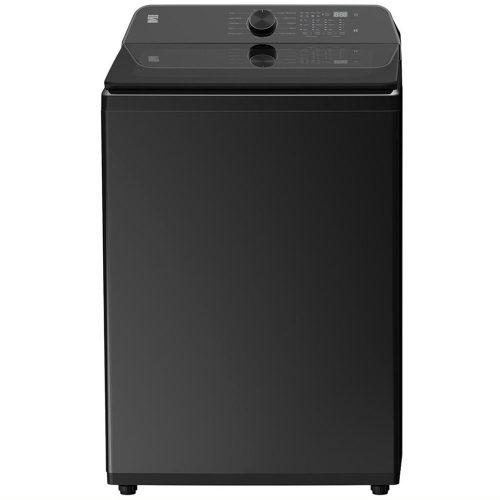
Materials and routine care help determine how a white top-load washing machine holds up to repeated use. Exterior panels commonly have a painted or coated finish, while wash baskets may be made from stainless steel or porcelain-coated steel, depending on the design. Stainless steel resists rust and provides a durable washing surface; a porcelain-coated basket relies on an intact coating to protect the metal beneath it. Smooth basket surfaces are important because clothing is repeatedly moved against them during washing and spinning. Zippers, loose coins, and other objects left in pockets can mark surfaces or become trapped, so emptying pockets protects both garments and the appliance. The white cabinet is usually straightforward to wipe clean with a soft cloth and an appropriate mild cleaner, while abrasive pads and harsh chemicals can damage its finish. Detergent choice and dosage matter inside the machine. High-efficiency washers require detergent formulated for that use, and excess detergent can leave residue rather than improve cleaning. Load size, soil level, and water conditions all affect the amount needed, making the detergent label and appliance instructions useful references. Fabric softener and detergent dispensers also benefit from regular cleaning, particularly where concentrated liquids leave deposits. A dedicated tub-clean cycle, when included, is intended to address buildup inside an empty washer and should be used according to the manufacturer’s directions. Keeping the lid open between washes can help the basket dry when it is safe to do so, with children and pets kept away from the appliance. Balanced loading supports consistent operation: tightly packed towels, tangled sheets, or a single heavy article can make it harder for the load to distribute evenly. White remains an adaptable finish for laundry rooms where a bright, coordinated appearance is the priority. For a contrasting appliance finish, Black Top Load Washers offer another colour direction. Across either finish, comfortable access, appropriate capacity, straightforward care, and a wash system suited to the household’s fabrics are the details that shape daily use.
Read More

FAQ

Some products may be subject to Environmental Handling Fees (EHF) depending on your province. Learn more about EHFs.