Black Top Load Washers
The best top-load washers are the ones that clean your clothes well, are easy to use, and last a long time. They're also the ones that don't cost too much to operate. If you're in the market for a new black top-load washing machine, you'll find that there are many options available. We've picked our favorites based on their performance, value, and ease of use.
Sort

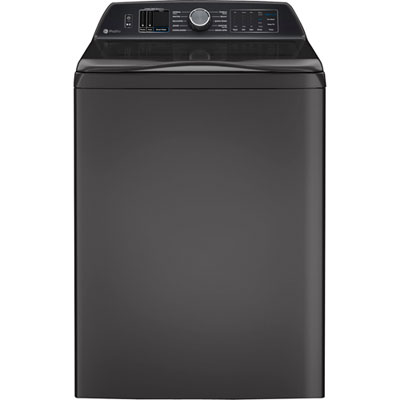
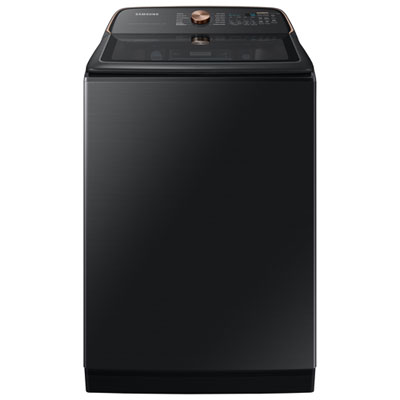
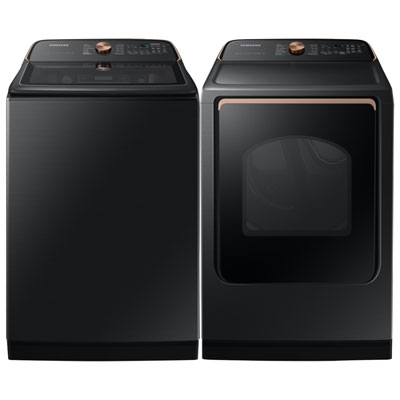
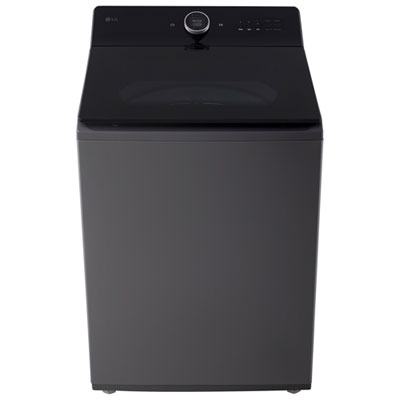
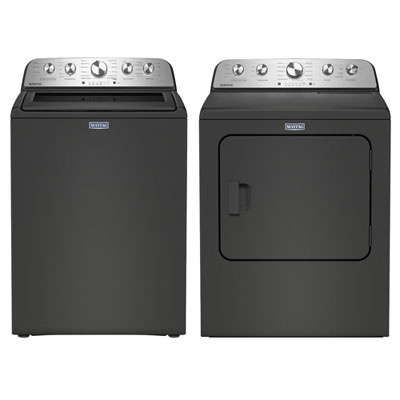
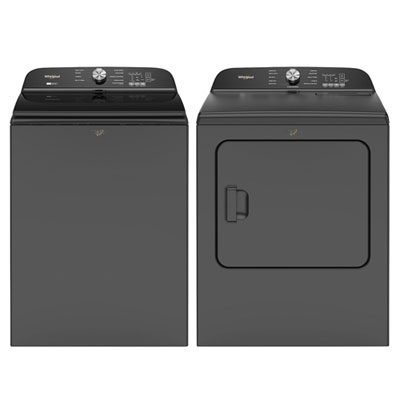
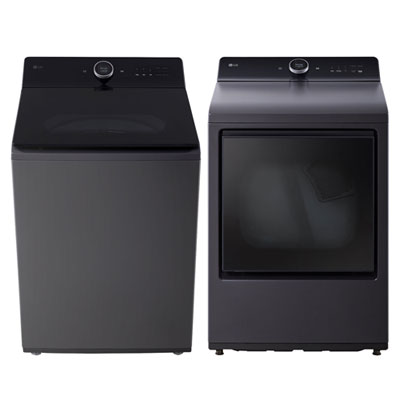
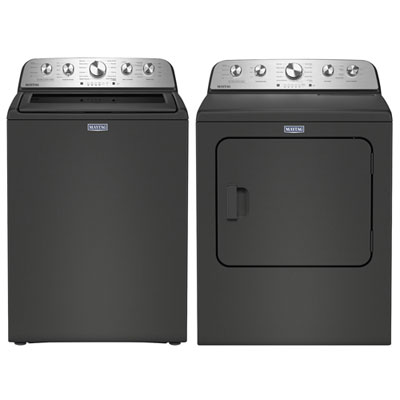
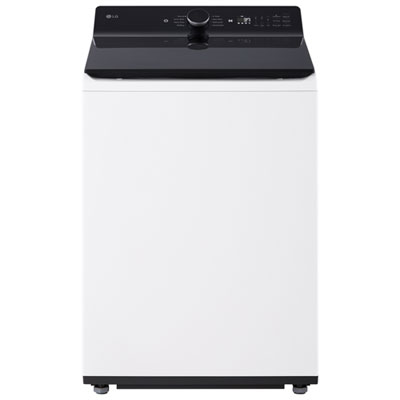

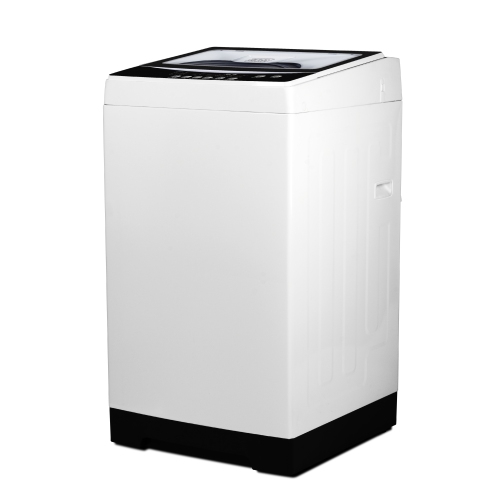
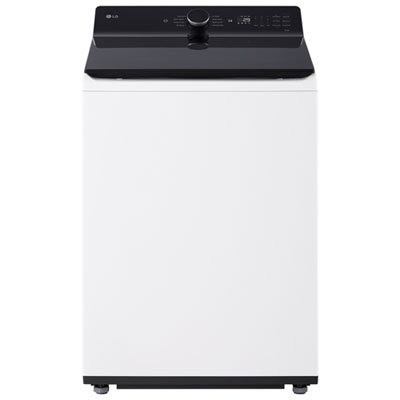
A dark finish is only part of the fit
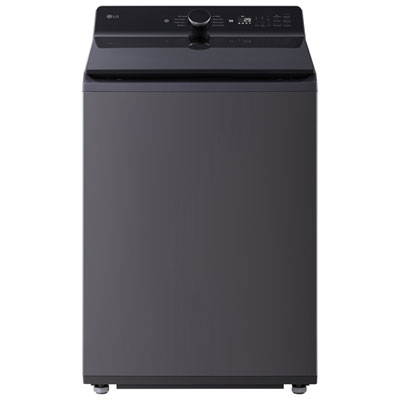
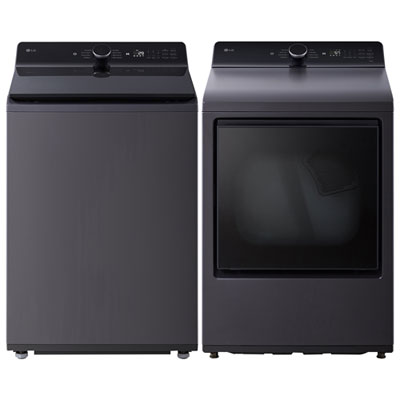
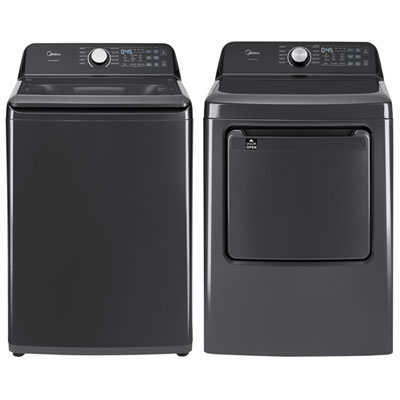
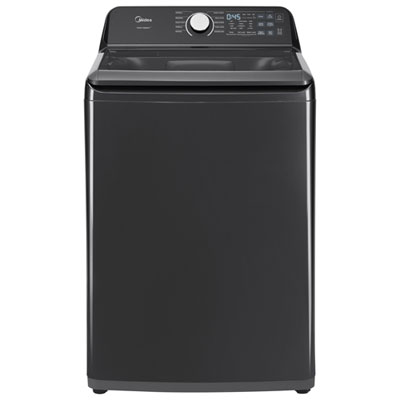
Black top load washers pair a dark exterior finish with a lid-opening design that lets laundry go into the drum from above. They suit households that prefer standing over the washer to load clothes rather than bending down to a front-facing door, while bringing a distinctive look to a laundry room. Black finishes can range from a soft matte appearance to a more reflective metallic surface, so the finish description matters when coordinating a washer with a dryer, cabinetry, or nearby appliances. Black stainless steel and painted black surfaces are not necessarily identical in colour, texture, or care requirements, and room lighting can make those differences more noticeable. Against pale cabinets or light tile, a black washer creates a strong contrast; beside darker shelving and hardware, it can feel more integrated into the room. The finish is a style choice, while washing performance depends on the machine’s design, cycles, capacity, and correct use. Within the broader selection of Top Load Washers, black models share the same practical considerations as other finishes: enough room for regular loads, controls that are easy to understand, and a drum that is comfortable to reach into. A large household working through school clothes, towels, and bedding may value greater capacity, while someone washing smaller loads may place more importance on flexible settings and accessible controls. For households with frequent changes of workwear or exercise clothing, separate settings for different soil levels and fabrics can be useful. During the cooler months, washable sweatshirts and heavier everyday layers also take up more drum space than lightweight clothing. Capacity should therefore reflect the volume and type of laundry, not just the number of people at home. A larger drum can accommodate bulkier loads, but every load still needs space to move through the wash action. A tightly packed basketful of clothes is not always a suitable single load, even when it fits below the lid.
The main mechanical distinction among top-loading washers is often the choice between an agitator and an impeller. An agitator is a central post that moves laundry through the wash water, while an impeller is a lower-profile component at the base of the drum that helps create movement among the garments. Both designs can handle everyday laundry when used according to their loading and cycle instructions; neither should be judged by appearance alone. An impeller layout leaves more open space in the centre, which may be helpful for bulky washable bedding, while an agitator offers a familiar layout for households accustomed to that style of washing machine. Some designs have a removable agitator, though that feature is model-dependent. For either layout, a comforter’s care label and the washer’s stated loading limits matter more than whether the fabric can be pushed into the drum. Water-level sensing, automatic detergent dispensing, built-in pretreatment features, and specialized cycles can add convenience, but these functions differ between machines. Load sensing may adjust water use or cycle settings, while an automatic dispenser releases detergent according to the system’s settings and requirements. Neither removes the need to choose a suitable cycle or check garment labels. A quick cycle is generally most useful for a small, lightly soiled load rather than a full basket of muddy clothing. Similarly, a delicate setting does not make a hand-wash-only garment suitable for machine washing. For connected models, Wi-Fi features may include cycle notifications or status checks through a compatible app; remote functions and setup requirements vary. These details can make laundry easier to manage when the machine is downstairs or away from the main living space. Spin settings deserve attention as well: a faster spin can leave some fabrics less wet before drying, while lower settings may be more suitable for delicate pieces. Clear cycle descriptions, adjustable options, and an easy-to-read display often contribute more to everyday satisfaction than a long list of settings that rarely get used.
Fit and access are especially important with a black top load washing machine because the lid needs unobstructed space above the cabinet. Measure the installation area as well as the route through doorways, hallways, and stairs, then check the manufacturer’s required clearances rather than relying only on the appliance’s listed width and depth. Shelving above the washer must leave enough room for the lid to open fully, and the space behind the machine needs to accommodate hoses and connections without pinching them. Top-loading washers generally sit beside a dryer rather than beneath one, making the layout different from a stacked laundry pair. Drum depth also affects daily comfort: a person who can easily reach the controls may still find it awkward to retrieve a small sock from the bottom. The opening height, cabinet shape, and control-panel position all deserve consideration, particularly when several household members share laundry duties. Inside, a stainless steel wash basket is a common construction choice, valued for its resistance to rust and its smooth surface, though zippers, loose objects, and incorrect loading can still cause wear or snagging. Emptying pockets, fastening closures where garment instructions advise it, and using suitable laundry bags for small delicate pieces help protect both clothing and the machine. On the exterior, dark finishes can show detergent residue, dust, and water marks, especially under bright overhead lighting. A soft cloth and a manufacturer-approved cleaning method are preferable to abrasive pads or harsh cleaners that could damage the finish. Promptly wiping away splashes helps keep the lid and control area tidy. Routine care also includes cleaning dispensers, running the prescribed tub-clean cycle, and inspecting inlet hoses as directed in the manual. High-efficiency machines require the appropriate detergent, measured for the load and detergent concentration rather than poured by habit. Too much detergent can leave residue and excess suds. A stable, level installation and balanced loads help limit vibration, although sound varies with the cycle, floor construction, and laundry inside. With suitable dimensions, useful wash options, and straightforward upkeep, a black top load washer can serve as both a practical household appliance and a deliberate part of the room’s design.
The main mechanical distinction among top-loading washers is often the choice between an agitator and an impeller. An agitator is a central post that moves laundry through the wash water, while an impeller is a lower-profile component at the base of the drum that helps create movement among the garments. Both designs can handle everyday laundry when used according to their loading and cycle instructions; neither should be judged by appearance alone. An impeller layout leaves more open space in the centre, which may be helpful for bulky washable bedding, while an agitator offers a familiar layout for households accustomed to that style of washing machine. Some designs have a removable agitator, though that feature is model-dependent. For either layout, a comforter’s care label and the washer’s stated loading limits matter more than whether the fabric can be pushed into the drum. Water-level sensing, automatic detergent dispensing, built-in pretreatment features, and specialized cycles can add convenience, but these functions differ between machines. Load sensing may adjust water use or cycle settings, while an automatic dispenser releases detergent according to the system’s settings and requirements. Neither removes the need to choose a suitable cycle or check garment labels. A quick cycle is generally most useful for a small, lightly soiled load rather than a full basket of muddy clothing. Similarly, a delicate setting does not make a hand-wash-only garment suitable for machine washing. For connected models, Wi-Fi features may include cycle notifications or status checks through a compatible app; remote functions and setup requirements vary. These details can make laundry easier to manage when the machine is downstairs or away from the main living space. Spin settings deserve attention as well: a faster spin can leave some fabrics less wet before drying, while lower settings may be more suitable for delicate pieces. Clear cycle descriptions, adjustable options, and an easy-to-read display often contribute more to everyday satisfaction than a long list of settings that rarely get used.
Fit and access are especially important with a black top load washing machine because the lid needs unobstructed space above the cabinet. Measure the installation area as well as the route through doorways, hallways, and stairs, then check the manufacturer’s required clearances rather than relying only on the appliance’s listed width and depth. Shelving above the washer must leave enough room for the lid to open fully, and the space behind the machine needs to accommodate hoses and connections without pinching them. Top-loading washers generally sit beside a dryer rather than beneath one, making the layout different from a stacked laundry pair. Drum depth also affects daily comfort: a person who can easily reach the controls may still find it awkward to retrieve a small sock from the bottom. The opening height, cabinet shape, and control-panel position all deserve consideration, particularly when several household members share laundry duties. Inside, a stainless steel wash basket is a common construction choice, valued for its resistance to rust and its smooth surface, though zippers, loose objects, and incorrect loading can still cause wear or snagging. Emptying pockets, fastening closures where garment instructions advise it, and using suitable laundry bags for small delicate pieces help protect both clothing and the machine. On the exterior, dark finishes can show detergent residue, dust, and water marks, especially under bright overhead lighting. A soft cloth and a manufacturer-approved cleaning method are preferable to abrasive pads or harsh cleaners that could damage the finish. Promptly wiping away splashes helps keep the lid and control area tidy. Routine care also includes cleaning dispensers, running the prescribed tub-clean cycle, and inspecting inlet hoses as directed in the manual. High-efficiency machines require the appropriate detergent, measured for the load and detergent concentration rather than poured by habit. Too much detergent can leave residue and excess suds. A stable, level installation and balanced loads help limit vibration, although sound varies with the cycle, floor construction, and laundry inside. With suitable dimensions, useful wash options, and straightforward upkeep, a black top load washer can serve as both a practical household appliance and a deliberate part of the room’s design.
Top selling and popular products
-
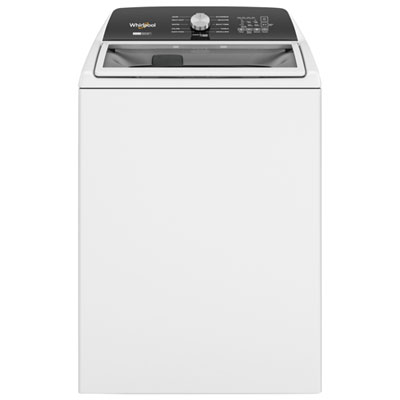 Your price for this item is $899.99
 -
 Your price for this item is $549.99
 -
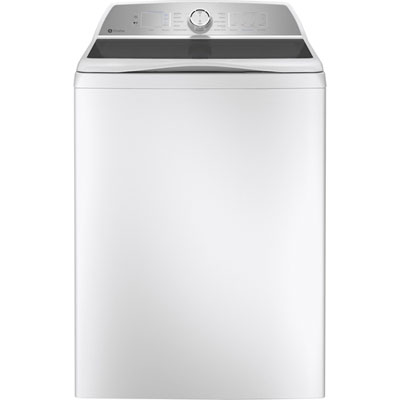 Your price for this item is $1499.99
 -
 Your price for this item is $1249.99
 -
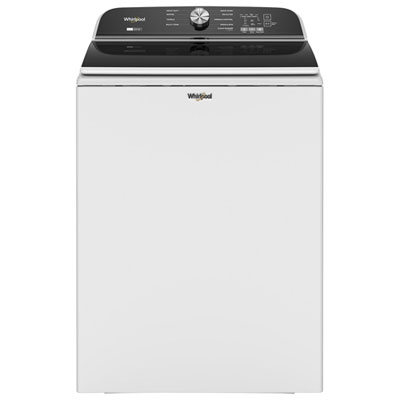 Your price for this item is $1099.99
 -
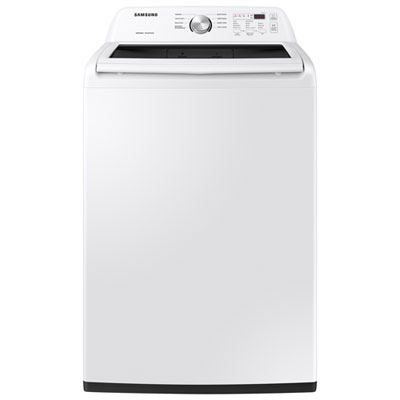 Your price for this item is $745.99
 -
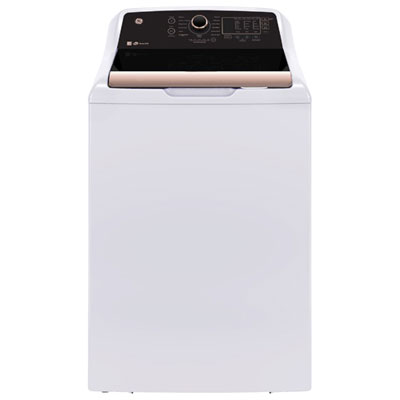 Your price for this item is $1499.99
 -
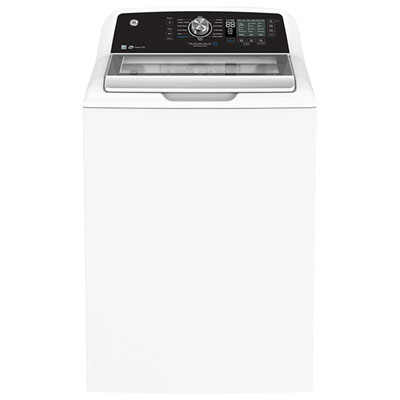 Your price for this item is $1349.99
Discover more categories related to Black Top Load Washers
Top Collections:
Pokemon Centers, Kindle Devices, Best Budget Office Chairs, Apple iPhones 16, Best Laptops for Writers, iPhone 15 Apple, Canon G7X Cameras, Refurbished Apple Laptops, Alarm Clock, Motorola Razr Phones
Some products may be subject to Environmental Handling Fees
(EHF) depending on your province.
Learn more about EHFs.