Wireless Earbuds Skullcandy

Shop Skullcandy wireless earbuds for cable-free listening to music, podcasts, and calls. Compare the available options by fit, battery life, and controls to find a pair that suits your daily routine.
Read More

Sort

Why earbud fit matters beyond comfort

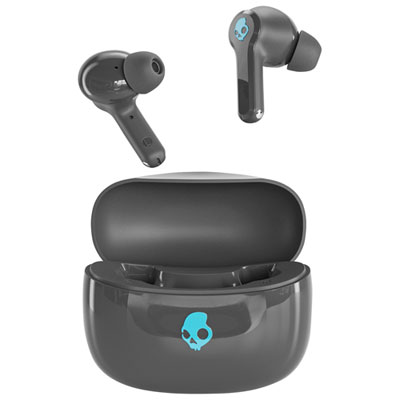
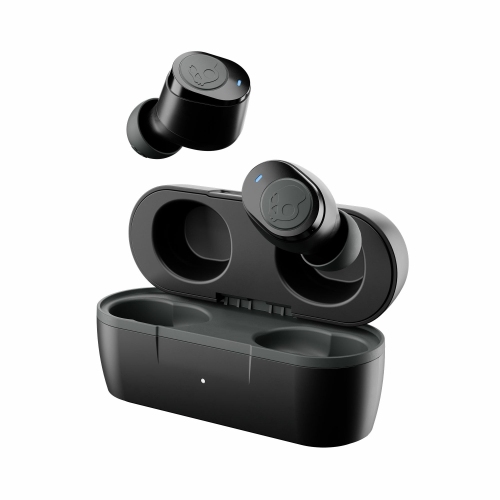
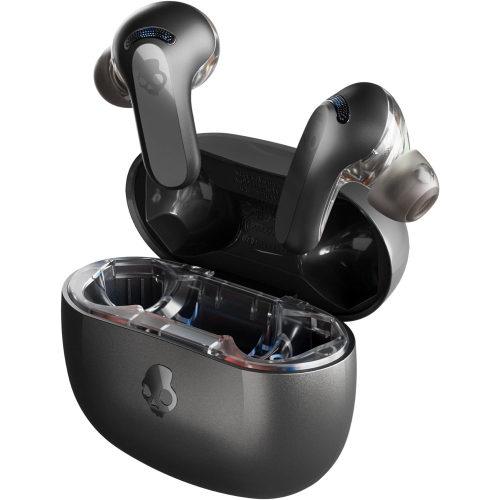
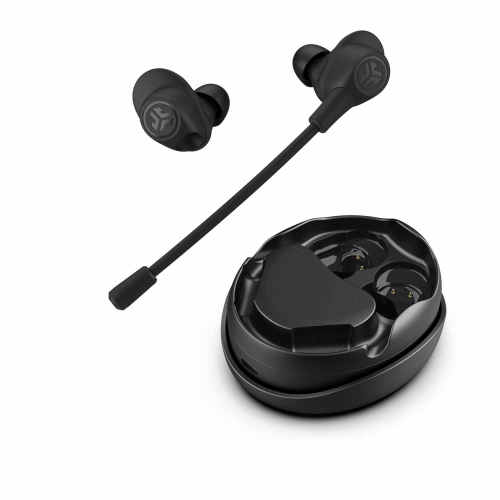
Wireless earbuds bring music, podcasts, calls, and video audio into a compact format that fits easily into everyday routines. They connect to compatible phones, tablets, and computers through Bluetooth, leaving a bag, jacket pocket, or desk free of a cable running to the device. True wireless earbuds go a step further by keeping the left and right earpieces separate, usually with a charging case that stores them between listening sessions. Across this category, the most useful differences include fit, sound tuning, battery performance, microphone design, and the ways each pair handles surrounding noise. A bass-forward sound can give electronic tracks and hip-hop a fuller, more energetic character, while a more balanced presentation can make voices and acoustic instruments easier to distinguish. Adjustable equalizer settings, where supported, offer some control over that balance without changing earbuds. For spoken-word listening, clear vocals can matter more than a powerful low end, particularly when following a quiet conversation in a podcast. Active noise cancellation uses microphones and signal processing to reduce certain surrounding sounds, often making a noticeable difference with steady background noise such as the hum of a bus. It does not remove every sound, and its effectiveness depends partly on how well the ear tips seal. Passive isolation comes from that physical seal rather than electronic processing. Some earbuds also offer an awareness mode that feeds outside sound through the microphones, helping a listener hear an announcement or a brief conversation without removing both earpieces. These features vary between designs and should not be assumed across the category. For calls, microphone positioning and background-noise processing influence how clearly a voice reaches the person at the other end. Call-noise reduction is distinct from the noise cancellation used for listening. Touch controls or physical buttons can provide access to playback and calls, while supported app settings may allow control customization. Multipoint connectivity, when included, can keep two compatible devices connected, making it easier to move between a laptop meeting and audio on a phone.
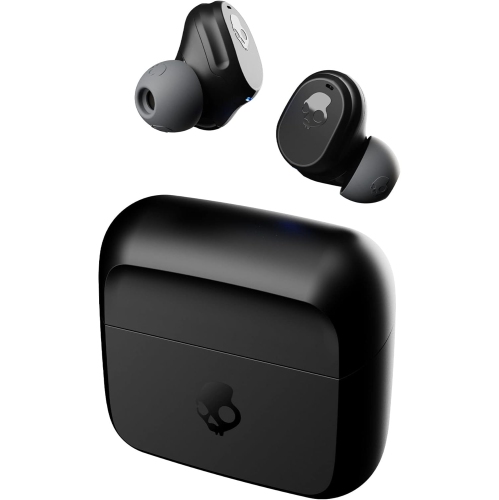
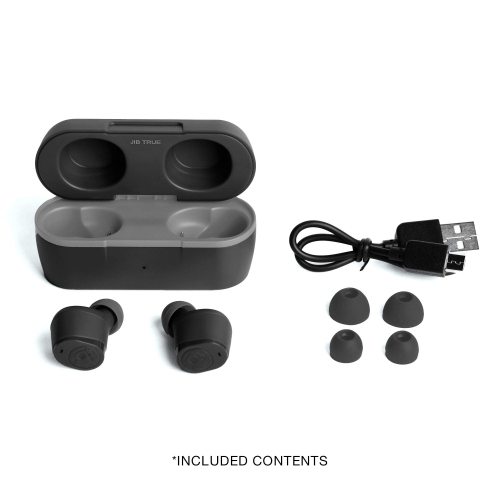
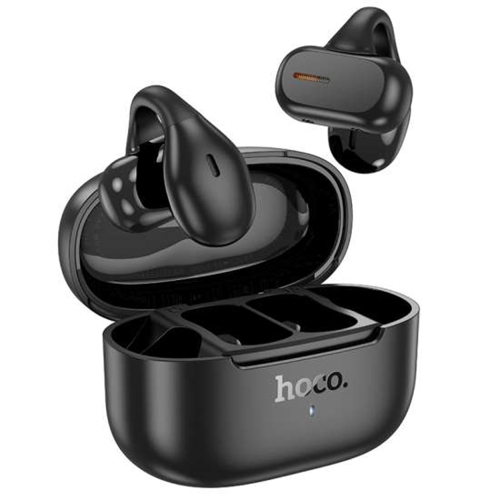
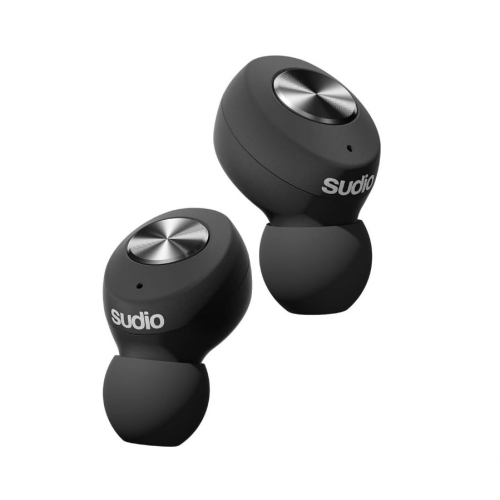
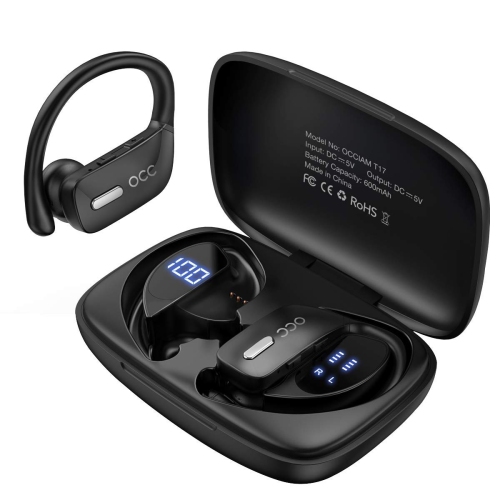
Comfort is central to how wireless earbuds feel over a full album, a commute, or a stretch of focused work. In-ear designs commonly use soft silicone tips to create a seal, while the outer housing is typically made from lightweight, rigid materials that protect the internal components. Ear shape differs from person to person, and the same tip size may not suit both ears equally well. A tip that is too small can loosen during movement and reduce bass response; one that is too large may create pressure without improving stability. A comfortable seal should feel secure without requiring the earpiece to be pushed deeply into the ear. Housing shape matters too, especially for listeners whose ears are sensitive to pressure from a larger body. Some designs use fins or hooks for extra support, which can be useful during strength training, brisk walking, or repeated movement. For listening centred on exercise, Wireless Sport Earbuds offer a related category where secure fit and activity-focused features are especially relevant. Sweat and water resistance should be assessed through the stated rating and care information rather than the appearance of the earbuds. Resistance to splashes does not automatically mean suitability for swimming, showering, or immersion, and the charging case may have a different rating or none at all. Everyday use also places different demands on controls. A distinct button press may feel easier to confirm during movement, while a responsive touch surface can make playback adjustments feel effortless at a desk. Neither approach suits everyone, particularly if adjusting the fit also triggers a command. For walking near traffic or moving through shared spaces, keeping playback at a level that allows important sounds to remain noticeable is more useful than relying entirely on an awareness feature.

Battery life and charging habits shape how conveniently earbuds fit into a day. A single-charge listening figure describes the time available from the earpieces themselves, while a total battery figure generally includes additional charges stored in the case. Those figures are not interchangeable: a long combined total still requires breaks to return the earbuds to their charging contacts. Actual listening time can change with volume, calls, active noise cancellation, connection settings, and battery age. Fast charging, where supported, can be helpful before a commute or a short workout, but the required charging time and resulting playback time differ between designs. A case that slips comfortably into a pocket is convenient for frequent travel, while an easy-to-read charge indicator can help prevent an unexpected interruption before a call. Wireless charging and cable connections also vary, so compatibility with an existing charging setup matters. Regular care helps preserve both comfort and dependable charging. Ear tips can collect skin oils and debris, and a blocked sound outlet can make one side seem quieter even when the connection is working normally. Cleaning should follow the supplied instructions, using gentle methods and keeping moisture away from openings and electrical contacts. Removable tips should only be washed when the care directions permit it, and every component needs to be fully dry before reassembly or charging. Returning clean, dry earbuds to their case protects them from loose objects in a bag and keeps the pair together. Dropping them loose beside keys can scratch the housing or leave debris around the speaker mesh. For a gift, useful considerations include the recipient’s phone compatibility, comfort preferences, typical listening sessions, and willingness to use an app for extra settings. Someone who takes frequent calls may value straightforward controls and clear voice pickup, while a music listener may care more about adjustable sound and a dependable fit. Colour and case size add a personal touch, but easy pairing, manageable controls, and comfortable everyday wear often make the greatest difference over time.
Read More

FAQ

Some products may be subject to Environmental Handling Fees (EHF) depending on your province. Learn more about EHFs.