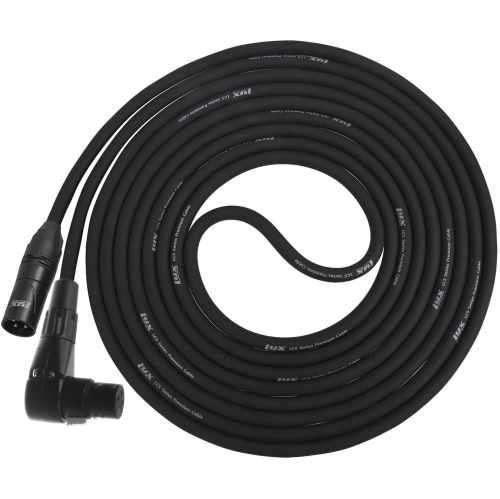
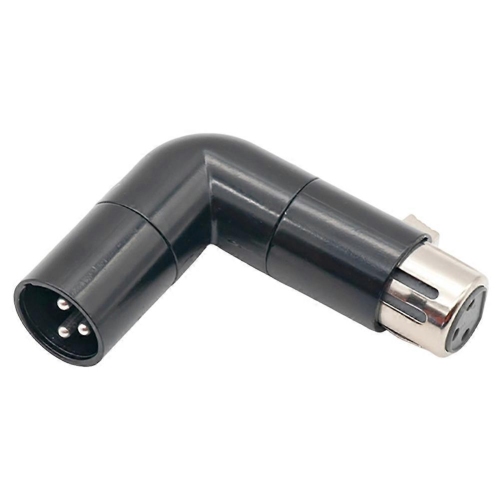
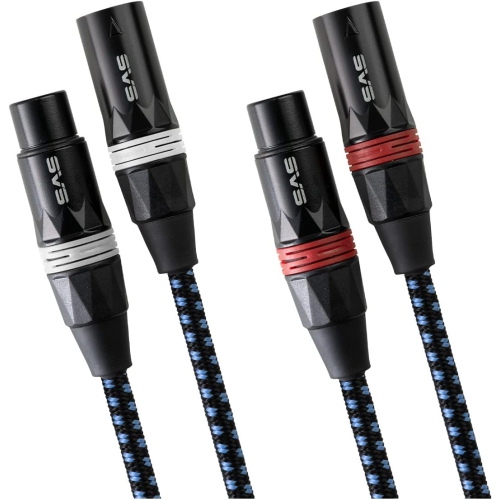
XLR to 1/4

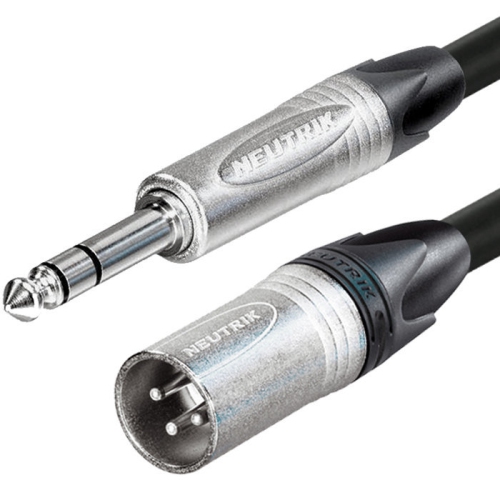
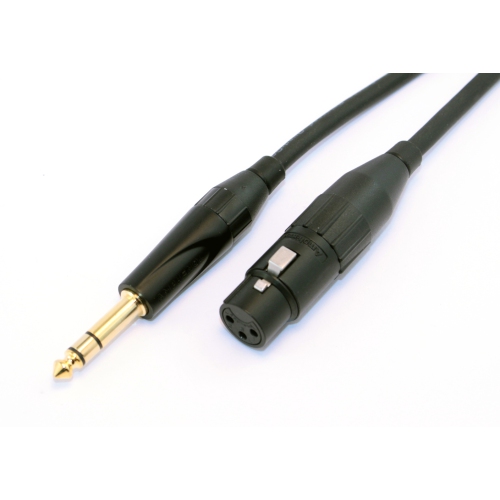
Find XLR to 1/4-inch cables and adapters for connecting audio equipment with different connector types. Check the XLR connector’s gender, whether the 1/4-inch connection is TRS or TS, and the cable length to find a match for your setup. Connector fit alone doesn’t guarantee compatibility, so confirm your equipment’s input and output requirements before choosing.
Read More

Sort

Reliable audio connections take more than matching plugs

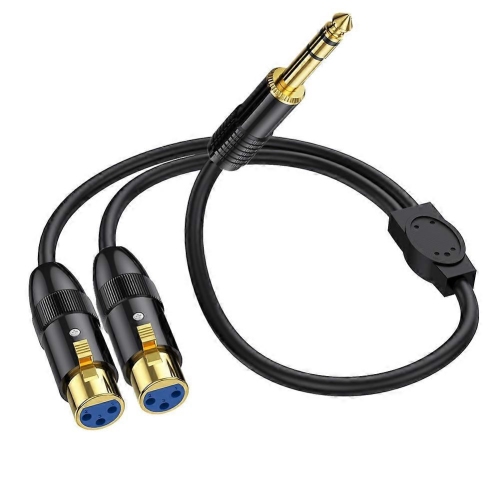
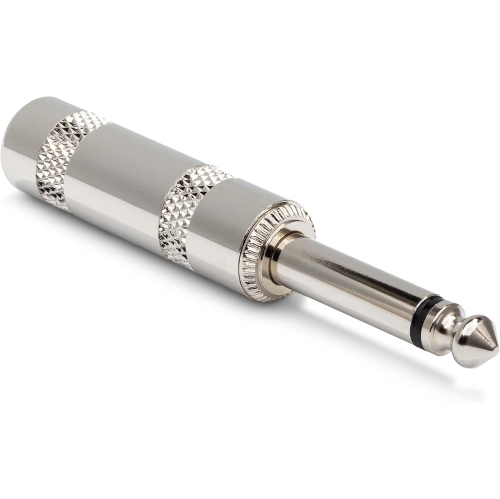
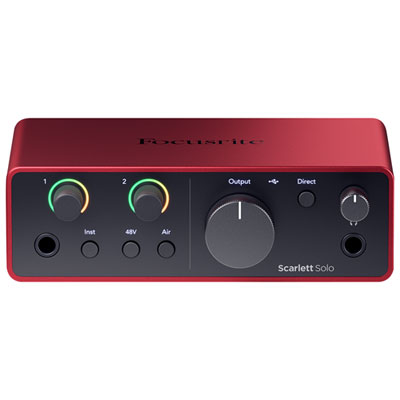
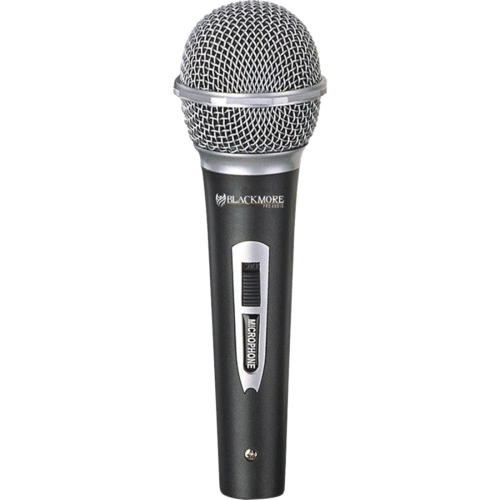
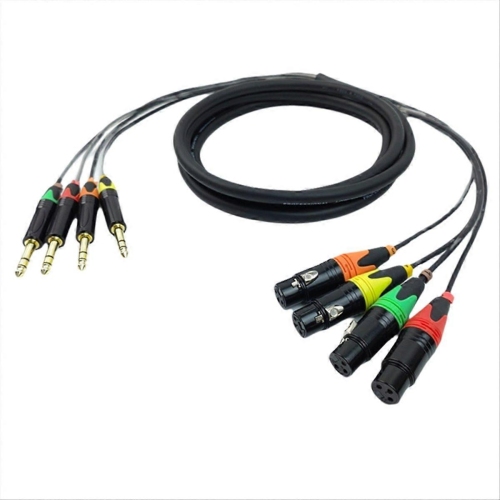
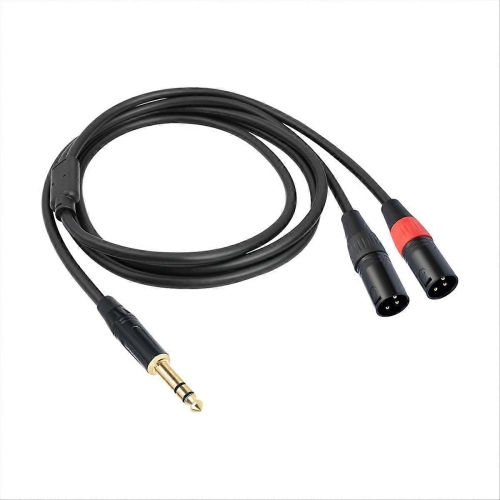
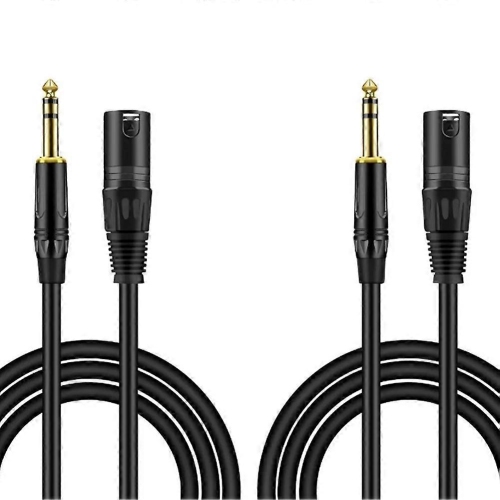
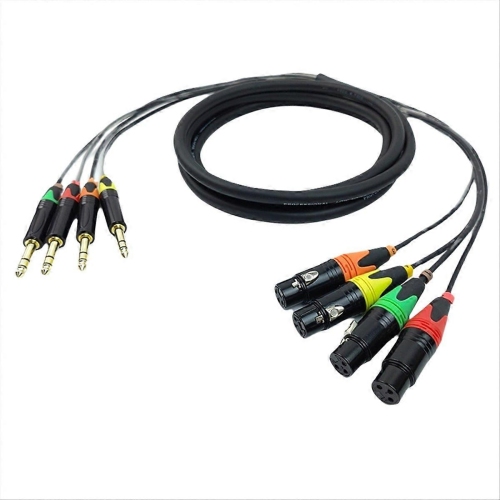
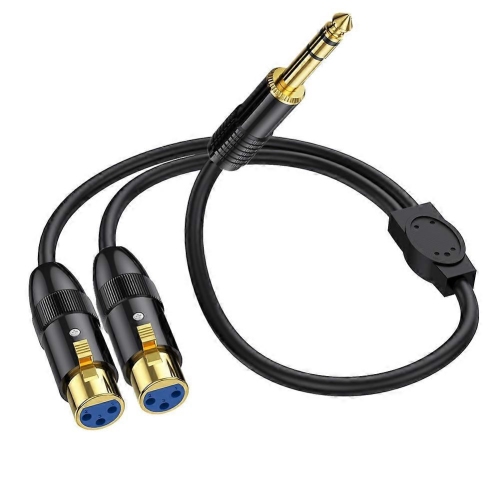
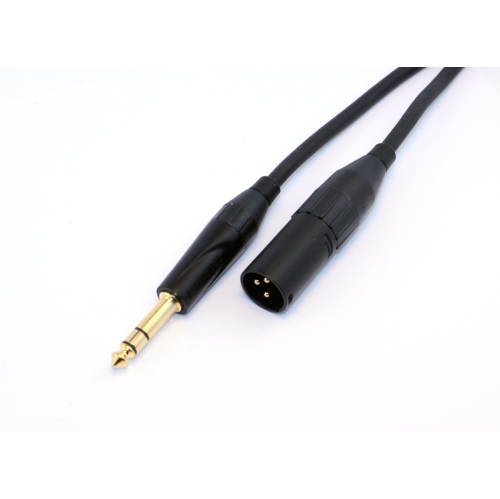
XLR to 1/4-inch cables and adapters connect audio equipment that uses different connector formats, making them useful in home studios, rehearsal spaces, live sound setups, and presentation systems. An audio interface may have 1/4-inch outputs while a pair of powered speakers accepts XLR connections; a mixer, effects processor, or amplifier may present a similar combination. The right connection depends on more than the shape of the plugs, however. A 1/4-inch connector can be TRS, with a tip, ring, and sleeve, or TS, with a tip and sleeve. TRS connectors can carry a balanced mono signal when paired with compatible equipment and correctly wired XLR connectors. That balanced connection helps reject interference picked up along the cable, which can matter when an audio run passes near lighting equipment, power supplies, or other electronics. A TS connection is unbalanced and serves a different purpose, often found in instrument and other unbalanced audio connections. Although TRS plugs are also used for stereo headphones, a balanced mono connection and a stereo headphone connection are not interchangeable simply because the plugs look alike. XLR connector gender matters, too: male connectors have pins, while female connectors have sockets. The connector must mate with the equipment at each end, and its wiring must suit the intended signal path. These details make XLR to 1/4-inch connections particularly relevant to musicians, podcasters, audio technicians, and anyone assembling a workspace from equipment with mixed connections. A keyboard routed into a mixer, an interface feeding powered monitors, or a processor joining an existing audio setup can each call for a different arrangement. The cable itself does not amplify a microphone signal, turn an instrument signal into a line-level signal, or supply phantom power. Microphones still need an appropriate microphone input or preamp, and equipment documentation remains important when connecting different signal types. A connector adapter changes the physical connection; it does not necessarily resolve differences in level, wiring, or electrical requirements.

Construction and physical fit influence how comfortably an XLR to 1/4-inch connection works in everyday use. Copper conductors carry the audio signal, while shielding helps limit unwanted interference. Shield designs can include braided wire, spiral-wrapped wire, foil, or combinations of these materials, with different balances of flexibility, coverage, and resistance to repeated handling. The outer jacket protects the internal components from abrasion and routine contact with floors, desks, and equipment stands. A supple cable can be easier to route behind a workstation or coil after a rehearsal, while a more substantial jacket may suit frequent movement between venues. Thickness alone does not establish performance: conductor construction, shielding, connector assembly, and the quality of the terminations all contribute to reliability. Strain relief at the connector helps reduce stress where the cable enters the plug, an area that receives considerable wear when equipment is packed and unpacked. Metal connector housings can offer protection from knocks, and securely assembled plugs are valuable wherever cables are handled regularly. Connector plating can help protect contact surfaces against oxidation, but it does not replace proper compatibility or careful handling. Cable length is another practical consideration. A short run can keep a desktop studio tidy, while a longer cable may be needed between a mixer and a speaker positioned across a room. Enough slack allows equipment to move slightly without pulling on its sockets, but excessive length can leave unnecessary coils underfoot. Unbalanced runs are generally more susceptible to interference over distance, so a balanced connection can be useful when both devices support it. Straight and right-angle 1/4-inch plugs offer different routing options around stands, racks, and furniture. A right-angle plug may reduce protrusion in a tight space, although nearby sockets and the direction of the cable exit can affect fit. Compact adapters occupy little storage space, but a rigid adapter projecting from a socket can place leverage on that connection. A cable-style adapter offers flexibility where clearance or movement is a concern.
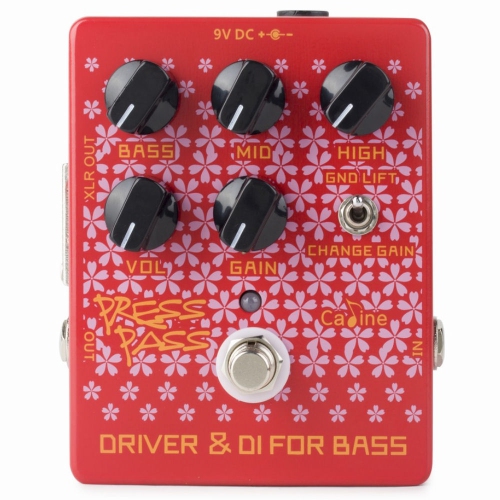
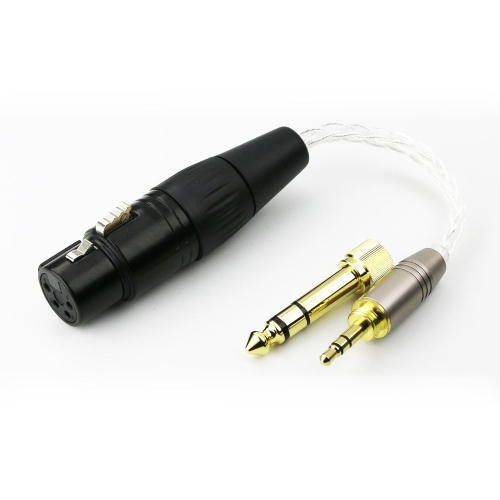
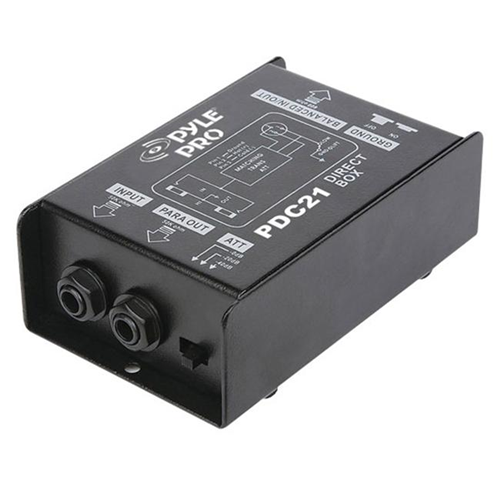
The intended use helps distinguish an everyday studio connection from one that needs to withstand frequent setup and teardown. At a recording desk, predictable routing and a manageable cable length keep connections accessible without creating a tangled bundle behind the interface. In a rehearsal room, flexible jackets and effective strain relief help cables tolerate regular repositioning of mixers and powered speakers. For presentations and small live performances, secure connections matter when a microphone stand is adjusted or equipment is moved between sound check and the event. A balanced line-level cable is still a signal cable, not a substitute for the speaker cable required between a power amplifier and a passive speaker. Similarly, an instrument output may need a DI box or another suitable interface rather than a simple change of connector. For setups built around XLR connections at both ends, XLR Cables for Studio Monitors relate to a different connection arrangement than XLR to 1/4-inch cables. Keeping those distinctions clear helps match the connection to the equipment rather than relying on appearance alone. Routine care also supports dependable performance. Disconnecting by the connector housing instead of tugging the cable reduces stress on internal joints, and broad, relaxed coils are gentler than tight wraps around a hand or an equipment handle. Cables last better when they are kept clear of chair wheels, sharp furniture edges, and doors that could pinch the jacket. Dry storage and clean contact surfaces help preserve reliable connections; damaged jackets, loose housings, or intermittent audio warrant attention rather than repeated bending to find a working position. Simple labels can distinguish lengths and connector types in a shared kit, especially when several cables look similar. For a musician, student, or content creator, an audio cable can be a practical gift when the recipient’s equipment connections and required length are known. Whether used for a permanent studio layout or a portable audio kit, its value lies in providing the appropriate connection without unnecessary strain or clutter.
Read More

FAQ

Some products may be subject to Environmental Handling Fees (EHF) depending on your province. Learn more about EHFs.