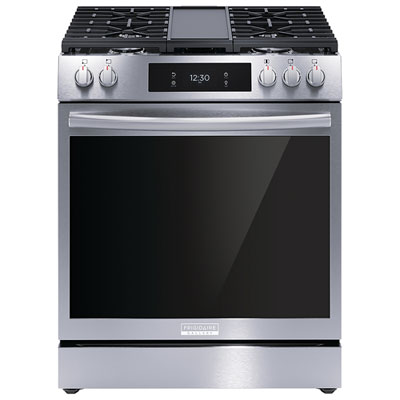
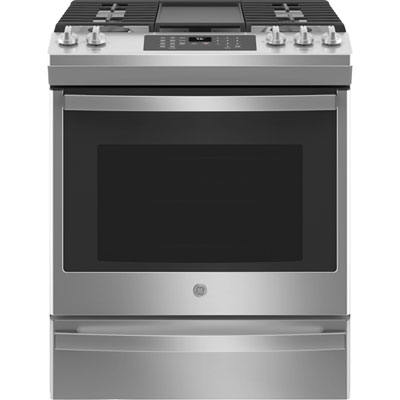
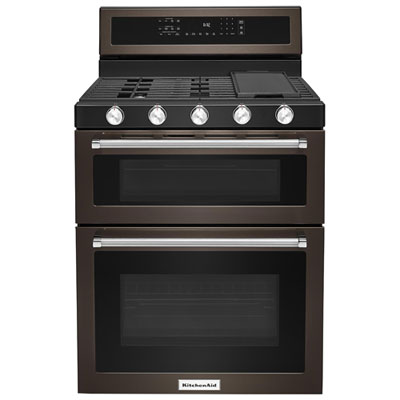
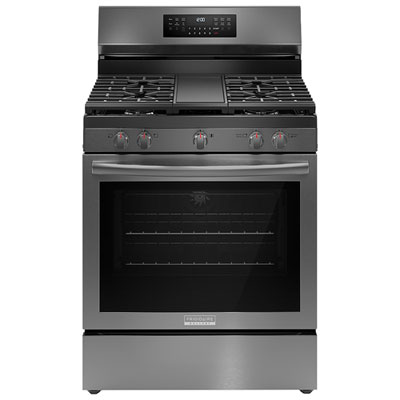
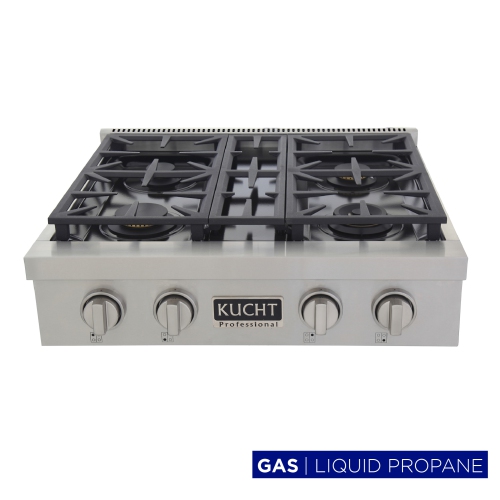
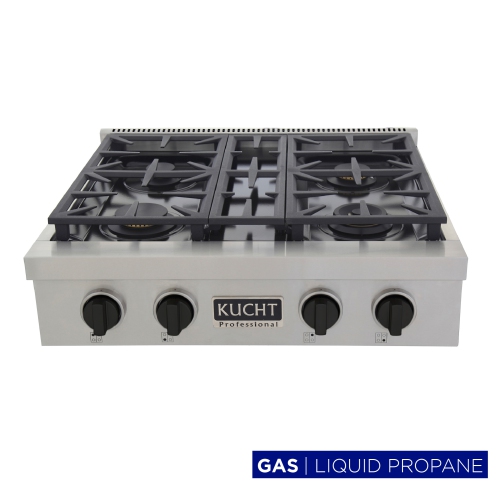
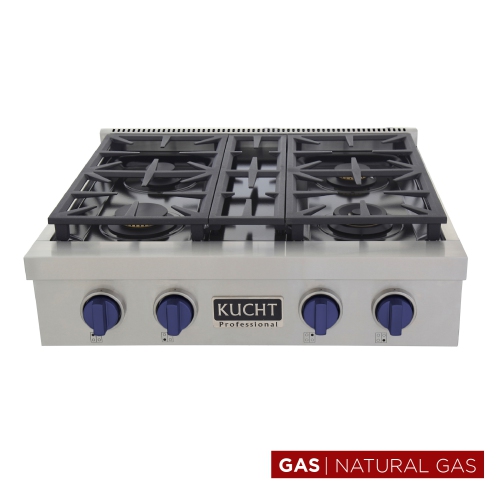
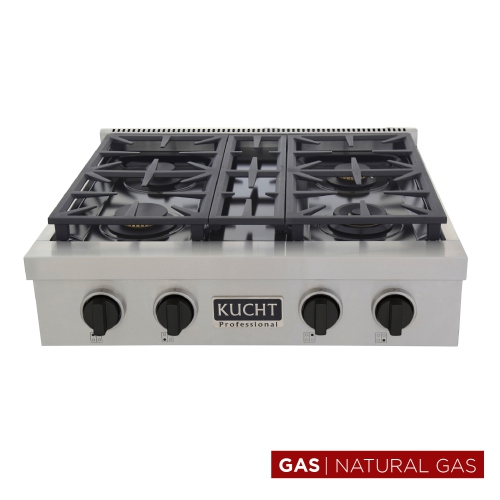
30-inch Stainless Steel Gas Cooktops

Shop 30-inch stainless steel gas cooktops to find a fit for your kitchen layout and cooking needs. Compare burner configurations, control placement, and grate designs, and check each model’s cutout dimensions and gas connection requirements before choosing a cooktop for your countertop.
Read More

Sort

Burner spacing matters as much as flame control

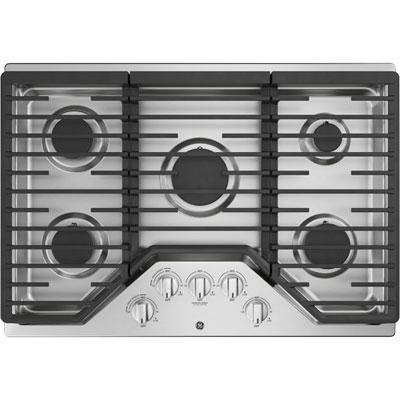
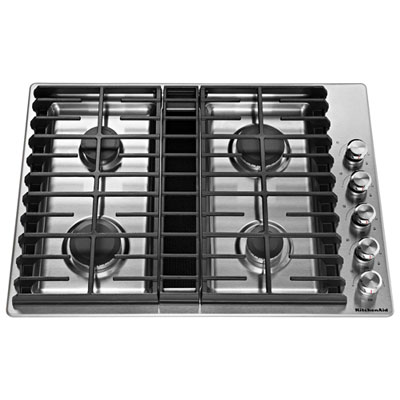
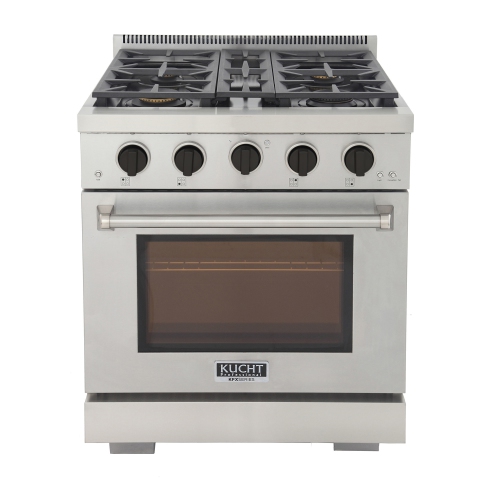
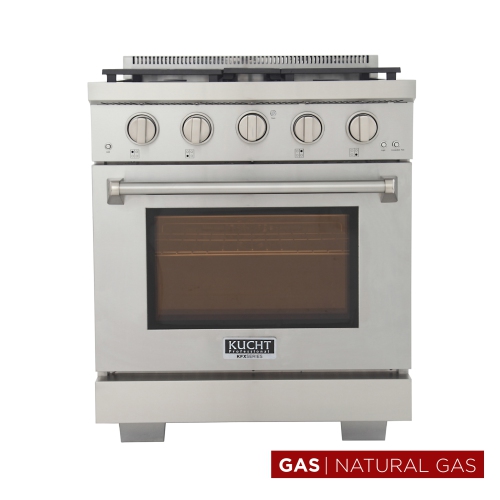
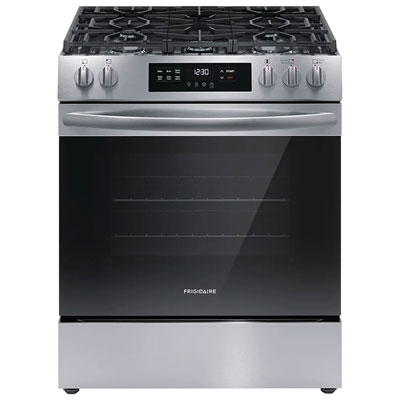
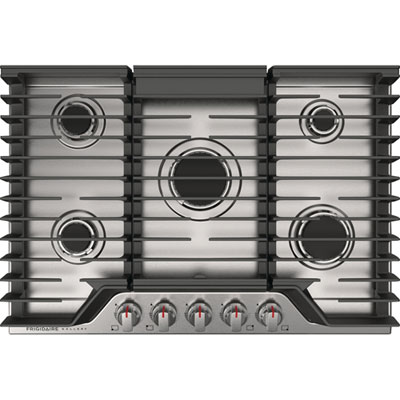
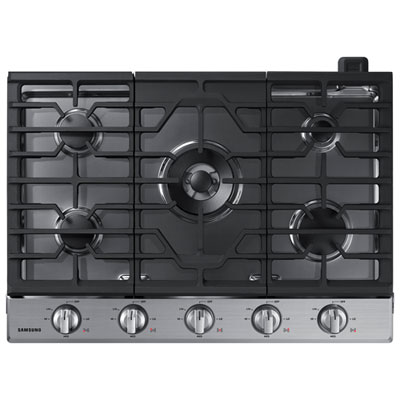
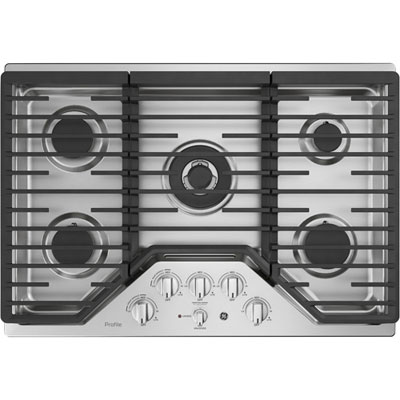
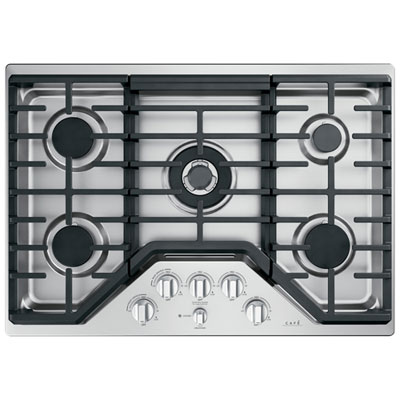
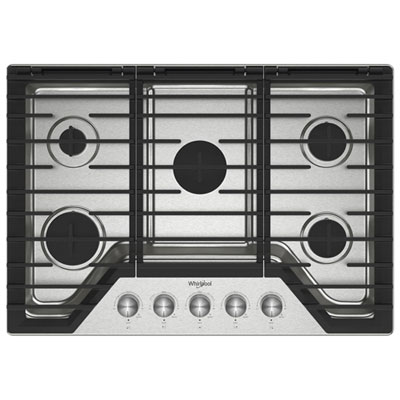
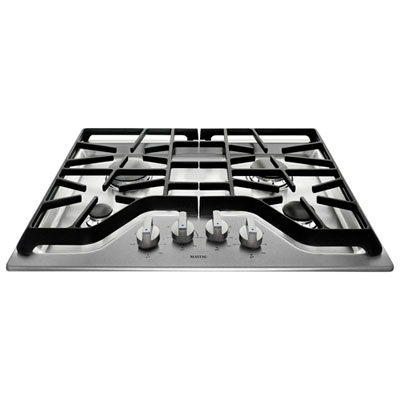
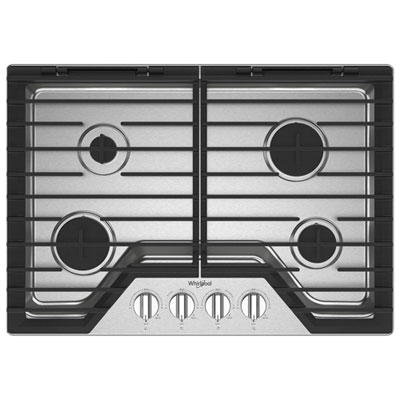
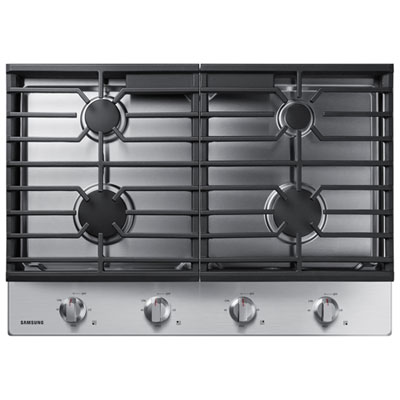
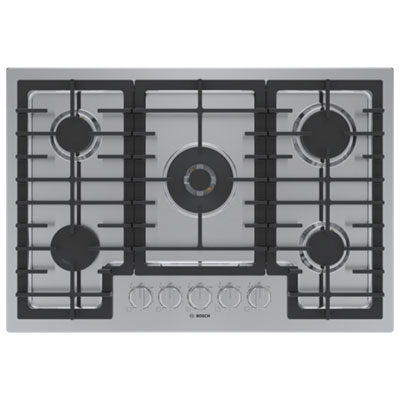
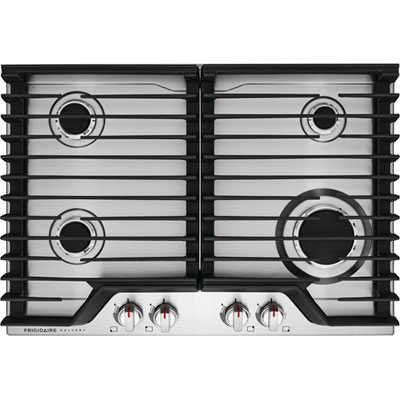
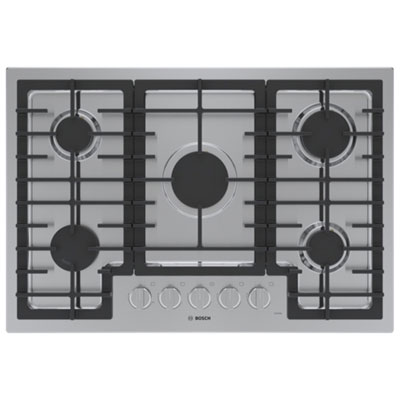
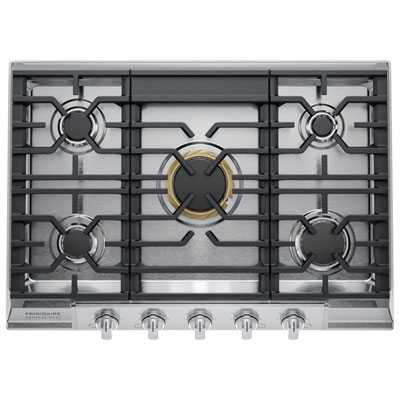
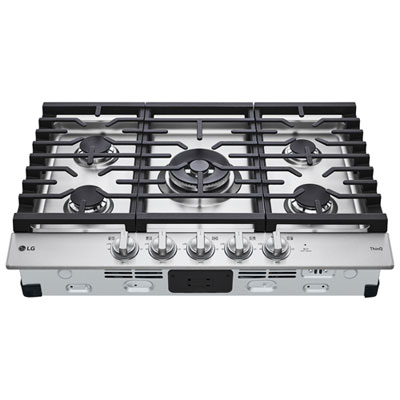
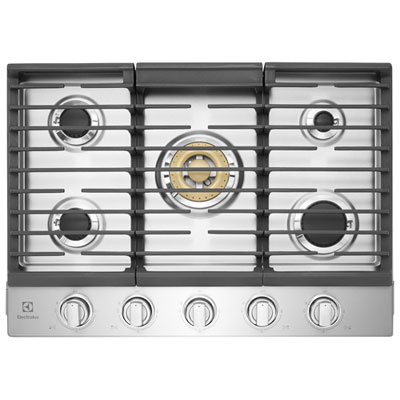
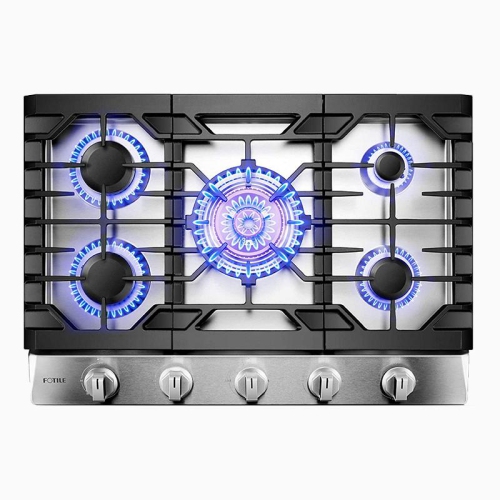
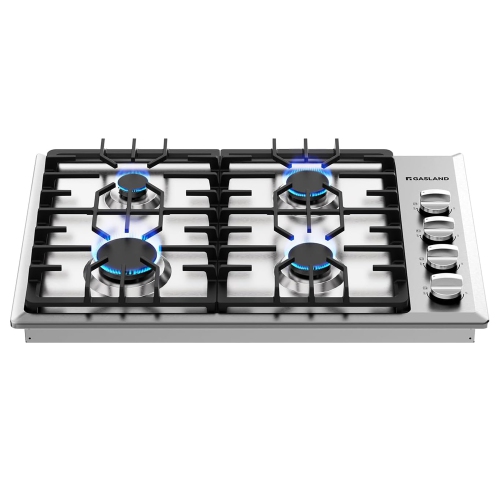
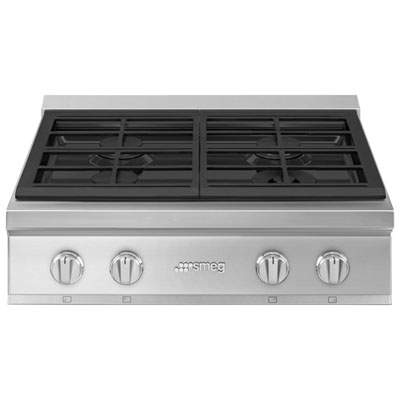
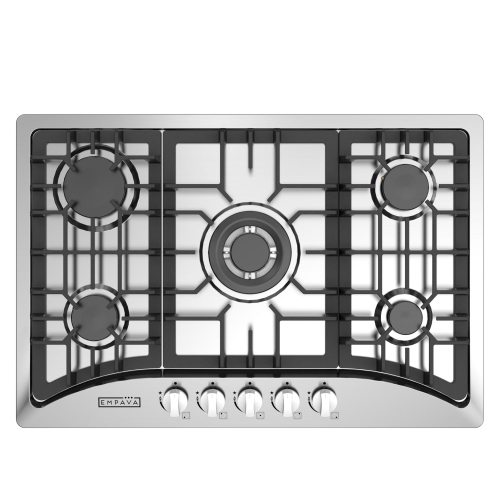
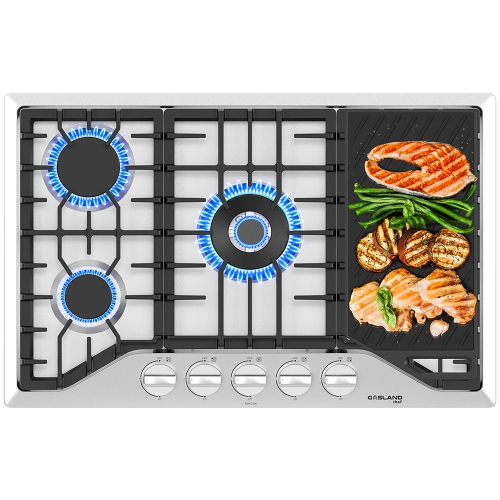
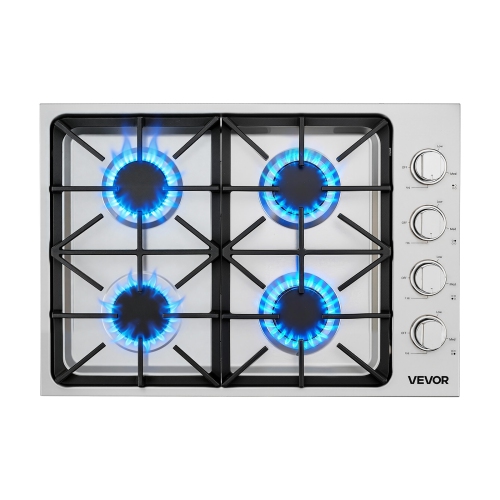
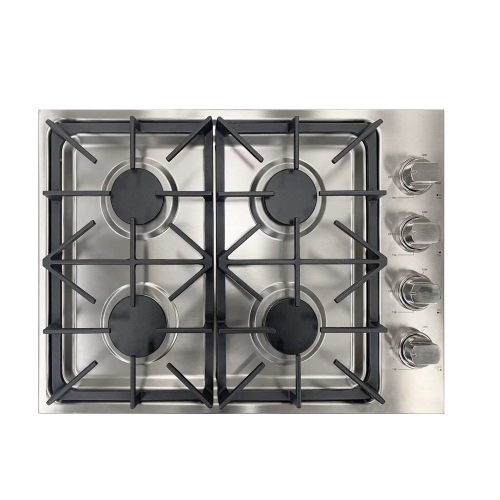
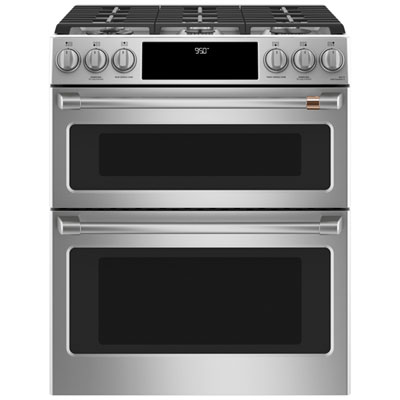
A 30-inch stainless steel gas cooktop brings responsive flame control and a durable metal surface to a kitchen layout that keeps the cooking area separate from the oven. This built-in appliance sits within a countertop cutout, leaving flexibility for a wall oven elsewhere in the kitchen or, where the installation requirements allow, an oven beneath it. The 30-inch designation describes a nominal width, not a universal cutout size, so the appliance’s overall dimensions and required opening both matter when replacing an existing cooktop. Stainless steel gives the cooking surface a clean, understated appearance that works with light cabinetry, dark stone, wood finishes, and other stainless steel appliances. Brushed finishes can soften the appearance of everyday marks, although fingerprints, water spots, and fine scratches may still show with use. Beneath that familiar look, burner arrangement makes a meaningful difference to daily cooking. Four-burner layouts can leave useful space between pots, while five-burner layouts add another cooking position within a similar overall width. The extra burner is most useful when the spacing suits the cookware: a large frying pan, a pasta pot, and a small saucepan need room beyond the burner centres themselves. A central burner may accommodate a larger vessel, but its position can also affect access to the surrounding burners. For households preparing several dishes at once, the practical benefit comes from the combination of burner placement, usable grate area, and comfortable access to the controls. A couple making a quick skillet dinner may value an uncluttered layout, while someone cooking rice, vegetables, and a main dish together may appreciate a wider range of burner sizes. Within the broader selection of 30" Gas Cooktops, stainless steel options offer a distinctive balance of visible metal, sturdy pan supports, and straightforward styling. They suit both replacement projects and planned kitchen renovations, provided the countertop, cabinetry, gas connection, and ventilation are compatible with the appliance’s installation specifications.
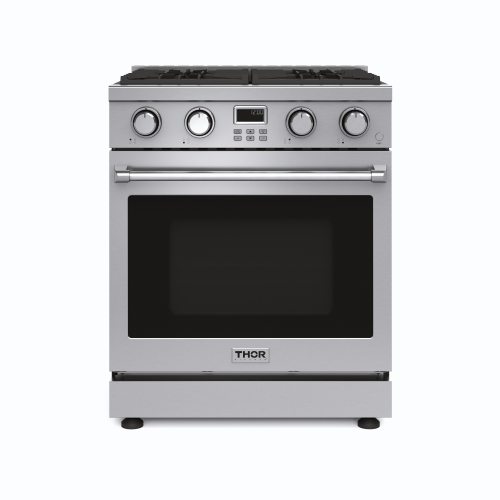
Cooking performance depends on more than the number of burners or the largest output figure. Gas burner output is commonly expressed in British thermal units per hour, usually shown as BTU/h or shortened to BTU in appliance specifications. A higher-output burner can be useful for bringing a large pot of water to a boil or heating a broad skillet, while a burner designed for low, steady heat is better suited to keeping gravy warm or gently cooking a sauce. Maximum output alone does not describe how well a cooktop holds a delicate simmer, and the lowest heat setting can be just as important for everyday meals. Gas provides a visible flame that changes promptly when the knob is adjusted, giving cooks a direct cue as they move from browning onions to gently simmering soup. The cookware still influences the result: a heavy pan retains heat after the flame is lowered, while a thinner pan responds differently. Matching the burner to the base of the pot helps keep flames beneath the cookware rather than climbing its sides. Grate design also shapes the experience. Continuous cast iron grates, where fitted, provide a connected support surface that can make repositioning a heavy pot easier, although cookware should still be moved carefully to avoid spills or surface damage. Separate grate sections may be easier to lift for cleaning, particularly when their weight and shape are manageable. Sealed burners help limit spills from entering the area beneath the cooking surface, but they do not eliminate cleanup around the burner caps and bases. Depending on the design, electronic ignition, automatic reignition, illuminated controls, or flame-failure protection may add convenience or specific safety functions; these features are not interchangeable and should be checked individually. Knob placement matters too. Front controls can be easier to reach without extending an arm across cookware, while side controls create a different arrangement of cooking and control space. Clear markings, comfortable knob movement, and adequate separation from large pans all contribute to a cooktop that feels practical through repeated daily use.
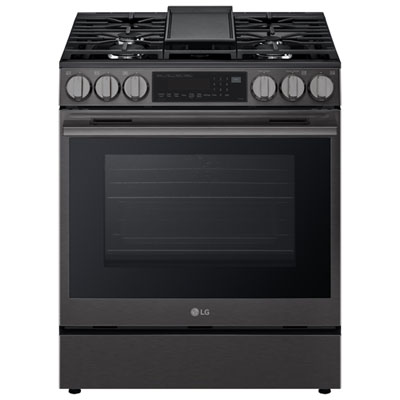
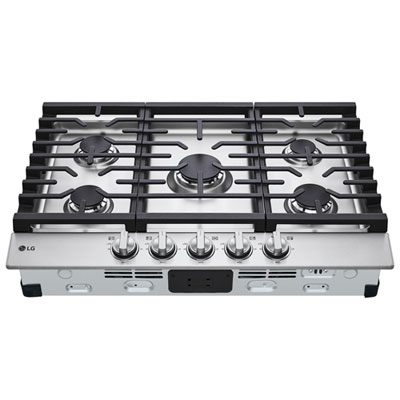
Fit and installation deserve as much attention as the visible cooking surface, especially when a new cooktop is taking the place of an older appliance. Two cooktops with the same nominal width can require different cutout depths, corner shapes, countertop thicknesses, or clearances beneath the surface. The space below must accommodate the appliance body and its connections without interfering with drawers or other cabinetry. An oven installed underneath needs to be an approved pairing under the applicable installation instructions, rather than simply fitting into the remaining space. Clearance to walls, overhead cabinetry, and the ventilation system must also follow the manufacturer’s requirements and local codes. Gas cooking needs suitable kitchen ventilation to help remove cooking fumes and combustion by-products, with an externally vented range hood used where required or recommended for the installation. Fuel compatibility is another essential distinction: a cooktop configured for natural gas is not automatically ready for propane. Conversion is possible only when the manufacturer permits it and the correct components and qualified installation are used. Many gas cooktops also require an electrical connection for ignition or other functions, so access to gas alone is not enough to confirm suitability. Professional installation helps ensure that connections, pressure settings, and operation are checked properly. Once installed, regular care helps stainless steel retain its appearance. Spills are generally easier to remove after the surface has cooled and before residue has been repeatedly heated. A soft cloth, mild detergent, and wiping in the direction of the grain are commonly appropriate, followed by drying to reduce water marks; the appliance’s care instructions take precedence for any special finish. Abrasive pads and harsh cleaners can damage surfaces, while cast iron grates and removable burner parts may have separate washing requirements. Dishwasher suitability should never be assumed. Burner caps need to be dry and correctly seated after cleaning so the flame can burn as intended. For households that cook frequently, accessible burner parts, manageable grate sections, and a layout that accommodates familiar cookware can be just as valuable as a polished appearance. Together, those details make a 30-inch stainless steel gas cooktop a practical centre for everything from a single breakfast pan to a full meal prepared across several burners.
Read More

FAQ

Some products may be subject to Environmental Handling Fees (EHF) depending on your province. Learn more about EHFs.