3D Surround Sound Systems
Explore 3D surround sound systems for home theatre audio that adds depth and direction to movies, music and games. Compare speaker configurations, supported audio formats and connection options to find a setup that suits your room, speaker placement and existing TV or audio equipment.









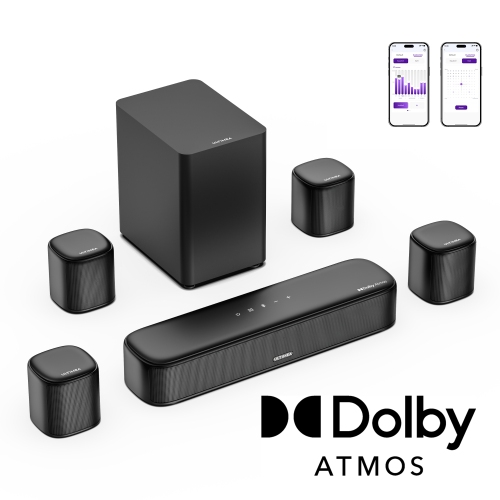


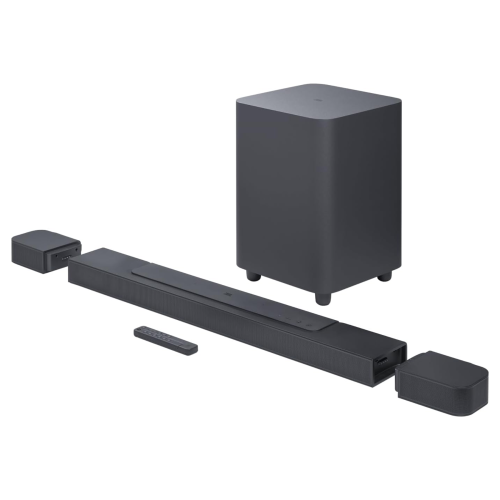
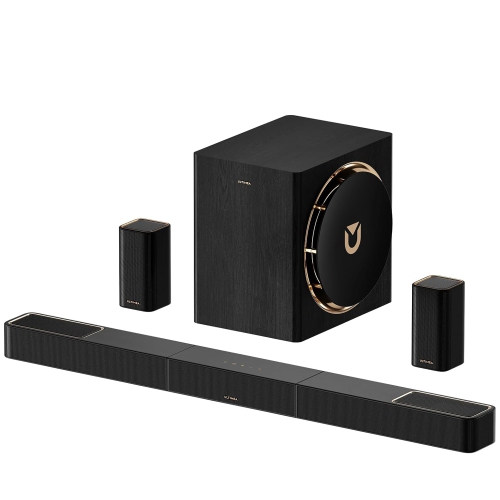


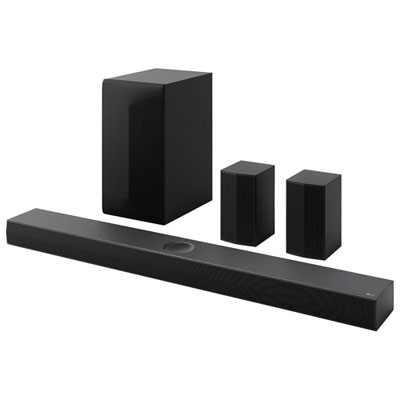





































































FAQ
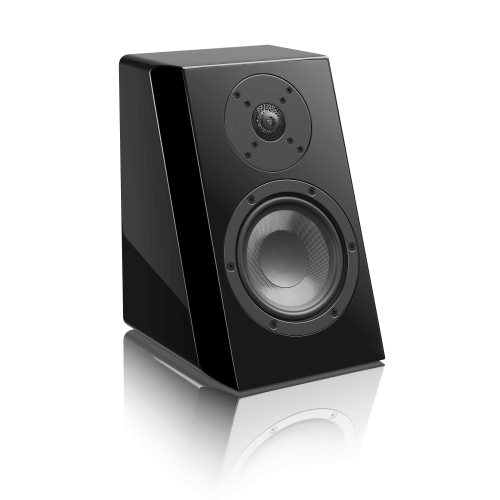
A 3D surround sound system reproduces audio with horizontal and height information, placing sounds around and above the listening area. Depending on the setup, it may use separate speakers, upward-firing drivers or virtual audio processing to represent those sound positions.
Dolby Atmos and DTS:X are common 3D audio formats. They include information that lets compatible equipment position sounds within a three-dimensional space. Format support varies by system, playback device and content, so compatibility matters throughout the audio setup.
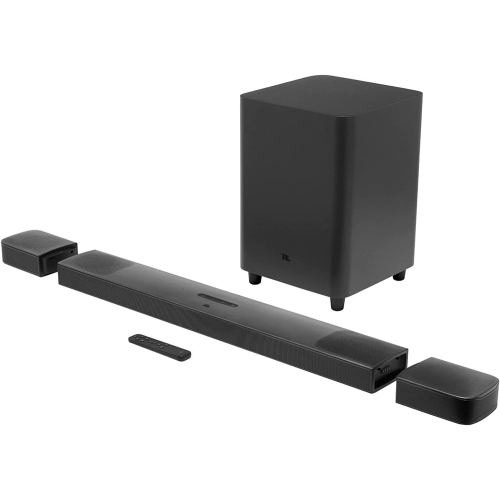
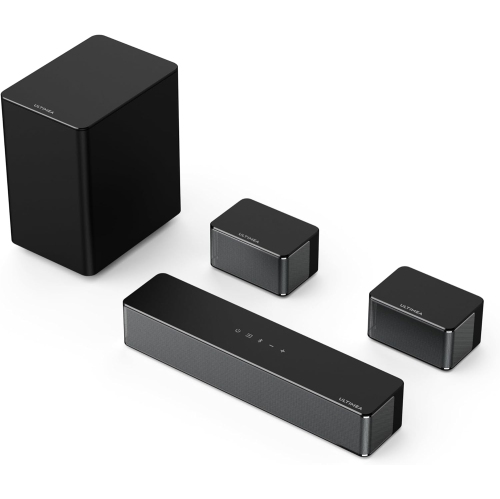
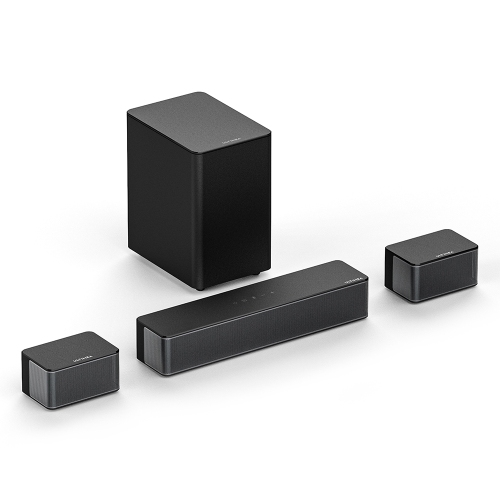
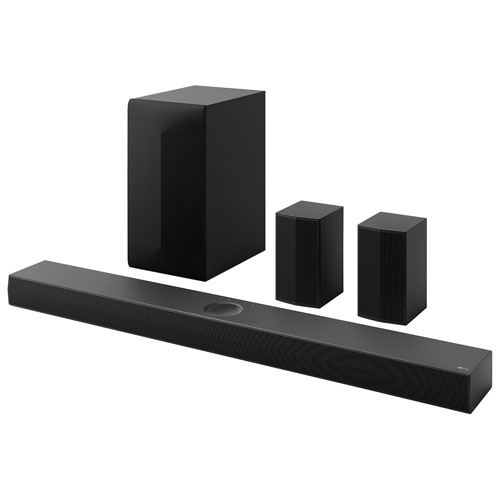
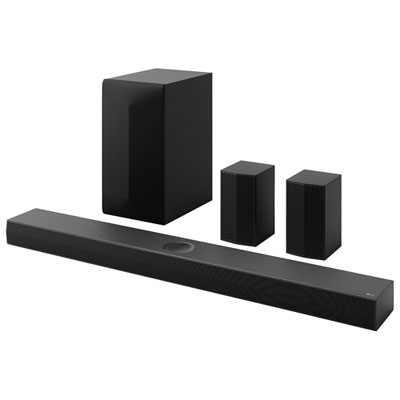
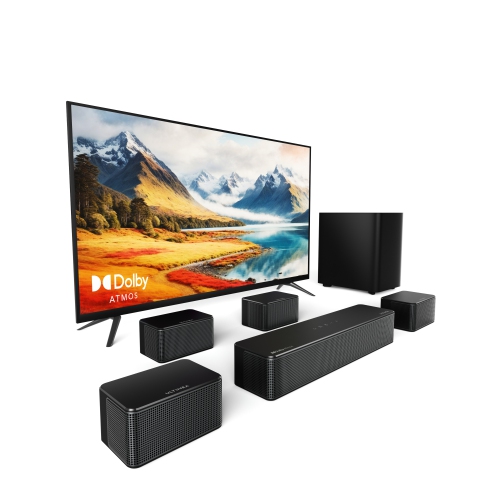
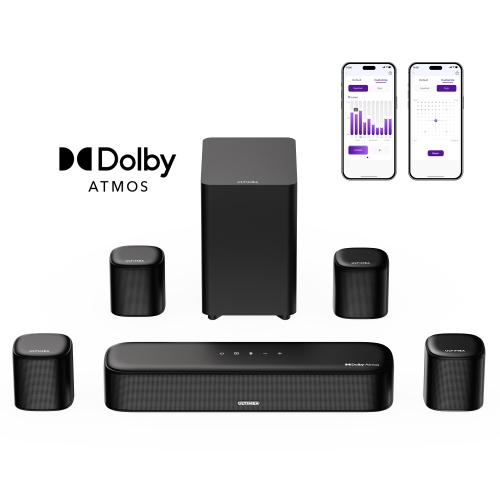
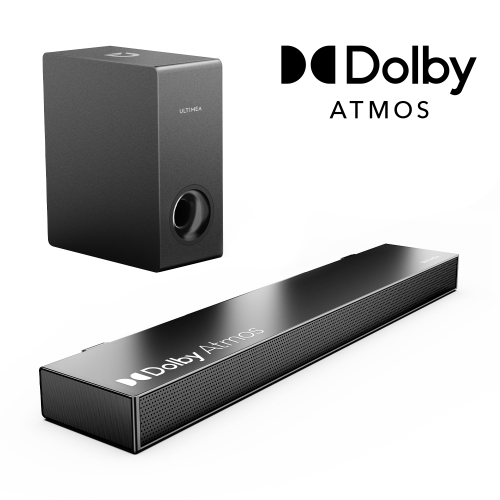
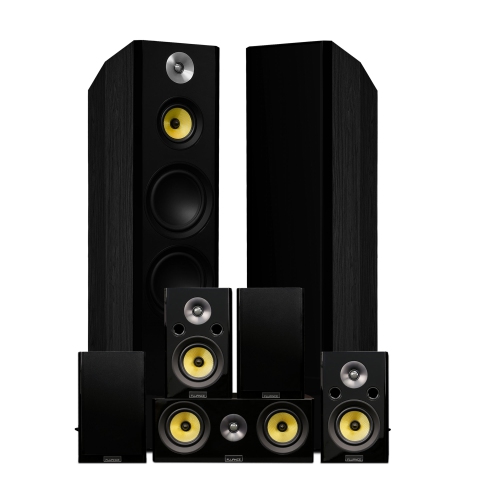
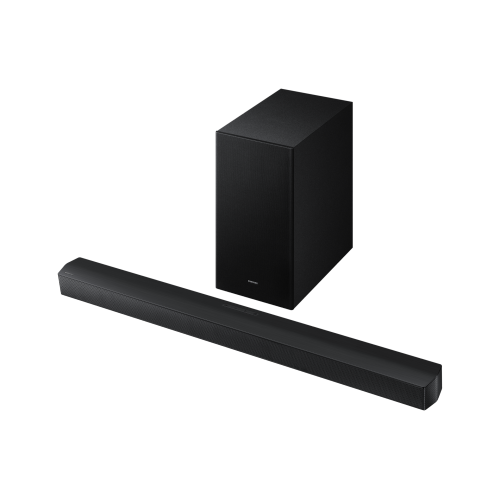
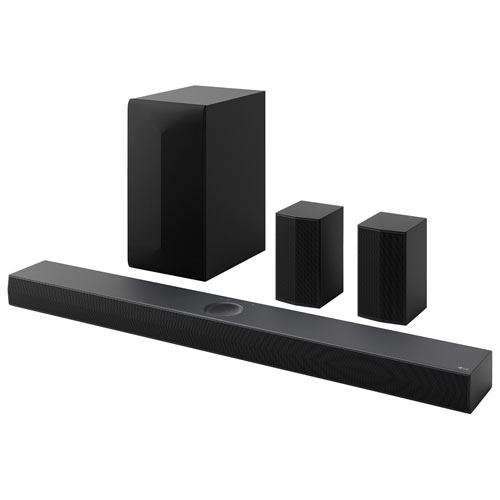
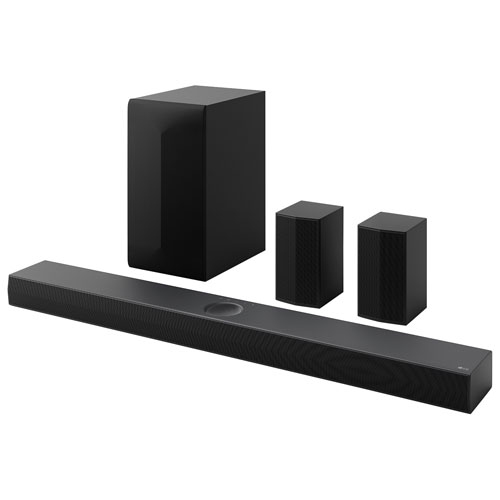
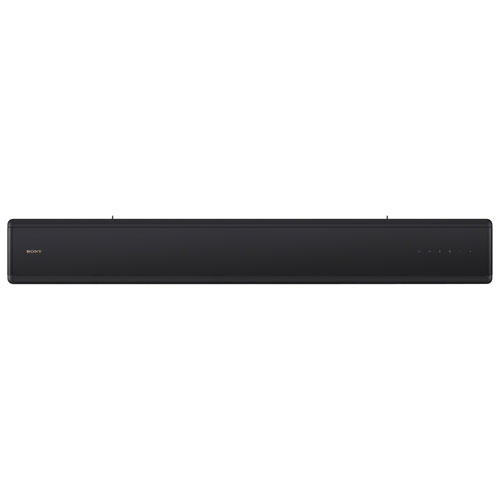
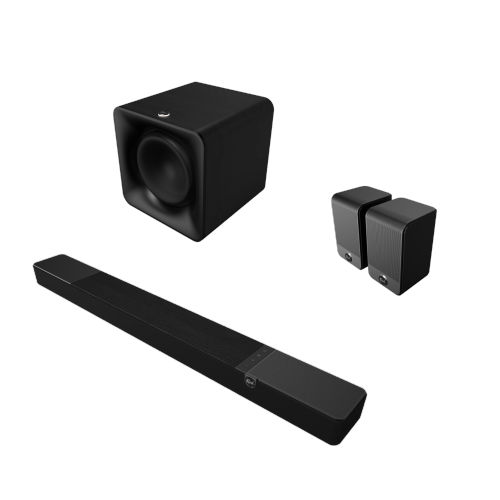
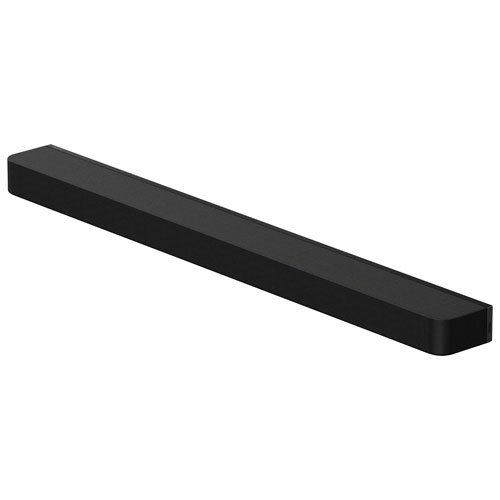
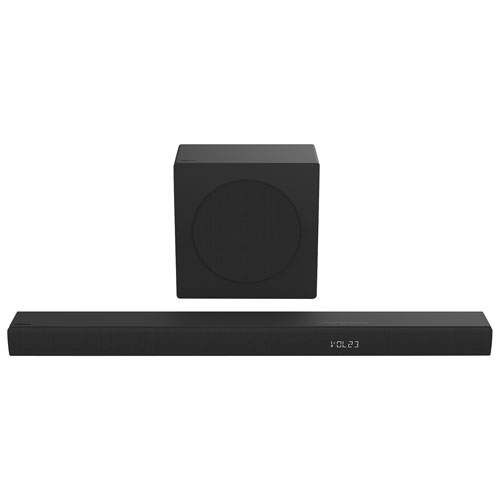
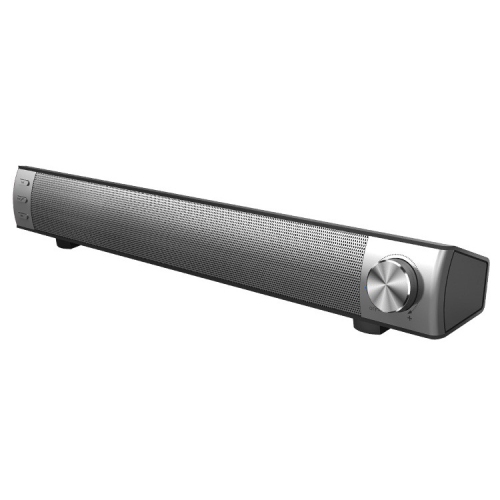
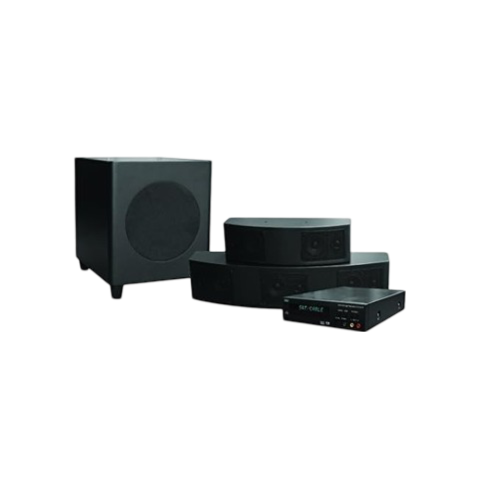
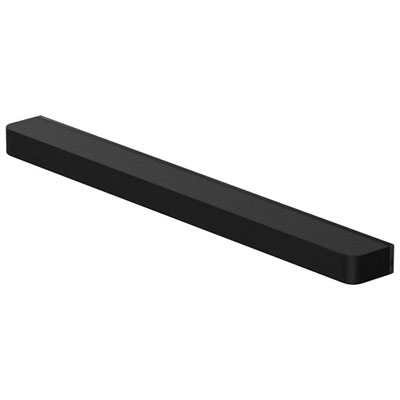
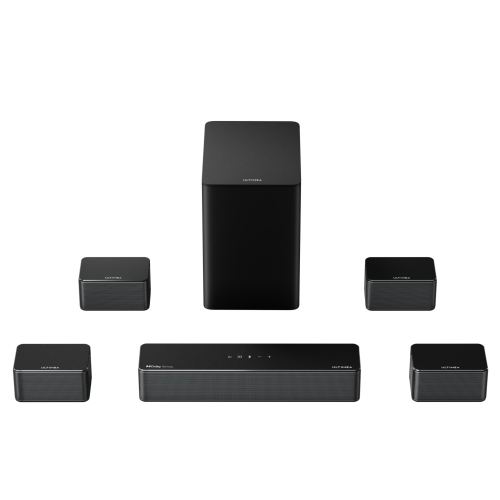
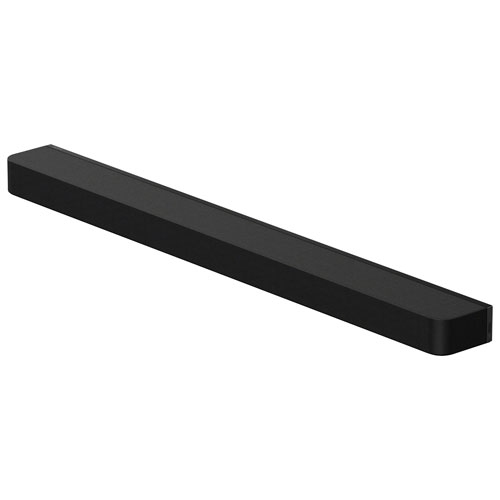
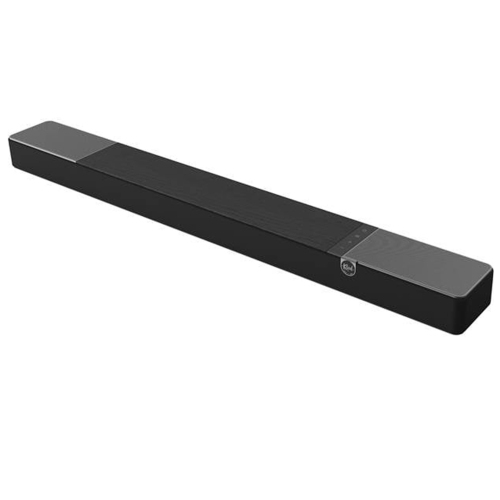
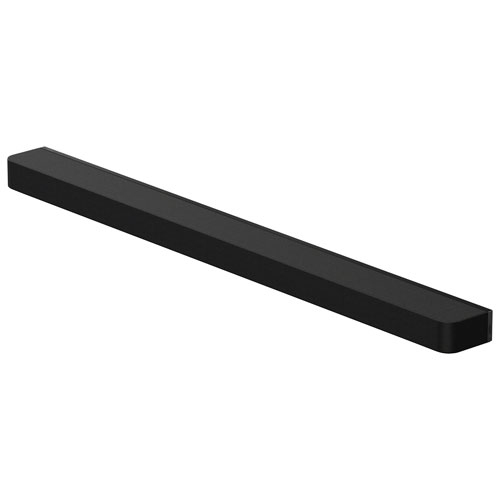
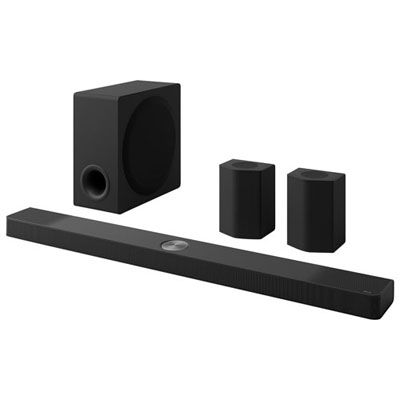
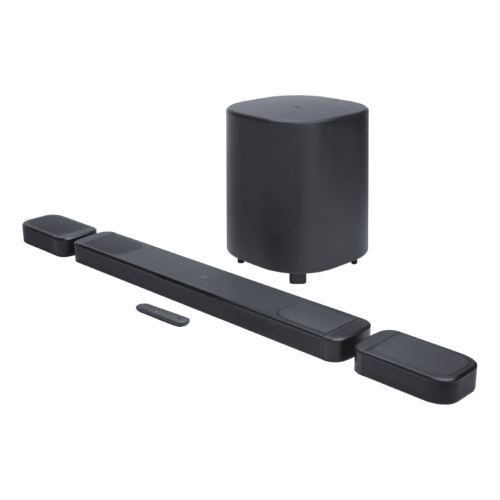
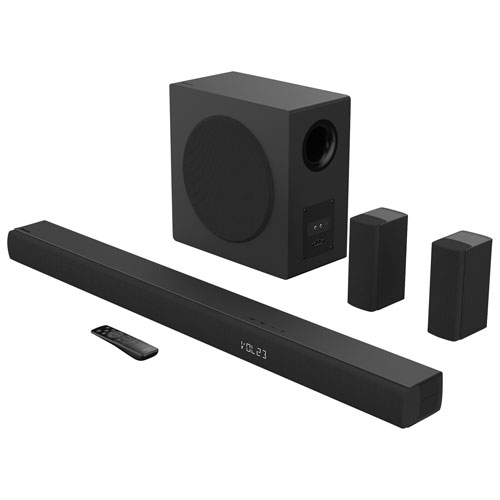
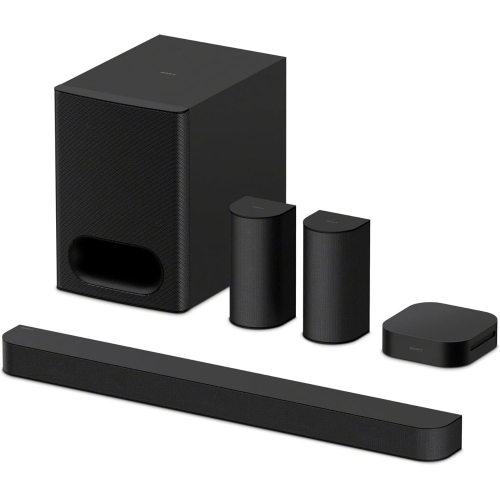
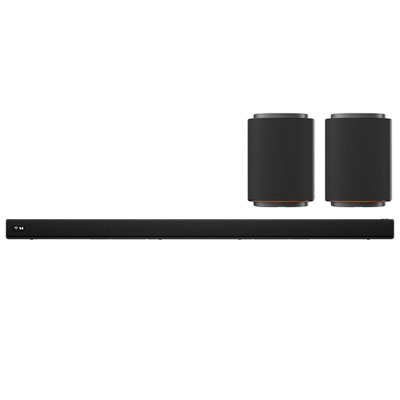
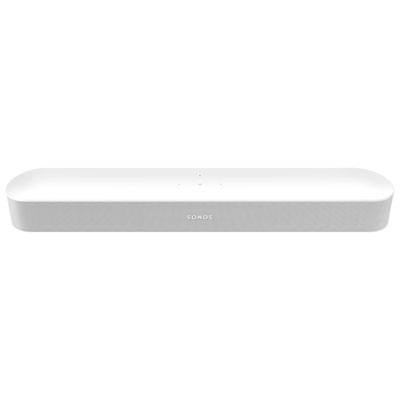
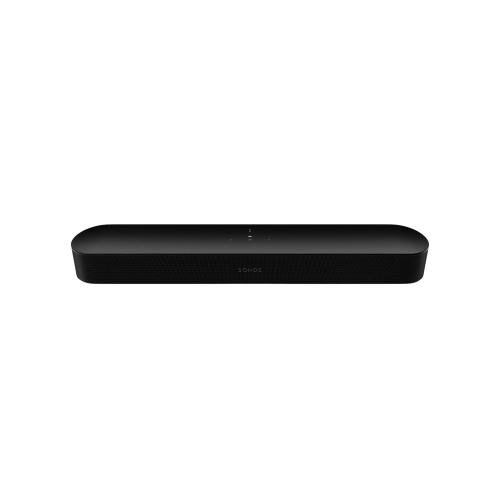
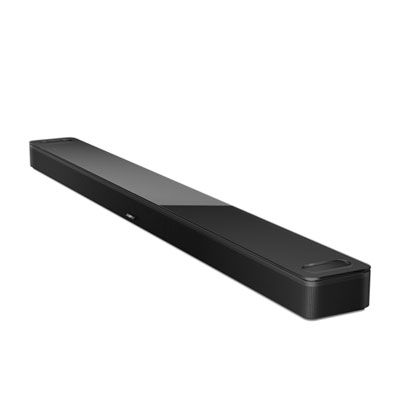
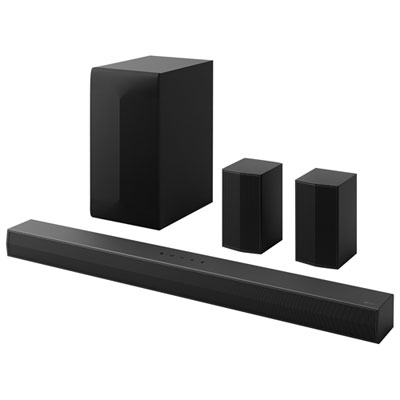
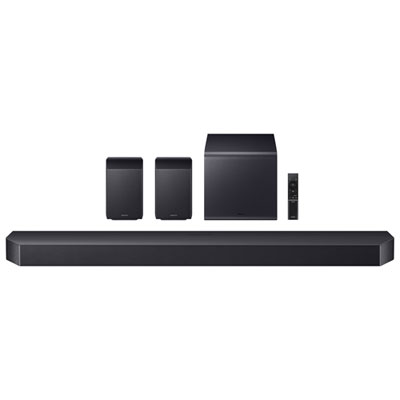
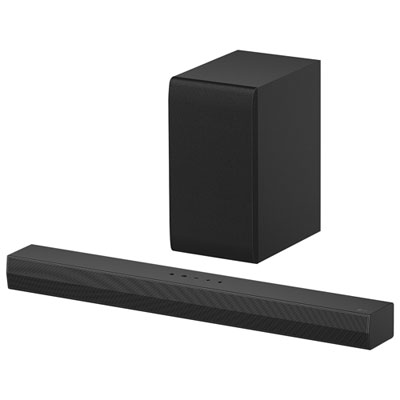
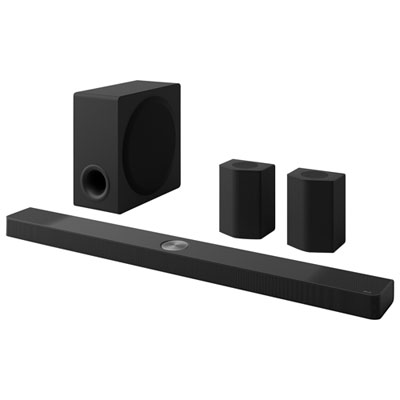
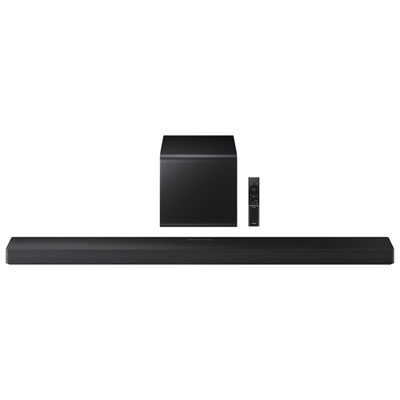
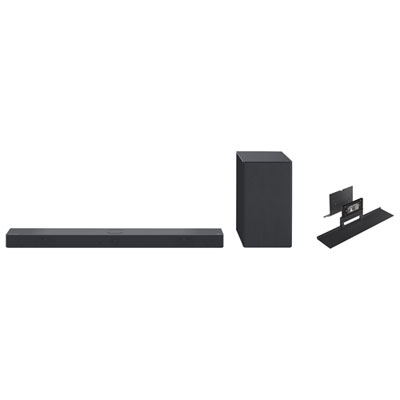
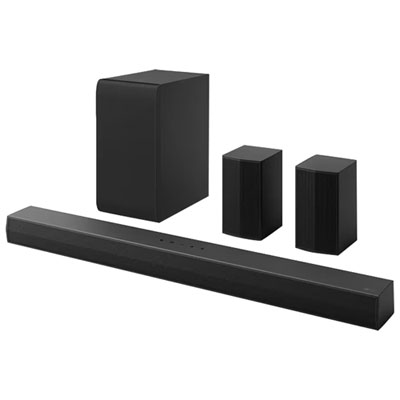
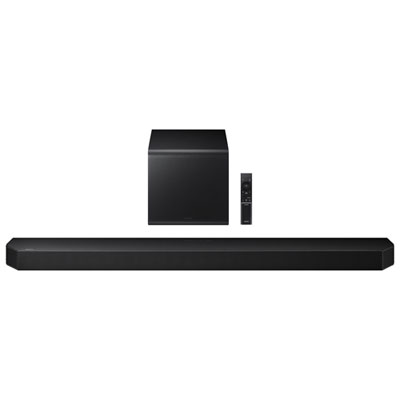
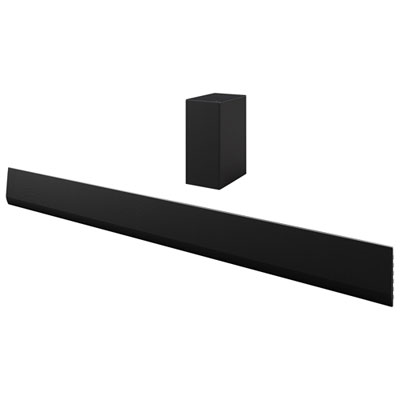
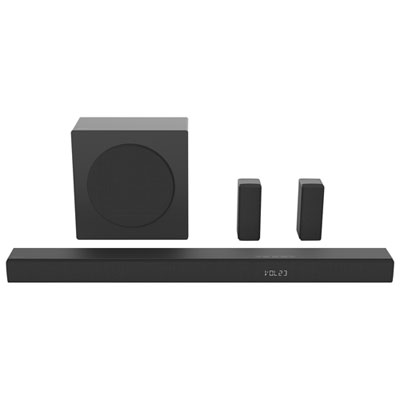
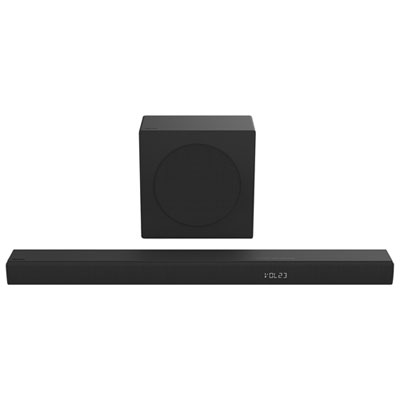
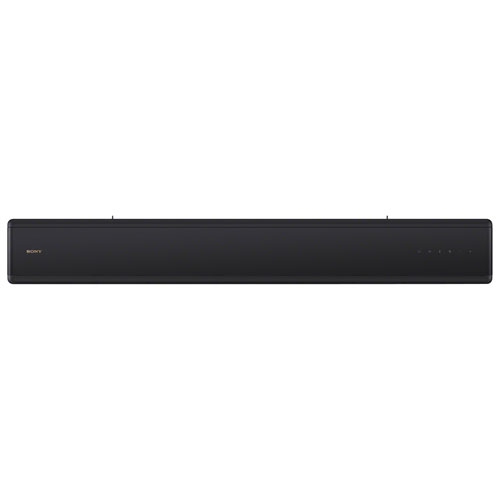
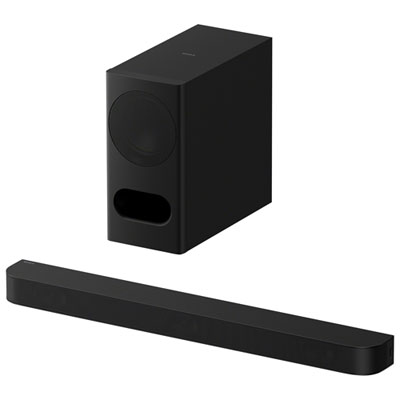
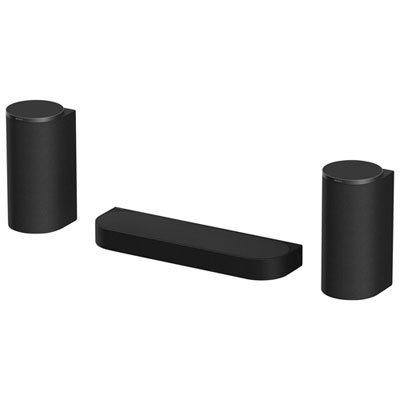
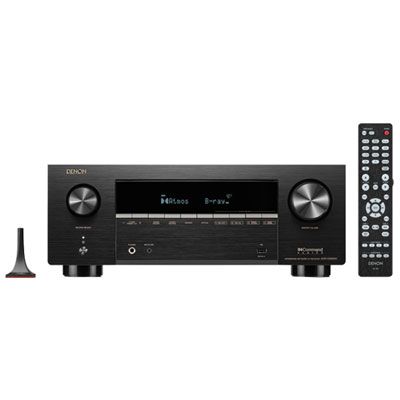
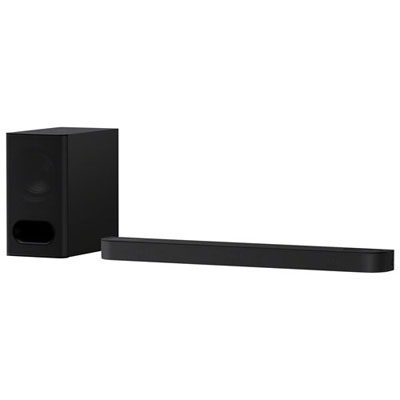
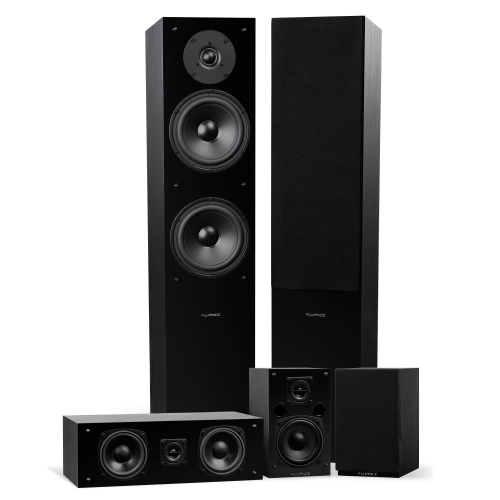
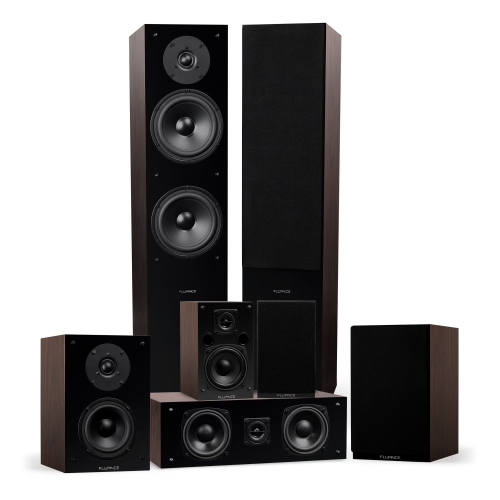
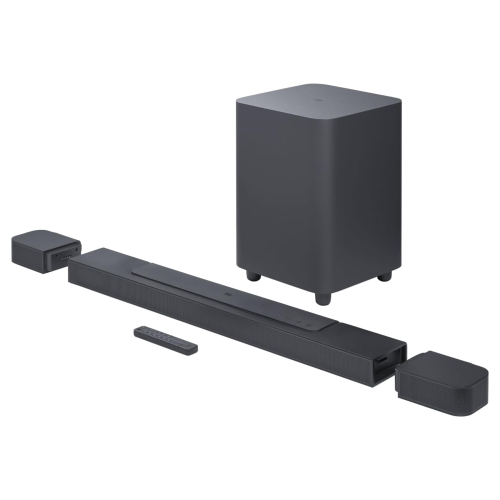
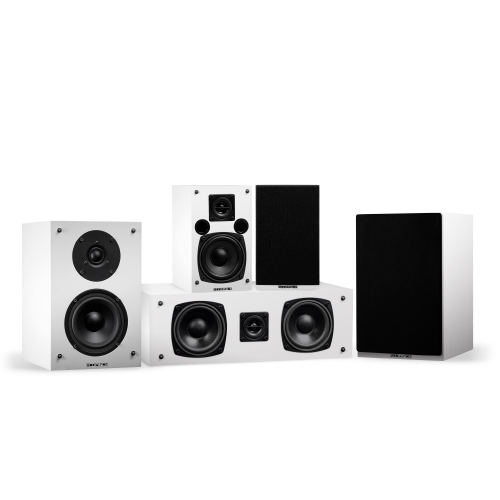
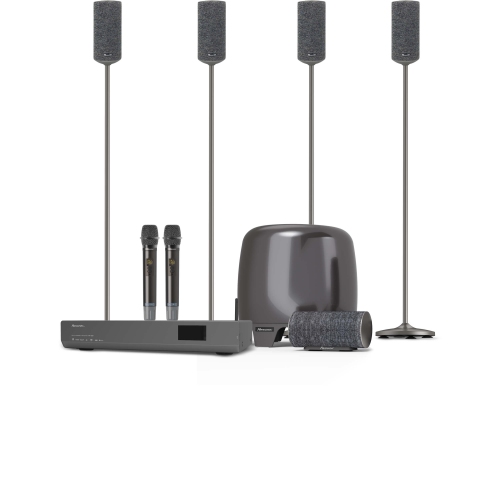
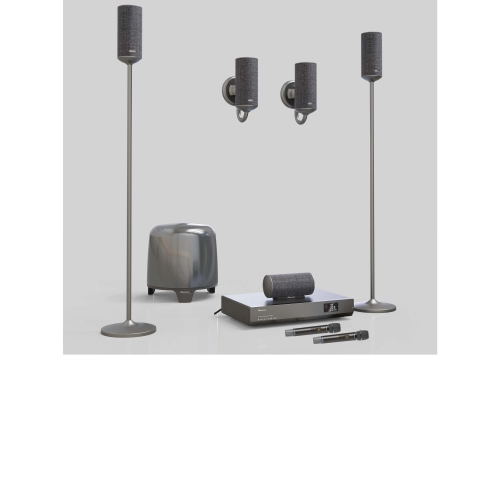
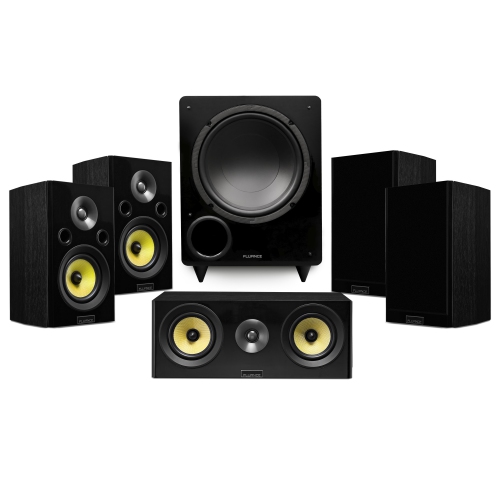
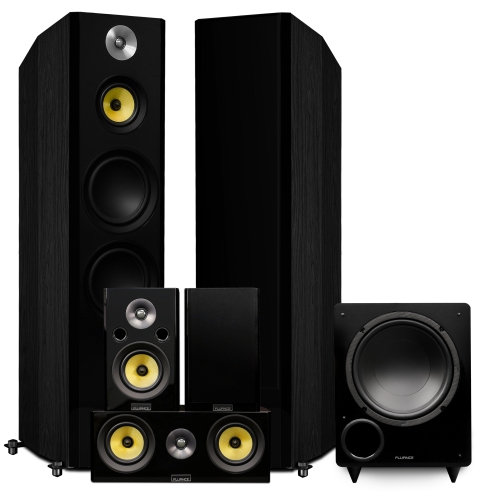
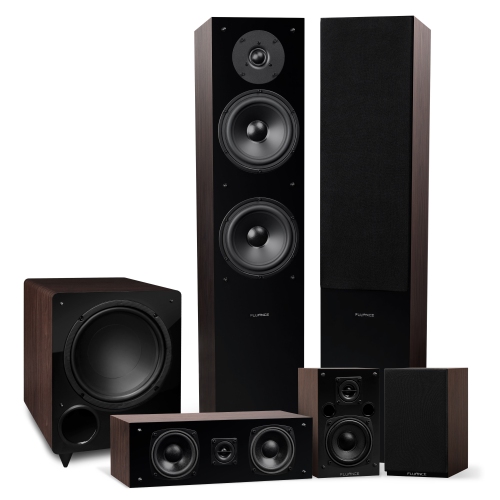
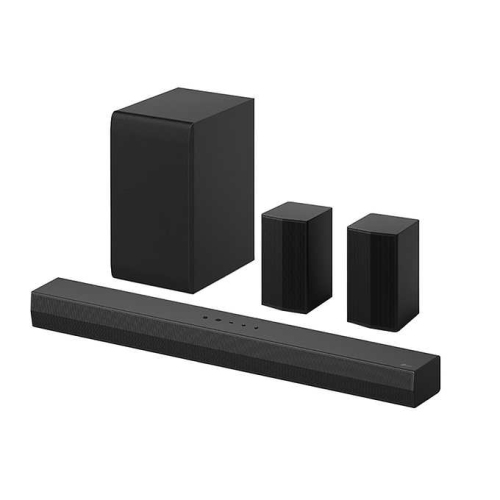
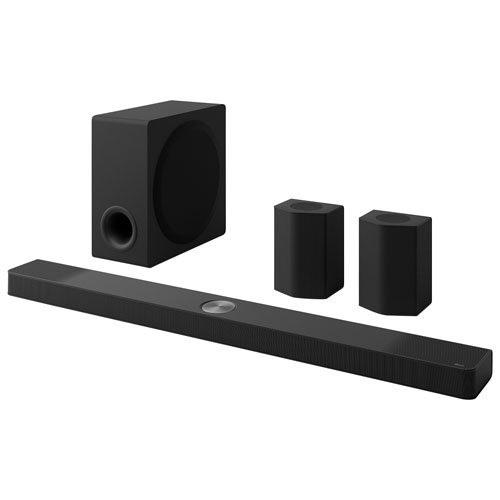
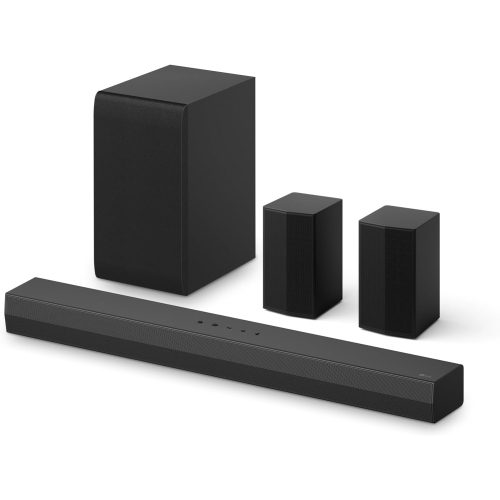
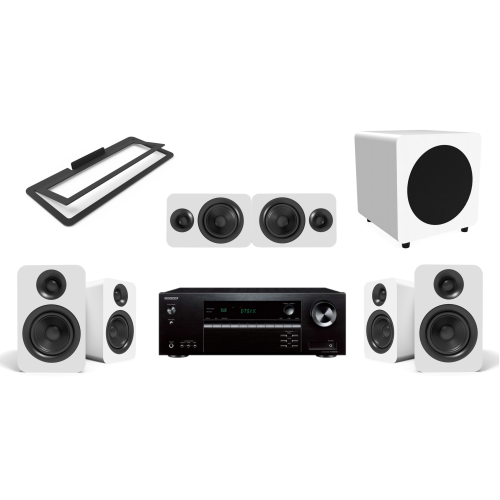
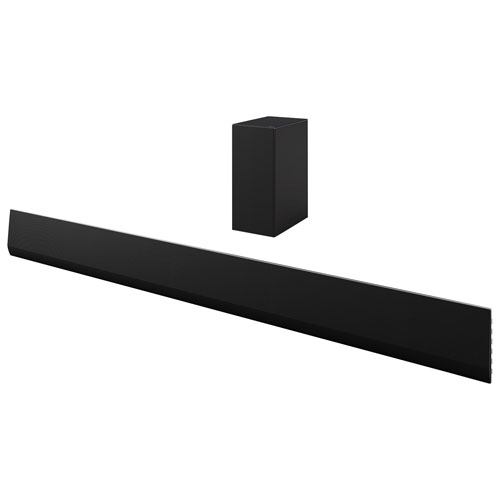
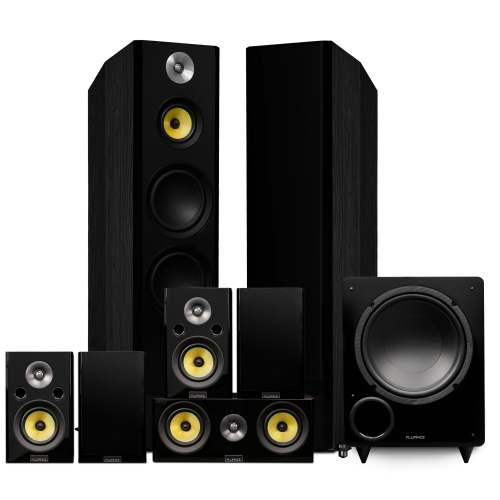
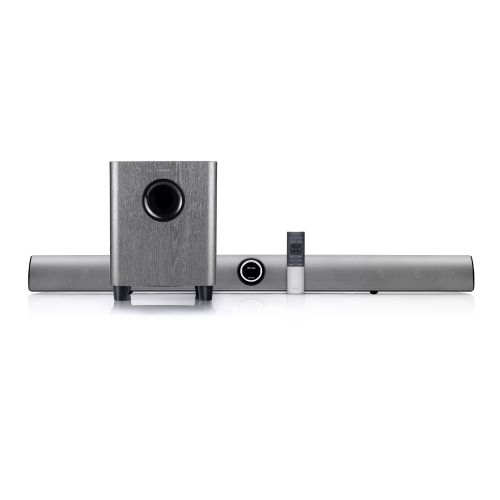
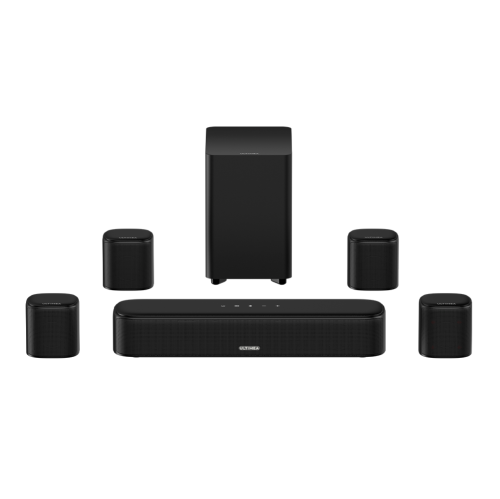
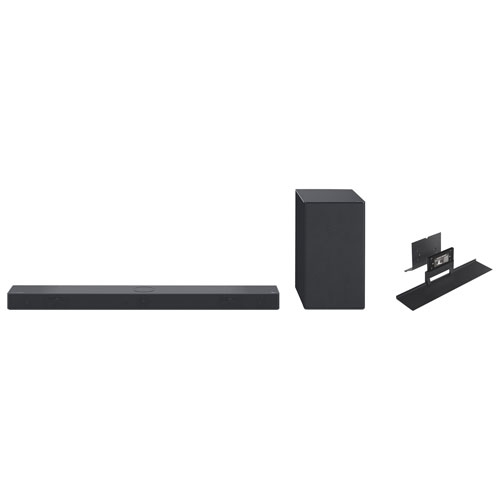
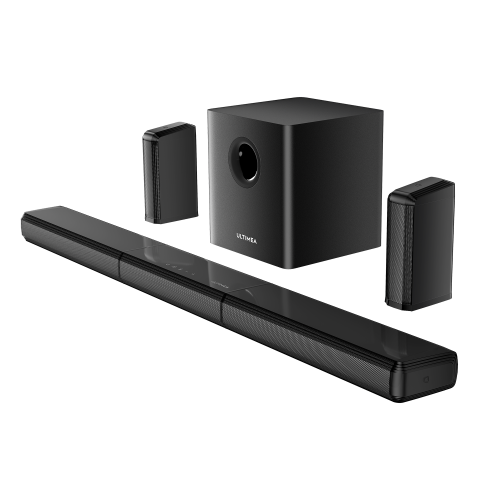
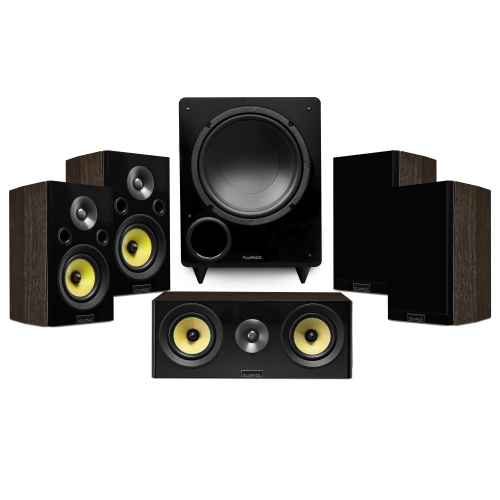
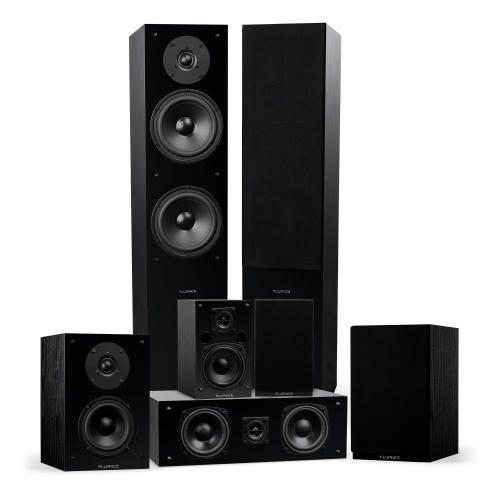
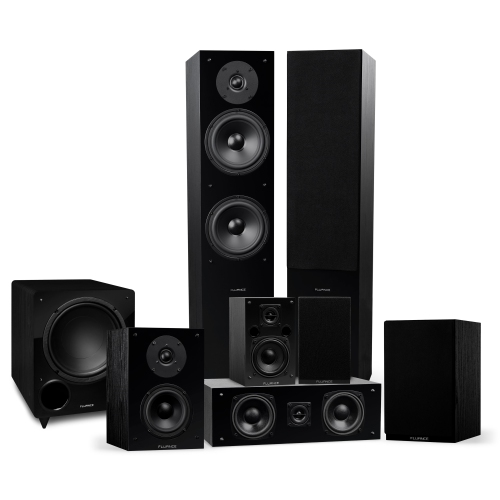
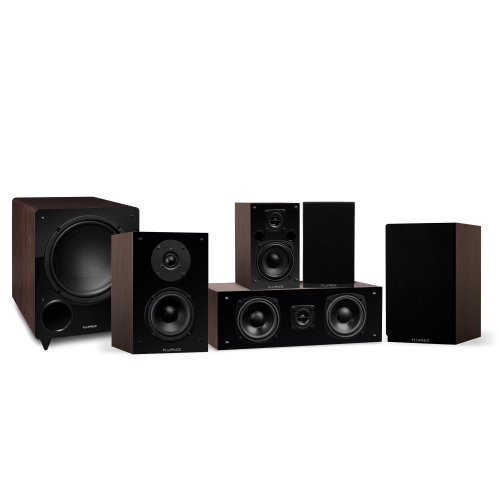
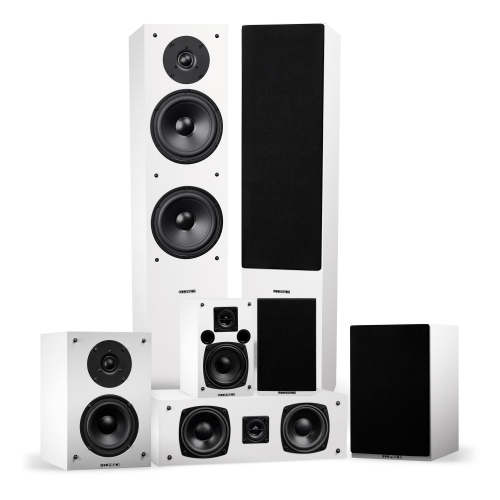
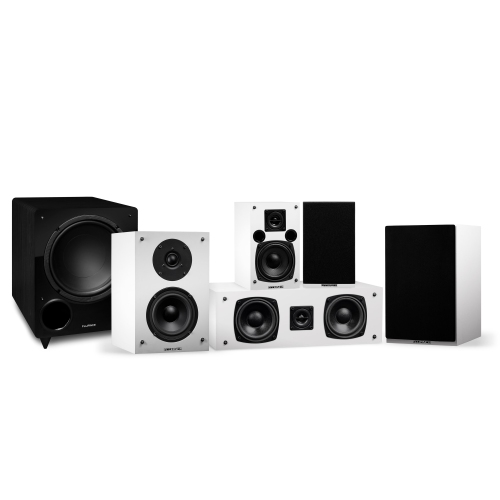
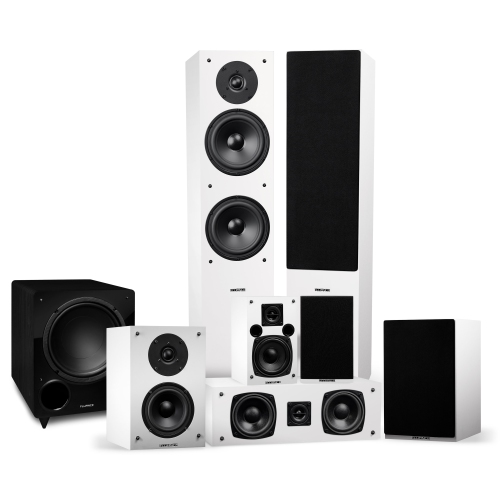
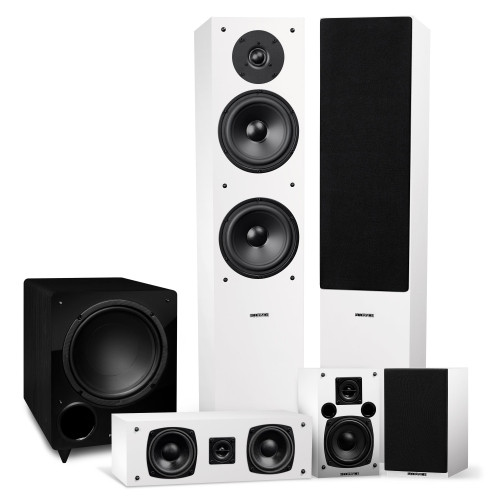
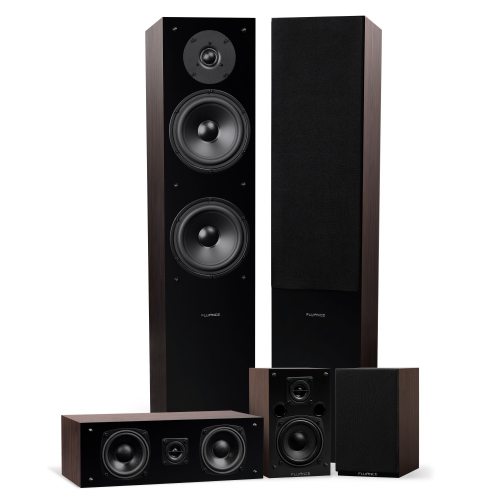
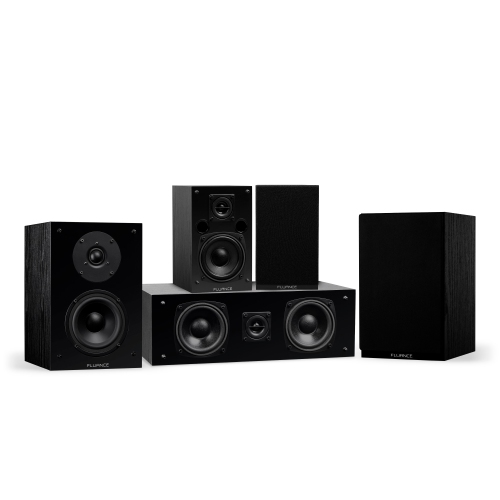
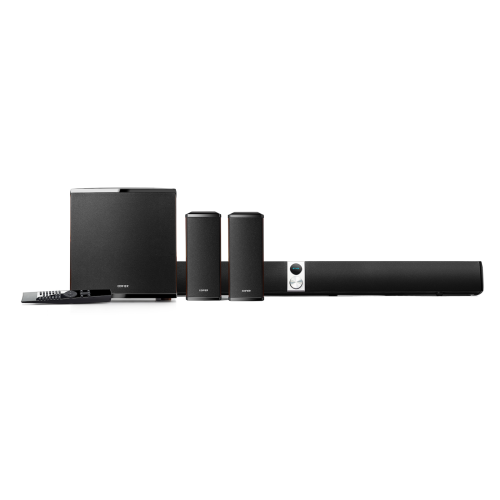
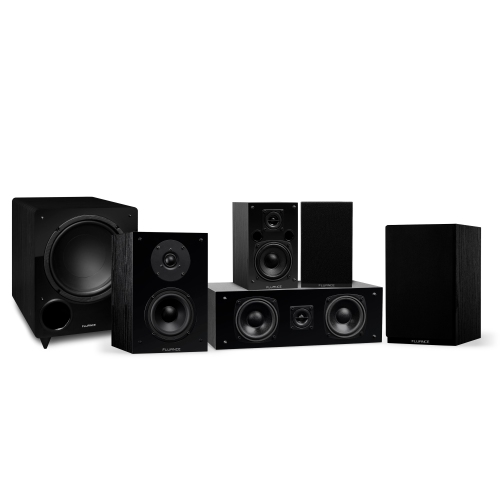
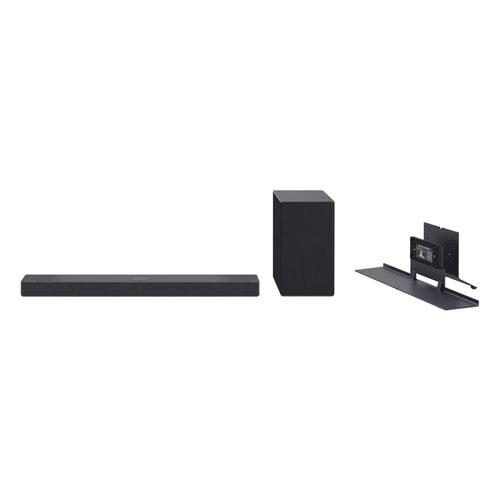
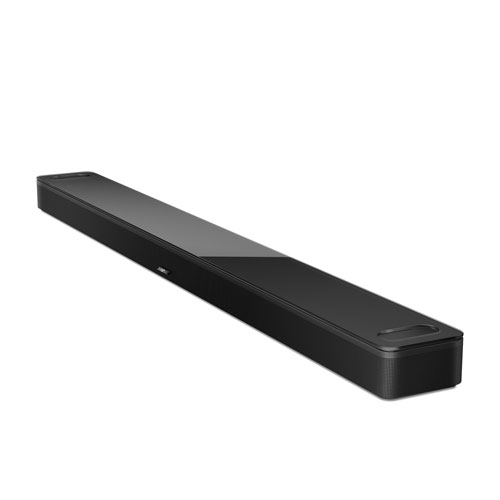
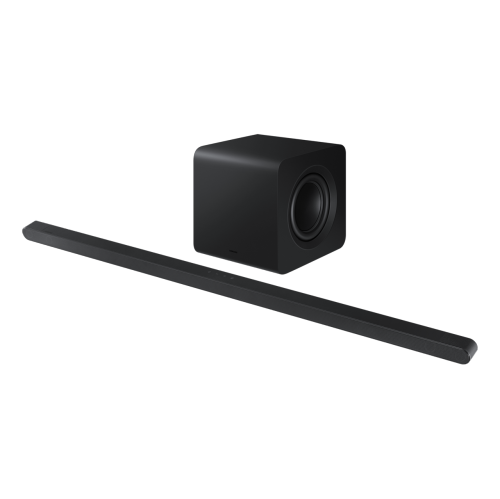
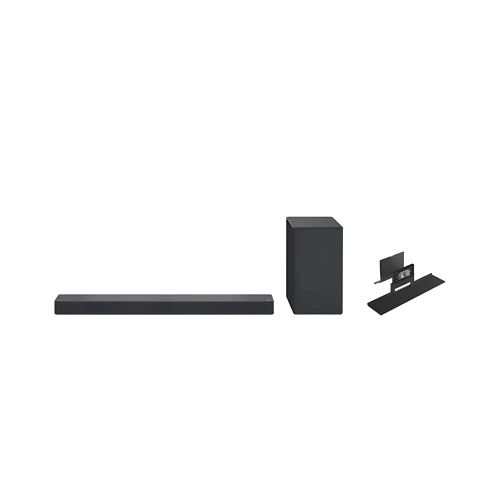
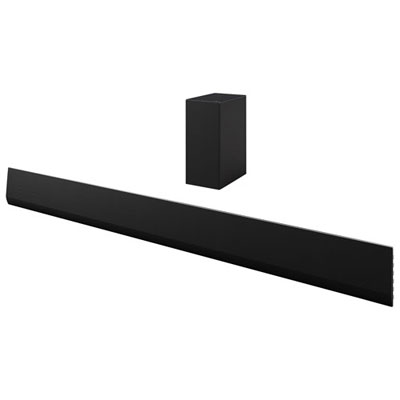
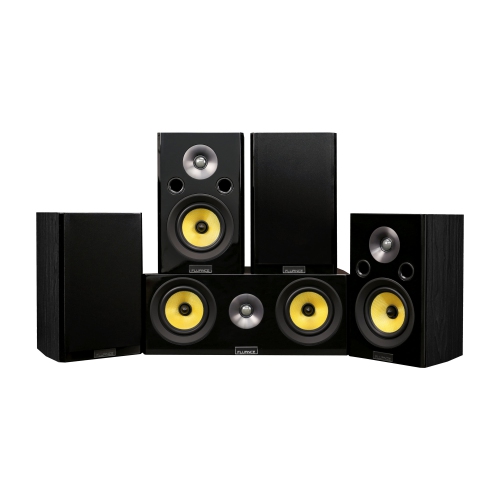
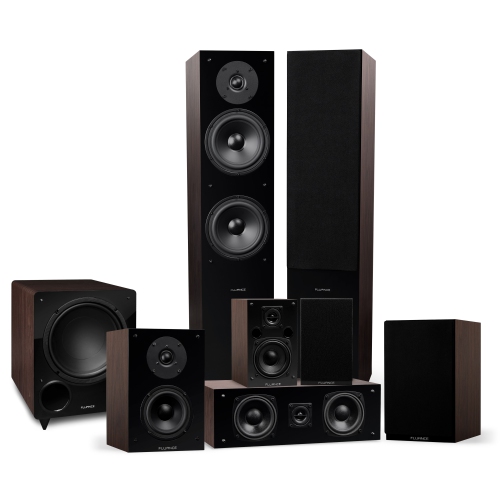
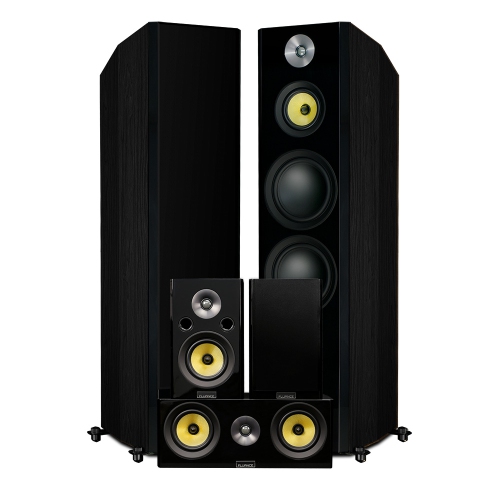
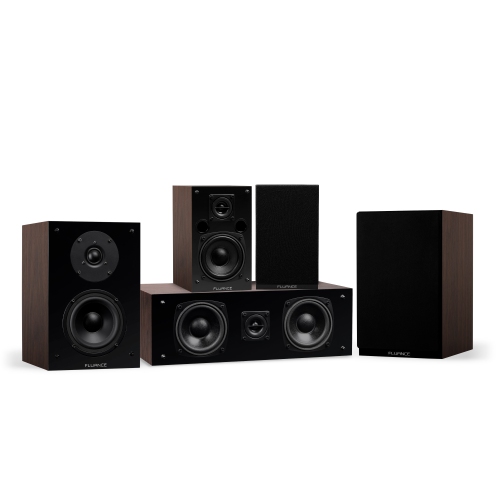
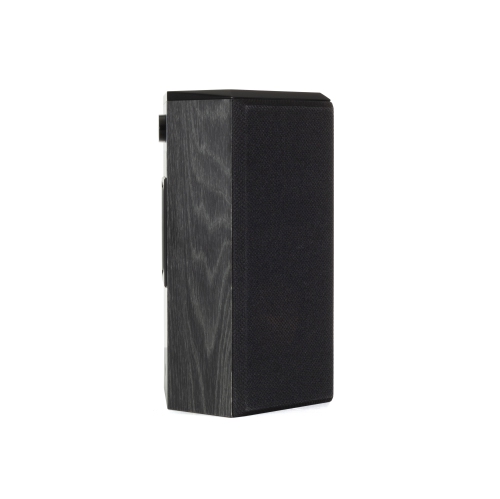
A system may include an AV receiver, front and surround speakers, height speakers and a subwoofer. Soundbar-based systems combine several audio channels in one unit and may connect to separate rear speakers or a subwoofer. The components required depend on the system’s design.
Many systems connect through HDMI ARC or eARC. HDMI eARC supports higher-bandwidth audio formats, including Dolby TrueHD with Dolby Atmos, when supported by the TV and connected equipment. Some playback devices can also connect directly to a compatible soundbar or AV receiver, with video passed through to the TV.
Selected streaming titles, Blu-ray discs, video games and music releases offer 3D audio mixes. Availability depends on the title, service, subscription and playback device. Look for audio format labels such as Dolby Atmos or DTS:X, and check that the selected audio track supports the format.
Top selling and popular products
Discover more categories related to 3D Surround Sound Systems
Some products may be subject to Environmental Handling Fees (EHF) depending on your province. Learn more about EHFs.