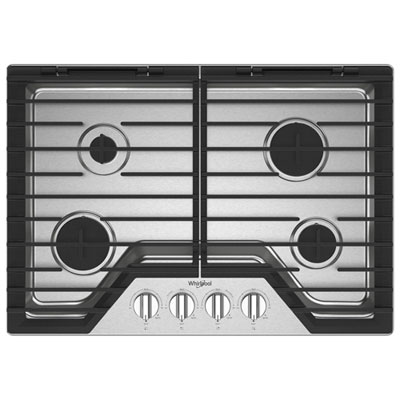
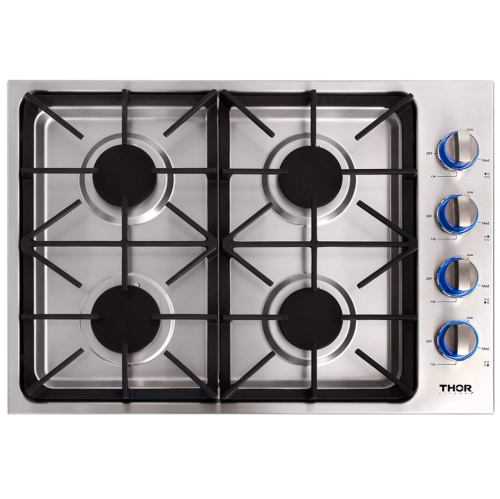
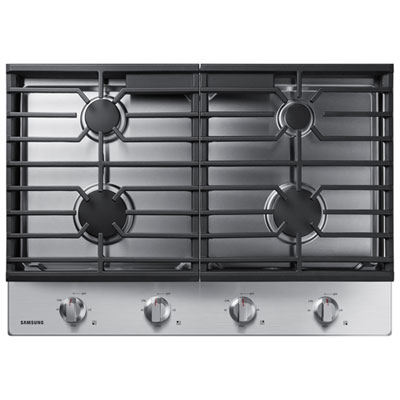
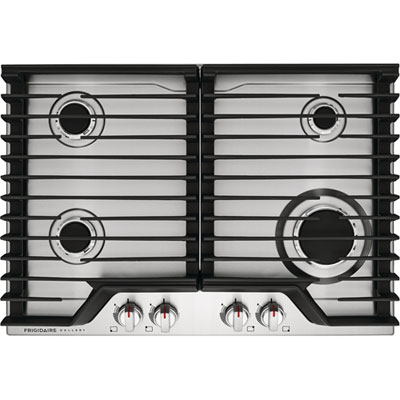
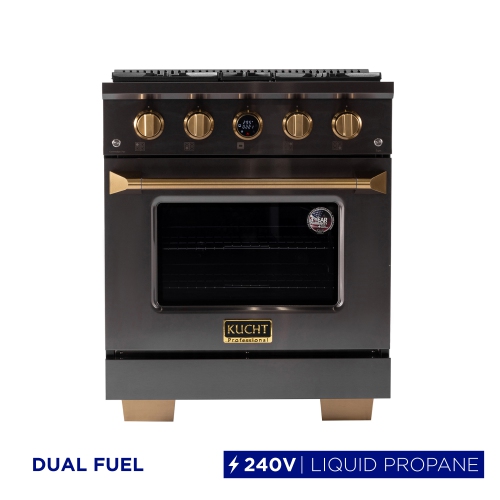
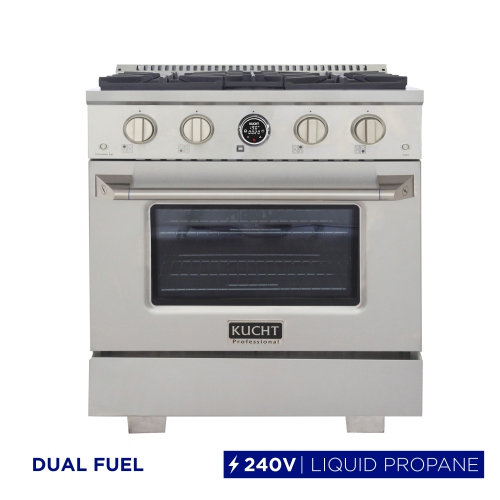
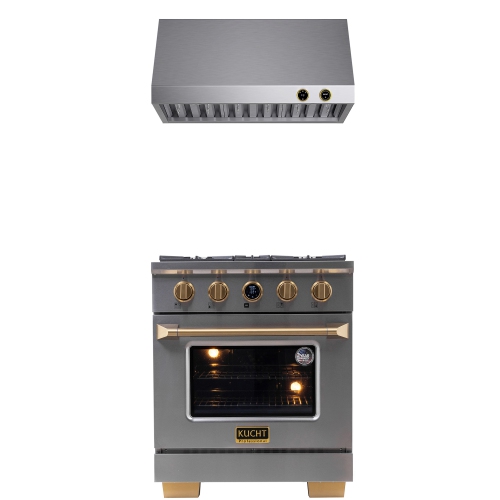
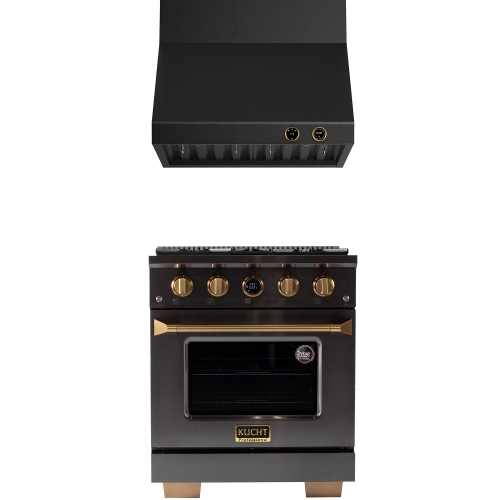
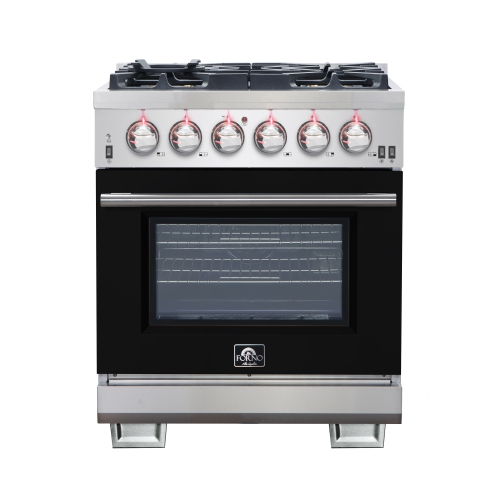
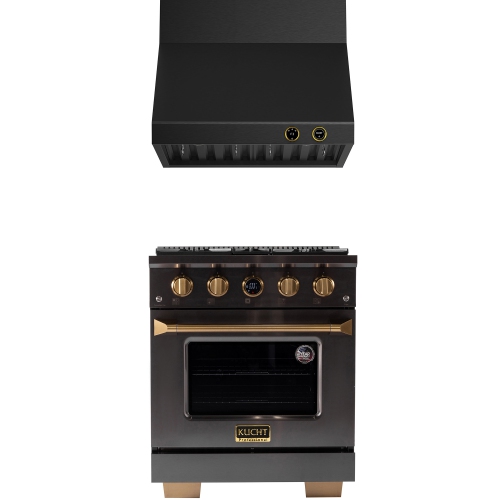
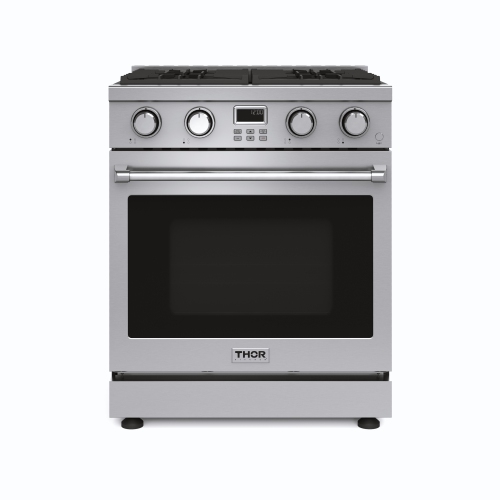
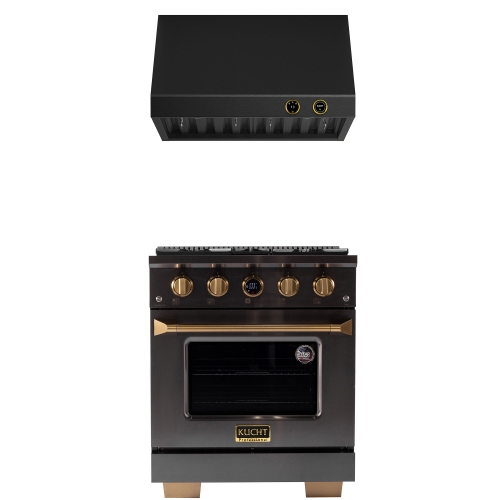
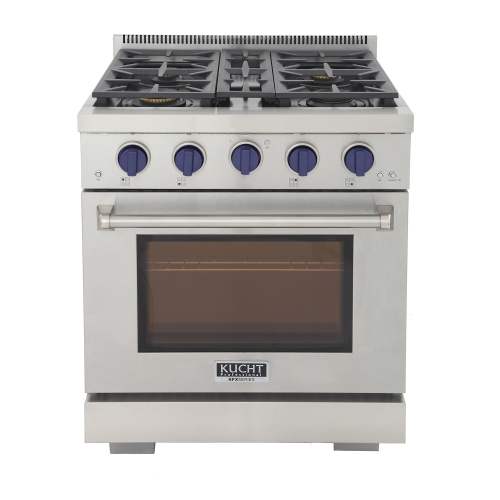
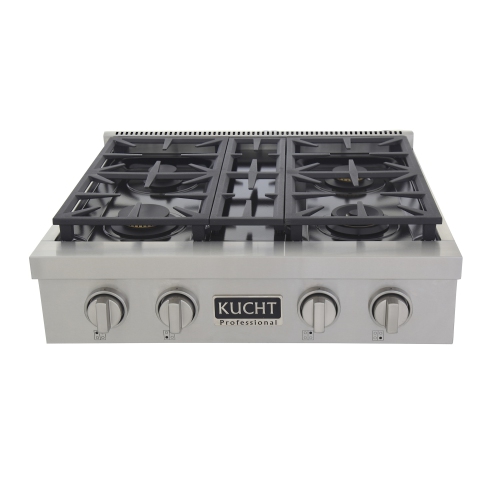
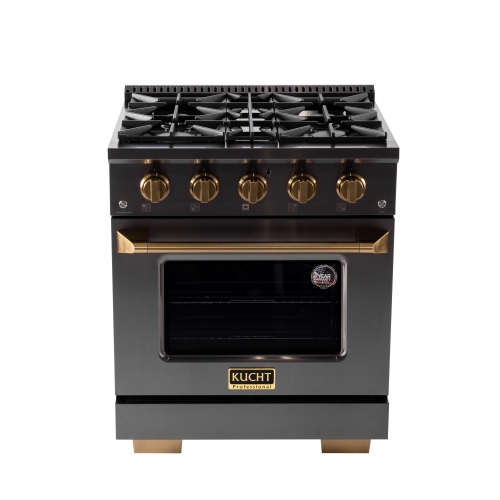
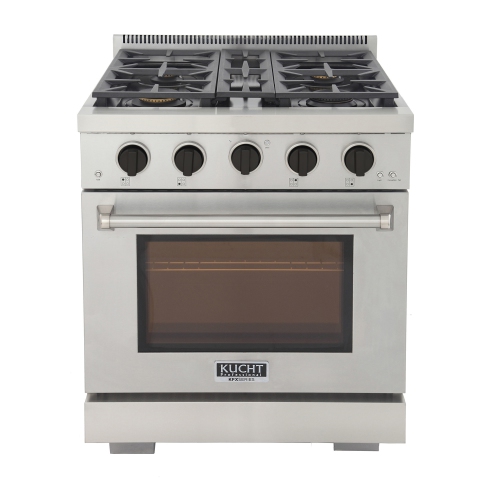
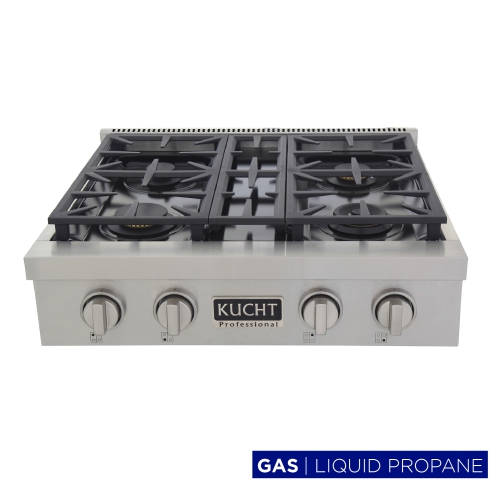
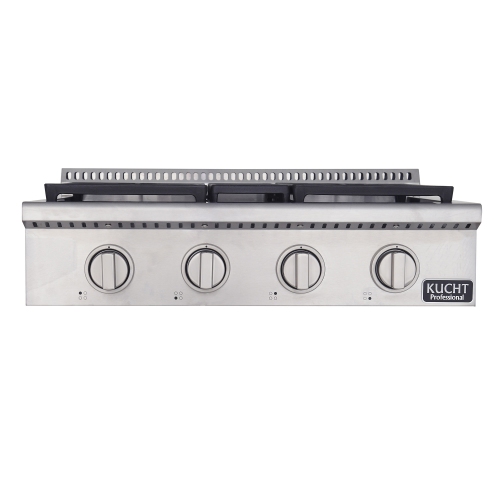
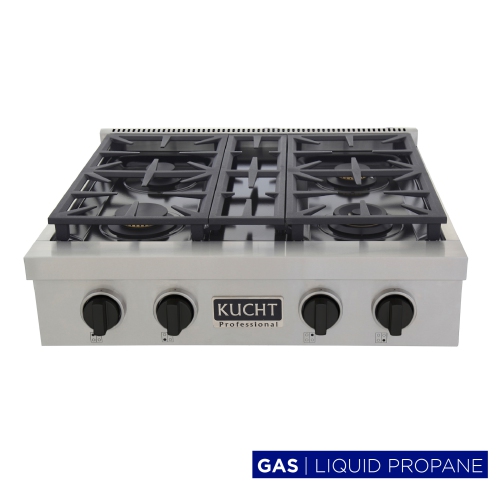
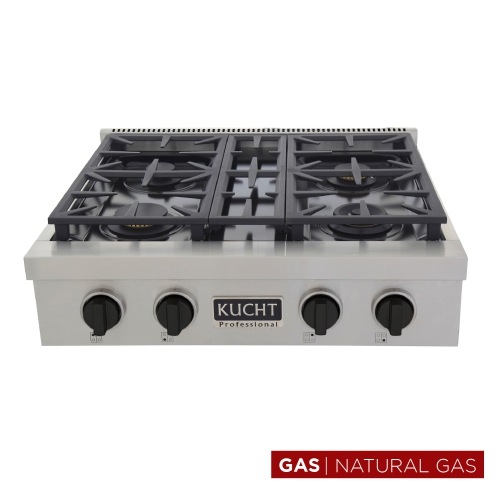
4-Burner Steel Gas Stoves

Browse 4-burner steel gas stoves for everyday cooking with room to use multiple pots and pans at once. Compare overall dimensions, burner spacing, and gas supply requirements to find a stove that fits your space, cookware, and cooking needs.
Sort

Independent burners for mains and sides in sync

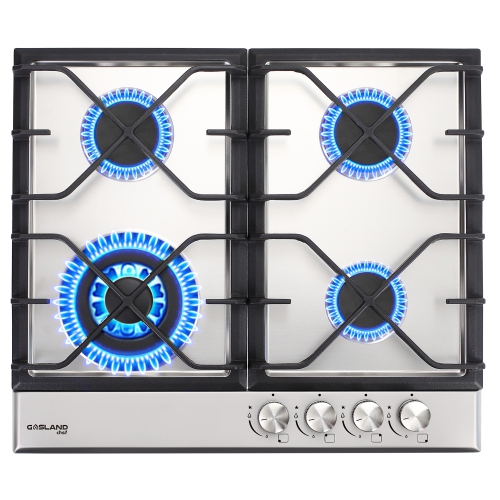
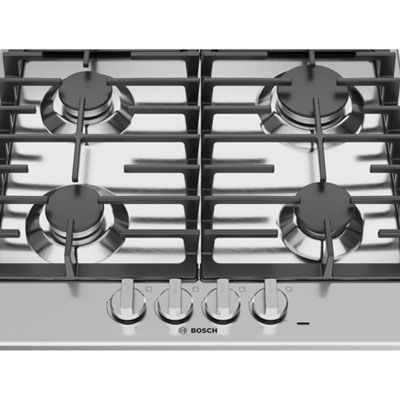
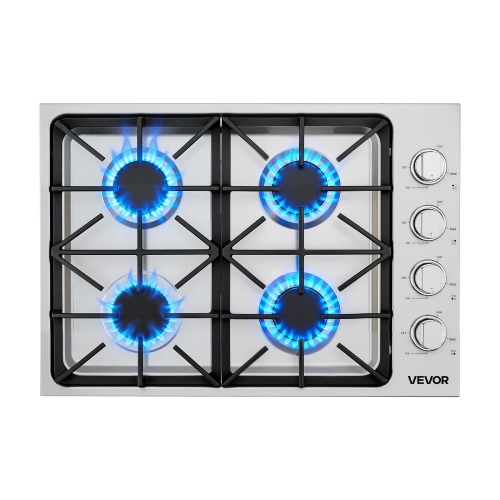
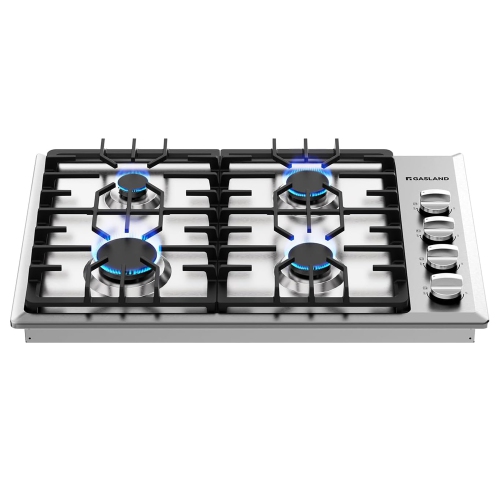
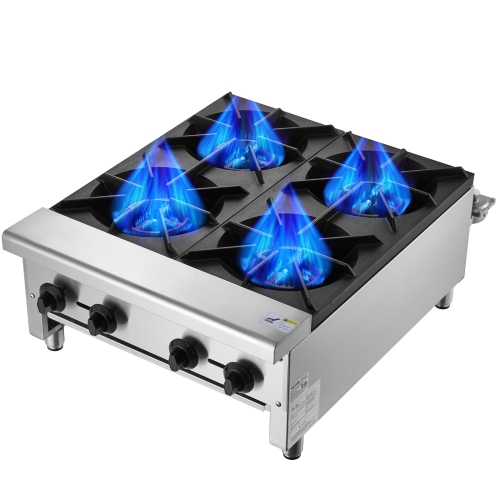
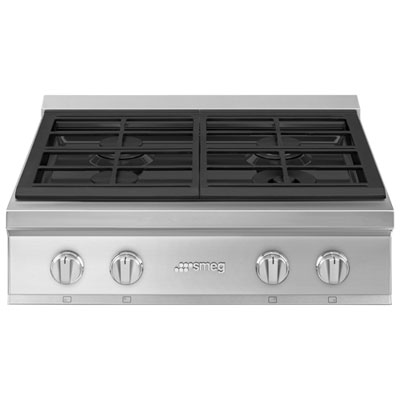
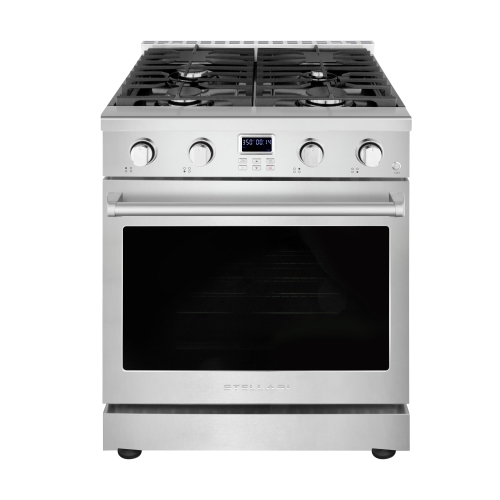
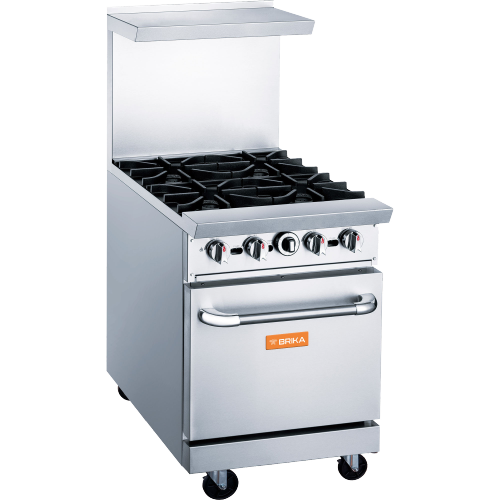
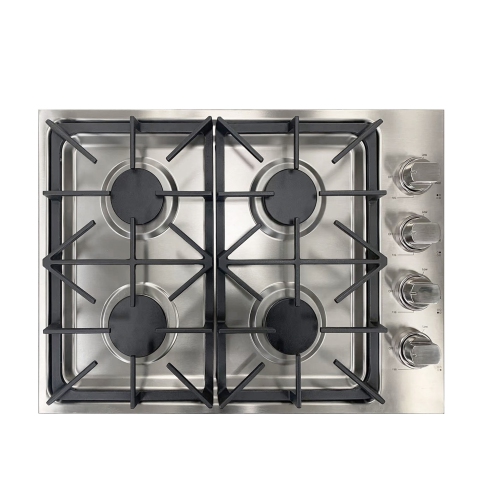
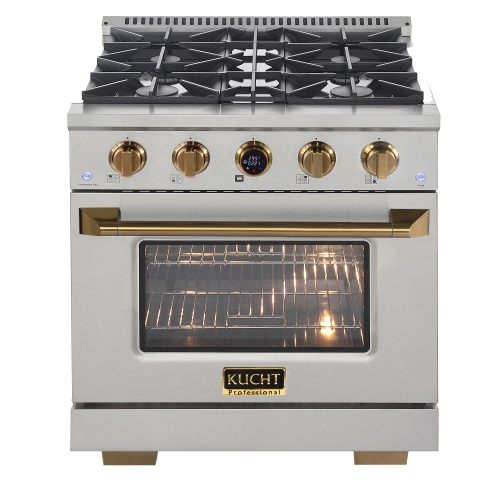
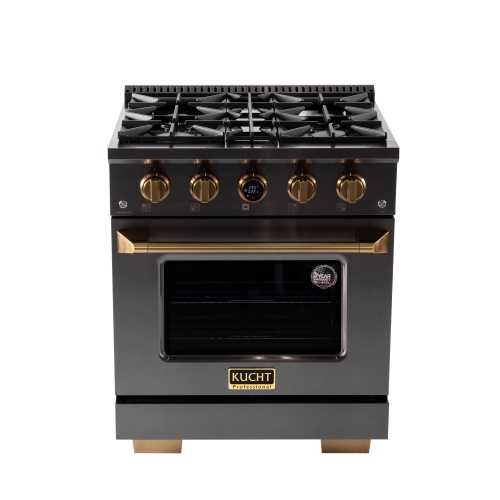
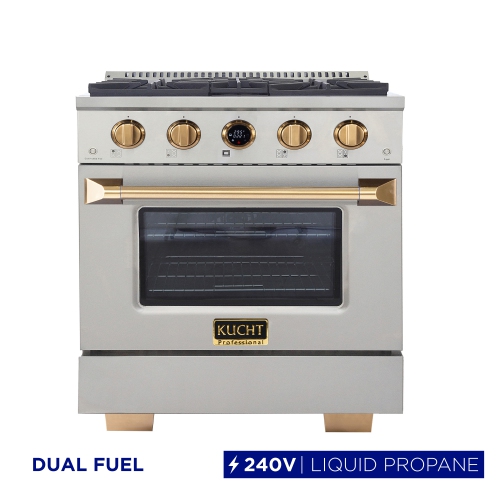
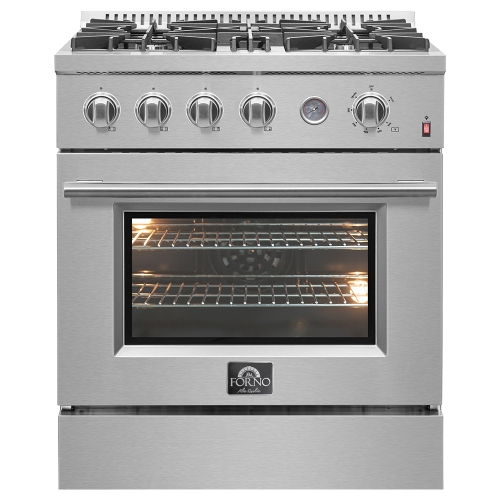
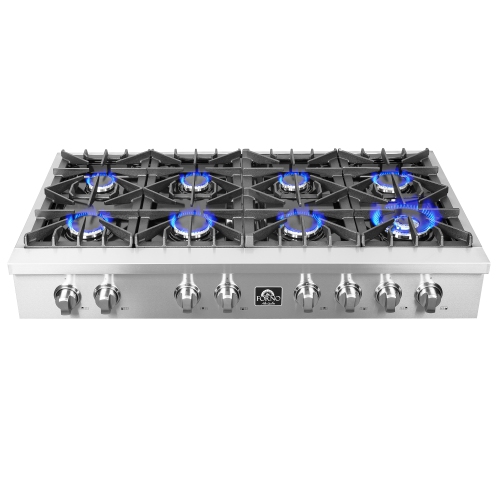
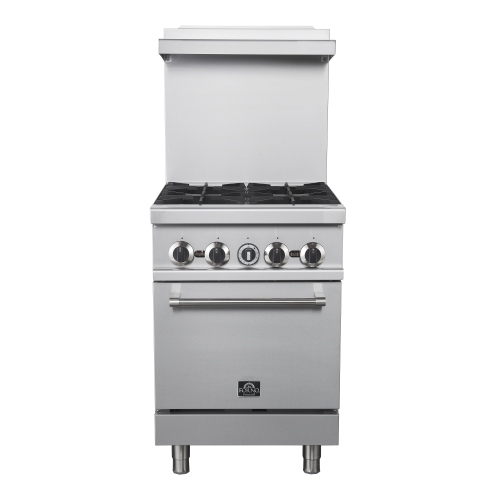
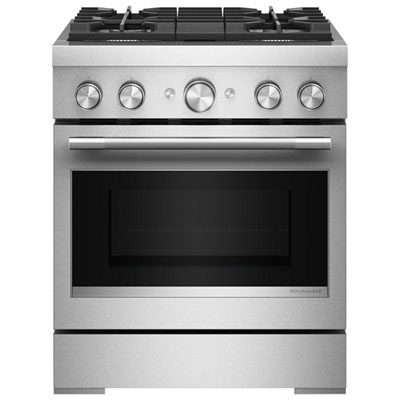
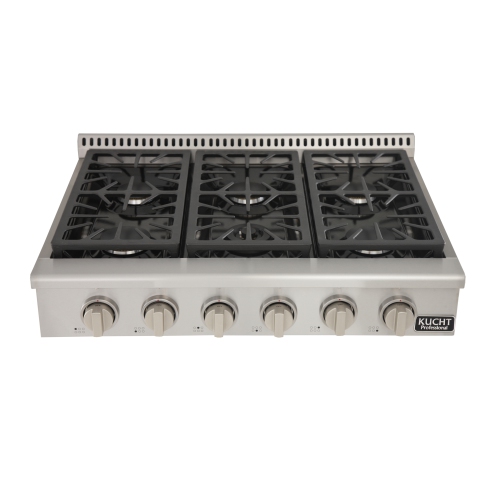
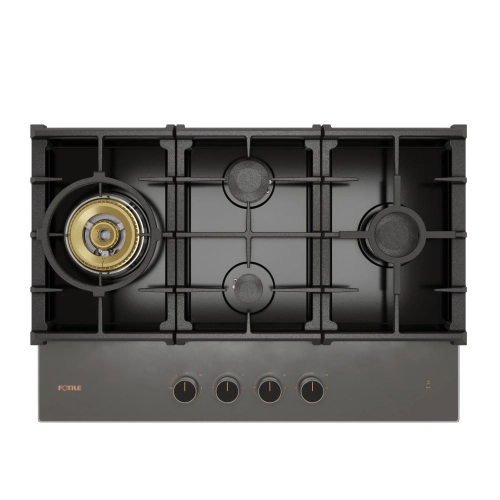
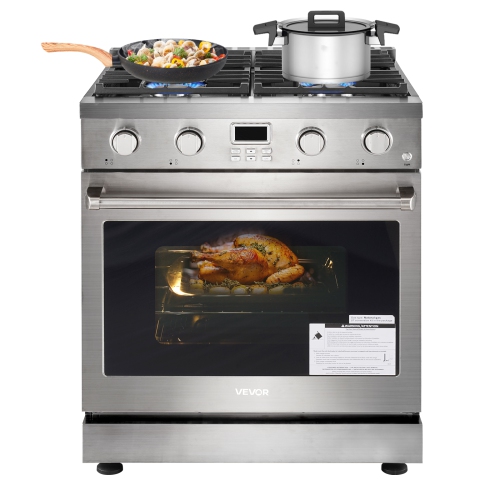
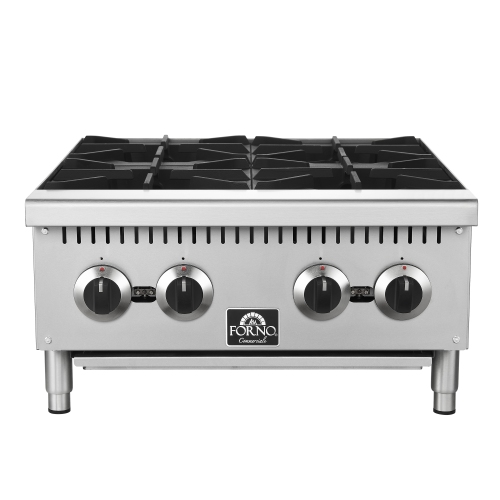
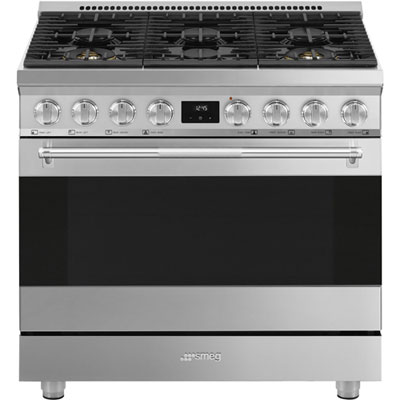
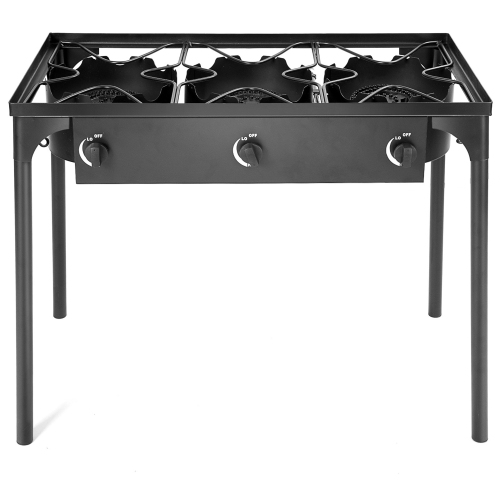
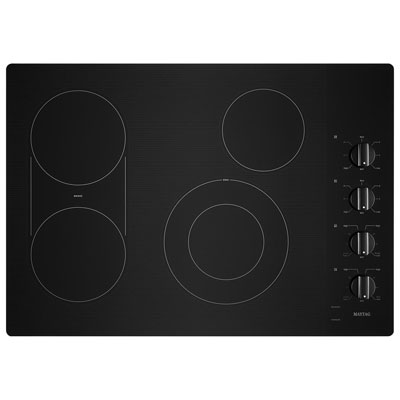
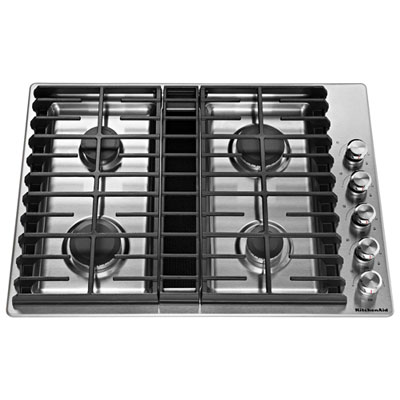
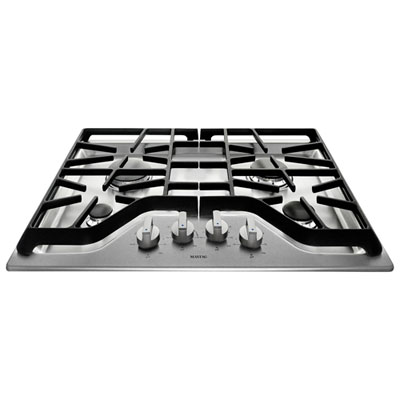
Four-burner steel gas stoves offer four independently controlled cooking positions in a practical layout for everyday meals, with steel construction or stainless steel finishes that suit many kitchen styles. A gas range combines the burners and an oven in one appliance, while a separate gas cooktop fits into a countertop and requires an oven elsewhere if baking and roasting are part of the routine. The four-burner arrangement gives home cooks room to manage several parts of a meal at once: pasta can boil in a stockpot while sauce simmers beside it, vegetables sauté in a skillet, and a smaller saucepan holds gravy. Gas heat responds quickly when the flame is adjusted, offering visible feedback as cooking moves from a rolling boil to a gentle simmer. Burner output and placement matter as much as the number of burners. A higher-output burner can be useful for larger pots and searing, while a burner designed for lower heat is better suited to delicate sauces and slow simmering. Output is commonly expressed in British thermal units per hour, or BTU/h, but a high maximum rating alone does not describe how well a burner handles low heat. The distance between burners also affects usable space, especially when a wide frying pan and a large pot need to sit side by side. Continuous grates, where included, create a connected surface that can make repositioning heavy cookware easier, although pans should still be moved carefully. For ranges, the oven adds another set of considerations. Interior dimensions, rack positions, and door clearance influence whether a roasting pan or favourite baking sheet will fit comfortably. Some ranges offer convection cooking, which uses a fan to circulate heated air; others use a conventional oven layout. Gas burners do not necessarily mean a gas oven, since dual-fuel ranges pair gas surface cooking with an electric oven. The combination that fits best depends on both cooking habits and the connections in the kitchen.
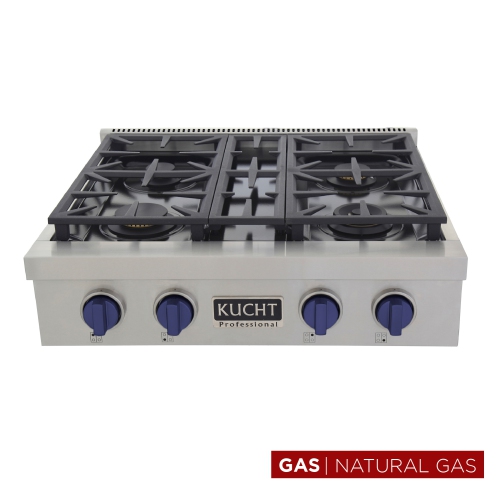
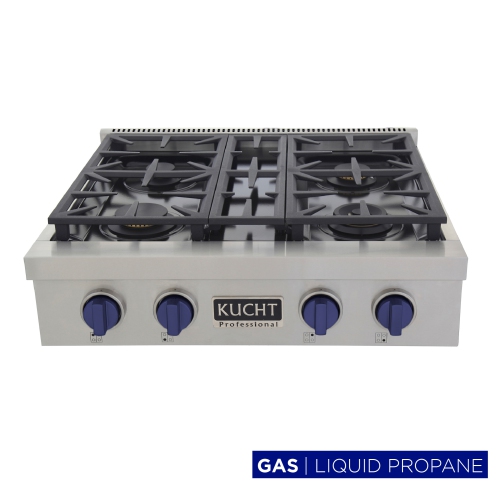
Fit begins with the space around the appliance, not just the width shown in its description. A nominal 30-inch range, for example, still needs its exact dimensions checked against the cabinet opening, countertop height, and installation clearances. Depth deserves attention because handles, doors, and rear connections can affect how far the appliance projects into a walkway. An oven door needs room to open without colliding with an island or nearby cabinet, and the delivery route must accommodate the appliance through doorways and around corners. Freestanding and slide-in designs can have different installation requirements, so an existing opening should not be assumed suitable simply because the previous range had four burners. For a separate cooktop, the countertop cutout, countertop material, cabinet space below, and required clearances all need to match the installation specifications. Households working with a smaller cooking area may also compare 3 Burner Stoves when deciding how much cooking surface their daily routine requires. Fuel compatibility is equally important. Natural gas and propane are not interchangeable without the appropriate configuration, and conversion should only be considered when the manufacturer permits it and provides the required instructions and parts. Gas connections and any permitted conversion belong with a qualified professional working to applicable local requirements. Many gas ranges also need an electrical connection for ignition, lighting, displays, or other functions, so the electrical requirements should be confirmed rather than inferred from the fuel type. Ventilation needs planning alongside the stove, with a suitable range hood and the clearances specified for both appliances. A gas stove is a cooking appliance, not a source of room heating, and its vents must remain unobstructed. For ranges supplied with an anti-tip bracket, correct installation is an essential part of setup. These practical details matter in a first kitchen, an established family home, or a renovation where an appealing finish must also work with the existing layout and services.

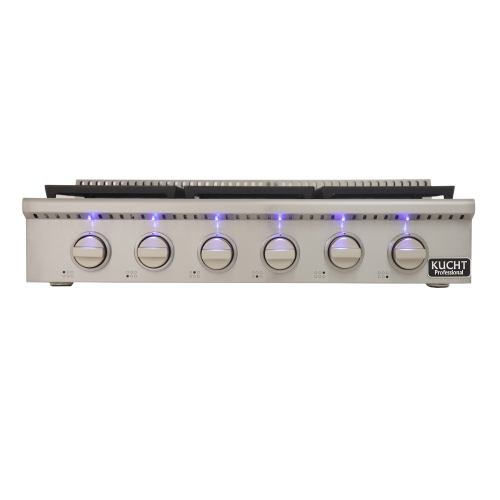
Steel surfaces bring a clean, substantial look to a kitchen, but the finish and the underlying construction are worth distinguishing. A stainless steel exterior does not mean every component is stainless steel: burner caps, cooking surfaces, grates, oven interiors, and control panels may use different materials. Stainless steel can show fingerprints, water marks, and fine scratches, while coated surfaces have their own cleaning requirements. Durability depends partly on construction and partly on everyday care. Once surfaces have cooled, wiping up splashes with a soft cloth and a cleaner approved for the finish helps prevent residue from building up around the burners. On brushed stainless steel, cleaning with the grain helps preserve its appearance; abrasive pads and unsuitable chemicals can leave lasting marks. Removable grates and burner caps make some areas easier to reach, but dishwasher suitability should never be assumed. Burner parts need to be clean, dry, and correctly seated before use so that the flame can form as intended. Grates should sit securely, and cookware should have stable bases and sizes appropriate to the burner beneath them. A small saucepan over an oversized flame can leave heat climbing around its sides rather than staying under the base. Control layout also shapes the daily experience: clearly marked knobs, readable oven settings, and comfortable reach can matter as much as extra cooking modes. Front controls may be convenient, but their position deserves thought in homes with young children. A four-burner layout suits cooks who regularly prepare a main dish and several sides, couples who share meal preparation, and households that batch-cook sauces, soups, or grains. For frequent bakers, oven performance and usable rack space may carry more weight than maximum burner output. For someone who mostly cooks on the stovetop, balanced burner sizes, generous pan spacing, and easy-to-clean surfaces can make the greater difference over years of daily use.

FAQ

Some products may be subject to Environmental Handling Fees (EHF) depending on your province. Learn more about EHFs.