4-Burner Gas Cooktops
Looking to upgrade your kitchen with a sleek and efficient cooking solution? 4-burner gas cooktops are an ideal choice. Designed to provide precise heat control and ample cooking space, these versatile appliances are perfect for home chefs who love to whip up delicious meals. Whether you're simmering sauces, boiling pasta, or searing steaks, these 4-burner gas cooktops offer the power and flexibility you need to achieve perfect results. Here are some great options available.
Sort

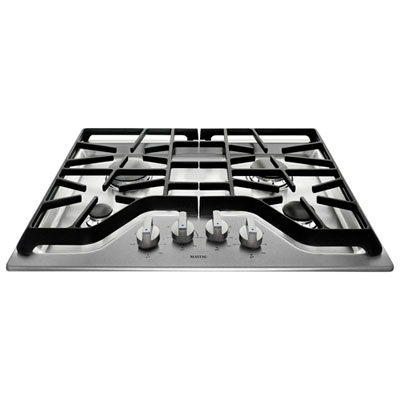
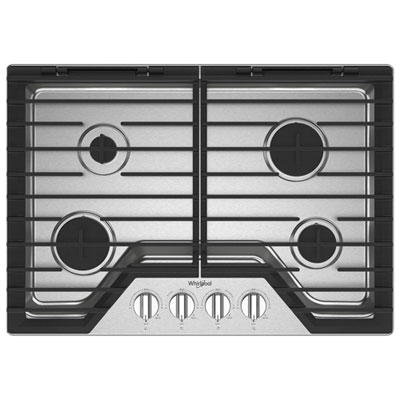
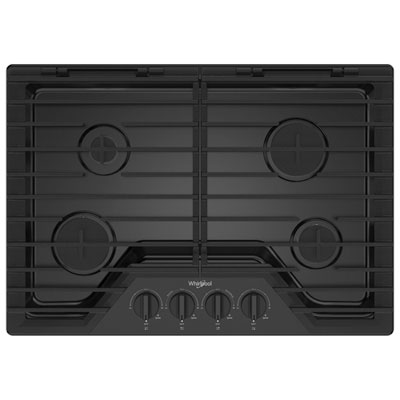
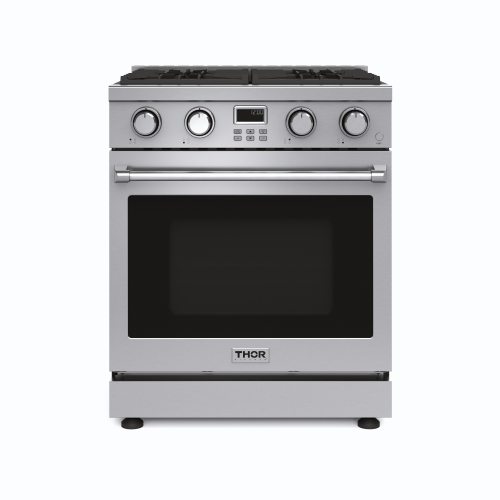
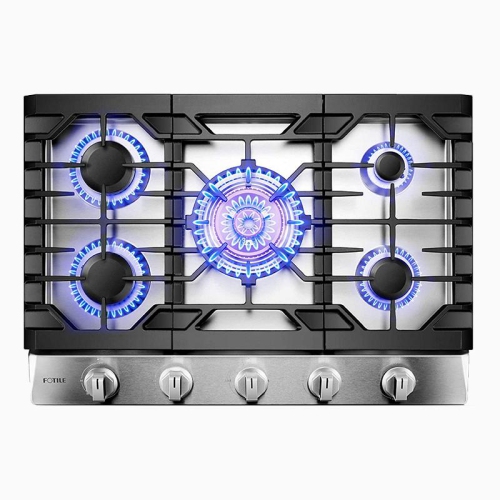
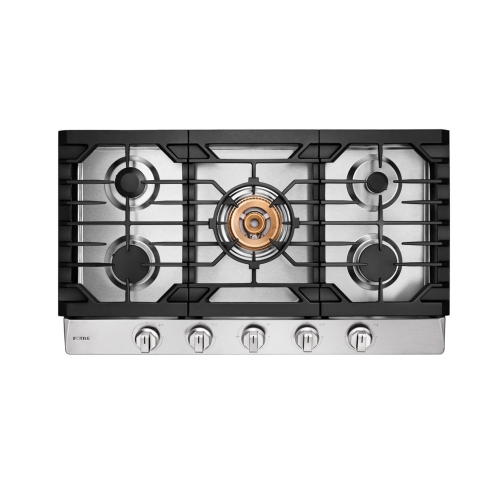
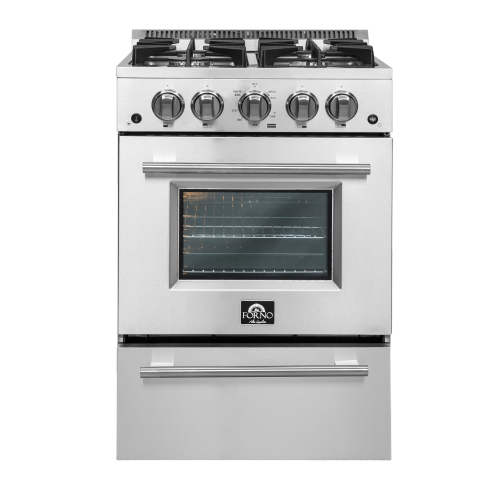
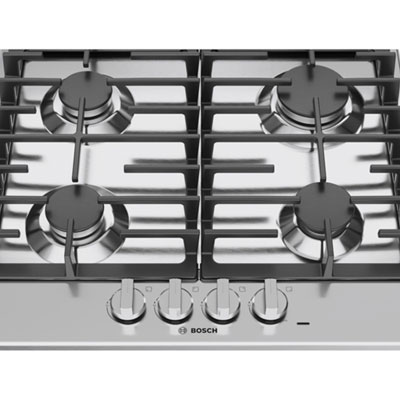

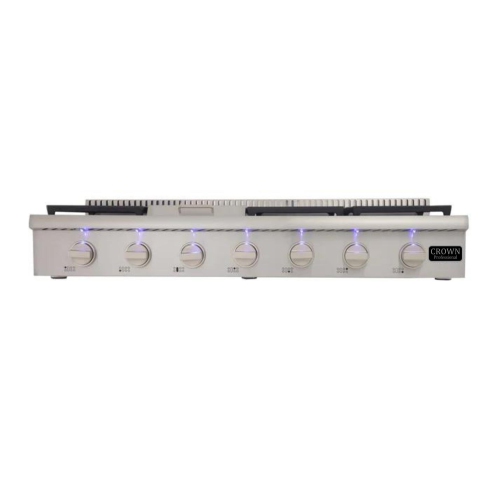
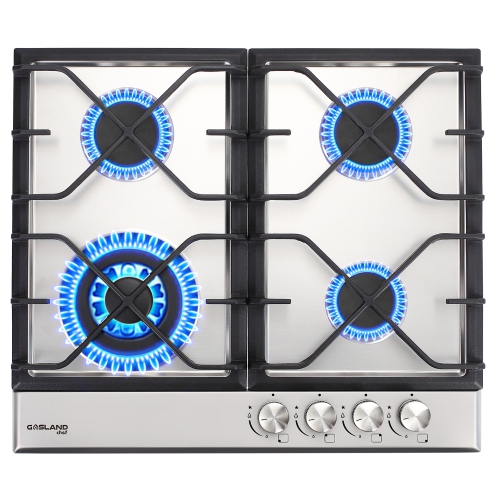
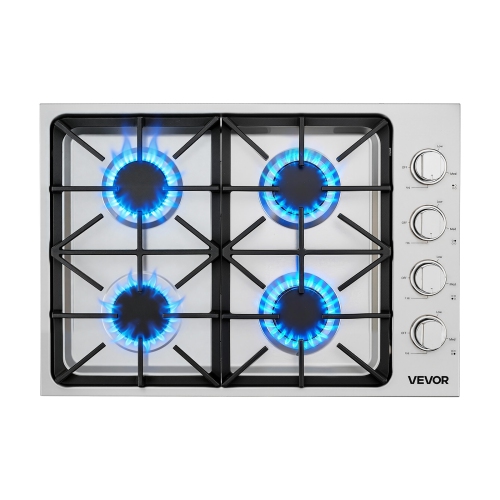
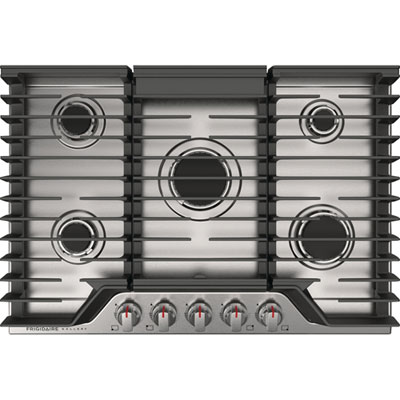
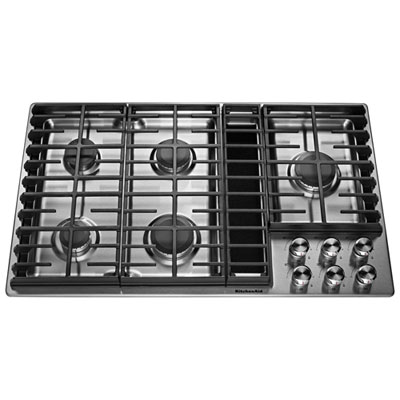
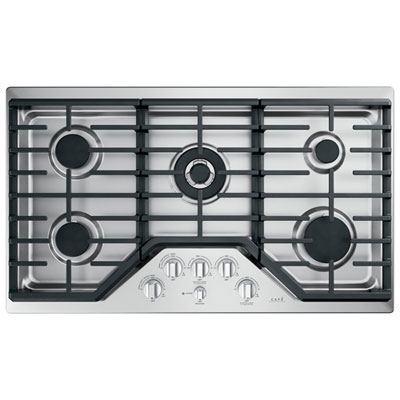
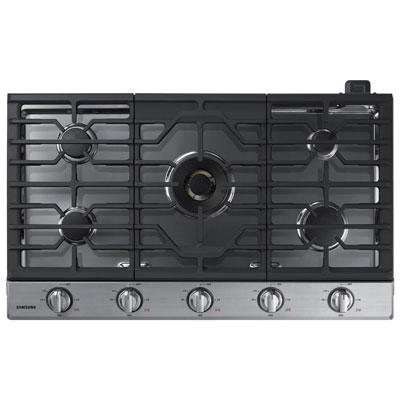
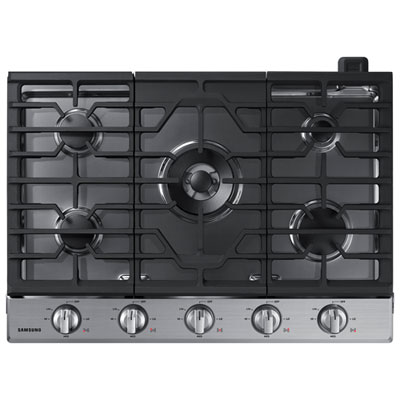
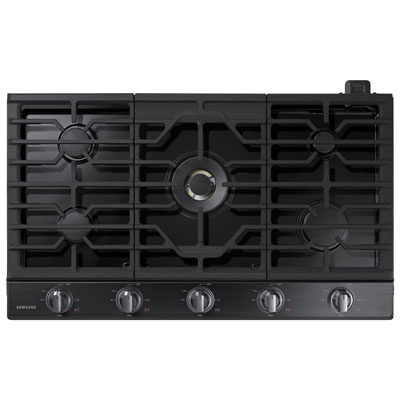
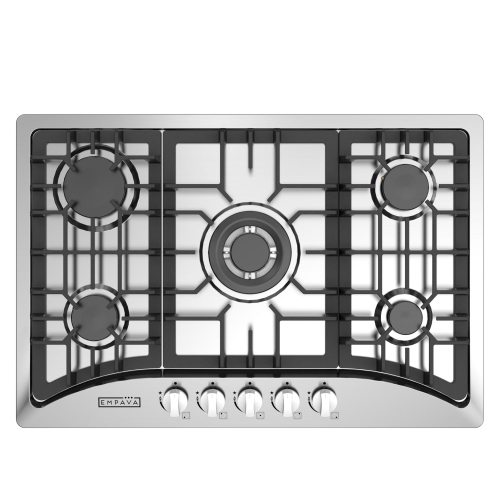
From lively boils to gentle simmers without moving pots
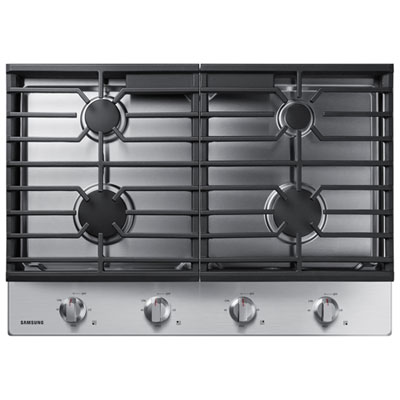
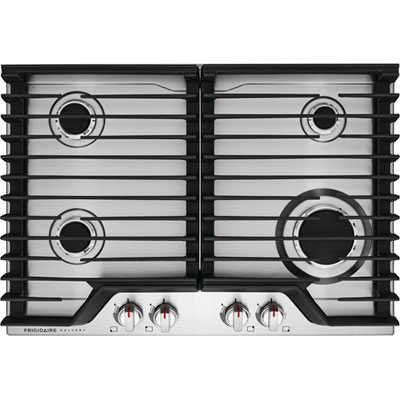
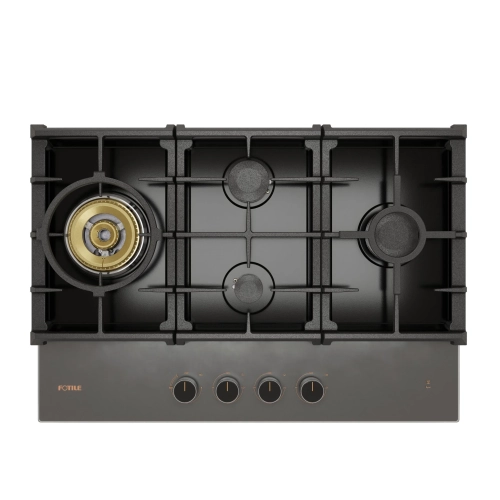
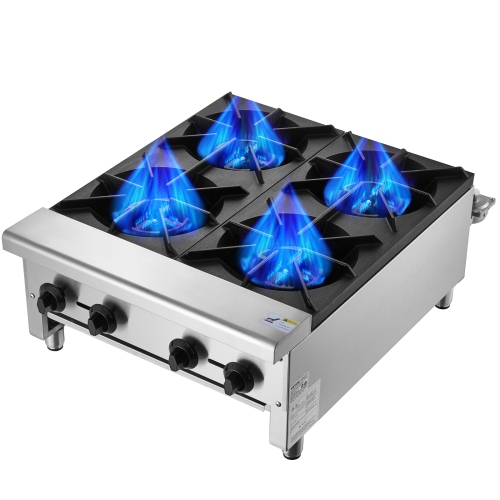
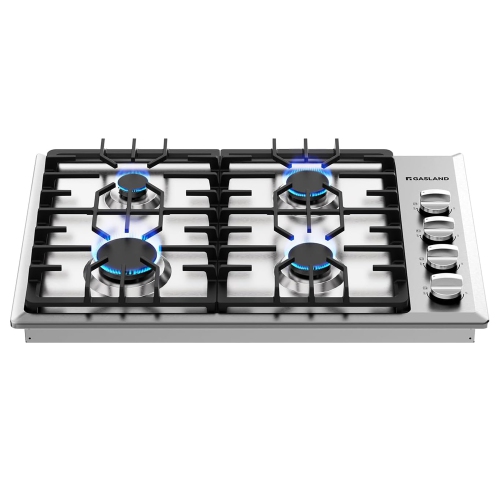
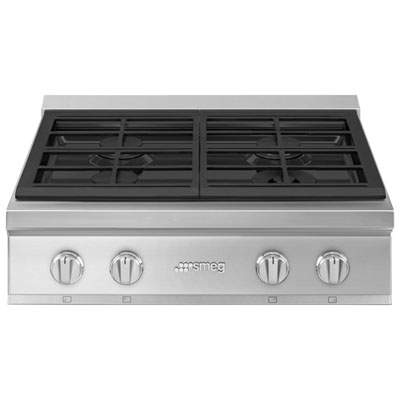
A 4-burner gas cooktop brings four independently controlled cooking zones into a countertop, keeping the cooking surface separate from the oven and giving a kitchen more flexibility in its layout. The appeal is practical: a visible flame responds promptly when the control turns, making it easier to move from a lively boil to a gentle simmer without shifting the pot to another burner. Four burners can handle the familiar rhythm of a complete meal, with pasta boiling in a stockpot, sauce bubbling in a saucepan, vegetables steaming, and a skillet ready for the finishing touches. Common widths include 24-inch and 30-inch formats, although dimensions vary by model and the advertised width does not indicate the required countertop opening. A compact format can suit a smaller kitchen, while a wider surface may offer more room between pans without increasing the number of burners. That spacing matters as much as the burner count: two broad frying pans can occupy considerably more space than four small saucepans. Burner placement also influences how comfortably someone can reach a rear pot or lift a heavy Dutch oven without passing over another flame. A mix of burner outputs supports different tasks, from melting butter and keeping gravy warm to bringing a large pot of water to a boil. Gas burner output is commonly expressed in British thermal units per hour, usually labelled BTU in appliance specifications. A high-output burner rated at 15,000 BTU or more can be useful for larger cooking tasks, but total output alone does not describe how well a cooktop will suit everyday meals. Low-flame stability, pan size, and the distribution of heat beneath the cookware are equally meaningful. For households that regularly prepare several dishes at once, the fourth burner provides welcome flexibility; for someone cooking smaller portions, it leaves room to keep a kettle or saucepan ready without crowding the main cooking area. The best-fitting layout is often the one that accommodates the cookware already used most often.
The surface, grates, and controls give a gas cooktop much of its day-to-day character. Stainless steel has a familiar kitchen-appliance finish and tolerates regular use well, though fingerprints, water spots, and fine scratches can become visible. Some designs use a glass surface for a smoother appearance, while enamelled surfaces offer another finish with their own care requirements. Durability depends on both the material and how it is treated: dragging rough cookware across exposed surfaces or using abrasive cleaners can leave marks, and enamel can chip if struck by a heavy object. Cast-iron grates provide substantial support for cookware, while their weight makes removal for cleaning worth considering. Where a design includes continuous grates, pots can move between supported positions more easily than they can across widely separated individual supports. Even so, lifting cookware carefully helps protect the finish and reduces the chance of tipping or spilling. Sealed burners limit how much food and liquid can enter the area beneath the cooking surface, but spills can still collect around burner caps, igniters, and grate feet. A splash of starchy pasta water or a ring of tomato sauce is usually easier to address after the surface cools than after repeated heating has baked it on. Removable burner caps and grates can make routine cleaning more manageable, provided they are cleaned according to the manufacturer's directions and dried thoroughly before reassembly. Correctly seated burner caps help maintain an even flame, and clear burner ports support reliable operation. Dishwasher suitability varies, so removable parts are not automatically dishwasher-safe. Controls deserve similar attention. Front-mounted knobs may be easier to reach without leaning over cookware, while side-mounted controls change how much usable space remains beside the burners. Clear markings, comfortable grip, and a predictable turning action make frequent adjustments less fiddly when a recipe calls for reducing heat in stages. Features such as automatic reignition or flame-failure protection are model-dependent rather than standard across all gas cooktops. Their presence and operation are worth confirming in the specifications, especially in a kitchen shared by several cooks.
Fit and installation are central to choosing a 4-burner gas cooktop, whether it is replacing an older appliance or becoming part of a redesigned kitchen. The overall width, depth, and height need to work with the counter and cabinetry, but the cutout measurements determine whether the appliance can sit correctly in the opening. Two cooktops with the same nominal width can require different cutouts, and an existing opening may need professional assessment before it can be reused or altered. Space below the counter matters too, particularly where drawers, an oven, or other fittings sit beneath the cooking surface. Installation above a built-in oven is appropriate only when the appliance requirements permit that combination. Required clearances from walls, cabinets, and overhead ventilation also vary, so the installation documentation is more reliable than assumptions based on appearance. Fuel compatibility is another essential distinction. Natural gas and propane require the correct configuration, and a cooktop that supports conversion may need a manufacturer-approved kit that is not necessarily included. Conversion and gas connection work belong with a qualified professional following the manufacturer's requirements and applicable local codes. Many gas cooktops also require an electrical connection for ignition or other functions. A suitably sized range hood vented outdoors helps remove cooking odours, grease, moisture, and combustion pollutants; its placement and clearance should match the relevant appliance requirements. Beyond installation, everyday comfort comes down to how the surface supports the household's cooking habits. A wide skillet for pancakes, a tall pot for soup, and a small pan for warming milk each benefit from a burner and grate arrangement that holds them securely without pushing neighbouring cookware aside. Households wanting another cooking position can also compare 5-burner gas cooktops, while keeping overall dimensions and usable pan spacing in mind. For many kitchens, four well-positioned burners provide a practical balance of cooking capacity, manageable cleaning, and countertop fit, supporting everything from a simple breakfast to a meal with several dishes ready together.
The surface, grates, and controls give a gas cooktop much of its day-to-day character. Stainless steel has a familiar kitchen-appliance finish and tolerates regular use well, though fingerprints, water spots, and fine scratches can become visible. Some designs use a glass surface for a smoother appearance, while enamelled surfaces offer another finish with their own care requirements. Durability depends on both the material and how it is treated: dragging rough cookware across exposed surfaces or using abrasive cleaners can leave marks, and enamel can chip if struck by a heavy object. Cast-iron grates provide substantial support for cookware, while their weight makes removal for cleaning worth considering. Where a design includes continuous grates, pots can move between supported positions more easily than they can across widely separated individual supports. Even so, lifting cookware carefully helps protect the finish and reduces the chance of tipping or spilling. Sealed burners limit how much food and liquid can enter the area beneath the cooking surface, but spills can still collect around burner caps, igniters, and grate feet. A splash of starchy pasta water or a ring of tomato sauce is usually easier to address after the surface cools than after repeated heating has baked it on. Removable burner caps and grates can make routine cleaning more manageable, provided they are cleaned according to the manufacturer's directions and dried thoroughly before reassembly. Correctly seated burner caps help maintain an even flame, and clear burner ports support reliable operation. Dishwasher suitability varies, so removable parts are not automatically dishwasher-safe. Controls deserve similar attention. Front-mounted knobs may be easier to reach without leaning over cookware, while side-mounted controls change how much usable space remains beside the burners. Clear markings, comfortable grip, and a predictable turning action make frequent adjustments less fiddly when a recipe calls for reducing heat in stages. Features such as automatic reignition or flame-failure protection are model-dependent rather than standard across all gas cooktops. Their presence and operation are worth confirming in the specifications, especially in a kitchen shared by several cooks.
Fit and installation are central to choosing a 4-burner gas cooktop, whether it is replacing an older appliance or becoming part of a redesigned kitchen. The overall width, depth, and height need to work with the counter and cabinetry, but the cutout measurements determine whether the appliance can sit correctly in the opening. Two cooktops with the same nominal width can require different cutouts, and an existing opening may need professional assessment before it can be reused or altered. Space below the counter matters too, particularly where drawers, an oven, or other fittings sit beneath the cooking surface. Installation above a built-in oven is appropriate only when the appliance requirements permit that combination. Required clearances from walls, cabinets, and overhead ventilation also vary, so the installation documentation is more reliable than assumptions based on appearance. Fuel compatibility is another essential distinction. Natural gas and propane require the correct configuration, and a cooktop that supports conversion may need a manufacturer-approved kit that is not necessarily included. Conversion and gas connection work belong with a qualified professional following the manufacturer's requirements and applicable local codes. Many gas cooktops also require an electrical connection for ignition or other functions. A suitably sized range hood vented outdoors helps remove cooking odours, grease, moisture, and combustion pollutants; its placement and clearance should match the relevant appliance requirements. Beyond installation, everyday comfort comes down to how the surface supports the household's cooking habits. A wide skillet for pancakes, a tall pot for soup, and a small pan for warming milk each benefit from a burner and grate arrangement that holds them securely without pushing neighbouring cookware aside. Households wanting another cooking position can also compare 5-burner gas cooktops, while keeping overall dimensions and usable pan spacing in mind. For many kitchens, four well-positioned burners provide a practical balance of cooking capacity, manageable cleaning, and countertop fit, supporting everything from a simple breakfast to a meal with several dishes ready together.
Top selling and popular products
-
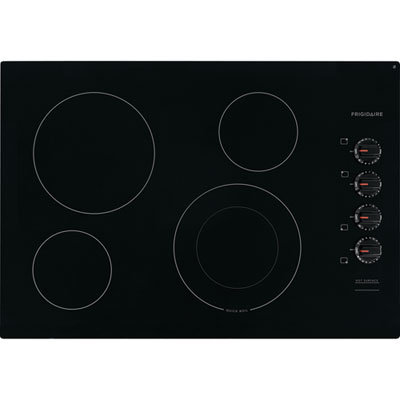 Your price for this item is $699.99
 -
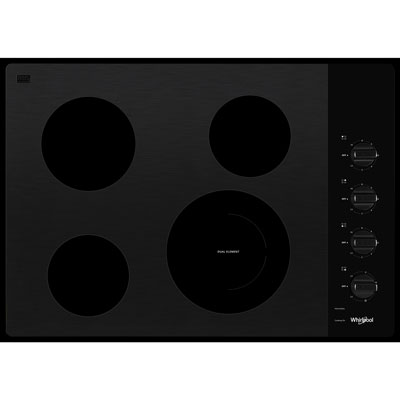 Your price for this item is $949.99
 -
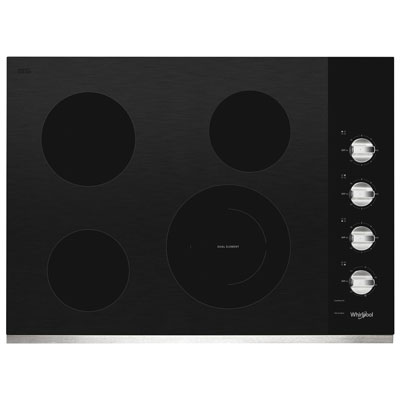 Your price for this item is $949.99
 -
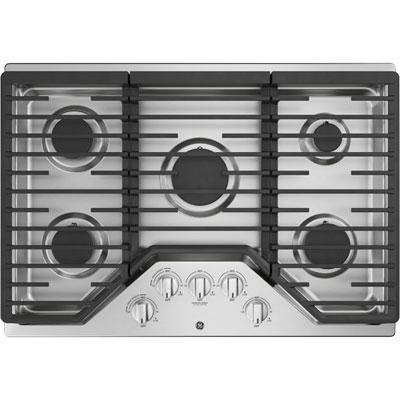 Your price for this item is $1499.99
 -
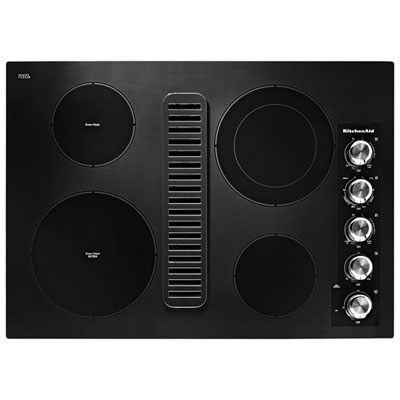 Your price for this item is $2999.99
 -
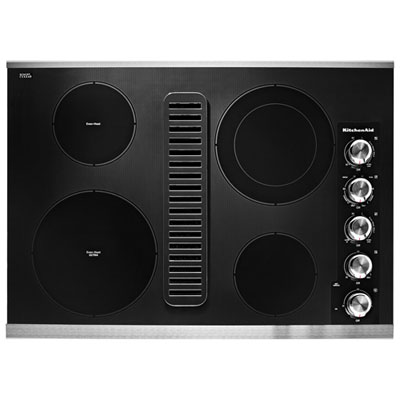 Your price for this item is $3099.99
 -
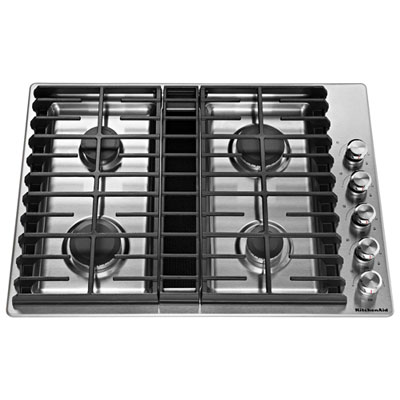 Your price for this item is $3099.99
 -
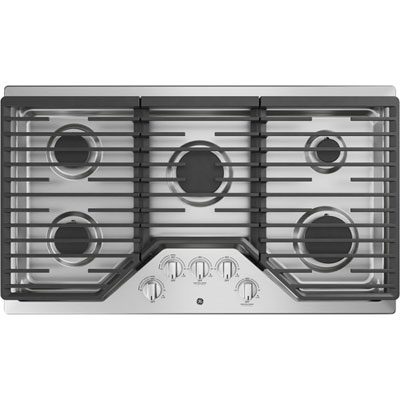 Your price for this item is $1899.99
Discover more categories related to 4-Burner Gas Cooktops
Top Collections:
Pokemon Centers, Kindle Devices, Best Budget Office Chairs, Apple iPhones 16, Best Laptops for Writers, iPhone 15 Apple, Canon G7X Cameras, Refurbished Apple Laptops, Alarm Clock, Motorola Razr Phones
Some products may be subject to Environmental Handling Fees
(EHF) depending on your province.
Learn more about EHFs.