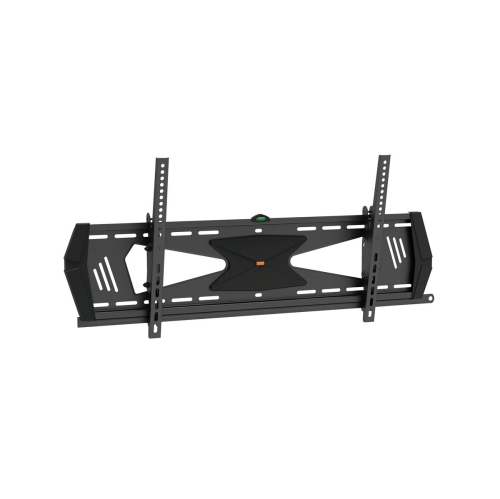
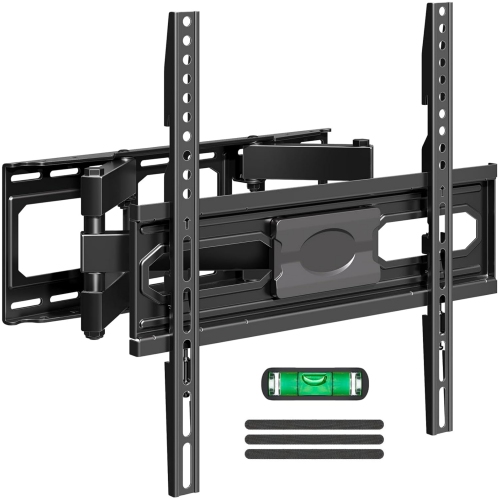
65 Flat Screen TV Wall Mounts

Find wall mounts for 65-inch flat-screen TVs by comparing supported screen sizes, weight limits, and VESA mounting patterns—screen size alone doesn’t guarantee a fit. Consider how close you want the TV to sit to the wall and whether you need adjustable viewing angles, then check compatibility with your wall type before choosing a bracket.
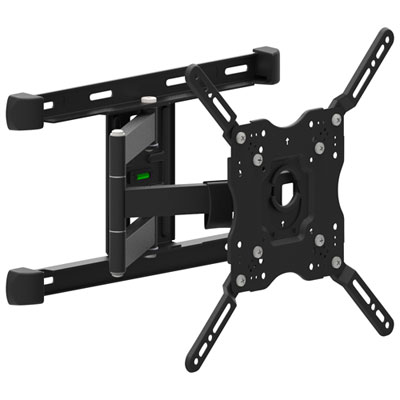
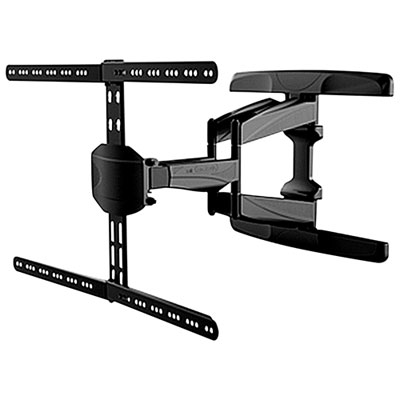
Sort

TV mount compatibility goes beyond screen size

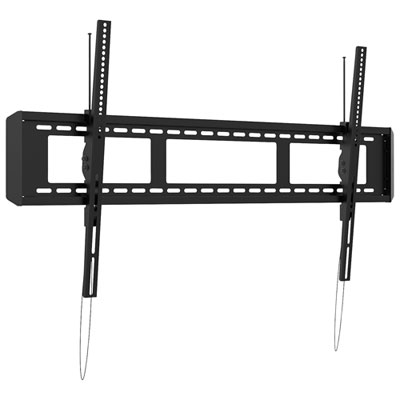
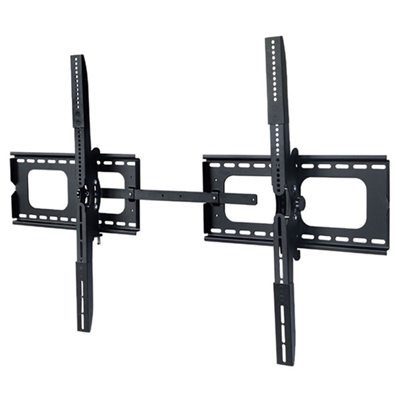
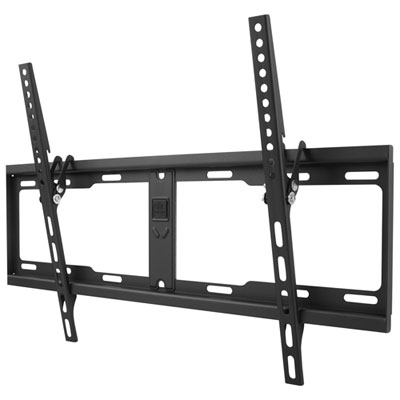
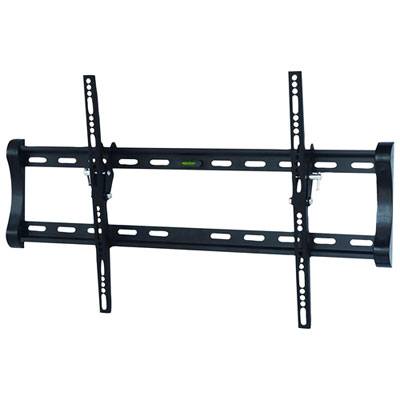
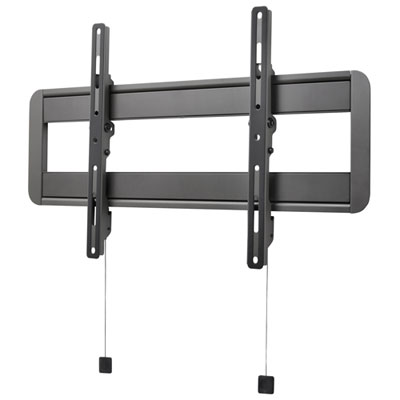
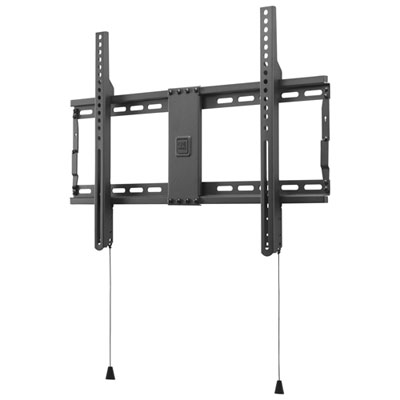
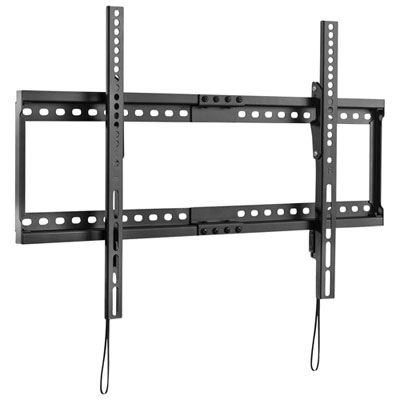
Wall mounts for 65-inch flat-screen TVs secure compatible televisions to a suitable wall and come in fixed, tilting, and full-motion designs. They can free up space on a media console, place the screen at a comfortable viewing height, and create a tidy focal point in a living room, bedroom, or home theatre. The 65-inch measurement describes the screen’s diagonal, not the width of the television or the spacing of its mounting holes. Compatibility depends on the mount’s supported screen-size range, maximum load rating, and VESA mounting pattern, along with any restrictions in the television’s documentation. VESA measurements describe the horizontal and vertical distance between the mounting holes on the back of the TV, expressed in millimetres. Matching that pattern matters just as much as matching the screen size: two 65-inch televisions can have different mounting layouts, weights, and rear-panel shapes. The television’s weight without its tabletop stand is usually the relevant starting point, while accessories attached to the mounting assembly may also need to be included within the permitted load. Recessed mounting holes, curved rear panels, and lower sections that house speakers or connections can affect which screws, spacers, and brackets are appropriate. Steel is a common material for load-bearing plates and arms, while some designs incorporate aluminium components. Powder-coated or painted finishes give exposed metal a finished appearance, but a mount’s durability also depends on the design of its joints, welds, fasteners, and locking mechanisms. A broad wall plate can provide flexibility in positioning within the manufacturer’s installation limits, while a compact plate may suit a more specific attachment point. Behind the screen, the bracket layout needs to leave enough room for power connections, HDMI cables, ventilation, and any rear-facing ports. These details help distinguish a genuinely compatible mount from one that simply lists 65 inches within a broad size range.
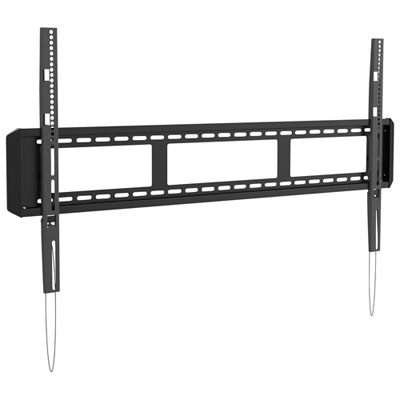
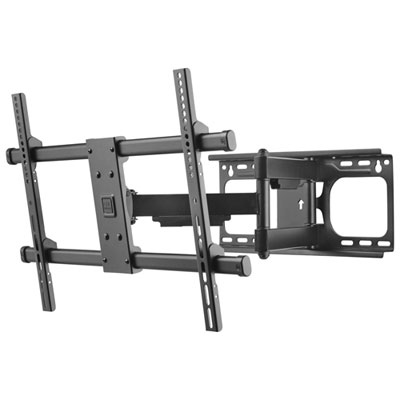
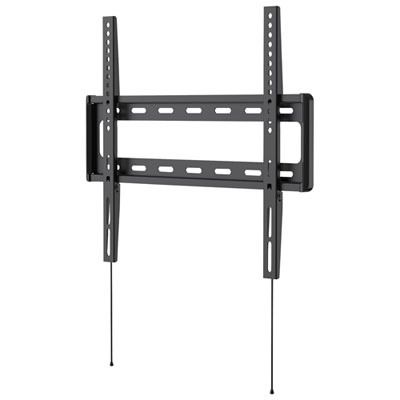
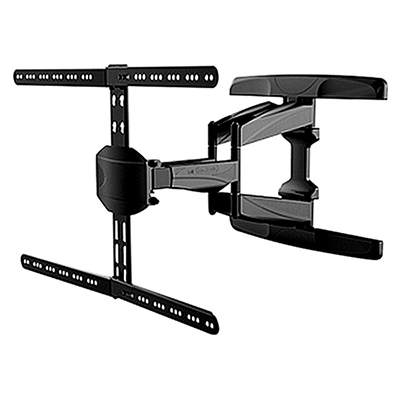
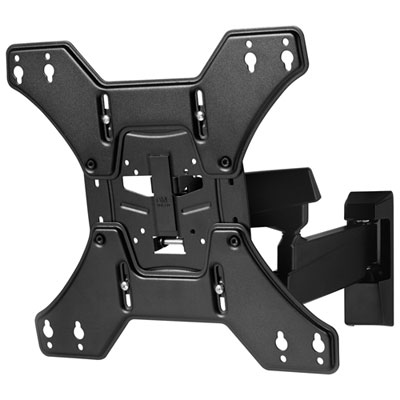
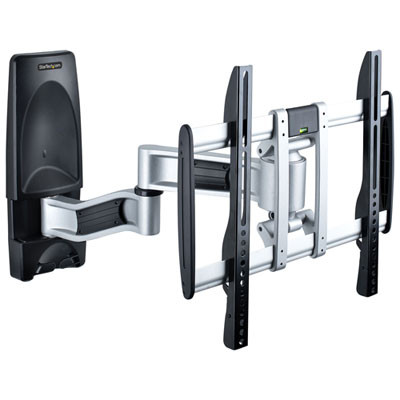
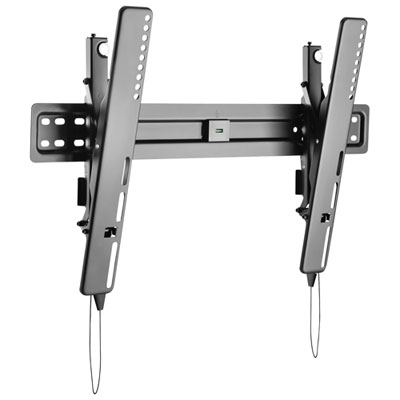
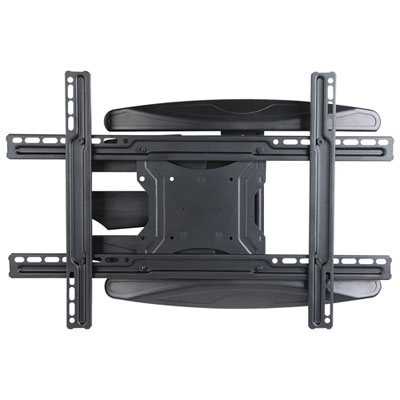
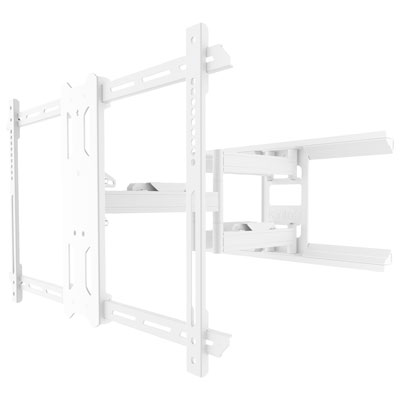
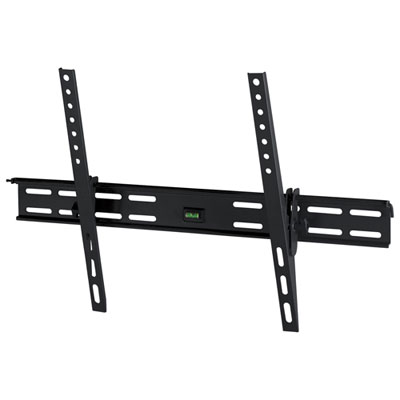
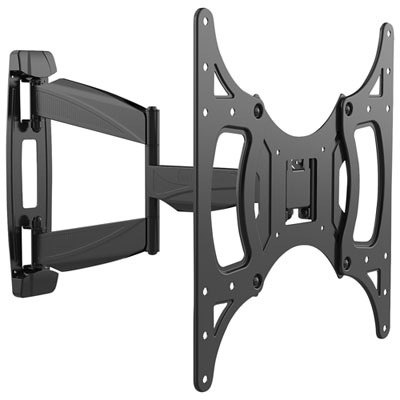
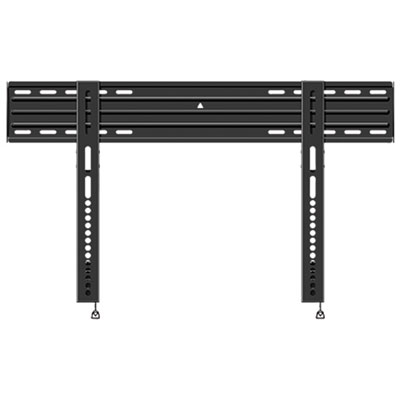
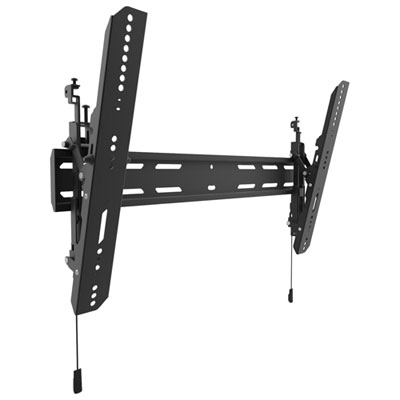
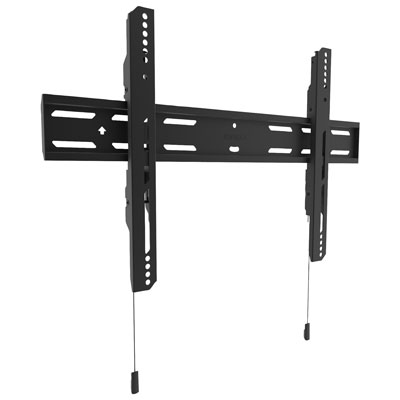
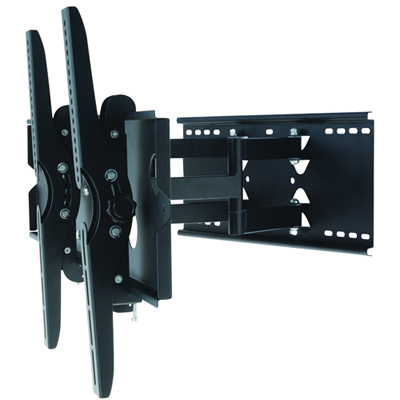
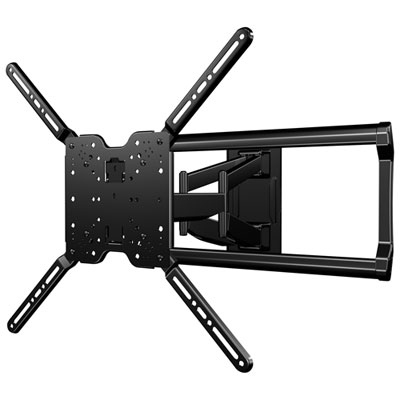
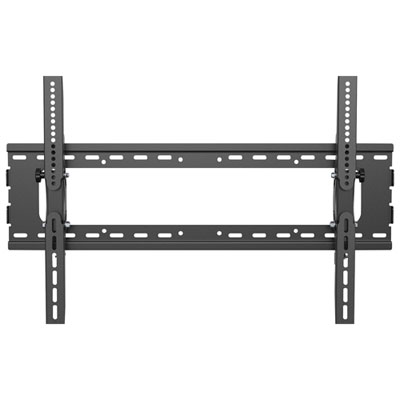
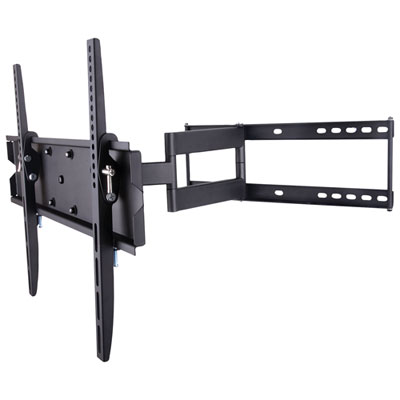
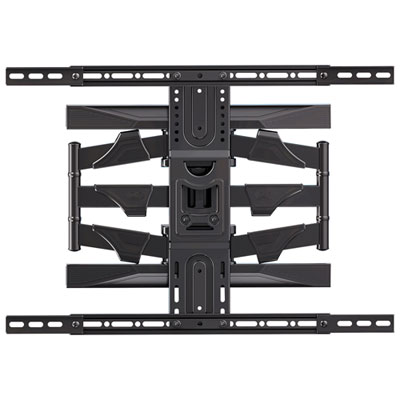
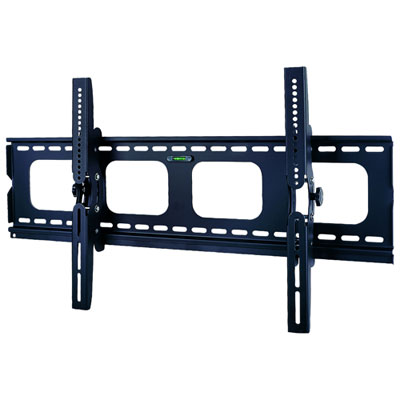
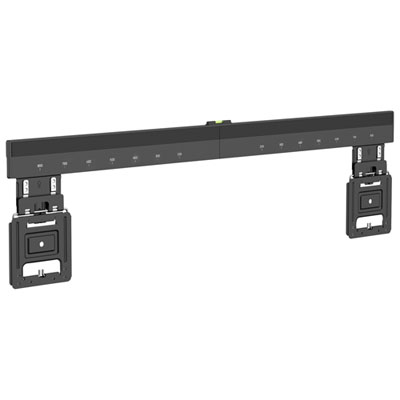
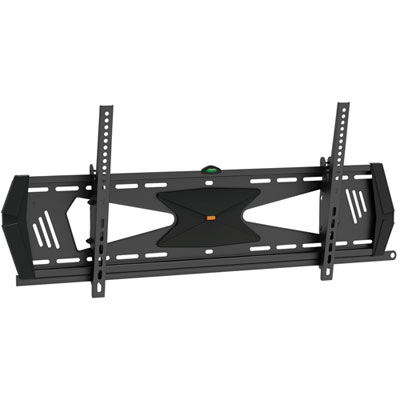
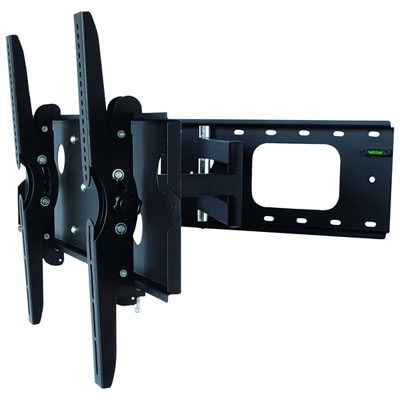
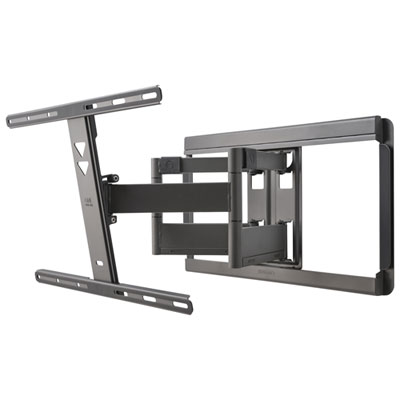
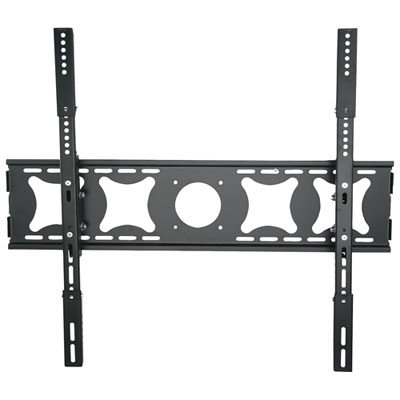
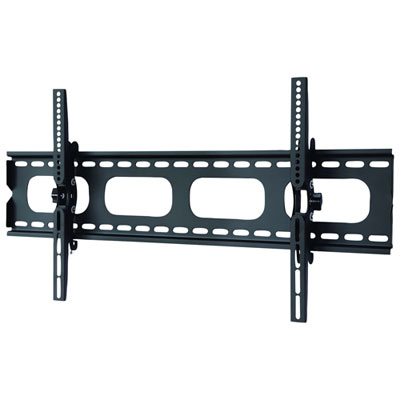
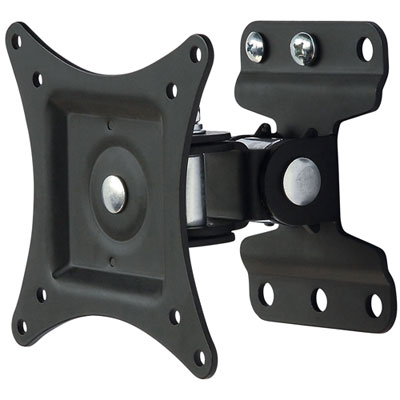
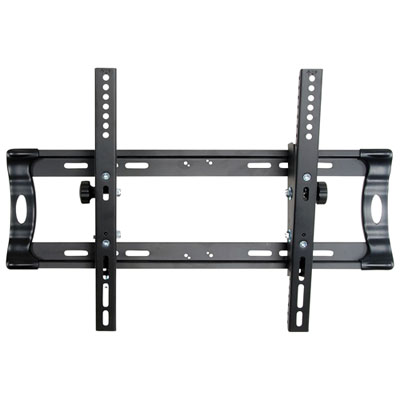
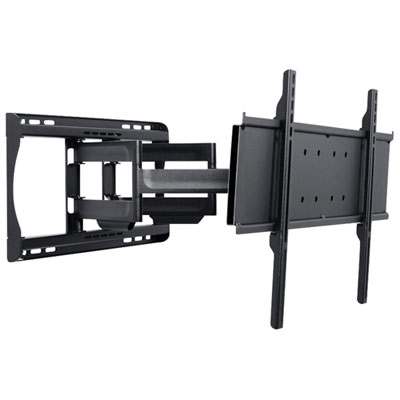
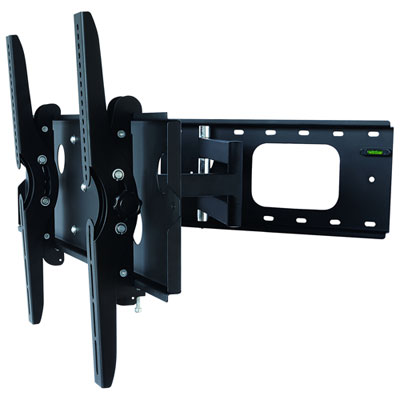
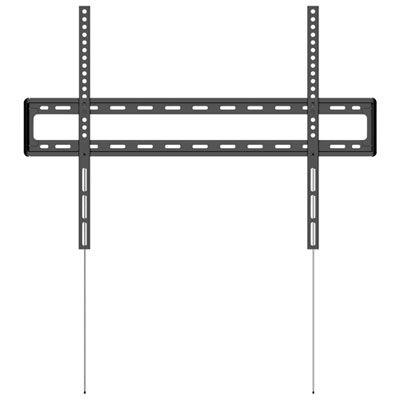
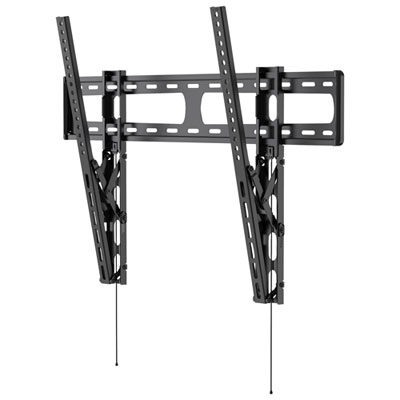
The different mounting styles suit different ways of using a room. A fixed mount holds the television in a set position close to the wall, making it a straightforward fit for a dedicated seating area where the sofa faces the screen directly. Its shallow profile can create a framed appearance, although the clearance behind the television still needs to accommodate plugs and cable bends. Tilting mounts allow the screen to angle up or down within a specified range. That adjustment can be useful when the installation position is somewhat higher than the seated viewing position or when reflections from windows and lamps interfere with the picture. Tilt can help manage reflections, but it does not eliminate the need for thoughtful placement. Full-motion mounts add extending arms and side-to-side movement, giving the screen more flexibility in an open-plan space or a room with several seating positions. A television might face the main sofa for a film, then turn towards an adjacent dining area for a game. The actual swivel range depends on the arm extension, the television’s width, and nearby walls or furniture; the movement quoted for the mount alone may not be achievable with every screen. Extension also changes how far the television projects into the room, which matters beside doorways and walking routes. For a 65-inch display, the screen’s outer edges need space to move without contacting shelves, a soundbar, or decorative objects. A corner installation adds another consideration because the mount must provide enough reach and suitable attachment geometry for that position. A separate setup using a smaller television may be better served by 55 Corner TV Mounts, with compatibility assessed for that screen rather than assumed from the room layout. Across mounting styles, cable-management channels, accessible adjustment points, and post-installation levelling can make everyday use neater and help the screen sit straight above a console.

Wall construction is an essential part of choosing a mount for a 65-inch television. The mounting assembly, television, and any supported accessories place a load on the attachment points, and an extending arm adds leverage when pulled away from the wall. Wood studs, concrete, and masonry each call for installation methods and hardware suited to the particular structure and permitted by the mount manufacturer. Drywall by itself should not be treated as a substitute for a supported structural attachment unless a mounting system is expressly designed and rated for that application. Metal-stud walls and unusual wall assemblies may require a different approach, making professional installation useful when the structure or fastening requirements are uncertain. Placement also affects comfort: a screen positioned near seated eye level generally feels more natural for extended viewing than one that requires a constant upward gaze. Space above a console needs to account for the screen’s lower edge, a soundbar, and access to equipment without crowding ventilation openings. In a bedroom, the viewing angle from the bed may call for a different height and tilt than a living-room arrangement. In a shared household, keeping cables organized and away from walking areas helps the installation look settled rather than temporary. Power cords and signal cables need enough slack for the mount’s full permitted movement without being pinched, stretched, or sharply bent. Concealed wiring requires cable types and installation methods suitable for their intended use; ordinary power cords are not intended to be routed inside a wall. Ongoing care is generally modest: a soft, dry cloth removes surface dust, while occasional checks can reveal loose fasteners, damaged cables, or changes in arm movement. Adjustments should follow the manufacturer’s directions, with the television supported as required rather than pulled by its frame. A well-matched mount brings together reliable support, practical access, and the viewing flexibility the room actually needs.

FAQ

Some products may be subject to Environmental Handling Fees (EHF) depending on your province. Learn more about EHFs.