65 Inch Curved TV Mounts
Transform your entertainment experience with our selection of 65-inch curved TV mounts. Whether you're looking to save space or achieve the perfect viewing angle, our range of 65-inch curved TV mounts offers versatility and flexibility to suit your needs. Explore our collection today and elevate your TV-watching experience to new heights.
Sort

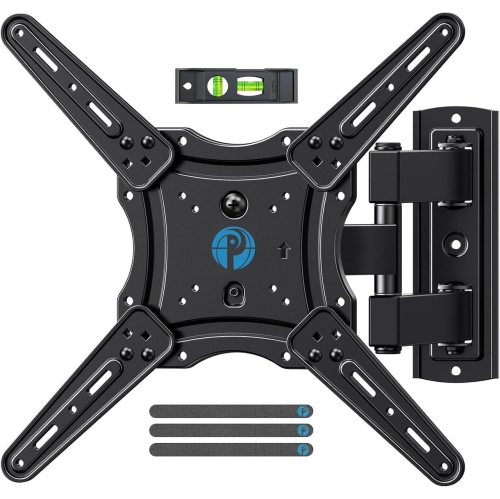
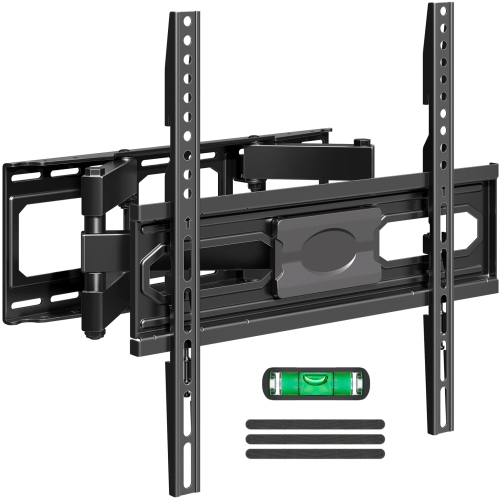
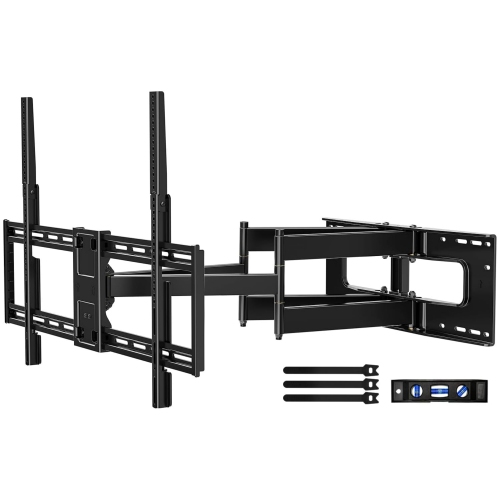
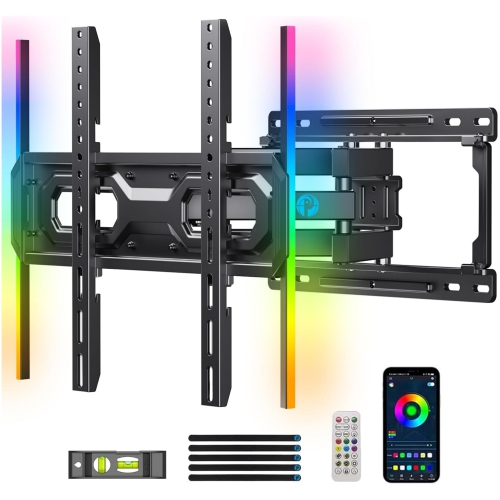
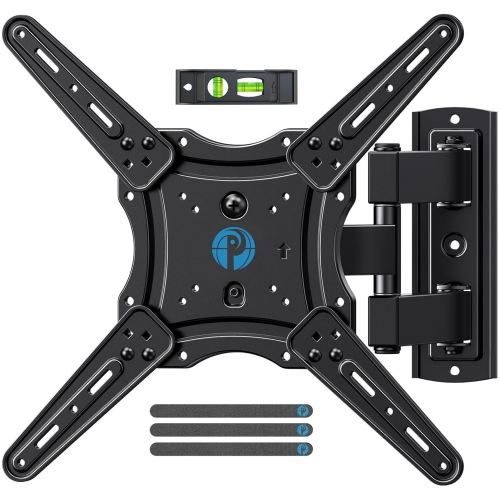
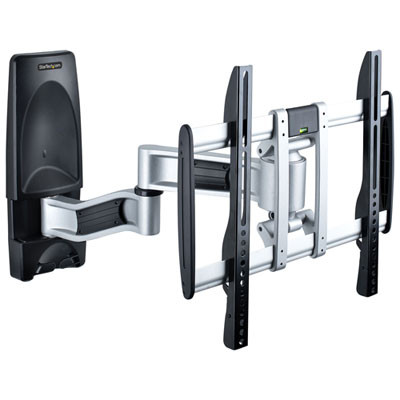
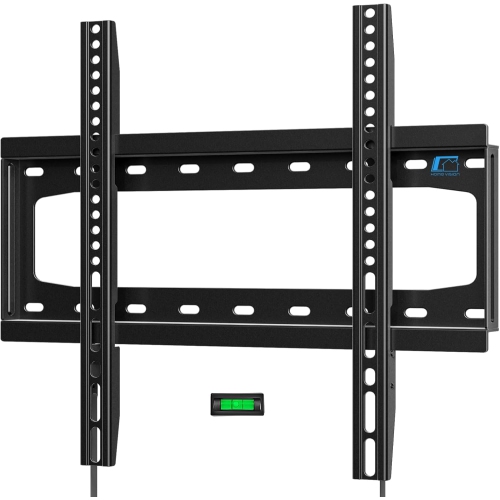
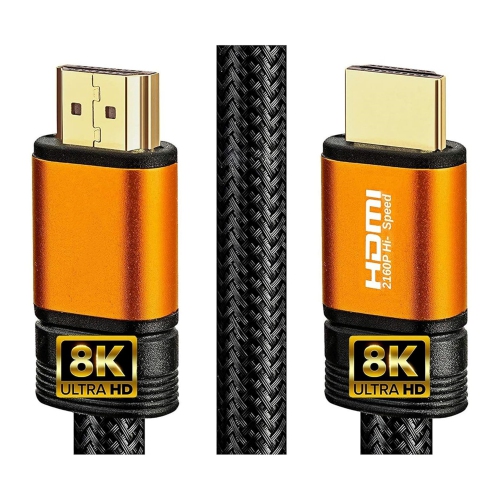



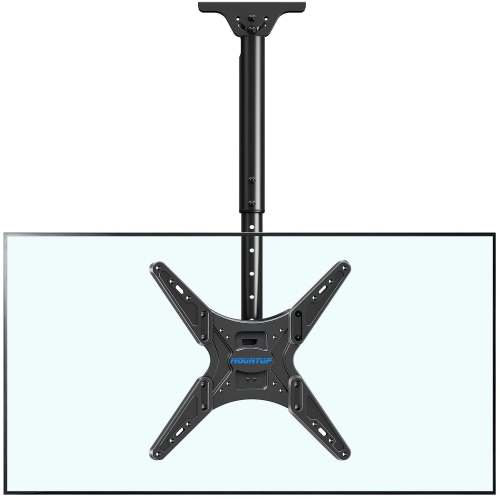
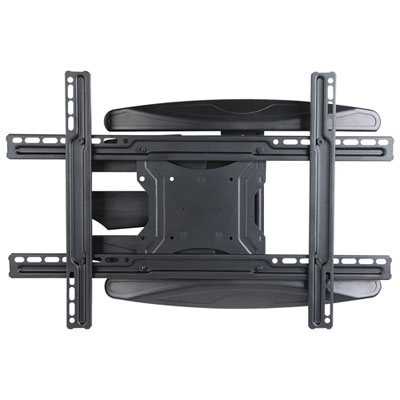
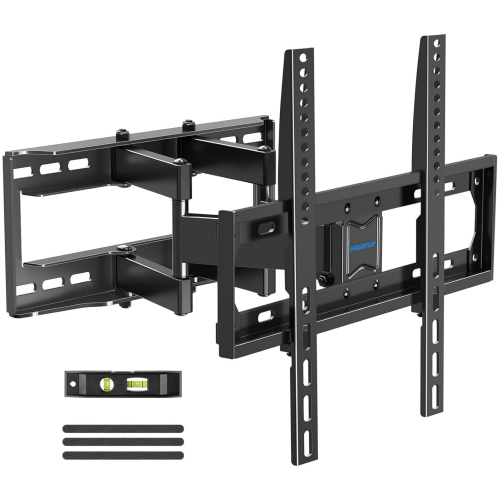
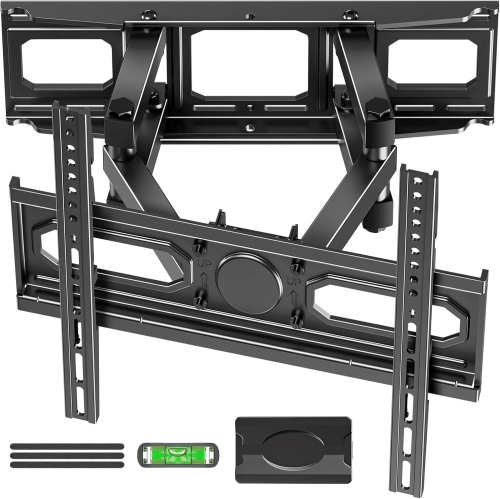
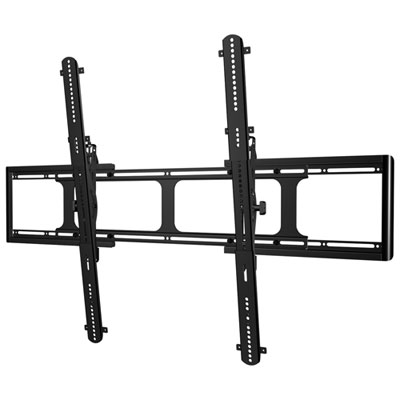
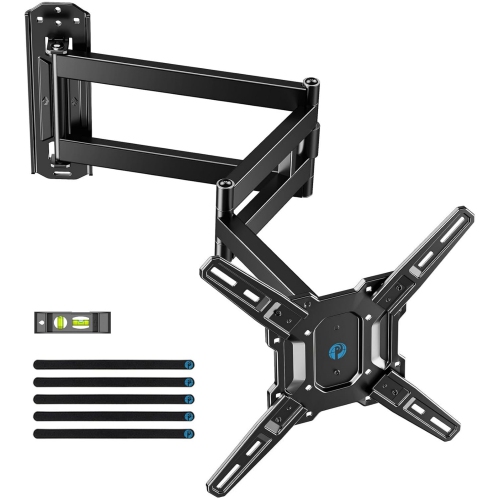
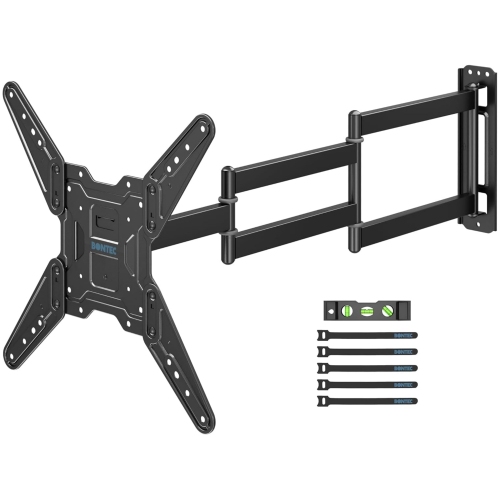

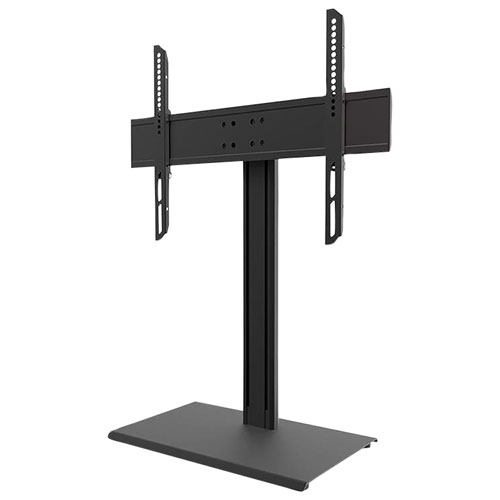
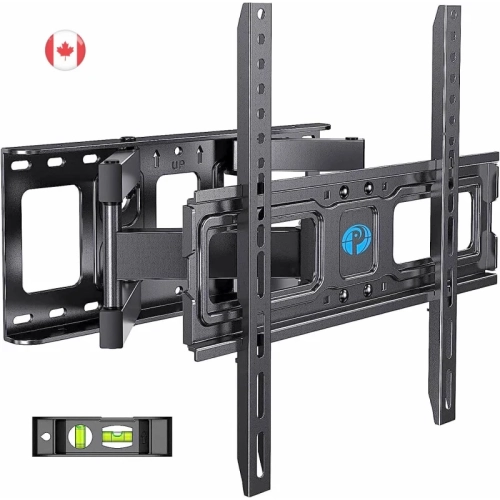
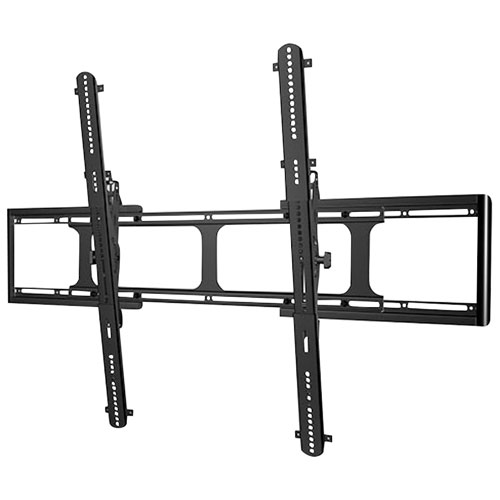
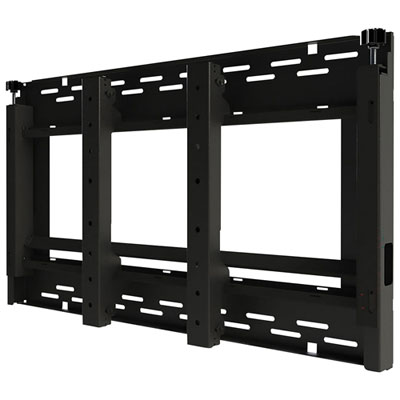
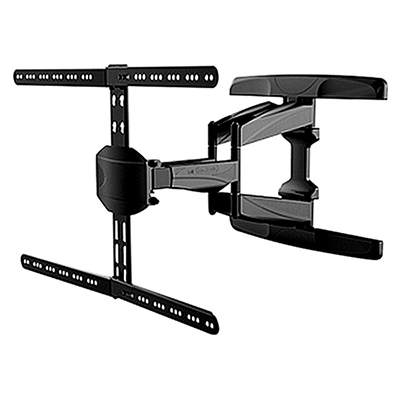
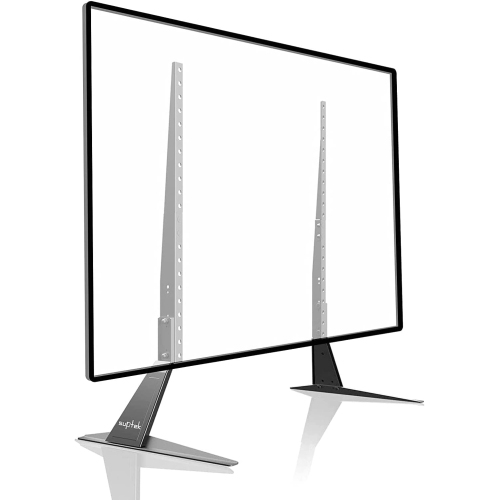
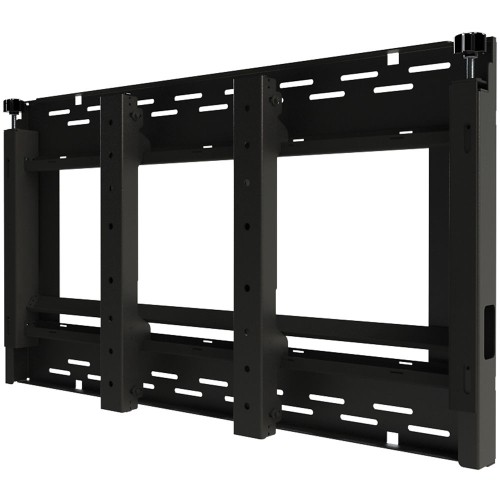
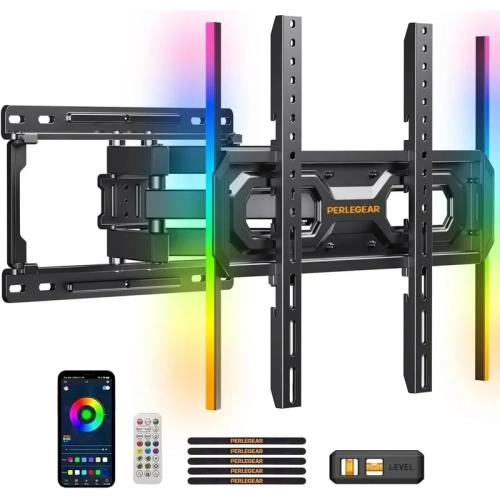

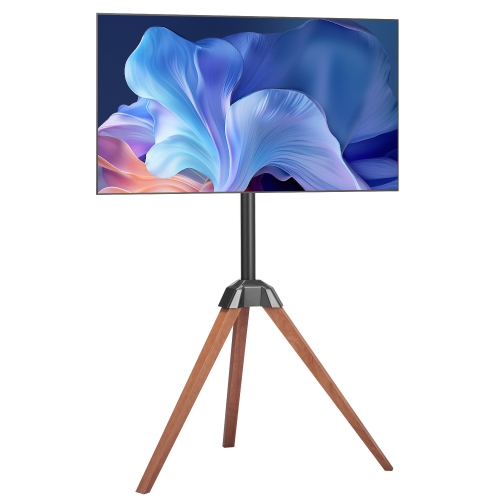
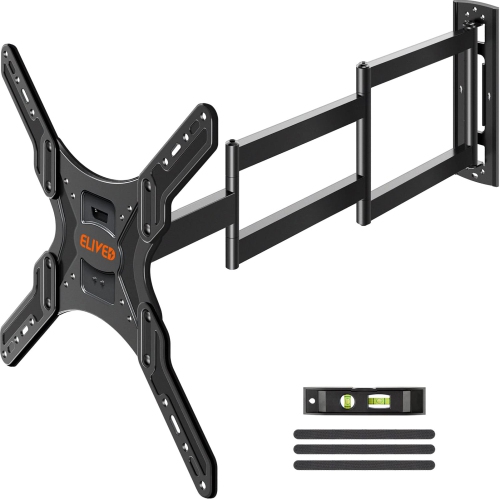
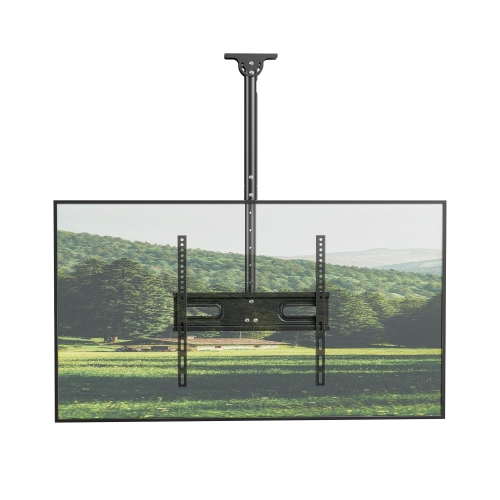
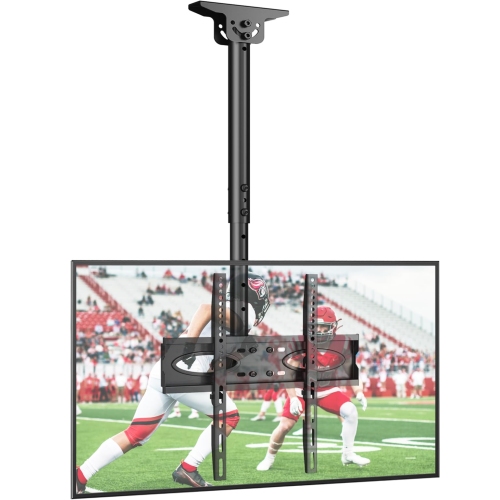



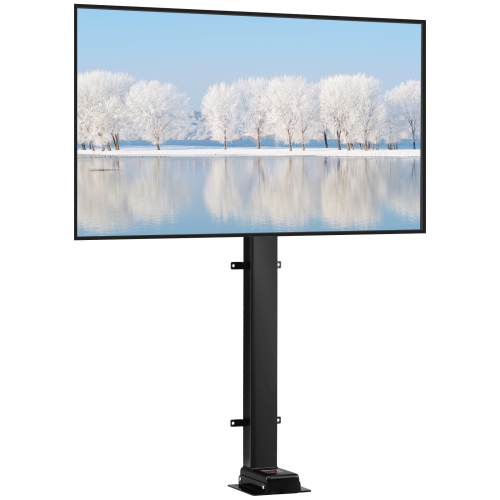
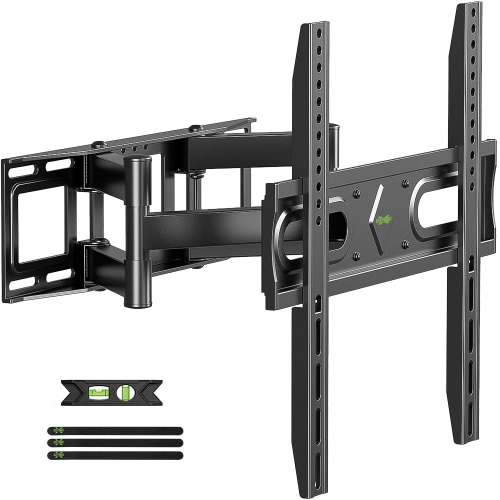
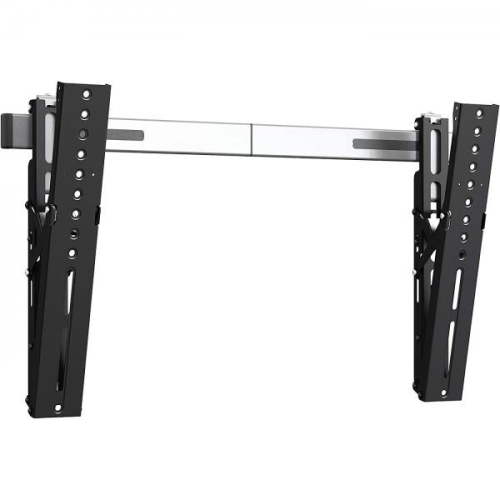

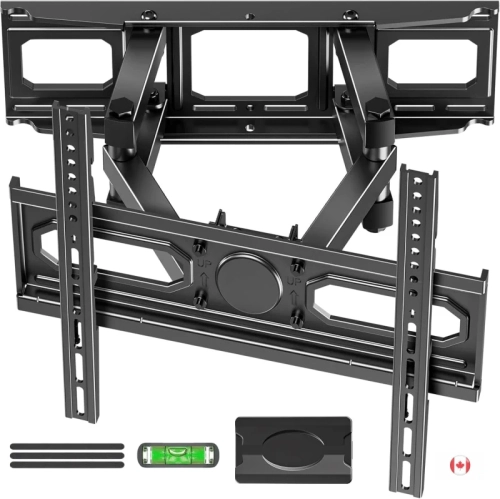
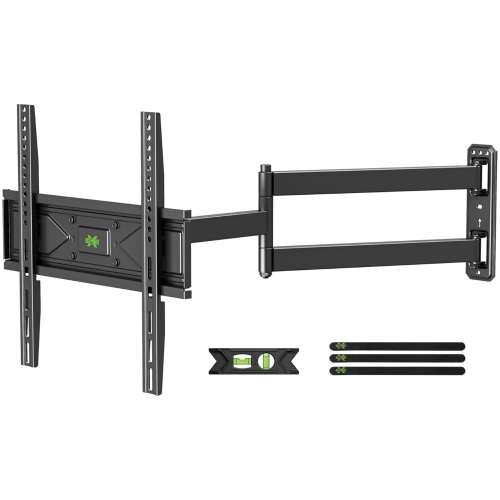
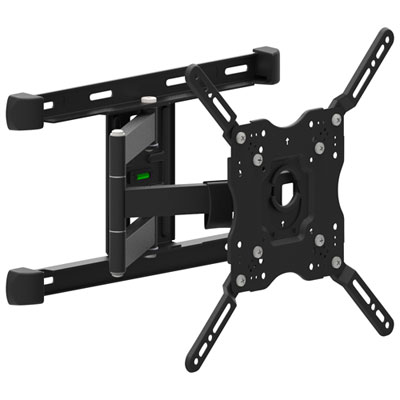
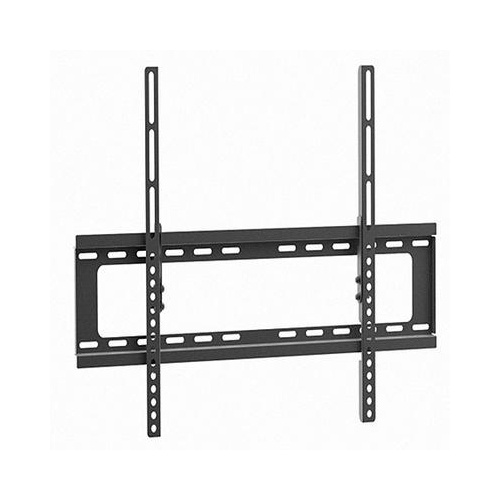
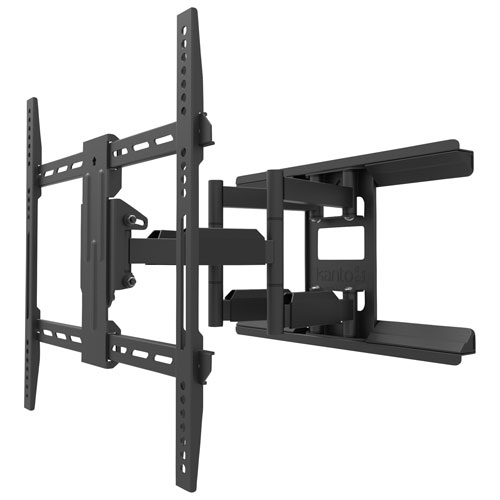
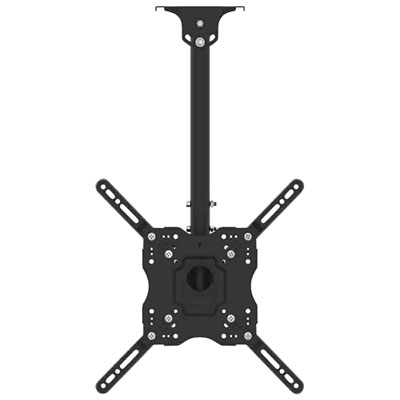
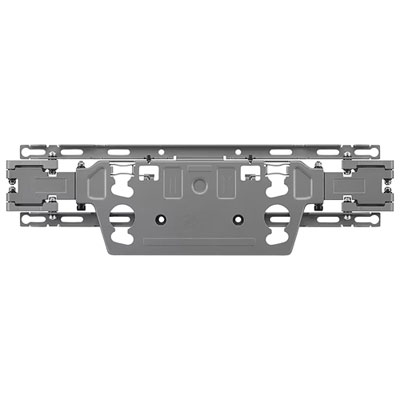
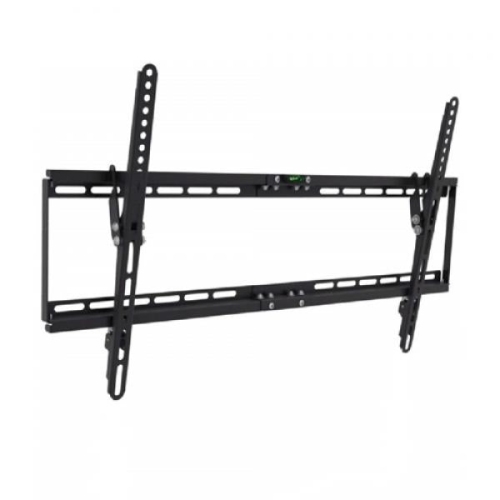

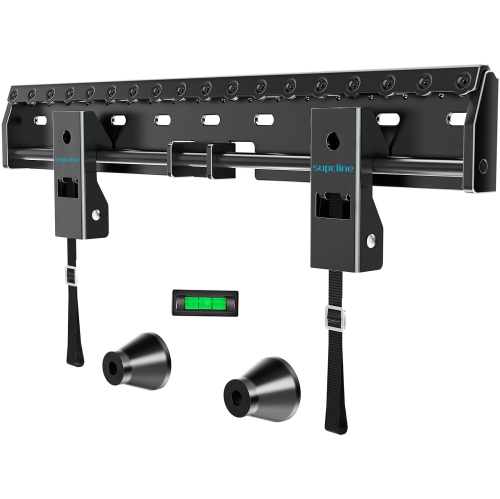
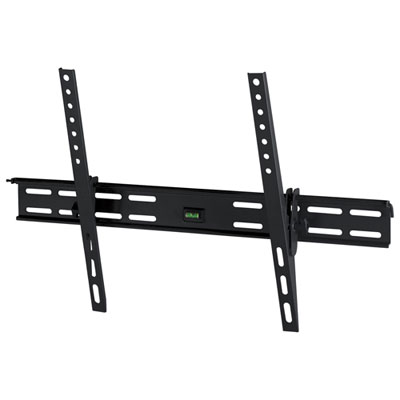
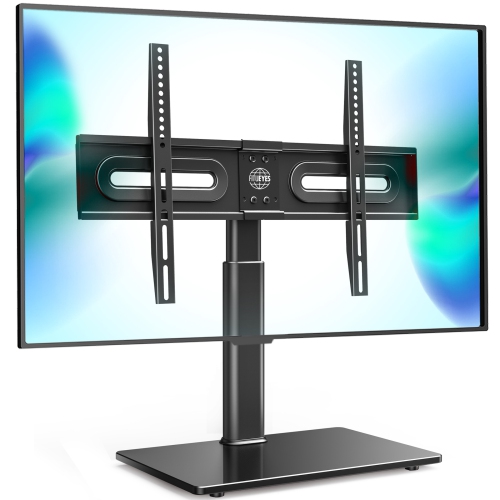
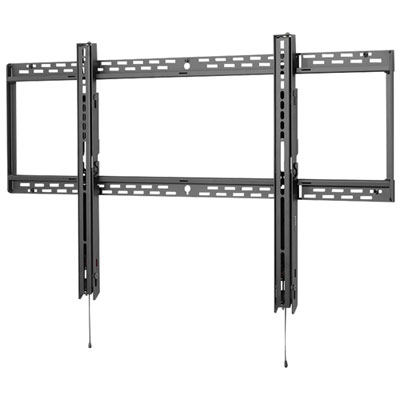

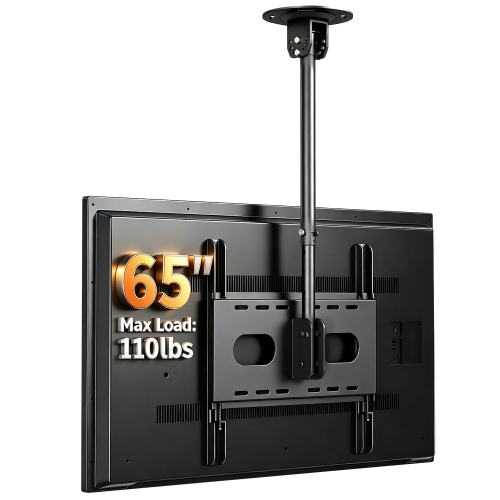
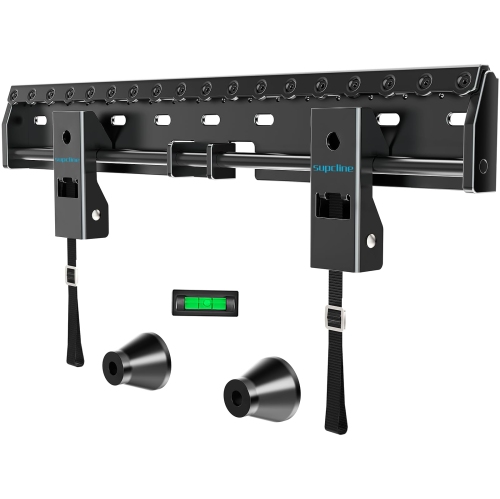
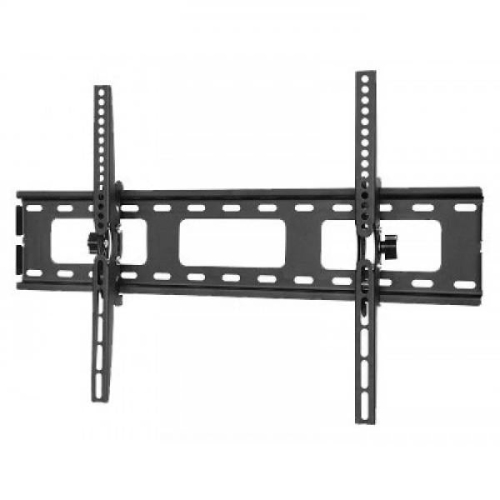
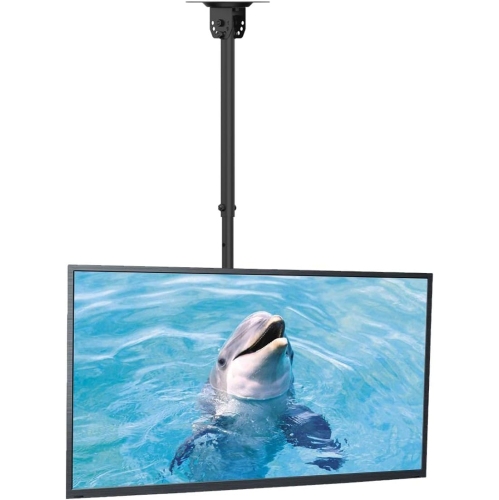
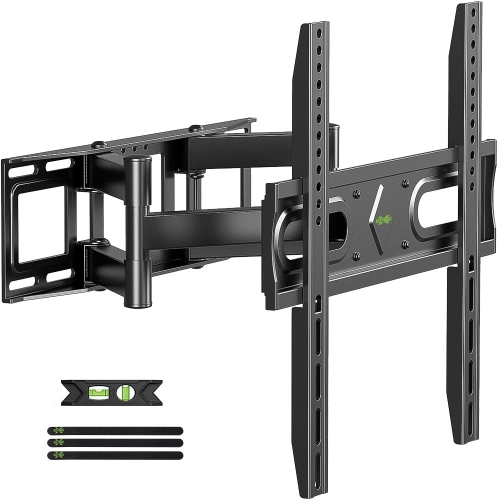
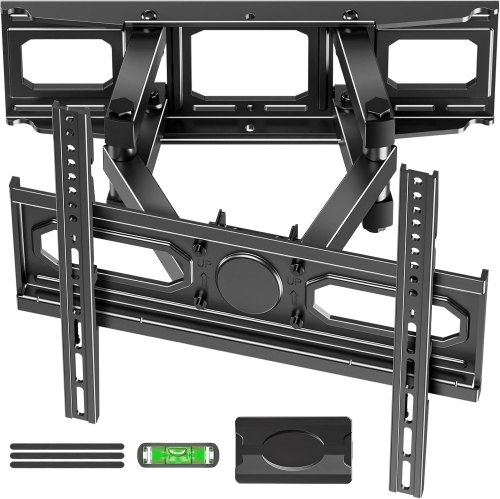
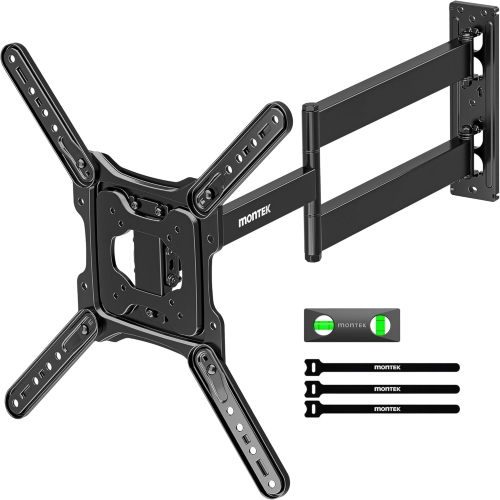
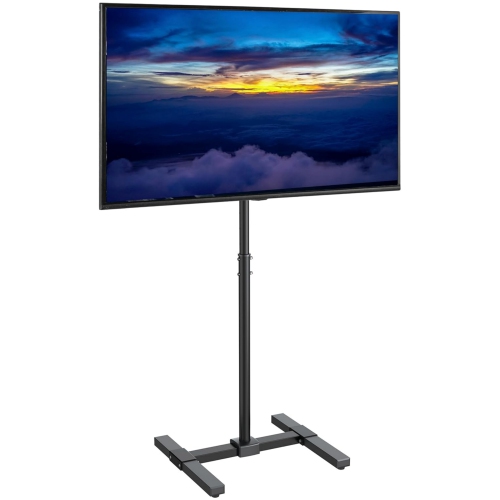



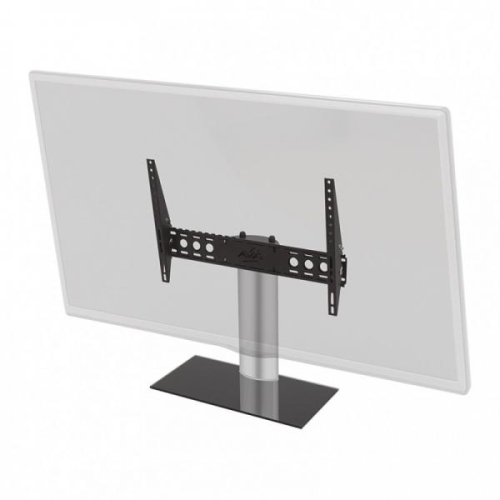
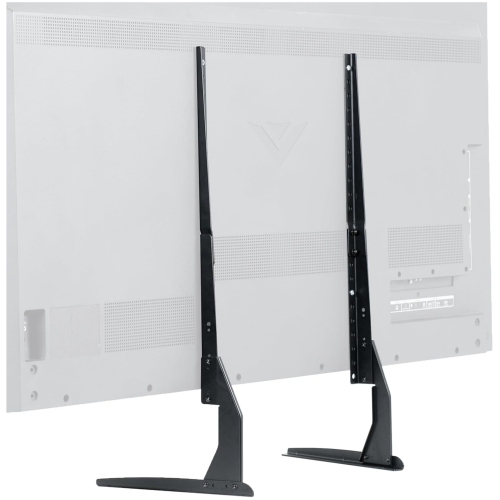
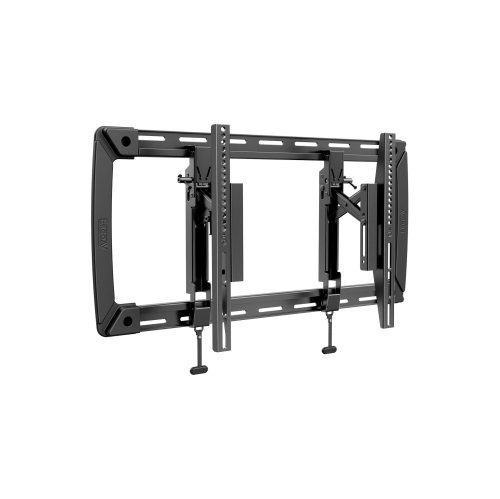

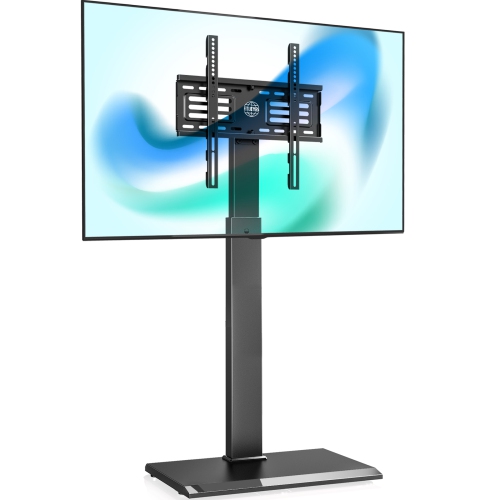





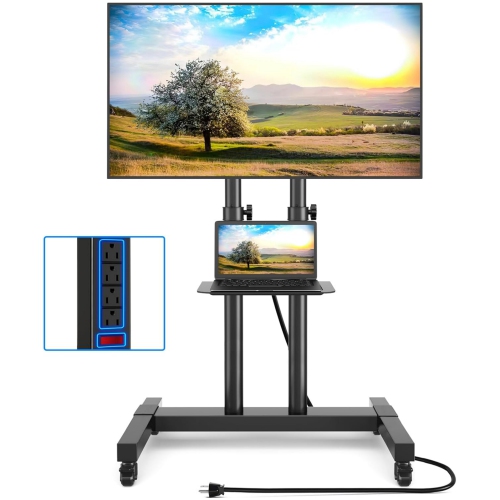
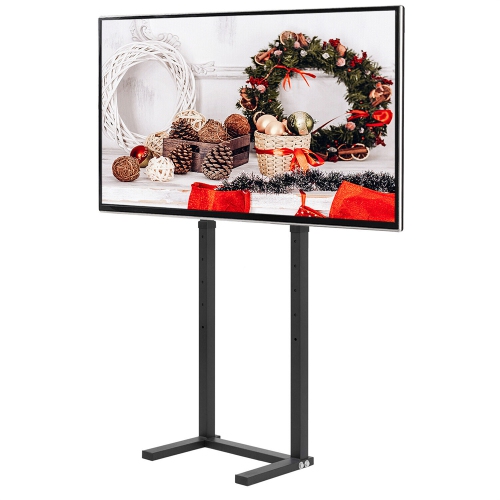
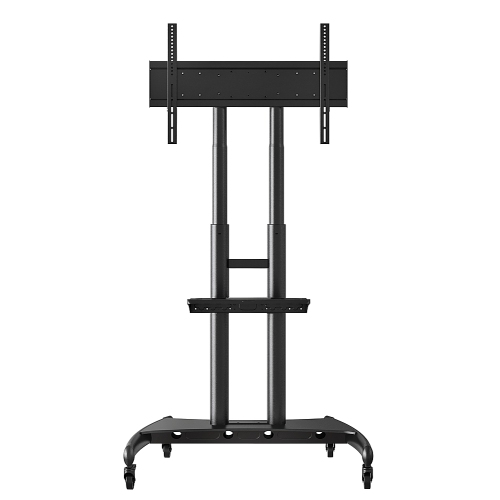
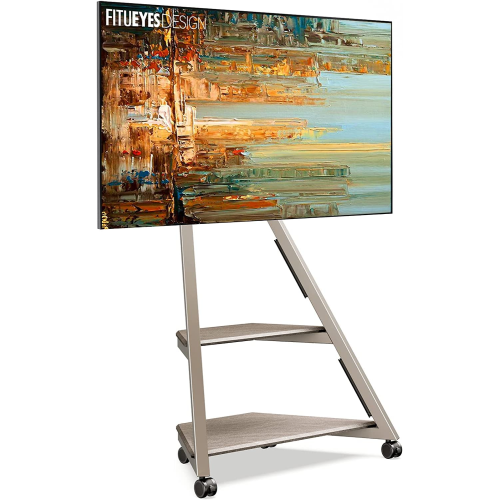
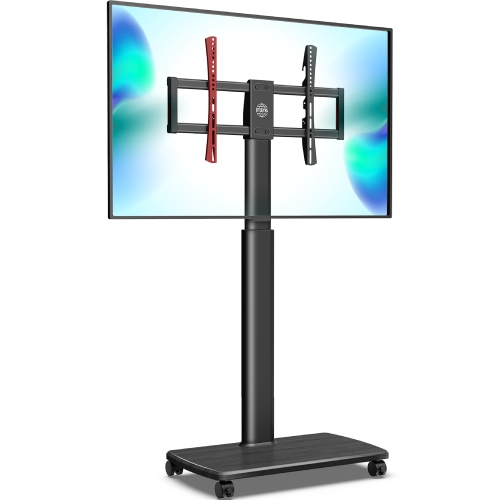


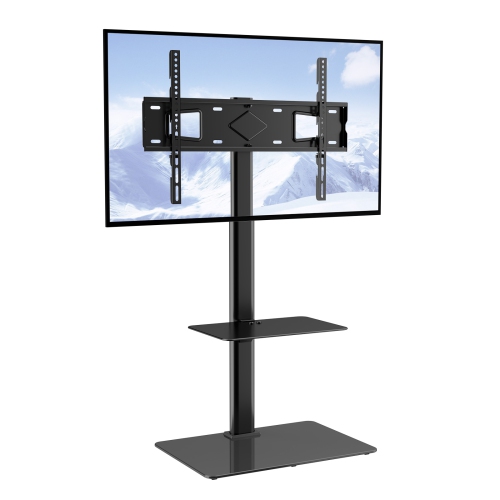

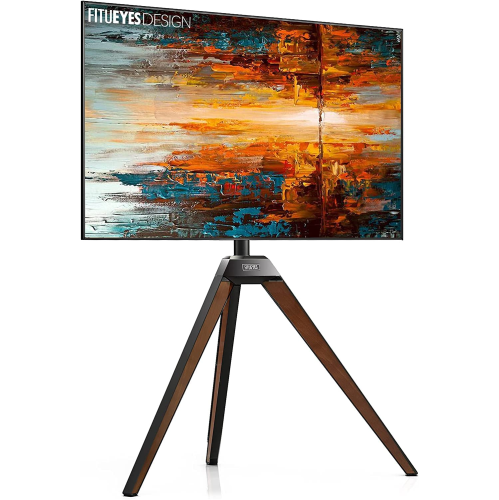

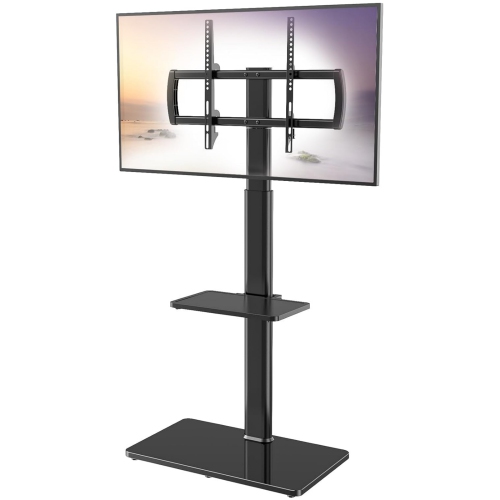



A secure fit goes beyond screen size
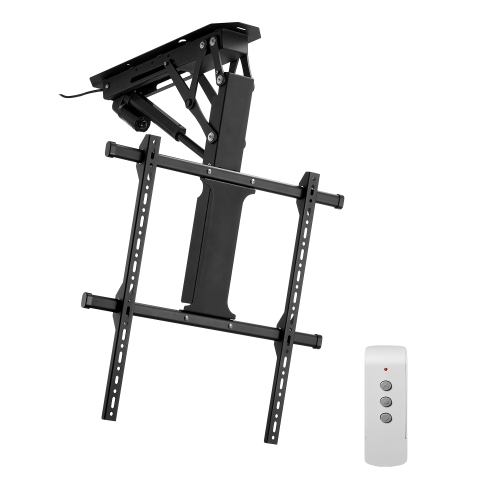
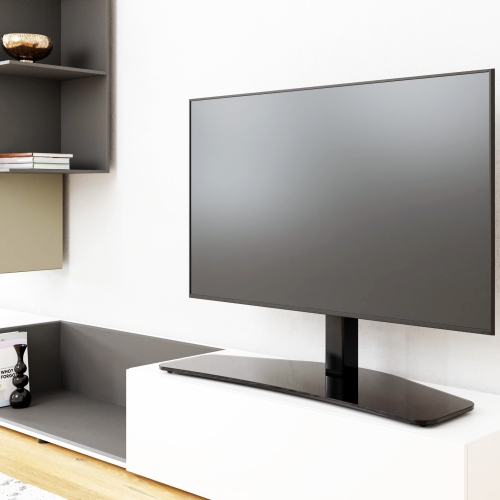
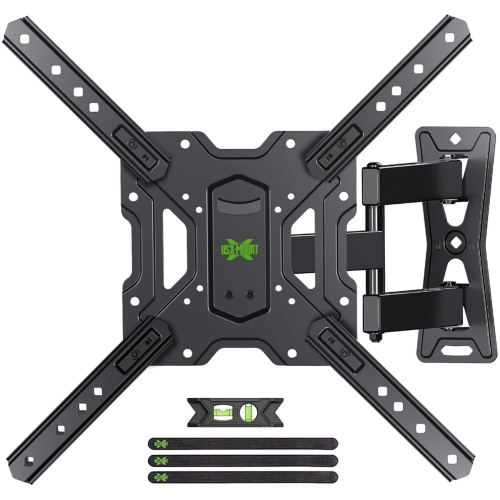
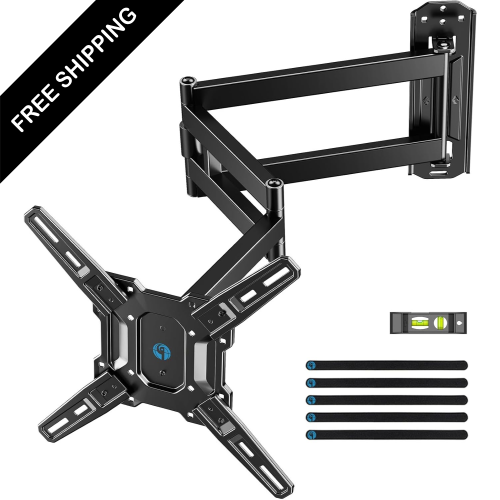
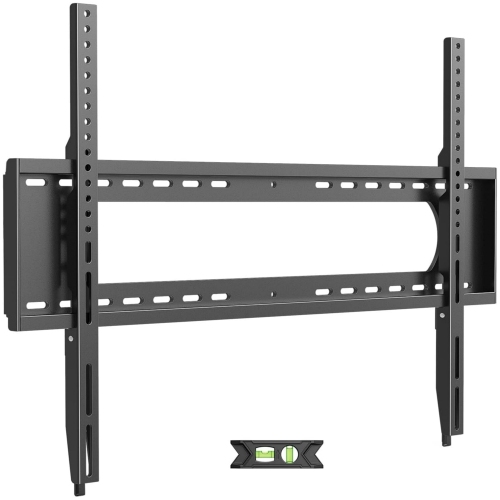
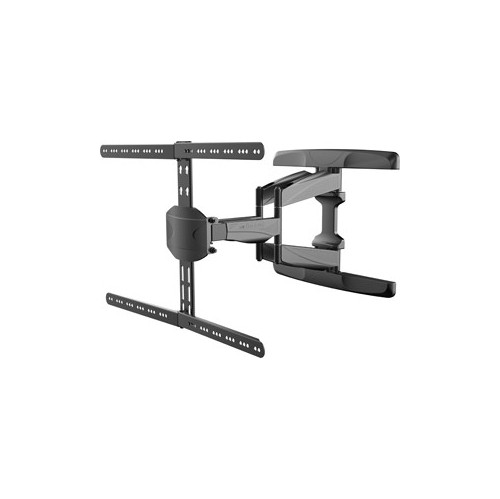
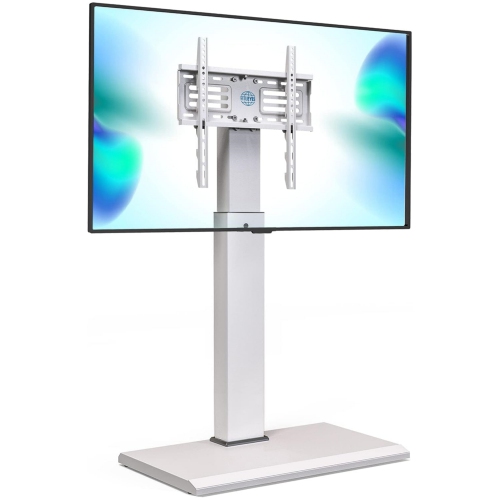
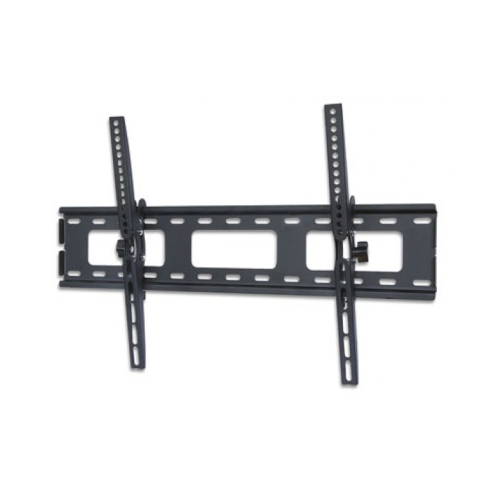
65-inch curved TV mounts support a large curved display while keeping a media console clear for a soundbar, gaming system, or other home theatre equipment. The screen size is a starting point, but a secure fit depends on the television’s weight, mounting-hole pattern, rear-panel shape, and the mount’s stated compatibility. A 65-inch measurement describes the screen’s diagonal, not the distance between its mounting holes or its overall width. Those details can differ between televisions of the same screen size. VESA compatibility refers to the horizontal and vertical spacing between the threaded mounting holes on the back of the TV, measured in millimetres. A pattern such as 400 x 400 mm is an example, not a universal specification for every curved display. The television’s documentation should identify its mounting pattern, weight without the tabletop stand, and any requirements for wall-mounting hardware. A suitable bracket needs to match that pattern and support the television within its rated weight capacity; a screen-size range alone does not establish compatibility. Curved televisions may also have recessed mounting points or an uneven rear housing that requires manufacturer-specified spacers. These create the necessary clearance between the television and mounting rails without forcing the rails against the casing. Bolt diameter and length matter just as much: hardware must engage the mounting points correctly without bottoming out or reaching too far into the television. Longer bolts are not automatically a better choice, and spacers should not be improvised to make an incompatible bracket fit. The curve of the display does not necessarily require a visibly curved wall plate, since many compatible mounts connect through conventional mounting holes. Clearance around rear-facing ports, ventilation openings, and the outer edges of the housing is more useful to assess than the bracket’s appearance. This is particularly relevant when an HDMI connection sits directly behind the screen or when the television’s back projects farther from the mounting surface than expected.
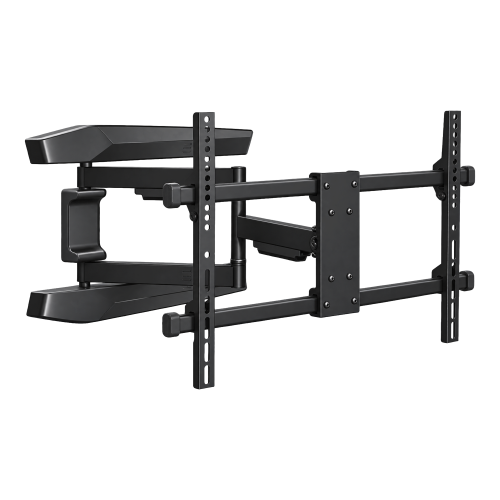
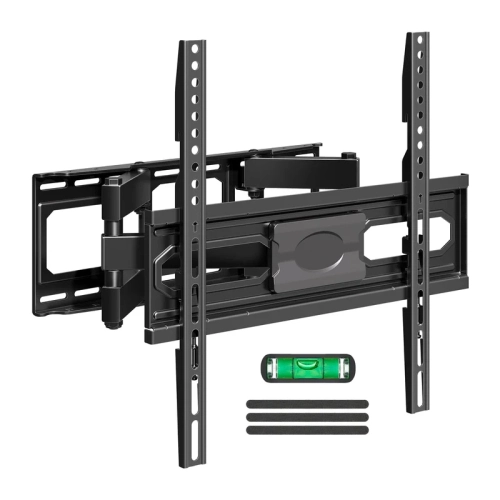
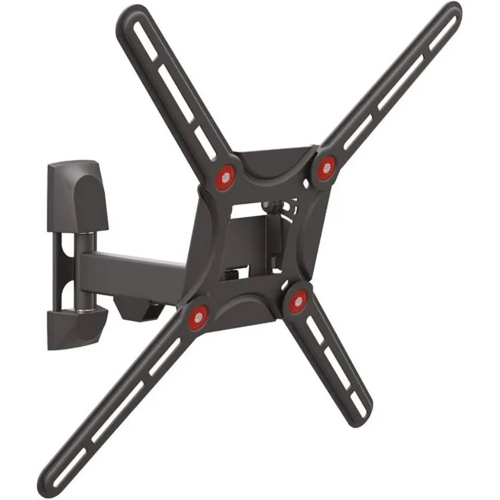
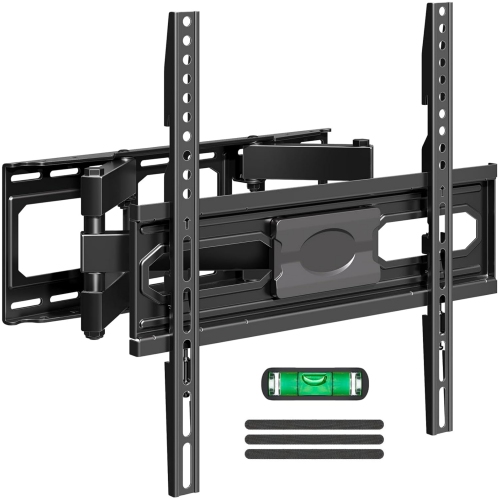
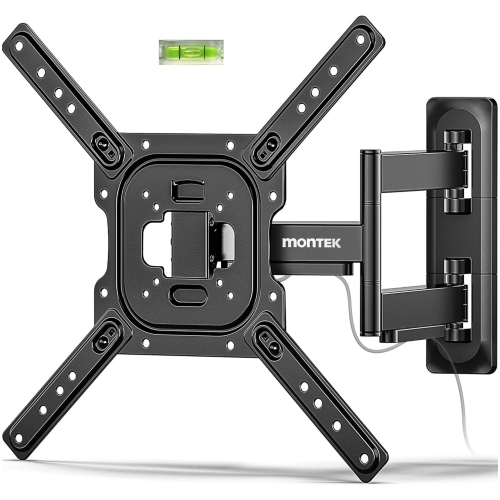
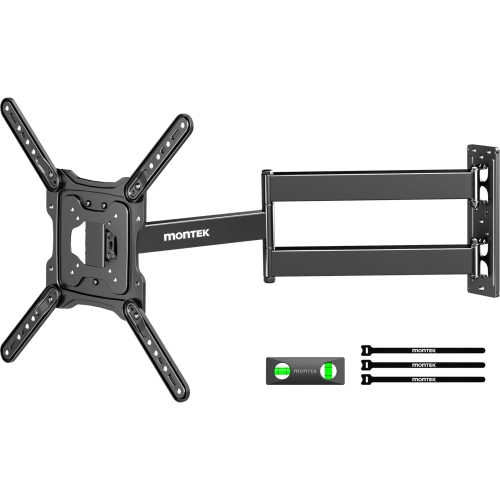
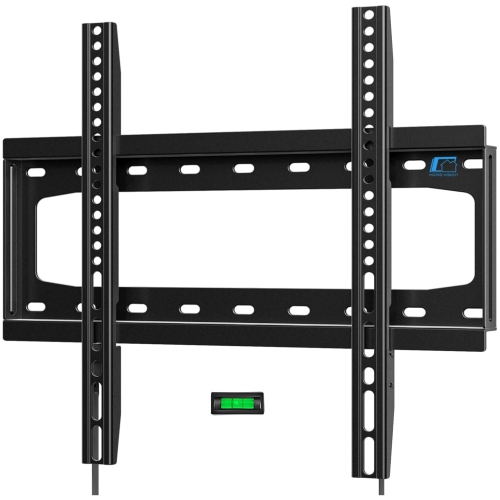
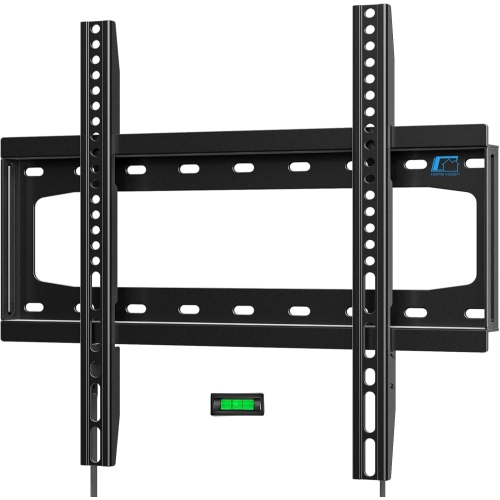
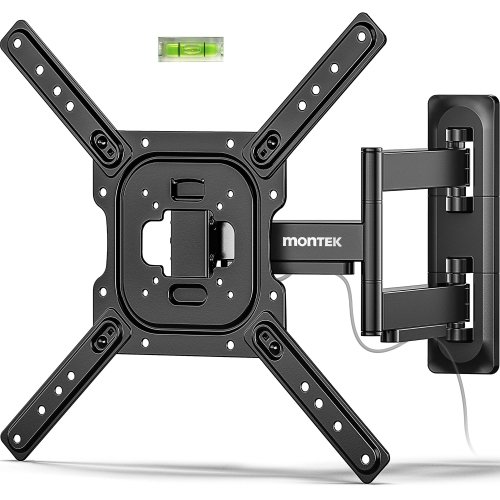
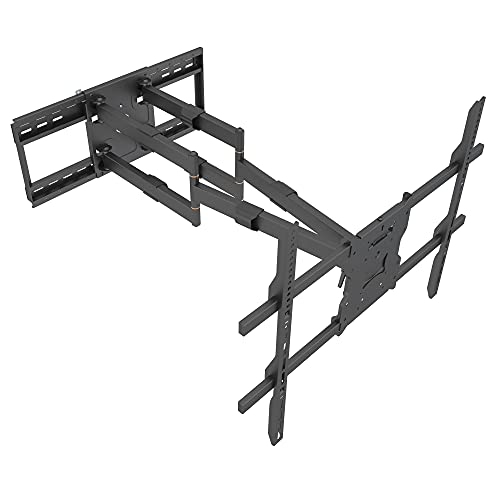
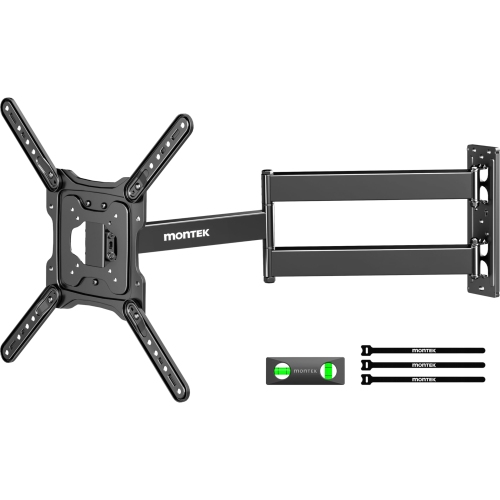
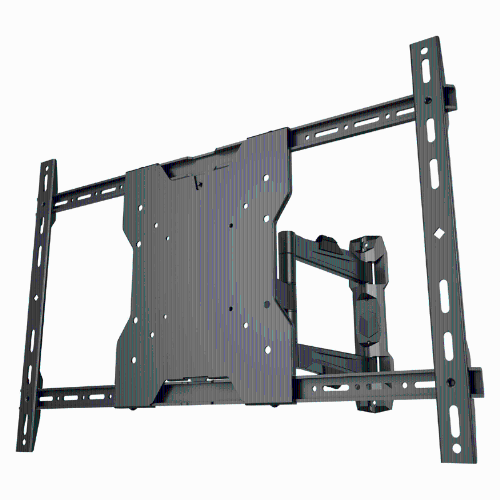
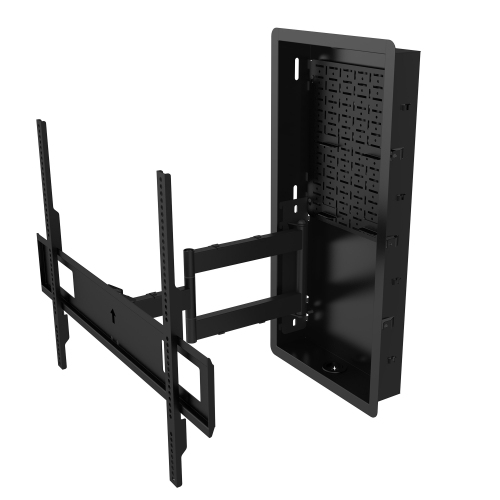
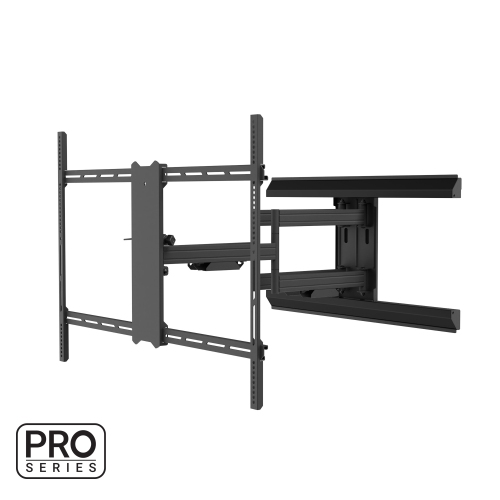
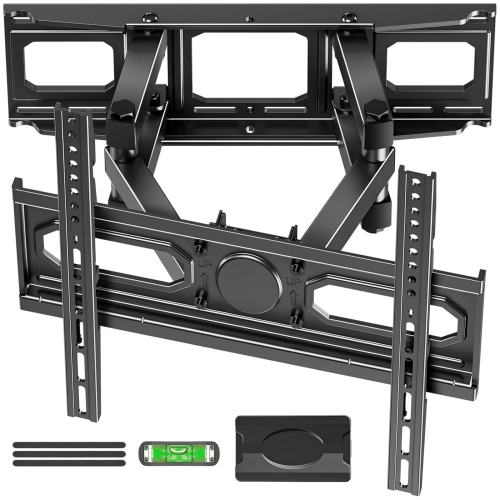
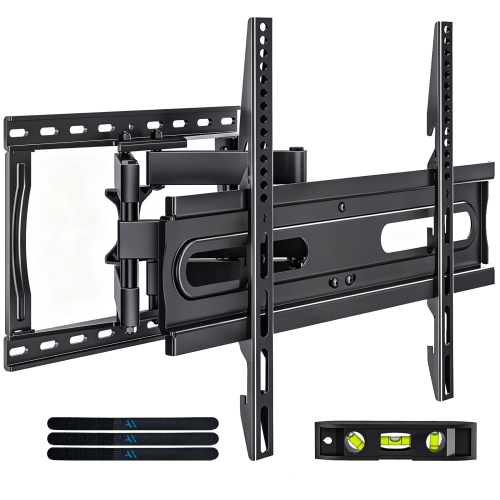
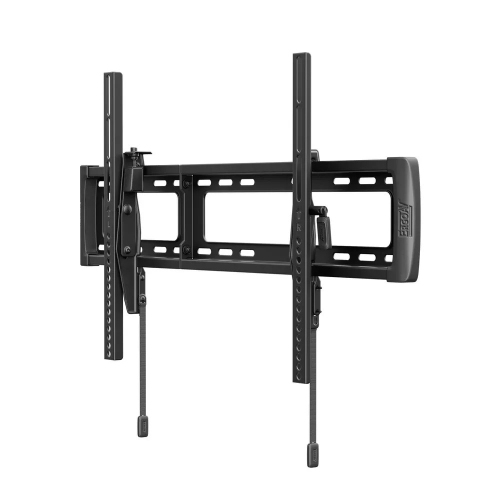
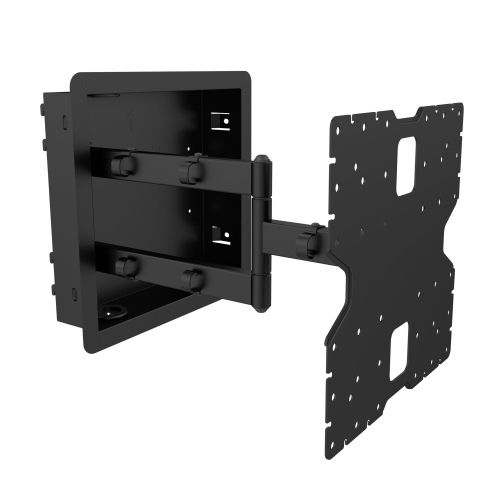
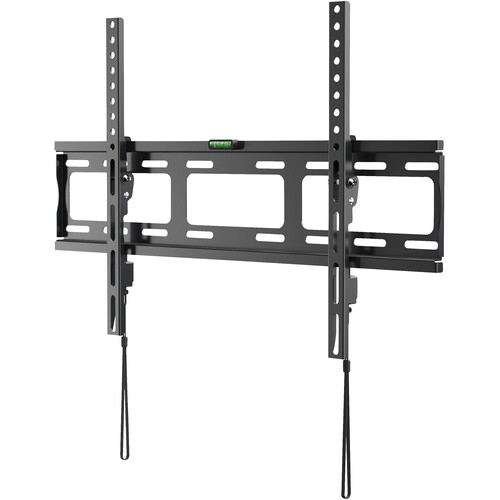
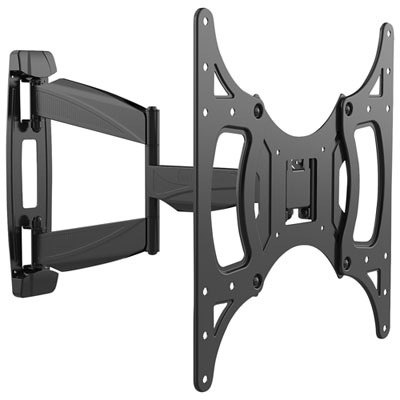
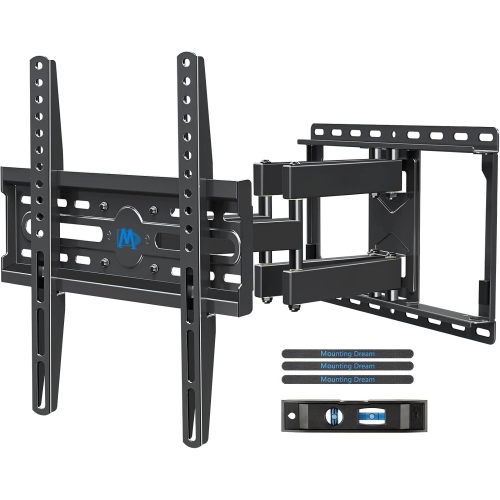
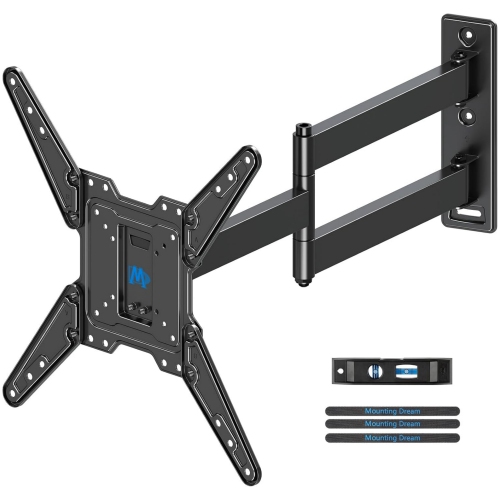
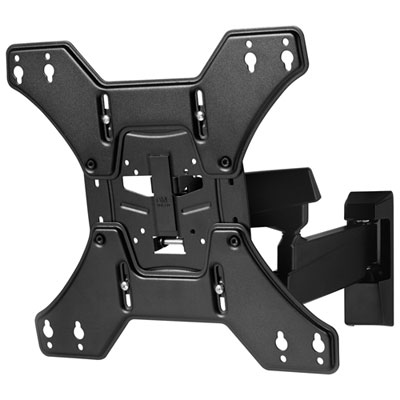
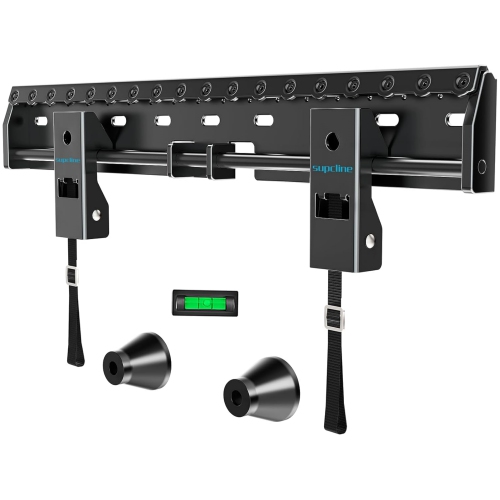
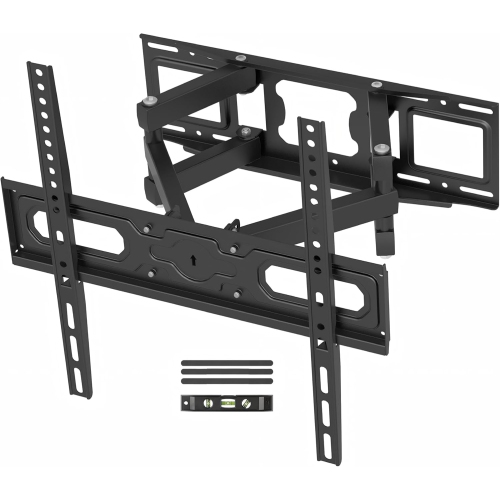
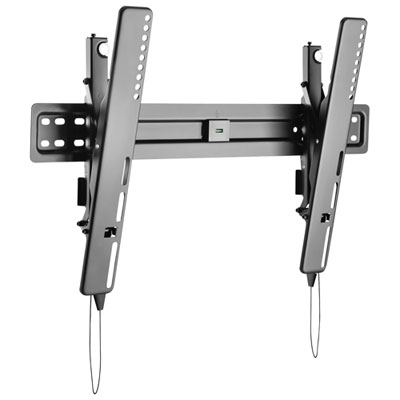
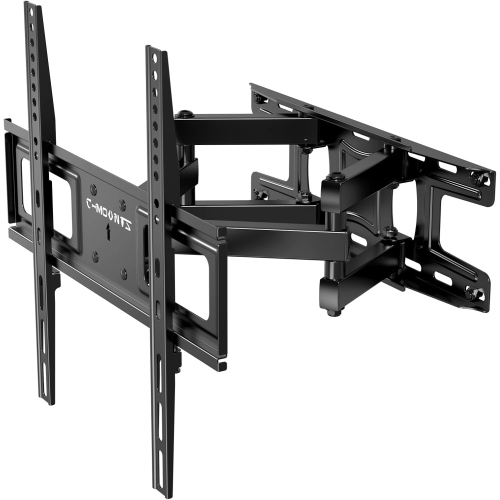
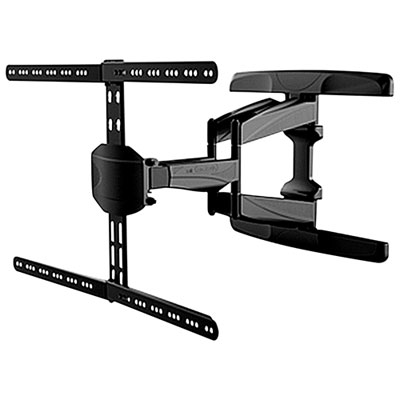
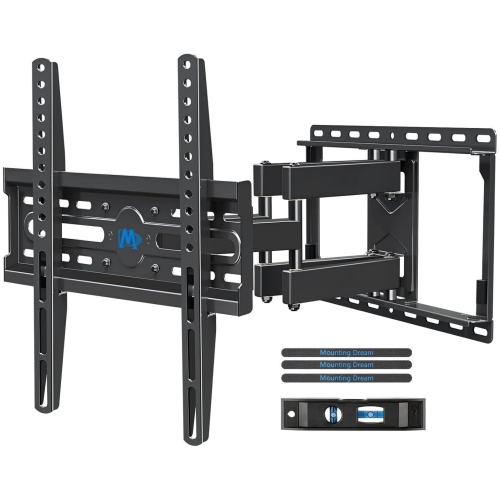
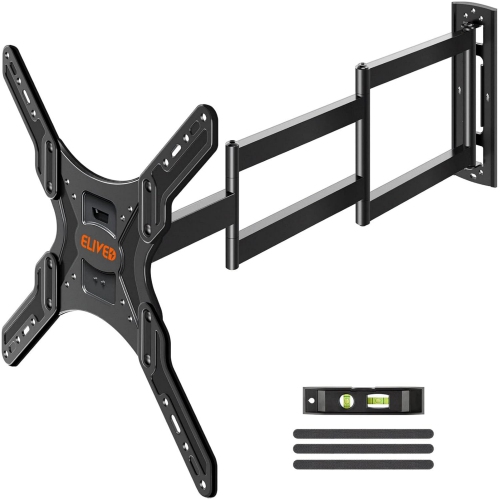
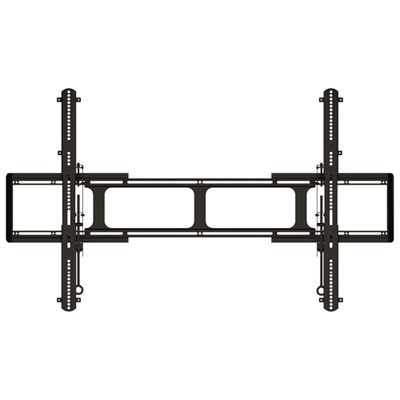
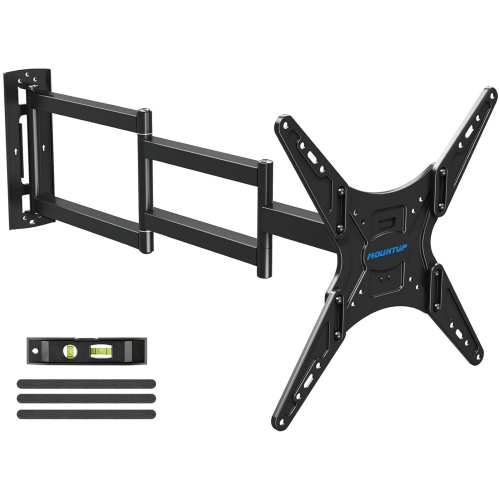
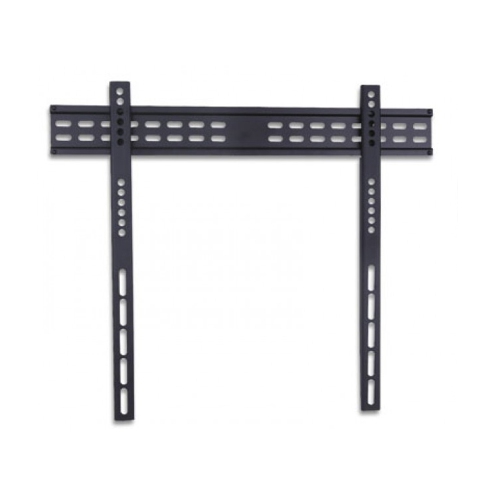
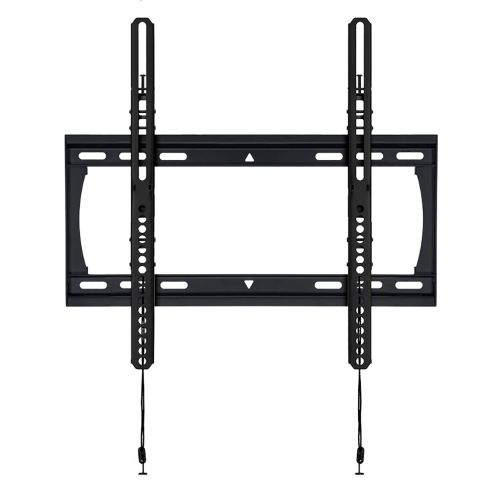
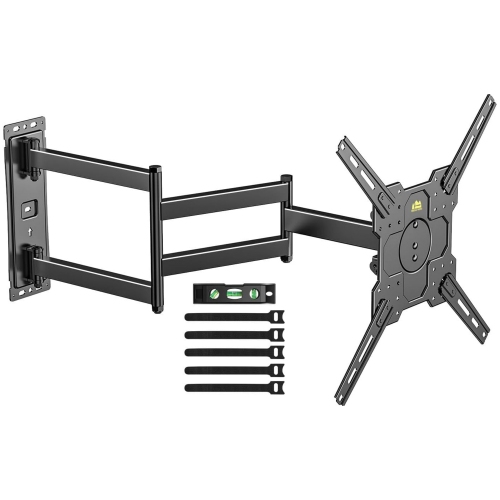
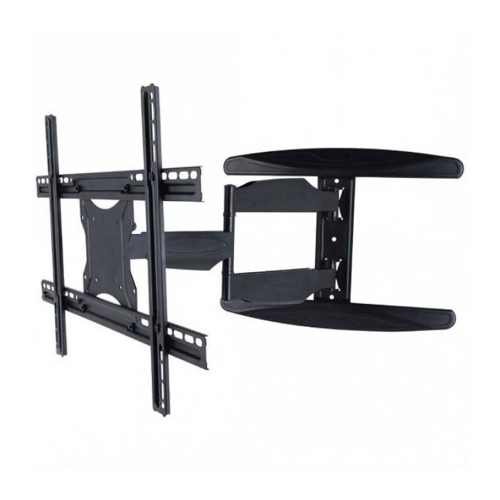
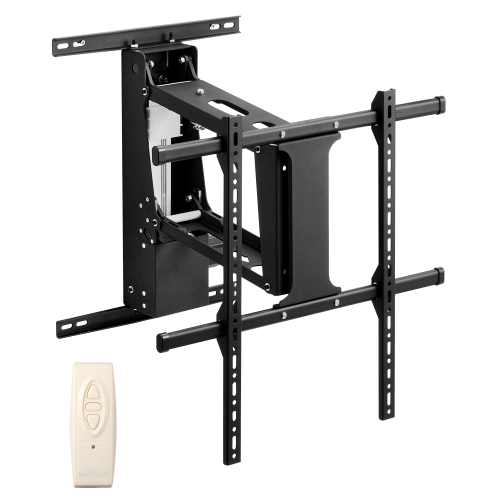
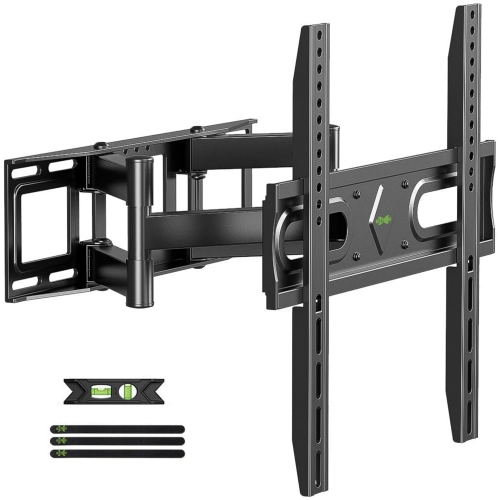
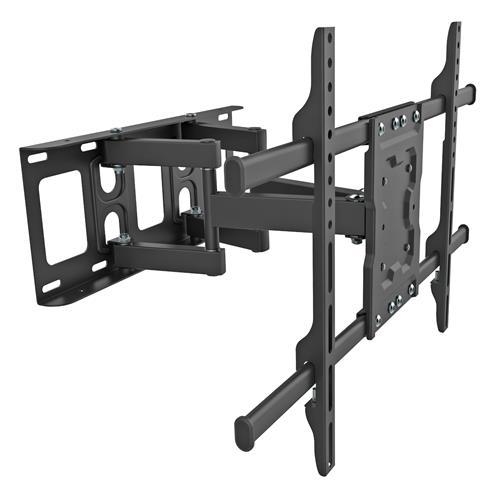
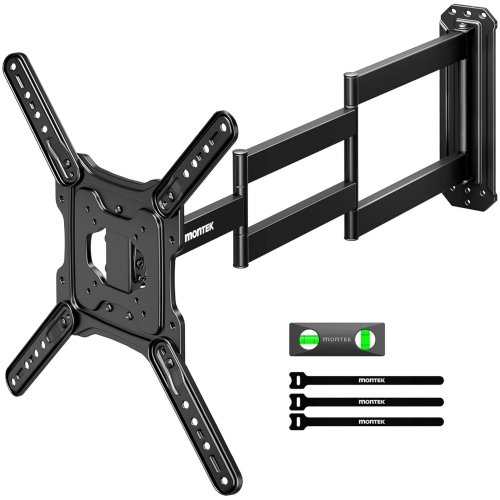
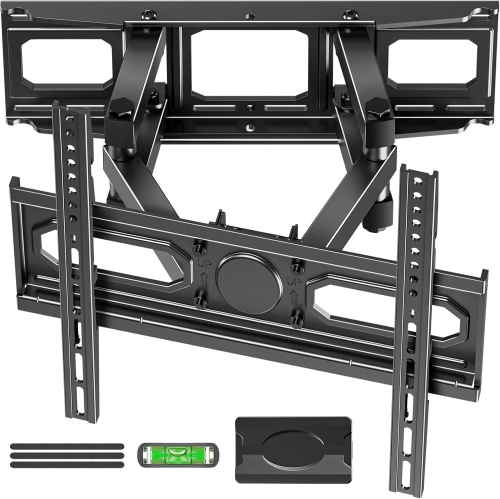
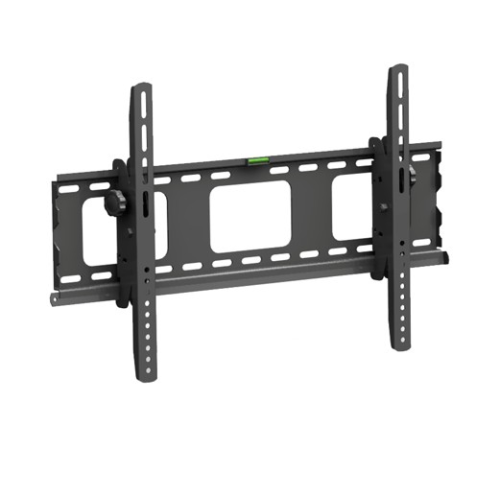
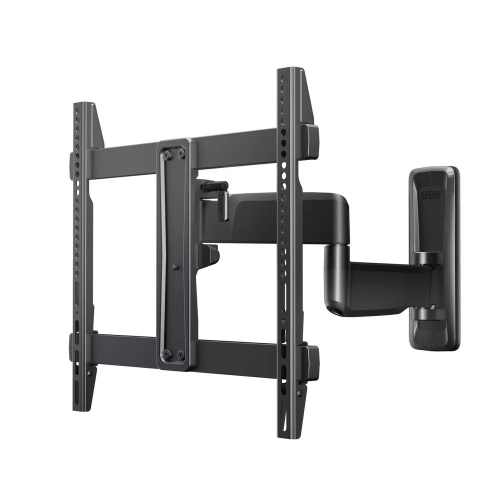
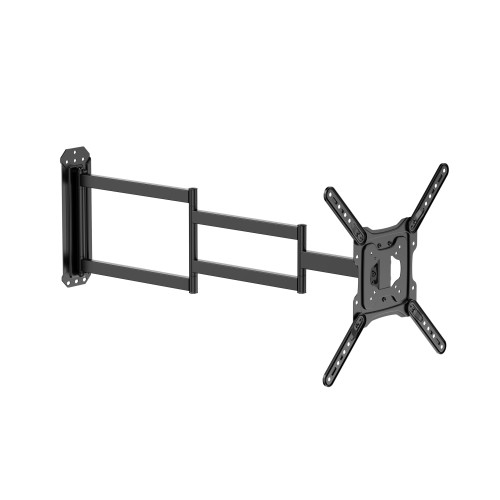
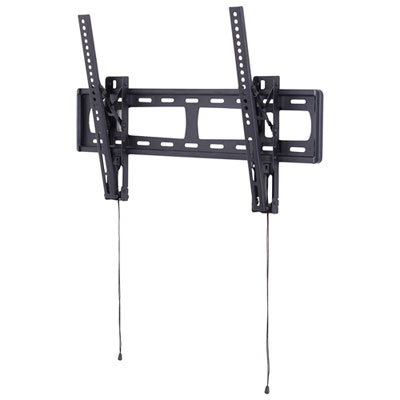
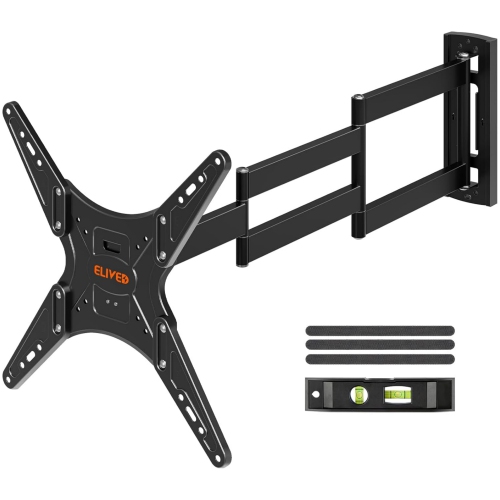
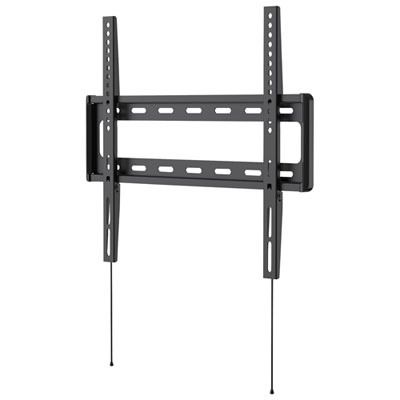
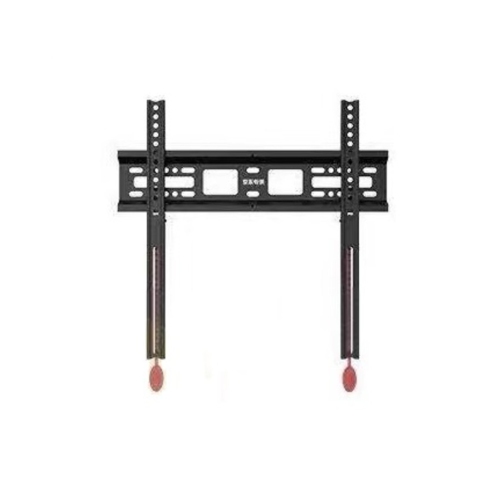
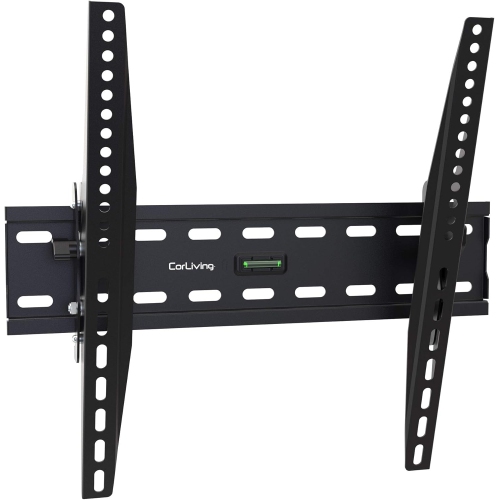
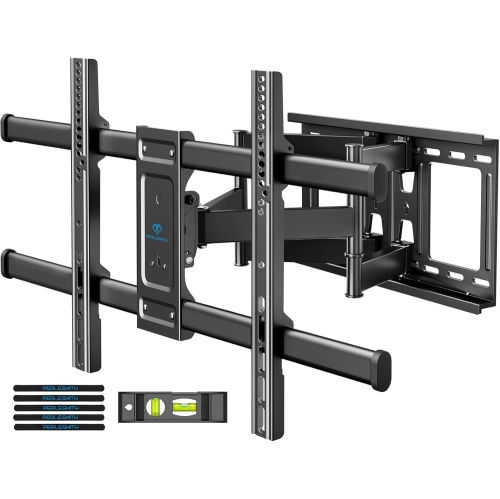
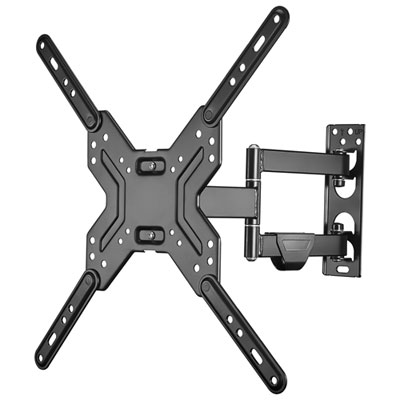
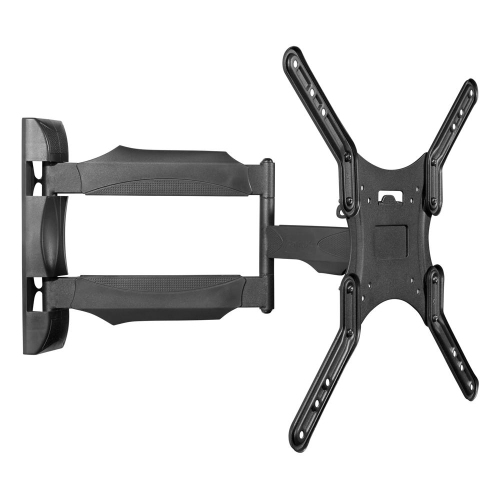
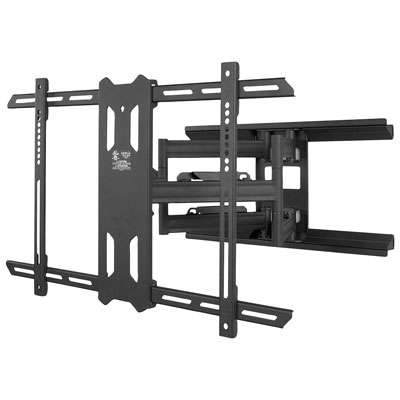
The main styles of 65-inch curved TV mounts are fixed, tilting, and full-motion designs, each suited to a different relationship between the wall and the seating area. A fixed mount keeps the screen in one position and can suit a living room where the sofa faces the television directly. Its relatively shallow profile leaves less space behind the display, so the television’s curved housing, plugs, and cable routing all need adequate clearance. A tilting mount adds vertical adjustment, which can help aim a screen towards seated viewers or reduce a reflection from a light source. Tilt has limits, however, and does not make an excessively high installation comfortable for prolonged viewing. A full-motion mount uses an articulated arm to move the television away from the wall and swivel it towards different seating positions. That flexibility can be useful in an open-plan room where viewers alternate between a sectional and a dining table, or in a corner arrangement where a fixed bracket would leave the screen facing the wrong direction. The amount of useful movement depends on the television’s width and curve, the arm’s reach, and nearby walls or furniture. A stated swivel range does not guarantee that a large screen can achieve the full range without its edge meeting the wall. Moving the television outward also changes the load on the mounting assembly and wall attachment, making the mount’s rated capacity and installation requirements especially important. Steel and aluminium are common construction materials, but durability depends on the complete design rather than material alone. Wall plates, mounting rails, pivots, fasteners, and locking mechanisms all contribute to a stable installation. For a mount that will be adjusted frequently, smooth movement and accessible tension controls are practical considerations. Cable management should allow enough slack for the intended movement without pulling connectors tight, trapping cables in a joint, or leaving a bundle hanging below the screen.
A well-positioned curved television should feel like part of the room rather than an obstacle to work around. The centre of the screen near seated eye level is a useful starting point, with the final height shaped by sofa height, viewing distance, and the television’s dimensions. A curved display also makes the main seating position worth considering carefully; the mount can help aim the screen, but it cannot change the television’s viewing-angle characteristics. In a narrow room, modest swivel adjustment may be more valuable than maximum extension. Above a media console, enough space beneath the screen can accommodate a soundbar without blocking controls or crowding the display. Wall construction is another part of the fit. Drywall alone is not an appropriate attachment surface for a heavy television unless a mounting system explicitly supports that installation method. Wood studs, metal studs, concrete, and masonry require hardware and methods suitable for the particular structure, and the mount manufacturer’s instructions remain essential. Professional installation can be helpful when the wall structure is uncertain, wiring needs to be concealed, or the television is awkward to handle safely. Large displays generally require more than one person to lift and attach without twisting the chassis. Once installed, routine care is straightforward: accessible metal surfaces can be dusted with a soft, dry cloth, while fasteners, locks, and adjustment points can be checked as directed by the manufacturer. A screen that begins to sag, drift, or move unevenly needs attention rather than extra force on the arm. Families rearranging a living room, gamers sharing a display between seating positions, and film enthusiasts building a dedicated viewing space may each value different combinations of reach, tilt, and low-profile placement. For a separate setup using a larger flat display, 70 Inch Flat Screen TV Wall Mounts provides a related mounting category, though compatibility still depends on the individual television. Matching the bracket to the display, wall, and everyday viewing habits is what makes the finished setup practical.
Top selling and popular products
-
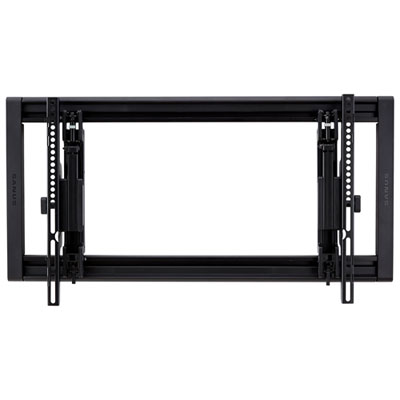 Your price for this item is $199.99
-
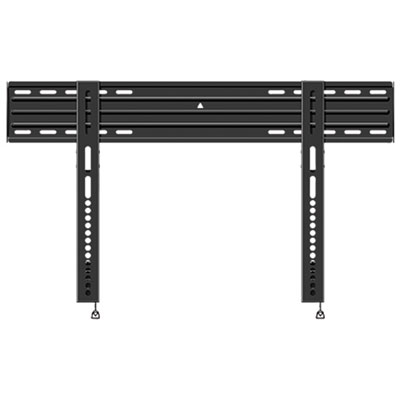 Your price for this item is $99.99
-
 Your price for this item is $59.99
-
 Your price for this item is $79.99
-
 Your price for this item is $179.99
-
 Your price for this item is $18.97
-
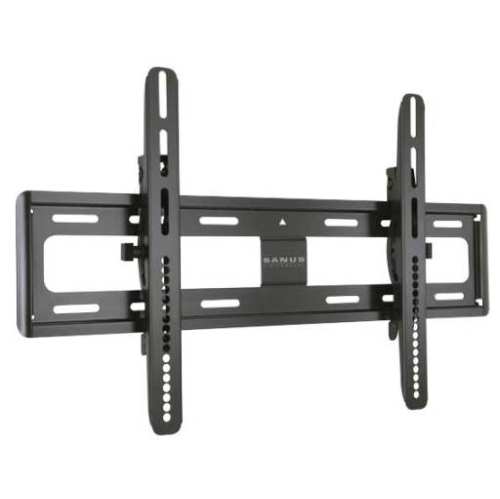 Your price for this item is $143
-
 Your price for this item is $99.99
Discover more categories related to 65 Inch Curved TV Mounts
Top Collections:
Best Black Friday Deals This Year, Best Black Friday Deals On Electronics, Kindle Devices, Pokemon Centers, Best Black Friday Deals On Apple Products, Best Cameras for Sports Photography, Dyson Airwrap, Pokémon 30th Celebration Cards, Apple iPhone 17 Pro, Canon G7X Cameras
Some products may be subject to Environmental Handling Fees
(EHF) depending on your province.
Learn more about EHFs.