Automatic Air Purifiers
The air in your home can be filled with allergens and irritants that can cause health problems. An air purifier can help reduce airborne particles and improve the quality of the air in your home. There are many different types of air purifiers, but one of the most popular is the automatic air purifier. Here are some of our top picks.
Sort
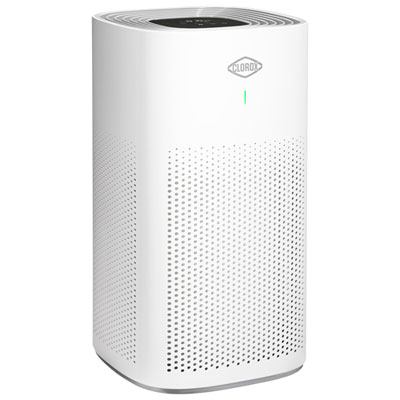
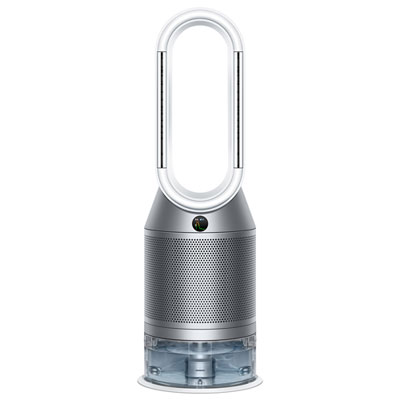
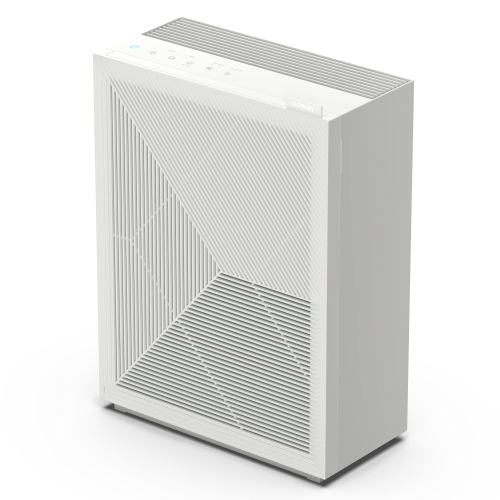
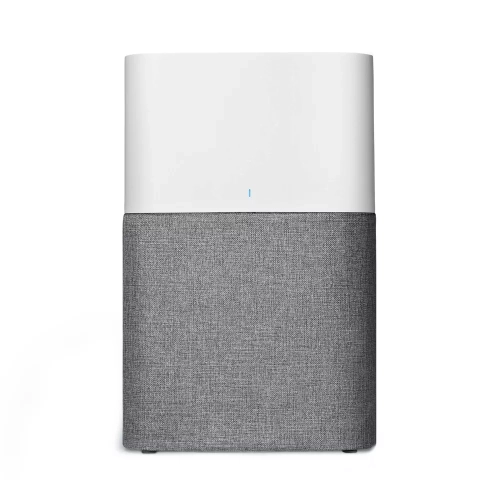
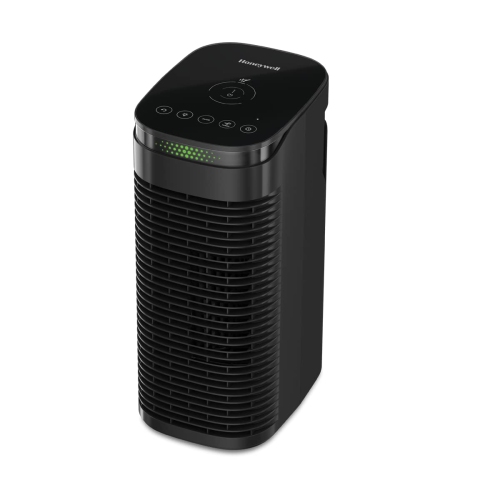
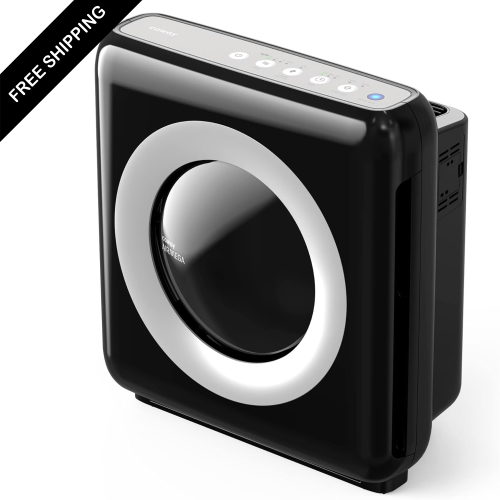

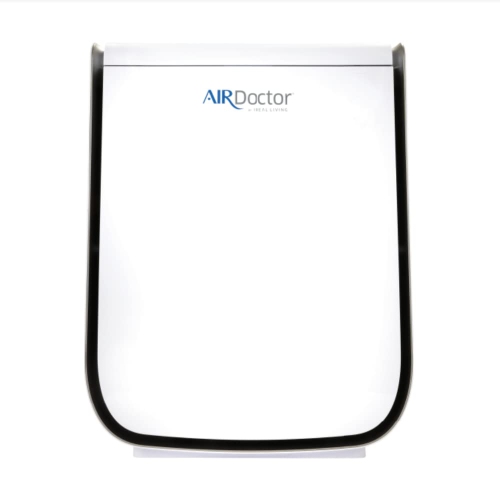
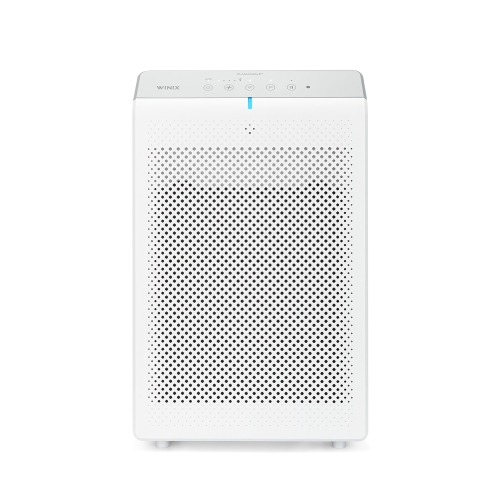
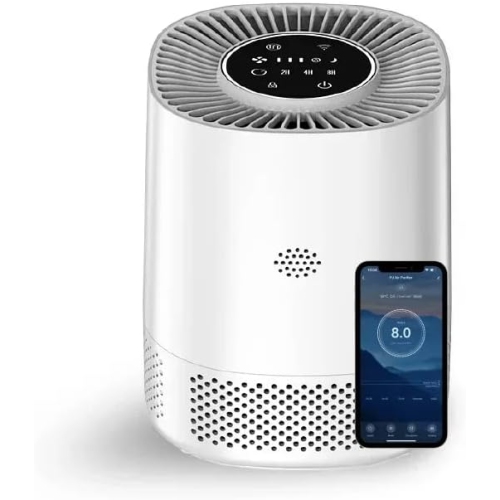
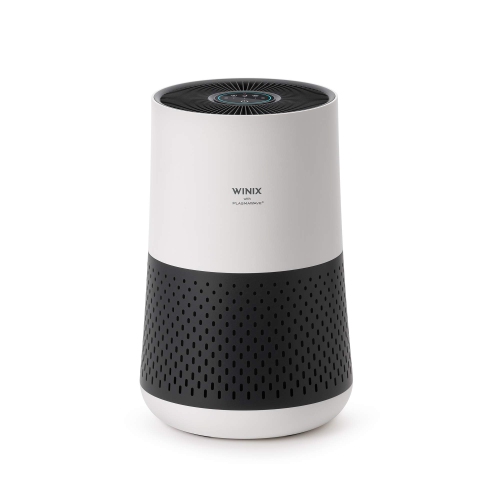
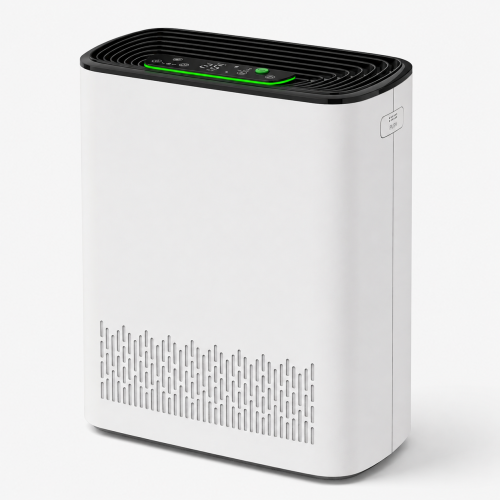
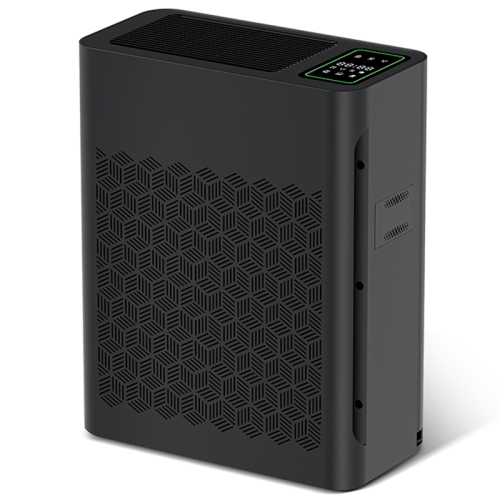
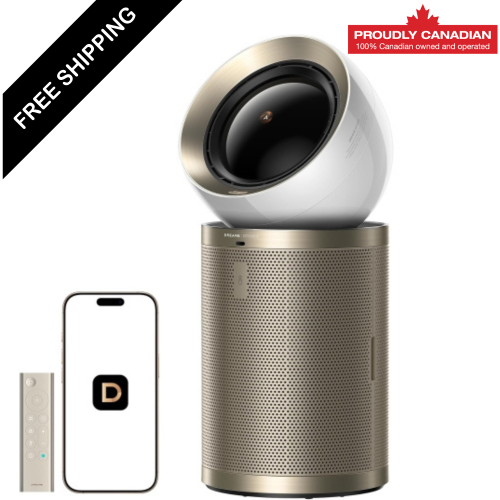
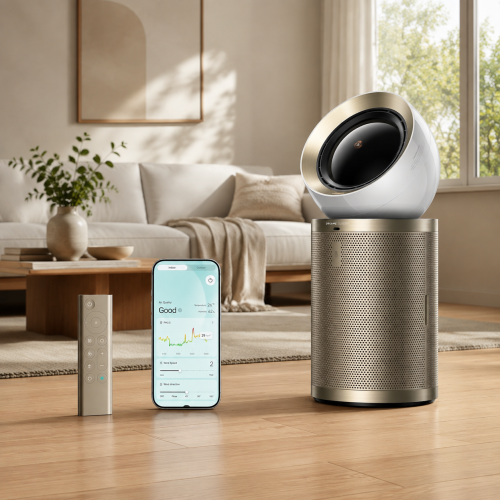
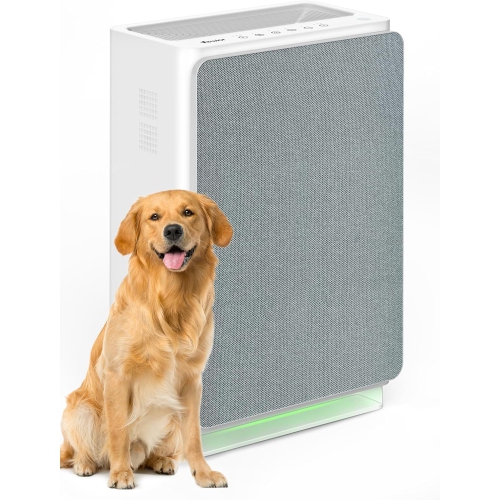
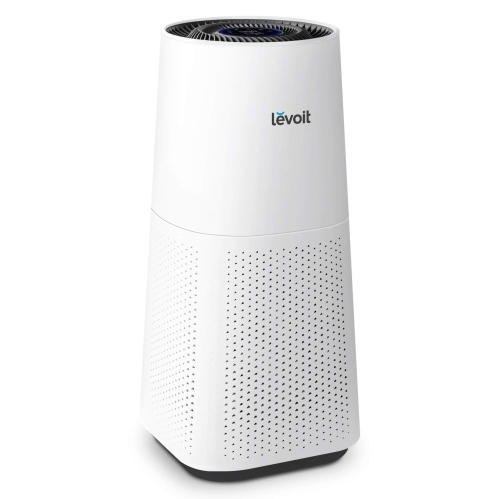


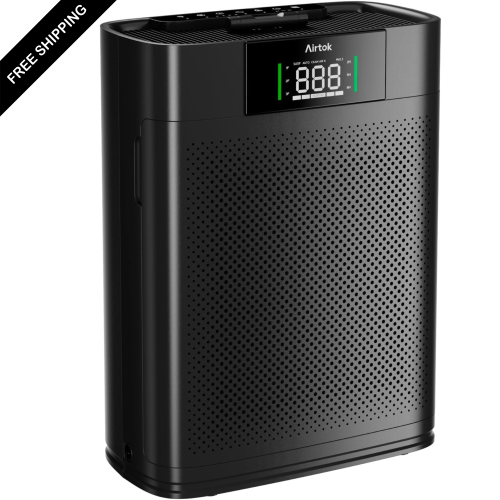
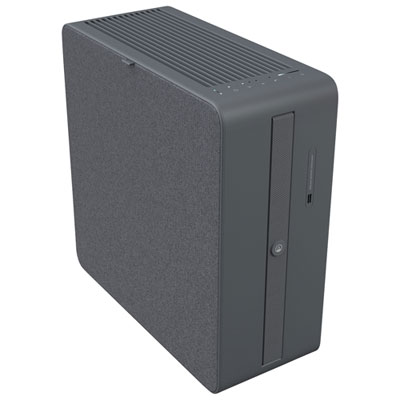
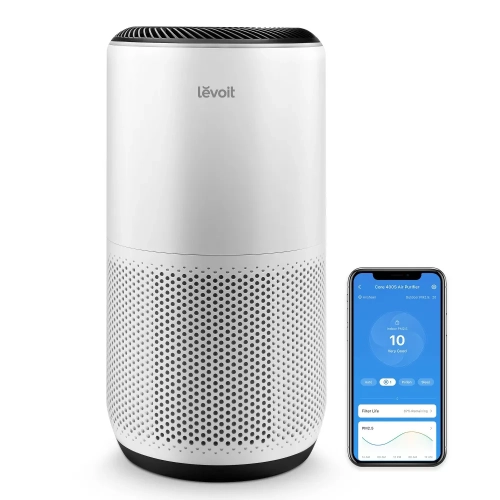
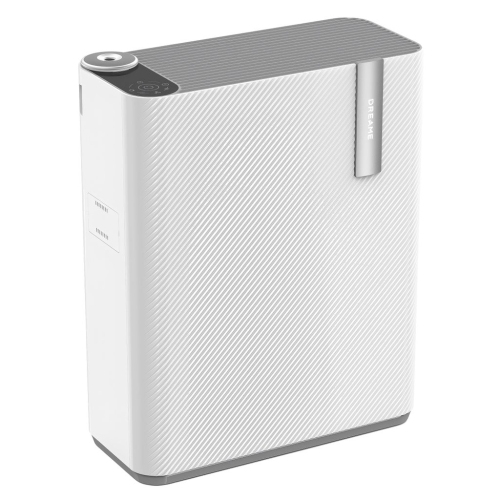
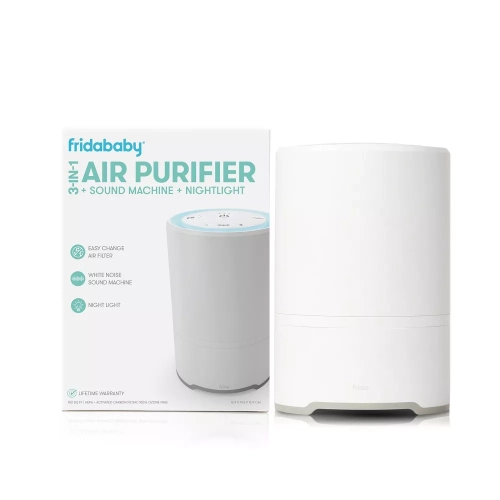
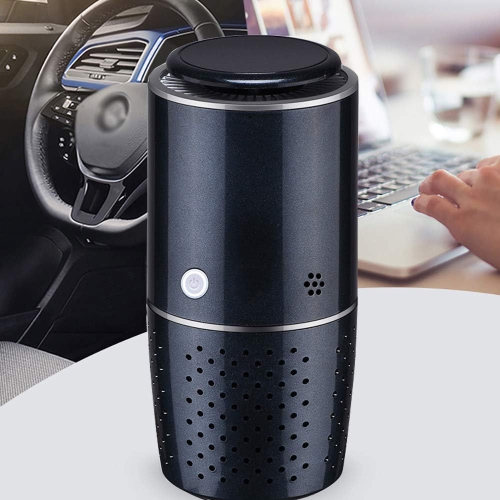
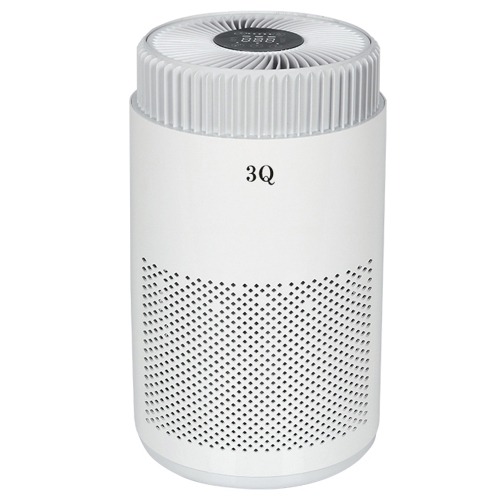
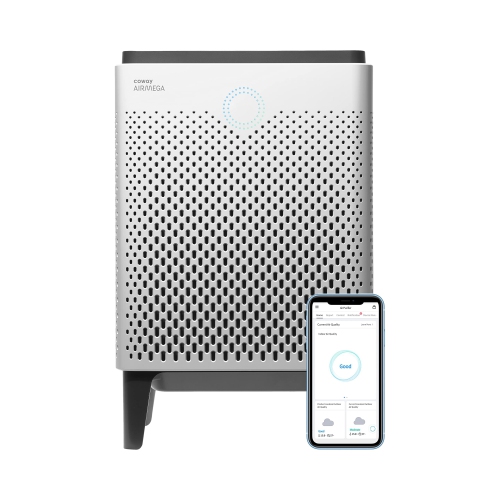
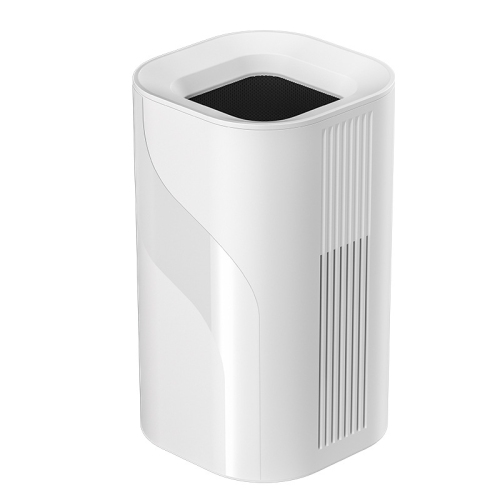
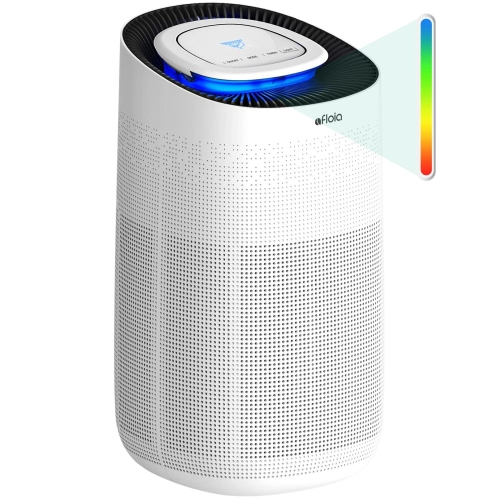
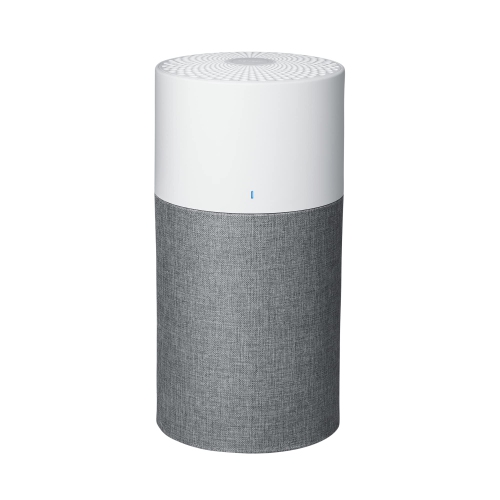
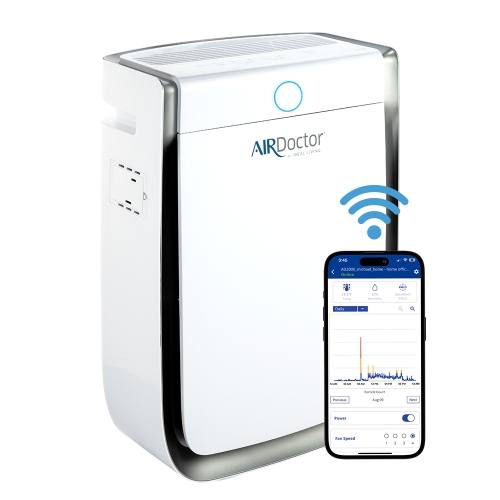
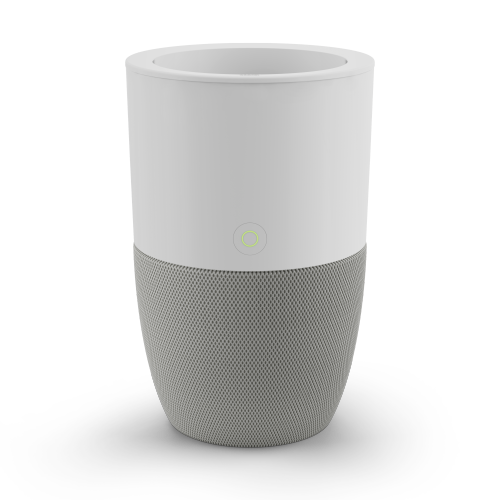
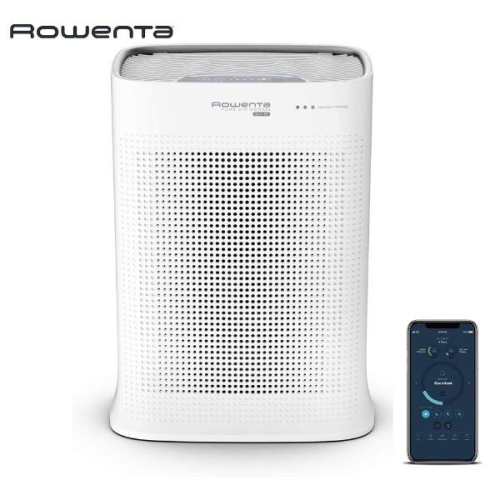
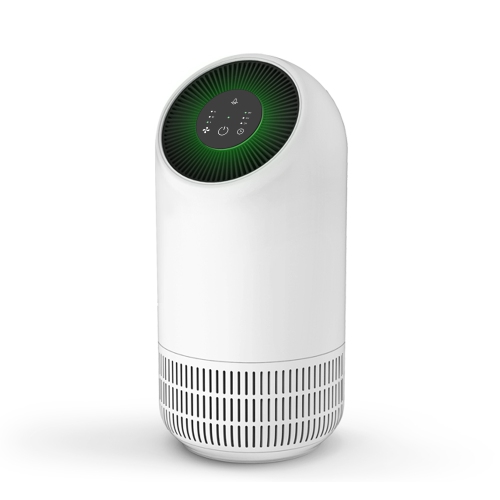
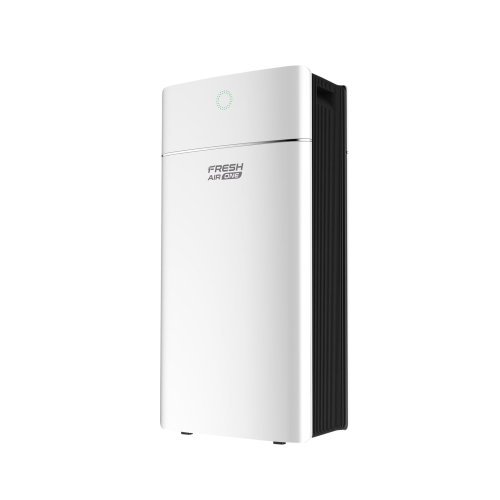
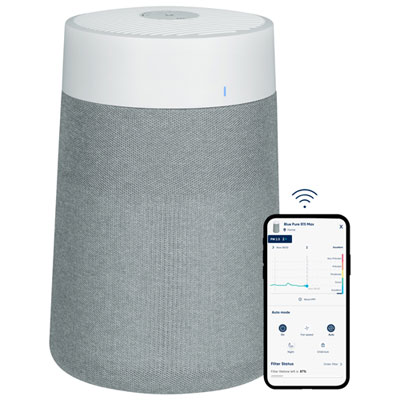
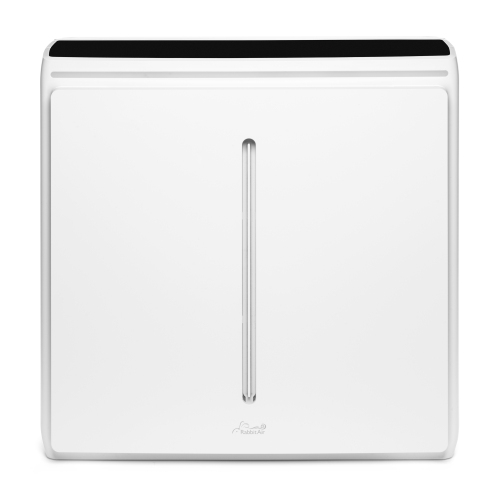
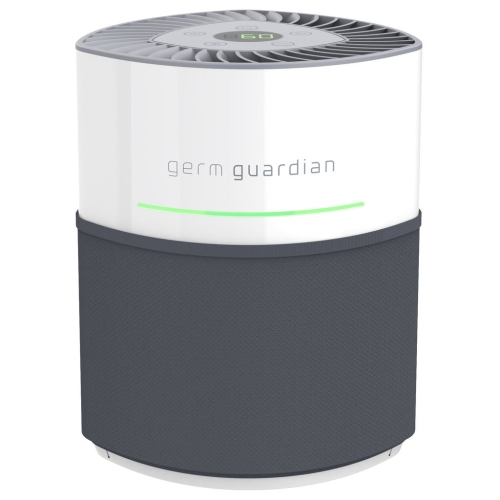
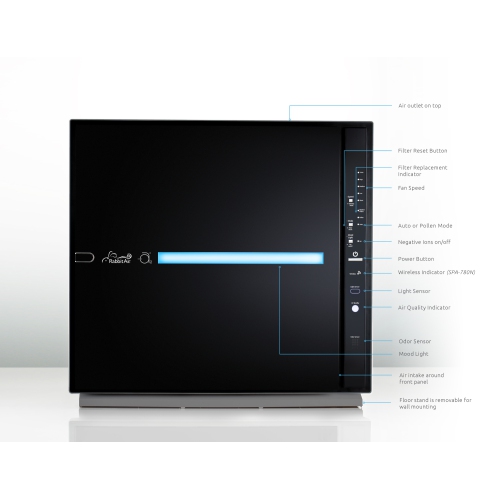
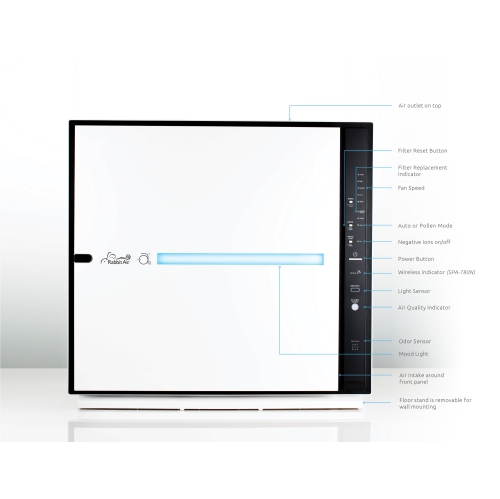
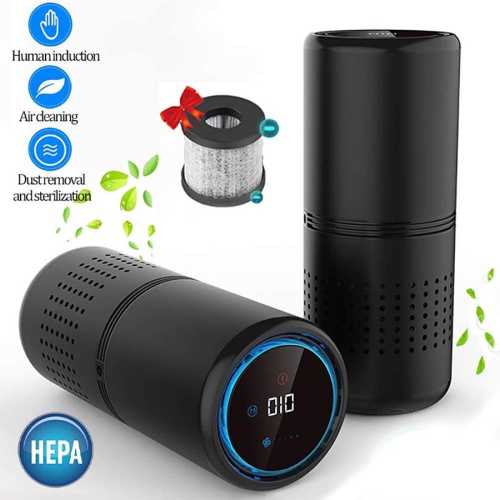
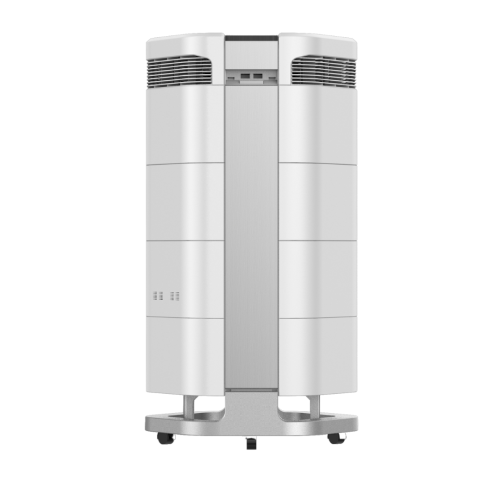
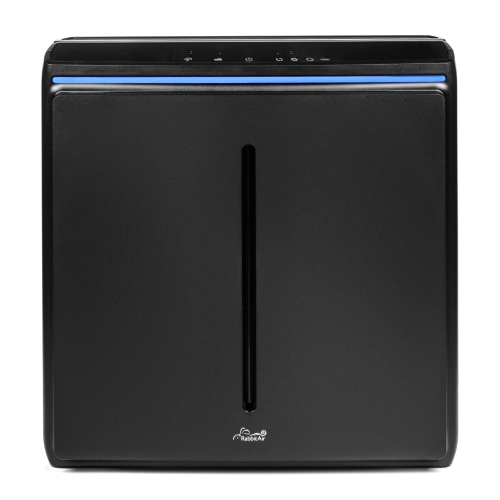
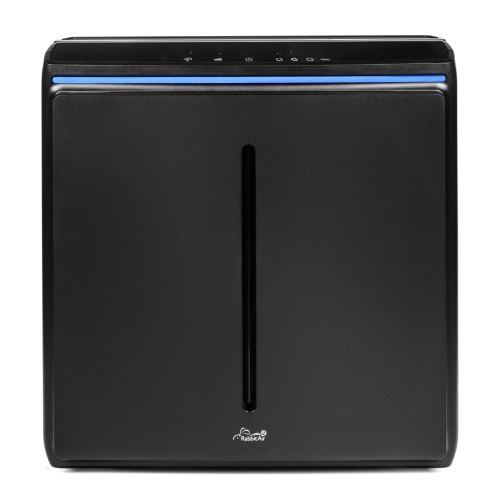
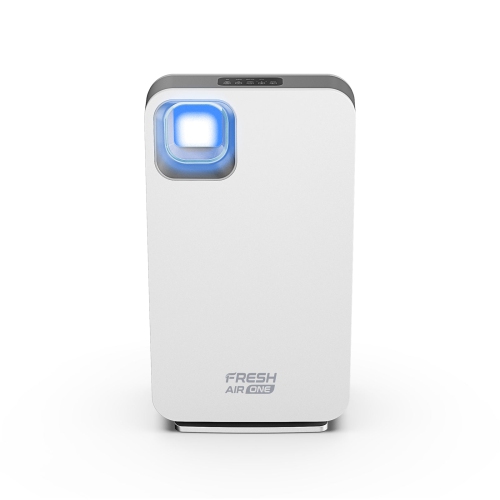
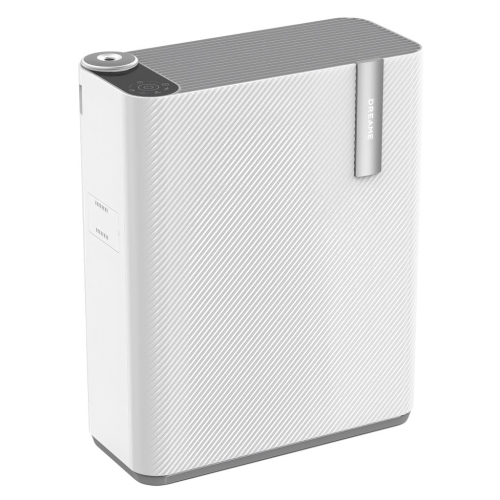
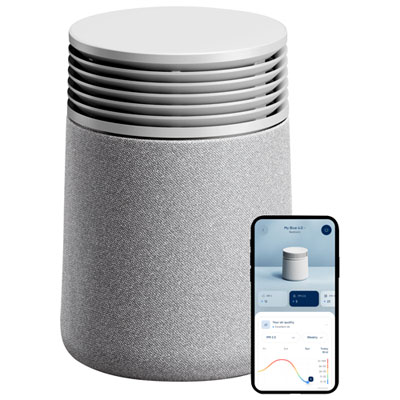
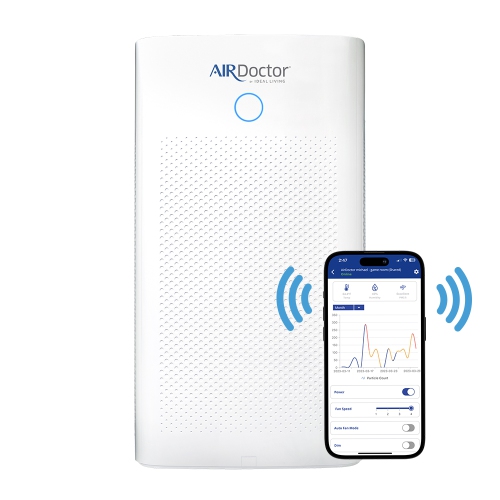
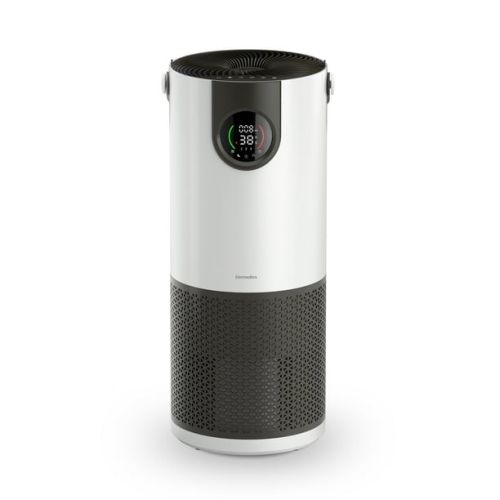
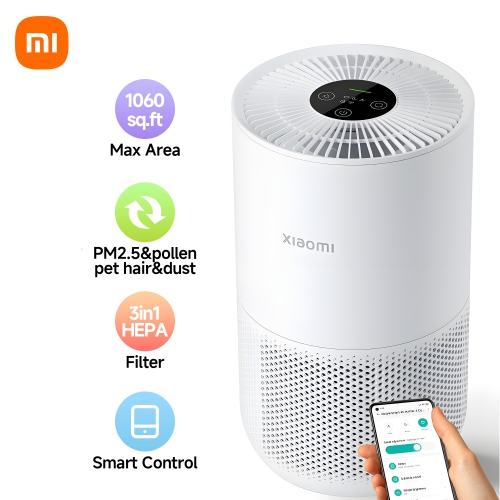

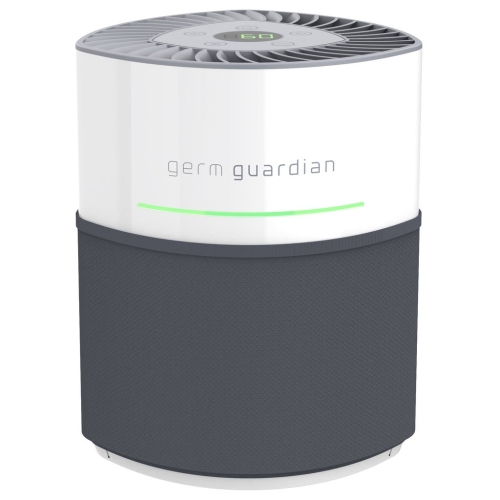
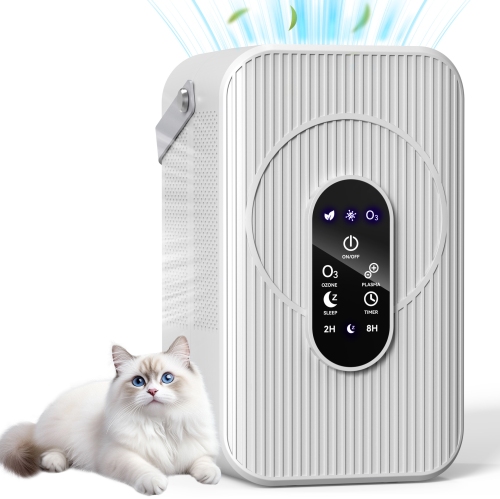
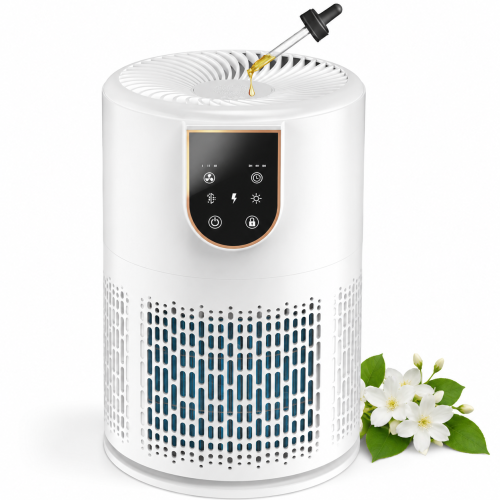
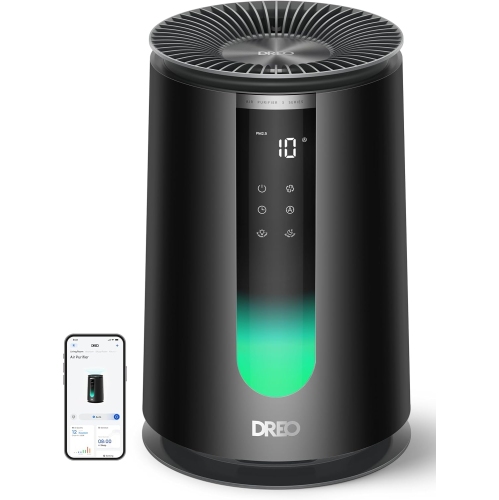
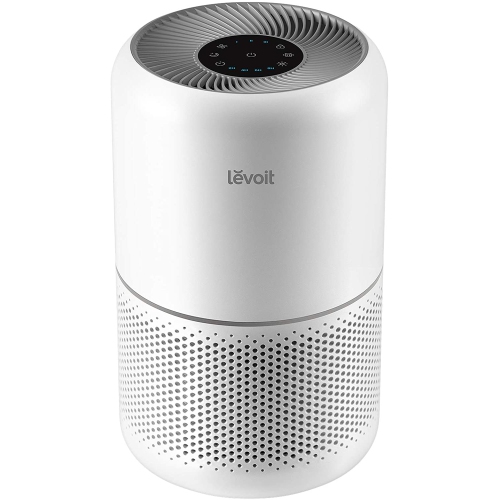
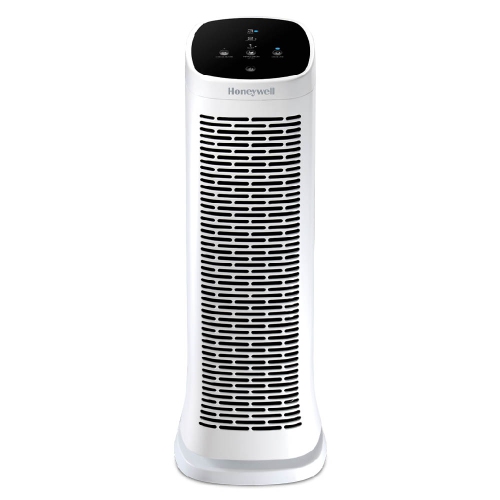
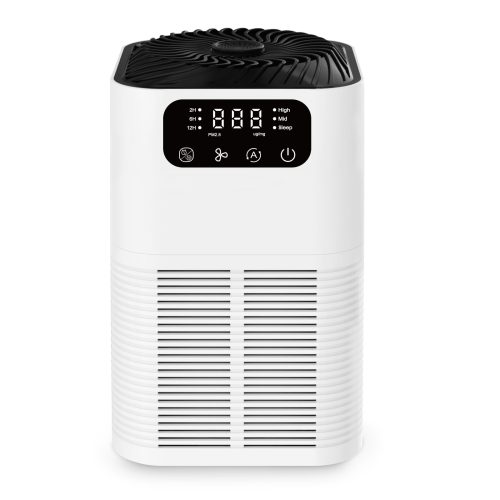
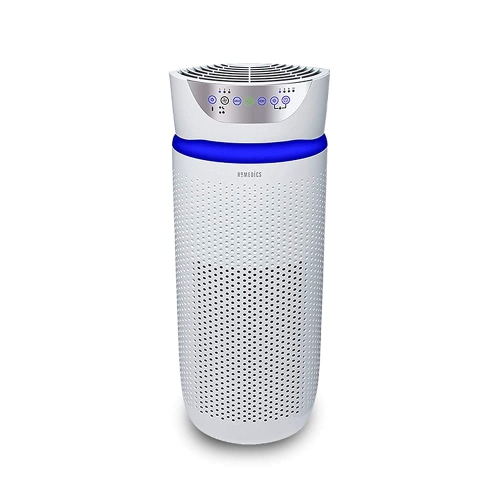
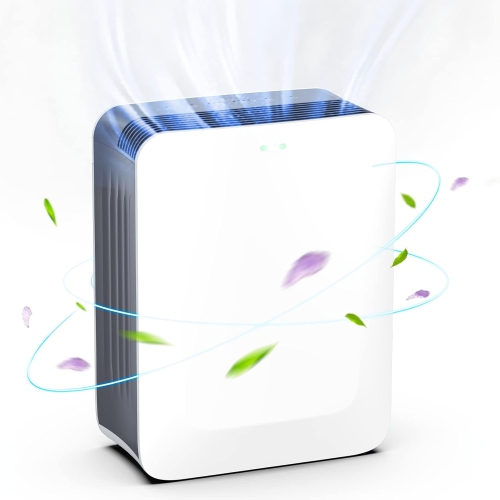
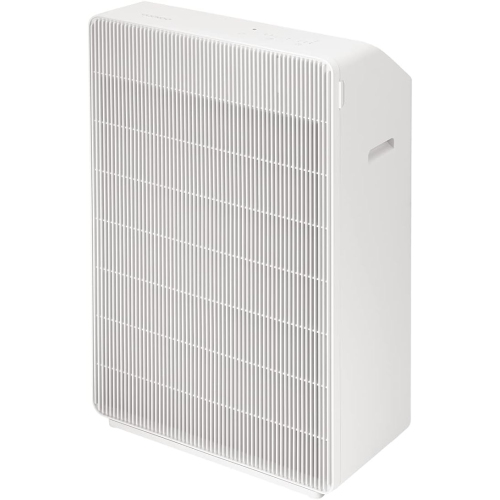
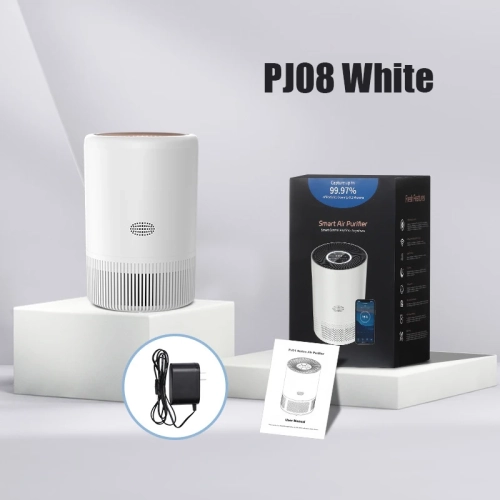
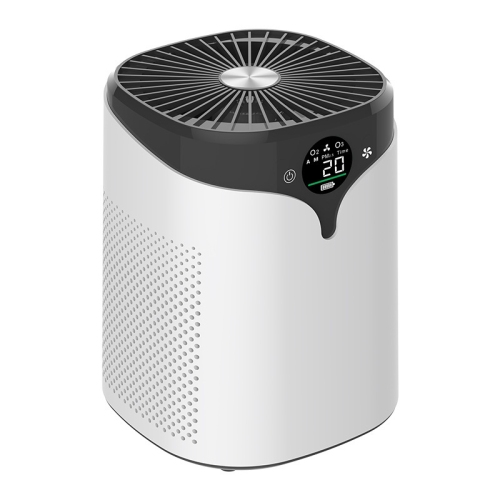
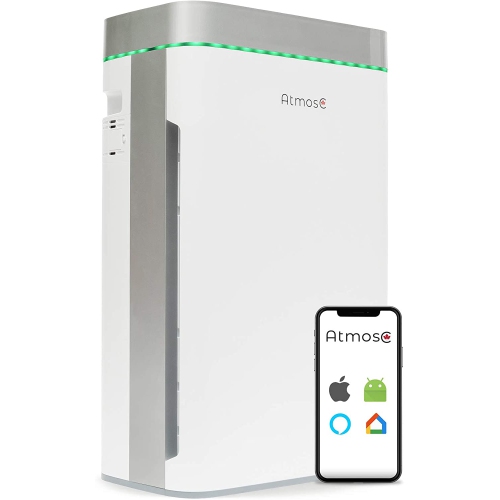
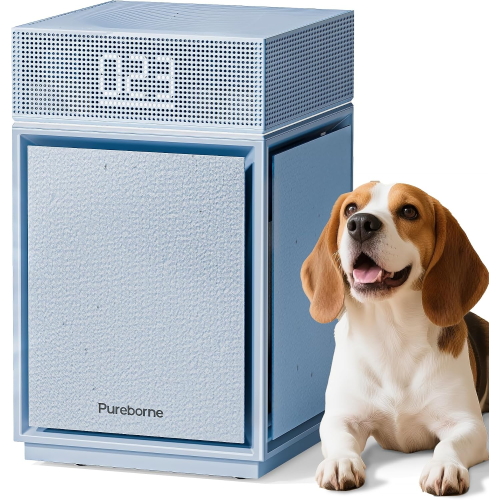
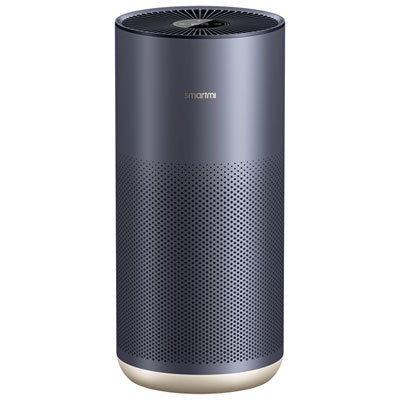
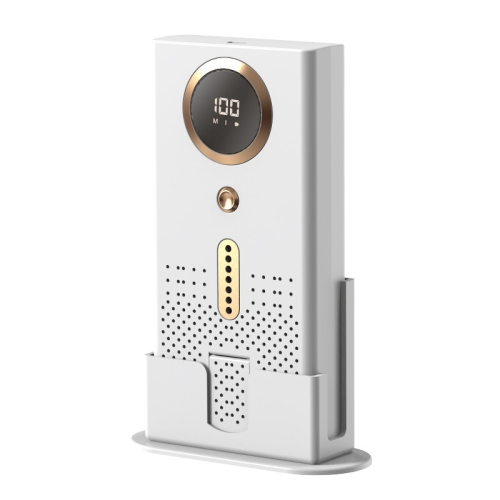
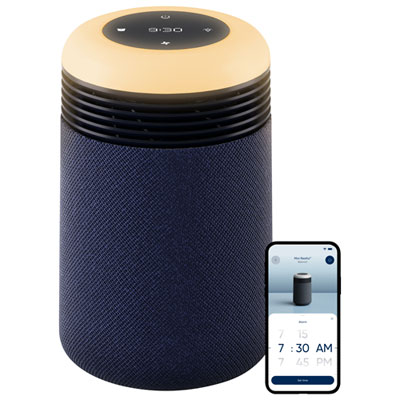
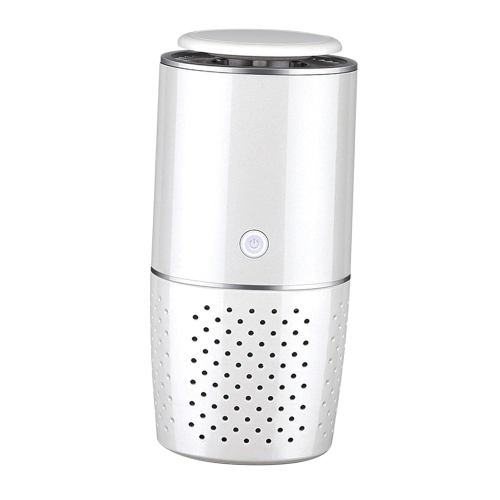
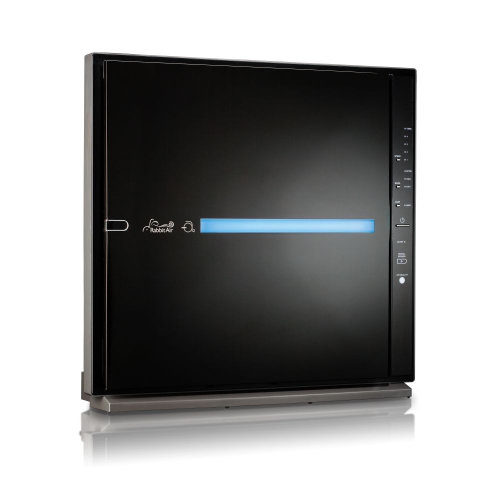
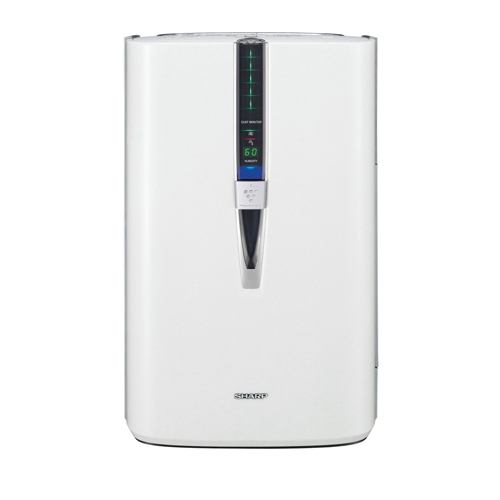
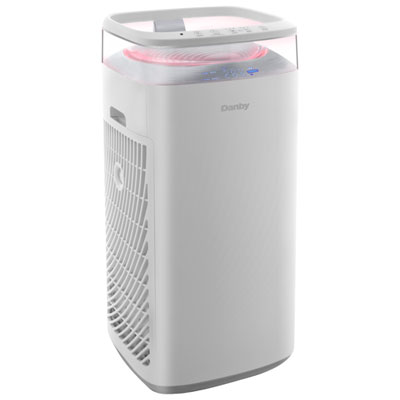
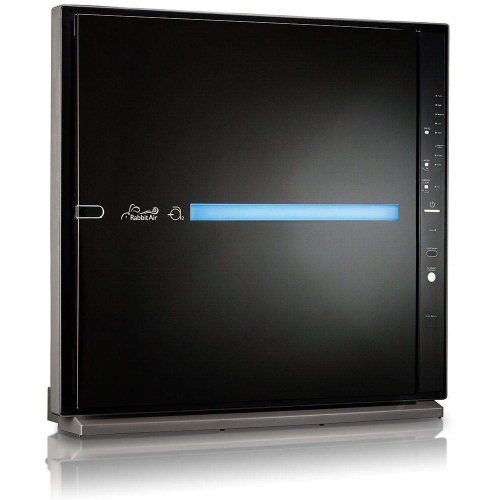
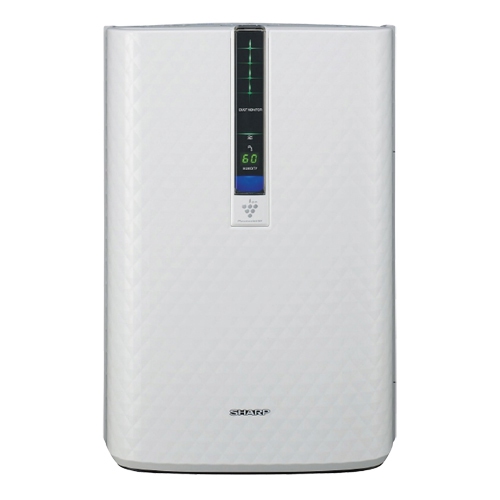
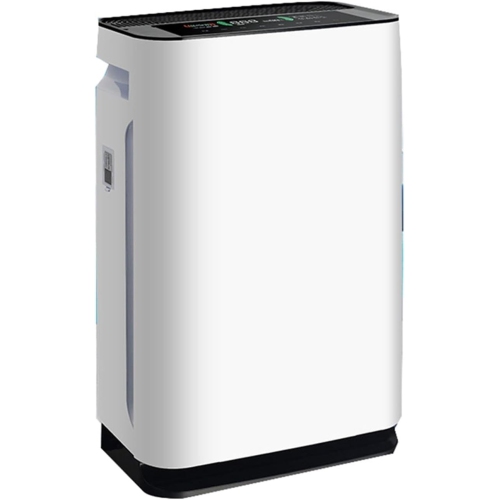

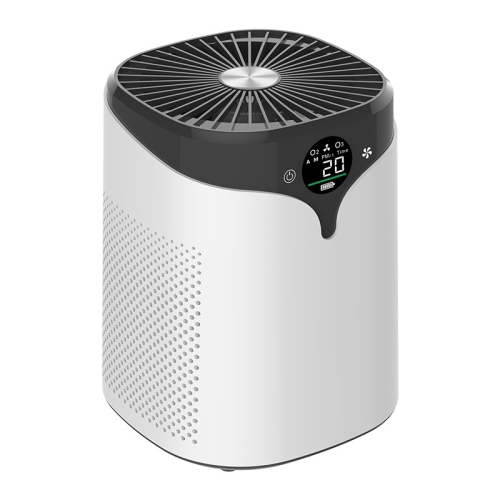
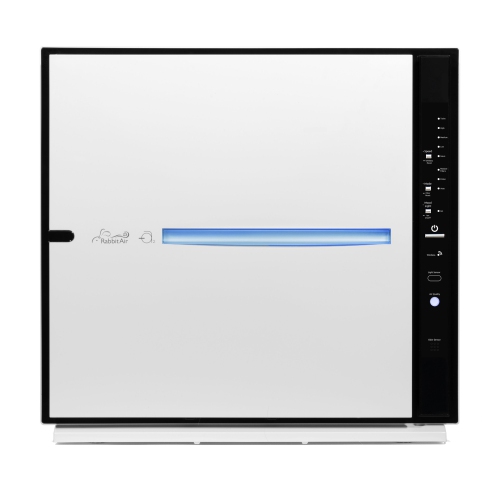
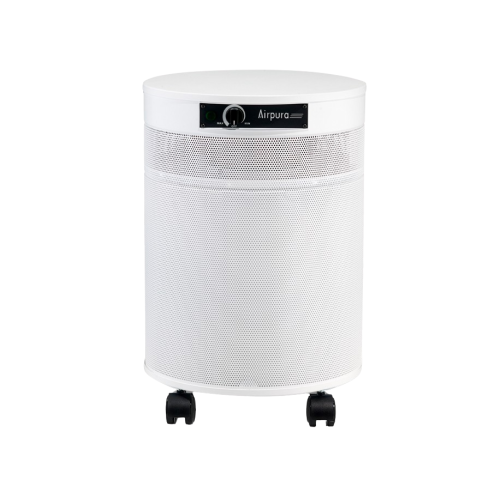

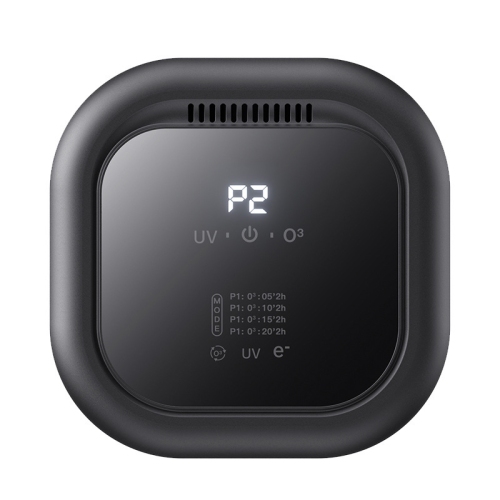
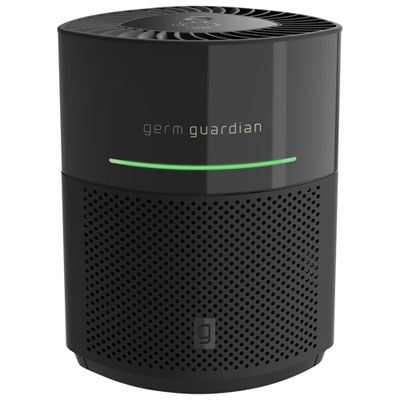
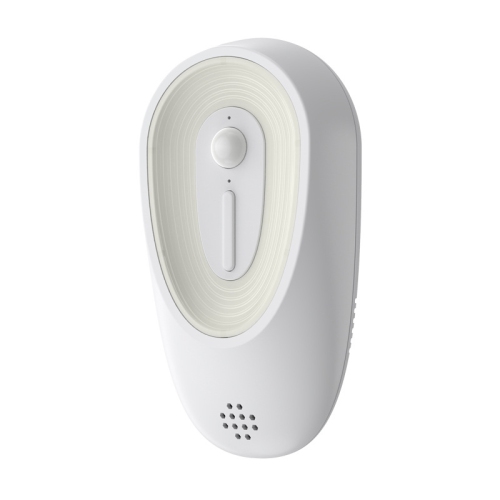
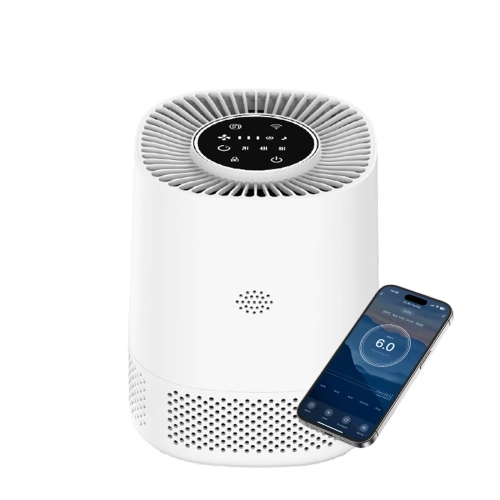
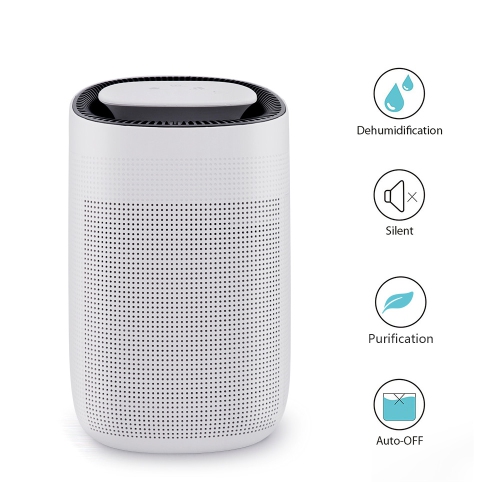
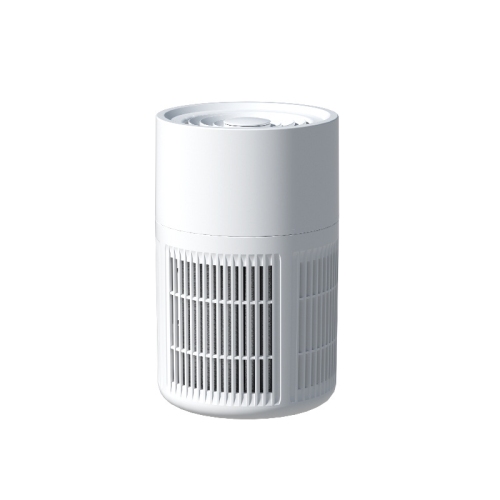
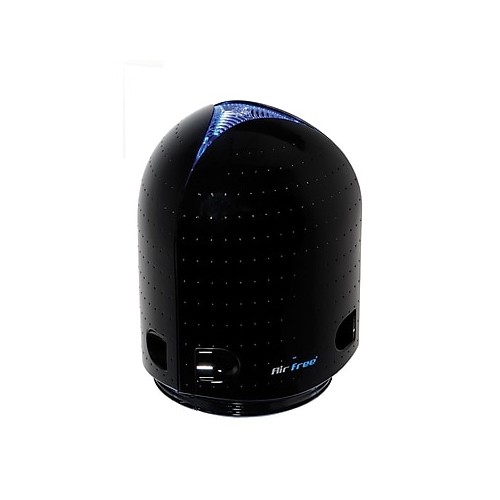
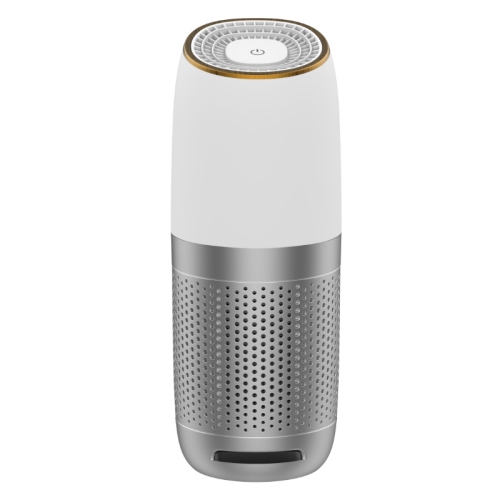

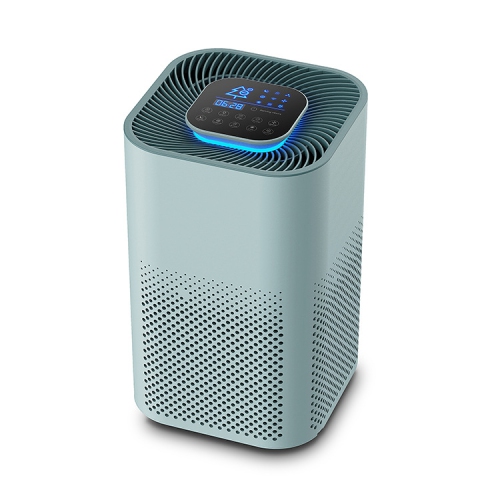
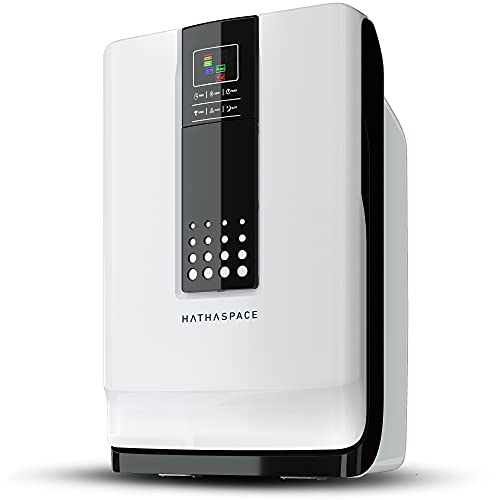
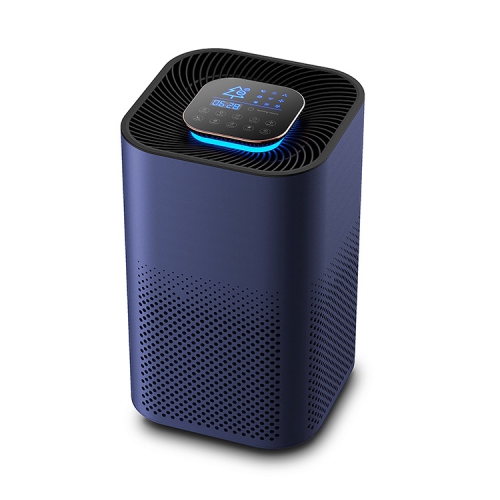
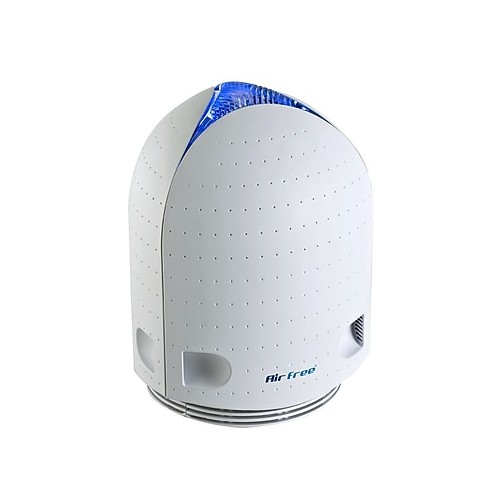
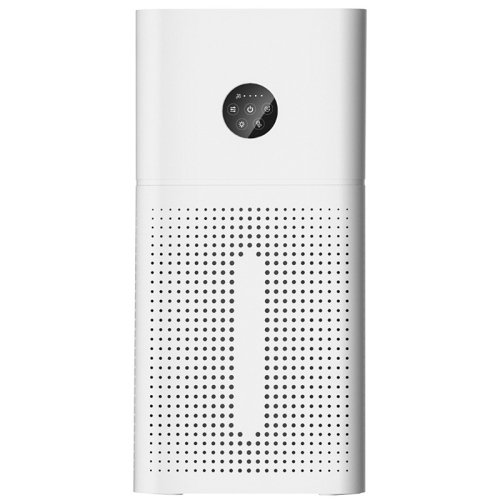
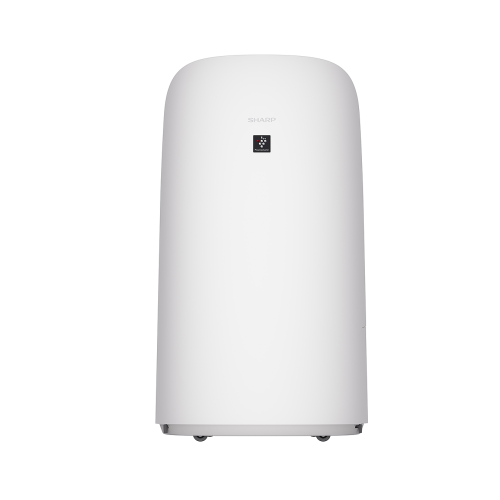
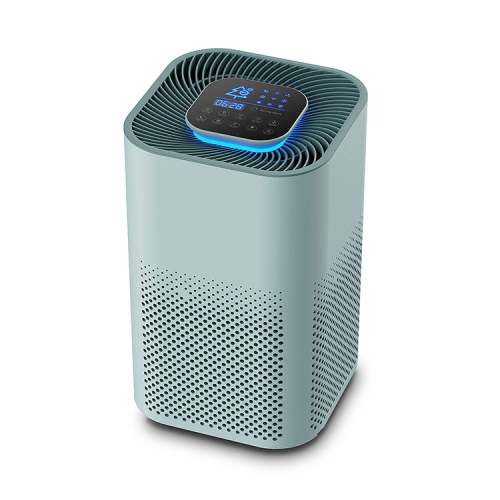
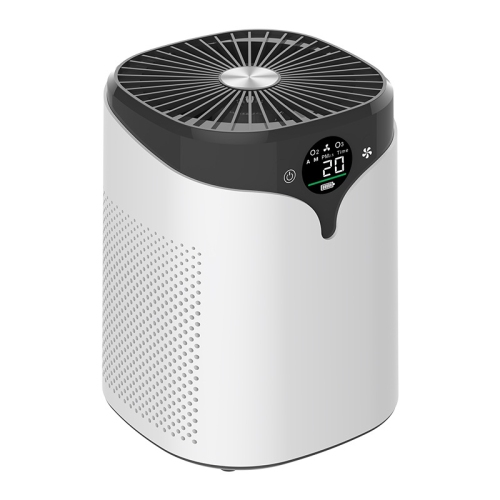
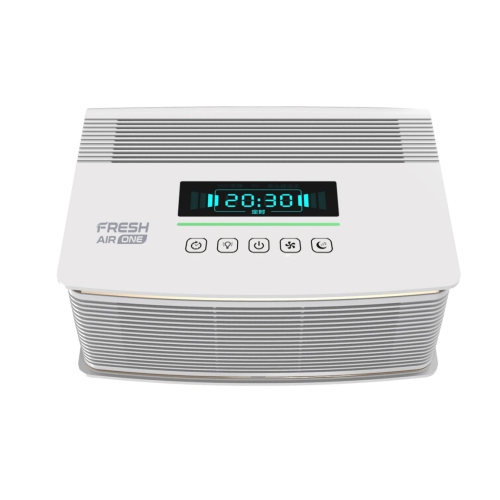
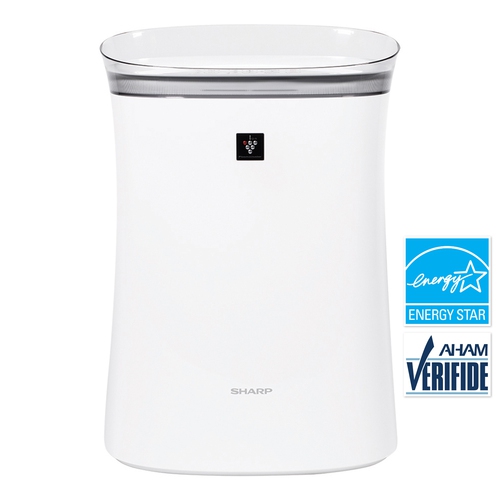
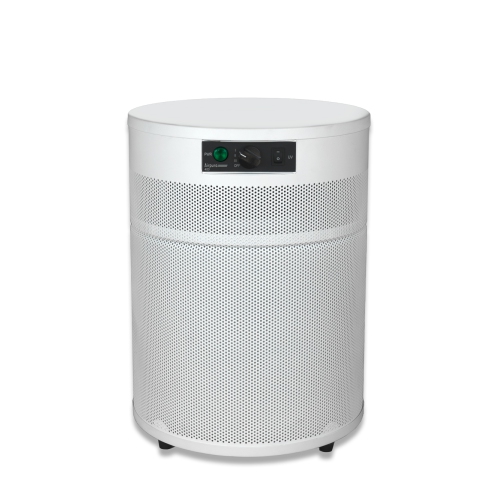
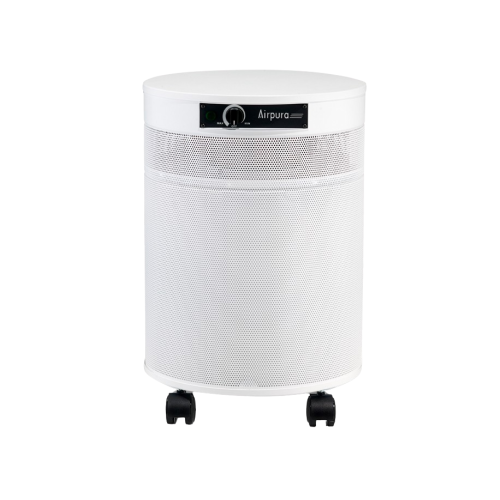

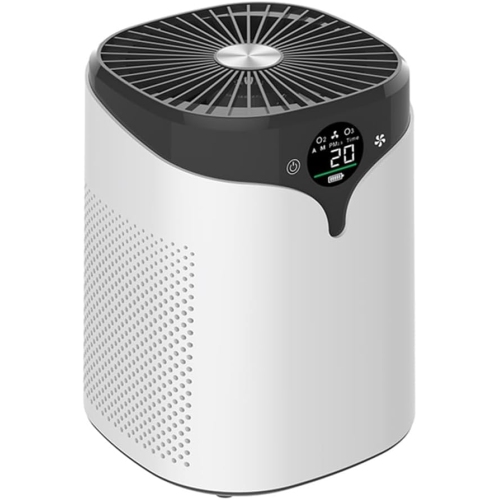
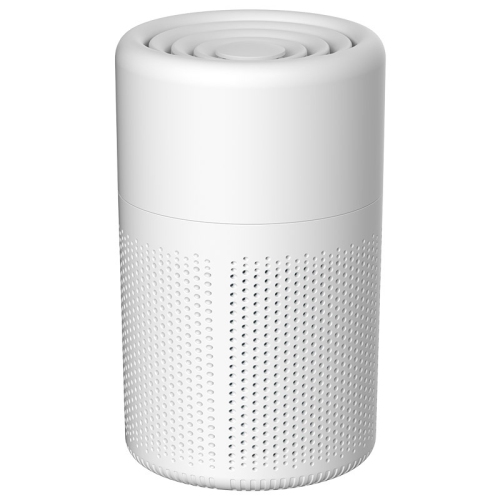
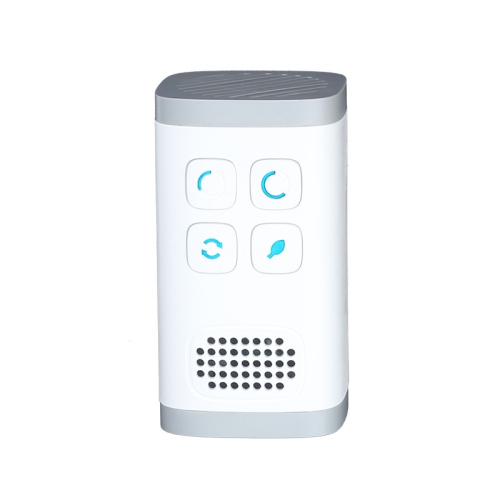
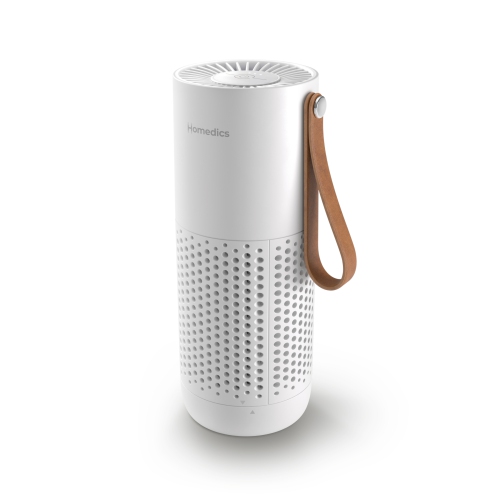
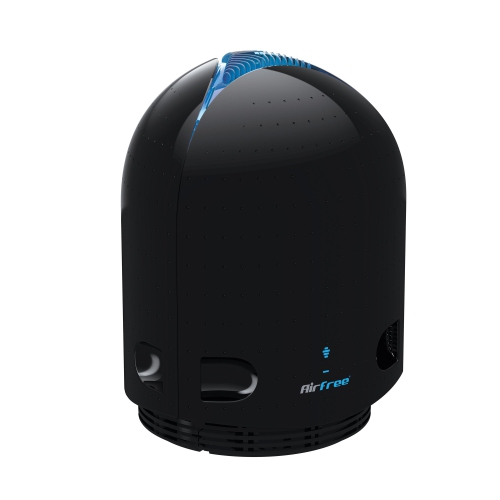
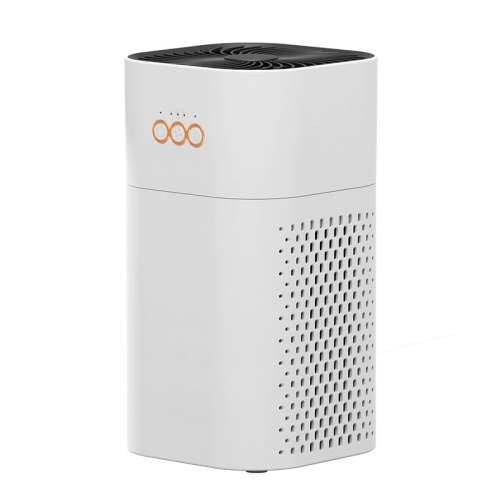
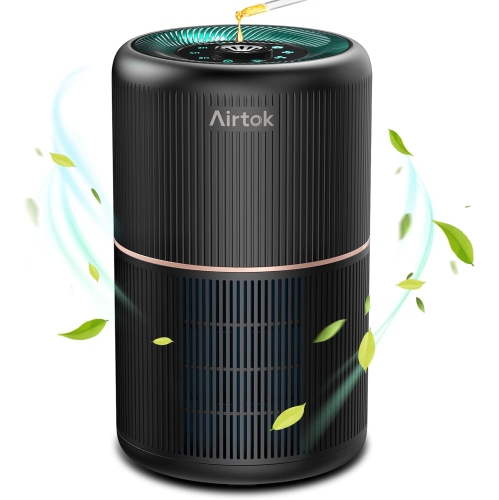
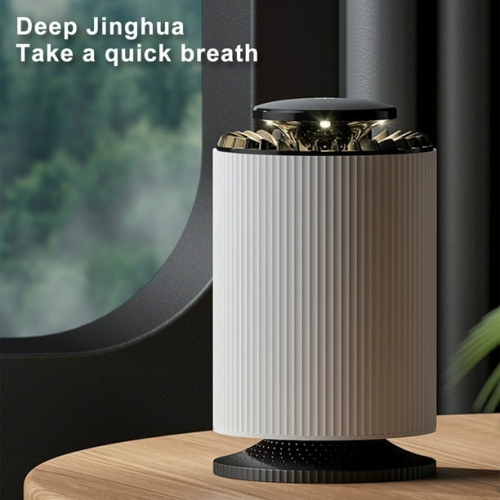
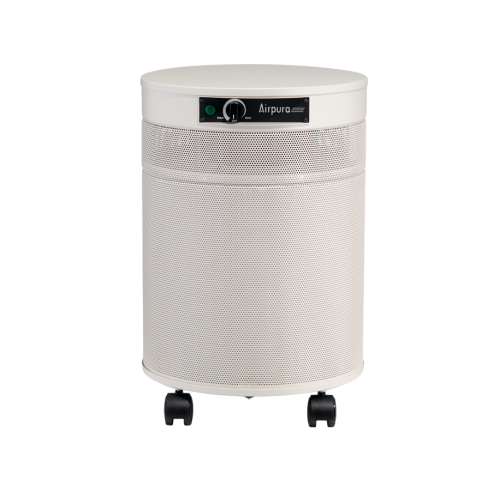
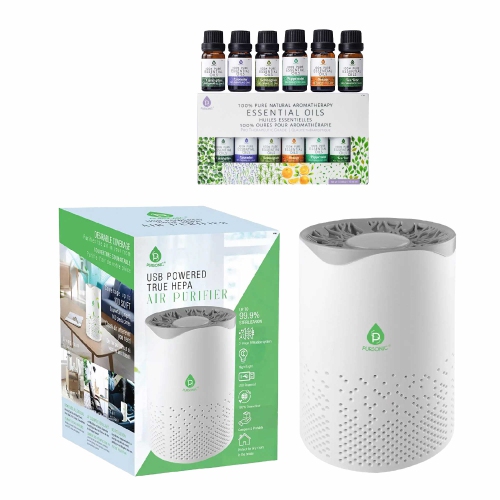
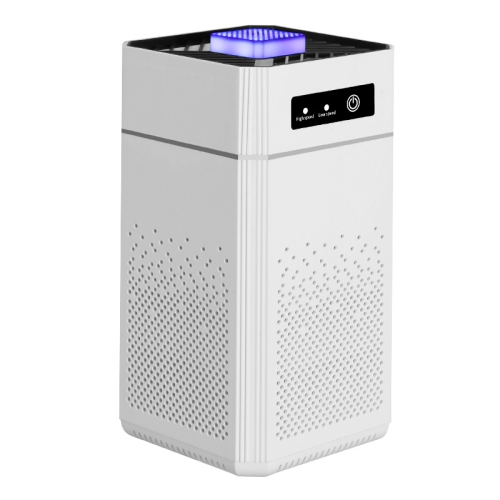
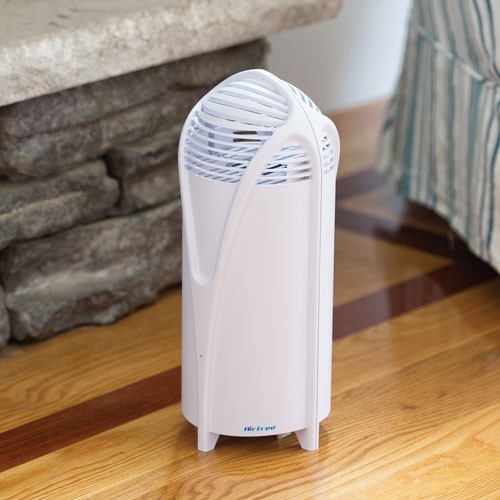
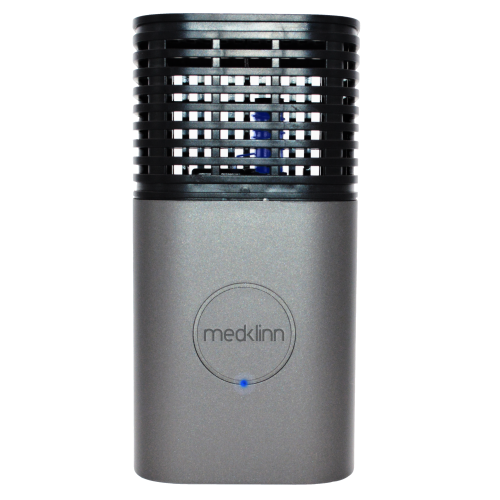
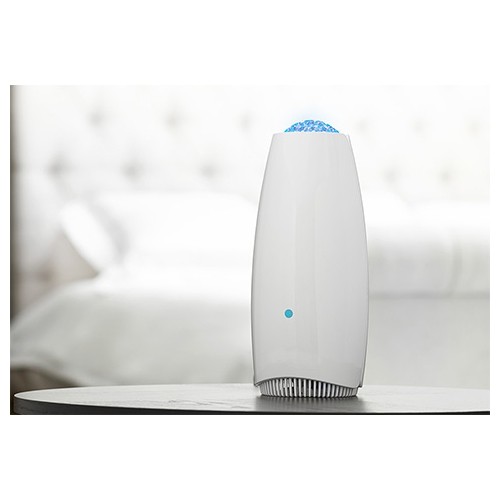

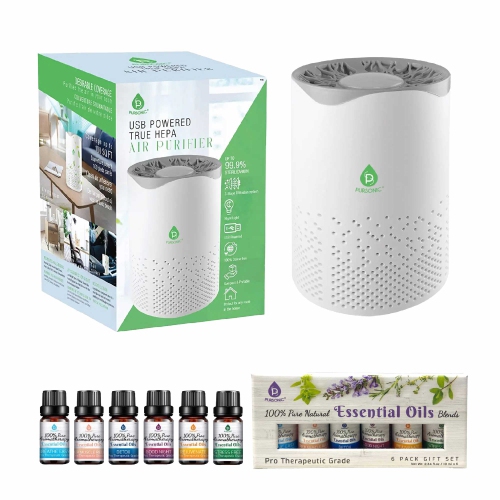
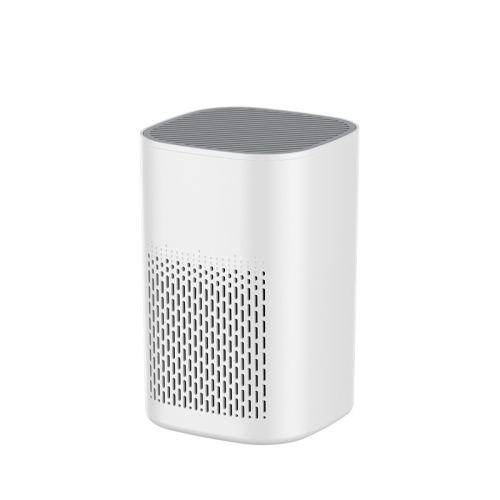
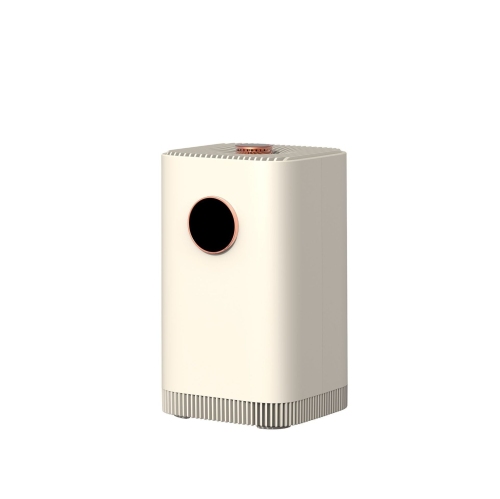
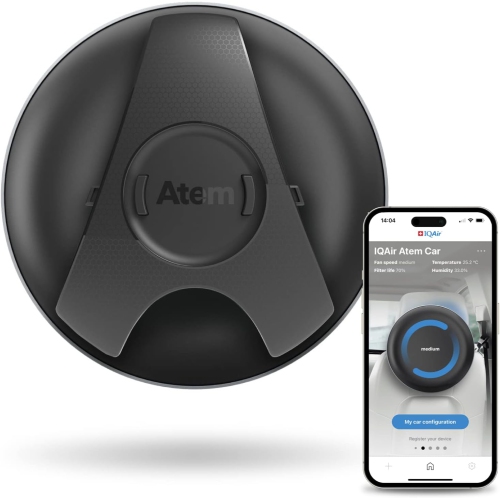
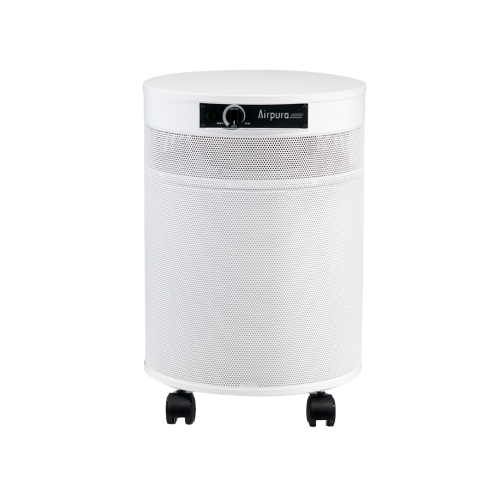
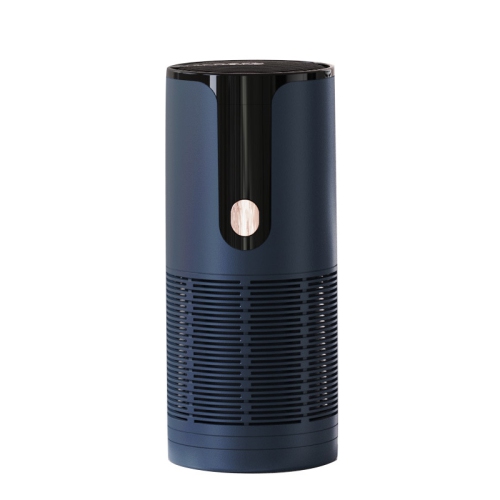
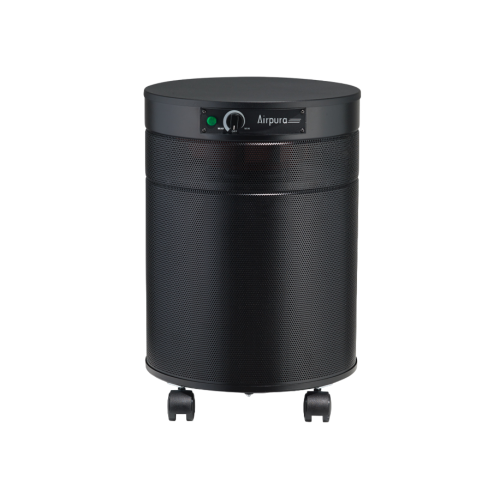
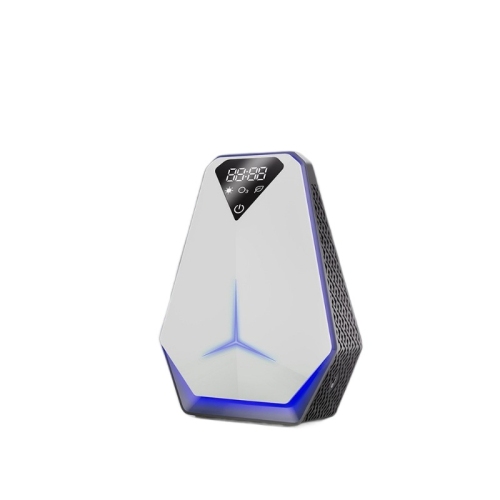
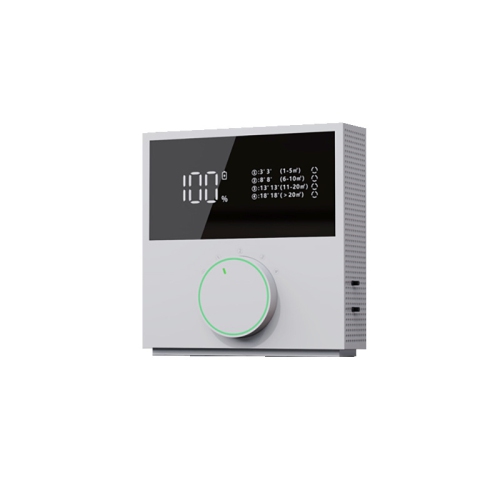
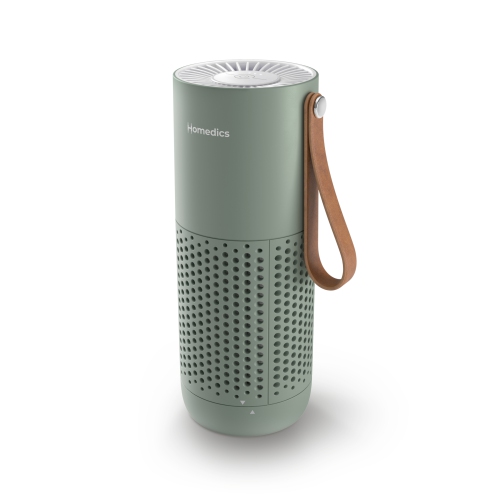
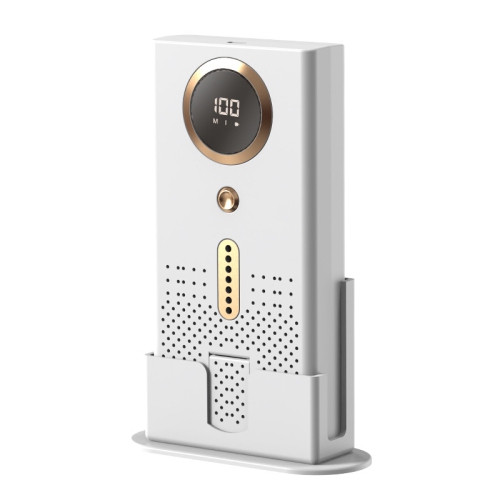
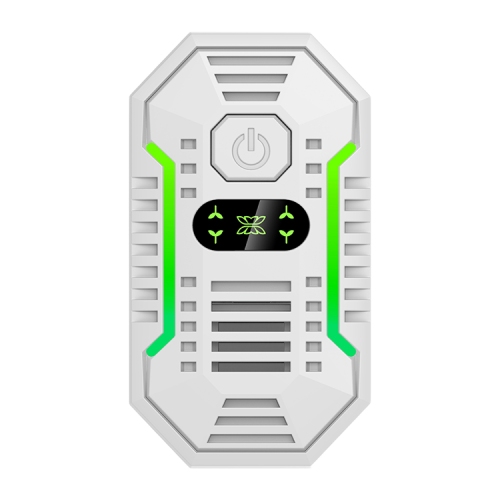
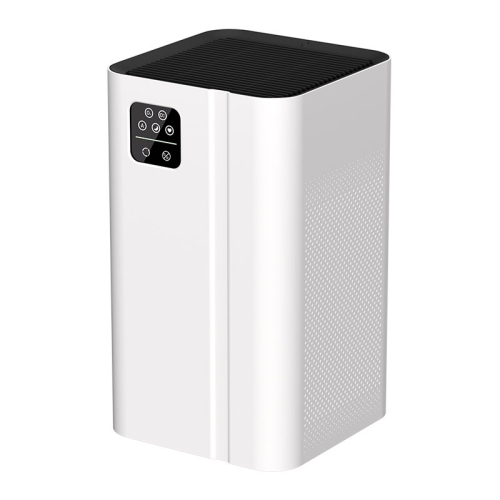
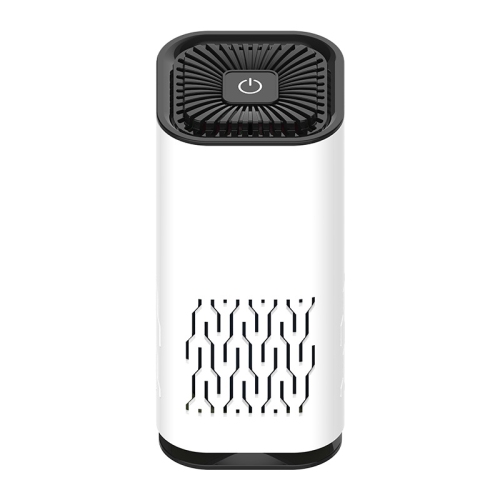
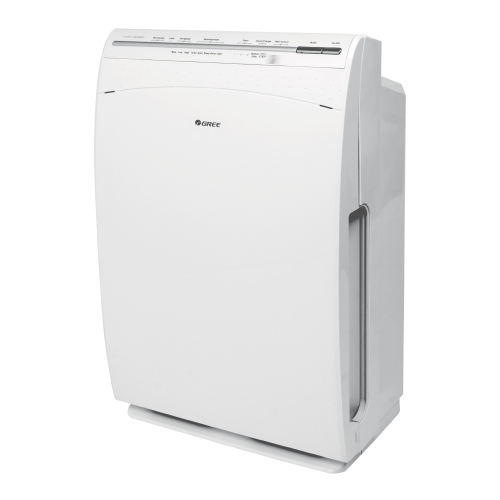
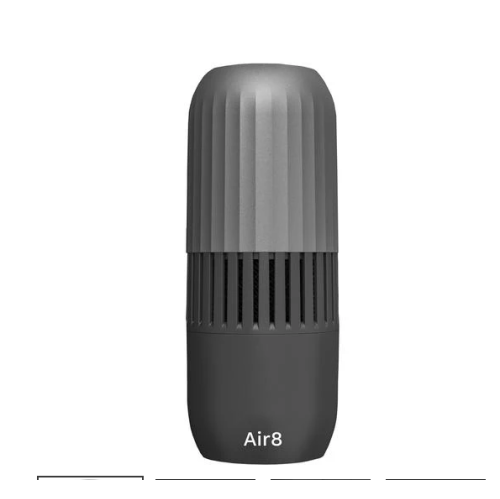
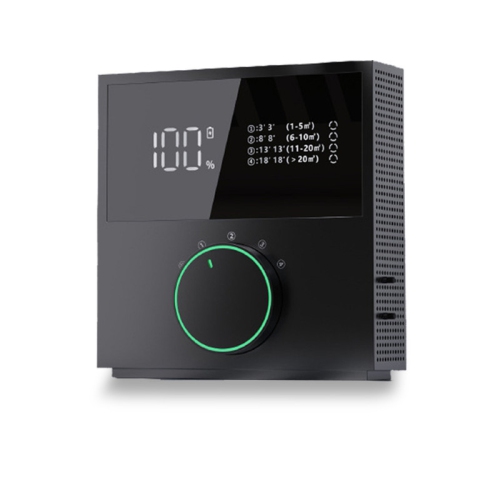

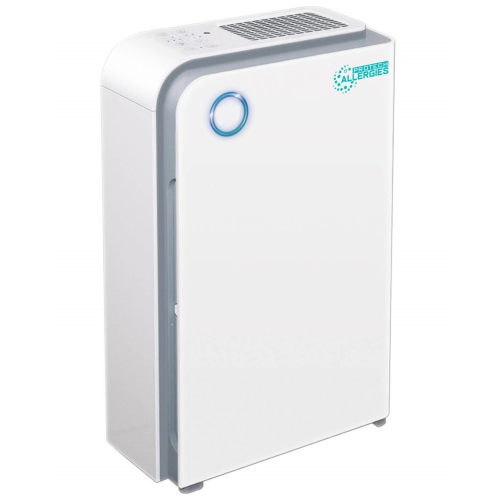
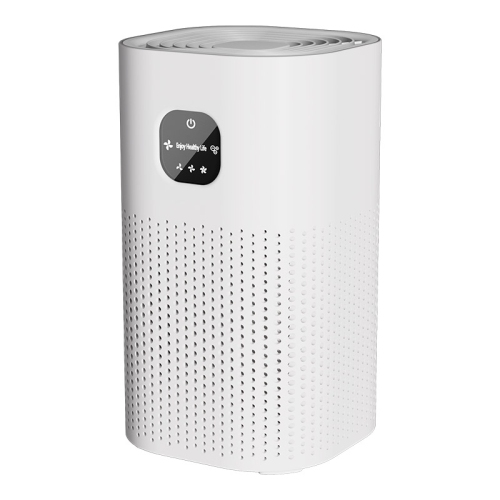
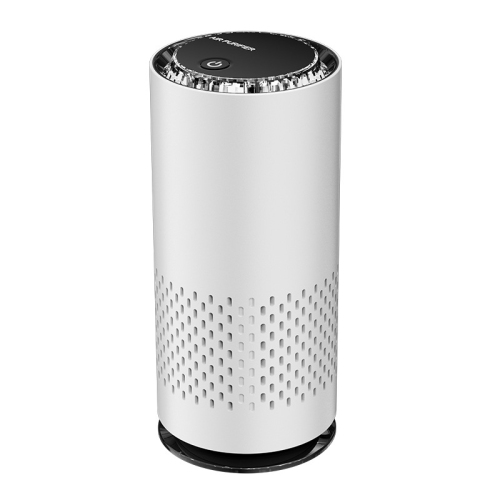
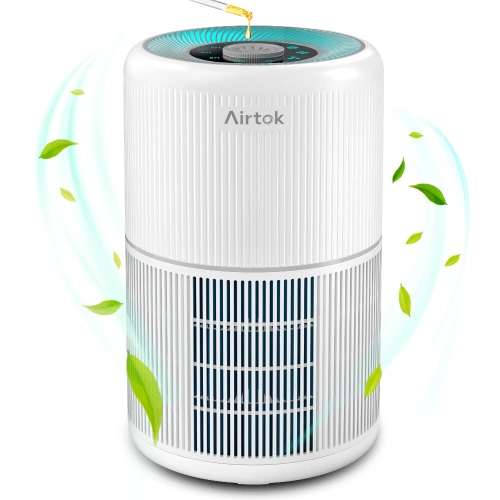
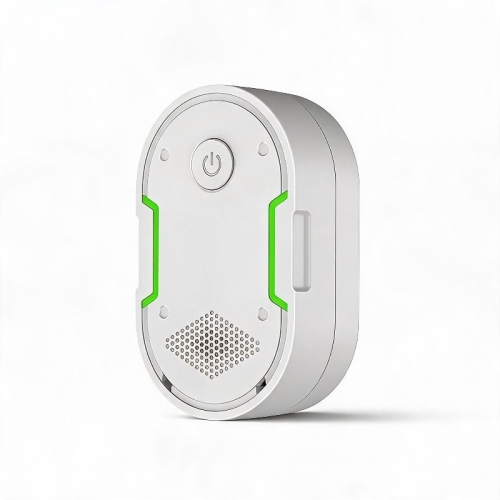
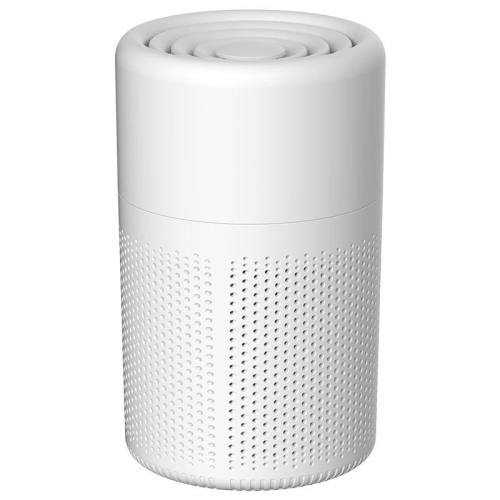

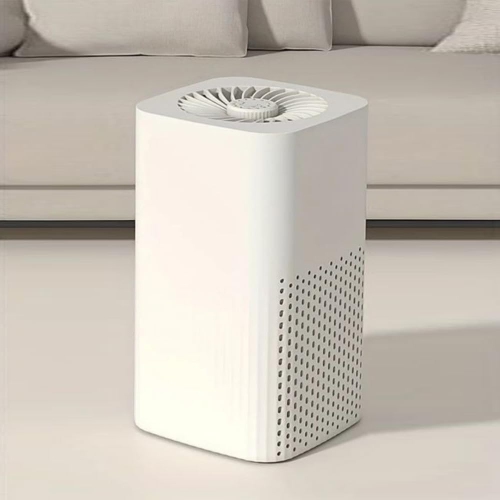
How air quality sensors guide automatic fan adjustments
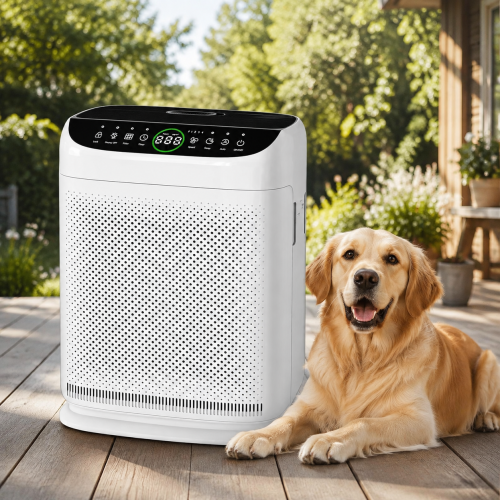
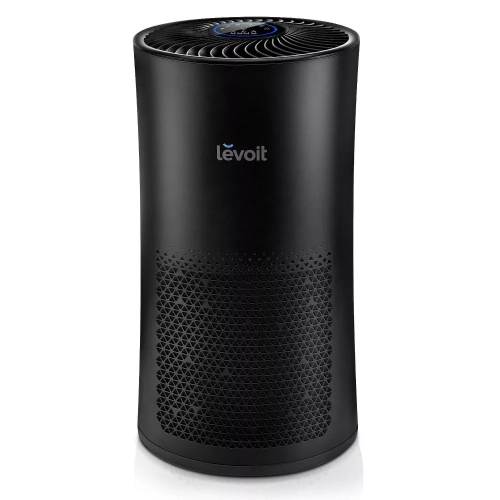
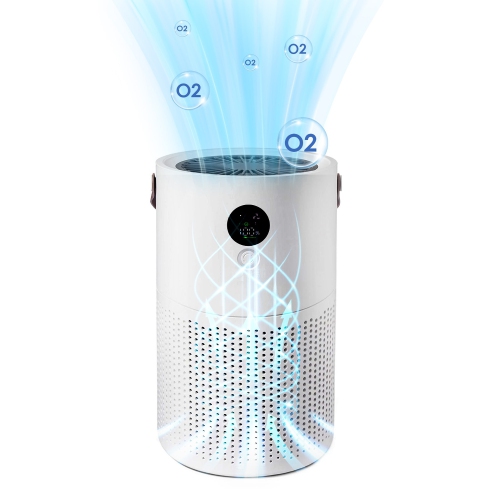
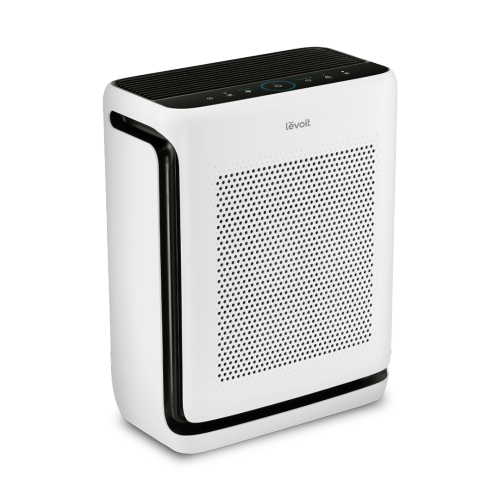
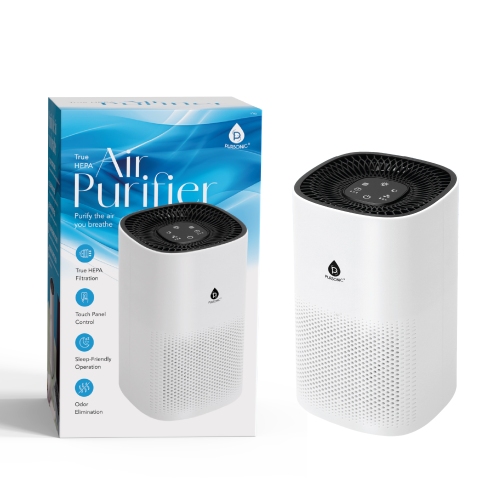
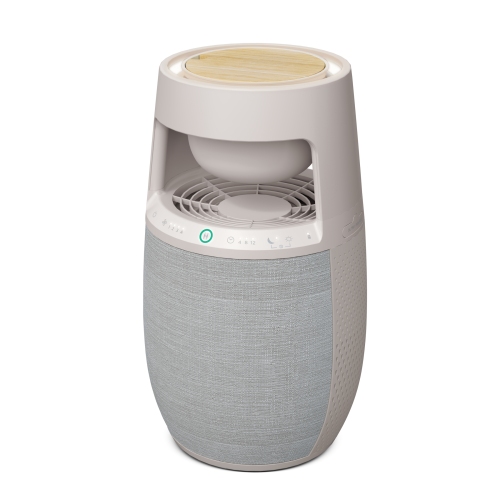
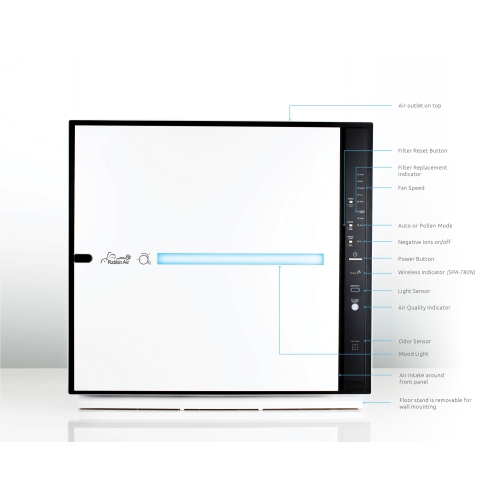
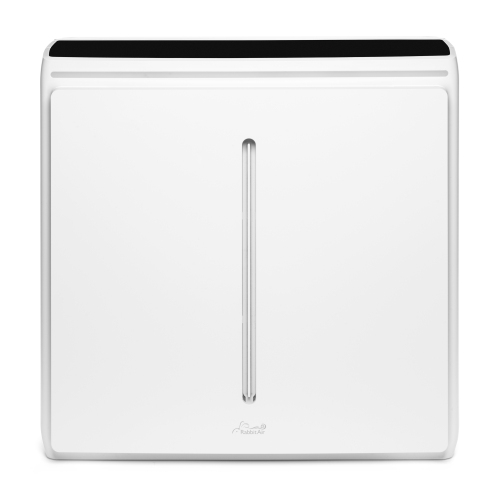
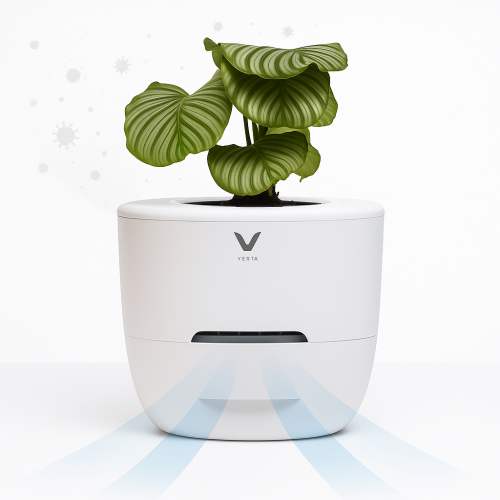
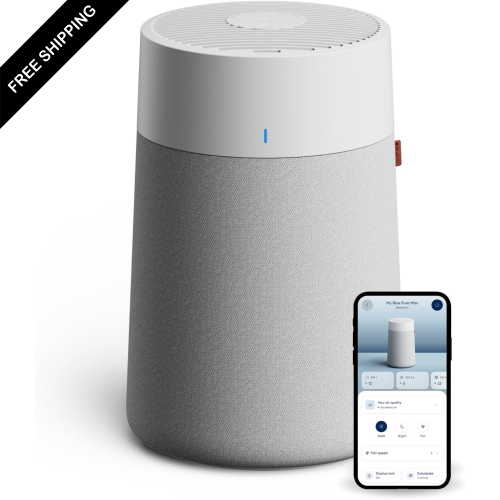
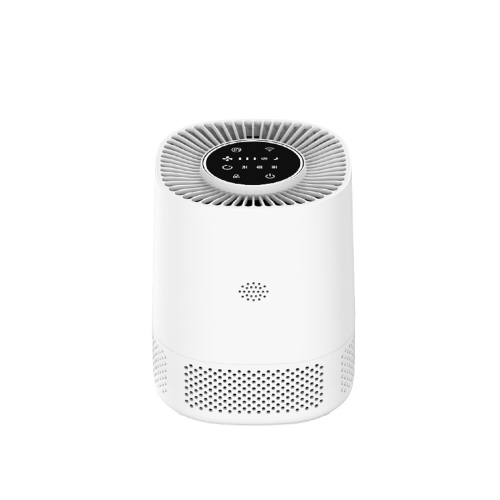
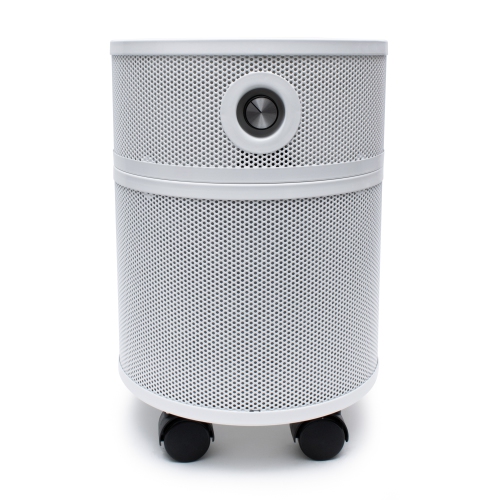
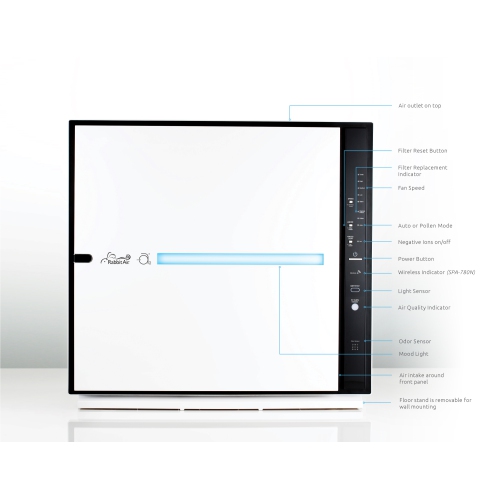
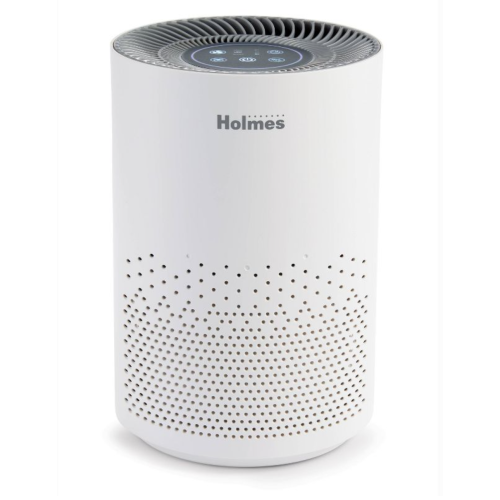
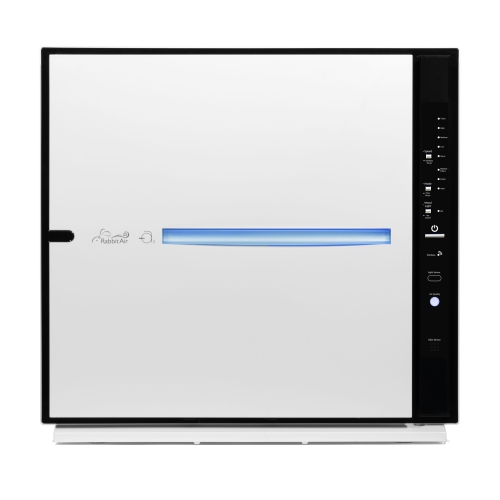
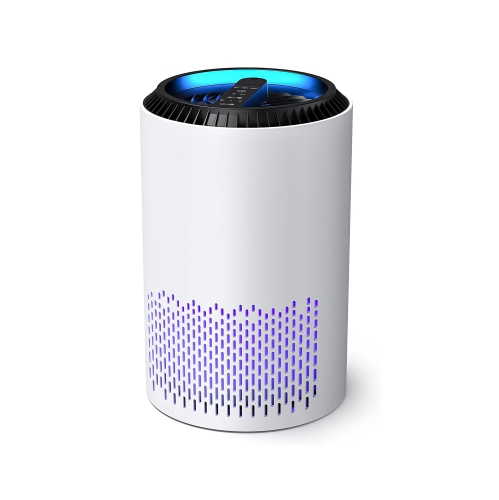
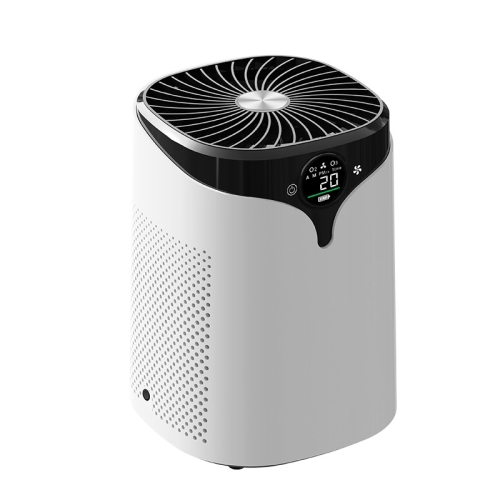
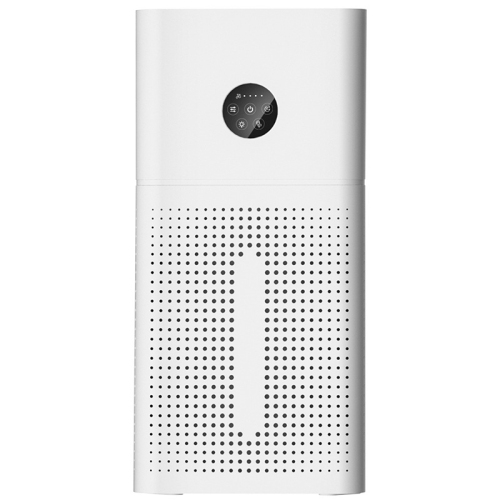
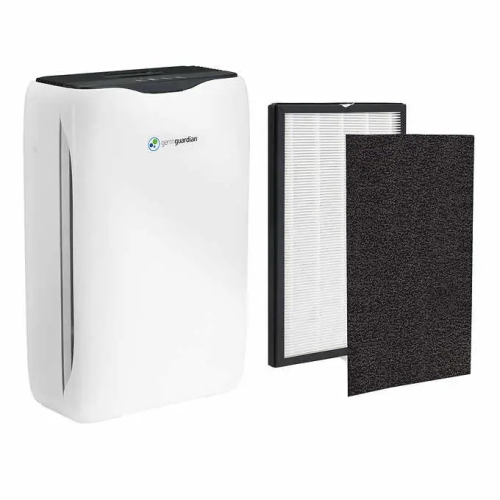
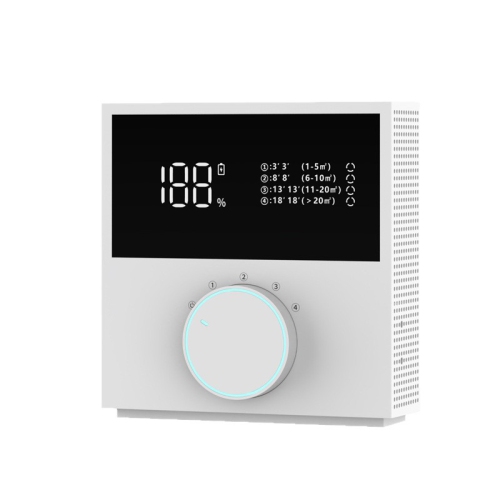
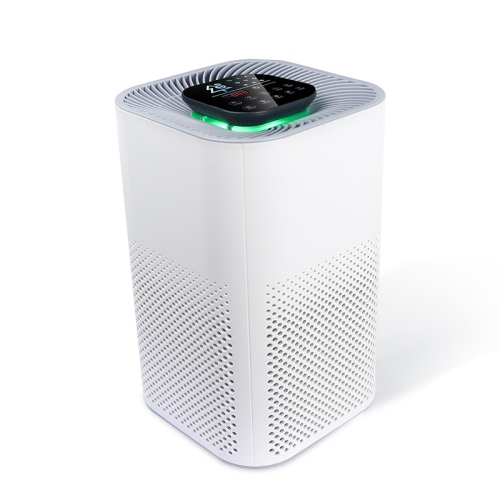
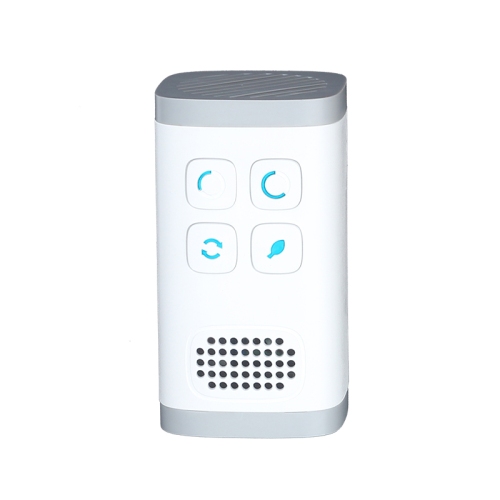
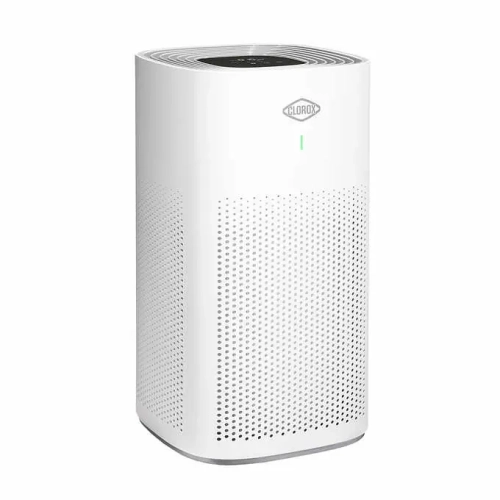
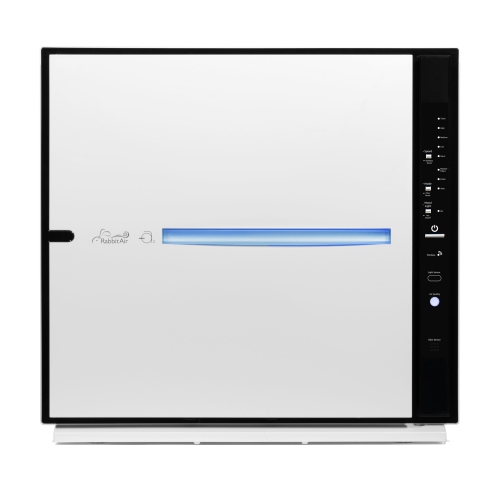
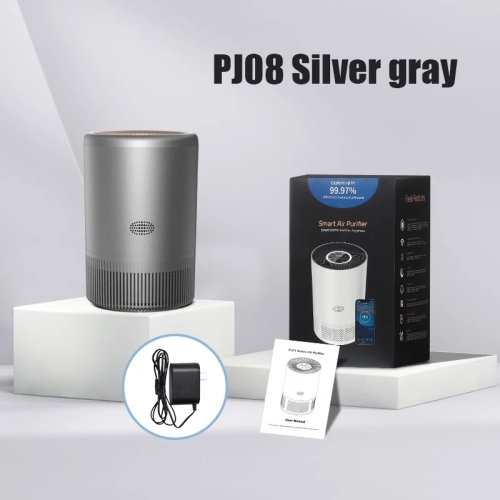
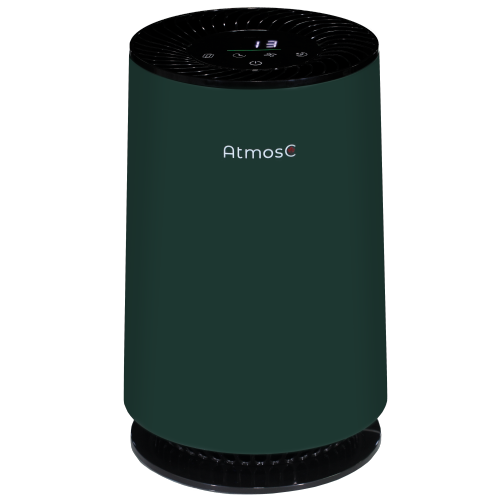
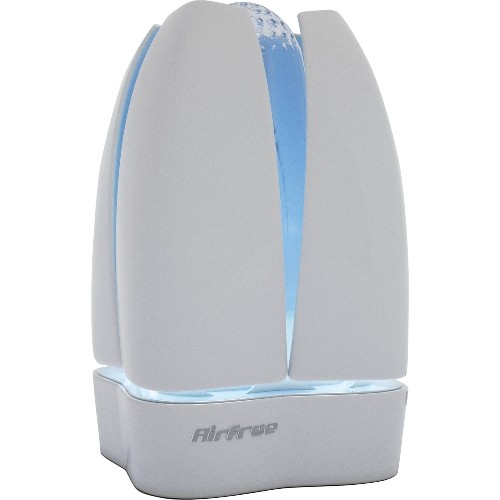
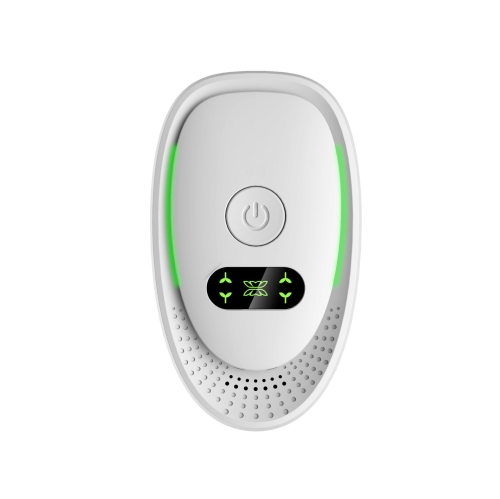
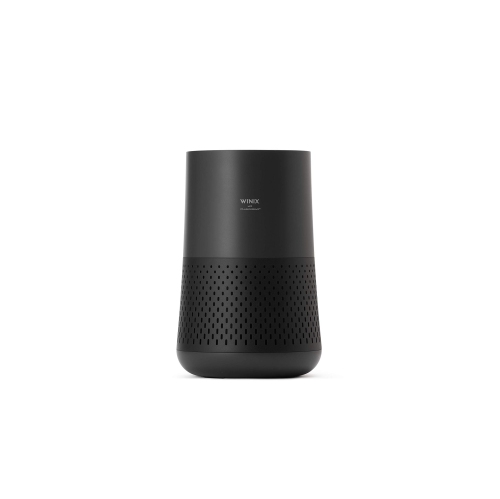
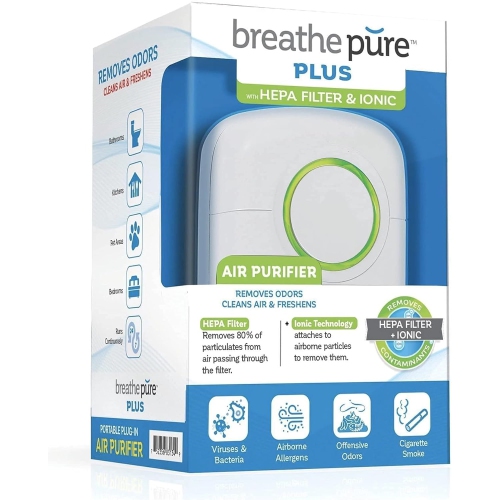
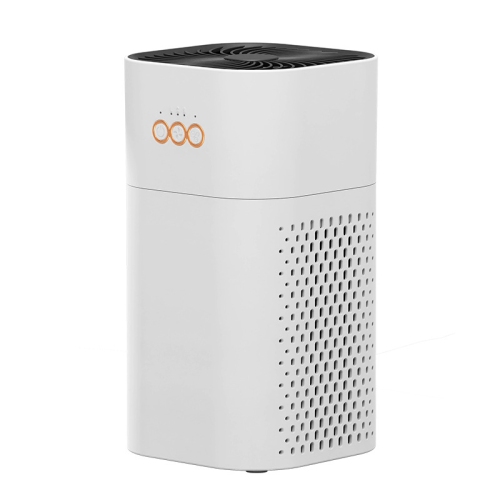
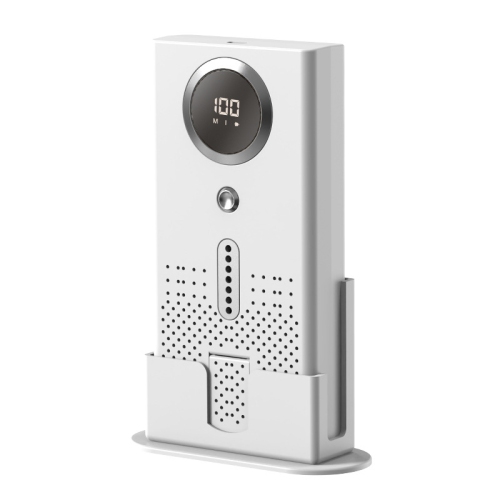
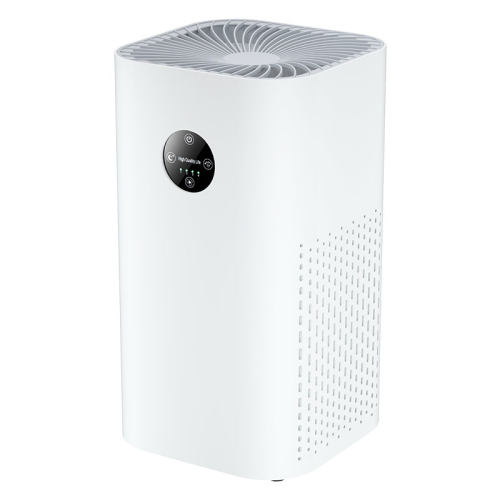
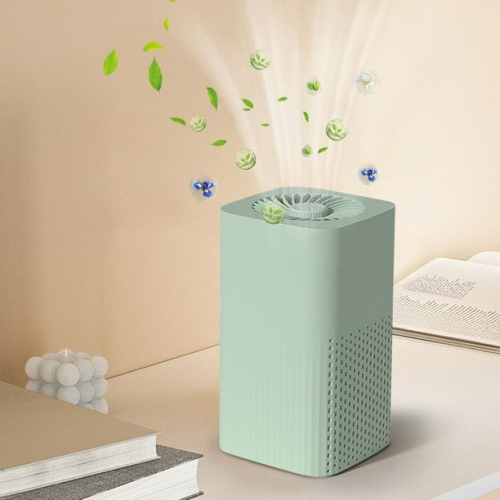
Automatic air purifiers use built-in air quality sensors to monitor airborne particles or other measured pollutants and adjust their fan speed automatically. In auto mode, the fan can increase airflow when a sensor detects a change, then slow down as the reading improves. This makes them practical for rooms where activity varies throughout the day, such as a living room shared with pets or a home office beside a busy kitchen. Rather than running at one fixed speed, an automatic air purifier responds to what its sensors detect, reducing the need for manual adjustments. The sensor and the filter perform different jobs: the sensor informs the controls, while the filtration system captures particles or reduces certain gases as air passes through it. A pre-filter catches larger debris such as hair and lint, helping protect the main filter from rapid buildup. HEPA filtration captures fine airborne particles, which may include pollen, pet dander, dust and particles from cooking. Activated carbon helps reduce certain odours and gases, although its effectiveness depends on the amount of carbon, the substances present and how long air remains in contact with the filter. Not every automatic purifier measures the same things. A particle sensor may detect fine dust without responding to an odour, so an auto setting should not be assumed to react to every air quality concern. Displays that report PM2.5 refer to fine particles measuring approximately 2.5 micrometres or smaller; colour indicators offer a simpler view of the sensor’s reading. These readings are useful for understanding how the appliance is responding, but they are not a complete assessment of indoor air. Air purifiers support particle removal within the space they serve and work alongside regular cleaning, suitable ventilation and control of pollutant sources. They do not remove settled dust from shelves or upholstery, replace a carbon monoxide alarm, or make an ongoing source of smoke safe.
Room size and airflow are central to how well automatic air purifiers fit everyday use. Clean air delivery rate, often shortened to CADR, describes the volume of filtered air delivered for specific test particles, with higher figures generally indicating greater particle-cleaning capacity. Coverage figures need context, since a claim for a large floor area may assume fewer air changes per hour than a smaller-room rating. Ceiling height, an open-plan layout and adjoining spaces also affect how much air an appliance needs to circulate. A purifier suited to an enclosed bedroom may not provide the same results across a combined kitchen, dining and living area, even when it can detect a nearby change in particle levels. Automatic controls adjust operation within the appliance’s capacity; they do not increase its maximum airflow. Placement matters just as much as the footprint. Air inlets and outlets need the clearance specified by the manufacturer, rather than being tucked behind a sofa, pressed against curtains or crowded into a bookcase. A stable, level position with a clear airflow path helps the unit draw in room air and return filtered air without obstruction. Sound is another meaningful consideration, especially beside a bed, at a study desk or near a television. Low-speed noise figures do not describe how loud a purifier may become when auto mode increases the fan speed. Sleep settings may dim the display and limit fan operation, so their behaviour can differ from standard automatic operation. Features such as adjustable display brightness, a timer, a child lock and clear filter reminders can make daily use more convenient. Wi-Fi connectivity may add remote controls, schedules or air quality history, while compatible voice controls offer another way to change settings. These connected functions are separate from sensor-driven automatic operation: a purifier can have auto mode without an app, and app connectivity alone does not establish what its sensors measure.
The physical design of an automatic air purifier also affects how comfortably it fits into a home over time. Smooth plastic housings are generally straightforward to wipe clean, while fabric-covered panels or textured grilles can need more attention to keep dust from collecting on their surfaces. Handles, appliance weight and a manageable footprint matter when moving a unit between a workspace and a sitting area, although each location still needs appropriate room coverage and clearance. A secure filter compartment, accessible controls and a readable display can make routine care less awkward. For households with pets, an easily reached pre-filter is particularly useful because visible fur can accumulate well before the main filter reaches its replacement interval. Maintenance requirements vary: some pre-filters are washable, others need vacuuming, and many HEPA and carbon filters are intended for replacement rather than washing. Following the care instructions protects filter performance and avoids damage from moisture or unsuitable cleaning methods. The purifier should be unplugged before cleaning or opening its filter compartment, and any washable component should be fully dry before it is reinstalled. Sensor openings may also need occasional cleaning according to the manufacturer’s directions, since dust buildup can affect readings. Filter-life indicators are helpful reminders, but replacement needs depend on operating hours and the amount of material captured; an indicator is not always a direct measurement of filter condition. The broader range of Clean Air Purifiers offers additional context for comparing filtration, controls and room suitability. For an automatic purifier, the most useful combination is dependable filtration, sufficient airflow and controls that suit the household’s routine. Someone working from a small home office may value quiet adjustments and a dimmable display, while a household with pets may place more importance on pre-filter access and particle filtration. In either setting, a well-matched appliance makes automatic operation more useful without adding unnecessary complexity to daily care.
Top selling and popular products
-
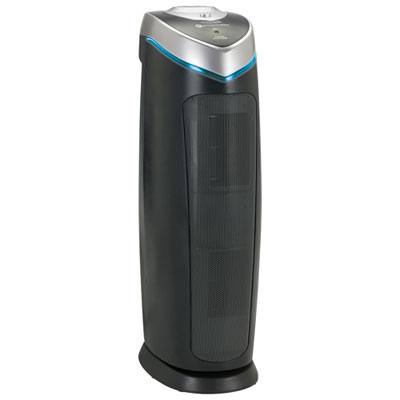 Your price for this item is $139.99
-
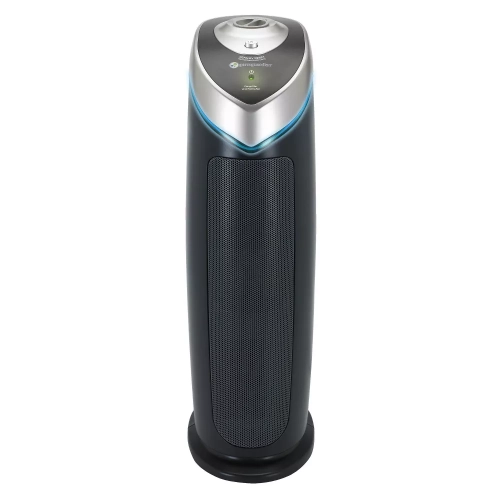 Your price for this item is $296.99
-
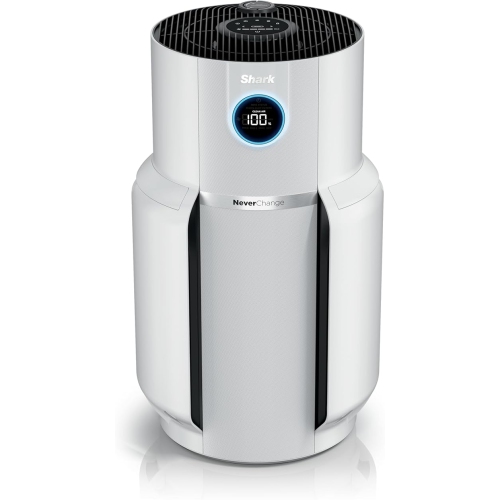 Your price for this item is $359.99
-
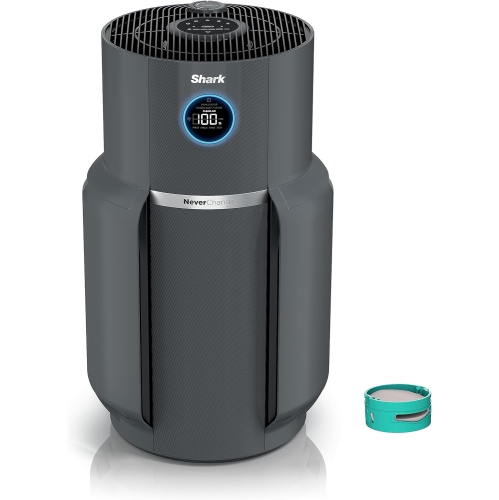 Your price for this item is $999.99
-
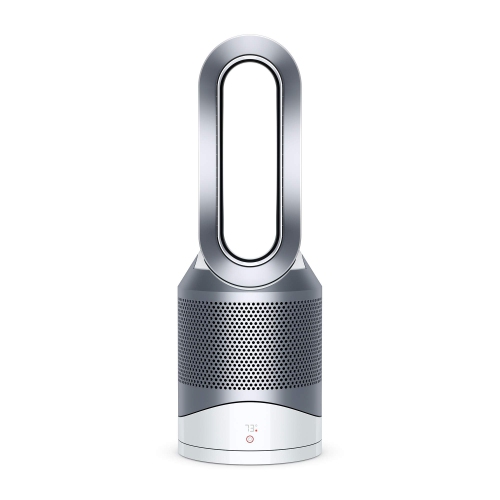 Your price for this item is $729.99
-
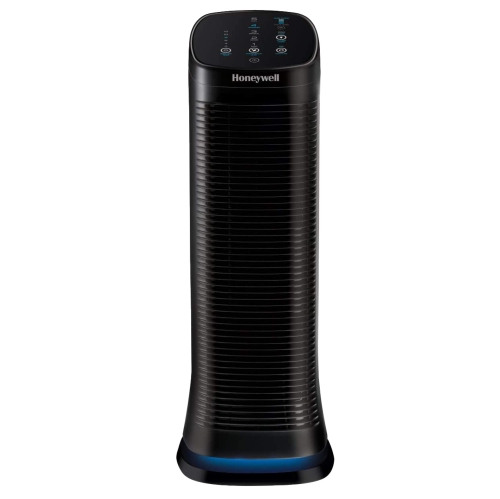 Your price for this item is $534.99
-
 Your price for this item is $659.99
-
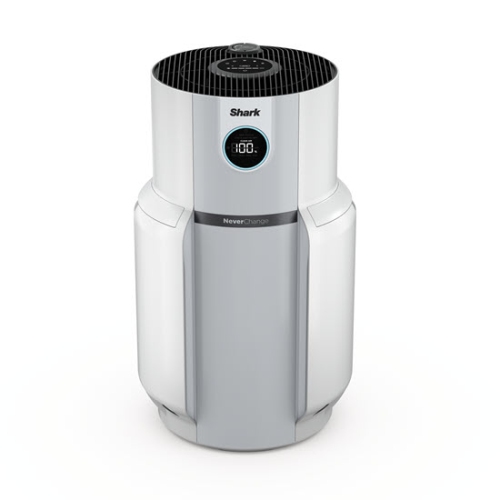 Your price for this item is $224.99
Discover more categories related to Automatic Air Purifiers
Top Collections:
Best Black Friday Deals This Year, Best Black Friday Deals On Electronics, Kindle Devices, Pokemon Centers, Best Black Friday Deals On Apple Products, Best Cameras for Sports Photography, Dyson Airwrap, Pokémon 30th Celebration Cards, Apple iPhone 17 Pro, Canon G7X Cameras
Some products may be subject to Environmental Handling Fees
(EHF) depending on your province.
Learn more about EHFs.