Most Quiet Air Purifiers
The best air purifiers remove dust, pollen, pet dander, and other allergens from the air in your home. They can also help improve the air quality in rooms where you spend a lot of time, such as your bedroom or living room. And they're a great way to keep your family healthy by removing pollutants from the air. Here are some of the best air purifiers on the market.
Sort
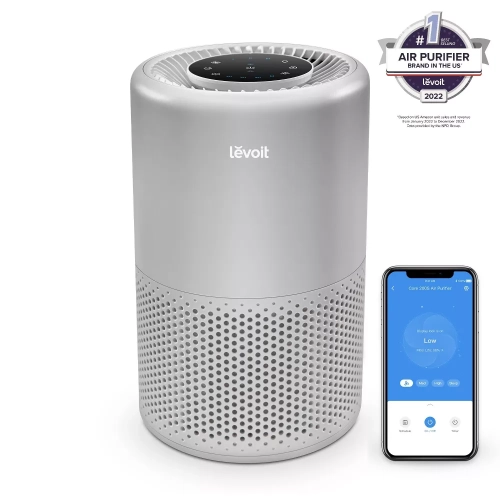
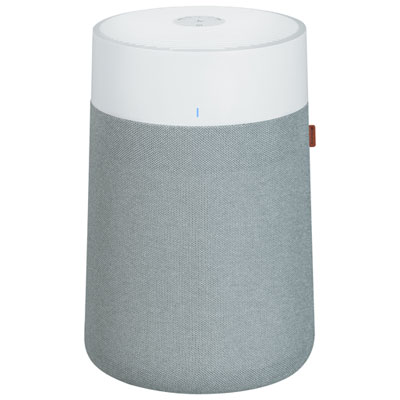
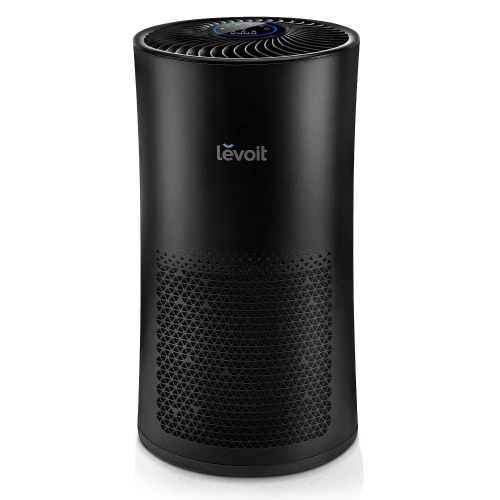
![LEVOIT Core 300 True Hepa Air Purifier In White [Employee of bestbuy] Still run great ,love it](https://multimedia.bbycastatic.ca/multimedia/products/500x500/171/17157/17157111.webp)


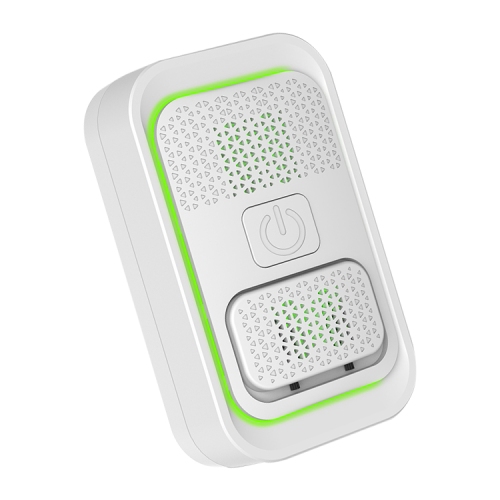
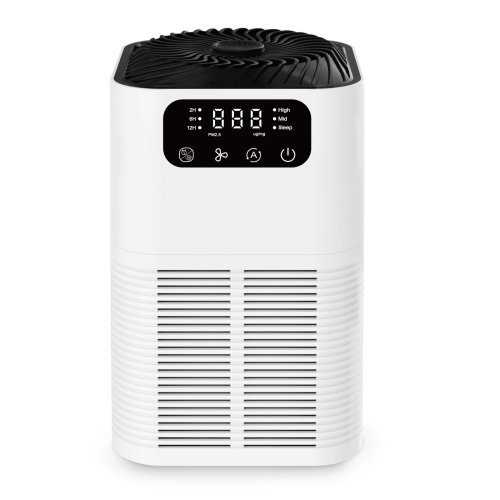
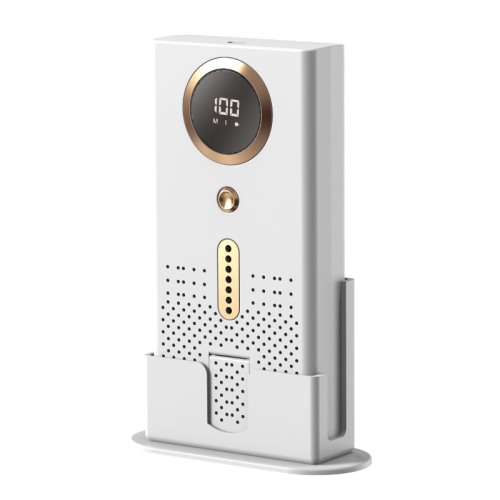
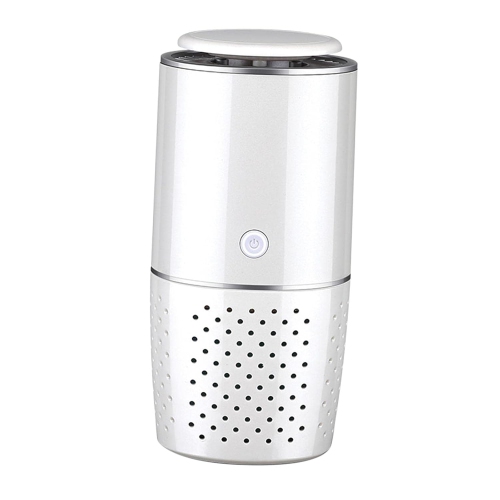
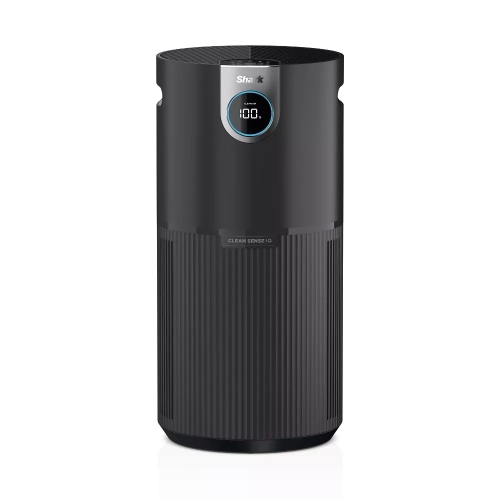
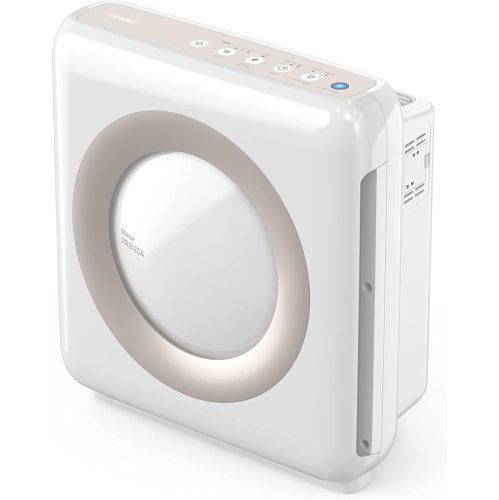
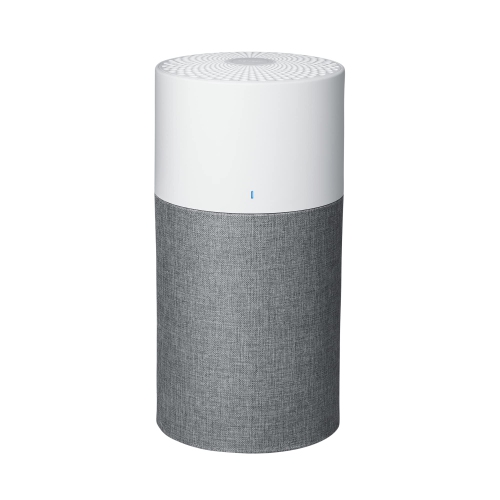
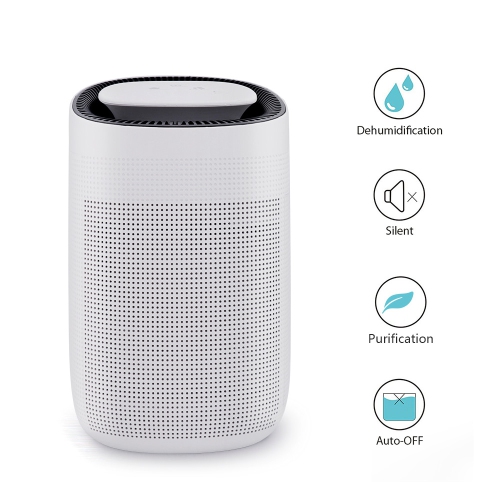
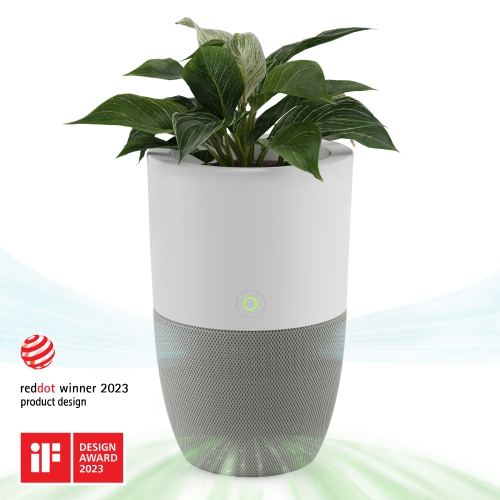
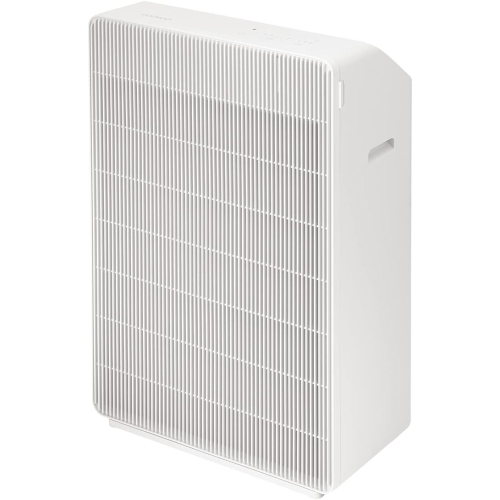
What to know about quieter operation and room coverage
Most Quiet Air Purifiers are designed for people who want cleaner-feeling indoor air without adding a distracting hum to the room. Quiet operation can make a meaningful difference in a bedroom, nursery, home office, reading nook or open living area where background noise is especially noticeable. Many of the quietest models produce approximately 20 to 25 decibels on their lowest or sleep setting, which is comparable to a very soft whisper or a quiet library. These low-noise ratings generally apply when the fan is moving air at its gentlest speed, so they should be viewed as a useful reference rather than a guarantee of completely silent operation. At higher settings, most air purifiers become more audible as they increase airflow, with some reaching approximately 50 to 60 decibels or more. This is a normal trade-off: a low setting is ideal for overnight comfort, while a higher setting can help circulate and filter more air after cooking, during dusty household activity or when outdoor air has carried in pollen and other particles. Models with larger, slower-moving fans, carefully shaped air channels and brushless motors may deliver a smoother sound profile than compact units that rely on a small fan spinning quickly. The character of the sound matters as much as the number on the specification sheet; a steady, low-pitched whoosh is often easier to sleep through than an inconsistent whine or repeated speed changes.
When comparing quiet air purifiers, start with the room size and the unit’s clean air delivery rate (CADR), rather than choosing by noise rating alone. A compact purifier may be exceptionally quiet in a small bedroom but struggle to circulate air effectively in a large family room. For a bigger space, look for a model rated for the area you intend to use, and consider choosing additional capacity if you prefer to operate it at a quieter, lower speed. Air changes per hour, airflow direction and the placement of the intake and outlet also affect real-world performance. A purifier positioned where furniture, curtains or walls block its vents cannot circulate air as efficiently as one with clear space around it. Filter design is another important consideration. A multi-stage system may include a pre-filter to capture larger dust and hair, a fine-particle filter to trap airborne particles, and an activated carbon layer to help reduce certain household odours. Homes with pets may benefit from an accessible pre-filter that is easy to vacuum, while people who are sensitive to seasonal pollen may prioritize strong particle filtration and a sealed filter compartment. Filter replacement intervals vary according to use, indoor conditions and the manufacturer’s recommendations, so check replacement availability and ongoing cost before making a decision. Convenient controls can also support quieter use: sleep modes, automatic sensors, dimmable displays, timer settings and app controls make it easier to run the purifier overnight without bright lights or unnecessary adjustments. Automatic mode can respond to changes in detected air quality, though some users prefer a fixed low speed in a bedroom to keep sound consistent. For a broader look at features and capacities across different room types, explore Best Air Purifiers.
The most quiet air purifiers can fit naturally into everyday routines. A light sleeper might place one on a dresser or beside the bed, leaving it on sleep mode to maintain gentle circulation through the night. Someone working from home may use a compact model near a desk to help freshen a closed room without competing with video calls, music or concentration. In a nursery or child’s room, quiet operation and a display that can be dimmed may be especially helpful, while a purifier in a living room can run at a low setting during conversation and increase airflow when the space is empty. During warmer weather, windows and doors may be open more often, allowing pollen, dust and outdoor odours indoors; a purifier can then help circulate the room’s air after windows are closed. As the weather cools and homes spend more time closed up, quiet continuous operation can be useful in bedrooms, basements and shared living spaces where stale air is more noticeable. These products can also make thoughtful gifts for a new homeowner, student settling into a residence, a family welcoming a pet or anyone creating a more comfortable sleep environment. Before buying, measure the intended room, note where the unit will sit, check the low- and high-speed sound ratings, confirm the recommended coverage and review the filter design. A purifier that is slightly more powerful than the minimum requirement may be able to clean the room effectively at a lower, quieter setting. Keep intake and outlet areas unobstructed, replace filters as directed and clean washable components regularly to help preserve airflow. With the right size, suitable filtration and controls that match the way the room is used, a quiet air purifier can become an unobtrusive part of the household routine—present when needed, easy to live with and quiet enough to fade into the background.
When comparing quiet air purifiers, start with the room size and the unit’s clean air delivery rate (CADR), rather than choosing by noise rating alone. A compact purifier may be exceptionally quiet in a small bedroom but struggle to circulate air effectively in a large family room. For a bigger space, look for a model rated for the area you intend to use, and consider choosing additional capacity if you prefer to operate it at a quieter, lower speed. Air changes per hour, airflow direction and the placement of the intake and outlet also affect real-world performance. A purifier positioned where furniture, curtains or walls block its vents cannot circulate air as efficiently as one with clear space around it. Filter design is another important consideration. A multi-stage system may include a pre-filter to capture larger dust and hair, a fine-particle filter to trap airborne particles, and an activated carbon layer to help reduce certain household odours. Homes with pets may benefit from an accessible pre-filter that is easy to vacuum, while people who are sensitive to seasonal pollen may prioritize strong particle filtration and a sealed filter compartment. Filter replacement intervals vary according to use, indoor conditions and the manufacturer’s recommendations, so check replacement availability and ongoing cost before making a decision. Convenient controls can also support quieter use: sleep modes, automatic sensors, dimmable displays, timer settings and app controls make it easier to run the purifier overnight without bright lights or unnecessary adjustments. Automatic mode can respond to changes in detected air quality, though some users prefer a fixed low speed in a bedroom to keep sound consistent. For a broader look at features and capacities across different room types, explore Best Air Purifiers.
The most quiet air purifiers can fit naturally into everyday routines. A light sleeper might place one on a dresser or beside the bed, leaving it on sleep mode to maintain gentle circulation through the night. Someone working from home may use a compact model near a desk to help freshen a closed room without competing with video calls, music or concentration. In a nursery or child’s room, quiet operation and a display that can be dimmed may be especially helpful, while a purifier in a living room can run at a low setting during conversation and increase airflow when the space is empty. During warmer weather, windows and doors may be open more often, allowing pollen, dust and outdoor odours indoors; a purifier can then help circulate the room’s air after windows are closed. As the weather cools and homes spend more time closed up, quiet continuous operation can be useful in bedrooms, basements and shared living spaces where stale air is more noticeable. These products can also make thoughtful gifts for a new homeowner, student settling into a residence, a family welcoming a pet or anyone creating a more comfortable sleep environment. Before buying, measure the intended room, note where the unit will sit, check the low- and high-speed sound ratings, confirm the recommended coverage and review the filter design. A purifier that is slightly more powerful than the minimum requirement may be able to clean the room effectively at a lower, quieter setting. Keep intake and outlet areas unobstructed, replace filters as directed and clean washable components regularly to help preserve airflow. With the right size, suitable filtration and controls that match the way the room is used, a quiet air purifier can become an unobtrusive part of the household routine—present when needed, easy to live with and quiet enough to fade into the background.
Top selling and popular products
-
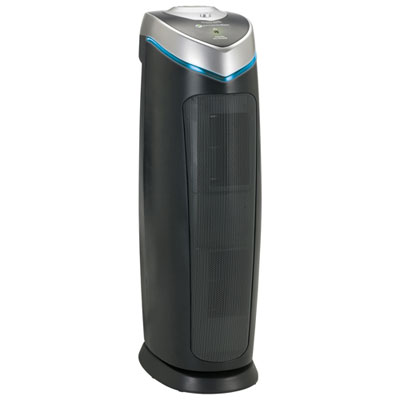 Your price for this item is $139.99
 -
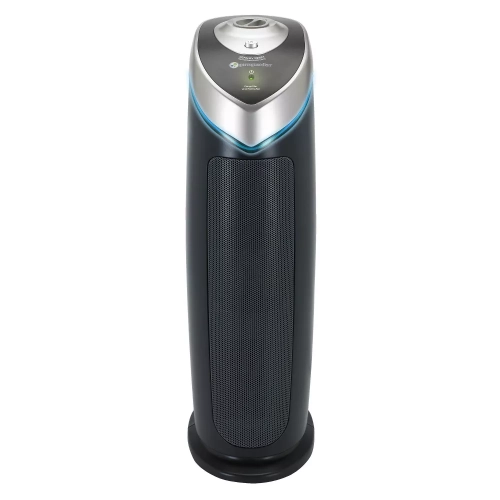 Your price for this item is $296.99
 -
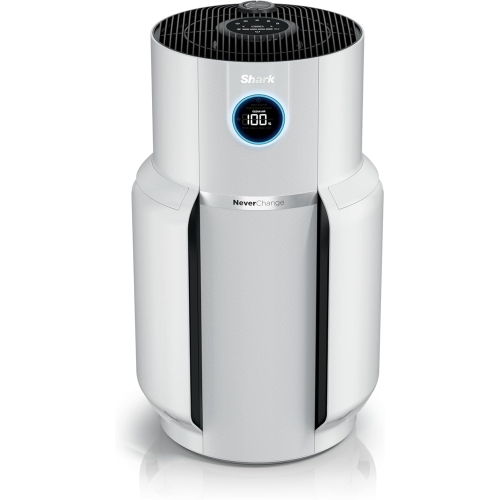 Your price for this item is $359.99
 -
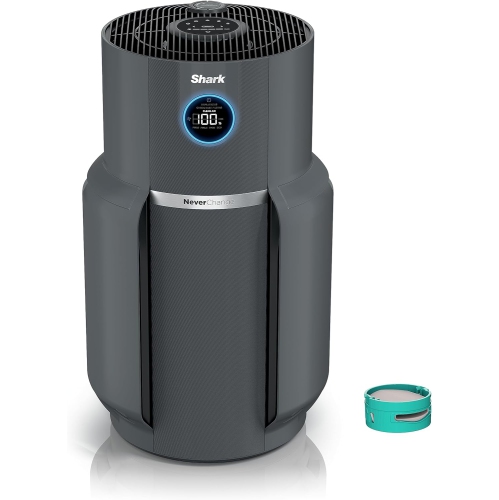 Your price for this item is $999.99
 -
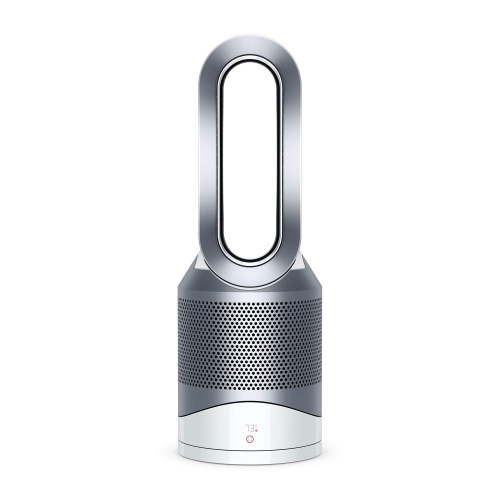 Your price for this item is $729.99
 -
 Your price for this item is $534.99
 -
 Your price for this item is $659.99
 -
 Your price for this item is $699.99
Discover more categories related to Most Quiet Air Purifiers
Top Collections:
Pokemon Centers, Budget 4K TVs, Kindle Devices, Canon G7X Cameras, Apple iPhones 16, iPhone 15 Apple, Laptops for Business Work, Flip Phones, Xiaomi Phones, Refurbished Apple Laptops
Some products may be subject to Environmental Handling Fees
(EHF) depending on your province.
Learn more about EHFs.