Quiet Air Purifiers
A quiet air purifier is a machine that removes dust, pollen, and other airborne particles from the air. They are designed to operate at a low decibel level, allowing users to enjoy the benefits of air purification without disturbing their environment. Here are some great quiet air purifiers for your home.
Sort
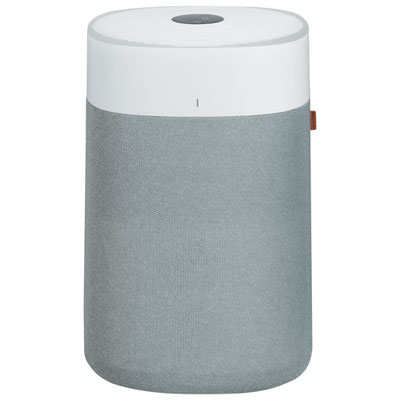
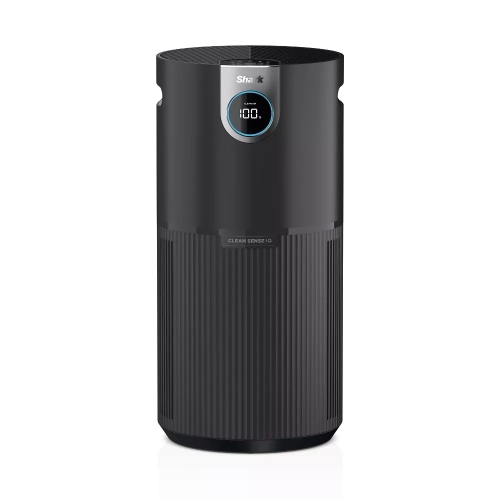
![LEVOIT Core 300 True Hepa Air Purifier In White [Employee of bestbuy] Still run great ,love it](https://multimedia.bbycastatic.ca/multimedia/products/500x500/171/17157/17157111.webp)
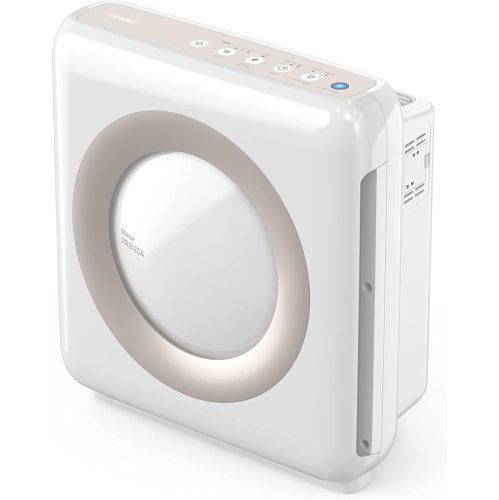
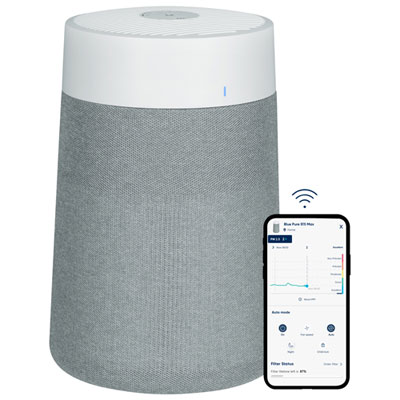
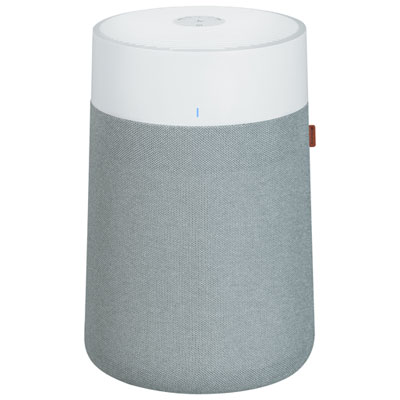
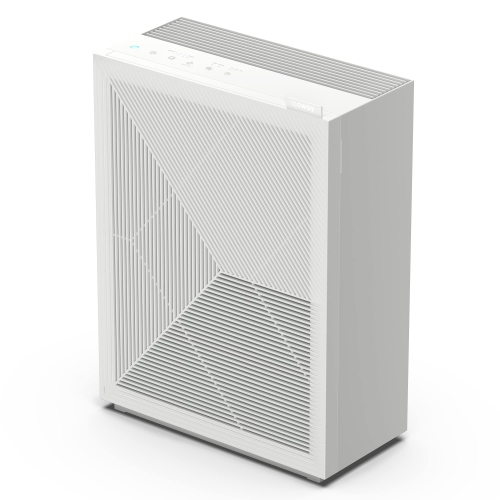
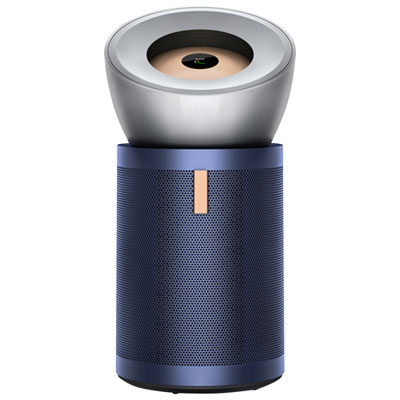
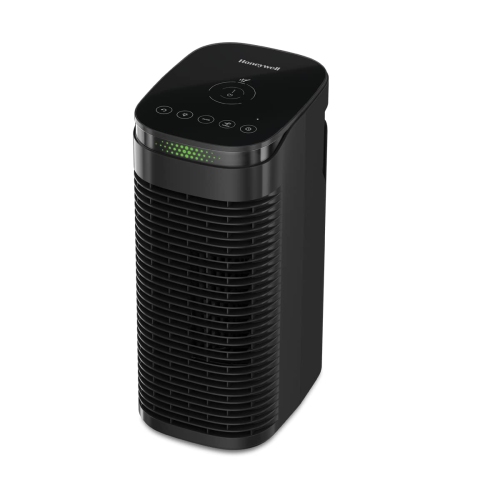

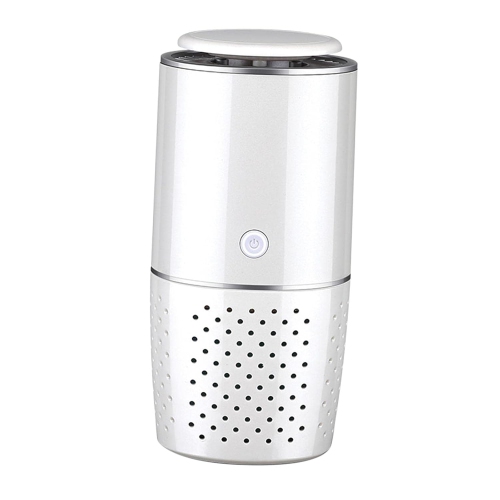
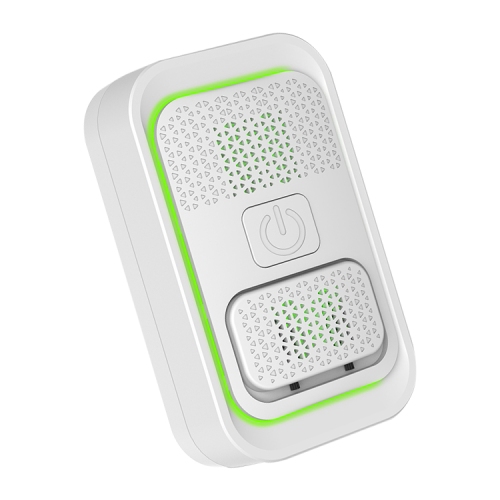
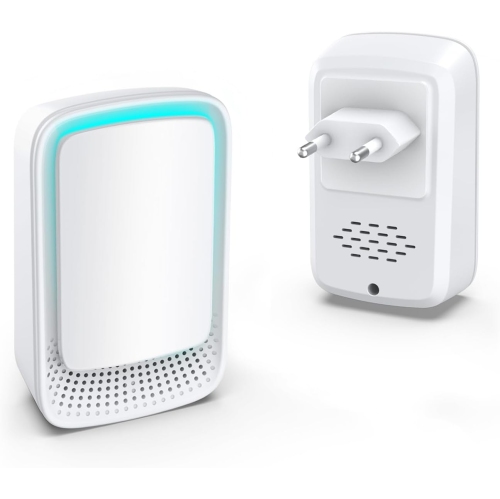
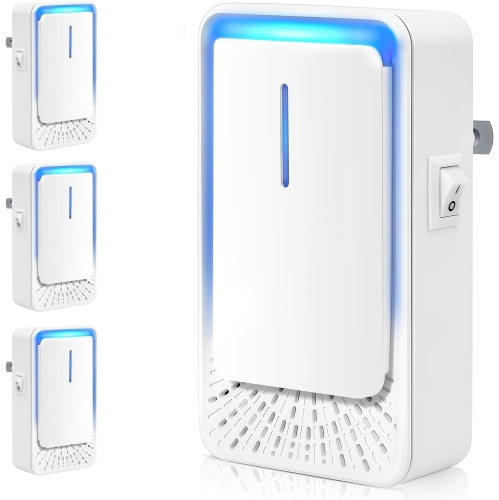
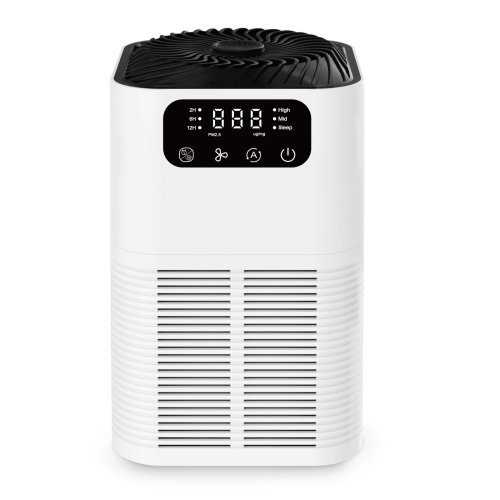
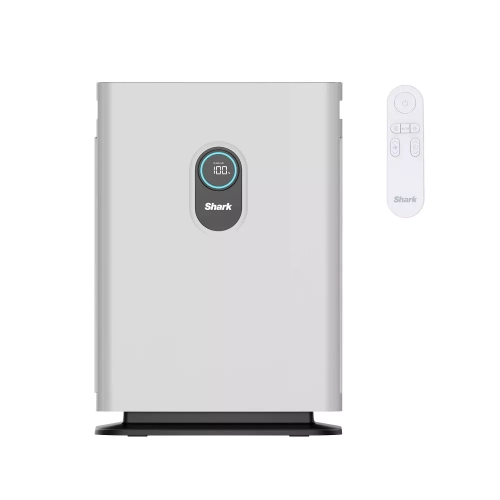
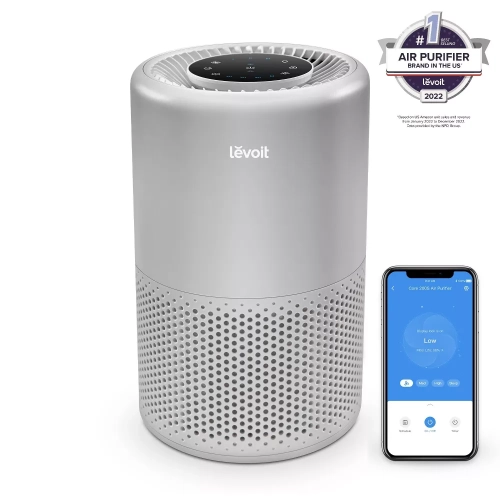

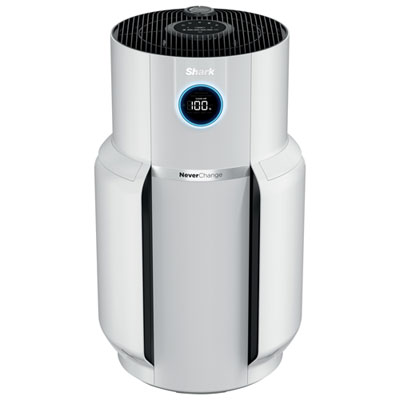
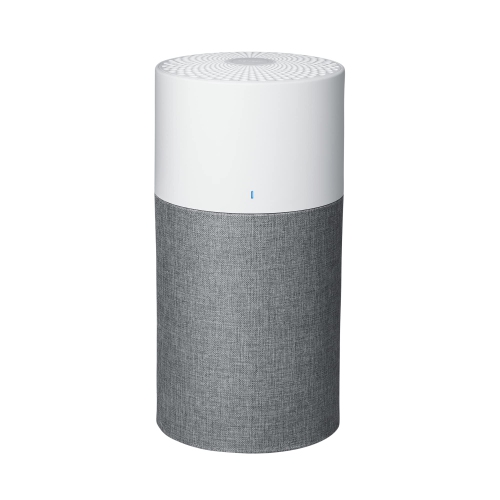
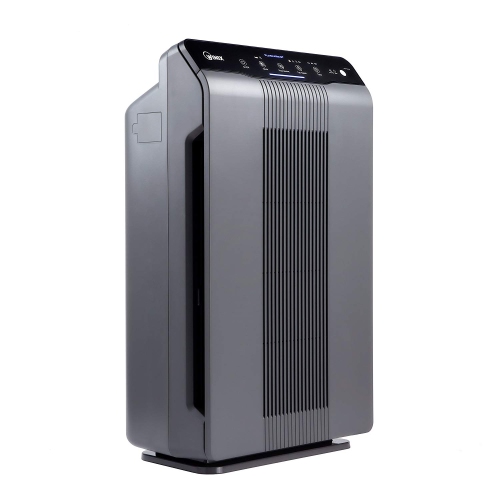
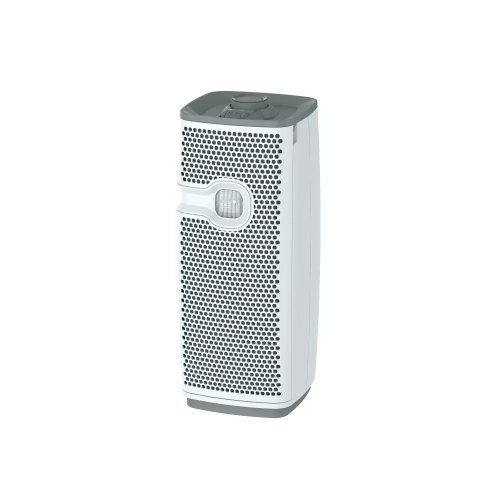
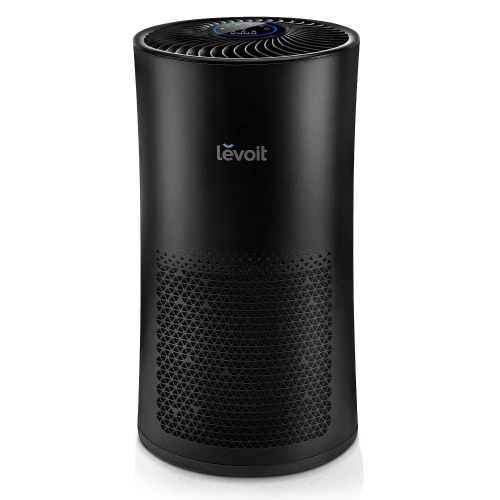
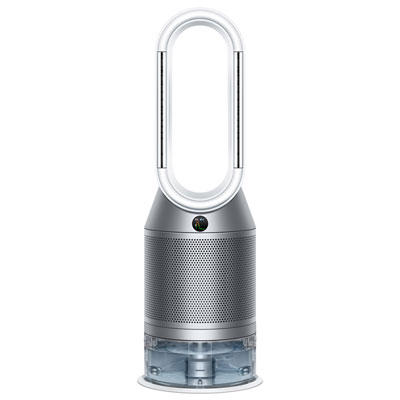
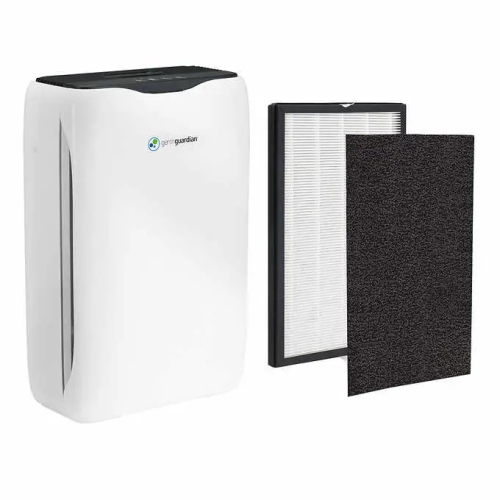
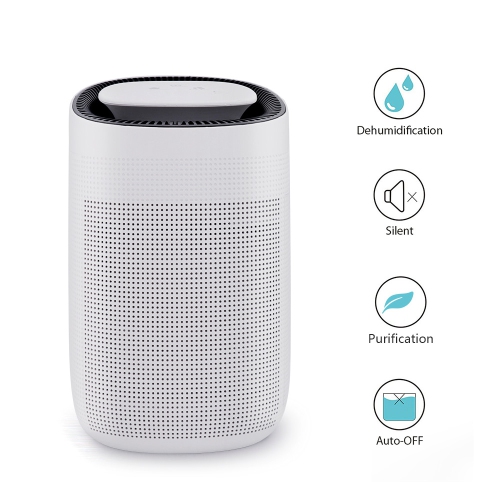
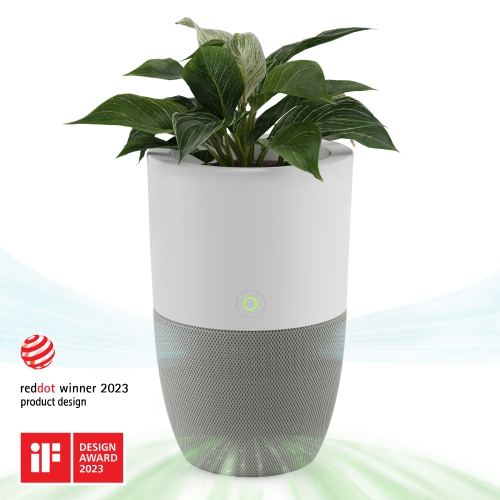
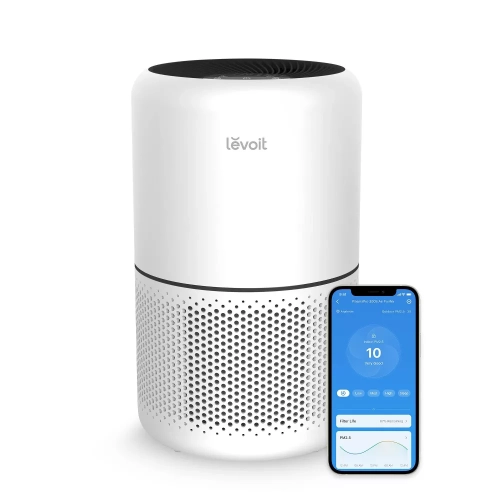
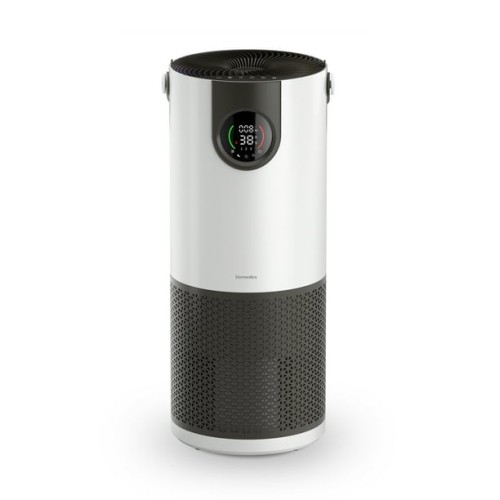
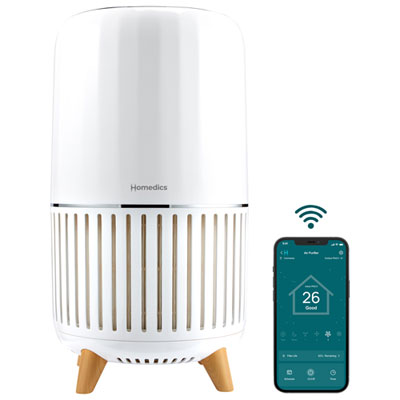
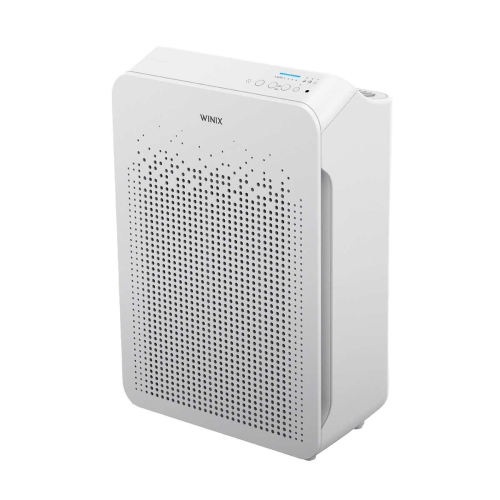
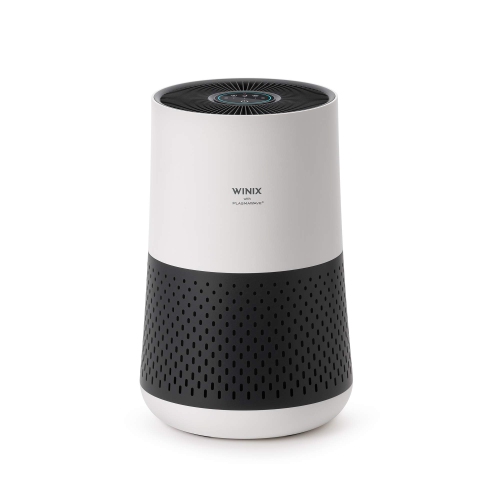
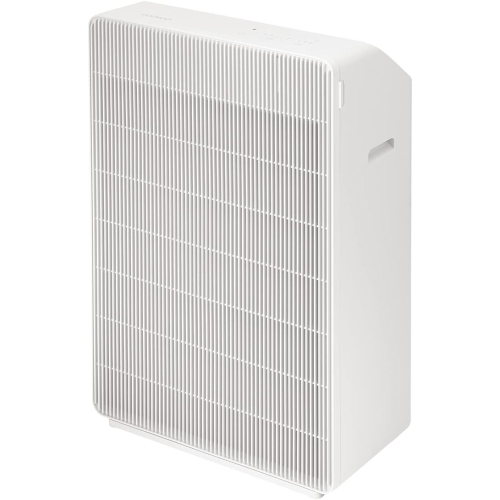
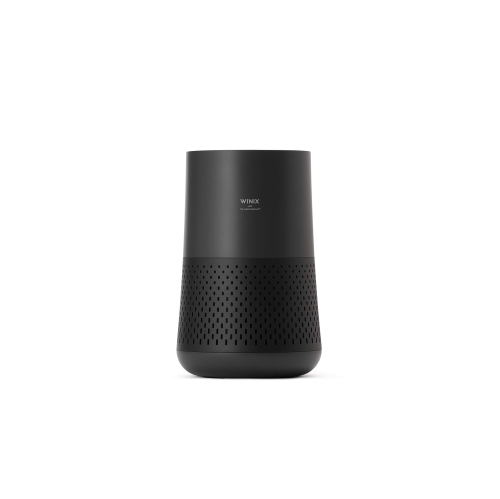
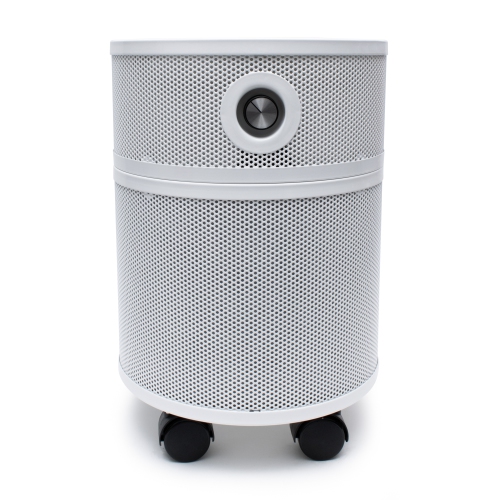
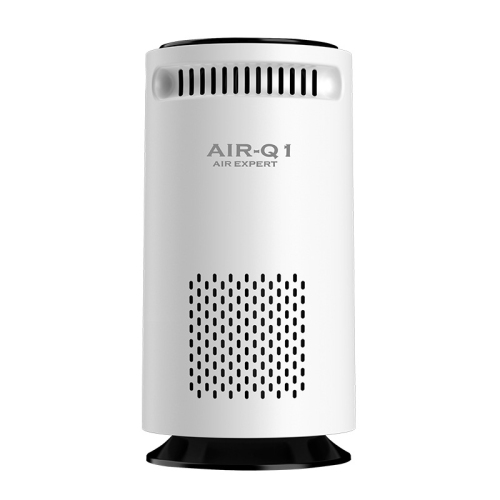
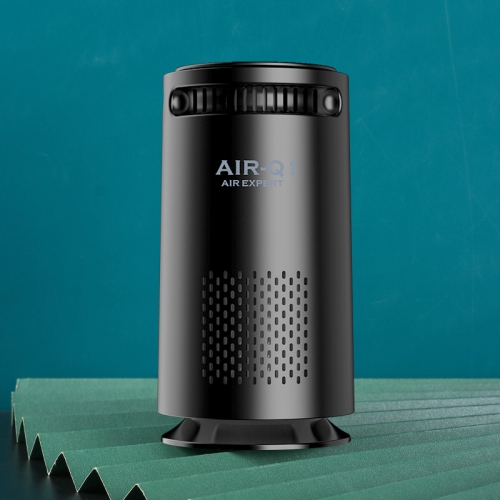
Quieter airflow for bedrooms, offices and restful spaces
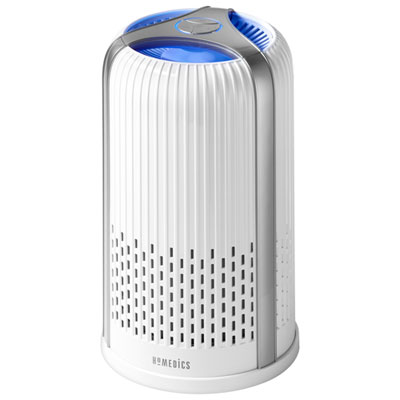
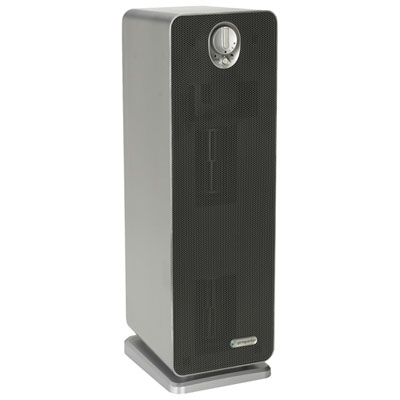
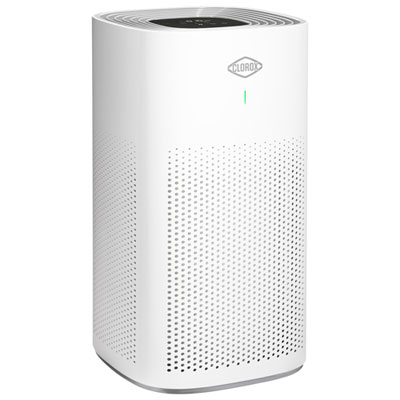
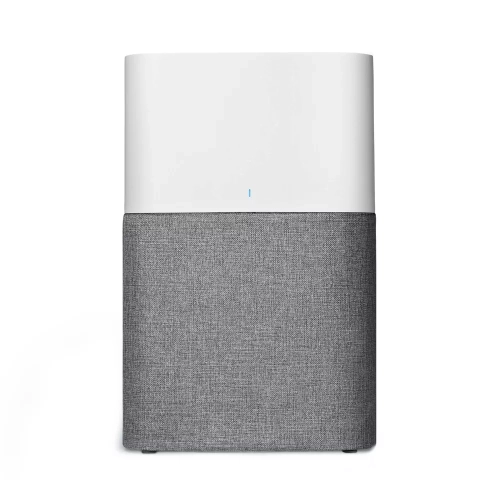
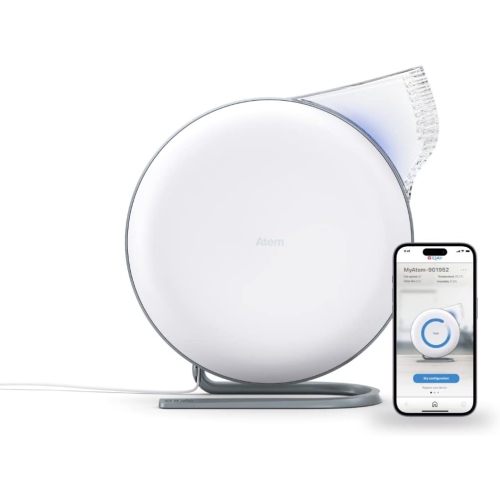
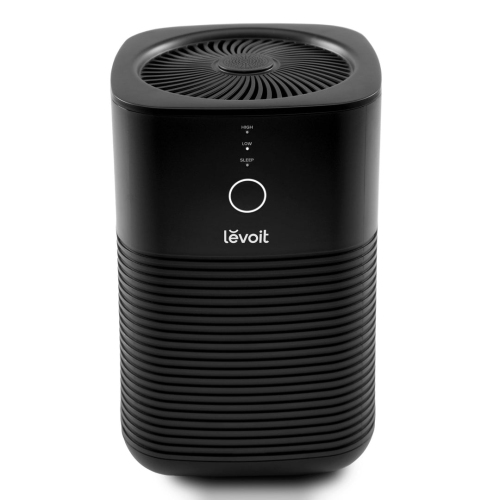
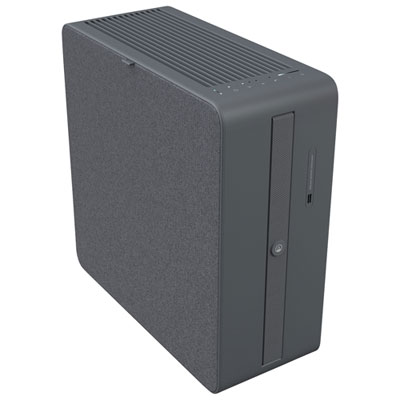
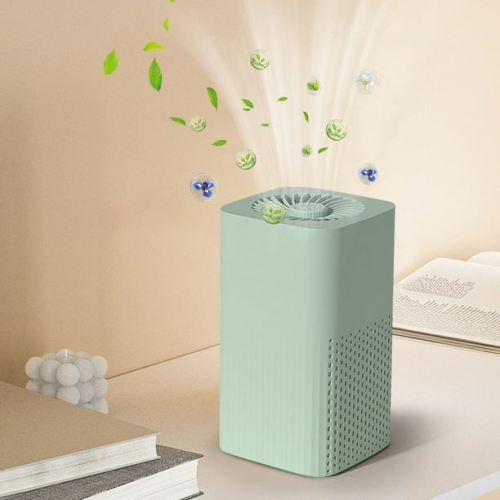
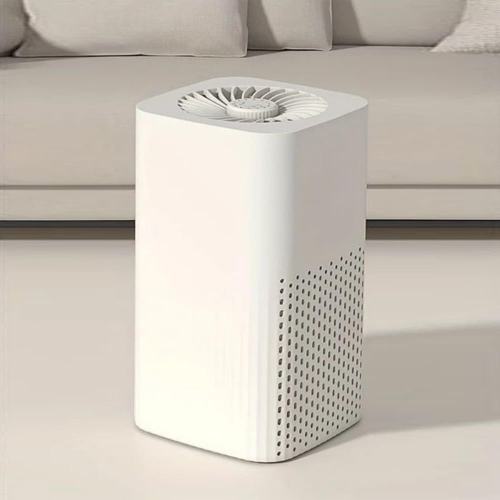
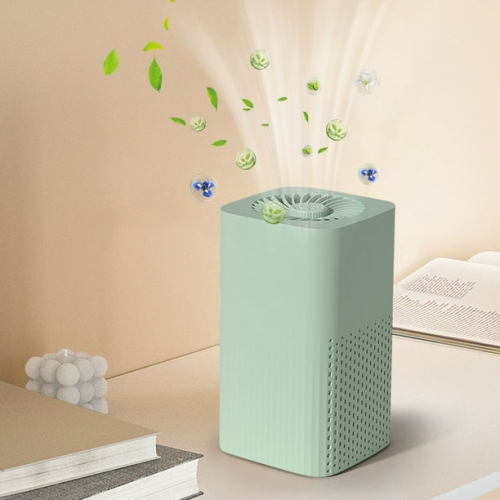
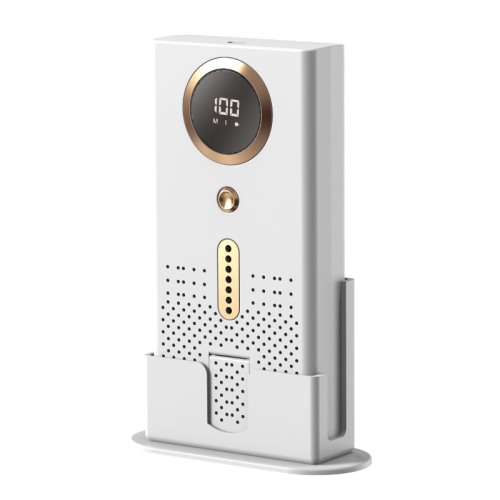
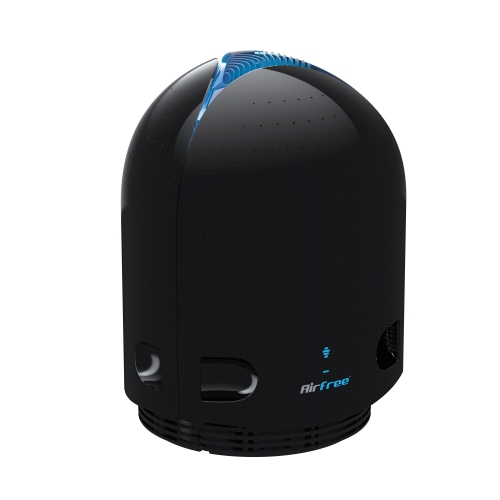
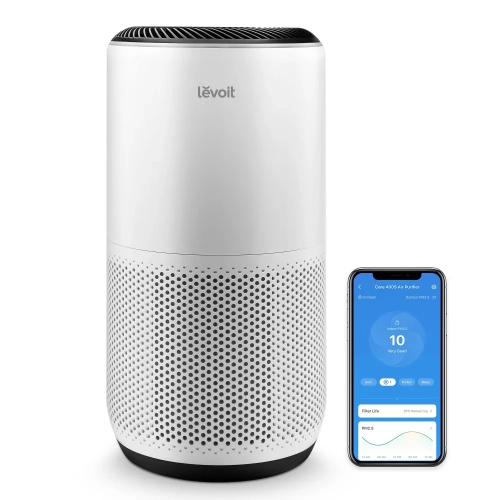
Quiet air purifiers are designed for people who want cleaner-feeling indoor air without adding a distracting hum to the room. They can be especially useful in bedrooms, nurseries, home offices, reading corners and other spaces where concentration or rest matters. On their lowest settings, some of the quietest models operate at roughly 23 to 24 decibels, which is comparable to a very soft background sound, although the perceived noise can vary with room acoustics, floor surfaces and the purifier’s fan design. A sleep mode is an important feature to look for because it typically reduces fan speed and may dim or switch off the display lights, creating a more comfortable environment after dark. Some models also offer automatic modes that adjust airflow when built-in sensors detect changes in indoor air. For a light sleeper, the difference between a steady, gentle airflow and a noticeable motor sound can be significant; a purifier placed beside a bed may feel intrusive, while one positioned a few feet away can provide circulation without becoming the focus of the room. Quiet operation can also be helpful in a baby’s room, where a soft, consistent sound is less disruptive than frequent fan-speed changes, or in a shared workspace where video calls, studying and music listening take place throughout the day. Anyone shopping for a compact unit can also browse Desktop Air Purifiers for smaller spaces such as desks, bedside tables and personal offices.
When choosing among quiet air purifiers, begin with the size of the room rather than the appearance of the unit alone. A model rated for a somewhat larger area than the space where it will be used may be able to circulate and filter air effectively on a lower, quieter setting instead of running at maximum speed. Check the manufacturer’s recommended room coverage, airflow information and filter type, and consider how often the room’s door is open or how connected it is to nearby spaces. Filtration is another central consideration. Many air purifiers use a multi-stage design with a pre-filter to capture larger particles, a fine-particle filter such as HEPA or HEPA-style filtration, and an activated carbon layer to help reduce certain household odours. A pre-filter can collect visible dust, hair and lint before they reach the finer filter, while the finer filter is intended to capture smaller airborne particles such as pollen and dust particles. Activated carbon can be useful in kitchens, entryways and rooms where cooking smells or everyday odours linger, though no purifier eliminates every source of an odour and ventilation remains important. Homes with pets may benefit from a washable or easy-to-clean pre-filter, while people affected by seasonal pollen may wish to prioritize strong air circulation and straightforward filter replacement. Filter life indicators, replacement availability, washable components and filter costs should all be part of the buying decision. A purifier that is simple to maintain is more likely to remain useful over time: vacuuming the pre-filter when recommended, replacing disposable filters at the proper interval and keeping the air intake and outlet clear can help the unit perform as intended. Smart controls may appeal to shoppers who want to monitor air quality, schedule operation or change settings from a phone, while manual controls suit anyone who prefers a simple dial or button panel with no additional setup.
Placement has a noticeable effect on both performance and sound. Leave clear space around the air intake and outlet so air can move freely, and avoid tucking the purifier behind furniture, curtains or a stack of belongings. In a bedroom, placing it a few feet from the pillow or bed rather than directly beside the head can make the airflow feel less noticeable while still allowing the unit to circulate air through the room. A soft rug or vibration-absorbing pad may help reduce minor motor sounds on hardwood or tile floors, provided the manufacturer’s placement instructions allow it and the vents remain unobstructed. In a home office, positioning the purifier to one side of the desk can keep the clean-air stream moving through the room without blowing directly across papers or creating a cool draft. During warmer weather, a quiet purifier can run in the background while windows are closed against outdoor pollen or urban dust; during the cooler months, it may be useful in bedrooms and living areas where windows stay shut for longer periods. These appliances can also make thoughtful gifts for a new parent, a student settling into a residence, someone creating a calmer home office or a family welcoming a pet, particularly when a quiet sleep mode, compact footprint and easy filter access are valued. The best choice depends on the room, the household’s sensitivities and the preferred level of control, but a well-sized purifier with low-noise settings, effective filtration and convenient maintenance can fit naturally into daily routines without competing with conversation, sleep or quiet time.
When choosing among quiet air purifiers, begin with the size of the room rather than the appearance of the unit alone. A model rated for a somewhat larger area than the space where it will be used may be able to circulate and filter air effectively on a lower, quieter setting instead of running at maximum speed. Check the manufacturer’s recommended room coverage, airflow information and filter type, and consider how often the room’s door is open or how connected it is to nearby spaces. Filtration is another central consideration. Many air purifiers use a multi-stage design with a pre-filter to capture larger particles, a fine-particle filter such as HEPA or HEPA-style filtration, and an activated carbon layer to help reduce certain household odours. A pre-filter can collect visible dust, hair and lint before they reach the finer filter, while the finer filter is intended to capture smaller airborne particles such as pollen and dust particles. Activated carbon can be useful in kitchens, entryways and rooms where cooking smells or everyday odours linger, though no purifier eliminates every source of an odour and ventilation remains important. Homes with pets may benefit from a washable or easy-to-clean pre-filter, while people affected by seasonal pollen may wish to prioritize strong air circulation and straightforward filter replacement. Filter life indicators, replacement availability, washable components and filter costs should all be part of the buying decision. A purifier that is simple to maintain is more likely to remain useful over time: vacuuming the pre-filter when recommended, replacing disposable filters at the proper interval and keeping the air intake and outlet clear can help the unit perform as intended. Smart controls may appeal to shoppers who want to monitor air quality, schedule operation or change settings from a phone, while manual controls suit anyone who prefers a simple dial or button panel with no additional setup.
Placement has a noticeable effect on both performance and sound. Leave clear space around the air intake and outlet so air can move freely, and avoid tucking the purifier behind furniture, curtains or a stack of belongings. In a bedroom, placing it a few feet from the pillow or bed rather than directly beside the head can make the airflow feel less noticeable while still allowing the unit to circulate air through the room. A soft rug or vibration-absorbing pad may help reduce minor motor sounds on hardwood or tile floors, provided the manufacturer’s placement instructions allow it and the vents remain unobstructed. In a home office, positioning the purifier to one side of the desk can keep the clean-air stream moving through the room without blowing directly across papers or creating a cool draft. During warmer weather, a quiet purifier can run in the background while windows are closed against outdoor pollen or urban dust; during the cooler months, it may be useful in bedrooms and living areas where windows stay shut for longer periods. These appliances can also make thoughtful gifts for a new parent, a student settling into a residence, someone creating a calmer home office or a family welcoming a pet, particularly when a quiet sleep mode, compact footprint and easy filter access are valued. The best choice depends on the room, the household’s sensitivities and the preferred level of control, but a well-sized purifier with low-noise settings, effective filtration and convenient maintenance can fit naturally into daily routines without competing with conversation, sleep or quiet time.
Top selling and popular products
-
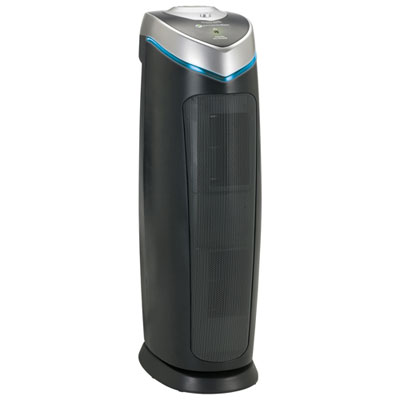 Your price for this item is $139.99
 -
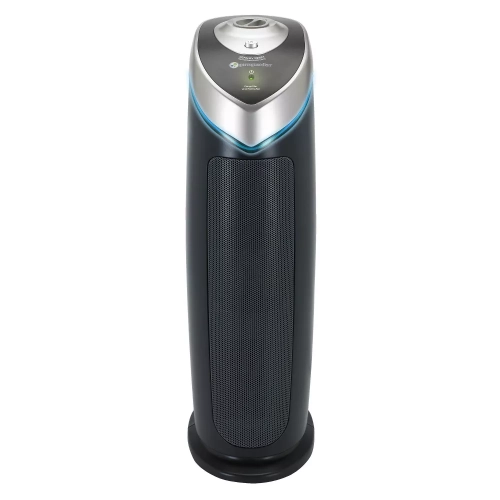 Your price for this item is $296.99
 -
 Your price for this item is $359.99
 -
 Your price for this item is $999.99
 -
 Your price for this item is $729.99
 -
 Your price for this item is $534.99
 -
 Your price for this item is $659.99
 -
 Your price for this item is $699.99
Discover more categories related to Quiet Air Purifiers
Top Collections:
Pokemon Centers, Budget 4K TVs, Kindle Devices, Canon G7X Cameras, Apple iPhones 16, iPhone 15 Apple, Laptops for Business Work, Flip Phones, Xiaomi Phones, Refurbished Apple Laptops
Some products may be subject to Environmental Handling Fees
(EHF) depending on your province.
Learn more about EHFs.