24 Inch Electric Ovens
The 24-inch electric oven is a versatile appliance that can be used for many different cooking tasks. It is an excellent choice for cooking small meals and snacks, as well as reheating leftovers or cooking delicate foods.
Sort
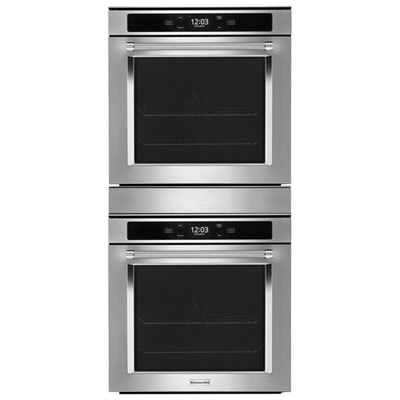
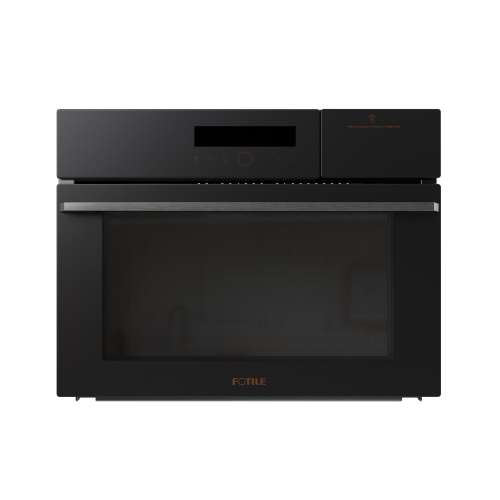
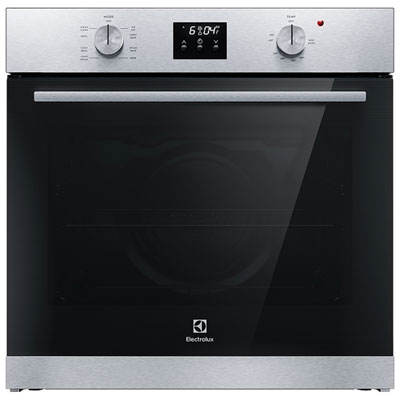
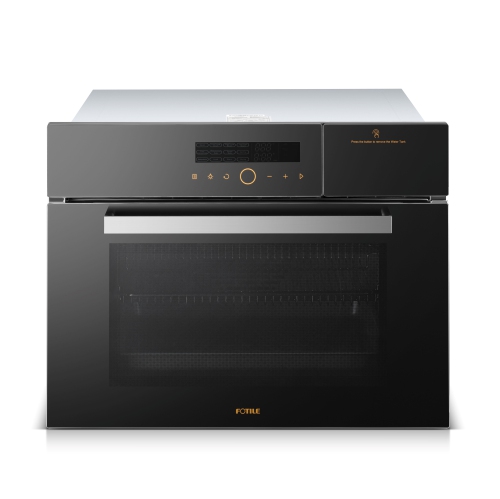
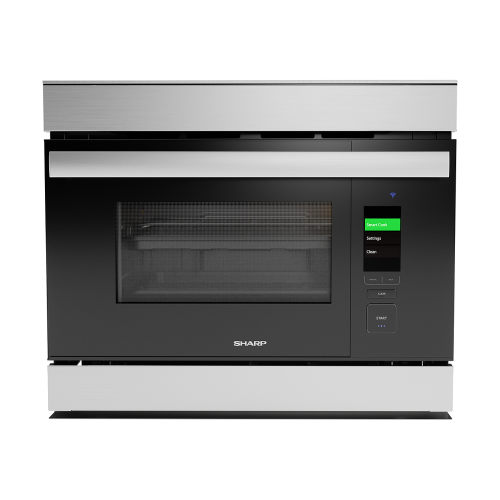
Full oven cooking with a smaller kitchen footprint
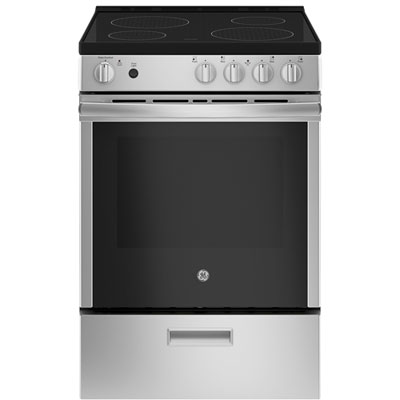
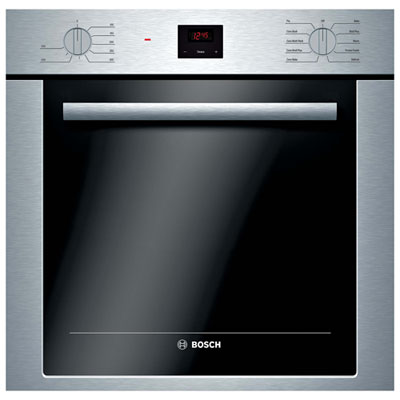
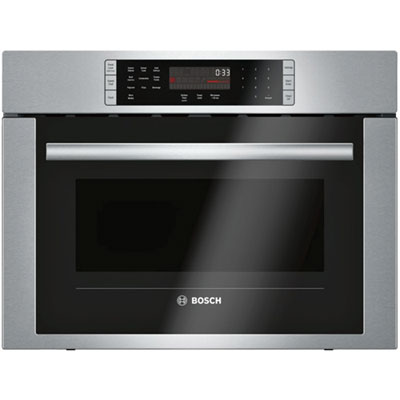
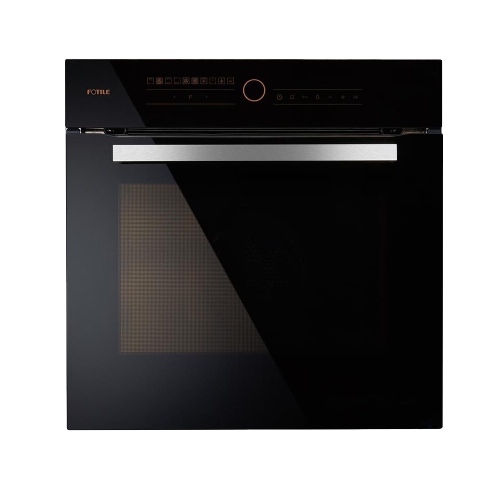
A 24-inch electric oven brings full oven cooking to kitchens where cabinet space is limited, making it a practical fit for condos, apartments, smaller homes, and secondary suites. The 24-inch designation generally describes the appliance’s nominal width, not its interior capacity or the exact cabinet opening it needs. Actual dimensions, usable cooking space, and installation requirements vary by model, so ovens in this size category can suit quite different layouts. A built-in electric wall oven sits within cabinetry and does not include cooking burners; it pairs with a separate cooktop when both baking and stovetop cooking are needed. For a single appliance that combines an oven with surface elements, 24-inch electric ranges offer a different approach to the same compact kitchen footprint. A wall oven can be installed beneath a compatible cooktop or positioned higher in a cabinet, provided the installation instructions permit that arrangement. A raised position can make the cavity easier to see and reduce bending when moving a casserole, although the door opening and rack height still need to be comfortable for the person using it. Fit involves more than width: cabinet cutout height and depth, ventilation clearances, electrical junction box placement, and any space required around neighbouring appliances all matter. An open oven door also needs enough room to clear nearby drawers and leave a workable path through the kitchen. In a narrow galley layout, that clearance can be just as important as the appliance’s compact dimensions. Most built-in electric ovens in this category need a dedicated electrical circuit, commonly with a 240-volt supply, but voltage, amperage, and connection requirements must match the individual appliance. An existing opening or electrical connection does not automatically make a replacement compatible. Professional installation helps address those details, along with secure cabinet support and any local electrical requirements.
Inside a compact oven, the shape of the cavity and the position of its racks often matter as much as the stated capacity. Capacity is usually expressed in cubic feet, but that figure alone does not establish whether a favourite roasting pan, wide baking sheet, or deep covered casserole will fit. Usable rack dimensions and clearance above the dish give a more realistic sense of everyday cooking space. A smaller household might use a 24-inch electric oven for a tray of roasted vegetables, a baked pasta dish, or a loaf of bread without needing the footprint of a wider appliance. A frequent baker may place greater value on multiple rack positions, even heat distribution, and enough room around pans for air to circulate. Conventional electric baking uses heating elements to warm the cavity, while convection adds a fan to move hot air around the food. Some ovens have a dedicated heating element around that fan, often described as true convection; others circulate heat produced by the main elements. The distinction can affect cooking performance, particularly when more than one rack is in use, but results also depend on the recipe, cookware, and spacing between dishes. Convection can help with browning and crisp edges, while conventional baking may be preferable for recipes developed around still-air heat. Broiling supplies intense heat from above for tasks such as browning a gratin or finishing an open-faced sandwich. Additional settings vary, so the cooking functions that earn their place are the ones that match regular meals rather than simply adding to a long menu. Clear temperature markings, straightforward mode selection, and an easy-to-read timer make a difference during a busy dinner preparation. Mechanical knobs provide a familiar hands-on feel, while electronic controls may offer more precise setting adjustments and clearly displayed cooking information. Neither control style alone determines long-term reliability. A bright interior light and a useful viewing window are especially welcome when checking a rising cake without repeatedly opening the door and releasing heat.
Materials, construction, and cleaning features influence how a 24-inch electric oven looks and feels after years of regular use. Stainless steel fronts work well alongside many kitchen appliances, while painted finishes and glass control panels offer other ways to blend the oven into surrounding cabinetry. Fingerprint visibility and cleaning requirements differ by finish; a surface described as fingerprint-resistant can still need routine wiping. Handles should feel secure, controls should be easy to grip or operate, and racks should sit firmly in their supports. Telescopic rack runners, where included, can bring a heavy dish farther out of the cavity, making it easier to check food or lift cookware with both hands. Their care requirements may differ from those of standard wire racks, particularly during a cleaning cycle. The oven interior commonly has an enamel finish designed to tolerate cooking heat and allow food residue to be removed, but spills are generally easier to manage once the appliance has cooled and before they are repeatedly baked onto the surface. Cleaning options are not interchangeable: manual-clean interiors need suitable cleaning products and some hands-on attention, steam-assisted settings help soften certain residues, and high-heat self-cleaning cycles burn off deposits under the conditions specified by the manufacturer. Racks, accessories, ventilation needs, and preparation requirements should be checked for the particular cleaning method. Abrasive pads can damage glass or decorative finishes, and lining the oven floor with foil can interfere with heat flow or damage surfaces when the manufacturer does not allow it. Intact door seals, properly seated racks, and unobstructed ventilation help the appliance operate as intended. For households that cook frequently, accessible service, clear warranty terms, and replacement-part support are worthwhile considerations alongside the exterior finish. A compact oven is also a permanent kitchen fixture rather than an easy swap between households, so its suitability depends on both the space and the cooking habits it will serve. The strongest match brings together a comfortable installation height, room for everyday cookware, useful cooking modes, and care requirements that fit the household’s routine.
Inside a compact oven, the shape of the cavity and the position of its racks often matter as much as the stated capacity. Capacity is usually expressed in cubic feet, but that figure alone does not establish whether a favourite roasting pan, wide baking sheet, or deep covered casserole will fit. Usable rack dimensions and clearance above the dish give a more realistic sense of everyday cooking space. A smaller household might use a 24-inch electric oven for a tray of roasted vegetables, a baked pasta dish, or a loaf of bread without needing the footprint of a wider appliance. A frequent baker may place greater value on multiple rack positions, even heat distribution, and enough room around pans for air to circulate. Conventional electric baking uses heating elements to warm the cavity, while convection adds a fan to move hot air around the food. Some ovens have a dedicated heating element around that fan, often described as true convection; others circulate heat produced by the main elements. The distinction can affect cooking performance, particularly when more than one rack is in use, but results also depend on the recipe, cookware, and spacing between dishes. Convection can help with browning and crisp edges, while conventional baking may be preferable for recipes developed around still-air heat. Broiling supplies intense heat from above for tasks such as browning a gratin or finishing an open-faced sandwich. Additional settings vary, so the cooking functions that earn their place are the ones that match regular meals rather than simply adding to a long menu. Clear temperature markings, straightforward mode selection, and an easy-to-read timer make a difference during a busy dinner preparation. Mechanical knobs provide a familiar hands-on feel, while electronic controls may offer more precise setting adjustments and clearly displayed cooking information. Neither control style alone determines long-term reliability. A bright interior light and a useful viewing window are especially welcome when checking a rising cake without repeatedly opening the door and releasing heat.
Materials, construction, and cleaning features influence how a 24-inch electric oven looks and feels after years of regular use. Stainless steel fronts work well alongside many kitchen appliances, while painted finishes and glass control panels offer other ways to blend the oven into surrounding cabinetry. Fingerprint visibility and cleaning requirements differ by finish; a surface described as fingerprint-resistant can still need routine wiping. Handles should feel secure, controls should be easy to grip or operate, and racks should sit firmly in their supports. Telescopic rack runners, where included, can bring a heavy dish farther out of the cavity, making it easier to check food or lift cookware with both hands. Their care requirements may differ from those of standard wire racks, particularly during a cleaning cycle. The oven interior commonly has an enamel finish designed to tolerate cooking heat and allow food residue to be removed, but spills are generally easier to manage once the appliance has cooled and before they are repeatedly baked onto the surface. Cleaning options are not interchangeable: manual-clean interiors need suitable cleaning products and some hands-on attention, steam-assisted settings help soften certain residues, and high-heat self-cleaning cycles burn off deposits under the conditions specified by the manufacturer. Racks, accessories, ventilation needs, and preparation requirements should be checked for the particular cleaning method. Abrasive pads can damage glass or decorative finishes, and lining the oven floor with foil can interfere with heat flow or damage surfaces when the manufacturer does not allow it. Intact door seals, properly seated racks, and unobstructed ventilation help the appliance operate as intended. For households that cook frequently, accessible service, clear warranty terms, and replacement-part support are worthwhile considerations alongside the exterior finish. A compact oven is also a permanent kitchen fixture rather than an easy swap between households, so its suitability depends on both the space and the cooking habits it will serve. The strongest match brings together a comfortable installation height, room for everyday cookware, useful cooking modes, and care requirements that fit the household’s routine.
Top selling and popular products
-
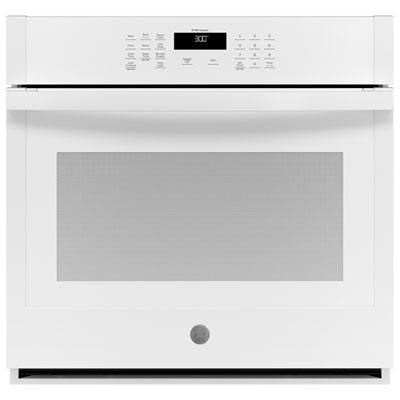 Your price for this item is $2699.99
 -
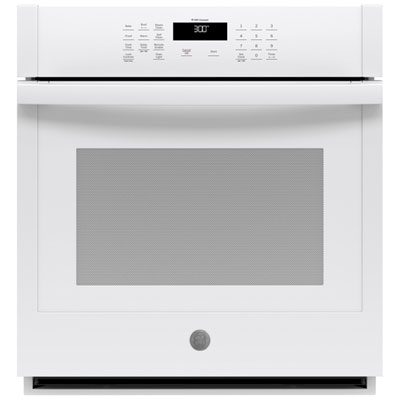 Your price for this item is $2449.99
 -
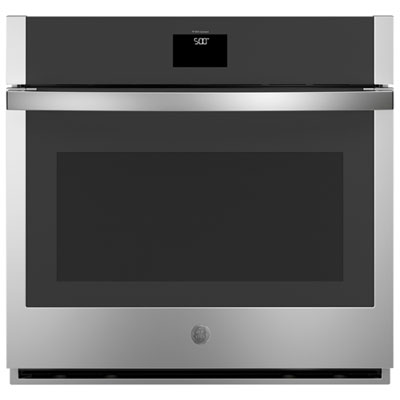 Your price for this item is $2699.99
 -
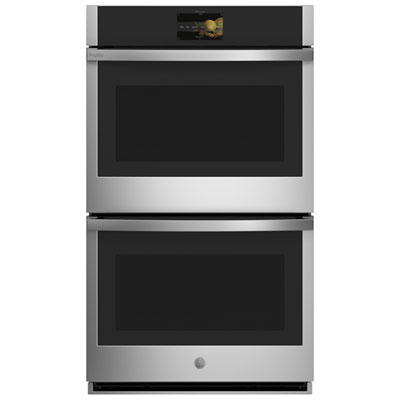 Your price for this item is $5999.99
 -
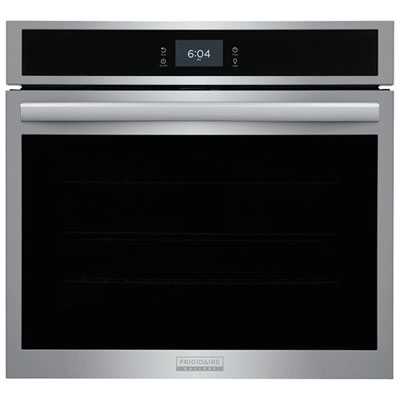 Your price for this item is $2199.99
 -
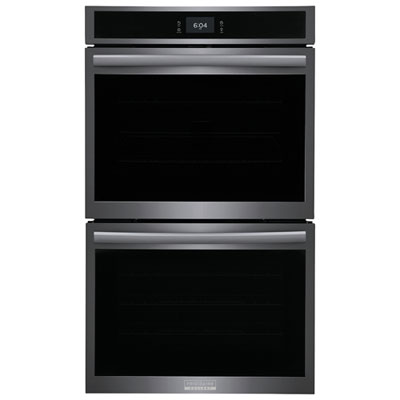 Your price for this item is $3699.99
 -
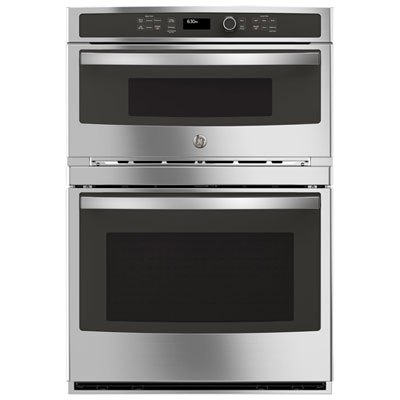 Your price for this item is $4399.99
 -
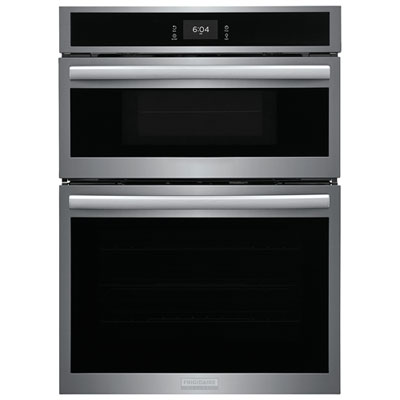 Your price for this item is $3899.99
Discover more categories related to 24 Inch Electric Ovens
Top Collections:
Pokemon Centers, Kindle Devices, Best Budget Office Chairs, Apple iPhones 16, Best Laptops for Writers, iPhone 15 Apple, Canon G7X Cameras, Refurbished Apple Laptops, Alarm Clock, Motorola Razr Phones
Some products may be subject to Environmental Handling Fees
(EHF) depending on your province.
Learn more about EHFs.