30 Inch Electric Ovens
30-inch electric ovens are a great choice for any kitchen. They offer a larger cooking space than a standard oven, allowing you to cook multiple dishes at once or large meals without having to split them up. 30-inch electric ovens come in a variety of styles to fit almost any kitchen. Here are some of the great options for you.
Sort
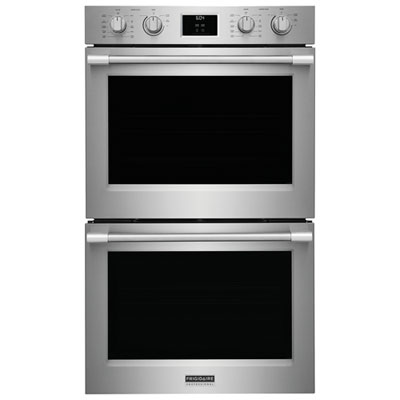
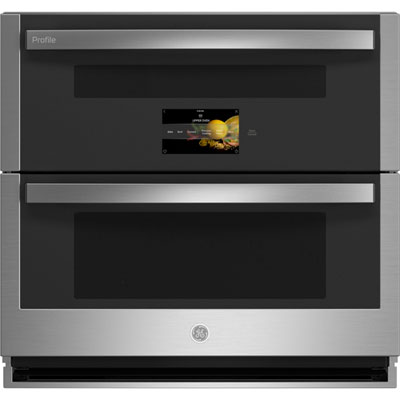
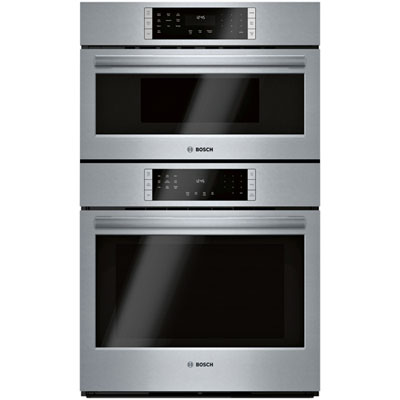
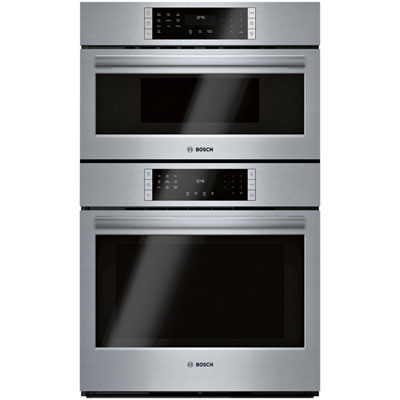
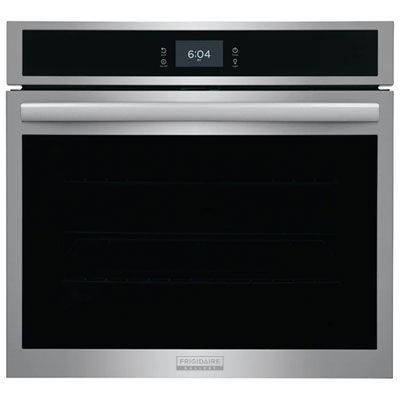
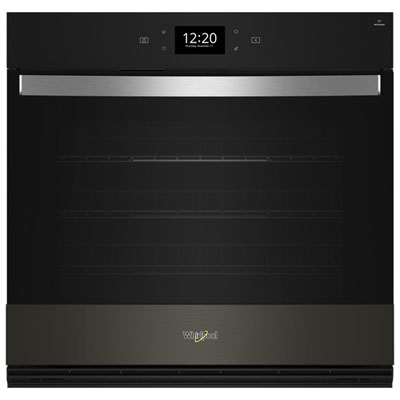
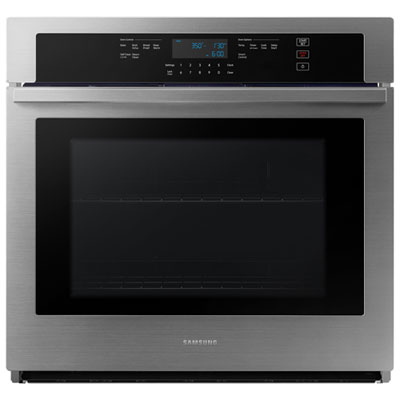
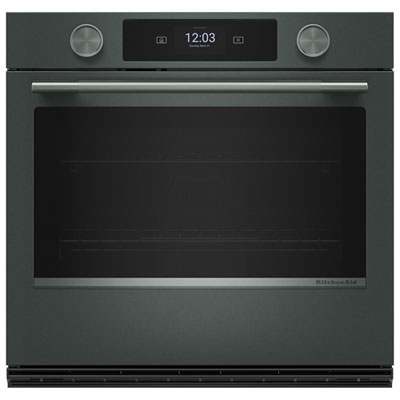
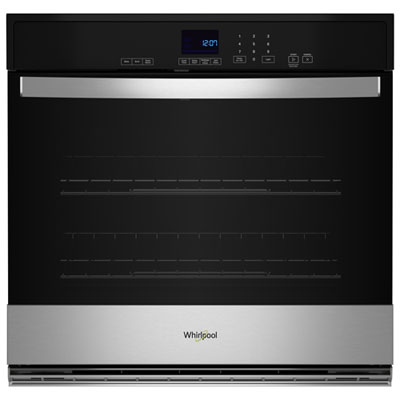
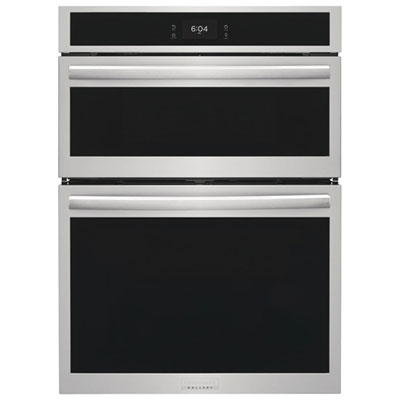
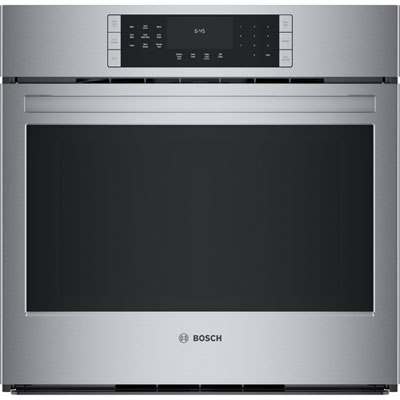

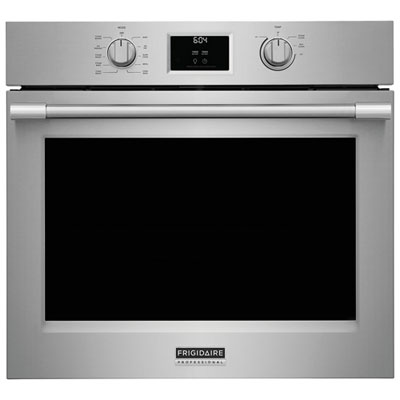
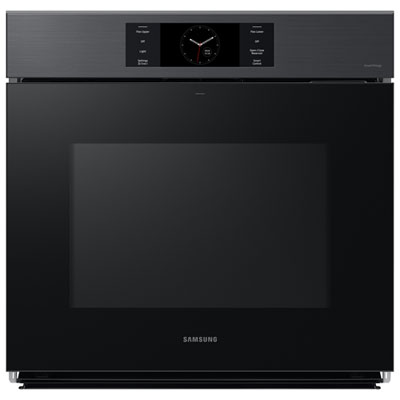
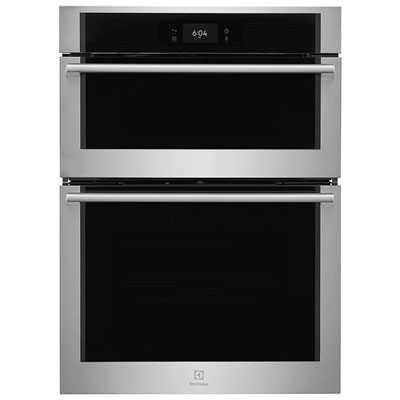
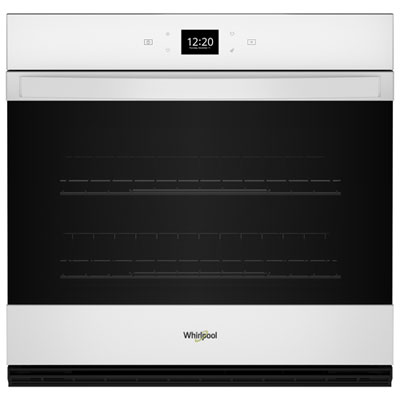

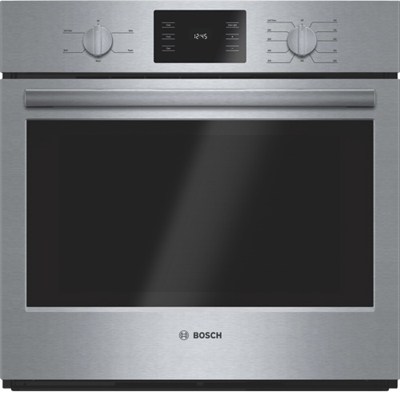
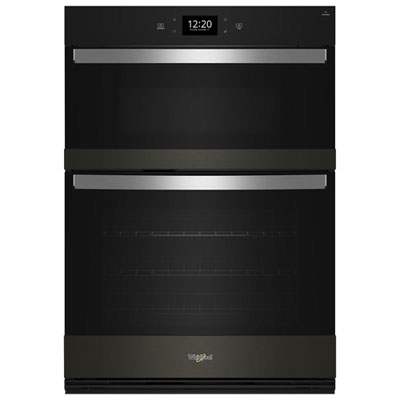
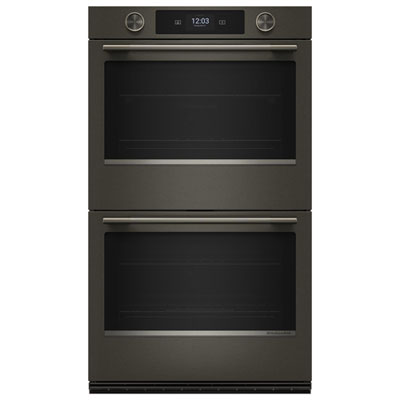
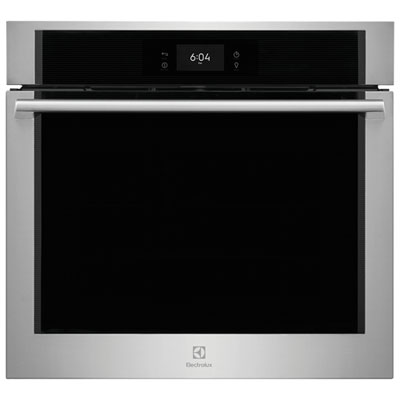
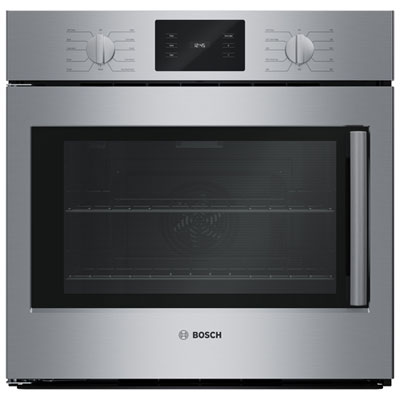
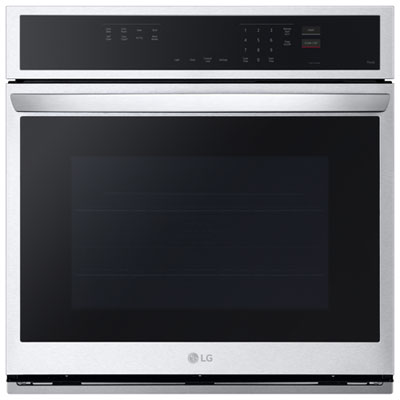


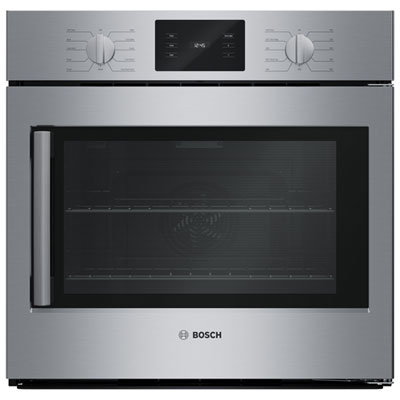
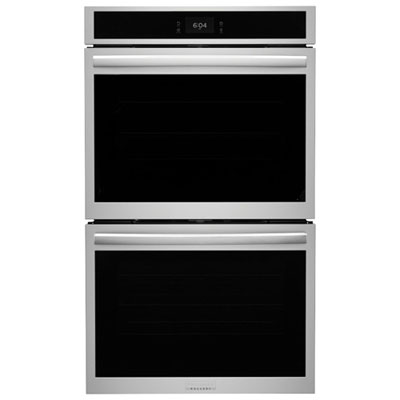
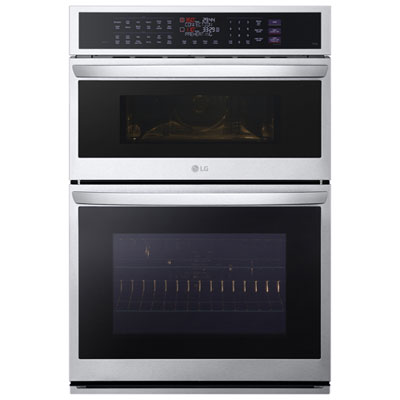
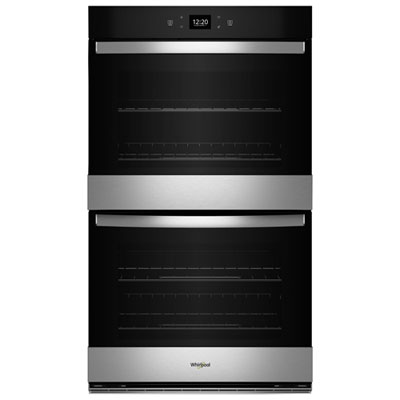
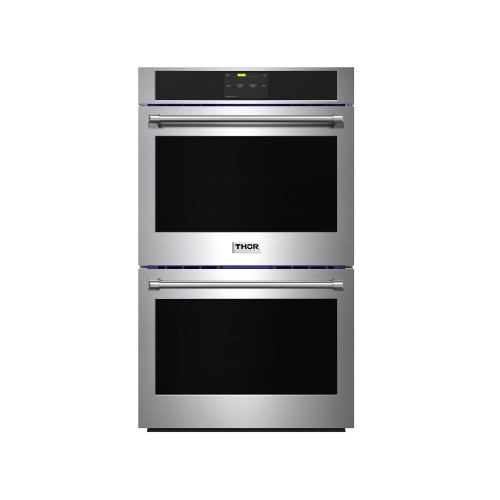
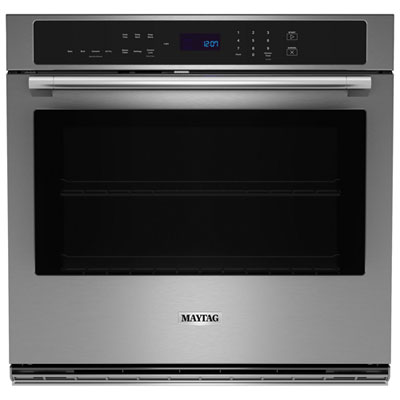
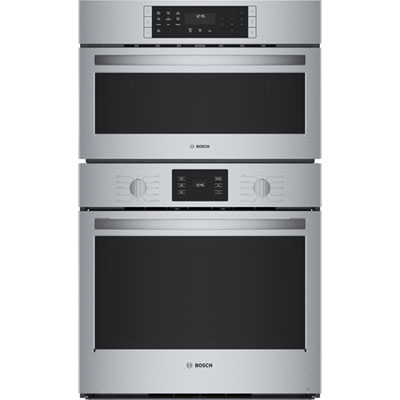
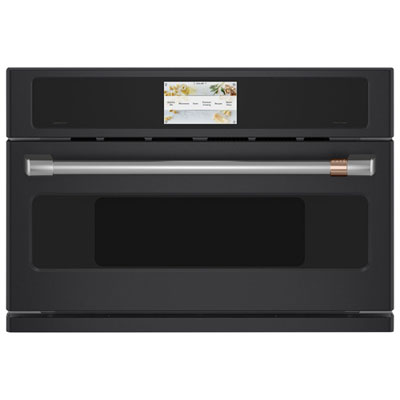
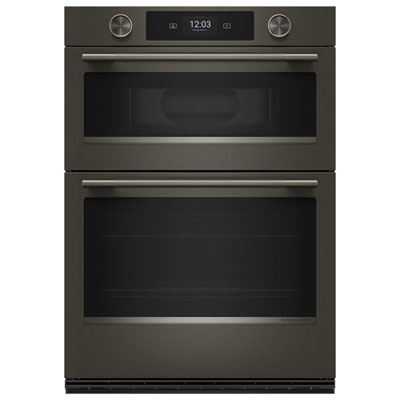
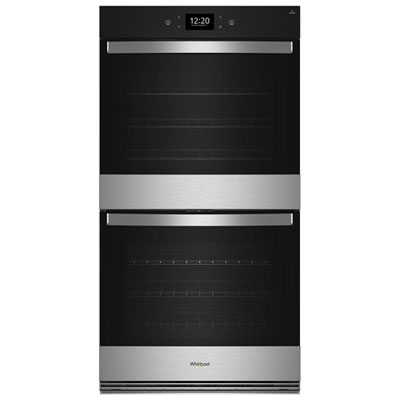
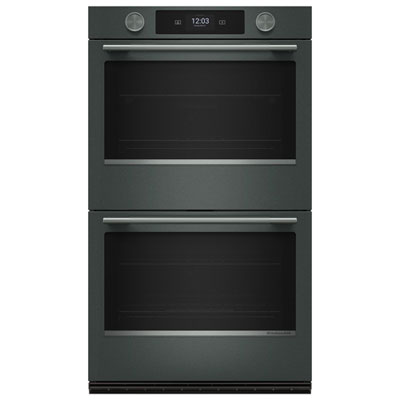

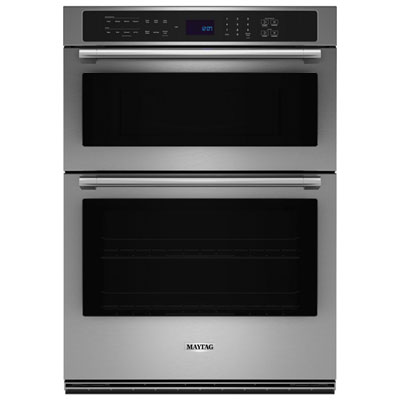

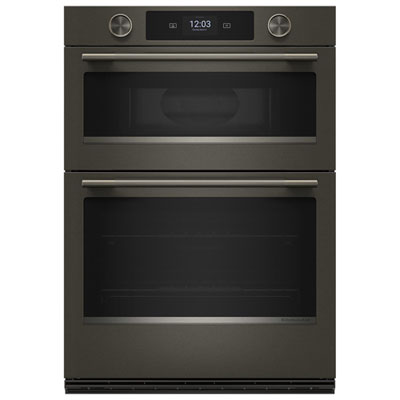
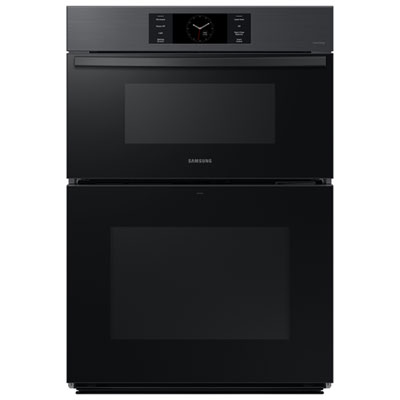
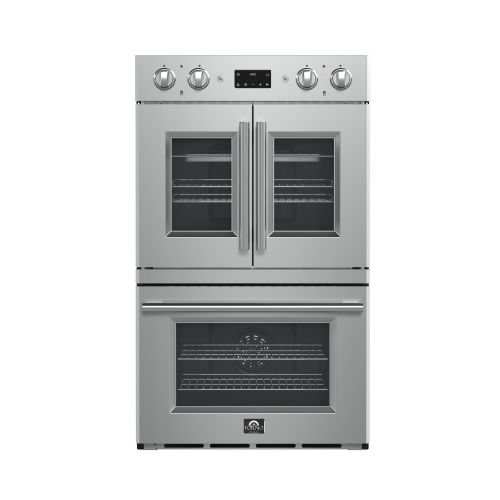
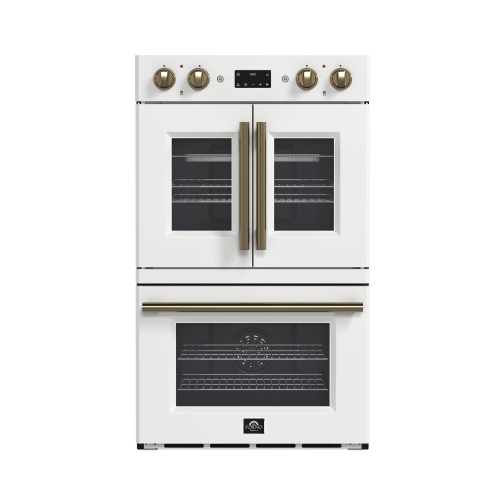
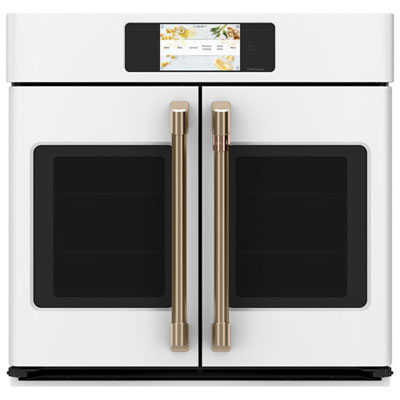
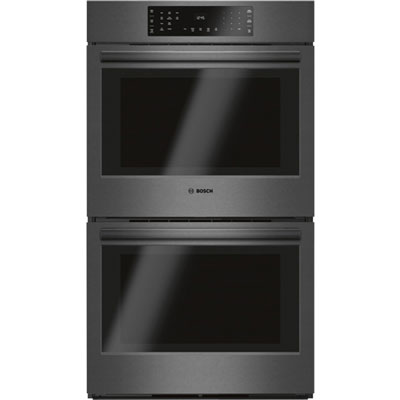
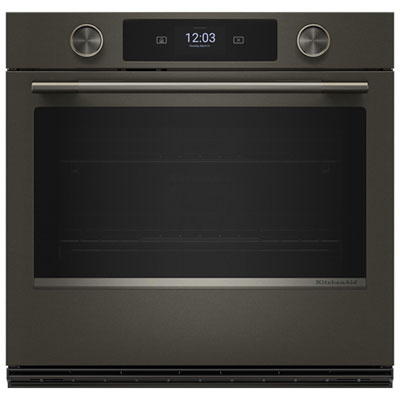

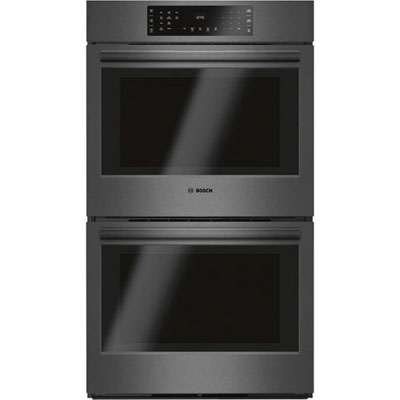
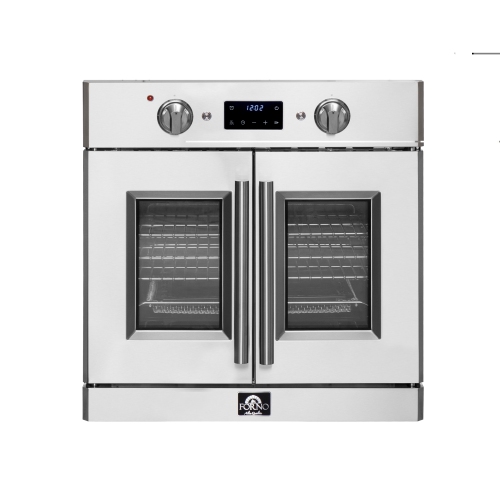
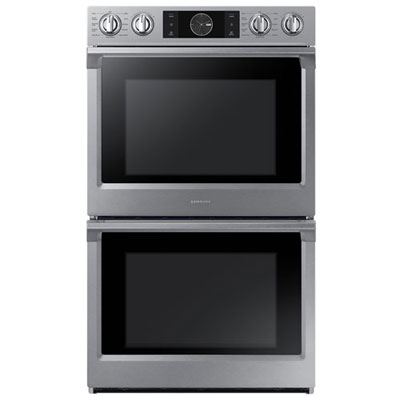
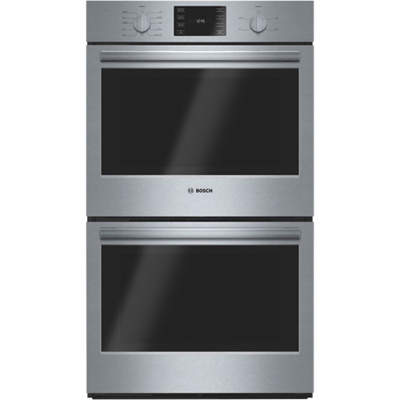
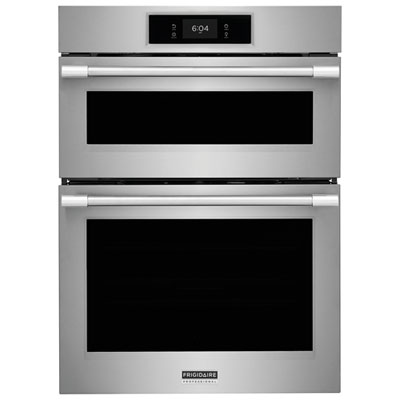
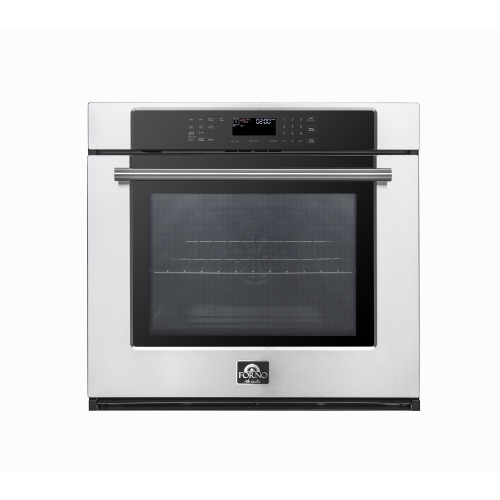
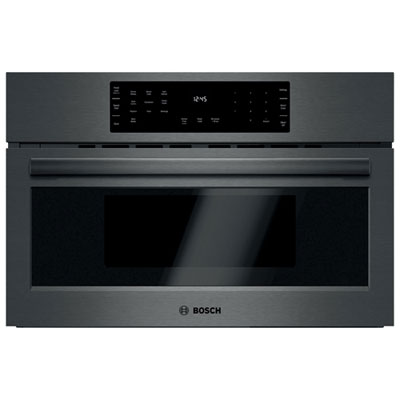
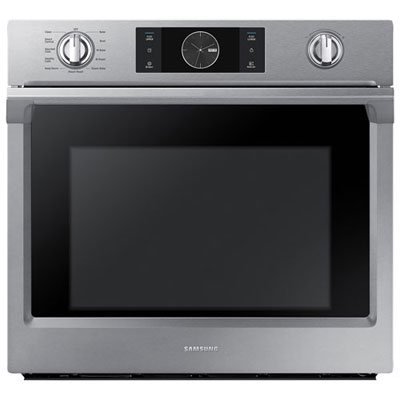
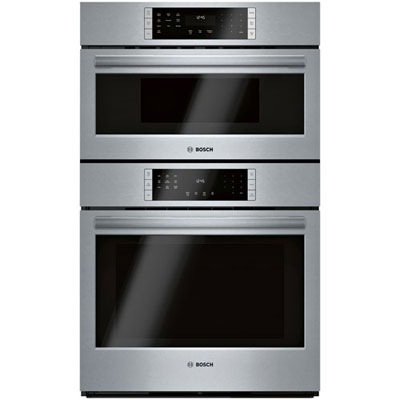
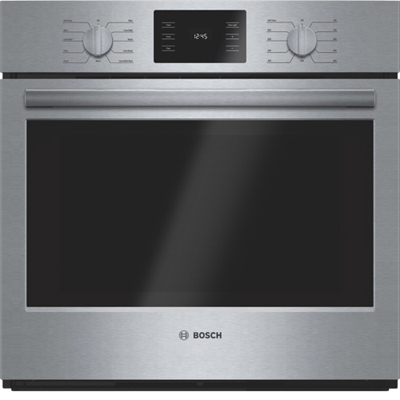
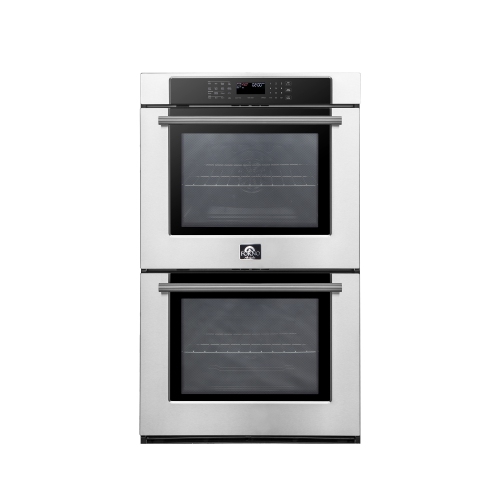
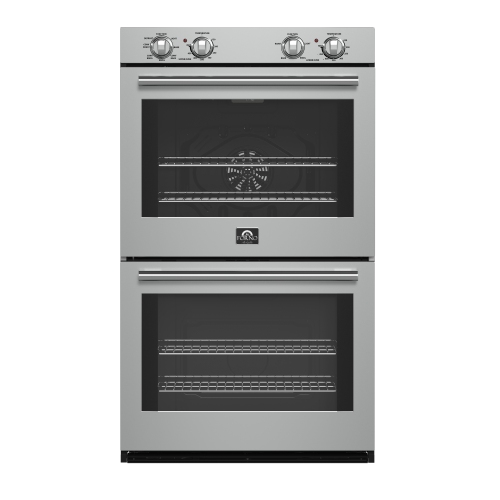

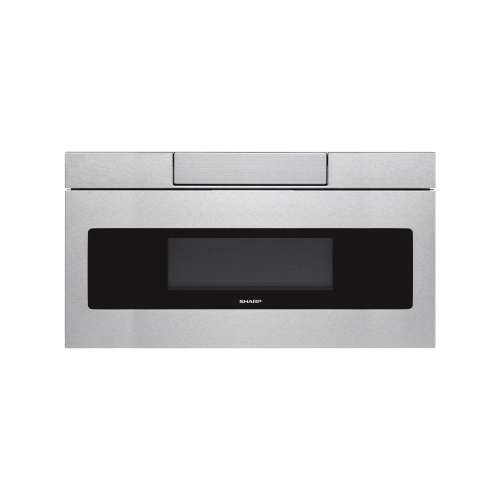
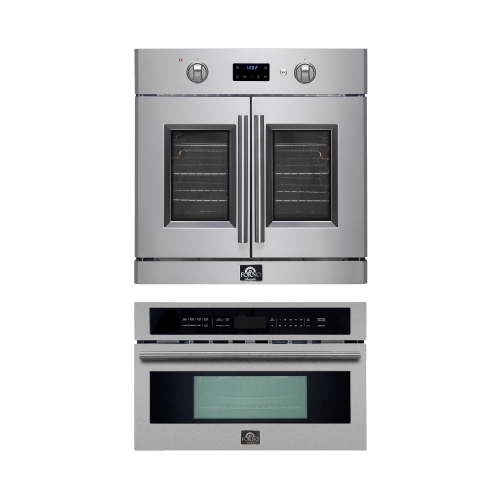
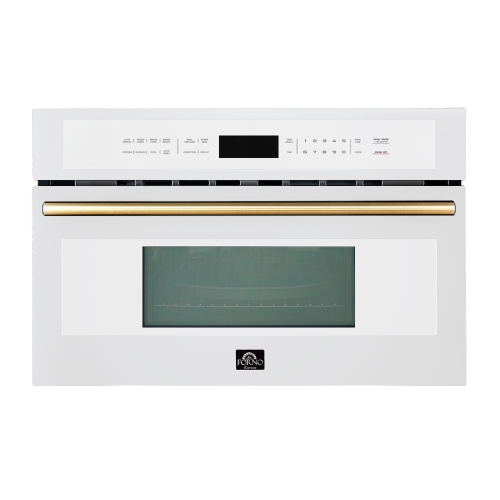
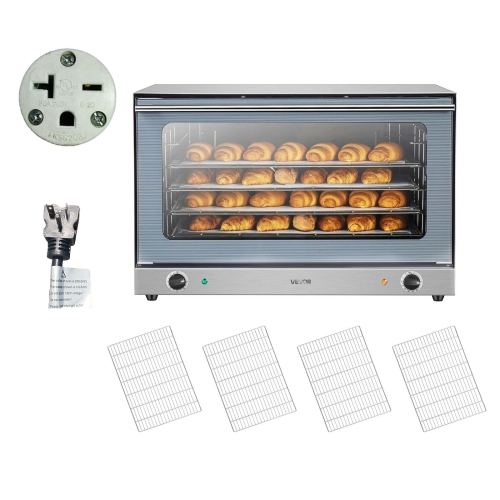
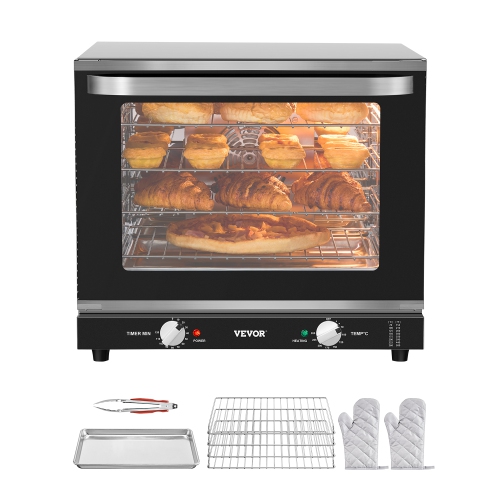
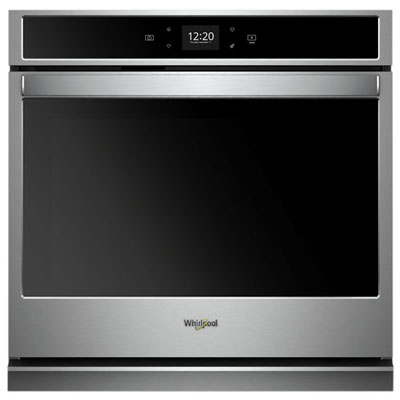
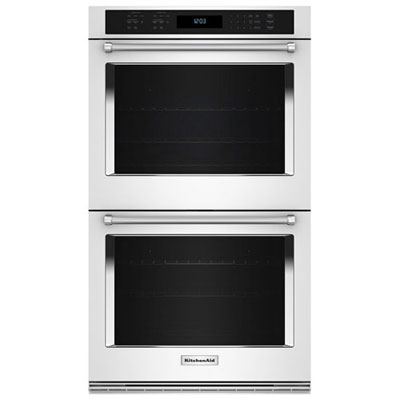
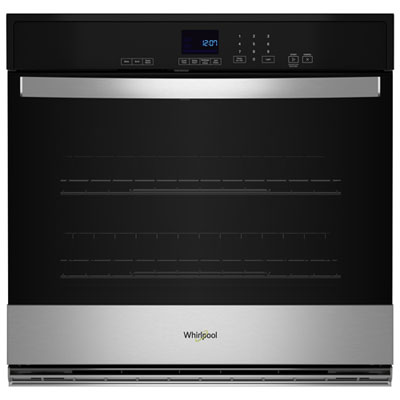
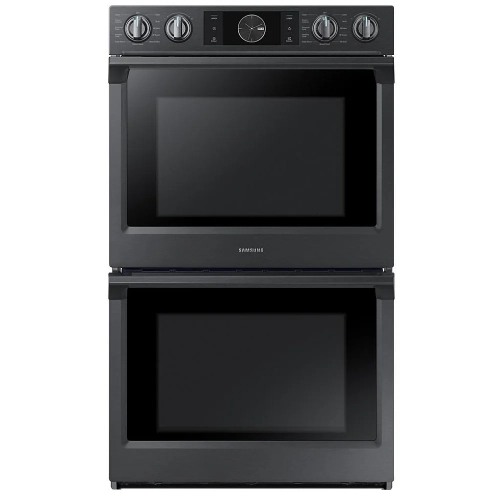
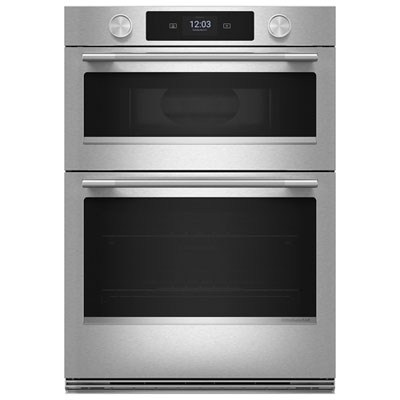
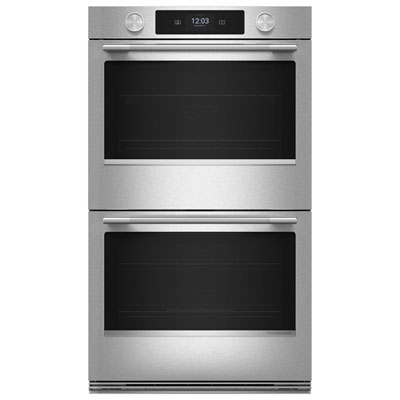
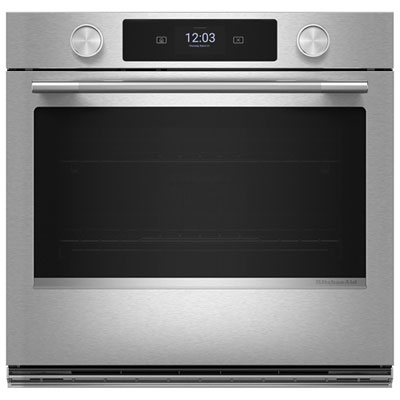
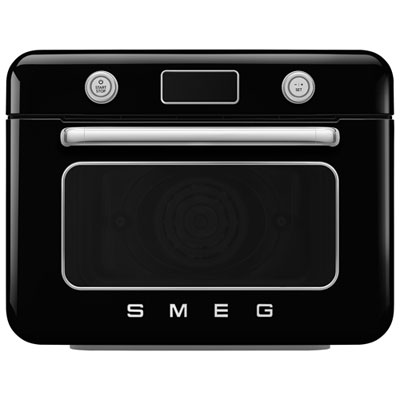

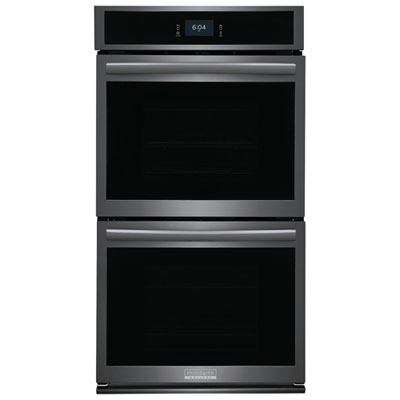
The same oven width can hide important differences
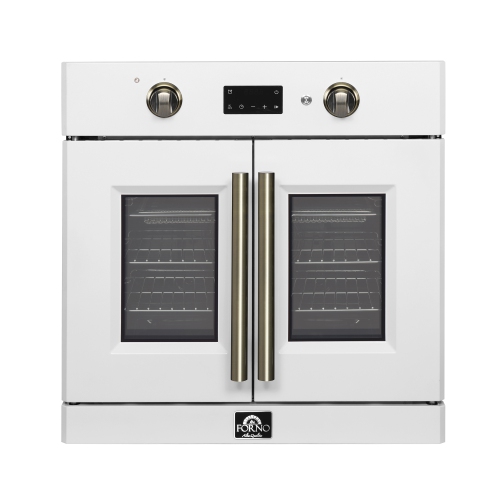
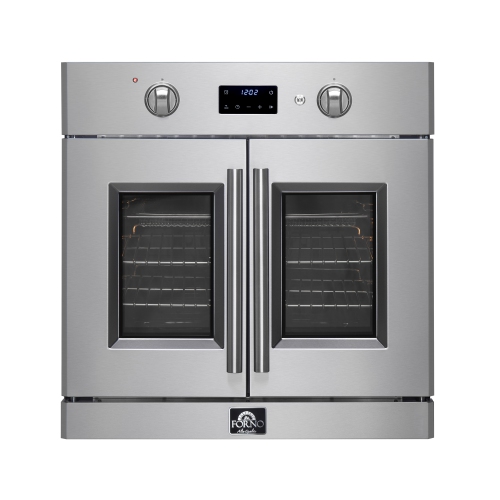
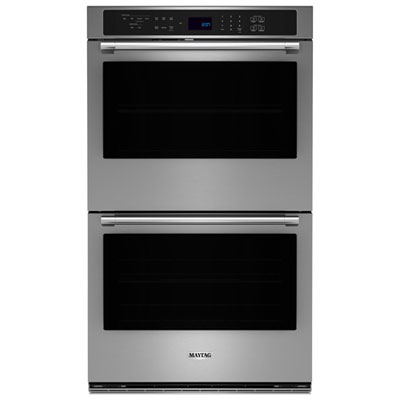
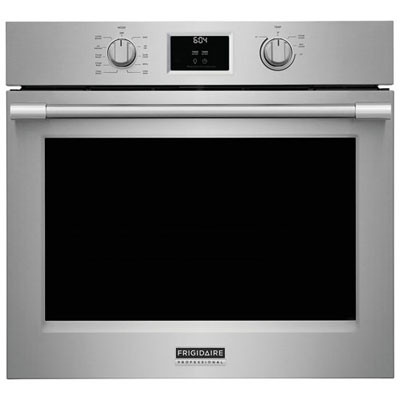
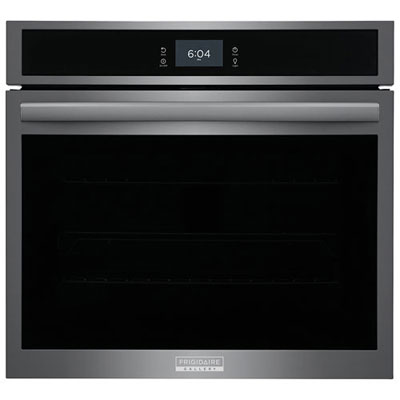
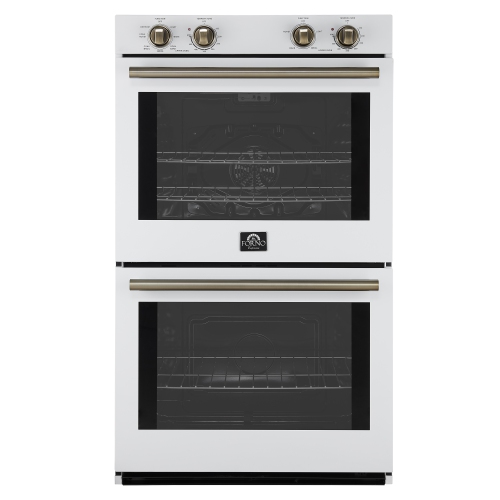
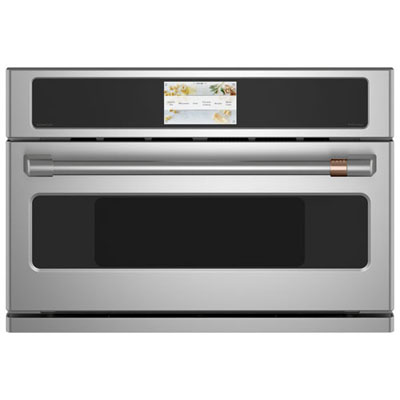
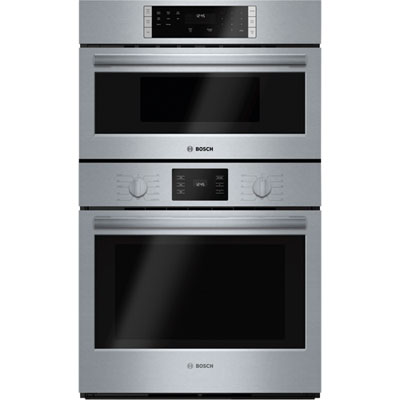
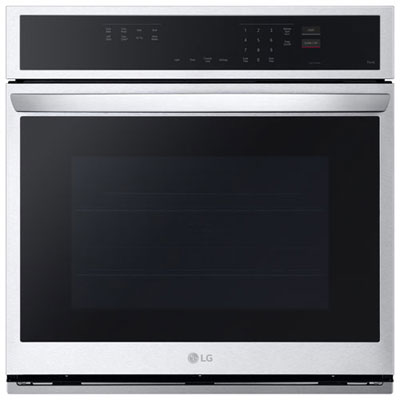
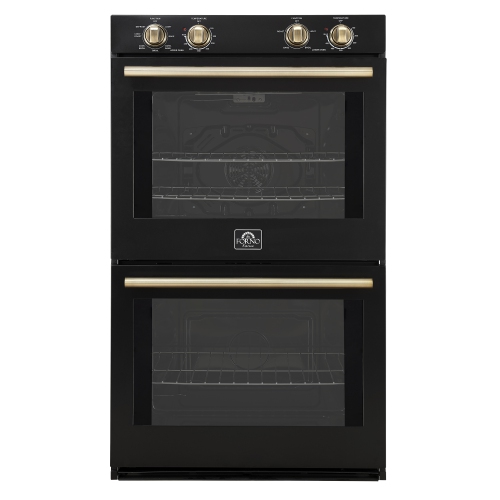
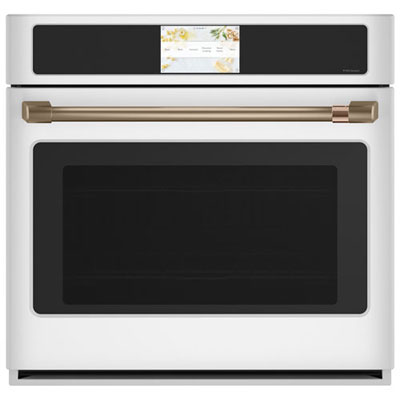
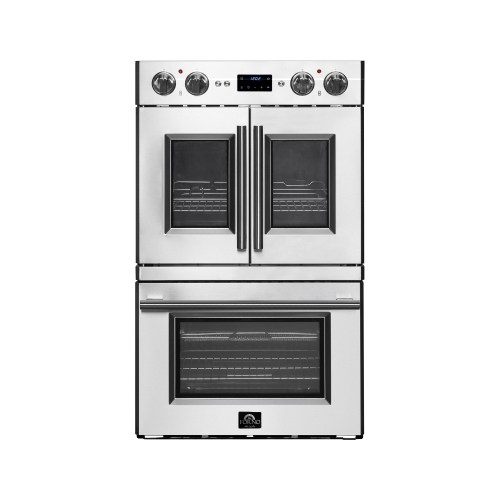
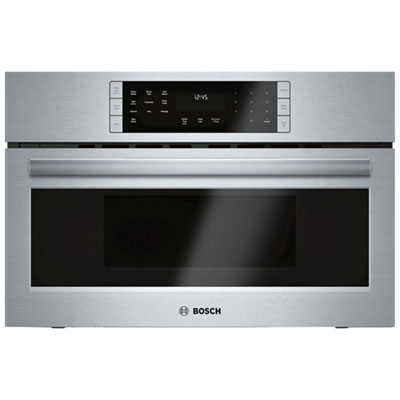
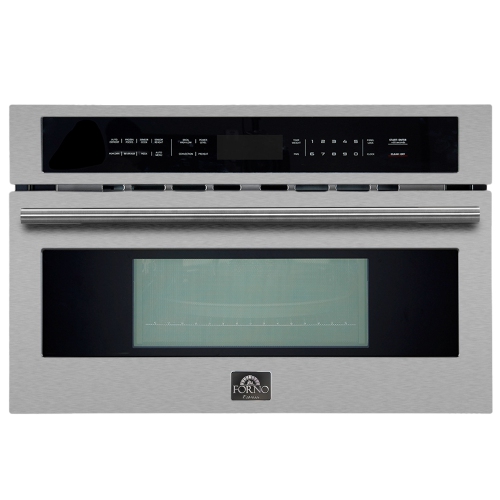
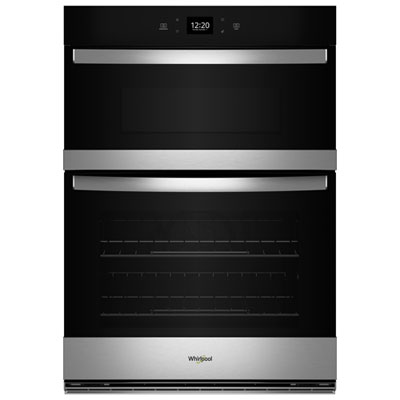
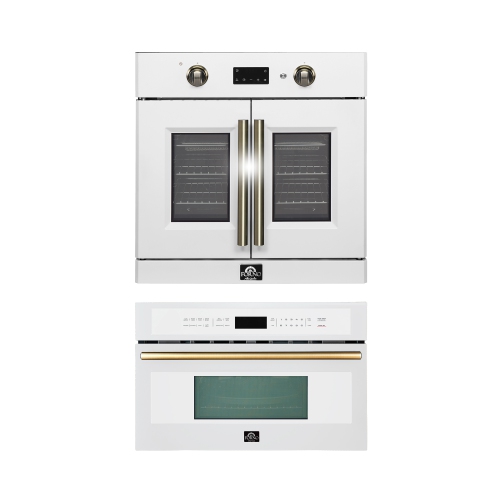
30-inch electric ovens offer room for everyday meals, baking projects, and larger dishes without requiring an extra-wide kitchen layout. The category includes built-in wall ovens and ovens integrated into electric ranges, with each format serving a different purpose. A wall oven fits within cabinetry and keeps the baking space separate from the cooktop, while an electric range combines an oven and cooking surface in one appliance. The 30-inch measurement generally describes the appliance’s nominal width, not its usable interior or the exact opening required for installation. Interior capacity, rack positions, and cavity shape can differ, so two ovens in the same width category may accommodate cookware differently. A wide roasting pan, a pair of casserole dishes, or several baking sheets can make those differences noticeable. Conventional electric baking uses heating elements to maintain the selected cooking temperature, while convection adds a fan to circulate heated air. Some convection systems also include a separate heating element around the fan. Depending on the oven and recipe, convection can support more even browning or reduce cooking time, although cookware placement and spacing still matter. A crowded rack can restrict airflow even in a spacious cavity. Separate bake and broil settings support everything from tender cakes to a browned topping on baked pasta, while additional modes may include bread proofing, air frying, or steam-assisted cooking. These functions vary by design and should not be assumed from the oven’s width alone. Air-fry performance, for example, depends partly on airflow, the recommended tray, and how much food is cooked at once. For households that prepare several components of a meal together, usable rack space may matter more than the number of cooking modes. A single large cavity suits many family meals, while a double wall oven provides separate compartments that can operate at different settings. That separation can be useful when a delicate dessert and a savoury main course need different cooking conditions, without requiring either dish to wait for the other.
Kitchen fit involves more than finding an appliance labelled 30 inches wide. For a built-in layout, 30-inch wall ovens sit within a dedicated cabinet opening, and the required cutout height, width, and depth are specific to the appliance. Single and double configurations also have different cabinet and support requirements. Replacing an existing oven is therefore not always a direct exchange, even when the nominal widths match. Trim dimensions, the location of the electrical connection, and the depth behind the cabinet face can affect the finished fit. The door needs enough clearance to open fully without hitting an island, a nearby handle, or another appliance. Handle projection also matters in a narrow aisle, especially when someone needs to pass while a roasting pan is being lifted out. Installation height influences everyday comfort: a wall oven positioned at a practical level can reduce bending, but the top rack still needs to be within comfortable reach. A double oven requires particular attention to both the upper and lower cavities so neither becomes awkward to use. Electric ranges introduce other considerations, including the relationship between the cooking surface, surrounding counters, and adjacent cabinetry. Freestanding and slide-in designs can have different installation details, and the appliance specifications determine the necessary clearances. Suitable electrical service, proper cabinet support, and any required anti-tip hardware are essential parts of the setup. A qualified installer can assess the connection and installation requirements in accordance with local rules and the manufacturer’s directions. Exterior finishes contribute to the overall kitchen appearance, but they also affect daily upkeep. Stainless steel can coordinate with a variety of cabinet colours and hardware, while black or white finishes may blend into an existing appliance arrangement. Fingerprint-resistant treatments can reduce visible marks, though they still need appropriate cleaning. The finish, handle shape, and control-panel placement are worth considering together, since each influences how the oven looks and feels during regular use.
The details inside a 30-inch electric oven often have the greatest effect on day-to-day satisfaction. Sturdy racks, clearly defined rack positions, and an easy-to-grip handle make a difference when moving a heavy dish of lasagna or checking a tray of vegetables. Sliding racks can bring cookware farther out with less lifting, although their weight limits and care requirements vary. A bright interior light and a clear viewing window allow a cake or loaf to be checked without repeatedly opening the door and releasing heat. Controls should be legible from the normal standing position, with settings that are straightforward to adjust. Physical knobs, touch controls, and digital displays offer different experiences, particularly for households where several people share cooking duties. Some ovens include connected features that provide notifications or allow certain settings to be managed through a compatible device; the supported functions and any Wi-Fi requirements depend on the appliance. A temperature probe, where included, can help monitor the centre of a roast without frequent door opening, while timers and delayed-start functions require attention to safe food handling. Care needs are equally important over years of use. Many cavities have enamel surfaces designed for routine cleaning, and promptly addressing spills once the oven has cooled can help prevent stubborn baked-on residue. Self-cleaning and steam-cleaning functions work differently, and neither removes the need to follow the care directions. Racks, sliding mechanisms, door seals, and coated surfaces may each require different treatment. Abrasive pads or unsuitable cleaners can damage finishes, so the manufacturer’s recommended method matters. For frequent bakers, dependable rack spacing and room for familiar pans may be the priority; for busy households, simple controls and an accessible interior can be more valuable. Someone furnishing a first kitchen may favour a straightforward cooking setup, while an experienced home cook may appreciate separate cavities or more specialized baking functions. Across these uses, a well-matched oven brings together practical capacity, comfortable access, manageable care, and the cooking capabilities that suit the meals prepared most often.
Top selling and popular products
-
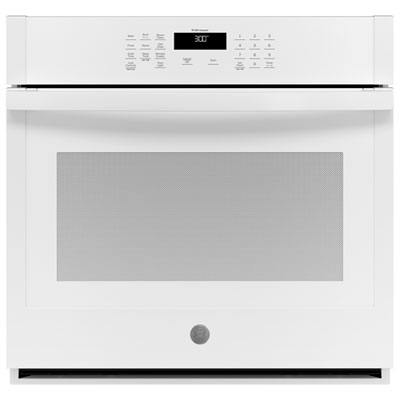 Your price for this item is $2369.99
-
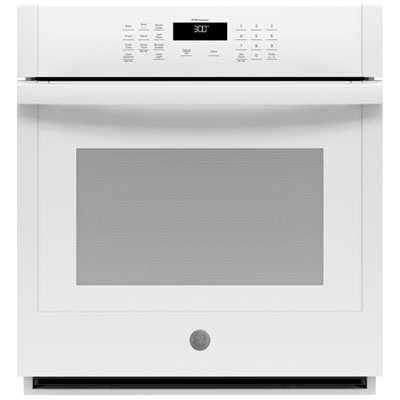 Your price for this item is $2249.99
-
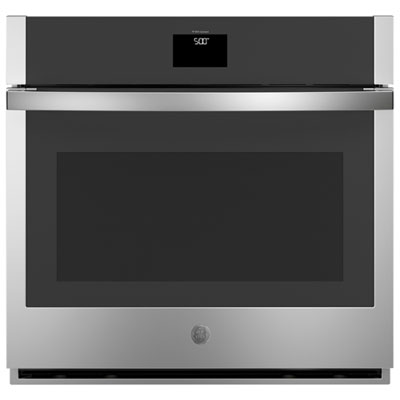 Your price for this item is $2369.99
-
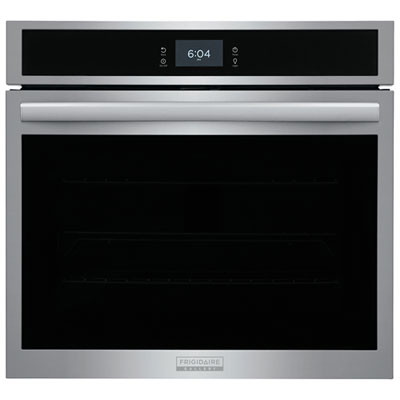 Your price for this item is $2199.99
-
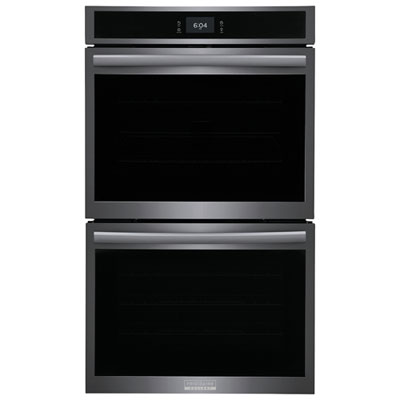 Your price for this item is $3699.99
-
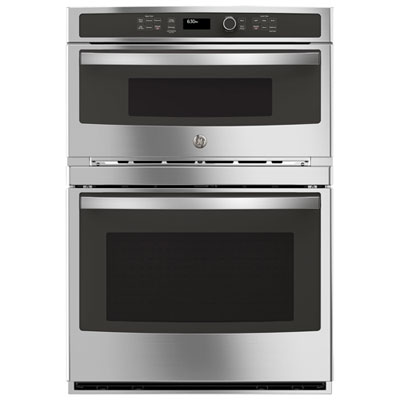 Your price for this item is $3749.99
-
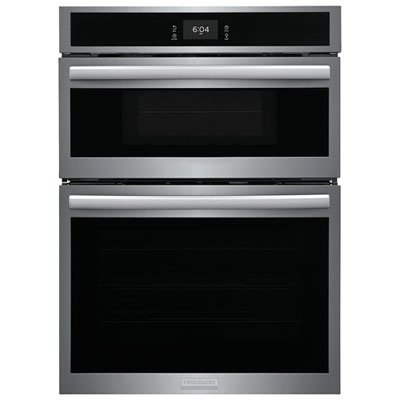 Your price for this item is $3699.99
-
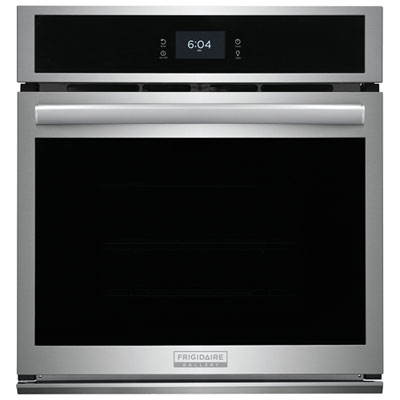 Your price for this item is $2199.99
Discover more categories related to 30 Inch Electric Ovens
Top Collections:
Best Black Friday Deals This Year, Best Black Friday Deals On Electronics, Kindle Devices, Best Black Friday Deals On Apple Products, Best Budget Office Chairs, Best Cameras for Sports Photography, Dyson Airwrap, Canon G7X Cameras, Best Laptops for Writers, Samsung Galaxy Phones
Some products may be subject to Environmental Handling Fees
(EHF) depending on your province.
Learn more about EHFs.