30-Inch Counter Depth Refrigerators
Upgrade your kitchen with the sleek and modern look of 30-inch counter-depth refrigerators. Designed to blend seamlessly with your cabinetry, these refrigerators offer a streamlined appearance while maximizing space in smaller kitchens or condos. Explore a variety of styles and finishes to find the perfect fit for your home, all while enjoying the benefits of efficient food storage and organization. Discover how 30-inch counter-depth refrigerators can enhance both the functionality and aesthetics of your kitchen space.
Sort
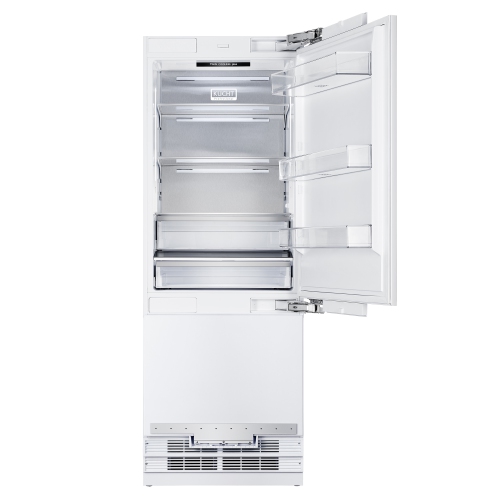
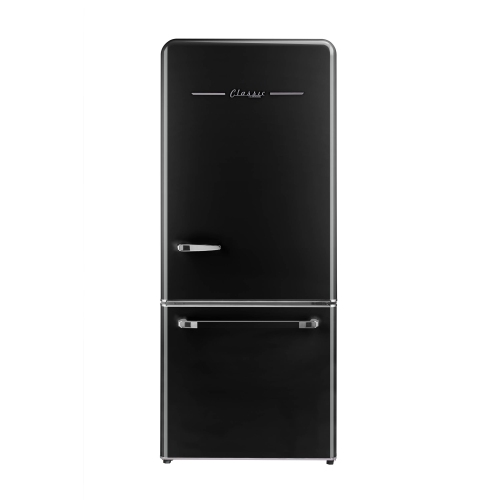
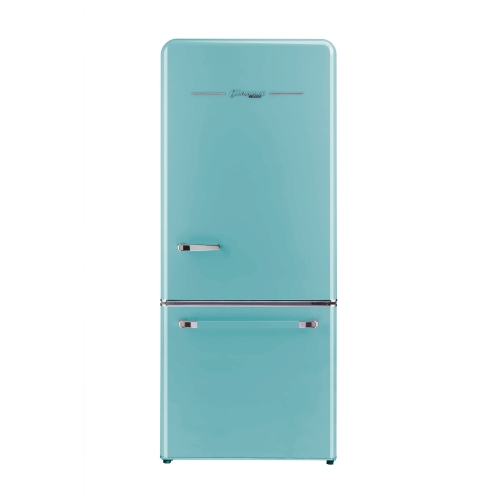
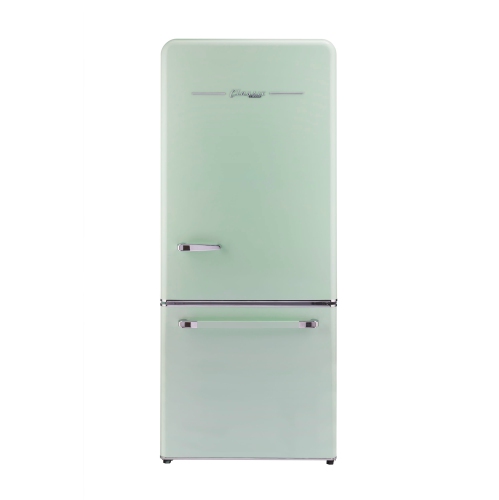
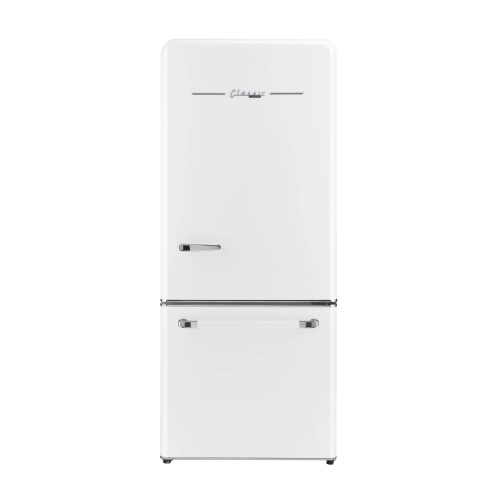
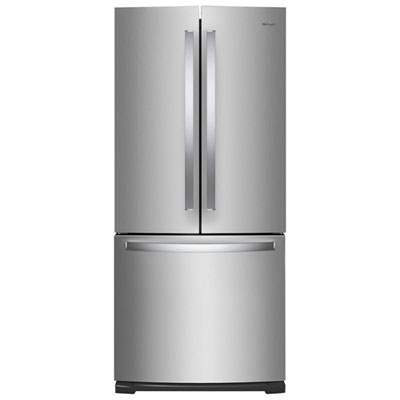
A shallower profile still needs room to open
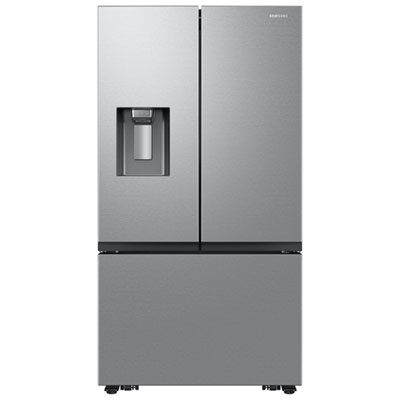
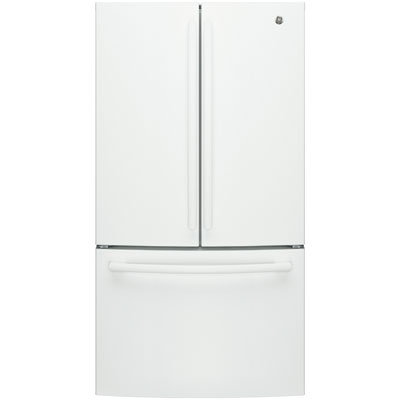
A 30-inch counter-depth refrigerator combines a nominal width of 30 inches with a shallower cabinet body designed to sit closer to the depth of surrounding kitchen counters. The result is a more integrated appearance than a deeper freestanding refrigerator, without necessarily requiring a custom enclosure. Counter-depth does not mean that every surface sits flush with the cabinetry: doors, handles, hinges, and required clearances can extend beyond the counter edge. Kitchen base cabinets are commonly about 24 inches deep, with countertops projecting farther, but refrigerator dimensions vary by design. The distinction between cabinet depth, depth with doors, and depth including handles is important when comparing the footprint. In a condo kitchen, a townhouse, or a compact cooking space, that reduced projection can leave more room to walk past an open dishwasher or move between the sink and an island. The 30-inch designation describes the width category, not the depth or interior capacity, and the actual appliance width may be slightly less than the nominal measurement. A suitable opening also needs the ventilation space specified by the manufacturer, along with enough height beneath an overhead cabinet. Door movement matters just as much as the closed dimensions. A refrigerator beside a wall may need additional clearance so its door can open far enough for shelves and crisper drawers to slide out. Handles can also meet nearby cabinet pulls or interfere with a narrow walkway if their reach is overlooked. Adjustable feet help with levelling, but they do not compensate for an opening that is too small or a floor that cannot support the appliance properly. Delivery access is another practical part of fit: doorways, stair turns, elevator openings, and the route into the kitchen all affect installation. Within the broader category of 30 Inch Refrigerators, counter-depth designs are distinguished primarily by their shallower profile, so width alone does not establish whether a refrigerator will align with the surrounding kitchen.
Interior layout determines how well a 30-inch counter-depth refrigerator accommodates everyday groceries. Shallower shelves can make it easier to see a container at the back, although reduced depth generally means less storage than a comparably sized standard-depth refrigerator. Total capacity is useful for comparison, but the division between fresh-food and freezer compartments can be more meaningful in daily use. A household that cooks with fresh vegetables may value roomy crispers and adjustable shelves, while someone who prepares meals ahead may place greater importance on freezer drawers that keep stacked containers accessible. Bottom-freezer layouts put frequently used refrigerated foods nearer eye level; top-freezer layouts place frozen food higher and use a different arrangement for the main compartment. French-door configurations divide access to the refrigerator section between two doors, which can reduce the swing of each door compared with a single full-width door, though adequate clearance is still necessary. Shelf spacing affects whether a tall milk carton, a covered soup pot, or an upright bottle fits without rearranging the entire compartment. Split or adjustable shelves can provide flexibility where included, while door bins are useful for condiments and other foods suited to that storage location. A wide drawer may accommodate deli foods or a shallow serving tray, but its usable dimensions matter more than its name. Crispers with adjustable humidity settings offer a way to separate produce with different storage needs. Clear bins and well-placed interior lighting help make small containers easier to find before they disappear behind larger groceries. Cooling features also differ between designs. Air outlets need room to circulate air, and tightly packing food against them can interfere with consistent cooling. Separate controls, door alarms, and temperature displays can add convenience where included, but straightforward shelf access and an easy-to-clean interior remain important regardless of the control layout. For smaller households, a thoughtfully arranged compartment may be more useful than extra capacity that is difficult to reach or organize.
Exterior materials, construction, and routine care influence how a refrigerator looks and performs through daily use. Stainless steel offers a familiar kitchen finish, while painted surfaces and other finishes provide different colour options. Fingerprint-resistant treatments can reduce visible handling marks, but they still need cleaning according to the manufacturer’s directions; abrasive pads and unsuitable cleaners can damage a finish. Magnetic properties also vary, so a stainless steel appearance does not guarantee that notes or magnets will attach to the doors. Inside, removable shelves and bins simplify cleaning after a leaking container or spilled drink. Tempered-glass shelves provide a smooth surface for wiping, while raised edges on some shelf designs help contain small spills. Shelf supports, drawer runners, door bins, and handles are worth considering because they receive repeated use, especially in a shared kitchen. Heavy bottles belong only in compartments designed to support them, and drawers tend to move more reliably when food packages do not obstruct their travel. Door gaskets need to remain clean and unobstructed so the doors can close properly. Gentle cleaning with a soft cloth and a suitable mild cleaner helps remove residue without unnecessary wear, while manufacturer instructions establish which parts can be removed or washed separately. Refrigerators with water dispensers or ice makers introduce additional considerations, including a suitable water connection, filter replacement, and space occupied by the dispensing or ice-making components. Designs without these features have different installation and maintenance needs. Operating sound can also matter in an open-plan home, where the kitchen shares space with a dining table or television; compressor operation, fans, and ice production each contribute their own sounds. Access to service information and replacement parts is relevant for an appliance intended for long-term use. Ultimately, the appeal of a 30-inch counter-depth refrigerator lies in balancing a compact kitchen footprint with usable food storage. A well-matched layout supports ordinary routines, from putting away groceries to reaching for breakfast ingredients, while keeping the appliance’s doors, drawers, and surrounding walkways comfortable to use.
Top selling and popular products
-
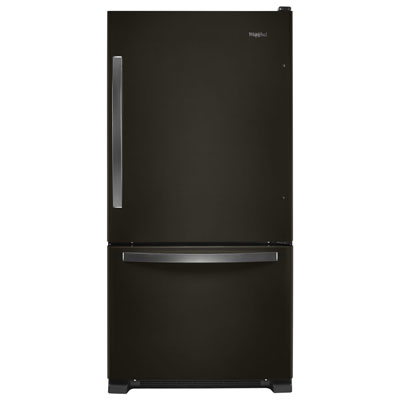 Your price for this item is $2299.99
-
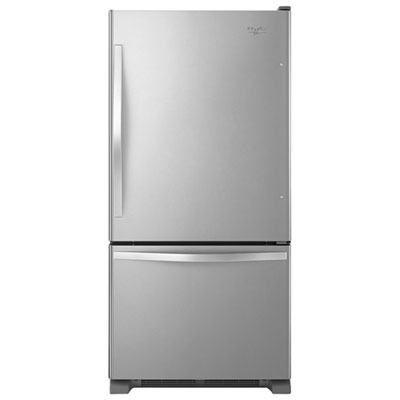 Your price for this item is $2199.99
-
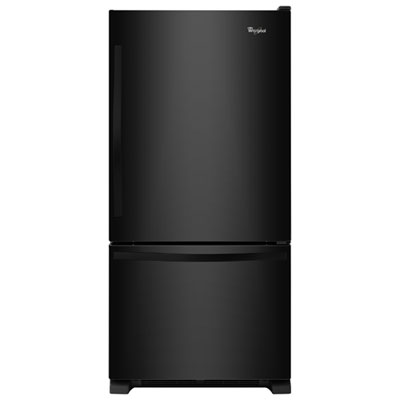 Your price for this item is $2149.99
-
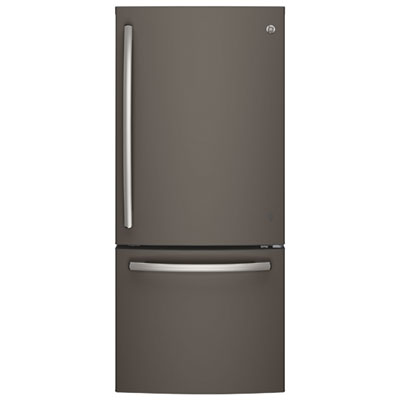 Your price for this item is $1299.99
-
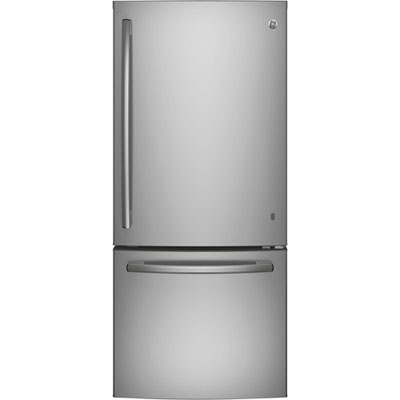 Your price for this item is $1299.99
-
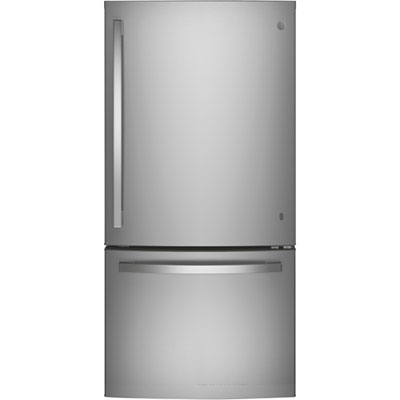 Your price for this item is $1599.99
-
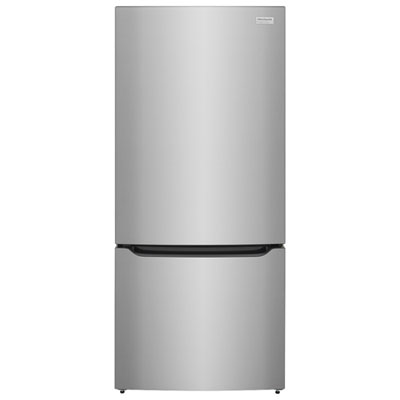 Your price for this item is $1699.99
-
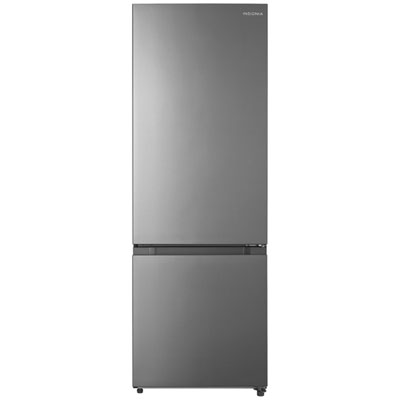 Your price for this item is $549.99
Discover more categories related to 30-Inch Counter Depth Refrigerators
Top Collections:
Best Black Friday Deals This Year, Best Black Friday Deals On Electronics, Kindle Devices, Pokemon Centers, Best Black Friday Deals On Apple Products, Best Cameras for Sports Photography, Dyson Airwrap, Pokémon 30th Celebration Cards, Apple iPhone 17 Pro, Canon G7X Cameras
Some products may be subject to Environmental Handling Fees
(EHF) depending on your province.
Learn more about EHFs.