Affordable Dehumidifiers
Looking to combat excess moisture in your home without breaking the bank? Look no further than our selection of affordable dehumidifiers. Whether you're dealing with dampness in your basement, musty odors in your bathroom, or excessive humidity throughout your living space, these budget-friendly options are designed to efficiently remove moisture from the air, creating a more comfortable and healthier environment. With features like adjustable humidity settings, easy-to-use controls, and compact designs, our affordable dehumidifiers offer reliable performance without compromising on quality. Say goodbye to dampness and hello to a fresher, drier home with our selection of budget-friendly dehumidifiers.
Sort
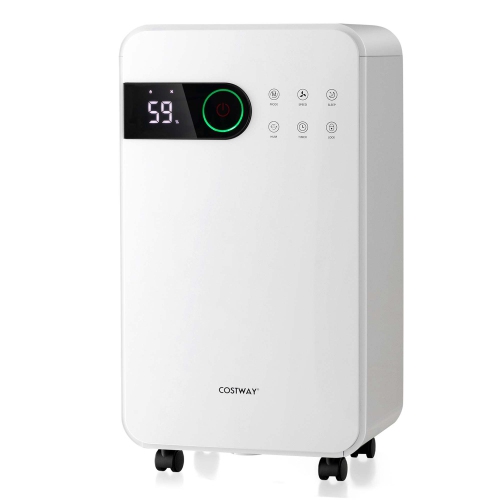
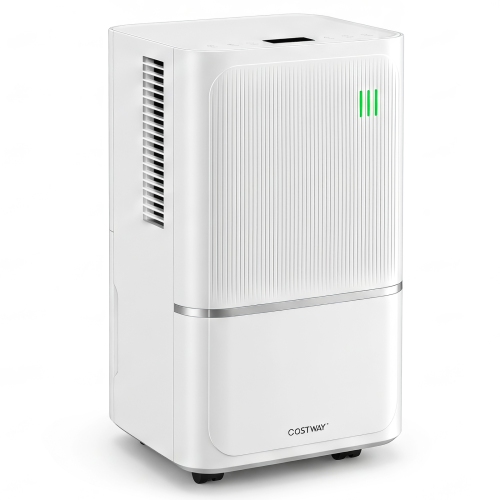
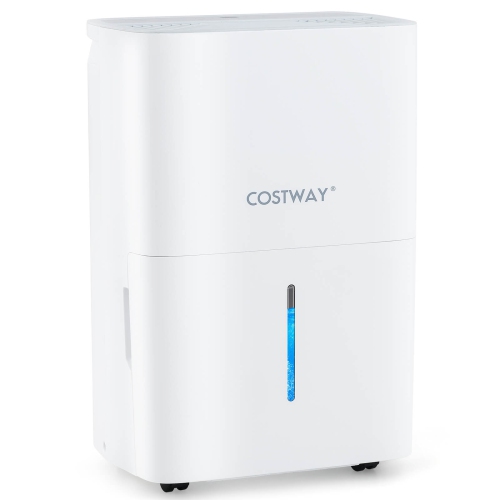
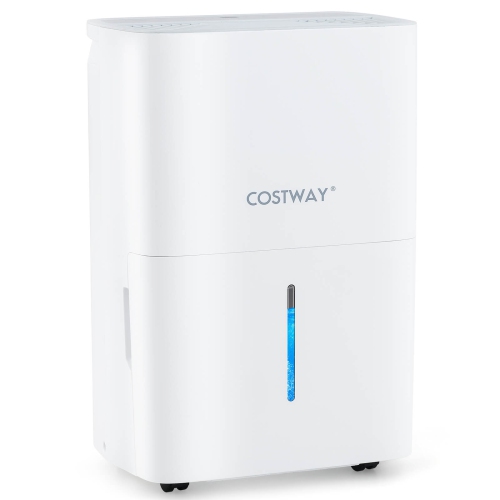

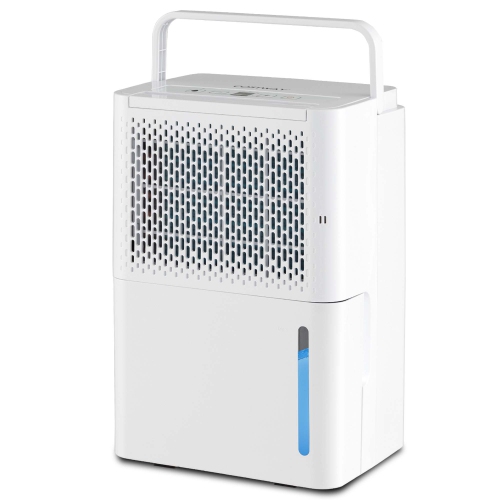
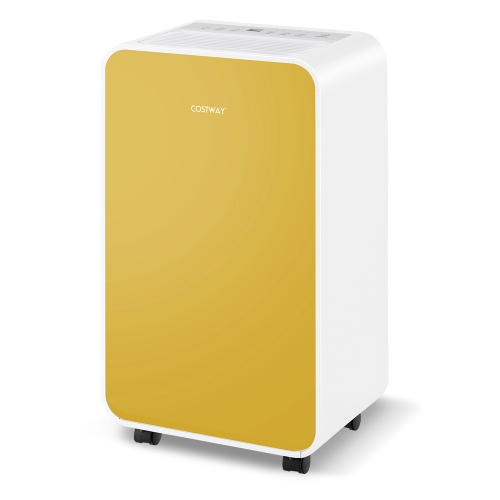
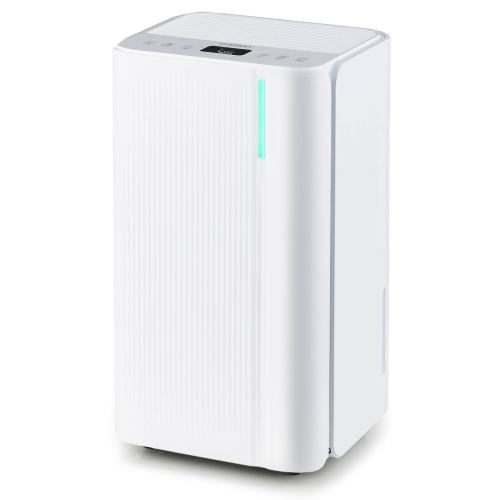
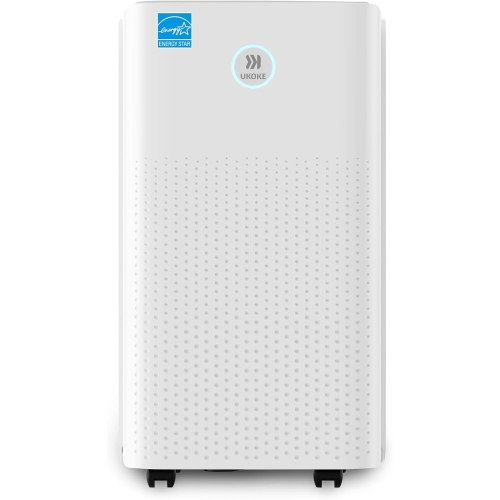
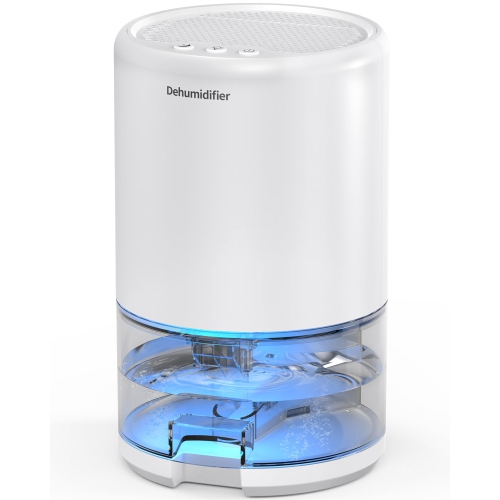
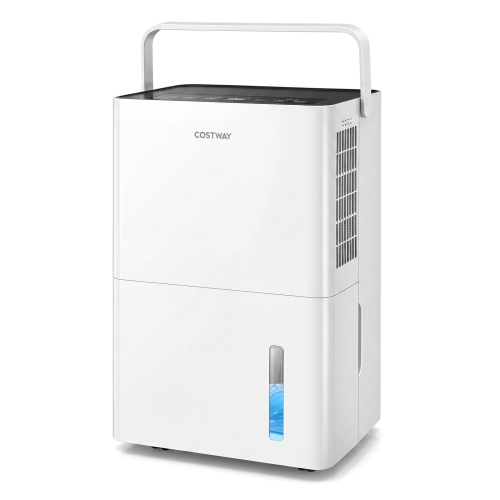
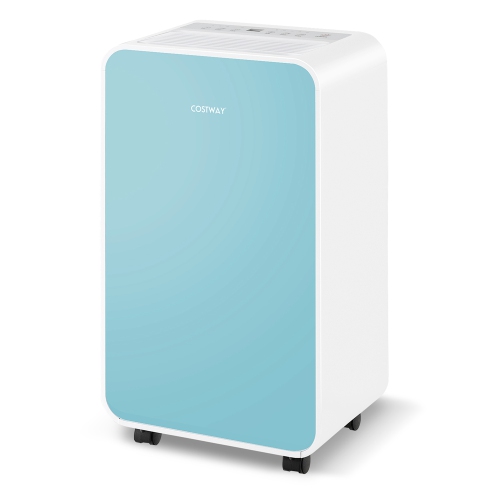
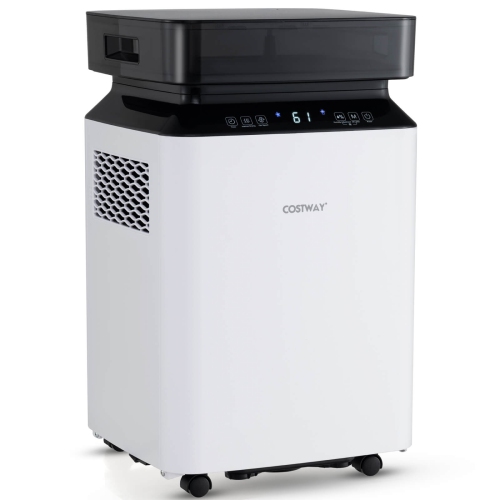
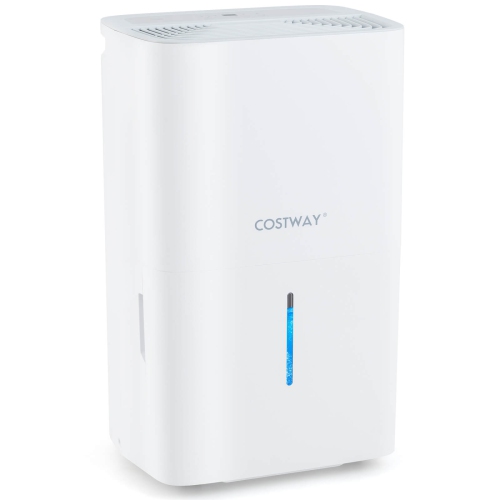
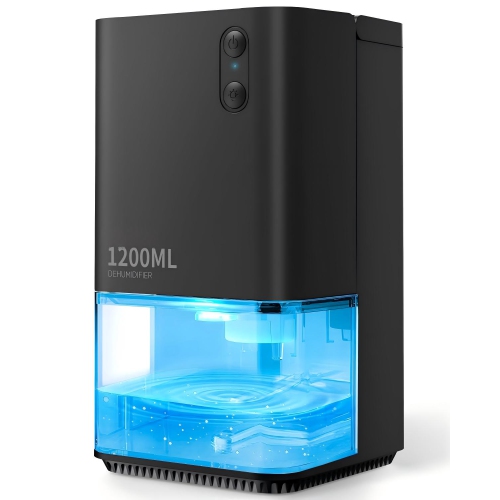

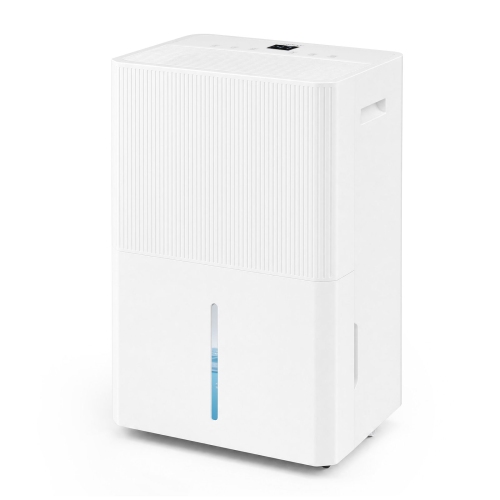
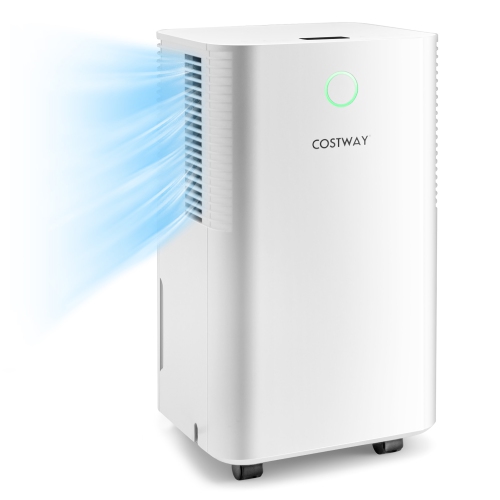
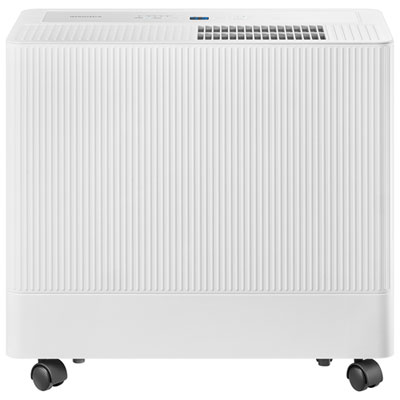
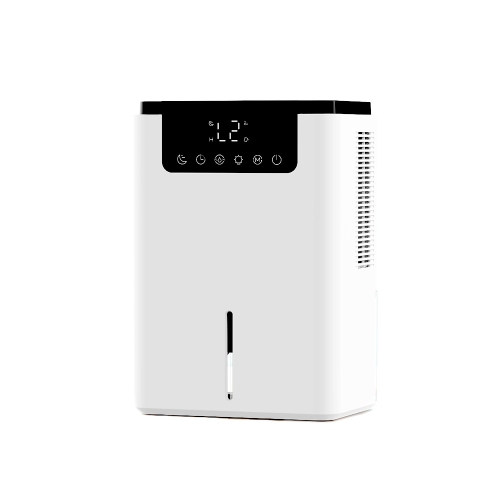
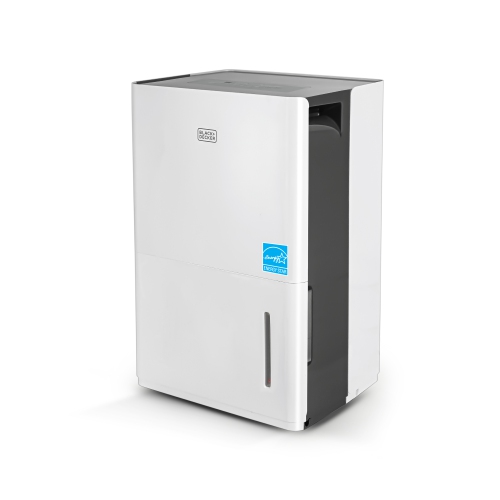
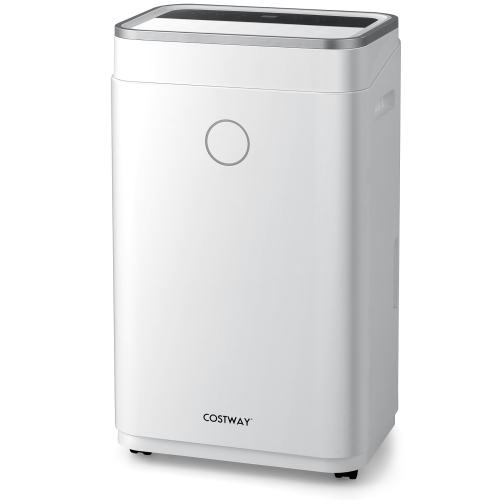
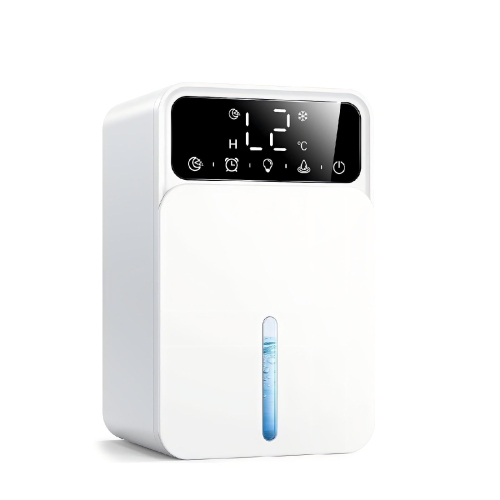
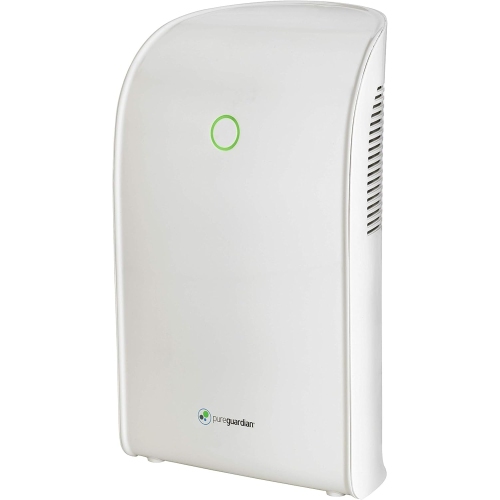
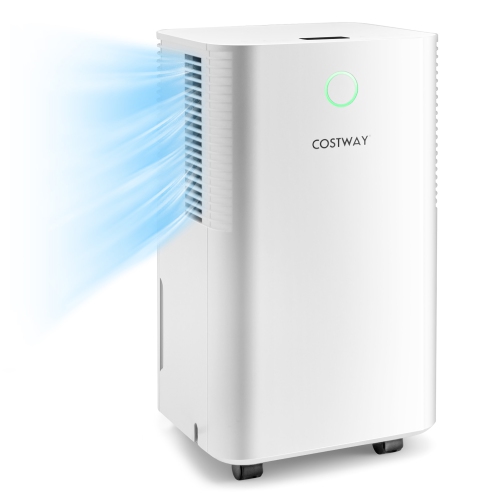
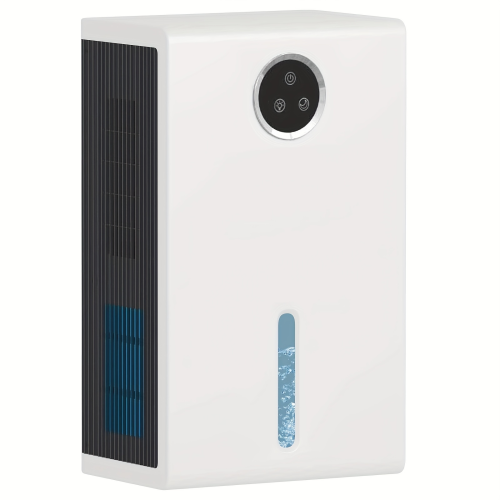
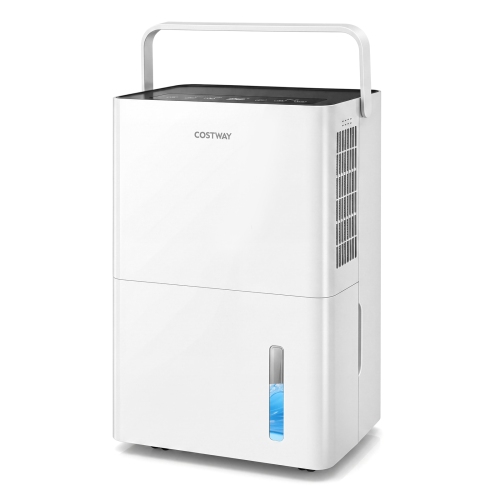
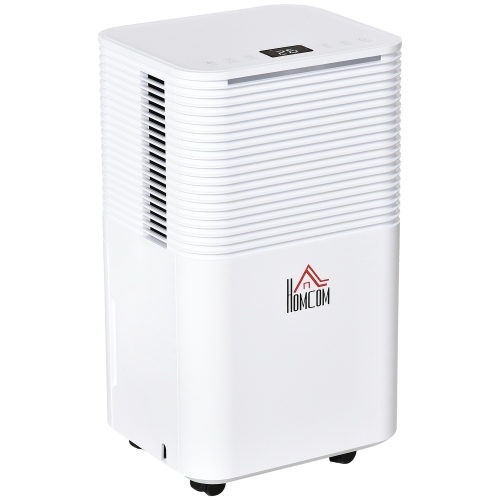
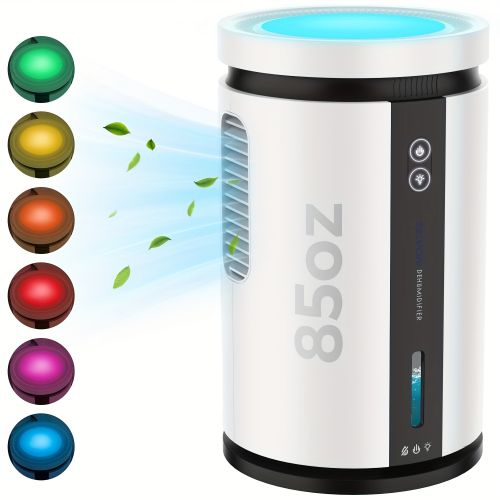
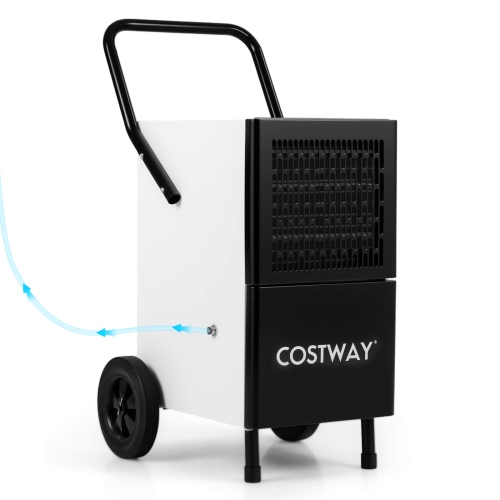
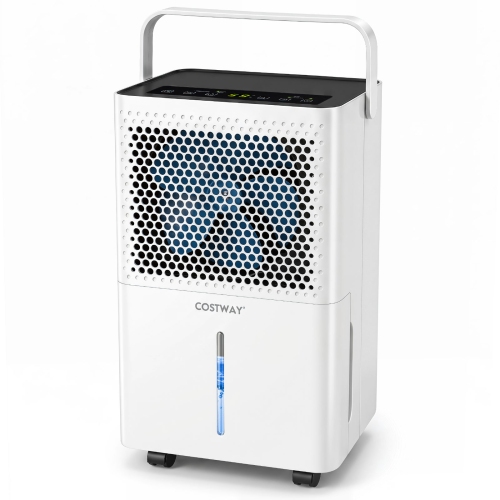
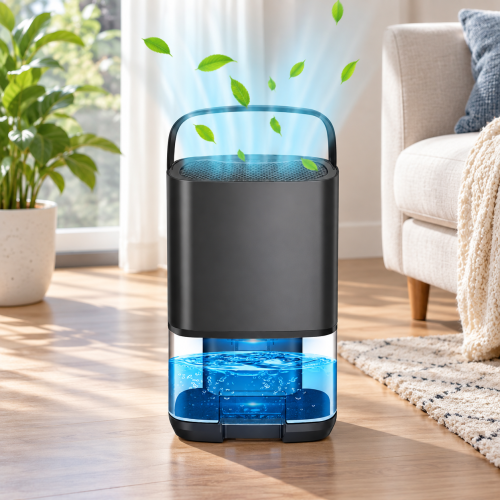
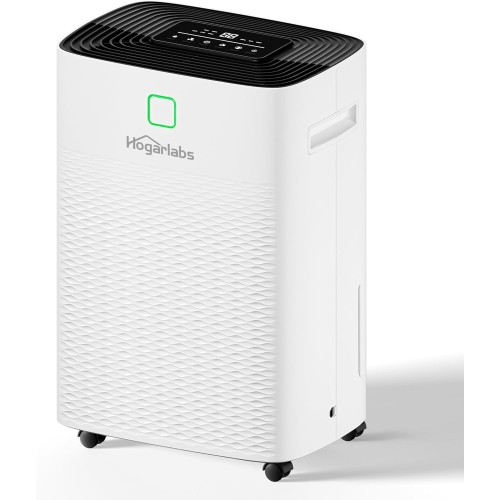
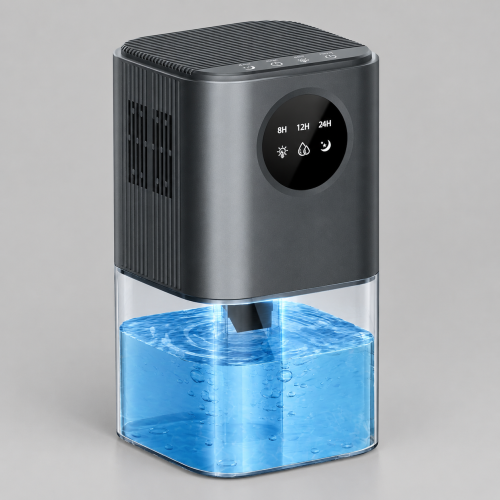
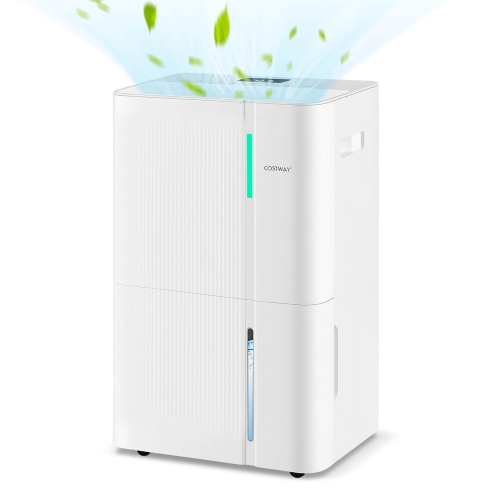
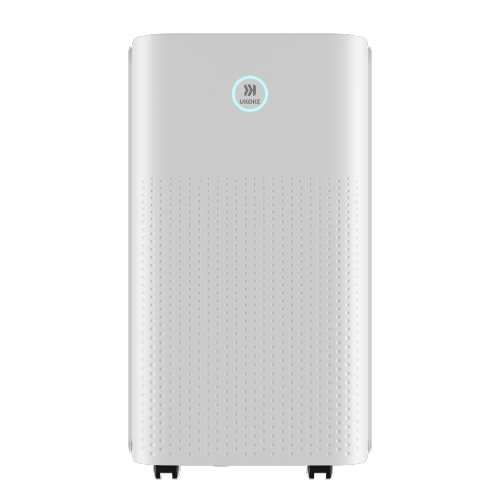
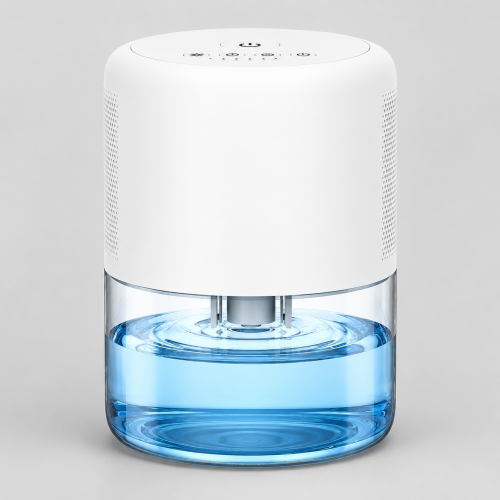
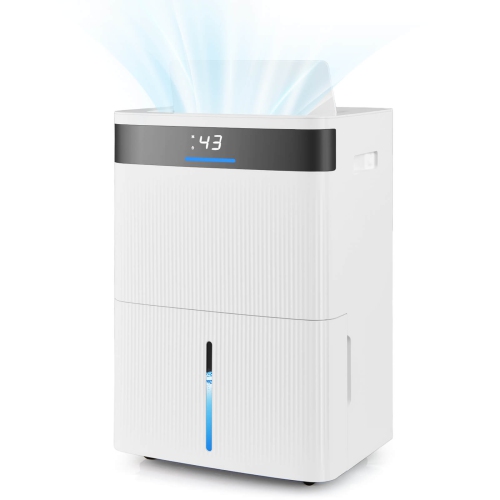
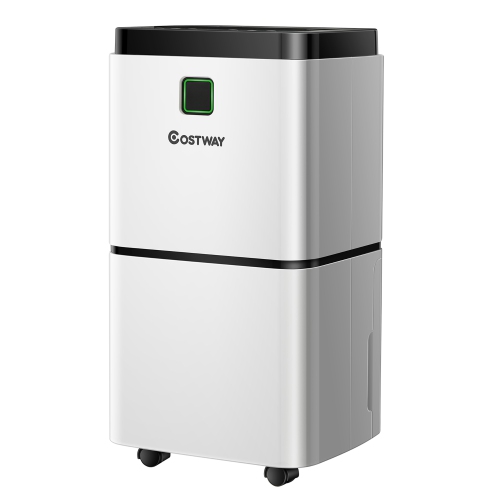
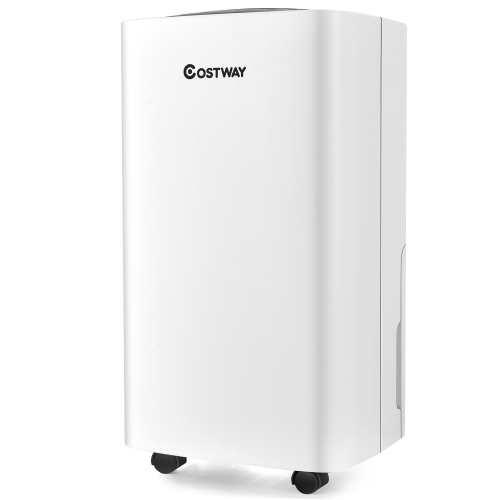
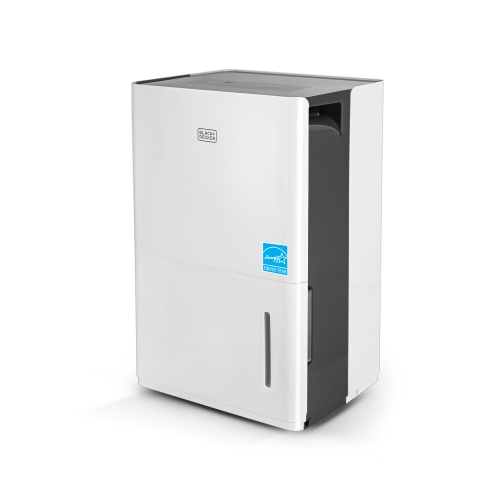
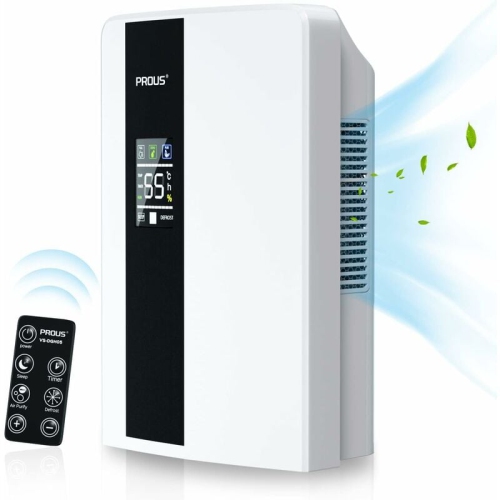
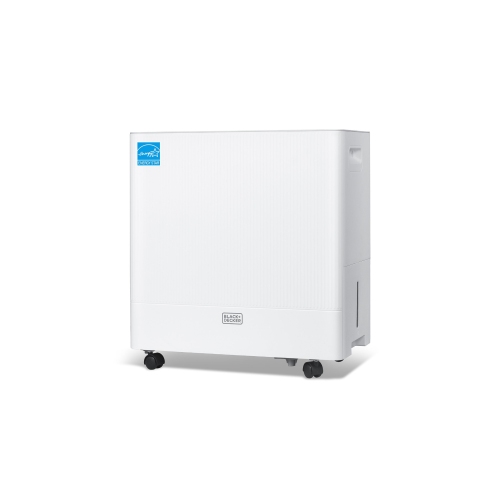

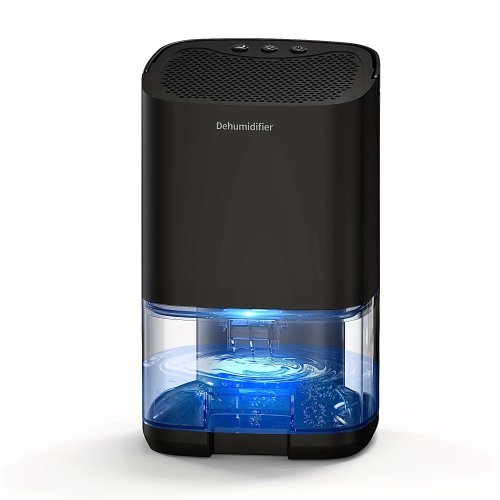
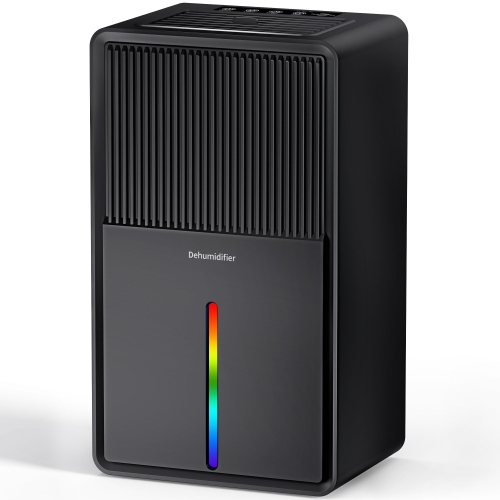
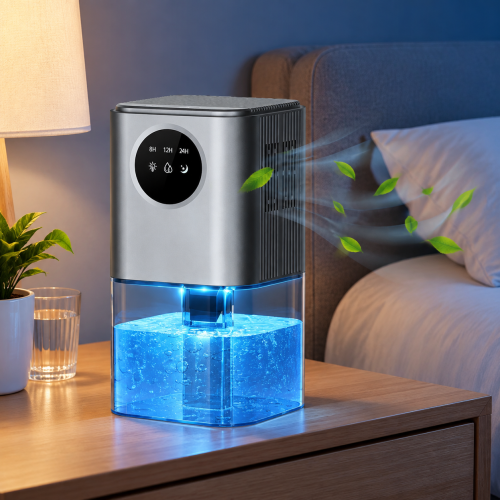
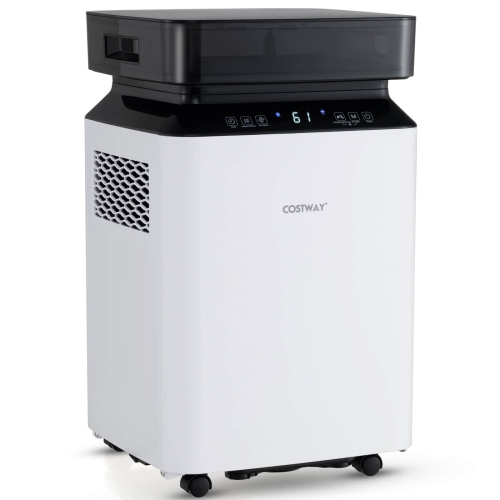

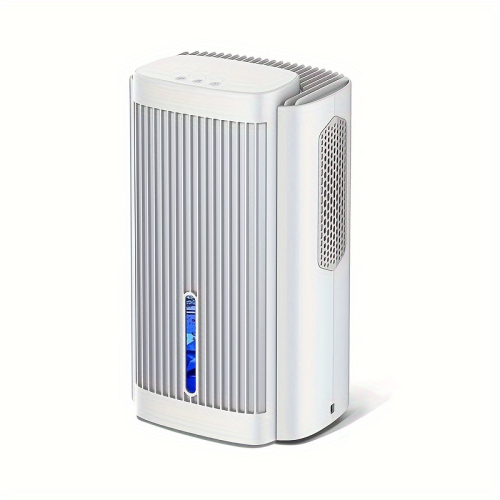
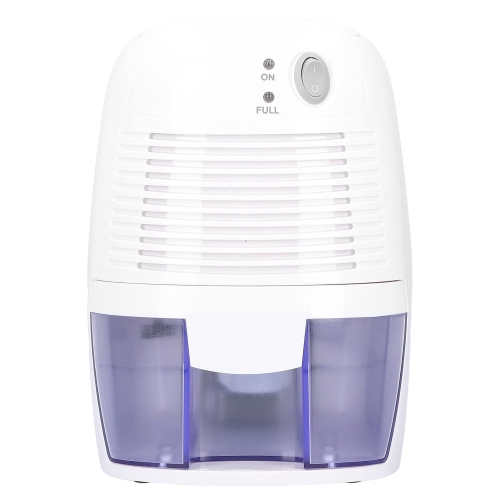
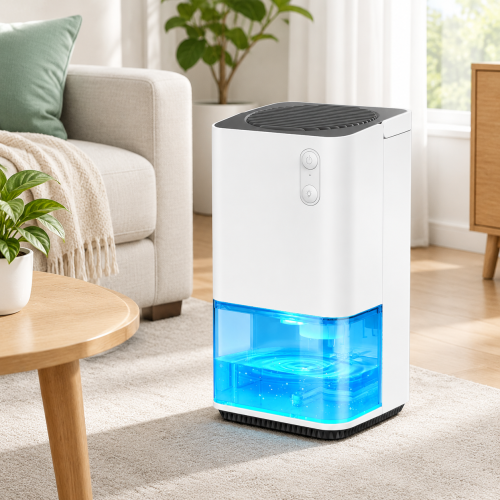
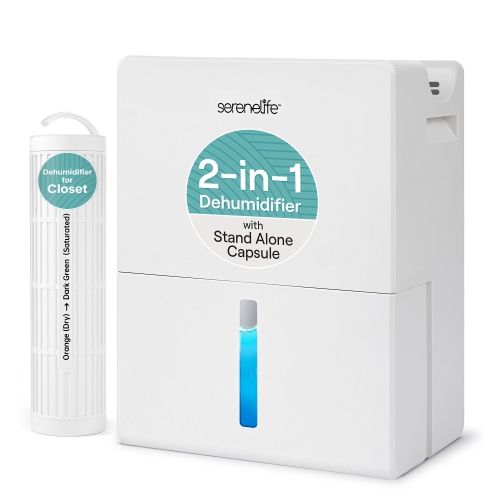
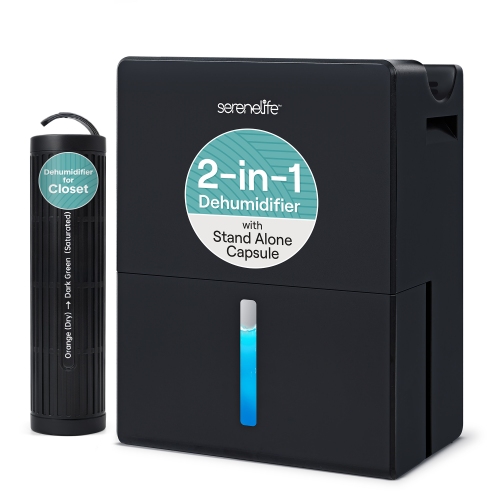
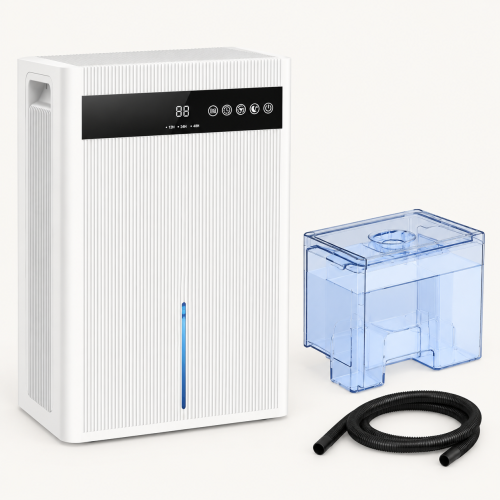
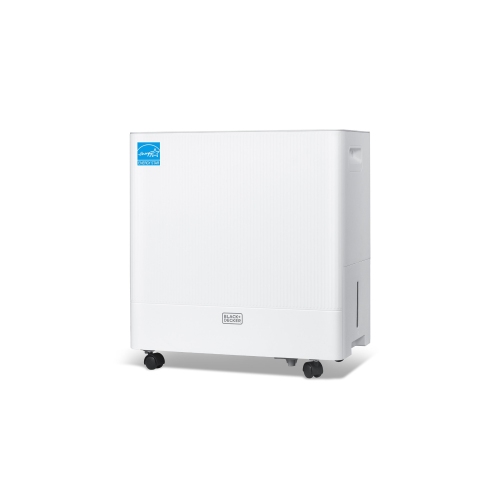
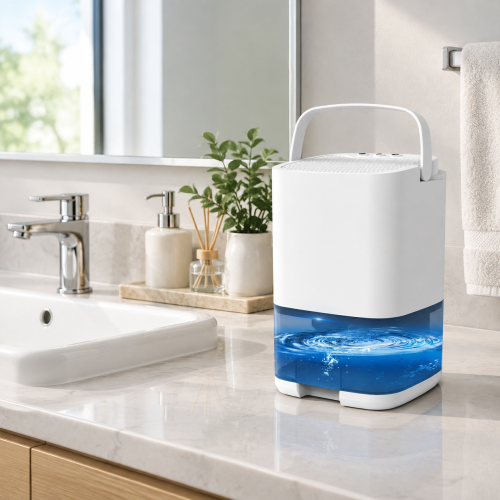
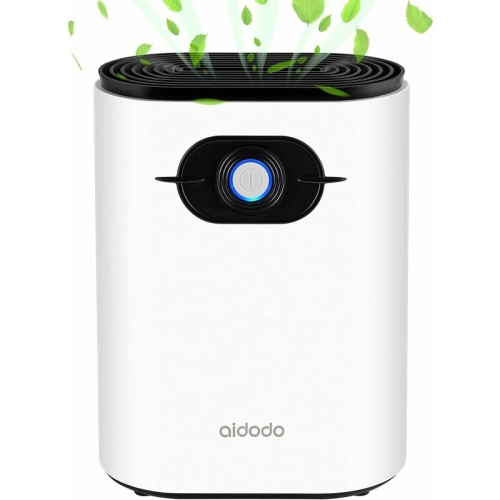
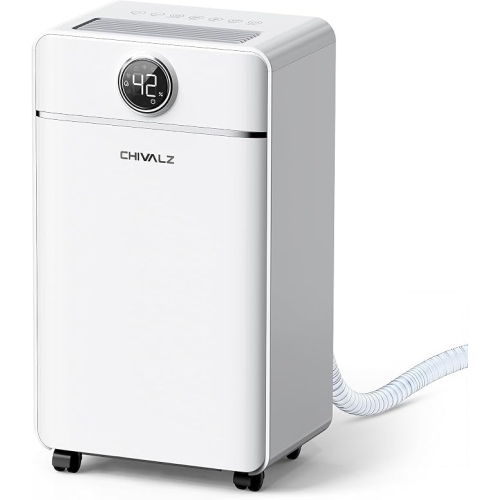
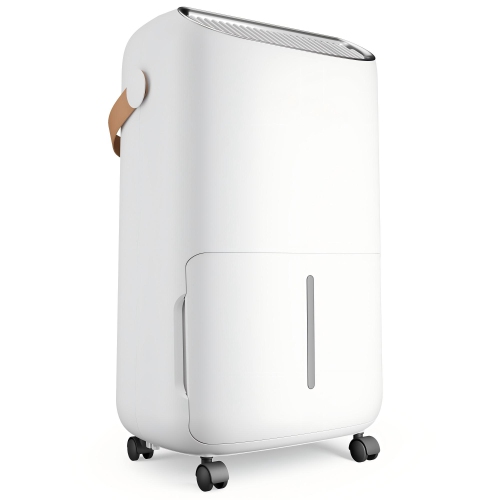
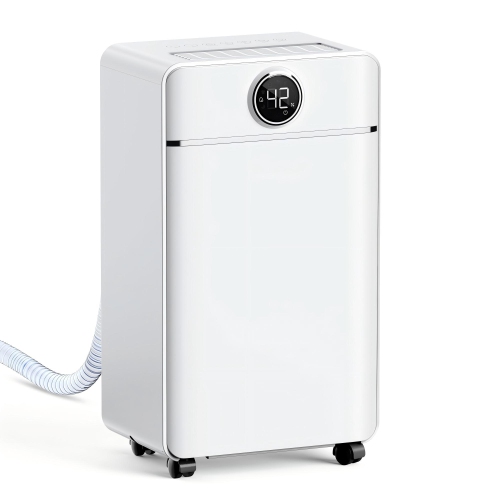
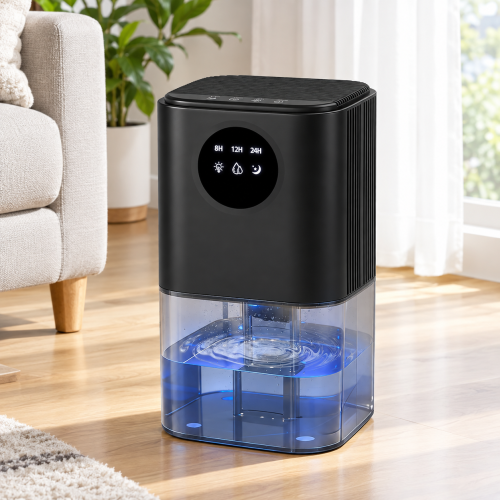
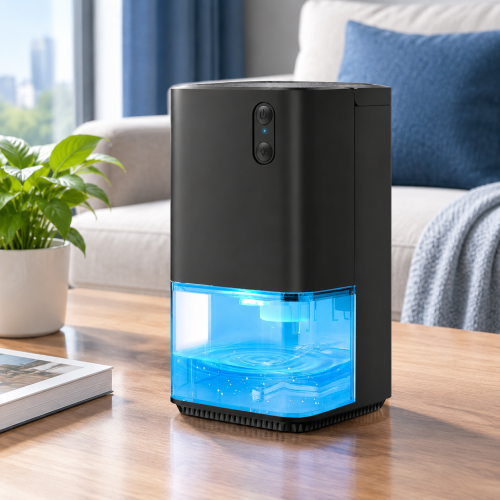
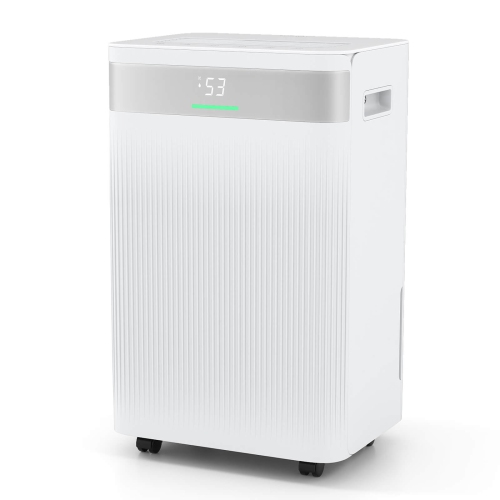
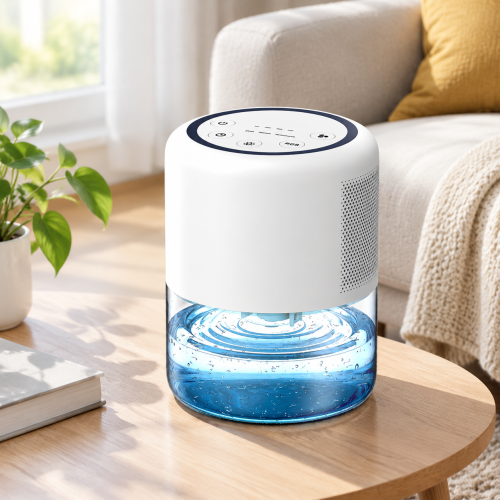
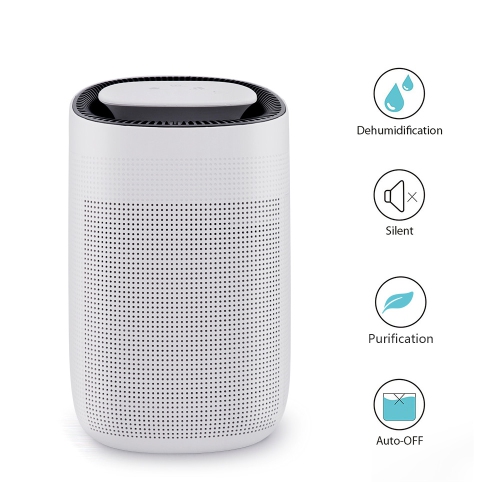
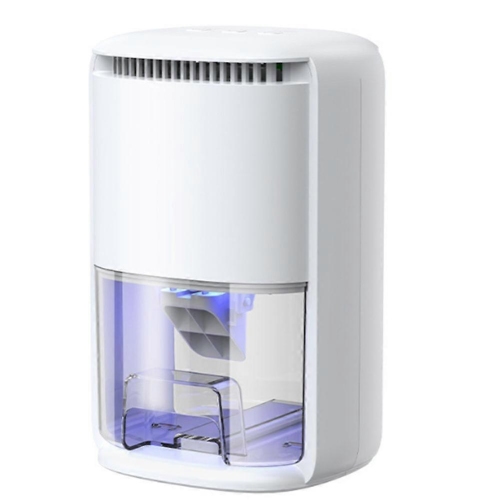
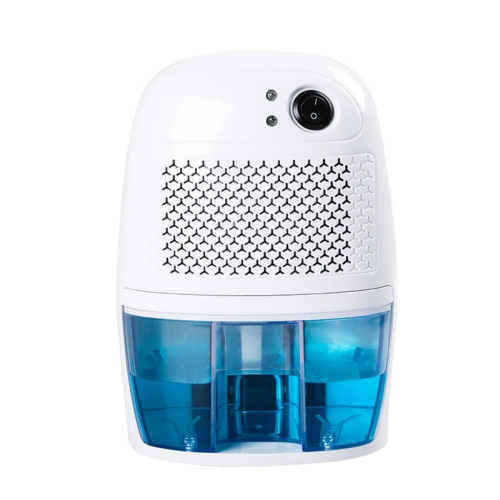
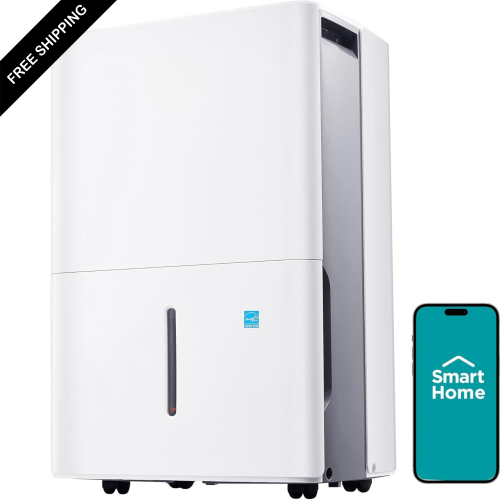
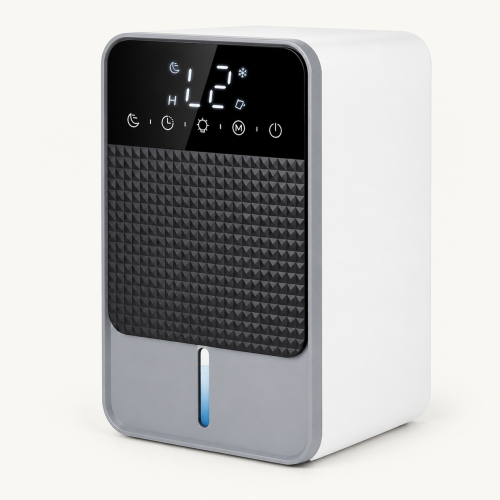
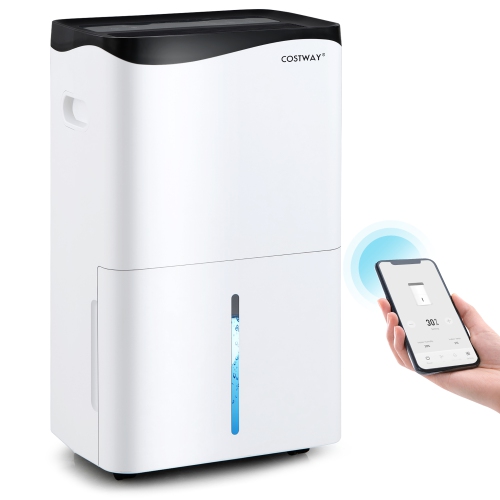
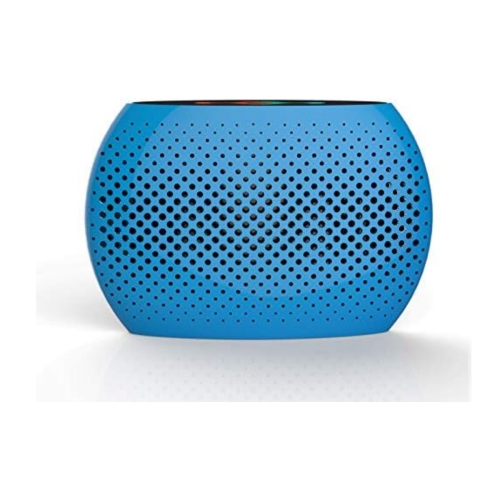
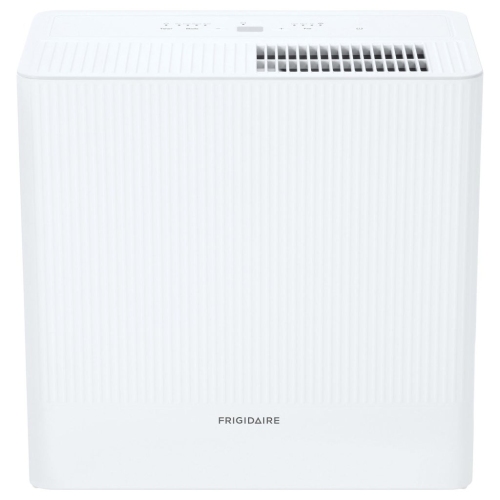
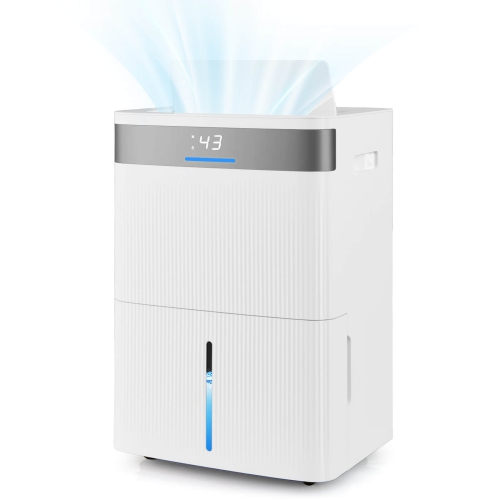
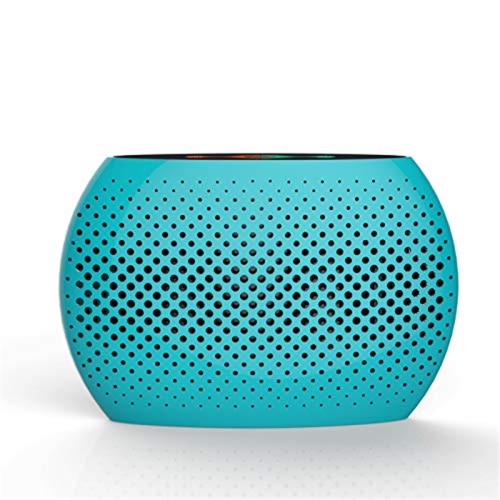

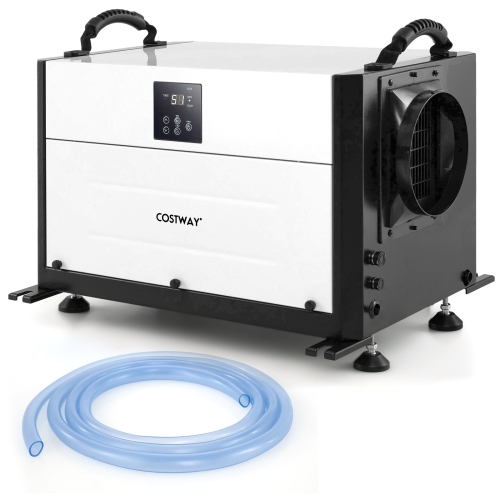
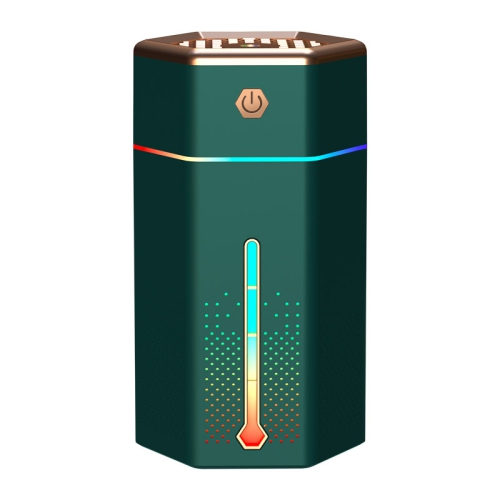
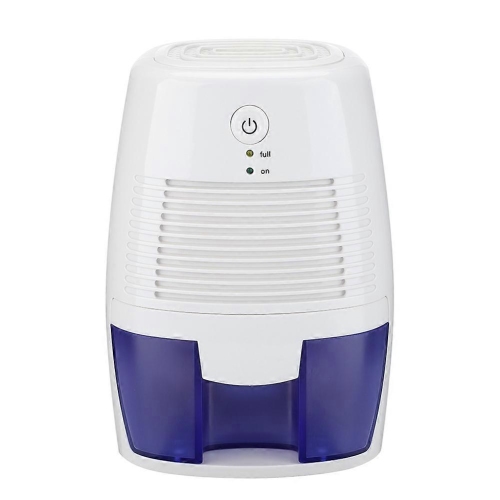
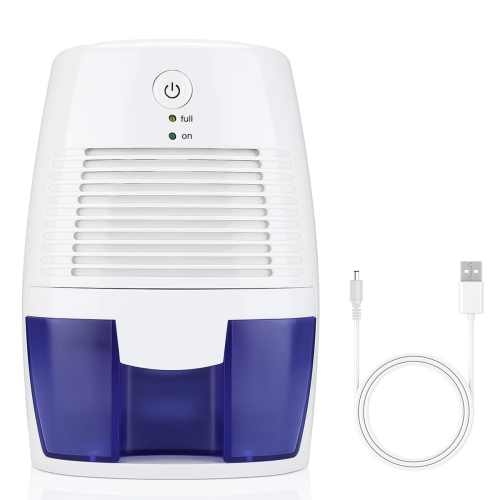
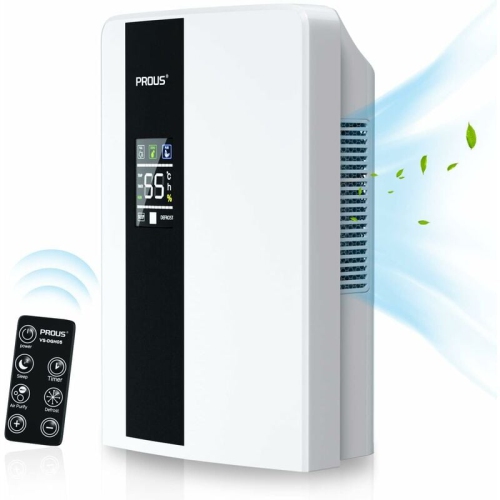
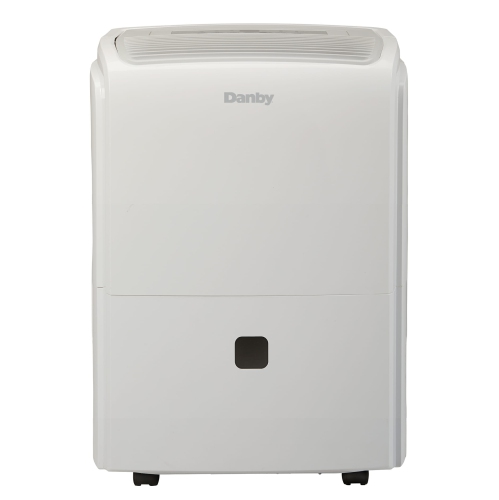
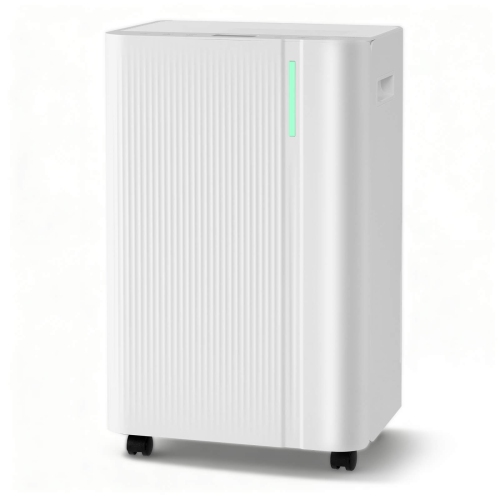
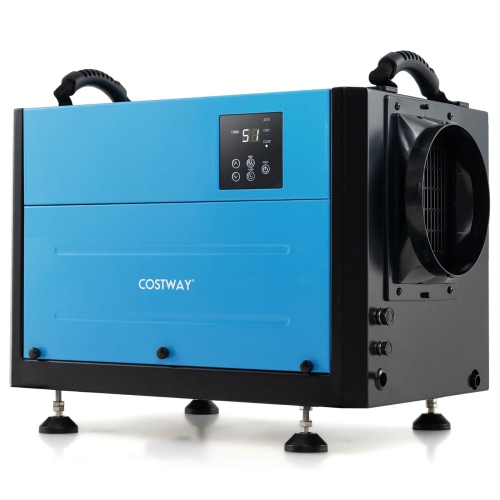
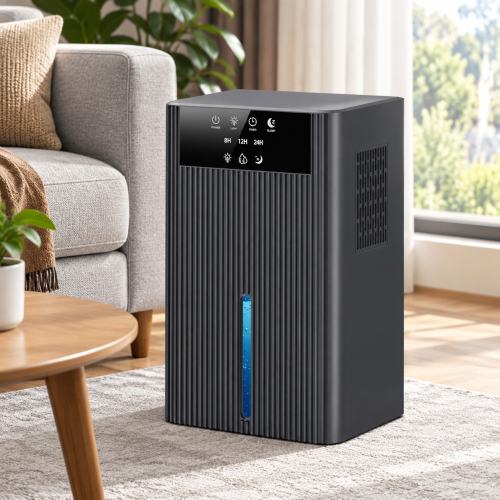
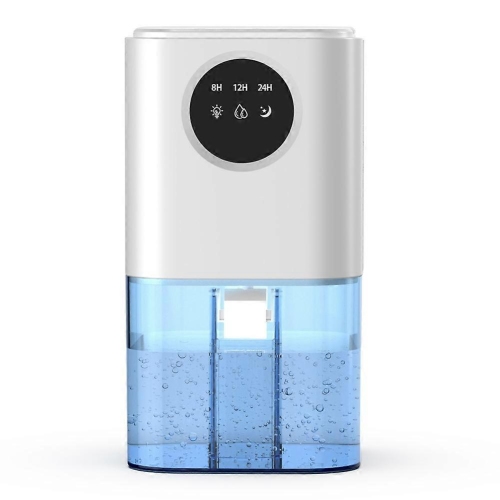
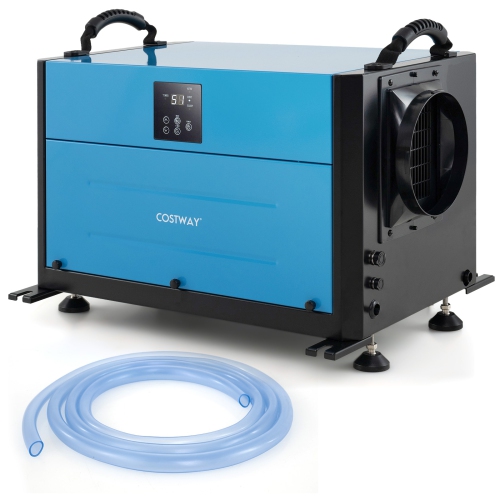
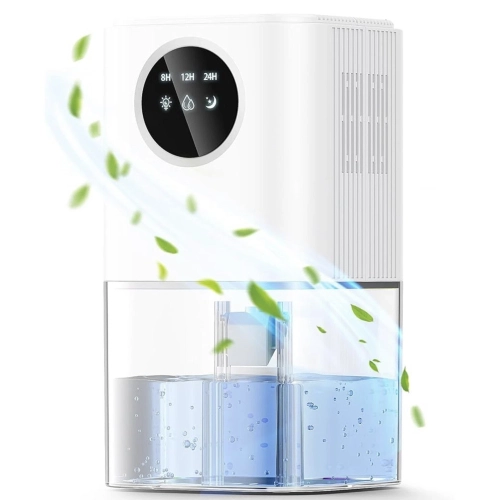
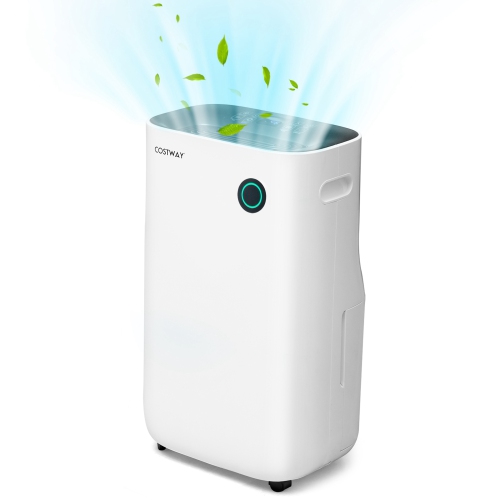
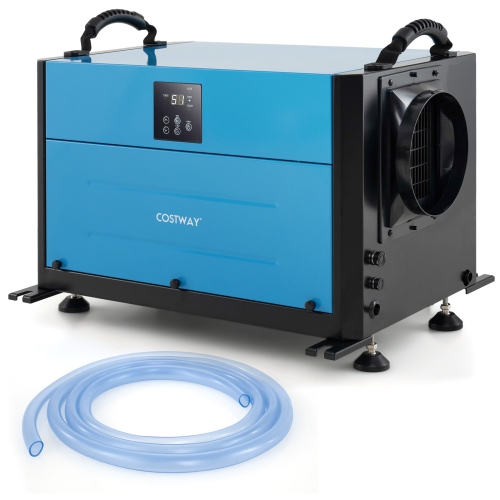
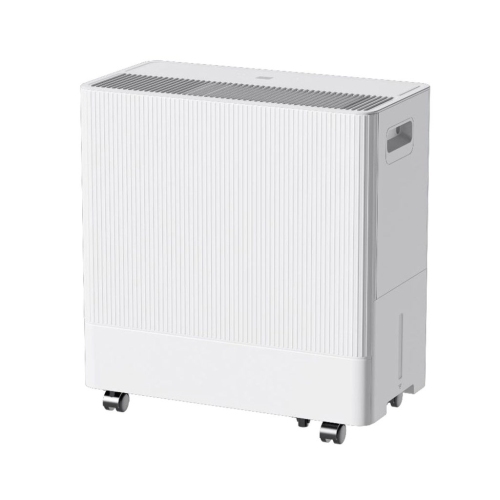
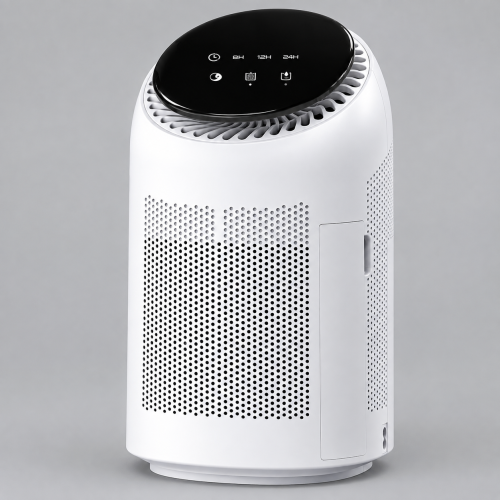
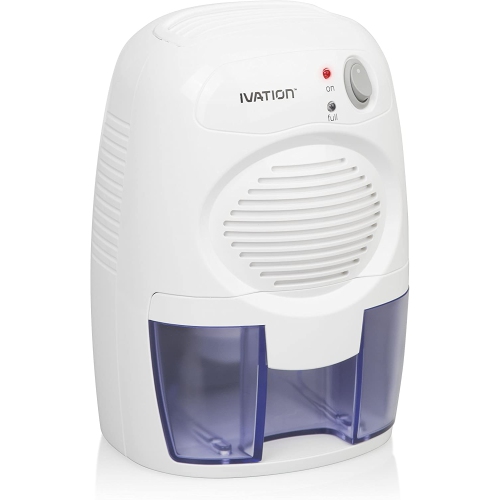
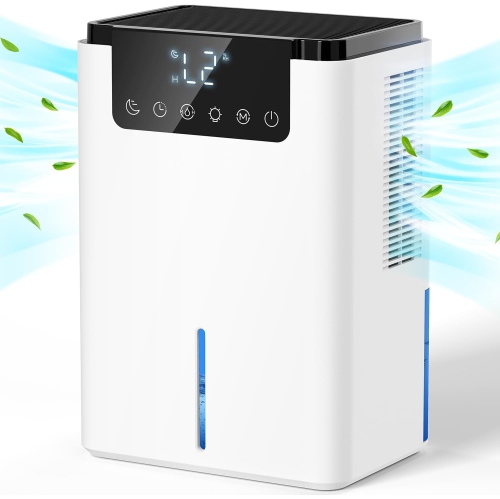
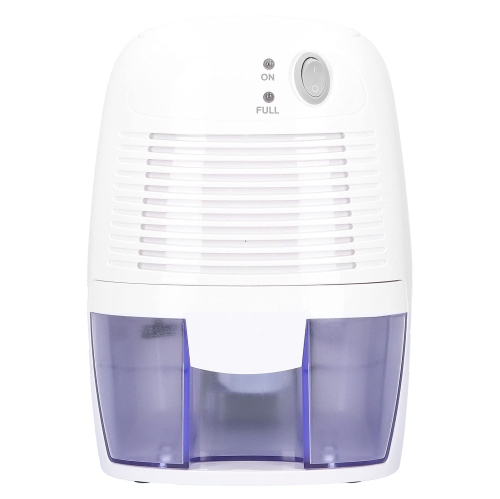
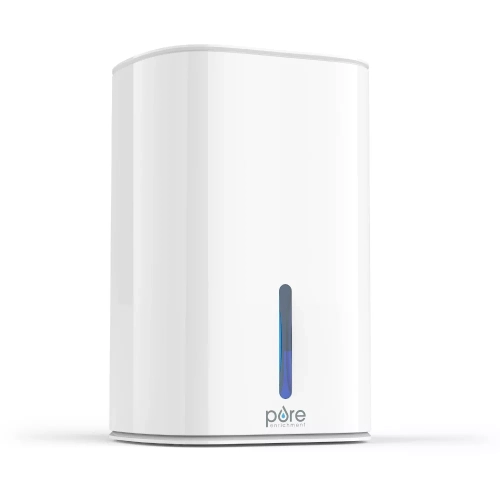
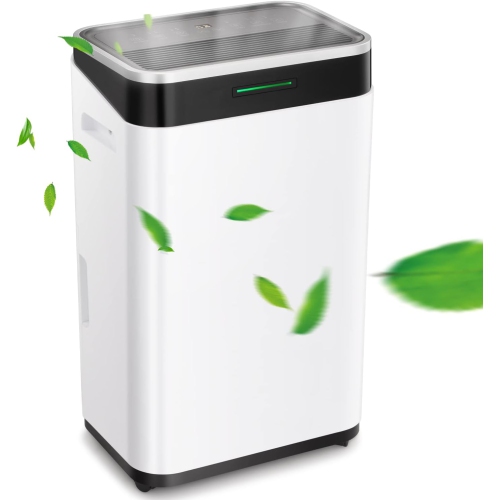
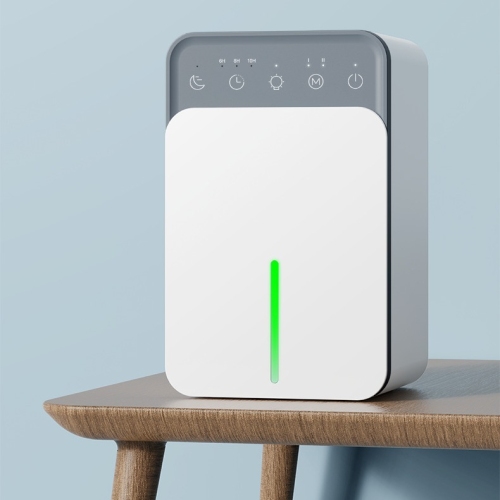
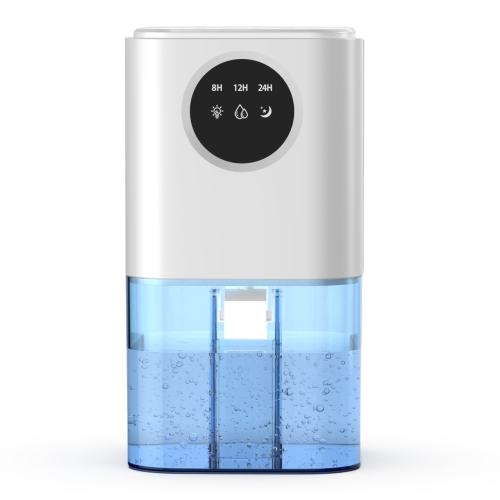
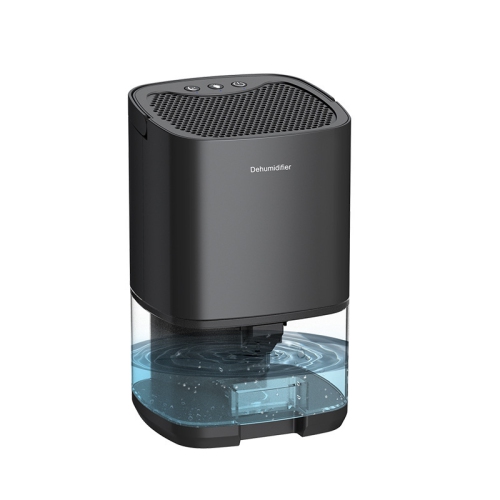
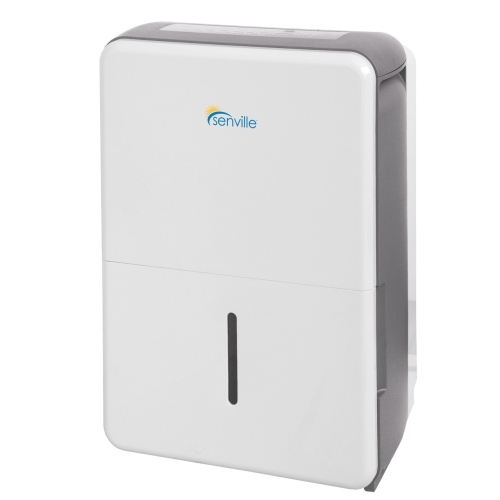
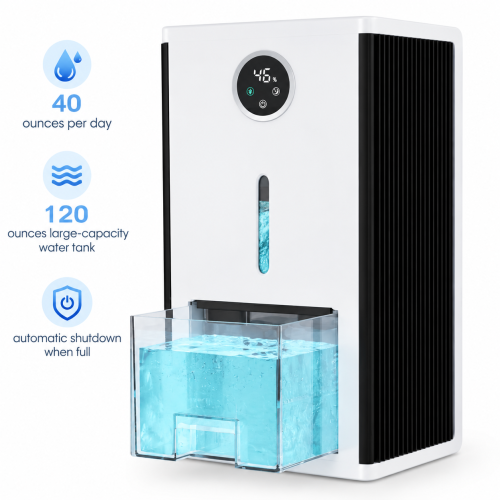
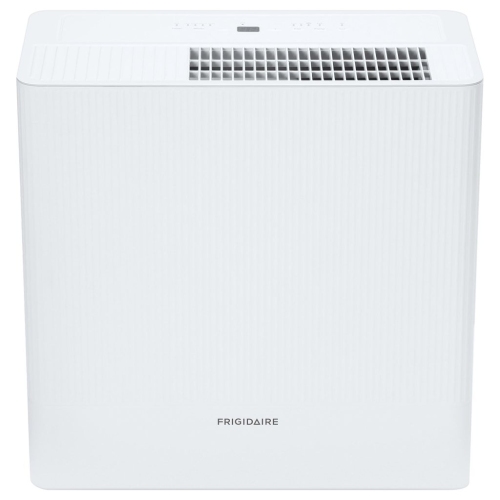
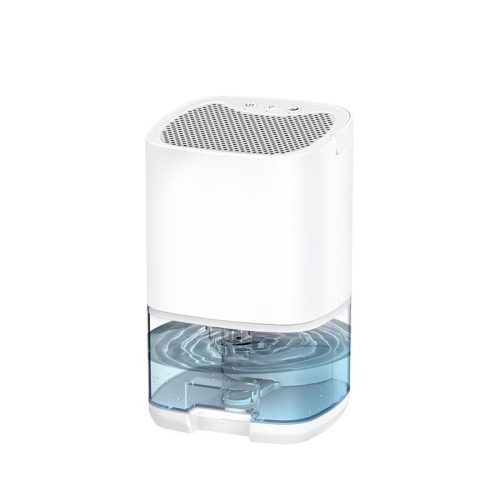
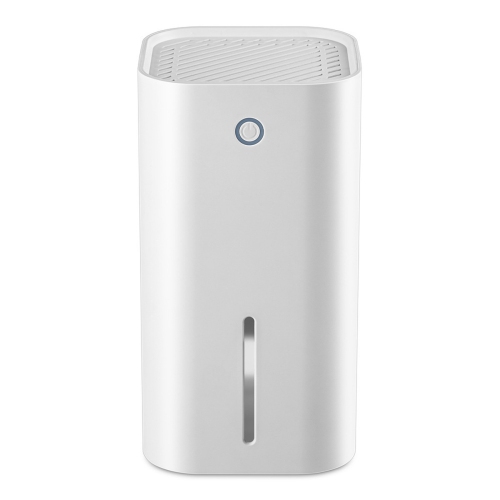
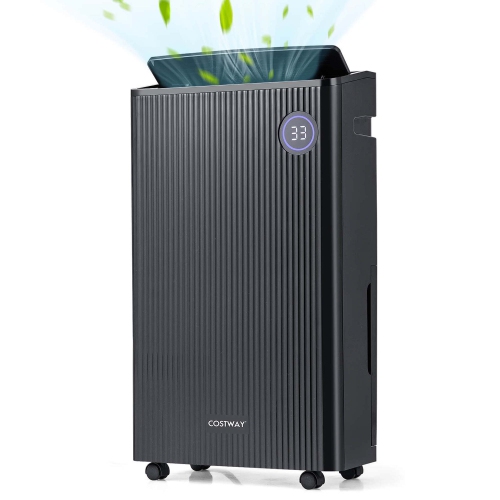
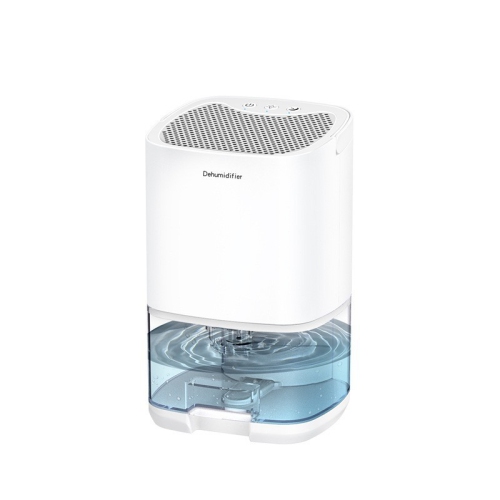
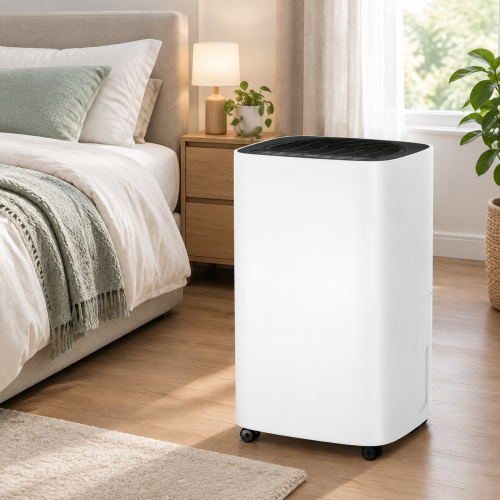
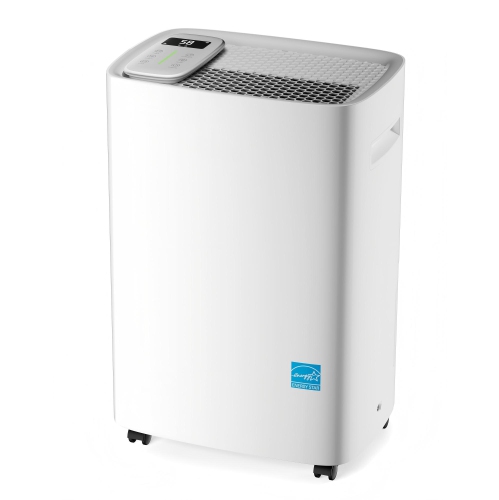
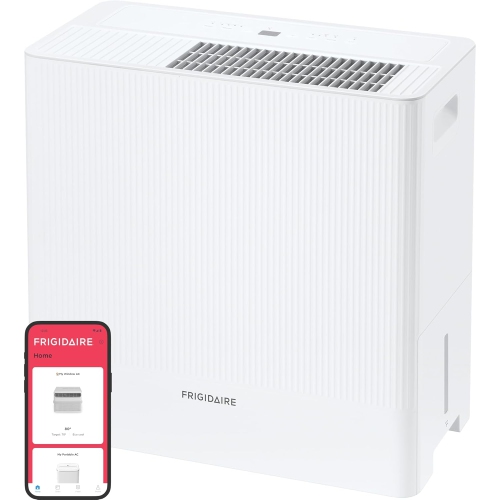
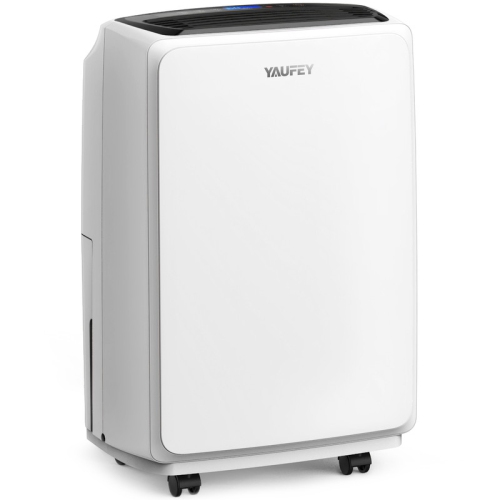
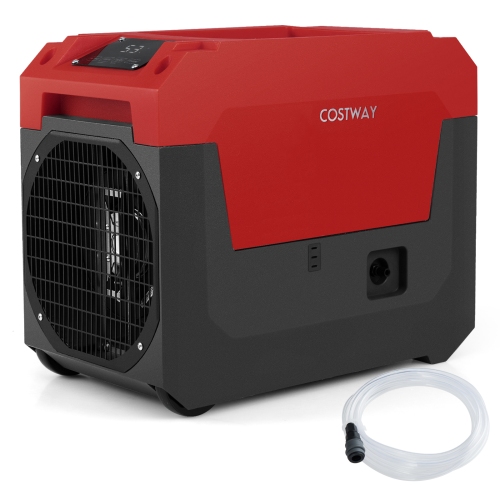
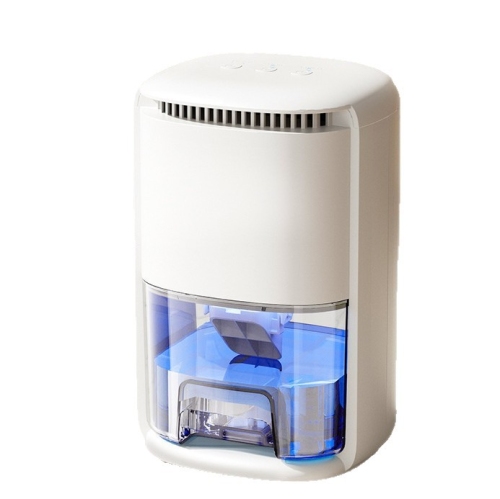
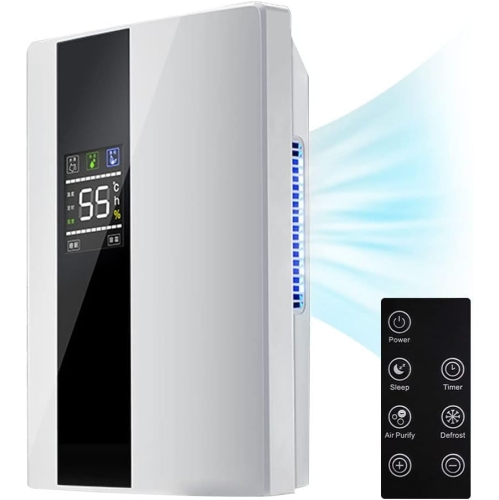
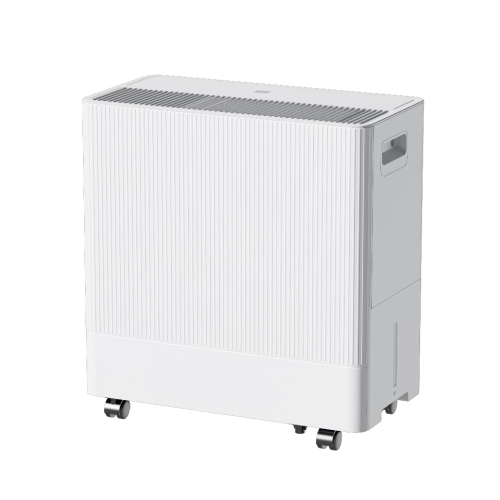
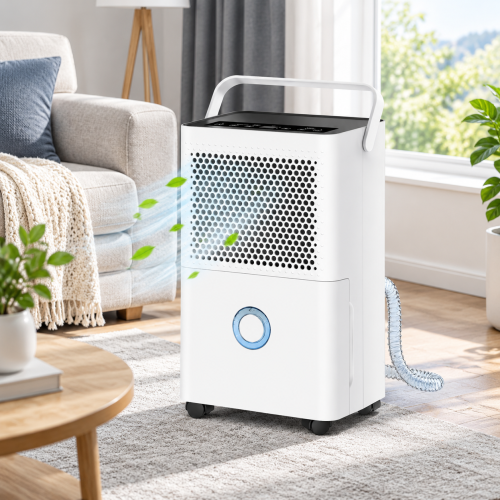
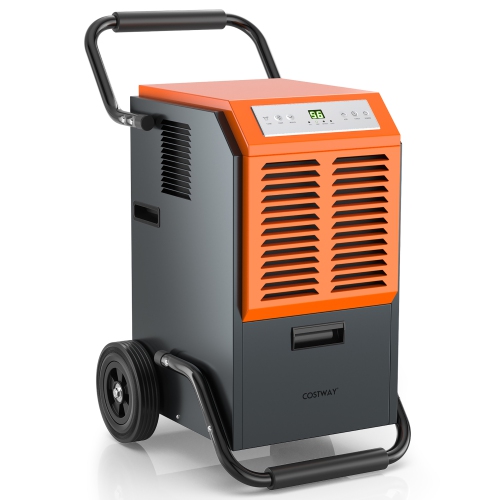
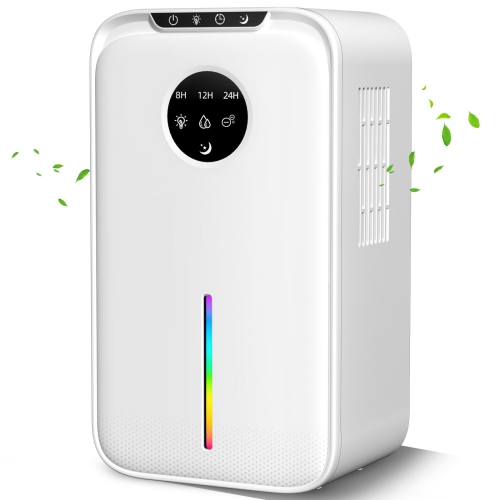
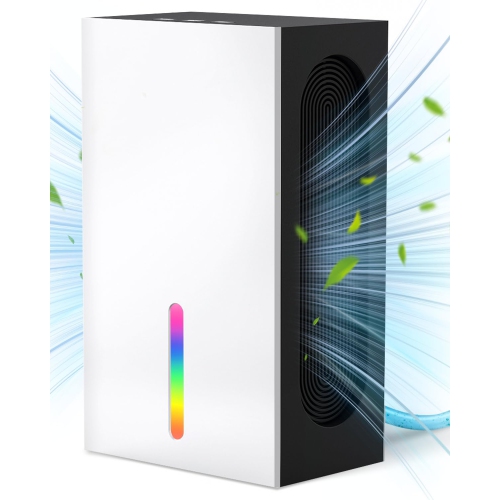
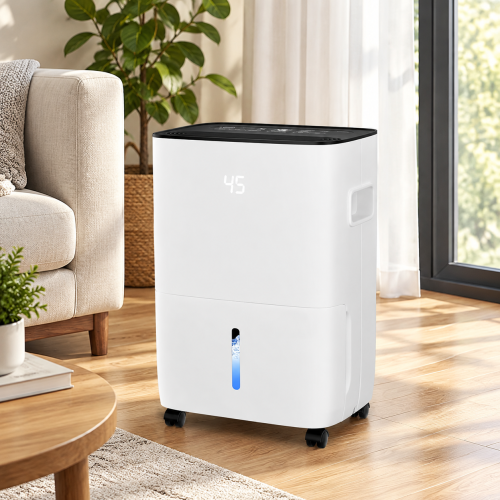
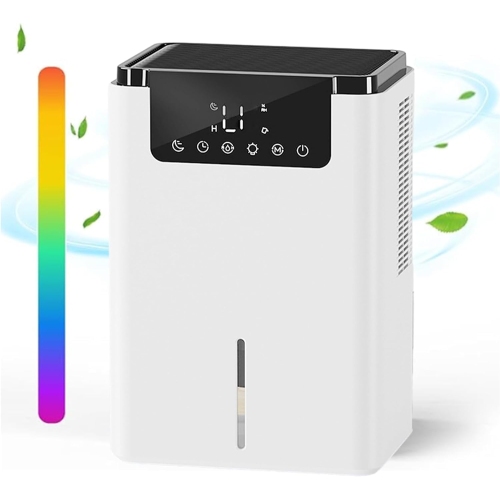
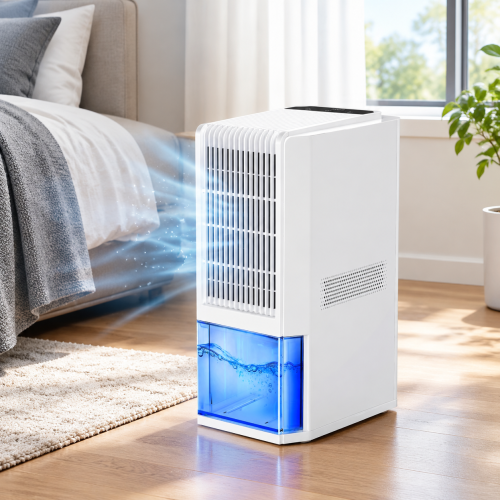
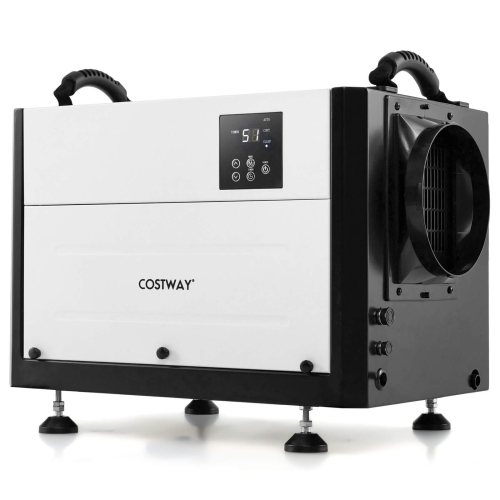
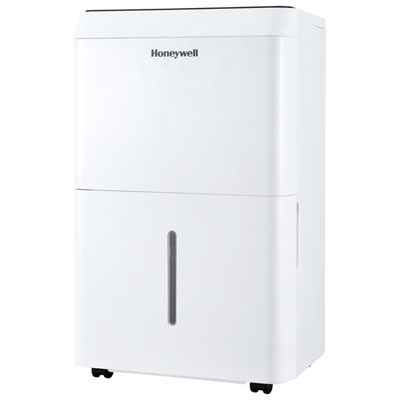
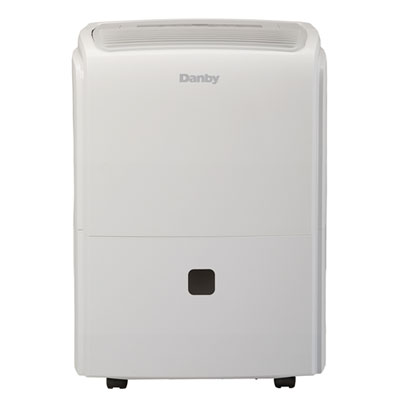
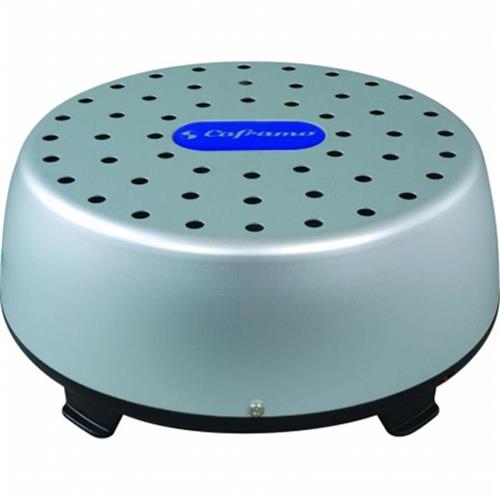
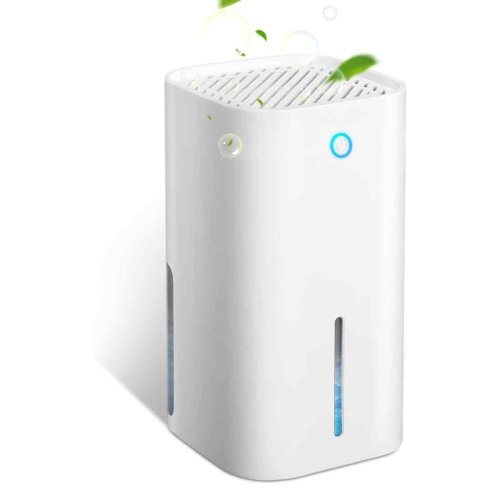
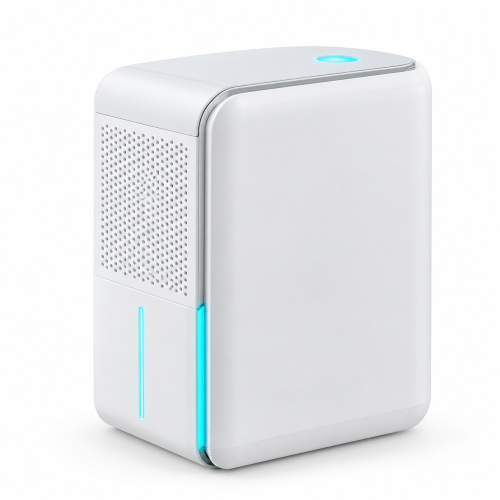
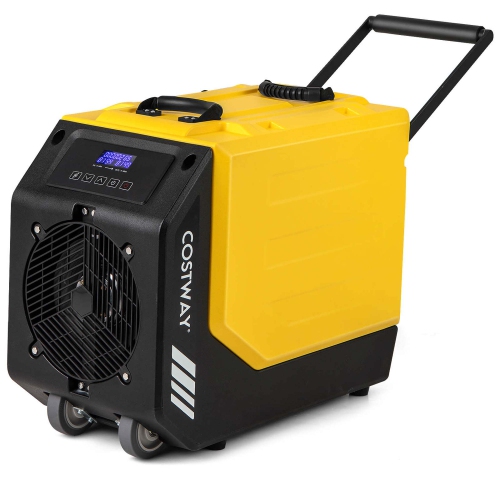
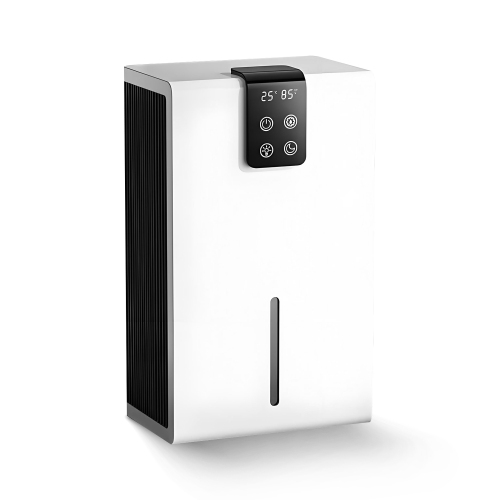
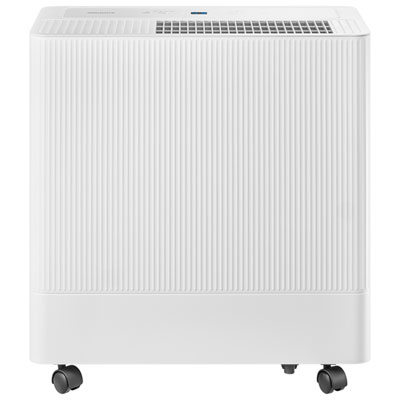
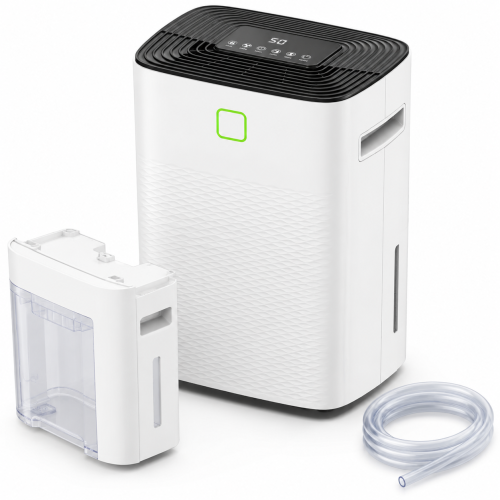
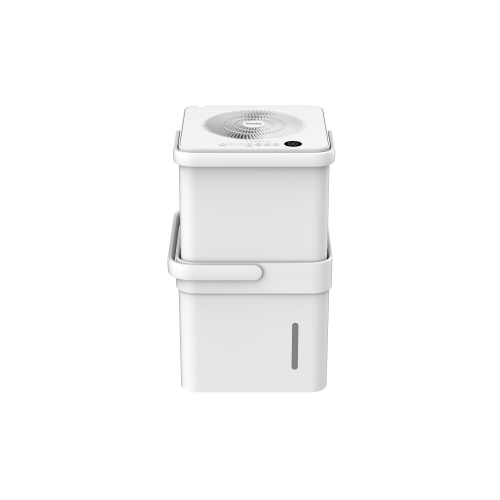
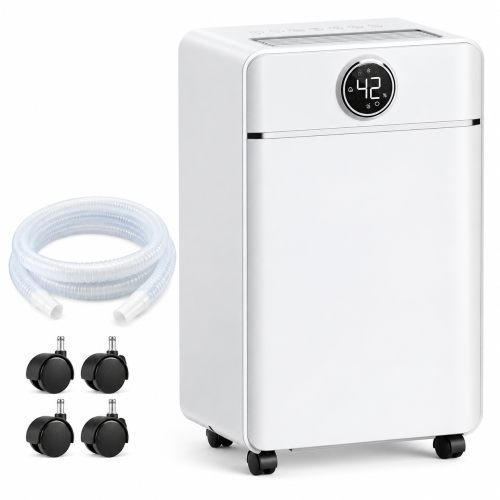
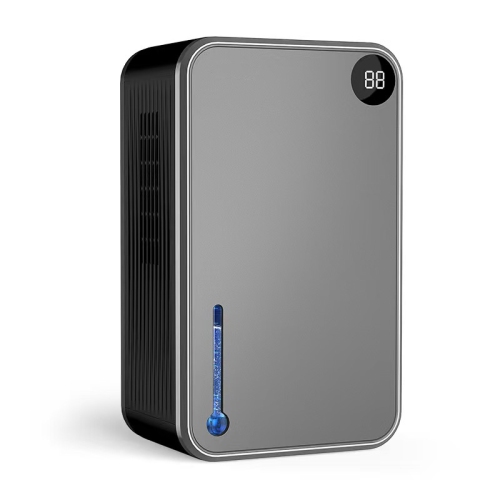
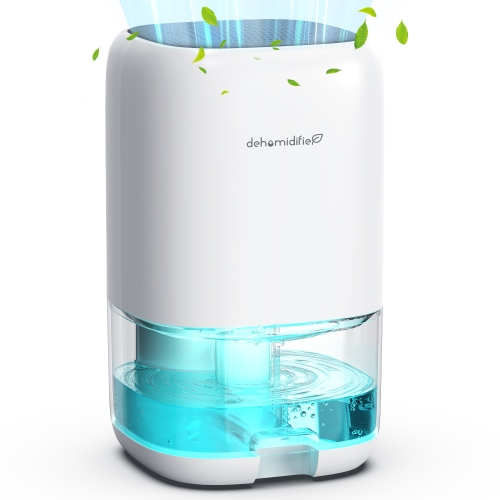
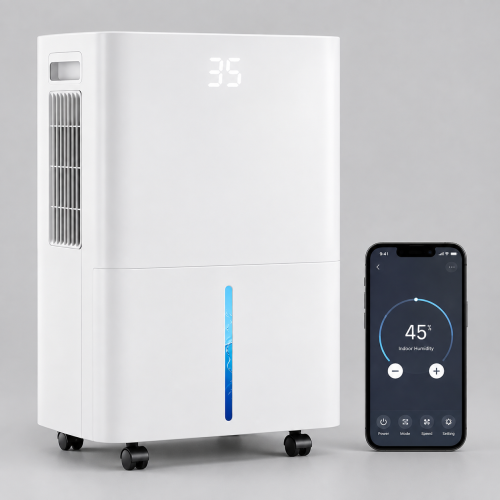
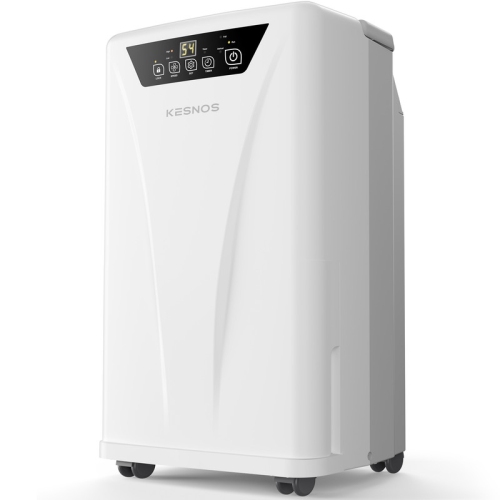
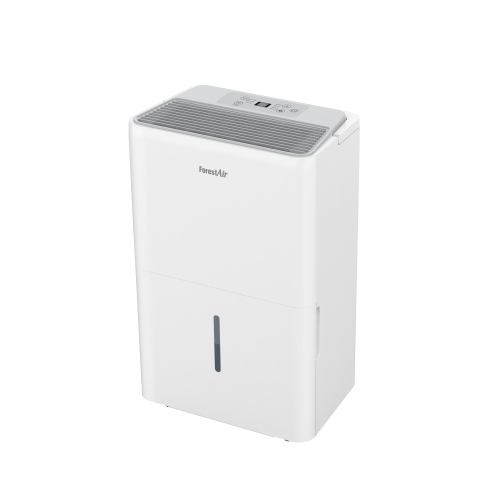
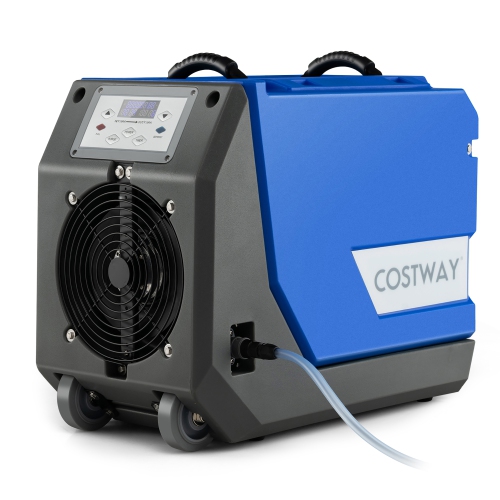
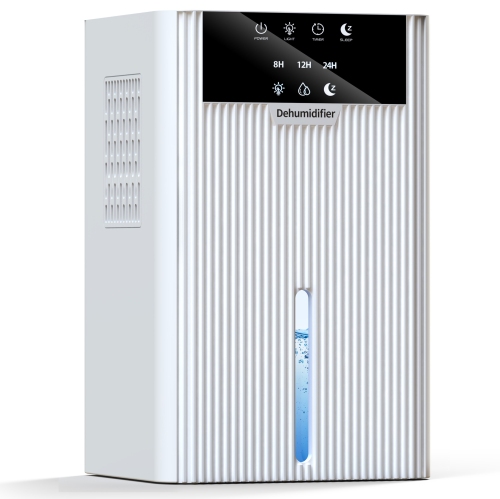

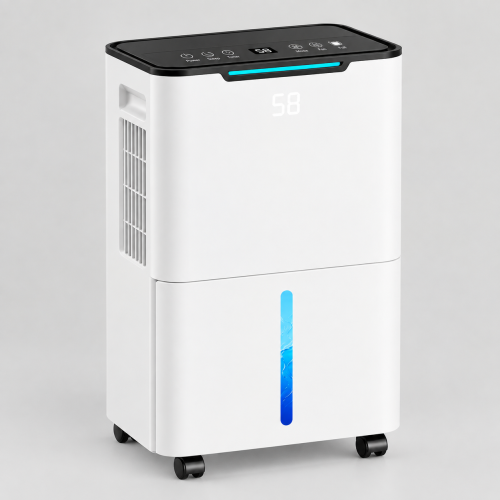
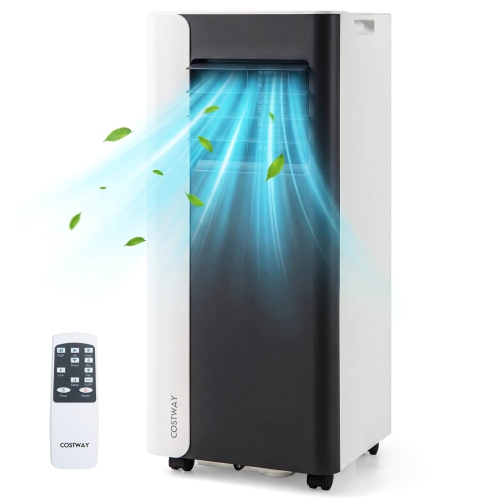
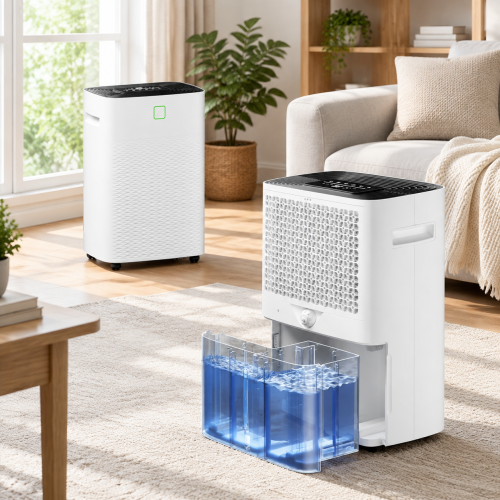
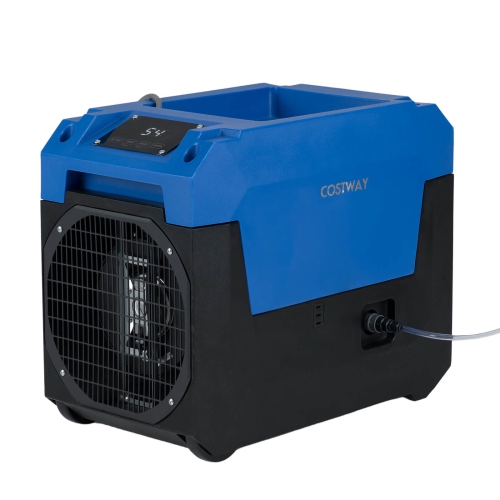
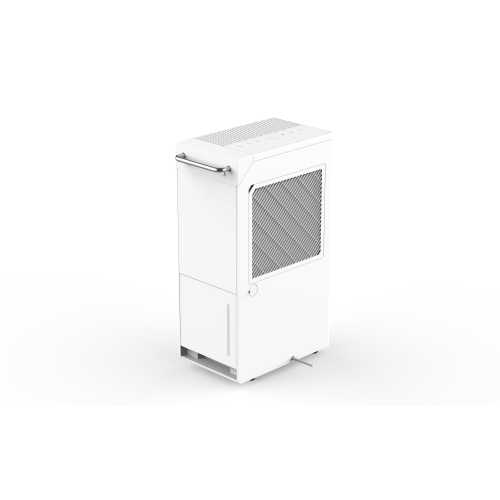
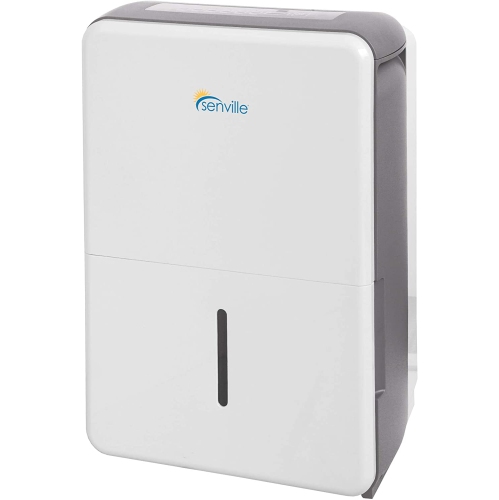
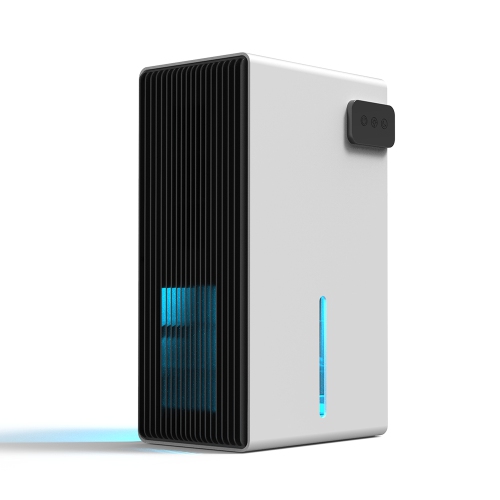

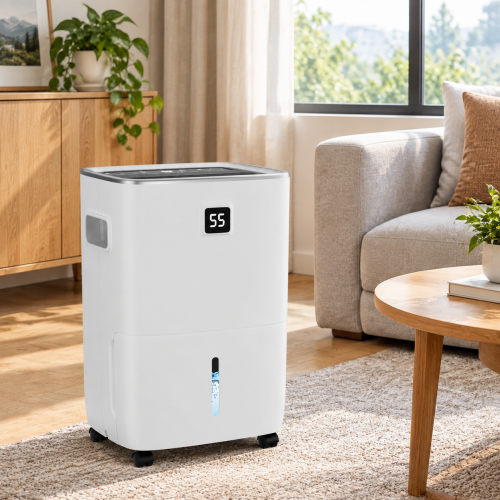
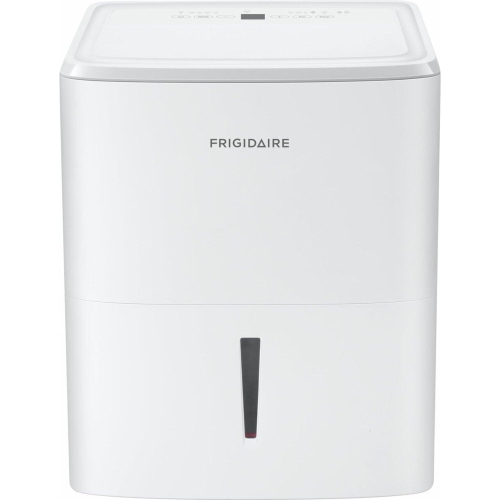
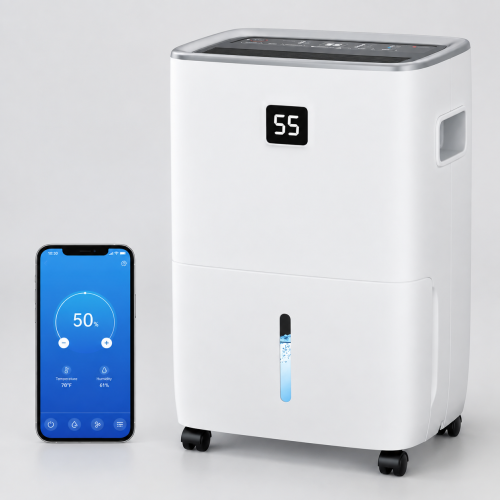
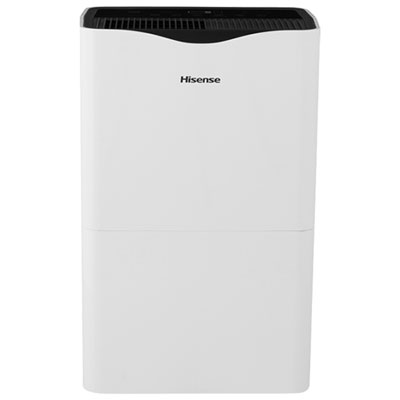

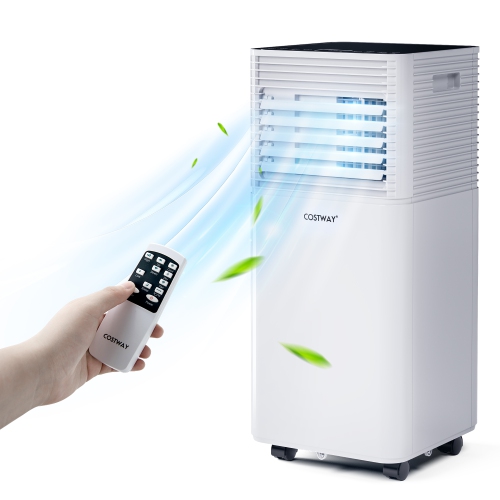
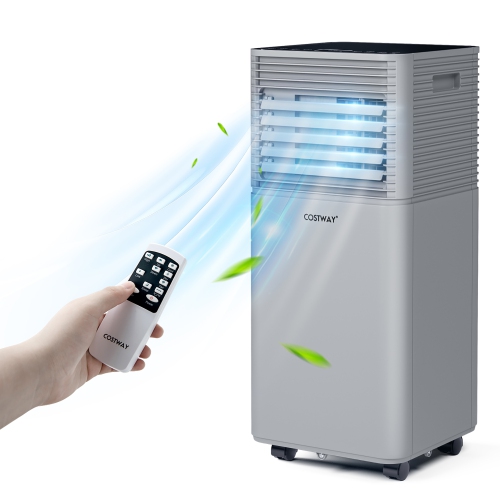
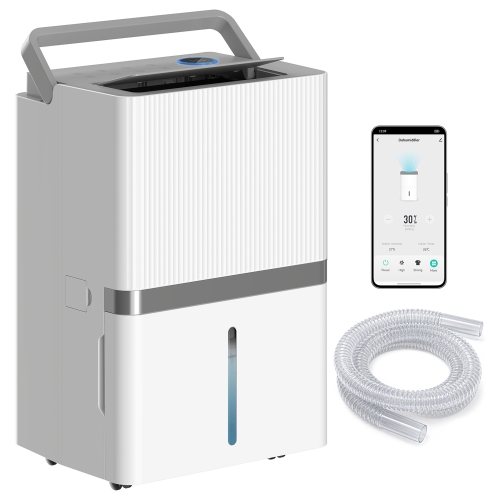
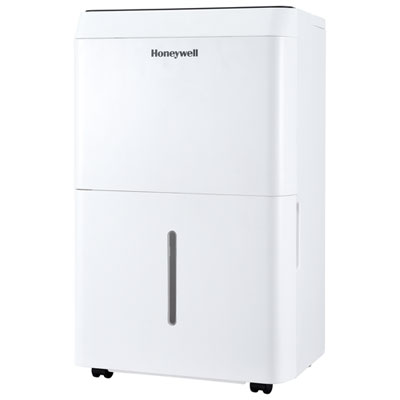
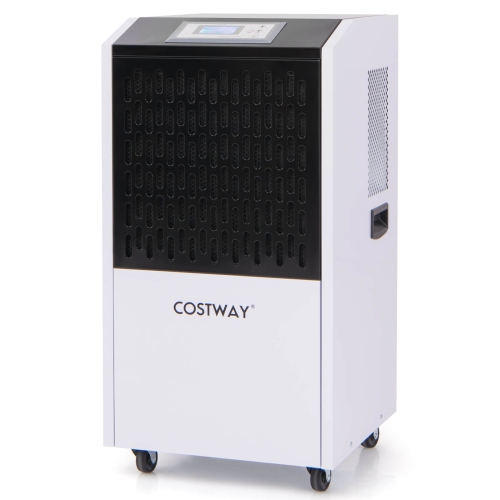
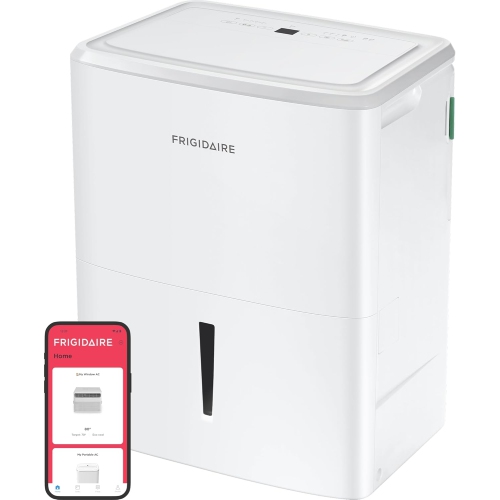
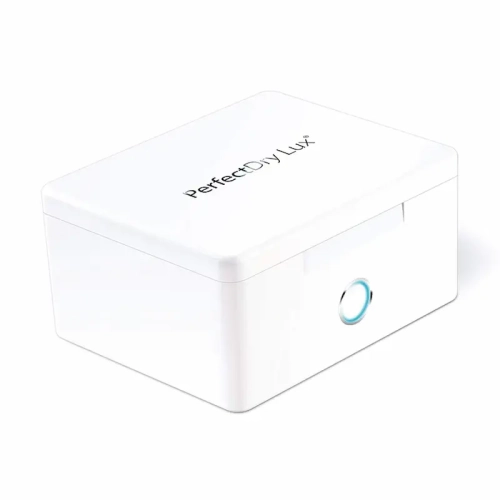

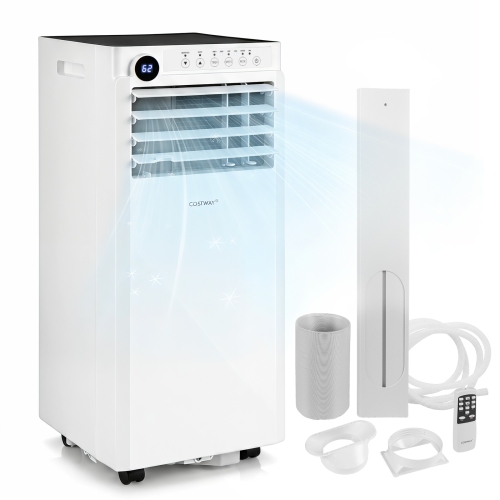

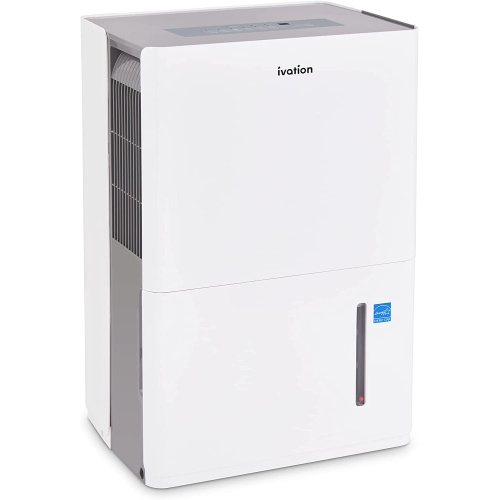
Small-space moisture control without the cost of full-size units
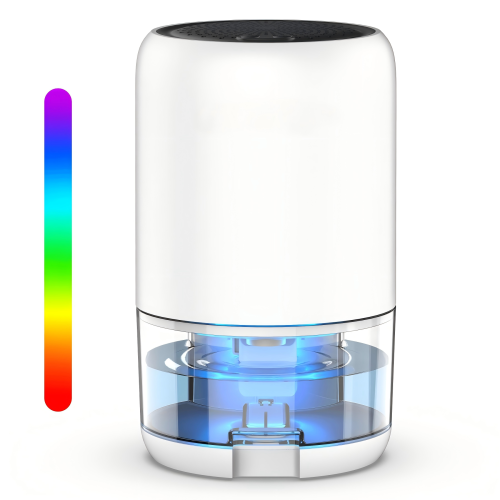
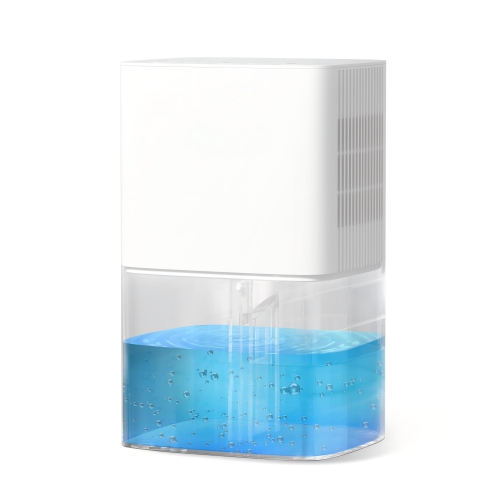
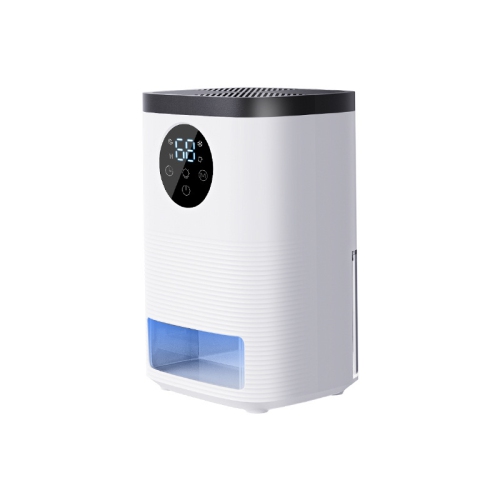
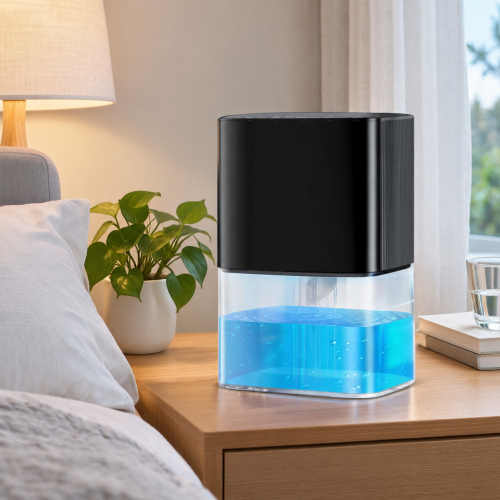
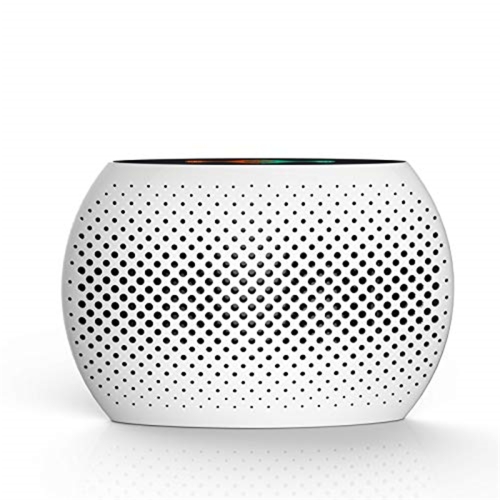
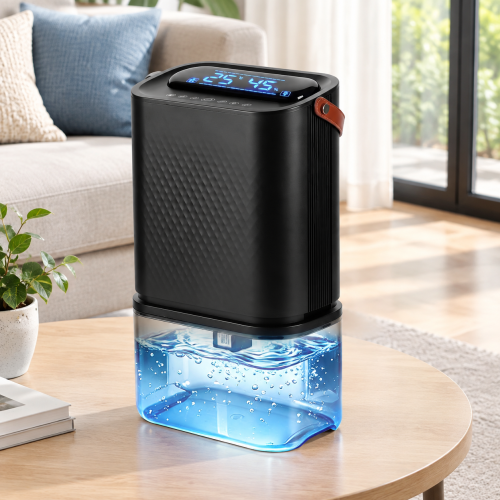
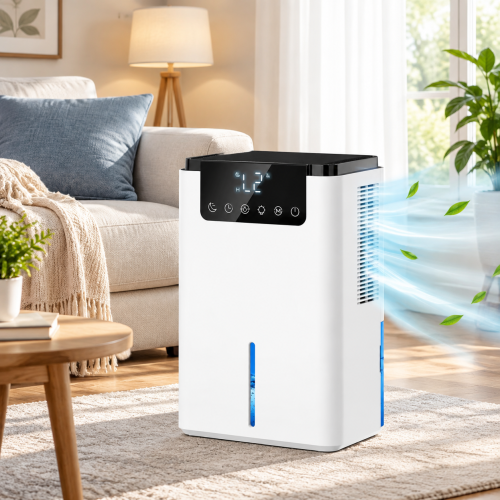
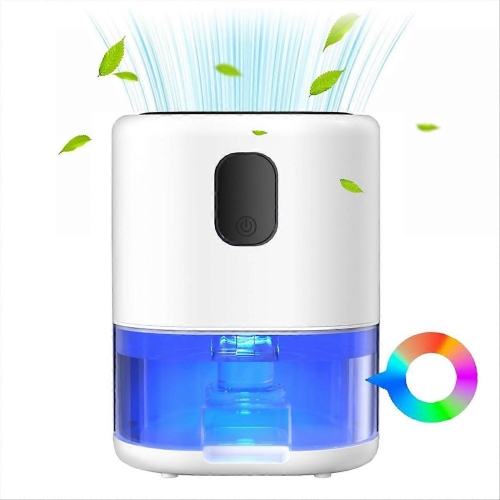
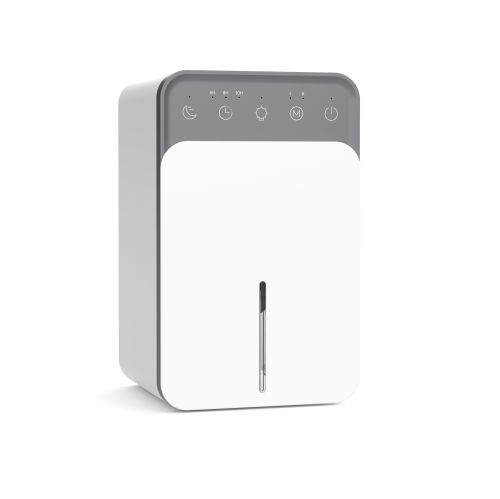
Affordable dehumidifiers can make a noticeable difference in smaller areas where excess moisture leaves the air feeling heavy, windows collect condensation or towels take too long to dry. A compact unit is often a practical choice for a bathroom, bedroom, wardrobe, laundry area, RV, boat cabin, locker or other enclosed space where a full-size appliance would be unnecessary. Many lower-priced mini dehumidifiers use thermoelectric, also called Peltier, technology rather than a compressor. They are generally quiet, lightweight and easy to move from one room to another, making them convenient for overnight use or for spaces where a low operating noise is important. Depending on the model and conditions, a mini unit may collect roughly 8 to 34 ounces of water per day, while its tank may hold about 68 ounces before it needs to be emptied. Real-world performance varies with room temperature, humidity, ventilation and the size of the space, so these units are best suited to mild moisture in compact rooms rather than a damp basement or a large open living area. A small dehumidifier can also be useful in a nursery, home office or guest room when the goal is to reduce a stuffy feeling without taking up floor space. Look for simple controls, an automatic shutoff when the reservoir is full and a water-level indicator that is easy to read at a glance. A removable tank with a comfortable handle makes regular emptying less awkward, especially when the unit is positioned on a high shelf or in a tight bathroom. Some models include a continuous-drain option, although compact designs may be intended primarily for manual emptying. Before placing one near a sink, shower or laundry appliance, keep it on a stable, dry surface and follow the manufacturer’s clearance and electrical-safety instructions.
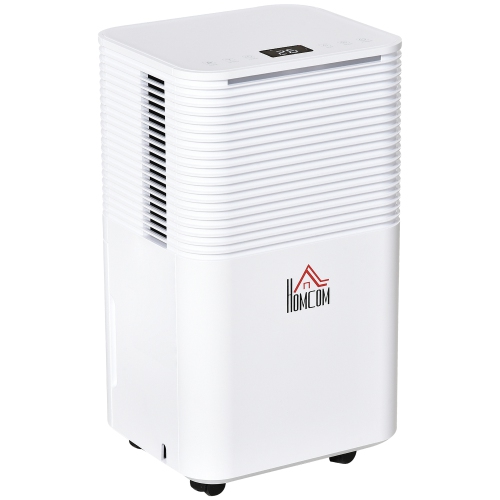
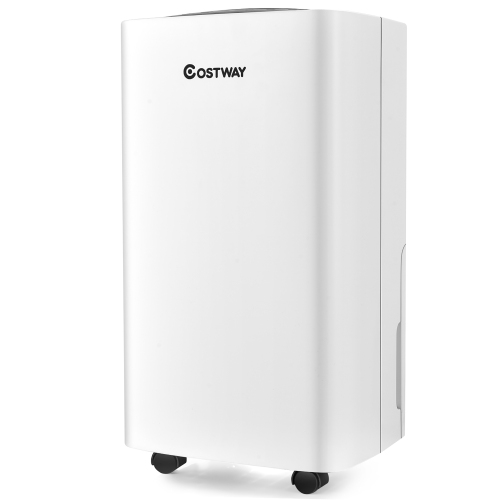
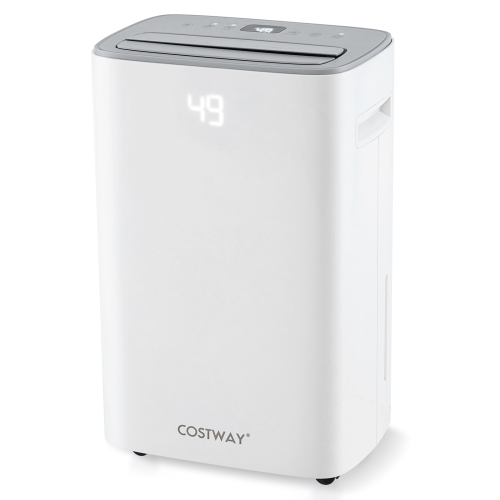
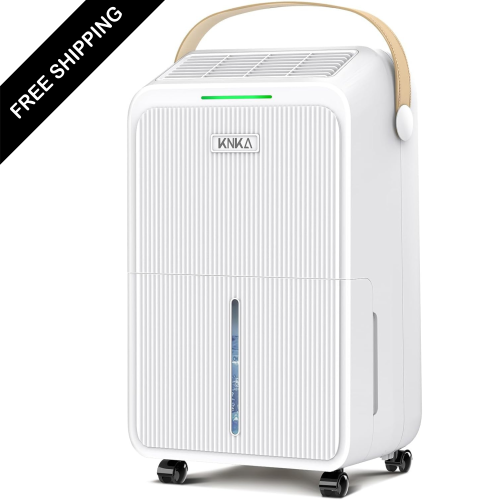
Price is only one part of choosing an affordable dehumidifier; matching the appliance to the space is what helps prevent disappointment. Mini and small-space units commonly fall in the $30 to $75 range and are suited to closets, small bathrooms, bedrooms, RVs and other areas with limited moisture. They are not designed to dry an entire floor or resolve significant water intrusion. For a basement, large bedroom, main living area or regularly damp lower level, a compressor-based dehumidifier is usually the more suitable option. Full-size models may cost about $100 to $200 or more, but they can remove considerably more moisture and often offer a larger collection bucket, stronger airflow and a higher pint-per-day capacity. A 20-pint class unit may be a reasonable starting point for a modest room, while larger or persistently damp spaces may require a higher-capacity model. Check the recommended room coverage rather than relying on the appliance’s appearance, and consider how warm or cool the room tends to be. Compressor units are typically most effective in warmer indoor conditions, while thermoelectric models can be appealing for quiet operation in smaller spaces. Features such as adjustable humidity settings, a built-in humidistat, multiple fan speeds, a timer and an automatic restart can improve convenience, but a basic model may be enough for occasional use. A washable air filter can simplify routine care, provided it is cleaned according to the instructions. Empty the tank before it becomes full, keep air intakes and outlets clear, and allow sufficient space around the appliance for circulation. Dehumidifiers can help manage everyday indoor moisture, but they are not a substitute for repairing leaks, improving ventilation after bathing or cooking, or addressing standing water and serious dampness. If a room has a persistent musty odour, visible mould or recurring water damage, the underlying source should be dealt with separately.
Affordable moisture-control options also include rechargeable or disposable absorbers, which are compact enough for a car, locker, storage bin, tent trailer or small wardrobe. These products work gradually and are better for tiny spaces with mild humidity than for rooms where moisture builds up quickly. A rechargeable absorber can be convenient when there is no electrical outlet nearby, while disposable containers may be useful in areas where a quiet, low-maintenance solution is preferred. They should be placed where they cannot tip over, and their collection chambers or moisture-filled pouches need to be replaced or recharged as directed. When comparing powered models, consider the size and placement of the water tank, the noise level, cord length, portability and whether the unit can run unattended with an automatic shutoff. A small unit can be a thoughtful housewarming gift for someone moving into a basement apartment, setting up a dorm room, storing a travel trailer or creating a laundry area in a compact home. It can also be a practical addition for a new homeowner who wants to monitor humidity in a cooler bedroom or enclosed storage space. For broader household needs, shoppers can compare related options in Energy Efficient Dehumidifiers while keeping the room size and moisture level in mind. During the cooler months, condensation may appear on windows and exterior walls as warm indoor air meets colder surfaces, while enclosed rooms can still feel damp despite lower outdoor temperatures. Choosing the right capacity, emptying the tank regularly and maintaining clear airflow can help an affordable dehumidifier perform more consistently from early fall through winter and into the warmer seasons.
Top selling and popular products
-
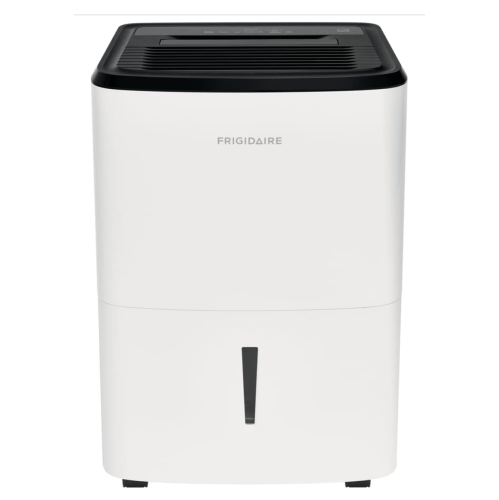 Your price for this item is $959.19
-
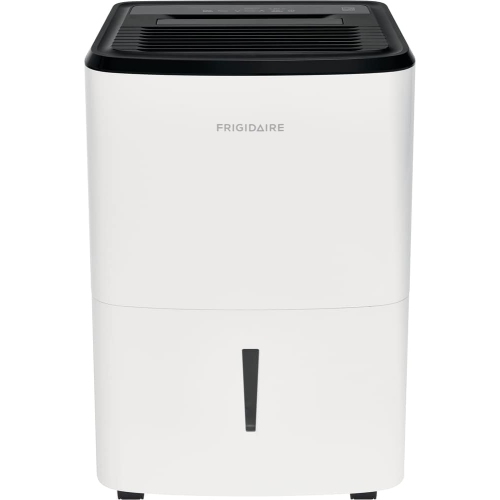 Your price for this item is $999.99
-
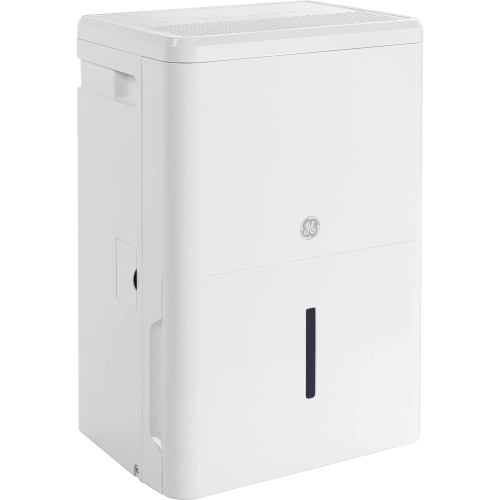 Your price for this item is $695.41
-
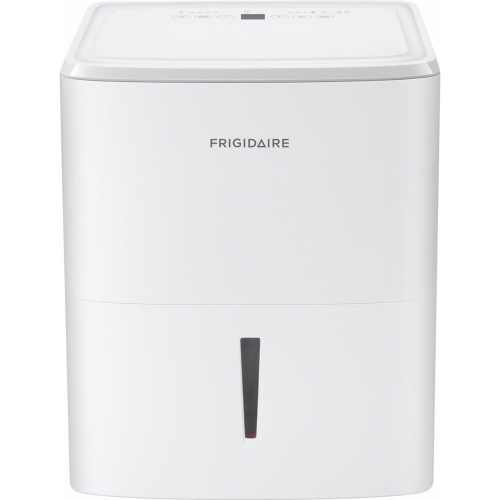 Your price for this item is $653.99
-
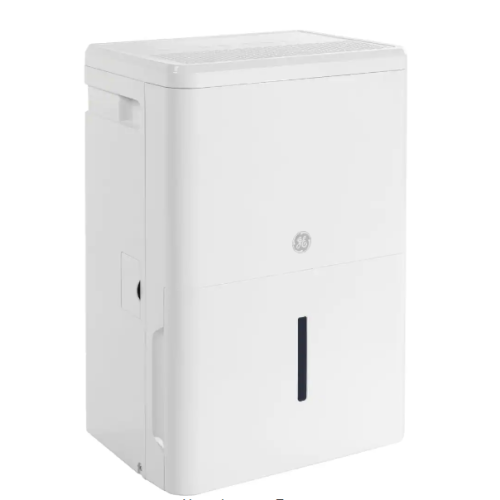 Your price for this item is $701.99
-
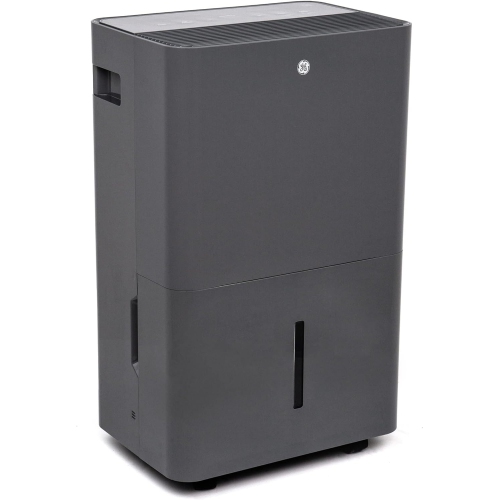 Your price for this item is $1031.13
-
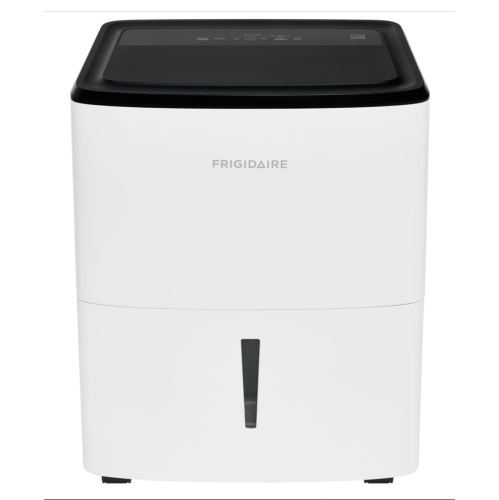 Your price for this item is $635.46
-
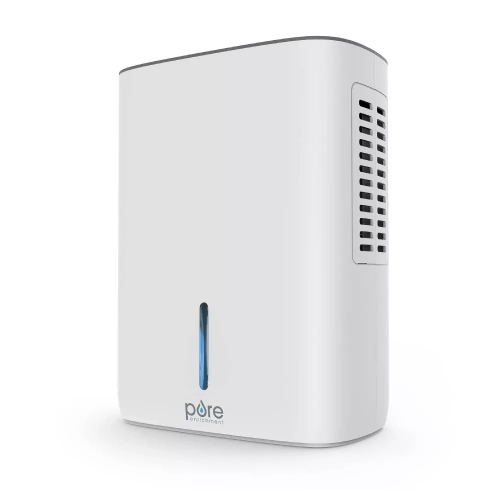 Your price for this item is $359.69
Discover more categories related to Affordable Dehumidifiers
Top Collections:
Pokemon Centers, Best Cameras for Sports Photography, Kindle Devices, Samsung Galaxy Phones, Canon G7X Cameras, Pokémon 30th Celebration Cards, Refurbished Apple Laptops, iPhone 15 Apple, Laptops for Students, Budget Smartphones
Some products may be subject to Environmental Handling Fees
(EHF) depending on your province.
Learn more about EHFs.