Affordable Refrigerators
Looking to upgrade your kitchen with a sleek and efficient refrigerator without breaking the bank? Our collection of affordable refrigerators offers a variety of options to suit your needs and budget. From compact designs perfect for smaller spaces to spacious models with advanced features, find the perfect fridge to keep your groceries fresh and organized. Whether you're a first-time homeowner, a student on a budget, or simply looking for a cost-effective replacement, our selection of affordable refrigerators has something for everyone.
Sort
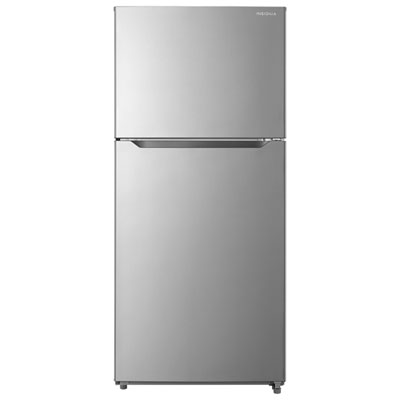
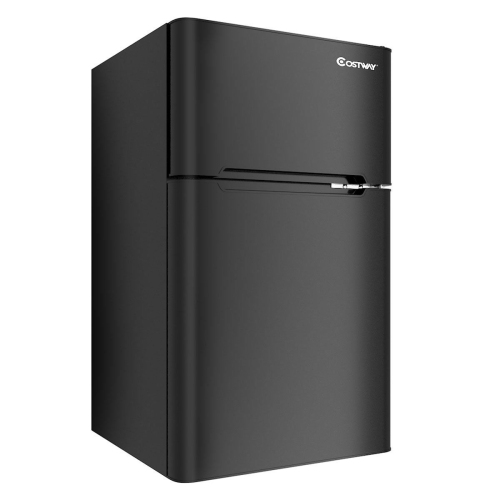
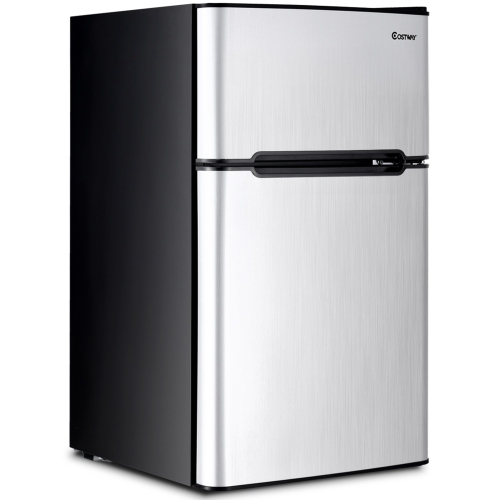
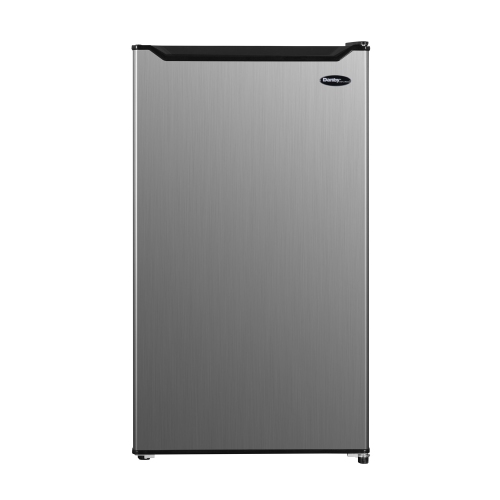
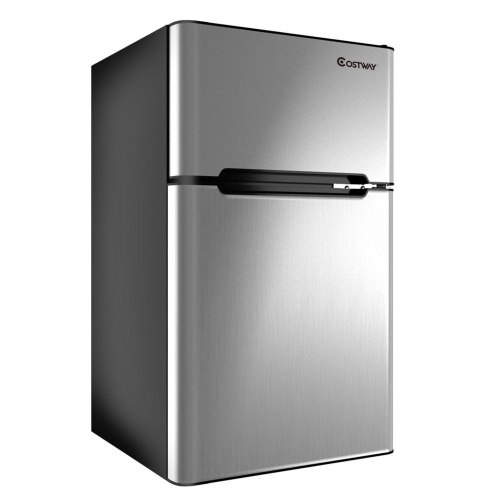
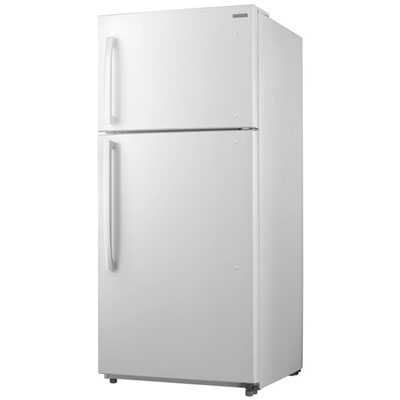
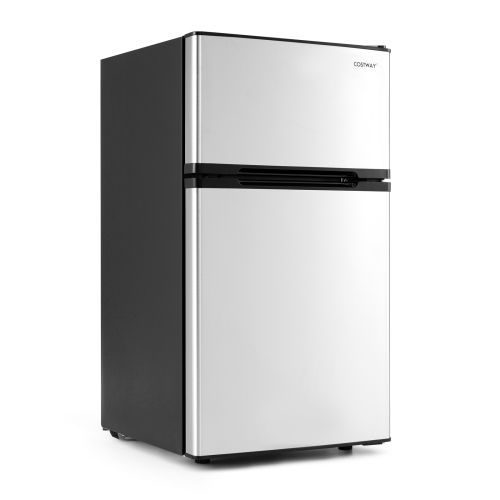
Refrigerator layouts that fit the way you store food
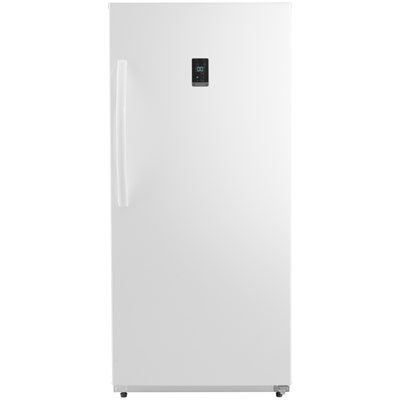
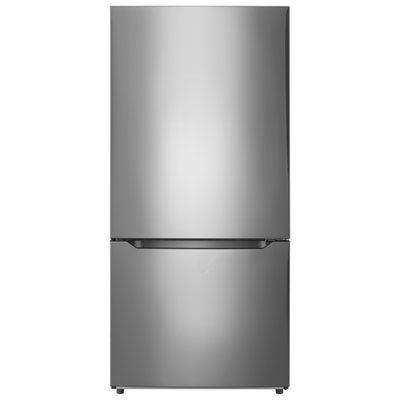
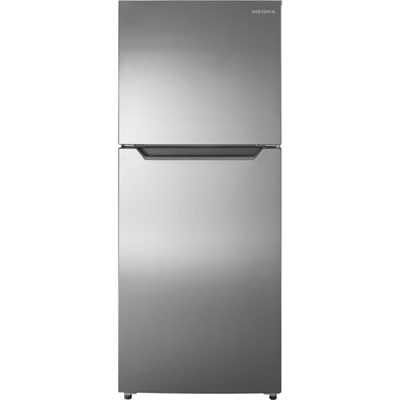
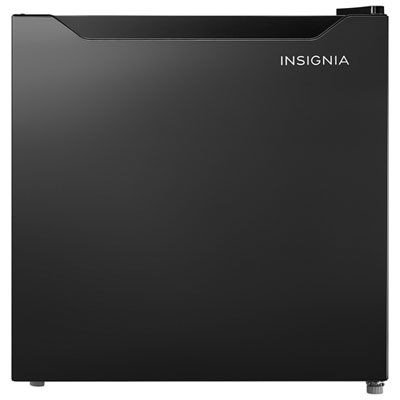
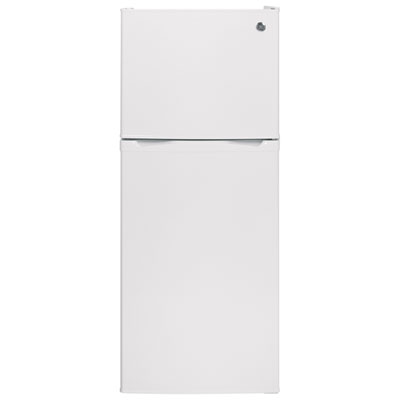
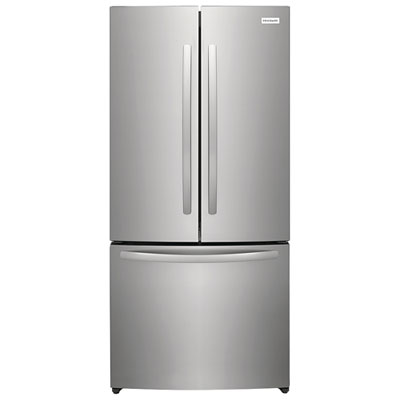
Affordable refrigerators put everyday food storage at the centre of the kitchen, with practical layouts for everything from a few breakfast staples to a full household’s weekly groceries. The most useful design is one that suits both the space and the way food moves through it: milk within easy reach, produce visible before it gets forgotten, and enough room for a covered casserole after dinner. Top-freezer refrigerators divide the cabinet into a larger fresh-food compartment below and a separate freezer above, a familiar arrangement for kitchens that need straightforward storage. Bottom-freezer refrigerators bring more fresh food closer to eye level, which can suit people who reach for vegetables, yoghurt, and lunch ingredients more often than frozen food. Side-by-side layouts place chilled and frozen storage beside each other, while French-door designs typically combine two fresh-food doors with a freezer below. Their configurations offer different advantages, but usable shelf width matters as much as the overall layout when storing wide platters or baking dishes. Compact refrigerators serve a different purpose, fitting smaller quantities of food and drinks into spaces such as offices, residence rooms where permitted, or kitchenette areas. A compact refrigerator with a small internal freezing compartment may not provide the same frozen-food storage conditions as one with a separate freezer, so that distinction matters for anything beyond chilled snacks and beverages. Capacity is usually expressed in cubic feet, but household routines give that number meaning. Someone who shops frequently may prefer a smaller cabinet with a clear view of its contents, while a family packing several lunches each morning may need deeper shelves and generous produce drawers. Batch cooking, shared kitchens, and frequent hosting can also change the balance between refrigerator and freezer space. For shoppers comparing everyday layouts and storage features, Best Value Refrigerators offers a related selection to explore. Across these refrigerator styles, the important qualities are accessible storage, dependable temperature control, and a cabinet that fits naturally into daily life.
Fit involves more than finding a refrigerator narrow enough to slide between two cupboards. Width, height, and depth all contribute to how comfortably the appliance sits in the kitchen, and the manufacturer’s specified ventilation clearances need to remain open around the cabinet. Handles, hinges, and doors can extend beyond the main body, particularly when the refrigerator opens beside a wall or a tall pantry. A door that swings only partway may leave enough room to grab a carton but not enough to pull out a crisper drawer for cleaning. Standard-depth refrigerators generally project farther beyond surrounding cabinetry, while counter-depth designs tend to sit closer to the cabinet line, though neither description replaces the actual measurements. The route into the room matters, too, especially in apartments with tight entryways, narrow halls, or stairs. Inside the refrigerator, adjustable shelves help turn a fixed cabinet into storage that responds to the week ahead. A tall soup pot, a pitcher of iced tea, and stacked lunch containers each need a different amount of vertical space. Split shelves, where included, can make room for taller containers without giving up an entire shelf level. Door bins keep condiments and other suitable contents easy to find, while deeper bins may accommodate larger bottles. Produce drawers separate loose fruit and vegetables from the main shelves; adjustable humidity controls, when present, help tailor conditions to different produce. Glass shelves provide a clear view of spills and can create a stable surface for smaller containers, while wire shelves have an open construction that may be less convenient for narrow jars. Interior lighting also affects usability, particularly when a full shelf casts shadows over food at the back. For a shared home, clearly defined shelves and drawers can make it easier to keep groceries separate. For someone with limited reach or mobility, handle position, door resistance, and the height of frequently used storage deserve as much attention as capacity. These details shape how comfortable a refrigerator feels long after it has been installed.
Materials, cleaning requirements, and the room where a refrigerator will operate all influence its suitability over time. Painted metal, stainless steel, and stainless-look finishes each bring a different appearance to the kitchen, but their care requirements can vary. Fingerprint-resistant surfaces may make everyday marks less noticeable without eliminating the need for cleaning. A soft cloth and a cleaner approved for the finish help protect the exterior; abrasive pads can scratch surfaces or damage coatings. Inside, removable shelves and drawers make it easier to deal with a leaking berry container or a spill beneath the milk. Glass shelves should come closer to room temperature before washing in warm water, since sudden temperature changes can cause breakage. Door seals also need attention: crumbs and sticky residue can interfere with a close seal, while torn or misshapen sections may require service. Storage habits support consistent cooling, too. Leaving room around interior vents helps cold air circulate, and avoiding tightly packed shelves makes food easier to see and retrieve. A refrigerator thermometer provides a useful way to verify that the fresh-food compartment stays at 4°C or below and a separate freezer at −18°C or below. Frost-free designs reduce the need for manual defrosting, while manual-defrost compartments require periodic care according to the manufacturer’s directions. An automatic ice maker or water dispenser, if included, can add plumbing and filter-maintenance requirements that a simpler configuration does not have. Placement is especially important during the cooler months: an unheated garage or enclosed porch may fall outside a refrigerator’s approved operating temperature range, even when the space seems convenient for extra groceries. Suitability for those locations must be confirmed in the appliance specifications. In open-plan homes or small apartments, published sound information can also help set expectations, although compressors and fans normally cycle during operation. A well-matched refrigerator brings these practical details together, keeping everyday ingredients organised without asking the household to work around an awkward layout, inaccessible shelves, or care requirements that do not suit the space.
Fit involves more than finding a refrigerator narrow enough to slide between two cupboards. Width, height, and depth all contribute to how comfortably the appliance sits in the kitchen, and the manufacturer’s specified ventilation clearances need to remain open around the cabinet. Handles, hinges, and doors can extend beyond the main body, particularly when the refrigerator opens beside a wall or a tall pantry. A door that swings only partway may leave enough room to grab a carton but not enough to pull out a crisper drawer for cleaning. Standard-depth refrigerators generally project farther beyond surrounding cabinetry, while counter-depth designs tend to sit closer to the cabinet line, though neither description replaces the actual measurements. The route into the room matters, too, especially in apartments with tight entryways, narrow halls, or stairs. Inside the refrigerator, adjustable shelves help turn a fixed cabinet into storage that responds to the week ahead. A tall soup pot, a pitcher of iced tea, and stacked lunch containers each need a different amount of vertical space. Split shelves, where included, can make room for taller containers without giving up an entire shelf level. Door bins keep condiments and other suitable contents easy to find, while deeper bins may accommodate larger bottles. Produce drawers separate loose fruit and vegetables from the main shelves; adjustable humidity controls, when present, help tailor conditions to different produce. Glass shelves provide a clear view of spills and can create a stable surface for smaller containers, while wire shelves have an open construction that may be less convenient for narrow jars. Interior lighting also affects usability, particularly when a full shelf casts shadows over food at the back. For a shared home, clearly defined shelves and drawers can make it easier to keep groceries separate. For someone with limited reach or mobility, handle position, door resistance, and the height of frequently used storage deserve as much attention as capacity. These details shape how comfortable a refrigerator feels long after it has been installed.
Materials, cleaning requirements, and the room where a refrigerator will operate all influence its suitability over time. Painted metal, stainless steel, and stainless-look finishes each bring a different appearance to the kitchen, but their care requirements can vary. Fingerprint-resistant surfaces may make everyday marks less noticeable without eliminating the need for cleaning. A soft cloth and a cleaner approved for the finish help protect the exterior; abrasive pads can scratch surfaces or damage coatings. Inside, removable shelves and drawers make it easier to deal with a leaking berry container or a spill beneath the milk. Glass shelves should come closer to room temperature before washing in warm water, since sudden temperature changes can cause breakage. Door seals also need attention: crumbs and sticky residue can interfere with a close seal, while torn or misshapen sections may require service. Storage habits support consistent cooling, too. Leaving room around interior vents helps cold air circulate, and avoiding tightly packed shelves makes food easier to see and retrieve. A refrigerator thermometer provides a useful way to verify that the fresh-food compartment stays at 4°C or below and a separate freezer at −18°C or below. Frost-free designs reduce the need for manual defrosting, while manual-defrost compartments require periodic care according to the manufacturer’s directions. An automatic ice maker or water dispenser, if included, can add plumbing and filter-maintenance requirements that a simpler configuration does not have. Placement is especially important during the cooler months: an unheated garage or enclosed porch may fall outside a refrigerator’s approved operating temperature range, even when the space seems convenient for extra groceries. Suitability for those locations must be confirmed in the appliance specifications. In open-plan homes or small apartments, published sound information can also help set expectations, although compressors and fans normally cycle during operation. A well-matched refrigerator brings these practical details together, keeping everyday ingredients organised without asking the household to work around an awkward layout, inaccessible shelves, or care requirements that do not suit the space.
Top selling and popular products
-
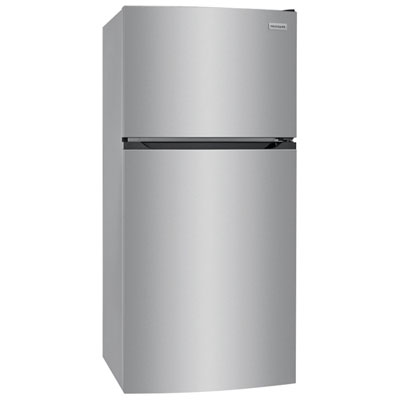 Your price for this item is $849.99
 -
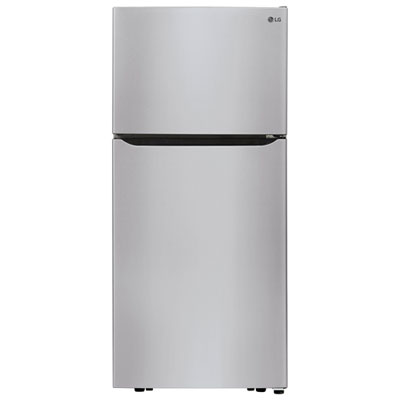 Your price for this item is $1149.99
 -
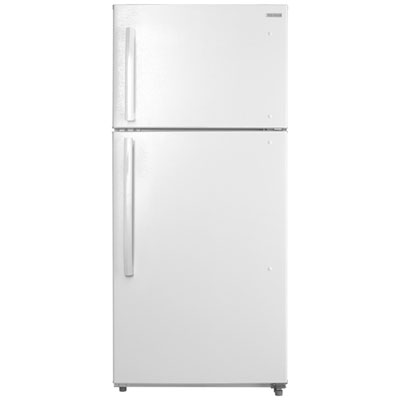 Your price for this item is $799.99
 -
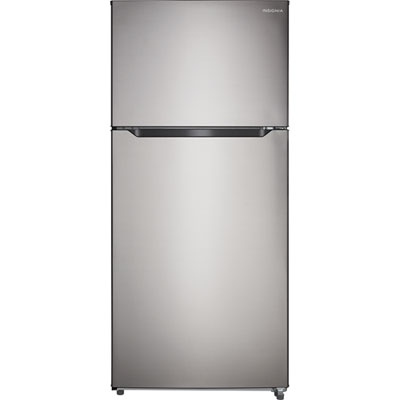 Your price for this item is $949.99
 -
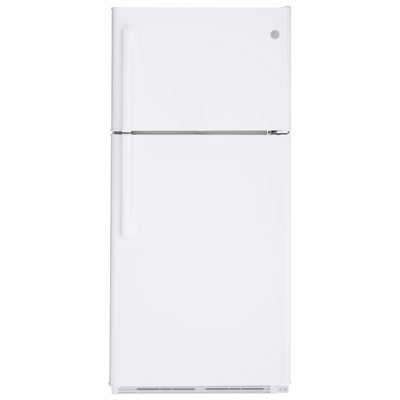 Your price for this item is $1549.99
 -
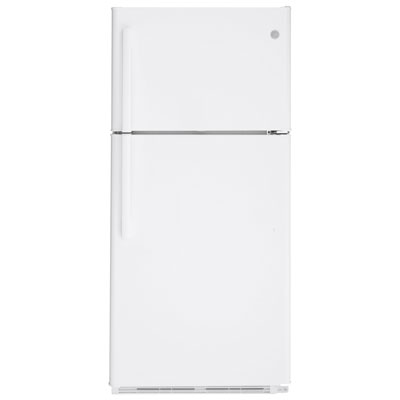 Your price for this item is $1649.99
 -
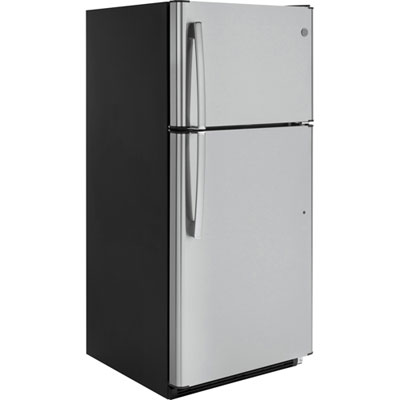 Your price for this item is $1549.99
 -
 Your price for this item is $1449.99
Discover more categories related to Affordable Refrigerators
Top Collections:
Pokemon Centers, Kindle Devices, Best Budget Office Chairs, Apple iPhones 16, Best Laptops for Writers, iPhone 15 Apple, Canon G7X Cameras, Refurbished Apple Laptops, Alarm Clock, Motorola Razr Phones
Some products may be subject to Environmental Handling Fees
(EHF) depending on your province.
Learn more about EHFs.