Air Purifiers for Sleep
If you're like most people, you spend a lot of time indoors. That's why it's important to make sure your indoor air is as clean as possible. One way to do this is with an air purifier. Air purifiers remove dust, pollen, smoke, and other airborne particles from the air. They can be used in almost any room in the house, but they're especially useful in spaces where you spend a lot of time, like your bedroom or living room. Here are some of the best air purifiers for your sleep.
Sort
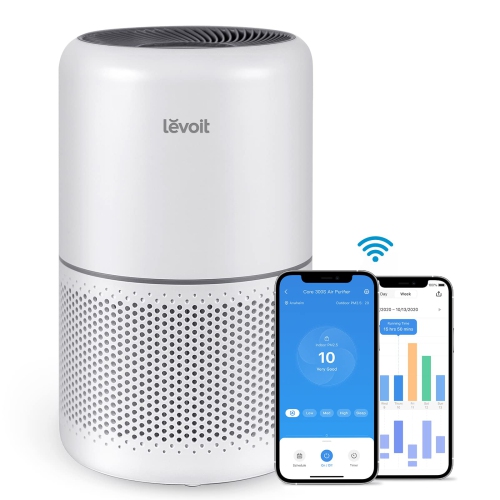
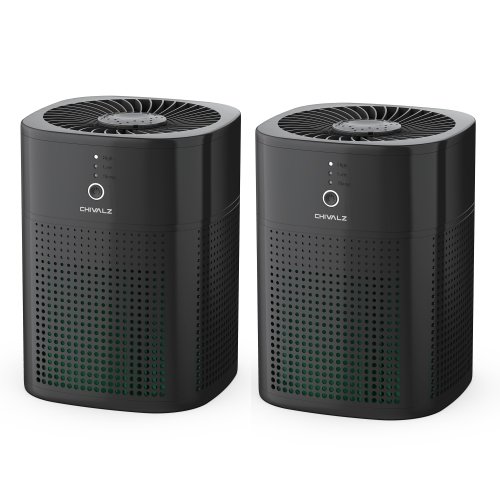
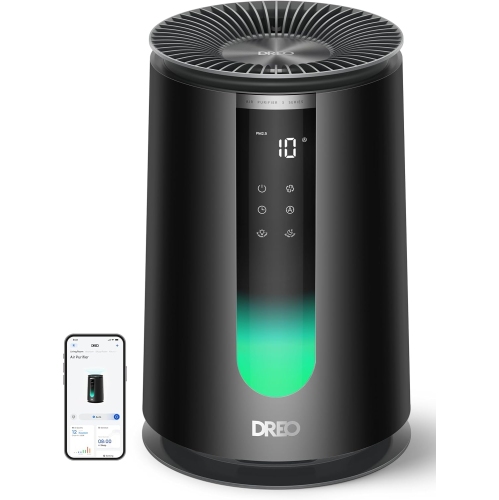
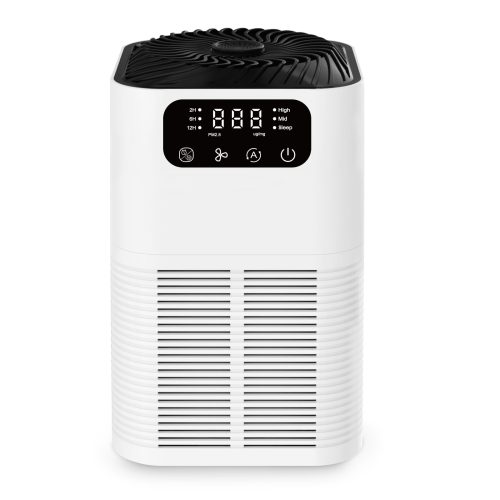

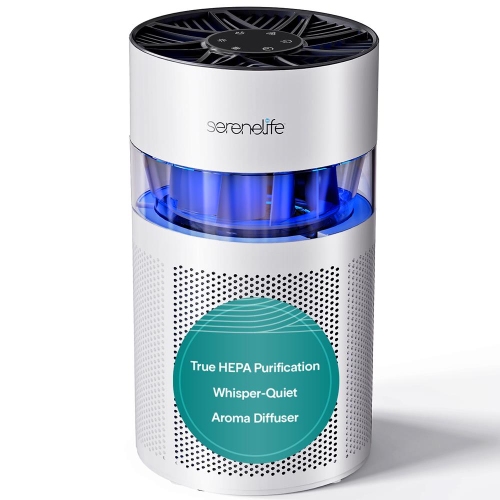
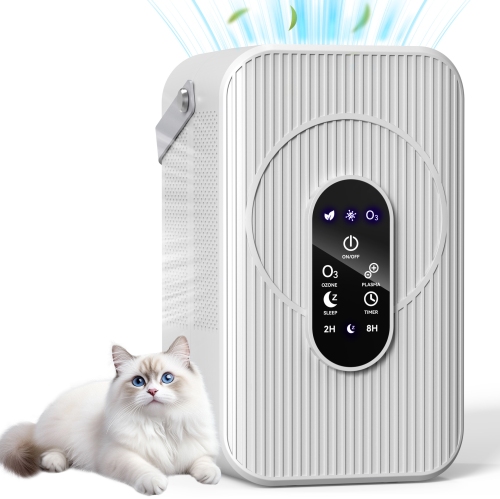
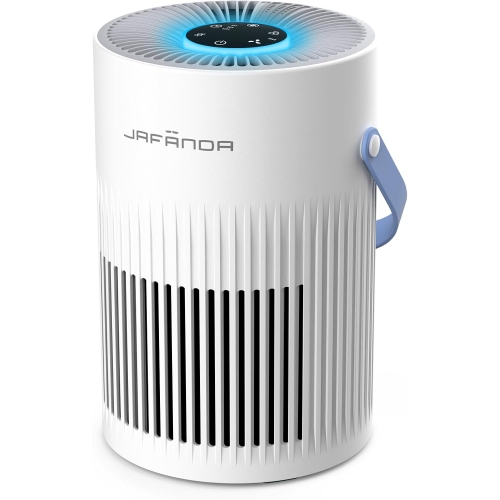
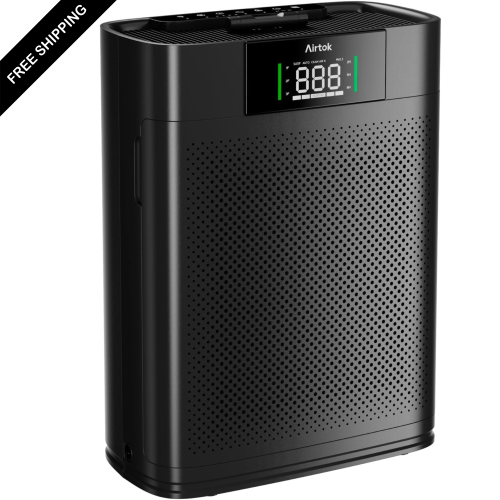
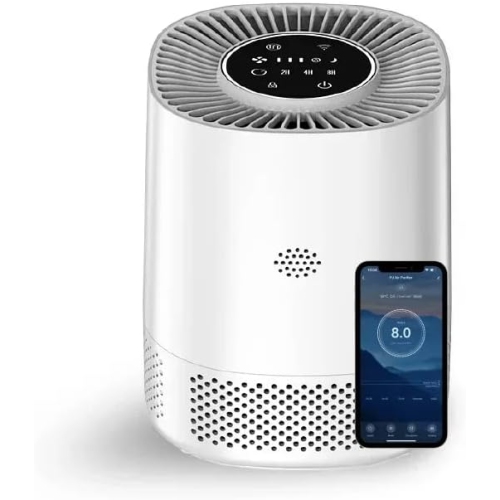
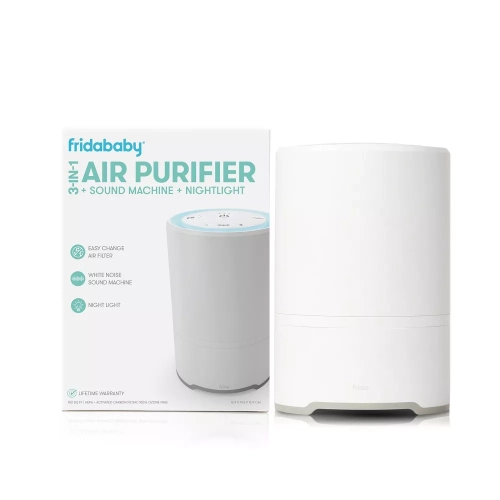
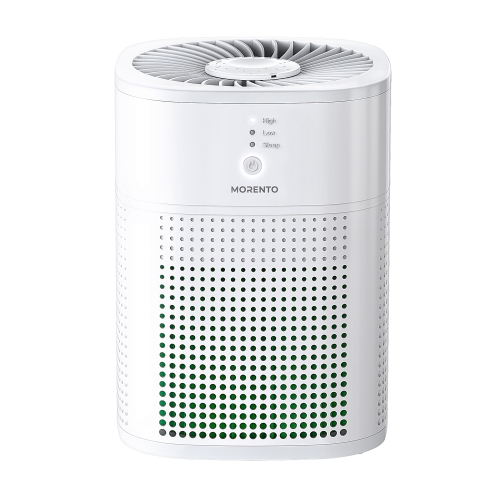
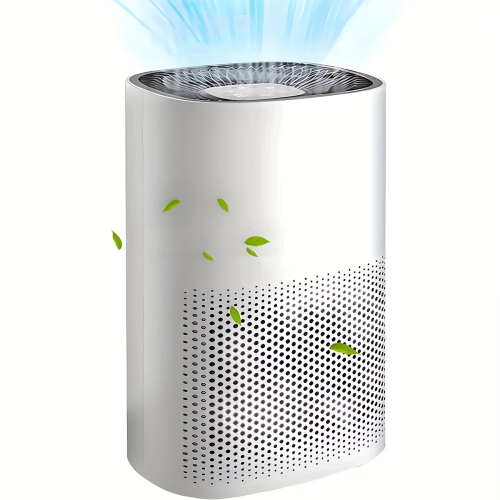

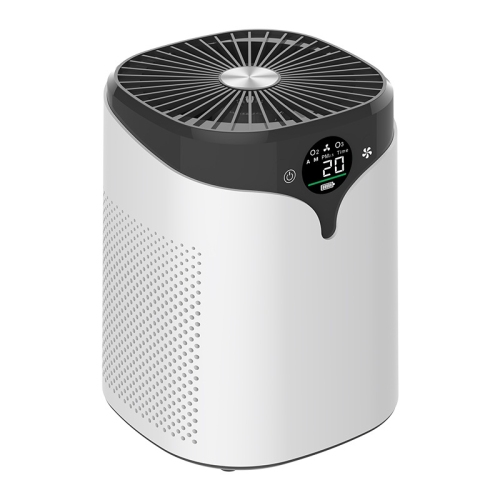
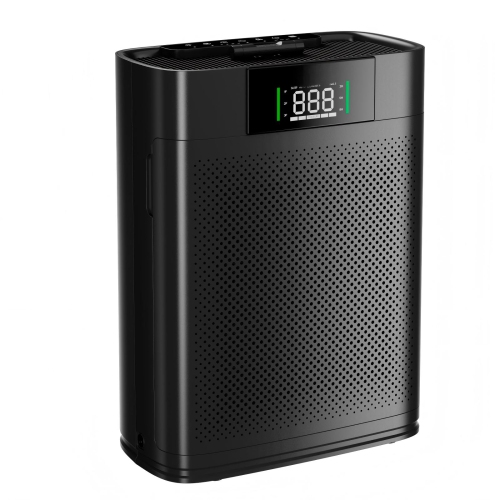
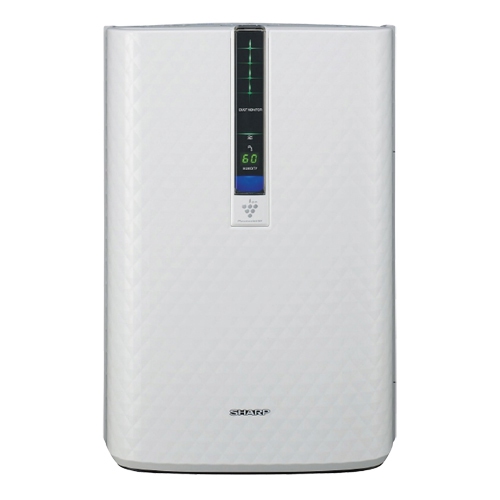
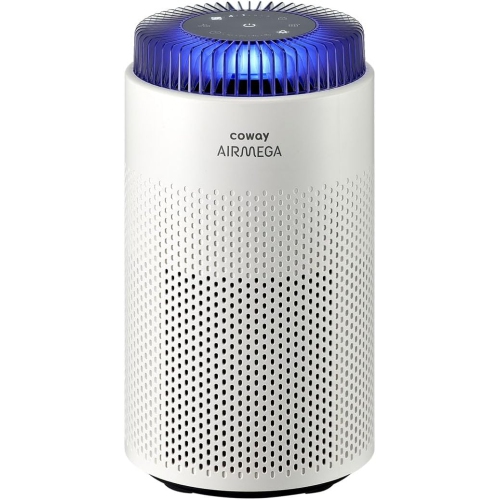
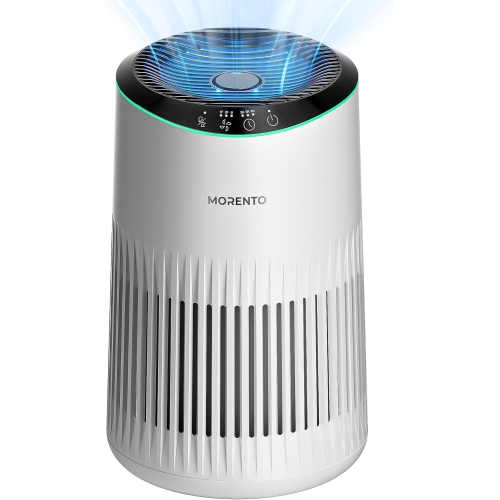
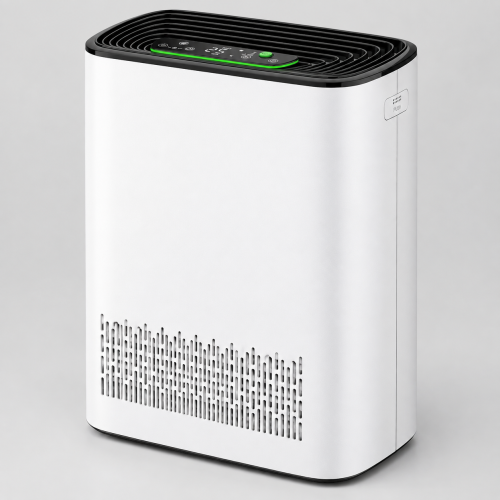
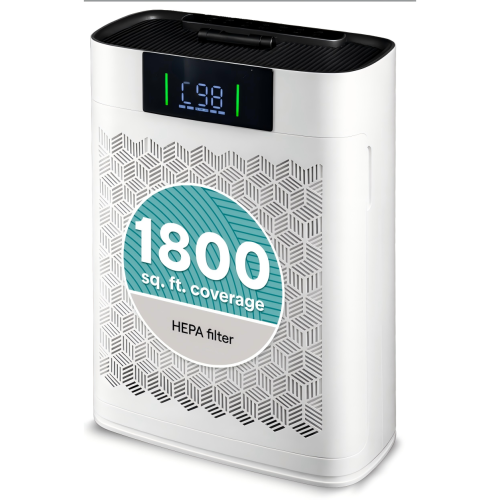
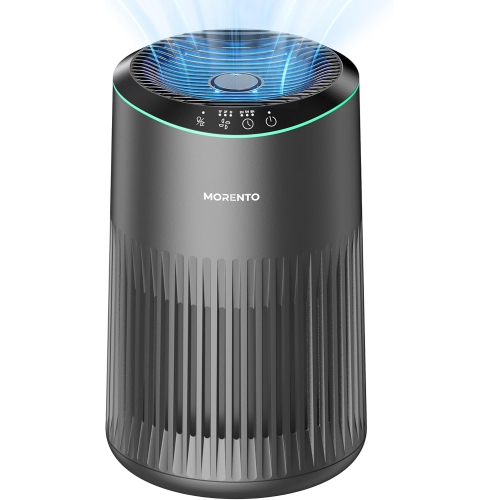
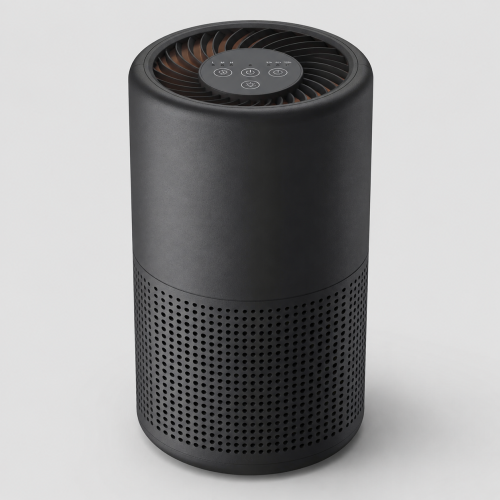
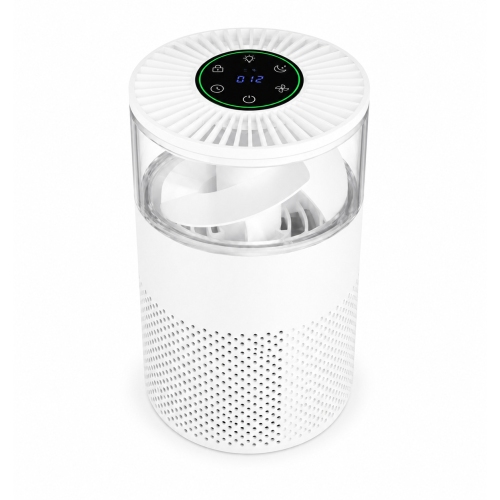
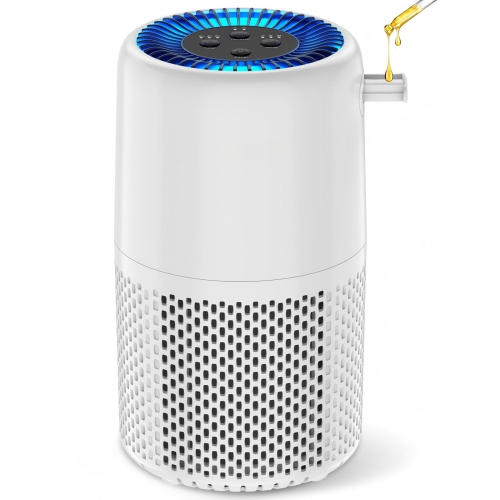
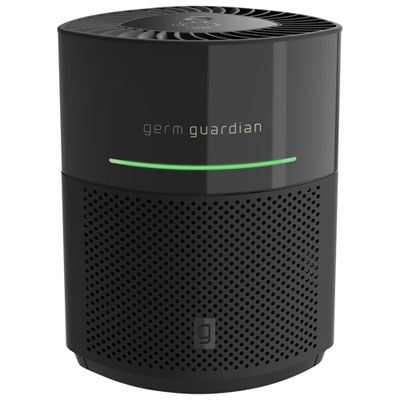
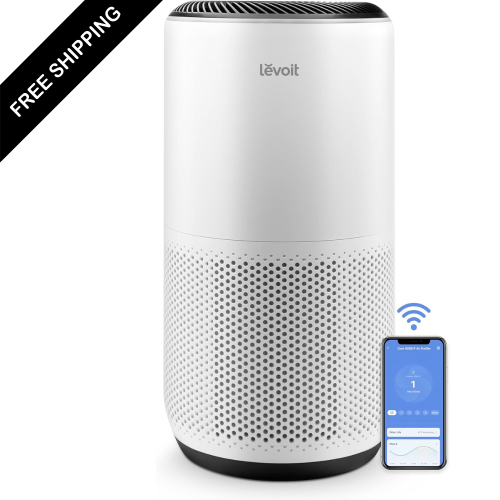
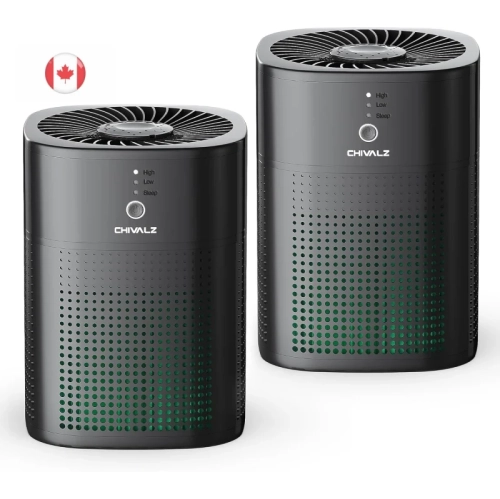
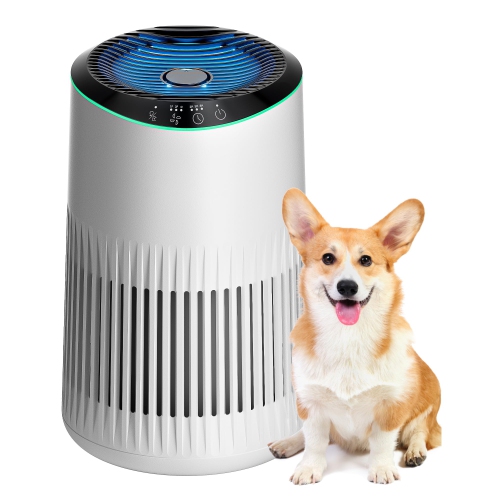
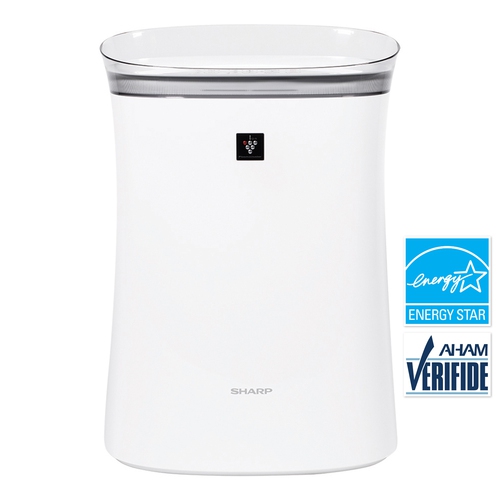
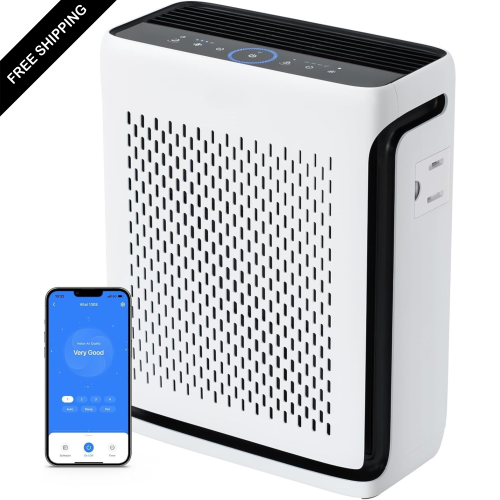
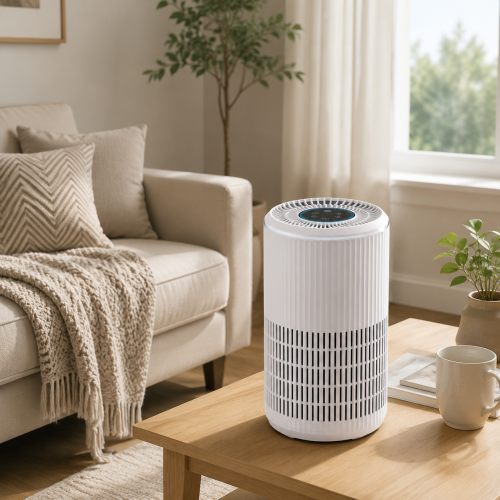
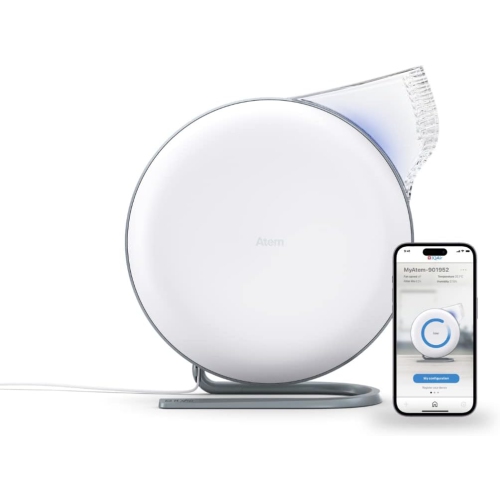
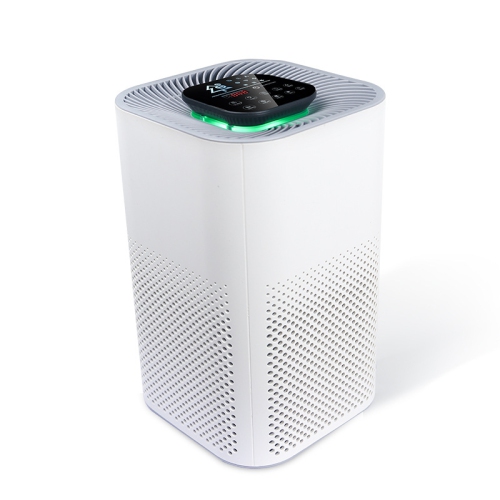
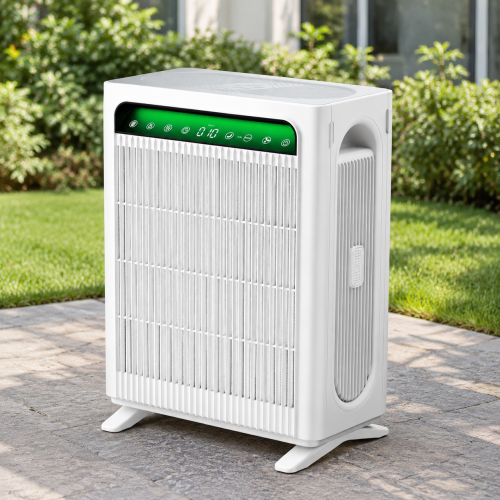

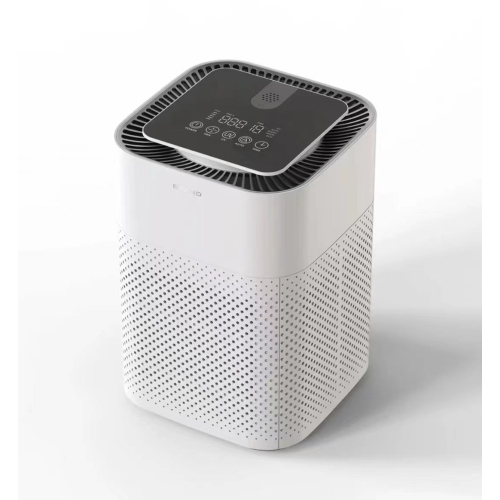
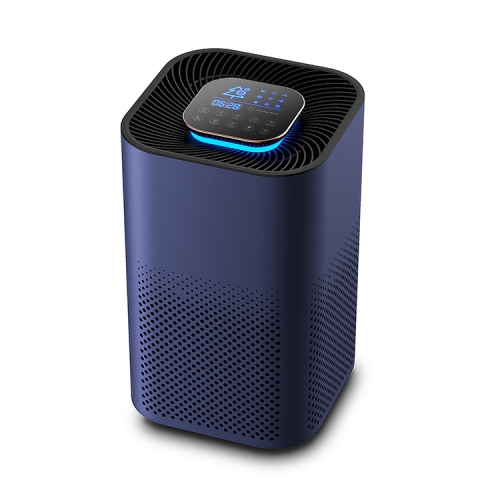
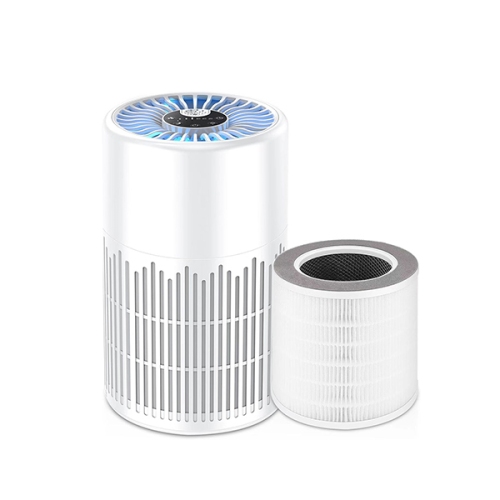
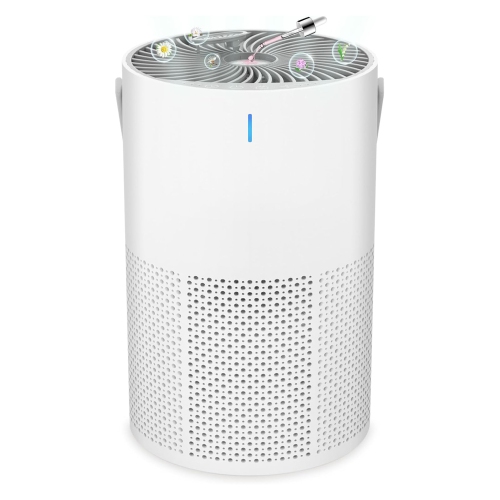
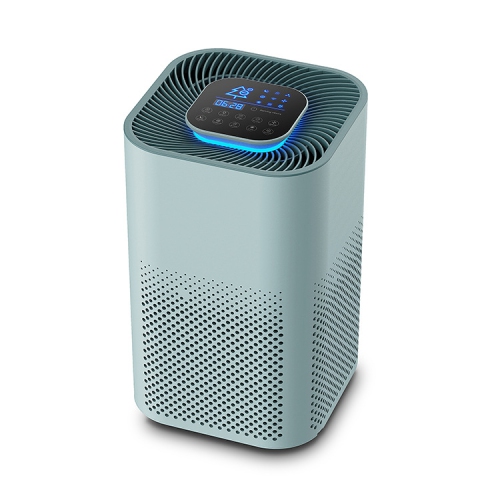
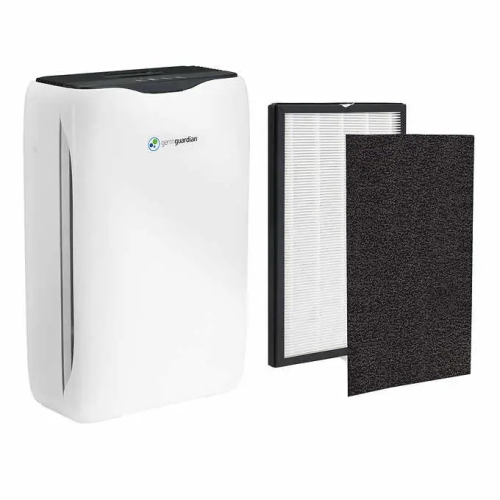
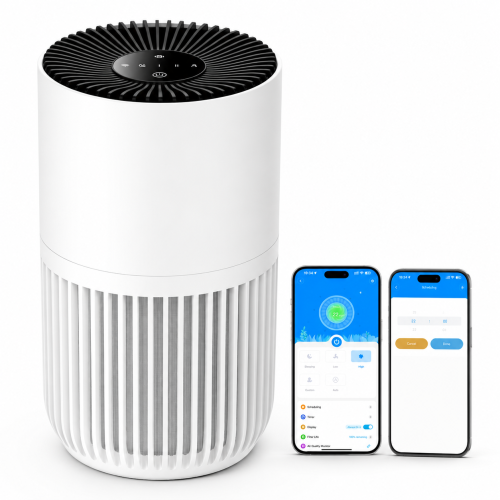
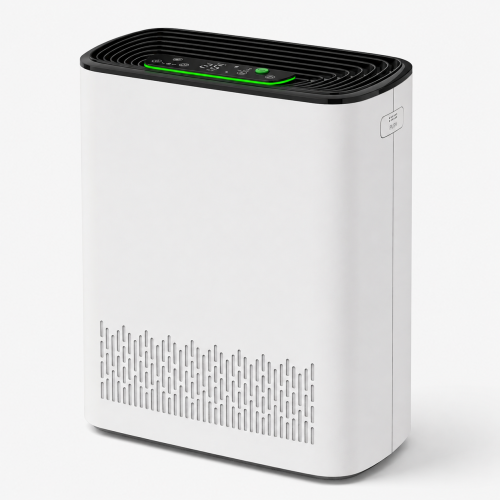
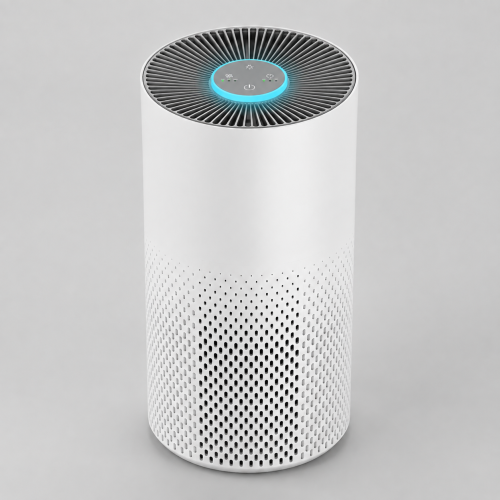
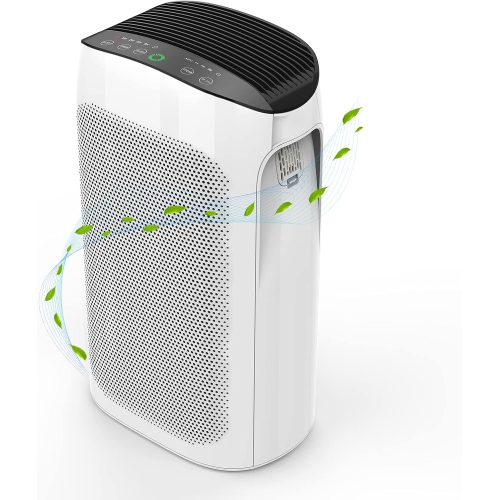
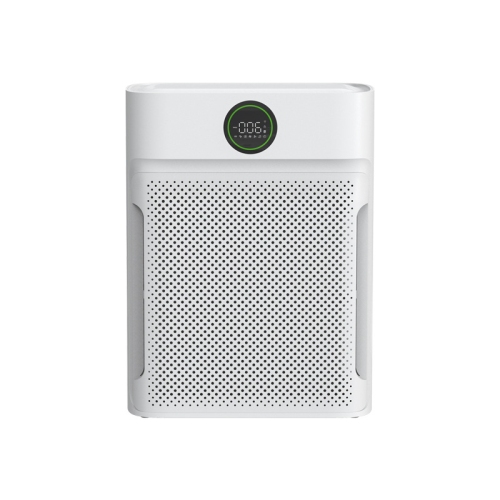
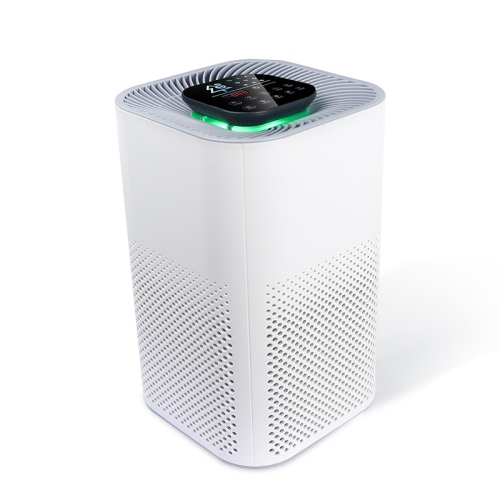
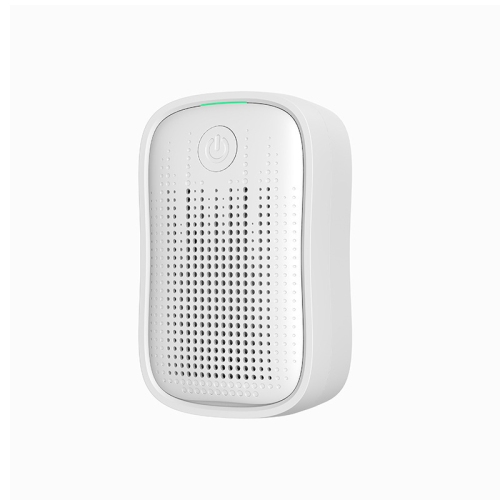
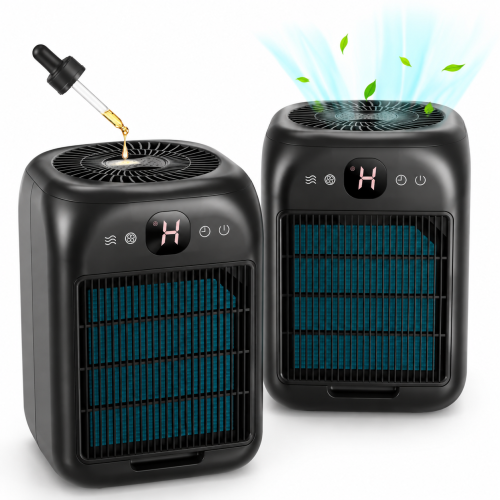
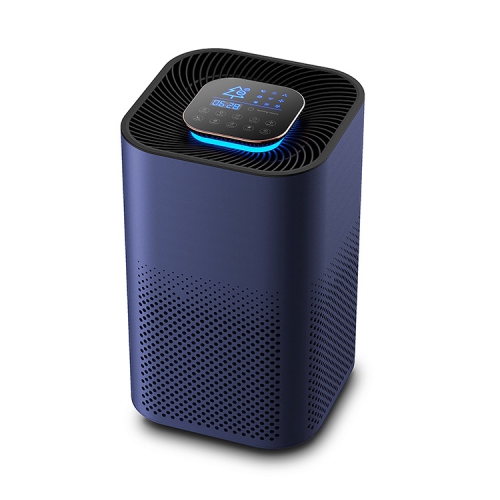
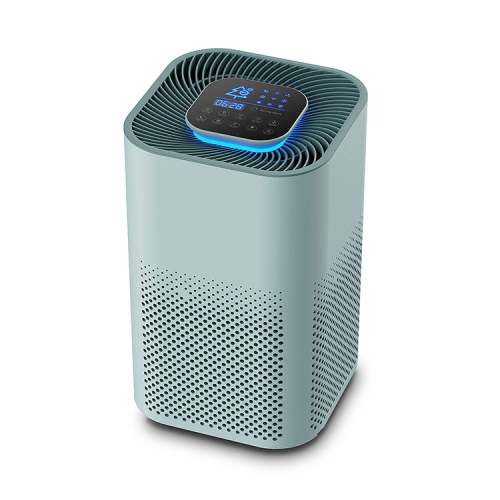
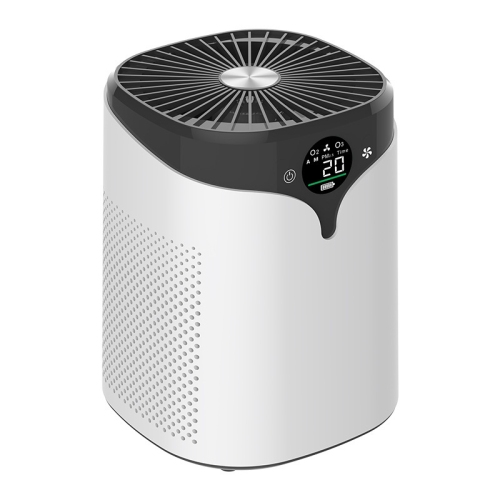
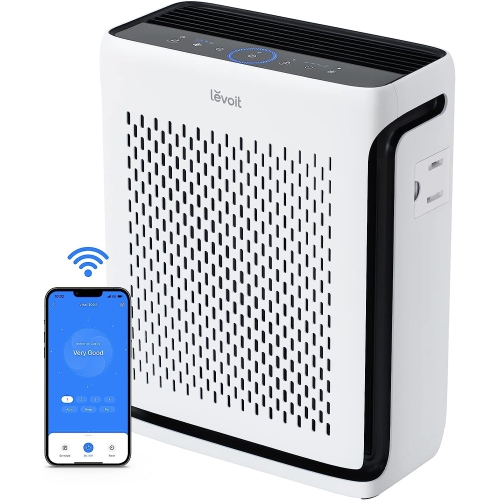
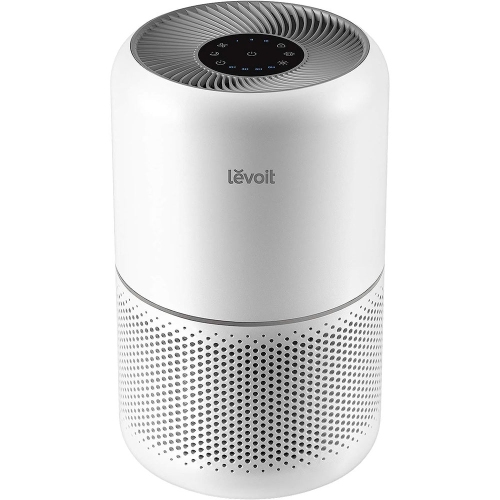

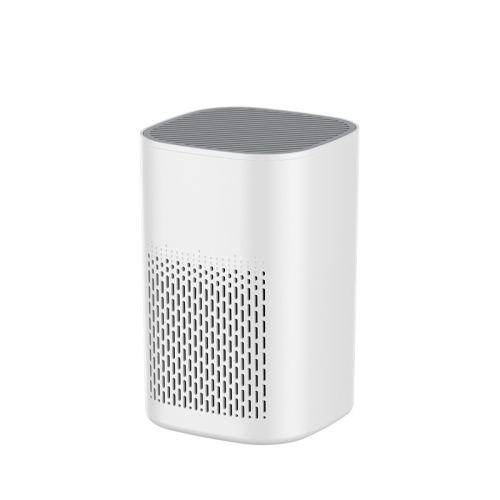
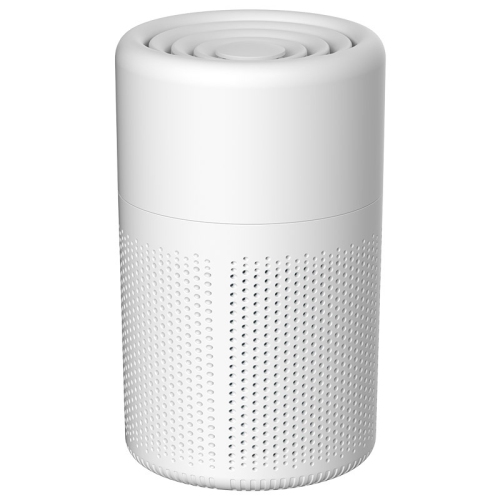
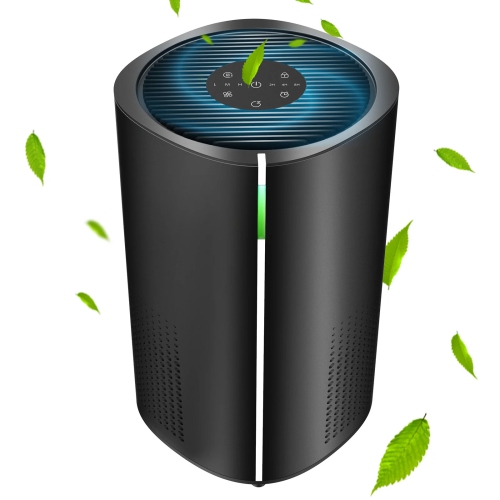

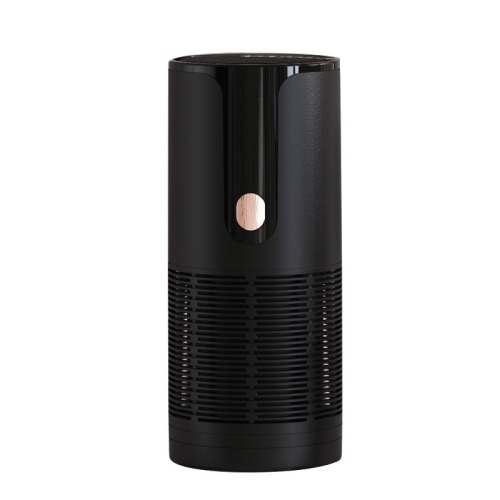
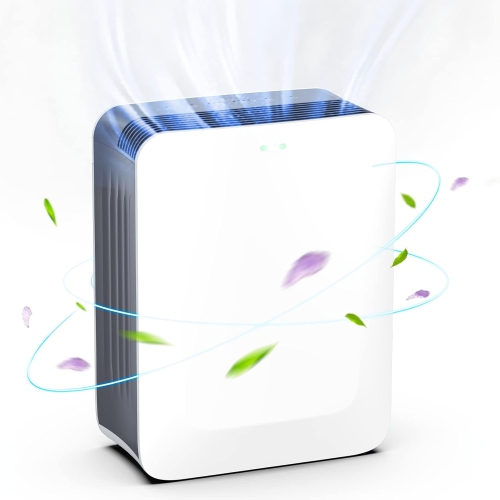
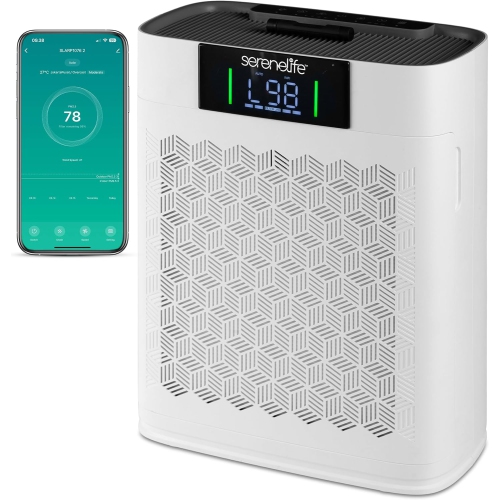
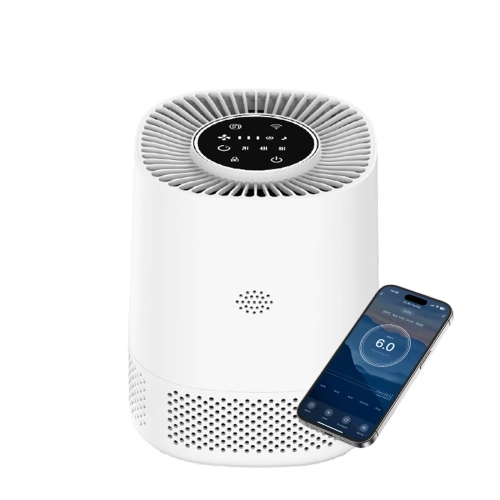
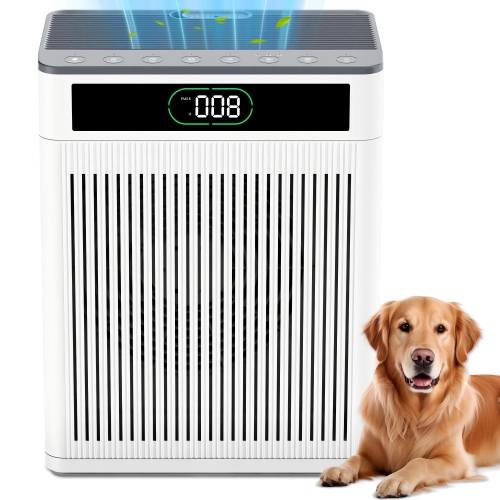
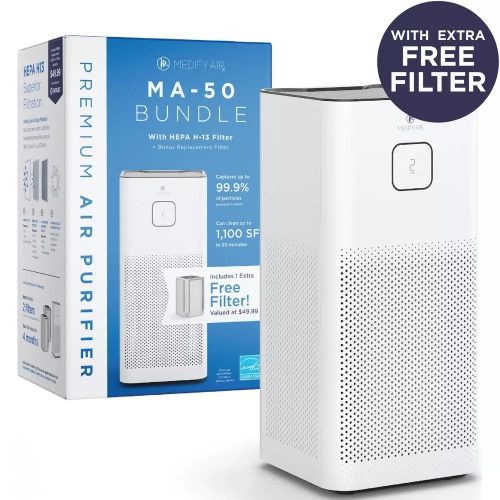

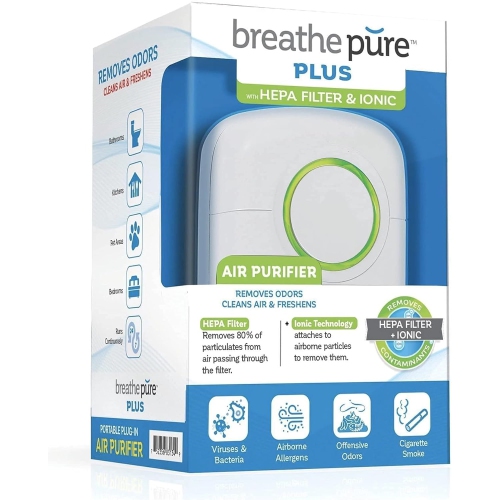
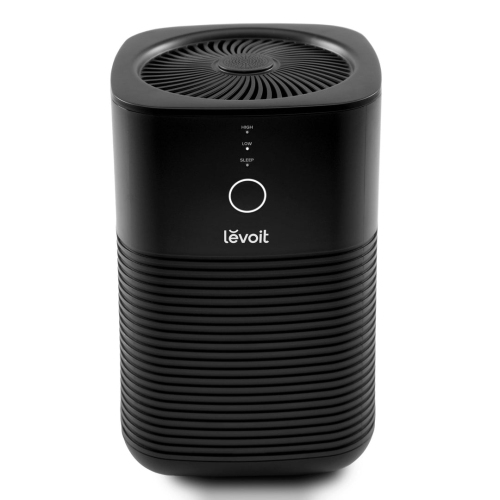


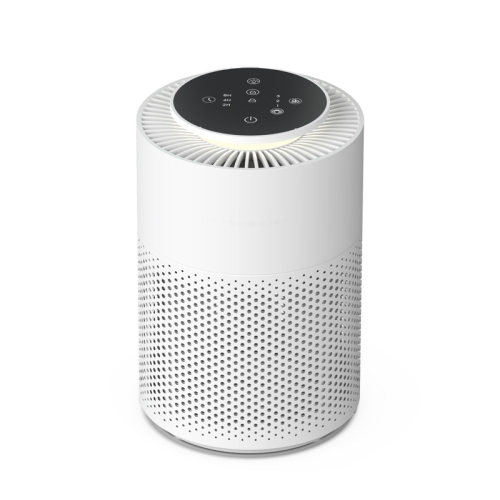
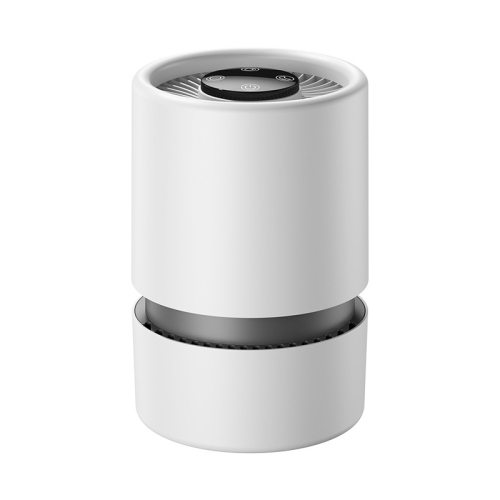
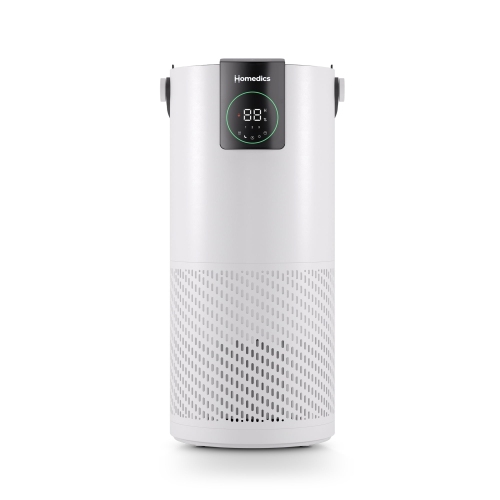

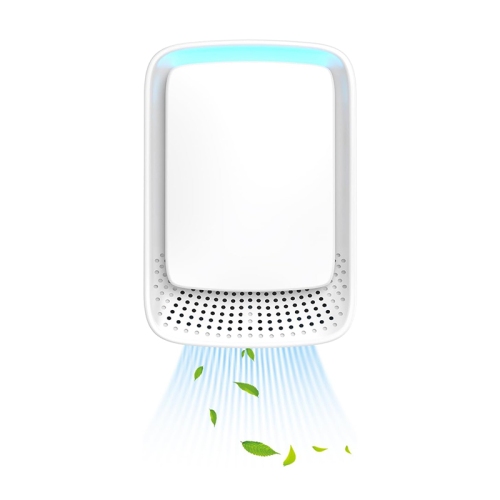

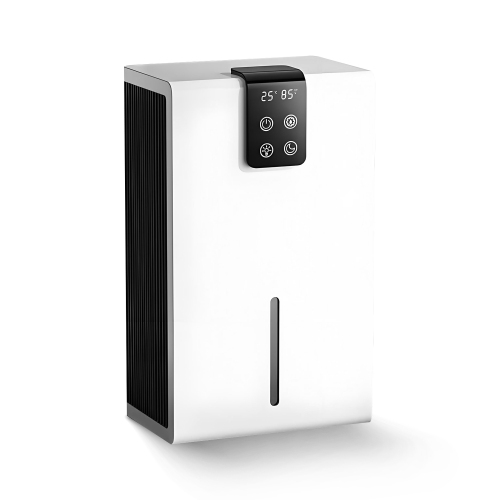
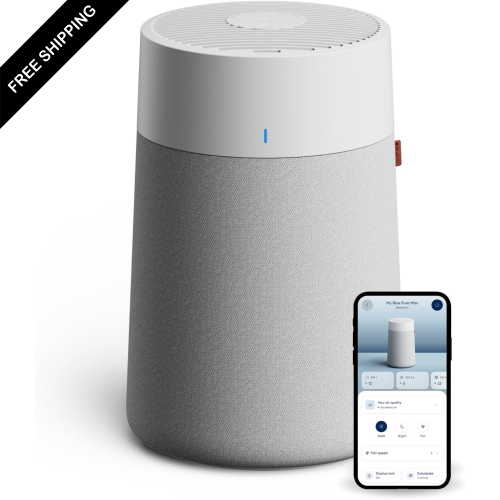
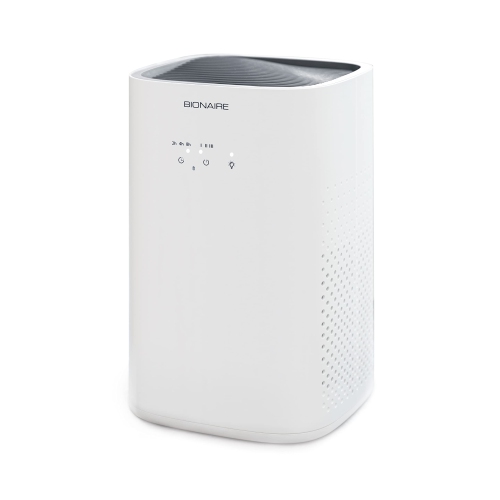
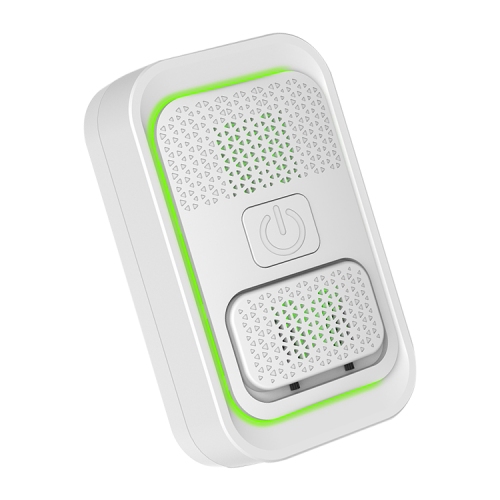
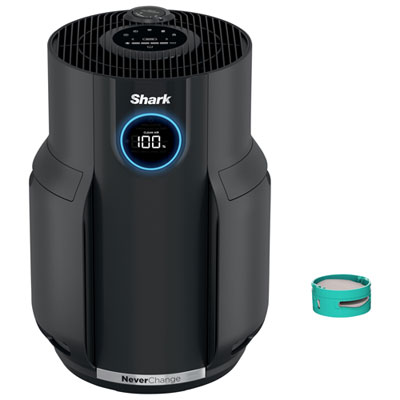

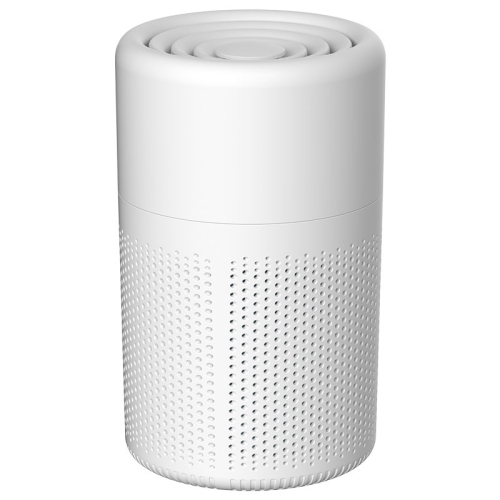
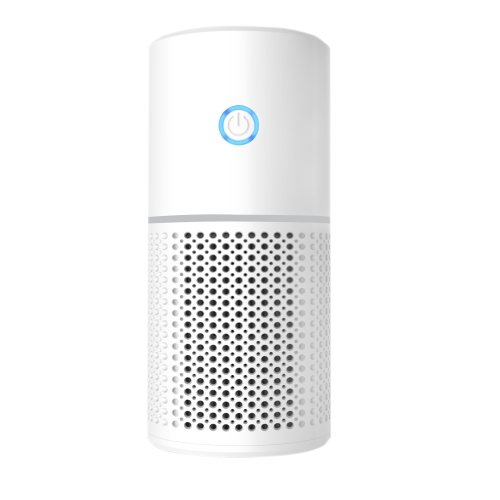
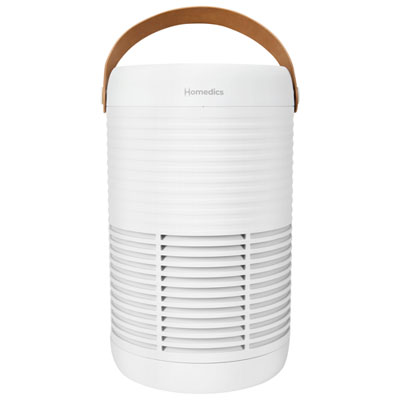
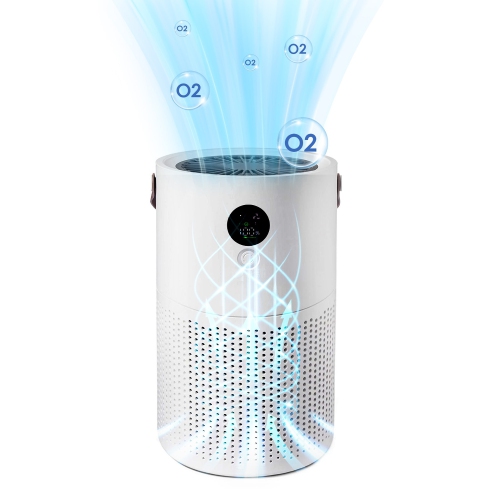
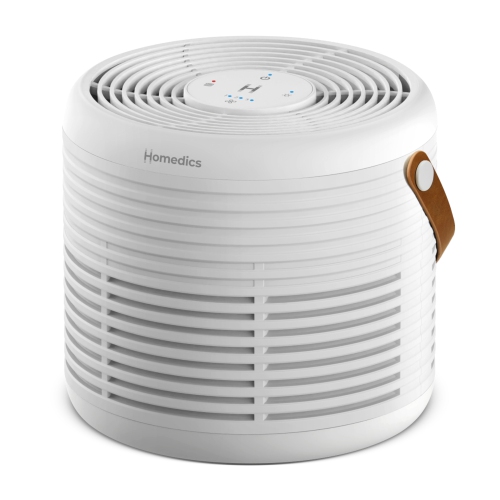
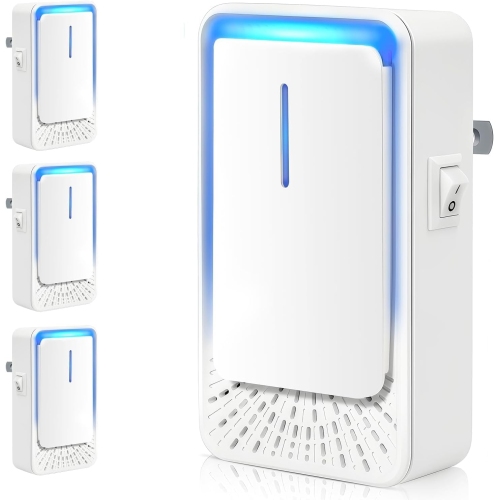
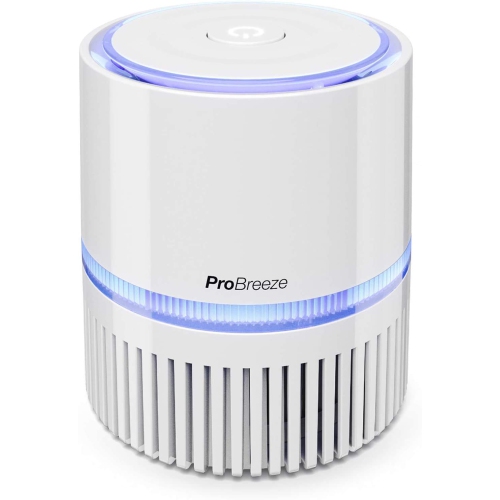
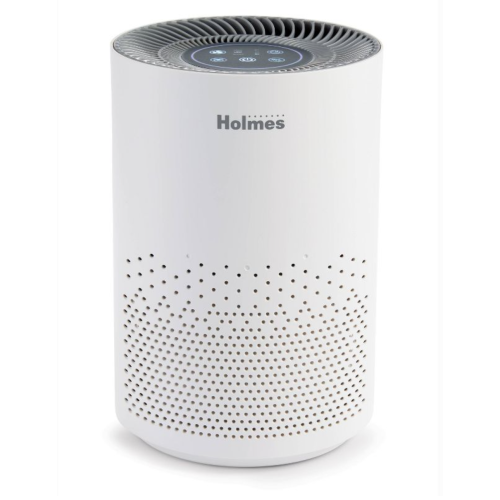
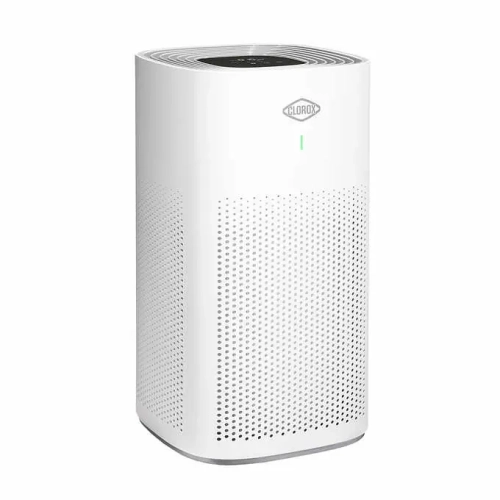
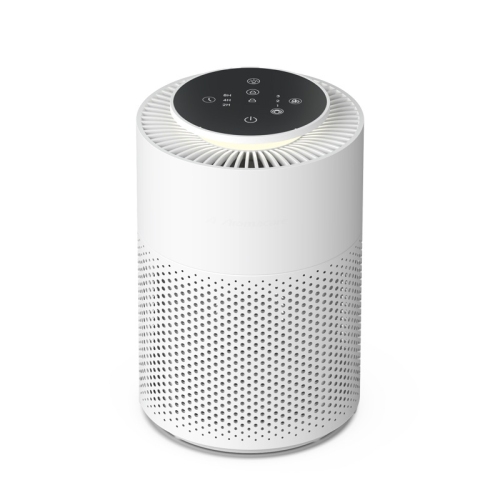
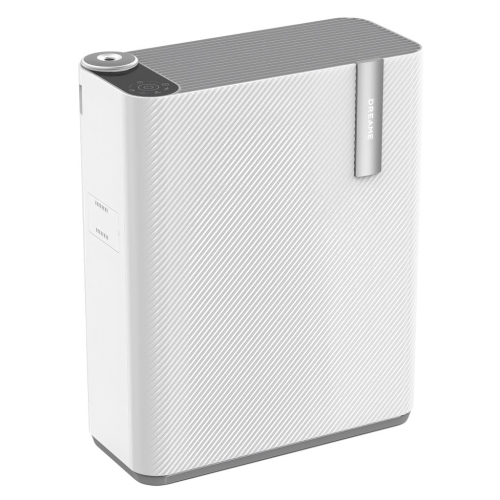
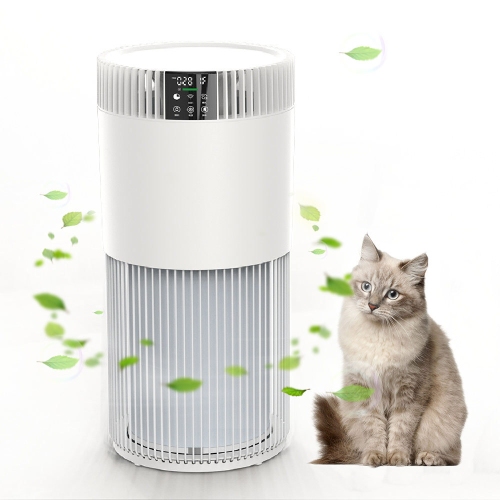
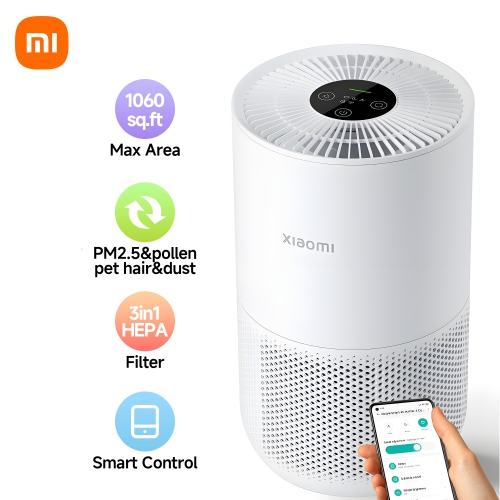
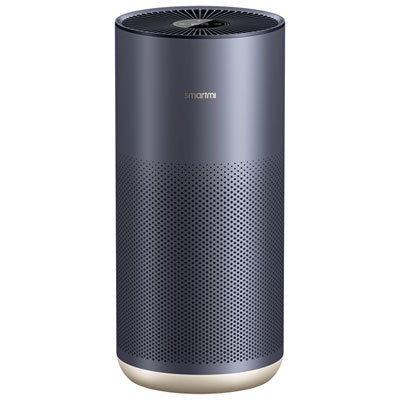
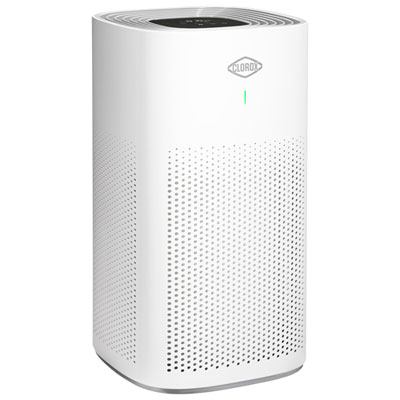
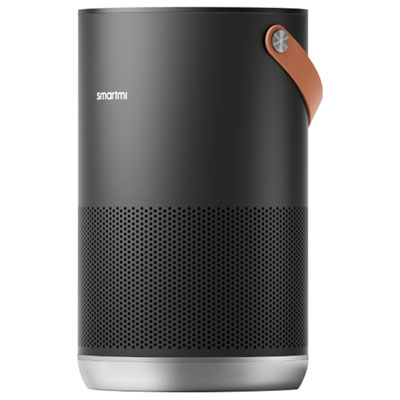
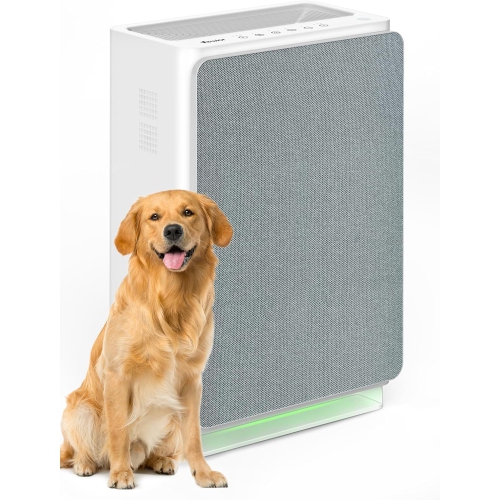

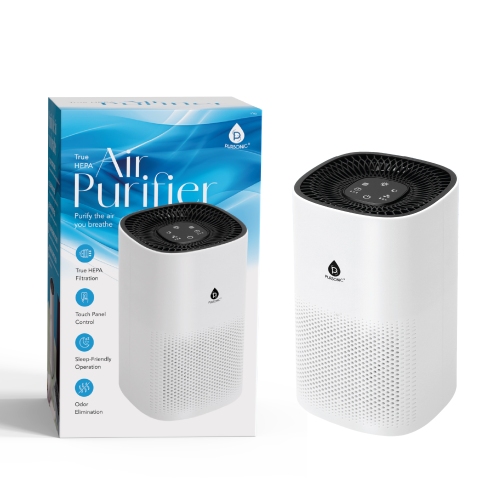

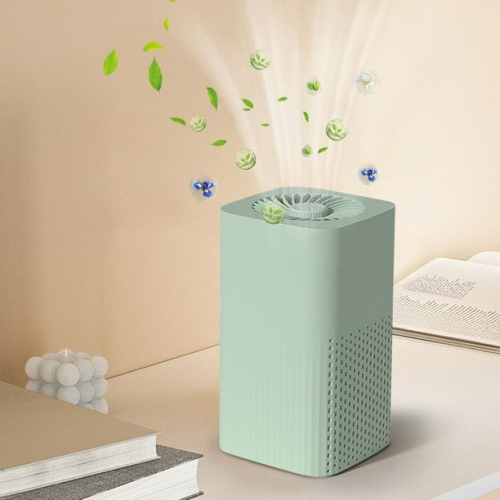


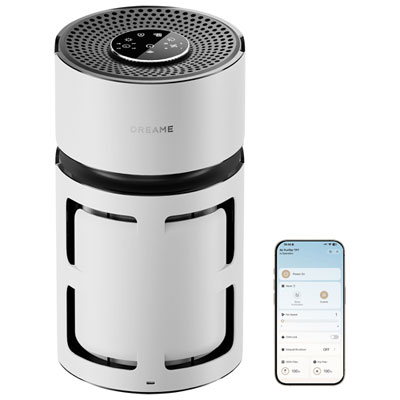

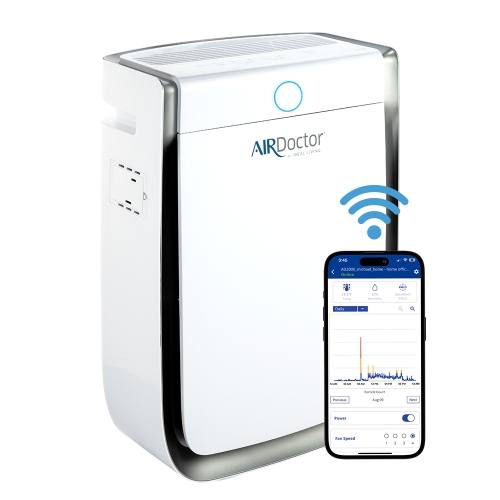
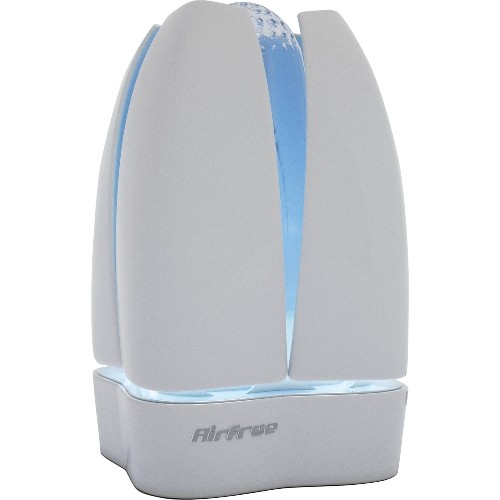
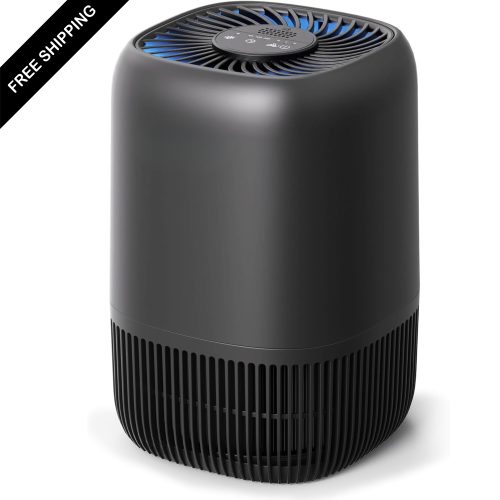
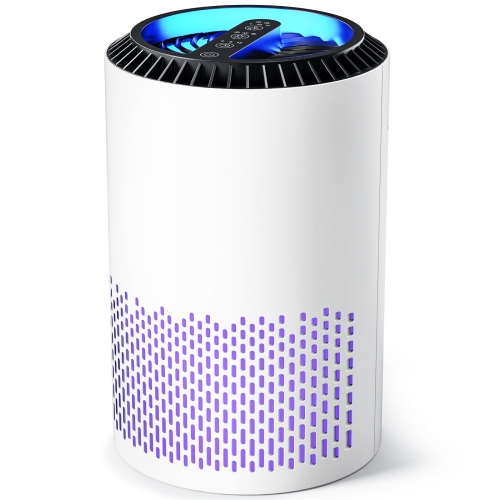
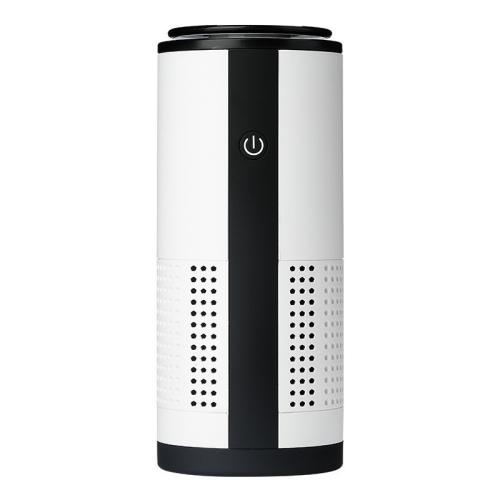
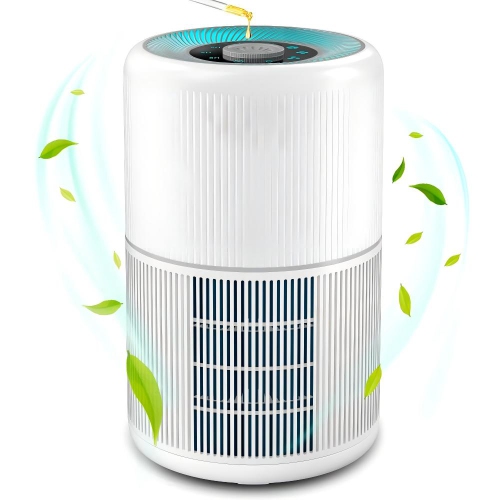
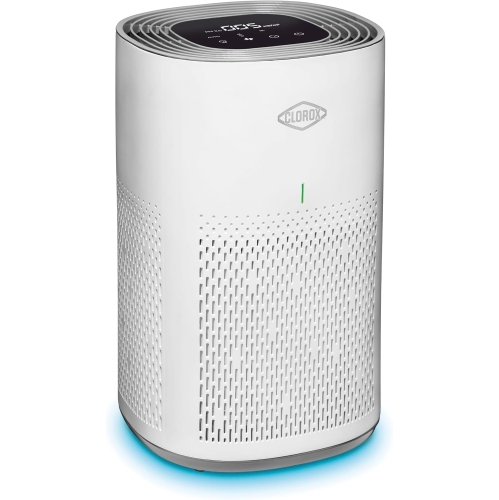
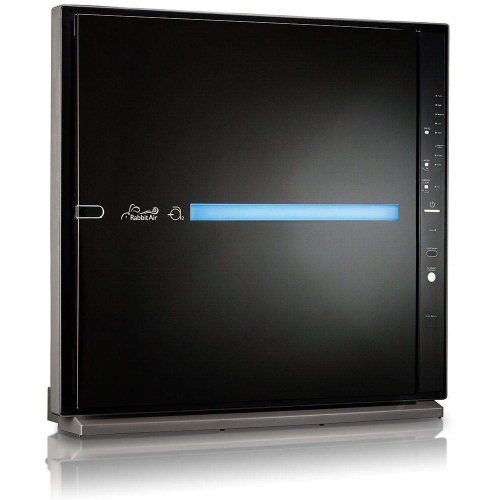
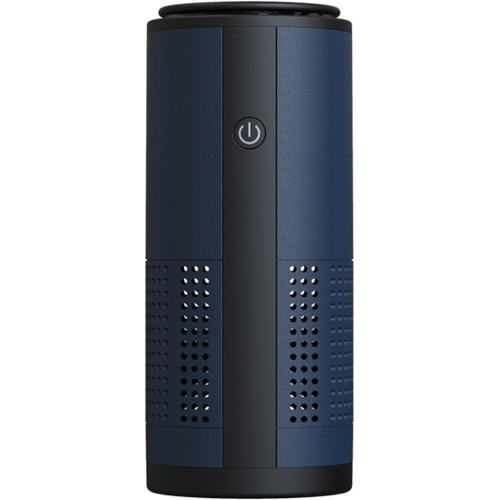
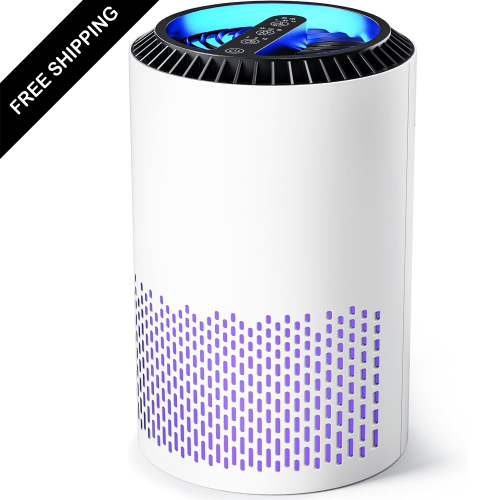
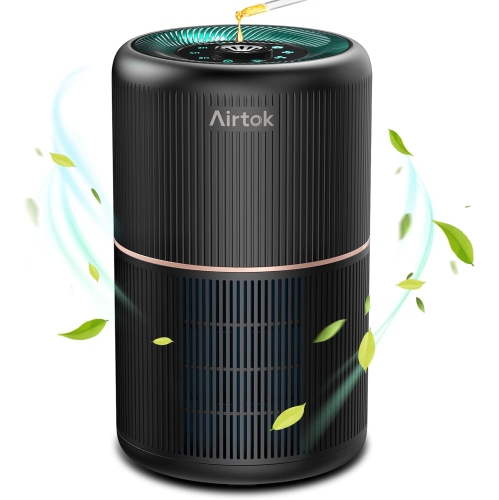
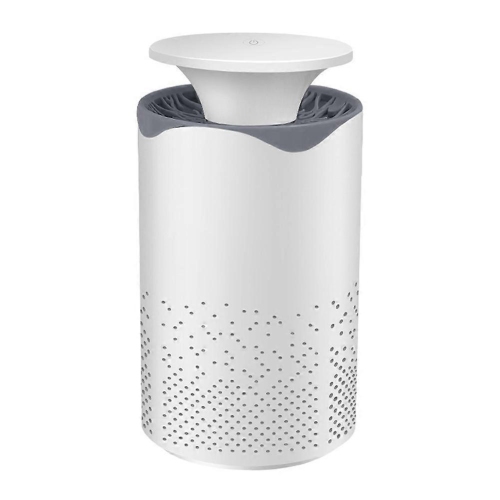
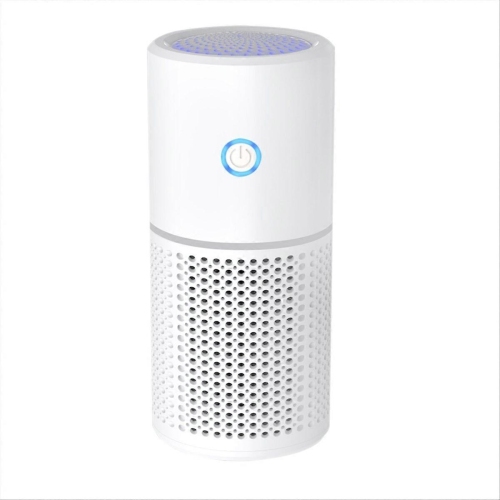
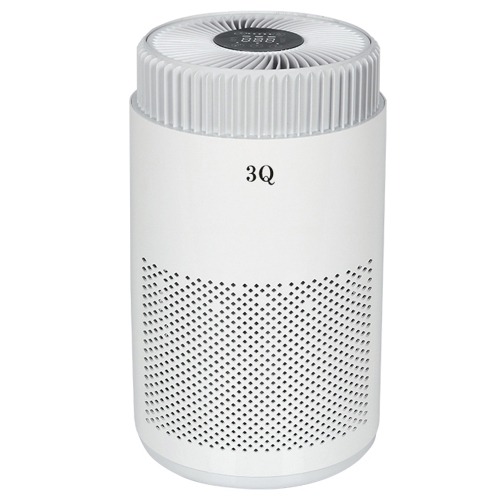
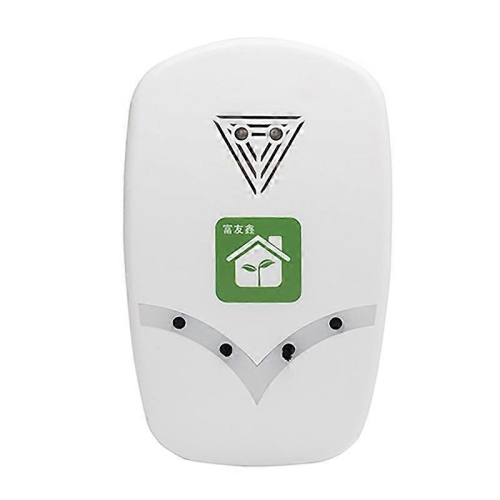
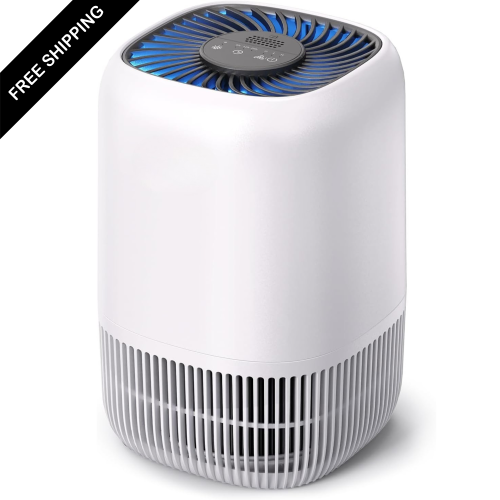
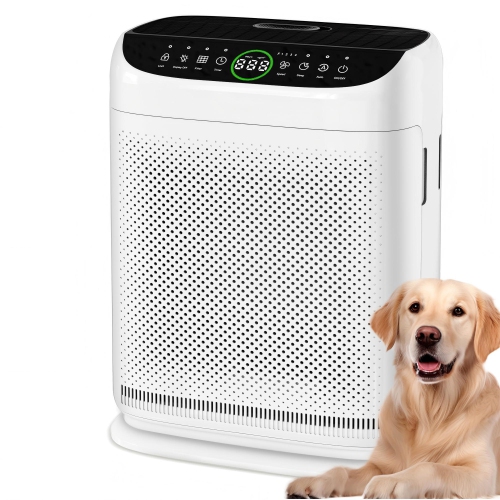
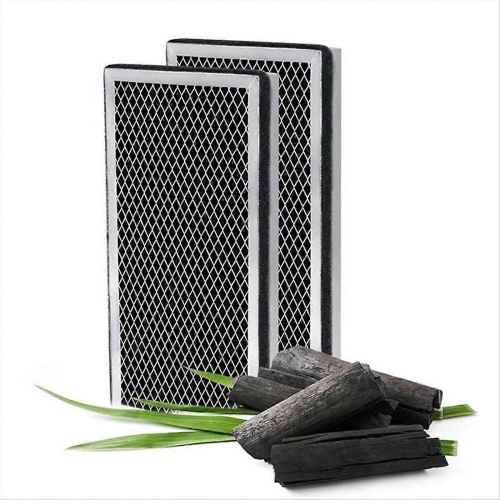
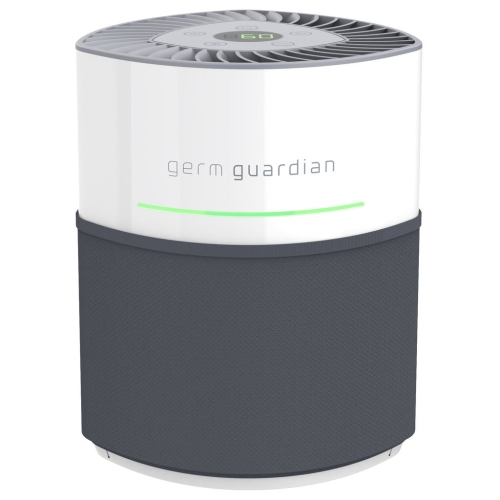
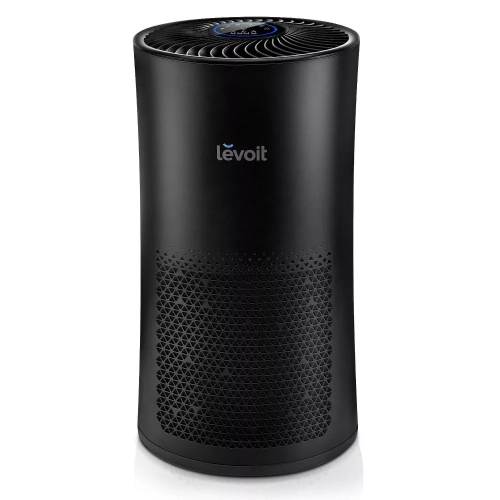
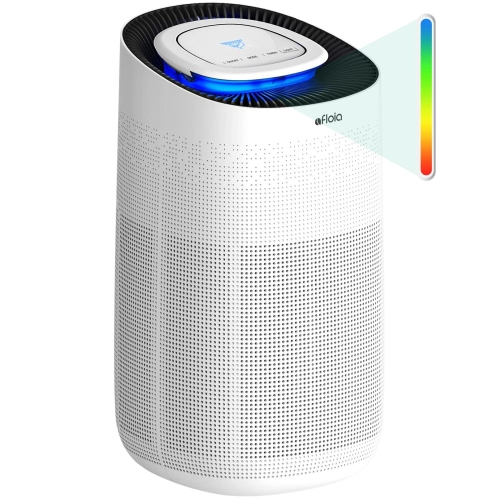
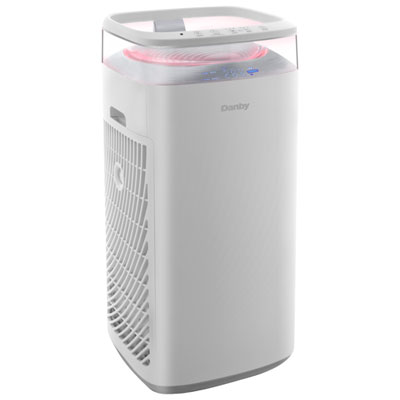
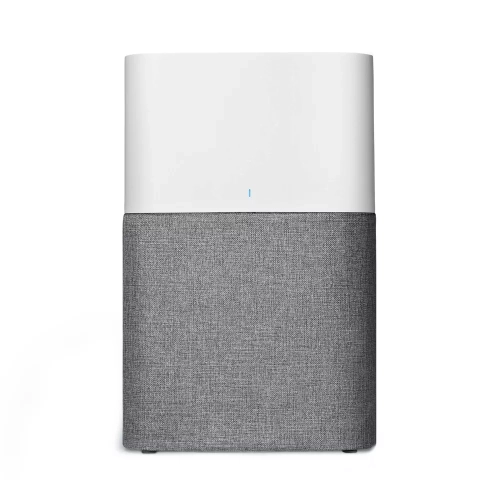

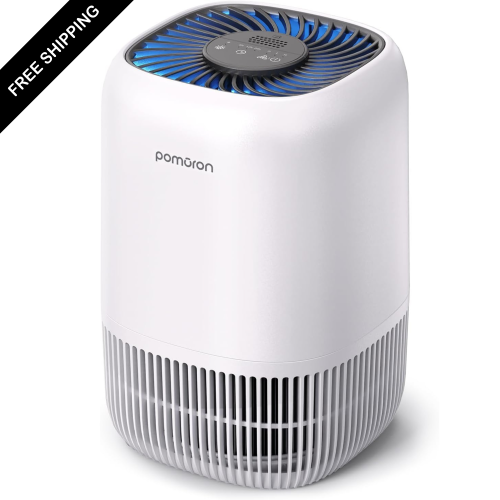
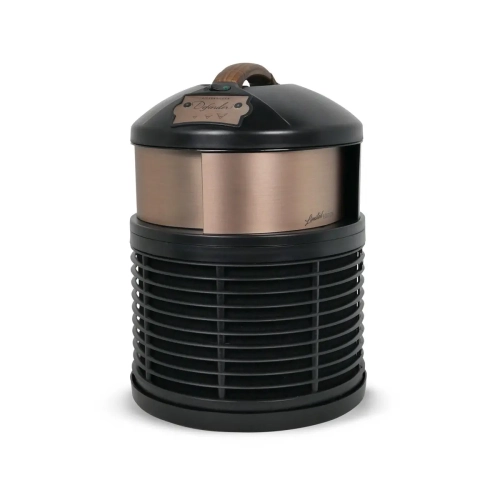
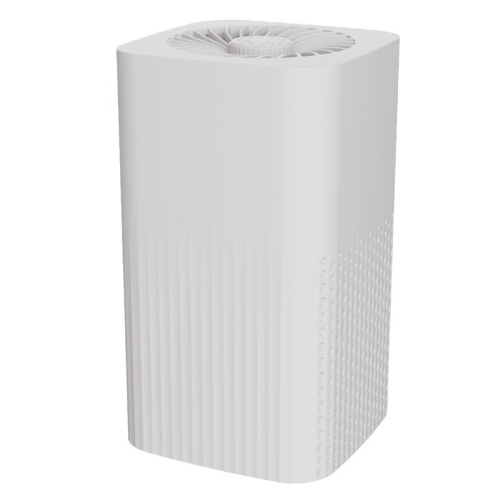
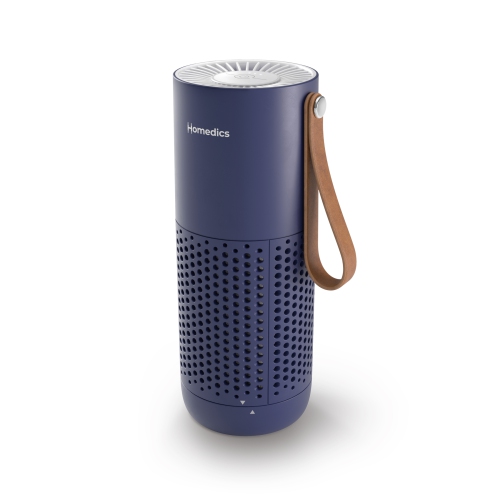
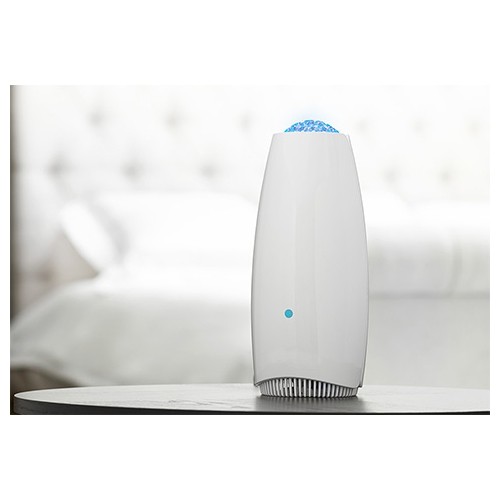
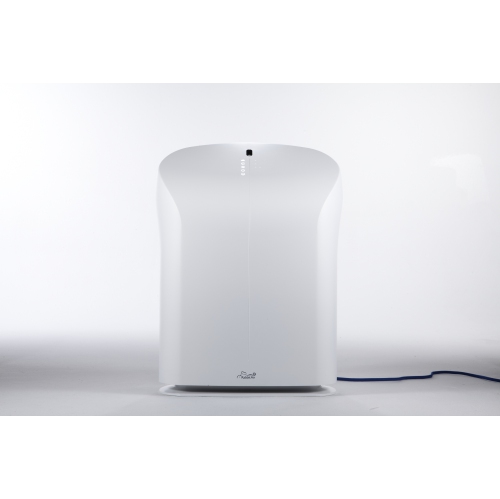
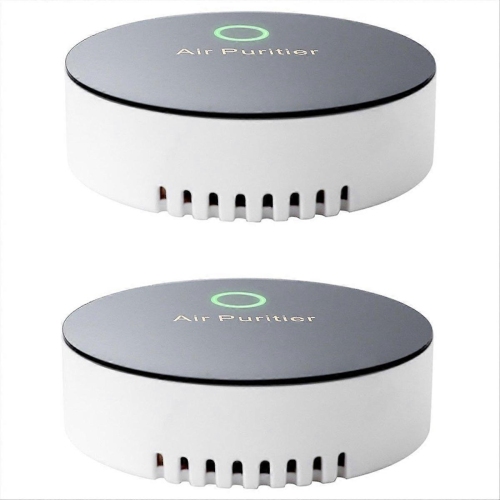
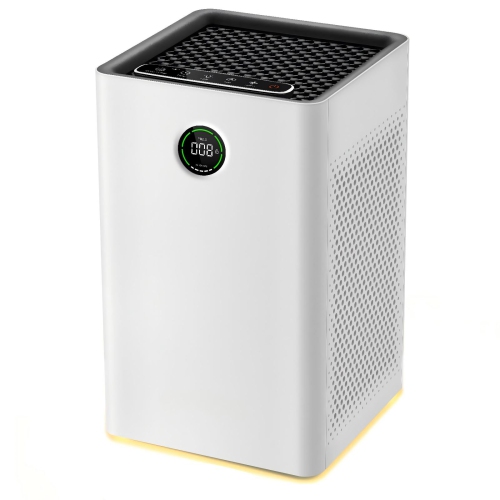
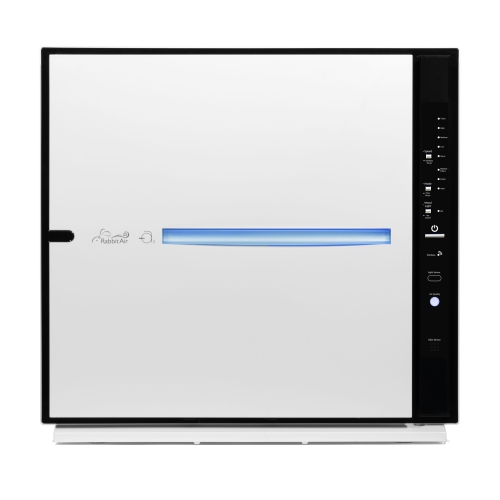
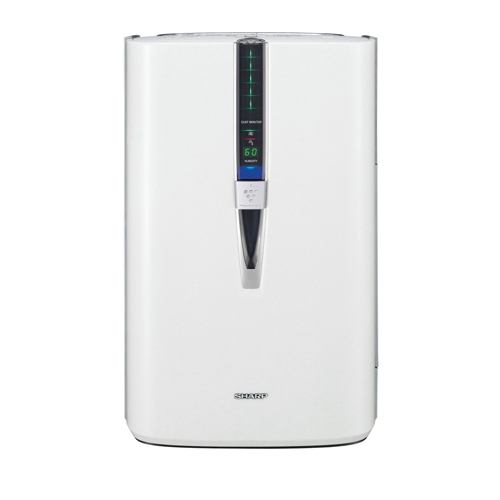
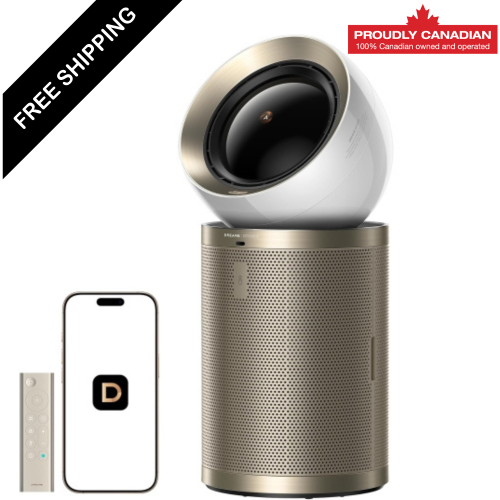

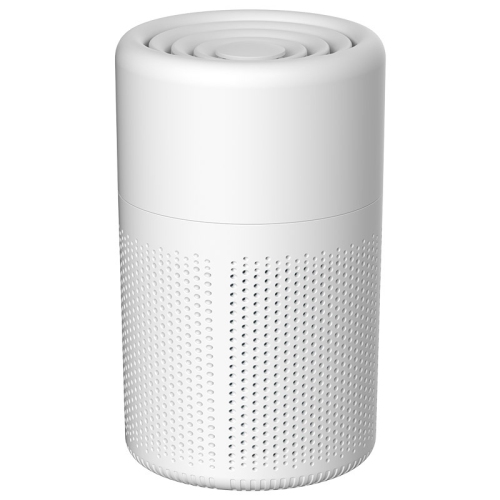
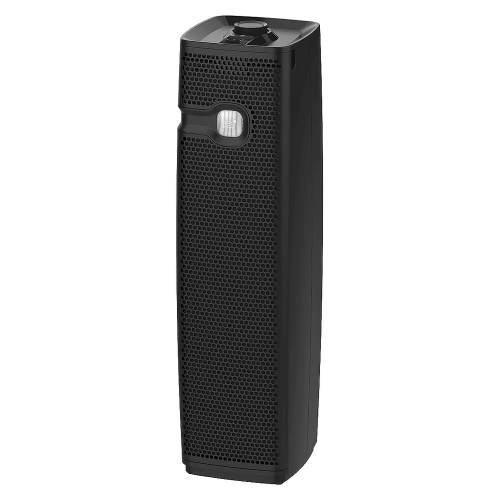
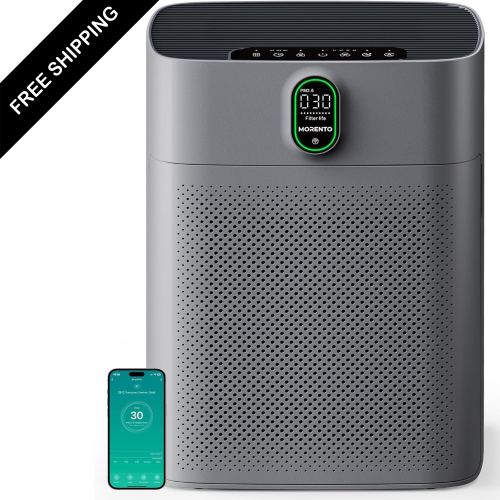
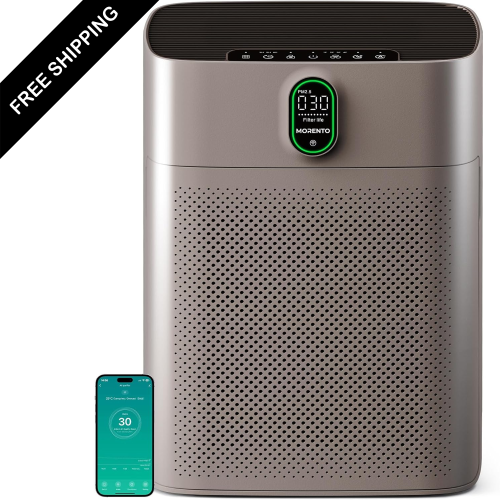
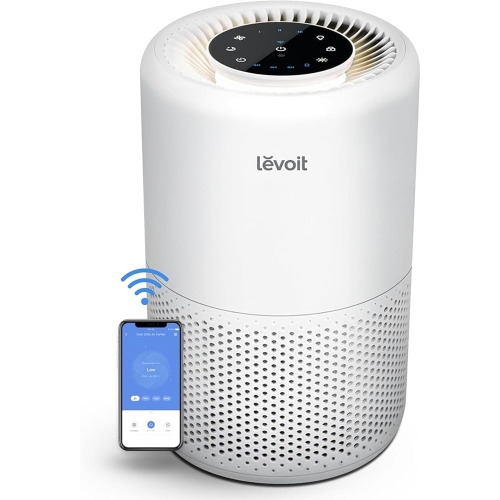
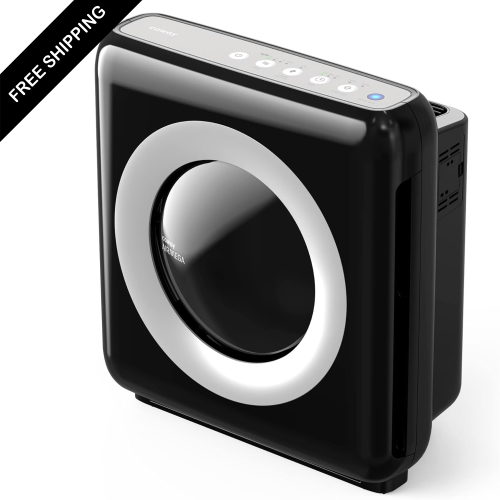

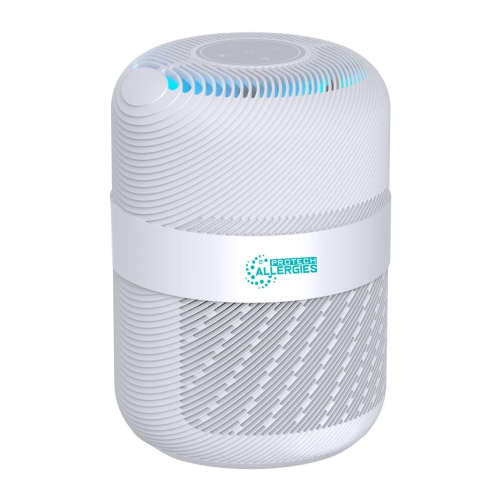
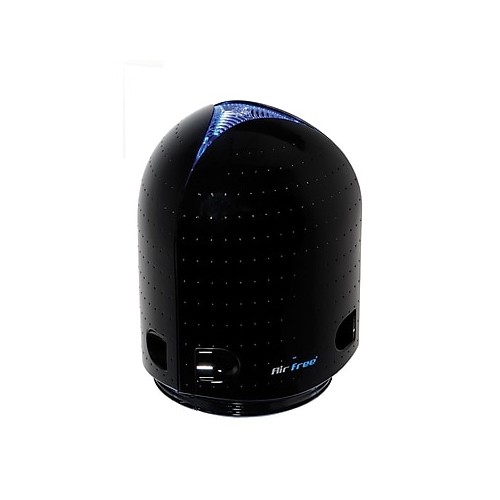
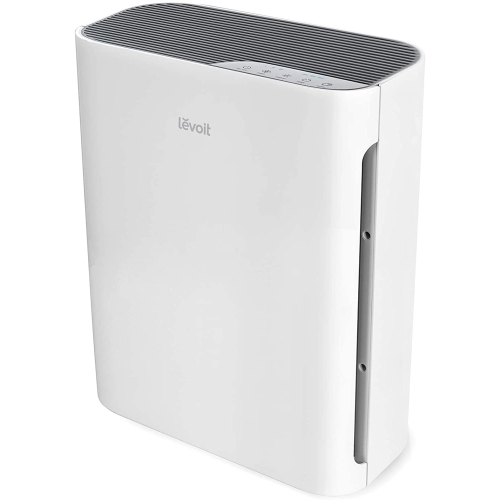
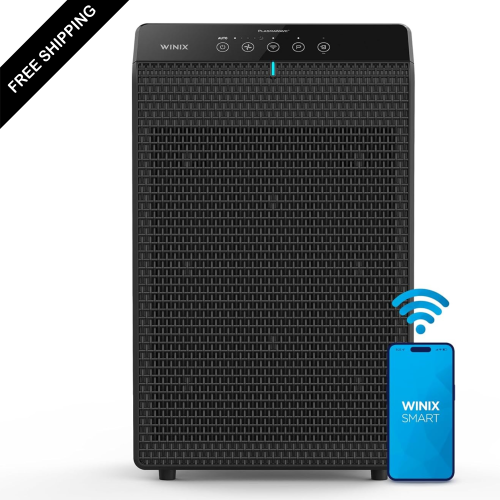
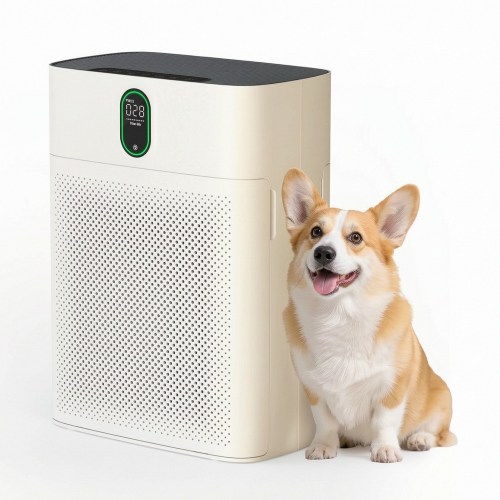
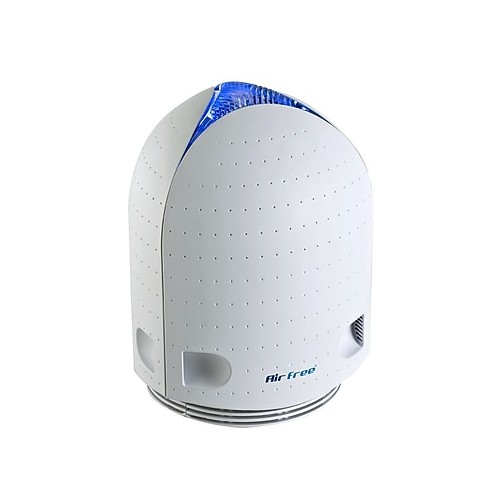
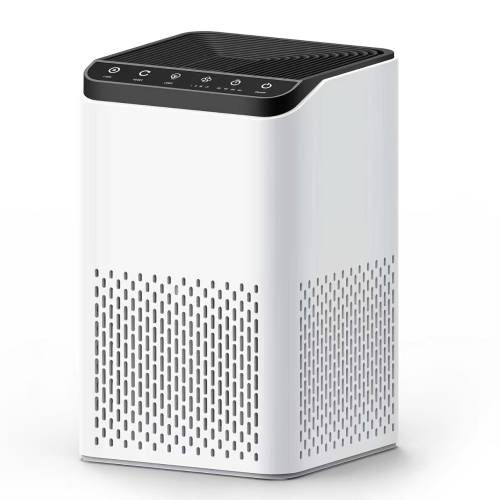
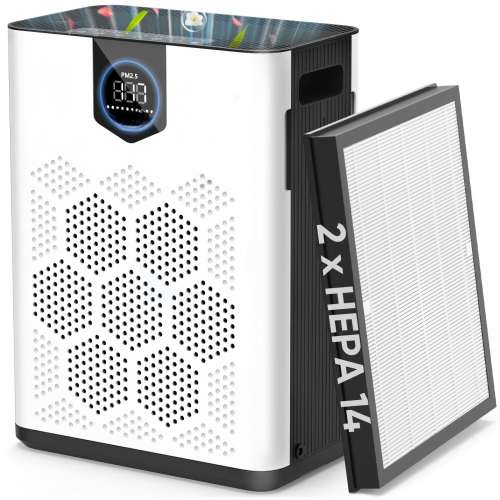
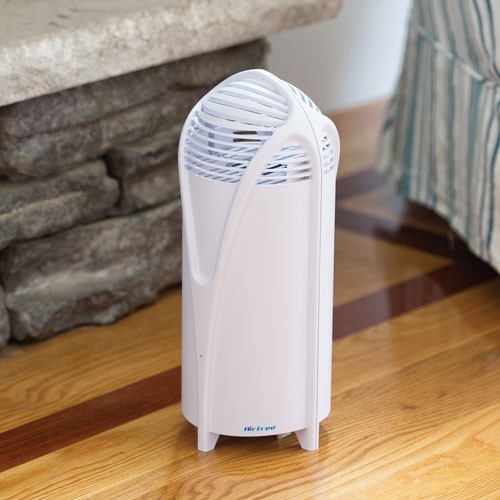
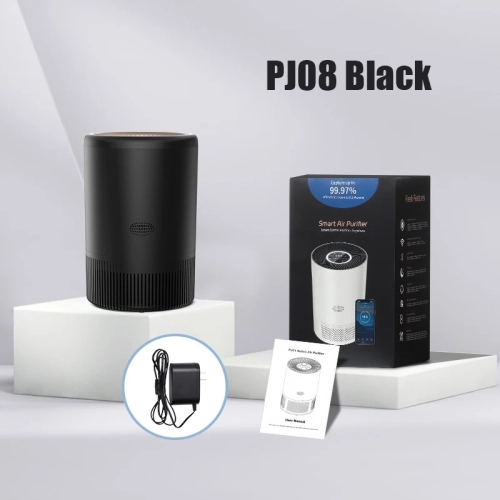
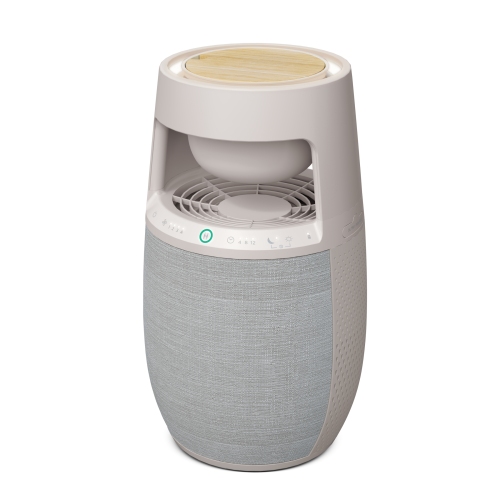
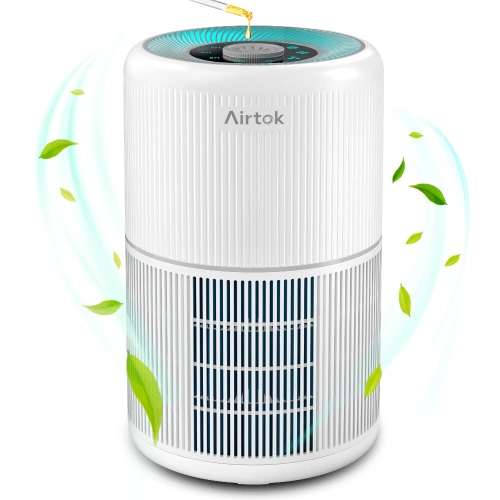
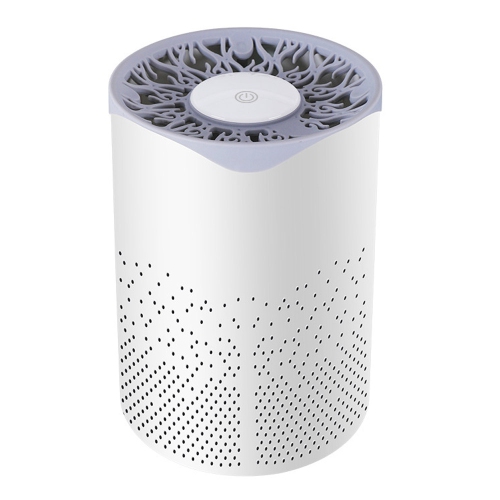
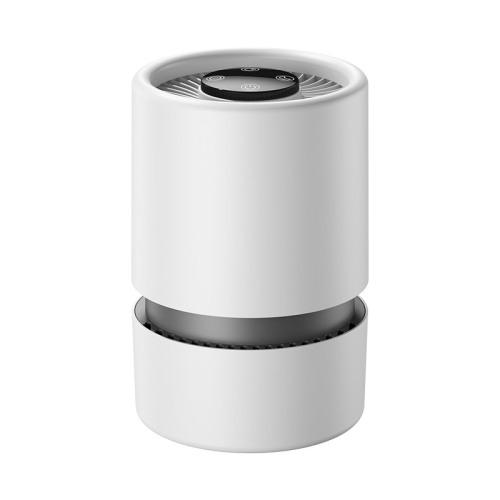
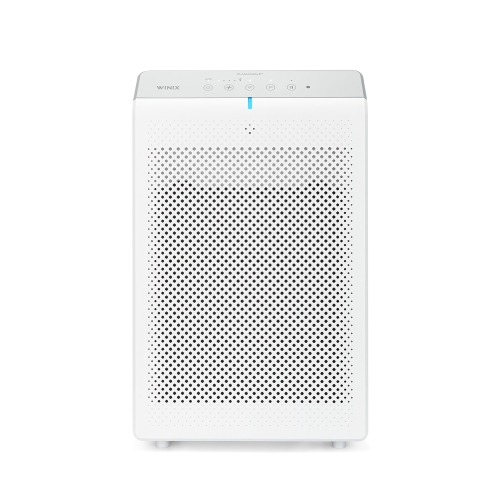
Cleaner bedroom air with less noise and light
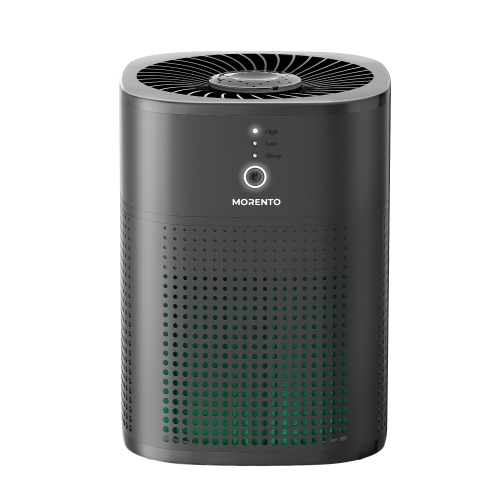
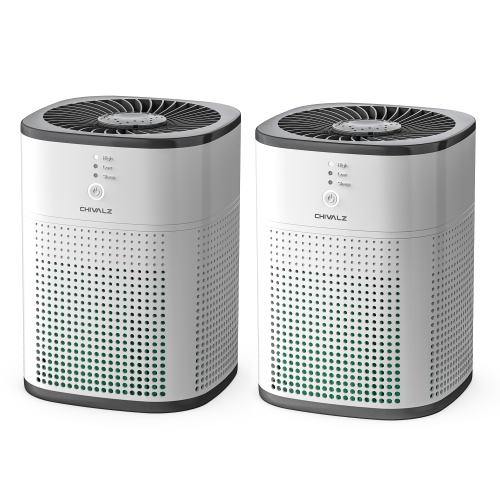
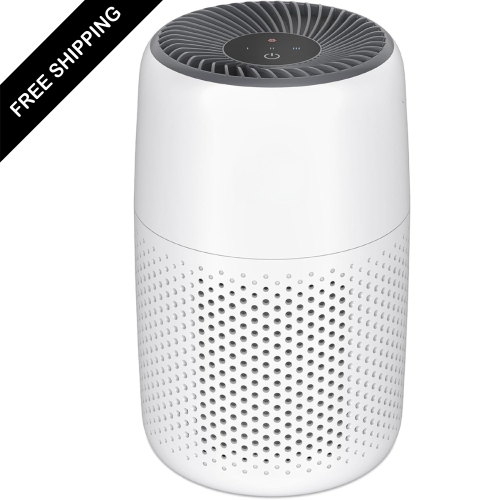
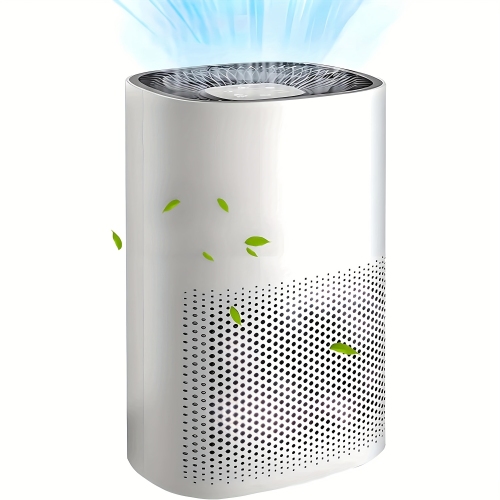
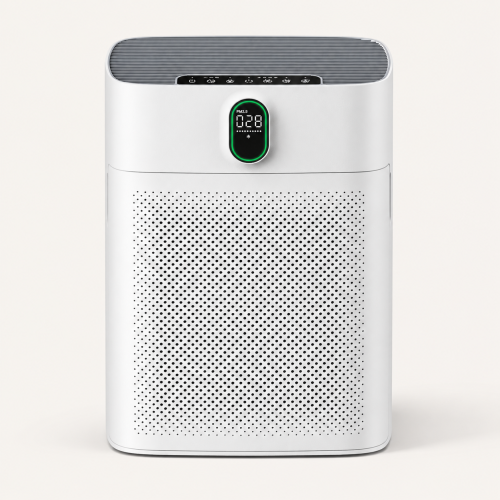
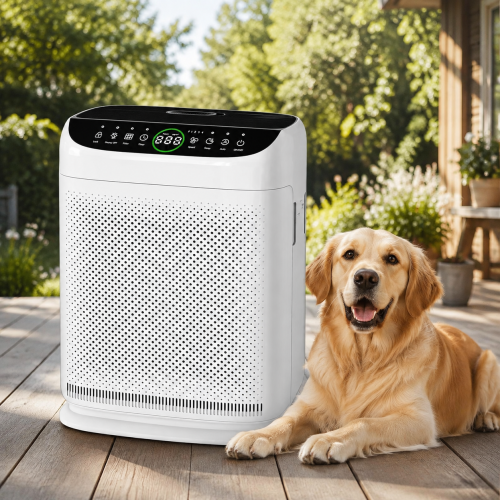
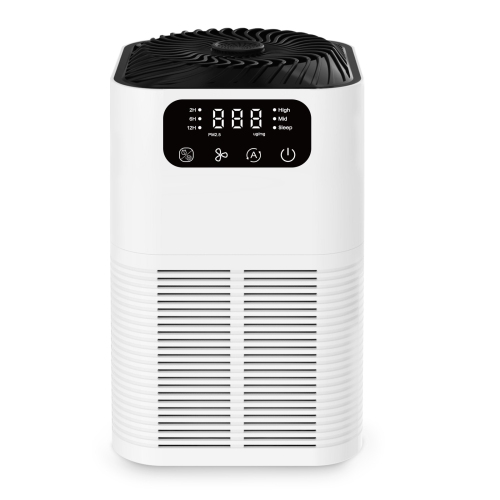
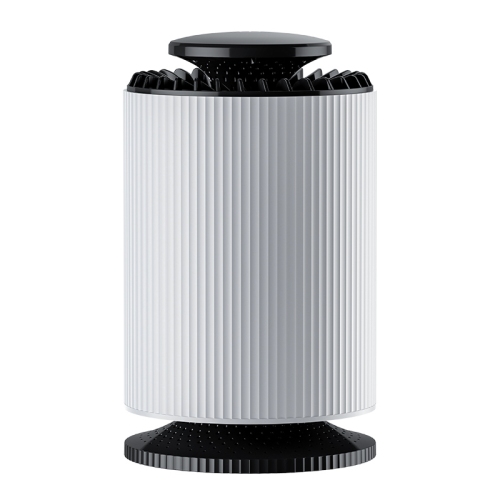
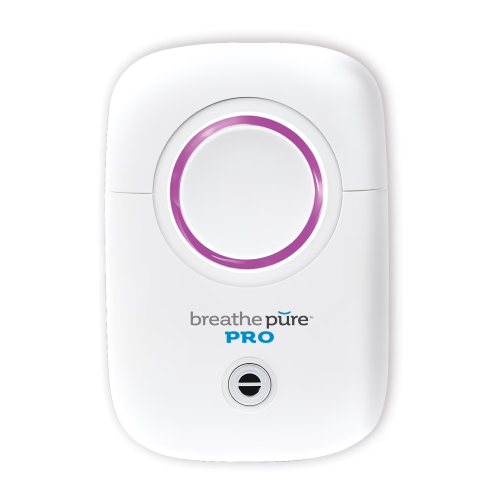
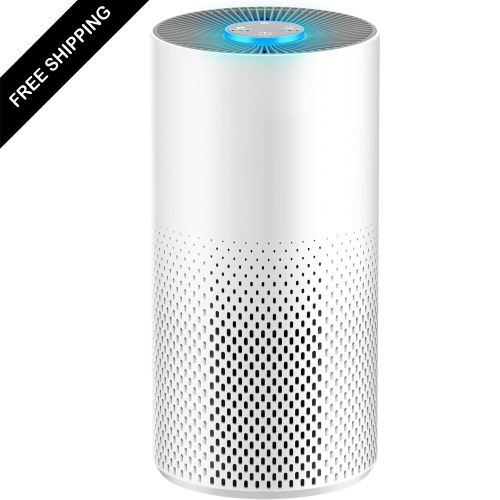
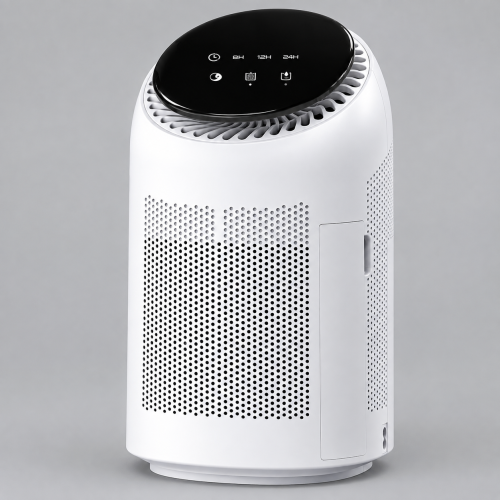
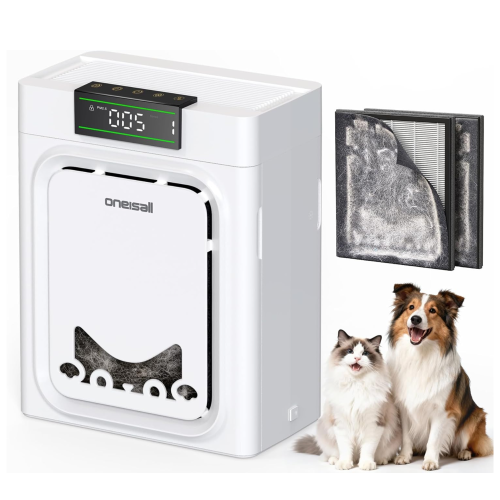
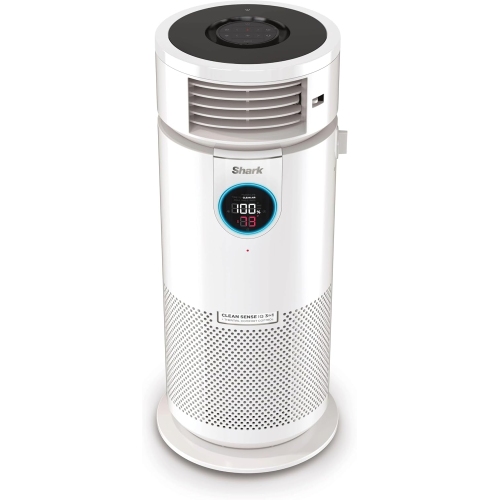
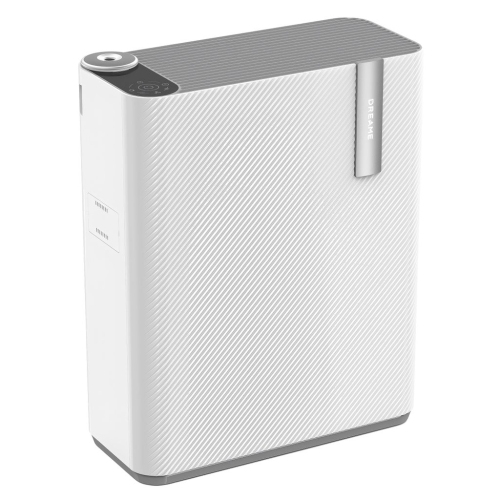
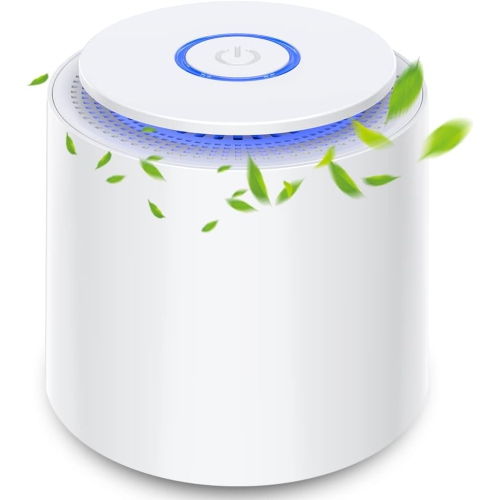
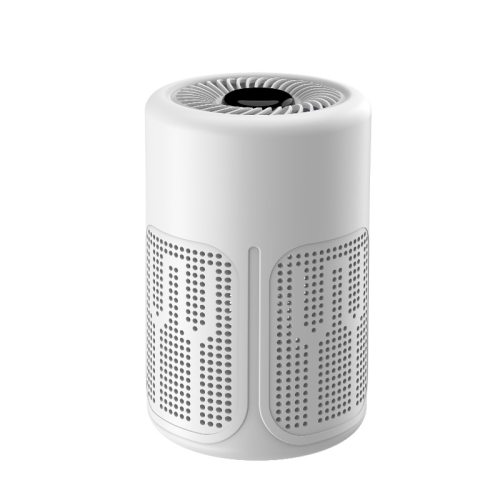
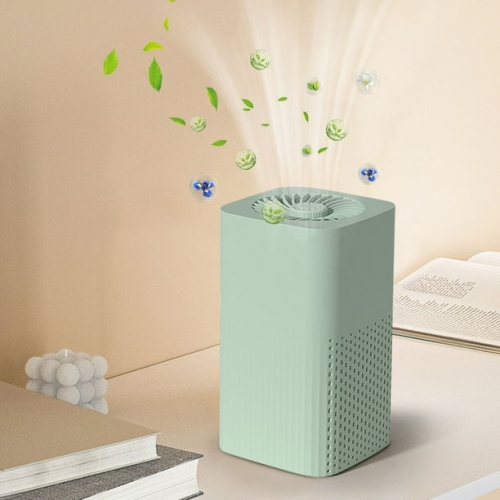
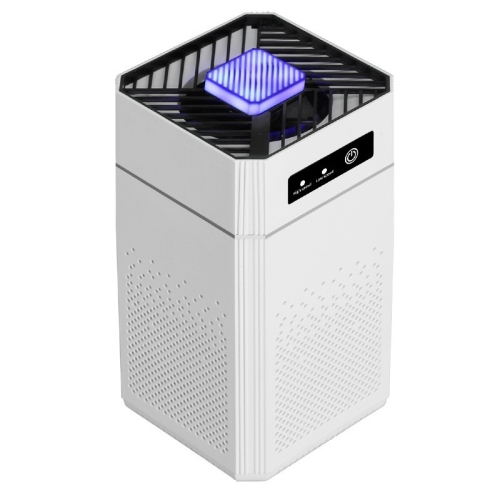
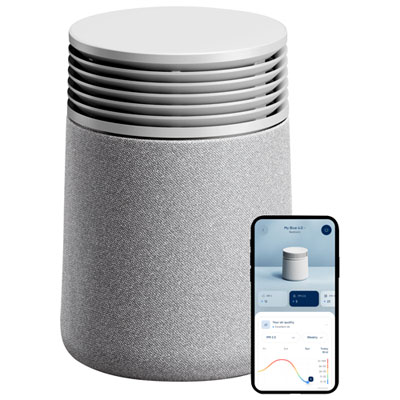
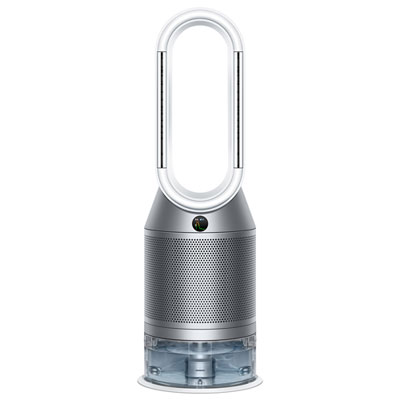
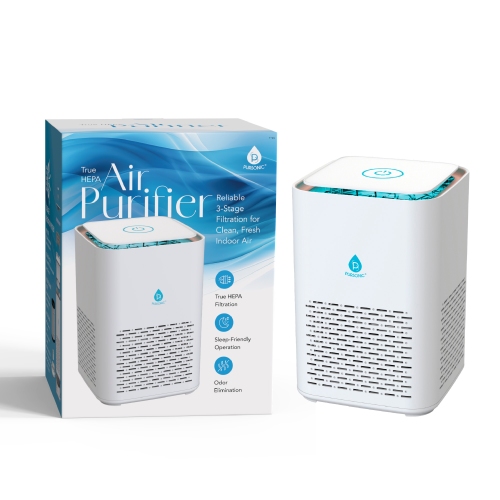
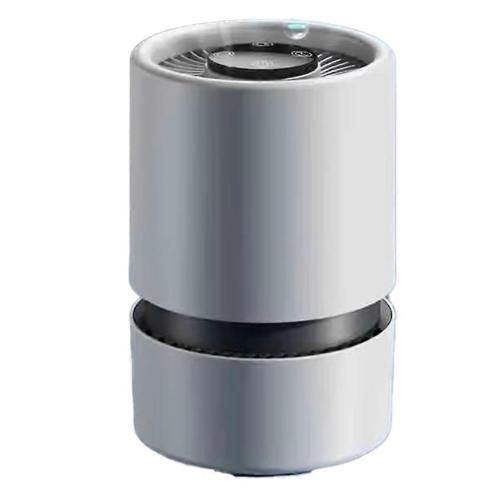
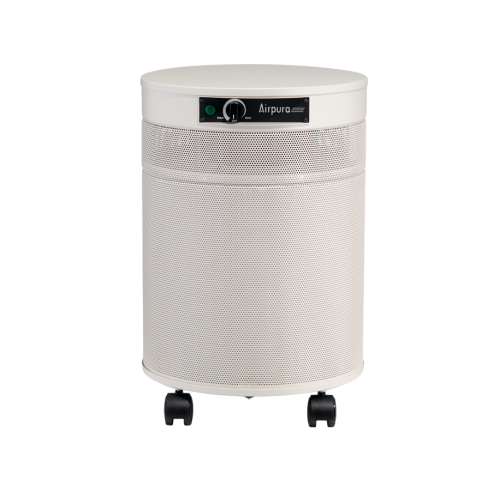
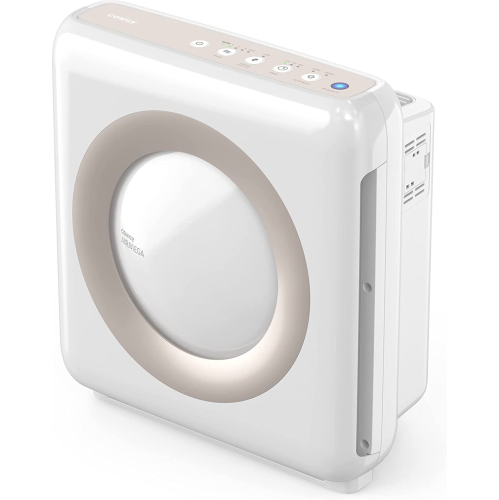
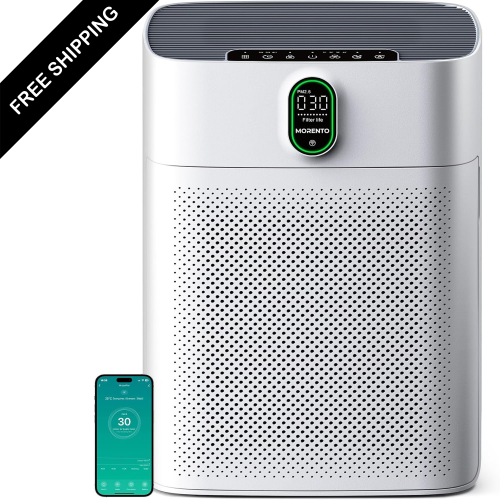
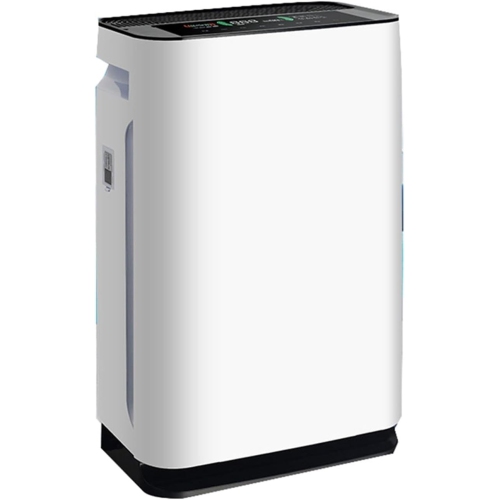
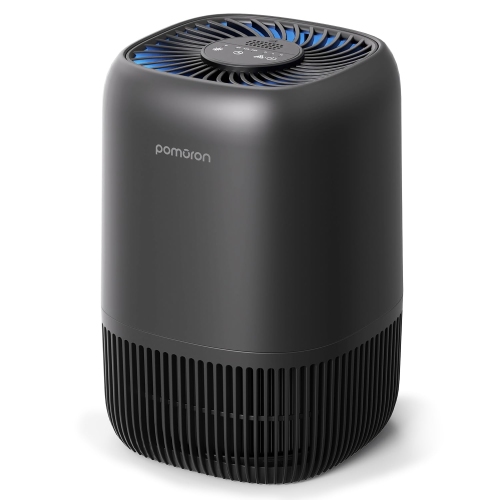
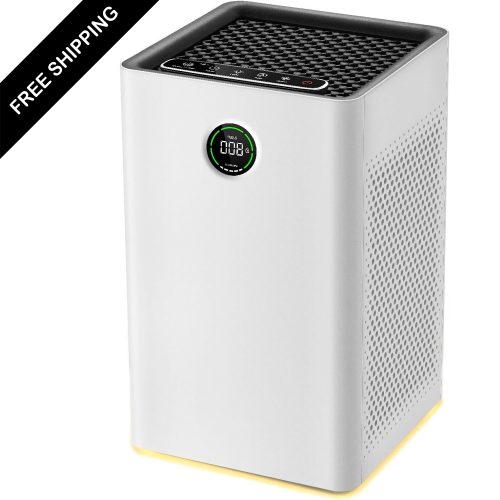
Air purifiers for sleep are designed to filter bedroom air while keeping fan noise and light low enough for overnight use. By drawing air through filters, they can reduce airborne particles such as pollen, pet dander, dust and mould spores that may contribute to discomfort at bedtime. For someone who notices a stuffy nose after settling into bed, or shares a room with a cat that favours the duvet, reducing these particles may help make the room more comfortable. An air purifier does not guarantee better sleep, treat sleep apnea or stop snoring, and its benefits depend on the source of the irritation, the filtration system and how consistently it runs. HEPA filtration is useful for capturing fine airborne particles, including some common allergens, while activated carbon can help reduce certain household odours and gases. These filters serve different purposes: a particle filter alone is not designed to remove cooking smells drifting down the hall, and a thin carbon layer has limited capacity for ongoing odours. Filtration also works only on material that reaches the unit, so it complements rather than replaces washing bedding, removing settled dust and addressing moisture problems. For overnight comfort, the sound of the fan matters almost as much as the filter inside. Some sleepers prefer a faint, steady hum that softens the contrast of occasional household sounds; others need the quietest practical setting. Published decibel ratings are most helpful when they specify the fan speed being measured, since a whisper-quiet minimum setting says little about noise at full output. Sleep mode typically lowers fan speed and may dim or turn off display lights, but these functions vary. A truly dark display can make a noticeable difference beside a bed, especially for anyone sensitive to a small status light shining across the room. Controls that remain easy to find in the dark, without a bright screen or loud confirmation tone, add practical comfort to the nightly routine.
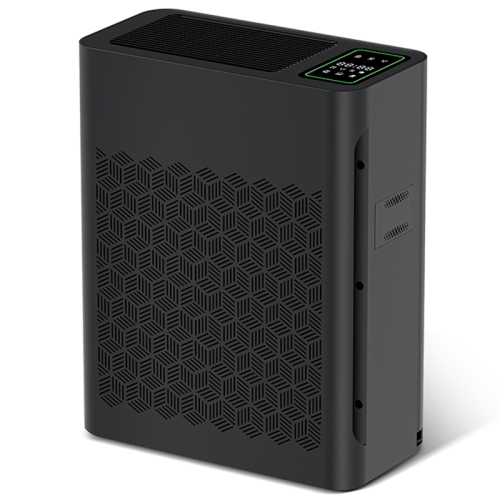
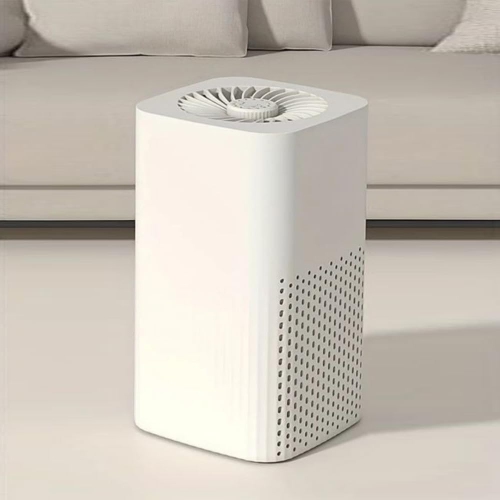
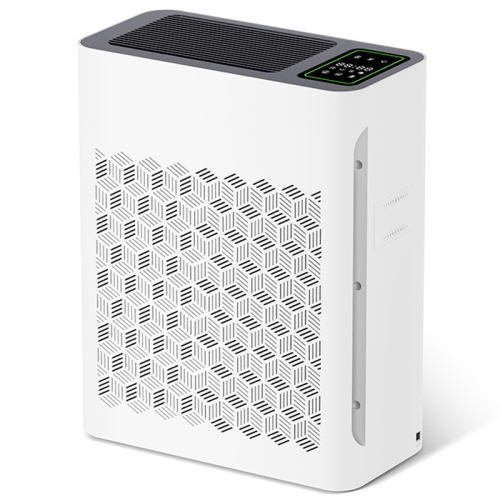
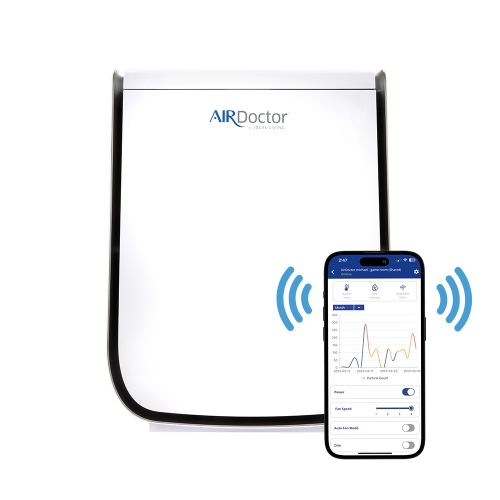
The best fit for a bedroom starts with room size and airflow, not simply the smallest unit that fits on a bedside table. Coverage claims should be read alongside their stated conditions: a large advertised area may assume far fewer air changes per hour than a smaller room rating. Clean air delivery rate, often shortened to CADR, helps describe how quickly a purifier supplies filtered air for particular particle types. Higher CADR values generally indicate faster particle removal under test conditions, but the airflow delivered at a quiet overnight speed may be lower than the maximum rating. A unit with capacity to spare may be able to serve a bedroom at a gentler fan setting, though quiet operation still depends on its design. Ceiling height, an open doorway and a connected dressing area can all affect the volume of air being treated. In a compact bedroom, a slim floor-standing shape can leave the bedside surface clear for a lamp and a glass of water; in a larger room, a wider footprint may be worthwhile if it provides suitable airflow without an intrusive sound. Follow the specified clearance around air intakes and outlets, and avoid tucking the purifier behind curtains, underneath tightly enclosed furniture or beside bedding that could block the grille. A firm, level surface helps limit vibration, while a position away from the pillow can prevent a cool stream of air from blowing directly across the face. Keep cords out of walking routes, particularly along the path between the bed and the door. For light sleepers, adjustable fan speeds and a separate display-off control can be more useful than a long list of connected features. Timers and schedules can simplify bedtime operation, while Wi-Fi controls may allow adjustments without getting out of bed. Automatic modes can respond to readings from built-in particle sensors, but those sensors do not detect every pollutant, and sudden fan-speed changes may be distracting overnight. A fixed low setting can offer more predictable sound, provided it supplies enough airflow for the room.
Everyday care has a direct effect on how well an air purifier works over time. A pre-filter catches larger debris such as lint and pet hair before it reaches the main filter, making accessible filter compartments especially useful in bedrooms shared with shedding pets. Some pre-filters can be washed, while others should be vacuumed or replaced; the care directions determine which method is suitable. HEPA filters generally should not be washed unless the manufacturer explicitly permits it, because water can damage the filtering material. Replacement intervals depend on the filter design, hours of use and particle levels, so a reminder light is a helpful prompt rather than proof that every filter has reached the same condition. Dust building up around the intake, persistent odours or reduced airflow can signal that maintenance is due. Smooth exterior surfaces and grilles that are easy to reach make routine cleaning less awkward, while sturdy construction, a stable base and well-fitting panels help support regular use without unwanted rattles. Filter dimensions and compatibility matter too: a close fit helps keep air moving through the intended filtering surfaces rather than around them. For regular overnight operation, power consumption at the settings likely to be used is another practical consideration. Energy-Efficient Air Purifiers for Bedrooms offers a related focus for shoppers comparing this aspect of bedroom use. During the cooler months, when windows may stay closed for longer stretches, filtration can be a useful addition to a room-care routine, but it does not replace appropriate ventilation or remove excess carbon dioxide. Most air purifiers also do not add moisture, so dry air and airborne particles are separate concerns. Mechanical filtration is a straightforward choice for sleeping spaces; avoid devices that intentionally generate ozone, a lung irritant. For a shared bedroom, guest room or thoughtful housewarming gift, the most useful features are often simple ones: suitable room coverage, manageable filter care, unobtrusive sound and lights that stay dark until morning.
Top selling and popular products
-
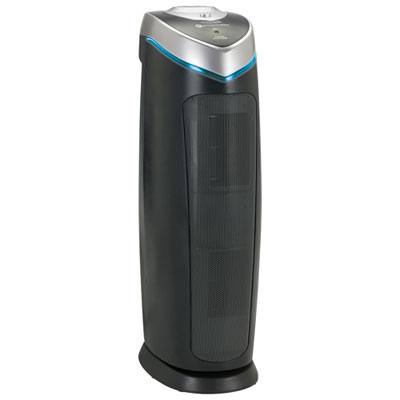 Your price for this item is $139.99
-
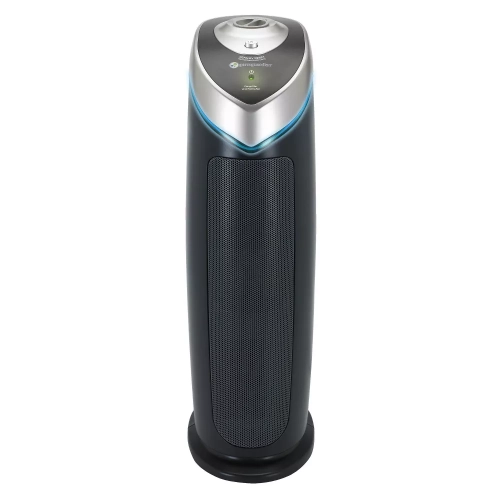 Your price for this item is $323.72
-
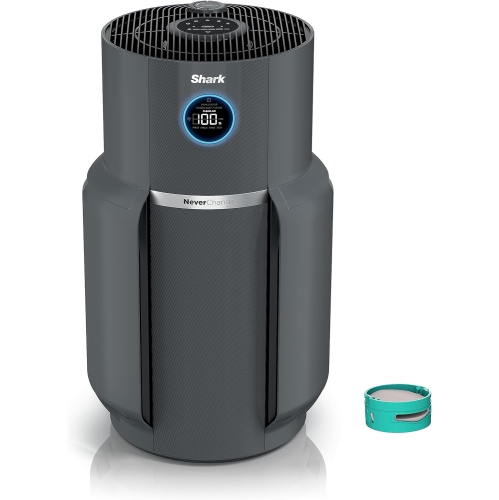 Your price for this item is $999.99
-
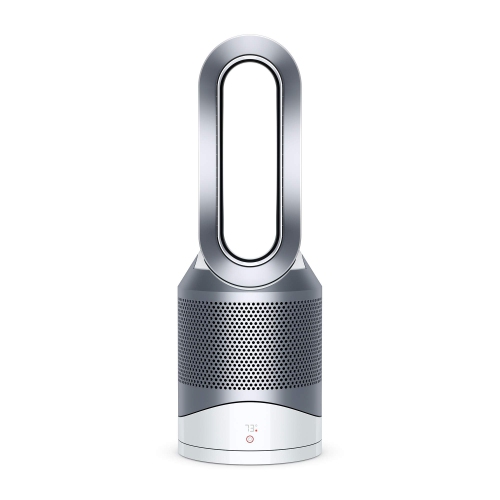 Your price for this item is $729.99
-
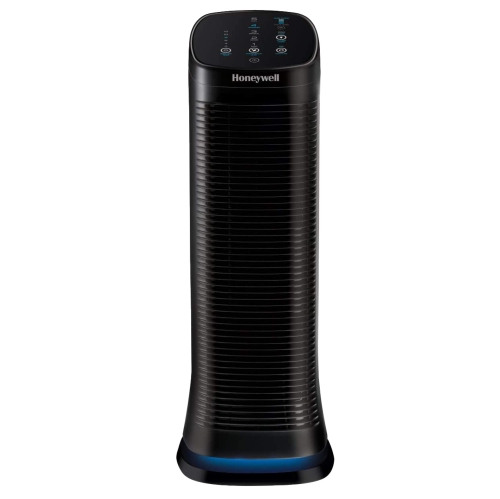 Your price for this item is $583.14
-
 Your price for this item is $719.39
-
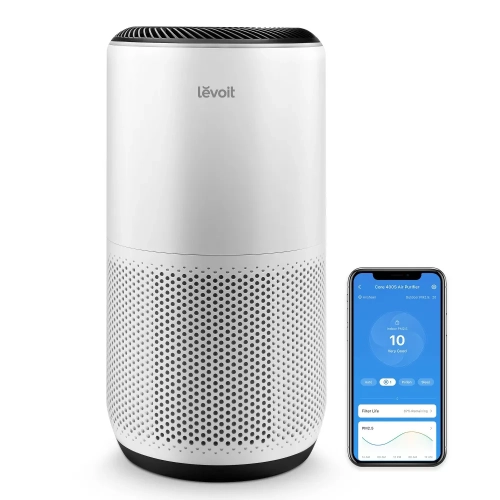 Your price for this item is $699.99
-
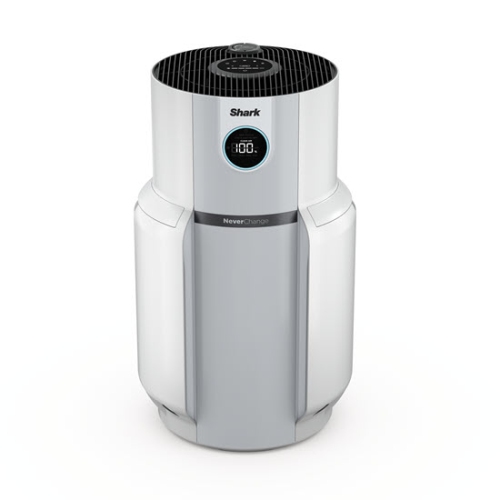 Your price for this item is $229.95
Discover more categories related to Air Purifiers for Sleep
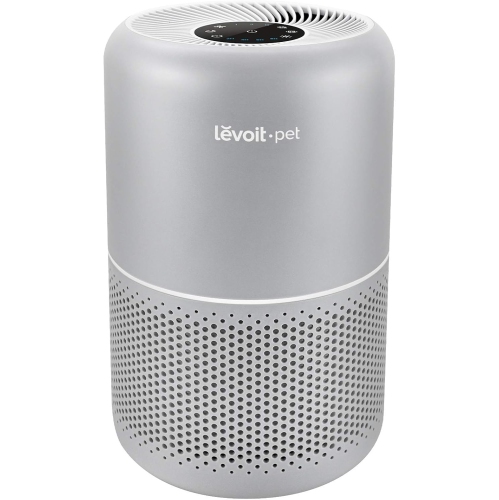
Top Collections:
Pokemon Centers, Best Cameras for Sports Photography, Kindle Devices, Samsung Galaxy Phones, Canon G7X Cameras, Pokémon 30th Celebration Cards, Refurbished Apple Laptops, iPhone 15 Apple, Laptops for Students, Budget Smartphones
Some products may be subject to Environmental Handling Fees
(EHF) depending on your province.
Learn more about EHFs.