Amana Freezers
Amana Freezers offer a reliable solution for keeping your food organized and preserved. Whether you need extra storage for frozen meals, bulk groceries, or seasonal treats, these freezers are designed to fit seamlessly into any kitchen, garage, or utility space. Explore a range of sizes and styles to find the perfect Amana Freezer that matches your household needs and helps you make the most of your available space.
Sort
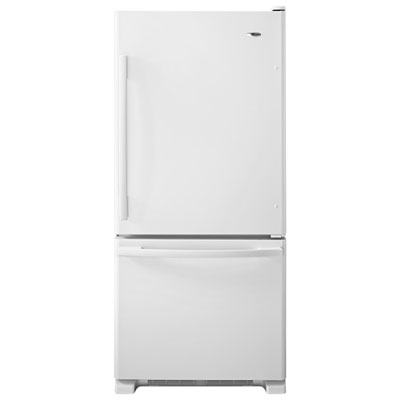
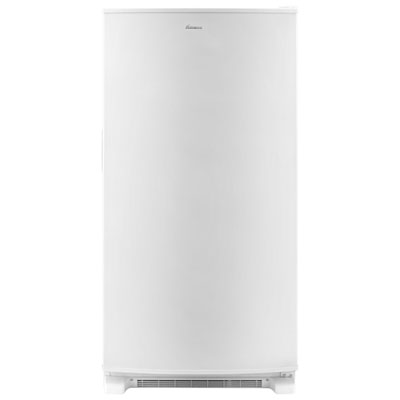

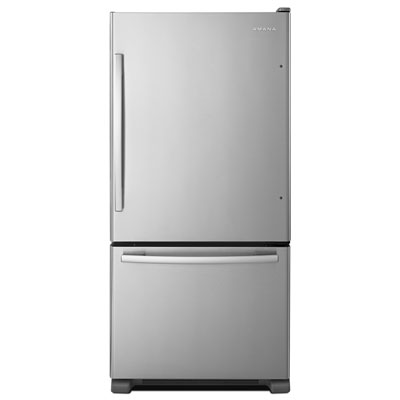
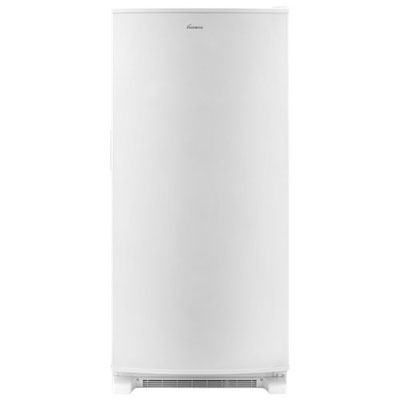
Why freezer layout matters as much as capacity
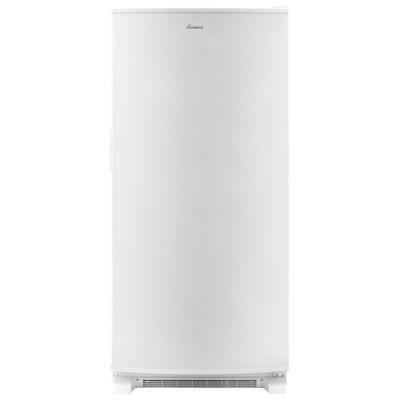
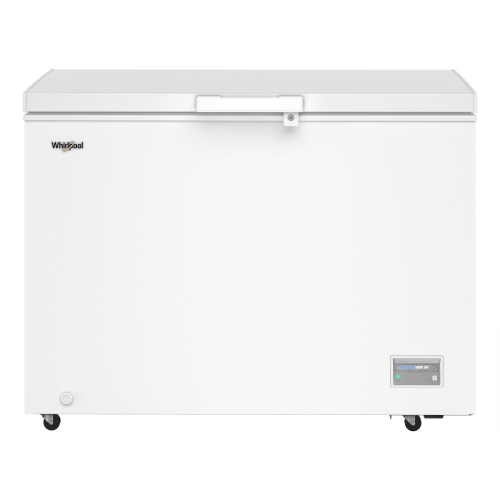
A dedicated freezer creates room for the food that does not comfortably fit beside everyday refrigerator essentials: a stack of homemade meals, family-sized packages of meat, bread for the week ahead, or containers of soup ready for a quick lunch. Upright and chest freezers provide this extra storage in different ways. An upright freezer has a front-opening door and vertically arranged storage, making it easier to see labelled containers and reach frequently used foods without lifting out several layers. A chest freezer opens from the top and offers a deep compartment that can accommodate larger packages and irregularly shaped foods. Baskets and dividers, where included, help separate smaller packages from bulkier contents. The best fit depends as much on household routines as on overall capacity. Someone who prepares individual portions may appreciate shelves that keep containers visible, while a household that freezes larger batches may prefer a broad storage compartment with flexible organization. Capacity is commonly expressed in litres or cubic feet, but the interior layout determines how comfortably familiar packages will fit. Closely spaced shelves, a raised section over the compressor, and the shape of storage baskets can all affect usable space. Exterior dimensions matter just as much: the appliance needs to fit through doorways and along the delivery route before reaching its intended position. In a kitchen, basement, or utility room, the surrounding space must also accommodate the manufacturer's required ventilation clearances. An upright door needs room to swing open far enough for shelves or drawers to move freely, while a chest freezer needs unobstructed clearance above its lid. A nearby, suitable electrical outlet and a level supporting floor are practical requirements for either layout. Looking at these details together gives a more realistic sense of fit than capacity alone, particularly in a narrow laundry area or a shared storage room where access must remain comfortable after the freezer is installed.
Frozen-food storage depends on consistent cooling, a sound door or lid seal, and enough organization to keep packages accessible. A freezer should maintain an internal temperature of −18°C or colder for frozen-food storage; a separate appliance thermometer can help confirm the reading, especially when controls use numbered settings rather than a temperature display. Temperature controls, indicator lights, and door or high-temperature alarms vary by model, so their presence and operation should be confirmed in the appliance specifications. Defrosting is another important distinction. Manual-defrost freezers require periodic removal of accumulated frost, with food transferred to suitable frozen storage while the appliance is cleaned according to its manual. A defrost drain, when provided, can make collecting meltwater more manageable. Frost-free designs use an automatic defrost process to limit ice buildup, reducing the need for manual defrosting. Neither system replaces proper packaging: tightly sealed containers and freezer-rated wrapping help protect food from drying out and developing freezer burn. Materials and construction also influence everyday use. Smooth interior liners are easier to wipe clean after a spill, while baskets, shelves, and drawers need to support their stated loads without being forced or overloaded. Powder-coated wire storage can provide visibility, and solid compartments can help contain small loose packages; the specific arrangement differs between models. Exterior finishes need care suited to their surface, particularly around handles where fingerprints and food residue tend to collect. Door gaskets deserve regular attention because crumbs, sticky residue, or damaged sections can interfere with a complete seal. Gentle cleaning with products approved in the owner's manual helps preserve liners, finishes, and flexible seals. Sharp tools should never be used to chip away frost, since they can damage the interior or cooling components. Durability is supported by proper installation, clear ventilation openings, intact seals, and care that follows the manufacturer's directions rather than by appearance or appliance size alone.
Within the broader category of Electric Freezers, practical differences become clearer when storage is considered as part of a normal week. A household preparing several dinners at once benefits from enough flat space for containers to freeze in manageable portions. Someone keeping bread, berries, and small portions of protein may find baskets or drawers useful for preventing delicate packages from disappearing underneath heavier food. Larger households, shared homes, and people who cook in batches often value a layout that lets different users find what they need without rearranging the entire compartment. Clear labels with the food name and freezing date make similar-looking containers easier to distinguish, and a simple list kept nearby can prevent forgotten packages from lingering at the bottom. Food quality benefits from suitable packaging and rotation, with older portions kept accessible rather than buried beneath newer additions. Hot prepared food should be cooled and packaged using safe food-handling practices before freezing, and the quantity added at once should stay within the appliance's stated freezing capacity. Large additions can affect internal temperature, making the manufacturer's loading guidance relevant even when there is empty space. Ease of access deserves equal attention: a deep chest compartment can require bending and reaching, whereas an upright layout may place more food at a comfortable height. Handle position, lid support, door-opening effort, and the visibility of controls can matter for households with different mobility needs. Placement also affects the experience of using the appliance. A freezer beside a frequently used work area should leave enough room for carrying containers and opening nearby cupboards, and its operating sound may be more noticeable near living spaces than in a separate utility room. Installation in a garage or another location outside the main living area requires a model specifically approved for the conditions stated in its manual. A well-matched freezer brings together suitable capacity, accessible storage, manageable care, and a footprint that works with the home, making everyday food preparation and organization more convenient.
Top selling and popular products
-
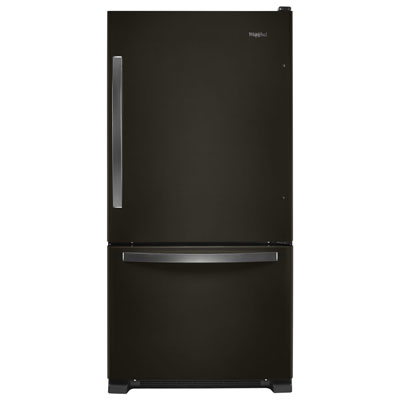 Your price for this item is $2299.99
-
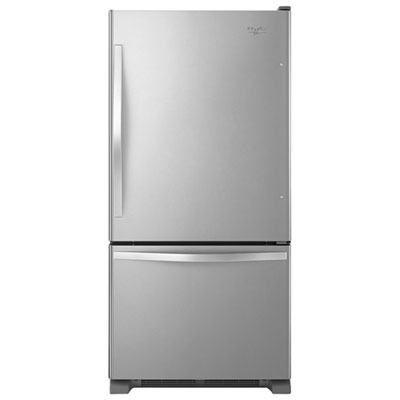 Your price for this item is $2199.99
-
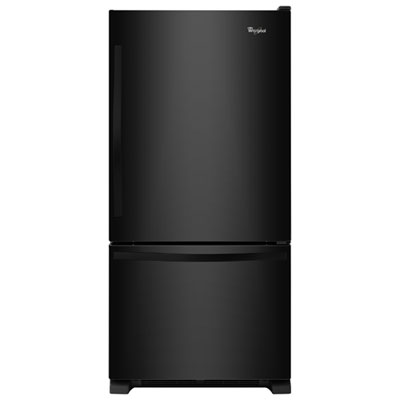 Your price for this item is $2149.99
-
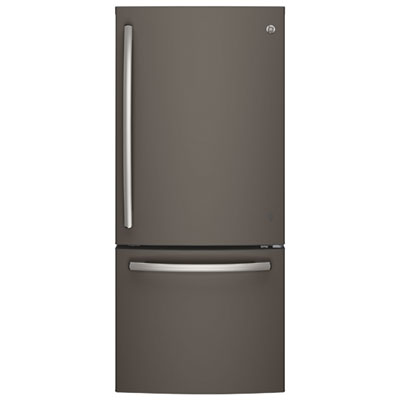 Your price for this item is $1299.99
-
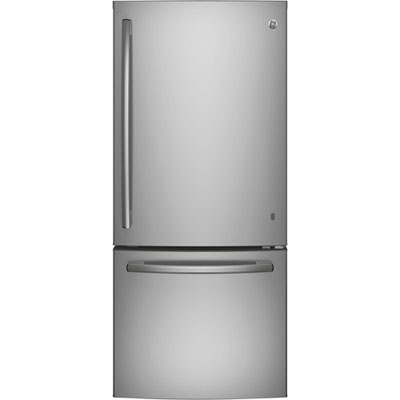 Your price for this item is $1299.99
-
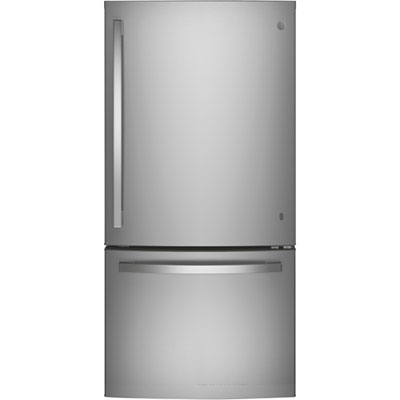 Your price for this item is $1599.99
-
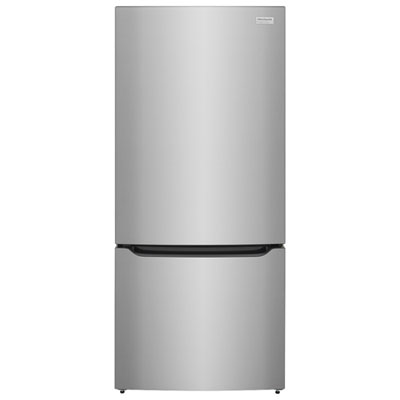 Your price for this item is $1699.99
-
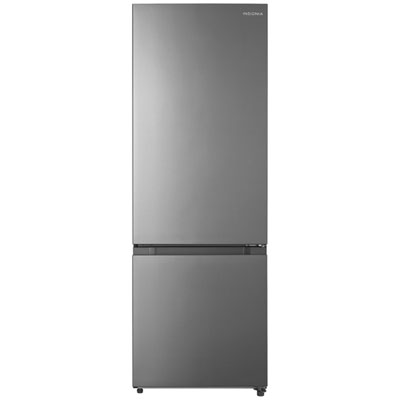 Your price for this item is $549.99
Discover more categories related to Amana Freezers
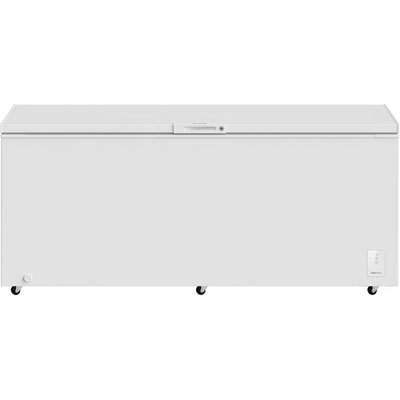

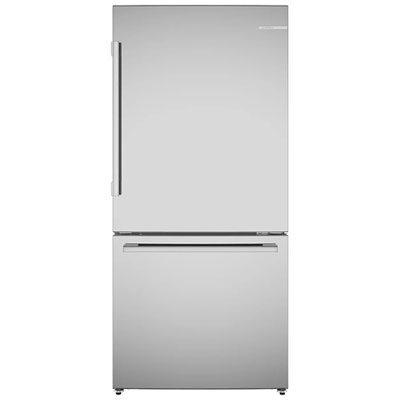
Top Collections:
Best Black Friday Deals This Year, Best Black Friday Deals On Electronics, Kindle Devices, Pokemon Centers, Best Black Friday Deals On Apple Products, Best Cameras for Sports Photography, Dyson Airwrap, Pokémon 30th Celebration Cards, Apple iPhone 17 Pro, Canon G7X Cameras
Some products may be subject to Environmental Handling Fees
(EHF) depending on your province.
Learn more about EHFs.