Apartment Size Retro Refrigerators
Apartment Size Retro Refrigerators bring a perfect blend of vintage-inspired style and compact convenience to any kitchen or living space. Designed to fit seamlessly into smaller areas, these eye-catching refrigerators deliver a classic look that adds character while maximizing available space. Whether you're furnishing a studio, dorm room, or cozy apartment, Apartment Size Retro Refrigerators offer an ideal solution for those seeking both charm and practicality in their home appliances. Explore a variety of sizes, colors, and designs to find the perfect match for your unique space.
Sort
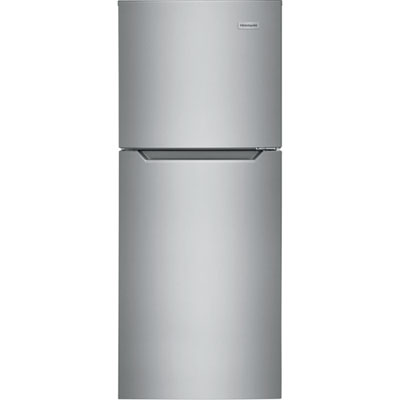
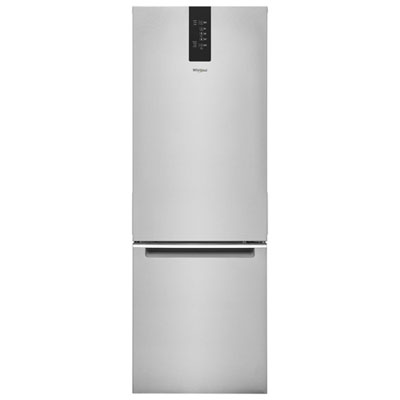
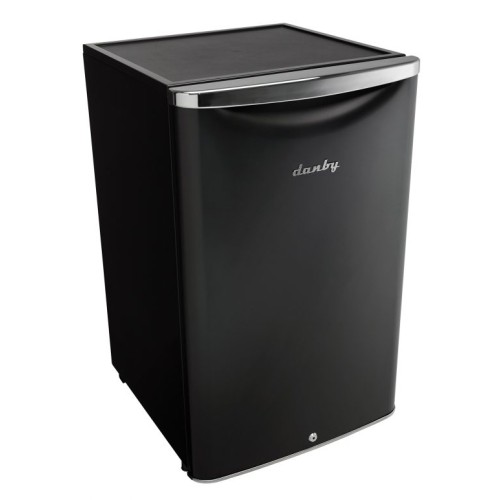
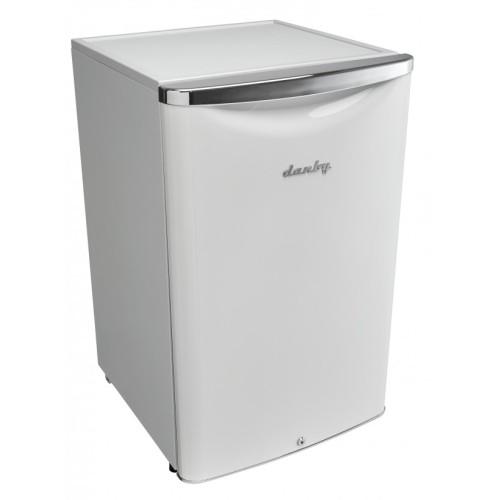
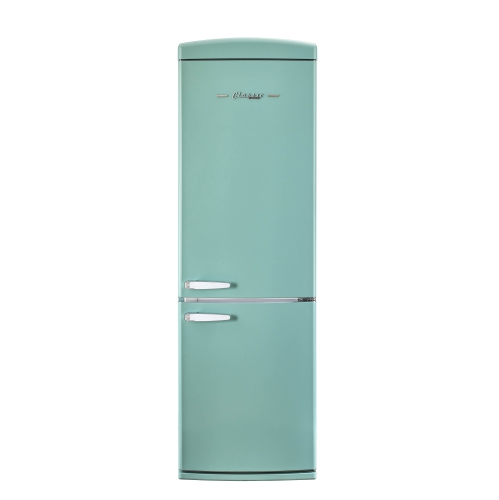
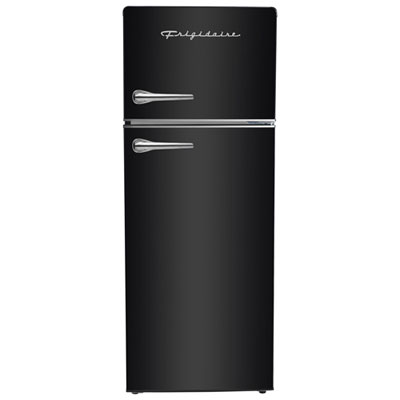
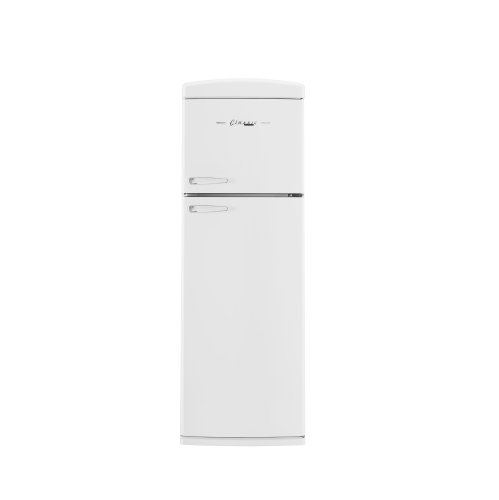
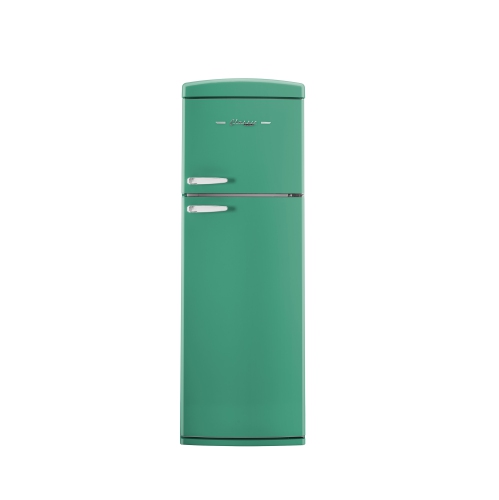

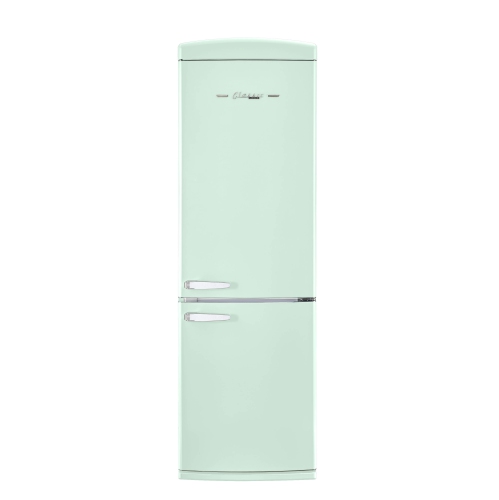

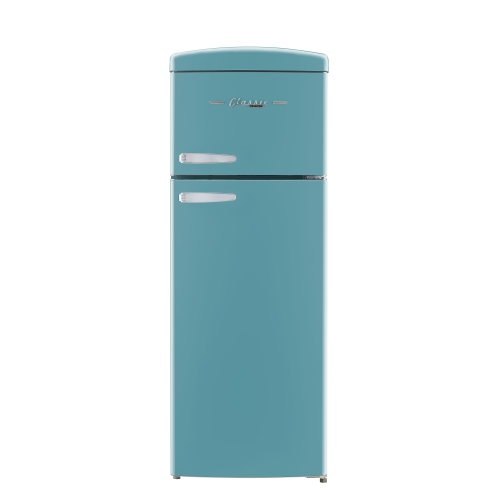
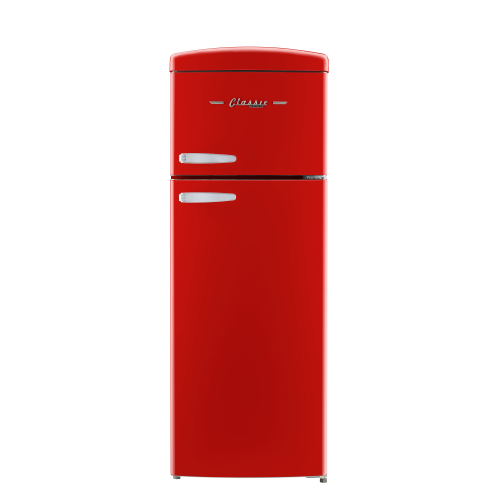
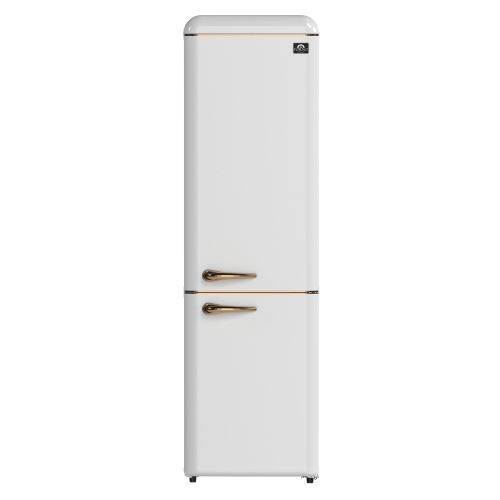
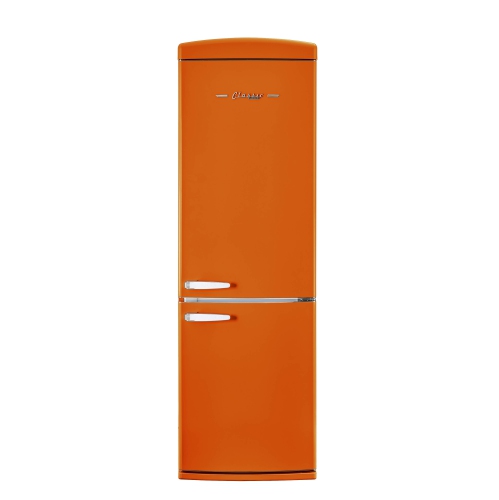
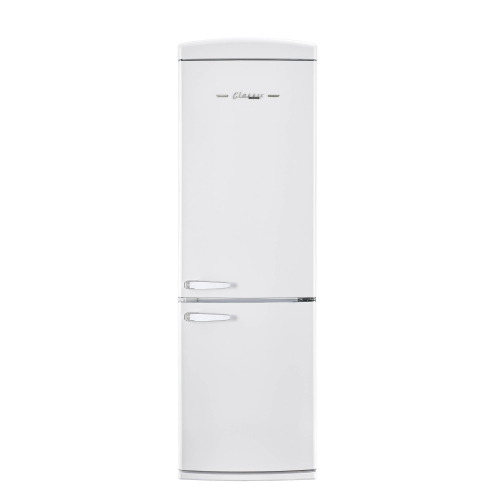
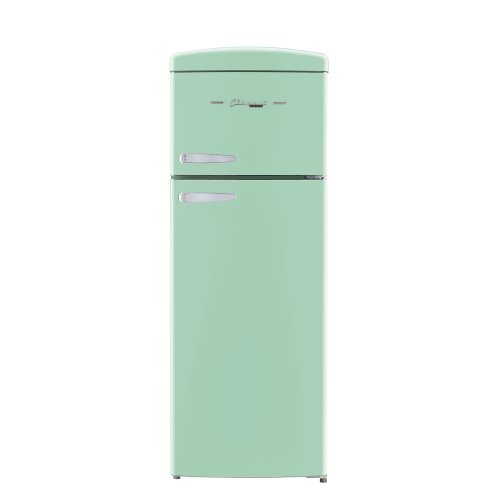
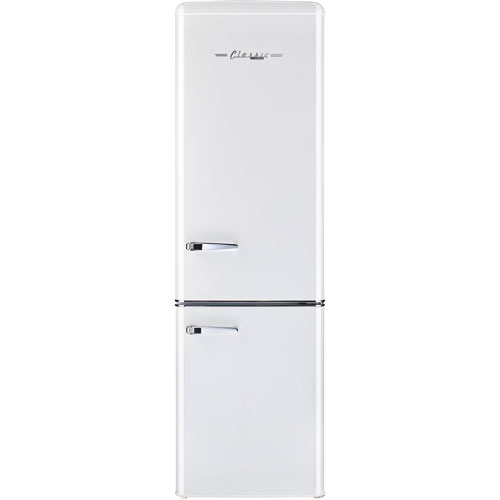
Vintage curves with practical storage for smaller kitchens
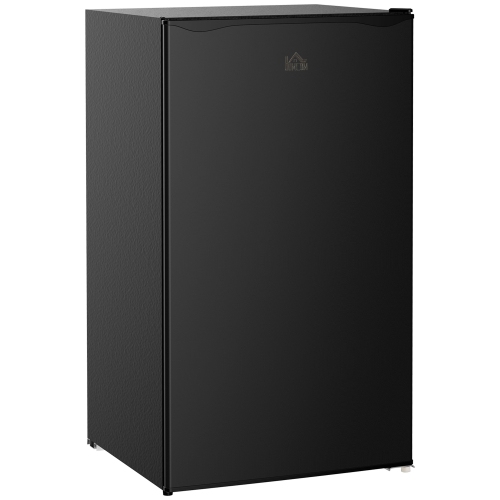
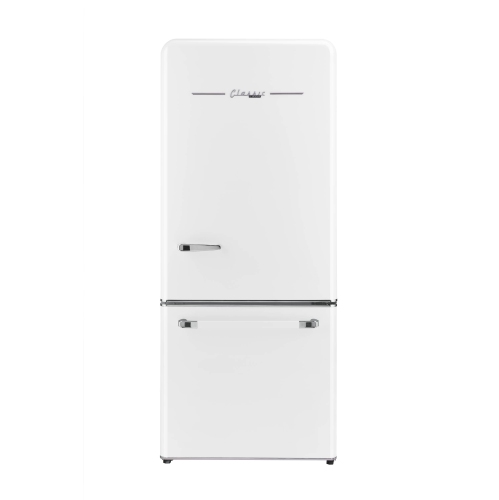
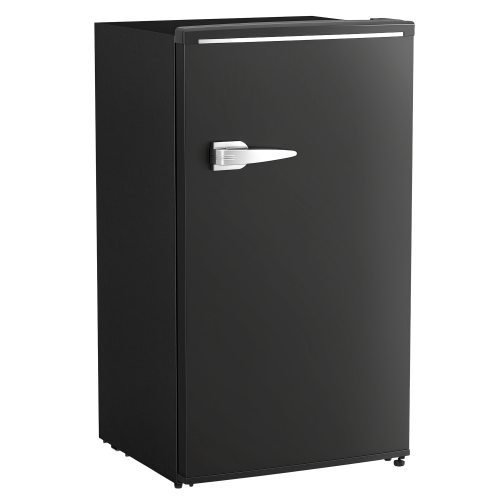
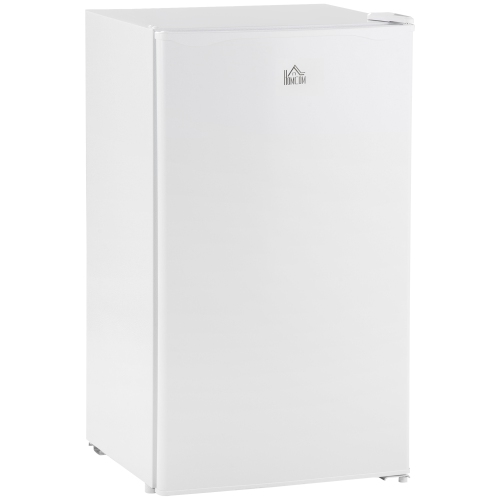
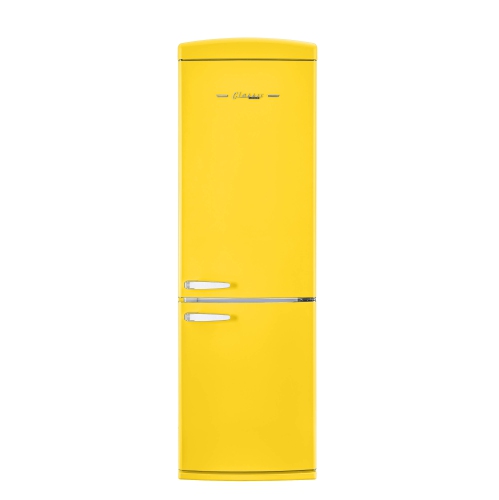
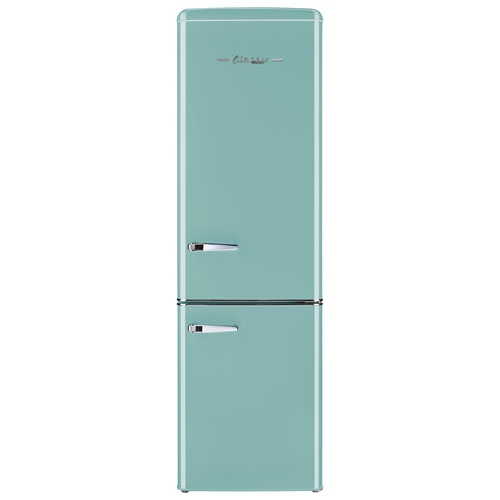
Apartment-size retro refrigerators pair a compact footprint with the rounded doors, curved handles, and distinctive colours associated with vintage kitchen design. Many fall around 22 to 24 inches wide and offer approximately 7 to 12 cubic feet of storage, although dimensions and usable capacity vary by model. This puts them between a small bar fridge and a conventional full-size kitchen refrigerator, making them a practical option for apartments, condos, studio kitchens, and smaller secondary suites. Their appeal is both visual and functional: a softly rounded cabinet can become a focal point in a simple kitchen, while separate refrigerator and freezer compartments can support everyday cooking without taking up the width of a larger appliance. Cream, black, red, and pastel finishes lend themselves to different interiors, from a kitchen with wood cabinets and patterned tile to one with white walls and brushed-metal fixtures. Chrome-look or contrasting handles add character, but the finish alone does not determine how the appliance performs. Behind the vintage styling, storage layouts may include adjustable shelves, door bins, produce drawers, and a separate freezer section. Some designs place the freezer above the refrigerator, while others use a lower freezer compartment; the arrangement affects which foods sit at eye level and which require bending to reach. Compared with the broader range of Apartment Refrigerators, retro designs place particular emphasis on colour, shape, and decorative hardware. They can suit someone furnishing a first apartment, a couple who shops regularly for fresh ingredients, or a household fitting out a smaller kitchen. Capacity still needs to match daily habits. A person who cooks several meals ahead may need room for stacked containers and larger produce drawers, while someone who shops in smaller quantities might prefer generous door storage and an easy-to-reach shelf for breakfast essentials. The most useful layout makes everyday food easy to see rather than simply fitting the greatest number of shelves into a narrow cabinet.
Fit involves more than finding a refrigerator narrow enough for the gap between two cupboards. Overall height, cabinet depth, handle projection, and the space needed for ventilation all affect whether an apartment-size retro refrigerator will work comfortably in a kitchen. Published depth measurements may describe the cabinet alone or include the door and handle, so the measurement drawing matters, particularly beside a shallow counter or a busy walkway. Rounded doors and prominent handles can extend farther into the room than their compact appearance suggests. A refrigerator next to a wall also needs enough space for the door to open to the angle required to pull out drawers and reposition shelves. Door hinges are another important detail: not every retro design has a reversible door, and a fixed hinge can determine whether groceries are easy to put away from the adjacent counter. The delivery route deserves the same attention as the final position. Narrow entrance doors, tight stair landings, lift openings, and corners between rooms can limit access even when the kitchen opening is wide enough. Inside the refrigerator, usable space depends on shelf depth and spacing as much as the stated cubic-foot capacity. A tall juice carton, a covered mixing bowl, or a wide casserole dish can reveal differences that are not obvious from an exterior photo. Adjustable shelves help accommodate those shapes, while door bins sized for bottles can keep the main shelves clear for prepared food. Freezer capacity is especially worth considering in a smaller appliance. A separate compartment may hold a useful selection of frozen vegetables, bread, and meal portions, but a large batch-cooking routine can quickly exceed its space. In an open-plan apartment, operating sound also matters because the kitchen may share a room with a desk, sofa, or sleeping area. A published sound rating can help with comparisons when one is provided, though compressor cycles and installation conditions affect what is heard in use. A level installation and the specified clearances help the refrigerator operate as intended.
Materials and construction influence how an apartment-size retro refrigerator feels in daily use and how easily it can be kept clean. Exteriors may combine painted metal panels, moulded trim, and metal or metal-look handles, with glossy finishes giving the curved doors their familiar vintage character. A frequently used handle should feel secure, and shelves and drawers should move smoothly without needing to be forced. Tempered glass shelves, where included, provide a flat surface for small containers and are generally straightforward to wipe down; raised shelf edges may also help contain minor spills. Clear drawers make it easier to spot produce before it gets hidden behind other groceries. Durability depends partly on these everyday details and partly on using the appliance within its intended limits, including shelf and door-bin load limits. Gentle cleaning helps preserve the finish: a soft cloth and a mild cleaner approved by the manufacturer are preferable to abrasive pads that could mark glossy paint or decorative trim. Removable shelves and bins make cleaning simpler, but glass shelves should be allowed to reach room temperature before being washed in warm water to reduce the risk of thermal shock. Door seals need occasional cleaning so crumbs and sticky residue do not interfere with a close fit. Defrosting requirements also vary. A manual-defrost freezer needs periodic attention as frost accumulates, while an automatic-defrost design reduces that particular task; retro styling does not indicate which system is inside. For everyday food storage, refrigerator and freezer controls should be set according to the appliance instructions, with an appliance thermometer helping confirm suitable storage temperatures. Keeping internal air vents clear and avoiding tightly packed shelves allows air to circulate around food. These refrigerators are primarily intended for indoor kitchen use unless their specifications explicitly state otherwise. In a compact home, their strongest advantage is the combination of useful food storage and a deliberate design statement: enough room for the ingredients used most often, wrapped in a shape and colour that feel like part of the room rather than an afterthought.
Fit involves more than finding a refrigerator narrow enough for the gap between two cupboards. Overall height, cabinet depth, handle projection, and the space needed for ventilation all affect whether an apartment-size retro refrigerator will work comfortably in a kitchen. Published depth measurements may describe the cabinet alone or include the door and handle, so the measurement drawing matters, particularly beside a shallow counter or a busy walkway. Rounded doors and prominent handles can extend farther into the room than their compact appearance suggests. A refrigerator next to a wall also needs enough space for the door to open to the angle required to pull out drawers and reposition shelves. Door hinges are another important detail: not every retro design has a reversible door, and a fixed hinge can determine whether groceries are easy to put away from the adjacent counter. The delivery route deserves the same attention as the final position. Narrow entrance doors, tight stair landings, lift openings, and corners between rooms can limit access even when the kitchen opening is wide enough. Inside the refrigerator, usable space depends on shelf depth and spacing as much as the stated cubic-foot capacity. A tall juice carton, a covered mixing bowl, or a wide casserole dish can reveal differences that are not obvious from an exterior photo. Adjustable shelves help accommodate those shapes, while door bins sized for bottles can keep the main shelves clear for prepared food. Freezer capacity is especially worth considering in a smaller appliance. A separate compartment may hold a useful selection of frozen vegetables, bread, and meal portions, but a large batch-cooking routine can quickly exceed its space. In an open-plan apartment, operating sound also matters because the kitchen may share a room with a desk, sofa, or sleeping area. A published sound rating can help with comparisons when one is provided, though compressor cycles and installation conditions affect what is heard in use. A level installation and the specified clearances help the refrigerator operate as intended.
Materials and construction influence how an apartment-size retro refrigerator feels in daily use and how easily it can be kept clean. Exteriors may combine painted metal panels, moulded trim, and metal or metal-look handles, with glossy finishes giving the curved doors their familiar vintage character. A frequently used handle should feel secure, and shelves and drawers should move smoothly without needing to be forced. Tempered glass shelves, where included, provide a flat surface for small containers and are generally straightforward to wipe down; raised shelf edges may also help contain minor spills. Clear drawers make it easier to spot produce before it gets hidden behind other groceries. Durability depends partly on these everyday details and partly on using the appliance within its intended limits, including shelf and door-bin load limits. Gentle cleaning helps preserve the finish: a soft cloth and a mild cleaner approved by the manufacturer are preferable to abrasive pads that could mark glossy paint or decorative trim. Removable shelves and bins make cleaning simpler, but glass shelves should be allowed to reach room temperature before being washed in warm water to reduce the risk of thermal shock. Door seals need occasional cleaning so crumbs and sticky residue do not interfere with a close fit. Defrosting requirements also vary. A manual-defrost freezer needs periodic attention as frost accumulates, while an automatic-defrost design reduces that particular task; retro styling does not indicate which system is inside. For everyday food storage, refrigerator and freezer controls should be set according to the appliance instructions, with an appliance thermometer helping confirm suitable storage temperatures. Keeping internal air vents clear and avoiding tightly packed shelves allows air to circulate around food. These refrigerators are primarily intended for indoor kitchen use unless their specifications explicitly state otherwise. In a compact home, their strongest advantage is the combination of useful food storage and a deliberate design statement: enough room for the ingredients used most often, wrapped in a shape and colour that feel like part of the room rather than an afterthought.
Top selling and popular products
-
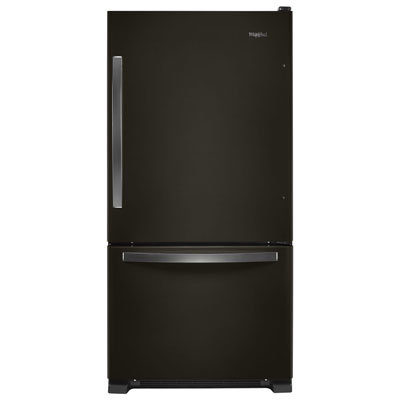 Your price for this item is $2299.99
 -
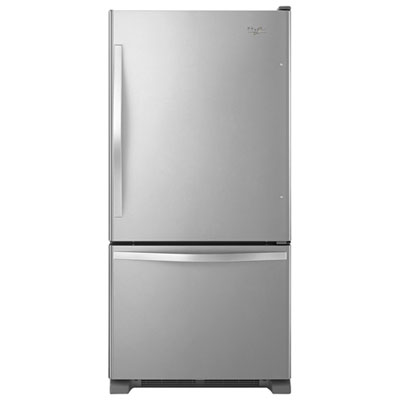 Your price for this item is $2199.99
 -
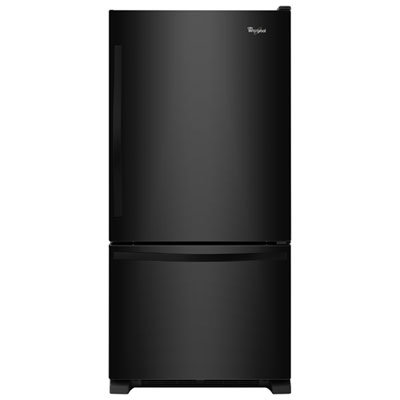 Your price for this item is $2149.99
 -
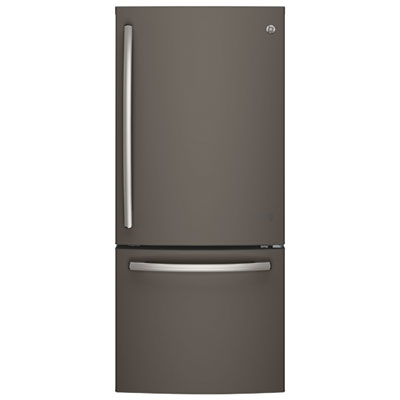 Your price for this item is $2299.99
 -
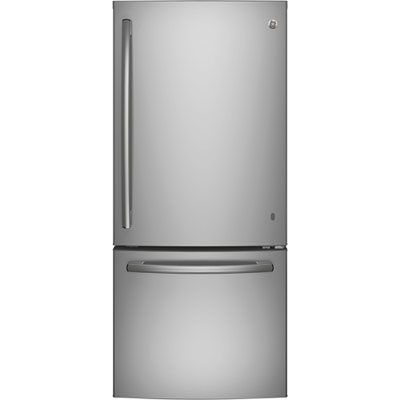 Your price for this item is $1499.99
 -
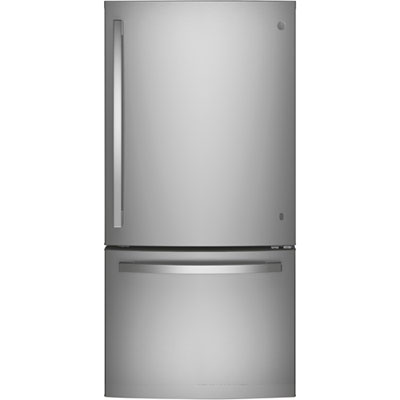 Your price for this item is $2399.99
 -
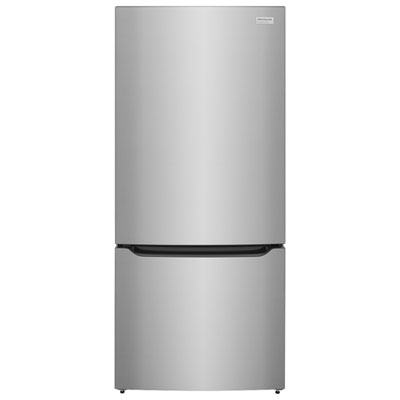 Your price for this item is $1692.99
 -
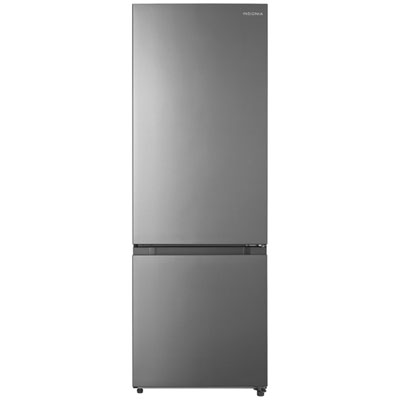 Your price for this item is $799.99
Discover more categories related to Apartment Size Retro Refrigerators
Top Collections:
Pokemon Centers, Kindle Devices, Best Budget Office Chairs, Apple iPhones 16, Best Laptops for Writers, iPhone 15 Apple, Canon G7X Cameras, Refurbished Apple Laptops, Alarm Clock, Motorola Razr Phones
Some products may be subject to Environmental Handling Fees
(EHF) depending on your province.
Learn more about EHFs.