Apartment Refrigerators
If you're looking to maximize space in your apartment without sacrificing the convenience of a refrigerator, this collection of apartment refrigerators is designed to provide you with the perfect cooling solution for compact living spaces. These sleek and efficient appliances offer all the features you need to keep your groceries fresh and organized, while fitting seamlessly into your kitchen layout. Whether you're looking for a stylish stainless steel finish or a compact design that can easily tuck into a corner, this range of apartment refrigerators has something to suit every taste and space requirement.
Sort
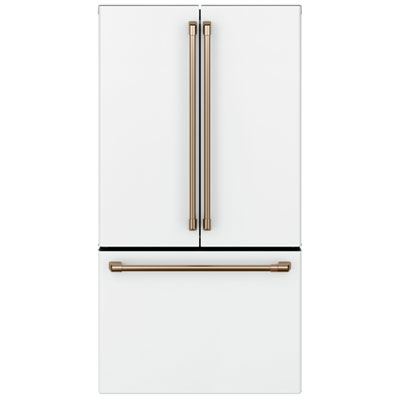
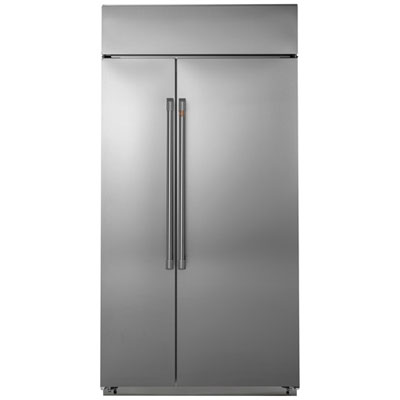
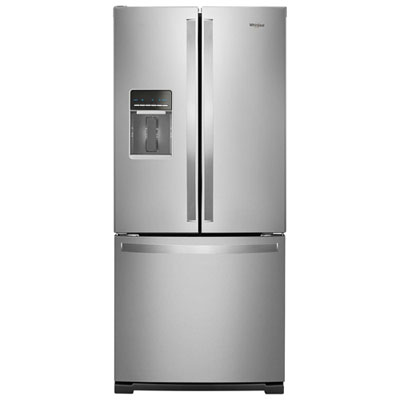
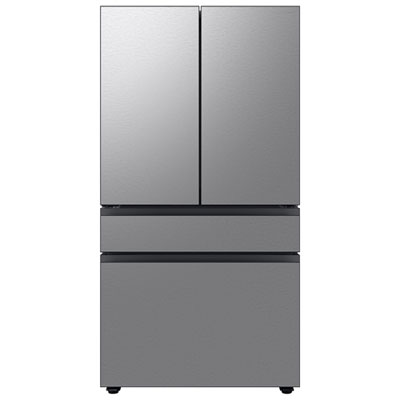
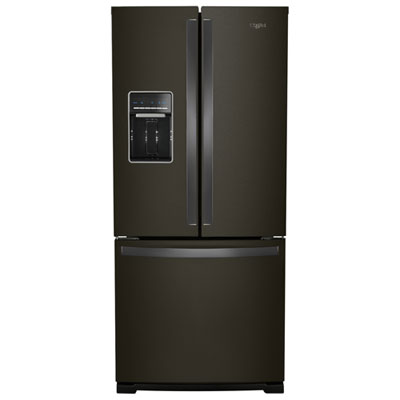

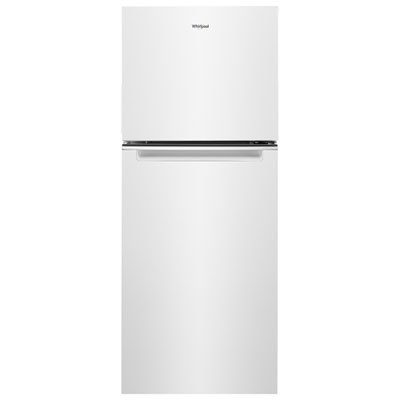
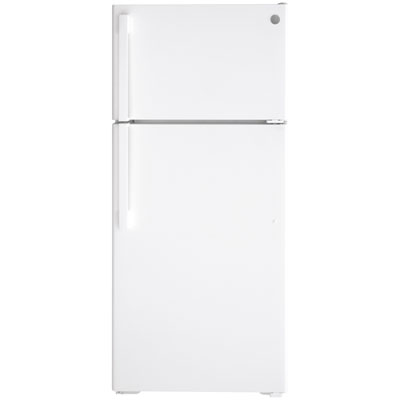
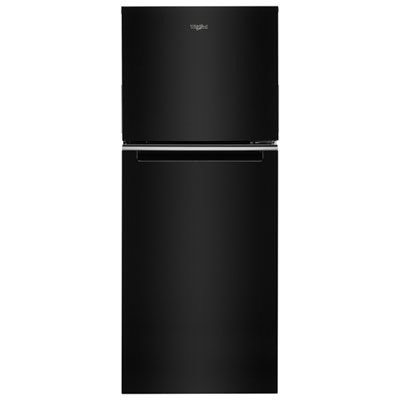
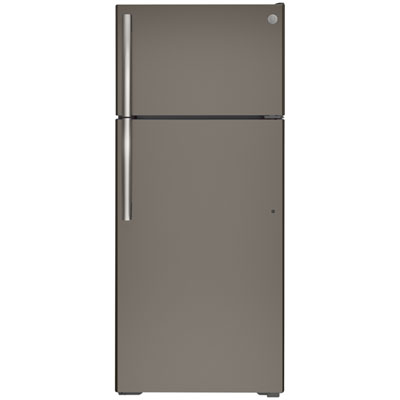
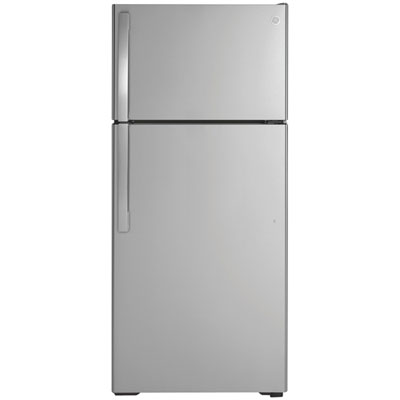
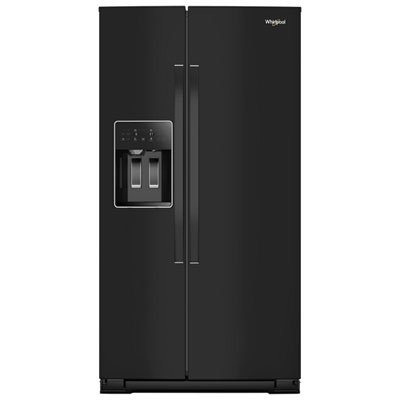
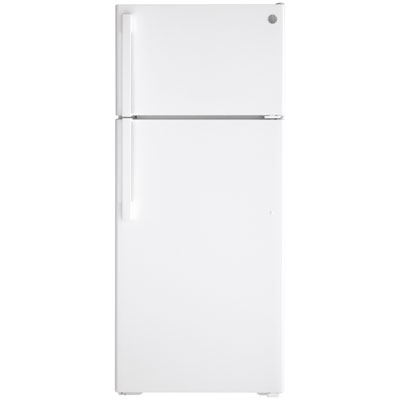
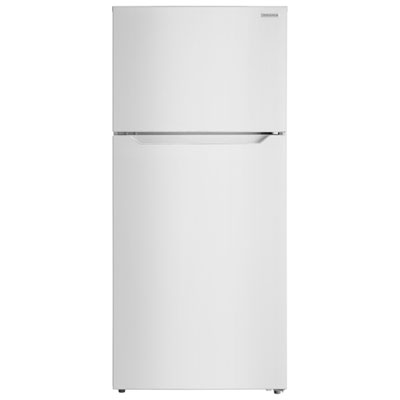
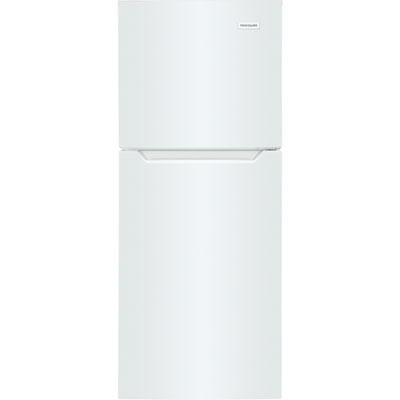
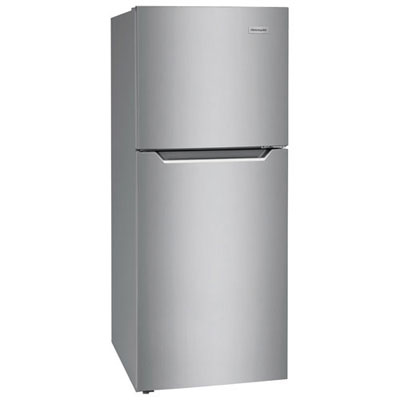
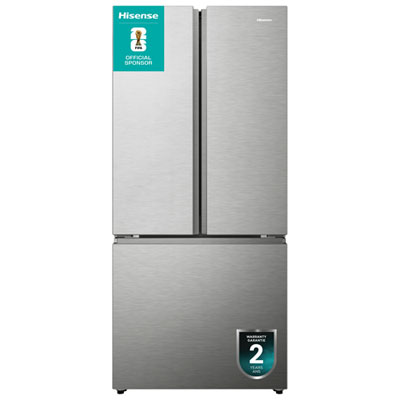
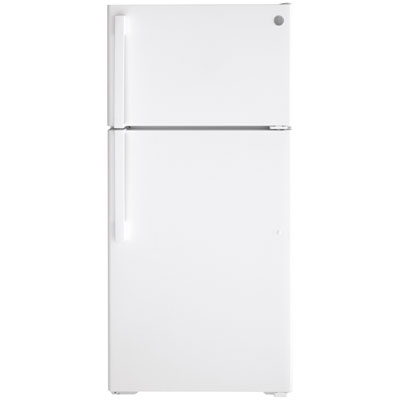
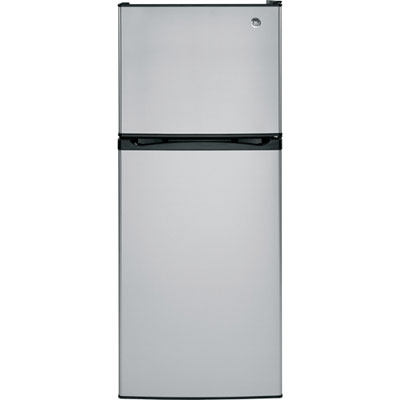
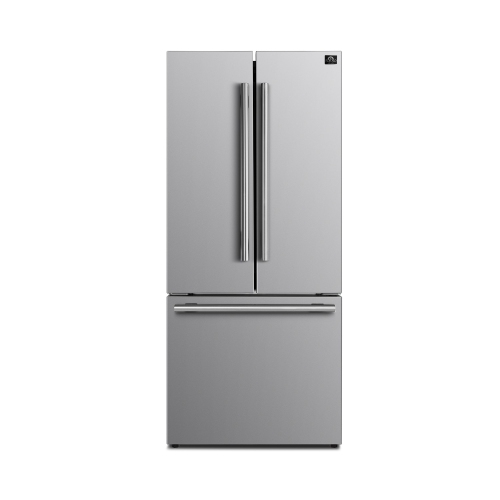
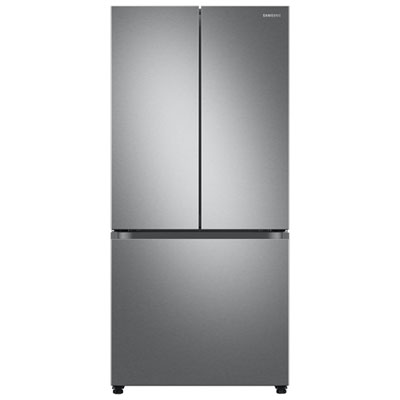
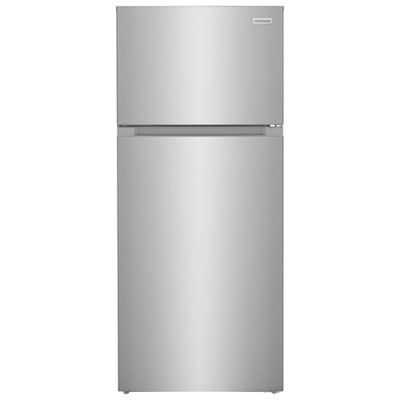
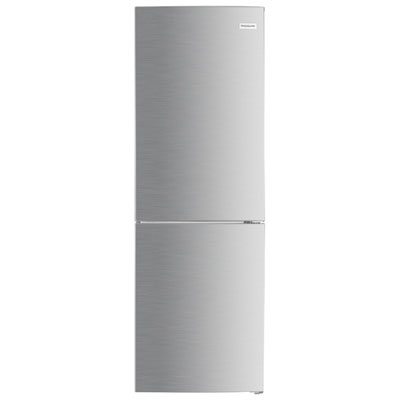
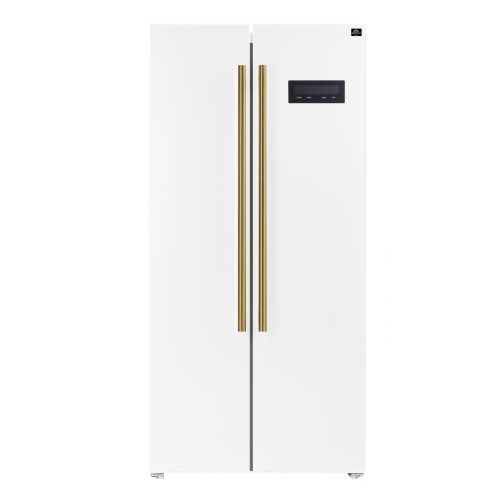
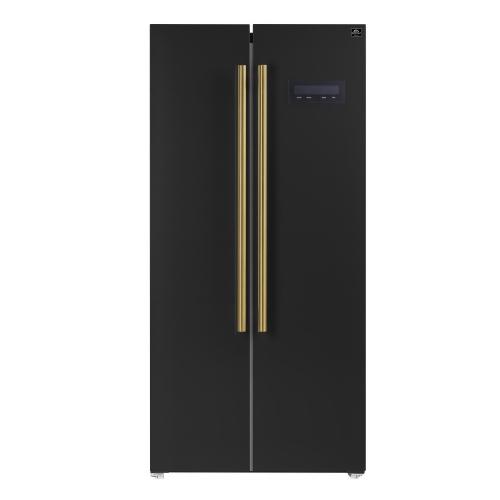
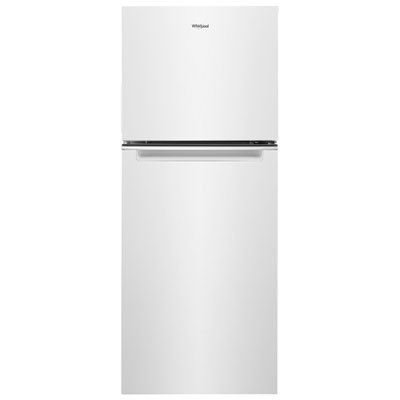
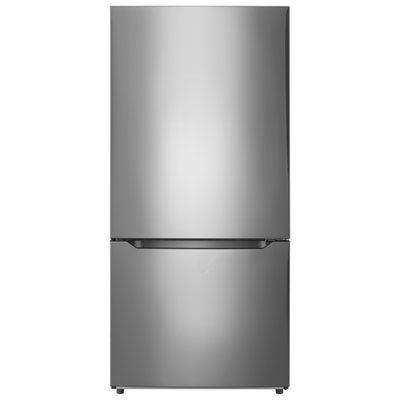
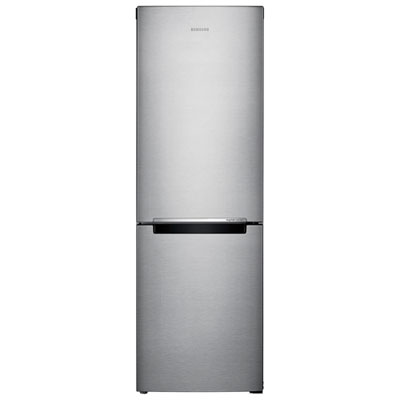
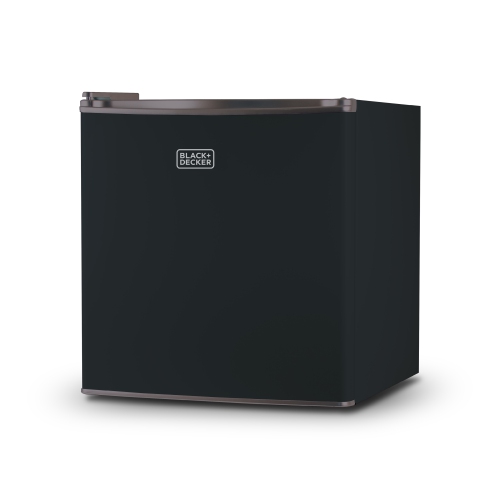
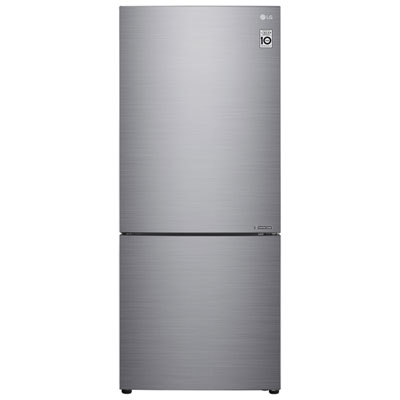

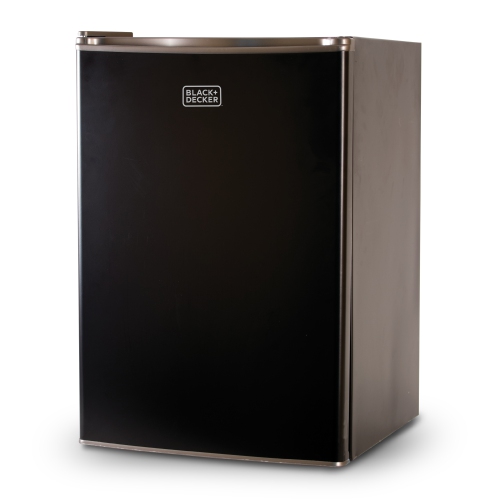
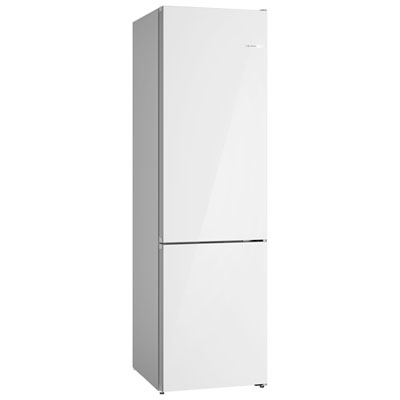
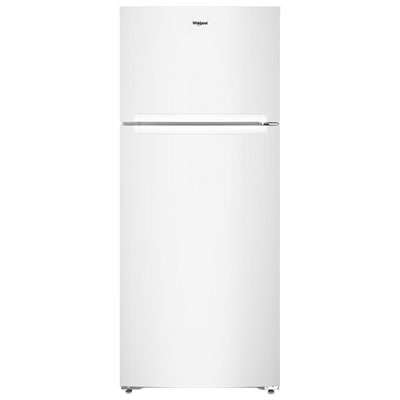
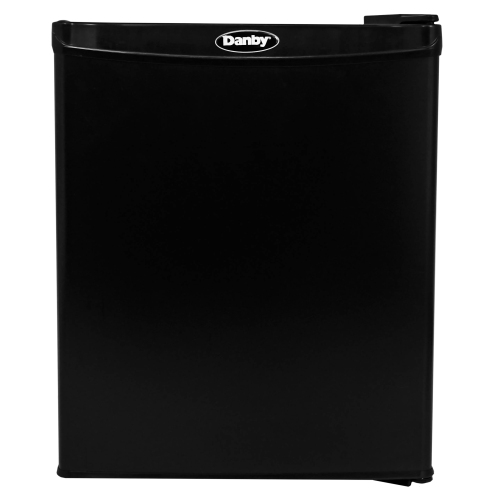
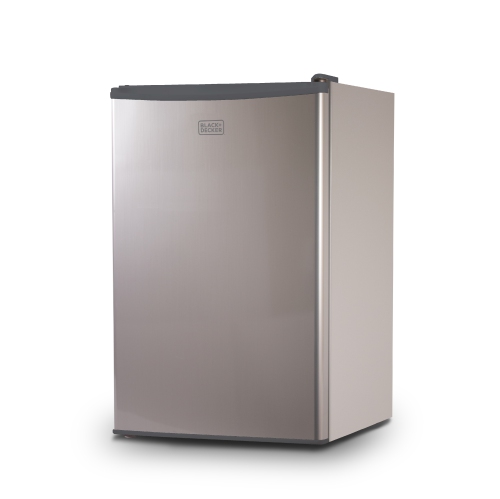
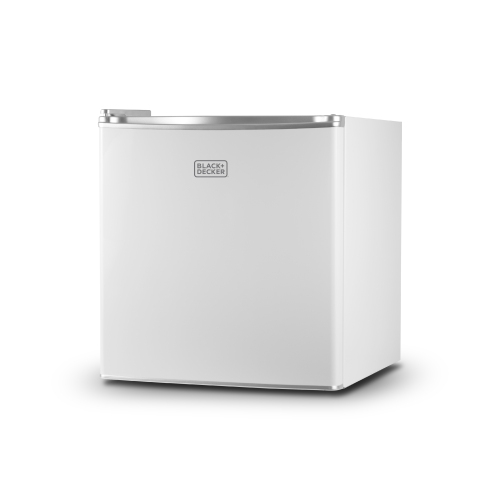
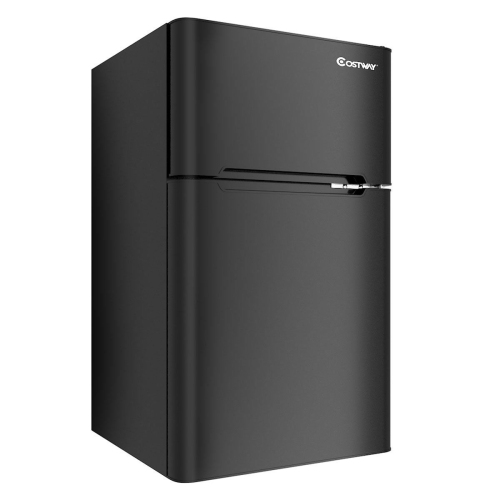
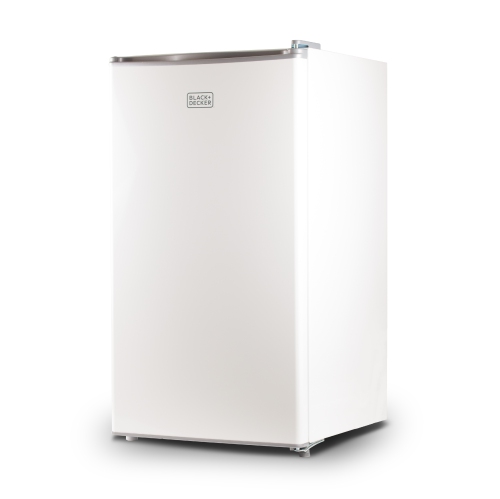
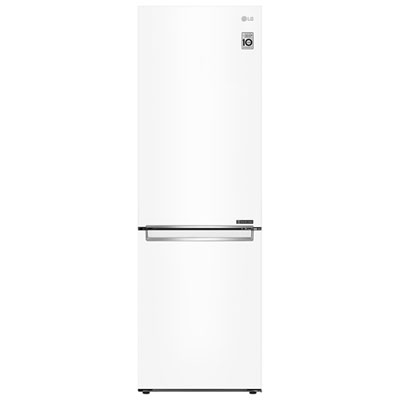
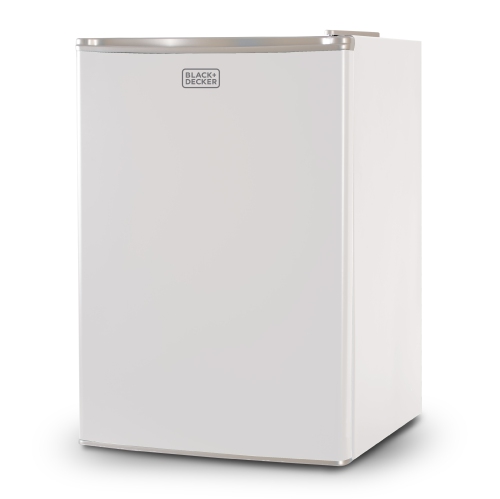
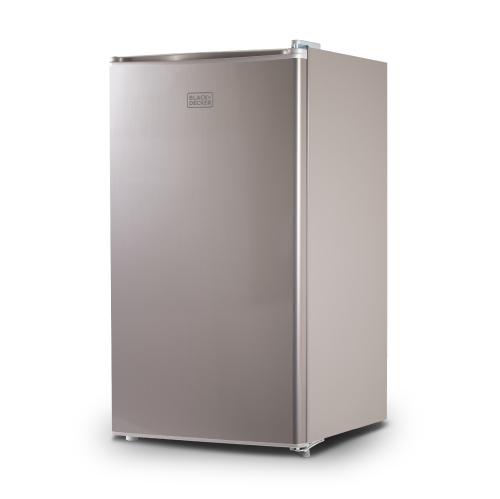

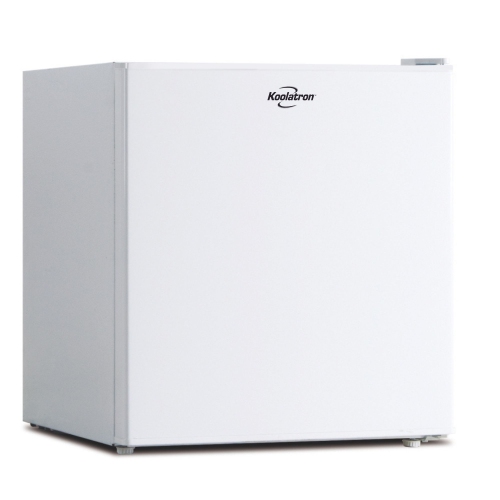
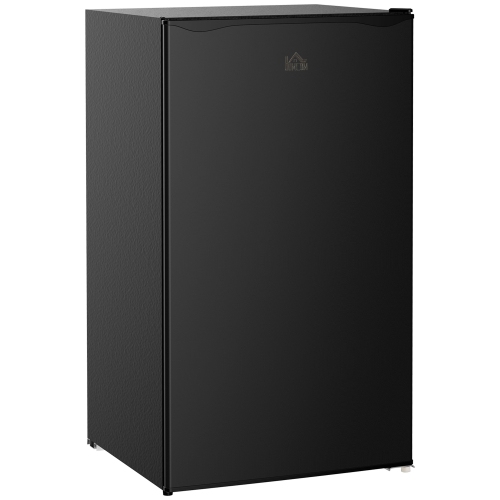
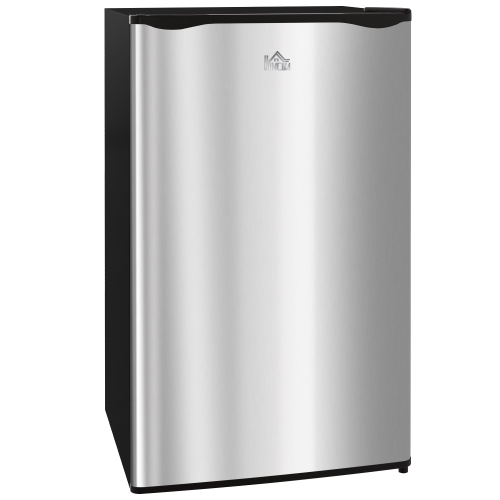
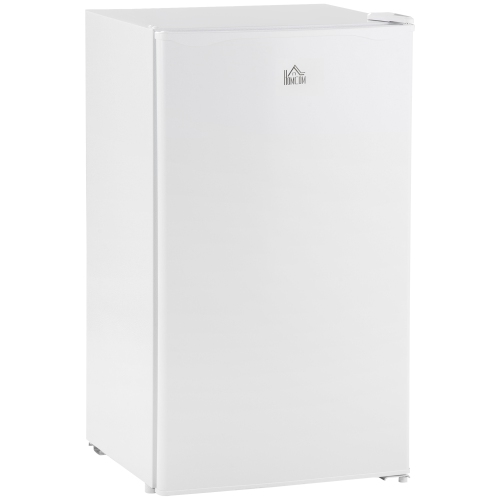
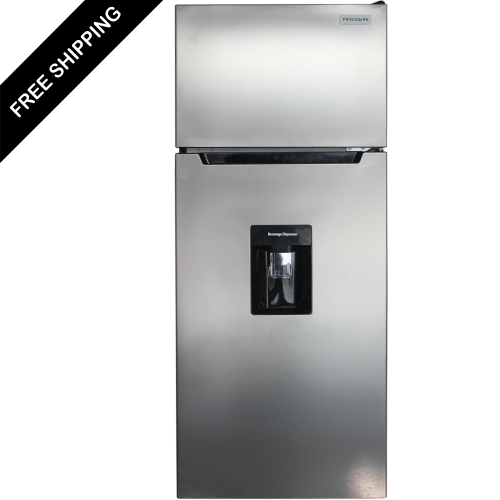
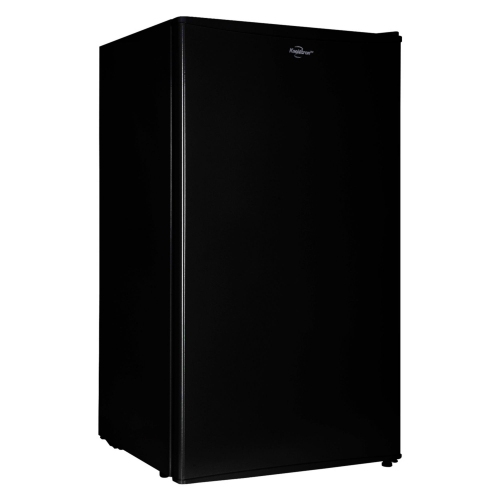
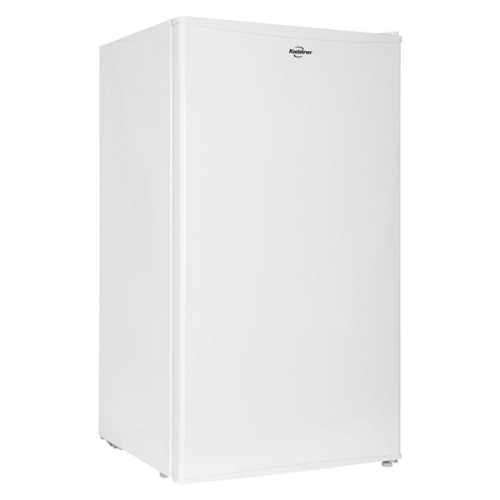
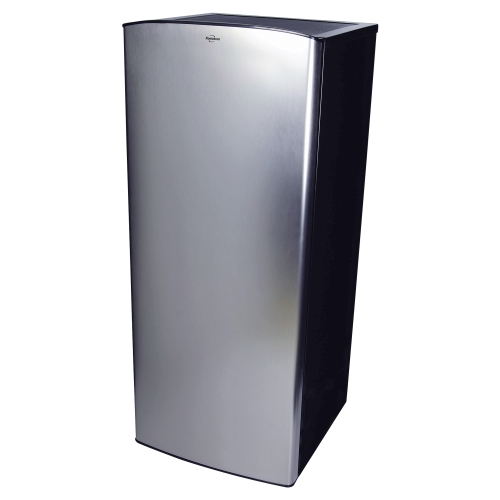
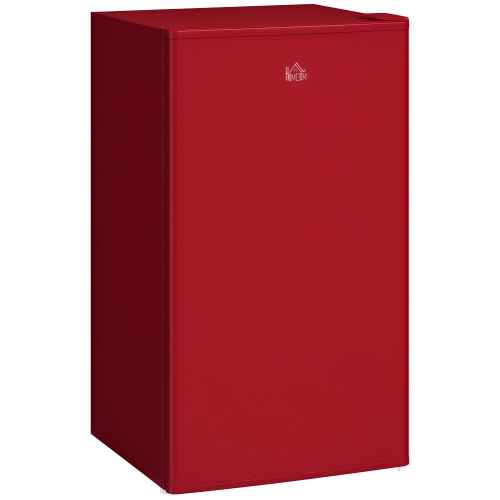

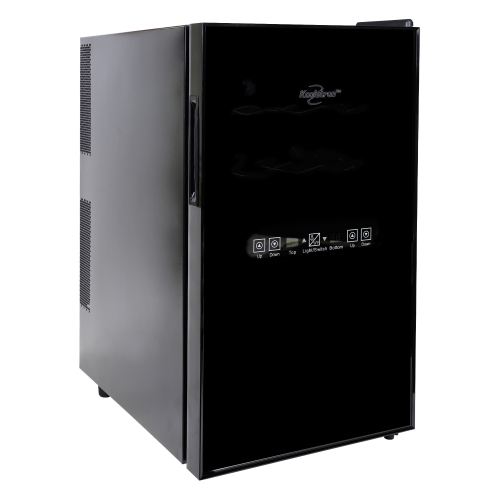
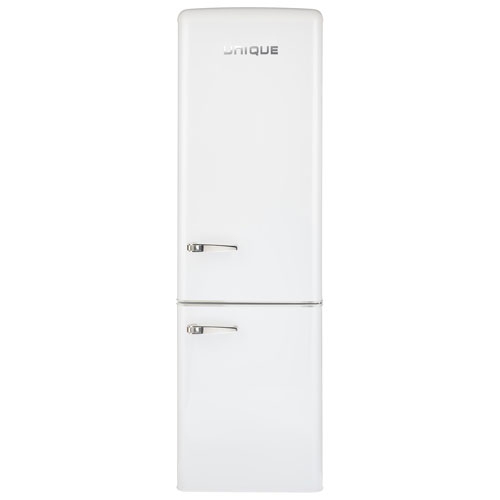
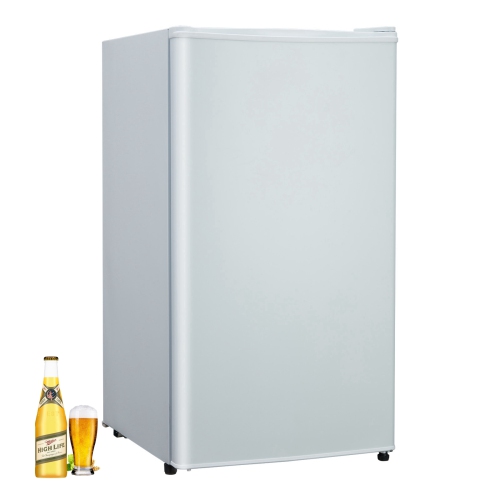
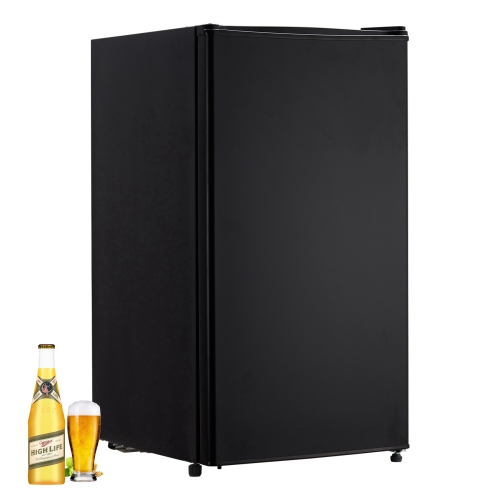
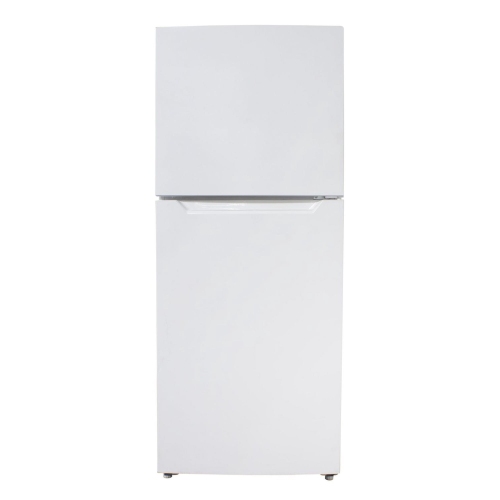
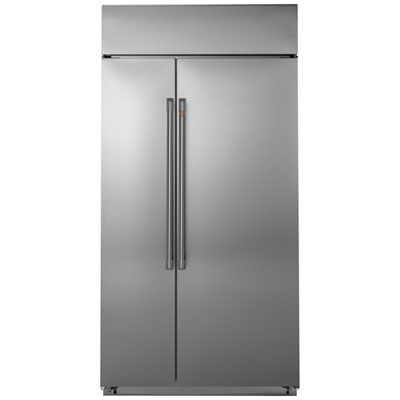
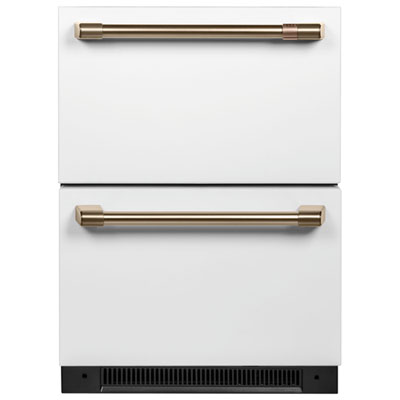
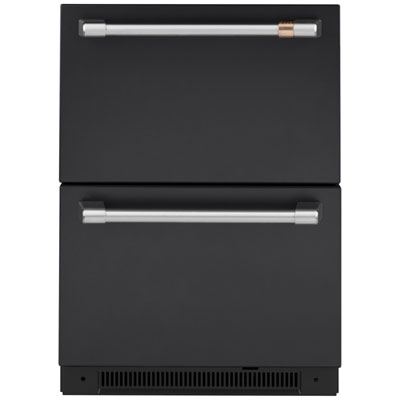
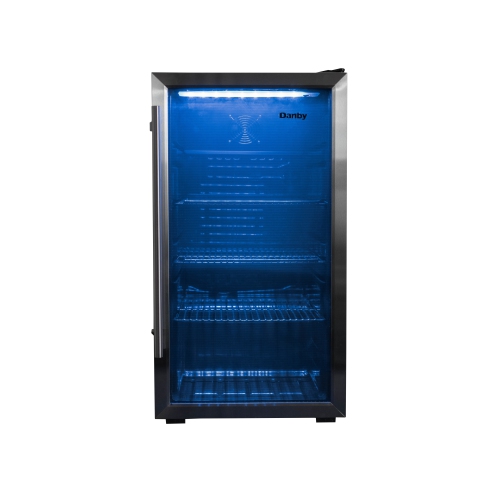
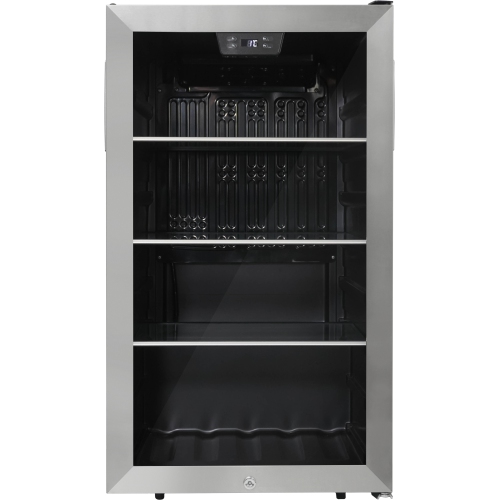
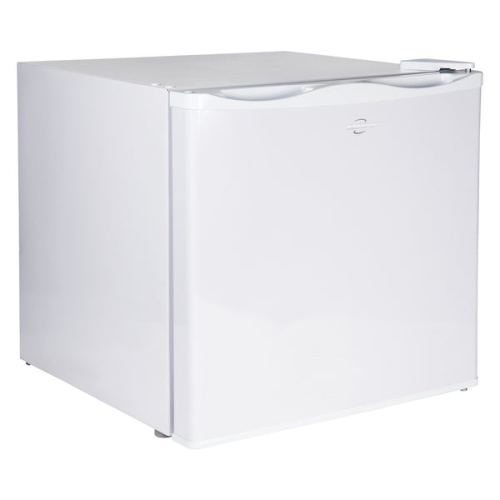
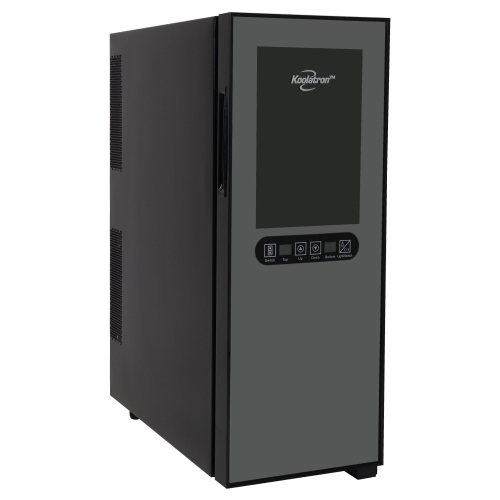
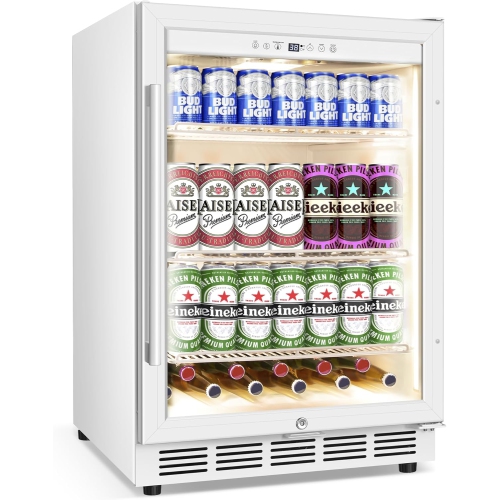
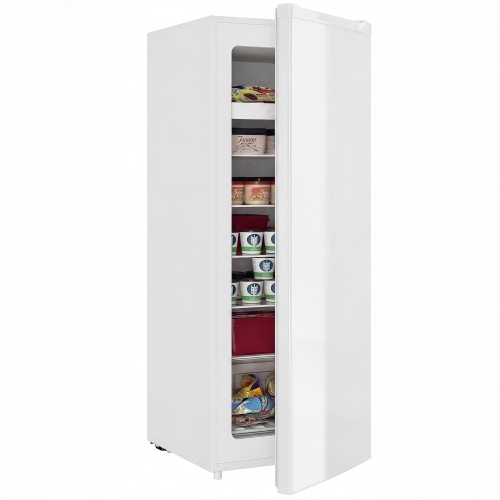
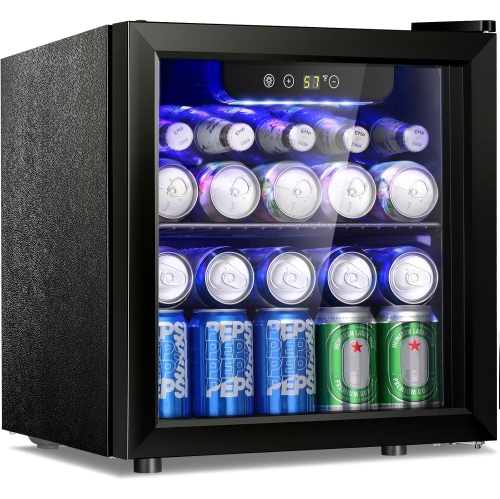
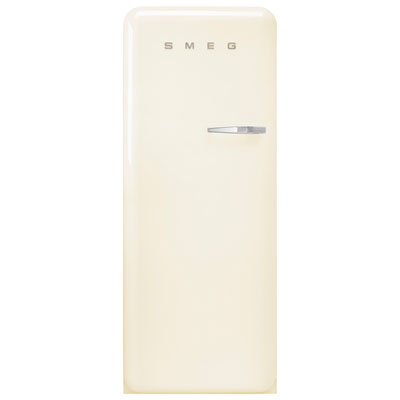
Everyday grocery storage without crowding a compact kitchen
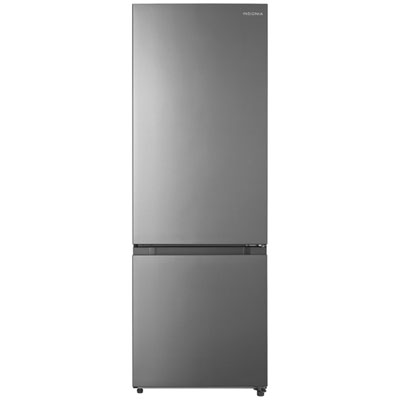
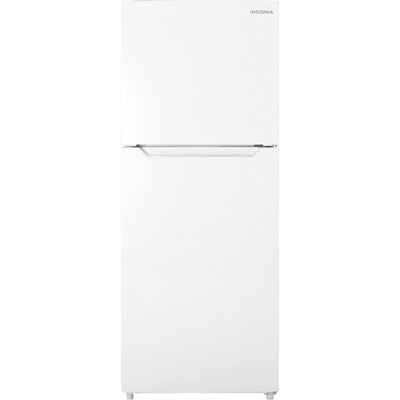
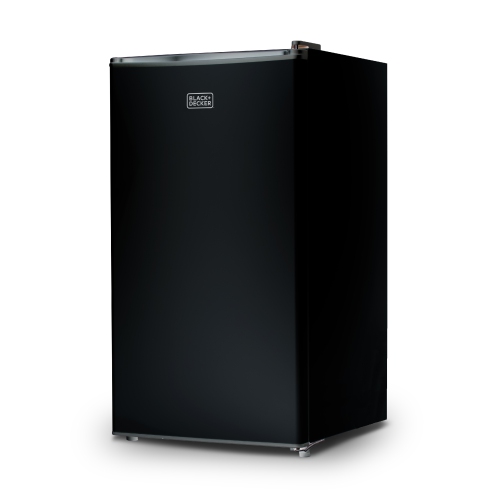
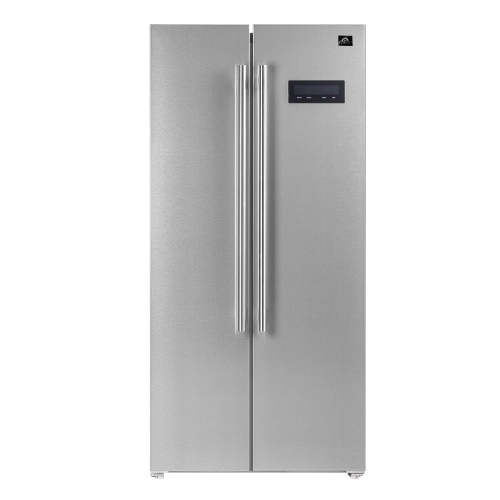
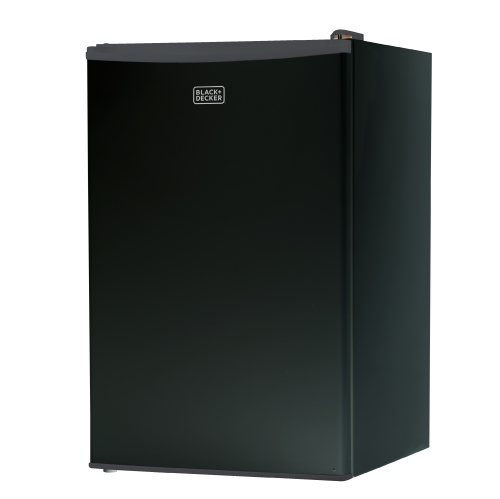
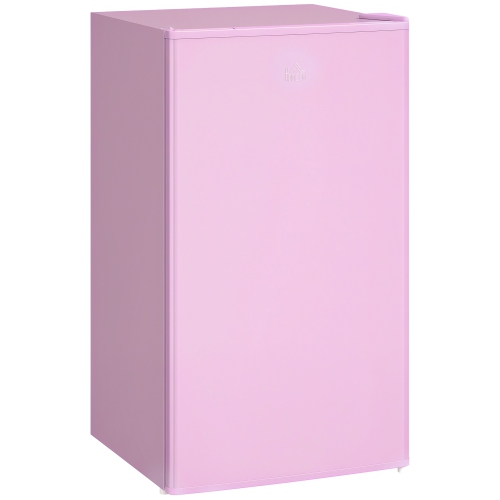
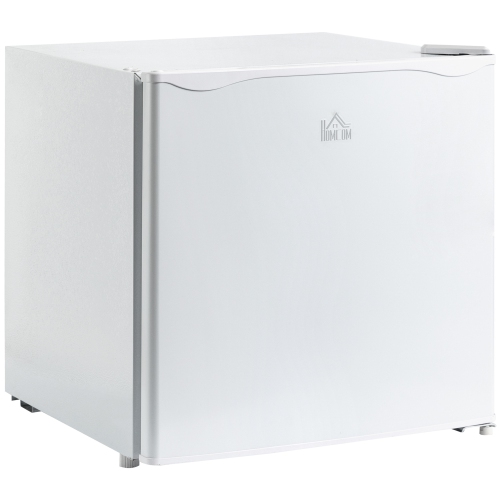
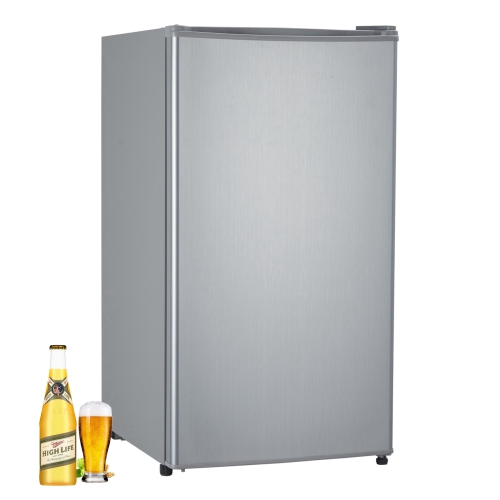
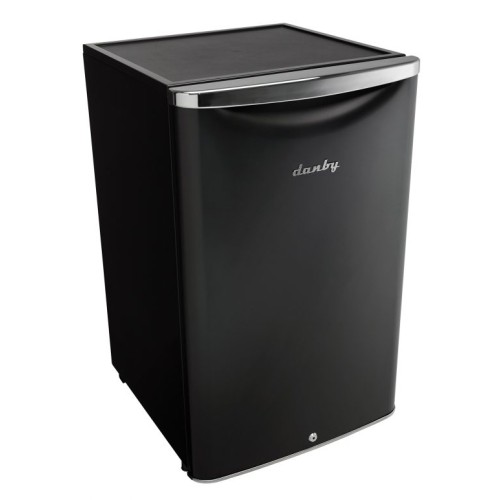
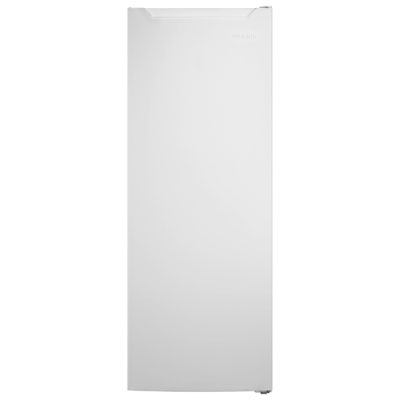
Apartment refrigerators provide everyday fresh-food and frozen-food storage in a narrower footprint than many full-size kitchen refrigerators. Many apartment-sized models measure approximately 22 to 24 inches wide and offer around 7 to 12 cubic feet of total capacity, although dimensions and storage space vary by model. They suit condos, rental apartments, studio kitchens, and other homes where cabinetry and walkways leave limited room for a larger appliance. Unlike a small beverage fridge tucked beneath a desk, an apartment refrigerator is generally intended to hold the ingredients for regular meals: milk and eggs, vegetables for the week, containers of leftovers, and a practical selection of frozen food. The most useful capacity depends on both household size and shopping habits. Someone who picks up fresh groceries every few days may favour a smaller interior with accessible shelves, while a couple who cooks in batches may need more freezer room and space for stacked containers. Total cubic footage is only part of the picture, since the division between refrigerator and freezer compartments determines how much room each type of food receives. Adjustable shelves can make the difference between fitting a tall soup pot and having to transfer its contents into several smaller containers. Door bins can keep condiments and juice cartons from crowding the main shelves, while crisper drawers help separate produce from other groceries. Interior width matters, too: a narrow refrigerator may hold plenty of individual portions but struggle with a wide serving platter or pizza box. For shared apartments, distinct shelves and bins can make it easier to keep each person’s food organized. A well-matched apartment-size refrigerator supports these ordinary routines without taking up more of the kitchen than necessary, balancing useful storage with enough room to open cupboards, prepare meals, and move comfortably through the space.
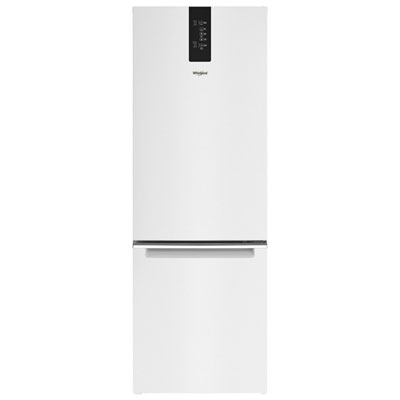
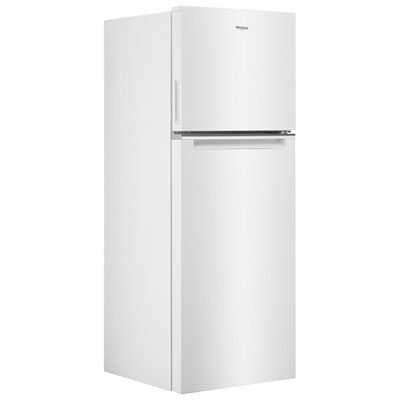
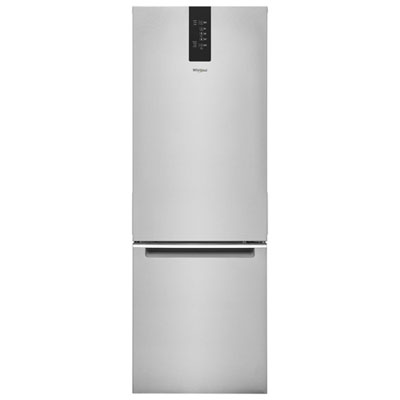
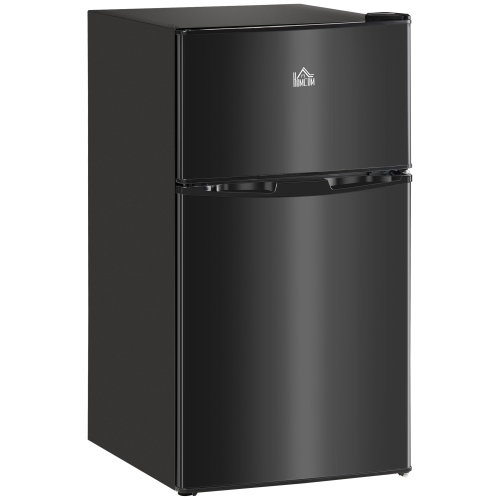
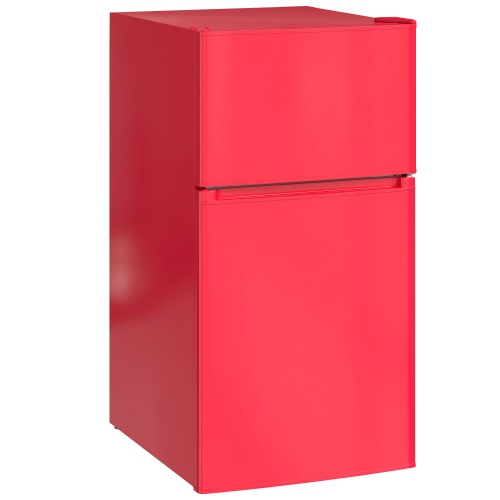
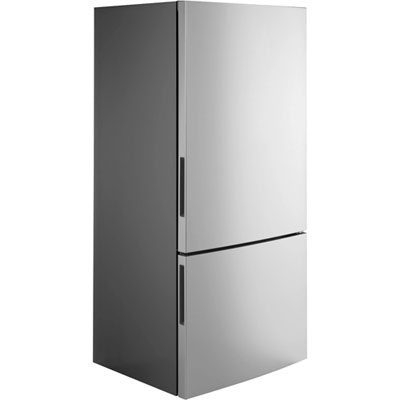
Fit involves more than checking whether the cabinet opening is wide enough. Refrigerator height, depth, hinge clearance, and the ventilation gaps specified by the manufacturer all affect placement. Measurements should include nearby walls, countertops, baseboards, and any cabinet above the appliance. A refrigerator that fits neatly between two cabinets may still project into a walkway once its doors and handles are included in the depth. The door also needs sufficient room to swing open so shelves and drawers can slide out properly; a wall beside the hinge can restrict access even when the appliance itself fits. Reversible doors, where offered, allow the hinge side to be changed according to the manufacturer’s instructions, which can be particularly useful in a galley kitchen or beside a doorway. They are not a universal feature, and changing the swing may require additional hardware or installation steps. The route into the kitchen deserves the same attention as the final position, especially in buildings with narrow stairwells, tight entrance turns, or small lifts. Once those practical details are settled, the compartment layout shapes daily use. Top-freezer refrigerators place frozen food above the main refrigerator section and offer a familiar arrangement for compact kitchens. Bottom-freezer designs keep more fresh food nearer eye level, though freezer drawers need clear space in front to extend. Single-door designs may suit lighter storage needs, but any internal freezer compartment should be checked for its intended use rather than assumed to perform like a separate freezer. Frost-free operation reduces the need for manual defrosting, while manual-defrost models need periodic attention as frost builds up. Separate temperature controls, interior lighting, and accessible shelf positions can also make a smaller appliance easier to live with. In an open-plan apartment, published sound information is worth considering because the kitchen may share space with a sofa, work desk, or bed. Compressor cycling and occasional operating sounds are normal, so placement and proper levelling matter alongside the appliance’s stated noise level.
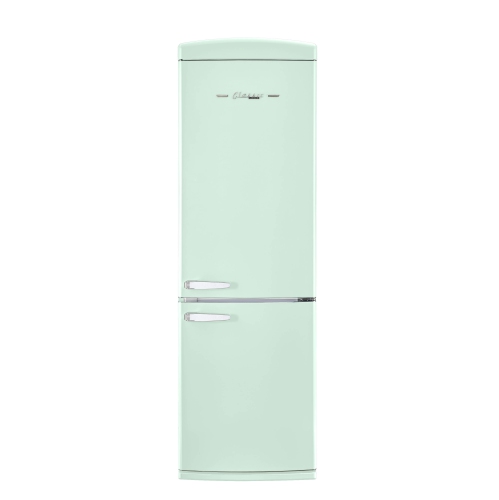
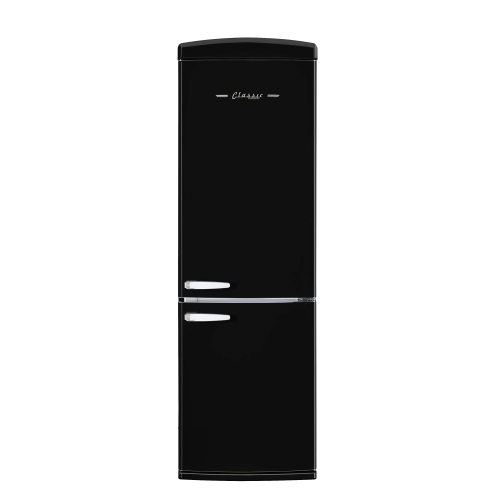
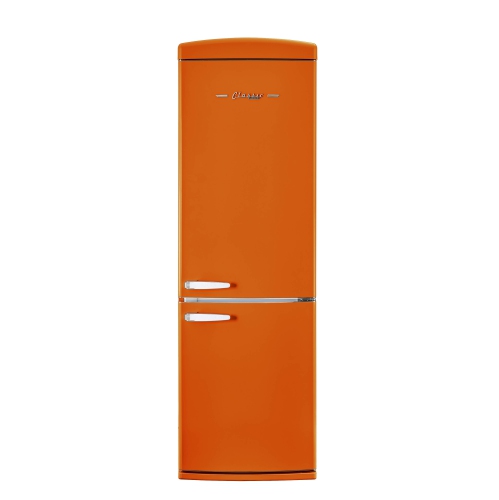
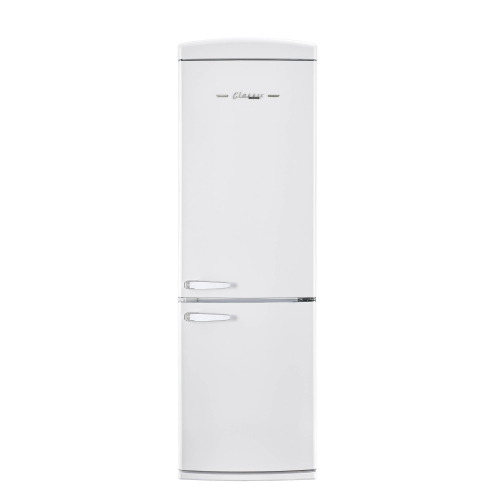
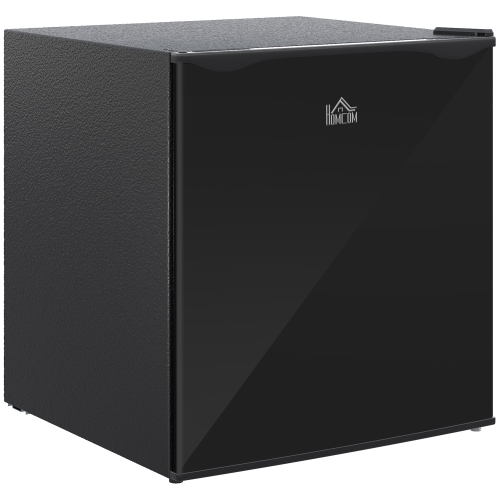
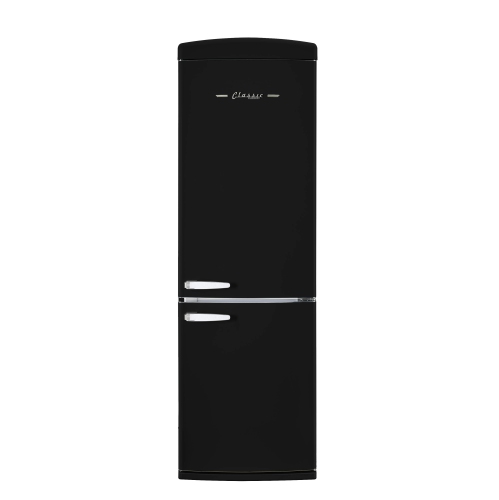
Materials and finishes influence both the appearance of an apartment refrigerator and the work involved in keeping it clean. Stainless steel offers a neutral look alongside many kitchen appliances, although fingerprints and cleaning requirements vary by finish. Painted doors can blend into light cabinetry or bring a stronger colour accent to a compact kitchen. For a more distinctive appearance, Apartment Size Retro Refrigerators pair compact proportions with styling that may include rounded edges, prominent handles, and vintage-inspired colours. Those details still need to be considered alongside usable capacity and door clearance, particularly when a handle extends into a narrow passage. Inside the refrigerator, glass shelves provide a smooth surface for wiping up drips, and raised shelf edges on some designs can help contain small spills. Removable bins and drawers make thorough cleaning easier, but their care instructions matter: not every component is suitable for a dishwasher, and cold glass should not be exposed to sudden hot water. Routine care includes promptly cleaning spills, wiping door seals, keeping vents unobstructed, and following the manufacturer’s directions for any accessible condenser components. Good organization helps with day-to-day performance as well as convenience. Containers should leave room for air to circulate, and groceries should not block interior outlets. A refrigerator thermometer can help confirm that the fresh-food compartment remains at 4°C or below, with a separate freezer at approximately −18°C for frozen-food storage. Durability depends on more than the exterior finish; stable shelving, secure door bins, intact seals, and correctly adjusted feet all contribute to reliable everyday use. Clear care instructions and accessible service information are useful over the appliance’s working life. For renters, confirming the permitted appliance dimensions and installation requirements with the property manager can prevent complications. For owners furnishing a small home, attention to these same details helps create a kitchen that feels complete rather than crowded. The right apartment refrigerator makes room for real meals, regular grocery trips, and the small habits that keep a household running smoothly.
Fit involves more than checking whether the cabinet opening is wide enough. Refrigerator height, depth, hinge clearance, and the ventilation gaps specified by the manufacturer all affect placement. Measurements should include nearby walls, countertops, baseboards, and any cabinet above the appliance. A refrigerator that fits neatly between two cabinets may still project into a walkway once its doors and handles are included in the depth. The door also needs sufficient room to swing open so shelves and drawers can slide out properly; a wall beside the hinge can restrict access even when the appliance itself fits. Reversible doors, where offered, allow the hinge side to be changed according to the manufacturer’s instructions, which can be particularly useful in a galley kitchen or beside a doorway. They are not a universal feature, and changing the swing may require additional hardware or installation steps. The route into the kitchen deserves the same attention as the final position, especially in buildings with narrow stairwells, tight entrance turns, or small lifts. Once those practical details are settled, the compartment layout shapes daily use. Top-freezer refrigerators place frozen food above the main refrigerator section and offer a familiar arrangement for compact kitchens. Bottom-freezer designs keep more fresh food nearer eye level, though freezer drawers need clear space in front to extend. Single-door designs may suit lighter storage needs, but any internal freezer compartment should be checked for its intended use rather than assumed to perform like a separate freezer. Frost-free operation reduces the need for manual defrosting, while manual-defrost models need periodic attention as frost builds up. Separate temperature controls, interior lighting, and accessible shelf positions can also make a smaller appliance easier to live with. In an open-plan apartment, published sound information is worth considering because the kitchen may share space with a sofa, work desk, or bed. Compressor cycling and occasional operating sounds are normal, so placement and proper levelling matter alongside the appliance’s stated noise level.
Materials and finishes influence both the appearance of an apartment refrigerator and the work involved in keeping it clean. Stainless steel offers a neutral look alongside many kitchen appliances, although fingerprints and cleaning requirements vary by finish. Painted doors can blend into light cabinetry or bring a stronger colour accent to a compact kitchen. For a more distinctive appearance, Apartment Size Retro Refrigerators pair compact proportions with styling that may include rounded edges, prominent handles, and vintage-inspired colours. Those details still need to be considered alongside usable capacity and door clearance, particularly when a handle extends into a narrow passage. Inside the refrigerator, glass shelves provide a smooth surface for wiping up drips, and raised shelf edges on some designs can help contain small spills. Removable bins and drawers make thorough cleaning easier, but their care instructions matter: not every component is suitable for a dishwasher, and cold glass should not be exposed to sudden hot water. Routine care includes promptly cleaning spills, wiping door seals, keeping vents unobstructed, and following the manufacturer’s directions for any accessible condenser components. Good organization helps with day-to-day performance as well as convenience. Containers should leave room for air to circulate, and groceries should not block interior outlets. A refrigerator thermometer can help confirm that the fresh-food compartment remains at 4°C or below, with a separate freezer at approximately −18°C for frozen-food storage. Durability depends on more than the exterior finish; stable shelving, secure door bins, intact seals, and correctly adjusted feet all contribute to reliable everyday use. Clear care instructions and accessible service information are useful over the appliance’s working life. For renters, confirming the permitted appliance dimensions and installation requirements with the property manager can prevent complications. For owners furnishing a small home, attention to these same details helps create a kitchen that feels complete rather than crowded. The right apartment refrigerator makes room for real meals, regular grocery trips, and the small habits that keep a household running smoothly.
Top selling and popular products
-
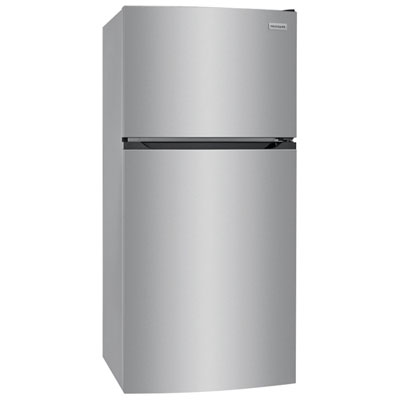 Your price for this item is $849.99
 -
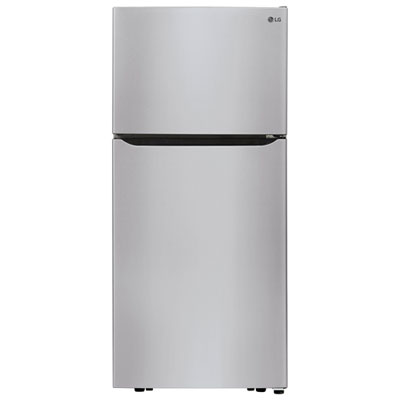 Your price for this item is $1149.99
 -
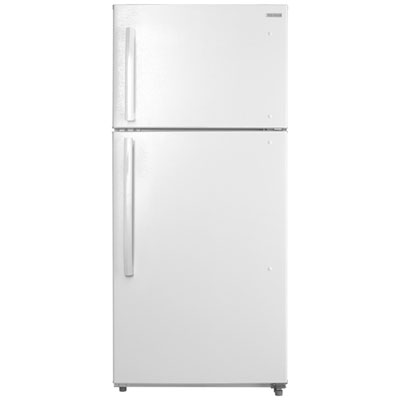 Your price for this item is $799.99
 -
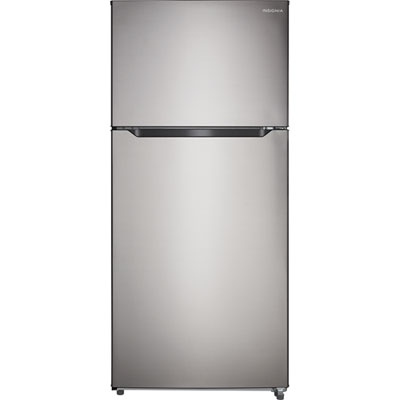 Your price for this item is $949.99
 -
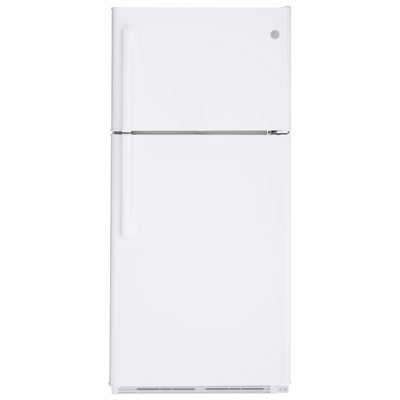 Your price for this item is $1549.99
 -
 Your price for this item is $1649.99
 -
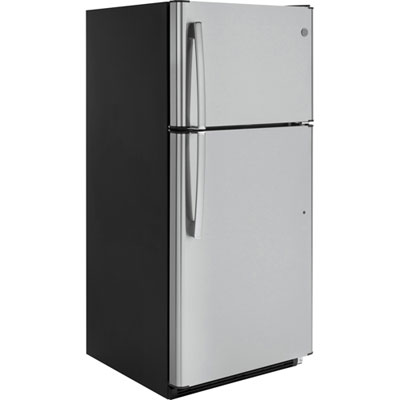 Your price for this item is $1549.99
 -
 Your price for this item is $1449.99
Discover more categories related to Apartment Refrigerators
Top Collections:
Pokemon Centers, Kindle Devices, Best Budget Office Chairs, Apple iPhones 16, Best Laptops for Writers, iPhone 15 Apple, Canon G7X Cameras, Refurbished Apple Laptops, Alarm Clock, Motorola Razr Phones
Some products may be subject to Environmental Handling Fees
(EHF) depending on your province.
Learn more about EHFs.