Aromatherapy Home Fragrances
Aromatherapy is the use of essential oils extracted from plants to improve health or mood. Essential oils, with the use of diffusers, are highly concentrated liquids containing volatile aroma compounds from plants. Here are some of the best aromatherapy home fragrance products on the market today.
Sort
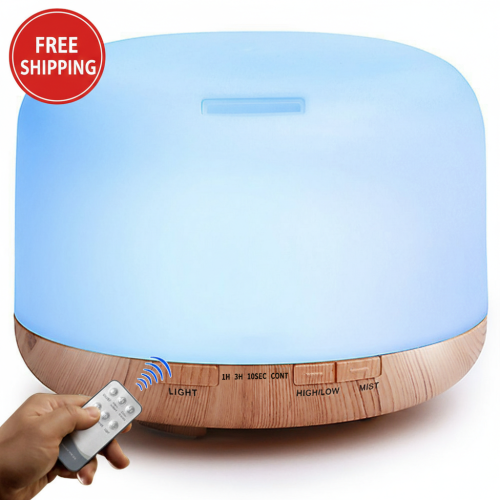
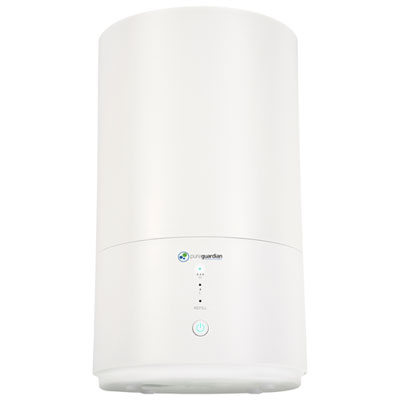





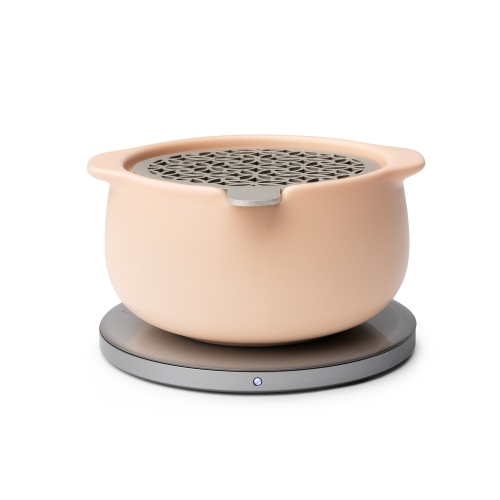
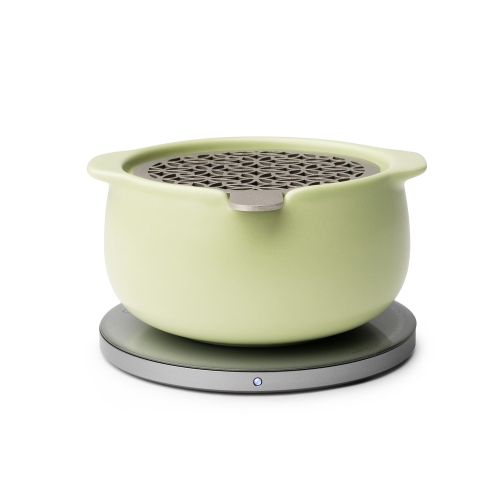












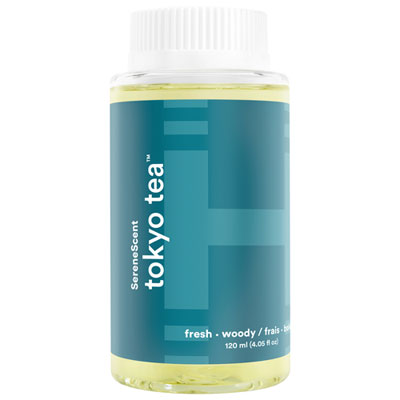
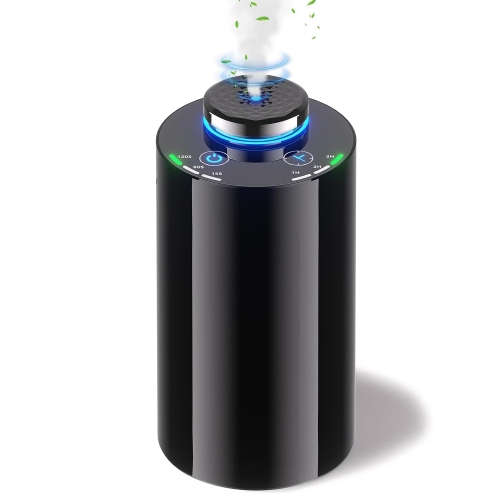
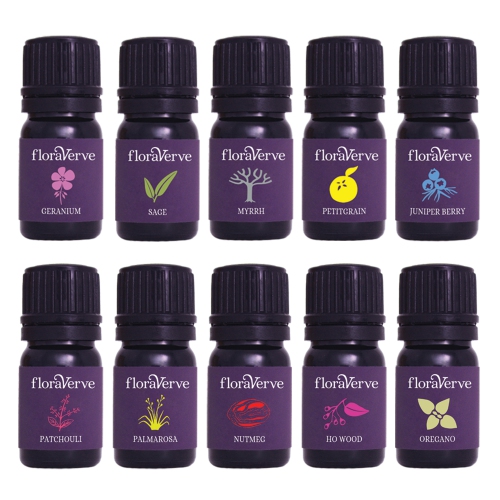






















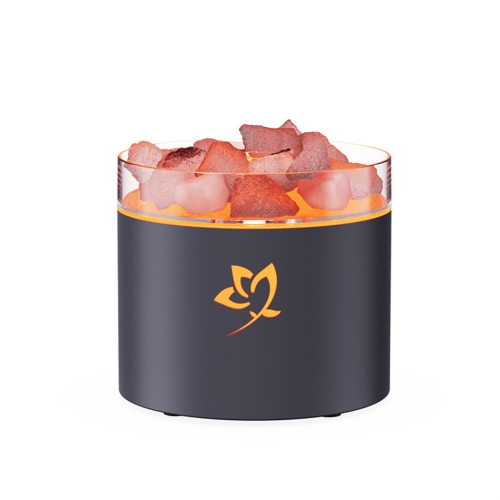
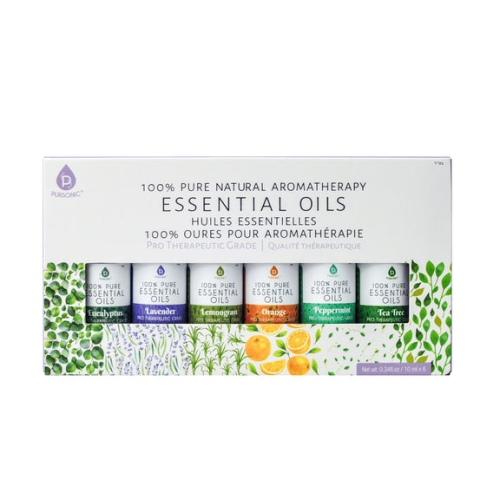


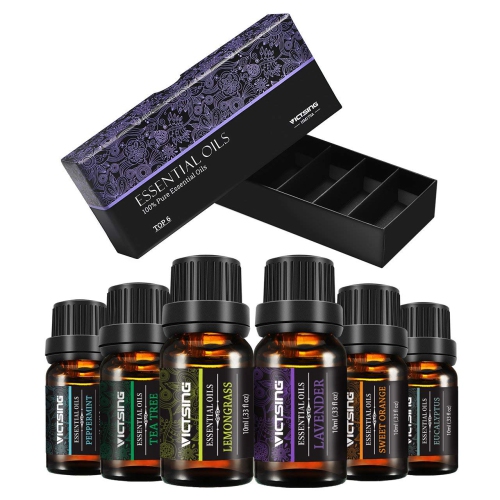
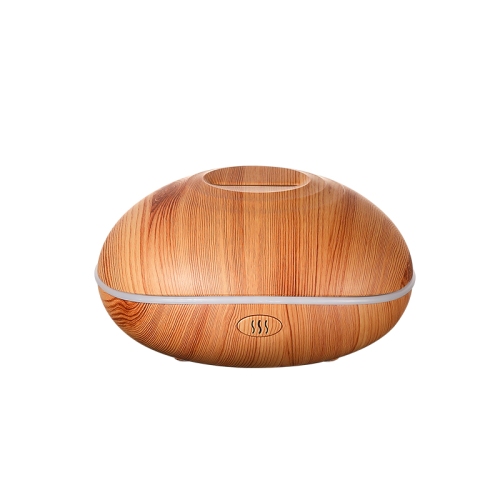
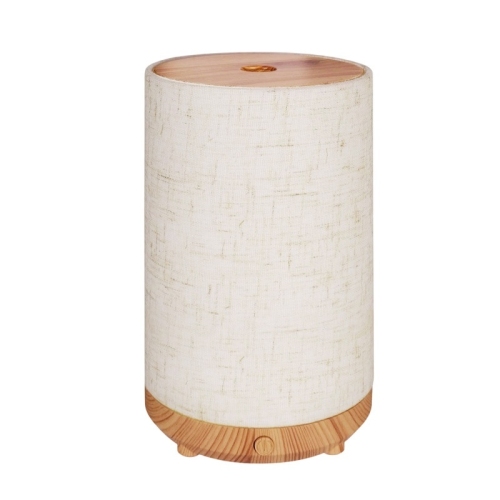
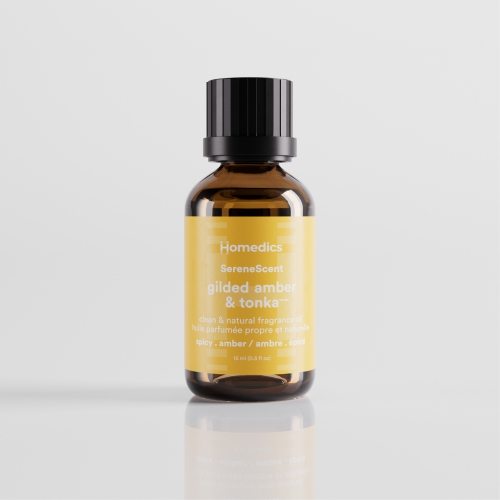


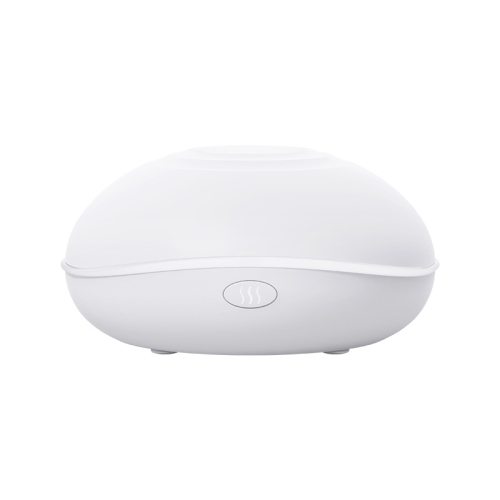
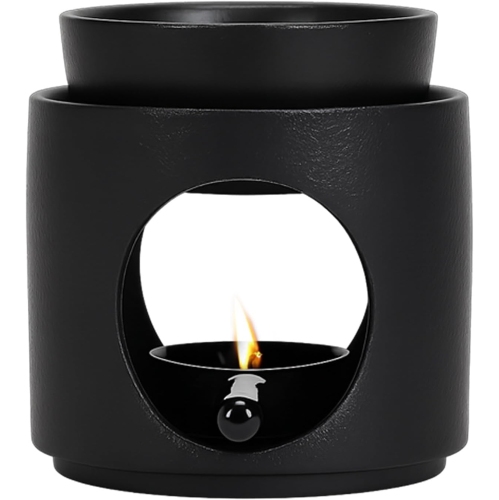




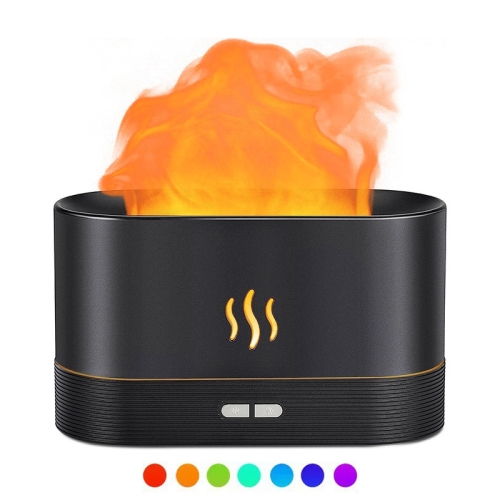
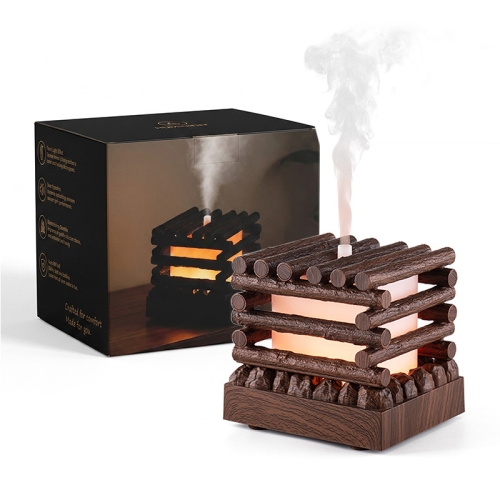
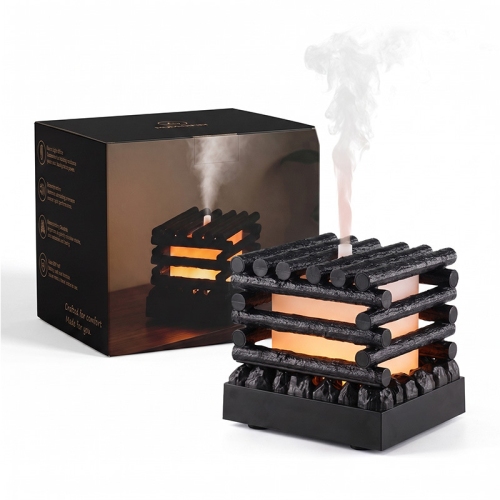

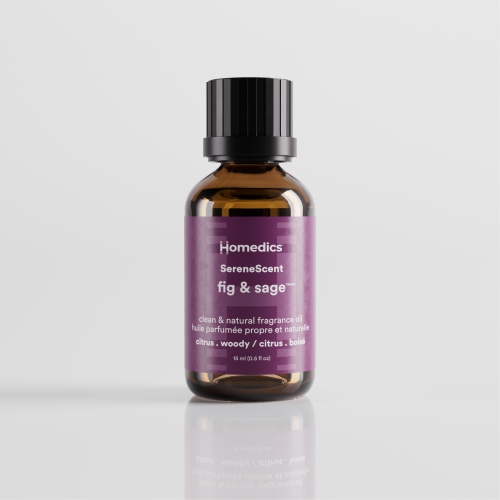


















How scent and strength shape a room’s atmosphere
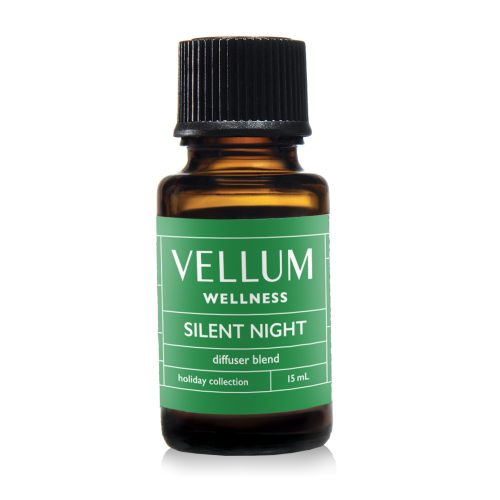
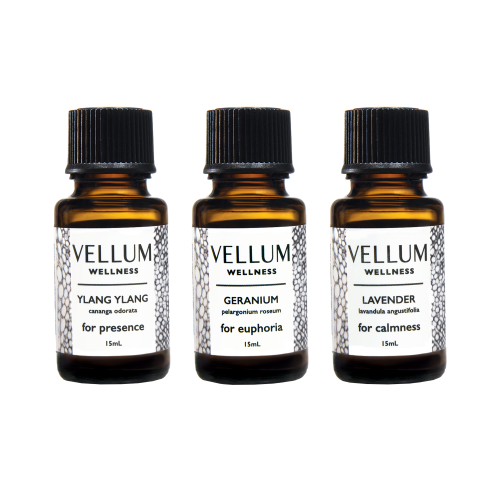
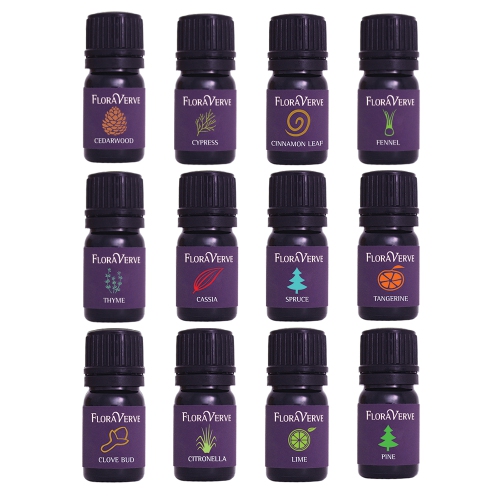
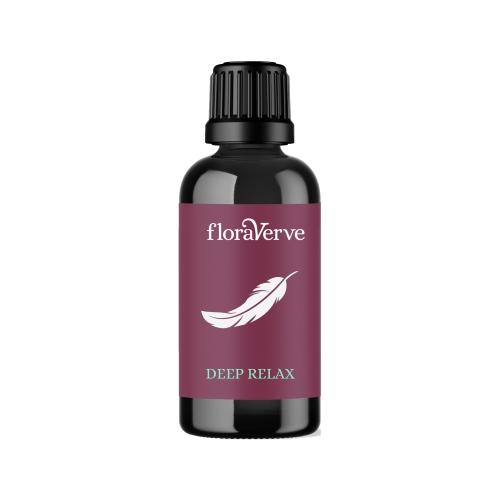
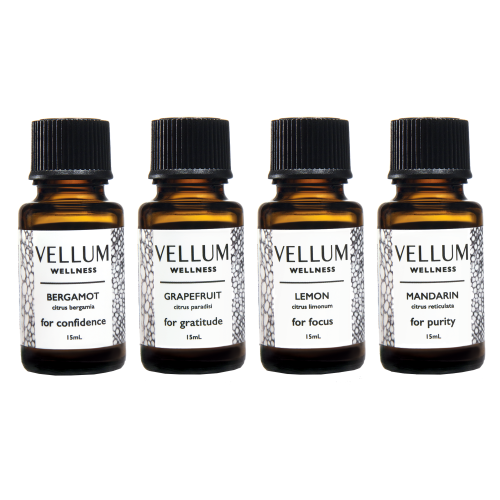
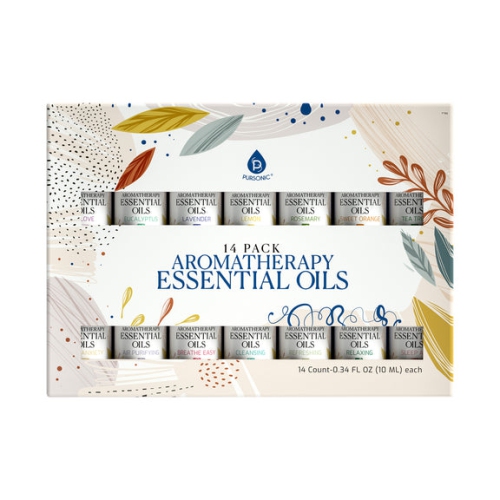
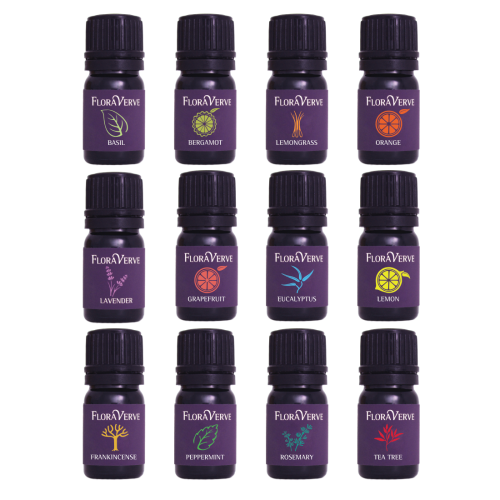
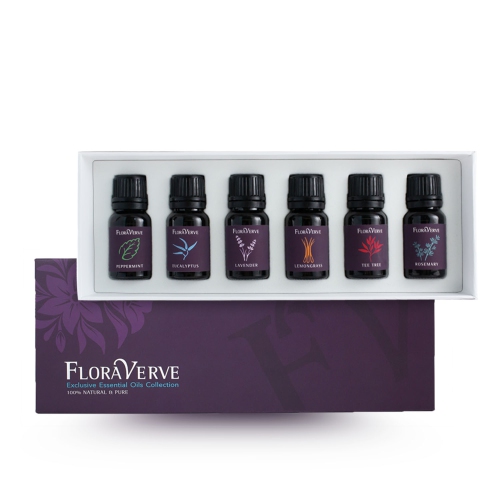
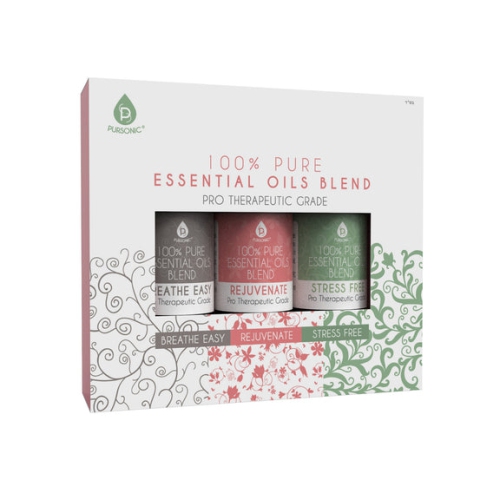
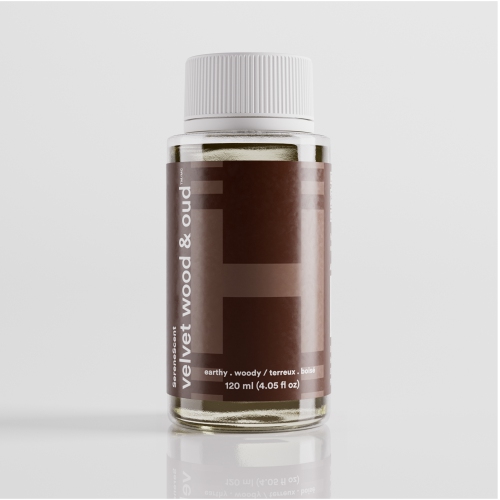
Aromatherapy home fragrances bring scent into everyday spaces through essential oils, fragrance oils, diffusers, room sprays, and scented candles. Their appeal is personal: a light citrus note can make an entryway feel welcoming, while lavender or a soft woody blend may suit a quiet reading corner. These fragrances are best understood as a way to shape the atmosphere of a room rather than as a treatment for sleep difficulties, stress, or other health concerns. Essential oils are aromatic extracts obtained from plants, while fragrance oils can contain natural aromatic ingredients, synthetic ingredients, or a combination of both. Neither description alone determines how pleasant, strong, or suitable a scent will be for a particular household. Choosing Home Fragrance Oils involves considering both the fragrance itself and its intended application, because a reed diffuser refill, an essential oil concentrate, and a room spray are not interchangeable. Scent descriptions offer useful clues about character. Lemon, orange, and bergamot tend to smell bright and crisp; lavender and other floral notes can feel softer; cedarwood and sandalwood bring a deeper, woody character. Blends may combine several notes, with lighter aromas becoming noticeable first and heavier notes lingering longer. Strength matters as much as the scent family. A fragrance that feels subtle in an open living room may become overpowering beside a chair in a small office. For shared spaces, a restrained scent is often more comfortable than one that follows someone from room to room. Personal preferences, fragrance sensitivities, and household routines all deserve consideration. An unscented room may be the better choice for some people, and fragrance should never substitute for cleaning or ventilation. Used thoughtfully, home fragrance can become a small part of a familiar routine, such as settling in with a book or preparing a welcoming space for visitors.
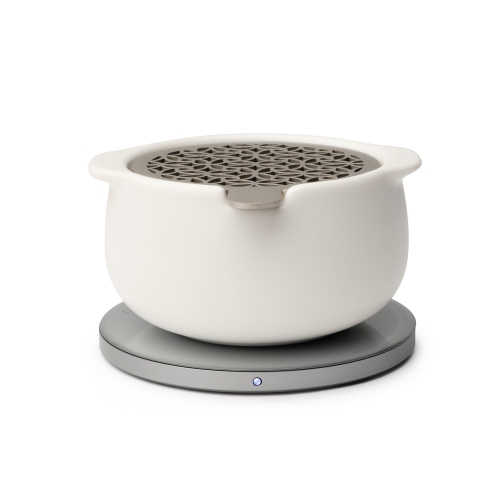
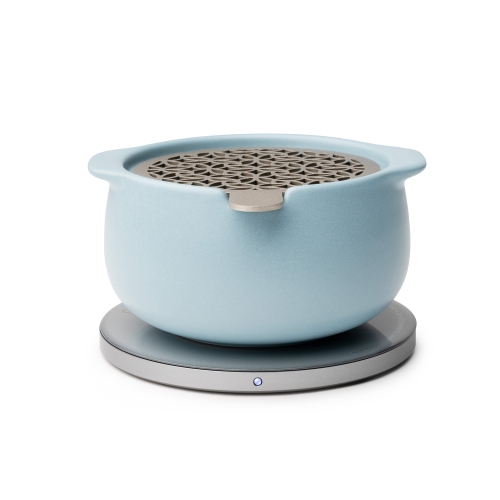
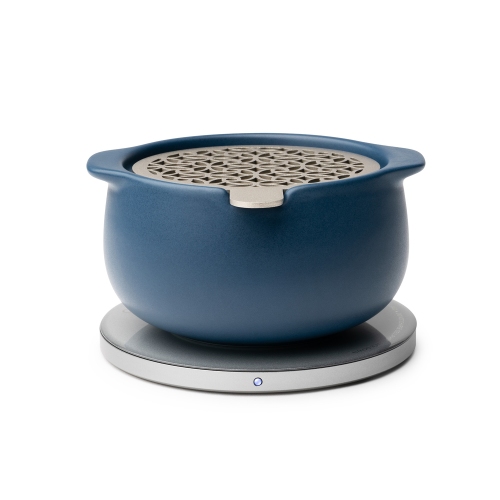
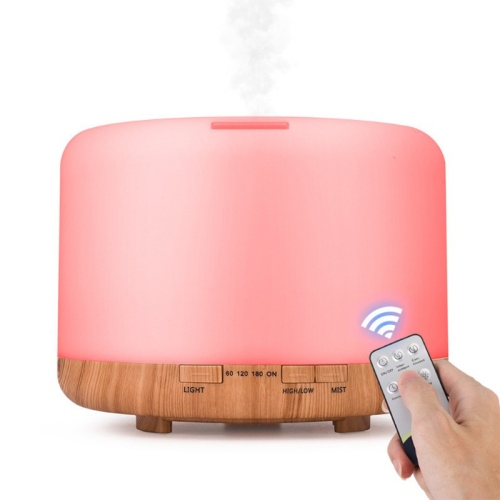
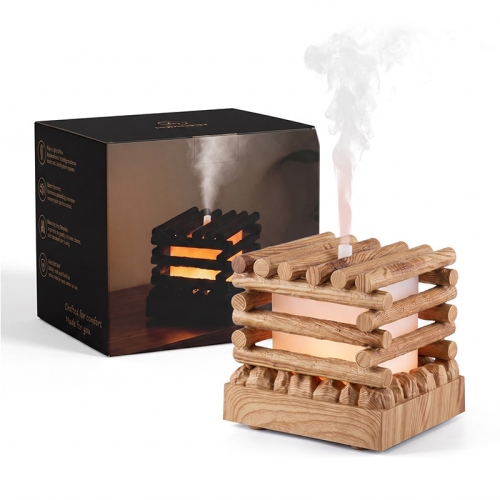
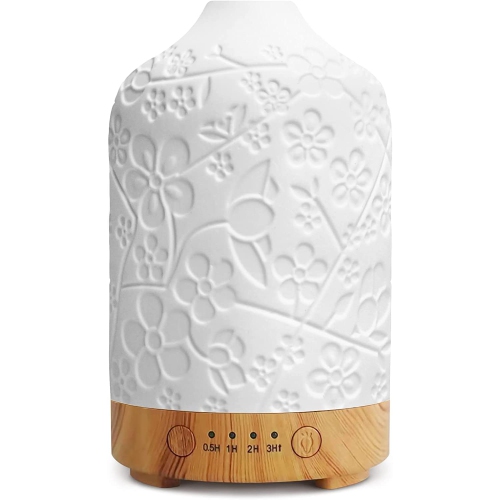
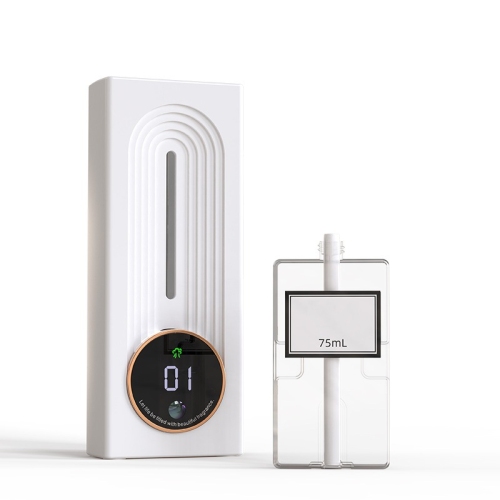
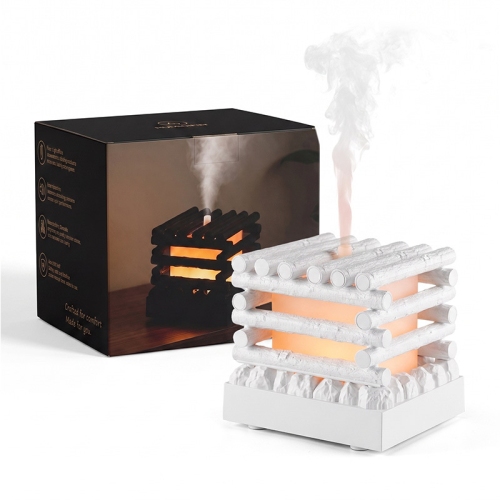
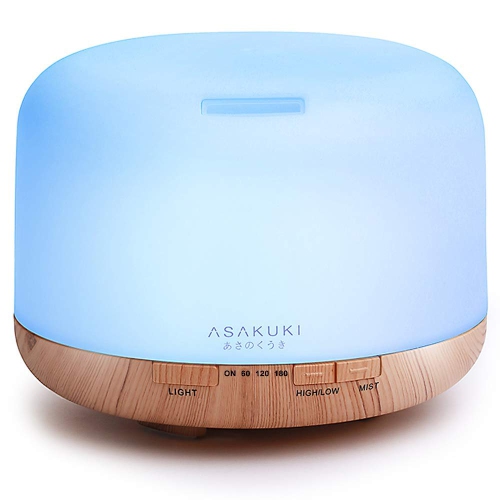
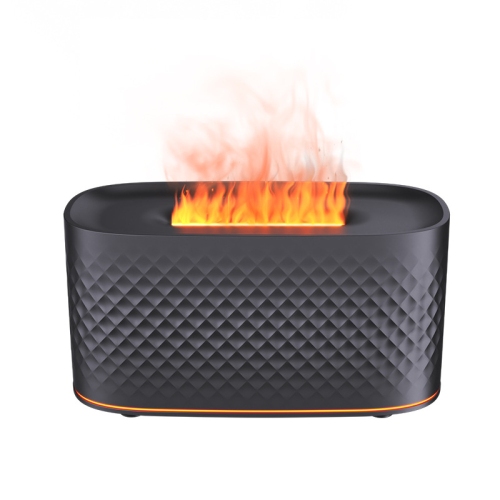
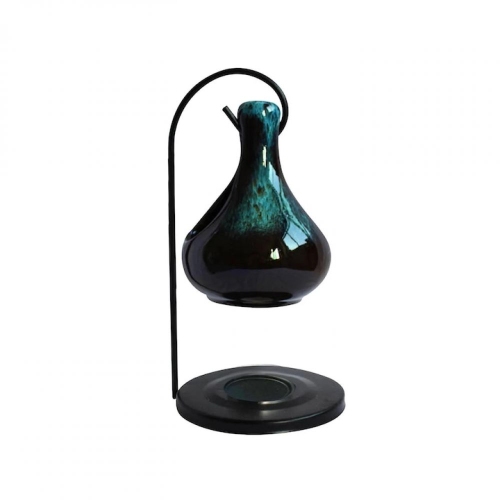
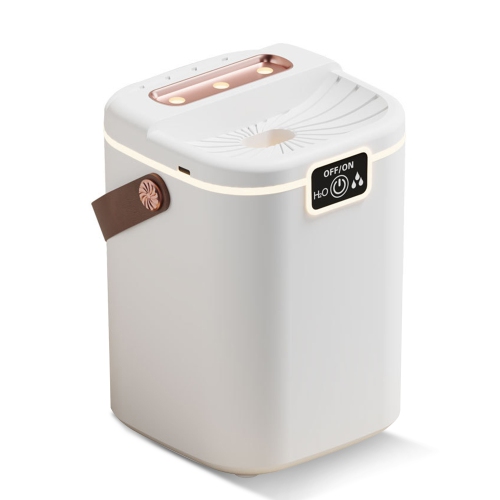
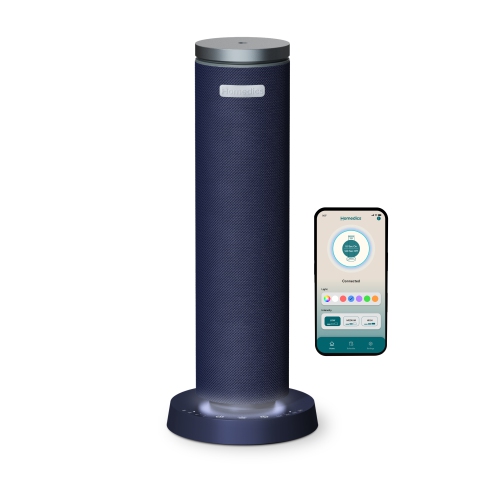
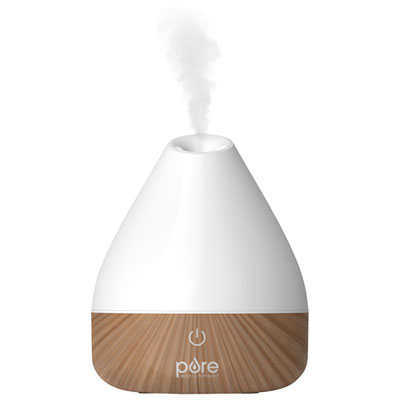
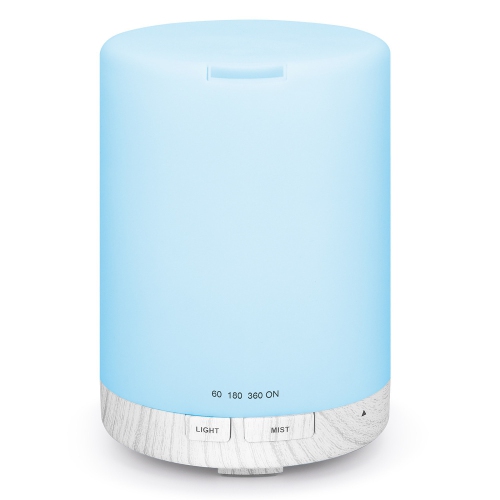
The format determines how fragrance moves through a room and how much attention it needs. Ultrasonic diffusers typically use water and vibration to release a fine mist, but they should only be used with oils permitted by the manufacturer. Nebulizing diffusers disperse compatible oil without adding water, and their output can be more concentrated, making adjustable intensity particularly useful. Reed diffusers draw scented liquid through porous reeds and release it gradually without a power cord or flame. They suit places where a steady background scent is preferred, although their strength depends on the formula, reed arrangement, airflow, and room size. Room sprays offer a more immediate, temporary effect, while candles combine fragrance with a visible flame and require active supervision. Matching these formats to daily habits helps avoid unnecessary fuss: someone who prefers timed scent sessions may appreciate an electric diffuser, while someone who wants a continuous aroma may prefer reeds. For powered designs, useful considerations include the stated room coverage, reservoir capacity, runtime, sound level, timer options, and automatic shut-off features. A larger reservoir does not necessarily mean better fragrance coverage, and a powerful output is not always comfortable in a compact space. A light that can be dimmed or switched off may matter on a bedside table, while quiet operation can be helpful near a desktop used for calls. Materials affect both appearance and upkeep. Glass and glazed ceramic can complement a living room or bedroom, while lightweight housings may be easier to move between suitable locations. Oils can damage some plastics and finishes, so compatibility matters more than appearance alone. A stable base, accessible controls, and a reservoir that is easy to reach can make regular use simpler. Placement also deserves thought: a level, moisture-resistant surface with clearance around the outlet is more practical than a crowded shelf beside books, electronics, or delicate fabrics.
Care requirements help distinguish a fragrance format that fits comfortably into a home from one that becomes a chore. Water-based diffusers need regular emptying, cleaning, and drying according to their instructions; leaving water sitting in a reservoir can encourage unwanted buildup. Cleaning methods vary, so harsh cleaners or improvised mixtures may damage seals, coatings, or internal components. Using more oil than directed can leave residue and make the fragrance unpleasantly strong without improving performance. Humidifiers should not receive oils unless they are expressly designed for that purpose, and fragrance refills should never be transferred between unrelated systems simply because the containers look similar. Oils and diffuser liquids are generally best kept tightly closed, upright, and away from direct sunlight, with spills wiped up promptly to protect furniture finishes. Reed diffuser bottles need a secure position where they cannot be knocked over, especially near children or animals. Essential oils and fragrance liquids should remain out of reach and should not be swallowed or applied to skin unless specifically formulated and labelled for that use. Households with pets need particular care, since some aromatic ingredients and exposure methods can be harmful to animals; veterinary advice can help clarify what is appropriate. Candles belong on stable, heat-resistant surfaces, away from curtains and other combustible materials, and should never be left burning unattended. Wick trimming and burn-time limits should follow the candle’s directions. For gifting, fragrance is most thoughtful when it reflects an established preference rather than a guess about what someone ought to enjoy. A familiar floral or citrus scent may suit a fragrance enthusiast, while an adjustable diffuser may appeal to someone who likes control over intensity. Easy cleaning, straightforward controls, clearly identified ingredients, and refill compatibility can be more meaningful than elaborate styling. Whether intended for a housewarming, a thank-you gift, or personal use, a well-matched home fragrance should suit the recipient’s space, routines, and comfort with scent.
Top selling and popular products
-
 Your price for this item is $119.99
-
 Your price for this item is $64.99
-
 Your price for this item is $69.99
-
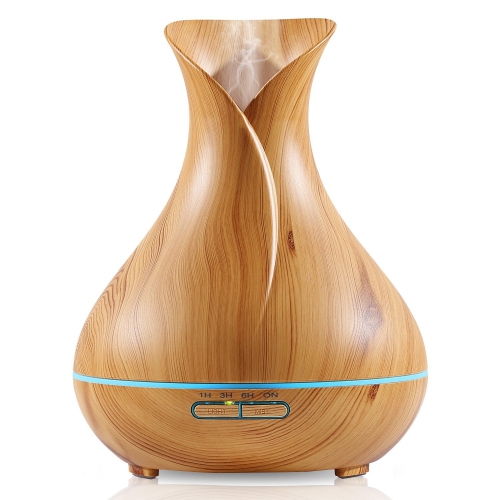 Your price for this item is $79.99
-
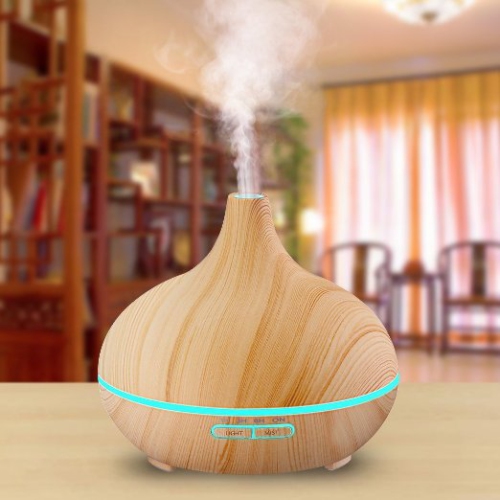 Your price for this item is $89.99
-
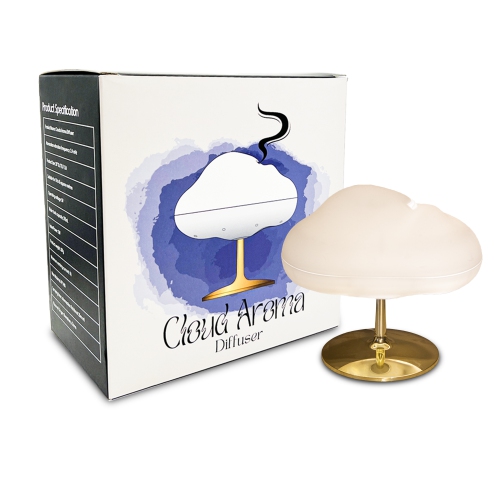 Your price for this item is $43.99
-
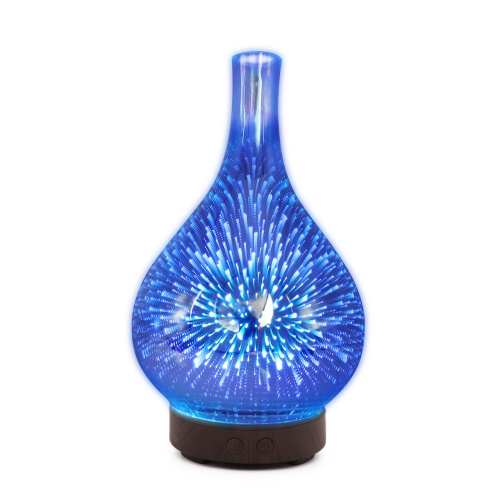 Your price for this item is $129.99
-
 Your price for this item is $35.46
Discover more categories related to Aromatherapy Home Fragrances
Top Collections:
Best Black Friday Deals This Year, Best Black Friday Deals On Electronics, Kindle Devices, Pokemon Centers, Best Black Friday Deals On Apple Products, Best Cameras for Sports Photography, Dyson Airwrap, Pokémon 30th Celebration Cards, Apple iPhone 17 Pro, Canon G7X Cameras
Some products may be subject to Environmental Handling Fees
(EHF) depending on your province.
Learn more about EHFs.