Beverage Fridges
A beverage fridge is the perfect addition to any home, office, or entertainment space, offering a convenient way to keep your favorite drinks chilled and ready to enjoy. Whether you're hosting gatherings, stocking up for daily refreshment, or simply looking to maximize your kitchen space, a beverage fridge provides versatile storage options tailored for cans, bottles, and more. Explore a wide selection of sizes and styles designed to fit seamlessly into your lifestyle while keeping your beverages at the ideal temperature.
Sort

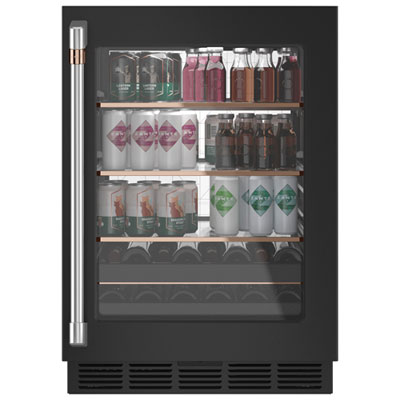
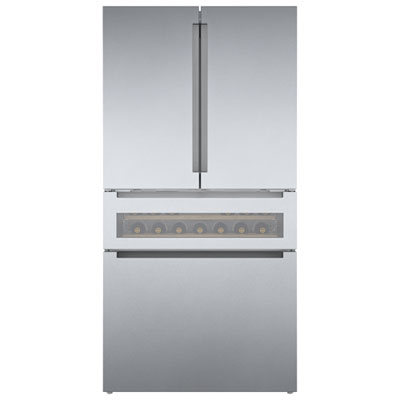
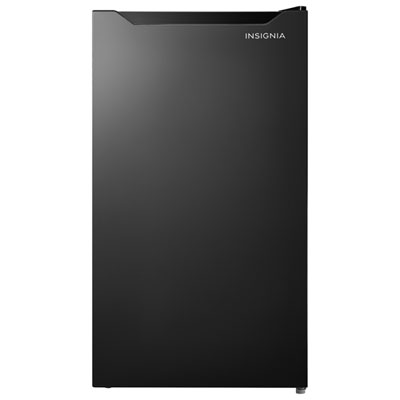
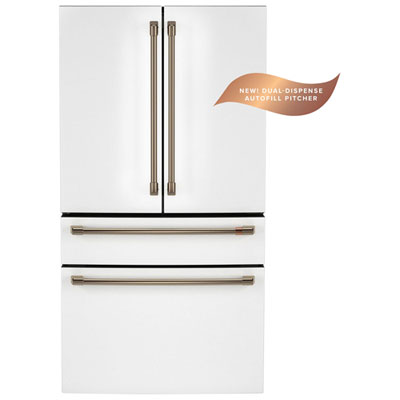


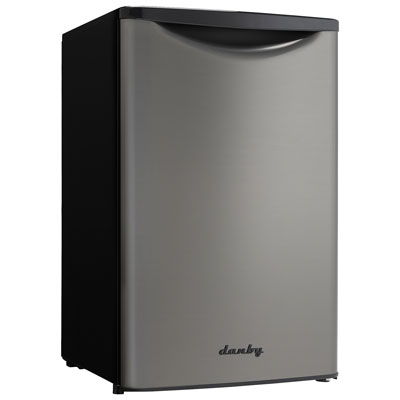

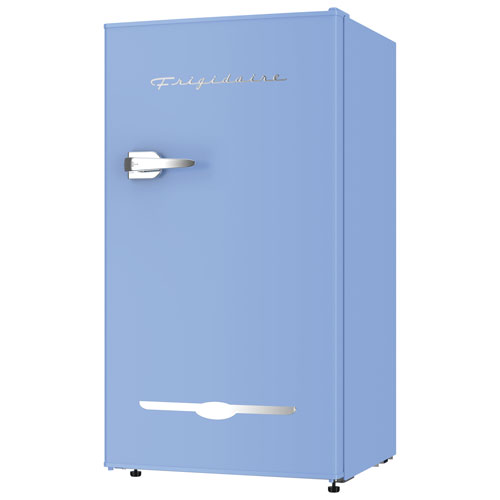

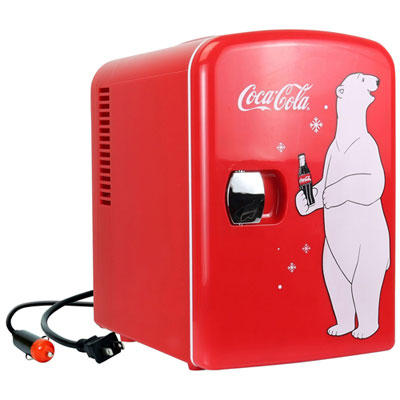

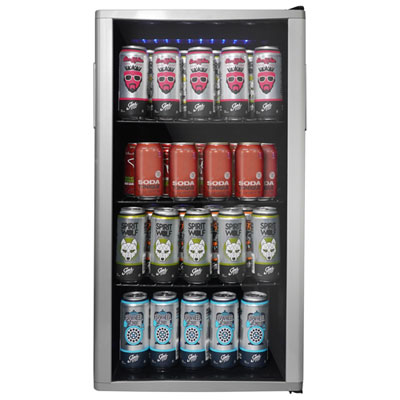
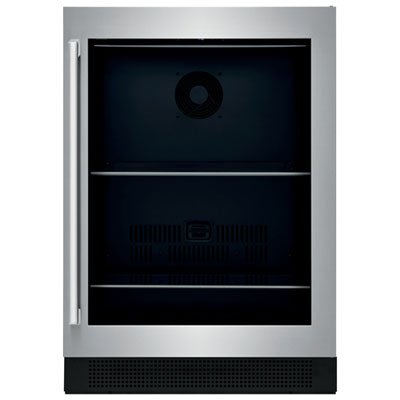
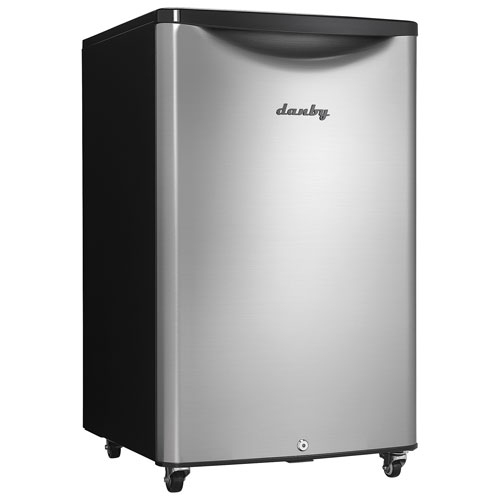
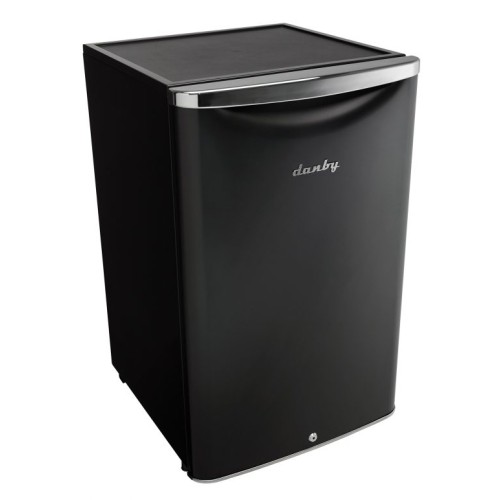
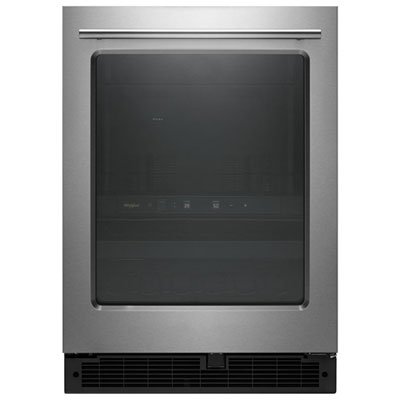

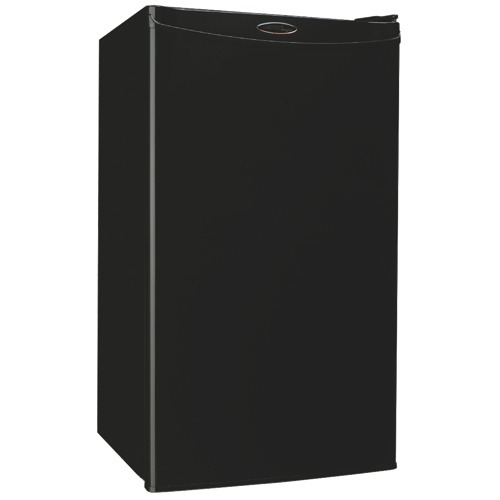
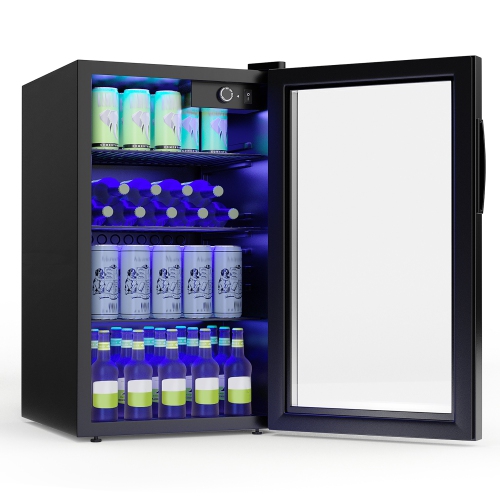


Your favourite drinks deserve their own chilled space
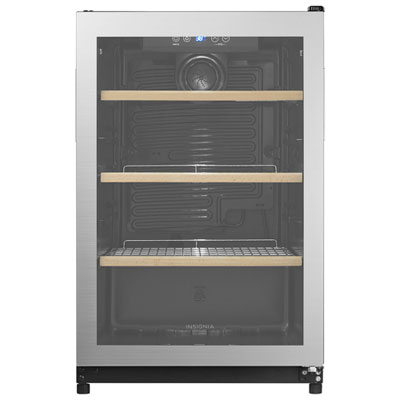
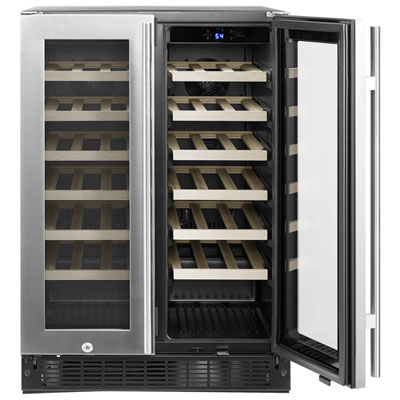
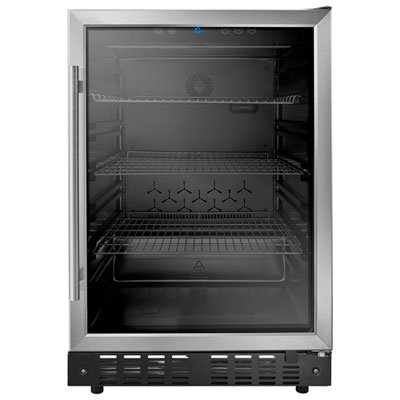
Beverage fridges are dedicated refrigerators designed to keep bottled and canned drinks chilled, organized, and ready to serve without taking over the main kitchen refrigerator. They suit everything from sparkling water and juice to beer and wine, although the right serving temperature depends on the drink and the appliance’s cooling range. Many soft drinks and sparkling waters are enjoyable at around 2°C to 7°C, while wine generally calls for warmer settings matched to its style. Some beverage fridges offer a wider range of temperatures than a standard food refrigerator, giving different drinks their own space rather than treating every bottle alike. Adjustable controls make it easier to maintain a preferred setting, and a digital display can make that setting easier to read. In a busy household, a separate drinks fridge can keep lunchbox beverages within reach while leaving kitchen shelves clear for groceries. In a dining area or home bar, it creates a convenient serving station for guests, with chilled water beside mixers and other refreshments. Capacity is often expressed as a can count, but that figure usually assumes a particular can size and shelf arrangement. A collection of slim cans, tall bottles, and large juice containers will occupy the same interior differently. Adjustable or removable shelves offer flexibility, while the spacing between shelves determines whether bottles can stand upright without sacrificing too much storage above them. Flat shelves generally suit cans and mixed beverages; shaped bottle racks can help keep wine bottles from rolling. For households that prefer a small, frequently replenished selection, a compact footprint may matter more than maximum capacity. Larger drink collections benefit from an interior that keeps favourites visible without stacking containers awkwardly. Unlike a general-purpose mini fridge, a beverage fridge typically prioritizes drink storage and presentation, though features differ between designs. It should not be assumed suitable for milk, prepared food, or other perishables unless its specifications support safe food storage at 4°C or below.
The way a beverage fridge fits into a room matters just as much as what fits inside it. Freestanding designs need the ventilation clearances specified by the manufacturer and should not be enclosed in cabinetry unless expressly approved for that installation. Built-in designs are made for compatible cabinet openings, often with ventilation at the front, but they still require the correct clearances and an unobstructed airflow path. For a continuous cabinetry layout, Integrated Bar Fridges can be relevant where a design is intended to coordinate closely with surrounding cabinets. Installation dimensions include more than the appliance’s listed width: height, depth, handles, hinges, electrical connections, and space for the door to open all affect the finished fit. A fridge that slides neatly beneath a counter may still need additional room beside a wall so its shelves can pull out fully. Reversible doors, where supported, can help accommodate a particular layout, while levelling feet help the appliance sit properly on an uneven floor. In a condo dining nook, a shallow cabinet depth may keep the walkway comfortable; beside a recreation-room counter, door swing may be the more important consideration. The installation location also affects performance. Heat from nearby cooking appliances, direct sunlight, or insufficient ventilation can make it harder for the fridge to maintain its set temperature. Standard indoor models are not automatically suitable for an unheated garage or outdoor kitchen; those locations call for an appliance specifically rated for the conditions. Sound deserves attention in open-plan rooms, bedrooms, and home offices, since compressors and circulation fans may be noticeable in a quiet space. Glass doors provide a clear view of the contents, while solid doors conceal mixed packaging for a simpler appearance. Interior lighting can make labels easier to find during entertaining, and lighting controls are useful when the fridge sits near a television or sleeping area. Locks may also be helpful where access needs to be managed, provided the design includes one.
Materials and interior details shape how a beverage fridge looks and holds up to everyday use. Stainless steel trim, painted metal finishes, and glass fronts each bring a different appearance to a kitchen, bar, or lounge area. Fingerprints may be more noticeable on some finishes, particularly around handles, while recessed handles can offer a cleaner profile where space is tight. Shelves need to support the intended load, and smooth edges and stable supports matter when a fully stocked row of cans is being moved. Glass shelving provides a flat surface for smaller containers, while wire shelving allows air to move around drinks; either works best when arranged according to the manufacturer’s loading instructions. Keeping bottles and cans clear of interior vents helps chilled air circulate rather than leaving one corner crowded and another slow to cool. Drinks placed in the fridge at room temperature need time to reach the selected setting, especially after a large restock, and frequent door opening can temporarily affect the internal temperature. For entertaining, having drinks chilled ahead of serving keeps the fridge useful without expecting it to cool a full load instantly. Care is generally straightforward: spills are easier to remove before they become sticky, door seals benefit from regular gentle cleaning, and exterior finishes should be cleaned with products approved for the material. Abrasive pads can mark glass or metal, while neglected dust around accessible ventilation areas can interfere with airflow. Any cleaning or maintenance around electrical components should follow the appliance instructions, including disconnecting power where directed. A secure door seal, properly supported shelves, and clear ventilation all contribute to dependable daily use. Whether it serves a household’s regular sparkling-water habit, a games room gathering, or a dining space used for hosting, a well-matched beverage fridge makes refreshments easier to store and serve. The most useful design is one whose capacity, temperature range, installation requirements, and interior layout suit the drinks and the space it will actually occupy.
Top selling and popular products
-
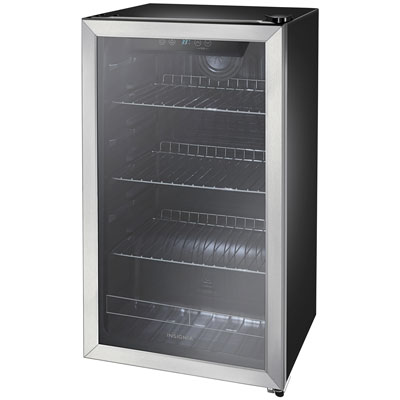 Your price for this item is $249.99
-
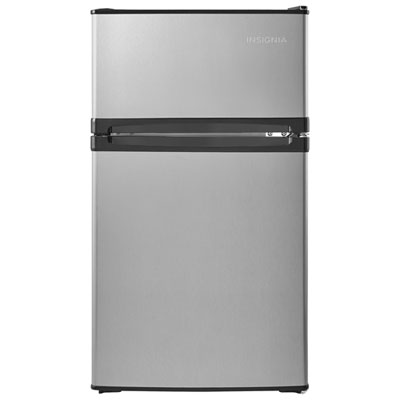 Your price for this item is $179.99
-
 Your price for this item is $349.99
-
 Your price for this item is $649.99
-
 Your price for this item is $399.99
-
 Your price for this item is $699.99
-
 Your price for this item is $169.99
-
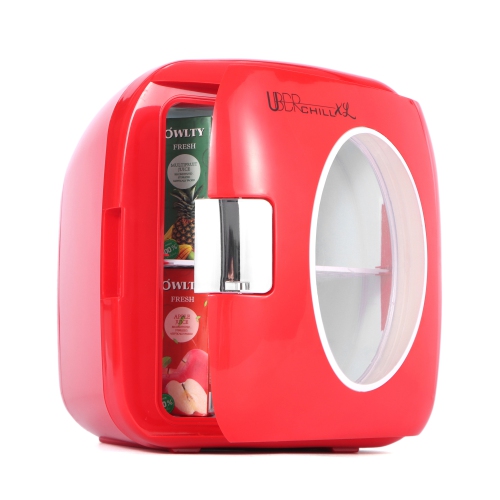 Your price for this item is $169.99
Discover more categories related to Beverage Fridges

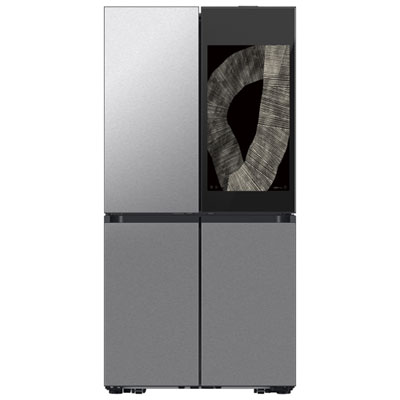

Top Collections:
Best Black Friday Deals This Year, Best Black Friday Deals On Electronics, Kindle Devices, Pokemon Centers, Best Black Friday Deals On Apple Products, Best Cameras for Sports Photography, Dyson Airwrap, Pokémon 30th Celebration Cards, Apple iPhone 17 Pro, Canon G7X Cameras
Some products may be subject to Environmental Handling Fees
(EHF) depending on your province.
Learn more about EHFs.