Blenders With Tampers
Looking to take your blending game to the next level? Look no further than our collection of blenders with tampers. These powerful appliances provide the perfect combination of convenience and versatility, allowing you to effortlessly create smoothies, soups, sauces, and more. With a built-in tamper, you can easily push down ingredients while blending, ensuring a consistent and smooth texture every time. Whether you're a culinary enthusiast or simply looking for a reliable blender for your everyday needs, our selection of blenders with tampers has got you covered. Explore our range now and discover the perfect blending companion for your kitchen.
Sort
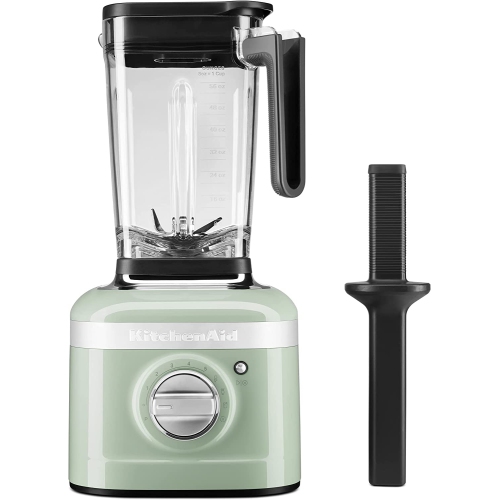
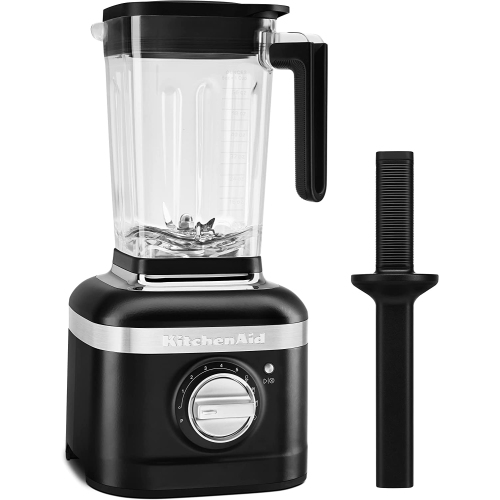
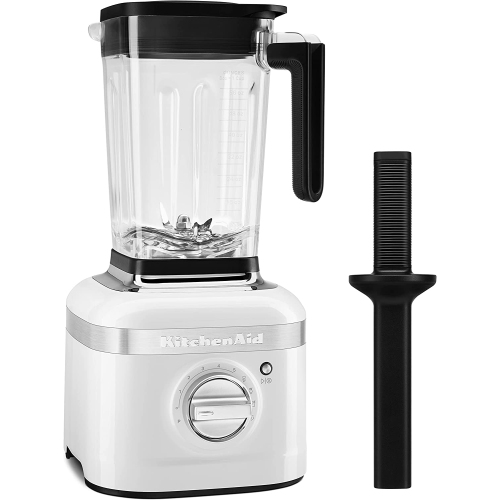
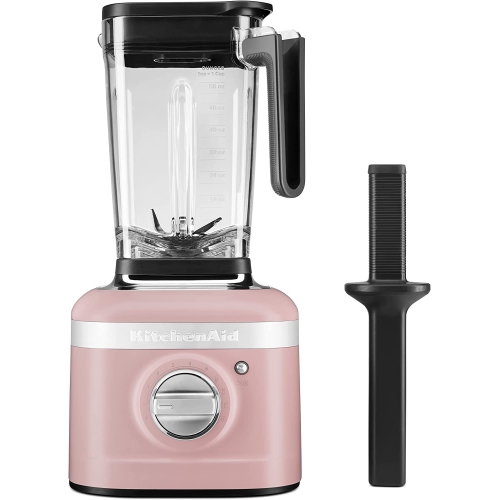
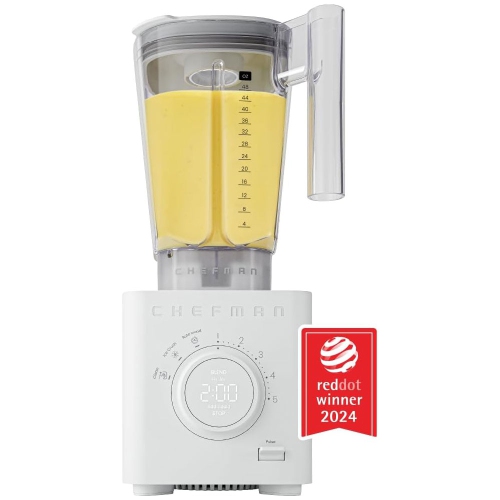
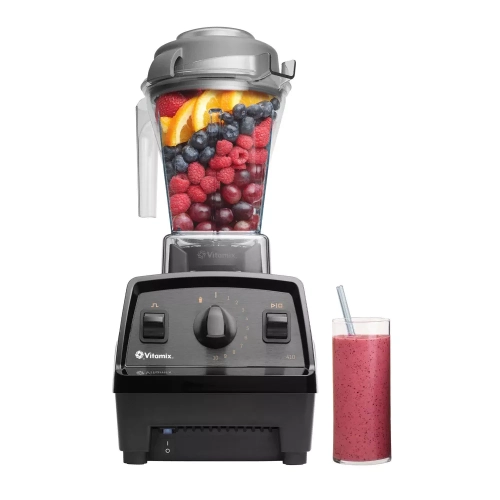
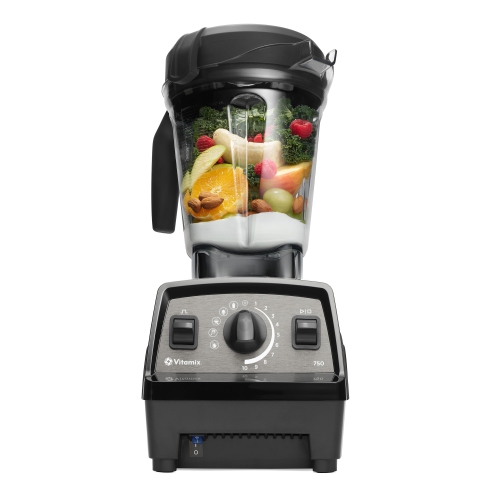
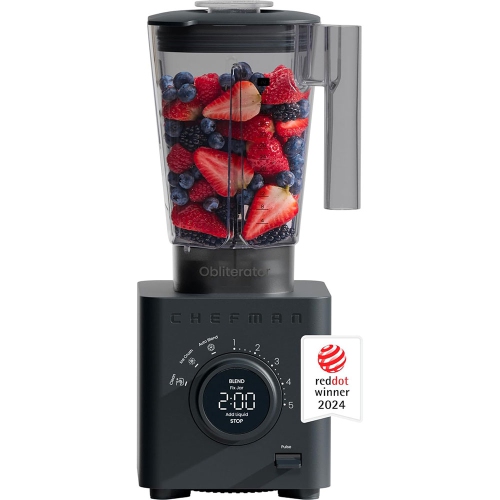
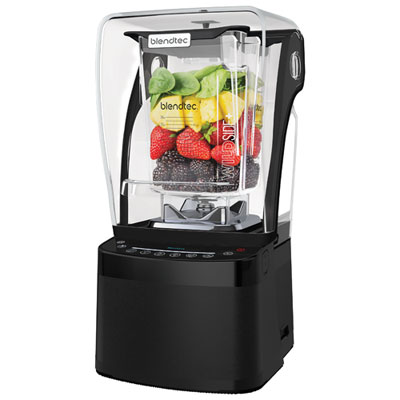
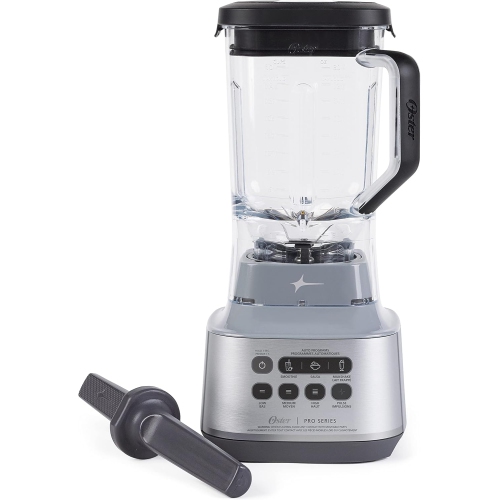
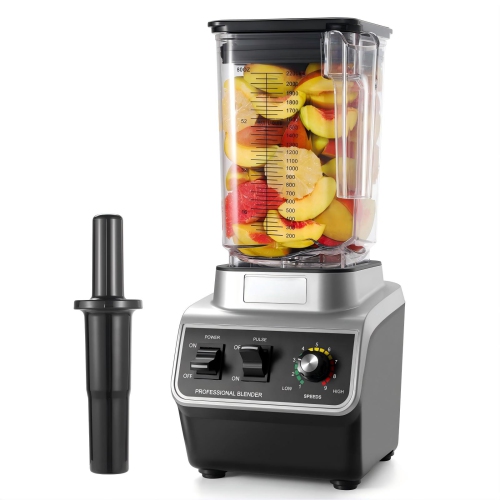
More control over thick blends without extra liquid
Blenders with tampers are designed to help move thick ingredients towards the blades when a mixture is too dense to circulate freely. A tamper is a purpose-built tool that works through a compatible lid opening, allowing ingredients to be pushed down while the lid remains secured. Used as directed, its shape and stopping collar keep it clear of the blades. This makes a tamper particularly useful for frozen fruit, thick smoothie bowls, nut butters, and other blends that can form air pockets around the blade assembly. Instead of adding more liquid simply to get ingredients moving, the tamper helps maintain the dense, spoonable texture a recipe needs. Picture frozen berries and banana becoming a smooth breakfast bowl rather than a drink, or roasted peanuts gradually turning from coarse crumbs into a spread. The results still depend on the blender’s capabilities, the ingredients, and the batch size, but a compatible tamper gives the person blending more control over that process. Some designs use a separate handheld tool, while others incorporate a twisting mechanism into the lid to help move food through the blending area. The distinction matters in everyday use: a handheld tamper offers direct control over where pressure is applied, while a lid-integrated design provides a different way to work with a thick mixture. Neither design means every blender can handle every dense recipe. Motor design, blade geometry, jar shape, and permitted operating times all contribute to performance. For households that regularly prepare frozen blends or spreads, High-Performance Blenders offer a related category to explore, although a tamper should never be assumed to be included or compatible unless specified. A blender with a tamper can suit a daily smoothie routine, weekend meal preparation, or a kitchen where dips, sauces, and frozen desserts are made frequently. Its main advantage is practical: helping stubborn ingredients reach the blades without unnecessarily thinning the finished mixture.
The pitcher and tamper need to work together as a matched system, so fit matters just as much as the presence of the accessory itself. A tamper intended for one jar may be unsafe in another, even when the containers look similar. Jar height, lid construction, and the distance to the blades determine the correct fit; only the tamper approved for that particular container should be used. Capacity also deserves attention beyond the largest number marked on the pitcher. A wide jar may be convenient for family-sized smoothies, yet a small portion of dressing or seed butter may sit below the level needed for effective circulation. A narrower blending area can be better suited to modest batches, depending on the design. Maximum fill lines and minimum recipe quantities are more useful than total capacity alone when imagining everyday portions. Materials affect handling and care, too. Plastic pitchers are generally lighter to lift, an advantage when pouring a full batch, while glass adds weight and may resist odours and staining more readily. Neither material should be assumed suitable for hot ingredients without confirmation in the appliance instructions. Handles that feel secure, readable measurement markings, a well-fitting lid, and a spout that pours cleanly can make a noticeable difference when transferring a thick sauce into a narrow storage container. Controls should match the intended use: variable speed allows gradual adjustments, pulse operation provides brief bursts, and preset programmes can simplify repeated tasks without guaranteeing a particular texture. Wattage alone does not establish how smoothly a blender will process frozen fruit or nuts. The complete blending system and its stated capabilities matter more than a single power figure. Countertop fit includes room above the jar to insert and move the tamper, especially beneath upper cabinets. Storage space for the tool, the weight of the base, and access to the controls are worth considering in a kitchen where the appliance will stay out between uses.
Day-to-day results depend on how ingredients are prepared and how the blender is used. Following the manufacturer’s loading order helps establish circulation, and cutting large ingredients into suitable pieces reduces the amount of work needed before a mixture starts moving. Frozen fruit can create a dense mass, so any adjustments to thawing time, liquid quantity, or batch size should suit both the recipe and the appliance instructions. The tamper is there to guide ingredients, not to force an overloaded blender through a stalled batch. If the mixture stops moving, the motor sounds strained, or the appliance requires a rest, pause and follow the stated operating limits. Never substitute a spoon, spatula, or an unrelated tool through the lid while the blades are running. Turn the blender off and unplug it before scraping the sides or addressing a blockage, and keep hands away from the blade assembly. Hot mixtures require particular care: only use a blender expressly designed for them, observe its temperature and fill limits, and follow its venting instructions. Hot liquids should not be blended in a sealed personal blending cup. These details matter during the cooler months, when a blender may move from frozen breakfasts to soups and warm sauces. Cleaning is another part of choosing a machine that will remain pleasant to use. Thick nut butter can cling beneath the blades and around lid seals, while berry seeds may collect in small crevices. Prompt rinsing and cleaning according to the care instructions help prevent residue from drying in place. Dishwasher suitability varies by component, so the pitcher, lid, seals, and tamper may have different requirements; the motor base should not be immersed. Checking the tamper and lid for cracks, distortion, or other damage helps preserve their proper fit. For a home cook who enjoys making hummus, a household preparing several breakfasts at once, or someone experimenting with dairy-free frozen treats, these blenders can earn a regular place on the counter. As a gift, they are best matched to the recipient’s cooking habits, kitchen space, and willingness to handle a full-sized appliance rather than chosen for power alone.
The pitcher and tamper need to work together as a matched system, so fit matters just as much as the presence of the accessory itself. A tamper intended for one jar may be unsafe in another, even when the containers look similar. Jar height, lid construction, and the distance to the blades determine the correct fit; only the tamper approved for that particular container should be used. Capacity also deserves attention beyond the largest number marked on the pitcher. A wide jar may be convenient for family-sized smoothies, yet a small portion of dressing or seed butter may sit below the level needed for effective circulation. A narrower blending area can be better suited to modest batches, depending on the design. Maximum fill lines and minimum recipe quantities are more useful than total capacity alone when imagining everyday portions. Materials affect handling and care, too. Plastic pitchers are generally lighter to lift, an advantage when pouring a full batch, while glass adds weight and may resist odours and staining more readily. Neither material should be assumed suitable for hot ingredients without confirmation in the appliance instructions. Handles that feel secure, readable measurement markings, a well-fitting lid, and a spout that pours cleanly can make a noticeable difference when transferring a thick sauce into a narrow storage container. Controls should match the intended use: variable speed allows gradual adjustments, pulse operation provides brief bursts, and preset programmes can simplify repeated tasks without guaranteeing a particular texture. Wattage alone does not establish how smoothly a blender will process frozen fruit or nuts. The complete blending system and its stated capabilities matter more than a single power figure. Countertop fit includes room above the jar to insert and move the tamper, especially beneath upper cabinets. Storage space for the tool, the weight of the base, and access to the controls are worth considering in a kitchen where the appliance will stay out between uses.
Day-to-day results depend on how ingredients are prepared and how the blender is used. Following the manufacturer’s loading order helps establish circulation, and cutting large ingredients into suitable pieces reduces the amount of work needed before a mixture starts moving. Frozen fruit can create a dense mass, so any adjustments to thawing time, liquid quantity, or batch size should suit both the recipe and the appliance instructions. The tamper is there to guide ingredients, not to force an overloaded blender through a stalled batch. If the mixture stops moving, the motor sounds strained, or the appliance requires a rest, pause and follow the stated operating limits. Never substitute a spoon, spatula, or an unrelated tool through the lid while the blades are running. Turn the blender off and unplug it before scraping the sides or addressing a blockage, and keep hands away from the blade assembly. Hot mixtures require particular care: only use a blender expressly designed for them, observe its temperature and fill limits, and follow its venting instructions. Hot liquids should not be blended in a sealed personal blending cup. These details matter during the cooler months, when a blender may move from frozen breakfasts to soups and warm sauces. Cleaning is another part of choosing a machine that will remain pleasant to use. Thick nut butter can cling beneath the blades and around lid seals, while berry seeds may collect in small crevices. Prompt rinsing and cleaning according to the care instructions help prevent residue from drying in place. Dishwasher suitability varies by component, so the pitcher, lid, seals, and tamper may have different requirements; the motor base should not be immersed. Checking the tamper and lid for cracks, distortion, or other damage helps preserve their proper fit. For a home cook who enjoys making hummus, a household preparing several breakfasts at once, or someone experimenting with dairy-free frozen treats, these blenders can earn a regular place on the counter. As a gift, they are best matched to the recipient’s cooking habits, kitchen space, and willingness to handle a full-sized appliance rather than chosen for power alone.
Top selling and popular products
-
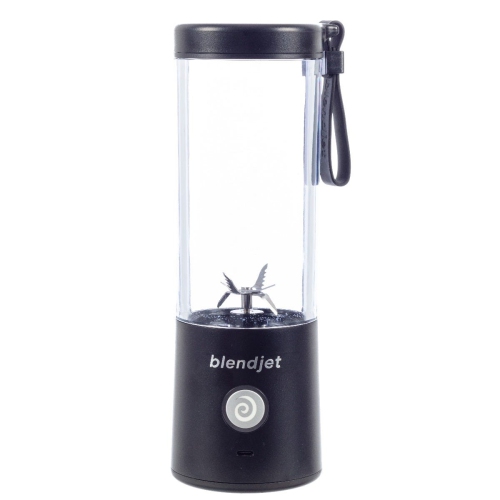 Your price for this item is $29.99
 -
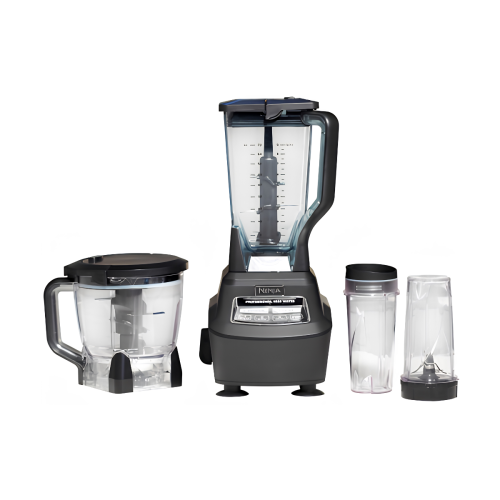 Your price for this item is $239.99
 -
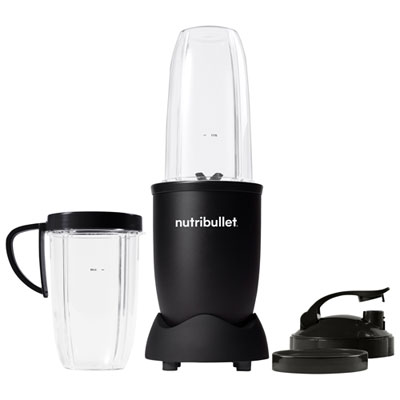 Your price for this item is $99.99
 -
 Your price for this item is $79.99
 -
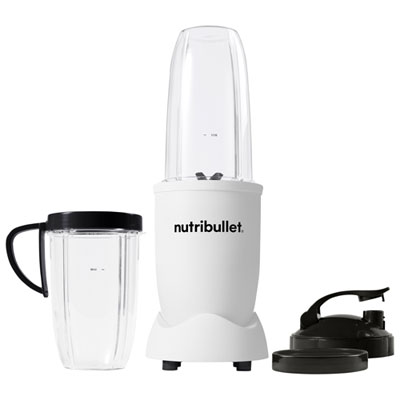 Your price for this item is $99.99
 -
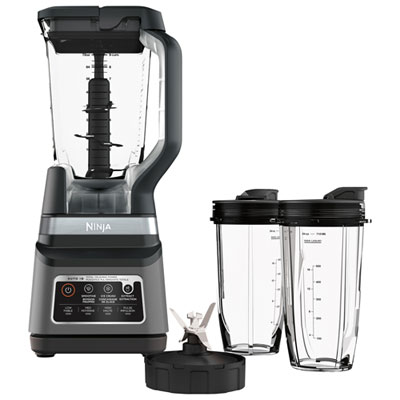 Your price for this item is $169.99
 -
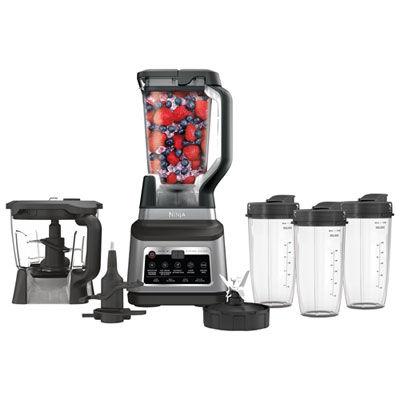 Your price for this item is $299.99
 -
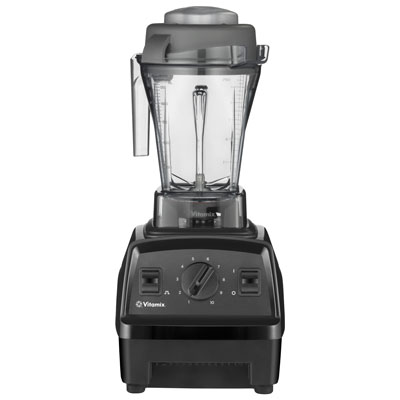 Your price for this item is $499.99
Discover more categories related to Blenders With Tampers
Top Collections:
Pokemon Centers, Kindle Devices, Best Budget Office Chairs, Apple iPhones 16, Best Laptops for Writers, iPhone 15 Apple, Canon G7X Cameras, Refurbished Apple Laptops, Alarm Clock, Motorola Razr Phones
Some products may be subject to Environmental Handling Fees
(EHF) depending on your province.
Learn more about EHFs.