Professional Blenders
Looking to take your blending game to the next level? Look no further than our selection of professional blenders. These powerful kitchen appliances are designed to handle the toughest ingredients and deliver smooth, consistent results every time. Whether you're a culinary enthusiast or a professional chef, these blenders will help you whip up delicious dishes with ease. These blenders are equipped with advanced features such as variable speed settings, pulse functions, and multiple blades to help you achieve the perfect texture for whatever you're creating.
Sort
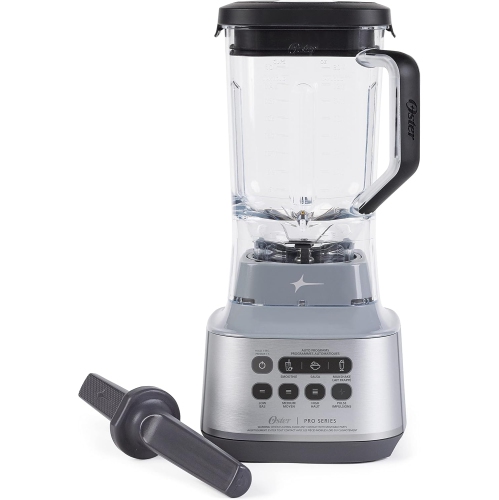

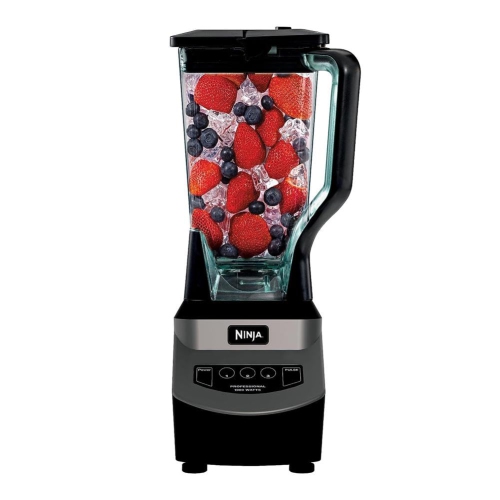

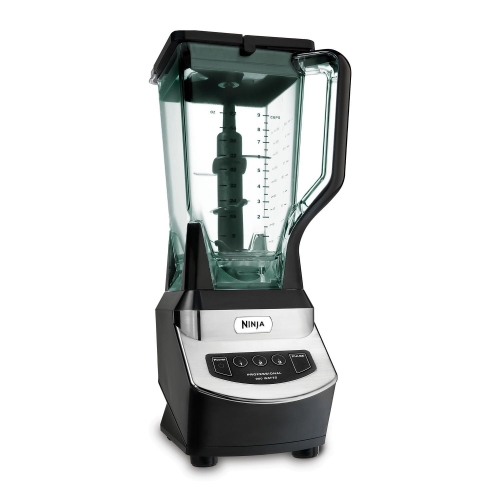
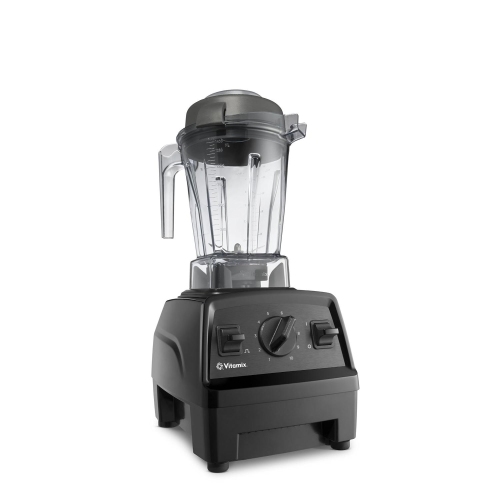
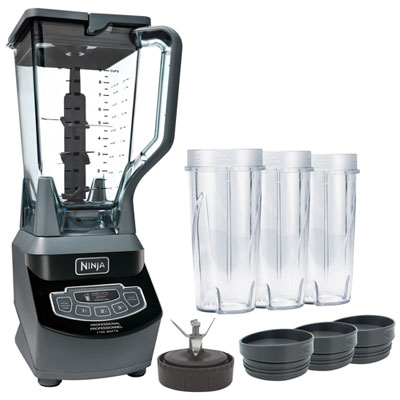
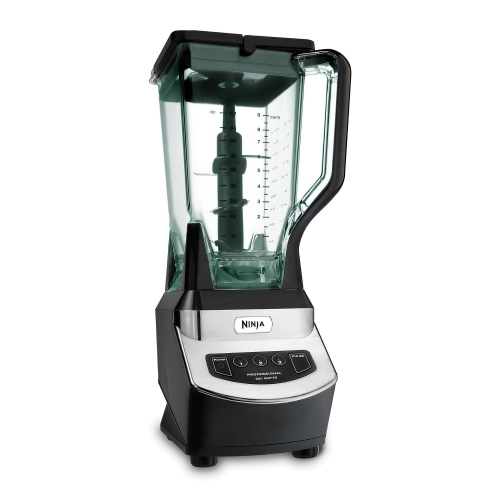
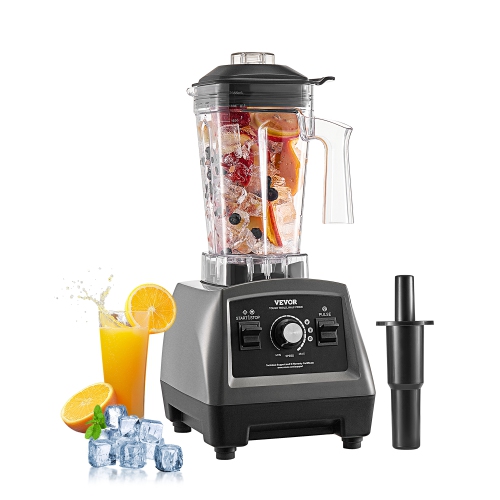
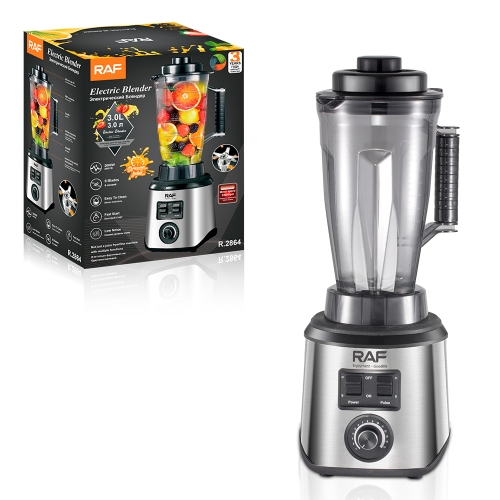
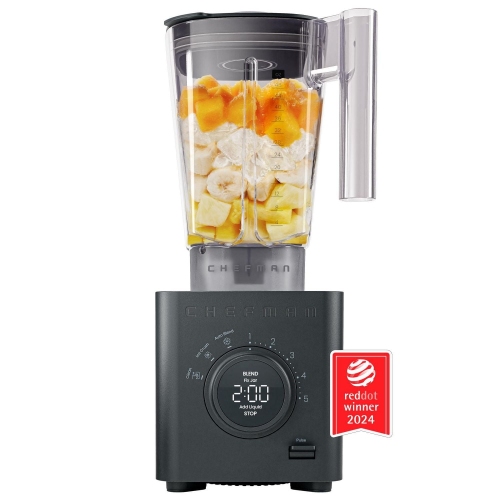
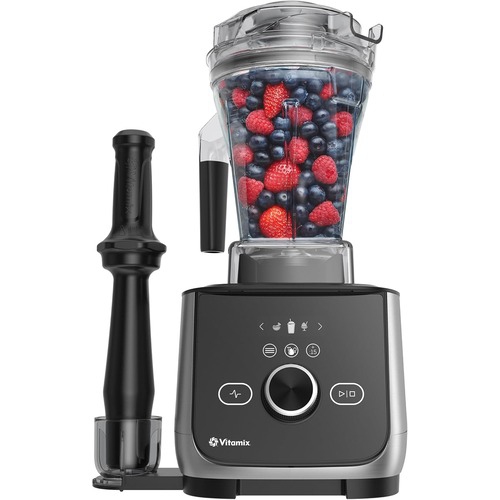
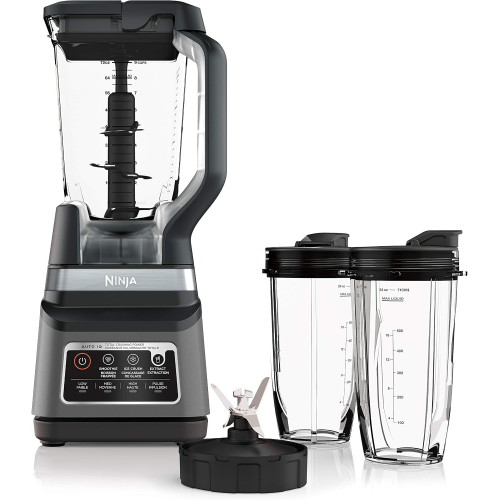
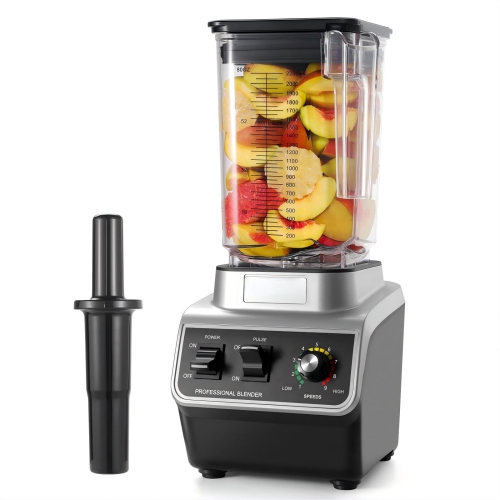
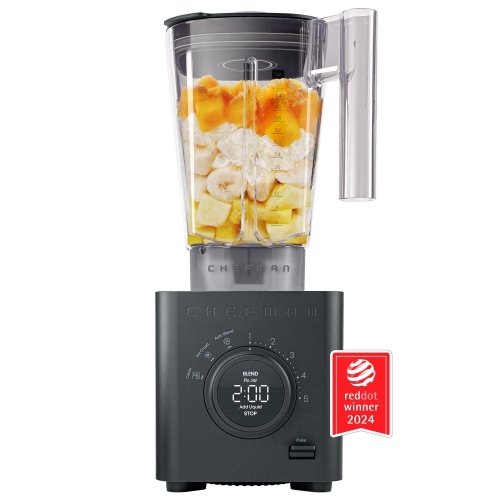
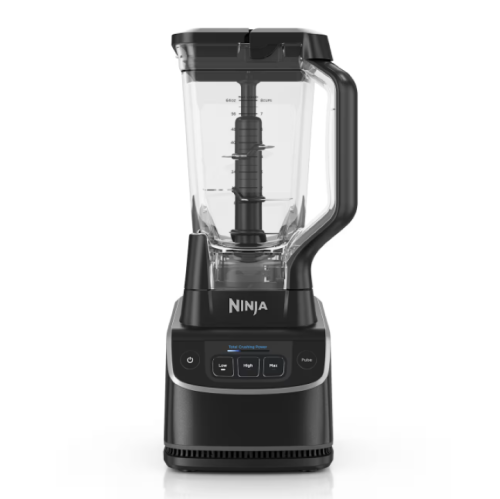
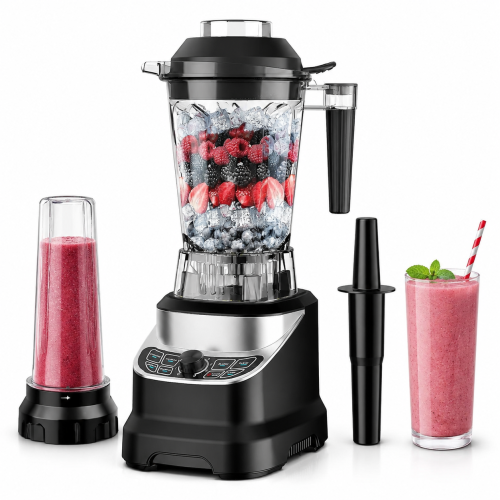

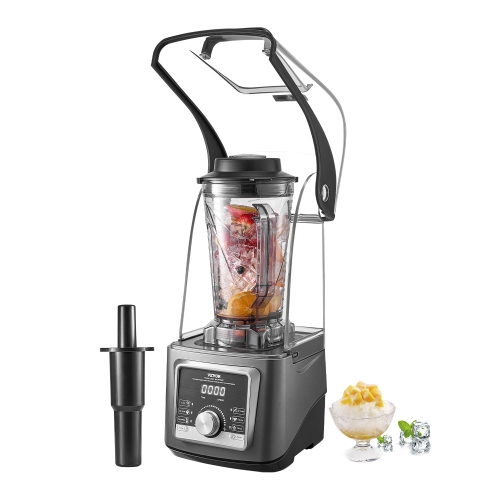


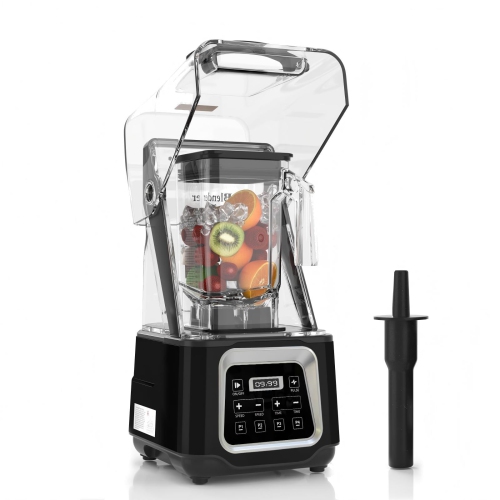
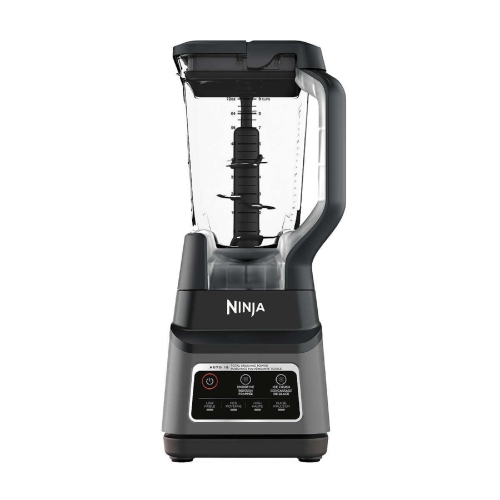

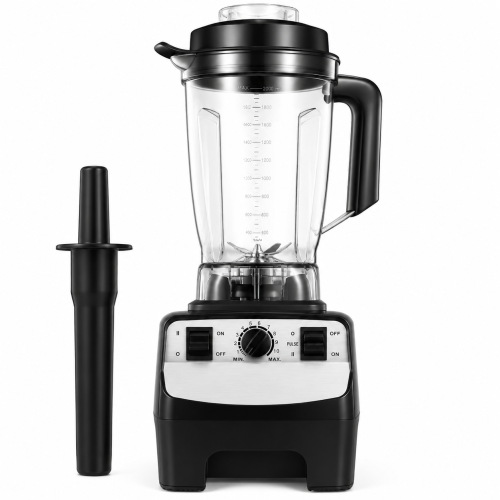
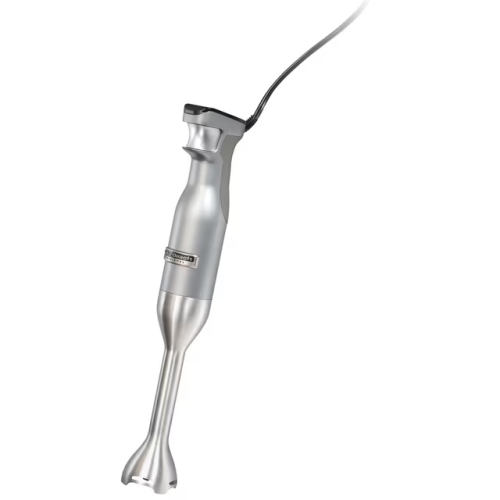
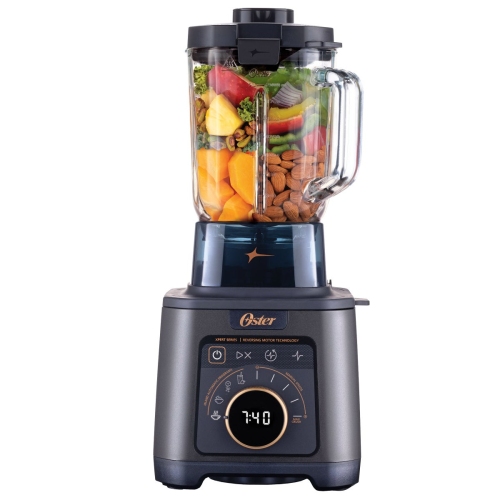
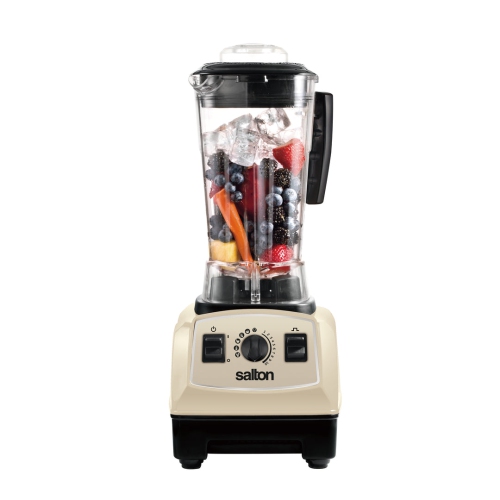


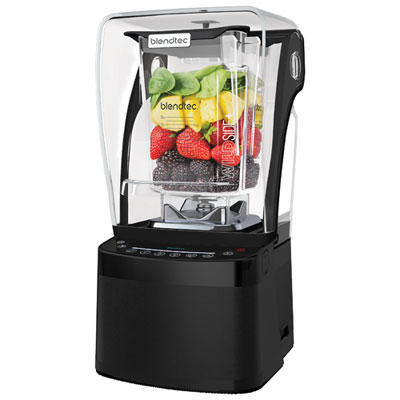

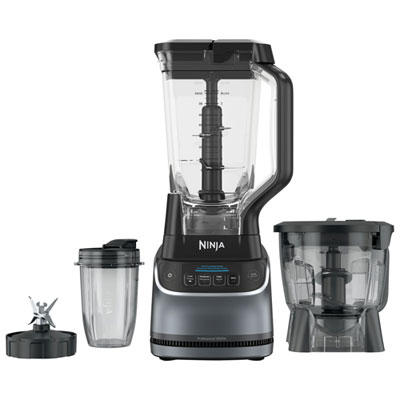

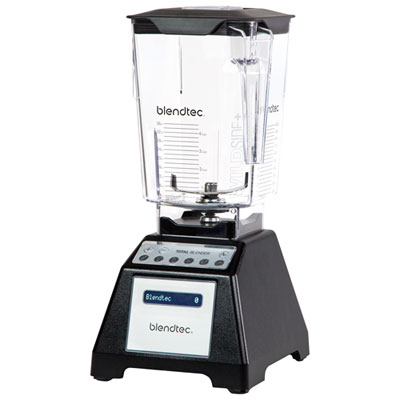

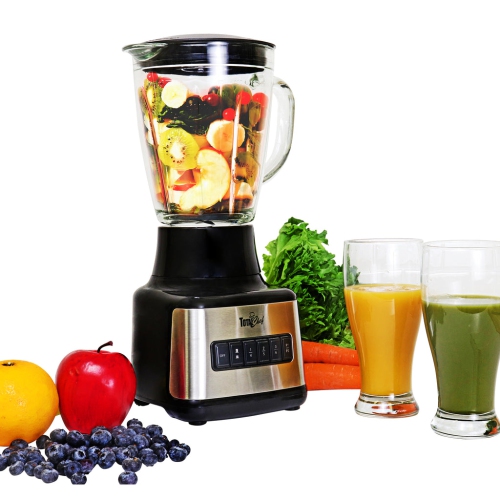
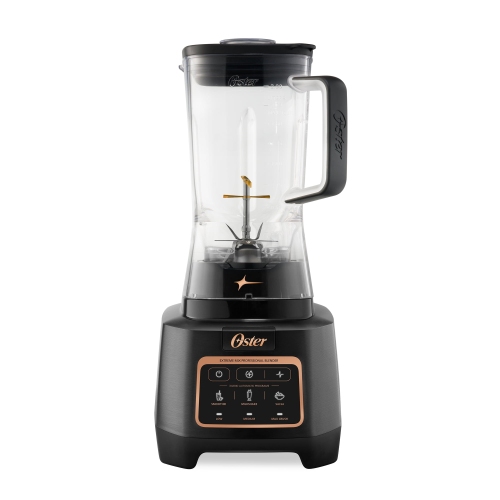

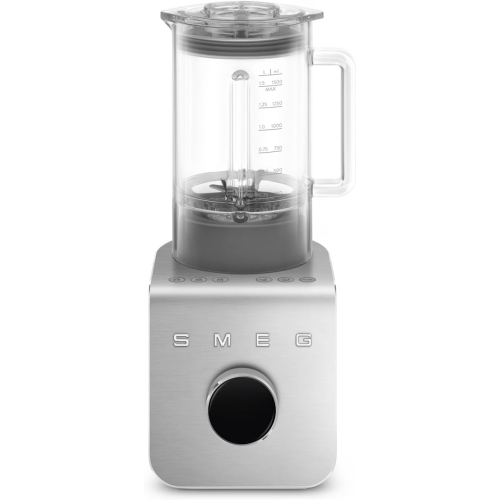
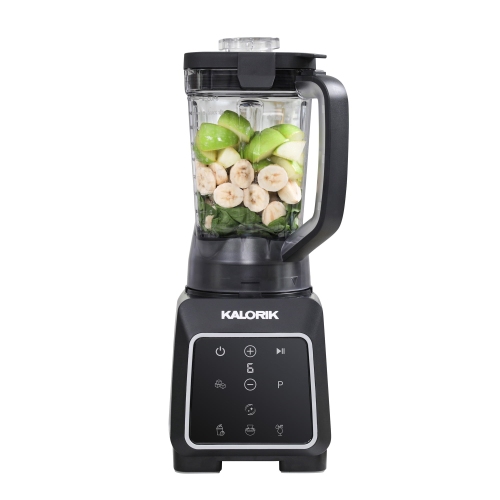
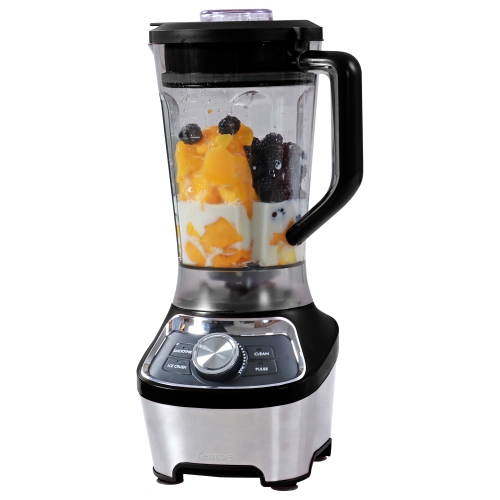
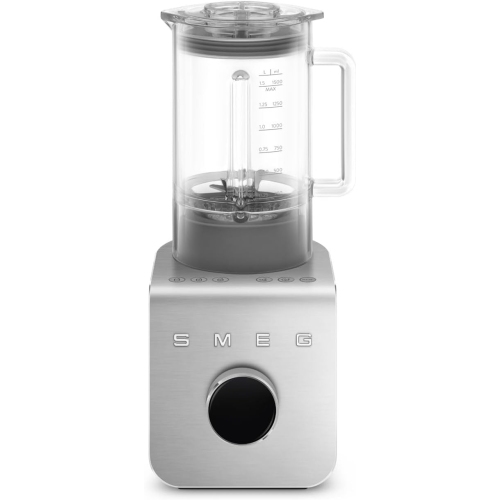
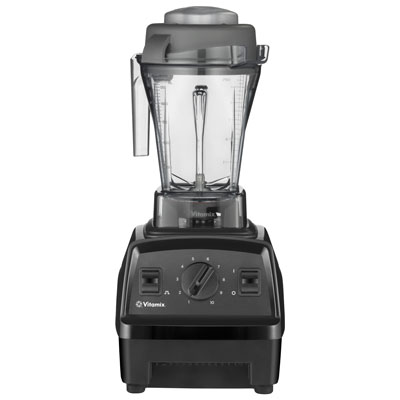
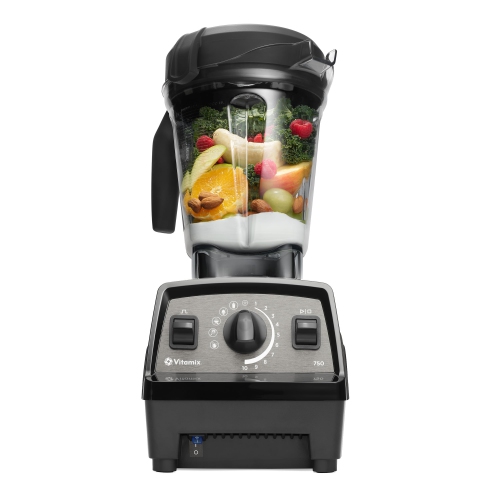

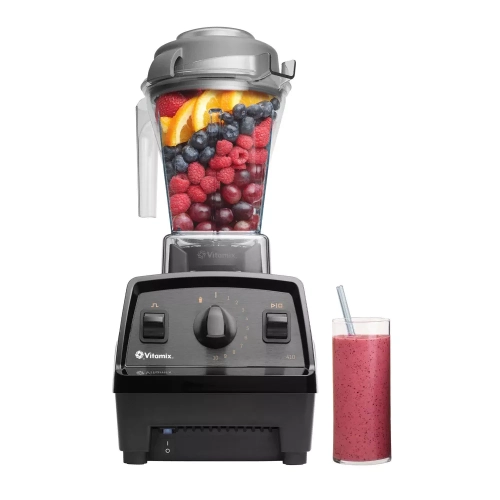
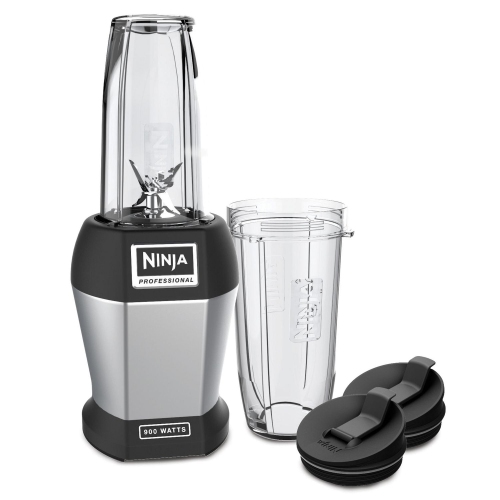
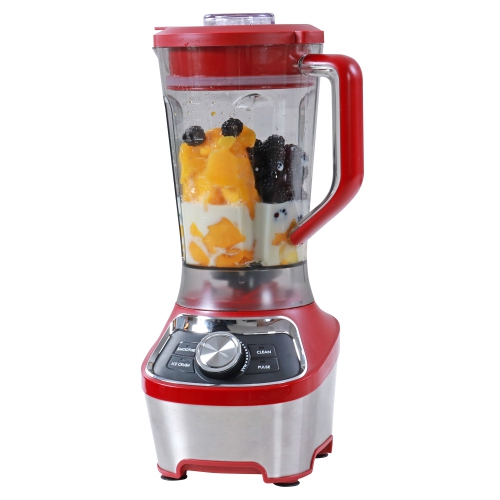
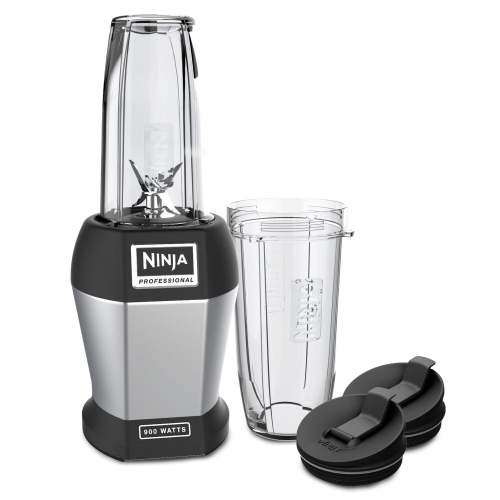
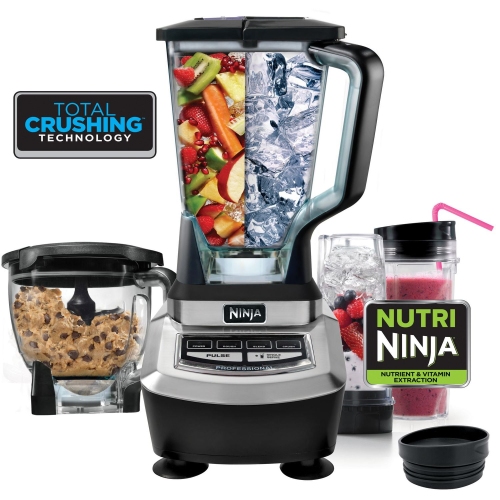
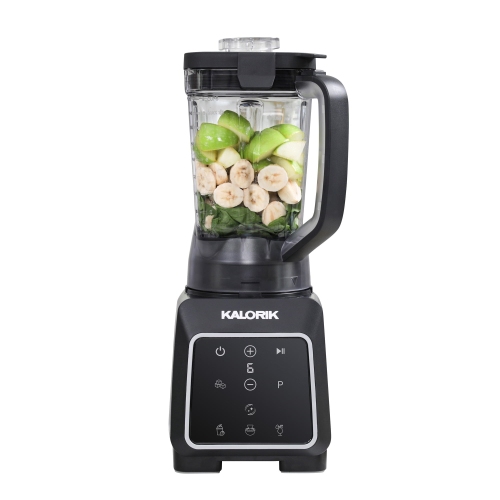
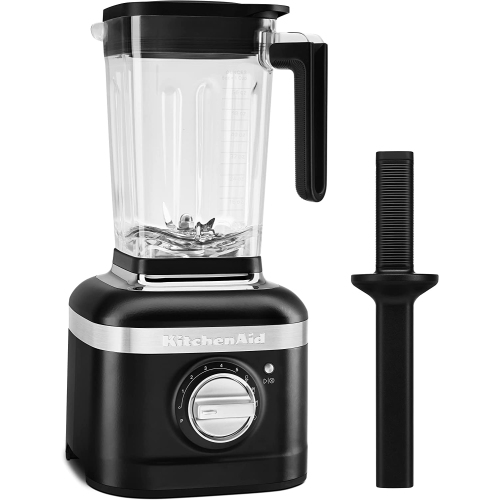
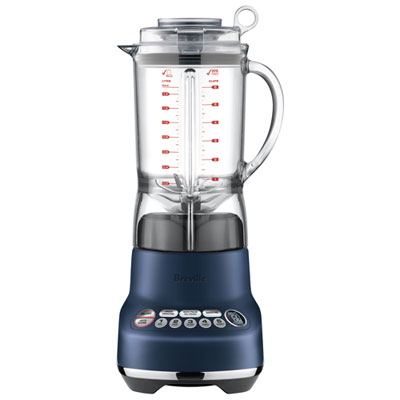
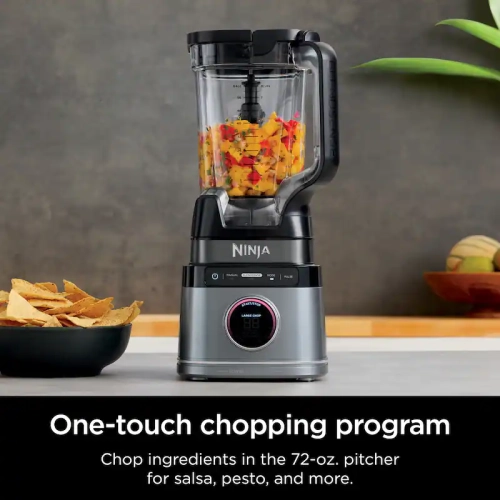

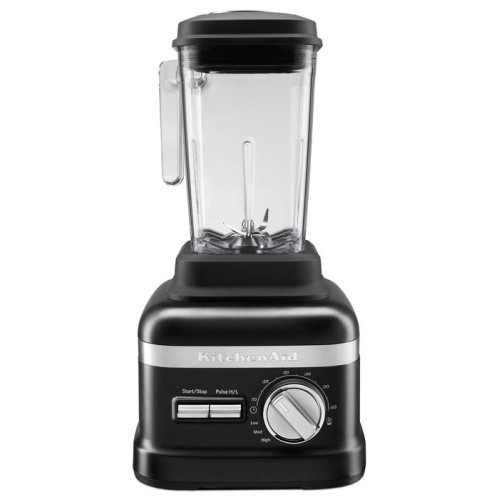
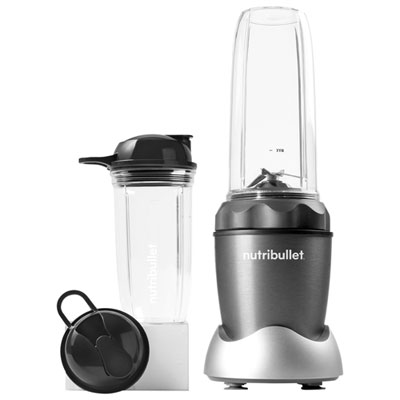
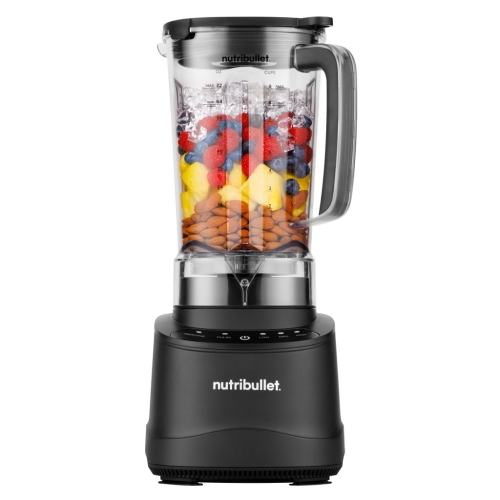
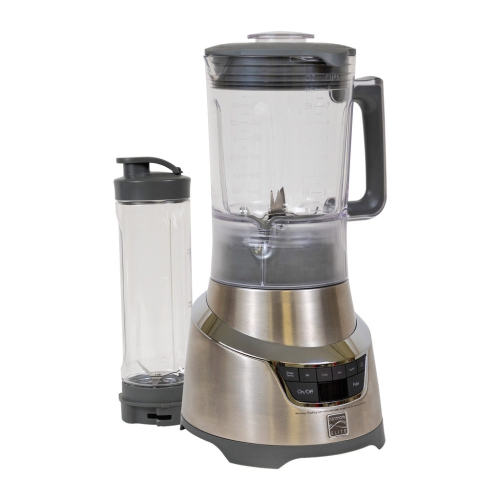


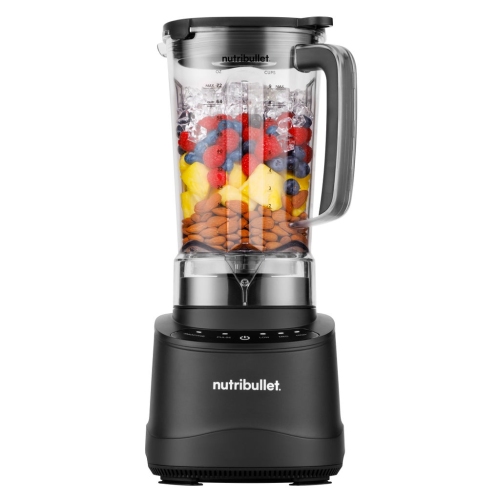






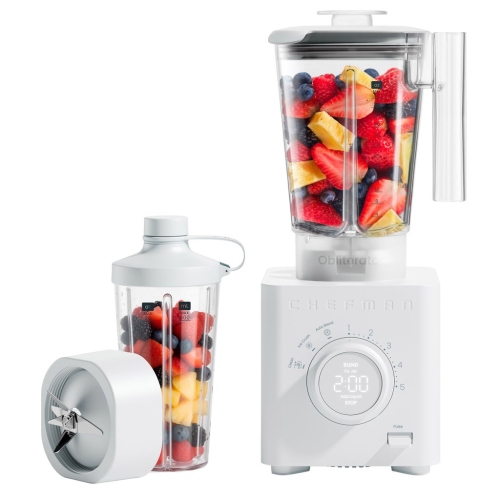
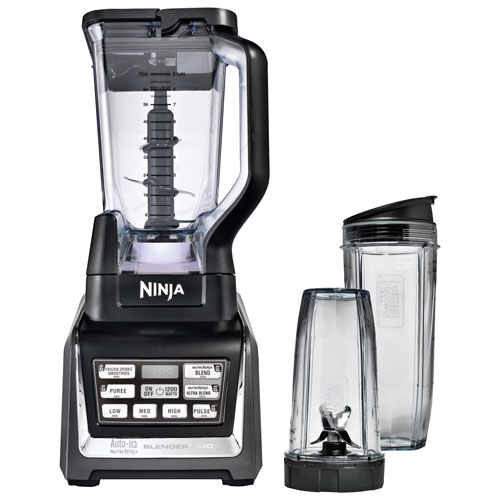

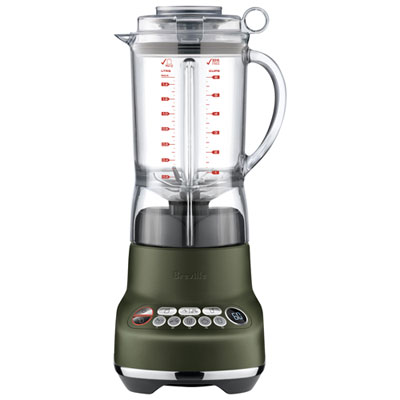
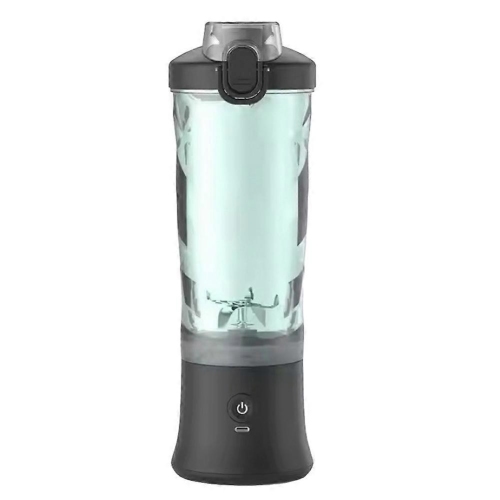
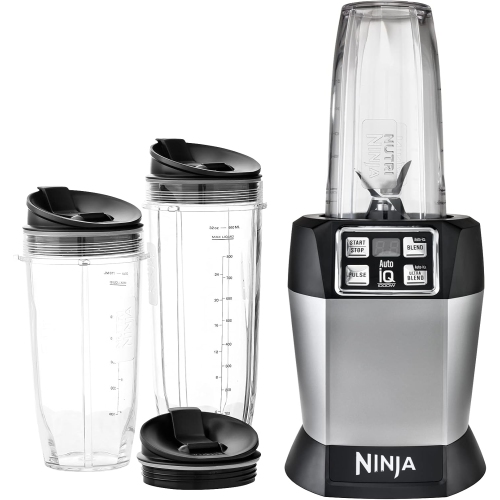

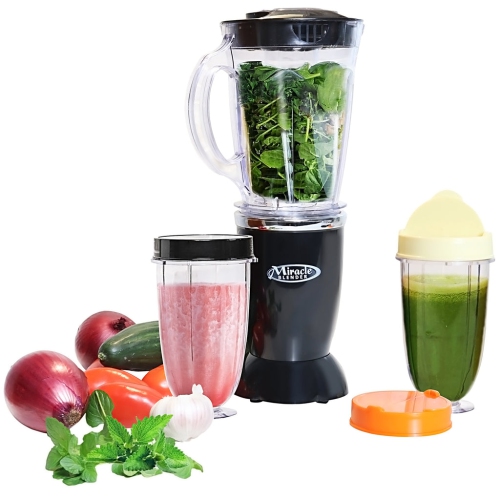
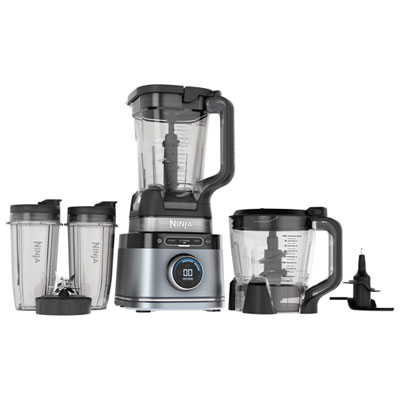

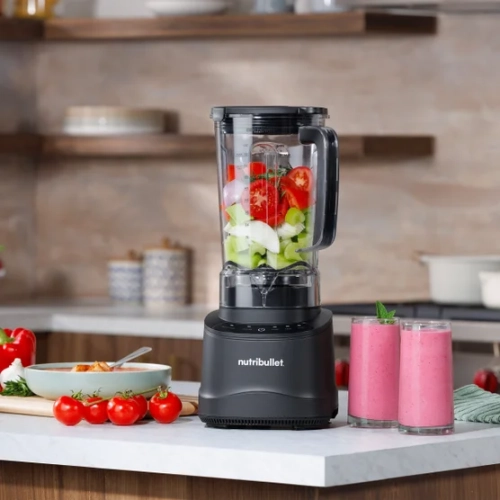

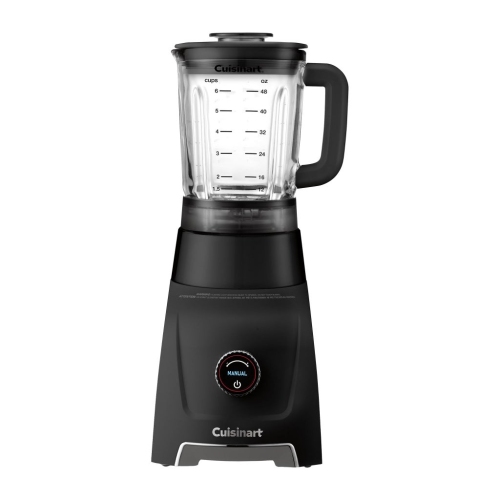
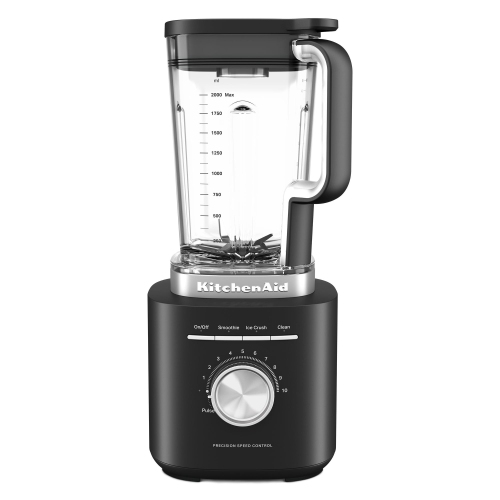
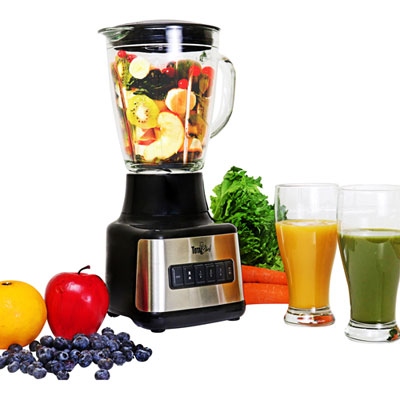
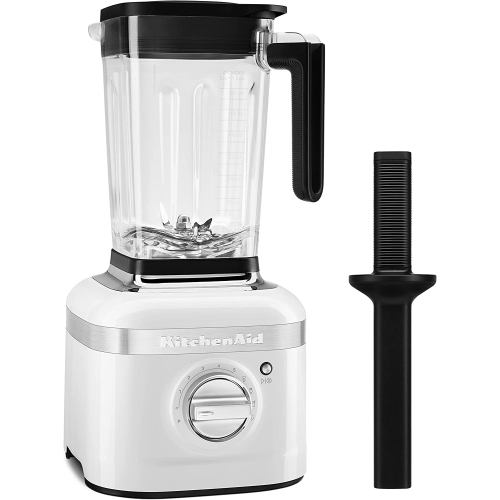
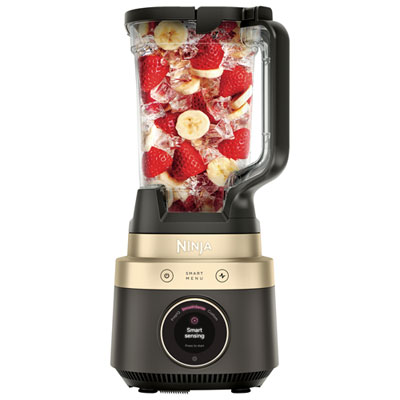
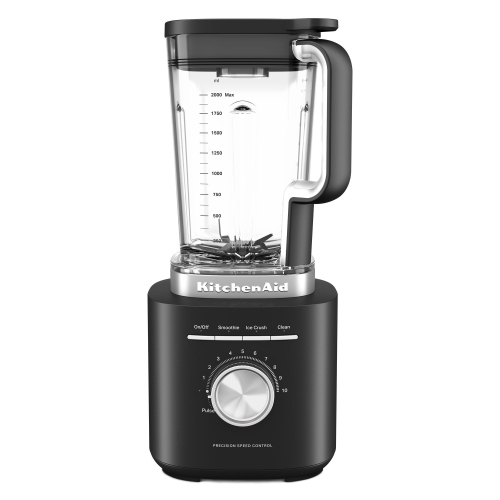

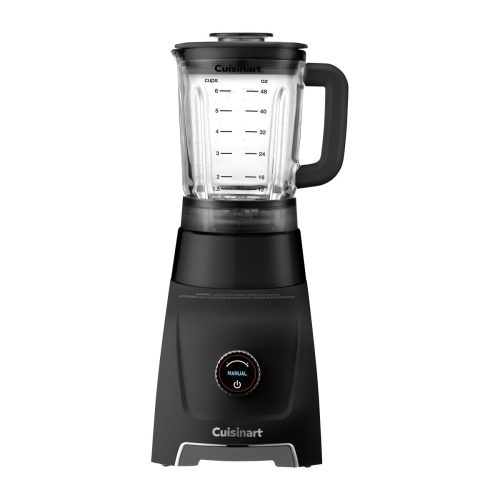
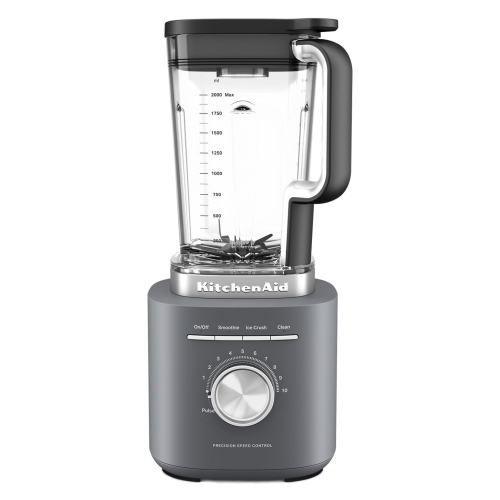
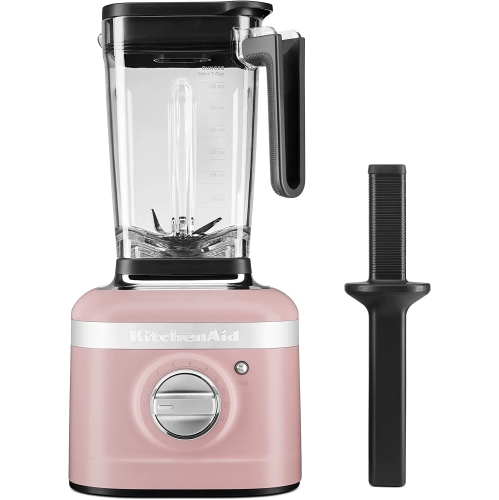
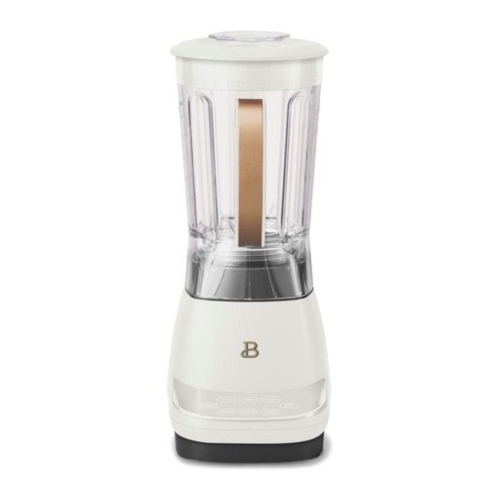
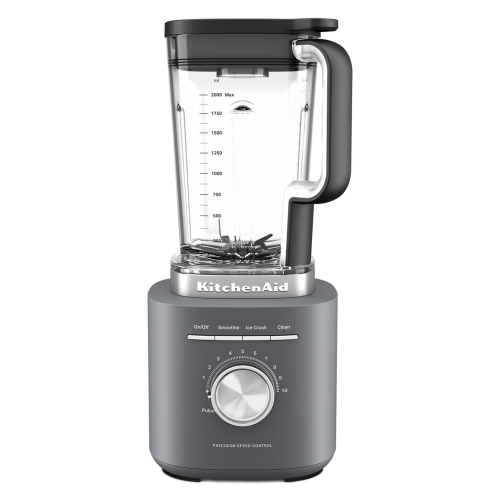
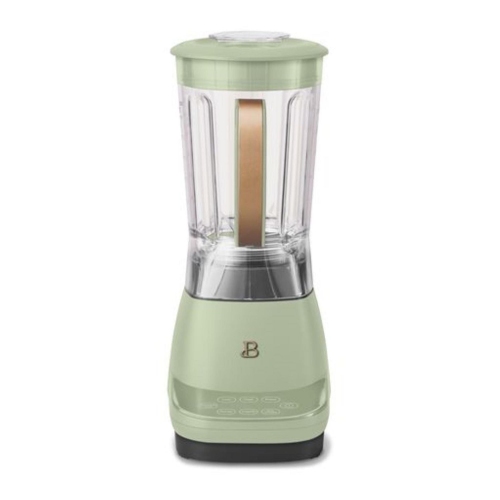

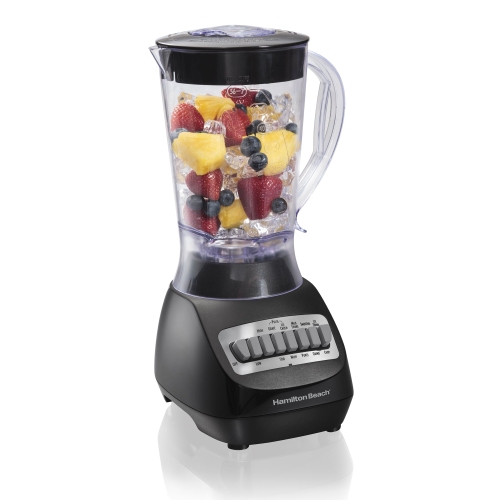

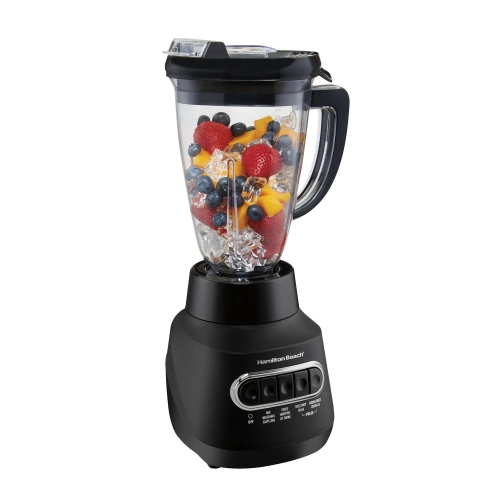

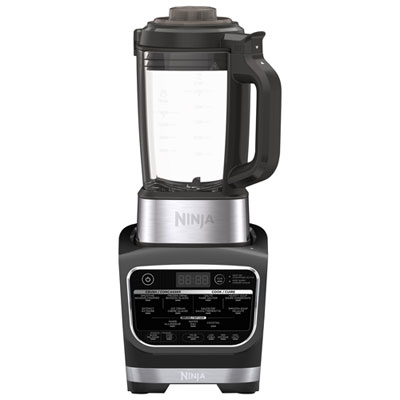
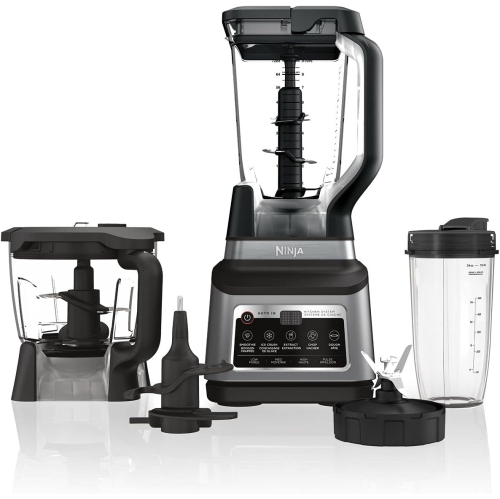

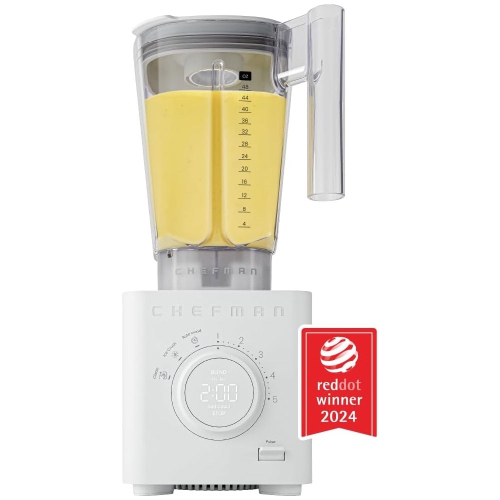
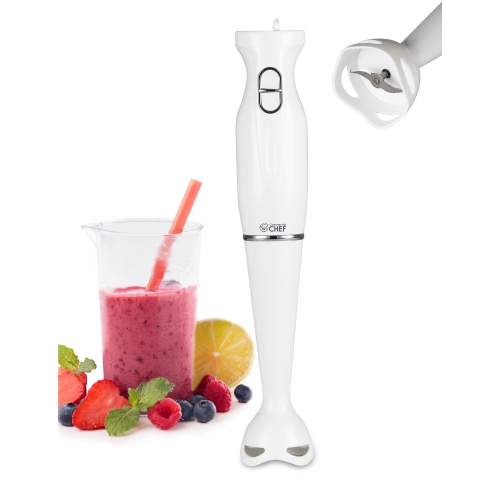
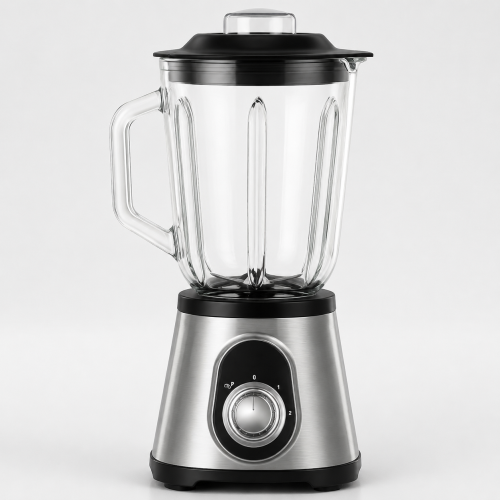
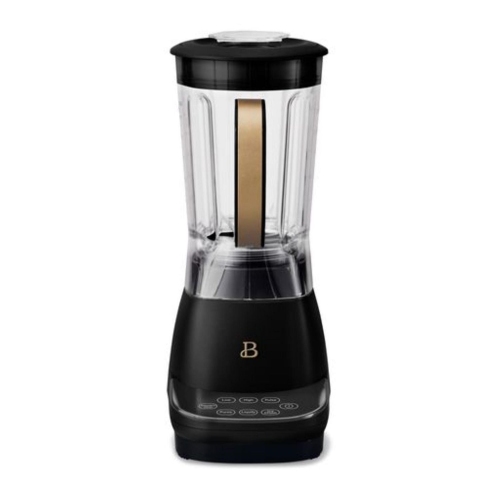
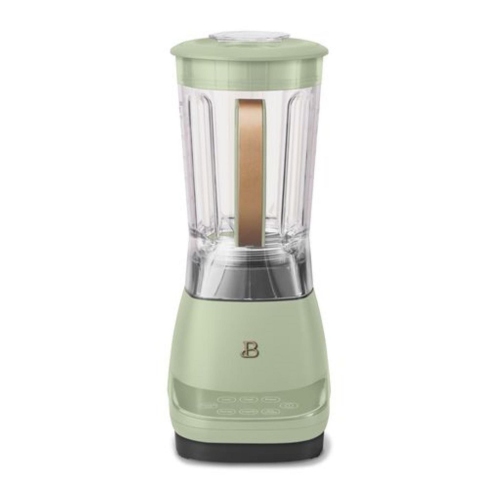

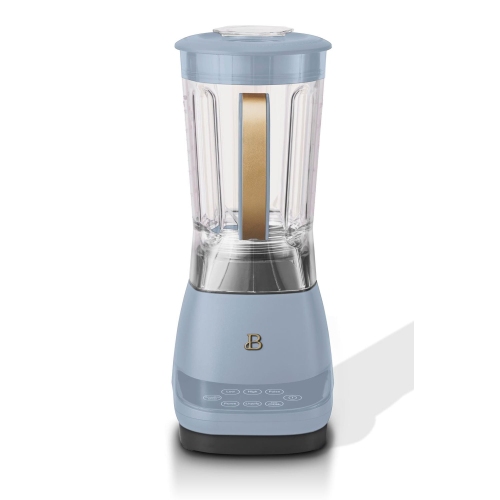
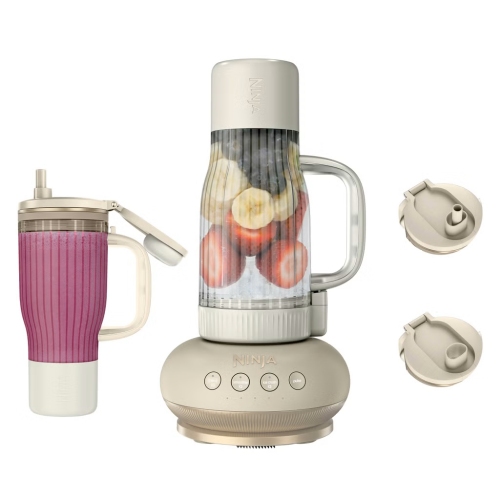
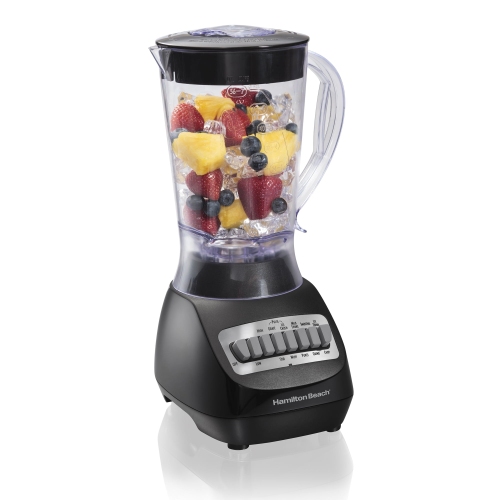
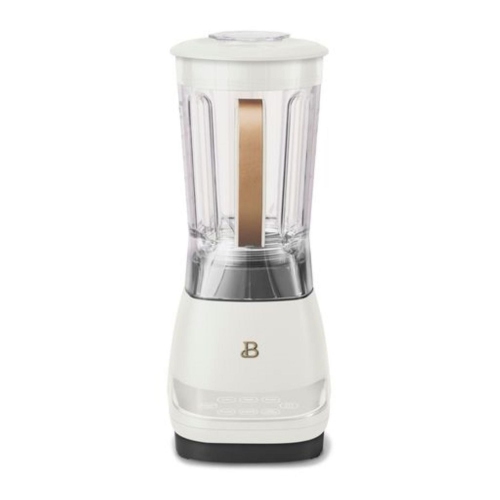
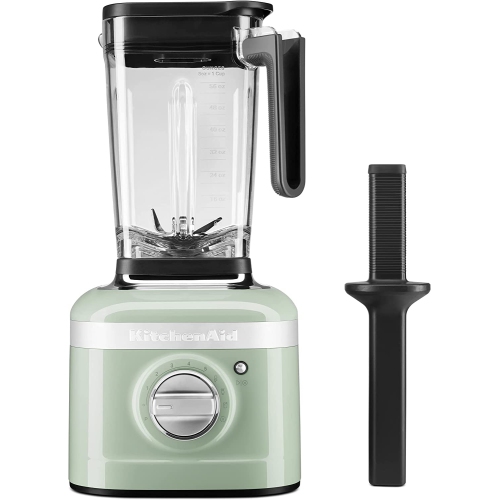
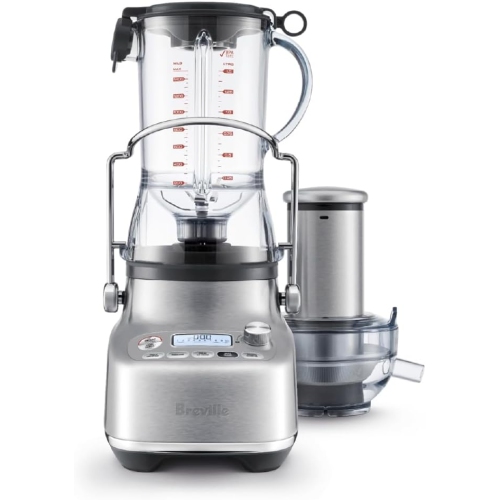

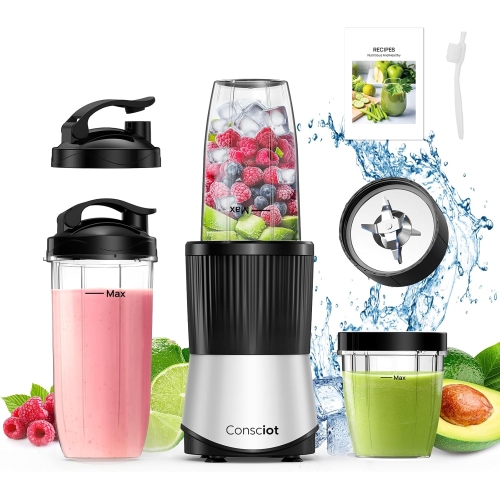
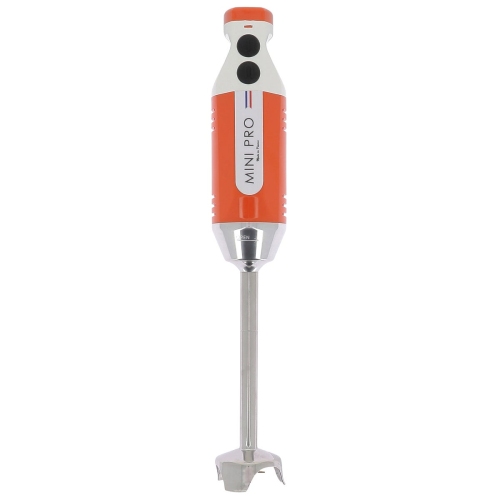
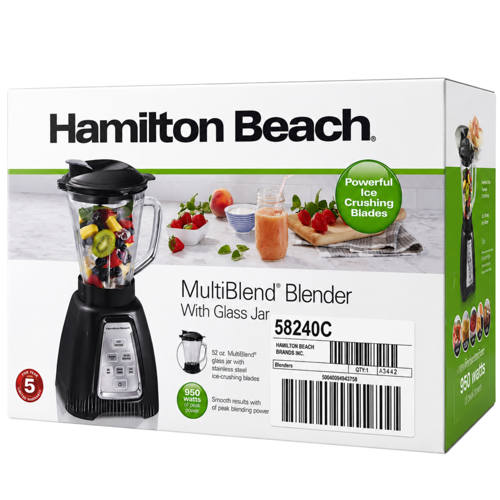

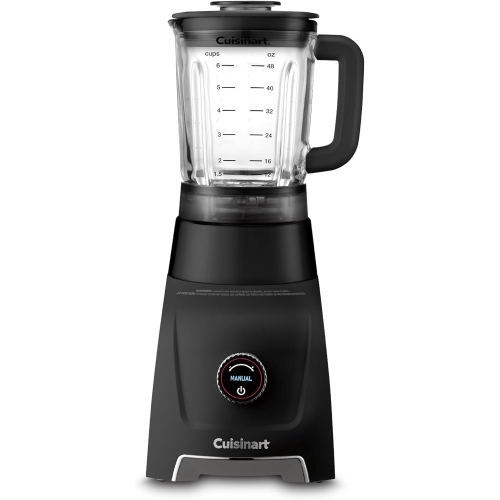

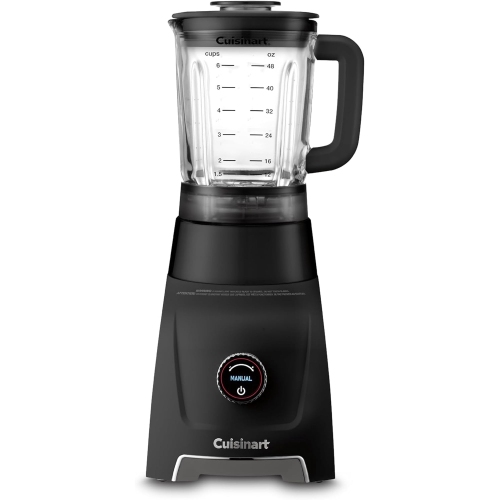


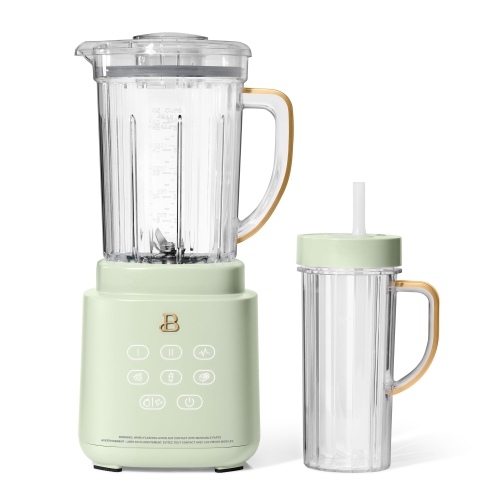
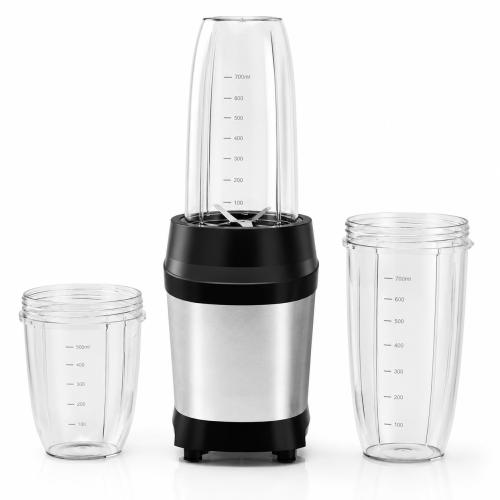
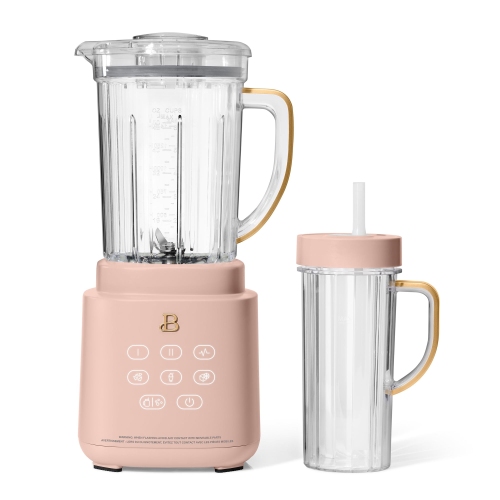
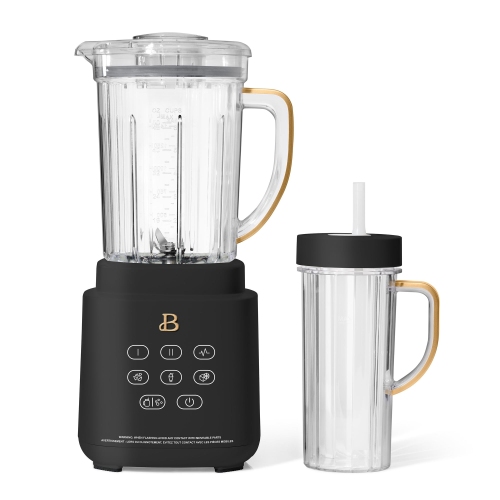
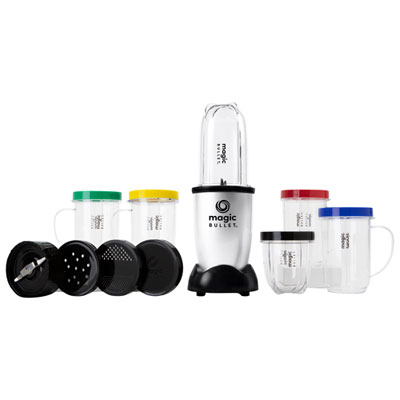

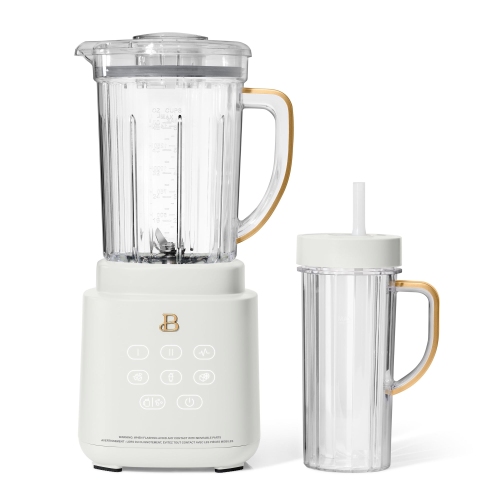
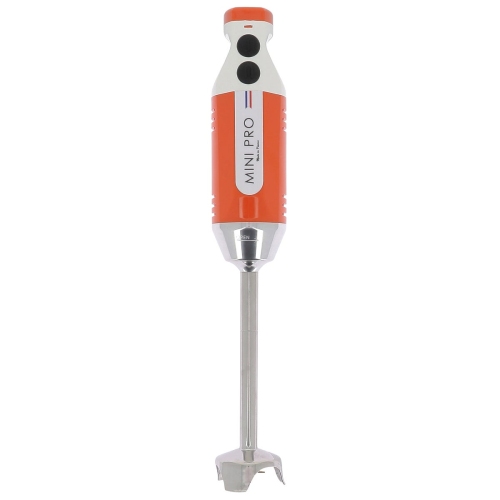
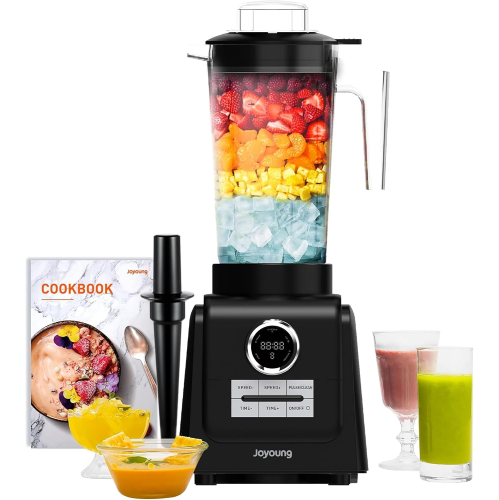
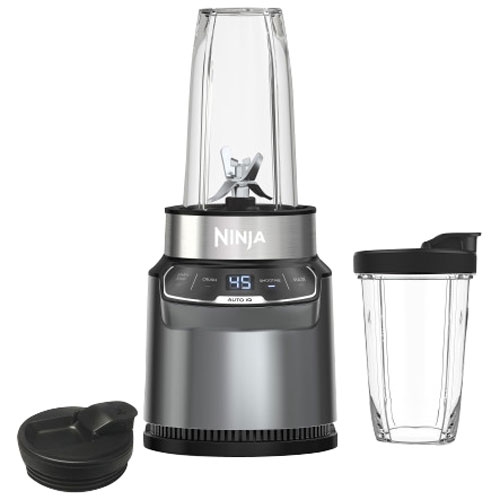
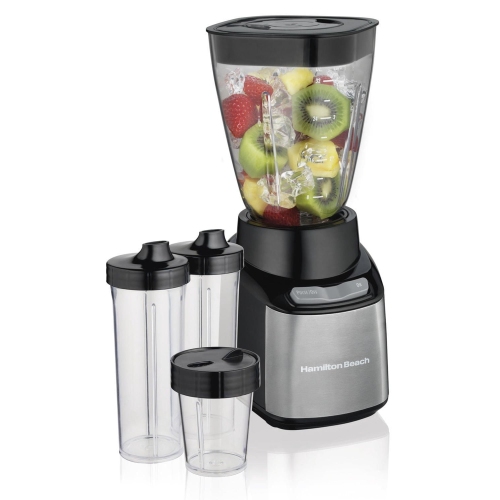
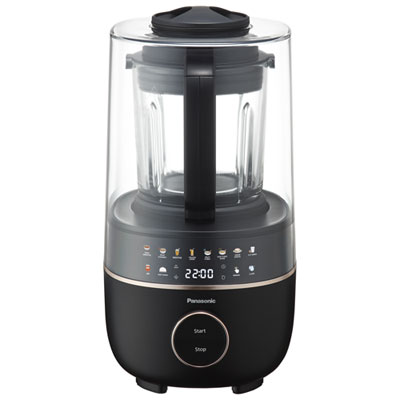

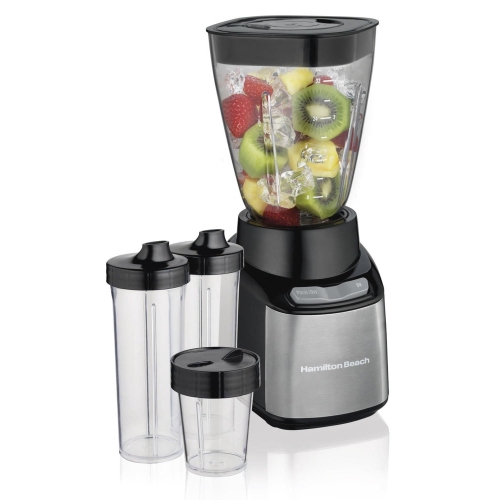
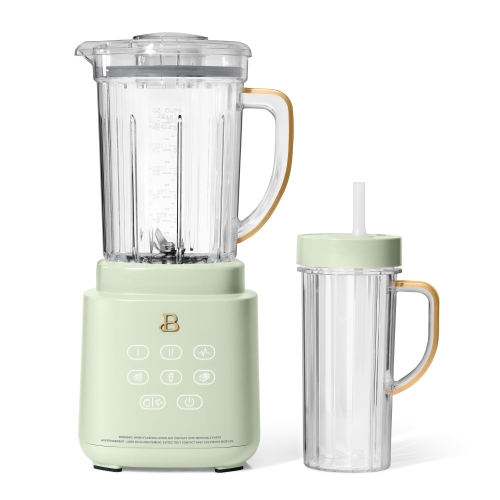
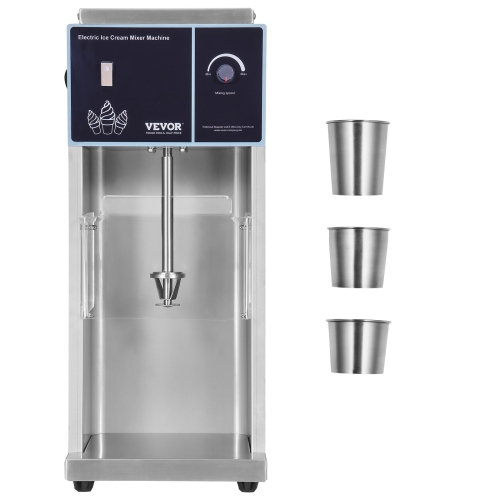
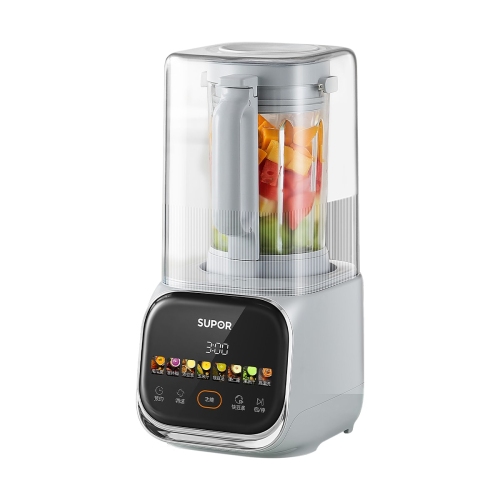
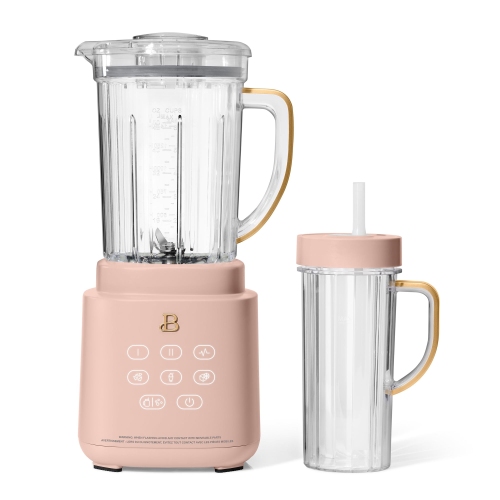
Consistent blending takes more than a powerful motor
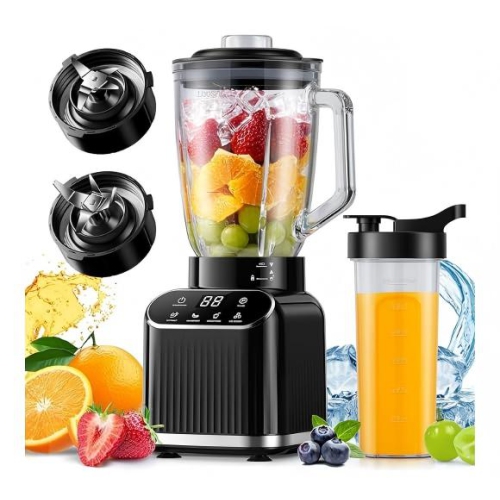
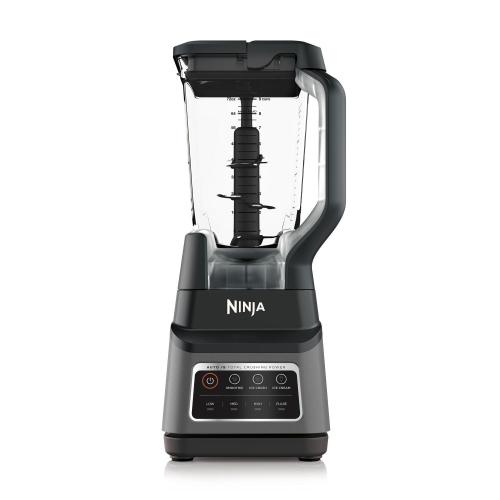
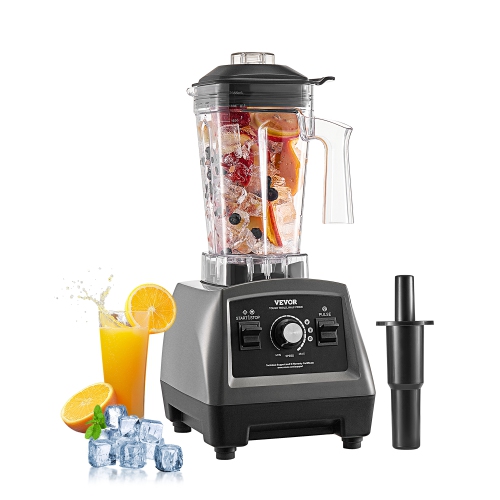
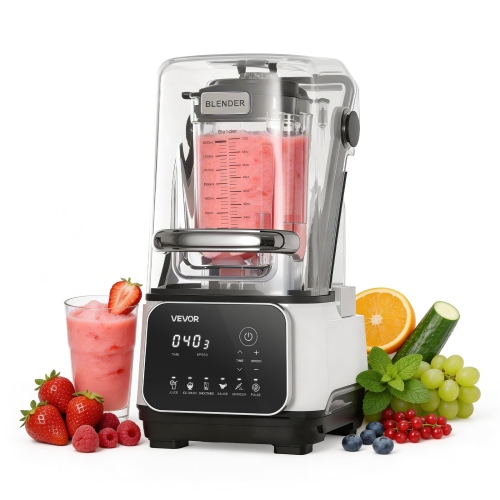
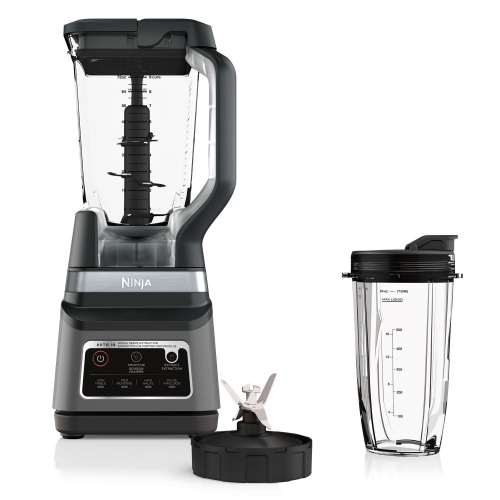
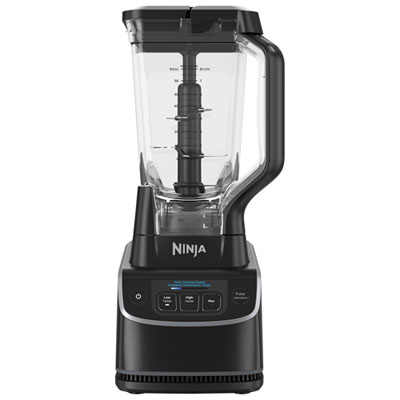
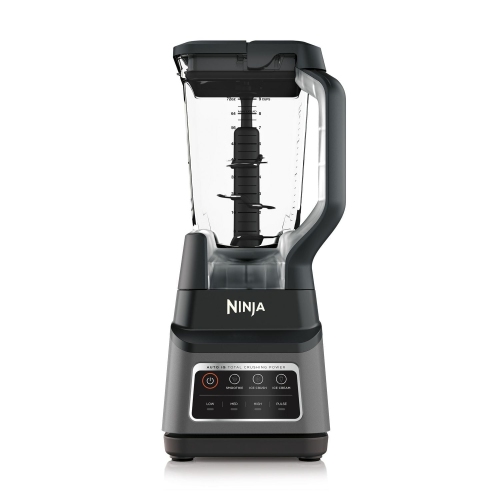
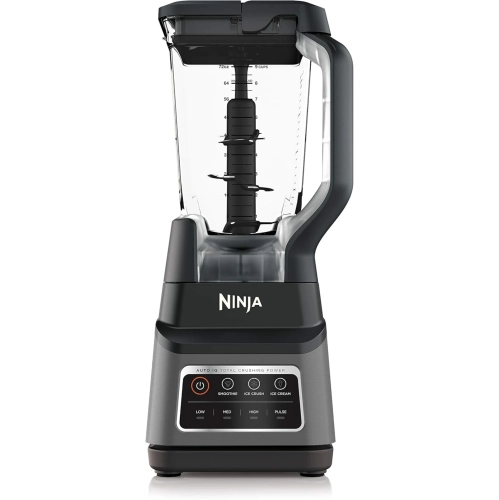
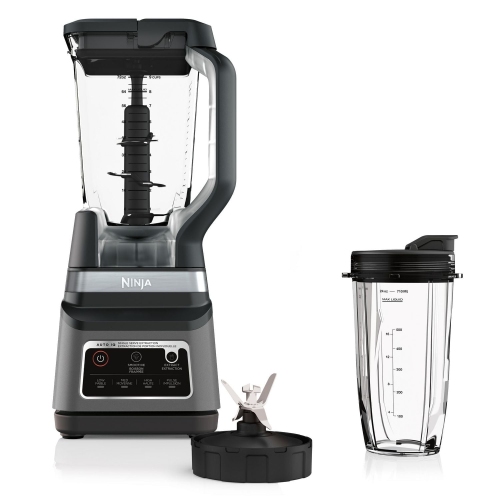
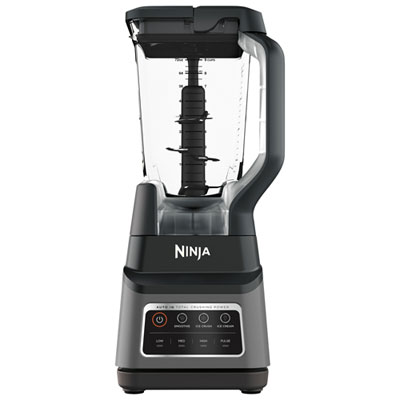
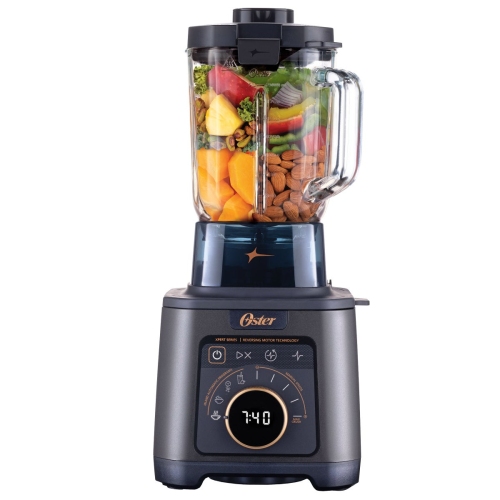
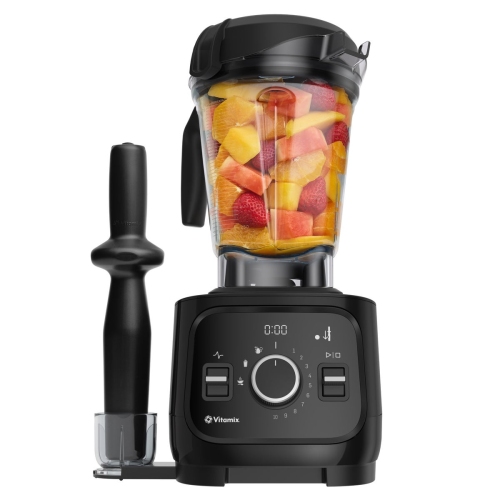
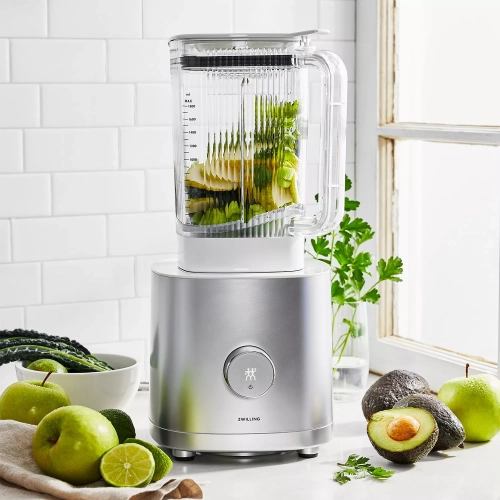
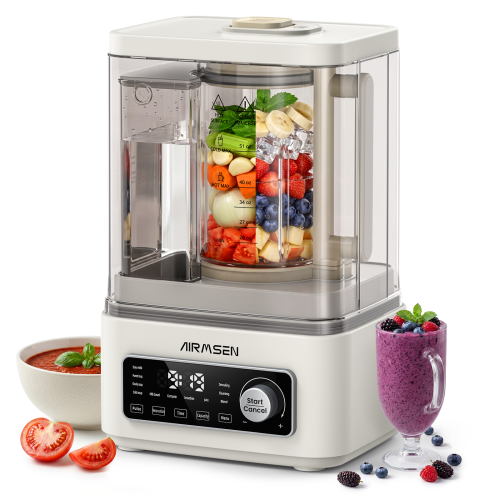
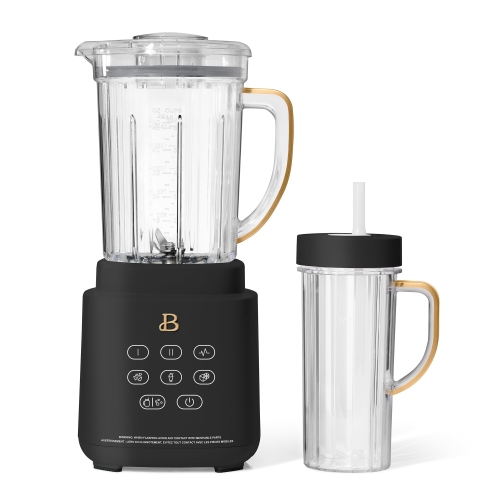
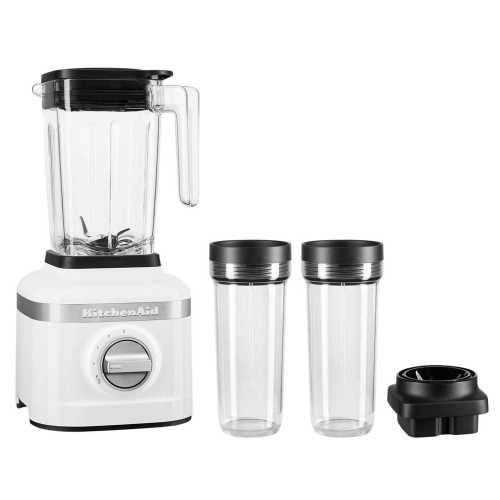
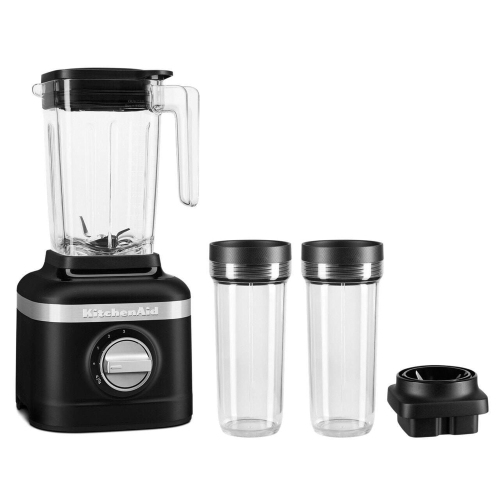
Professional blenders are built for demanding food preparation, combining powerful motors, sturdy containers, and blending controls that help produce consistent textures. Depending on the model, they can handle tasks such as crushing ice, breaking down frozen fruit, puréeing soups, mixing sauces, and turning nuts into smooth spreads. Their appeal goes beyond making a morning smoothie: a well-matched blender can produce a silky dressing without noticeable herb fragments, a thick frozen drink without large pieces of ice, or a vegetable purée with an even finish. The category includes high-powered appliances for home kitchens as well as equipment designed specifically for commercial food service, and those uses are not interchangeable. A café preparing drinks throughout the day has different requirements from a household blending breakfast and an occasional batch of hummus. Commercial suitability depends on the manufacturer’s stated intended use, applicable certifications, workload limits, and warranty terms, rather than the word “professional” alone. For frequent home cooks, the attraction is often the ability to work with tougher ingredients and achieve repeatable results across a wider range of recipes. For food-service operators, consistent portions, straightforward controls, and a motor designed for the expected workload become especially important. Motor wattage and horsepower can help describe an appliance, but neither number tells the whole story. Peak horsepower is not the same as continuously delivered power, and figures measured differently may not be directly comparable. Blade design, container shape, speed control, and the way ingredients circulate all influence the finished mixture. Frozen berries, leafy greens, and fibrous vegetables place different demands on a blender than soft fruit and liquids. Thick preparations such as nut butter also require equipment specifically suited to that task. A blender’s listed capabilities and operating instructions provide a more useful picture of its intended performance than a large power figure considered on its own.
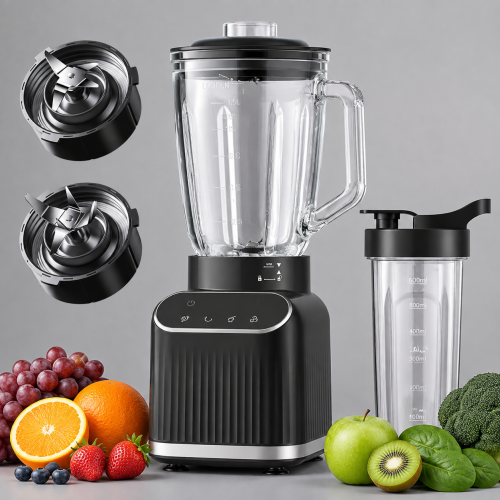
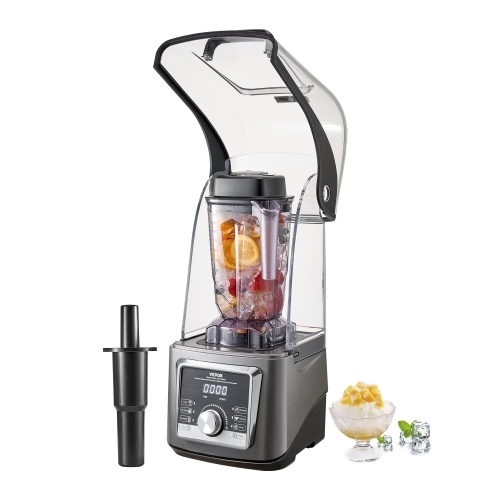
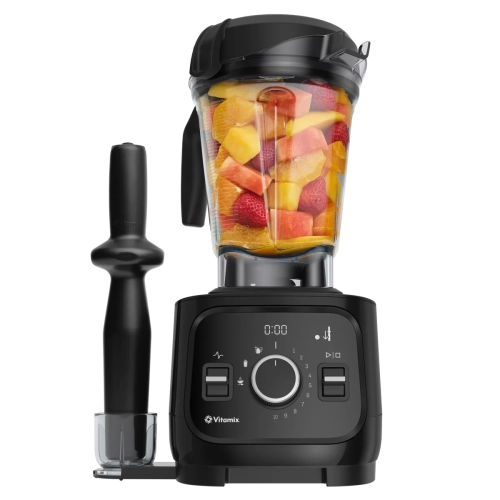
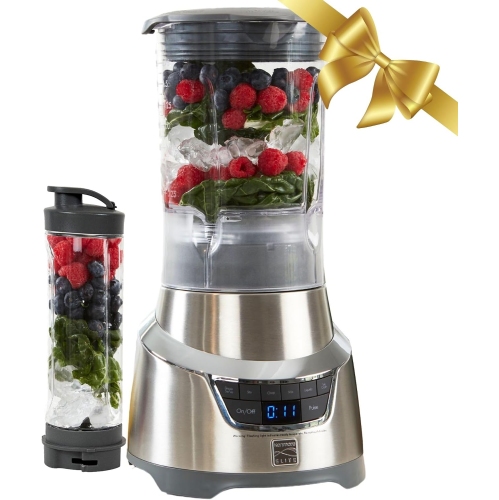
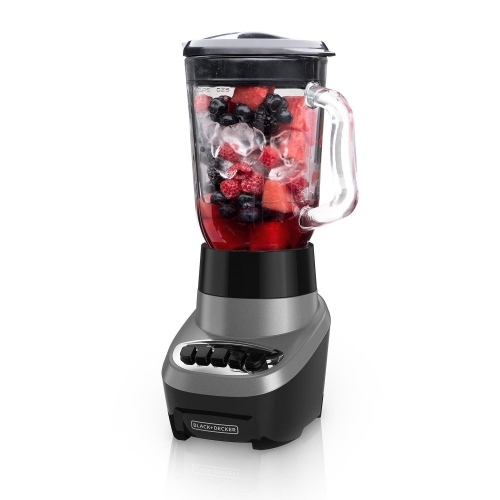
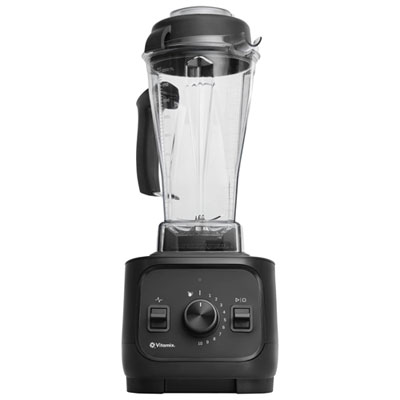
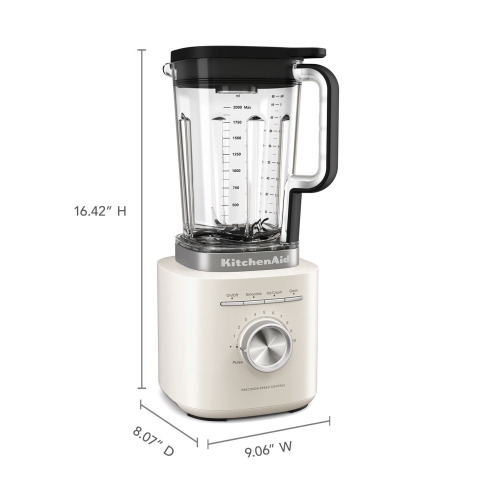
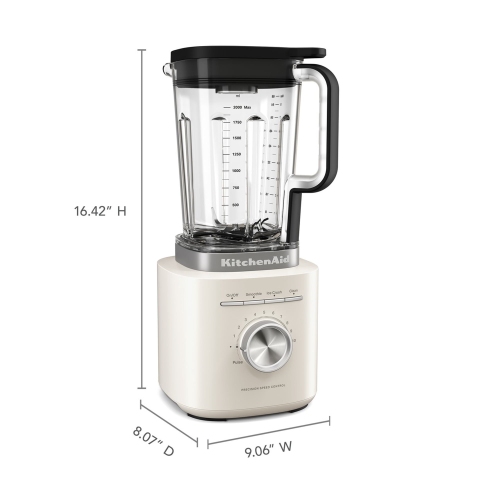
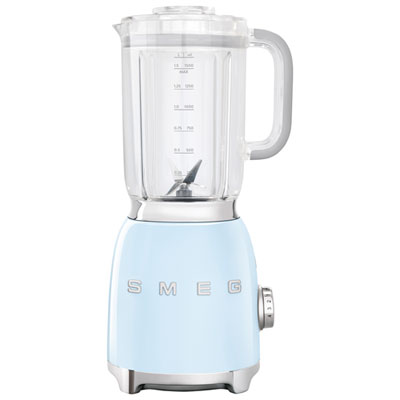
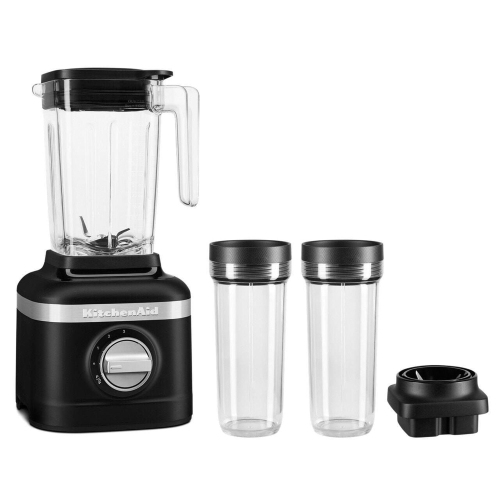
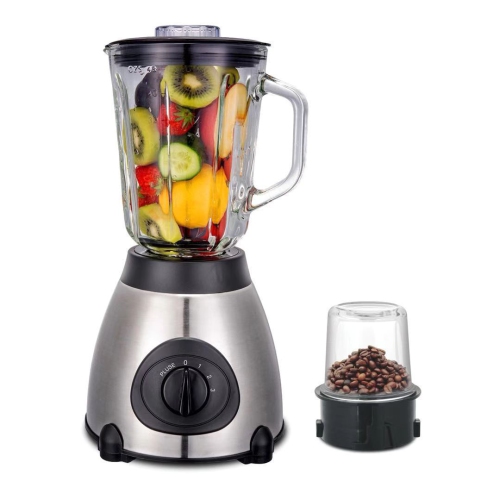
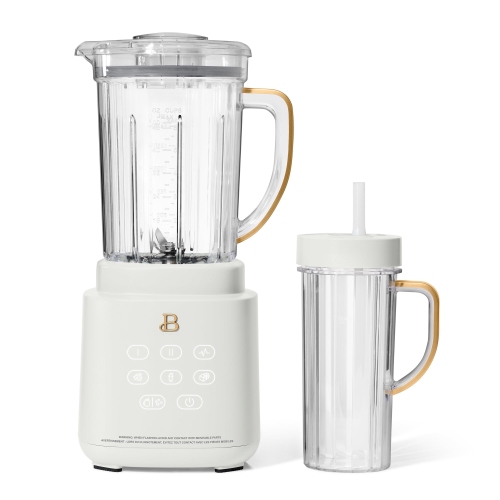
The container and control layout shape how a professional blender feels in everyday use. Durable plastic containers are often lighter and allow the mixture to remain visible, while stainless steel containers offer a robust option for demanding settings but make it harder to check texture without stopping. Glass, where offered, has a reassuring weight, although its suitability for ice, hot ingredients, and repeated heavy use depends on the appliance’s specifications. Clear measurement markings, a comfortable handle, a secure lid, and a spout that pours cleanly can make a noticeable difference when transferring a thick smoothie into a narrow glass or portioning sauce into several containers. Capacity matters in two directions: a generous jug can accommodate larger batches, but a small quantity of dressing may sit below the effective blending area in a container designed for volume. Minimum and maximum fill guidance helps establish which batch sizes work best. Variable speed control allows gradual changes in texture, while a pulse function offers short bursts for recipes that need more control. Preset programmes can simplify repeated tasks, although they do not replace the need to use appropriate ingredients and quantities. A compatible tamper can help move dense mixtures towards the blades, but only when used through the designated lid opening and exactly as instructed by the manufacturer. Countertop fit is equally practical. Overall height, including any sound enclosure, affects whether the appliance fits beneath cabinets, while its footprint determines how much preparation space remains nearby. A stable base and accessible controls are useful during frequent operation. Sound enclosures may reduce blending noise, but they do not make a powerful motor silent, and they add to the space needed around the appliance. Shoppers comparing overlapping categories may also find High-Performance Blenders relevant, particularly when the priority is intensive household food preparation rather than a commercial service workload.
Care and correct operation help preserve a professional blender’s performance over time. Cleaning is easiest when residue has not dried onto the container, especially after sticky nut spreads, protein shakes, or sauces that collect around the blade assembly. Some models support a cleaning cycle with water and a small amount of dish soap, while others require different methods; dishwasher compatibility also varies between containers, lids, and other components. A cleaning cycle should not be assumed to replace any sanitizing procedure required in a commercial kitchen. The motor base should never be immersed, and blade assemblies need careful handling because cutting edges can remain sharp even when the appliance is switched off. Abrasive cleaners can mark clear containers, while lingering moisture around removable parts can make routine maintenance less convenient. Accessible replacement containers, lids, seals, and other manufacturer-approved parts can also matter for an appliance expected to see frequent use. Ingredients and technique affect workload as much as cleaning does. Overfilling, running an overly dense mixture without enough liquid, or repeatedly exceeding recommended operating times can strain a blender, even when its motor is powerful. Hot preparations require particular care: only containers and programmes expressly approved for hot ingredients should be used, with the specified fill limits and lid-venting instructions observed. Sealed personal blending cups should not be used for hot liquids unless the manufacturer explicitly permits that use. For households managing food allergies, shared blades, lids, and seals require attention to cleaning and cross-contact; an extra container alone does not guarantee separation. These practical details help distinguish an appliance that suits occasional recipes from one that fits an established cooking routine. A professional blender can be a thoughtful gift for someone who regularly makes smoothies, experiments with sauces, or enjoys preparing food from scratch, provided its size and capabilities suit their kitchen. For frequent users, comfortable handling, dependable results, manageable cleaning, and suitability for the intended recipes are the qualities that make the appliance useful long after its first batch.
Top selling and popular products
-
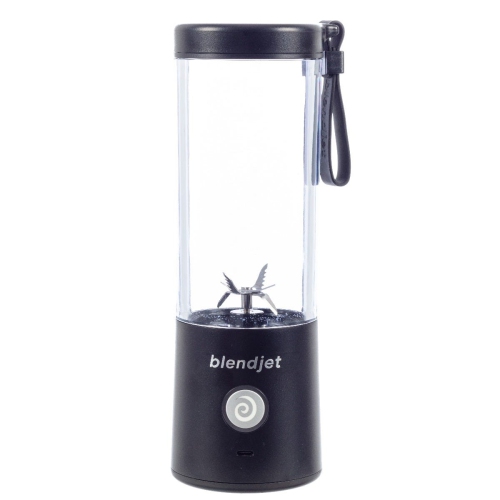 Your price for this item is $29.99
-
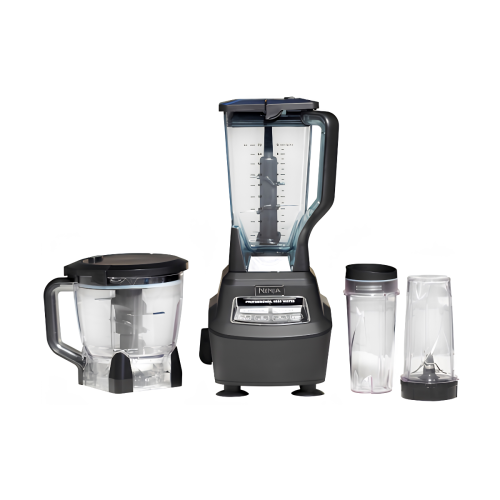 Your price for this item is $239.99
-
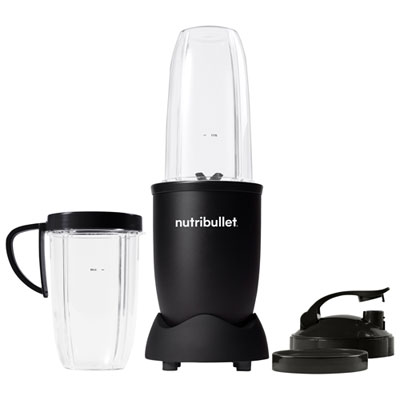 Your price for this item is $99.99
-
 Your price for this item is $79.99
-
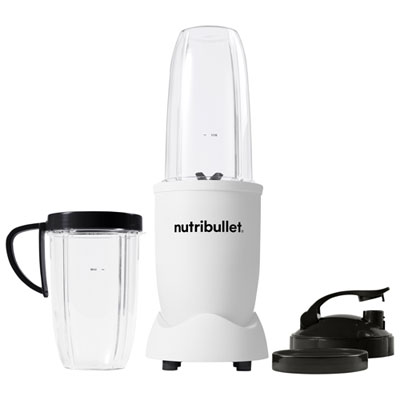 Your price for this item is $99.99
-
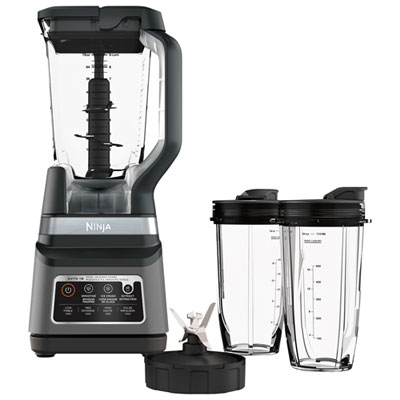 Your price for this item is $219.99
-
 Your price for this item is $179.99
-
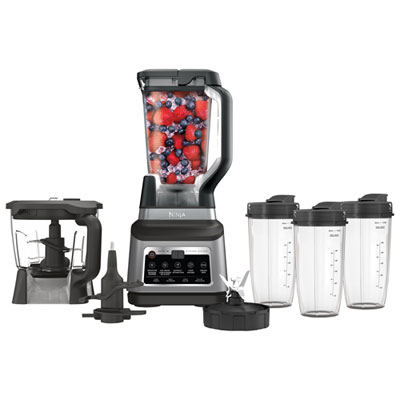 Your price for this item is $199.99
Discover more categories related to Professional Blenders
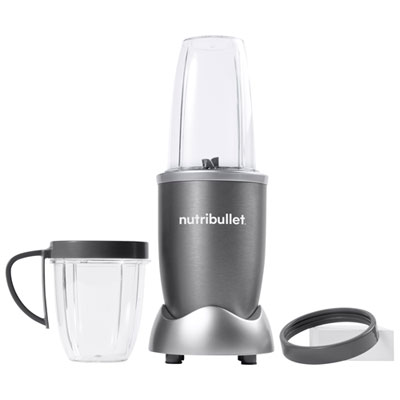

Top Collections:
Pokemon Centers, Best Cameras for Sports Photography, Kindle Devices, Samsung Galaxy Phones, Canon G7X Cameras, Pokémon 30th Celebration Cards, Refurbished Apple Laptops, iPhone 15 Apple, Laptops for Students, Budget Smartphones
Some products may be subject to Environmental Handling Fees
(EHF) depending on your province.
Learn more about EHFs.