Blue Blenders
Looking to add a pop of color and functionality to your kitchen? Look no further than our collection of blue blenders. Whether you're a smoothie enthusiast, a culinary master, or simply in need of a versatile kitchen appliance, these blue blenders offer the perfect blend of style and performance. With their sleek designs and powerful features, these blenders are sure to become your go-to kitchen companion. From crushing ice to blending fruits and vegetables, these blue blenders are designed to deliver exceptional results every time. Upgrade your kitchen with a touch of blue and take your blending game to the next level.
Sort
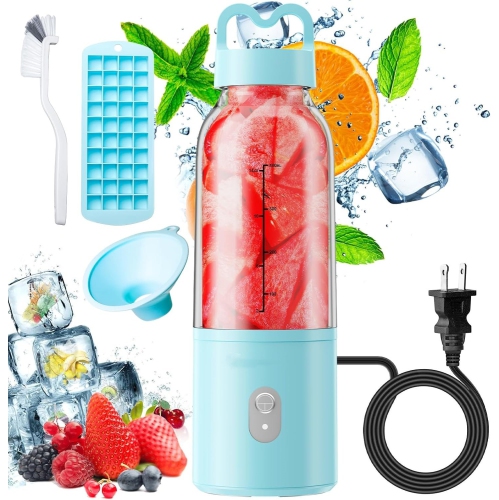
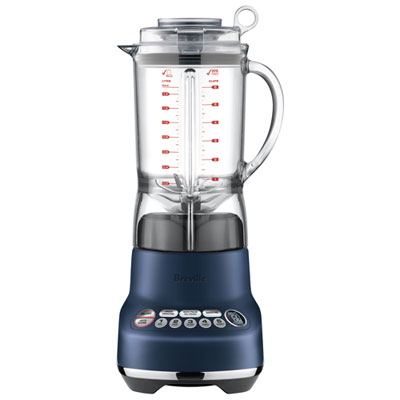
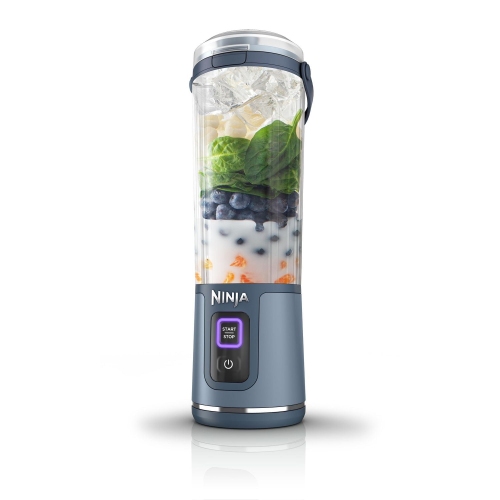

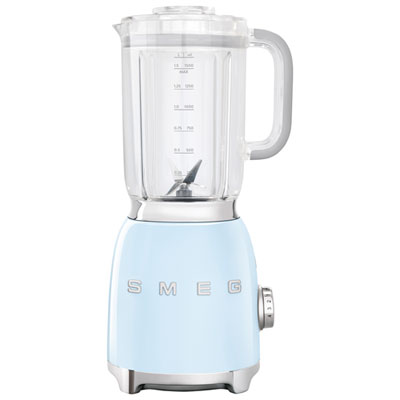
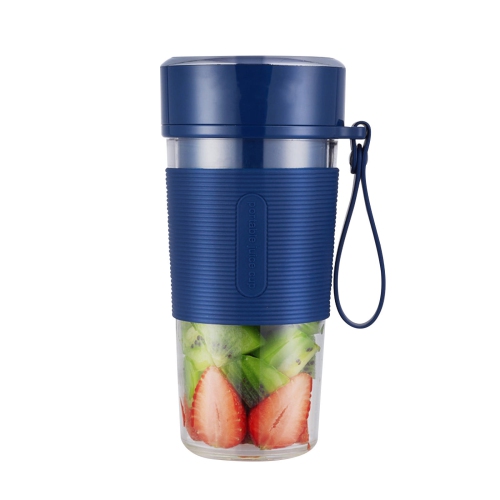
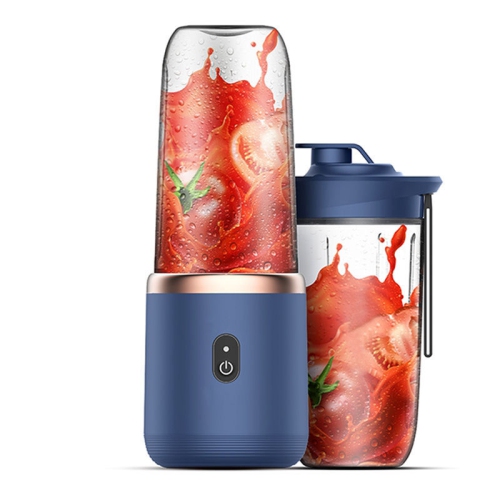
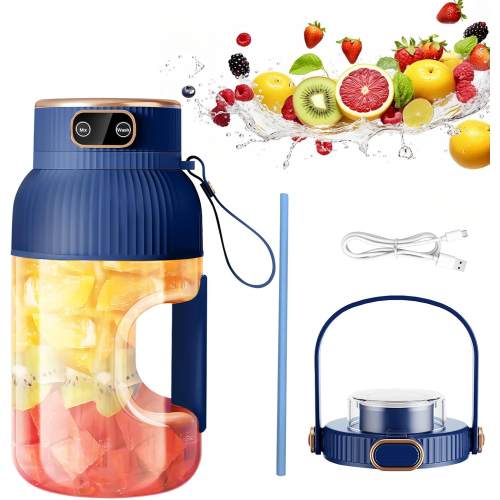
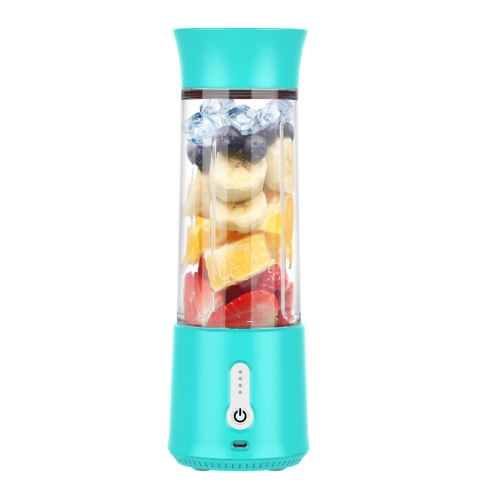

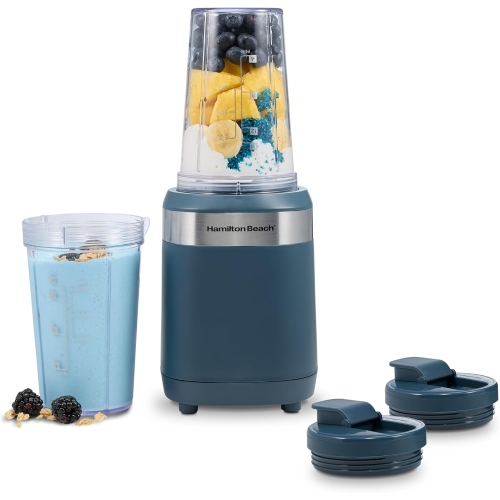
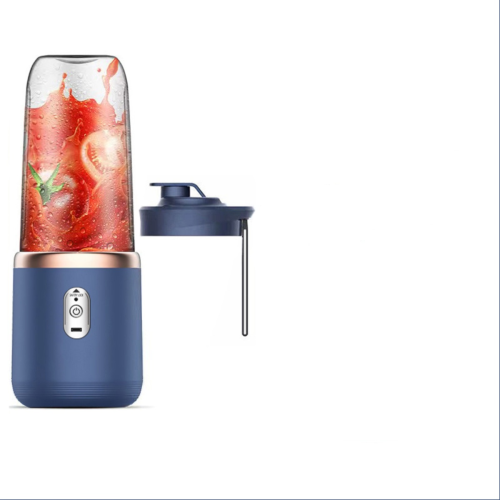
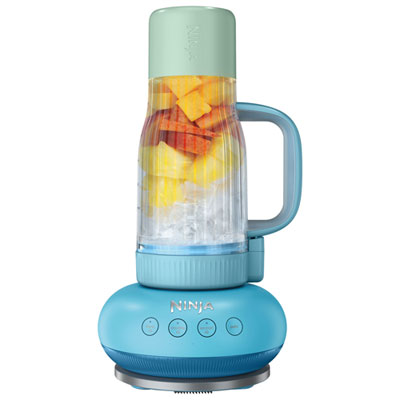
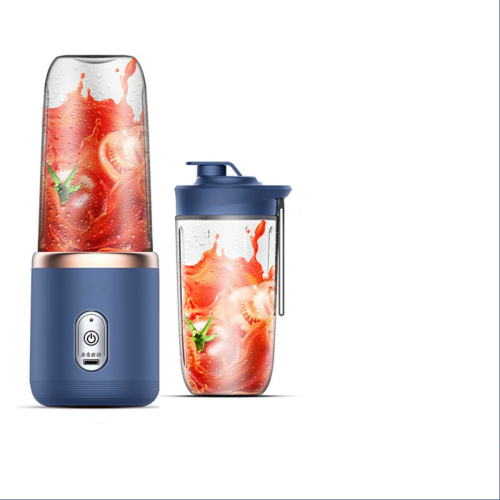
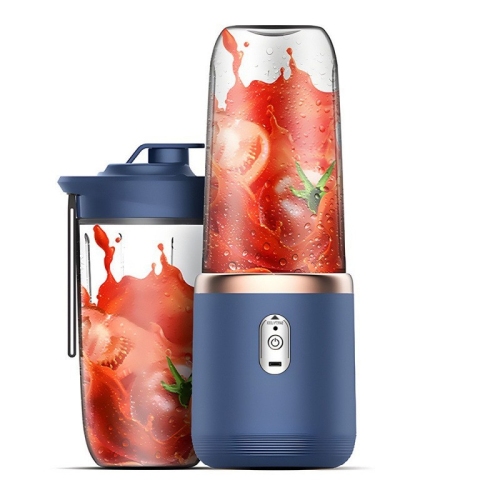
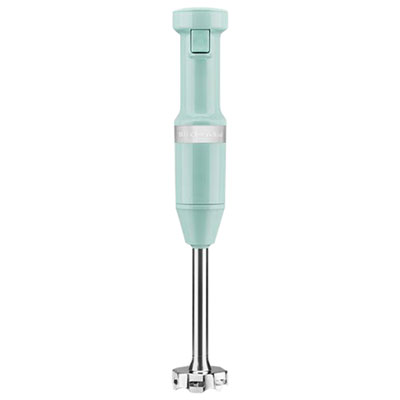
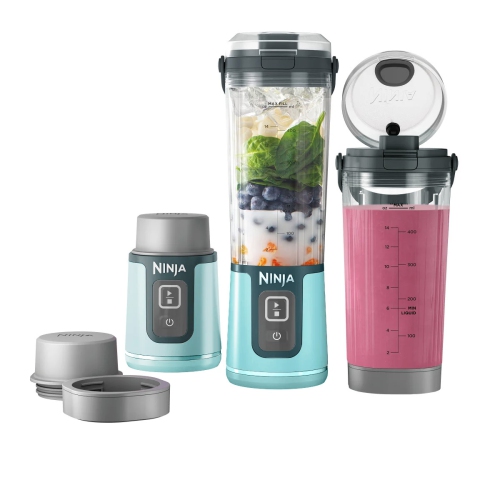
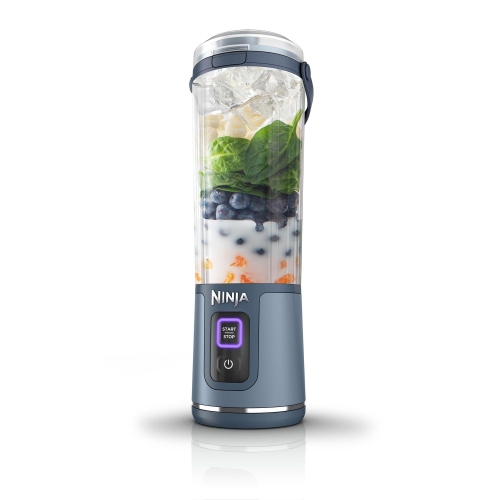

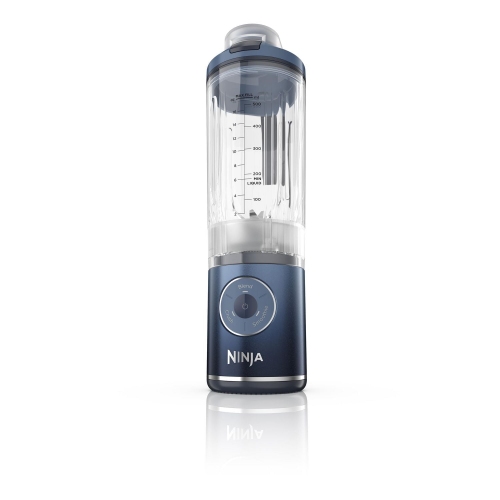
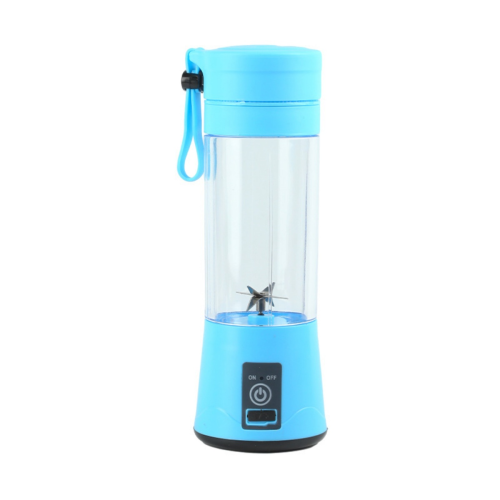

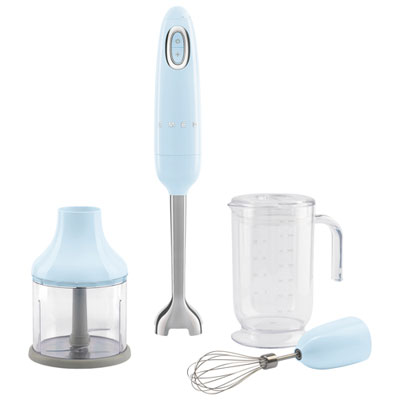
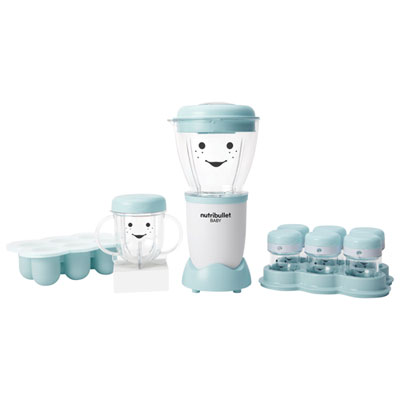


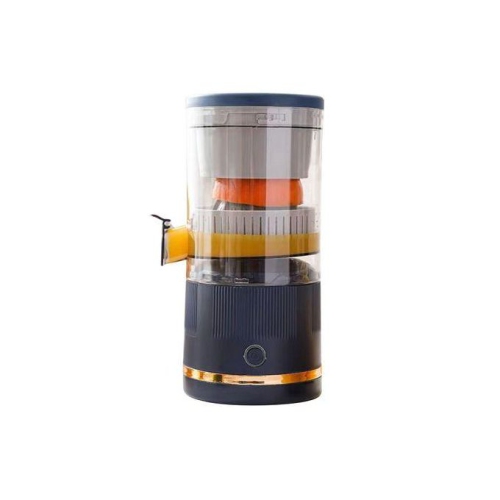
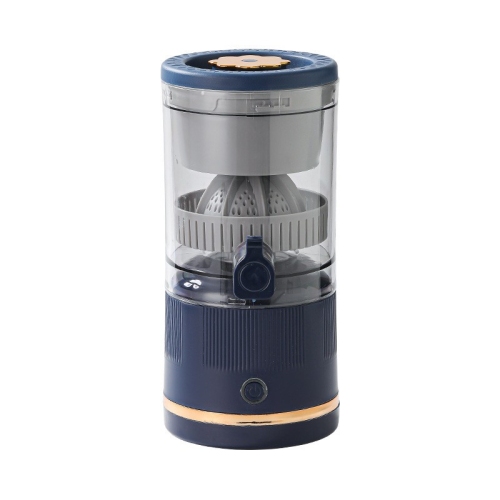
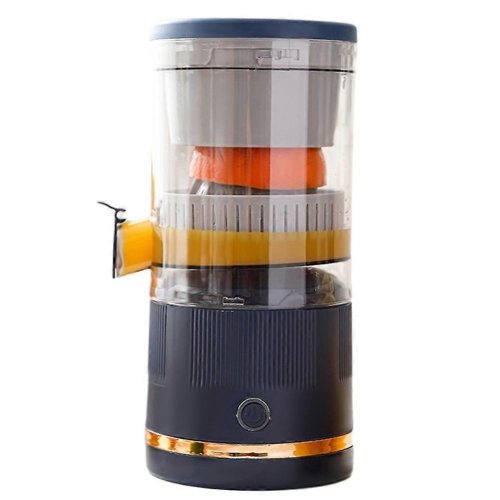


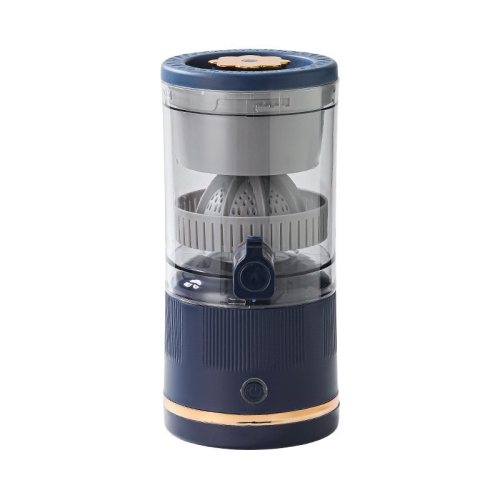
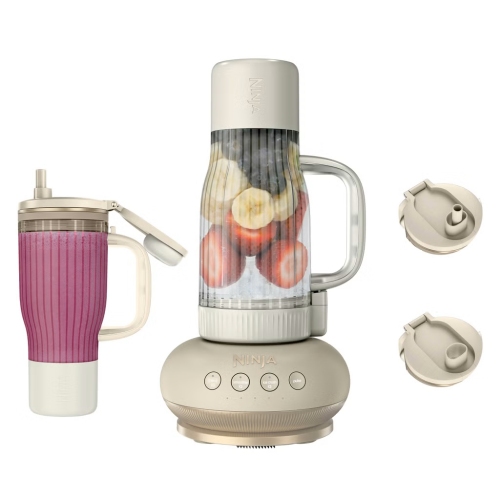

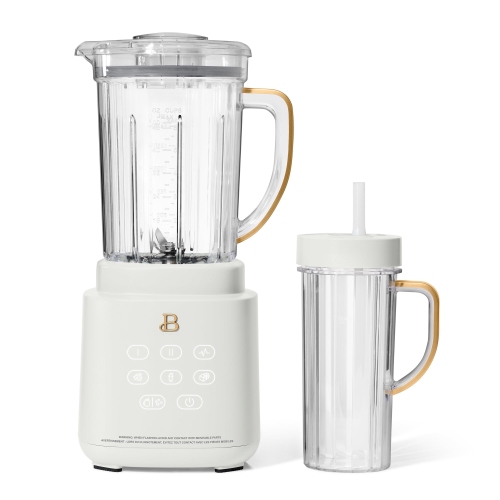
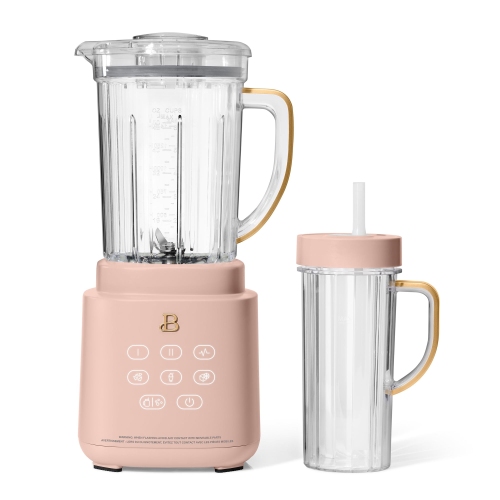
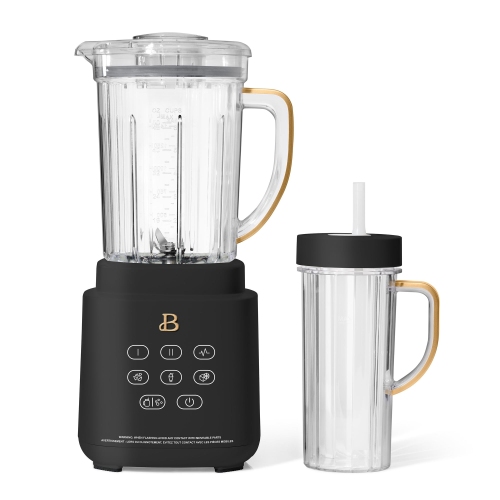
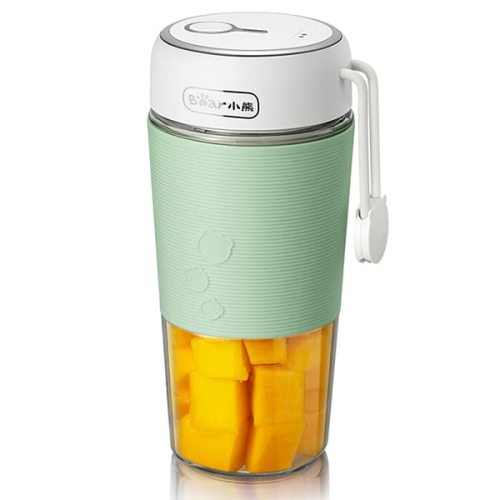
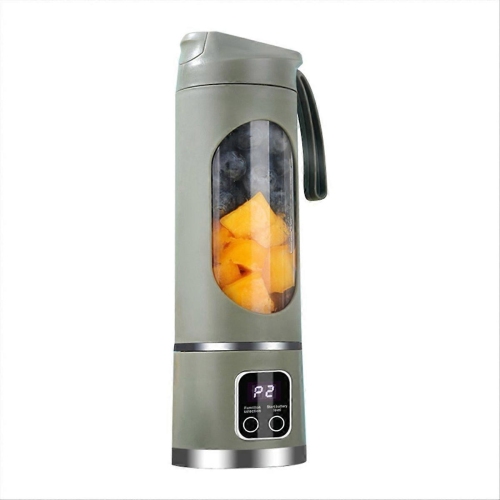
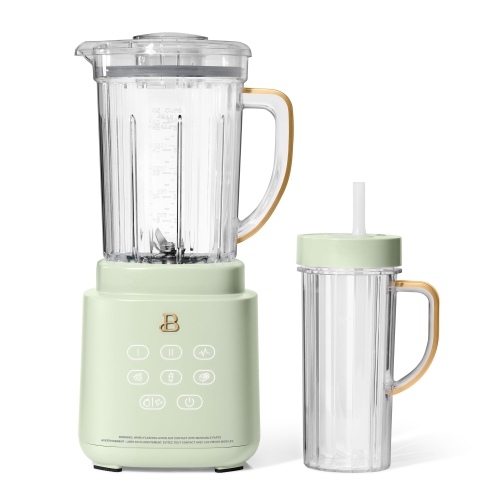
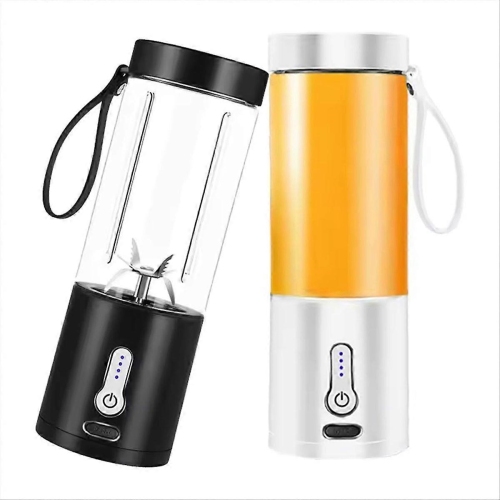

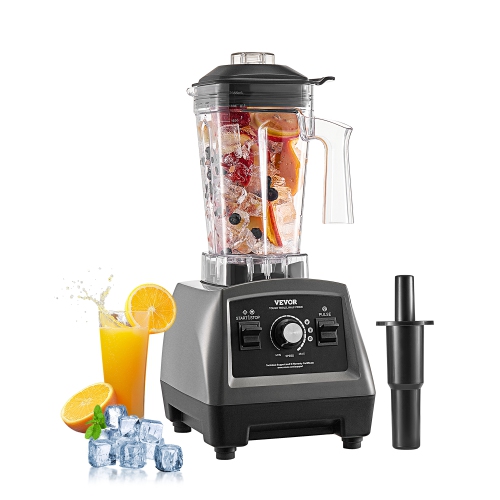
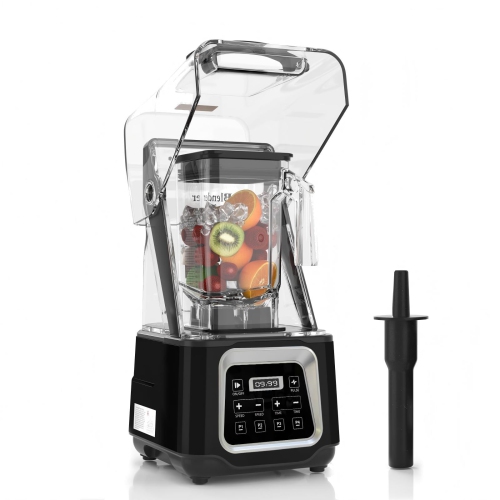
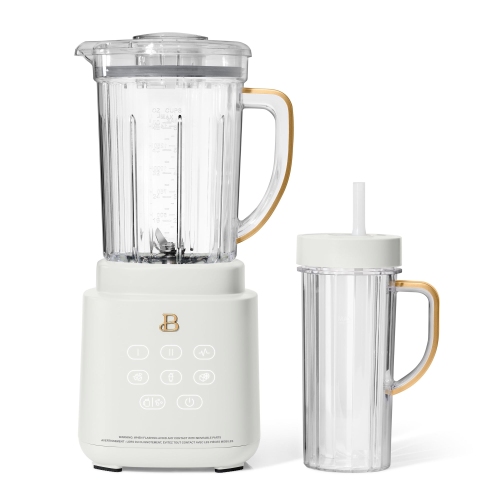
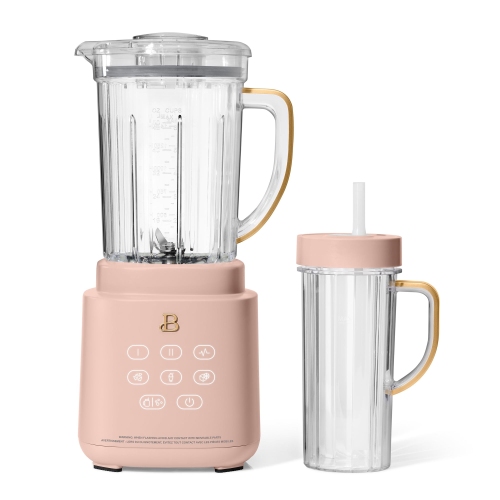
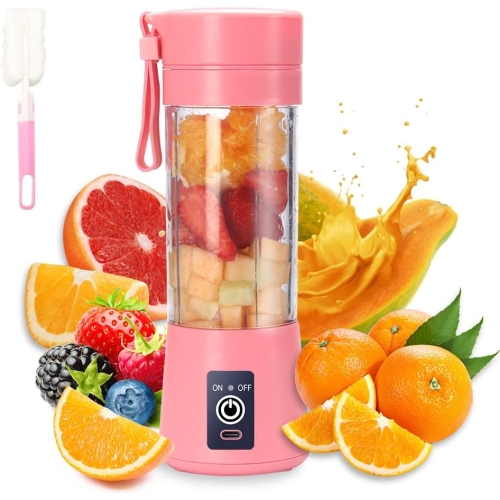


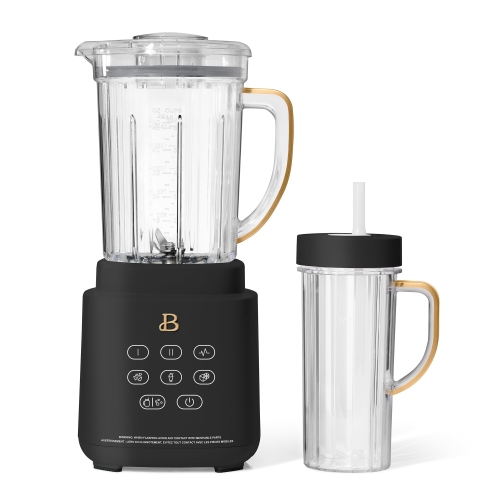
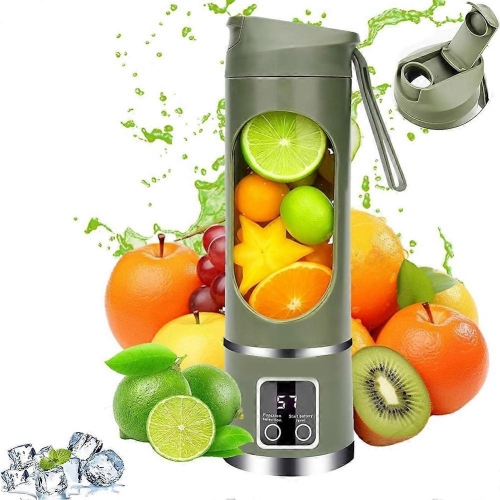

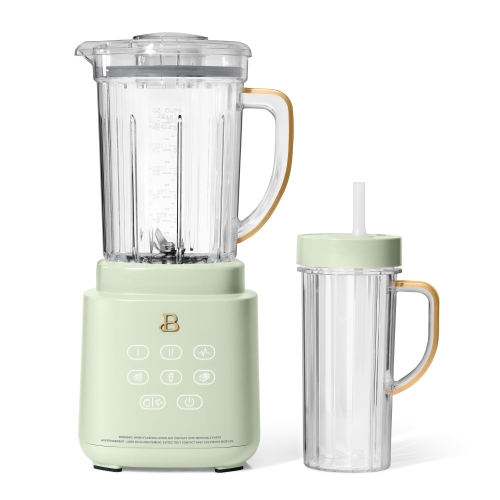
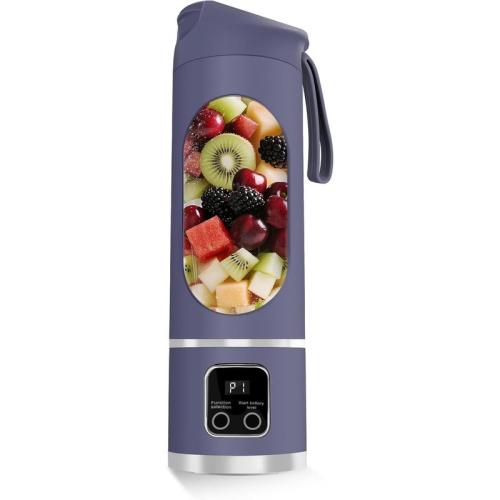
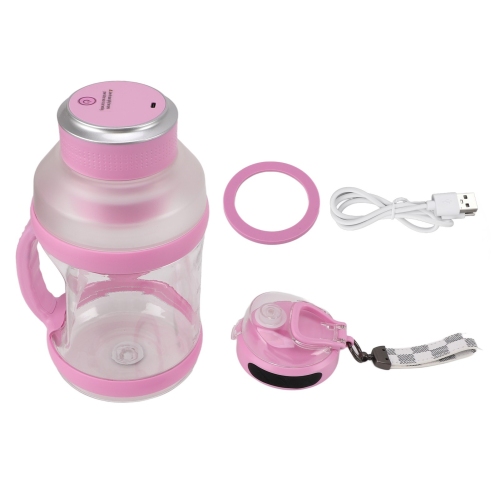
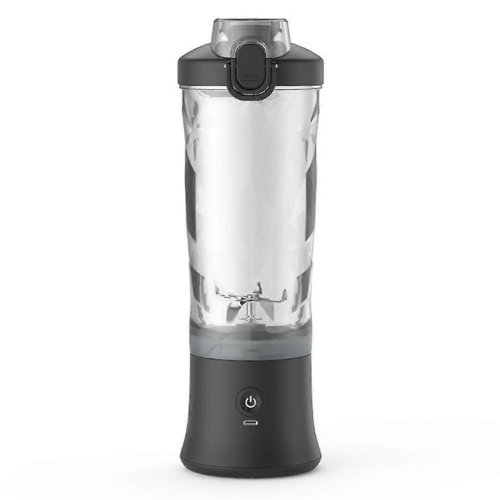
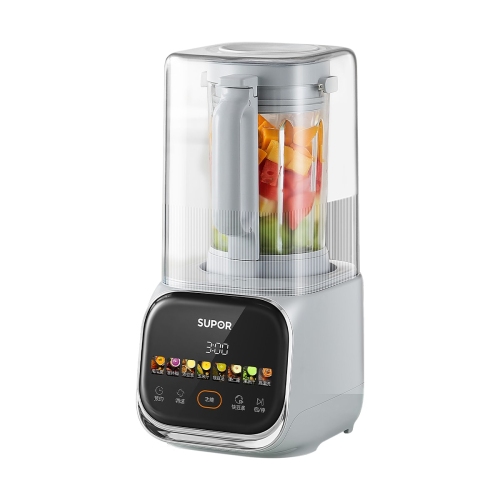
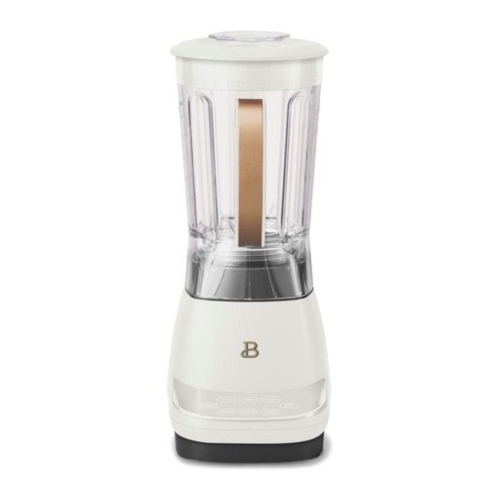
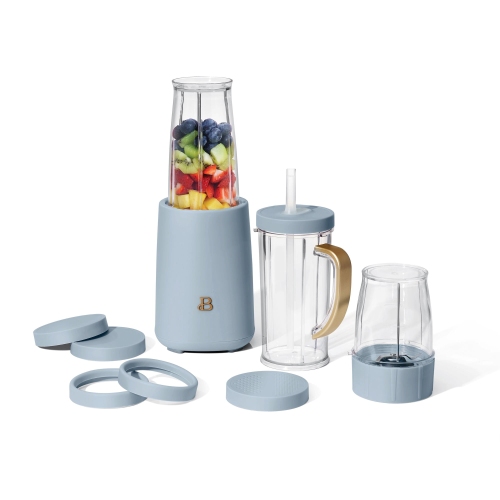

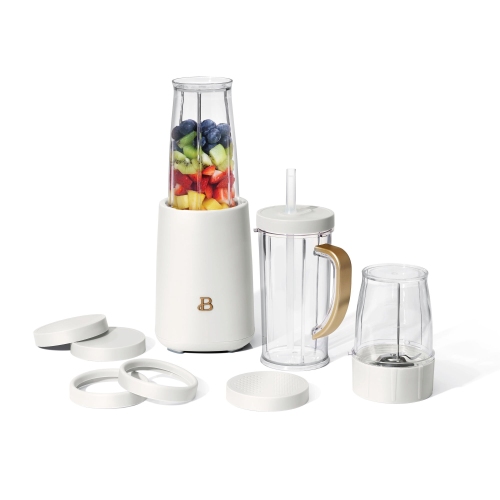
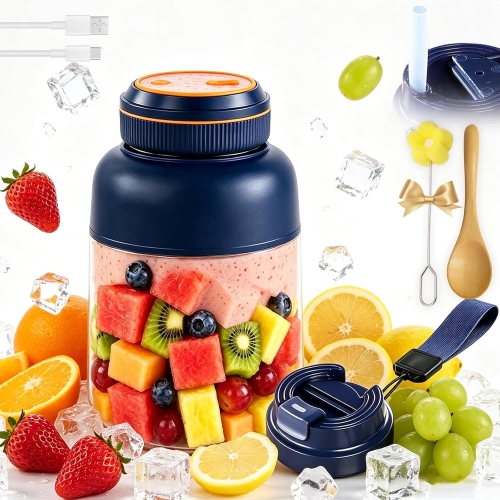

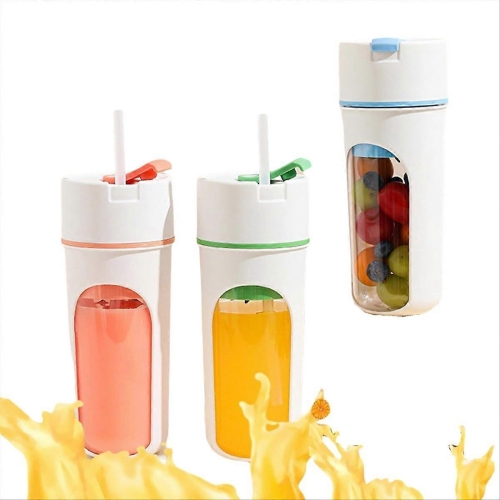
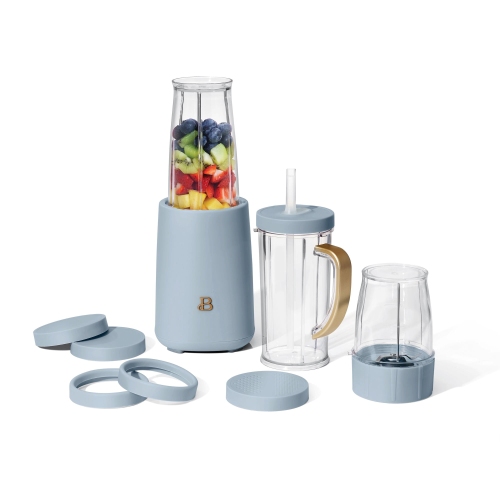
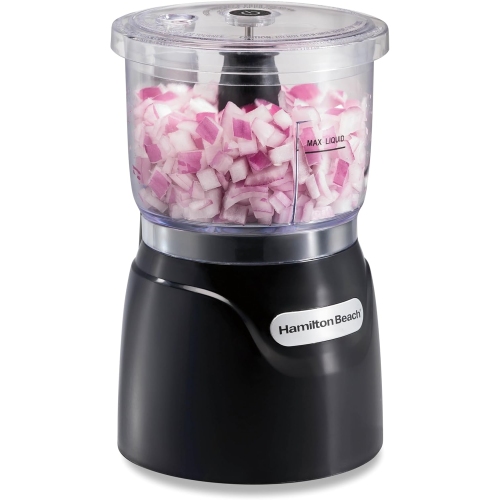
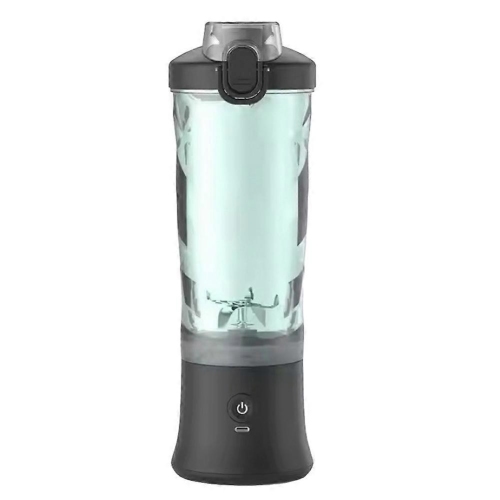

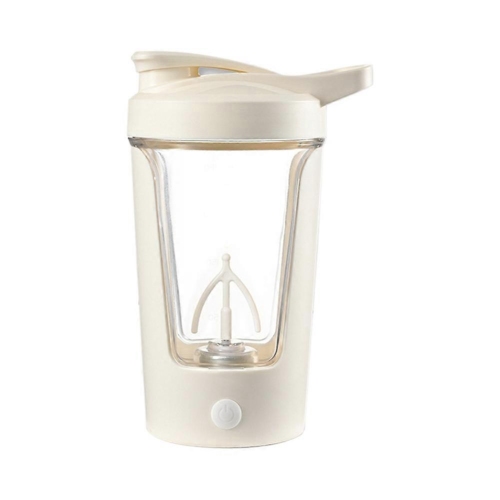

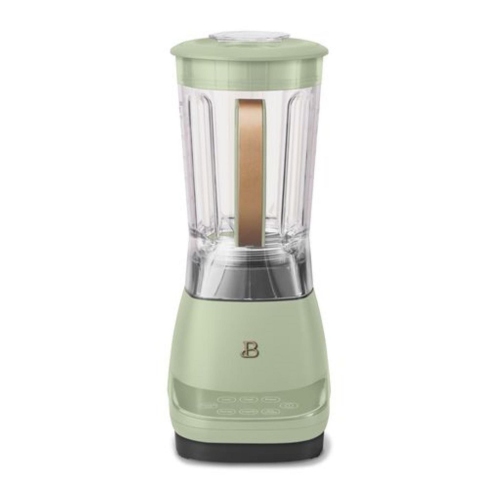


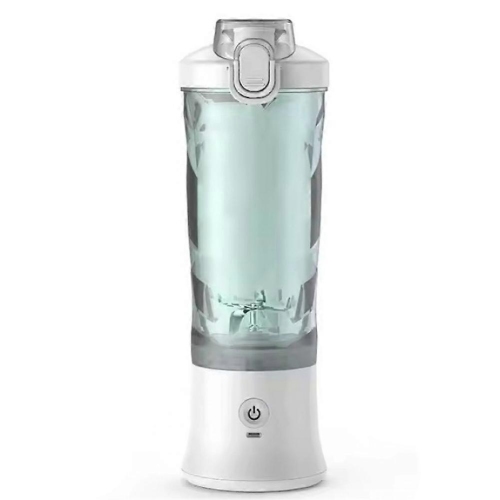
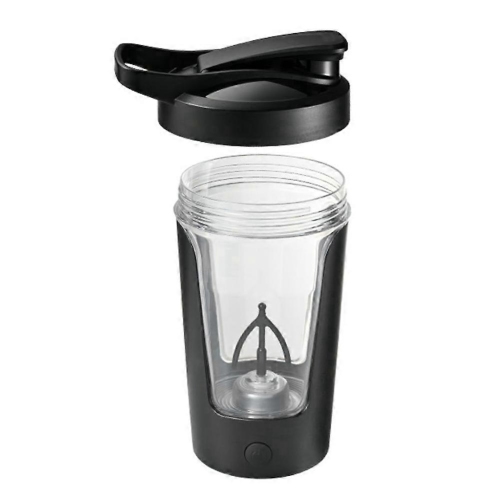
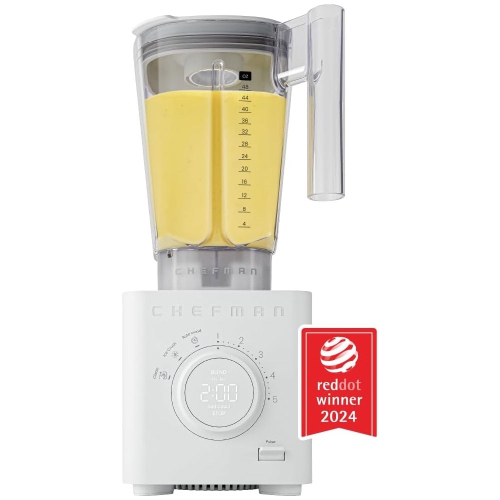
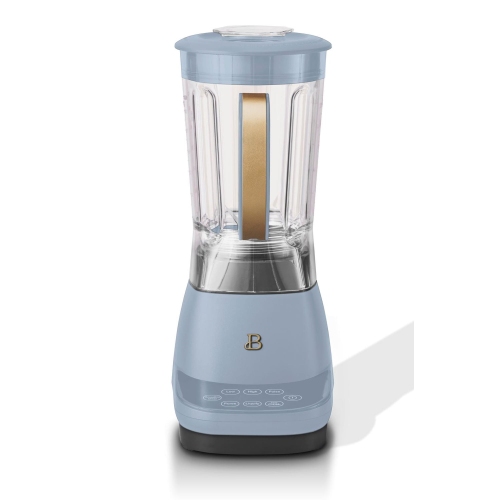
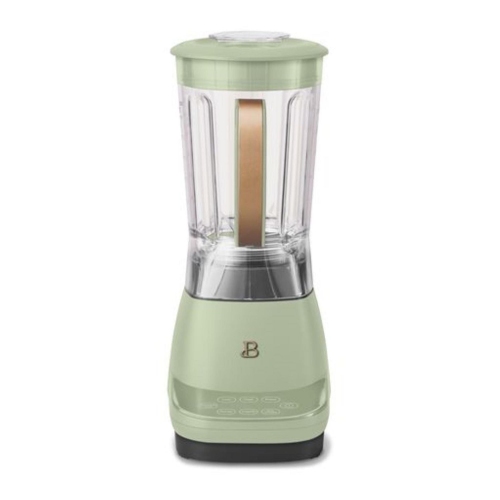
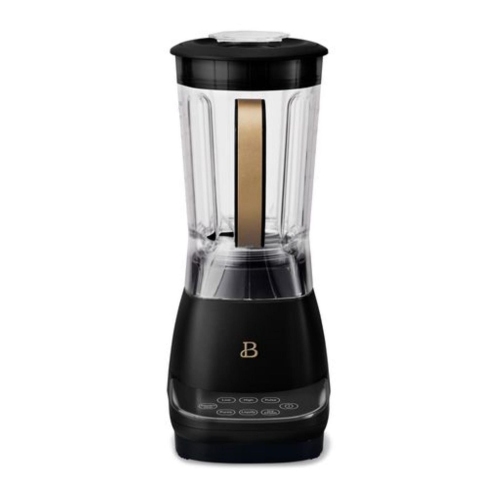

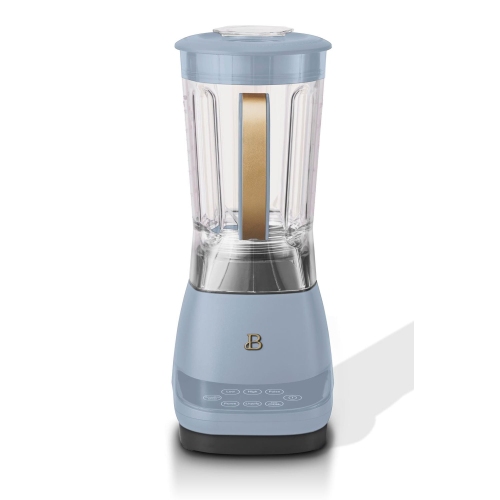
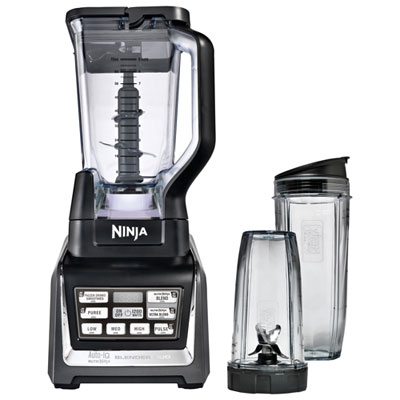
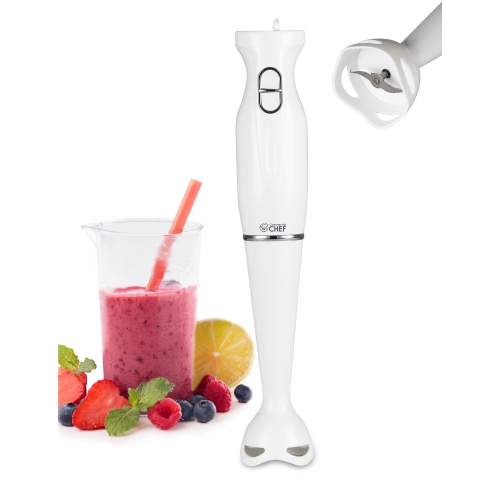

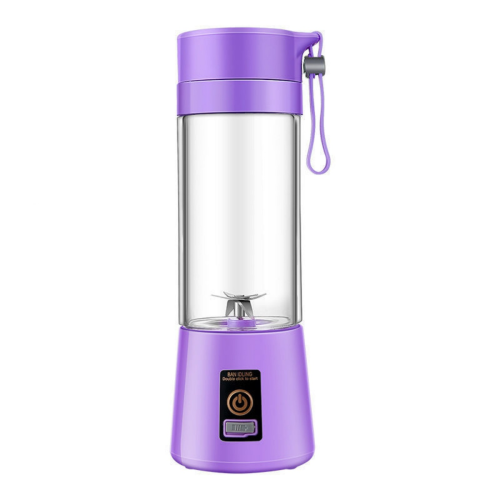
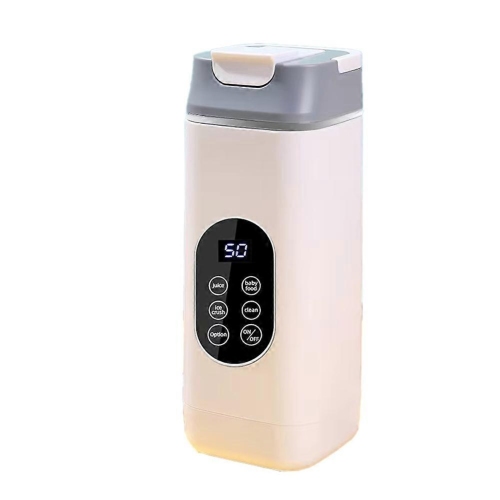
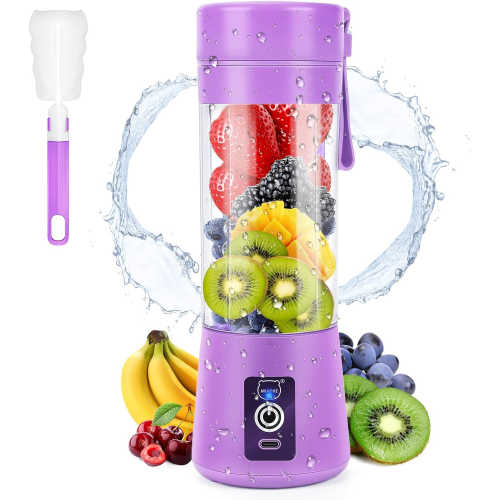
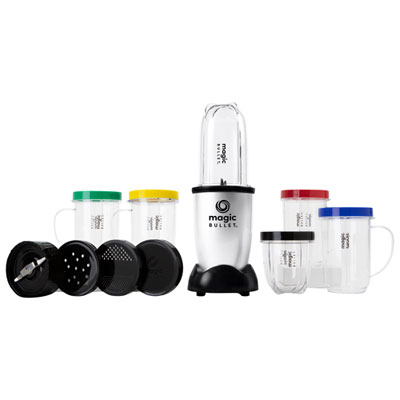


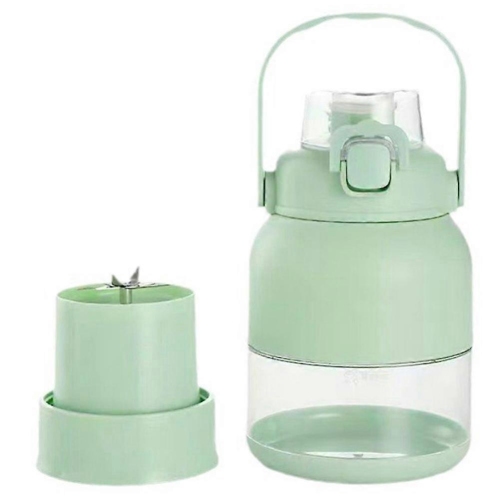
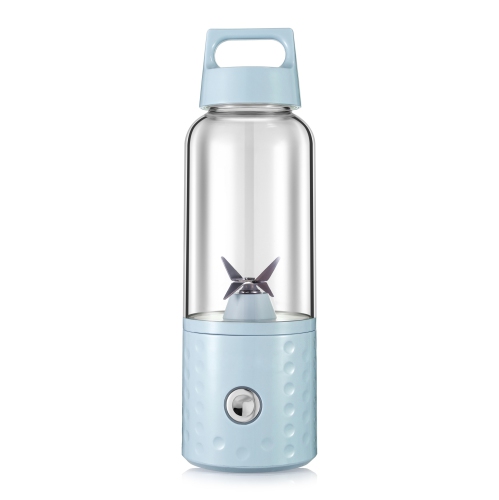
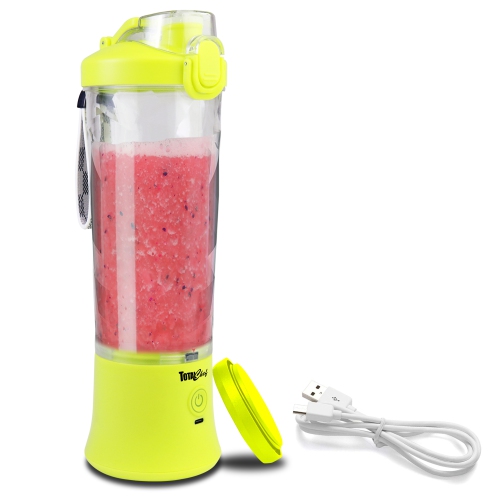
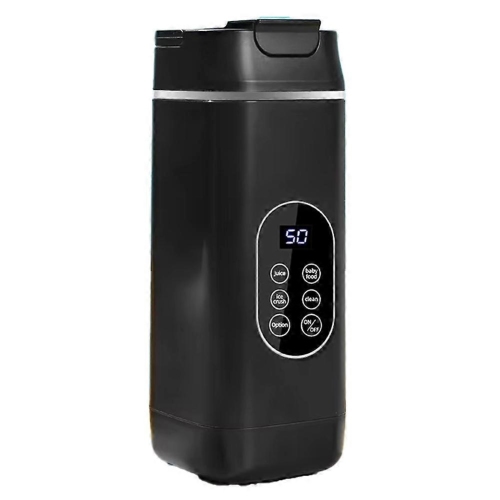
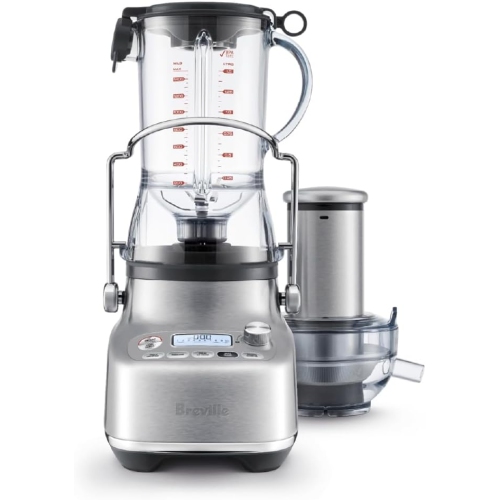



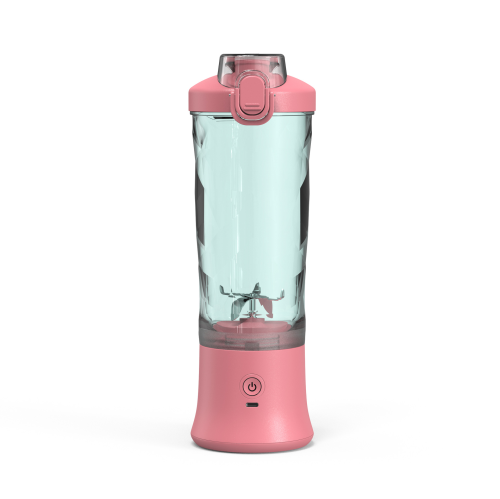

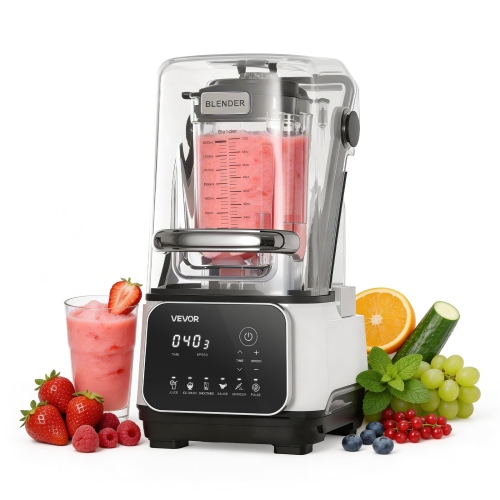

A blue finish is only part of the blend
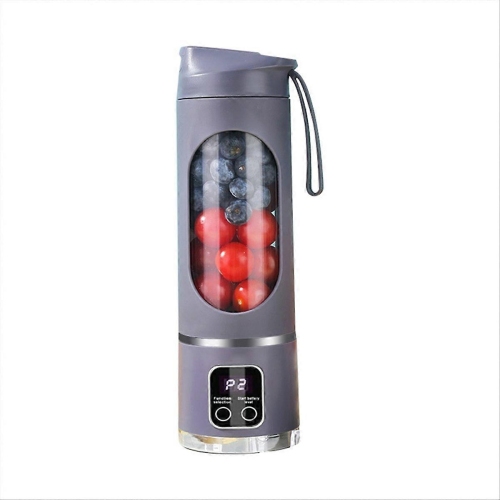
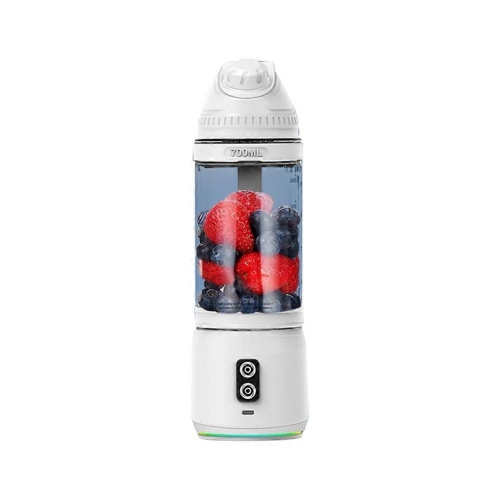
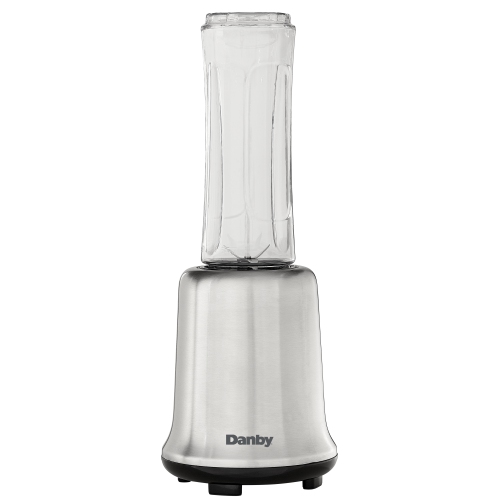
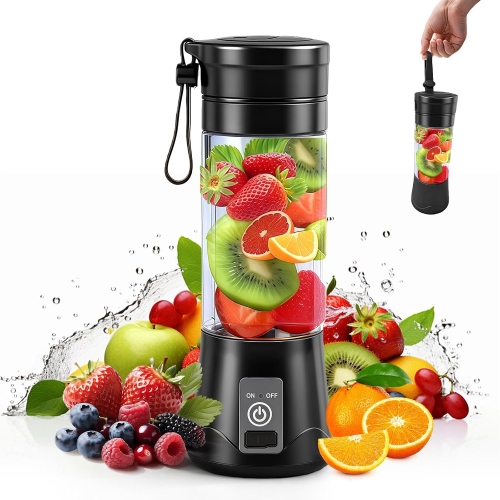
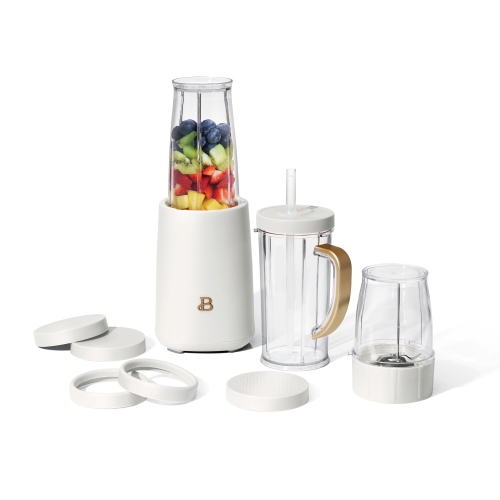
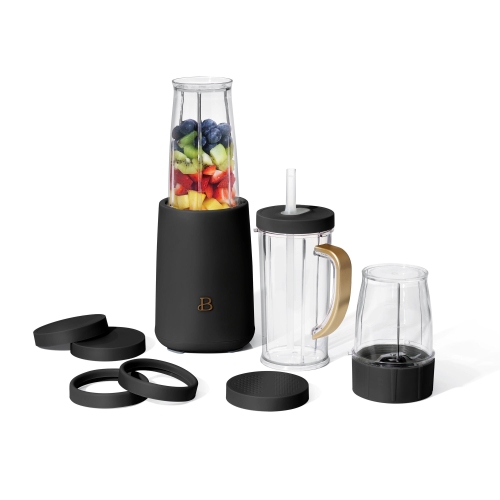
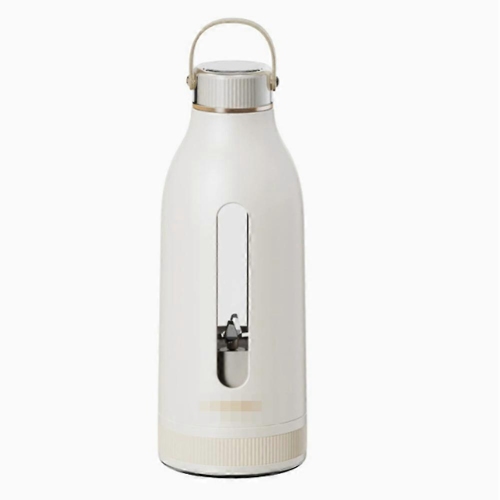
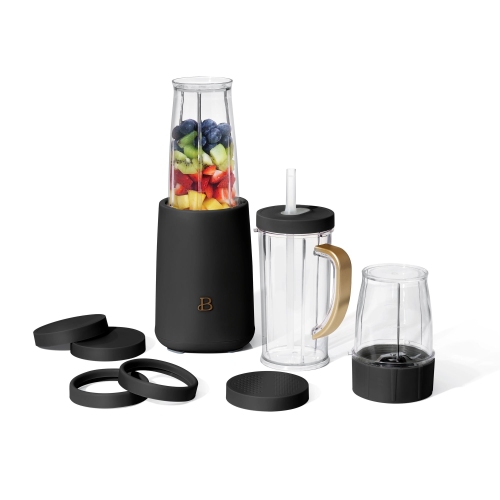
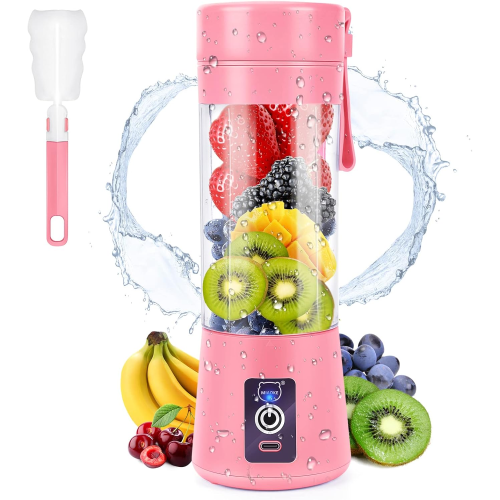
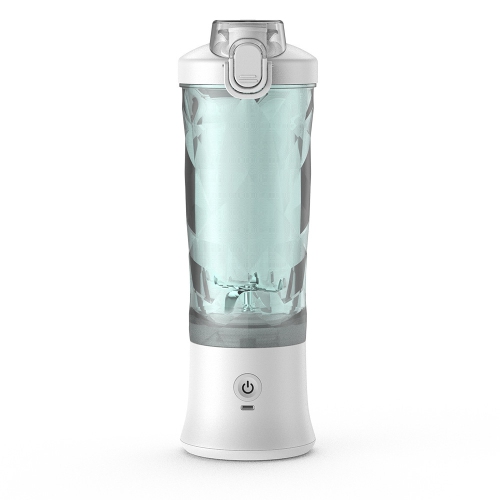
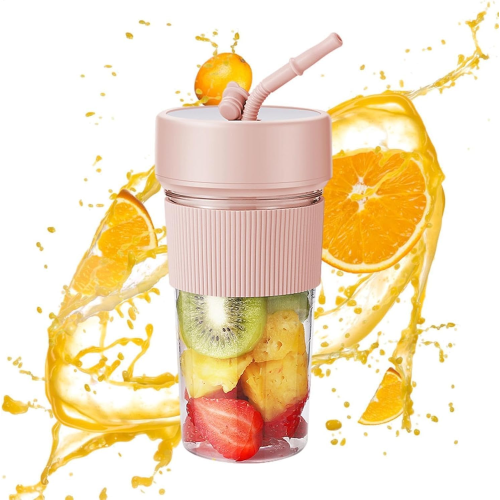
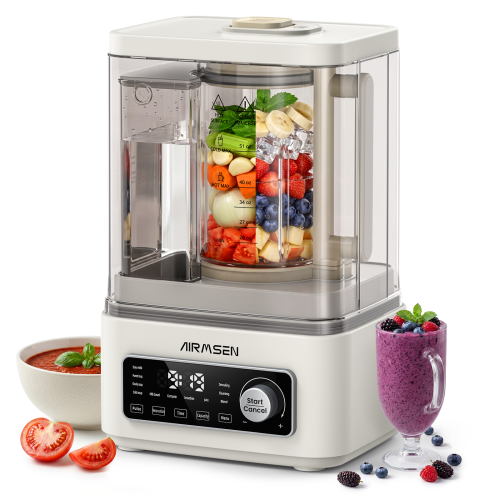
Blue blenders bring colour to a hardworking kitchen appliance, with shades ranging from pale powder blue to rich navy and muted blue-grey. A lighter finish can sit comfortably beside white cabinetry and pale wood, while a darker blue can provide contrast against stone countertops or stainless steel appliances. Rounded housings and simple dials lend themselves to a retro-inspired kitchen; cleaner lines and understated controls suit a more contemporary space. The colour is usually part of the motor housing, handle, or trim rather than the blending container, so the overall appearance also depends on whether the jug is clear glass, transparent plastic, or another material. Beyond appearance, blue kitchen blenders serve the same everyday purposes as other colour options: mixing smoothies, puréeing ingredients, preparing dressings, and helping turn separate ingredients into a consistent texture. The right format depends on how much is being prepared and where the blender will be used. A countertop blender with a full-size jug makes sense for several breakfast servings or a batch of sauce. A personal blender uses a smaller cup, often with a separate drinking lid, for someone who prefers to blend a single portion and take it along. Portable blenders add a rechargeable battery for use away from an outlet, although their ingredient limits and blending capacity deserve particular attention. An immersion blender takes a different approach, with a handheld motor and blending shaft that work inside a suitable container. This format can be useful for puréeing soup without transferring it to a separate jug, provided the appliance is rated for the task. These distinctions matter more to everyday satisfaction than colour alone. Someone blending berries and yogurt before work has different needs from a home cook making thick dips or several servings of a frozen drink. A blue finish can tie the appliance into the kitchen, while the capacity, controls, and blending design determine how comfortably it fits into the routine.
Materials and construction influence how a blender feels in use, how easily it pours, and how much effort it takes to clean. Glass jugs have a reassuring weight and generally resist staining and lingering food odours, but that weight becomes more noticeable when the container is full. Plastic blending containers are typically lighter and easier to lift, although their resistance to scratches, heat, and dishwasher cleaning varies. Stainless steel blades are common, but blade material alone does not establish how well a blender handles tough ingredients. Motor design, blade geometry, container shape, and the way ingredients circulate all contribute to the result. Wattage is one specification to consider rather than a complete measure of performance. For frequent smoothies with frozen fruit, suitability for frozen ingredients matters more than a high number on its own; crushing ice should only be attempted when the manufacturer explicitly permits it. Variable speeds offer flexibility when moving from a coarse salsa to a smoother dressing, while a pulse function gives brief bursts of control. Preset programmes can simplify repeated tasks, but straightforward manual controls may be preferable for someone who likes to adjust texture as a mixture comes together. Capacity also needs a practical reading: the maximum working fill line, particularly for liquids that foam or expand during blending, may be lower than the container’s total volume. For a blender that will stay on the counter, its footprint, cord reach, and clearance beneath cabinets are worth considering together. There should be enough room to lift off the jug or remove the lid without awkward manoeuvring. A handle that feels secure, readable measurements, a well-shaped pouring spout, and a stable base can make a noticeable difference when serving a thick smoothie into a narrow glass. With personal formats, cup width and lid design affect portability, and a travel lid should only be treated as leakproof if it is described that way. Cordless designs also involve a balance between convenient placement, charging time, and the number of blends supported by a charge.
Care requirements are especially relevant for an appliance used with sticky fruit, dairy, seeds, and richly coloured sauces. A quick rinse soon after use can keep residue from drying around the blades, beneath a lid, or inside the threads of a personal blending cup. Some containers and lids are dishwasher-safe, while others need handwashing; the manufacturer’s directions should determine both the cleaning method and rack placement. Removable seals and blade assemblies can make certain areas easier to reach, but they also need correct reassembly to prevent leaks. Sharp blades require careful handling, and the motor base should be wiped clean rather than immersed in water. For immersion blenders, a detachable shaft can simplify washing without exposing the motor housing to water. Hot ingredients require particular care across all formats: sealed personal cups are generally unsuitable for hot liquids, and countertop or immersion models should only be used within their stated temperature limits. Long-term durability also depends on matching the appliance to its intended workload. A compact blender designed for drinks is not automatically suited to kneading dense mixtures or grinding dry ingredients, and repeated stalling is a sign to stop rather than keep forcing a blend. Sound levels, vibration, and the ease of replacing a worn seal or damaged container can matter as much as appearance in a busy household. For a gift, a blue blender can be a thoughtful choice for someone setting up a first kitchen, moving into a new home, or enjoying more cooking at home, especially when the shade suits their existing appliances. Counter space and preferred portion sizes help make that gift useful rather than simply decorative. Blue can act as a subtle accent or a stronger focal point; white blenders offer a more neutral alternative for kitchens where a quieter finish is preferred. In either colour, an appliance that is comfortable to handle, suited to familiar recipes, and straightforward to clean is more likely to earn a regular place on the counter.
Top selling and popular products
-
 Your price for this item is $744.71
-
 Your price for this item is $684.88
-
 Your price for this item is $325
-
 Your price for this item is $543.42
-
 Your price for this item is $550
-
 Your price for this item is $69.99
-
 Your price for this item is $449.99
-
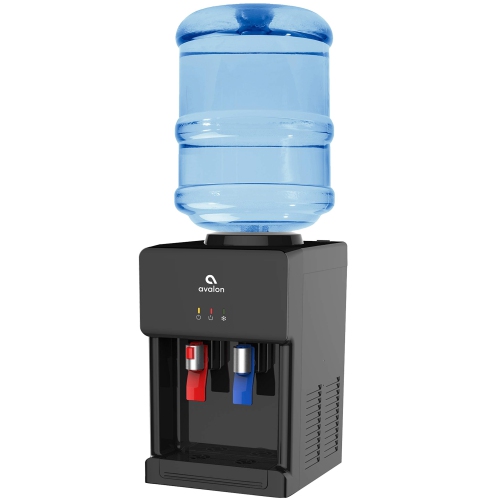 Your price for this item is $245.68
Discover more categories related to Blue Blenders
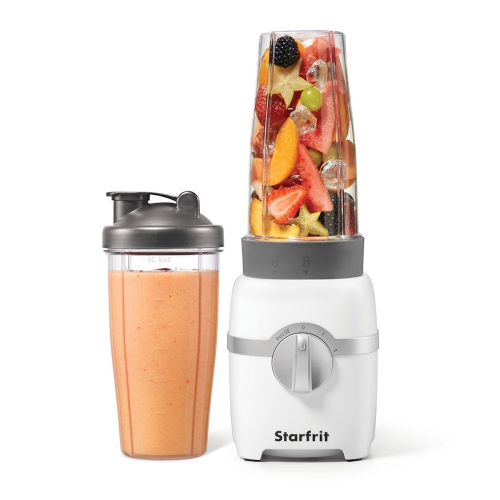

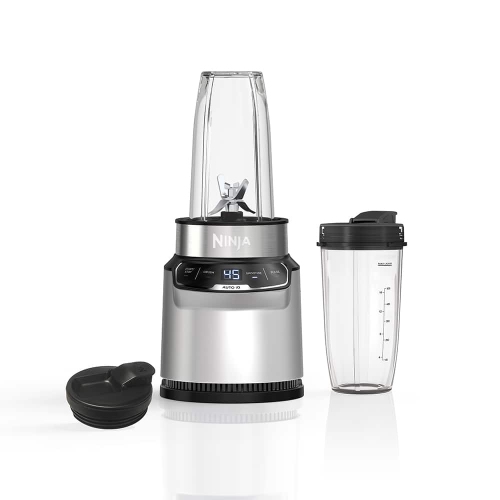

Top Collections:
Pokemon Centers, Best Cameras for Sports Photography, Kindle Devices, Samsung Galaxy Phones, Canon G7X Cameras, Pokémon 30th Celebration Cards, Refurbished Apple Laptops, iPhone 15 Apple, Laptops for Students, Budget Smartphones
Some products may be subject to Environmental Handling Fees
(EHF) depending on your province.
Learn more about EHFs.