Red Blenders
Looking to add a pop of color and functionality to your kitchen? Look no further than our collection of red blenders. These vibrant appliances are not only eye-catching but also powerful, making them the perfect addition to any culinary space. Whether you're whipping up smoothies, soups, or sauces, our red blenders offer versatility and convenience in one stylish package. With a variety of features and capacities to choose from, finding the perfect red blender to suit your needs has never been easier. So why wait? Explore our selection of red blenders and elevate your blending experience today.
Sort



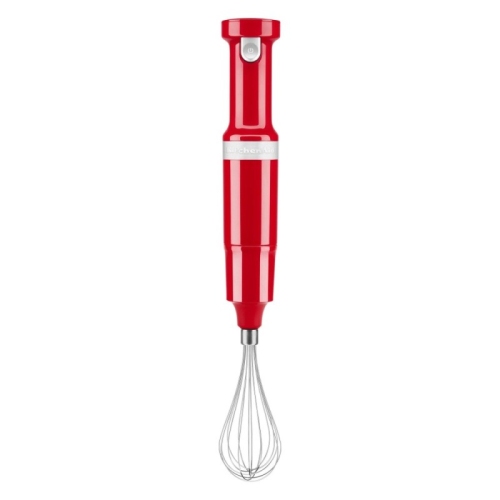
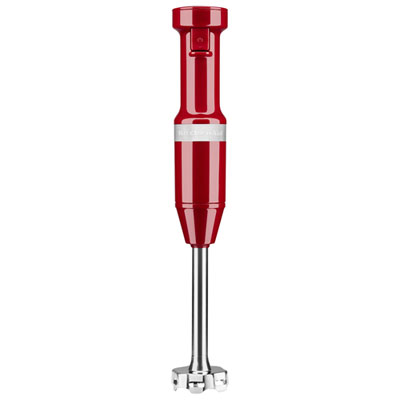

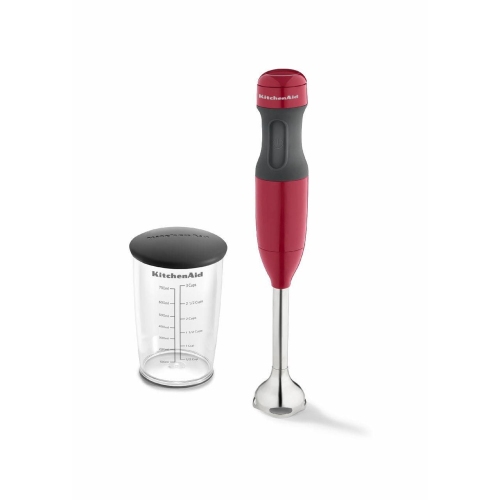
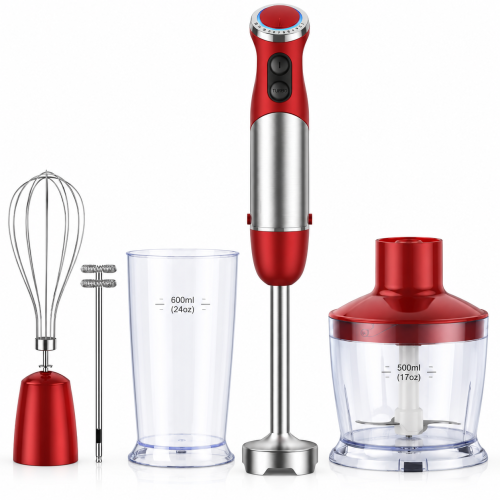




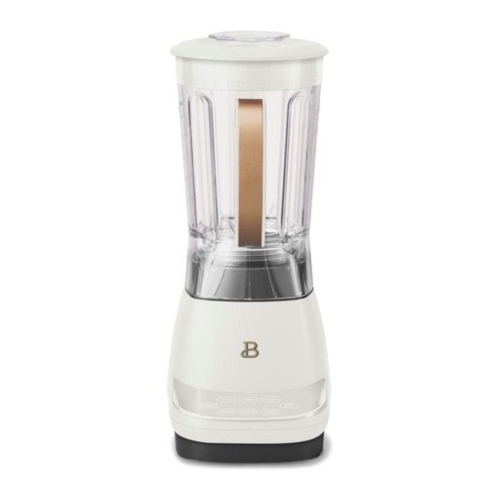
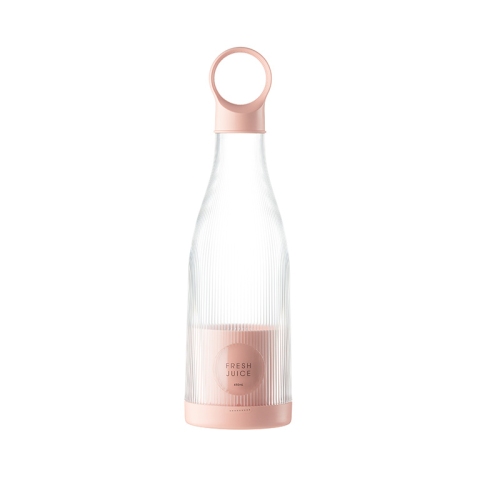
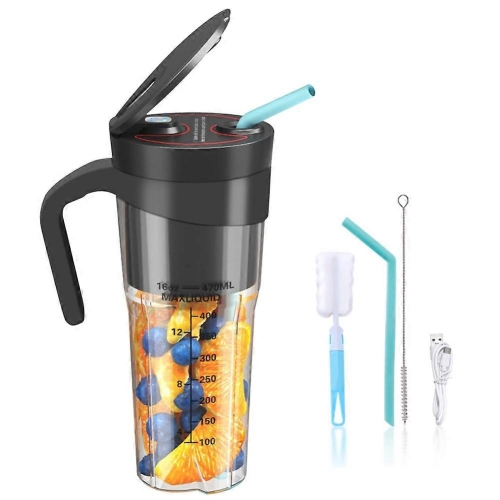
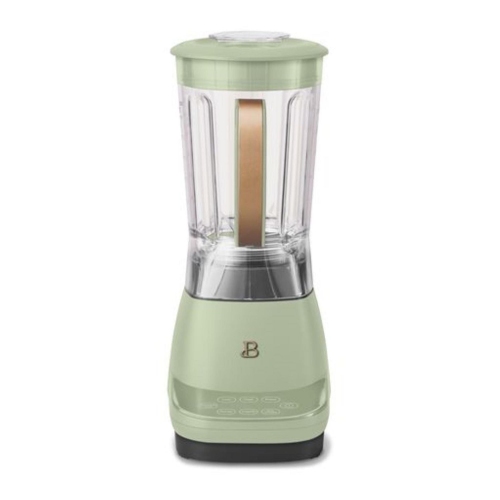
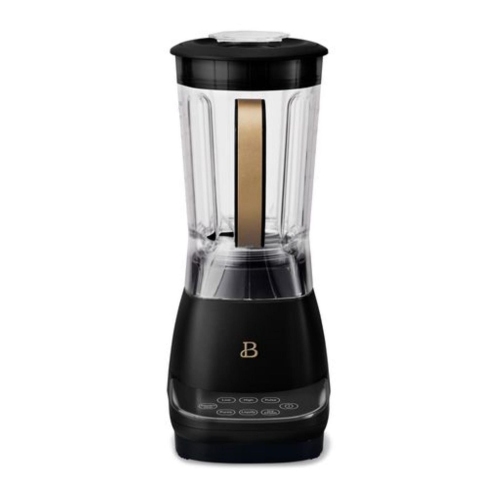
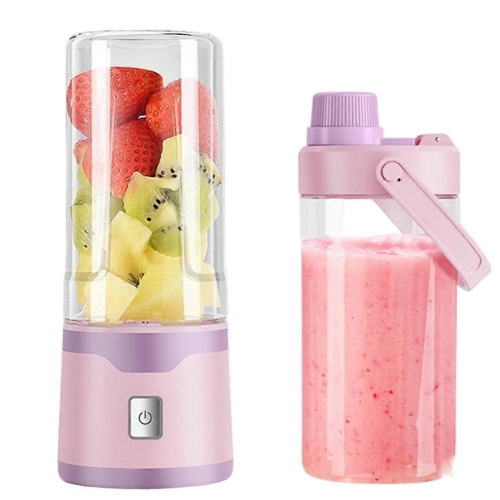
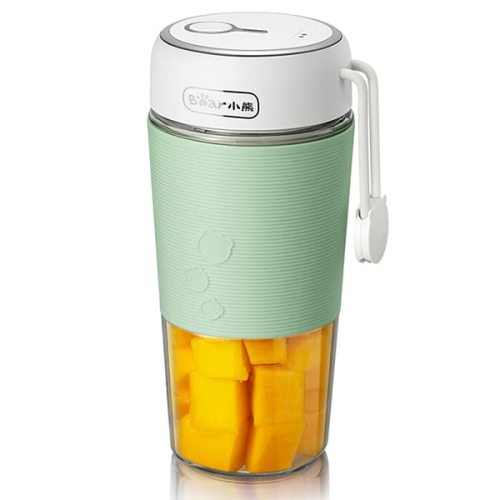
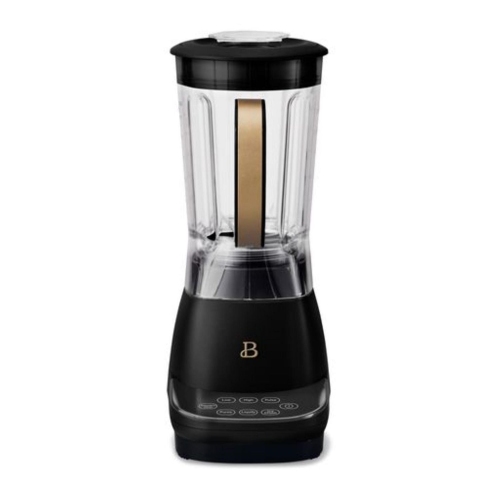

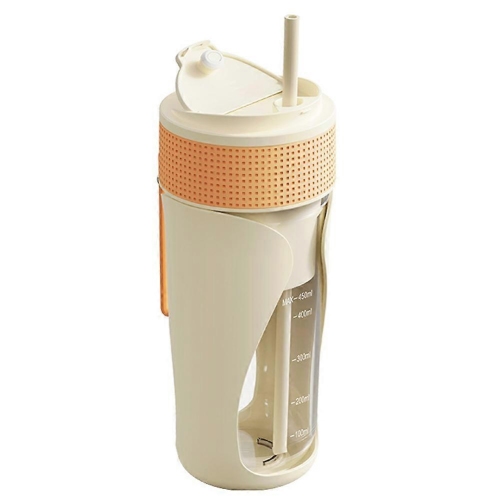
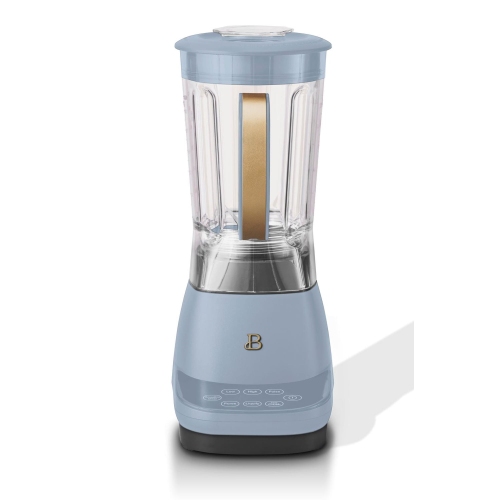
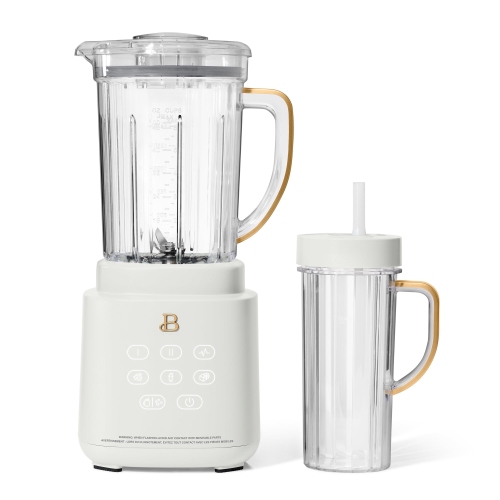
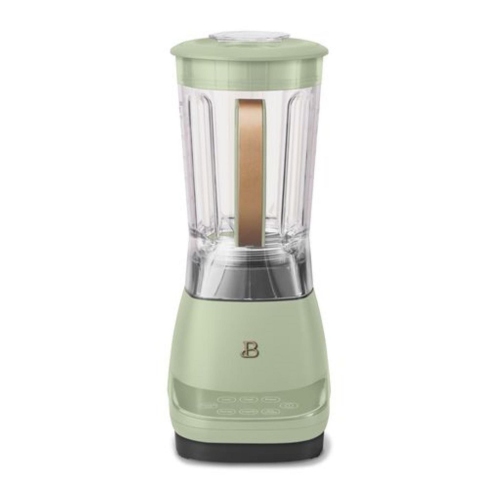
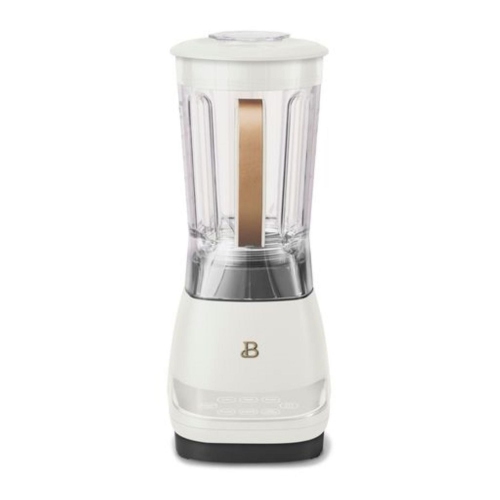
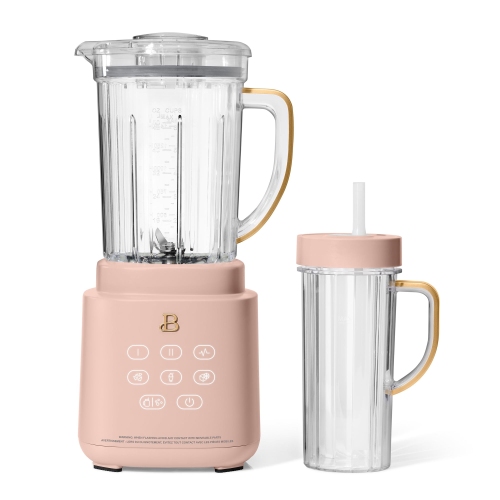
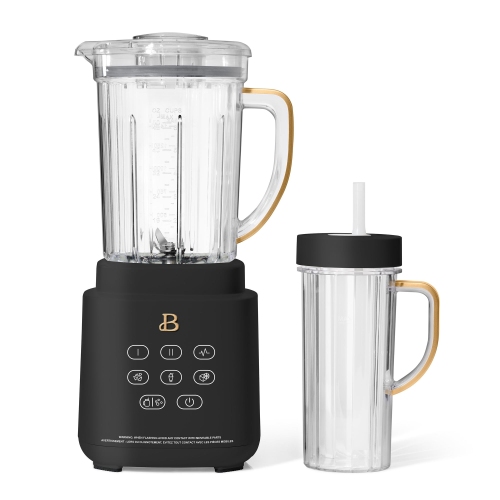

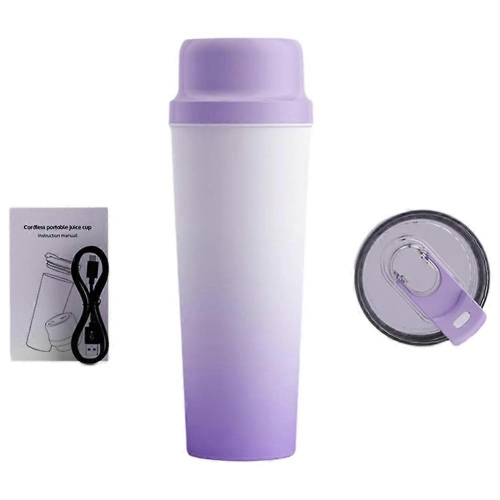
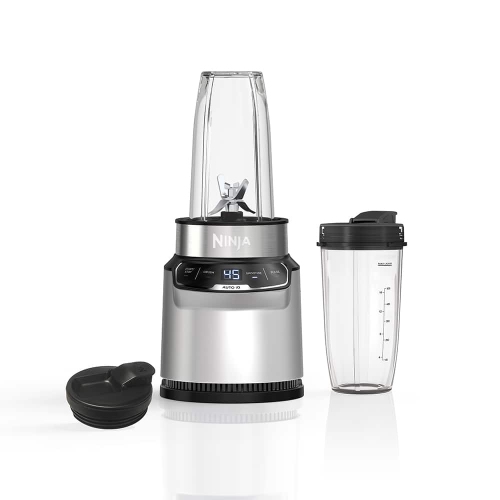
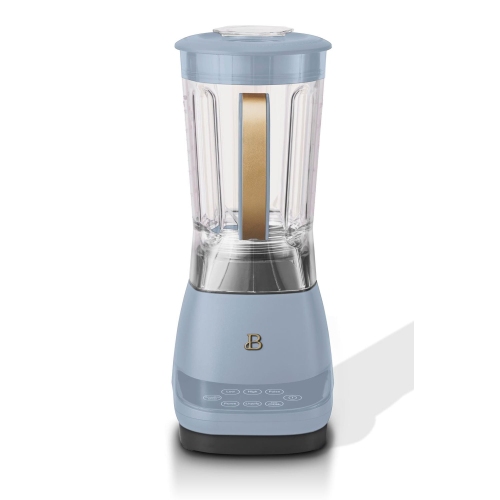
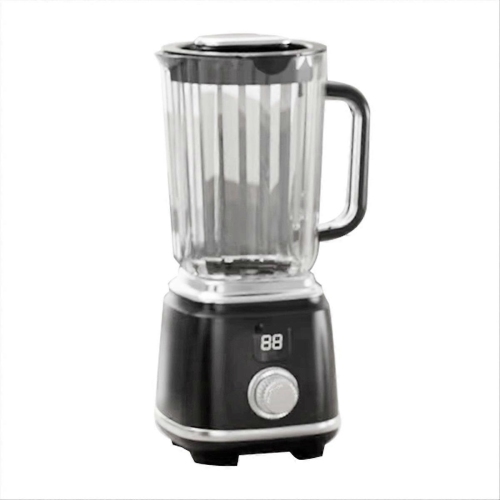
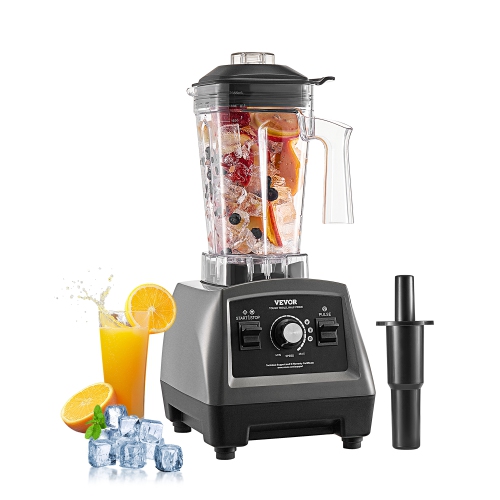
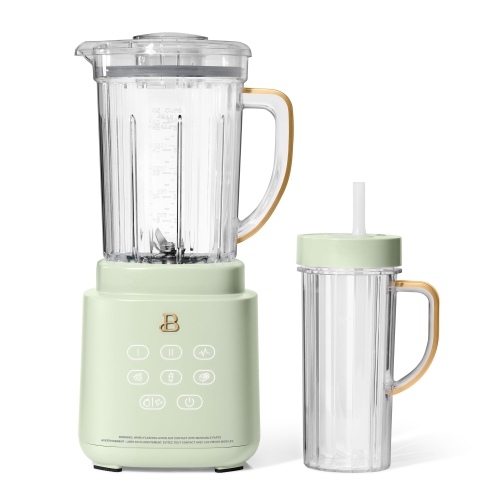

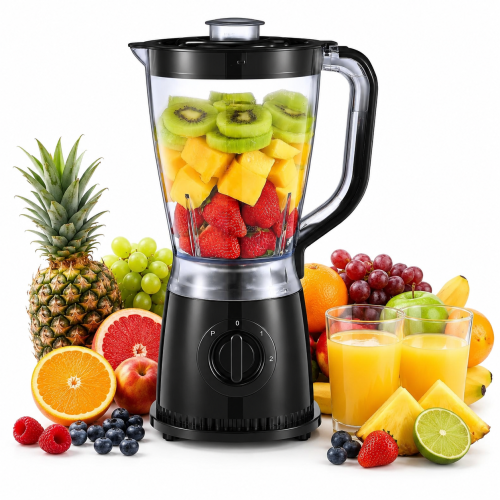
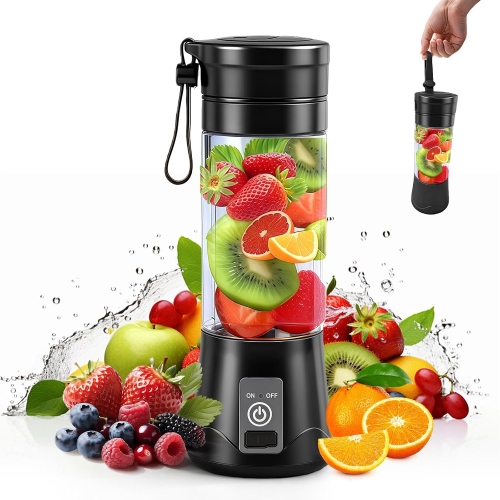
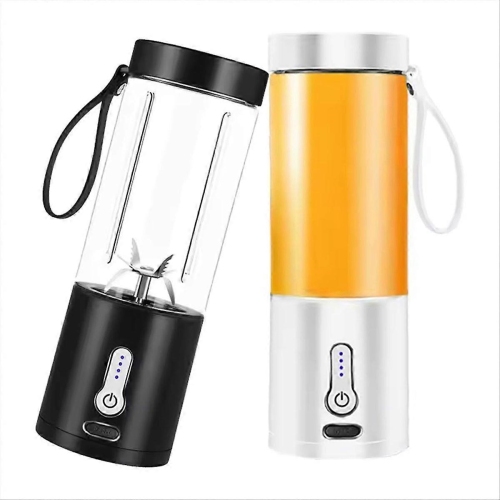
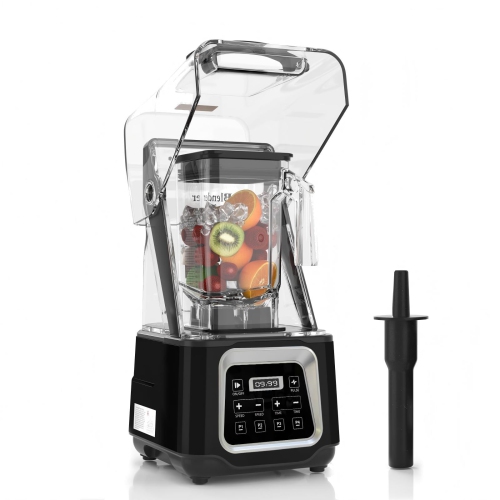
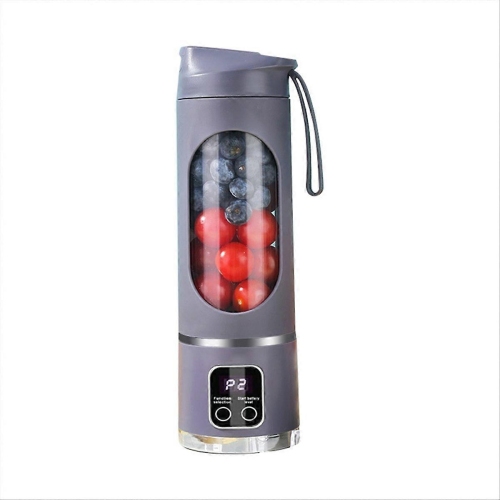
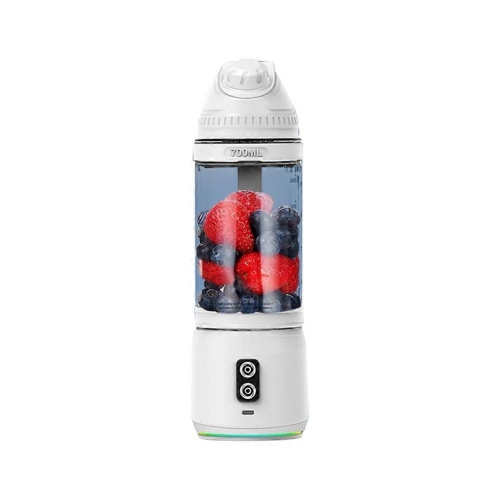

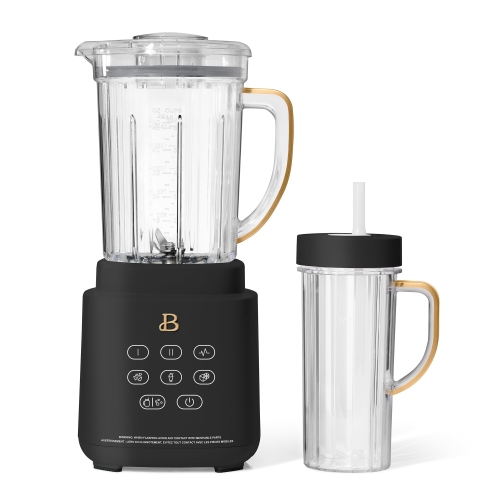
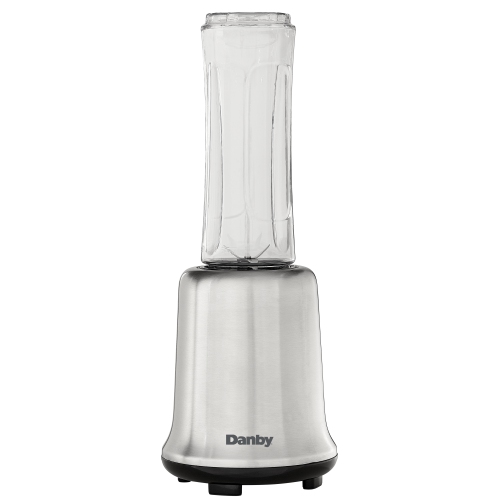


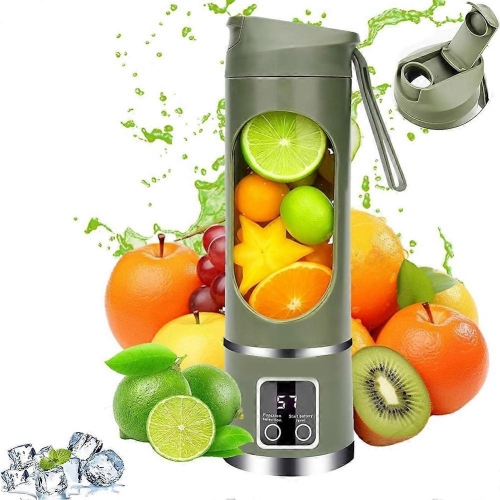
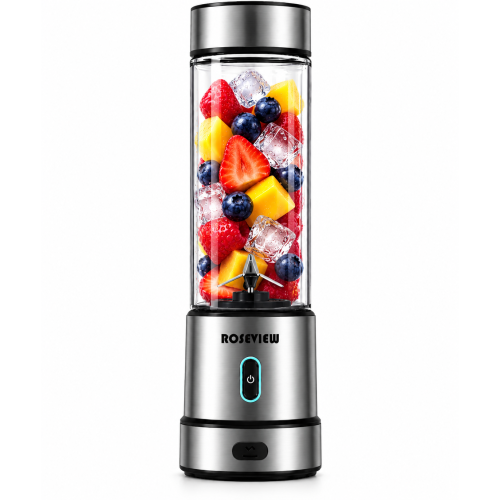

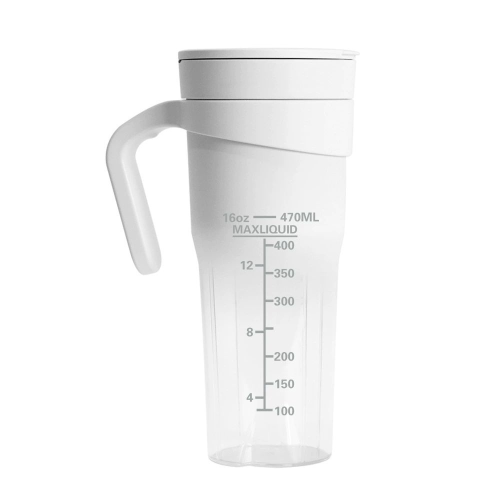
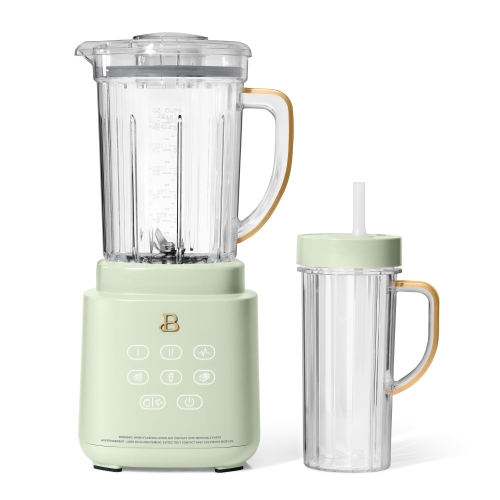
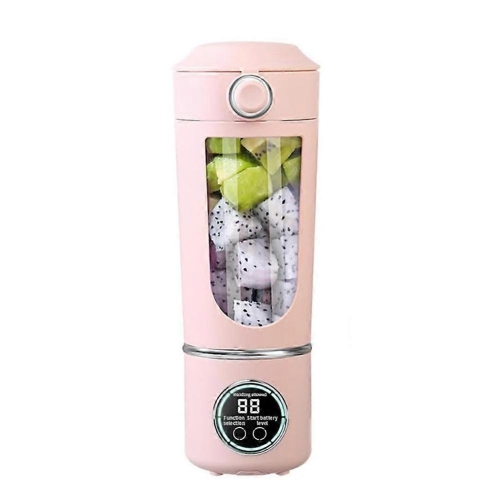

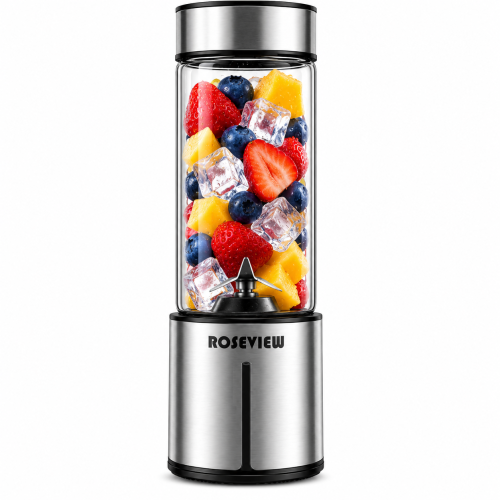
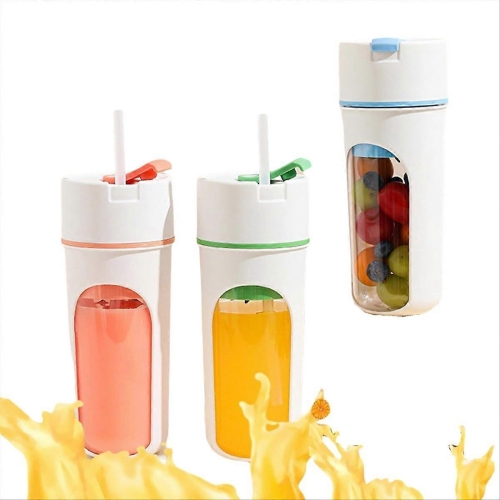
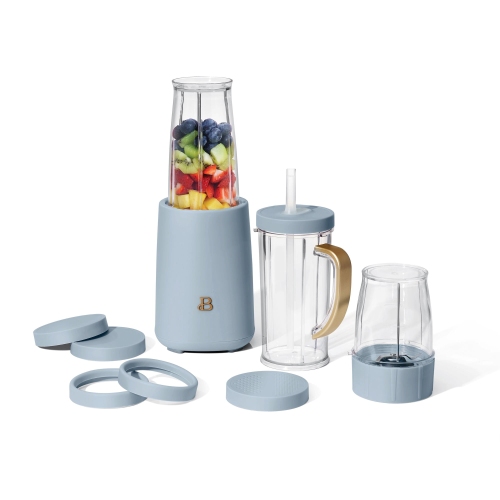
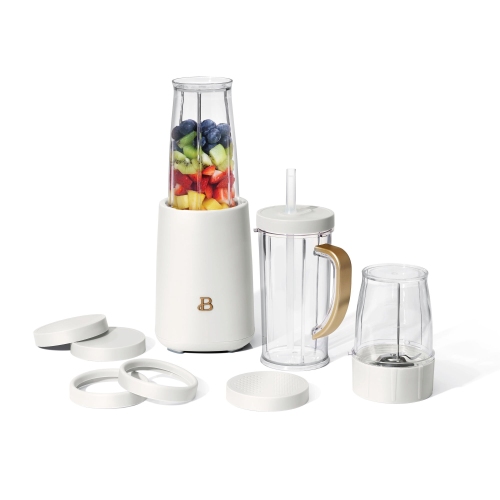
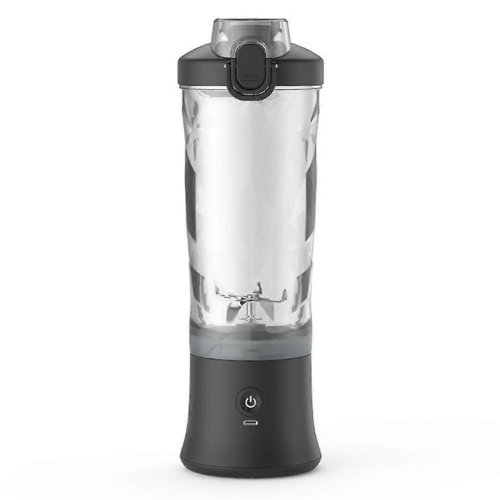
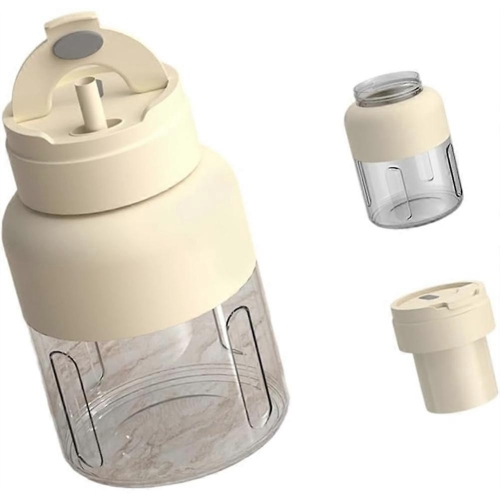
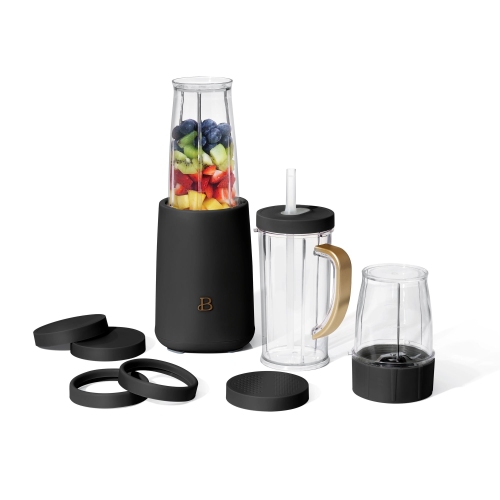
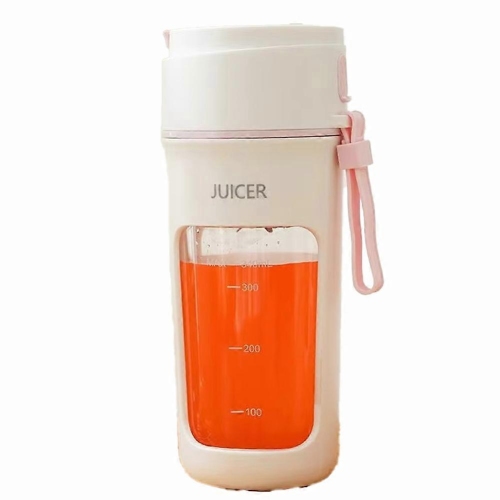
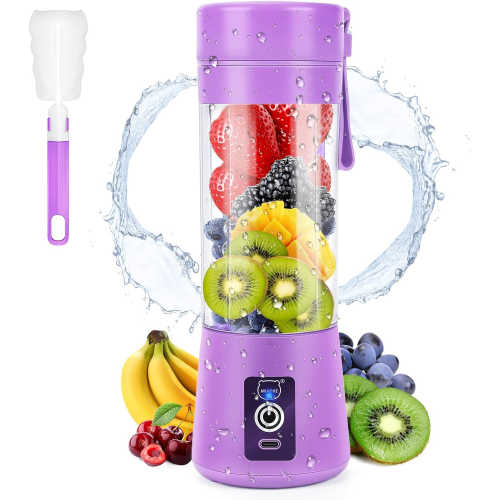
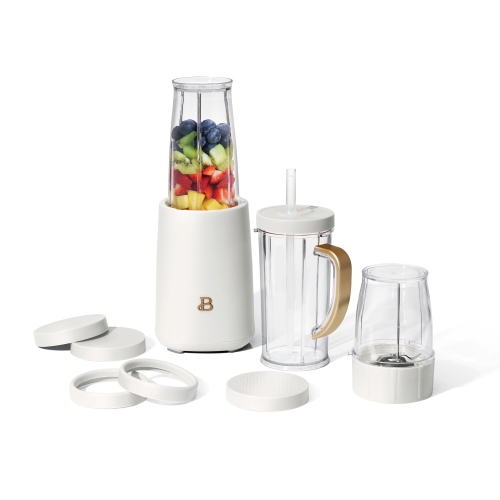
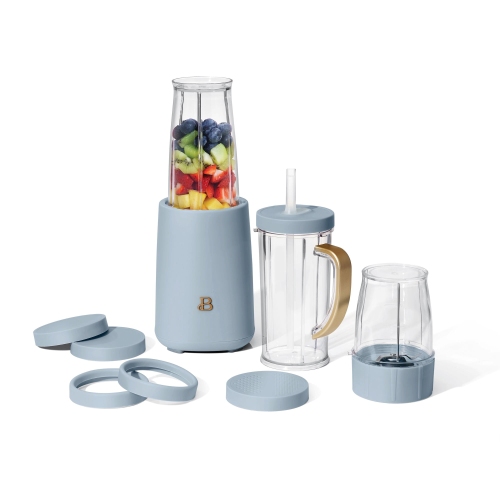
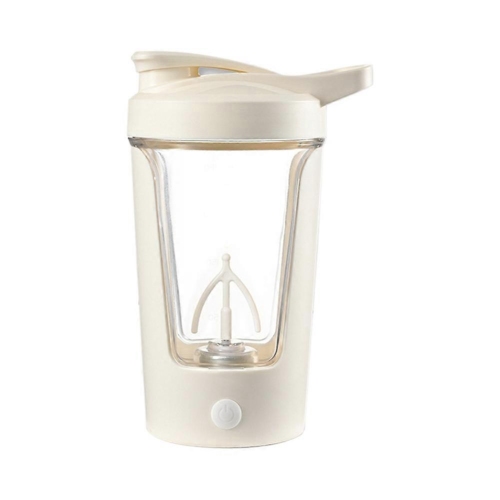
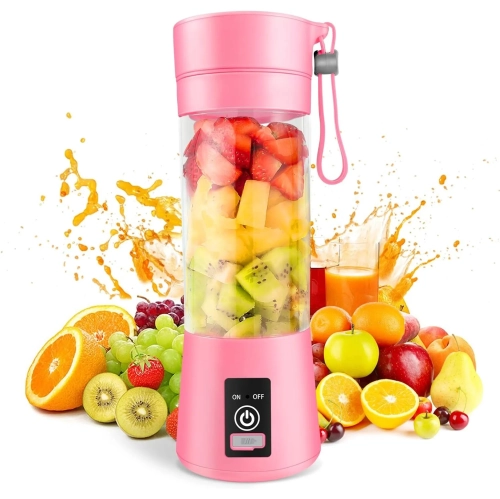
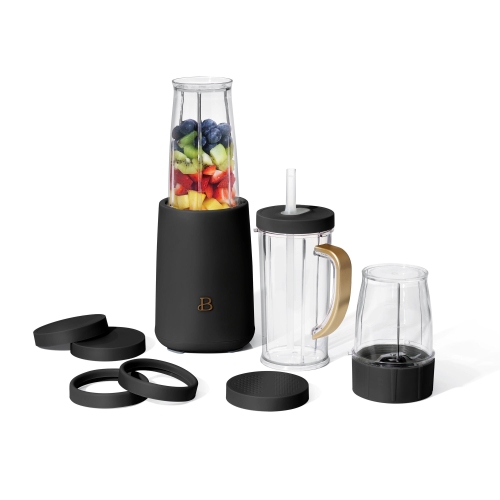
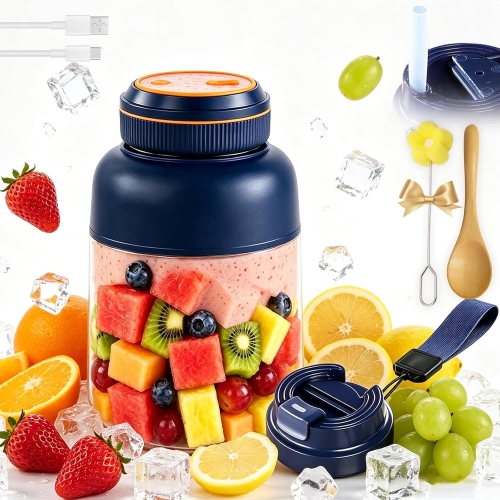
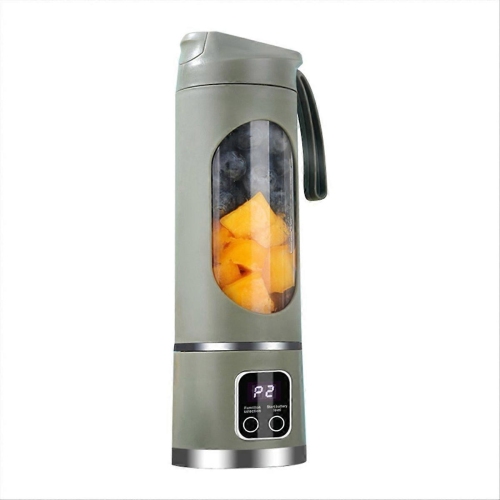
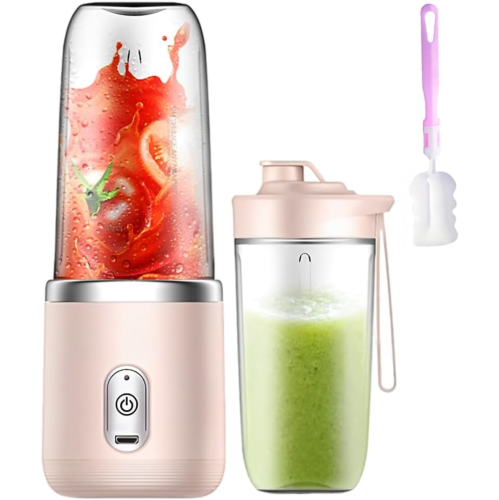
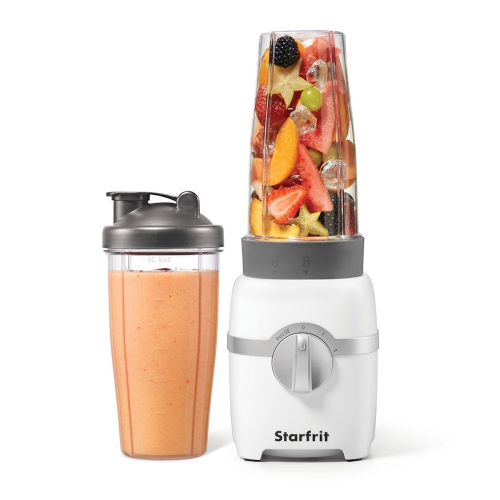
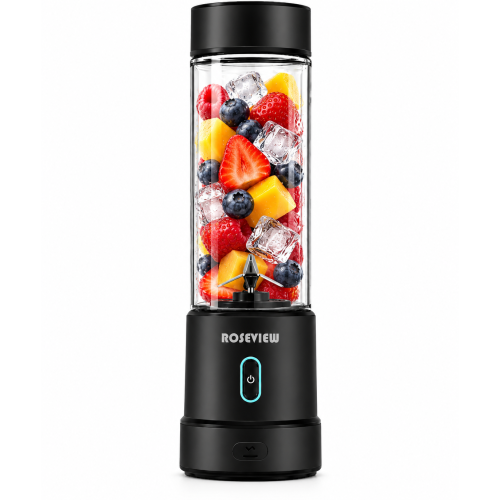

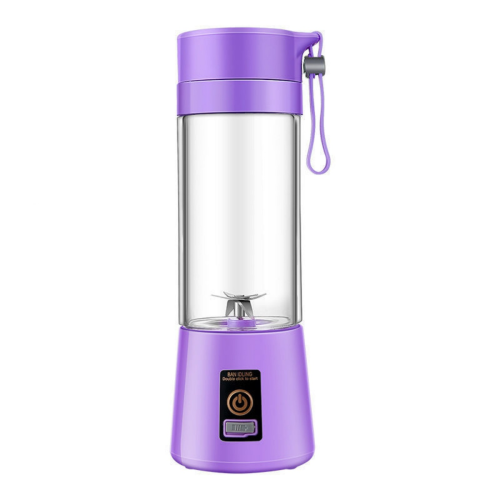

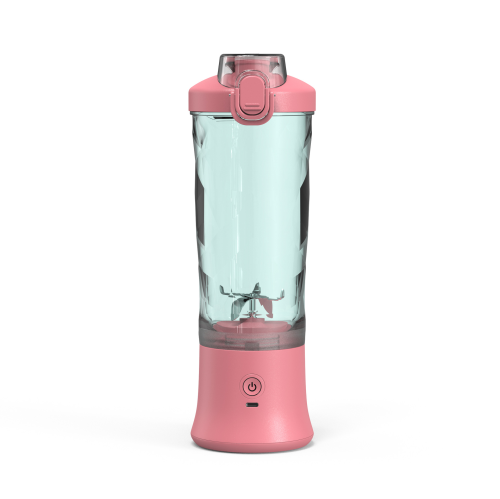
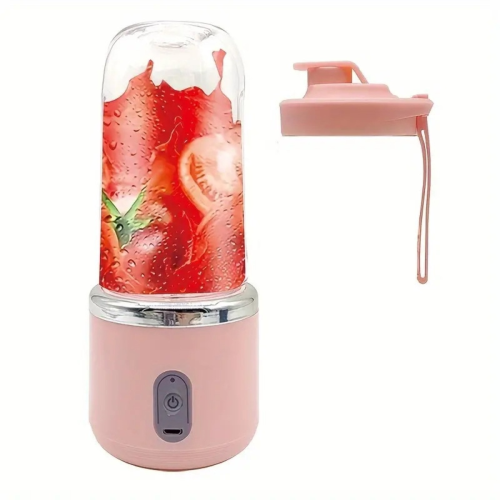
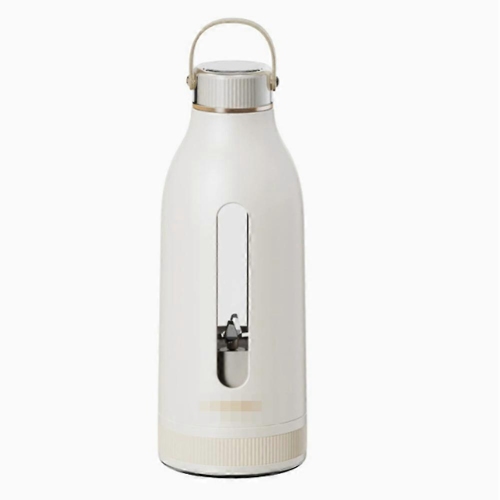
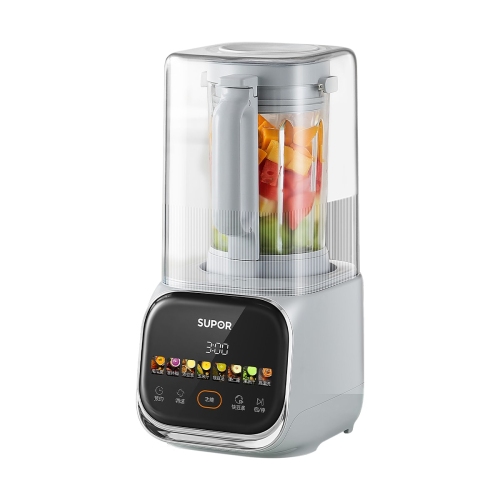
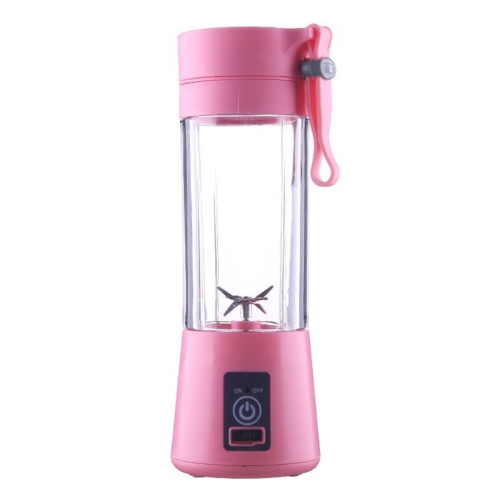

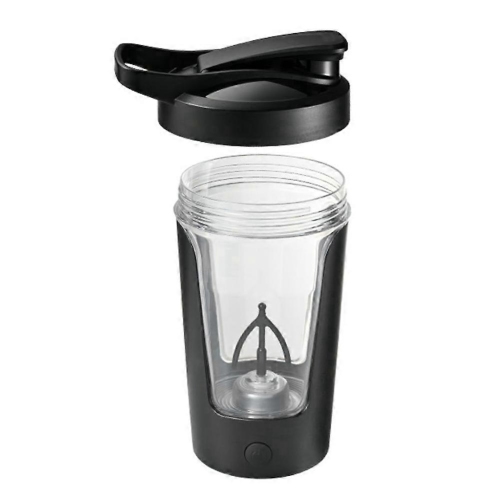
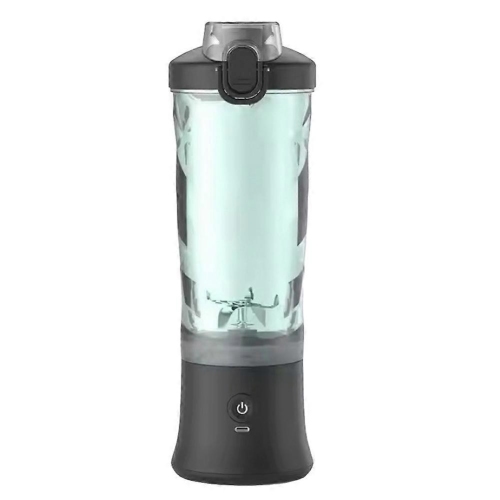
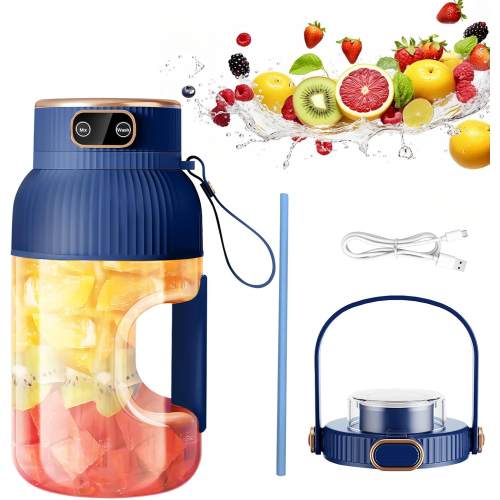


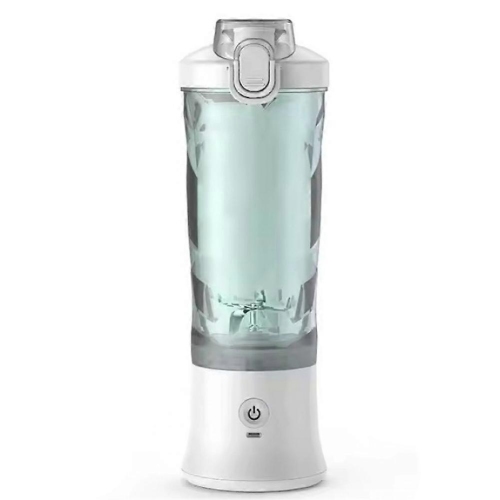


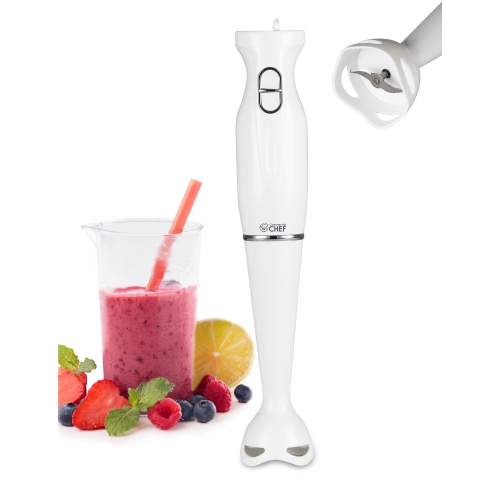
A splash of colour with practical blending options
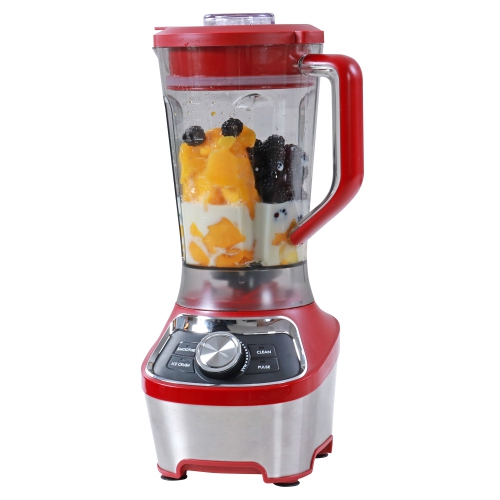
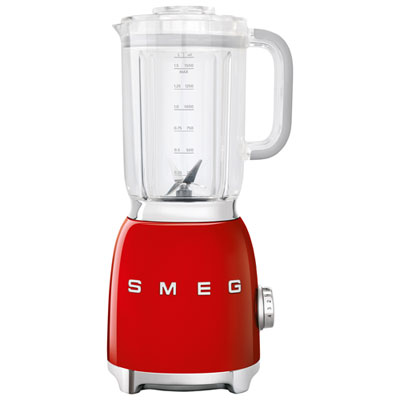
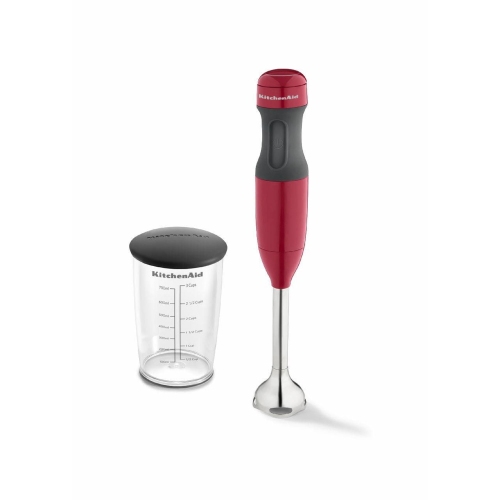
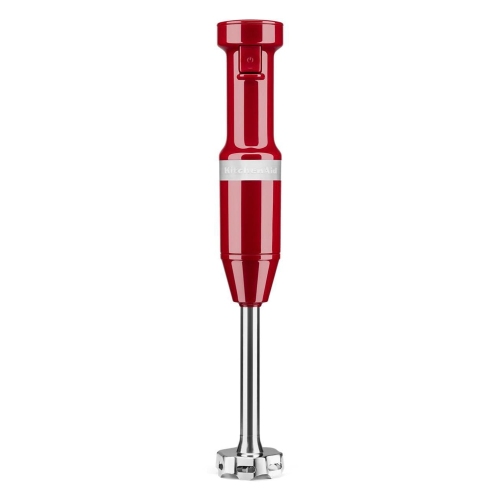
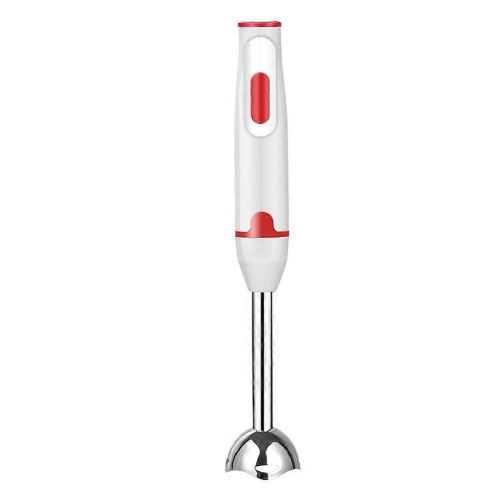
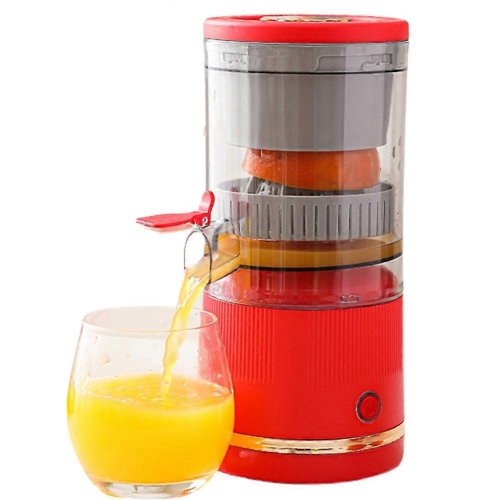
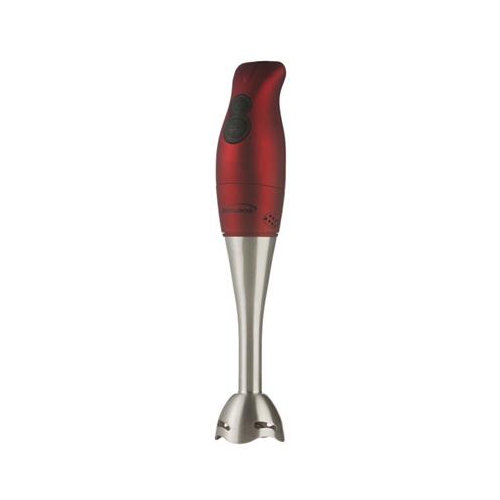
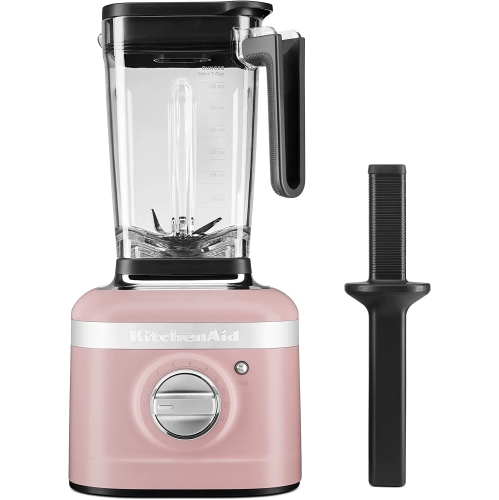
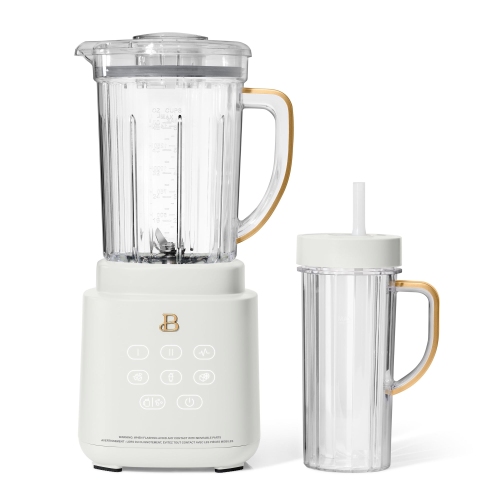
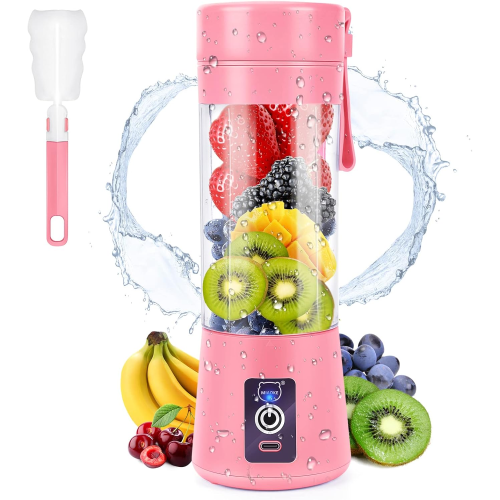
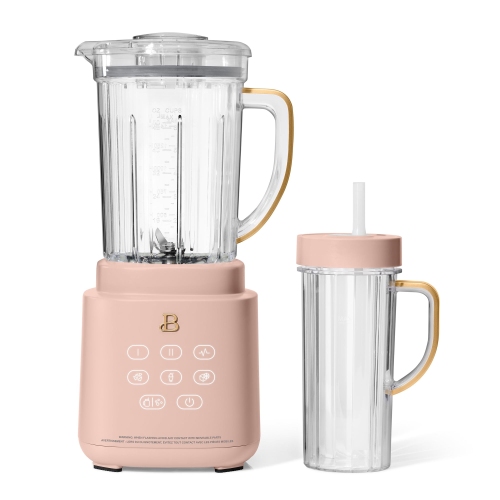
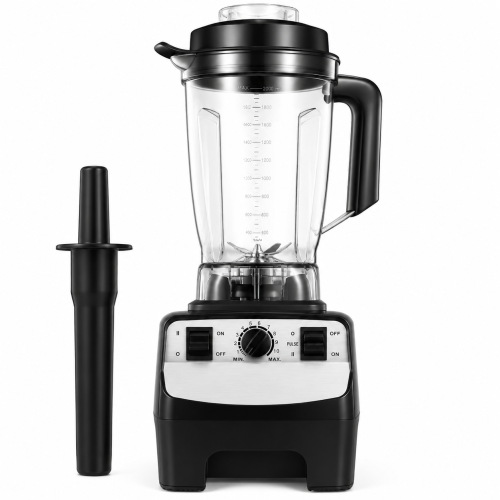
Red blenders combine everyday food preparation with a distinctive splash of colour, bringing anything from a bright cherry accent to a deep crimson finish to the kitchen counter. The category includes countertop blenders for jug-sized batches, personal blenders for smaller portions, and handheld immersion blenders for working directly in a suitable pot or tall container. Each format serves a different routine: a countertop model can handle smoothies for several people, a personal blender suits a single breakfast shake, and an immersion blender makes it easier to turn cooked vegetables into a smooth soup without transferring the entire batch. Colour gives these practical appliances another role in the kitchen, particularly when they stay out between uses. A glossy red base can stand out against pale cabinetry, while a darker red finish can sit comfortably alongside wood, stainless steel, or black accessories. Shades and surface finishes differ, so appliances described as red may not match one another exactly. Shoppers considering a lighter contrast can also explore White Blenders for a more understated countertop accent. Beyond appearance, the most useful format depends on portion size, storage space, and the foods being prepared. A large jug offers room for family breakfasts or sauces made in batches, but a smaller vessel may work better for a single serving because ingredients can stay closer to the blades. Personal blending cups can simplify the trip from kitchen to desk when they include a suitable drinking lid, although not every cup is intended for travel. Handheld designs take up less cupboard space and can be convenient for cooks who frequently prepare soups, dressings, and soft purées. For any format, the usable capacity and maximum fill markings matter more than the apparent size of the container, especially with mixtures that expand or foam during blending. A secure lid, comfortable handle, and well-shaped pouring spout also make a noticeable difference when serving a thick smoothie or transferring sauce into a narrow storage container.
Blending performance depends on the whole appliance rather than motor wattage alone. Blade design, jug shape, speed control, and the way ingredients circulate all influence the finished texture. Soft berries and yoghurt place different demands on a blender than ice cubes, frozen fruit, fibrous greens, or thick mixtures. For a smooth breakfast drink with frozen ingredients, a model specifically designed for that task is a better fit than one intended mainly for soft foods and liquids. Ice crushing, nut butter preparation, and milling dry ingredients should only be attempted when the manufacturer identifies them as supported uses. A higher power rating does not automatically mean every attachment can perform the same jobs. Variable speeds offer control over texture, while a pulse function can help with short bursts of blending when a sauce needs to retain some body. Preset programmes can make repeated tasks more convenient, but manual controls remain useful when ingredients vary in ripeness, size, or moisture content. Thick blends may require a compatible tamper, where supplied, to help move food towards the blades; ordinary utensils should never enter a running blender. For immersion blenders, a comfortable grip and accessible controls are particularly valuable when blending a larger pot of soup. A removable shaft can make cleaning and storage easier, and an appropriate pan guard may help protect compatible cookware when used as directed. Hot food requires special attention with every blender style. Only containers and lids expressly designed for hot blending should be used for that purpose, and sealed personal cups should not be used for hot liquids unless the manufacturer explicitly permits it. An immersion blender can reduce the need to lift a heavy pot, but the blending head still needs adequate depth and clearance to limit splashing. Countertop fit deserves similar attention: clearance beneath cupboards, space to remove the lid, proximity to an outlet, and enough room for the jug handle can determine whether a blender feels convenient in daily use or awkward to reach.
Materials and care influence how a red blender looks and performs over time. Jugs may be made from glass or food-contact plastic, with different advantages for handling and upkeep. Glass generally resists staining and odours well, but it is heavier and can break if dropped or exposed to conditions outside its intended use. Plastic containers are often lighter to lift and pour, though abrasive cleaning tools can leave scratches. Neither material should be assumed suitable for hot ingredients simply because it feels sturdy. Stainless steel is commonly used for blades and immersion shafts, while bases and exterior housings may use plastic, metal, or a combination of both. The red colour may come from the housing material itself or from a surface finish, so gentle cleaning helps preserve its appearance. A soft, damp cloth is usually appropriate for wiping the exterior, subject to the care instructions, and motor units should never be submerged. Removable parts vary in dishwasher compatibility; lids, seals, blade assemblies, and cups may each have different requirements. Prompt rinsing after a berry smoothie or tomato sauce can make residue easier to remove before it dries around the lid or beneath the blades. Where a cleaning cycle is supported, it can loosen food residue, but it does not replace any disassembly or washing specified by the manufacturer. Durability also depends on respecting run-time limits, using the required amount of liquid, and avoiding loads the appliance was not designed to process. Accessible replacement seals, compatible containers, and clear warranty terms are worth considering for an appliance expected to see frequent use. Red blenders can make thoughtful housewarming or wedding gifts when the recipient enjoys cooking and welcomes a colourful appliance. A compact design may suit someone furnishing a first kitchen, while a larger countertop format can serve a household that regularly prepares several portions. Matching the blender to those everyday habits gives its bold colour a practical purpose, whether it becomes part of a morning smoothie routine or a dependable helper for homemade soups and sauces.
Top selling and popular products
-
 Your price for this item is $744.71
-
 Your price for this item is $684.88
-
 Your price for this item is $325
-
 Your price for this item is $543.42
-
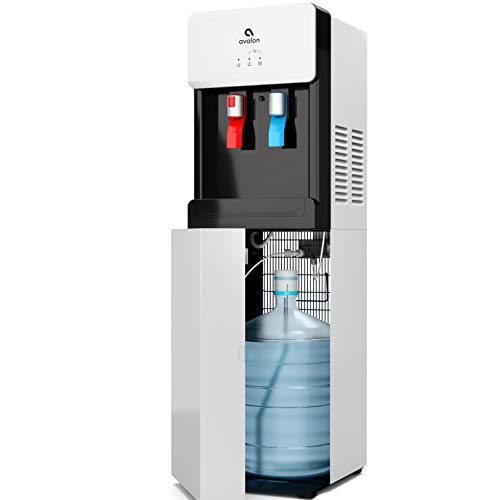 Your price for this item is $550
-
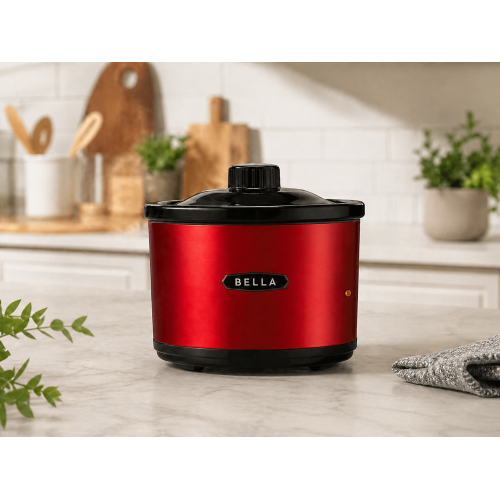 Your price for this item is $69.99
-
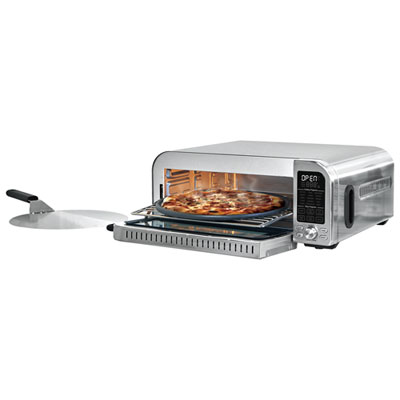 Your price for this item is $449.99
-
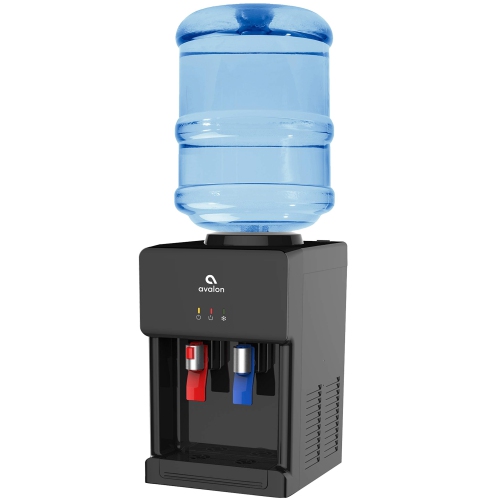 Your price for this item is $245.68
Discover more categories related to Red Blenders


Top Collections:
Pokemon Centers, Best Cameras for Sports Photography, Kindle Devices, Samsung Galaxy Phones, Canon G7X Cameras, Pokémon 30th Celebration Cards, Refurbished Apple Laptops, iPhone 15 Apple, Laptops for Students, Budget Smartphones
Some products may be subject to Environmental Handling Fees
(EHF) depending on your province.
Learn more about EHFs.