Bread Makers for Homemade Bread
Bread makers for homemade bread bring the joy of fresh, warm loaves right to your kitchen. Perfect for any home baker, these appliances make it easy to enjoy delicious bread whenever you like. Whether you’re looking to create classic white bread or experiment with new recipes, bread makers for homemade bread offer a convenient way to achieve bakery-quality results at home. Explore a range of options designed to suit every baking style and skill level, and discover how simple it can be to fill your home with the aroma of freshly baked bread.
Sort
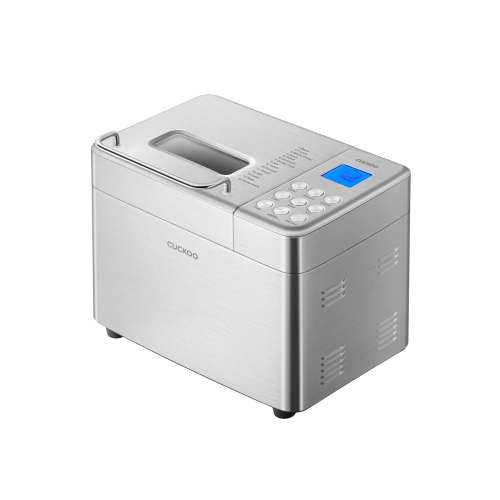

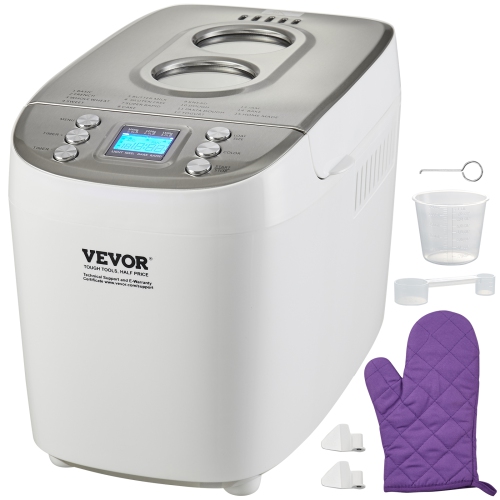
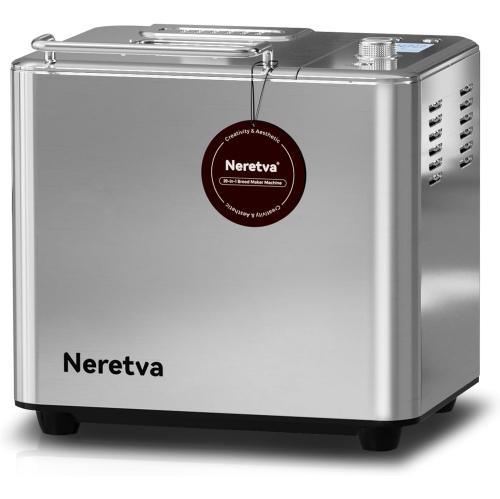
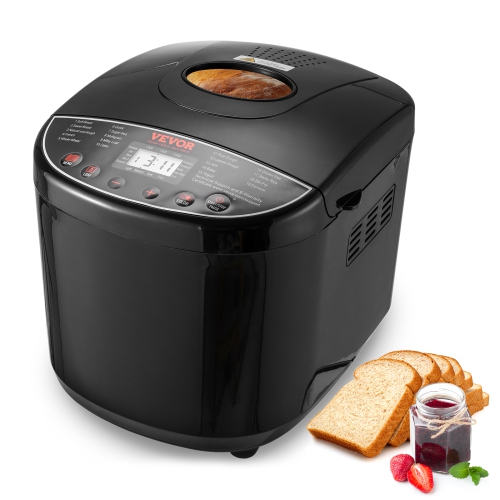
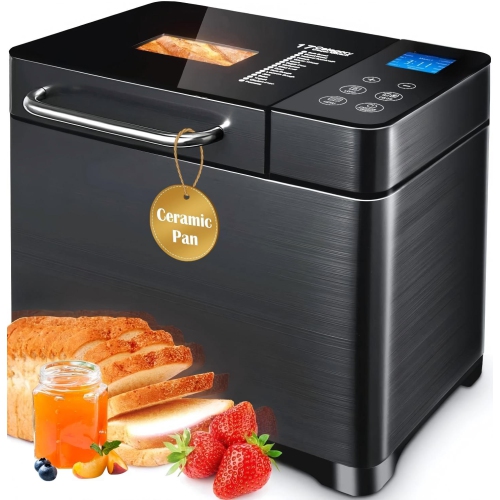
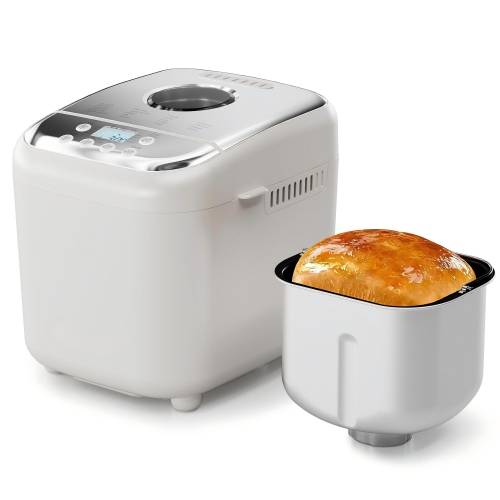
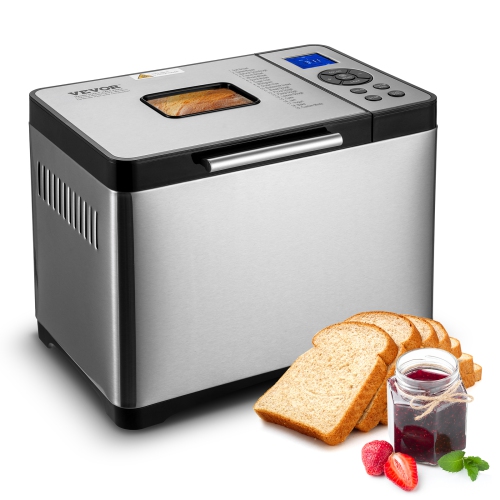
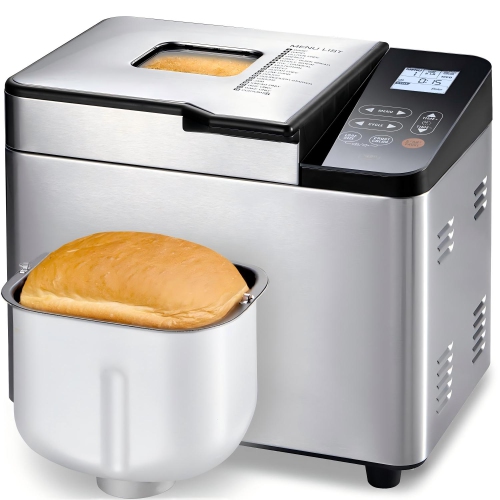

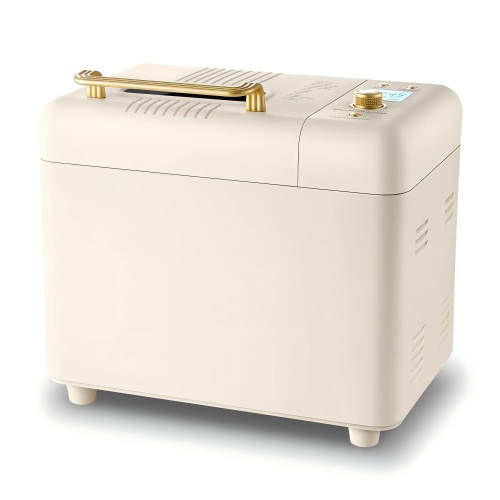
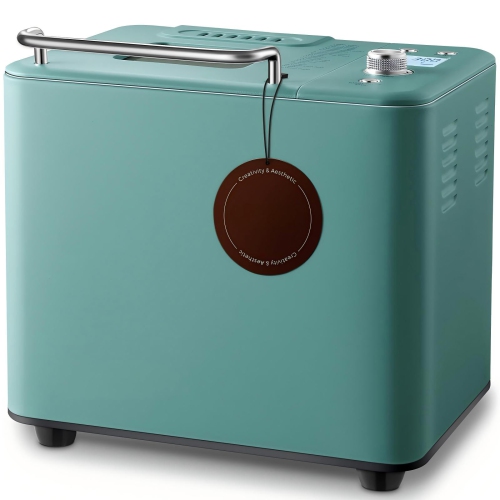
Fresh loaves with less hands-on preparation
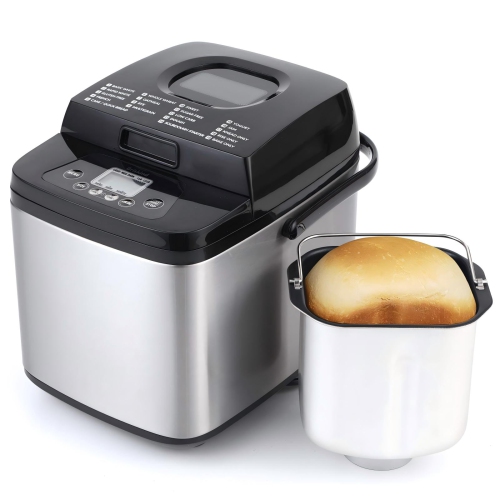
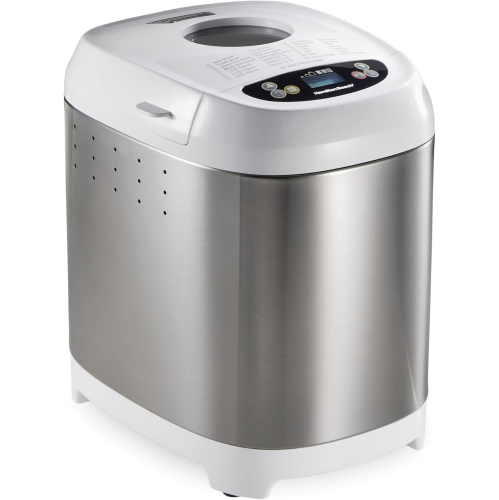
Bread makers for homemade bread combine mixing, kneading, rising, and baking in one countertop appliance, turning measured ingredients into a loaf with less hands-on preparation. Breadmakers suit a range of everyday routines, from preparing sandwich bread for packed lunches to making a smaller loaf for a household that prefers to finish bread while it is fresh. The most useful differences between machines are loaf capacity, the quality and consistency of their baking results, the programs they offer, and how comfortably they fit into the kitchen. A larger capacity can suit families or frequent entertaining, while a compact machine may make more sense for one or two people. Capacity usually refers to the finished loaf weight rather than the amount of flour, and selectable loaf sizes only work within the machine’s supported range. Loaf shape also matters: a tall, upright loaf produces different slices from a longer, more traditional shape, which can affect how neatly bread fits into a toaster or sandwich container. Crust settings commonly offer lighter or darker results, but crust colour and texture also depend on the recipe, ingredients, and baking cycle. Someone who enjoys a soft sandwich loaf may value different results from someone who prefers a firmer crust for toast. Clear controls, an easy-to-read display, and straightforward program selection make regular use more comfortable, particularly when baking becomes part of a busy household routine. A viewing window can make it easier to follow the loaf’s progress without opening the lid, although not every machine includes one. Countertop fit deserves attention beyond the appliance’s footprint: the lid needs room to open, and the machine needs the clearance specified by its manufacturer. Weight is another practical consideration for anyone who plans to move it between a cupboard and the counter. A bread maker that is comfortable to lift, fill, and store is more likely to become a familiar kitchen tool than an appliance reserved for occasional use.
Program options help determine whether a bread maker is mainly an everyday loaf machine or a more flexible companion for different recipes. Basic white bread, whole wheat, sweet bread, and dough settings accommodate different mixtures and preparation times, though the exact selection varies. Whole wheat dough often benefits from a program designed around its absorption and rising needs, while enriched dough containing ingredients such as butter or eggs behaves differently from a simple flour-and-water mixture. A dedicated gluten-free setting can be useful for recipes that need a different mixing and rising sequence, but it does not make a shared machine free from gluten cross-contact. Households managing coeliac disease need appropriate ingredient handling and equipment practices as well as a suitable recipe. Dough-only programs broaden the possibilities without requiring the machine to bake every batch: pizza bases, dinner rolls, and shaped loaves can be mixed and kneaded before being finished separately. For sourdough, compatibility depends on the recipe and the flexibility of the machine’s timing; a standard bread cycle is not automatically suitable for a naturally fermented dough. Adjustable settings can be valuable to experienced bakers who want more control, while preset programs offer a simpler starting point for regular favourites. Mix-in alerts or automatic dispensers, where included, help introduce ingredients such as raisins, seeds, or nuts at an appropriate stage. These features are useful for variety, but they do not replace checking the recipe’s quantities and preparation requirements. Reliable results begin with accurate measurements, fresh yeast, and ingredients suited to the selected program. Bread flour often provides the strength needed for a well-supported loaf, while all-purpose flour works in recipes developed for it. Flour substitutions can change moisture needs and texture, so recipes written for bread machines provide a practical foundation. Delay-start functions can coordinate a loaf with a planned meal, but recipes containing perishable ingredients such as milk or eggs are generally unsuitable for sitting at room temperature through a delayed cycle. Rapid programs offer convenience, although their shorter preparation time can produce a different texture from a full-length cycle.
Materials, construction, and care influence how a bread maker feels to use over time. Exterior housings may combine plastic and metal, while removable baking pans commonly have a non-stick coating that helps release the finished loaf. The pan, kneading paddle, drive connection, and lid are worth considering alongside the control panel because these components are involved in every batch. A pan that locks securely into place and a paddle that is straightforward to remove make preparation and cleanup less awkward. Depending on the design, a machine may use one or more paddles, and a small opening in the bottom of the loaf is a normal result when a paddle remains in place during baking. Non-stick surfaces need gentle treatment: metal utensils and abrasive cleaning pads can damage the coating, while washing requirements vary by manufacturer. Removable parts should not be assumed to be dishwasher-safe, and the appliance body should not be immersed in water. Allowing the machine to cool before cleaning makes handling safer and helps prevent rushed scraping at baked-on dough. Keeping flour and crumbs away from moving parts and following the stated care directions supports dependable operation. Access to compatible replacement pans and paddles can also matter for long-term ownership, especially for a machine used several times a week. Freshly baked bread benefits from cooling on a rack before slicing, which allows steam to escape and helps the crumb set rather than compress under the knife. Once cooled, storage suited to the recipe helps preserve texture, and freezing individual slices can make a larger loaf easier to use gradually. For regular home bakers, the appeal is the combination of repeatable preparation and room to experiment with familiar ingredients. For a beginner, a manageable capacity and clear controls may be more useful than a long list of specialised settings. Bread makers can also be thoughtful housewarming or wedding gifts for people who enjoy baking, provided there is enough kitchen space and genuine interest in using one. The strongest fit is an appliance whose capacity, programs, handling, and care requirements match the bread a household actually enjoys eating.
Top selling and popular products
-
 Your price for this item is $199.97
-
 Your price for this item is $119.99
-
 Your price for this item is $399.99
-
 Your price for this item is $900
-
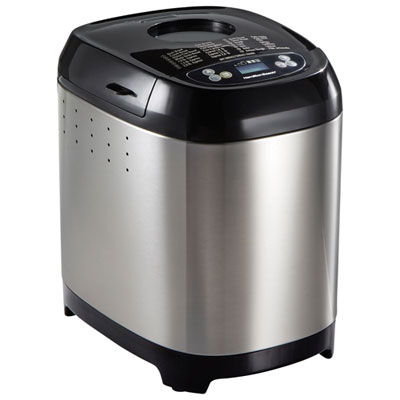 Your price for this item is $163.99
-
 Your price for this item is $143.31
-
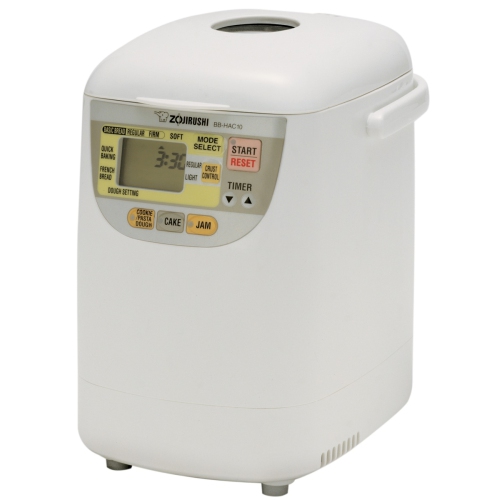 Your price for this item is $747.99
-
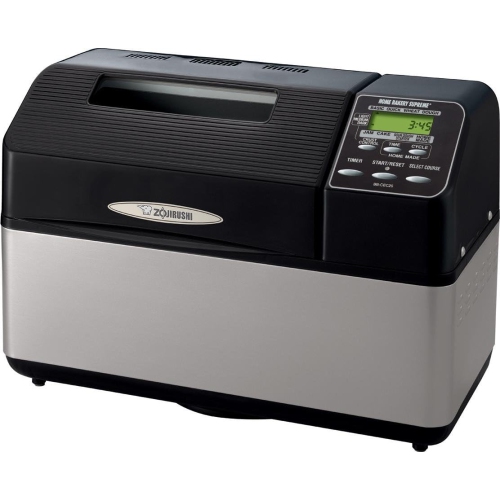 Your price for this item is $994.99
Discover more categories related to Bread Makers for Homemade Bread
Top Collections:
Best Black Friday Deals This Year, Best Black Friday Deals On Electronics, Kindle Devices, Pokemon Centers, Best Black Friday Deals On Apple Products, Best Cameras for Sports Photography, Dyson Airwrap, Pokémon 30th Celebration Cards, Apple iPhone 17 Pro, Canon G7X Cameras
Some products may be subject to Environmental Handling Fees
(EHF) depending on your province.
Learn more about EHFs.