Built-In Refrigerators
A built-in refrigerator is a great option for an upgraded kitchen. This refrigerator can provide a sleek and modern look, as well as extra storage space. Browse the top-ranked list of built-in refrigerators below along with associated reviews and opinions.
Sort
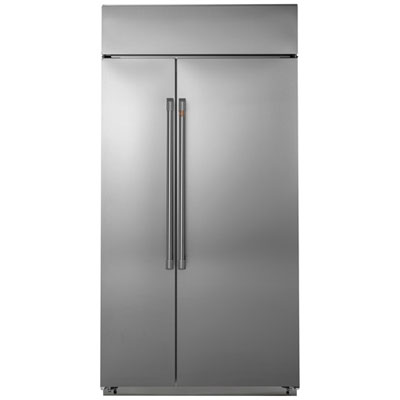
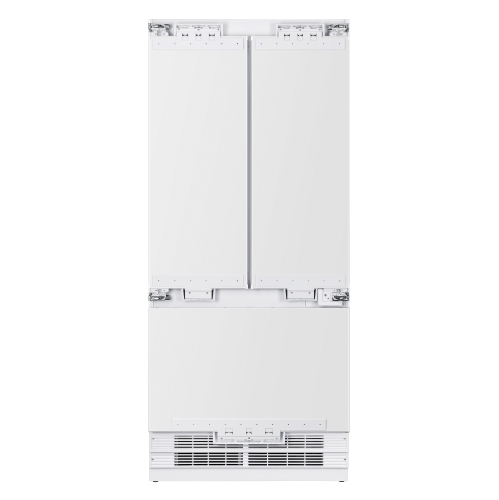
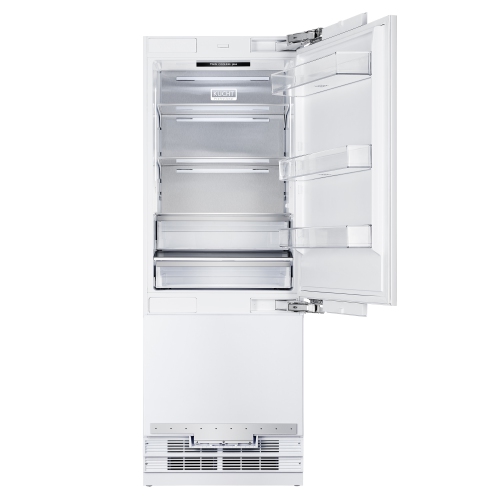
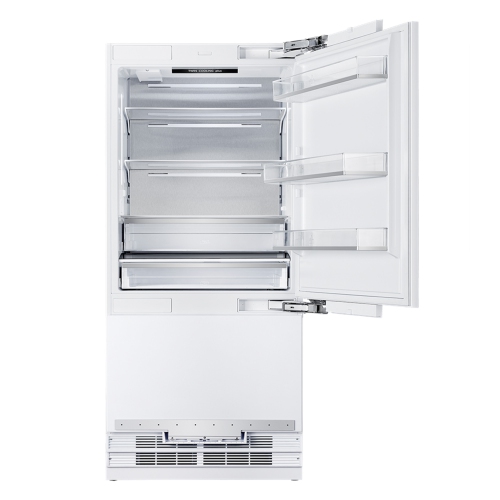
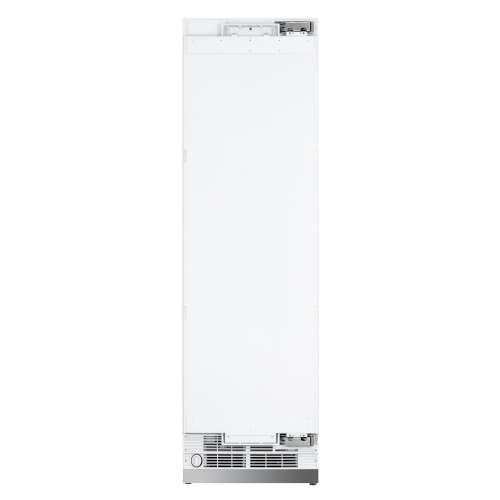
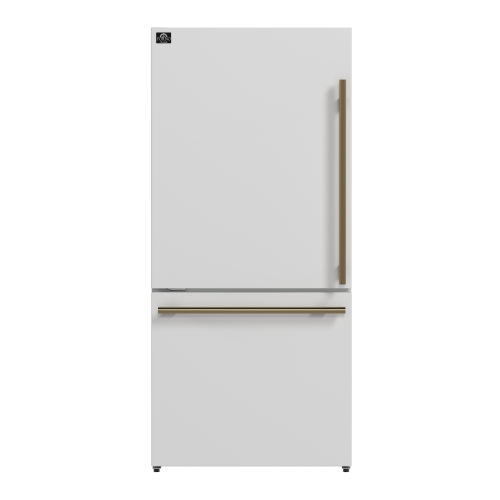
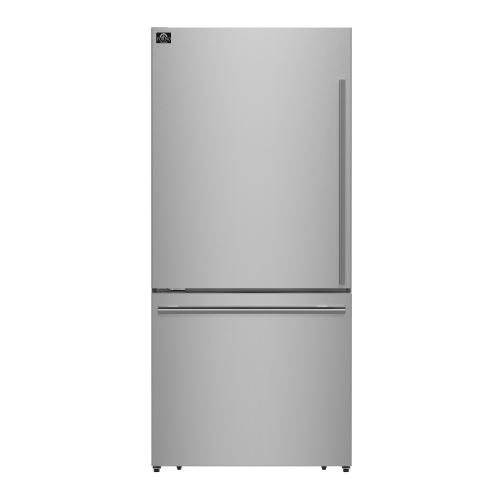
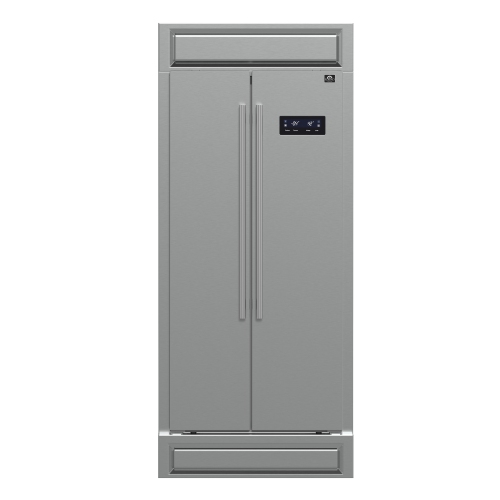
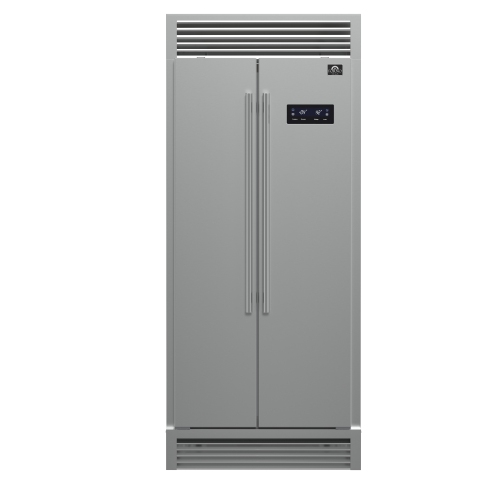


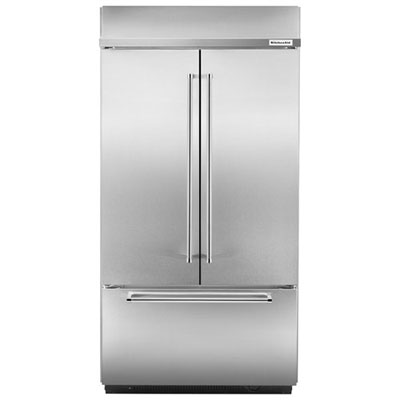
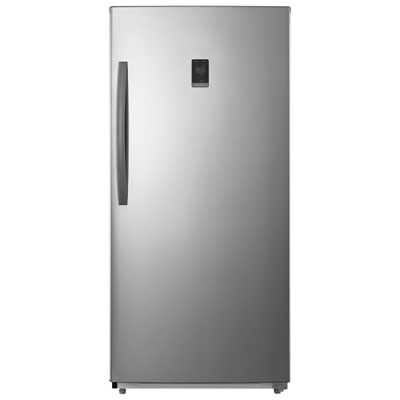
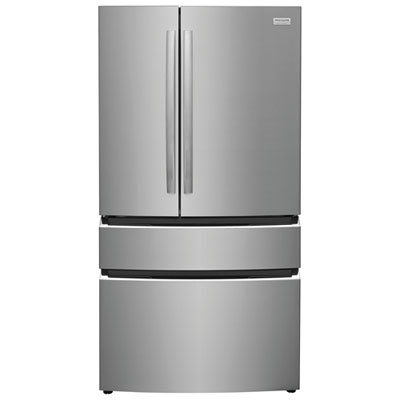
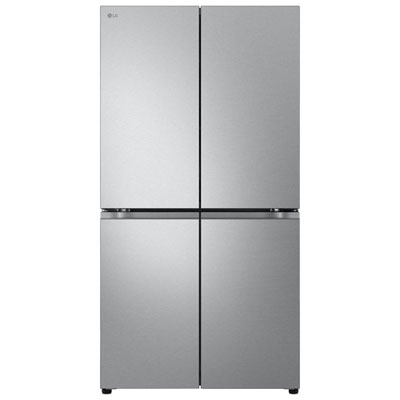
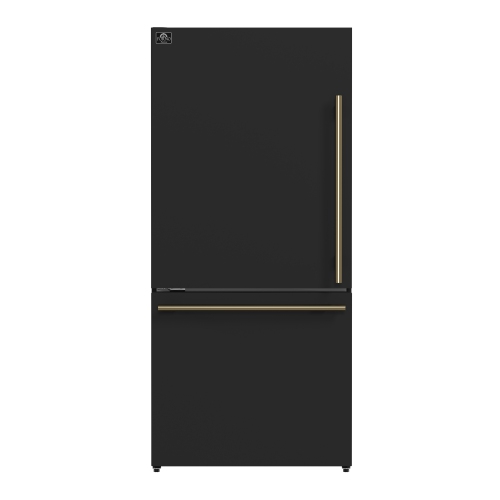
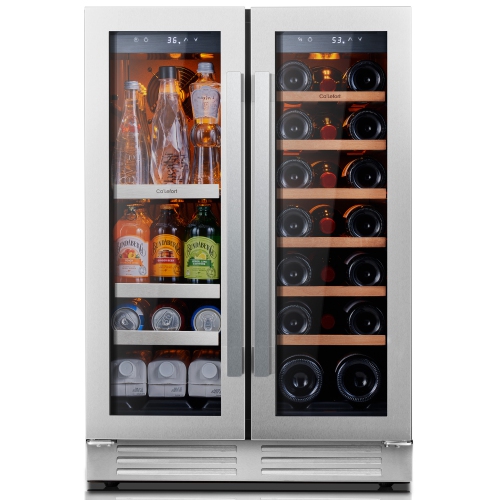
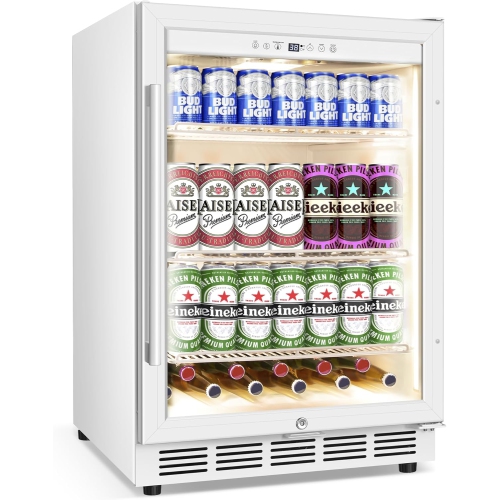
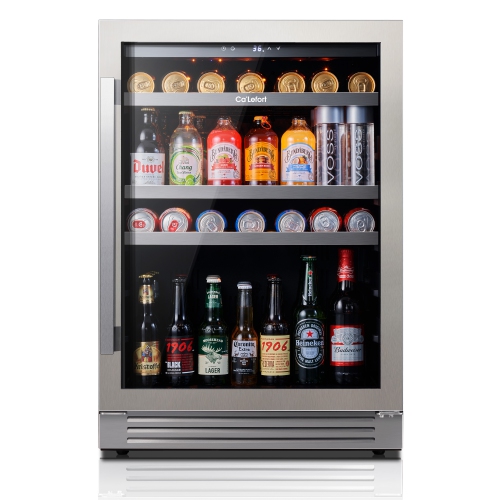
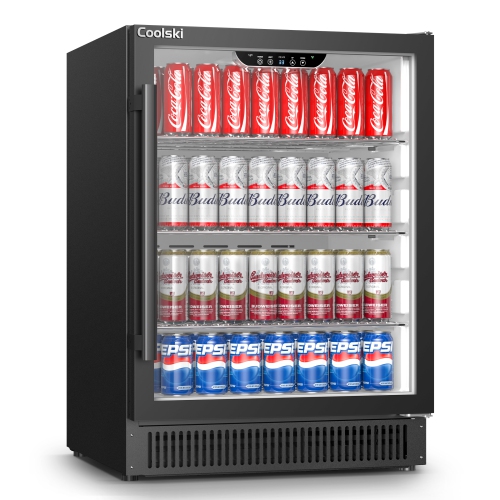
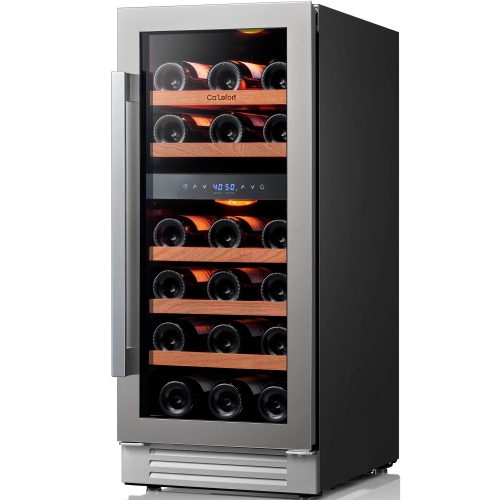
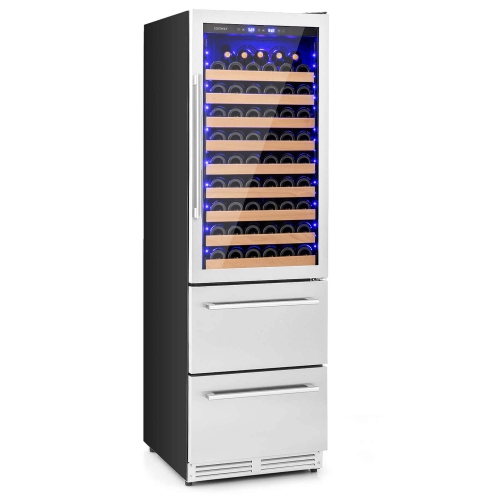
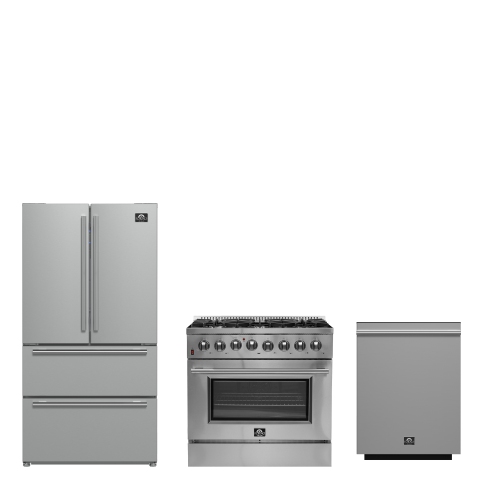
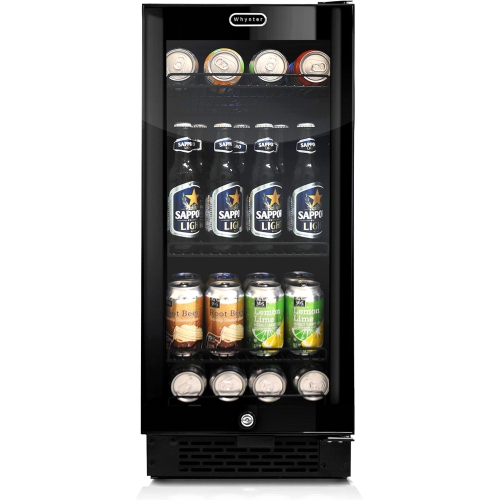
A tailored fit for organized, polished kitchen storage
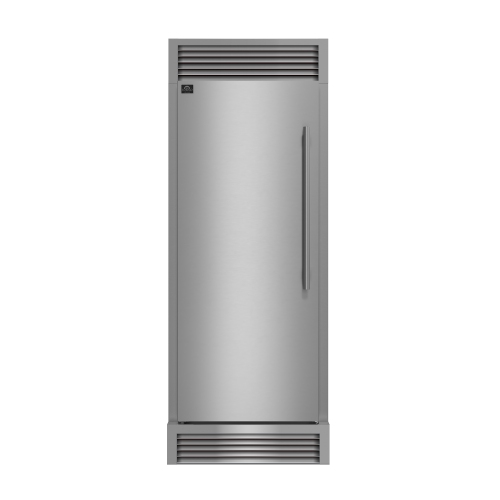
Built-in refrigerators are designed for kitchens where appearance, proportion, and day-to-day organization matter just as much as cold storage. Unlike a standard refrigerator that may extend beyond the countertop, a built-in model is typically shallower and installed to sit nearly flush with surrounding cabinetry, creating a clean, tailored look from wall to wall. Many are approximately 24 inches deep, with taller cabinet heights and widths commonly ranging from 30 to 48 inches, although exact dimensions vary by model. This style can make a kitchen feel more intentional, especially when paired with full-height cabinetry, a large island, and carefully planned lighting. Built-in refrigerators are available with visible stainless steel finishes for a professional kitchen appearance, as well as panel-ready designs that accept custom cabinet panels. A panel-ready refrigerator can blend into the room so thoroughly that the appliance almost disappears behind the same doors and hardware used throughout the kitchen, while a stainless steel finish makes the refrigerator a deliberate focal point. Because these appliances are made for a precise installation, measuring should take place before browsing features. Check the opening width, height, and depth, and account for nearby walls, cabinet fillers, handles, hinges, and the space needed to open both doors and drawers comfortably. Also confirm the location of water lines, electrical connections, and ventilation requirements. A refrigerator can fit within an opening on paper but still feel cramped if a door cannot swing wide enough to clear an island or if drawers cannot be pulled out fully.
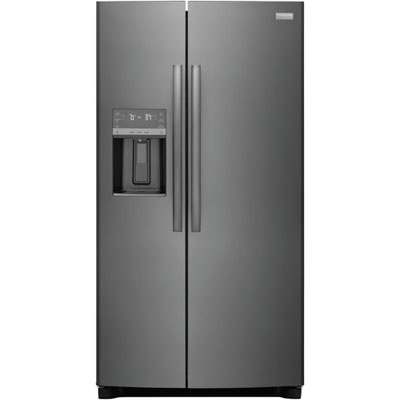
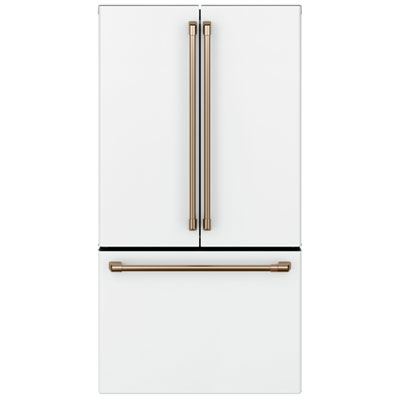
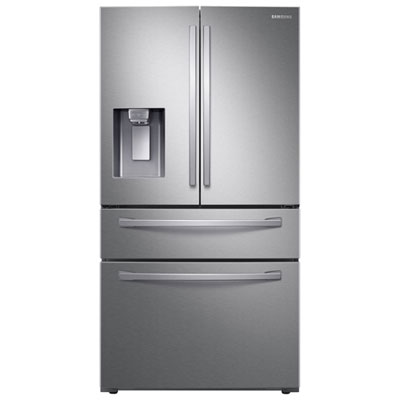
When comparing built-in refrigerators, consider how your household actually shops, cooks, and stores food. A wide French-door configuration can make it easier to see serving platters, produce drawers, and frequently used ingredients at eye level, while a side-by-side layout keeps fresh and frozen foods organized in tall vertical compartments. Some models place the freezer below the refrigerator section, which can be convenient for households that reach for fresh ingredients more often than frozen food. Interior capacity may be more modest than that of a freestanding refrigerator with similar exterior dimensions because built-in construction, insulation, and shallower depth affect usable space. That is not necessarily a drawback, especially for cooks who prefer a tidy refrigerator and shop several times a week, but it is worth considering if you regularly store large beverage containers, oversized baking trays, bulk groceries, or multiple prepared meals. Adjustable shelves, strong door bins, full-width drawers, humidity-controlled crispers, interior lighting, and dedicated compartments can make a noticeable difference during a busy week. A well-arranged refrigerator should let you spot berries before they are hidden behind condiments, keep deli ingredients together for quick lunches, and leave enough room for a casserole cooling after dinner. Look closely at shelf placement and drawer dimensions rather than relying only on the total cubic-foot rating. Families may appreciate generous fresh-food storage and easy access for children, while frequent hosts may prefer broad shelves that accommodate serving dishes and pitchers. For a coordinated kitchen renovation, it may also be useful to compare built-in options with Integrated Refrigerators, particularly when the goal is a near-invisible appliance front that follows the cabinetry.
Built-in refrigerators are often selected as part of a larger kitchen project rather than as a quick replacement, so installation planning deserves as much attention as finish and storage. These units can be taller, heavier, and more specialized than standard refrigerators, and professional installation is generally recommended to ensure proper levelling, connection, ventilation, door alignment, and panel fitting. If a panel-ready model is being considered, have the cabinetmaker or installer confirm the panel thickness, weight, hinge clearance, and handle placement before the cabinetry is finalized. A top-mounted compressor may contribute to the appliance’s taller profile, which makes the finished opening especially important to measure. It is also wise to check delivery access through doorways, hallways, stairwells, and elevators, since a refrigerator that fits the kitchen may not fit the route leading to it. Built-in models are a significant investment, often costing several thousand dollars and potentially reaching $15,000 or more depending on size, configuration, finish, and features, so compare the complete installation plan rather than the appliance alone. These refrigerators can suit homeowners creating a custom kitchen, families who want a polished built-in appearance, and hosts who need a well-organized centre for everyday meals and entertaining during both warm gatherings and cooler months indoors. They can also be a thoughtful housewarming or renovation gift when the recipient has already chosen the kitchen layout, although measurements, finish preferences, and installation details make this a purchase best planned with the homeowner. With the right opening, configuration, and interior layout, a built-in refrigerator can provide dependable food storage while helping the entire kitchen feel balanced, comfortable, and purposefully designed.
When comparing built-in refrigerators, consider how your household actually shops, cooks, and stores food. A wide French-door configuration can make it easier to see serving platters, produce drawers, and frequently used ingredients at eye level, while a side-by-side layout keeps fresh and frozen foods organized in tall vertical compartments. Some models place the freezer below the refrigerator section, which can be convenient for households that reach for fresh ingredients more often than frozen food. Interior capacity may be more modest than that of a freestanding refrigerator with similar exterior dimensions because built-in construction, insulation, and shallower depth affect usable space. That is not necessarily a drawback, especially for cooks who prefer a tidy refrigerator and shop several times a week, but it is worth considering if you regularly store large beverage containers, oversized baking trays, bulk groceries, or multiple prepared meals. Adjustable shelves, strong door bins, full-width drawers, humidity-controlled crispers, interior lighting, and dedicated compartments can make a noticeable difference during a busy week. A well-arranged refrigerator should let you spot berries before they are hidden behind condiments, keep deli ingredients together for quick lunches, and leave enough room for a casserole cooling after dinner. Look closely at shelf placement and drawer dimensions rather than relying only on the total cubic-foot rating. Families may appreciate generous fresh-food storage and easy access for children, while frequent hosts may prefer broad shelves that accommodate serving dishes and pitchers. For a coordinated kitchen renovation, it may also be useful to compare built-in options with Integrated Refrigerators, particularly when the goal is a near-invisible appliance front that follows the cabinetry.
Built-in refrigerators are often selected as part of a larger kitchen project rather than as a quick replacement, so installation planning deserves as much attention as finish and storage. These units can be taller, heavier, and more specialized than standard refrigerators, and professional installation is generally recommended to ensure proper levelling, connection, ventilation, door alignment, and panel fitting. If a panel-ready model is being considered, have the cabinetmaker or installer confirm the panel thickness, weight, hinge clearance, and handle placement before the cabinetry is finalized. A top-mounted compressor may contribute to the appliance’s taller profile, which makes the finished opening especially important to measure. It is also wise to check delivery access through doorways, hallways, stairwells, and elevators, since a refrigerator that fits the kitchen may not fit the route leading to it. Built-in models are a significant investment, often costing several thousand dollars and potentially reaching $15,000 or more depending on size, configuration, finish, and features, so compare the complete installation plan rather than the appliance alone. These refrigerators can suit homeowners creating a custom kitchen, families who want a polished built-in appearance, and hosts who need a well-organized centre for everyday meals and entertaining during both warm gatherings and cooler months indoors. They can also be a thoughtful housewarming or renovation gift when the recipient has already chosen the kitchen layout, although measurements, finish preferences, and installation details make this a purchase best planned with the homeowner. With the right opening, configuration, and interior layout, a built-in refrigerator can provide dependable food storage while helping the entire kitchen feel balanced, comfortable, and purposefully designed.
Top selling and popular products
-
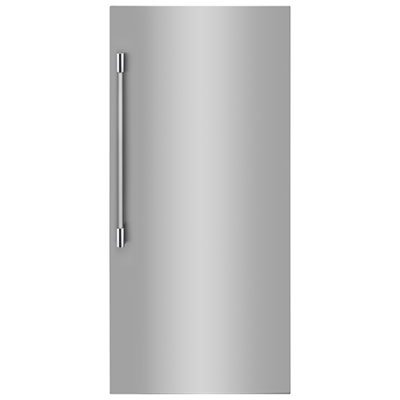 Your price for this item is $3699.99
 -
 Your price for this item is $7399.98
 -
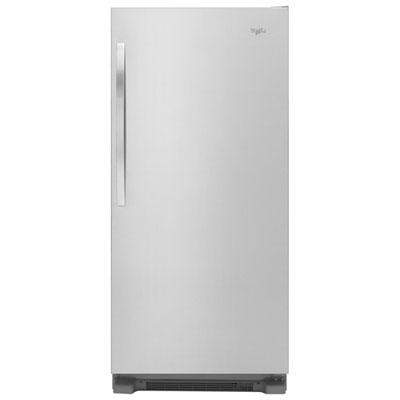 Your price for this item is $2049.99
 -
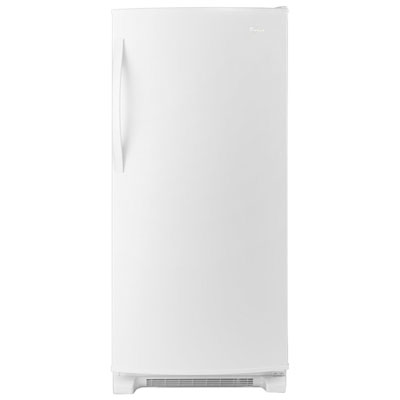 Your price for this item is $1899.99
 -
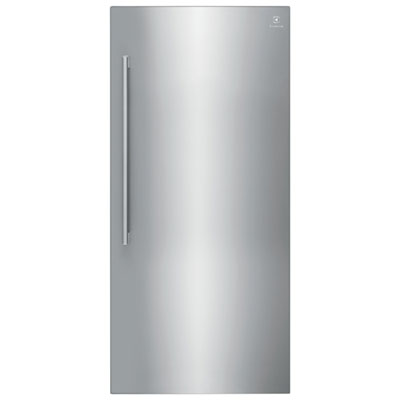 Your price for this item is $4599.99
 -
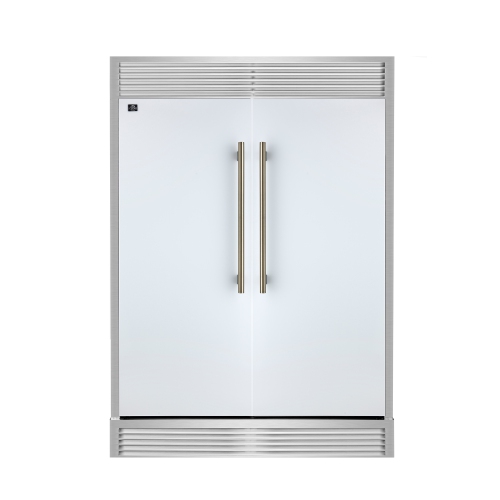 Your price for this item is $3599
 -
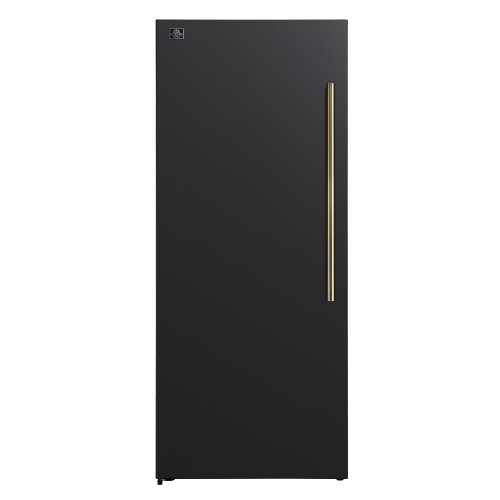 Your price for this item is $1599
 -
 Your price for this item is $1799
Discover more categories related to Built-In Refrigerators
Top Collections:
Pokemon Centers, Kindle Devices, Best Budget Office Chairs, Apple iPhones 16, Best Laptops for Writers, iPhone 15 Apple, Canon G7X Cameras, Refurbished Apple Laptops, Alarm Clock, Motorola Razr Phones
Some products may be subject to Environmental Handling Fees
(EHF) depending on your province.
Learn more about EHFs.