Built-In Refrigerators With Ice Maker
Upgrade your kitchen with a built-in refrigerator with ice maker, designed to seamlessly integrate into your space while offering reliable cooling and convenient ice production. These refrigerators provide a sleek, modern look that complements any decor and helps maximize your kitchen layout. Explore a variety of sizes, finishes, and configurations to find the perfect built-in refrigerator with ice maker that fits your lifestyle and enhances everyday convenience.
Sort
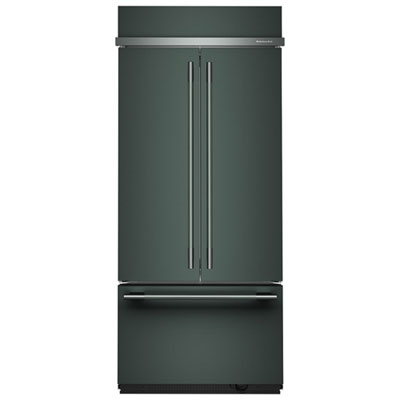
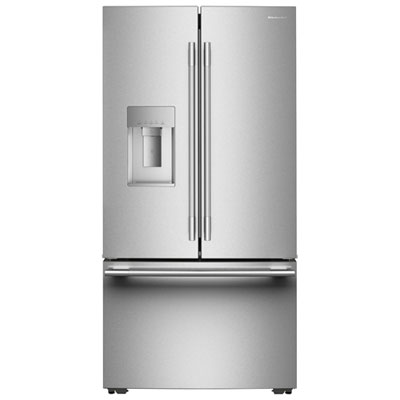
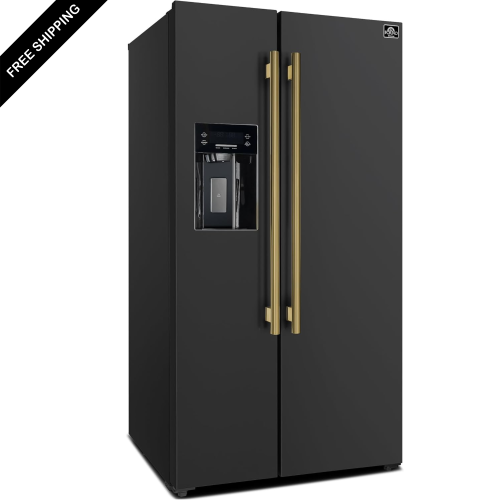
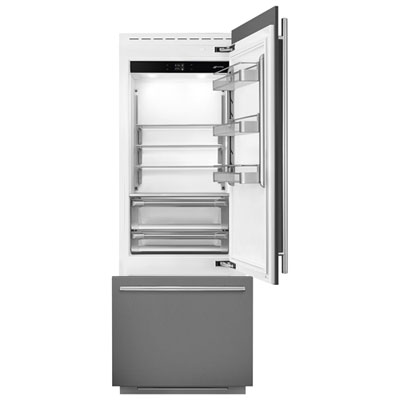
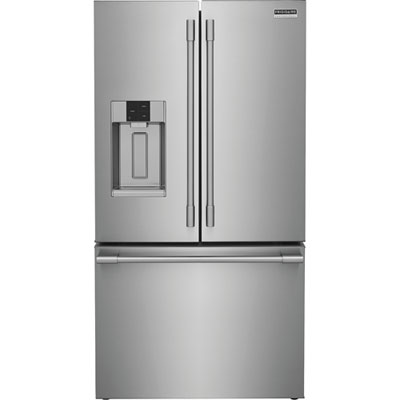
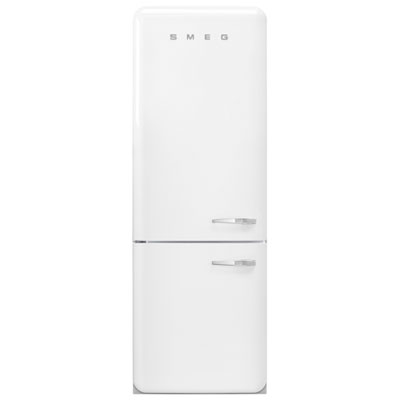
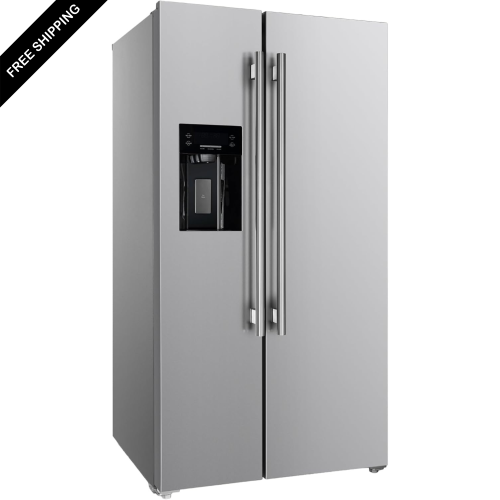
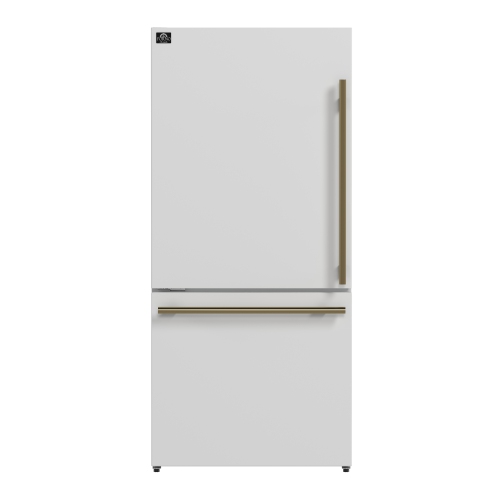
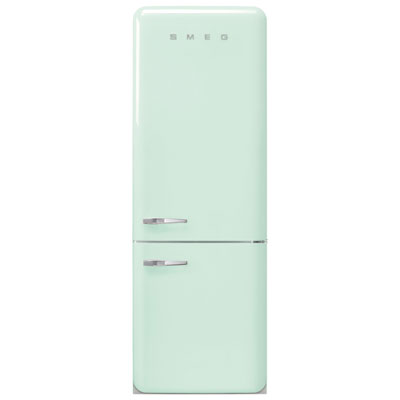
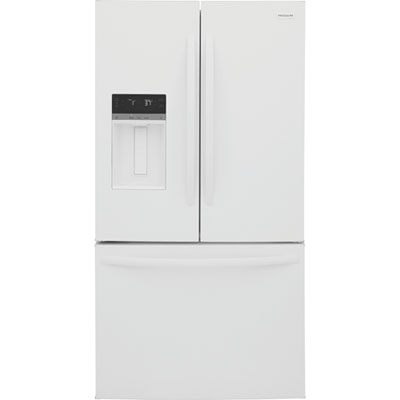
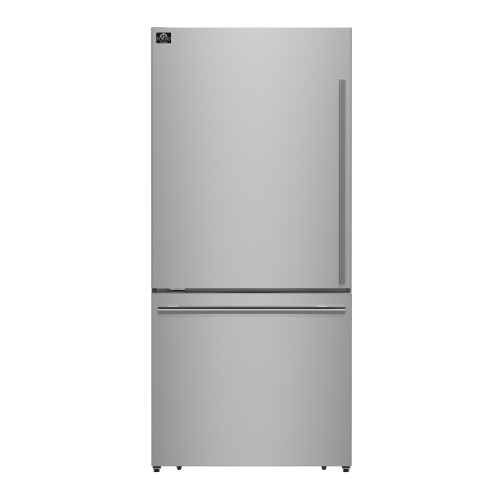
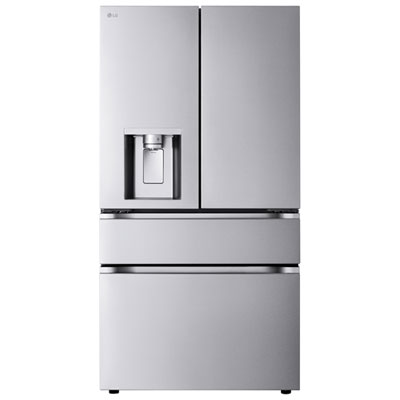

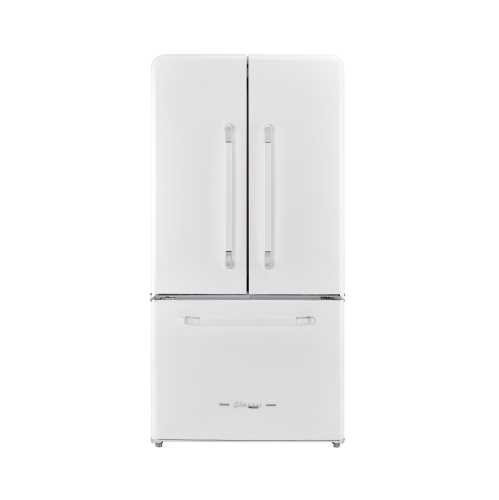

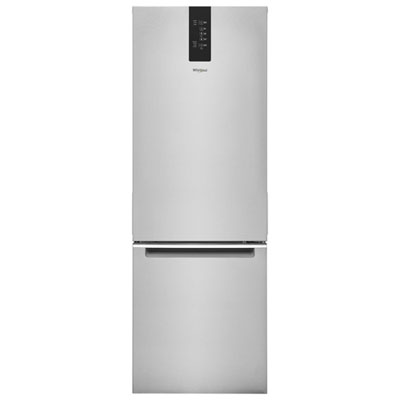
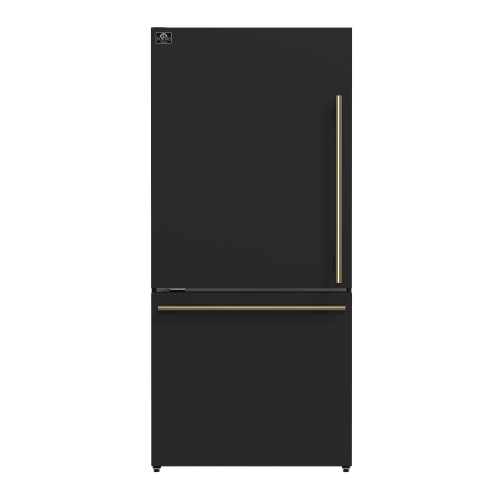
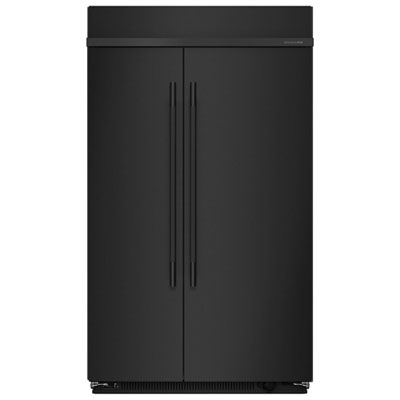
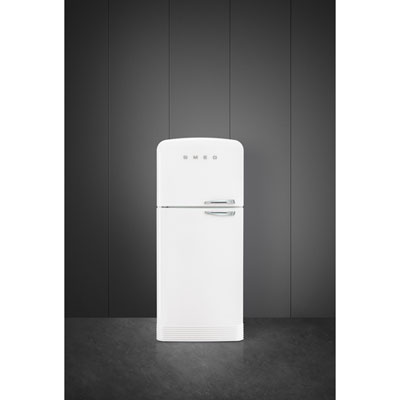

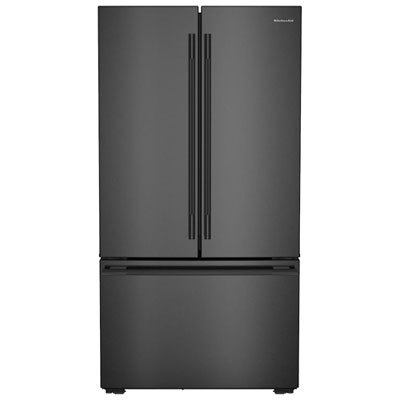
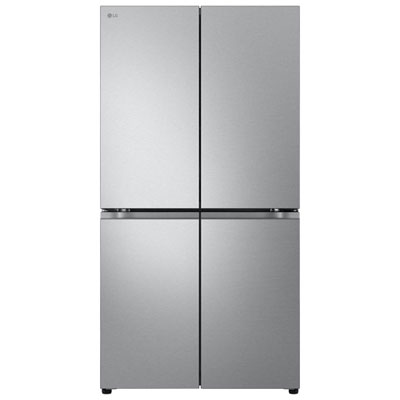

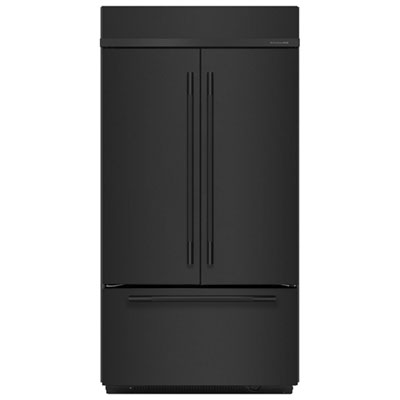
Cabinet fit and ice access shape everyday convenience
Built-in refrigerators with ice makers combine refrigerated food storage, automatic ice production, and a fitted appearance designed around kitchen cabinetry. Unlike a freestanding refrigerator that simply sits in an opening, a built-in model is designed for installation within a specified cabinet space, with ventilation and clearances defined by the manufacturer. Counter-depth and built-in are not interchangeable terms: a shallower freestanding refrigerator may sit closer to the cabinetry without being suitable for an enclosed installation. Within the broader selection of Built-In Refrigerators, models with an ice maker add a useful feature for households that regularly fill water bottles, serve chilled drinks, or entertain at home. The finished look can vary considerably. Stainless steel fronts create a visible appliance feature, while panel-ready designs accept compatible custom panels that coordinate with surrounding cabinet doors. Panel-ready does not automatically mean every surface will sit flush; the installation specifications determine the final alignment, panel dimensions, and handle requirements. Stainless steel finishes also differ in how readily they show fingerprints, so the surface treatment matters in a kitchen where several people use the refrigerator throughout the day. Fit involves more than the width of the opening. Cabinet height, installation depth, floor level, hinge position, and door swing all affect how comfortably the refrigerator works in the room. A door beside a wall may need additional clearance before interior drawers can slide out fully. Handles must also clear nearby cabinetry and leave a practical route through the kitchen. Measuring the delivery path is equally important, especially where a large appliance must pass through a narrow doorway or turn beside a staircase. For a renovation, coordinating the appliance dimensions with the cabinetry before panels and counters are finalized helps avoid awkward gaps or restricted access. The result should be a refrigerator that looks intentional and remains easy to load, clean, and use.
The ice maker’s location and delivery method shape everyday convenience just as much as the refrigerator’s exterior. An internal ice maker typically drops ice into a freezer bin, where it can be scooped into glasses or a serving container. An exterior dispenser provides access through the door on models equipped with that feature, while an internal dispenser keeps the outside surface simpler. An ice maker does not necessarily include a water dispenser, and the presence of a water dispenser does not establish where ice is dispensed. These are separate features worth distinguishing when considering how the refrigerator will be used. Most automatic ice makers require a plumbed water connection, so access to a suitable cold-water supply and an accessible shut-off valve is part of the installation planning. Water pressure, filtration requirements, and connection materials must meet the appliance specifications. Ice production capacity and bin capacity also describe different things: one indicates how much ice can be made over a stated period, while the other indicates how much can be stored. Actual production varies with freezer conditions, incoming water temperature, and use. A household filling several insulated bottles each morning may have different needs from one that mainly serves a few glasses with dinner. For entertaining, a larger reserve can be useful, but an ice maker should not be assumed to refill its bin immediately after heavy use. Ice shape and size vary by design, and crushed ice is only offered where specifically supported. The storage layout around the ice system deserves equal attention. A bin can occupy freezer space that might otherwise hold bread, frozen meals, or containers of batch-cooked food. French door, side-by-side, and bottom-freezer configurations arrange that space differently. Adjustable shelves, door bins, divided freezer drawers, and clear produce compartments can make the usable space more practical than a capacity figure alone suggests. Tall bottles, wide serving dishes, and frequently used ingredients all need a convenient place without blocking interior airflow.
Long-term satisfaction depends on installation quality, accessible maintenance, and an interior that suits the household’s routines. Built-in refrigerators are substantial appliances, and professional installation is often appropriate for securing the unit, connecting the water supply, fitting custom panels, and confirming the required ventilation space. Where anti-tip hardware is specified, it is an essential part of the installation rather than an optional finishing detail. Service access also matters: a carefully fitted refrigerator still needs a practical way to reach filters, water connections, and components identified in its maintenance instructions. Water filters should be replaced according to the manufacturer’s schedule and local water conditions, using the specified compatible filter. A fresh filter can help maintain the intended water flow and taste, but it does not replace cleaning the ice bin or following instructions for flushing the water system after installation or filter replacement. Ice can absorb food odours, so tightly sealed food containers, routine bin cleaning, and discarding old ice after an extended period of non-use help keep drinks tasting fresh. Removable bins and shelves make spills easier to manage, although dishwasher suitability varies and should never be assumed. Stainless steel doors generally benefit from a soft cloth and a suitable non-abrasive cleaner, while custom cabinet panels need care appropriate to their own finish. Door seals should stay clean and free of trapped packaging so they can close properly. Solidly fitted handles, smoothly moving drawers, and shelves rated for their intended loads contribute to durability in a busy kitchen. Noise is another practical consideration in an open-plan home: compressor operation, water filling, and ice dropping into a bin can all be audible, even when the appliance is working normally. For households that cook often, host guests, or prefer a continuous run of cabinetry, a built-in refrigerator with an ice maker brings food storage and a steady supply of ice into one fitted appliance. The most useful combination is one that accommodates everyday groceries, leaves doors and drawers easy to open, and keeps routine care straightforward.
Top selling and popular products
-
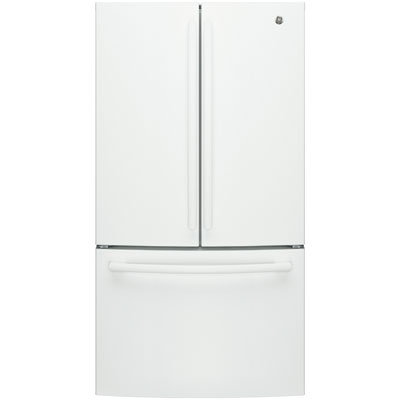 Your price for this item is $1799.99
-
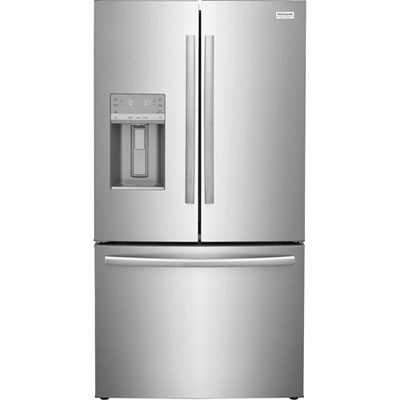 Your price for this item is $2499.99
-
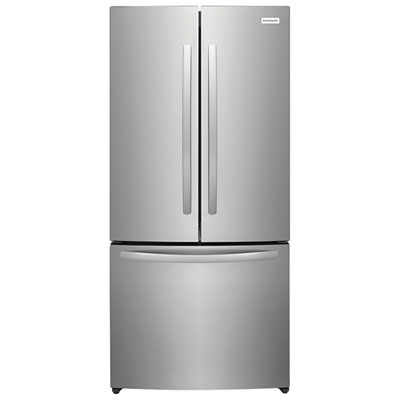 Your price for this item is $1599.99
-
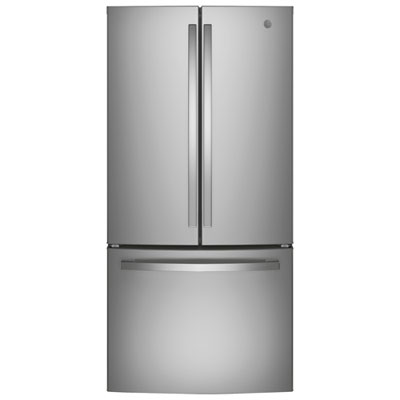 Your price for this item is $1749.99
-
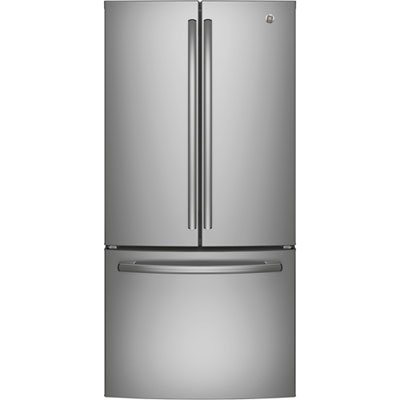 Your price for this item is $1599.99
-
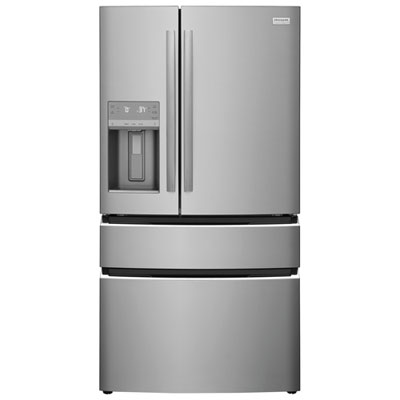 Your price for this item is $2799.99
-
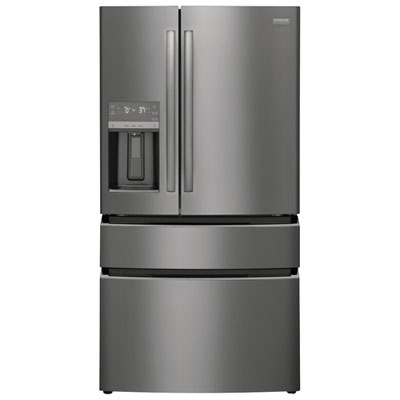 Your price for this item is $2899.99
-
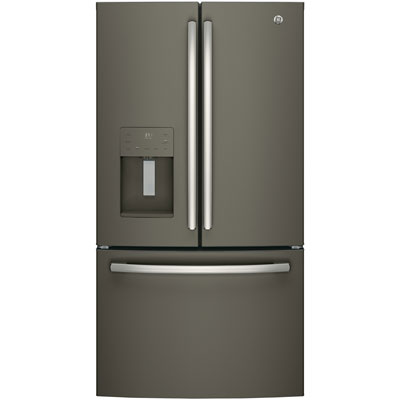 Your price for this item is $2149.99
Discover more categories related to Built-In Refrigerators With Ice Maker
Top Collections:
Best Black Friday Deals This Year, Best Black Friday Deals On Electronics, Kindle Devices, Pokemon Centers, Best Black Friday Deals On Apple Products, Best Cameras for Sports Photography, Dyson Airwrap, Pokémon 30th Celebration Cards, Apple iPhone 17 Pro, Canon G7X Cameras
Some products may be subject to Environmental Handling Fees
(EHF) depending on your province.
Learn more about EHFs.